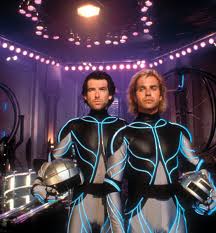
• DVD review: “Ghosts: Season One- Four” (2022)

    “Ghosts: Season One – Four” (2022)

    Comedy

    Sixty Two Episodes

    Developed by: Joe Port and Joe Wiseman

    Featuring: Rose McIver, Utkarsh Ambudkar, Brandon Scott Jones, Danielle Pinnock, Richie Moriarty, Asher Grodman,Sheila Carrasco, Devan Chandler Long, Rebecca Wisocky and Román Zaragoza

    Isaac: “Nigel…”

    Nigel: “Yes, Isaac?”

    Isaac: “Will you make me the happiest ghost on the entire property?”

    Nigel: “No, I will make you the second happiest. Get up, so I can look my fiancée in the eye.”

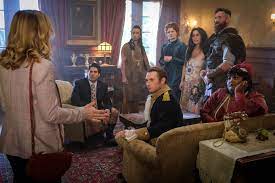
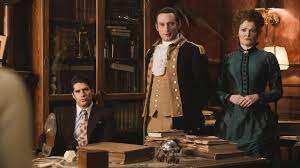
    “Ghosts” is an American television sitcom adapted from the British series of the same name. It follows Sam and Jay, a young couple who inherit a rundown country house from Sam’s distant relative. They soon discover that the house is haunted by the ghosts of its former residents, who are all stuck in the afterlife until they can find a way to move on.

    The ‘Ghosts’ in this version are:

    Sam Arondekar (Rose McIver): A cheerful freelance journalist who is able to see and hear the ghosts.

    Jay Arondekar (Utkarsh Ambudkar): An up-and-coming chef who is initially skeptical of the ghosts, but eventually comes to accept them.

    Trevor Bingley (Levi Miller): A 1700s British militiaman who is still hung up on his old life.

    Hetty Woodstone (Rebecca Wisocky): The former owner of Woodstone Mansion who died in a mysterious accident.

    Isaac Woodstone (Danielle Pinnock): A 1920s jazz singer who is still trying to find her place in the world.

    Alberta the Ghost (Sheila Carrasco): A 1960s hippie who is always looking for a good time.

    Flower the Ghost (Román Zaragoza): A Native American who died 500 years ago but still talks like he’s from the 21st century.

    Sasappis the Ghost (Brandon Scott Jones): A 17th century Wampanoag man who is trying to find his way back to his tribe.

    Pete the Ghost (Richie Moriarty): A 1950s scout troop leader who is always looking for a new adventure.

    Thorfinn the Ghost (Asher Grodman): A 10th century Viking who is still trying to adjust to life in the modern world.

    Sasappis’s Grandmother (Jill Marie Jones): A 17th century Wampanoag woman who is trying to help her grandson find his way back to his tribe.

    Few television comedies in recent years have been as consistently delightful as Ghosts, the American adaptation of the acclaimed BBC sitcom. When CBS announced it was remaking the British series, many viewers were understandably sceptical. American remakes of beloved British comedies have a mixed history, often missing the subtle charm that made the originals special. Fortunately, Ghosts quickly proved itself to be an exception. While it borrowed the central premise and several character archetypes from the UK version, it soon developed its own identity, creating one of the warmest, funniest and most heartfelt sitcoms currently on television.

    Across its first four seasons, Ghosts has evolved from a clever supernatural comedy into an ensemble series whose greatest strength lies in its memorable characters and emotional storytelling. It balances laugh-out-loud humour with genuine warmth, proving that even a sitcom about spirits trapped in a haunted mansion can have surprising emotional depth. The series has been praised by critics throughout its run, with later seasons in particular earning exceptionally strong reviews.

    The premise is deceptively simple. Samantha (Rose McIver) unexpectedly inherits Woodstone Manor with her husband Jay (Utkarsh Ambudkar). After a near-fatal accident leaves Samantha able to see and communicate with ghosts, she discovers that the mansion is inhabited by spirits from every era of American history. The ghosts have unfinished business, unresolved regrets and centuries of accumulated personality clashes, making life inside Woodstone endlessly entertaining.

    What makes Ghosts special is that it never treats its supernatural premise as the entire joke. Instead, the ghosts become a wonderfully dysfunctional extended family, while Sam and Jay struggle to run a successful bed-and-breakfast despite having dozens of invisible housemates offering advice—whether they want it or not.

    The first season introduces audiences to an extraordinary ensemble cast. Unlike many sitcoms that require a year or two to discover their rhythm, Ghosts feels remarkably confident almost immediately.

    Rose McIver delivers a charming performance as Samantha. Her optimism, empathy and growing frustration at being the only person able to communicate with the ghosts make her an ideal audience surrogate. McIver never overplays the absurdity, grounding even the most ridiculous situations with believable reactions.

    Utkarsh Ambudkar deserves enormous credit as Jay. Although he cannot initially see the ghosts, he remains an essential part of the comedy. Much of the humour comes from his attempts to understand conversations that only Samantha can hear, while his good nature prevents him from becoming the stereotypical sceptical husband.

    The ghosts themselves are wonderfully varied.

    Hetty Woodstone (Rebecca Wisocky) is the aristocratic Victorian lady determined to preserve social standards long after her death.

    Isaac Higgintoot (Brandon Scott Jones), the Revolutionary War officer, provides endless laughs through his pompous confidence and gradually unfolding personal journey.

    Trevor (Asher Grodman), forever without trousers thanks to the circumstances of his death, becomes one of television’s funniest “frat boy” characters while revealing unexpected kindness.

    Alberta (Danielle Pinnock), the Prohibition-era jazz singer, delivers razor-sharp observations and one-liners.

    Pete (Richie Moriarty), the eternally cheerful scout leader, may initially appear one-dimensional but soon reveals surprising emotional complexity.

    Flower (Sheila Carrasco), the free-spirited hippie, provides wonderfully unpredictable comic moments.

    Sasappis (Román Zaragoza), the Native American storyteller, often serves as the show’s sarcastic observer.

    Thorfinn (Devan Chandler Long), the Viking ghost, contributes delightful fish-out-of-water humour while developing into one of the series’ most lovable characters.

    The first season naturally follows some story beats from the British original, but it never feels like a simple copy. The American writers wisely expand the mythology, deepen the relationships and allow the characters more opportunities to evolve.

    One of the season’s greatest strengths is its optimism. Unlike many modern sitcoms built around cynicism or embarrassment, Ghosts believes in kindness. Even when characters argue, their conflicts are rooted in affection rather than cruelty.

    By the second season, the writers clearly understand what audiences love about the series.

    Rather than simply repeating ghost-based misunderstandings, the show begins exploring individual backstories. Nearly every ghost receives an episode that reveals more about their life before death, making them richer, more sympathetic characters.

    Isaac’s storyline becomes particularly rewarding. Brandon Scott Jones masterfully balances outrageous comedy with genuine vulnerability as Isaac gradually embraces truths about himself that he spent centuries suppressing.

    Rebecca Wisocky’s Hetty becomes increasingly hilarious as modern society continually shocks her Victorian sensibilities. Wisocky possesses impeccable comic timing, turning even simple reactions into memorable moments.

    Pete’s optimism also becomes more layered. Richie Moriarty transforms what could have been a purely comic role into one of the emotional hearts of the series.

    The relationships between the ghosts themselves become stronger. Instead of existing merely to interact with Samantha, they begin forming friendships, rivalries and even romances among themselves.

    Meanwhile, Jay receives increasingly inventive storylines despite remaining unable to see the spirits. His enthusiasm for running the bed-and-breakfast, combined with his culinary ambitions, provides many of the show’s funniest non-supernatural plots.

    Season Two also demonstrates increasing confidence in blending comedy with heartfelt storytelling. Episodes dealing with regrets, lost opportunities and forgotten dreams remind viewers that every ghost was once an ordinary person whose life ended unexpectedly.

    These emotional moments never overwhelm the comedy but instead enrich it.

    The third season faced production challenges due to the Hollywood strikes, resulting in a shorter run, yet it maintains the show’s remarkably consistent quality.

    With fewer episodes available, the writers wisely focus on character development rather than elaborate supernatural mythology.

    The ensemble chemistry has become extraordinary by this point.

    Every ghost feels fully realised, allowing even brief conversations to generate laughs because viewers understand each personality so well.

    One of the pleasures of Ghosts is watching these vastly different historical figures function as reluctant roommates.

    Thor and Flower remain wonderfully eccentric.

    Trevor’s surprising maturity continues to emerge beneath his immature exterior.

    Alberta’s confidence masks lingering insecurities.

    Sasappis increasingly demonstrates wisdom beneath his sarcasm.

    The show never forgets that eternity would be impossible without companionship.

    Sam and Jay’s marriage also remains refreshingly healthy. Television often creates drama through endless misunderstandings between couples, but Ghosts avoids that trap. They communicate honestly, support each other and face bizarre supernatural problems as equal partners.

    Their relationship provides emotional stability amidst the chaos.

    Many sitcoms struggle by their fourth season, but Ghosts continues to feel fresh by expanding its mythology without abandoning its central appeal.

    Season Four introduces new supernatural possibilities, explores additional ghost powers and welcomes memorable new characters, including the formidable Puritan ghost Patience. These additions create fresh comedic possibilities while preserving the warm ensemble dynamic that audiences have come to love.

    The writers continue finding creative ways to build upon established mythology. Rather than introducing twists merely for shock value, every development serves character relationships.

    The series also demonstrates increasing confidence in balancing serialized storytelling with standalone episodes. Viewers can enjoy individual adventures while still following ongoing emotional arcs.

    The cast remains exceptional.

    Rose McIver continues anchoring the increasingly elaborate supernatural stories with sincerity.

    Utkarsh Ambudkar remains one of television’s most underrated comic actors, particularly given the challenge of acting opposite characters he technically cannot see.

    Brandon Scott Jones arguably delivers the series’ standout performance. Isaac’s emotional evolution across four seasons represents one of sitcom television’s most satisfying character journeys.

    Rebecca Wisocky remains magnificent. Hetty’s combination of arrogance, vulnerability and accidental absurdity makes her consistently scene-stealing.

    The supporting ensemble continues operating with remarkable precision, each actor understanding exactly how broad or subtle their performance should be.

    Perhaps most impressively, the fourth season still feels genuinely joyful. The writers never lose sight of the series’ central appeal: spending time with characters audiences simply enjoy watching.

    The writing consistently avoids relying on easy supernatural jokes.

    Instead, much of the humour arises from contrasting personalities and historical perspectives.

    Watching a Viking argue with a Wall Street financier or a Victorian aristocrat misunderstand twenty-first-century technology creates endless comic possibilities.

    The dialogue is quick without becoming exhausting.

    Running jokes develop naturally over multiple seasons.

    Character callbacks reward loyal viewers.

    Physical comedy is used sparingly but effectively.

    Most importantly, every joke grows organically from character rather than situation.

    The emotional writing deserves equal praise.

    Episodes frequently explore grief, forgiveness, regret, identity and family without becoming sentimental.

    The ghosts cannot move forward until they resolve emotional burdens, providing surprisingly meaningful storytelling beneath the sitcom structure.

    CBS has given Ghosts excellent production values.

    Woodstone Manor becomes almost a character itself, simultaneously grand, cosy and faintly mysterious.

    The costume design is particularly impressive, accurately reflecting each ghost’s historical era while remaining visually distinctive.

    The visual effects are understated but convincing, never distracting from the performances.

    The musical score supports both comedy and emotion without becoming intrusive.

    Everything serves the storytelling rather than drawing attention to itself.

    Comparisons with the BBC version are inevitable.

    Rather than attempting to imitate every aspect of the original, the American adaptation wisely embraces a more optimistic, traditional sitcom style.

    The UK series tends to be quieter and more understated.

    The American version is broader, warmer and more openly sentimental.

    Neither approach is inherently superior.

    Instead, each reflects its own television tradition.

    Many viewers who initially dismissed the remake have been pleasantly surprised by how successfully it establishes its own personality after the opening episodes. Online fan discussions frequently note that while the US series begins by echoing its source material, it quickly develops its own style and becomes rewarding in its own right.

    Across its first four seasons, Ghosts has established itself as one of network television’s finest sitcoms. It combines clever writing, superb ensemble performances and genuine emotional intelligence into a consistently entertaining series that appeals to a remarkably wide audience.

    Few modern comedies manage to be simultaneously funny, heartfelt and endlessly rewatchable. Ghosts succeeds because it never forgets that great sitcoms are ultimately about people—or in this case, ghosts—and the relationships they build.

    The supernatural premise may attract viewers initially, but it is the unforgettable characters who keep audiences returning to Woodstone Manor week after week.

    Rating: 9.5/10

    Ghosts proves that an American adaptation can honour its source while confidently forging its own identity. Four seasons in, it remains one of television’s most charming, inventive and consistently enjoyable comedies, blending fantasy, romance and heartfelt humour into a series that feels timeless despite being populated almost entirely by the dead.

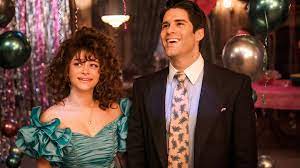
  • DVD review: “The Onedin Line” (1971 – 1980)

    “The Onedin Line” (1971 – 1980)

    TV Series / Drama

    3-stars

    Episodes: Ninety One

    Created by: Cyril Abraham

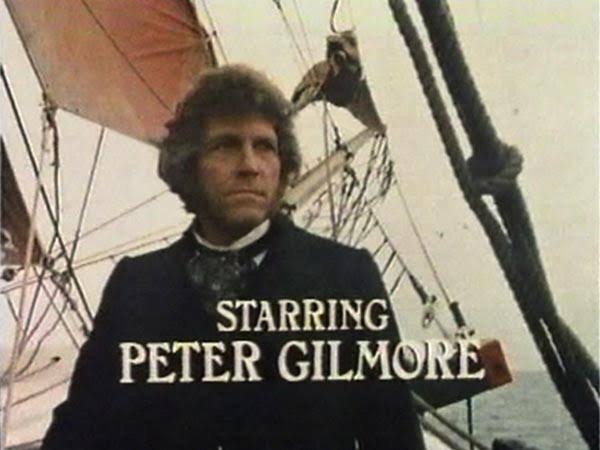
    Featuring : Peter Gilmore, Anne Stallybrass, Jessica Benton and Howard Lang

    James Onedin: “The wind blows free for any man’s use.”

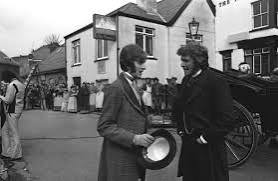
    There are television dramas that entertain for a season, others that capture a particular era, and then there are the rare productions that become enduring classics. The Onedin Line, produced by the BBC between 1971 and 1980, belongs firmly in that final category. Spanning eight series and 91 episodes, it remains one of the most ambitious historical dramas ever produced for British television. The complete DVD collection offers viewers the opportunity to experience the entire saga from beginning to end, allowing modern audiences to appreciate just how extraordinary this series remains over four decades after its original broadcast.

    Set between 1860 and 1886, the drama follows the rise of ambitious Liverpool shipowner James Onedin, charting not only the fortunes of his shipping empire but also the profound social and technological changes that transformed Victorian Britain. Created by Cyril Abraham, the series blends historical authenticity, family drama, romance, business rivalry and maritime adventure into one richly textured narrative that still feels remarkably compelling today.

    At its heart, The Onedin Line is the story of ambition.

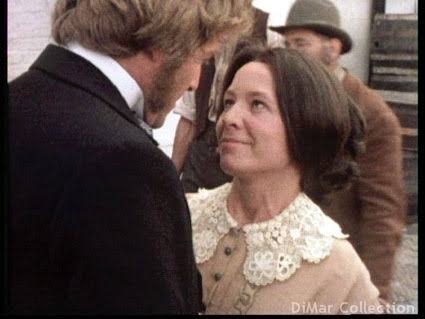
    James Onedin, magnificently portrayed by Peter Gilmore, begins as a determined young sea captain with little more than courage, intelligence and an almost ruthless determination to own his own ship. His marriage of convenience to Anne Webster, played beautifully by Anne Stallybrass, provides the financial stepping stone that launches his shipping business.

    What could easily have become a straightforward business drama instead develops into something much richer. James is never presented as a flawless hero. He is stubborn, emotionally distant, frequently selfish and often obsessed with business at the expense of family. Yet these flaws make him believable. His successes feel earned precisely because they come through sacrifice, risk and relentless hard work.

    Watching the entire series in sequence allows viewers to appreciate James’ remarkable evolution. He matures from an impulsive young captain into one of Victorian Britain’s leading shipping magnates while never entirely losing the restless drive that defines his character.

    Although James dominates the narrative, The Onedin Line succeeds because it never becomes solely about him.

    The Onedin family itself forms the emotional backbone of the series. Robert Onedin, Elizabeth, Sarah, Anne and later generations all receive substantial storylines that develop naturally over the course of nearly two decades of storytelling.

    Relationships evolve realistically. Marriages change. Children grow into adults. Friendships deepen while rivalries become increasingly complex. Characters disappear through death, emigration or changing circumstances exactly as they would in real life.

    Unlike many modern dramas where supporting characters exist simply to service the main protagonist, everyone here feels like the central figure in their own story.

    One of the series’ greatest achievements is its depiction of Victorian Britain.

    Rather than presenting an idealised version of the nineteenth century, The Onedin Line embraces the complexities of the era. The Industrial Revolution is transforming commerce. Steam gradually replaces sail. International politics influence trade routes. Financial crashes threaten fortunes. Disease outbreaks, labour disputes and international conflicts become integral parts of the narrative.

    Historical events rarely feel forced into the story. Instead, they naturally influence the characters’ decisions, making viewers feel immersed in the rapidly changing world of nineteenth-century commerce. The series is set across Liverpool and the wider maritime world between 1860 and 1886, reflecting the transition from sail to steam alongside Britain’s expanding global trade.

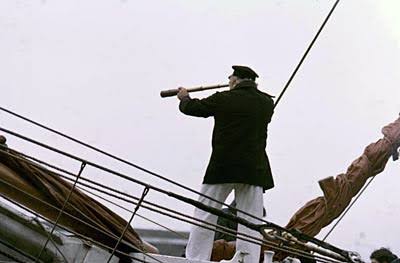
    Perhaps no television drama before or since has showcased sailing ships with such affection.

    The magnificent square-riggers, schooners and merchant vessels become characters in their own right.

    Every departure carries emotional weight.

    Every storm sequence creates genuine suspense.

    Every arrival represents the culmination of months of dangerous travel.

    The production team made remarkable use of surviving historic vessels, and even today the maritime photography remains breathtaking. The camera lingers on towering masts, billowing sails and vast oceans with an elegance rarely seen in television production.

    Modern CGI could undoubtedly recreate these images more cheaply, but it could never replicate the authenticity of seeing real ships battling real seas.

    Peter Gilmore anchors the series with enormous charisma.

    His James Onedin is difficult to like at times, but impossible not to respect. Gilmore understands that true leadership often comes at personal cost, portraying James as a man continually balancing business success against emotional fulfilment.

    Anne Stallybrass delivers one of television’s finest understated performances. Anne Webster begins as part of a business arrangement but gradually becomes one of the emotional centres of the series. Her intelligence, patience and quiet strength provide a perfect counterbalance to James’ often uncompromising nature.

    The supporting cast is equally impressive. Jessica Benton, Howard Lang and numerous recurring performers create an ensemble whose chemistry strengthens with every passing season.

    One of the pleasures of watching the complete series is observing how naturally these performances evolve over nearly ten years of production.

    Considering the era in which it was produced, The Onedin Line remains remarkably ambitious.

    Location filming was extensive.

    Costumes are consistently authentic.

    The recreated Victorian docks feel genuinely lived-in.

    Interior sets possess warmth and texture rather than theatrical artificiality.

    Most impressive are the maritime sequences. Filming aboard working sailing ships presented enormous logistical challenges, yet the production rarely betrays its limitations.

    Instead, the sea scenes possess an authenticity that many modern productions struggle to match despite vastly larger budgets.

    Few television themes are as instantly recognisable as The Onedin Line.

    Its use of the Adagio from Aram Khachaturian’s ballet Spartacus has become legendary.

    The soaring melody perfectly captures both romance and adventure, becoming inseparable from the series itself.

    Every opening title immediately transports viewers back to Victorian Liverpool, preparing them for another chapter in the Onedin family’s remarkable journey.

    It remains one of television’s greatest theme tunes.

    Long-running dramas often struggle to maintain quality.

    Remarkably, The Onedin Line largely avoids this trap.

    Each series introduces fresh challenges without abandoning what made the programme successful.

    Business rivalries evolve.

    International trading expands.

    Family dynamics shift.

    New characters emerge naturally.

    Older favourites depart with dignity.

    The balance between historical events and personal drama remains consistent throughout all eight series.

    Although some later episodes inevitably reflect changing television production styles of the late 1970s, the writing rarely loses focus.

    Watching all 91 episodes reveals an impressive commitment to long-form storytelling rarely attempted at the time.

    The complete DVD collection is a dream release for fans.

    Containing all eight series across 27 discs, it finally allows viewers to experience the entire saga without interruption. The episodes retain their original 4:3 presentation, preserving the look and feel of the BBC broadcasts. Audio is presented in the original mono, with English subtitles available.

    Picture quality naturally varies according to the age and condition of the surviving materials. Earlier seasons show occasional softness, minor print damage and the limitations of early colour videotape and film production. However, these characteristics become part of the viewing experience rather than distractions.

    Colours remain pleasing, detail is generally strong, and later seasons benefit from improved source elements.

    Sound quality is perfectly serviceable. Dialogue remains consistently intelligible while Khachaturian’s unforgettable score sounds rich and surprisingly full considering the original mono recordings.

    While this is not a lavish restoration comparable to some modern 4K catalogue releases, the DVD presentation faithfully preserves one of the BBC’s most important drama productions.

    Perhaps the greatest compliment that can be paid to The Onedin Line is that it never feels like merely nostalgic television.

    Its themes remain timeless.

    Ambition.

    Family loyalty.

    Technological change.

    Economic uncertainty.

    Love complicated by business.

    The price of success.

    These issues remain just as relevant today as they were in Victorian Britain.

    Modern audiences accustomed to faster editing and shorter seasons may initially need time to adjust to its deliberate pacing. Yet that patience is richly rewarded. The slower rhythm allows characters to breathe, relationships to develop naturally and emotional moments to carry genuine weight.

    Many contemporary prestige dramas owe an unspoken debt to productions like The Onedin Line, which demonstrated decades ago that television could sustain complex character development over many years while maintaining historical authenticity and emotional depth.

    The Onedin Line deserves its reputation as one of the BBC’s greatest achievements. Richly written, beautifully acted and visually distinctive, it remains a landmark of British television drama. The complete DVD collection offers the definitive way to experience James Onedin’s extraordinary journey, from an ambitious young captain with a single ship to the head of a powerful maritime empire.

    Its combination of historical detail, compelling family drama, maritime spectacle and unforgettable performances ensures that it has lost remarkably little of its power. Whether rediscovering a cherished favourite or experiencing it for the first time, viewers will find a series that rewards patience with intelligent storytelling and emotional richness.

  • 4K Blu-ray review: “Vampire Circus” (1972)

    “Vampire Circus” (1972)

    Horror

    Running Time: 87 minutes

    Written by: Judson Kinberg

    Directed by: Robert Young

    Featuring: Adrienne Corri, Laurence Payne, Thorley Walters, John Moulder-Brown, Anthony Higgins and Lynne Frederick

    Michael: “The Circus of Nights! A hundred delights!”

    Few studios are as synonymous with Gothic horror as Hammer Films. During the late 1950s and throughout the 1960s, Hammer reinvented classic monsters with vivid color cinematography, lavish period settings, and a healthy dose of sensuality that set them apart from Universal’s earlier interpretations. By the early 1970s, however, the horror landscape had changed dramatically. Audiences had embraced increasingly graphic horror from filmmakers around the world, and Hammer found itself struggling to remain relevant. Rather than simply repeating familiar formulas, the studio began experimenting with darker themes, greater violence, and more overt sexuality. Among the most fascinating—and arguably most underrated—results of this creative evolution is Vampire Circus (1972).

    Released in the same year as Dracula A.D. 1972 and Fear in the Night, Vampire Circus stands apart as one of Hammer’s most imaginative productions. Directed by Robert Young, the film combines traditional vampire mythology with carnival spectacle, psychological horror, fairy tale imagery, and moments of startling brutality. While it was overshadowed at the time by Hammer’s better-known Dracula and Frankenstein franchises, Vampire Circus has since earned recognition as one of the studio’s finest late-period achievements.

    Now, thanks to a stunning 4K Ultra HD restoration, Vampire Circus receives the presentation it has long deserved. The release not only showcases the film’s remarkable visual artistry but also serves as a reminder that Hammer’s creative spark remained very much alive during its final golden years.

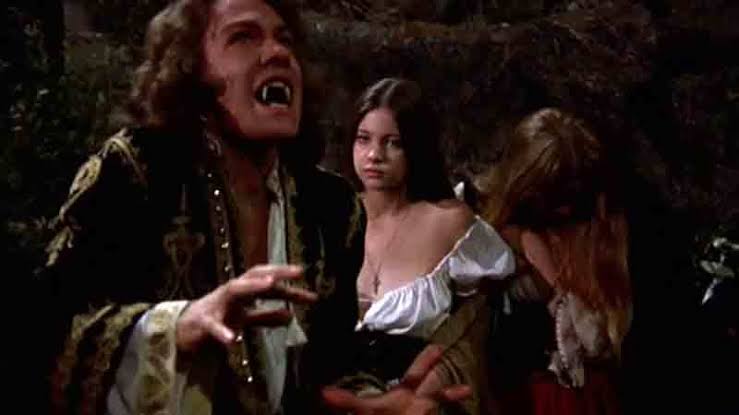
    The film opens with an unforgettable sequence. Count Mitterhaus (Robert Tayman), a notorious vampire who preys upon the children of the village of Schtettel, is finally hunted down by the townspeople. Before being destroyed, however, he places a terrifying curse upon the village, promising that its children will die.

    Years later, the curse appears to have come true. The isolated village is suffering under quarantine due to a deadly plague, and hope has nearly vanished. Into this atmosphere of fear arrives a mysterious traveling circus led by the enigmatic Gypsy woman (Adrienne Corri). The performers include the seductive twins Emil and Emili (played by twin actors David Prowse’s body is not involved—rather, Robin Sachs and Lalla Ward are not; actually portrayed by Skip Martin and others in illusionistic roles), an alluring panther woman, skilled acrobats, and bizarre entertainers who immediately fascinate the local children.

    But behind the colorful performances lurks a horrifying secret. The circus performers are servants of the dead Count Mitterhaus, seeking revenge by luring away the village’s children to restore their master’s power.

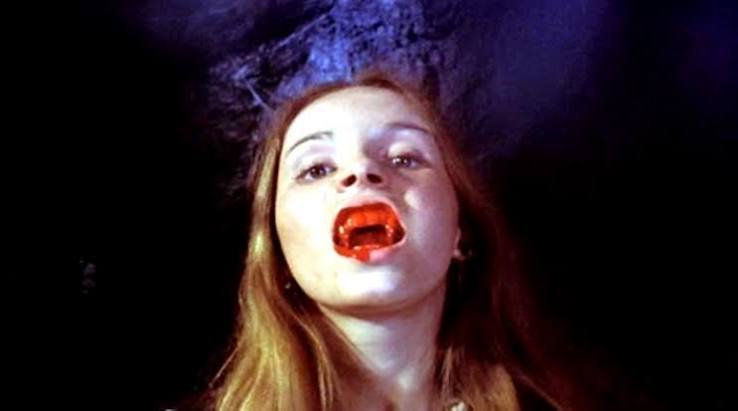
    Unlike many vampire films that build toward a single revelation, Vampire Circus embraces a dreamlike narrative filled with surreal episodes, shape-shifting, hypnotism, erotic temptation, and shocking murders. The result feels almost like a Gothic nightmare unfolding before the audience.

    One of the film’s greatest strengths is its willingness to break away from established Hammer conventions.

    Rather than focusing solely on aristocratic vampires hiding within ancient castles, Vampire Circus creates an atmosphere of constant movement and uncertainty. The circus itself becomes an invading force—a traveling nightmare that transforms innocent entertainment into lethal deception.

    The screenplay cleverly blends several genres. There are elements of vampire lore, plague drama, folk horror, revenge tragedy, and psychological fantasy. The village, isolated by disease and fear, becomes a prison whose inhabitants are emotionally exhausted before the vampires even begin their assault.

    This atmosphere gives the story unusual emotional weight. Every adult fears losing their children, while every child is irresistibly drawn toward the circus’s magical attractions.

    The contrast between innocence and corruption becomes one of the film’s central themes.

    Director Robert Young approaches the material with striking confidence.

    Instead of emphasizing nonstop action, Young creates tension through mood and visual storytelling. The pacing allows suspense to develop naturally while maintaining an undercurrent of dread that rarely disappears.

    Several scenes possess an almost fairy tale quality before suddenly descending into horrific violence. The circus performances themselves become miniature horror stories, filled with illusion, seduction, and hidden menace.

    Young also stages numerous memorable visual set pieces, including attacks involving animal transformations, mirrors, elaborate costumes, and surreal dream imagery.

    His direction constantly surprises, making Vampire Circus feel less predictable than many contemporary Hammer productions.

    Adrienne Corri delivers one of the film’s strongest performances as the mysterious Gypsy leader.

    She radiates intelligence, menace, and confidence, serving as both ringmaster and high priestess of evil. Corri understands exactly how theatrical Hammer horror should be, balancing camp spectacle with genuine threat.

    Robert Tayman makes a powerful impression despite relatively limited screen time. His Count Mitterhaus projects aristocratic cruelty while maintaining an almost supernatural charisma that continues to haunt the narrative long after his apparent death.

    The supporting cast—including Thorley Walters, Anthony Higgins (credited as Anthony Corlan), and Lynne Frederick—all contribute convincing performances that elevate the material beyond simple exploitation.

    The children are also unusually effective, helping make the film’s emotional stakes feel authentic.

    Perhaps the greatest revelation of the 4K presentation is David Muir’s extraordinary cinematography.

    Hammer productions have always been known for their rich colors, but Vampire Circus may rank among the studio’s most visually sophisticated achievements.

    The forests appear lush and mysterious.

    The candlelit interiors glow with warmth before descending into darkness.

    The circus costumes explode with vibrant reds, golds, blues, and purples.

    Animal imagery, fog-filled landscapes, stained glass, and Gothic architecture combine to produce an almost storybook aesthetic.

    The restoration reveals textures that were often softened on previous home video editions.

    Clothing fabrics, facial makeup, wood grain, and stone architecture display exceptional clarity without sacrificing the organic appearance of film.

    Grain remains natural throughout, preserving Hammer’s original photographic texture.

    High Dynamic Range is one of the greatest strengths of this release.

    The deep blacks greatly enhance nighttime scenes while preserving shadow detail.

    Torchlight and candlelight possess remarkable warmth.

    Blood effects appear richer without becoming exaggerated.

    The circus costumes benefit enormously from HDR, with saturated colors creating a vivid contrast against the bleak village surroundings.

    Importantly, the grading respects the original look of the film rather than artificially modernizing it.

    Fans familiar with older Blu-ray editions will likely notice substantial improvements in depth, dimensionality, and color stability.

    The original mono soundtrack is presented with impressive clarity.

    Dialogue remains consistently intelligible, while the haunting musical score receives welcome presence without overwhelming the mix.

    Ambient effects—including animal sounds, crowd noise, and eerie circus music—help immerse viewers within the unsettling atmosphere.

    Optional lossless presentations preserve the original sonic character while minimizing age-related limitations.

    Subtitles are clean and accurately timed.

    Collectors will be pleased by an extensive selection of bonus material that explores both the production itself and Hammer’s final creative period.

    Depending on the edition, supplements typically include:

    • Audio commentaries featuring Hammer historians
    • New interviews with surviving cast and crew
    • Featurettes examining Hammer’s evolution during the early 1970s
    • Discussions of vampire mythology within British horror cinema
    • Restoration demonstrations
    • Original theatrical trailers
    • Image galleries and promotional materials
    • Booklets containing essays on the film’s production and critical legacy

    These extras significantly enrich appreciation of the film while documenting its growing reputation among horror scholars and fans.

    When Vampire Circus premiered in 1972, critical reception was mixed. Some reviewers dismissed its blend of Gothic horror and surreal spectacle as overly bizarre, while others focused on its graphic violence and sensual imagery. Over the decades, however, the film has undergone a remarkable critical reassessment.

    Today it is widely regarded as one of Hammer’s boldest late productions, praised for its inventive visual style, unsettling atmosphere, and willingness to push beyond the studio’s established formulas. Its blend of folklore, eroticism, and nightmare imagery feels strikingly modern, anticipating later European horror films that similarly blurred the line between fantasy and terror.

    Watching it now, it’s easy to see why the film has become a favorite among Hammer enthusiasts. It captures a studio in transition—embracing new ideas while retaining the craftsmanship, elegance, and Gothic sensibility that made its name.

    The 4K Ultra HD release of Vampire Circus is a triumph for both Hammer fans and collectors of classic horror. The restoration highlights the film’s lush cinematography, atmospheric production design, and richly saturated color palette, presenting it in a way that surpasses every previous home-video edition. Combined with strong audio quality and a generous selection of supplements, this release finally gives the film the showcase it deserves.

    More than fifty years after its release, Vampire Circus remains one of Hammer Films’ most imaginative and visually arresting works. It blends fairy tale fantasy with Gothic terror, creating an experience that is at once beautiful, disturbing, and unforgettable. For those who appreciate classic British horror at its most daring, this 4K edition is an essential addition to the collection and a compelling reminder that some of Hammer’s greatest achievements came during its most adventurous period.

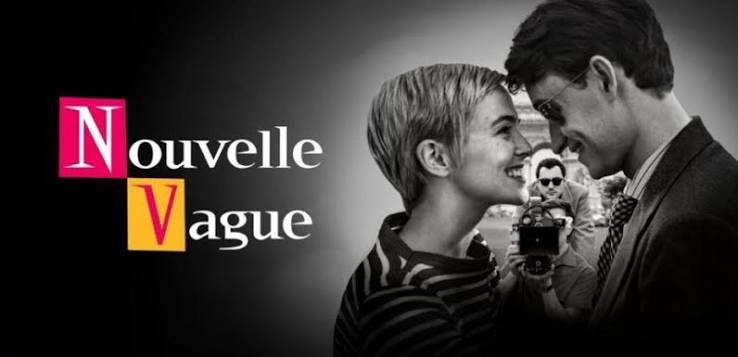
  • Blu-ray review: “Nouvelle Vague” (2025)

    “Nouvelle Vague” (2025)

    Drama

    Running Time: 106 minutes

    Written by: Holly Gent and Vincent Palmo

    Directed by: Richard Linklater

    Featuring: Guillaume Marbeck, Zoey Deutch and Aubry Dullin

    Jean-Luc Godard: “We control our thoughts, which mean nothing. Not our emotions, which mean everything.”

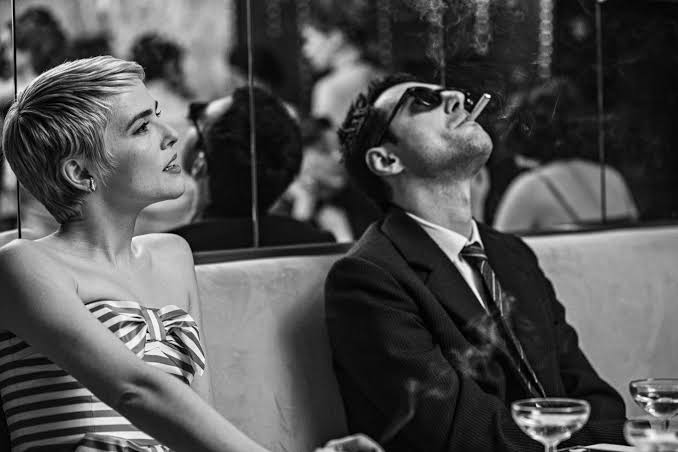
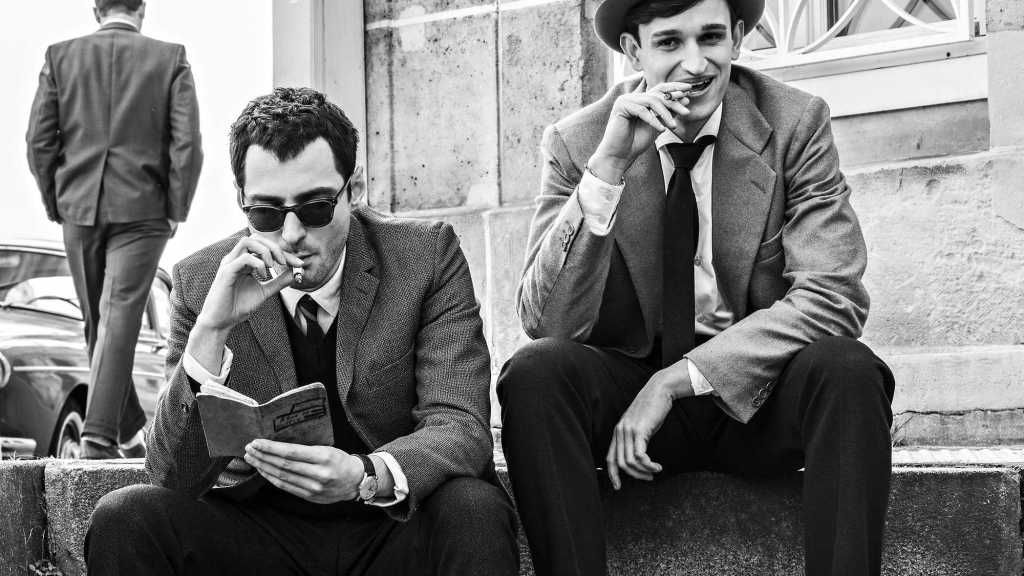
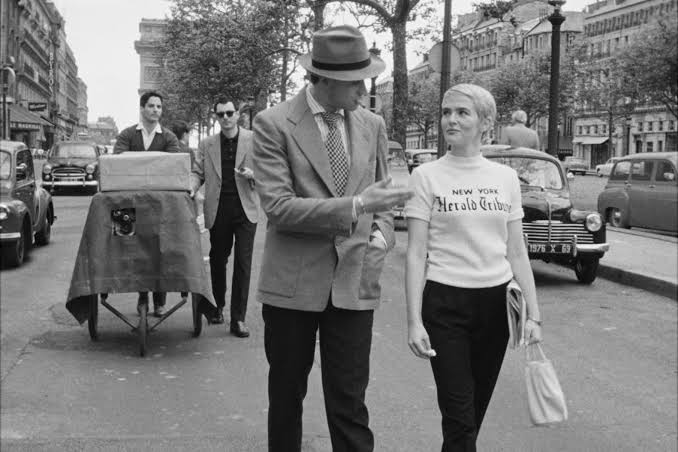
    Few movements in cinema have had as profound an influence on filmmaking as the French New Wave. Emerging in the late 1950s, it challenged established conventions and transformed the language of cinema forever. Directors such as Jean-Luc Godard, François Truffaut, Claude Chabrol, Éric Rohmer and Jacques Rivette became synonymous with innovation, youthful rebellion and artistic freedom. Richard Linklater’s Nouvelle Vague is both a celebration and an examination of that extraordinary moment in film history. Rather than simply offering a conventional historical drama, Linklater crafts a deeply affectionate recreation of the period, focusing on the making of one of the movement’s defining works while capturing the excitement of a generation discovering that cinema could be anything they imagined.

    This Blu-ray release presents the film in a presentation worthy of its subject, offering excellent image quality, immersive audio and supplements that enhance appreciation of both the production and the remarkable cinematic revolution it depicts.

    Richard Linklater has long been fascinated with filmmakers, artists and creative communities. Throughout his career he has explored conversations, ideas and the passage of time, making him an ideal director to tackle the story of the French New Wave. Rather than approaching the material with reverence alone, he embraces the youthful energy that made the movement so revolutionary.

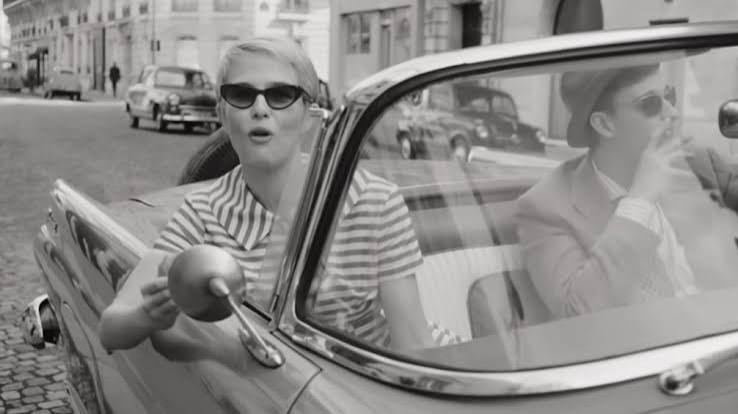
    The film follows the creative explosion surrounding Jean-Luc Godard as he embarks upon the production of Breathless. Around him are fellow filmmakers, critics and actors who would become legends, each contributing to an artistic movement that rejected studio conventions in favour of spontaneity, location shooting and personal expression.

    Instead of relying on broad historical exposition, Nouvelle Vague immerses viewers in the cafés, apartments, editing rooms and Paris streets where ideas were exchanged. The result feels wonderfully intimate, allowing audiences to witness history unfolding almost by accident.

    One of Linklater’s greatest achievements is resisting the temptation to turn the film into a museum piece. Although every costume, hairstyle and location has clearly been researched meticulously, the film feels alive rather than academic.

    His direction mirrors many techniques pioneered by the New Wave itself. Scenes unfold naturally. Conversations drift into philosophical discussions before returning to practical filmmaking concerns. Characters interrupt one another, argue passionately about cinema and discover ideas through experimentation rather than certainty.

    Linklater understands that these filmmakers were young people challenging authority rather than cultural icons. Their confidence often bordered on arrogance, yet their enthusiasm remains infectious.

    The pacing is relaxed but consistently engaging. Viewers interested in film history will appreciate the numerous references, while newcomers can simply enjoy the story of ambitious artists determined to reinvent their craft.

    The ensemble cast deserves enormous praise for avoiding caricature. Playing famous filmmakers presents obvious challenges because audiences arrive with preconceived images of these cultural giants.

    Instead of imitations, the performances capture personalities.

    The actor portraying Jean-Luc Godard perfectly balances brilliance, insecurity, humour and stubbornness. His relentless questioning of cinematic convention becomes the dramatic engine of the film.

    Equally compelling are the portrayals of François Truffaut and Claude Chabrol. Their friendships, rivalries and mutual admiration reveal how collaborative the French New Wave actually was despite each director possessing a distinctive artistic voice.

    The actresses portraying the performers who worked with these directors likewise avoid reducing them to supporting figures. They demonstrate how essential the actors were in shaping this new cinematic language.

    Throughout the cast there is a remarkable sense of chemistry, making every café discussion and production meeting feel spontaneous.

    One of the film’s greatest pleasures lies in its recreation of Paris at the end of the 1950s.

    The production design never feels artificial. Streets appear lived-in rather than reconstructed for nostalgia. Cafés bustle with life, apartments overflow with books and film magazines, while production offices radiate organised chaos.

    The cinematography beautifully echoes the visual style of the era without becoming a simple imitation. Black-and-white photography captures extraordinary tonal range, giving the image both elegance and authenticity.

    Camera movement frequently recalls Godard’s own experiments while maintaining Linklater’s personal visual identity.

    Rather than merely copying the French New Wave, the film demonstrates why its visual innovations remain so influential today.

    The screenplay succeeds because it recognises that cinema is built upon ideas.

    Many scenes consist primarily of conversations about editing, framing, criticism, storytelling and artistic freedom. Under normal circumstances such dialogue might feel static, yet Linklater transforms these exchanges into compelling drama.

    Film lovers will delight in discussions referencing American noir, Italian neorealism and classical Hollywood filmmaking. The screenplay illustrates how passionately these young critics consumed cinema before reinventing it.

    Importantly, viewers need not possess encyclopaedic knowledge of film history. The emotional core concerns creative risk, friendship and the courage to reject accepted rules.

    Although Nouvelle Vague is about filmmaking, it speaks to wider themes.

    It explores youth challenging tradition.

    It celebrates artistic collaboration while acknowledging creative rivalry.

    It examines the relationship between criticism and creation, asking whether analysing art prepares someone to make great art themselves.

    Most importantly, it argues that genuine innovation often comes from individuals willing to ignore conventional wisdom.

    These ideas resonate far beyond cinema.

    The Blu-ray presentation is superb.

    The AVC encode faithfully reproduces the film’s monochrome photography with remarkable precision. Contrast remains consistently strong throughout, allowing deep blacks without crushing shadow detail.

    Grayscale reproduction is especially impressive. Every shade between bright whites and rich blacks appears natural, giving faces tremendous depth while preserving subtle textures in clothing and architecture.

    Fine detail is outstanding.

    Stone buildings reveal decades of weathering.

    Cobblestone streets exhibit exceptional texture.

    Hair, fabrics and period props all display remarkable clarity.

    Film grain appears natural and consistent, reinforcing the production’s authentic photographic aesthetic. Thankfully, there is no evidence of excessive digital noise reduction or artificial sharpening.

    Compression remains excellent even during darker interiors, where shadow detail remains stable and free from distracting artefacts.

    This is a reference-quality black-and-white Blu-ray presentation.

    The DTS-HD Master Audio soundtrack may not be designed as a showcase for explosive dynamics, but it perfectly complements the film.

    Dialogue remains crystal clear throughout.

    Every conversation in cafés, apartments and production meetings is presented naturally with excellent vocal fidelity.

    Ambient sounds create convincing environments.

    Street traffic, footsteps, restaurant chatter and subtle room acoustics immerse viewers in late-1950s Paris.

    The musical score enhances emotion without overwhelming dialogue.

    Dynamic range is modest yet entirely appropriate for such an intimate production.

    Surround channels provide gentle environmental support rather than aggressive directional effects.

    This is an elegant, carefully balanced audio presentation.

    The supplements significantly enhance appreciation of both the film and the historical movement it depicts.

    A feature-length commentary from Richard Linklater proves fascinating, discussing the extensive research involved in recreating the French New Wave while explaining his stylistic choices.

    Behind-the-scenes documentaries explore production design, costume recreation and location scouting throughout Paris.

    Interviews with cast and crew reveal the challenge of portraying legendary filmmakers without reducing them to impersonations.

    Film historians contribute thoughtful discussions about the real historical events, providing valuable context for viewers unfamiliar with the era.

    Deleted scenes and promotional materials round out an informative collection.

    Rather than functioning as simple marketing material, these supplements become an engaging introduction to one of cinema’s most influential artistic revolutions.

    Nouvelle Vague is more than a historical recreation. It is a passionate love letter to cinema itself and to the artists who transformed the medium through imagination, courage and sheer determination.

    Richard Linklater proves an inspired choice to tell this story, balancing historical authenticity with warmth, humour and genuine affection for his subjects. The performances humanise figures often treated as untouchable legends, while the screenplay reminds us that every revolution begins with people willing to ask difficult questions.

    The Blu-ray presentation serves the film exceptionally well. The monochrome image is breathtaking, preserving every nuance of the carefully crafted cinematography, while the audio presentation and supplements provide a rewarding home cinema experience.

    For admirers of the French New Wave, Richard Linklater or cinema history in general, this Blu-ray is an essential addition to any collection. More importantly, it captures the exhilarating moment when a handful of young filmmakers changed movies forever—a reminder that true artistic innovation rarely arrives through convention, but through the courage to imagine something entirely new.

  • Blu-ray review: “Lust, Caution” (2007)

    “Lust, Caution” (2007)

    Drama

    Running Time: 158 minutes

    Written by: Wang Hui-ling and James Schamus

    Directed by: Ang Lee

    Featuring: Tony Leung Chiu-wai, Tang Wei, Anupam Kher, Joan Chen, Wang Leehom and Shyam Pathak

    Kuang Yu Min: “We must all pitch in. Our soldiers are fighting for their lives at the front… while these Hong Kongers continue their leisurely lives. We have to wake them up with our drums and gongs!”

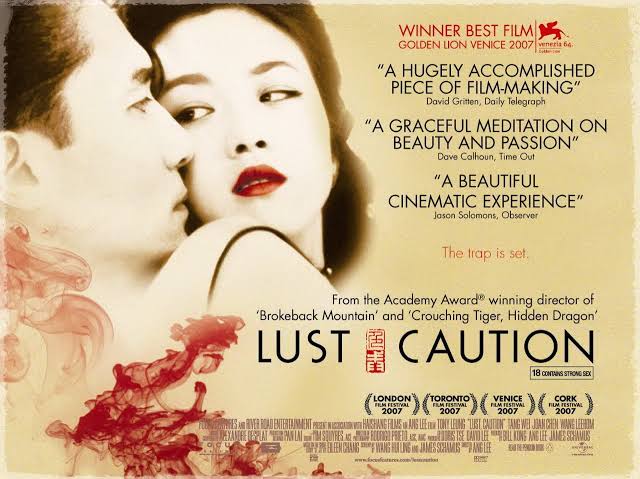
    Few filmmakers have navigated as many genres with as much confidence as Ang Lee. From intimate family dramas to martial arts epics, literary adaptations and emotionally devastating romances, Lee has consistently demonstrated an ability to blend visual elegance with profound emotional insight. Lust, Caution (2007) remains one of his boldest and most controversial achievements—a richly layered espionage thriller that is as much about obsession, identity and betrayal as it is about wartime resistance. Released on Blu-ray by Kino Lorber, the film finally received the high-definition presentation it had long deserved, allowing one of the most visually sumptuous films of the twenty-first century to shine.

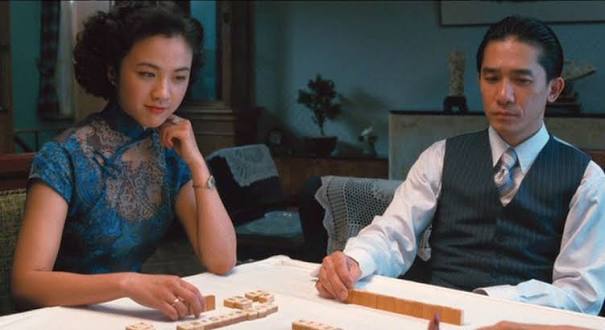
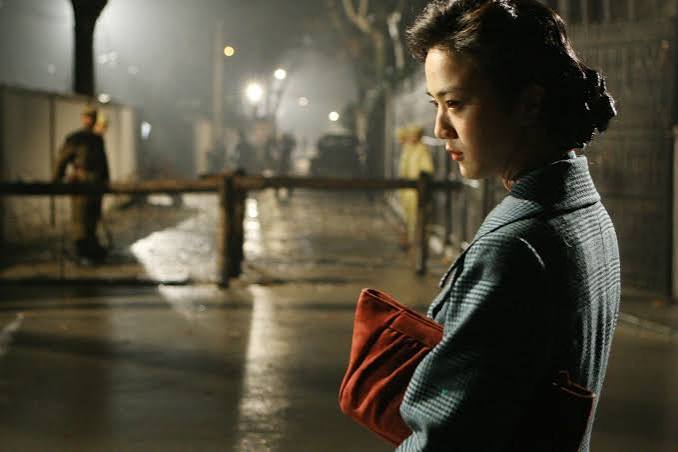
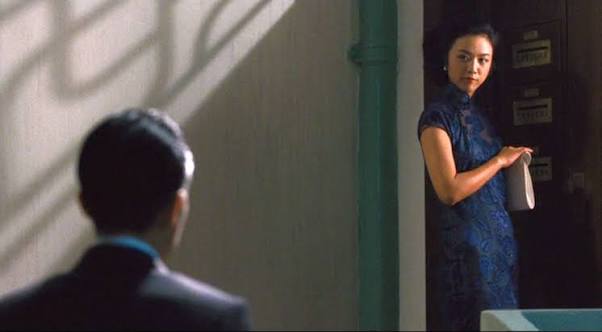
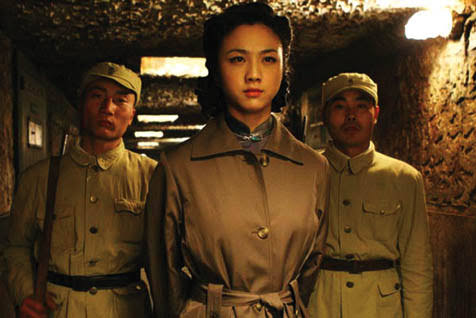
    Set during the Japanese occupation of Shanghai in the early 1940s, Lust, Caution follows Wong Chia Chi (Tang Wei), a university student recruited into an amateur resistance movement. Her mission appears straightforward: infiltrate the social circle of the powerful Mr. Yee (Tony Leung Chiu-wai), a high-ranking collaborator working for the Japanese puppet government, seduce him, and create an opportunity for his assassination. What begins as patriotic duty gradually evolves into an emotionally and psychologically devastating relationship in which love, lust, deception and survival become impossible to separate.

    Rather than presenting espionage as glamorous adventure, Ang Lee strips away the genre’s familiar conventions. There are no spectacular action sequences or elaborate gadgets. Instead, tension comes from whispered conversations, lingering glances and the constant fear that one wrong word or misplaced expression could result in torture or death. Every social gathering feels like a battlefield where appearances are weapons.

    Lee’s direction is astonishingly assured. The deliberate pacing may surprise viewers expecting a conventional thriller, but every carefully measured scene builds emotional pressure. The film unfolds almost like a tragic opera, each encounter between Wong and Mr. Yee drawing the characters deeper into emotional territory neither fully understands.

    The screenplay, adapted from the novella by Eileen Chang, refuses simplistic morality. No one emerges as entirely heroic or villainous. Instead, everyone is compromised by war, circumstance and desire. This moral ambiguity gives the story extraordinary power, forcing audiences to question every decision long after the credits roll.

    Tang Wei delivers one of the greatest debut performances in modern cinema. Her portrayal of Wong Chia Chi requires extraordinary emotional range. At first she appears almost innocent, a young woman swept up by idealism and patriotic fervour. As her mission progresses, however, Wong becomes increasingly fractured. The role demands subtle shifts between performance and authenticity, as Wong herself is constantly acting—pretending to be Mrs. Mak while slowly losing sight of where the disguise ends and her true self begins.

    Tang communicates this internal collapse largely through silence. Tiny changes in posture, fleeting expressions and hesitant movements reveal the enormous psychological burden she carries. It is a remarkably restrained performance that becomes more heartbreaking with every viewing.

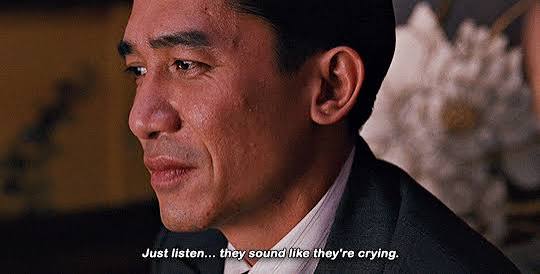
    Equally magnificent is Tony Leung as Mr. Yee. Leung has long been one of Asian cinema’s finest actors, and here he creates one of his most complex characters. Mr. Yee is undeniably cruel, responsible for horrific acts of political repression, yet Leung never allows him to become a one-dimensional monster. Beneath the icy professionalism lies profound loneliness and emotional exhaustion.

    The chemistry between Tang and Leung is extraordinary precisely because it is built upon uncertainty. Neither character fully trusts the other, yet each becomes emotionally dependent on the relationship. Their scenes together carry an intensity rarely achieved in modern cinema.

    Much of the controversy surrounding Lust, Caution centred upon its explicit love scenes, which resulted in an NC-17 rating in the United States and censorship in several countries. Those approaching the film expecting erotic spectacle, however, will likely misunderstand Lee’s intentions.

    The sexual encounters are deliberately uncomfortable, often bordering on violent, serving as extensions of the characters’ shifting power dynamics rather than moments of romantic fulfilment. Physical intimacy becomes another form of psychological warfare, revealing vulnerabilities neither character can express verbally.

    Without these scenes, the emotional trajectory of the relationship would lose much of its devastating complexity. Lee uses sexuality not to provoke but to expose emotional truth. The explicit content is essential to understanding how Wong’s mission gradually transforms into something infinitely more dangerous than political assassination.

    Rodrigo Prieto’s cinematography is breathtaking throughout. Every frame feels meticulously composed without becoming artificial. Shanghai is recreated with extraordinary richness, capturing both glamorous high society and the constant shadow of wartime occupation.

    Warm amber lighting dominates luxurious interiors, while cooler greys and muted blues accompany moments of isolation and fear. Costumes, jewellery, furniture and architecture immerse viewers completely in the period.

    Prieto’s camera frequently lingers just long enough to allow emotional discomfort to develop naturally. Long takes create almost unbearable tension, while carefully controlled movement mirrors the characters’ emotional restraint.

    The visual style remains elegant throughout, but beneath that beauty lies constant unease. Every exquisite image reminds viewers that violence lurks just outside the frame.

    Alexandre Desplat’s haunting musical score deserves equal praise. Rather than overwhelming scenes with melodrama, the music quietly reinforces the emotional uncertainty surrounding the characters.

    Elegant piano passages and restrained orchestration complement the film’s deliberate pace, allowing silence to remain just as important as music. The soundtrack constantly reminds viewers that beneath every beautiful surface lies imminent tragedy.

    The Blu-ray presentation is superb and does full justice to Lee and Prieto’s remarkable visual design. Presented in 1080p, the transfer exhibits exceptional detail, natural film grain and beautifully balanced colours. The richly textured costumes, polished wood interiors and atmospheric lighting all benefit enormously from high-definition presentation. Blacks are deep without crushing shadow detail, while skin tones remain consistently natural. This release faithfully reproduces the film’s carefully stylised cinematography and remains an excellent showcase for the source material.

    Audio is equally impressive. The Mandarin DTS-HD Master Audio soundtrack offers crystal-clear dialogue, subtle environmental ambience and an immersive presentation of Alexandre Desplat’s restrained score. Although this is not an aggressively dynamic soundtrack, every element feels perfectly balanced, allowing the film’s emotional nuances to come through with remarkable clarity.

    The supplementary material is relatively modest but worthwhile. Film historian Eddie Von Mueller provides an informative audio commentary exploring the film’s historical context, production, symbolism and narrative complexity. An archival featurette, Tiles of Deception & Lurid Affections, includes interviews with Ang Lee and key cast and crew members discussing the adaptation, performances and recreation of wartime Shanghai. A theatrical trailer rounds out the package. While fans might have hoped for a more expansive collection of extras, the commentary alone significantly enhances appreciation of the film.

    Nearly two decades after its original release, Lust, Caution has lost none of its emotional impact. If anything, time has strengthened its reputation as one of Ang Lee’s greatest achievements. It is an uncompromising work that refuses easy answers, blending political intrigue with devastating emotional intimacy.

    This is not simply a spy thriller or historical romance. It is a meditation on performance, identity, loyalty and the terrifying unpredictability of human desire. Every viewing uncovers new emotional and thematic layers, revealing just how carefully constructed every scene truly is.

    The Blu-ray presentation allows modern audiences to experience the film with exceptional audiovisual quality. While the extras may not be exhaustive, the outstanding transfer and strong audio presentation make this an essential addition to any serious film collection.

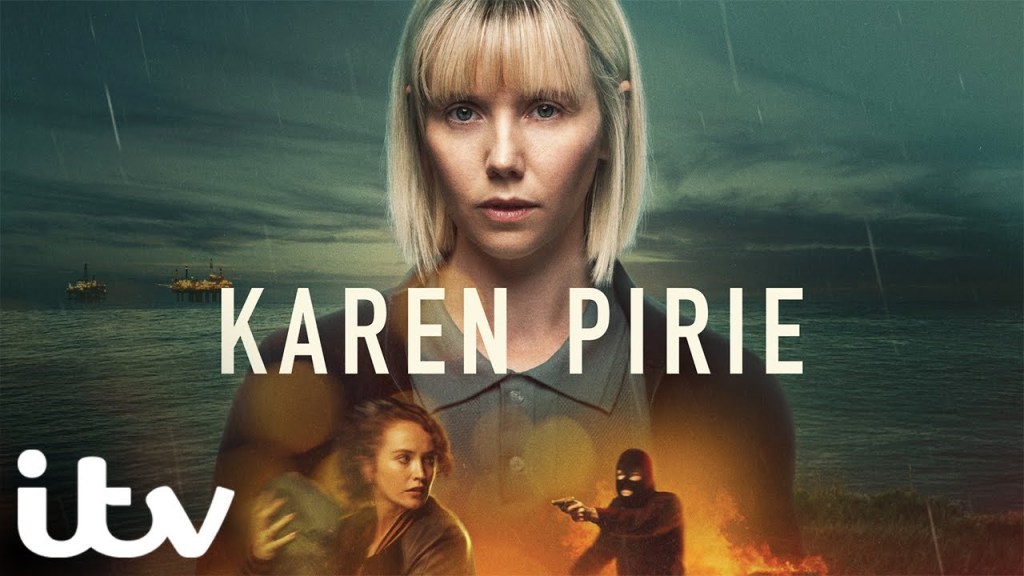
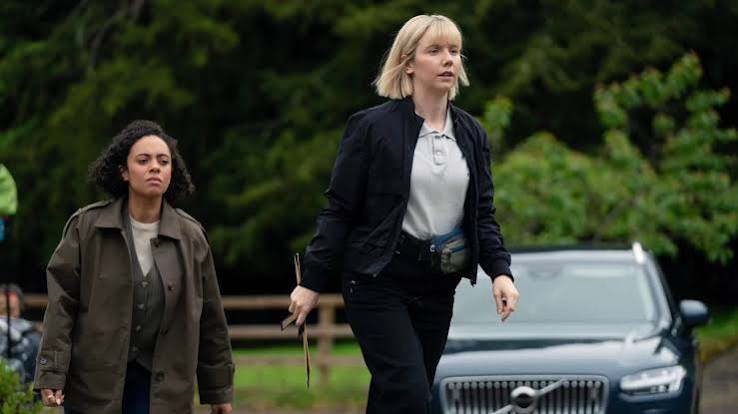
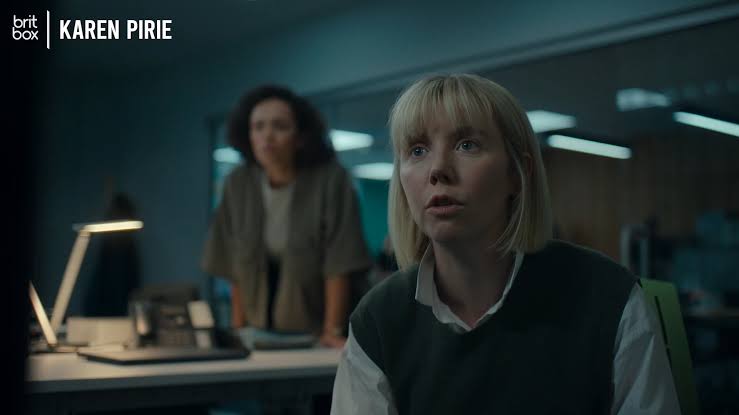
  • DVD review: “Karen Pirie Series 1 and 2” (2022 – 2025)

    “Karen Pirie Series 1 and 2” (2022 – 2025)

    TV Series / Drama

    3-stars

    Episodes: Six

    Based on Inspector Karen Pirie series by Val McDermid

    Featuring : Lauren Lyle, Chris Jenks and Zach Wyatt

    “You are maddening, Pirie, you know that right? You’re blinkered, you’re obsessive. And sometimes you are extraordinarily rude. But… you, and I will only ever say this once, are brilliant. So yes, go solve the case please. And now just please, get out.”

    Few television genres are as crowded as the British crime drama. Every year audiences are introduced to another troubled detective, another grisly murder, and another conspiracy stretching back decades. It takes something genuinely distinctive to rise above the competition. Fortunately, Karen Pirie manages exactly that. Across its first two series, the ITV adaptation of Val McDermid’s acclaimed novels establishes itself as one of the freshest and most engaging detective dramas in recent years, combining intelligent mysteries with memorable characters, sharp humour, and a welcome emotional warmth.

    Adapted by Emer Kenny, who also appears in the series as forensic pathologist Dr. River Wilde, Karen Pirie understands that audiences don’t simply want complicated murder mysteries—they want detectives worth spending time with. The show’s greatest achievement is creating a lead investigator who feels thoroughly modern without abandoning the traditions that have made British detective fiction so enduring.

    At the centre is Lauren Lyle, delivering a charismatic performance that effortlessly carries both series. Karen is intelligent, fearless, occasionally impulsive, and refreshingly free of many of the clichés that have dominated television detectives for decades. She’s not tortured by endless personal demons, nor does she possess supernatural investigative abilities. Instead, she’s observant, compassionate, persistent and willing to challenge institutional complacency whenever the evidence demands it.

    That grounded humanity gives the series its unique identity.

    The opening series, adapted from McDermid’s novel The Distant Echo, immediately hooks viewers with a fascinating premise. A murder committed twenty-five years earlier suddenly returns to public attention through a true-crime podcast, forcing Police Scotland to reopen a case many believed had long since been forgotten.

    Rather than presenting the investigation as a straightforward procedural, the series cleverly alternates between the original events in the mid-1990s and Karen’s contemporary investigation. This structure allows viewers to gradually assemble the puzzle alongside the detective while constantly questioning what they think they know.

    The murder itself is compelling, but it’s the characters surrounding it that make the mystery so absorbing. Former suspects, retired detectives, grieving families and forgotten witnesses all carry secrets that have festered over decades. Every interview peels back another layer of deception.

    What distinguishes the writing is its refusal to paint characters in simplistic terms. Nearly everyone exists within shades of grey. People make mistakes. Good intentions lead to terrible outcomes. Memories prove unreliable. Even those who appear guilty often earn surprising sympathy as the story unfolds.

    Emer Kenny’s screenplay balances procedural detail with genuine emotional investment. The investigation never becomes bogged down in technical jargon because every discovery directly affects believable people whose lives have been shaped by a crime that refuses to stay buried.

    The pacing is superb. Across three feature-length episodes, revelations arrive naturally rather than feeling artificially withheld. Every twist emerges from careful character development rather than shock value.

    The Scottish setting also becomes an essential character. Rather than merely providing attractive scenery, the streets of St Andrews and surrounding locations reinforce themes of memory, history and communities where everyone knows everyone else’s past.

    Lauren Lyle shines throughout. Karen’s confidence never drifts into arrogance, while her determination remains balanced by vulnerability and occasional uncertainty. She earns the audience’s respect because she consistently follows evidence rather than ego.

    Her relationship with Jason “Mint” Murray provides much of the show’s humour. Their partnership feels authentic, built upon mutual respect instead of forced television banter.

    By the closing episode, the series delivers an immensely satisfying conclusion that manages to surprise while remaining entirely believable. It is a difficult balance that many crime dramas fail to achieve.

    After the success of the first series, expectations were understandably high. Fortunately, Series Two largely meets them by expanding both the scope and emotional complexity of Karen’s investigations.

    Based upon McDermid’s A Darker Domain, the second series centres on the decades-old disappearance of wealthy heiress Catriona Grant and her infant son during the turbulent political climate of 1984. The investigation grows into a sprawling mystery involving family secrets, political tensions, corporate corruption and international connections.

    This is a considerably larger story than its predecessor.

    Where Series One focused upon one murder and a relatively contained community, Series Two stretches across multiple decades and countries, with scenes filmed in both Scotland and Malta. The production values have clearly increased, giving the drama a cinematic scale without sacrificing intimacy.

    The narrative regularly shifts between 1984 and the present day, allowing viewers to witness the original kidnapping unfold while Karen slowly uncovers long-hidden truths. This dual timeline is handled confidently, with each flashback adding genuine narrative value rather than merely filling in background information.

    Lauren Lyle continues to develop Karen beautifully. Having gained confidence through previous successes, Karen now occupies a more senior role, yet she remains recognisably the same determined investigator. She’s more assured but still willing to question authority when necessary.

    One of the series’ strengths is that Karen’s intelligence never comes from knowing everything. She succeeds because she listens carefully, notices small inconsistencies, and refuses to accept convenient explanations.

    James Cosmo delivers particularly memorable work as Sir Broderick Grant, creating a figure whose imposing presence dominates much of the narrative. His performance adds considerable dramatic weight to the mystery.

    The supporting cast across both timelines is consistently excellent, ensuring viewers remain emotionally invested in events occurring forty years apart.

    If there is one criticism of Series Two, it is occasionally its sheer ambition. The plot introduces numerous characters, political themes and family relationships that demand close attention. At times the story risks becoming overly intricate, particularly during its final act.

    Nevertheless, the emotional payoff proves rewarding, and the eventual revelations feel earned rather than contrived. Critics praised the second series for its layered mystery and Lauren Lyle’s assured return, with review aggregators also responding strongly to the season.

    The success of Karen Pirie ultimately rests upon Lauren Lyle’s remarkable performance.

    Television detectives often fall into familiar stereotypes: emotionally broken geniuses, permanently miserable loners or eccentric outsiders. Karen is something altogether different.

    She’s witty.

    She’s compassionate.

    She’s ambitious without being ruthless.

    She makes mistakes.

    She enjoys her friendships.

    She occasionally loses patience.

    Most importantly, she genuinely likes solving crimes because she believes victims deserve justice.

    Lyle makes Karen immensely likeable without diminishing her professional credibility. Her natural charisma ensures that even scenes involving lengthy interviews or procedural discussions remain engaging.

    She possesses excellent comic timing, allowing moments of levity to emerge naturally amidst darker subject matter.

    It’s one of the strongest detective performances British television has produced in years.

    Emer Kenny deserves enormous credit for successfully translating McDermid’s novels into television.

    Rather than simply reproducing the books scene for scene, she understands how to reshape them for the screen, emphasising visual storytelling, natural dialogue and richly developed supporting characters.

    The scripts also avoid sensationalism.

    Violence is never exploitative.

    Victims remain human beings rather than narrative devices.

    Investigations focus upon truth rather than spectacle.

    The result feels intelligent without becoming inaccessible.

    Both series benefit from impressive production standards.

    The cinematography beautifully captures Scotland’s landscapes while maintaining an atmosphere appropriate for detective fiction. Historic streets, coastal scenery and quiet villages all contribute to a sense that history lingers beneath every location.

    The musical score remains subtle throughout, supporting emotional moments without overwhelming them.

    Direction across both series maintains an excellent balance between suspense, character development and procedural storytelling.

    Editing is particularly effective during the dual-timeline sequences, allowing viewers to follow complex narratives without confusion.

    Across two outstanding series, Karen Pirie has established itself as one of Britain’s finest contemporary detective dramas. Rather than relying upon excessive violence or increasingly elaborate conspiracies, it succeeds through intelligent writing, believable characters and genuinely absorbing mysteries.

    Series One offers one of television’s strongest cold-case investigations in recent memory, while Series Two confidently expands the show’s scale without losing sight of its emotional core.

    Lauren Lyle delivers a career-defining performance, creating a detective audiences genuinely enjoy following, while Emer Kenny’s adaptations capture everything that makes Val McDermid’s novels so compelling.

    The combination of engaging mysteries, emotional intelligence, strong performances and beautiful Scottish locations makes Karen Pirie essential viewing for fans of British crime drama.

    In an era overflowing with detective series, Karen Pirie proves that originality still matters. It respects its audience, trusts its storytelling and consistently delivers satisfying mysteries driven by character rather than gimmicks.

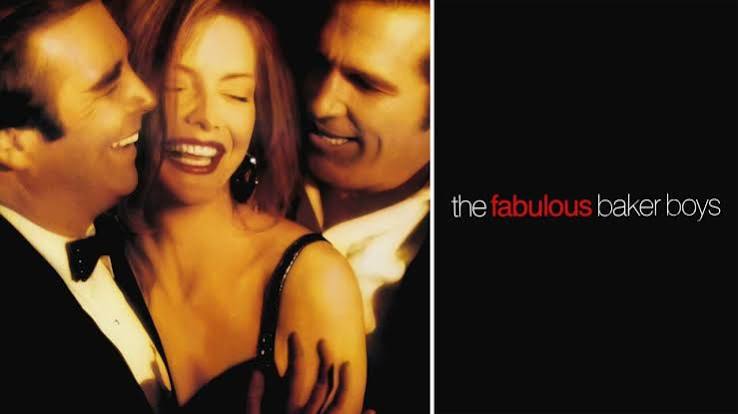
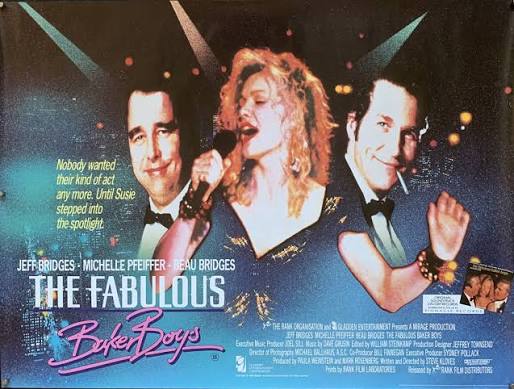
  • Blu-ray review: “The Fabulous Baker Boys” (1989)

    “The Fabulous Baker Boys” (1989)

    Drama

    Running Time: 114 minutes

    Written and directed by: Steve Kloves

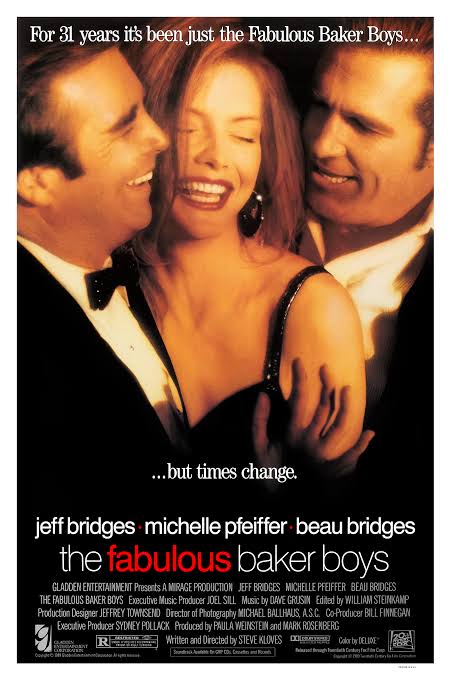
    Featuring: Jeff Bridges, Michelle Pfeiffer and Beau Bridges

    Jack Baker: “You let that guy turn us into clowns tonight. We were always small time, but we were never clowns.”

    Some films announce themselves with spectacle. Others quietly slip into your memory through atmosphere, performances, and emotional honesty. The Fabulous Baker Boys belongs firmly in the latter category. Released in 1989, writer-director Steve Kloves’ debut remains one of the most sophisticated and emotionally resonant American dramas of its era. More than three decades later, it has lost none of its charm, its melancholy, or its effortless cool.

    The Blu-ray release gives audiences the opportunity to rediscover this understated masterpiece in high definition, reminding viewers why it has become one of the defining adult dramas of the late 1980s. While modern cinema often favours speed and spectacle, The Fabulous Baker Boys succeeds by embracing quiet moments, subtle emotions, and characters who feel wonderfully human.

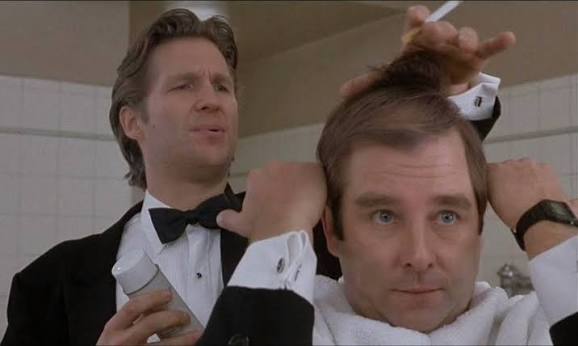
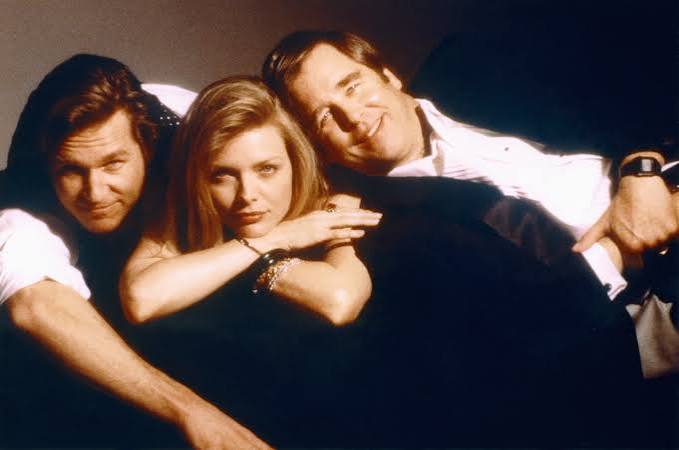
    Frank and Jack Baker (played by real-life brothers Beau Bridges and Jeff Bridges) have spent years making a modest living performing piano duets in hotel lounges, cocktail bars, and restaurants around Seattle. They’re good musicians but hardly stars. Their act has become stale, audiences are shrinking, and their bookings are disappearing.

    Desperate to reinvigorate their careers, they decide to hire a female vocalist. After auditioning a string of forgettable singers, they discover Susie Diamond, played magnificently by Michelle Pfeiffer.

    Susie is funny, sharp, vulnerable, and effortlessly charismatic. She isn’t polished in the traditional sense, but possesses something far more valuable—personality. Once she joins the act, the performances suddenly come alive, attracting larger audiences and renewed interest. But success comes with complications as romantic tensions develop between Susie and Jack, while Frank struggles to hold together both the business and his relationship with his younger brother.

    On paper, the story sounds familiar. In execution, it is remarkably nuanced. Kloves avoids melodrama at almost every opportunity, preferring emotional realism over manufactured conflict.

    Jeff Bridges delivers one of the greatest performances of his remarkable career.

    Jack Baker is immensely talented but emotionally guarded. He possesses natural musical gifts but lacks ambition, choosing instead to drift through life with an almost self-destructive passivity. Bridges communicates enormous emotional depth through silence, glances and understated expressions rather than lengthy speeches.

    Jack is a man who has quietly accepted disappointment, convincing himself he doesn’t care about success because it is easier than risking failure.

    It is an extraordinarily layered performance that rewards repeated viewings.

    Beau Bridges is equally impressive as Frank, the older brother desperately trying to keep both the act and his family together.

    Frank understands business, responsibility and compromise in ways Jack never has. While Jack dreams without acting, Frank survives by accepting reality.

    Their relationship forms the emotional backbone of the film. The brothers genuinely feel like siblings, complete with decades of shared history, affection, irritation and resentment. Their arguments are never explosive simply for dramatic effect. Instead, they reflect years of accumulated frustrations that can no longer remain buried.

    The chemistry between the real-life brothers gives every conversation authenticity.

    Although both Bridges brothers are exceptional, this is undoubtedly Michelle Pfeiffer’s film.

    Her portrayal of Susie Diamond transformed her career and earned an Academy Award nomination.

    Rather than portraying Susie as merely the beautiful newcomer disrupting the brothers’ partnership, Pfeiffer creates a fully realised woman with intelligence, humour and vulnerability.

    She is independent without becoming stereotypically “strong.” She is sexy without becoming objectified. She is emotionally complex without becoming overly dramatic.

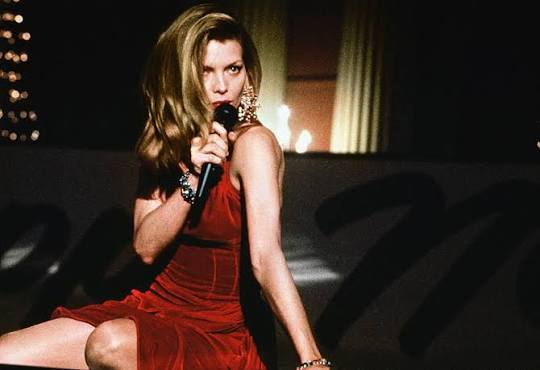
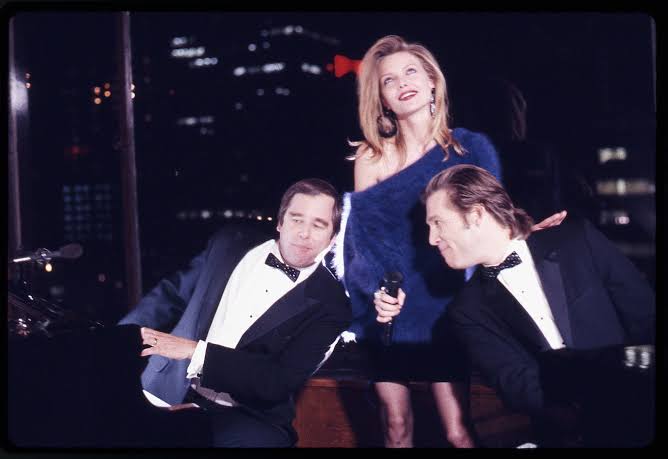
    Her famous performance of “Makin’ Whoopee,” draped across a grand piano in a shimmering red dress, has become one of the most iconic musical sequences in modern cinema. Yet what makes the scene memorable isn’t simply its sensuality.

    It reveals absolute confidence masking profound loneliness.

    Pfeiffer performs the song with extraordinary presence, making it one of cinema’s truly unforgettable nightclub performances.

    Unlike many musical dramas, The Fabulous Baker Boys doesn’t use music simply as entertainment.

    The performances reveal character.

    Every piano duet tells us something about Frank and Jack’s relationship. Every vocal performance illustrates Susie’s growing confidence. Every jazz standard reflects emotions the characters cannot openly express.

    Dave Grusin’s Oscar-winning score beautifully complements the film, blending seamlessly with the classic American songbook performed throughout.

    Jazz lovers will especially appreciate how authentic the musical sequences feel. Nothing is over-produced or artificially glamorous.

    Instead, the film celebrates working musicians whose performances matter deeply, even if they’re taking place in half-empty lounges.

    Long before writing the Harry Potter screenplays, Steve Kloves demonstrated exceptional maturity as both writer and director.

    His screenplay avoids obvious plot twists, preferring believable emotional development.

    Conversations unfold naturally.

    Characters interrupt each other.

    Silences become meaningful.

    Moments of awkwardness remain unresolved.

    The result feels remarkably contemporary despite being made in 1989.

    Kloves also demonstrates remarkable visual restraint, allowing performances to dominate rather than flashy direction.

    German cinematographer Michael Ballhaus creates one of the most elegant visual presentations of late-1980s American cinema.

    Seattle becomes more than simply a backdrop.

    Rain-soaked streets.

    Neon reflections.

    Hotel lounges.

    Dimly lit cocktail bars.

    Empty rehearsal spaces.

    Everything contributes to the film’s bittersweet atmosphere.

    Warm amber lighting dominates the nightclub interiors while cooler blues and greys define the characters’ private lives.

    The visual contrast subtly reinforces the difference between performance and reality.

    The Blu-ray presents the film in a strong 1080p transfer that faithfully preserves its cinematic appearance. Fine film grain remains intact, colours retain their warm, natural look, and detail is noticeably improved over older DVD editions. Some darker scenes still show the limitations of the original photography, but the presentation remains organic and film-like rather than artificially processed.

    Black levels are generally satisfying, allowing the dimly lit clubs and lounges to maintain their intimate atmosphere. Close-ups particularly benefit from the increased resolution, highlighting subtle facial expressions that are essential to the performances.

    Audio is presented in a lossless 2.0 LPCM track that suits the material perfectly. Dialogue remains consistently clear, while Dave Grusin’s score and the numerous jazz standards sound warm, rich and well balanced. The piano performances possess convincing tonal depth, and the intimate sound design preserves the feeling of sitting in a small nightclub listening to a live performance.

    This is not a film that requires aggressive surround effects. The straightforward stereo presentation accurately reflects the original theatrical experience.

    The Blu-ray includes a worthwhile collection of supplements, including deleted scenes and vintage behind-the-scenes featurettes featuring the cast. Some editions also include additional archival material such as commentary tracks, depending on the distributor and release. While not exhaustive by boutique-label standards, the extras provide valuable context for appreciating the production and the performances.

    The Fabulous Baker Boys has aged with extraordinary grace.

    Its exploration of artistic compromise, sibling rivalry, unrealised dreams and unexpected love feels every bit as relevant today as it did in 1989.

    Jeff Bridges delivers one of the finest performances of his career.

    Beau Bridges provides the emotional anchor.

    Michelle Pfeiffer gives a truly iconic performance that remains one of the defining screen roles of her generation.

    Combined with Steve Kloves’ intelligent screenplay, Michael Ballhaus’ gorgeous cinematography and Dave Grusin’s unforgettable music, the result is a film of remarkable elegance and emotional honesty.

    The Blu-ray faithfully presents this modern classic with pleasing picture quality, excellent lossless audio and a respectable selection of bonus features, making it an easy recommendation for both longtime admirers and newcomers.

    Some films shout for your attention.

    The Fabulous Baker Boys simply sits down at the piano, plays a few perfect notes, and quietly reminds you why great filmmaking never goes out of style.

  • Blu-ray review: “Summertime” (1955)

    “Summertime” (1955)

    Drama

    Running Time: 100 minutes

    Written by: David Lean and H. E. Bates

    Directed by: David Lean

    Featuring: Katharine Hepburn, Rossano Brazzi, Darren McGavin and Isa Miranda

    Renato de Rossi: “You are like a hungry child who is given ravioli to eat. ‘No’ you say, ‘I want beefsteak!’ My dear girl, you are hungry. Eat the ravioli.”

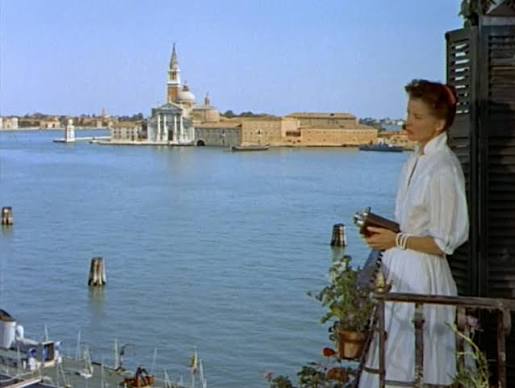
    Few filmmakers have captured the emotional complexity of longing and romance with the elegance of David Lean, and while his reputation often rests upon monumental epics such as The Bridge on the River Kwai, Lawrence of Arabia, and Doctor Zhivago, Summertime remains one of his most intimate and deeply personal achievements. Released in 1955 and starring the incomparable Katharine Hepburn, this bittersweet romantic drama is both a touching character study and an unforgettable cinematic postcard of Venice at its most enchanting. The Criterion Collection’s Blu-ray release finally gives this overlooked masterpiece the presentation it has long deserved, allowing modern audiences to appreciate the film’s visual beauty and emotional subtlety in stunning high definition. The Blu-ray features a 4K restoration sourced from the original film elements, preserving the rich Technicolor photography with impressive clarity.

    Unlike the sweeping historical spectacles that would define the second half of Lean’s career, Summertime is a small-scale story driven almost entirely by character. Yet its emotional scope is enormous. It explores loneliness, middle age, missed opportunities, and the universal desire to be loved with remarkable sensitivity, never descending into melodrama or sentimentality.

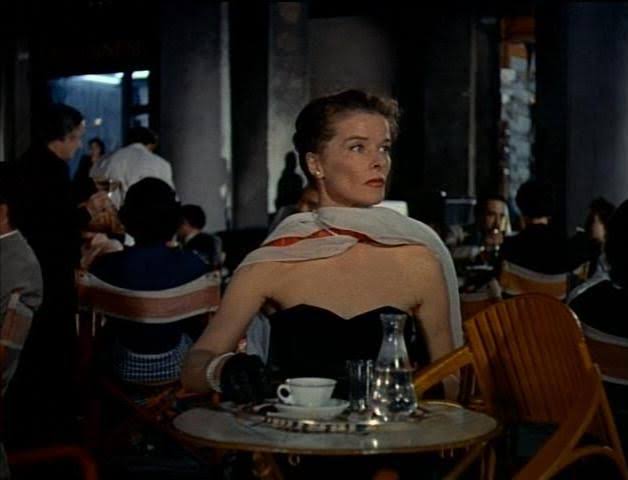
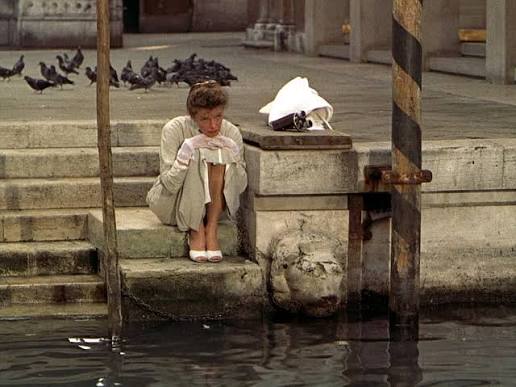
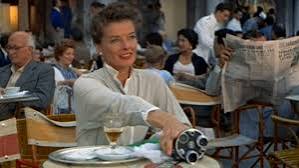
    Katharine Hepburn stars as Jane Hudson, a middle-aged American secretary from Ohio who has spent years saving every spare dollar to fulfill her lifelong dream of visiting Venice. Alone but determined, Jane arrives as an eager tourist, armed with a camera and guidebook, hoping to absorb every ounce of the city’s romance and beauty. She soon encounters Renato de Rossi (Rossano Brazzi), an attractive antiques dealer whose warmth and charm awaken feelings Jane has long buried. Their growing relationship, however, is complicated by realities that neither can escape.

    What makes the film extraordinary is its refusal to embrace conventional Hollywood fantasy. Lean allows romance to blossom naturally while acknowledging that life rarely offers perfect endings. The bittersweet nature of Jane’s experience ultimately becomes the source of the film’s emotional power.

    Katharine Hepburn delivers one of the finest performances of her remarkable career. Rather than portraying one of her trademark confident, witty heroines, she creates a woman filled with insecurities beneath a brave exterior. Jane is intelligent, independent, and accomplished, yet painfully aware of the years that have slipped away without love or marriage.

    Hepburn captures every awkward social moment with astonishing honesty. Whether nervously attempting conversation, struggling with unfamiliar customs, or trying to maintain dignity after embarrassment, she makes Jane completely believable. The performance is filled with tiny gestures and expressions that communicate far more than dialogue ever could.

    Her emotional openness is especially striking. Jane experiences joy, vulnerability, jealousy, hope, disappointment, and acceptance, sometimes within the same scene. Hepburn never asks the audience to pity Jane; instead, she earns our empathy through authenticity.

    Rossano Brazzi provides the perfect counterbalance. Renato is charming without being impossibly idealized. He possesses warmth and genuine affection for Jane, but he is also a man bound by obligations and compromises. Brazzi wisely avoids making Renato either hero or villain, instead presenting him as a complicated adult making imperfect choices.

    The chemistry between Hepburn and Brazzi feels wonderfully mature. Their romance grows through conversation, shared experiences, and mutual loneliness rather than youthful passion. It is refreshingly adult and emotionally believable.

    One cannot discuss Summertime without celebrating Venice itself. David Lean transforms the city into one of cinema’s greatest locations. Every canal, bridge, piazza, and narrow street contributes to the emotional atmosphere.

    Rather than using elaborate studio recreations, Lean filmed extensively on location, allowing Venice to become an active participant in the narrative. The bustling markets, quiet canals, café terraces, churches, and sunlit squares create an immersive sense of place that remains breathtaking nearly seventy years later.

    Jack Hildyard’s Oscar-winning cinematography is magnificent. The glowing Technicolor photography captures shimmering reflections on the canals, golden evening light, and the city’s distinctive architecture with painterly precision. Venice has rarely looked more inviting.

    David Lean’s direction demonstrates why he was among the greatest visual storytellers in cinema history. Even in this relatively modest production, every frame is carefully composed. Lean understands exactly when to let silence speak louder than dialogue, allowing facial expressions and visual details to reveal emotional truths.

    His pacing is deliberate but never slow. The film unfolds like an actual holiday, allowing viewers to wander alongside Jane through museums, cafés, antique shops, and hidden alleyways. This leisurely structure deepens our connection with both the character and the city.

    Lean also displays remarkable restraint. Lesser directors might have exaggerated the emotional conflicts, but Lean trusts his audience to appreciate life’s ambiguities. The result feels timeless rather than dated.

    Arthur Laurents’ screenplay, adapted from his play The Time of the Cuckoo, balances humour and melancholy beautifully. Jane’s awkward encounters with fellow tourists and locals often generate genuine laughs, while her emotional journey never loses credibility.

    The dialogue feels natural and understated. Conversations frequently revolve around ordinary subjects, yet beneath them lie questions about aging, loneliness, self-worth, and the courage required to embrace happiness when it unexpectedly appears.

    The supporting cast contributes significantly to the film’s charm. Isa Miranda brings warmth and wisdom to Signora Fiorini, whose quiet observations often guide Jane toward emotional honesty. Even the smaller characters help create a convincing portrait of Venice filled with colourful personalities.

    The Criterion Blu-ray presentation is exceptional. The new restoration reveals levels of detail that previous home-video editions simply could not reproduce. Fine textures in costumes, architectural details, water reflections, and facial close-ups all exhibit impressive clarity while maintaining a pleasing film-like appearance. Colors are vibrant yet natural, faithfully reproducing the richness of the original Technicolor photography without appearing artificially enhanced.

    Grain reproduction is consistent throughout, giving the presentation an organic cinematic quality. Contrast is excellent, with deep blacks and beautifully rendered highlights that enhance the luminous Venice locations.

    The monaural soundtrack is naturally limited by its age but remains clean and well-balanced. Dialogue is consistently intelligible, Alessandro Cicognini’s delicate musical score sounds warm, and environmental sounds help immerse viewers in Venice’s bustling atmosphere. Criterion wisely avoids unnecessary digital manipulation, preserving the original sonic character.

    Criterion also includes a worthwhile selection of supplements that examine the film’s production, David Lean’s career, and Katharine Hepburn’s extraordinary performance. These extras provide valuable historical context while enhancing appreciation for a film that has sometimes been overshadowed by Lean’s later epics.

    What makes Summertime endure is its emotional honesty. It recognises that happiness may be temporary, that love sometimes arrives too late, and that meaningful experiences can transform us even if they do not last forever. Jane’s journey ultimately becomes less about finding lasting romance than discovering the courage to embrace life fully, despite disappointment and uncertainty.

    Modern audiences may also appreciate how progressive the film remains in its treatment of an older female protagonist. Rather than relegating Jane to comic relief or maternal stereotypes, the film acknowledges her desires, dreams, sexuality, and emotional complexity with remarkable compassion.

    In many ways, Summertime feels surprisingly contemporary. Its themes of solo travel, self-discovery, and emotional vulnerability resonate just as strongly today as they did in 1955.

    Summertime stands among David Lean’s most graceful achievements—a mature, emotionally rich romance elevated by Katharine Hepburn’s magnificent performance and some of the most beautiful location photography ever committed to film. The Criterion Blu-ray provides an outstanding presentation of this classic, allowing its visual splendour and emotional depth to shine brighter than ever.

    For admirers of classic Hollywood, David Lean, Katharine Hepburn, or simply beautifully crafted romantic cinema, this Blu-ray is an essential addition to any collection. It serves as a reminder that some of the greatest love stories are not those that promise happily-ever-after endings, but those that capture the fleeting moments that change our lives forever.

  • Blu-ray review: “Hobson’s Choice” (1954)

    “Hobson’s Choice” (1954)

    Drama

    Running Time: 107 minutes

    Written by: Wynyard Browne, David Lean and Norman Spencer

    Directed by: David Lean

    Featuring: Charles Laughton, John Mills, Brenda de Banzie, Daphne Anderson and Prunella Scales

    Maggie Hobson: “I’ve been watching you for a long time and everything I’ve seen I’ve liked. I think you’ll do for me.”

    Hobson’s Choice is one of the crowning achievements of British cinema, a richly entertaining and deeply humane comedy that perfectly balances sharp social satire, heartfelt romance, and subtle observations about class, family, and gender. Directed by David Lean in 1954 and adapted from Harold Brighouse’s beloved stage play, the film remains one of the finest literary adaptations ever produced. While Lean is often remembered today for his sweeping epics such as The Bridge on the River Kwai, Lawrence of Arabia, and Doctor Zhivago, Hobson’s Choice demonstrates that he was equally adept at intimate storytelling, finding remarkable cinematic possibilities within what might initially appear to be a modest domestic comedy.

    Set in late Victorian Salford, the film explores the changing social landscape of England while never losing sight of its wonderfully eccentric characters. It is funny, touching, and surprisingly progressive, and nearly seventy years after its release it remains as fresh and relevant as ever.

    The story centres on Henry Horatio Hobson, the blustering owner of a successful boot shop. Hobson is a widower whose business depends almost entirely upon the hard work of his three unmarried daughters and the extraordinary craftsmanship of his gifted but painfully shy bootmaker, Willie Mossop.

    Hobson is a tyrant in his own household. Miserly, arrogant and stubborn, he refuses to allow his daughters to marry because they provide unpaid labour for both his home and his business. He firmly believes himself to be the unquestioned head of the family, and his booming confidence prevents him from recognising how completely he depends upon those around him.

    His eldest daughter Maggie, however, has reached her thirtieth birthday and refuses to accept the future Hobson has planned for her. Intelligent, practical and fiercely independent, she makes a bold decision that shocks everyone around her. Recognising Willie’s hidden talent and gentle character, she proposes marriage to him—not from romance alone, but because she sees the opportunity to build a successful business together.

    What follows is an enormously satisfying tale of determination, entrepreneurship and quiet revolution as Maggie and Willie gradually overturn Hobson’s assumptions about class, gender and social status.

    Charles Laughton delivers one of the greatest comic performances in British cinema.

    As Hobson, he creates a character who is simultaneously overbearing, ridiculous, infuriating and oddly sympathetic. Hobson is a bully whose excessive pride continually leads him into increasingly absurd situations, yet Laughton ensures he never becomes simply a cartoon villain.

    His comic timing is impeccable. Every drunken stagger, every pompous declaration and every moment of wounded pride is delivered with astonishing precision. Lean frequently allows scenes to play out without rushing the punchlines, trusting Laughton’s extraordinary ability to control rhythm and pacing.

    Perhaps the greatest achievement of the performance is that audiences gradually come to understand Hobson without necessarily liking him. His insecurities, fear of change and desperate need to maintain authority are recognisably human even as his behaviour grows increasingly foolish.

    Laughton’s physical comedy is equally remarkable. His famous drunken walk through the deserted streets remains one of British cinema’s classic comic sequences, combining theatrical bravado with subtle character observation.

    Although Laughton receives much of the attention, Brenda De Banzie gives what may actually be the film’s finest performance.

    Maggie is one of the strongest female characters produced by British cinema during the 1950s. She is intelligent without arrogance, determined without cruelty and ambitious without selfishness. Rather than waiting for circumstances to improve, she simply decides to change them herself.

    De Banzie never plays Maggie as domineering despite the character’s immense strength. Instead, she understands people better than anyone else in the story. She recognises Willie’s abilities long before he believes in himself, and she carefully nurtures his confidence rather than overwhelming him.

    Her relationship with Willie forms the emotional heart of the film. What begins as a practical arrangement slowly develops into genuine affection built upon mutual respect rather than romantic fantasy.

    For a film made in 1954, Maggie feels remarkably modern. She challenges traditional gender expectations not through speeches or rebellion but through competence, intelligence and unwavering confidence in her own judgement.

    John Mills delivers one of the most charming performances of his career as Willie Mossop.

    Initially Willie appears almost incapable of functioning independently. Timid, awkward and painfully lacking in self-confidence, he has spent years accepting Hobson’s constant insults as simply part of everyday life.

    Mills perfectly captures Willie’s hesitant speech, nervous body language and overwhelming lack of self-esteem. Yet beneath the uncertainty lies genuine artistic brilliance. Willie is a master craftsman whose handmade boots are admired by wealthy customers, even though Hobson claims all the credit.

    The pleasure of watching the film lies largely in observing Willie’s gradual transformation. As Maggie encourages him to believe in his own abilities, he slowly becomes a confident businessman, devoted husband and respected member of the community.

    The performance avoids melodrama entirely. Willie’s growth feels believable because Mills allows confidence to emerge gradually rather than arriving suddenly.

    Although Hobson’s Choice originated as a stage play, David Lean ensures the film never feels theatrical in the negative sense.

    Lean opens up the story beautifully, using Victorian streets, bustling markets and atmospheric interiors to create a fully realised world. His camera moves with remarkable confidence through Hobson’s boot shop, transforming what could have been a static location into a dynamic working environment.

    Every visual decision serves the story.

    The boot shop itself becomes almost another character, representing Hobson’s authority while simultaneously revealing how dependent he is upon everyone working beneath him.

    Lean’s direction demonstrates extraordinary confidence in performance. Rather than relying upon flashy camera techniques, he frequently uses carefully composed medium shots that allow actors to interact naturally. Comedy emerges from timing, character and situation rather than exaggerated visual tricks.

    Yet Lean also knows precisely when to employ cinematic flourishes. The famous nightmare sequence, Hobson’s drunken wanderings and several beautifully composed street scenes reveal a filmmaker already developing the visual mastery that would define his later epics.

    Jack Hildyard’s Academy Award-winning cinematography gives the film extraordinary visual richness.

    The black-and-white photography perfectly captures industrial northern England while retaining a warmth that prevents the environment from appearing bleak.

    Victorian streets possess remarkable texture, filled with smoke, brickwork and carefully observed architectural detail. Interior scenes are equally impressive, with naturalistic lighting creating depth throughout the crowded boot shop and Hobson household.

    Lean and Hildyard make exceptional use of contrast, using shadows and carefully balanced compositions to emphasise emotional relationships between characters.

    Even relatively simple conversations possess visual elegance.

    One reason Hobson’s Choice has endured is that beneath its humour lies a surprisingly thoughtful examination of social change.

    The film explores:

    • Class mobility
    • Women’s independence
    • Economic self-determination
    • Pride and humility
    • Family responsibility
    • The dignity of skilled labour

    Unlike many social comedies, however, these themes emerge naturally through character rather than heavy-handed dialogue.

    Maggie’s success challenges Victorian assumptions about women’s roles.

    Willie’s rise questions rigid class structures.

    Hobson’s decline illustrates the dangers of arrogance and refusing to adapt to changing times.

    Remarkably, none of these ideas feel dated. Modern audiences can still recognise similar workplace dynamics, family conflicts and struggles for independence.

    The supporting cast contributes enormously to the film’s success.

    Prunella Scales and Daphne Anderson are delightful as Maggie’s younger sisters, each bringing distinctive personalities that avoid stereotype.

    Helen Haye provides memorable warmth as Mrs. Hepworth, while Richard Wattis makes an entertaining appearance as the lawyer Vickers.

    Every supporting character feels like part of a living community rather than simply serving plot functions.

    The Blu-ray presentation allows modern audiences to appreciate the film’s craftsmanship more fully than ever before.

    The restored black-and-white image is exceptionally detailed, revealing textures in costumes, architecture and facial expressions that were often softened on older home video editions. Fine grain is preserved naturally, giving the presentation an authentic filmic appearance rather than an artificially processed look.

    Contrast is superb throughout, with deep blacks and bright highlights helping Jack Hildyard’s cinematography shine. Shadow detail is particularly impressive during the atmospheric night sequences, while daytime exteriors display remarkable clarity and depth. Damage has been carefully repaired without sacrificing the organic qualities of the original photography.

    The mono soundtrack is clean and well balanced. Dialogue remains consistently clear, ensuring every witty exchange lands effectively, while the score and ambient effects complement the film without overwhelming it. Optional subtitles and any included supplements—such as commentaries, interviews or archival featurettes, depending on the edition—provide valuable insight into the production and the film’s enduring legacy.

    Hobson’s Choice is one of the true masterpieces of British cinema. What begins as a delightful comedy gradually reveals itself to be a perceptive study of pride, independence and personal growth, all brought to life through David Lean’s assured direction and a cast performing at the peak of their powers.

    Charles Laughton gives one of the finest comic performances ever captured on film, but the film belongs equally to Brenda De Banzie’s magnificent Maggie, whose intelligence, resilience and determination make her one of the great heroines of post-war British cinema. John Mills, meanwhile, provides the emotional anchor with a beautifully judged performance that charts Willie’s transformation from timid artisan to confident businessman with warmth and authenticity.

    David Lean’s elegant filmmaking elevates the material beyond its theatrical origins, creating a richly textured portrait of Victorian England that is both visually sumptuous and emotionally engaging. Its humour remains genuinely funny, its observations about class and gender still resonate, and its celebration of self-belief and hard work has lost none of its appeal.

    Nearly three-quarters of a century after its release, Hobson’s Choice remains an irresistible blend of laughter, heart and social insight. It is a timeless classic that showcases the very best of British filmmaking, and one that richly deserves its place among David Lean’s greatest achievements. For lovers of classic cinema, it is essential viewing and a film that rewards repeat visits with ever greater appreciation of its wit, craftsmanship and enduring humanity.

  • Blu-ray review: “The Sound Barrier” (1952)

    “The Sound Barrier” (1952)

    Drama

    Running Time: 117 minutes

    Written by: Terence Rattigan

    Directed by: David Lean

    Featuring: Ralph Richardson, Ann Todd, Nigel Patrick, John Justin and Denholm Elliott

    Tony Garthwaite: “What’s so ruddy peculiar about the speed of sound? We all know exactly what it is, don’t we? 750 miles per hour at ground level. Now if we go slower than that we can hear ourselves going, and if we go faster we can hear ourselves coming. It’s a mere matter of acoustics.”

    Few filmmakers have explored the intersection of personal ambition and national identity as compellingly as David Lean, and while The Sound Barrier is often overshadowed by his later epics, this 1952 drama deserves recognition as one of the director’s most fascinating works. Released between The Passionate Friends and Hobson’s Choice, it represents a transitional period in Lean’s career, combining intimate character drama with spectacular technical filmmaking. This new Blu-ray finally gives the film the high-definition presentation it has long deserved, allowing modern audiences to appreciate both its visual splendour and its historical importance.

    Inspired by the race to break the sound barrier in the years immediately following the Second World War, The Sound Barrier captures an era when aviation represented the very frontier of human achievement. Rather than simply telling a story of engineering triumph, Lean and playwright Terence Rattigan examine the emotional cost of relentless ambition, creating a thoughtful drama that remains surprisingly modern.

    At its heart, The Sound Barrier is less about aircraft than about obsession. Industrialist John Ridgefield, played with commanding authority by Ralph Richardson, is determined to push British aviation to new heights regardless of the sacrifices required. Ridgefield embodies post-war Britain’s desire to remain at the forefront of technological innovation, yet his single-minded pursuit often blinds him to the emotional consequences of his decisions.

    Richardson delivers one of the finest performances of his career. Rather than portraying Ridgefield as an outright villain, he presents a man convinced that progress inevitably demands sacrifice. His confidence borders on arrogance, but it is tempered by an unmistakable belief that he is serving a greater cause.

    Opposite him, Nigel Patrick gives an equally impressive performance as Tony Garthwaite, the gifted test pilot willing to risk everything for aviation history. Patrick perfectly captures the mixture of courage, competitiveness and fatalism that defines professional test pilots. His calm exterior conceals the awareness that every flight could be his last.

    Meanwhile, Ann Todd provides the emotional anchor as Susan Ridgefield, caught between loyalty to her father and love for her husband. Todd’s understated performance prevents the film from becoming merely a procedural account of technological progress. Through her, Lean reminds viewers that every scientific milestone leaves emotional casualties behind.

    Even before his celebrated widescreen masterpieces, Lean had established himself as one of Britain’s greatest visual storytellers. The Sound Barrier demonstrates many of the stylistic qualities that would later define The Bridge on the River Kwai, Lawrence of Arabia, and Doctor Zhivago.

    Lean brings remarkable intensity to scenes that largely consist of engineers discussing aerodynamics or pilots preparing for test flights. Every cockpit sequence builds suspense through careful editing, expressive close-ups and meticulous pacing.

    The flying scenes remain astonishing. Made decades before digital effects, they rely on genuine aircraft photography, detailed models and convincing practical effects that continue to impress. Lean understands exactly how to communicate speed, danger and exhilaration without overwhelming the audience.

    The breaking of the sound barrier itself is presented not as spectacle for its own sake but as the culmination of years of sacrifice, experimentation and loss. This restraint gives the achievement greater dramatic weight.

    Rattigan’s screenplay avoids simplistic hero worship. Instead, it asks uncomfortable questions about the ethics of progress.

    How many lives should be risked in pursuit of scientific advancement?

    Can ambition ever be separated from ego?

    Does technological achievement justify personal tragedy?

    These questions give the film lasting relevance. Although centred on early jet aviation, the themes resonate today in discussions surrounding space exploration, artificial intelligence and scientific experimentation.

    The dialogue is characteristically intelligent without becoming inaccessible. Rattigan trusts audiences to engage with complex emotional and moral dilemmas rather than providing easy answers.

    The supporting cast is uniformly excellent.

    Denholm Elliott, in one of his early film roles, demonstrates the screen presence that would later make him one of Britain’s finest character actors.

    John Justin and Joseph Tomelty also contribute memorable performances, creating believable professional relationships among pilots and engineers.

    What makes the ensemble particularly effective is the authenticity of the interactions. These characters speak like professionals immersed in an extraordinary field rather than movie stereotypes.

    One of the film’s greatest achievements lies in its convincing portrayal of aviation technology.

    The cockpit interiors feel authentic.

    The engineering discussions possess credibility.

    The aircraft photography remains remarkably convincing.

    Lean integrates documentary realism with dramatic storytelling so seamlessly that viewers become fully invested in every test flight.

    Even seventy years later, many aerial sequences possess more genuine excitement than effects-heavy modern action films.

    This Blu-ray presentation represents a significant improvement over previous home-video editions.

    The black-and-white cinematography displays impressive clarity throughout. Fine textures in uniforms, aircraft surfaces and facial detail are consistently resolved, revealing craftsmanship that was often obscured on DVD.

    Contrast is excellent, producing rich blacks without crushing shadow detail while maintaining bright highlights during exterior flying sequences.

    Film grain appears natural and stable, preserving the cinematic appearance without excessive digital manipulation.

    Damage has been reduced considerably. Minor speckles and occasional age-related imperfections remain, but these rarely distract from viewing and serve as reminders of the film’s vintage.

    The restoration particularly benefits the aerial photography, where increased definition allows viewers to appreciate the complexity of the practical effects and location photography.

    The mono soundtrack is presented with impressive clarity.

    Dialogue remains consistently intelligible throughout.

    Malcolm Arnold’s stirring musical score possesses surprising warmth and dynamic range considering the recording’s age.

    Aircraft engines carry satisfying weight, and while modern surround enthusiasts should temper expectations, the sound faithfully represents the original theatrical experience.

    Background hiss and distortion are kept to a minimum through sensitive restoration.

    The Blu-ray offers a worthwhile collection of supplementary material exploring both the film’s production and its historical context.

    Commentary tracks provide valuable insight into Lean’s evolving directorial style, while archival interviews help place the film within Britain’s post-war aviation industry.

    Featurettes examining the real race to break the sound barrier deepen appreciation for the historical inspiration behind the drama.

    Image galleries, trailers and booklet essays further enhance the package, making this an attractive release for collectors.

    The Sound Barrier remains one of David Lean’s most underrated achievements. Overshadowed by his later epics, it nevertheless showcases many of the qualities that would make him one of cinema’s greatest directors: visual precision, emotional intelligence, superb performances and technical mastery.

    Its thoughtful exploration of ambition, sacrifice and innovation feels every bit as relevant today as it did in 1952. The aerial photography continues to impress, the performances remain compelling, and Terence Rattigan’s screenplay provides genuine intellectual depth.

    This Blu-ray finally presents the film with the respect it deserves. The excellent restoration highlights Lean’s meticulous craftsmanship, while the solid audio presentation and informative supplements make it a valuable edition for collectors.

    For admirers of David Lean, British cinema, aviation history or intelligent post-war drama, this Blu-ray is highly recommended. It may not possess the sweeping scale of Lean’s later masterpieces, but in its own quieter, more introspective way, The Sound Barrier stands as one of the great British films of the 1950s—a compelling reminder that the greatest frontiers are often as much emotional as technological.

  • Blu-ray review: “Madeleine” (1950)

    “Madeleine” (1950)

    Drama

    Running Time: 114 minutes

    Written by: Ann Todd, Ivan Desny, Norman Wooland and Leslie Banks

    Directed by: David Lean

    Featuring: Ann Todd, Claude Rains and Trevor Howard

    Scots Divine: “The wicked shall be destroyed! This daughter of a rich man in her devilry defied the most sacred laws of God and man. She dresses in purple and fine linen, but her heart is black, black with sin. “Vengeance is mine” said the Lord, and the retribution will be just upon this murderess, this daughter of Satan. Just! And merciless! Her she comes.”

    There is a quiet confidence to Madeline (1950), a film that has gradually earned recognition as one of the finest British courtroom dramas of its era. Directed with remarkable sensitivity by David MacDonald and starring Ann Todd in one of her finest performances, the film recounts the infamous nineteenth-century Scottish murder case of Madeline Smith. More than seventy years after its original release, this elegant restoration on Blu-ray gives modern audiences an opportunity to rediscover a sophisticated and emotionally involving classic that deserves far more attention than it has traditionally received.

    Unlike many crime films of its period, Madeline is less interested in sensationalising its notorious source material than examining the social conventions and emotional pressures that surrounded the case. Rather than focusing exclusively on the mystery itself, the screenplay explores themes of reputation, class, romance, and the impossible expectations placed upon women in Victorian society. The result is a drama that feels surprisingly modern in both its psychological depth and moral ambiguity.

    The story follows Madeline Smith, the daughter of a wealthy Glasgow family whose seemingly respectable life hides a secret romantic relationship with a lower-class clerk, Emile L’Angelier. As her family pressures her toward a more socially acceptable marriage, Madeline finds herself trapped between love, duty, and the rigid expectations of respectable society. When L’Angelier dies suddenly after being poisoned with arsenic, suspicion naturally falls upon Madeline, leading to one of Britain’s most famous murder trials.

    One of the film’s greatest strengths is its refusal to provide easy answers. Historically, the real Madeline Smith was acquitted under the unique Scottish verdict of “Not Proven,” leaving the public to debate her guilt for generations. The film wisely embraces that ambiguity, allowing audiences to draw their own conclusions rather than forcing a definitive interpretation. That uncertainty gives the narrative a compelling tension that remains effective even for viewers already familiar with the historical outcome.

    Ann Todd delivers an exceptional central performance. Few actresses of the period could communicate such emotional complexity through subtle facial expressions alone. Todd portrays Madeline as intelligent, vulnerable, determined and frightened—often all within the same scene. She avoids melodramatic excess, instead creating a nuanced portrait of a woman slowly losing control of her carefully ordered world.

    What makes Todd’s work particularly impressive is the ambiguity she maintains throughout. Is Madeline an innocent victim of circumstance? A desperate woman making terrible decisions? Or something even more complicated? Todd never overplays any interpretation, allowing the audience to wrestle with these questions throughout the film.

    The supporting cast is equally impressive. Norman Wooland brings an unsettling persistence to Emile L’Angelier, making him both sympathetic and increasingly obsessive as the relationship deteriorates. Meanwhile, Ivan Desny provides welcome warmth as Madeline’s respectable suitor, highlighting the impossible choice facing the heroine.

    The screenplay carefully builds emotional pressure instead of relying on sudden twists. Conversations become psychological battlegrounds, social gatherings conceal hidden anxieties, and seemingly ordinary domestic scenes gradually accumulate dramatic weight. By the time the courtroom sequences arrive, the audience is already deeply invested in the characters rather than simply curious about the verdict.

    Visually, Madeline is a beautiful example of post-war British studio filmmaking. The black-and-white cinematography captures Victorian Glasgow with impressive richness and atmosphere. Interiors are elegantly lit, balancing refinement with an underlying sense of emotional confinement. Wealthy drawing rooms, shadowy streets and imposing courtrooms all contribute to a visual language that reflects the rigid social hierarchy governing every aspect of Madeline’s life.

    Costume and production design deserve particular praise. The Victorian world feels authentic without becoming ostentatious. Every dress, piece of furniture and architectural detail enhances the illusion of period realism while reinforcing themes of appearance, status and respectability.

    The courtroom scenes are especially effective because they avoid theatrical excess. Rather than turning the trial into a bombastic spectacle, the film presents the legal proceedings with measured restraint. This approach allows the testimony and emotional reactions of the characters to generate the drama naturally. The famous Scottish legal system, with its unique “Not Proven” verdict, becomes an integral part of the narrative rather than simply historical trivia.

    Watching the film today, one is struck by how progressive some of its themes remain. The pressure placed upon women to maintain appearances, the destructive consequences of gossip, and the conflict between personal freedom and family expectation all resonate strongly with contemporary audiences. While unmistakably a product of 1950 British cinema, Madeline often feels decades ahead of its time in its treatment of female agency and social hypocrisy.

    This Blu-ray presentation allows the film to shine as never before. The high-definition restoration preserves the crisp textures of the original photography while revealing fine detail often lost on previous home video editions. Close-ups benefit enormously from the increased resolution, particularly during Ann Todd’s subtle performance, where every glance and expression carries emotional significance.

    Contrast is consistently excellent, with rich blacks and clean whites providing impressive depth throughout. Shadow detail remains strong during darker sequences, while the grayscale is beautifully balanced, allowing costumes and period interiors to display remarkable dimensionality. Grain reproduction appears natural and film-like, avoiding the excessive digital processing that sometimes affects catalogue releases.

    The restoration also treats damage with admirable restraint. Dirt, scratches and print wear have been substantially reduced without sacrificing the organic character of the original photographic image. The result is a presentation that respects the film’s age while making it highly enjoyable for modern viewers.

    Audio quality is equally satisfying. Dialogue remains consistently clear, an important consideration given the film’s emphasis on conversation and courtroom testimony. The musical score supports the drama without overwhelming it, and background effects retain an appropriate sense of atmosphere. While naturally limited by its original mono recording, the soundtrack has been cleaned effectively and serves the film well.

    As is often the case with boutique Blu-ray releases devoted to classic British cinema, the supplementary features provide valuable historical context. Commentary tracks, archival interviews, image galleries and essays examining both the true Madeline Smith case and the film’s production deepen appreciation for the picture. These extras transform the release from a straightforward presentation into an excellent exploration of one of Britain’s most intriguing historical mysteries.

    What perhaps surprises modern viewers most is just how mature Madeline feels. Many courtroom dramas from this era now appear stage-bound or overly theatrical, but Madeline maintains a natural dramatic rhythm. Its emphasis on psychology over spectacle gives it lasting power, while its refusal to simplify complex moral questions keeps the story engaging long after the final verdict.

    Although it may lack the international reputation of some better-known British classics from the same period, Madelinestands comfortably alongside many of the finest dramas produced by the British film industry during the 1940s and 1950s. Its intelligent script, superb central performance, handsome production values and thoughtful direction combine to create an absorbing historical drama that rewards repeated viewing.

    This Blu-ray release finally gives Madeline the presentation it has long deserved. Beautifully restored and presented with respect for its cinematic heritage, it serves as both an excellent introduction for newcomers and a welcome upgrade for longtime admirers. For collectors of classic British cinema, courtroom dramas or Victorian mysteries, this release is easy to recommend.

  • 4K Blu-ray review: “Hearts of Darkness: A Filmmaker’s Apocalypse” (1991)

    “Hearts of Darkness: A Filmmaker’s Apocalypse” (1991)

    Documentary

    Running Time: 96 minutes

    Written by: Fax Bahr and George Hickenlooper

    Directed by: Fax Bahr and George Hickenlooper

    Featuring: Eleanor Coppola, Francis Ford Coppola, Robert Duvall, Dennis Hopper, George Lucas, John Milius and Martin Sheen

    Francis Ford Coppola: “My greatest fear is to make a really shitty, embarrassing, pompous film on an important subject, and I am doing it. And I confront it. I acknowledge, I will tell you right straight from… the most sincere depths of my heart, the film will not be good.”

    There are great documentaries, there are great films about filmmaking, and then there is Hearts of Darkness: A Filmmaker’s Apocalypse. More than three decades after its original release in 1991, this extraordinary chronicle of the making of Apocalypse Now remains one of the finest behind-the-scenes documentaries ever produced. The arrival of the film on standalone 4K Ultra HD Blu-ray is therefore more than just another catalogue release—it is the elevation of a documentary masterpiece to the same status long enjoyed by the film whose troubled production it chronicles. 

    For anyone who loves cinema, Hearts of Darkness is essential viewing. It documents the chaotic, often catastrophic production of Francis Ford Coppola’s Vietnam epic, a shoot so plagued by disasters, delays, budget overruns, health crises and creative uncertainty that it threatened to destroy both the film and the filmmaker behind it. The documentary draws heavily from footage shot by Eleanor Coppola during production, combined with later interviews that reveal just how close the entire project came to collapse. 

    What makes the documentary so remarkable is that it is not merely a “making-of” feature. It becomes its own compelling drama. As Coppola struggles against impossible odds in the Philippines, the production itself begins to mirror the descent into madness depicted in Joseph Conrad’s Heart of Darkness and ultimately adapted into Apocalypse Now. The filmmaker becomes a protagonist trapped in his own epic journey, battling financial ruin, artistic doubt and mounting pressure from every direction. 

    Watching Hearts of Darkness today is still a jaw-dropping experience. Modern audiences are accustomed to polished studio productions and carefully managed publicity. What Eleanor Coppola captured feels startlingly raw and intimate. We witness Martin Sheen’s serious health problems, the endless delays caused by weather, Marlon Brando arriving unprepared, and Francis Ford Coppola openly questioning whether he is creating a masterpiece or a disaster. 

    The honesty is breathtaking.

    There is a sense throughout that nobody involved knows whether Apocalypse Now will ever be finished. Coppola’s now-famous reflections about the production becoming a metaphor for the Vietnam War itself remain among the most revealing comments ever made by a major filmmaker. Rather than celebrating Hollywood glamour, the documentary exposes filmmaking as an act of obsession that can consume everyone involved. 

    The passage of time has only increased the film’s power. What may have once seemed like a fascinating production diary now feels like a priceless historical document. Many of the participants are no longer with us, and the documentary preserves their thoughts and experiences at a pivotal moment in film history. It captures an era when ambitious filmmakers could still gamble everything on a personal vision. As several modern reviewers have noted, productions of this scale are rarely undertaken in the same way today. 

    The headline attraction of this release is the new 4K restoration. Some collectors questioned whether a documentary assembled largely from 16mm footage could truly benefit from Ultra HD treatment. The answer, after viewing this release, is a resounding yes. 

    No restoration can completely transform source materials that are inherently rough and archival in nature, nor should it. The goal here is authenticity rather than artificial polish. The presentation preserves the documentary’s film-like appearance while extracting impressive levels of detail and stability from the original elements. Grain remains natural and consistent, textures appear stronger, and contrast is significantly improved. 

    The improvements are particularly noticeable in Eleanor Coppola’s original footage. Faces display more nuanced detail, jungle landscapes possess greater depth, and colour reproduction feels richer without becoming exaggerated. Blacks are deeper and more stable, helping to give the image a more cinematic appearance. 

    Importantly, the restoration respects the limitations of the source. Scratches, fluctuations and occasional imperfections remain visible in certain archival sections, but these elements are part of the historical record rather than flaws to be erased. The presentation strikes an admirable balance between preservation and enhancement. 

    This is not the sort of disc that will be used to demonstrate the capabilities of a new television. Instead, it demonstrates something more valuable: how sensitive restoration work can bring new life to historically important material.

    The audio presentation serves the documentary well. Dialogue remains clear and intelligible throughout, which is crucial given the film’s interview-heavy structure. The various recordings, ranging from production sound to later interviews, are blended effectively while maintaining their original character.

    The soundtrack does not aim for immersion or spectacle. Instead, it provides a faithful reproduction of the documentary’s eclectic audio sources. Music, narration and production recordings coexist naturally, creating a cohesive listening experience that supports the narrative without drawing attention to itself. 

    Collectors will be pleased that the standalone release is accompanied by a substantial collection of supplementary material. Various editions include archival interviews, documentaries, featurettes and newly produced content that further explores both the creation of Apocalypse Now and the legacy of Hearts of Darkness itself. Several releases also feature extensive physical extras and collector-oriented packaging. 

    Particularly fascinating are the retrospective pieces that place the documentary in context. What was once viewed as an extraordinary account of a troubled production has become recognised as one of the most important documentaries ever made about filmmaking. The supplements help illuminate why its reputation has only grown over time. 

    One of the most striking aspects of revisiting Hearts of Darkness today is how many viewers regard it as equal to—or even better than—the film it documents. That sentiment frequently appears among cinephiles and film historians, and it is easy to understand why. The documentary possesses the same themes of obsession, ambition and madness that define Apocalypse Now, but presents them in a form that feels startlingly real. 

    It is also a powerful tribute to Eleanor Coppola, whose footage and persistence made the project possible. Without her extraordinary documentation, one of cinema’s greatest stories would have remained largely untold. The documentary stands as both a companion piece to Apocalypse Now and a major artistic achievement in its own right. 

    Hearts of Darkness: A Filmmaker’s Apocalypse remains one of the greatest documentaries ever made and one of the most fascinating examinations of artistic creation ever captured on film. The 4K restoration gives this landmark work the presentation it deserves, preserving its rough-hewn authenticity while revealing new levels of visual detail and clarity. 

    For fans of Apocalypse Now, the release is indispensable. For film students, it is practically required viewing. And for anyone interested in the creative process, it offers a gripping, often terrifying reminder of what can happen when artistic ambition collides with reality.

  • Blu-ray review: “The Passionate Friends” (1949)

    “The Passionate Friends” (1949)

    Drama

    Running Time: 91 minutes

    Written by: Eric Ambler, Stanley Haynes, David Lean and H. G. Wells

    Directed by: David Lean

    Featuring: Ann Todd, Claude Rains and Trevor Howard

    Howard Justin: “Don’t you see that you two together are dangerous? You just have to keep away from one another. In the future, I’m going to see to it that you do.”

    Few filmmakers have captured the emotional complexities of love, regret, and missed opportunities as elegantly as David Lean. While his later epics such as Lawrence of Arabia and Doctor Zhivago often dominate discussions of his career, his earlier romantic dramas reveal a filmmaker with an extraordinary sensitivity to human relationships. One of the finest examples is 1949’s The Passionate Friends, a beautifully crafted adaptation of the novel by H. G. Wells that arrives on Blu-ray looking better than ever and offering modern audiences the chance to rediscover a largely overlooked masterpiece.

    At first glance, The Passionate Friends may seem like a conventional romantic melodrama. However, beneath its elegant surface lies a remarkably mature and psychologically complex examination of love, marriage, class, and personal freedom. Lean’s direction transforms what could have been a simple love triangle into a deeply moving portrait of emotional compromise and lifelong yearning.

    The story centers on Mary Justin, played magnificently by Ann Todd. Mary is married to the wealthy and successful banker Howard Justin, portrayed with quiet authority by Claude Rains. Although comfortable and secure in her marriage, she remains haunted by memories of her former lover Steven Stratton, played by Trevor Howard. When chance brings Mary and Steven together again during a holiday in Switzerland, long-suppressed emotions begin to resurface, threatening the carefully constructed lives they have built.

    What makes the film so compelling is its refusal to offer simple moral judgments. Lean and his collaborators present each character as fully human. Howard Justin is not a villainous husband standing in the way of true love. Claude Rains gives one of the most nuanced performances of his career, portraying a man whose intelligence and emotional restraint conceal deep vulnerabilities. Likewise, Steven is not merely a romantic ideal but a flawed individual whose passion and idealism come with their own costs.

    At the center of everything is Ann Todd’s remarkable performance. Lean’s camera frequently lingers on her face, allowing the audience to witness Mary’s internal struggles without the need for excessive dialogue. Todd conveys longing, regret, happiness, and despair with extraordinary subtlety. It is one of the great performances of British cinema during the post-war era and deserves far greater recognition than it typically receives.

    Visually, the film demonstrates Lean’s growing mastery of cinematic storytelling. Although made years before his widescreen spectacles, The Passionate Friends already showcases many of the qualities that would define his later work. The Swiss locations are photographed with breathtaking beauty, serving as both romantic backdrop and emotional landscape. The mountains, lakes, and elegant hotels create an atmosphere of both freedom and isolation, mirroring the characters’ emotional states.

    The cinematography is particularly striking. Lean and cinematographer Jack Hildyard employ sophisticated compositions and lighting techniques that elevate the material far above standard melodrama. Reflections, shadows, and carefully framed interiors subtly reinforce themes of memory and emotional confinement. The film’s structure, built around flashbacks and shifting perspectives, was also relatively sophisticated for its time and remains highly effective today.

    One of the film’s greatest strengths is its screenplay. Adapted from Wells’ novel, it explores themes that remain surprisingly modern. Questions about whether security should be valued over passion, whether individuals can ever truly escape their past, and whether emotional fulfilment justifies personal sacrifice are examined with intelligence and sensitivity. Rather than offering easy answers, the film invites viewers to consider the complexities of adult relationships.

    The supporting cast is equally impressive. Claude Rains delivers a masterclass in understated acting. His performance grows richer with each viewing, revealing layers of affection, pride, jealousy, and resignation. Trevor Howard provides an effective counterpoint as the idealistic Steven, creating believable chemistry with Todd while avoiding romantic clichés.

    Watching the film today, it is remarkable how contemporary many of its emotional concerns feel. Unlike some romantic dramas of its era, The Passionate Friends treats its characters as intelligent adults grappling with difficult choices rather than as simple archetypes. The result is a film that remains emotionally engaging more than seventy-five years after its original release.

    The Blu-ray presentation does full justice to Lean’s artistry. The high-definition transfer reveals impressive levels of detail throughout. Textures in costumes, furnishings, and location photography are significantly improved compared to older home-video editions. Film grain appears natural and consistent, preserving the cinematic appearance of the original production while offering a noticeable increase in clarity.

    Black levels are strong, and contrast is handled with care, allowing the film’s sophisticated lighting schemes to shine. Close-ups benefit particularly from the restoration work, revealing subtle details in the actors’ expressions that are essential to the film’s emotional impact. The Swiss exteriors look especially beautiful, showcasing the depth and richness of the photography.

    The audio presentation is naturally limited by the film’s age but remains clear and well-balanced. Dialogue is consistently intelligible, while the musical score is reproduced with warmth and fidelity. Any restoration work appears respectful, avoiding excessive digital manipulation while preserving the film’s original character.

    Supplementary features vary depending on the specific release, but the best editions include scholarly commentaries, interviews, and appreciation pieces that help place the film within Lean’s career and the broader context of British post-war cinema. Such extras are particularly valuable for a film that has often been overshadowed by Lean’s more famous works.

    Ultimately, The Passionate Friends stands as one of David Lean’s most underrated achievements. It combines emotional intelligence, exceptional performances, visual elegance, and sophisticated storytelling into a deeply satisfying romantic drama. For fans of classic British cinema, it represents essential viewing, while newcomers may be surprised by how modern and emotionally resonant it feels.

    This Blu-ray release provides the ideal opportunity to reassess a film that deserves a place among the finest romantic dramas of the 1940s. Beautifully acted, exquisitely directed, and presented with considerable care, The Passionate Friends remains a poignant exploration of love, memory, and the roads not taken.

  • 4K Blu-ray review: “Spellbinder” (1998)

    “Spellbinder” (1998)

    Horror

    Running Time: 99 minutes

    Written by: Tracy Tormé

    Directed by: Janet Greek

    Featuring: Timothy Daly, Kelly Preston and Rick Rossovich

    Mrs. White: [referring to Miranda] “We want her back.”

    Jeff Mills: “What is this, some kind of joke?”

    Mrs. White: “Take this as a warning. There won’t be another.”

    There are certain films that seem destined to live in the shadows of home video history. Neither major classics nor complete obscurities, they occupy that fascinating middle ground where cult appreciation gradually grows over decades. Spellbinder (1988) is one such film. Directed by Janet Greek and written by Tracy Tormé, this supernatural thriller arrived during a period when Hollywood was experimenting with blends of horror, romance, mystery, and psychological suspense. While it never became a major box-office success, the film has steadily developed a loyal following thanks to its unusual storyline, atmospheric presentation, and a finale that remains genuinely shocking even by modern standards.

    The arrival of Spellbinder on 4K Ultra HD is therefore something of a surprise and a welcome one. For fans who have long known the film through VHS tapes, television broadcasts, and older Blu-ray editions, this new release offers the opportunity to reassess a neglected gem from the late 1980s. The result is a presentation that reveals both the strengths and limitations of the production while reminding viewers why the film has earned its cult reputation.

    The story follows attorney Jeff Mills, played by Timothy Daly, whose life changes dramatically when he rescues a mysterious young woman named Miranda Reed, portrayed by Kelly Preston. After witnessing what appears to be domestic abuse, Jeff intervenes and offers Miranda protection. The two quickly develop a romantic relationship, but strange events begin occurring around them.

    Miranda seems frightened of her past and reluctant to discuss where she came from. As Jeff becomes increasingly invested in their relationship, he discovers that dark forces may be pursuing her. What initially appears to be a straightforward thriller gradually transforms into something far more sinister, involving witchcraft, secret covens, manipulation, and supernatural conspiracies.

    One of the film’s greatest strengths is the way it slowly unfolds its mysteries. Rather than revealing its supernatural elements immediately, Spellbinder spends much of its running time operating as a romantic thriller. This measured approach allows viewers to become emotionally invested in the characters before introducing increasingly disturbing developments.

    The screenplay cleverly balances ambiguity and revelation. For much of the film, audiences are never entirely sure whether Miranda is a victim, a manipulator, or something even more dangerous. This uncertainty generates tension throughout the narrative and helps maintain interest even during quieter scenes.

    At the centre of the film stands Kelly Preston, delivering what is arguably one of the strongest performances of her career. Preston possesses an effortless charisma that makes Miranda immediately appealing, yet she simultaneously projects an undercurrent of mystery that keeps viewers off balance.

    The role requires her to shift between vulnerability, seduction, fear, and menace, often within the same sequence. Preston handles these transitions with impressive confidence. She creates a character who remains fascinating precisely because she can never be fully understood.

    Watching the film today, one is reminded of what a talented and versatile performer Preston was. While she became better known for lighter roles in later years, Spellbinder demonstrates her ability to anchor a dark psychological thriller with genuine conviction.

    Timothy Daly provides an effective counterbalance. His performance as Jeff emphasizes the character’s growing confusion and desperation. As the mysteries deepen, Daly successfully communicates the feeling of a man slowly losing control of his understanding of reality.

    Director Janet Greek deserves considerable credit for the film’s effectiveness. Rather than relying on excessive gore or elaborate special effects, she focuses on creating an atmosphere of unease.

    Los Angeles becomes a surprisingly effective setting for the story. The city’s bright sunshine contrasts sharply with the occult darkness lurking beneath the surface. Greek frequently uses shadows, reflections, and carefully composed interiors to create visual tension.

    The pacing may feel deliberate by contemporary standards, but it serves the narrative well. The film’s gradual escalation allows the supernatural elements to emerge naturally rather than overwhelming the story from the outset.

    What remains most impressive is the film’s confidence. It never feels the need to explain everything immediately. Instead, it trusts audiences to piece together clues and become immersed in its increasingly bizarre mythology.

    Any discussion of Spellbinder inevitably arrives at its conclusion. Without revealing specifics, it is safe to say that the film contains one of the most memorable twist endings of the late 1980s.

    Many thrillers promise shocking revelations but fail to deliver. Spellbinder succeeds because its final surprise feels both unexpected and carefully prepared. The clues are present throughout the film, yet few viewers will fully anticipate where the story ultimately leads.

    The ending transforms the entire film retrospectively. Subsequent viewings become particularly rewarding as audiences recognize details and foreshadowing that may have seemed insignificant initially.

    This conclusion remains the primary reason many genre fans continue recommending the film decades after its release.

    The new 4K transfer represents a substantial improvement over previous home-video presentations. Derived from a fresh restoration, the image finally exhibits the texture and detail expected from a film-shot production of this era.

    Grain reproduction appears natural and consistent. Importantly, the transfer avoids the excessive digital manipulation that has plagued some catalogue releases. Fine detail is noticeably stronger, especially in facial textures, clothing, and environmental backgrounds.

    The film’s colour palette benefits considerably from the HDR grading. Flesh tones appear more accurate and stable, while darker sequences reveal improved shadow detail. Night scenes, which are crucial to the film’s atmosphere, display enhanced depth without sacrificing black levels.

    The increased resolution also highlights the production design. Interior locations possess a richness and dimensionality that were often obscured on older releases. Decorative details, occult imagery, and background textures become more apparent throughout.

    There are occasional signs of the film’s modest budget. Certain optical effects and composite shots inevitably reveal their age under 4K scrutiny. However, these limitations belong to the original production rather than the restoration itself.

    Overall, this presentation respects the film’s photographic origins while providing a significant visual upgrade.

    The audio presentation is similarly satisfying. Dialogue remains clear and consistently intelligible throughout. The musical score benefits from increased presence, helping reinforce the film’s atmosphere of mystery and suspense.

    Surround activity is understandably restrained given the film’s vintage, but the soundstage feels appropriately expansive during key supernatural sequences. Environmental effects and ambient sounds are reproduced with pleasing clarity.

    Most importantly, the mix preserves the character of the original soundtrack rather than attempting unnecessary modernisation. Fans seeking authenticity should be pleased with the results.

    Collectors will naturally be interested in the supplemental material accompanying the release. Depending on the distributor and region, the package typically includes interviews, commentary tracks, archival materials, and discussions exploring the film’s production history.

    Particularly valuable are retrospective interviews that place Spellbinder within the broader landscape of late-1980s horror cinema. These features help illuminate the creative decisions behind the film and provide welcome recognition for a production that has often been overlooked.

    The supplements contribute significantly to the overall value of the release, transforming it from a simple catalogue upgrade into a meaningful celebration of a cult favourite.

    Spellbinder remains one of the more intriguing supernatural thrillers of the 1980s. Combining romance, mystery, horror, and occult intrigue, it offers a distinctive experience that continues to surprise modern audiences. Its intelligent screenplay, strong performances, atmospheric direction, and unforgettable ending have allowed it to endure long after many better-known genre films have faded from memory.

    The 4K Ultra HD release provides the best opportunity yet to appreciate the film. The restoration is impressive, the audio presentation is strong, and the overall package treats the movie with the respect it deserves. While Spellbinder may never achieve the mainstream recognition of other horror classics from the era, it stands as a rewarding discovery for genre enthusiasts and a welcome rediscovery for longtime fans.

    For collectors of cult horror and supernatural thrillers, this 4K edition is highly recommended. It rescues a fascinating late-1980s oddity from relative obscurity and finally presents it in a form worthy of its enduring reputation.

  • Blu-ray review: “Supercar” (1961-1962)

    “Supercar” (1961-1962)

    Science Fiction

    Thirty Nine Episodes

    Created by: Gerry Anderson & Reg Hill

    Featuring: David Graham, George Murcell, Graydon Gould, Sylvia Anderson and Cyril Shaps

    Doctor Beaker: Curious, most curious! The rubbish people do write. What can this man possibly know about ‘Neurotic Anxieties in the New England Squirrel’?

    For fans of classic British television, Gerry Anderson’s pioneering puppet adventure series Supercar occupies a special place in television history. First broadcast between 1961 and 1962, the series laid the groundwork for everything that would follow from Anderson’s production company, from Fireball XL5 and Stingray to the legendary Thunderbirds. More than sixty years after its debut, Supercar arrives on Blu-ray in a handsome complete-series edition, presenting all 39 episodes in high definition and giving this landmark production the treatment it has long deserved. The result is one of the most rewarding archive television releases of recent years.

    At first glance, Supercar may seem quaint compared with the more sophisticated Anderson productions that followed. The puppets are simpler, the stories more straightforward, and the production values occasionally reveal the limitations of early-1960s television budgets. Yet viewing the series today, particularly in such a well-restored presentation, reveals just how revolutionary it was. This was the series in which Anderson and his team truly began refining the “Supermarionation” process that would become their trademark. The combination of marionette puppetry, detailed miniature effects, and ambitious science-fiction storytelling was unlike anything else on television at the time.

    The premise remains wonderfully appealing. Ace pilot Mike Mercury operates the futuristic Supercar, a remarkable vehicle capable of travelling through the air, underwater, and even into space. Alongside Professor Popkiss, Dr. Beaker, young Jimmy Gibson, and Mitch the monkey, Mike embarks on adventures that mix science fiction, espionage, exploration, and rescue missions. The concept is simple but endlessly flexible, allowing the writers to create a wide variety of stories while showcasing the titular vehicle’s impressive capabilities.

    Watching the series today, one is struck by its charm. Unlike many modern science-fiction shows that emphasize darkness and cynicism, Supercar radiates optimism. Its vision of technology is hopeful and inspiring, reflecting an era when space exploration seemed to promise limitless possibilities. The heroes are genuinely heroic, the villains enjoyably theatrical, and every episode delivers a sense of adventure that remains infectious.

    The stories themselves are often surprisingly imaginative. While some episodes inevitably show their age, many display a creativity that transcends their modest running times. The writers understood that exciting concepts and memorable characters could compensate for budgetary restrictions. The result is a series that remains engaging even when viewed by contemporary audiences accustomed to far more elaborate visual effects.

    Of course, the real stars of the show are the miniature effects sequences. Long before CGI existed, Anderson’s team achieved remarkable results through meticulous model work and inventive cinematography. The launch sequences, which would become a hallmark of later Anderson productions, are already present here and remain immensely satisfying. Seeing Supercar rise from its underground hangar and launch into action never gets old. These moments helped establish a visual language that would influence television science fiction for decades.

    The Blu-ray presentation is the main reason collectors will want this release. The series has been remastered in high definition from original film elements, and the improvement over previous DVD editions is substantial.

    Image quality is often astonishing considering the age of the material. Fine details in the puppet costumes, facial sculpting, miniature sets, and model vehicles are far more visible than ever before. The textures of the production come alive in a way that was simply impossible on older home-video releases. Backgrounds appear sharper, colours look more stable, and the overall image possesses a level of clarity that makes the series feel newly revitalized.

    There are moments when the restoration inevitably reveals the limitations of the original production. Strings occasionally become more visible, and certain effects shots expose their age. However, this actually enhances the viewing experience. Rather than detracting from the show, these details highlight the craftsmanship involved in creating such ambitious television during the early 1960s. The Blu-ray allows viewers to appreciate the artistry behind the production rather than disguising it.

    The black-and-white photography also benefits enormously from the restoration work. Contrast is generally excellent, with deep blacks and strong detail throughout the grayscale spectrum. Film grain appears natural and consistent, preserving the texture of the original photography without excessive digital manipulation. This is exactly how archive television should be presented.

    Audio quality is similarly impressive. The original mono soundtrack is naturally limited by modern standards, but dialogue remains clear and intelligible throughout. Barry Gray’s memorable musical score comes across particularly well, retaining its dramatic impact and helping establish the adventurous atmosphere that defines the series.

    One of the greatest pleasures of revisiting Supercar is recognizing its historical importance. Without this series, there would likely be no Thunderbirds, Captain Scarlet, or Joe 90. Many of the techniques, storytelling approaches, and visual innovations that became Anderson trademarks first appeared here in embryonic form. The show represents a crucial step in the evolution of television science fiction and special-effects production.

    The complete-series set is also remarkably comprehensive. Across its multiple discs, viewers can trace the development of Anderson’s creative vision from episode to episode. What might initially seem like a simple children’s adventure series gradually reveals itself as an important chapter in television history. Every episode contributes to that larger story, making the complete-series format particularly valuable.

    For longtime Anderson enthusiasts, this release is essential. It provides the definitive home-video presentation of a foundational work that has too often been overshadowed by its more famous successors. For newcomers, it offers a fascinating opportunity to see where the Supermarionation phenomenon began.

    Ultimately, Supercar: The Complete Series on Blu-ray is both a wonderful entertainment package and an important archival release. The restoration work is impressive, the series itself remains charming and inventive, and the historical significance of the production cannot be overstated. While some viewers may find the pacing slower than modern television and the puppetry less sophisticated than later Anderson productions, those willing to embrace its period style will discover a delightful adventure series filled with imagination, optimism, and technical ingenuity.

    More than six decades after Mike Mercury first climbed aboard the world’s most versatile vehicle, Supercar still has the power to inspire wonder. This Blu-ray release finally gives the series the presentation it deserves, making it one of the most worthwhile classic television releases currently available for collectors and fans of vintage science fiction.

  • 4K Blu-ray review: “The Last Seduction” (1994)

    “The Last Seduction” (1994)

    Drama

    Running Time: 110 minutes

    Written by: Steve Barancik

    Directed by: John Dahl

    Featuring: Linda Fiorentino, Peter Berg and Bill Pullman

    Mike Swale: “I’m trying to figure out whether you’re a total fucking bitch or not.”

    Bridget Gregory: “I am a total fucking bitch.”

    Few films from the 1990s have aged as well as The Last Seduction. Released in 1994 and directed by John Dahl, this razor-sharp neo-noir thriller remains one of the most deliciously cynical crime films of its era. Anchored by the unforgettable performance of Linda Fiorentino as the manipulative and utterly ruthless Bridget Gregory, the film combines classic noir traditions with a distinctly modern attitude, creating a thriller that is as seductive as it is morally corrosive.

    The arrival of The Last Seduction on 4K Ultra HD provides the perfect opportunity to revisit a film that has long enjoyed cult status among crime-thriller enthusiasts. More than simply a showcase for visual restoration, this release serves as a reminder of why the film remains one of the defining neo-noirs of the 1990s.

    At first glance, The Last Seduction appears to follow familiar noir territory. Bridget Gregory persuades her husband Clay, played by Bill Pullman, to steal a substantial sum of money from a drug deal. Once he succeeds, Bridget immediately double-crosses him, fleeing with the cash and leaving him desperate to track her down.

    Relocating to a small town in New York State, Bridget reinvents herself and quickly becomes involved with Mike Swale, played by Peter Berg. What follows is a masterclass in manipulation as Bridget effortlessly bends nearly everyone around her to her will.

    The brilliance of the screenplay lies in its refusal to soften Bridget’s character. Many thrillers attempt to make their antiheroes sympathetic, but The Last Seduction does the opposite. Bridget is intelligent, selfish, calculating, and often shockingly cruel. Yet she remains endlessly fascinating because the film never apologizes for her behavior. Instead, it invites the audience to admire her audacity while recoiling from her actions.

    Linda Fiorentino delivers one of the great performances of the decade. Her Bridget is simultaneously charismatic and terrifying. Every line is delivered with razor-sharp precision, every smile concealing another layer of deception. It is a performance that dominates the film from beginning to end and remains the primary reason why The Last Seductioncontinues to be discussed more than thirty years after its release.

    What makes the film especially effective is its understanding of power dynamics. Bridget rarely resorts to violence herself. Her weapon is intelligence. She studies people, identifies their weaknesses, and exploits them without hesitation. Watching her manipulate those around her becomes both entertaining and deeply unsettling.

    Director John Dahl had already demonstrated a talent for modern noir with films such as Red Rock West, but The Last Seduction may represent the purest expression of his style.

    The film embraces many traditional noir elements: crime, greed, betrayal, sexual manipulation, and moral ambiguity. However, it updates these conventions for the modern era. Bridget is not merely a femme fatale in the classic sense; she is an active architect of the narrative. Rather than reacting to circumstances, she creates them.

    The screenplay by Steve Barancik is exceptionally clever. Dialogue crackles with wit and menace. Conversations often feel like strategic battles, with characters constantly maneuvering for advantage. The script’s dark humor remains one of its greatest strengths, allowing the film to maintain a playful edge even as its story grows increasingly sinister.

    Dahl’s direction complements the material perfectly. He avoids flashy stylistic excess, instead focusing on atmosphere and character. The result is a film that feels sleek and confident, trusting its story and performances to generate suspense.

    The move to 4K Ultra HD is a significant upgrade for a film that has often been available only in respectable but limited presentations.

    The new restoration preserves the movie’s intentionally restrained visual style while revealing considerably more detail than previous editions. This was never a glossy Hollywood production overflowing with vibrant colors or spectacular cinematography. Instead, the film relies on subtle lighting and carefully controlled compositions to create mood.

    The 4K presentation benefits enormously from improved contrast. Black levels are richer and more stable, helping to reinforce the noir atmosphere. Shadow detail is notably stronger, allowing viewers to appreciate nuances that were often lost in earlier home-video releases.

    Textures throughout the image receive a welcome boost. Facial detail is sharper, clothing textures are more distinct, and environmental details appear more natural and refined. Grain reproduction is generally excellent, maintaining the filmic appearance that fans expect from a respectful restoration.

    Color grading remains faithful to the original aesthetic. The film’s muted palette has not been artificially enhanced, preserving the grounded, realistic look that suits the story. Flesh tones appear natural and consistent, while highlights show improved stability and balance.

    Importantly, the restoration avoids the excessive digital manipulation that can plague catalogue releases. The image retains its organic character, making this presentation feel authentic rather than artificially modernized.

    While The Last Seduction is hardly a title that screams for HDR fireworks, the format nonetheless contributes meaningful improvements.

    High Dynamic Range enhances subtle lighting variations and adds depth to the image. Interior scenes benefit particularly from improved shadow handling, while daylight sequences exhibit more natural brightness and dimensionality.

    The HDR grading focuses on refinement rather than spectacle, which is exactly the correct approach for a film of this type. The result is a more nuanced image that respects the original cinematography.

    The audio presentation is similarly faithful.

    Dialogue remains the centerpiece of the mix, and clarity is excellent throughout. Given the screenplay’s emphasis on verbal sparring and manipulation, this is particularly important. Every line is reproduced with impressive precision.

    The soundtrack and score are well balanced, creating atmosphere without overwhelming the dialogue. Surround activity is understandably restrained compared with contemporary action-oriented releases, but the soundstage remains immersive and effective.

    Low-frequency effects are limited, reflecting the film’s modest production style, yet the overall presentation feels clean and natural. As with the video restoration, the emphasis is on authenticity rather than unnecessary modernization.

    The accompanying supplements provide valuable context for the film’s production and legacy. Retrospective interviews, critical discussions, and archival materials help illuminate how The Last Seduction emerged from the independent-film landscape of the early 1990s.

    Particularly interesting are discussions regarding Linda Fiorentino’s performance and the film’s complicated awards history. Because the movie premiered on cable television before its theatrical release, it became ineligible for Academy Award consideration despite widespread critical acclaim. Many critics at the time considered Fiorentino’s performance worthy of serious awards recognition.

    These supplements help place the film within the broader evolution of neo-noir cinema and reinforce its status as a genre classic.

    More than three decades after its release, The Last Seduction remains a remarkably confident and provocative thriller. Its refusal to provide easy moral lessons, combined with Linda Fiorentino’s extraordinary lead performance, gives it a lasting power that many contemporaries lack.

    John Dahl’s direction is elegant and assured, the screenplay remains wickedly entertaining, and the film’s exploration of manipulation and greed continues to feel fresh. Most importantly, Bridget Gregory stands as one of cinema’s great femme fatales—a character who commands attention every moment she appears on screen.

    This 4K Ultra HD edition treats the film with the respect it deserves. The restoration enhances image quality without compromising the original aesthetic, the audio presentation remains faithful and effective, and the supplementary materials add meaningful appreciation for the film’s enduring legacy.

    For fans of noir, crime thrillers, and intelligent character-driven cinema, The Last Seduction remains essential viewing. This 4K release is easily the best way to experience one of the smartest, darkest, and most entertaining thrillers of the 1990s.

  • 4K Blu-ray review: “No Other Choice” (2025)

    “No Other Choice” (2025)

    Drama

    Running Time: 139 minutes

    Written by: Park Chan-wook, Lee Kyoung-mi, Don McKellar and Lee Ja-hye

    Directed by: Park Chan-wook

    Featuring: Lee Byung-hun, Son Ye-jin, Park Hee-soon, Lee Sung-min, Yeom Hye-ran and Cha Seung-won

    “Losing your job is not the problem; the problem is with how you deal with it.”

    Park Chan-wook’s No Other Choice arrives with the weight of enormous expectation. After decades of building one of the most distinctive careers in modern cinema through films like Oldboy, The Handmaiden and Decision to Leave, the South Korean master has reached a point where every new project feels less like a simple release and more like a cinematic event. Yet what is most remarkable about No Other Choice is not that it resembles the director’s earlier triumphs, but how confidently it shifts into different emotional territory while retaining his unmistakable fingerprints. The film is darkly funny, deeply unsettling, morally corrosive and unexpectedly sad, weaving social satire and psychological breakdown into a thriller that becomes increasingly impossible to shake off.

    Based loosely on Donald E. Westlake’s novel The Ax, the story follows a middle-aged man whose life begins collapsing after he loses his job in a brutally competitive economy. What initially appears to be a familiar tale of unemployment and desperation slowly mutates into something far more disturbing. The protagonist convinces himself that survival requires ruthless action, and the film charts the terrifying ease with which ordinary frustrations can evolve into monstrous behaviour. Park handles this transformation with extraordinary control. He never rushes the descent, instead allowing each compromise to feel grimly logical until the audience suddenly realises how far both the character and the narrative have travelled into darkness.

    The brilliance of the screenplay lies in its balance between absurdity and horror. There are stretches of No Other Choicethat feel almost like a black comedy about corporate culture and middle-class anxiety. Park has always possessed a wicked sense of humour, but here the comedy becomes especially acidic. Job interviews are staged like interrogations. Networking events resemble battlegrounds. Every interaction carries the underlying threat of humiliation. The protagonist’s desperation to remain economically relevant becomes simultaneously tragic and grotesque, reflecting a society where personal worth has become inseparable from productivity and status.

    What makes the film so effective is that Park refuses easy moral simplifications. Lesser filmmakers might have turned the central character into either a sympathetic victim or a straightforward villain. No Other Choice instead traps the audience inside the unstable space between those extremes. The protagonist is selfish, manipulative and increasingly horrifying, yet Park continually reminds viewers of the social machinery that helped create him. The result is profoundly uncomfortable. The film never excuses evil, but it insists on examining the conditions that nurture it.

    Visually, the film is another triumph of precision from Park Chan-wook. Every frame appears meticulously designed without ever feeling artificial. His compositions remain elegant and exact, using architecture, reflections and negative space to express emotional isolation. Offices become sterile prisons of glass and steel. Apartments feel cramped despite their apparent comfort. Even public spaces seem drained of warmth, reflecting the protagonist’s growing alienation from the world around him.

    Park’s command of camera movement remains extraordinary. He glides through scenes with deceptive calm, often allowing the camera to move in ways that subtly reveal shifting power dynamics between characters. A conversation across a dinner table can become more suspenseful than an action sequence because the director understands exactly how to weaponise stillness and silence. There are moments in No Other Choice where a slight pause or sideways glance carries the emotional force of an explosion.

    The cinematography deserves special praise for its use of colour and lighting. Park has always been a master of visual texture, and here he creates a world that feels simultaneously polished and rotten underneath. Cool corporate blues and greys dominate much of the film, punctuated by sudden bursts of warmer tones that often accompany moments of violence or emotional collapse. The contrast creates a constant visual unease, as though the film itself is struggling to maintain composure.

    The performances are phenomenal across the board. The lead actor delivers one of the year’s finest performances, capturing the character’s gradual psychological deterioration with chilling subtlety. Rather than relying on grand emotional breakdowns, the performance is built from tiny shifts in posture, expression and vocal rhythm. Early scenes portray a man desperately trying to maintain dignity. Later scenes reveal someone whose moral boundaries have eroded so completely that he can barely recognise himself anymore.

    What is especially impressive is how believable the transformation remains throughout. Even at the character’s worst moments, the performance retains traces of vulnerability and panic. This complexity prevents the film from slipping into cartoonish villainy. The protagonist is terrifying precisely because he remains recognisably human. He rationalises every terrible act with the same language of necessity and self-preservation that modern societies constantly encourage.

    The supporting cast is equally strong, creating a social ecosystem filled with exhausted professionals, opportunists and emotionally detached authority figures. No one in No Other Choice feels entirely innocent. Even minor characters contribute to the film’s atmosphere of moral compromise and quiet desperation. Park populates the story with people who have learned to survive by suppressing empathy, and this collective emotional numbness becomes one of the film’s most disturbing elements.

    Tonally, the film performs a delicate balancing act that few directors could sustain. Park moves effortlessly between satire, suspense, tragedy and horror without ever losing coherence. One scene may provoke uncomfortable laughter while the next leaves the audience horrified by what they have just found amusing. This manipulation of tone is one of the director’s greatest strengths. He understands that humour and violence are often psychologically intertwined, particularly in societies built on competition and repression.

    The editing is razor sharp throughout. Park structures the narrative with increasing momentum, allowing tension to accumulate almost invisibly. Early scenes unfold with deliberate patience, immersing viewers in routines and frustrations. But as the protagonist spirals further into obsession, the pacing tightens and the film begins moving with frightening inevitability. By the final act, every scene feels charged with dread.
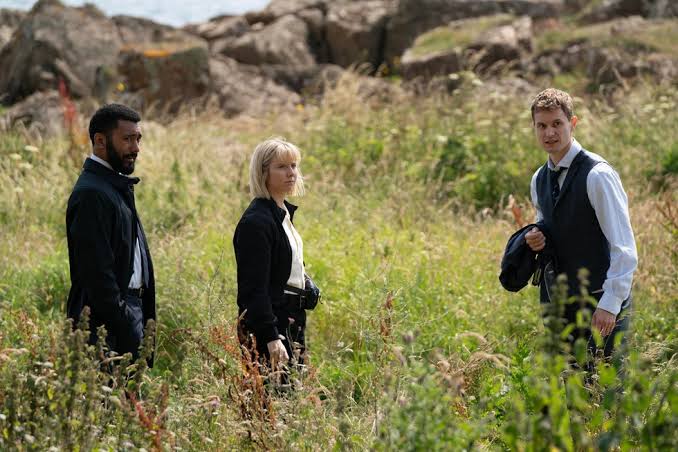
    The score contributes enormously to the atmosphere. Rather than overwhelming scenes with melodrama, the music often operates with eerie restraint. Subtle motifs recur throughout the film, reinforcing the protagonist’s growing paranoia and emotional fragmentation. At times the soundtrack almost disappears entirely, leaving only ambient sounds that heighten the realism and discomfort of the violence.

    One of the film’s greatest achievements is its relevance. While No Other Choice functions brilliantly as a thriller, it is equally powerful as a commentary on modern economic anxiety. Park explores the psychological damage caused by societies that define identity through career success and financial stability. The protagonist’s collapse is not simply personal but systemic. He inhabits a culture where failure is treated as shameful and disposability is normalised. The film suggests that beneath the surface of professional civility lies an environment driven by fear, resentment and predatory competition.

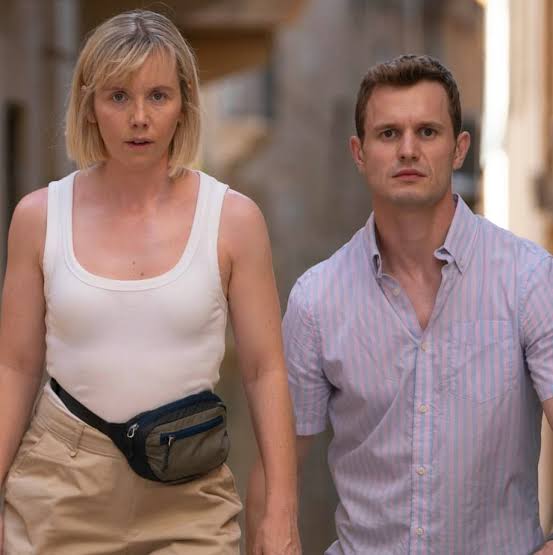
    This thematic richness elevates the movie far beyond genre entertainment. Like the best works of Park Chan-wook, No Other Choice uses suspense and violence to interrogate deeper social and emotional realities. The film asks difficult questions about masculinity, self-worth and moral compromise without reducing them to simplistic messages. Its worldview is bleak, but never shallow.

    There are echoes of other great films about alienation and desperation throughout the movie. One can sense traces of Parasite in its examination of class anxiety, hints of Falling Down in its portrait of male collapse and even shades of American Psycho in its satirical depiction of professional culture. Yet No Other Choice never feels derivative. Park synthesises these influences into something distinctly his own: elegant, vicious and emotionally devastating.

    The violence, when it arrives, is handled with characteristic precision. Park has never treated brutality casually, and here every act of violence carries emotional and psychological consequences. Rather than functioning as spectacle, the violent scenes reveal the protagonist’s accelerating moral disintegration. The director understands that the anticipation of violence can be more disturbing than graphic imagery itself, and some of the film’s most unbearable moments occur before anything explicit happens.

    Perhaps the most surprising aspect of No Other Choice is its sadness. Beneath the satire and suspense lies a mournful recognition of human fragility. Park depicts individuals trapped inside systems that reduce them to functions and statistics, leaving them emotionally isolated even from those closest to them. The protagonist’s crimes are monstrous, yet the film’s deepest horror may be the loneliness and emptiness that precede them.

    By the conclusion, No Other Choice leaves viewers with no comforting resolution. Park refuses catharsis in the conventional sense. Instead, the ending lingers like a bad dream, forcing the audience to confront the moral compromises and anxieties that the film has exposed. It is an ending that feels both inevitable and hauntingly open-ended.

    In many ways, No Other Choice represents another evolution for Park Chan-wook as a filmmaker. While it contains the visual sophistication and tonal audacity associated with his work, it also feels more restrained and mature in its emotional approach. The film trusts viewers to sit with ambiguity and discomfort rather than providing easy answers or sensationalism.

    Ultimately, No Other Choice is a masterful piece of cinema: intelligent, unnerving and crafted with extraordinary confidence. It stands as one of the sharpest examinations of contemporary anxiety in recent years, wrapped inside a thriller that becomes increasingly horrifying precisely because it feels so plausible. Park Chan-wook once again proves himself one of the world’s essential filmmakers, capable of transforming social critique into something both viscerally entertaining and profoundly disturbing.

    It is not an easy film to watch, nor is it intended to be. But for viewers willing to embrace its discomfort, No Other Choiceoffers a rich, uncompromising and unforgettable experience that lingers long after the credits roll.

  • Blu-ray review: “The Lawnmower Man” (1992)

    “The Lawnmower Man” (1992)

    Science Fiction

    Running Time: 108 / 142 minutes

    Written by: Brett Leonard and Gimel Everett

    Directed by: Brett Leonard

    Featuring: Jeff Fahey, Pierce Brosnan, Jenny Wright, Geoffrey Lewis and Austin O’Brien

    Dr. Lawrence Angelo: “This is all so new.”

    Jobe Smith: “It’s not new. I realized that nothing we’ve been doing is new. We haven’t been tapping into new areas of the brain – we’ve just been awakening the most ancient. This technology is simply a route to powers that conjurers and alchemists used centuries ago. The human race lost that knowledge and now I’m reclaiming it through virtual reality.”

    Dr. Lawrence Angelo: “You’re moving too fast. Even with all these new abilities, there are dangers. Man may be able to evolve a thousand-fold through this technology, but the rush must be tempered with wisdom.”

    There are few films more firmly rooted in the strange technological optimism and paranoia of the early 1990s than The Lawnmower Man. Released in 1992, directed by Brett Leonard, and only tenuously connected to a short story by Stephen King, the film has endured not because it is flawless, but because it is gloriously ambitious. It is one of those movies that aimed directly at the future and landed somewhere wonderfully bizarre between cyberpunk nightmare, philosophical science fiction, and unintentional camp. Decades later, the film has become a cult artifact of the virtual reality boom before virtual reality actually existed in any meaningful consumer form.

    The 4K restoration Blu-ray release from Scream Factory finally gives the film the sort of lavish treatment cult fans always believed it deserved. While this is technically a Blu-ray sourced from a new 4K scan rather than a UHD disc presentation, the release nevertheless feels definitive in many respects, especially because it includes both the theatrical and director’s cuts alongside an excellent collection of supplements. The restoration itself originates from a new 4K scan of the interpositive, with additional director’s cut footage sourced from original camera negative materials.

    What becomes immediately apparent upon revisiting The Lawnmower Man today is how deeply sincere the film is. Modern audiences accustomed to detached irony may initially laugh at its dated CGI or its overheated performances, but beneath the primitive digital imagery lies a film genuinely fascinated by the possibilities and dangers of technological evolution. Leonard was clearly striving for something visionary rather than merely commercial. The result may occasionally stumble, but it never feels lazy.

    The premise remains irresistible. Dr. Lawrence Angelo, played by Pierce Brosnan with an earnest intensity bordering on desperation, is a scientist experimenting with intelligence enhancement through virtual reality immersion and psychoactive drugs. His test subject becomes Jobe Smith, portrayed by Jeff Fahey in one of the most committed performances of his career. Jobe begins the film as a mentally disabled gardener abused by nearly everyone around him, but Angelo’s experiments rapidly transform him into a super-intelligent being whose consciousness eventually exceeds human limitations altogether.

    Watching the film now, one can see how heavily it borrows from Flowers for Algernon, Frankenstein, and classic cautionary science fiction. Yet The Lawnmower Man filters these influences through the hyperactive visual language of early-90s techno culture. The film is drenched in neon lighting, industrial sound design, and digital hallucinations that now resemble a forgotten CD-ROM game from the Windows 95 era. Instead of diminishing the experience, however, this dated quality has become part of its charm.

    The computer-generated imagery was groundbreaking at the time, even if modern eyes inevitably see the seams. The famous cyberspace sequences remain fascinating artifacts of cinematic experimentation. Their abstract digital landscapes, floating geometric bodies, and impossible camera movements reflect filmmakers attempting to visualize the internet years before mainstream society fully understood what the internet might become. There is something oddly prophetic about the movie’s fear that networked intelligence could transcend human morality.

    The restoration highlights these visual ambitions remarkably well. Grain remains present and organic throughout much of the presentation, especially in darker scenes, while detail levels are significantly improved over older DVD releases. Flesh tones appear natural, contrast is stronger, and the image retains a pleasingly filmic texture rather than succumbing to excessive digital noise reduction. The transfer does reveal the limitations of some visual effects work, of course. The CGI sequences often appear softer and less refined because of the technological constraints of the era, but that softness is authentic to the production rather than a flaw of the restoration.

    Importantly, Scream Factory resisted the temptation to over-process the image. In an era where many catalogue restorations suffer from aggressive smoothing and artificial sharpening, this release feels respectful to the original cinematography. Among physical media collectors, there is ongoing debate about restorations that sacrifice film grain for a falsely “clean” appearance, particularly on some modern 4K releases. Thankfully, The Lawnmower Man avoids most of those pitfalls. The presentation may not possess the razor-sharp precision of contemporary digital filmmaking, but it looks authentically cinematic.

    The audio presentation is equally strong. Both cuts include DTS-HD Master Audio 5.1 mixes alongside the original 2.0 audio configuration. The surround mix proves surprisingly immersive during the VR sequences, with electronic effects swirling aggressively through the rear channels. Dan Wyman’s electronic-heavy score benefits tremendously from the expanded soundscape, helping create the unsettling sensation that reality itself is fragmenting.

    Performance-wise, the film remains anchored almost entirely by Jeff Fahey. It is difficult to overstate how much emotional credibility he brings to material that could easily collapse into absurdity. His transformation from childlike innocence to godlike menace unfolds gradually enough to remain believable within the film’s heightened world. Fahey never plays Jobe as a joke, and that sincerity gives the film its tragic center.

    Pierce Brosnan, meanwhile, delivers one of the more fascinating performances of his pre-James Bond career. Long before he became synonymous with suave sophistication, Brosnan frequently played emotionally vulnerable intellectuals. Dr. Angelo is a man whose scientific idealism blinds him to ethical catastrophe, and Brosnan communicates genuine guilt and fear as his experiment spirals beyond control.

    The supporting cast adds texture as well. Jenny Wright brings warmth and humanity to the film, while Geoffrey Lewis lends his trademark eccentricity to the small-town environment surrounding Jobe’s transformation. The contrast between rustic Americana and futuristic cyberspace gives the movie a uniquely strange atmosphere, almost like a Stephen King small-town horror story colliding with William Gibson cyberpunk fiction.

    One of the greatest strengths of this release is the inclusion of both the theatrical cut and the longer director’s cut. The differences are substantial enough to justify viewing both versions. The theatrical version moves faster and emphasizes spectacle, while the director’s cut allows character relationships and thematic ideas more room to breathe. According to production history, studio executives pushed for a tighter, more effects-oriented presentation during the original release. The longer cut restores quieter moments that better contextualize Jobe’s evolution and Angelo’s growing moral crisis.

    The supplemental features are excellent and elevate the set beyond a simple catalogue upgrade. The standout is the feature-length documentary Cybergod: Creating The Lawnmower Man, which explores the film’s production, visual effects breakthroughs, and cult legacy in considerable depth. Interviews with Leonard, Fahey, and various crew members reveal how ambitious the production truly was for its time. The documentary also captures the transitional moment in Hollywood when digital imagery was beginning to reshape filmmaking itself.

    The audio commentary with Leonard and producer Gimel Everett is another highlight. Rather than offering dry technical information, the track conveys genuine passion for the project. Leonard in particular remains deeply invested in the film’s themes and technological aspirations, and his enthusiasm becomes infectious even when discussing production compromises.

    Collectors will also appreciate the inclusion of deleted scenes, conceptual artwork, storyboards, trailers, and behind-the-scenes galleries. These materials reinforce how much imagination fueled the project, even when the available technology struggled to fully realize the filmmakers’ vision.

    Ironically, the film’s dated CGI now enhances its appeal rather than diminishing it. Modern audiences have become accustomed to photorealistic digital effects, but The Lawnmower Man represents an era when cyberspace was still mysterious and abstract. The primitive polygons and surreal wireframe imagery possess a dreamlike quality absent from contemporary blockbuster aesthetics. The film feels less like polished corporate entertainment and more like a fever dream about the coming digital age.

    That dream is also unexpectedly relevant today. The film’s anxieties about artificial intelligence, networked consciousness, surveillance technology, and humanity losing control of its own creations no longer seem purely speculative. In many ways, The Lawnmower Man anticipated conversations that dominate modern technological discourse. Its depiction of a rapidly evolving intelligence escaping institutional control resonates differently in the age of machine learning and algorithmic influence.

    Of course, the film is not without flaws. Some performances are broad, certain dialogue exchanges are unintentionally hilarious, and the pacing occasionally drags in the extended cut. The rural side characters sometimes feel lifted from a different movie entirely. Yet these imperfections are inseparable from the film’s identity. The Lawnmower Man belongs to a fascinating category of ambitious science fiction that reaches beyond its grasp but remains compelling because of the attempt itself.

    This Blu-ray restoration ultimately serves as both preservation and reevaluation. It allows viewers to appreciate the movie not merely as a nostalgic curiosity, but as an important cultural artifact from a moment when Hollywood was trying to imagine the digital future. The release respects the film’s eccentricities while presenting it with a level of technical care that reveals strengths hidden beneath decades of dismissive reputation.

    For cult film fans, physical media collectors, and lovers of strange 1990s science fiction, this release is enormously rewarding. It may not transform The Lawnmower Man into an undisputed masterpiece, but it absolutely confirms its status as one of the most fascinating techno-thrillers of its era. The film remains weird, uneven, visionary, ridiculous, and hypnotically entertaining all at once.

    And honestly, that is exactly why it deserves a place in any serious genre collection.

  • DVD review: “Bergerac: Series 1 – 9” (1981 – 1991)

    “Bergerac: Series 1 – 9” (1981 – 1991)

    TV Series / Drama

    3-stars

    Episodes: Eighty Seven

    Created by: Robert Banks Stewart

    Featuring : John Nettles, Terence Alexander, Sean Arnold, Louise Jameson, Annette Badland, Deborah Grant, Cécile Paoli, Celia Imrie and Thérèse Liotard

    Detective Sergeant Jim Bergerac: “Jersey is an island. It’s nine miles by five. And if you drive *very* slowly, you can take a whole hour to go right round it. But when you get back, there’s still the same old restaurants and bars, discos and boutiques. Same sad faces waiting to be faced. Jersey is some kind of prison.”

    The enduring appeal of the classic British detective series Bergerac has never really faded. First broadcast in 1981 and running for almost a decade, the series became one of the defining ITV crime dramas of its era, blending murder mysteries, family drama, dry humor, and picturesque island scenery into a formula that still feels remarkably comforting today. The DVD releases of the show — particularly the Complete First Series and later complete collection box sets — may not be lavish restorations in the modern boutique-label sense, but they remain an important preservation of one of British television’s most beloved detective programs. 

    At the center of the series is Jim Bergerac, played with effortless charisma by John Nettles. Long before he became synonymous with Midsomer Murders, Nettles made Bergerac one of television’s great unconventional detectives. Unlike the hyper-competent, emotionally detached investigators that populated many crime dramas of the period, Bergerac is messy, flawed, vulnerable, and deeply human. He is divorced, battling alcoholism, permanently irritated by authority, and constantly trying to balance his work with his responsibilities as a father. That humanity gives the series an emotional grounding that elevates it above a standard procedural.

    The DVD release allows modern audiences to rediscover how unusual the show really was in 1981. On paper, it resembles a traditional detective series, but the tone is far more relaxed and character-driven than many of its contemporaries. There are murders and conspiracies, certainly, but the storytelling often feels secondary to the atmosphere. Much of the pleasure comes from simply spending time in Jersey, watching Bergerac drive around in his Triumph Roadster, trading barbs with colleagues, and navigating the complicated social hierarchy of island life.

    One of the greatest strengths of the series — and one of the reasons the DVDs remain so watchable — is the setting itself. Jersey becomes almost a character in the show. The island’s coastline, harbors, winding roads, cafés, hotels, and wealthy estates create a visual identity unlike almost any other British crime series of the era. Modern detective dramas often chase bleak realism and urban grit, but Bergerac thrives on elegance and escapism. Even when dealing with murder, fraud, blackmail, or smuggling, the show feels sunlit and strangely cozy.

    The DVD presentation preserves that charm surprisingly well, even within the limitations of standard definition. The transfers are presented in their original 4:3 television format with Dolby Digital mono audio. Naturally, the image quality reflects the age and television origins of the material. There is softness throughout, occasional print damage, muted colors, and some fluctuations in contrast, but longtime fans will probably find this entirely appropriate. In many ways, the slightly rough presentation enhances the nostalgic quality of the series.

    This is not a glossy restoration that scrubs away the texture of early 1980s television. Instead, the DVDs retain the analog warmth of the original broadcasts. Grain is present, detail can be inconsistent, and outdoor scenes occasionally look weathered, but the transfers generally remain stable and watchable. Considering that much British television of this era survives only in compromised materials, it is fortunate that Bergerac looks as solid as it does on DVD.

    The mono soundtrack is similarly functional rather than spectacular. Dialogue is clear, which is ultimately the most important thing for a dialogue-heavy detective drama. The iconic theme music by Mike Vickers still sounds wonderfully evocative, instantly transporting viewers back to a particular era of British television. There may be occasional hiss or limited range, but nothing distracting enough to diminish enjoyment.

    What truly makes the DVDs valuable, though, is the opportunity to revisit the storytelling rhythms of older television. Modern crime series often race from one plot twist to another, but Bergerac unfolds patiently. Episodes are allowed to breathe. Characters have time to converse, locations are allowed to establish atmosphere, and the mysteries develop gradually. Watching the series today feels almost therapeutic compared to the relentless pace of contemporary streaming thrillers.

    The first series in particular is fascinating because it establishes the emotional DNA of the show so confidently from the beginning. The episodes included in the original release — such as “Picking It Up,” “Nice People Die in Bed,” and “Campaign for Silence” — immediately define Bergerac as a detective who relies as much on instinct and empathy as police procedure. The writing has an understated intelligence, rarely resorting to melodrama even when the plots become increasingly elaborate.

    A huge part of the show’s success also comes from the supporting cast. Terence Alexander is magnificent as Charlie Hungerford, Bergerac’s wealthy and morally flexible father-in-law. Their relationship gives the series much of its wit and personality. Charlie often operates in a gray area between respectable businessman and opportunistic schemer, and Bergerac’s reluctant dependence on him creates a wonderfully entertaining tension.

    Meanwhile, the police station scenes provide the traditional procedural framework, though even here the tone remains lighter and more personable than many crime dramas. The series never becomes overly cynical. Even when dealing with corruption or violence, Bergerac retains a fundamentally humane perspective.

    The DVD packaging itself is fairly straightforward, typical of British television releases from the mid-2000s. The Complete First Series arrived as a three-disc set containing all ten episodes. Later complete-series collections expanded this into large multi-disc box sets covering all nine seasons. These releases prioritize accessibility over collector-oriented presentation. There are generally few substantial bonus features, which may disappoint viewers accustomed to modern deluxe editions filled with documentaries and commentaries.

    Still, there is something oddly fitting about the simplicity of the release. Bergerac was always an unpretentious series. It did not rely on flashy gimmicks or sensationalism. Its appeal came from character, atmosphere, and consistency, and those strengths remain fully intact on DVD.

    Revisiting the series today also highlights how influential it became within British television history. Bergerac helped pave the way for later location-based detective dramas that turned their settings into integral parts of their identity. Without Bergerac, it is difficult to imagine the success of shows like Inspector Morse, A Touch of Frost, or even the more modern wave of regional detective dramas that dominate British television now.

    What is perhaps most impressive is how emotionally sincere the series feels decades later. Bergerac is not a superhero detective. He makes mistakes, struggles with relationships, and frequently appears exhausted by life itself. John Nettles plays him with a naturalism that never feels forced. There is no grandstanding performance here — just a believable man trying to do his job while holding his personal life together.

    That understated approach gives the series enormous rewatch value. The DVD release becomes less about solving mysteries and more about inhabiting a world. It is comfort television in the best possible sense: intelligent, charming, mature, and deeply relaxing.

    For longtime fans, these DVD releases are essential simply because they preserve a landmark piece of British television history in accessible form. For newcomers, they offer a chance to experience a style of television drama that modern productions rarely attempt anymore — slower, warmer, more character-focused, and unconcerned with constant shock value.

    The Bergerac DVDs may not boast cutting-edge restorations or extensive supplements, but the quality of the series itself shines through regardless. Sometimes a great television show does not need elaborate packaging or technical wizardry to endure. Sometimes strong writing, memorable characters, and a perfect setting are more than enough.

    More than forty years after its debut, Bergerac still feels welcoming every time the theme music begins and Jim Bergerac sets off across Jersey in search of another mystery. That enduring charm is what makes these DVD releases so worthwhile. 

  • 4K Blu-ray review: “Alligator” (1980)

    “Alligator” (1980)

    Horror

    Running Time: 91 minutes

    Written by: John Sayles

    Directed by: Lewis Teague

    Featuring: Robert Forster, Robin Riker, Michael Gazzo, Jack Carter, Dean Jagger, Sidney Lassick, Perry Lang, Sue Lyon, Angel Tompkins and Henry Silva

    Bob: “We got a big toe in the morgue once. Nothing else; just a big toe. Never found the rest of him. But, we figured out who it was. Had a funeral and everything.”

    David: “Must have been a pretty small casket.”

    Few cult monster movies have aged as gracefully as Alligator. Released in 1980 during the long shadow cast by Jaws, director Lewis Teague and screenwriter John Sayles took what could have been a disposable exploitation creature feature and turned it into something far more entertaining, slyly funny, and surprisingly sharp. The new 4K UHD edition from Shout! Factory finally gives the film the deluxe treatment it has deserved for decades, and the result is one of the most satisfying catalog horror releases in recent years.

    The premise remains gloriously ridiculous in the best possible way. A baby alligator is flushed down a toilet by an annoyed parent, survives in the Chicago sewer system, and feeds on discarded experimental animals injected with growth hormones. Years later, the reptile has grown into a gigantic man-eating monster stalking beneath the city streets. It is the sort of setup that could easily collapse into camp incompetence, but Alligator succeeds because everyone involved treats the material seriously while still understanding the absurdity at its core.

    The screenplay by Sayles is one of the film’s secret weapons. Rather than merely staging attack scenes every ten minutes, the script spends time with its characters and satirizes political corruption, corporate greed, and media sensationalism. Critics have long noted how much smarter the film is than its drive-in reputation suggests, with reviewers praising the way the script elevates familiar monster movie material. 

    At the center of the film is Robert Forster, giving one of the great underappreciated performances in horror cinema. His detective David Madison is weary, frustrated, insecure about his thinning hair, and completely believable. Forster grounds the movie emotionally, giving the audience someone human to follow amid the escalating madness. Long before his late-career rediscovery through Jackie Brown, Forster demonstrated here why he was such a compelling screen presence. He plays the role straight, never winking at the audience, which paradoxically makes the film even funnier.

    Robin Riker also brings charm and intelligence to the role of reptile expert Marisa Kendall, avoiding the typical screaming-victim clichés that plagued many genre films of the era. Together, the leads create an unusually engaging dynamic for a monster movie, and their chemistry helps sustain the quieter stretches between attacks.

    Of course, no one watches Alligator purely for nuanced characterization. The film ultimately lives or dies on its monster mayhem, and it still delivers magnificently. The practical effects work remains impressive even today. The oversized alligator effects, miniature work, sewer sets, and explosive finale have a tactile quality modern CGI-heavy creature features often lack. Several sequences remain startlingly effective, especially the infamous wedding attack, which still lands with shocking force decades later. Modern viewers continue to celebrate the film’s practical creature work and confident pacing. 

    What makes the movie especially enjoyable is its balancing act between horror and humor. Unlike outright spoofs, Alligator never descends into parody. The comedy emerges naturally from character interactions, bureaucratic incompetence, and the sheer insanity of the situation. There is a dry wit running through the film that feels closer to 1970s satire than typical 1980s creature-feature excess.

    The 4K UHD presentation itself is excellent. Scream Factory’s release is sourced from a new 4K scan of the original camera negative with Dolby Vision and HDR10 grading, and the upgrade over previous home video versions is substantial. Reviewers have consistently praised the transfer for its detailed image, strong color reproduction, and improved contrast handling. 

    The visual improvements are immediately noticeable. Fine detail in skin textures, sewer environments, and the alligator effects is dramatically enhanced. Grain remains intact and filmic without appearing overly scrubbed or processed. The movie retains its gritty late-70s/early-80s texture while benefiting from richer blacks and stronger shadow detail. The sewer sequences particularly benefit from HDR grading, creating a moodier and more atmospheric appearance than earlier Blu-ray editions.

    Colors also gain a surprising amount of vibrancy. Greens become more pronounced without looking artificial, nighttime scenes exhibit stronger depth, and daylight exteriors carry a warm urban realism. According to several technical reviews, the Dolby Vision pass especially improves low-light scenes and gives the film a more cinematic appearance overall. 

    The audio presentation is less flashy but still highly effective. The original mono track is preserved in DTS-HD Master Audio, and while it obviously lacks modern surround immersion, it sounds clean, stable, and authentic to the film’s original theatrical experience. Dialogue remains clear throughout, and the score carries a satisfyingly pulpy energy. Most reviewers agree the mono presentation suits the material perfectly. 

    Where this release truly shines for collectors is in the supplemental material. Scream Factory has packed the set with interviews, commentaries, TV versions, archival content, and behind-the-scenes material that contextualizes the film beautifully. Boutique labels sometimes overpromise on extras, but this edition largely delivers a comprehensive celebration of the movie’s cult status. 

    Physically, the packaging is also attractive, particularly the recent SteelBook edition released in 2026, which continues the label’s trend of giving cult horror titles premium collector treatment. 

    What is perhaps most striking revisiting Alligator today is how confident the filmmaking feels. Lewis Teague directs with genuine skill, staging suspense sequences effectively while maintaining brisk pacing throughout the relatively lean runtime. The film never overstays its welcome. It understands exactly what audiences came to see and delivers with professionalism, intelligence, and a surprising amount of style.

    In many ways, Alligator represents the perfect example of elevated B-movie filmmaking. It embraces exploitation cinema traditions while adding just enough craft, satire, and character depth to transcend them. The film’s reputation has steadily grown over the decades because it genuinely earns its cult classic status rather than merely benefiting from nostalgia.

    This 4K release finally presents the movie with the visual and archival respect it deserves. For longtime fans, it is an essential upgrade. For newcomers, it is an ideal way to discover one of the most entertaining creature features of its era. Beneath the outrageous premise lies a smart, sharply made monster movie that remains funny, suspenseful, and immensely rewatchable.

    More than forty years later, Ramon the sewer alligator still has plenty of bite.