
“Vampire Circus” (1972)
Horror

Running Time: 87 minutes
Written by: Judson Kinberg
Directed by: Robert Young
Featuring: Adrienne Corri, Laurence Payne, Thorley Walters, John Moulder-Brown, Anthony Higgins and Lynne Frederick
Michael: “The Circus of Nights! A hundred delights!”
Few studios are as synonymous with Gothic horror as Hammer Films. During the late 1950s and throughout the 1960s, Hammer reinvented classic monsters with vivid color cinematography, lavish period settings, and a healthy dose of sensuality that set them apart from Universal’s earlier interpretations. By the early 1970s, however, the horror landscape had changed dramatically. Audiences had embraced increasingly graphic horror from filmmakers around the world, and Hammer found itself struggling to remain relevant. Rather than simply repeating familiar formulas, the studio began experimenting with darker themes, greater violence, and more overt sexuality. Among the most fascinating—and arguably most underrated—results of this creative evolution is Vampire Circus (1972).
Released in the same year as Dracula A.D. 1972 and Fear in the Night, Vampire Circus stands apart as one of Hammer’s most imaginative productions. Directed by Robert Young, the film combines traditional vampire mythology with carnival spectacle, psychological horror, fairy tale imagery, and moments of startling brutality. While it was overshadowed at the time by Hammer’s better-known Dracula and Frankenstein franchises, Vampire Circus has since earned recognition as one of the studio’s finest late-period achievements.
Now, thanks to a stunning 4K Ultra HD restoration, Vampire Circus receives the presentation it has long deserved. The release not only showcases the film’s remarkable visual artistry but also serves as a reminder that Hammer’s creative spark remained very much alive during its final golden years.
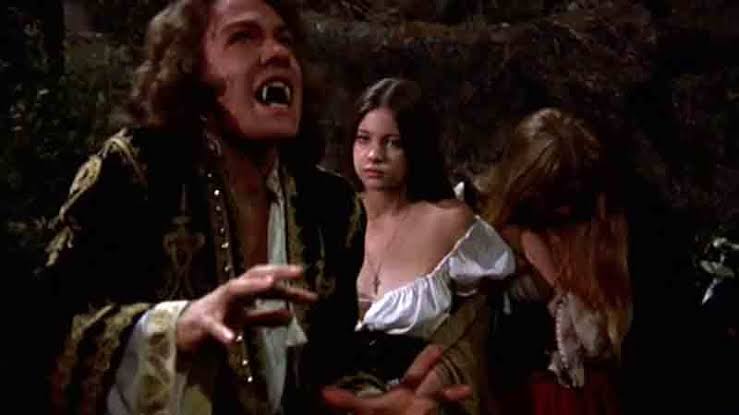
The film opens with an unforgettable sequence. Count Mitterhaus (Robert Tayman), a notorious vampire who preys upon the children of the village of Schtettel, is finally hunted down by the townspeople. Before being destroyed, however, he places a terrifying curse upon the village, promising that its children will die.
Years later, the curse appears to have come true. The isolated village is suffering under quarantine due to a deadly plague, and hope has nearly vanished. Into this atmosphere of fear arrives a mysterious traveling circus led by the enigmatic Gypsy woman (Adrienne Corri). The performers include the seductive twins Emil and Emili (played by twin actors David Prowse’s body is not involved—rather, Robin Sachs and Lalla Ward are not; actually portrayed by Skip Martin and others in illusionistic roles), an alluring panther woman, skilled acrobats, and bizarre entertainers who immediately fascinate the local children.
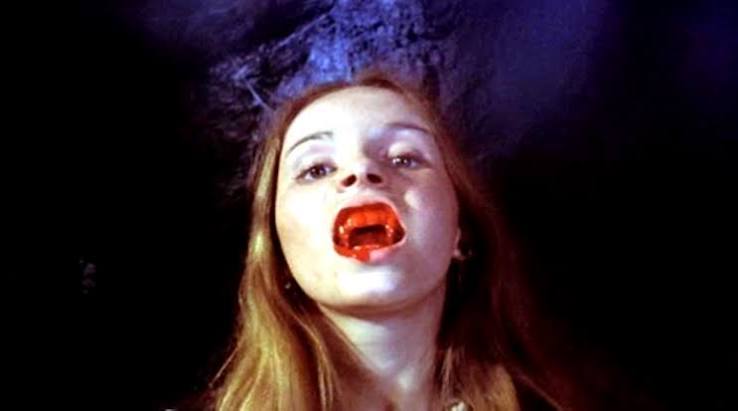
But behind the colorful performances lurks a horrifying secret. The circus performers are servants of the dead Count Mitterhaus, seeking revenge by luring away the village’s children to restore their master’s power.
Unlike many vampire films that build toward a single revelation, Vampire Circus embraces a dreamlike narrative filled with surreal episodes, shape-shifting, hypnotism, erotic temptation, and shocking murders. The result feels almost like a Gothic nightmare unfolding before the audience.
One of the film’s greatest strengths is its willingness to break away from established Hammer conventions.
Rather than focusing solely on aristocratic vampires hiding within ancient castles, Vampire Circus creates an atmosphere of constant movement and uncertainty. The circus itself becomes an invading force—a traveling nightmare that transforms innocent entertainment into lethal deception.
The screenplay cleverly blends several genres. There are elements of vampire lore, plague drama, folk horror, revenge tragedy, and psychological fantasy. The village, isolated by disease and fear, becomes a prison whose inhabitants are emotionally exhausted before the vampires even begin their assault.
This atmosphere gives the story unusual emotional weight. Every adult fears losing their children, while every child is irresistibly drawn toward the circus’s magical attractions.
The contrast between innocence and corruption becomes one of the film’s central themes.
Director Robert Young approaches the material with striking confidence.
Instead of emphasizing nonstop action, Young creates tension through mood and visual storytelling. The pacing allows suspense to develop naturally while maintaining an undercurrent of dread that rarely disappears.
Several scenes possess an almost fairy tale quality before suddenly descending into horrific violence. The circus performances themselves become miniature horror stories, filled with illusion, seduction, and hidden menace.
Young also stages numerous memorable visual set pieces, including attacks involving animal transformations, mirrors, elaborate costumes, and surreal dream imagery.
His direction constantly surprises, making Vampire Circus feel less predictable than many contemporary Hammer productions.
Adrienne Corri delivers one of the film’s strongest performances as the mysterious Gypsy leader.
She radiates intelligence, menace, and confidence, serving as both ringmaster and high priestess of evil. Corri understands exactly how theatrical Hammer horror should be, balancing camp spectacle with genuine threat.
Robert Tayman makes a powerful impression despite relatively limited screen time. His Count Mitterhaus projects aristocratic cruelty while maintaining an almost supernatural charisma that continues to haunt the narrative long after his apparent death.
The supporting cast—including Thorley Walters, Anthony Higgins (credited as Anthony Corlan), and Lynne Frederick—all contribute convincing performances that elevate the material beyond simple exploitation.
The children are also unusually effective, helping make the film’s emotional stakes feel authentic.
Perhaps the greatest revelation of the 4K presentation is David Muir’s extraordinary cinematography.
Hammer productions have always been known for their rich colors, but Vampire Circus may rank among the studio’s most visually sophisticated achievements.
The forests appear lush and mysterious.
The candlelit interiors glow with warmth before descending into darkness.
The circus costumes explode with vibrant reds, golds, blues, and purples.
Animal imagery, fog-filled landscapes, stained glass, and Gothic architecture combine to produce an almost storybook aesthetic.
The restoration reveals textures that were often softened on previous home video editions.
Clothing fabrics, facial makeup, wood grain, and stone architecture display exceptional clarity without sacrificing the organic appearance of film.
Grain remains natural throughout, preserving Hammer’s original photographic texture.
High Dynamic Range is one of the greatest strengths of this release.
The deep blacks greatly enhance nighttime scenes while preserving shadow detail.
Torchlight and candlelight possess remarkable warmth.
Blood effects appear richer without becoming exaggerated.
The circus costumes benefit enormously from HDR, with saturated colors creating a vivid contrast against the bleak village surroundings.
Importantly, the grading respects the original look of the film rather than artificially modernizing it.
Fans familiar with older Blu-ray editions will likely notice substantial improvements in depth, dimensionality, and color stability.
The original mono soundtrack is presented with impressive clarity.
Dialogue remains consistently intelligible, while the haunting musical score receives welcome presence without overwhelming the mix.
Ambient effects—including animal sounds, crowd noise, and eerie circus music—help immerse viewers within the unsettling atmosphere.
Optional lossless presentations preserve the original sonic character while minimizing age-related limitations.
Subtitles are clean and accurately timed.
Collectors will be pleased by an extensive selection of bonus material that explores both the production itself and Hammer’s final creative period.
Depending on the edition, supplements typically include:
- Audio commentaries featuring Hammer historians
- New interviews with surviving cast and crew
- Featurettes examining Hammer’s evolution during the early 1970s
- Discussions of vampire mythology within British horror cinema
- Restoration demonstrations
- Original theatrical trailers
- Image galleries and promotional materials
- Booklets containing essays on the film’s production and critical legacy
These extras significantly enrich appreciation of the film while documenting its growing reputation among horror scholars and fans.
When Vampire Circus premiered in 1972, critical reception was mixed. Some reviewers dismissed its blend of Gothic horror and surreal spectacle as overly bizarre, while others focused on its graphic violence and sensual imagery. Over the decades, however, the film has undergone a remarkable critical reassessment.
Today it is widely regarded as one of Hammer’s boldest late productions, praised for its inventive visual style, unsettling atmosphere, and willingness to push beyond the studio’s established formulas. Its blend of folklore, eroticism, and nightmare imagery feels strikingly modern, anticipating later European horror films that similarly blurred the line between fantasy and terror.
Watching it now, it’s easy to see why the film has become a favorite among Hammer enthusiasts. It captures a studio in transition—embracing new ideas while retaining the craftsmanship, elegance, and Gothic sensibility that made its name.
The 4K Ultra HD release of Vampire Circus is a triumph for both Hammer fans and collectors of classic horror. The restoration highlights the film’s lush cinematography, atmospheric production design, and richly saturated color palette, presenting it in a way that surpasses every previous home-video edition. Combined with strong audio quality and a generous selection of supplements, this release finally gives the film the showcase it deserves.
More than fifty years after its release, Vampire Circus remains one of Hammer Films’ most imaginative and visually arresting works. It blends fairy tale fantasy with Gothic terror, creating an experience that is at once beautiful, disturbing, and unforgettable. For those who appreciate classic British horror at its most daring, this 4K edition is an essential addition to the collection and a compelling reminder that some of Hammer’s greatest achievements came during its most adventurous period.




Leave a Reply