
“The Onedin Line” (1971 – 1980)
TV Series / Drama

Episodes: Ninety One
Created by: Cyril Abraham
Featuring : Peter Gilmore, Anne Stallybrass, Jessica Benton and Howard Lang
James Onedin: “The wind blows free for any man’s use.”
There are television dramas that entertain for a season, others that capture a particular era, and then there are the rare productions that become enduring classics. The Onedin Line, produced by the BBC between 1971 and 1980, belongs firmly in that final category. Spanning eight series and 91 episodes, it remains one of the most ambitious historical dramas ever produced for British television. The complete DVD collection offers viewers the opportunity to experience the entire saga from beginning to end, allowing modern audiences to appreciate just how extraordinary this series remains over four decades after its original broadcast.
Set between 1860 and 1886, the drama follows the rise of ambitious Liverpool shipowner James Onedin, charting not only the fortunes of his shipping empire but also the profound social and technological changes that transformed Victorian Britain. Created by Cyril Abraham, the series blends historical authenticity, family drama, romance, business rivalry and maritime adventure into one richly textured narrative that still feels remarkably compelling today.
At its heart, The Onedin Line is the story of ambition.
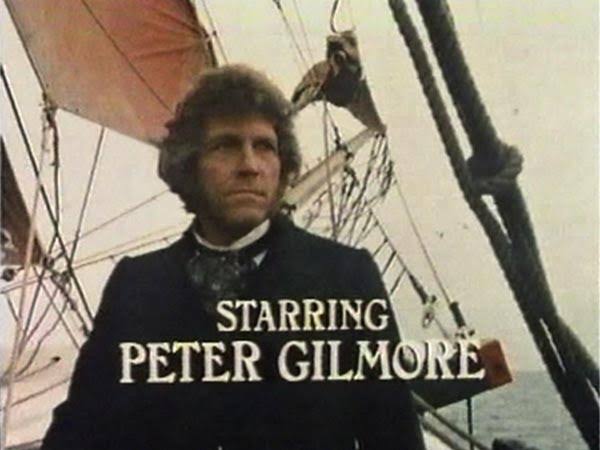
James Onedin, magnificently portrayed by Peter Gilmore, begins as a determined young sea captain with little more than courage, intelligence and an almost ruthless determination to own his own ship. His marriage of convenience to Anne Webster, played beautifully by Anne Stallybrass, provides the financial stepping stone that launches his shipping business.
What could easily have become a straightforward business drama instead develops into something much richer. James is never presented as a flawless hero. He is stubborn, emotionally distant, frequently selfish and often obsessed with business at the expense of family. Yet these flaws make him believable. His successes feel earned precisely because they come through sacrifice, risk and relentless hard work.
Watching the entire series in sequence allows viewers to appreciate James’ remarkable evolution. He matures from an impulsive young captain into one of Victorian Britain’s leading shipping magnates while never entirely losing the restless drive that defines his character.
Although James dominates the narrative, The Onedin Line succeeds because it never becomes solely about him.
The Onedin family itself forms the emotional backbone of the series. Robert Onedin, Elizabeth, Sarah, Anne and later generations all receive substantial storylines that develop naturally over the course of nearly two decades of storytelling.
Relationships evolve realistically. Marriages change. Children grow into adults. Friendships deepen while rivalries become increasingly complex. Characters disappear through death, emigration or changing circumstances exactly as they would in real life.
Unlike many modern dramas where supporting characters exist simply to service the main protagonist, everyone here feels like the central figure in their own story.
One of the series’ greatest achievements is its depiction of Victorian Britain.
Rather than presenting an idealised version of the nineteenth century, The Onedin Line embraces the complexities of the era. The Industrial Revolution is transforming commerce. Steam gradually replaces sail. International politics influence trade routes. Financial crashes threaten fortunes. Disease outbreaks, labour disputes and international conflicts become integral parts of the narrative.
Historical events rarely feel forced into the story. Instead, they naturally influence the characters’ decisions, making viewers feel immersed in the rapidly changing world of nineteenth-century commerce. The series is set across Liverpool and the wider maritime world between 1860 and 1886, reflecting the transition from sail to steam alongside Britain’s expanding global trade.
Perhaps no television drama before or since has showcased sailing ships with such affection.
The magnificent square-riggers, schooners and merchant vessels become characters in their own right.
Every departure carries emotional weight.
Every storm sequence creates genuine suspense.
Every arrival represents the culmination of months of dangerous travel.
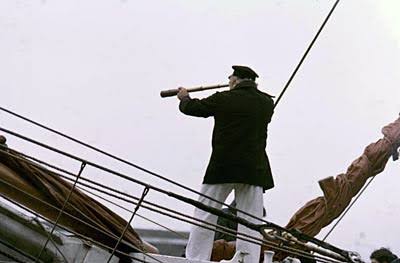
The production team made remarkable use of surviving historic vessels, and even today the maritime photography remains breathtaking. The camera lingers on towering masts, billowing sails and vast oceans with an elegance rarely seen in television production.
Modern CGI could undoubtedly recreate these images more cheaply, but it could never replicate the authenticity of seeing real ships battling real seas.
Peter Gilmore anchors the series with enormous charisma.
His James Onedin is difficult to like at times, but impossible not to respect. Gilmore understands that true leadership often comes at personal cost, portraying James as a man continually balancing business success against emotional fulfilment.
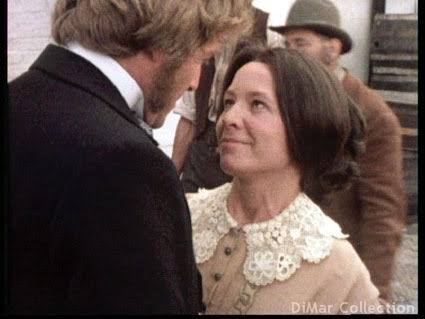
Anne Stallybrass delivers one of television’s finest understated performances. Anne Webster begins as part of a business arrangement but gradually becomes one of the emotional centres of the series. Her intelligence, patience and quiet strength provide a perfect counterbalance to James’ often uncompromising nature.
The supporting cast is equally impressive. Jessica Benton, Howard Lang and numerous recurring performers create an ensemble whose chemistry strengthens with every passing season.
One of the pleasures of watching the complete series is observing how naturally these performances evolve over nearly ten years of production.
Considering the era in which it was produced, The Onedin Line remains remarkably ambitious.
Location filming was extensive.
Costumes are consistently authentic.
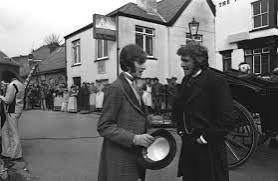
The recreated Victorian docks feel genuinely lived-in.
Interior sets possess warmth and texture rather than theatrical artificiality.
Most impressive are the maritime sequences. Filming aboard working sailing ships presented enormous logistical challenges, yet the production rarely betrays its limitations.
Instead, the sea scenes possess an authenticity that many modern productions struggle to match despite vastly larger budgets.
Few television themes are as instantly recognisable as The Onedin Line.
Its use of the Adagio from Aram Khachaturian’s ballet Spartacus has become legendary.
The soaring melody perfectly captures both romance and adventure, becoming inseparable from the series itself.
Every opening title immediately transports viewers back to Victorian Liverpool, preparing them for another chapter in the Onedin family’s remarkable journey.
It remains one of television’s greatest theme tunes.
Long-running dramas often struggle to maintain quality.
Remarkably, The Onedin Line largely avoids this trap.
Each series introduces fresh challenges without abandoning what made the programme successful.
Business rivalries evolve.
International trading expands.
Family dynamics shift.
New characters emerge naturally.
Older favourites depart with dignity.
The balance between historical events and personal drama remains consistent throughout all eight series.
Although some later episodes inevitably reflect changing television production styles of the late 1970s, the writing rarely loses focus.
Watching all 91 episodes reveals an impressive commitment to long-form storytelling rarely attempted at the time.
The complete DVD collection is a dream release for fans.
Containing all eight series across 27 discs, it finally allows viewers to experience the entire saga without interruption. The episodes retain their original 4:3 presentation, preserving the look and feel of the BBC broadcasts. Audio is presented in the original mono, with English subtitles available.
Picture quality naturally varies according to the age and condition of the surviving materials. Earlier seasons show occasional softness, minor print damage and the limitations of early colour videotape and film production. However, these characteristics become part of the viewing experience rather than distractions.
Colours remain pleasing, detail is generally strong, and later seasons benefit from improved source elements.
Sound quality is perfectly serviceable. Dialogue remains consistently intelligible while Khachaturian’s unforgettable score sounds rich and surprisingly full considering the original mono recordings.
While this is not a lavish restoration comparable to some modern 4K catalogue releases, the DVD presentation faithfully preserves one of the BBC’s most important drama productions.
Perhaps the greatest compliment that can be paid to The Onedin Line is that it never feels like merely nostalgic television.
Its themes remain timeless.
Ambition.
Family loyalty.
Technological change.
Economic uncertainty.
Love complicated by business.
The price of success.
These issues remain just as relevant today as they were in Victorian Britain.
Modern audiences accustomed to faster editing and shorter seasons may initially need time to adjust to its deliberate pacing. Yet that patience is richly rewarded. The slower rhythm allows characters to breathe, relationships to develop naturally and emotional moments to carry genuine weight.
Many contemporary prestige dramas owe an unspoken debt to productions like The Onedin Line, which demonstrated decades ago that television could sustain complex character development over many years while maintaining historical authenticity and emotional depth.
The Onedin Line deserves its reputation as one of the BBC’s greatest achievements. Richly written, beautifully acted and visually distinctive, it remains a landmark of British television drama. The complete DVD collection offers the definitive way to experience James Onedin’s extraordinary journey, from an ambitious young captain with a single ship to the head of a powerful maritime empire.
Its combination of historical detail, compelling family drama, maritime spectacle and unforgettable performances ensures that it has lost remarkably little of its power. Whether rediscovering a cherished favourite or experiencing it for the first time, viewers will find a series that rewards patience with intelligent storytelling and emotional richness.



Leave a Reply