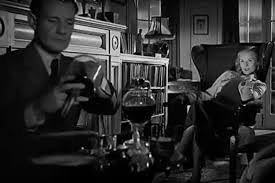
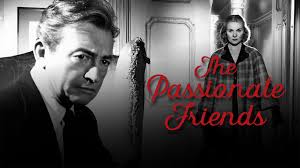
“The Passionate Friends” (1949)
Drama

Running Time: 91 minutes
Written by: Eric Ambler, Stanley Haynes, David Lean and H. G. Wells
Directed by: David Lean
Featuring: Ann Todd, Claude Rains and Trevor Howard
Howard Justin: “Don’t you see that you two together are dangerous? You just have to keep away from one another. In the future, I’m going to see to it that you do.”
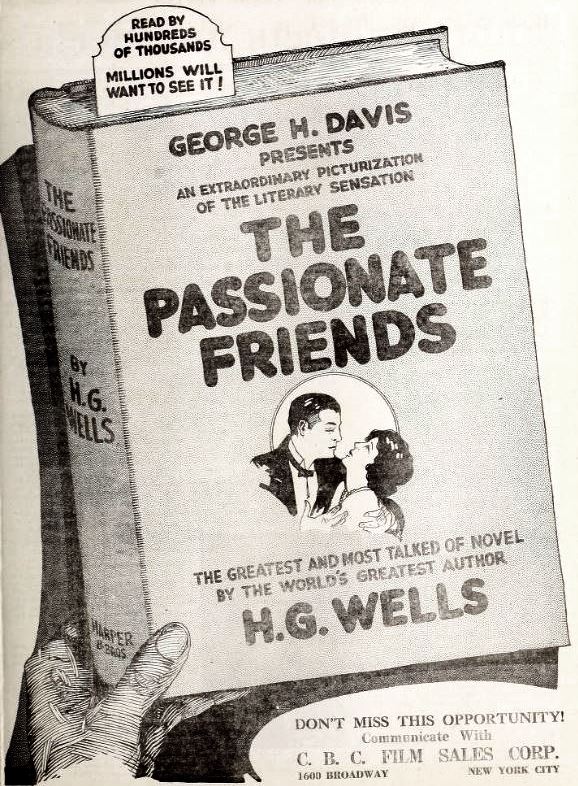
Few filmmakers have captured the emotional complexities of love, regret, and missed opportunities as elegantly as David Lean. While his later epics such as Lawrence of Arabia and Doctor Zhivago often dominate discussions of his career, his earlier romantic dramas reveal a filmmaker with an extraordinary sensitivity to human relationships. One of the finest examples is 1949’s The Passionate Friends, a beautifully crafted adaptation of the novel by H. G. Wells that arrives on Blu-ray looking better than ever and offering modern audiences the chance to rediscover a largely overlooked masterpiece.
At first glance, The Passionate Friends may seem like a conventional romantic melodrama. However, beneath its elegant surface lies a remarkably mature and psychologically complex examination of love, marriage, class, and personal freedom. Lean’s direction transforms what could have been a simple love triangle into a deeply moving portrait of emotional compromise and lifelong yearning.
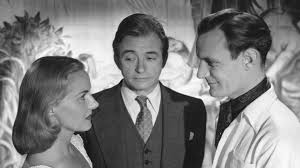
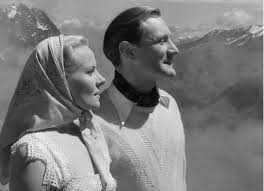
The story centers on Mary Justin, played magnificently by Ann Todd. Mary is married to the wealthy and successful banker Howard Justin, portrayed with quiet authority by Claude Rains. Although comfortable and secure in her marriage, she remains haunted by memories of her former lover Steven Stratton, played by Trevor Howard. When chance brings Mary and Steven together again during a holiday in Switzerland, long-suppressed emotions begin to resurface, threatening the carefully constructed lives they have built.
What makes the film so compelling is its refusal to offer simple moral judgments. Lean and his collaborators present each character as fully human. Howard Justin is not a villainous husband standing in the way of true love. Claude Rains gives one of the most nuanced performances of his career, portraying a man whose intelligence and emotional restraint conceal deep vulnerabilities. Likewise, Steven is not merely a romantic ideal but a flawed individual whose passion and idealism come with their own costs.
At the center of everything is Ann Todd’s remarkable performance. Lean’s camera frequently lingers on her face, allowing the audience to witness Mary’s internal struggles without the need for excessive dialogue. Todd conveys longing, regret, happiness, and despair with extraordinary subtlety. It is one of the great performances of British cinema during the post-war era and deserves far greater recognition than it typically receives.
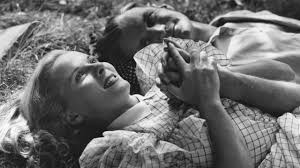
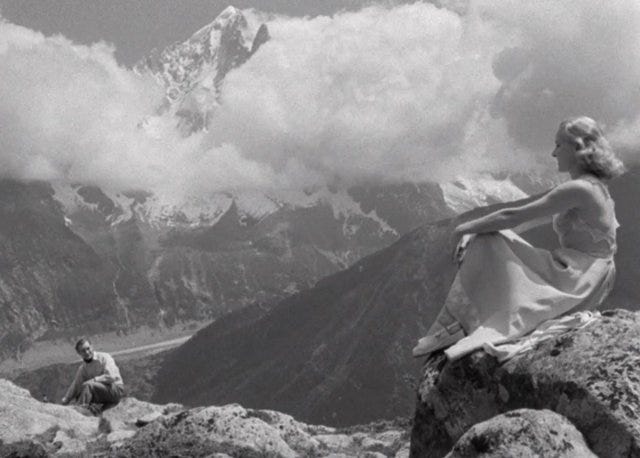
Visually, the film demonstrates Lean’s growing mastery of cinematic storytelling. Although made years before his widescreen spectacles, The Passionate Friends already showcases many of the qualities that would define his later work. The Swiss locations are photographed with breathtaking beauty, serving as both romantic backdrop and emotional landscape. The mountains, lakes, and elegant hotels create an atmosphere of both freedom and isolation, mirroring the characters’ emotional states.
The cinematography is particularly striking. Lean and cinematographer Jack Hildyard employ sophisticated compositions and lighting techniques that elevate the material far above standard melodrama. Reflections, shadows, and carefully framed interiors subtly reinforce themes of memory and emotional confinement. The film’s structure, built around flashbacks and shifting perspectives, was also relatively sophisticated for its time and remains highly effective today.
One of the film’s greatest strengths is its screenplay. Adapted from Wells’ novel, it explores themes that remain surprisingly modern. Questions about whether security should be valued over passion, whether individuals can ever truly escape their past, and whether emotional fulfilment justifies personal sacrifice are examined with intelligence and sensitivity. Rather than offering easy answers, the film invites viewers to consider the complexities of adult relationships.
The supporting cast is equally impressive. Claude Rains delivers a masterclass in understated acting. His performance grows richer with each viewing, revealing layers of affection, pride, jealousy, and resignation. Trevor Howard provides an effective counterpoint as the idealistic Steven, creating believable chemistry with Todd while avoiding romantic clichés.
Watching the film today, it is remarkable how contemporary many of its emotional concerns feel. Unlike some romantic dramas of its era, The Passionate Friends treats its characters as intelligent adults grappling with difficult choices rather than as simple archetypes. The result is a film that remains emotionally engaging more than seventy-five years after its original release.
The Blu-ray presentation does full justice to Lean’s artistry. The high-definition transfer reveals impressive levels of detail throughout. Textures in costumes, furnishings, and location photography are significantly improved compared to older home-video editions. Film grain appears natural and consistent, preserving the cinematic appearance of the original production while offering a noticeable increase in clarity.
Black levels are strong, and contrast is handled with care, allowing the film’s sophisticated lighting schemes to shine. Close-ups benefit particularly from the restoration work, revealing subtle details in the actors’ expressions that are essential to the film’s emotional impact. The Swiss exteriors look especially beautiful, showcasing the depth and richness of the photography.
The audio presentation is naturally limited by the film’s age but remains clear and well-balanced. Dialogue is consistently intelligible, while the musical score is reproduced with warmth and fidelity. Any restoration work appears respectful, avoiding excessive digital manipulation while preserving the film’s original character.
Supplementary features vary depending on the specific release, but the best editions include scholarly commentaries, interviews, and appreciation pieces that help place the film within Lean’s career and the broader context of British post-war cinema. Such extras are particularly valuable for a film that has often been overshadowed by Lean’s more famous works.
Ultimately, The Passionate Friends stands as one of David Lean’s most underrated achievements. It combines emotional intelligence, exceptional performances, visual elegance, and sophisticated storytelling into a deeply satisfying romantic drama. For fans of classic British cinema, it represents essential viewing, while newcomers may be surprised by how modern and emotionally resonant it feels.
This Blu-ray release provides the ideal opportunity to reassess a film that deserves a place among the finest romantic dramas of the 1940s. Beautifully acted, exquisitely directed, and presented with considerable care, The Passionate Friends remains a poignant exploration of love, memory, and the roads not taken.


Leave a Reply