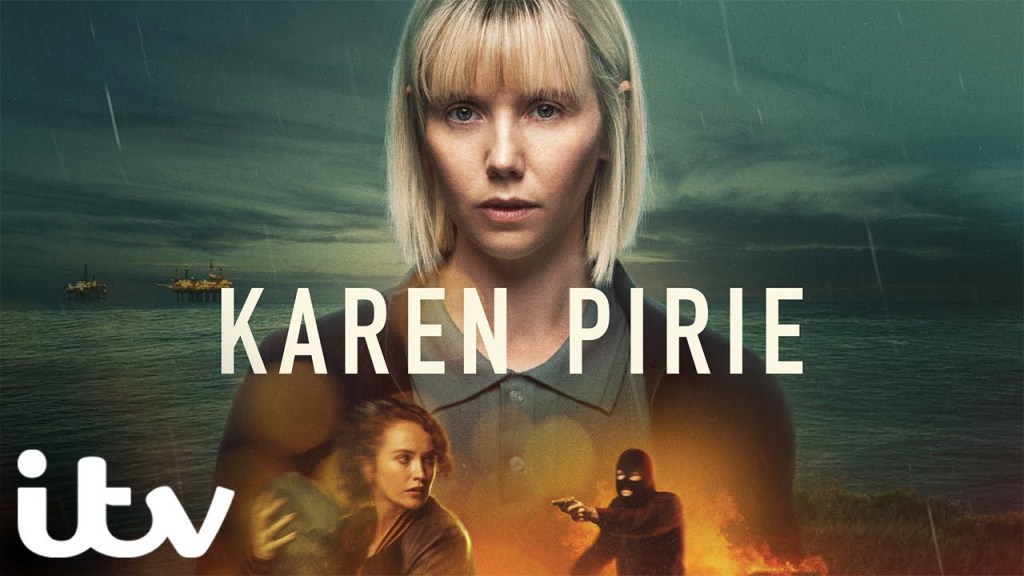
“Karen Pirie Series 1 and 2” (2022 – 2025)
TV Series / Drama

Episodes: Six
Based on Inspector Karen Pirie series by Val McDermid
Featuring : Lauren Lyle, Chris Jenks and Zach Wyatt
“You are maddening, Pirie, you know that right? You’re blinkered, you’re obsessive. And sometimes you are extraordinarily rude. But… you, and I will only ever say this once, are brilliant. So yes, go solve the case please. And now just please, get out.”
Few television genres are as crowded as the British crime drama. Every year audiences are introduced to another troubled detective, another grisly murder, and another conspiracy stretching back decades. It takes something genuinely distinctive to rise above the competition. Fortunately, Karen Pirie manages exactly that. Across its first two series, the ITV adaptation of Val McDermid’s acclaimed novels establishes itself as one of the freshest and most engaging detective dramas in recent years, combining intelligent mysteries with memorable characters, sharp humour, and a welcome emotional warmth.
Adapted by Emer Kenny, who also appears in the series as forensic pathologist Dr. River Wilde, Karen Pirie understands that audiences don’t simply want complicated murder mysteries—they want detectives worth spending time with. The show’s greatest achievement is creating a lead investigator who feels thoroughly modern without abandoning the traditions that have made British detective fiction so enduring.
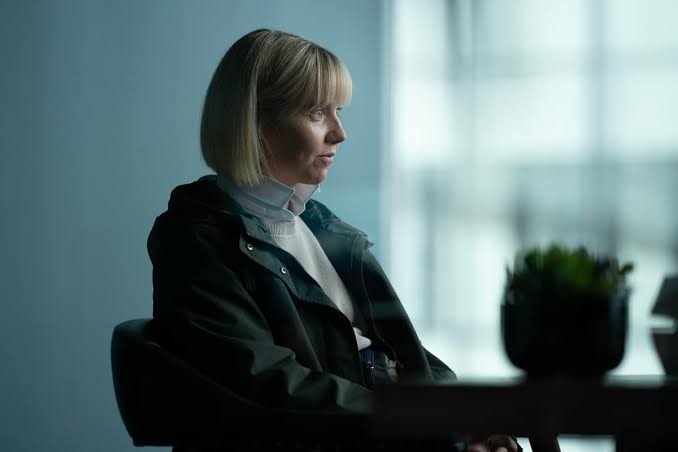
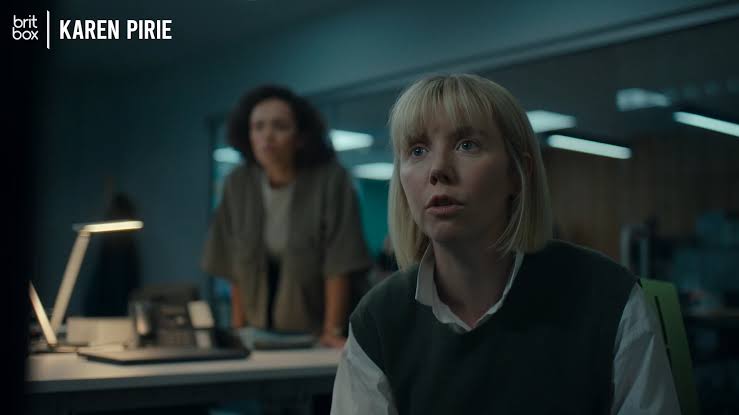
At the centre is Lauren Lyle, delivering a charismatic performance that effortlessly carries both series. Karen is intelligent, fearless, occasionally impulsive, and refreshingly free of many of the clichés that have dominated television detectives for decades. She’s not tortured by endless personal demons, nor does she possess supernatural investigative abilities. Instead, she’s observant, compassionate, persistent and willing to challenge institutional complacency whenever the evidence demands it.
That grounded humanity gives the series its unique identity.
The opening series, adapted from McDermid’s novel The Distant Echo, immediately hooks viewers with a fascinating premise. A murder committed twenty-five years earlier suddenly returns to public attention through a true-crime podcast, forcing Police Scotland to reopen a case many believed had long since been forgotten.
Rather than presenting the investigation as a straightforward procedural, the series cleverly alternates between the original events in the mid-1990s and Karen’s contemporary investigation. This structure allows viewers to gradually assemble the puzzle alongside the detective while constantly questioning what they think they know.
The murder itself is compelling, but it’s the characters surrounding it that make the mystery so absorbing. Former suspects, retired detectives, grieving families and forgotten witnesses all carry secrets that have festered over decades. Every interview peels back another layer of deception.
What distinguishes the writing is its refusal to paint characters in simplistic terms. Nearly everyone exists within shades of grey. People make mistakes. Good intentions lead to terrible outcomes. Memories prove unreliable. Even those who appear guilty often earn surprising sympathy as the story unfolds.
Emer Kenny’s screenplay balances procedural detail with genuine emotional investment. The investigation never becomes bogged down in technical jargon because every discovery directly affects believable people whose lives have been shaped by a crime that refuses to stay buried.
The pacing is superb. Across three feature-length episodes, revelations arrive naturally rather than feeling artificially withheld. Every twist emerges from careful character development rather than shock value.
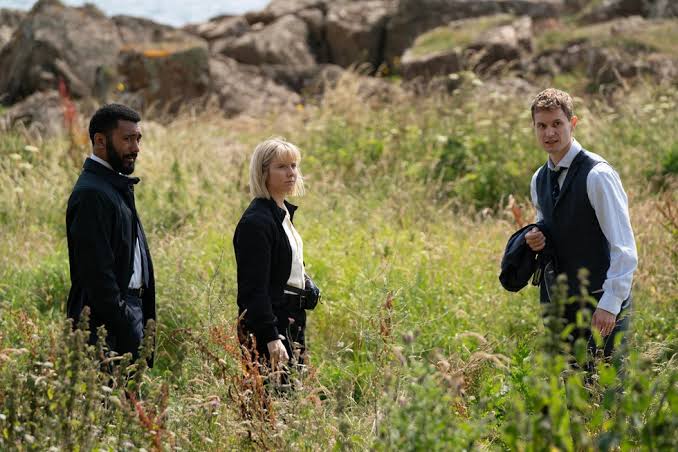
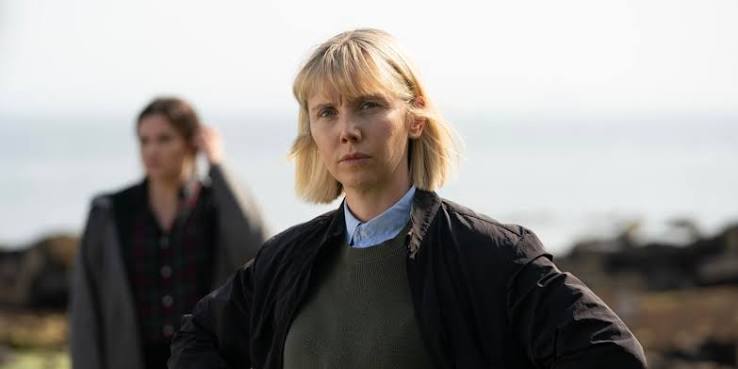
The Scottish setting also becomes an essential character. Rather than merely providing attractive scenery, the streets of St Andrews and surrounding locations reinforce themes of memory, history and communities where everyone knows everyone else’s past.
Lauren Lyle shines throughout. Karen’s confidence never drifts into arrogance, while her determination remains balanced by vulnerability and occasional uncertainty. She earns the audience’s respect because she consistently follows evidence rather than ego.
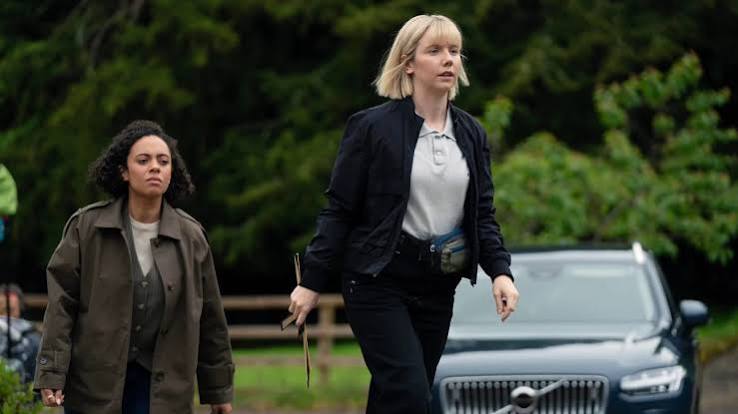
Her relationship with Jason “Mint” Murray provides much of the show’s humour. Their partnership feels authentic, built upon mutual respect instead of forced television banter.
By the closing episode, the series delivers an immensely satisfying conclusion that manages to surprise while remaining entirely believable. It is a difficult balance that many crime dramas fail to achieve.
After the success of the first series, expectations were understandably high. Fortunately, Series Two largely meets them by expanding both the scope and emotional complexity of Karen’s investigations.
Based upon McDermid’s A Darker Domain, the second series centres on the decades-old disappearance of wealthy heiress Catriona Grant and her infant son during the turbulent political climate of 1984. The investigation grows into a sprawling mystery involving family secrets, political tensions, corporate corruption and international connections.
This is a considerably larger story than its predecessor.
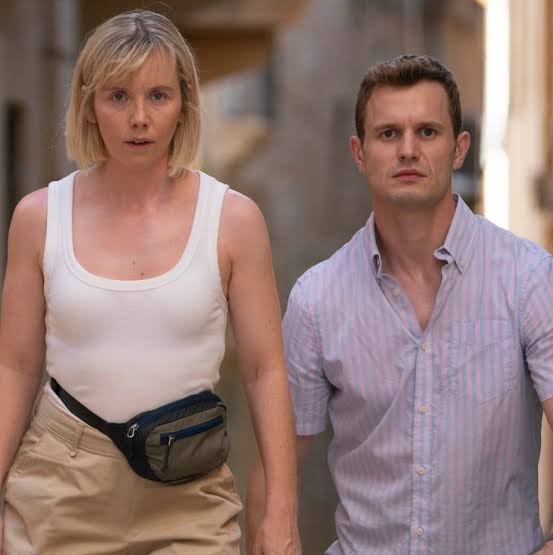
Where Series One focused upon one murder and a relatively contained community, Series Two stretches across multiple decades and countries, with scenes filmed in both Scotland and Malta. The production values have clearly increased, giving the drama a cinematic scale without sacrificing intimacy.
The narrative regularly shifts between 1984 and the present day, allowing viewers to witness the original kidnapping unfold while Karen slowly uncovers long-hidden truths. This dual timeline is handled confidently, with each flashback adding genuine narrative value rather than merely filling in background information.
Lauren Lyle continues to develop Karen beautifully. Having gained confidence through previous successes, Karen now occupies a more senior role, yet she remains recognisably the same determined investigator. She’s more assured but still willing to question authority when necessary.
One of the series’ strengths is that Karen’s intelligence never comes from knowing everything. She succeeds because she listens carefully, notices small inconsistencies, and refuses to accept convenient explanations.
James Cosmo delivers particularly memorable work as Sir Broderick Grant, creating a figure whose imposing presence dominates much of the narrative. His performance adds considerable dramatic weight to the mystery.
The supporting cast across both timelines is consistently excellent, ensuring viewers remain emotionally invested in events occurring forty years apart.
If there is one criticism of Series Two, it is occasionally its sheer ambition. The plot introduces numerous characters, political themes and family relationships that demand close attention. At times the story risks becoming overly intricate, particularly during its final act.
Nevertheless, the emotional payoff proves rewarding, and the eventual revelations feel earned rather than contrived. Critics praised the second series for its layered mystery and Lauren Lyle’s assured return, with review aggregators also responding strongly to the season.
The success of Karen Pirie ultimately rests upon Lauren Lyle’s remarkable performance.
Television detectives often fall into familiar stereotypes: emotionally broken geniuses, permanently miserable loners or eccentric outsiders. Karen is something altogether different.
She’s witty.
She’s compassionate.
She’s ambitious without being ruthless.
She makes mistakes.
She enjoys her friendships.
She occasionally loses patience.
Most importantly, she genuinely likes solving crimes because she believes victims deserve justice.
Lyle makes Karen immensely likeable without diminishing her professional credibility. Her natural charisma ensures that even scenes involving lengthy interviews or procedural discussions remain engaging.
She possesses excellent comic timing, allowing moments of levity to emerge naturally amidst darker subject matter.
It’s one of the strongest detective performances British television has produced in years.
Emer Kenny deserves enormous credit for successfully translating McDermid’s novels into television.
Rather than simply reproducing the books scene for scene, she understands how to reshape them for the screen, emphasising visual storytelling, natural dialogue and richly developed supporting characters.
The scripts also avoid sensationalism.
Violence is never exploitative.
Victims remain human beings rather than narrative devices.
Investigations focus upon truth rather than spectacle.
The result feels intelligent without becoming inaccessible.
Both series benefit from impressive production standards.
The cinematography beautifully captures Scotland’s landscapes while maintaining an atmosphere appropriate for detective fiction. Historic streets, coastal scenery and quiet villages all contribute to a sense that history lingers beneath every location.
The musical score remains subtle throughout, supporting emotional moments without overwhelming them.
Direction across both series maintains an excellent balance between suspense, character development and procedural storytelling.
Editing is particularly effective during the dual-timeline sequences, allowing viewers to follow complex narratives without confusion.
Across two outstanding series, Karen Pirie has established itself as one of Britain’s finest contemporary detective dramas. Rather than relying upon excessive violence or increasingly elaborate conspiracies, it succeeds through intelligent writing, believable characters and genuinely absorbing mysteries.
Series One offers one of television’s strongest cold-case investigations in recent memory, while Series Two confidently expands the show’s scale without losing sight of its emotional core.
Lauren Lyle delivers a career-defining performance, creating a detective audiences genuinely enjoy following, while Emer Kenny’s adaptations capture everything that makes Val McDermid’s novels so compelling.
The combination of engaging mysteries, emotional intelligence, strong performances and beautiful Scottish locations makes Karen Pirie essential viewing for fans of British crime drama.
In an era overflowing with detective series, Karen Pirie proves that originality still matters. It respects its audience, trusts its storytelling and consistently delivers satisfying mysteries driven by character rather than gimmicks.


Leave a Reply