This superhero team-up film serves as a sequel to “Captain Marvel” whilst also incorporating characters from “WandaVision” and “Ms. Marvel”.
In the film, Carol Danvers (Brie Larson) aka Captain Marvel has reclaimed her identity from the tyrannical Kree and taken revenge on the Supreme Intelligence. But unintended consequences see Carol shouldering the burden of a destabilized universe.
When her duties send her to an anomalous wormhole linked to a Kree revolutionary, her powers become entangled with that of Jersey City super-fan Kamala Khan (Iman Vellani), aka Ms. Marvel, and Carol’s estranged niece, now S.A.B.E.R. astronaut Captain Monica Rambeau (Teyonah Parris).
The movie features Zawe Ashton as a villain and Park Seo-joon. Goose, the Flerken who resembles a cat, returns from “Captain Marvel”. Nia DaCosta (“Candyman,” “Little Woods”) helms the film from a script she co-wrote with Megan McDonnell, Elissa Karasik, and Zeb Wells.
“The Marvels” will mark the third and final Marvel film release of the year and is due out in cinemas on November 10th.
Written by: David Giler and Lorenzo Semple Jr. based on the novel by Loren Singer
Directed by: Alan J. Pakula
Featuring: Warren Beatty, Hume Cronyn, William Daniels and Paula Prentiss
Carroll Commission Spokesman:“Ladies and gentlemen, you have been invited here today for the official announcement of the inquiry into the death of Senator Charles Carroll. This is an announcement, not a press conference. Therefore, there will be no questions. A complete transcript of the investigation is being prepared for publication on March 1st. At that time, the committee will hold a full-scale press conference. After nearly four months of investigation, followed by nine weeks of hearings, it is the conclusion of this committee that Senator Carroll was assassinated by Thomas Richard Linden. It is our further conclusion that he acted entirely alone, motivated by a sense of patriotism and a psychotic desire for public recognition. The committee wishes to emphasize that there is no evidence of any wider conspiracy; no evidence whatsoever. It’s our hope that this will put an end to the kind of irresponsible and exploitive speculation conducted by the press in recent months, as I’ve said in the complete text of the hearings, which provides the bases for the committee’s findings which will be published on March 1st. When you’ve had a chance to examine the evidence, you’ll have every opportunity to ask those questions which remain unanswered, if they are any. That is all. Thank you.”
Critical Commentary
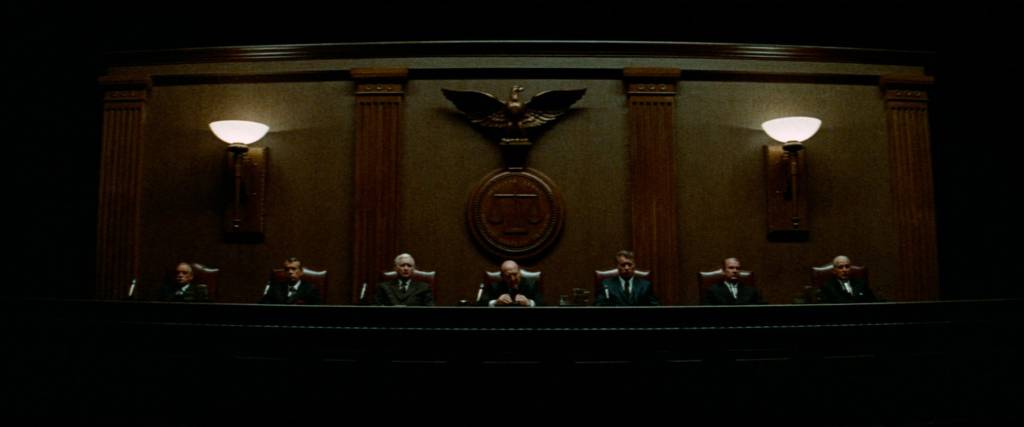
“The Parallax View” is a 1974 political thriller film directed by Alan J. Pakula and starring Warren Beatty. The film tells the story of a reporter named Joe Frady (Beatty) who investigates a mysterious organization called the Parallax Corporation, which seems to be involved in a series of political assassinations.
The film is notable for its moody atmosphere, intricate plot, and suspenseful pacing. The cinematography is also excellent, with a number of memorable shots and sequences that effectively build tension.
One of the film’s strengths is its ambiguity. The true nature and motivations of the Parallax Corporation are never fully explained, leaving the audience to draw their own conclusions. This ambiguity adds to the sense of unease and paranoia that permeates the film.
Warren Beatty gives a solid performance as the determined but flawed protagonist, and the supporting cast is also strong. The film’s score, composed by Michael Small, is also excellent and adds to the overall atmosphere of the film.
Overall, “The Parallax View” is a well-crafted and engaging political thriller that has stood the test of time. Its themes of power, corruption, and conspiracy are still relevant today, and its visual style and storytelling techniques have influenced many films in the years since its release.
The film’s exploration of the media’s role in shaping public perception and the potential dangers of unchecked power is particularly relevant in today’s society. The Parallax Corporation, with its ability to manipulate public opinion and control the narrative, is a chilling representation of the dangers of a shadowy group with unchecked power.
Additionally, the film’s use of conspiracy theories and paranoia to create tension and uncertainty is a technique that has been employed in countless thrillers since its release. The Parallax View remains a standout example of this genre, however, due to its expert execution and thought-provoking themes.
One criticism that can be leveled at the film is that some of its plot twists and turns are a bit convoluted and difficult to follow. However, this can also be seen as a strength, as it keeps the audience engaged and invested in the story as they try to piece together the puzzle.
Overall, “The Parallax View” is a gripping and thought-provoking political thriller that is worth watching for anyone interested in the genre. Its complex plot, strong performances, and moody atmosphere make it a standout film from the 1970s and a classic of its kind.
Furthermore, “The Parallax View” is a visually stunning film. The cinematography, by Gordon Willis, is dark and shadowy, with a deliberate use of light and shadow to create a sense of tension and unease. The film’s use of wide shots and long takes also adds to its immersive atmosphere.
The film’s climax, set on top of a large construction site, is particularly impressive, with the dizzying heights and precarious footing adding to the tension and danger of the scene.
In addition to its technical and storytelling strengths, “The Parallax View” also serves as a commentary on the political climate of its time. Released in the wake of the Watergate scandal and other political assassinations, the film reflects the growing sense of distrust and disillusionment with the government and the media.
Overall, “The Parallax View” is a gripping and intelligent thriller that has stood the test of time. Its exploration of power, corruption, and conspiracy remains relevant today, and its technical and storytelling strengths make it a classic of the genre.
Technical Commentary
Video
Presented in its original aspect ratio of 2.39:1, encoded with MPEG-4 AVC and granted a 1080p transfer, The Parallax View arrives on Blu-ray courtesy of Via Vision Entertainment.
The release is sourced from the same recent 4K master the folks at Criterion used to produce the North American release of The Parallax View. (If you click on the link, you will see a detailed description of how the master was prepared).
For obvious reasons, I do not have any new comments to add about the quality of the actual makeover. I think that the film looks wonderfully healthy and fresh, exactly as it should after it is properly restored in 4K. The entire master is graded very carefully as well, so the different types of nuances — and yes, there are plenty — that are introduced by the original cinematography look quite impressive. However, I must mention one more time than in native 4K everything should look even better because occasionally it is easy to tell that there are even more gentle nuances that ought to be easy to recognize. There are no stability issues. This being said, I think that Via Vision Entertainment’s technical presentation should have been better. While r revisiting the film last night, I noticed how in some darker areas, but elsewhere as well, the grain can become quite loose and even begin to struggle with minor compression artifacts. So, small encoding optimizations should have been done to ensure that the technical presentation is solid. My score is 4.25/5.00. (Note: This is a Region-Free Blu-ray release. Therefore, you will be able to play it on your player regardless of your geographical location). Audio
There is only one standard audio track on this Blu-ray release: English LPCM 2.0. Optional English SDH subtitles are provided for the main feature. When turned on, they split the image frame and the black bar below it.
The audio is clear and stable, but you should expect to encounter some unevenness in terms of clarity and balance. Do not be concerned. The lossless track simply reproduces the native characteristics of the original soundtrack. The exact same fluctuations are present on the lossless track from the Criterion release as well.
Special Features
Trailer
Commentaries
Kim Newman on The Parallax View – in this new program, Kim Newman discusses the evolution of the paranoid thriller and The Parallax View. In English, not subtitled. (24 min).
Matthew Sweet on The Parallax View – in this new program, critic Matthew Sweet discusses the idea of brainwashing after the Korean War and how it actually did fuel the paranoia that is depicted in The Parallax Viewas well is its direct connection to The Manchurian Candidate. In English, not subtitled. (23 min).
Featuring: Ava Gardner, Ian McShane, Richard Wattis, Cyril Cusack and Stephanie Beacham
“O I forbid ye, maidens a’,
That wear gowd on your hair,
To come, and gae by Carterhaugh,
For young Tom-lin is there.” – Robbie Burns
Critical Commentary
“The Ballad of Tam Lin,” is a psychedelic drama that takes place in Scotland during the late 1960s. The story follows a young woman named Janet who falls in love with a mysterious man named Tom Lynn (played by Ian McShane), who is believed to be a modern-day version of the legendary Tam Lin. As their relationship develops, Janet discovers that Tom is a member of a cult led by a charismatic but dangerous figure named Michael (played by Cyril Cusack).
The film explores themes of love, obsession, and the clash between traditional and modern values. The cinematography and soundtrack are notable for their dreamlike quality and use of psychedelic imagery and music. The Ballad of Tam Lin received mixed reviews upon its release, with some critics praising its visual style and others criticizing its narrative coherence. The Ballad of Tam Lin is a unique and somewhat obscure film that may appeal to fans of psychedelic cinema and folklore-inspired stories. However, it may not be everyone’s cup of tea, and it deviates significantly from the traditional ballad that inspired it.
Despite its departures from the original ballad, The Ballad of Tam Lin has some interesting elements that make it worth watching for those interested in experimental cinema. The film’s dreamlike sequences, its use of psychedelic music, and its exploration of counterculture themes can all be seen as reflections of the late 1960s cultural zeitgeist. However, the film’s narrative can be confusing and disjointed, with some scenes feeling disconnected from the larger story. Additionally, the performances can be uneven, with some actors struggling to deliver convincing performances.
It’s worth noting that The Ballad of Tam Lin has gained a cult following over the years, with some viewers appreciating its unconventional approach to storytelling and visual style. However, it is not a film that will appeal to everyone, and those looking for a faithful adaptation of the Tam Lin ballad may be disappointed by its deviations. The Ballad of Tam Lin is a unique and somewhat experimental film that may be of interest to fans of psychedelic cinema and folkloric stories. However, it may not be the definitive adaptation of the Tam Lin ballad that some viewers are looking for.
In terms of the film’s direction, Roddy McDowall’s work on The Ballad of Tam Lin can be seen as both a strength and a weakness. On the one hand, McDowall’s use of vivid colors, unusual camera angles, and innovative visual effects create a memorable and distinctive atmosphere. On the other hand, some viewers may find the film’s visual style to be overly stylized and distracting, which could detract from their ability to engage with the story.
The performances in The Ballad of Tam Lin are also worth considering. While Ian McShane delivers a compelling and enigmatic portrayal of Tom Lynn, some of the supporting actors struggle to bring their characters to life. Additionally, the film’s dialogue can be stilted and unnatural at times, which may make it difficult for viewers to connect with the characters and their motivations.
Despite its flaws, The Ballad of Tam Lin is an interesting and unusual film that is worth checking out for fans of experimental cinema and folklore-inspired stories. However, those looking for a faithful adaptation of the Tam Lin ballad or a more traditional narrative structure may find it lacking. Overall, the film’s strengths and weaknesses make it a divisive and challenging work that will likely continue to inspire debate and discussion among viewers.
Another aspect of The Ballad of Tam Lin that may be of interest to viewers is its use of music. The film features a soundtrack that incorporates elements of folk, rock, and psychedelic music, which helps to create a distinct atmosphere that reflects the counterculture of the late 1960s. Some viewers may find the music to be an appealing aspect of the film, while others may find it to be too jarring or distracting. It’s also worth noting that The Ballad of Tam Lin is a relatively obscure film that may be difficult to find for some viewers. However, it has gained a certain degree of cult status over the years, which has helped to keep it in circulation through various home video releases and screenings at film festivals and revival houses.
Overall, The Ballad of Tam Lin is a unique and challenging film that is likely to appeal to a select group of viewers. While it deviates significantly from the traditional ballad that inspired it, it offers an interesting exploration of themes related to love, obsession, and the clash between tradition and modernity. Its strengths in terms of direction and visual style may be offset by its weaknesses in terms of narrative coherence and uneven performances, but those willing to engage with the film on its own terms may find it to be a rewarding and memorable experience.
Technical Commentary
Video
The Ballad of Tam Lin was shot in 35mm with anamorphic lenses, and the Blu-ray is in the intended ratio of 2.35:1. The transfer is based on Paramount’s HD master. Given that I hadn’t seen the film before, the colours look fine though there are occasional speckles and spots, if nothing too distracting. Grain is natural and filmlike.
Audio
The sound is the original mono, rendered as LPCM 2.0. It’s clear and well-balanced, if mixed a little low: I had to turn it up to hear some of the dialogue clearly, but fear not – the score and sound effects aren’t deafening as a result. English subtitles are available for the hard of hearing for the main feature but not the extras.
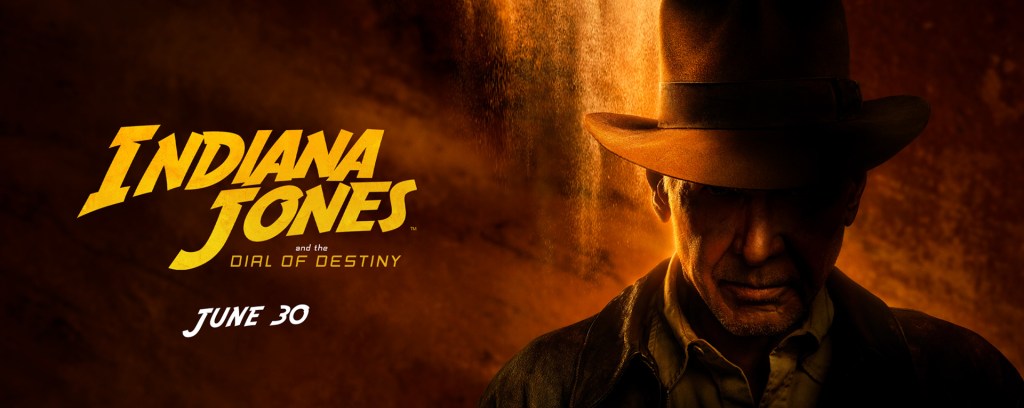
Final Trailer: “Indiana Jones & the Dial of Destiny” (2023)
Set in 1969 New York, the film will somehow tie in with Operation Paperclip (Nazi scientists given amnesty by the U.S. Government in exchange for their scientific knowledge) and the space race against the Soviet Union.
American archaeologist and adventurer Indiana Jones is now mostly retired and wrestles with fitting into a world that seems to have outgrown him. Meanwhile, Jürgen Voller (Mads Mikkelsen) – a NASA member and ex-Nazi involved with the moon-landing program, wishes to make the world into a better place as he sees fit.
Phoebe Waller-Bridge co-stars as Indiana Jones’ goddaughter, Helena, who accompanies him on his journey this time. Also starring are Antonio Banderas as an old friend of Indy’s, John Rhys-Davies reprising his role of Sallah, Boyd Holbrook as some kind of villain, along with Shaunette Renee Wilson, Thomas Kretschmann, and Toby Jones.
The new film is being directed by James Mangold and is confirmed to be 80-year-old Harrison Ford’s final outing as the famed archaeology professor and adventurer.
“Indiana Jones and the Dial of Destiny” is slated to hit cinemas on June 30th 2023.
Featuring: Nicolas Cage, Alex Wolff and Adam Arkin
Rob: “We don’t get a lot of things to really care about.”
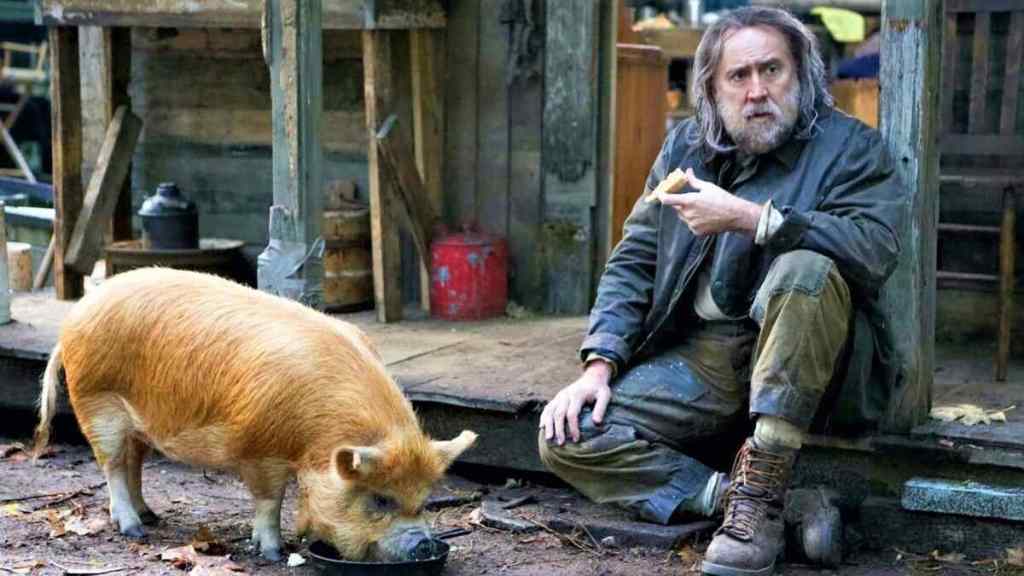
“Pig” is a 2021 drama film directed by Michael Sarnoski and starring Nicolas Cage. The film follows Cage’s character, a truffle hunter named Rob, who lives in the wilderness of Oregon with his beloved pig. When his pig is kidnapped, Rob sets out to find her, which leads him on a journey into the city and into his past.
Overall, I thought “Pig” was a very well-made film. Nicolas Cage gives a very strong performance as Rob, and the story is both moving and thought-provoking. The film’s pacing is deliberate and slow, which may not be to everyone’s taste, but it allows the story to unfold in a way that feels organic and true to life.
One of the things that I appreciated about “Pig” is how it subverts expectations. On the surface, the film seems like it’s going to be a straightforward revenge story, but as it progresses, it becomes clear that there’s much more going on beneath the surface. The film is ultimately about grief, loss, and the search for meaning in life, and it handles these themes in a way that feels both poignant and honest.
The cinematography in “Pig” is also worth mentioning. The film has a very distinctive look, with lots of shots of the Oregon wilderness and the city at night. The film’s visual style helps to create a mood of melancholy and introspection that suits the story very well.
In summary, I would definitely recommend “Pig” to anyone who is a fan of Nicolas Cage or who enjoys thought-provoking dramas. While the film may not be for everyone, it’s a well-crafted piece of cinema that deserves to be seen.
Another aspect of “Pig” that I appreciated was the way it explored the idea of identity. Rob is a character who has retreated from society and lives a solitary existence in the wilderness. When his pig is taken, he is forced to venture into the city and confront his past. As he interacts with people from his past, we see how his identity has been shaped by his experiences, both good and bad.
The film also touches on the idea of authenticity. The truffle industry, which plays a central role in the film, is portrayed as a world where appearances are everything and authenticity is hard to come by. Rob’s insistence on doing things his way and sticking to his principles is a refreshing contrast to the cutthroat world of the truffle industry.
One of the few criticisms I have of “Pig” is that some viewers may find the ending unsatisfying. The film is deliberately ambiguous in its final moments, leaving many questions unanswered. While I appreciated the open-endedness of the ending, some viewers may be frustrated by the lack of closure.
Overall, I thought “Pig” was an excellent film that tackled complex themes with intelligence and sensitivity. Nicolas Cage gives a fantastic performance, and the film’s direction and cinematography are top-notch. While the film’s deliberate pace and ambiguous ending may not be for everyone, I would highly recommend it to anyone who enjoys thought-provoking dramas.
Another interesting aspect of “Pig” is the way it examines the relationship between humans and animals. Rob’s connection to his pig is portrayed as deep and meaningful, and the film challenges us to consider the value of animal life and the ethics of exploiting animals for human benefit. This theme is especially relevant in today’s world, where issues such as factory farming and animal testing are hotly debated.
The supporting cast in “Pig” also deserves praise. Alex Wolff plays Amir, a young chef who Rob enlists to help him find his pig. Wolff gives a nuanced performance that adds depth to the character and serves as a foil to Cage’s more restrained performance. Adam Arkin also shines in a small but memorable role as a wealthy truffle dealer.
The film’s sound design is also noteworthy, with a minimalist score and carefully chosen sound effects that add to the film’s melancholic atmosphere. The use of silence in certain scenes is particularly effective, highlighting the emotional weight of the characters’ experiences.
In conclusion, “Pig” is a beautifully crafted film that explores complex themes with intelligence and sensitivity. Nicolas Cage gives a powerful performance, and the supporting cast, direction, and cinematography are all top-notch. While the film’s deliberate pace and ambiguous ending may not be for everyone, it’s a thought-provoking and emotionally resonant film that deserves to be seen.
One final aspect of “Pig” that is worth mentioning is the way it explores the idea of grief and the different ways people cope with loss. Rob’s search for his pig is not just about finding a beloved animal companion but also about coming to terms with the loss of his wife and the life they once had together. The film’s exploration of grief is handled with sensitivity, and the emotions feel authentic and relatable.
Overall, “Pig” is a remarkable film that manages to be both a meditation on grief and loss and a thrilling journey of self-discovery. The film’s themes are handled with intelligence and depth, and the performances, direction, and cinematography all work together to create a powerful cinematic experience. While the film may not be for everyone, it’s a thought-provoking and emotionally resonant work that is sure to stay with viewers long after the credits roll. I highly recommend “Pig” to anyone looking for a film that is both intellectually stimulating and emotionally moving.
Featuring: Jack Nicholson, Helen Hunt, Greg Kinnear, Cuba Gooding Jr., Skeet Ulrich and Shirley Knight
Melvin Udall:“Now, I got a real great compliment for you, and it’s true.”
Carol Connelly:“I’m so afraid you’re about to say something awful.”
Melvin Udall:“Don’t be pessimistic, it’s not your style. Okay. Here I go. Clearly a mistake.”
[shifts in his seat uncomfortably]
Melvin Udall:“I’ve got this, what, ailment? My doctor, a shrink that I used to go to all the time, he says that in fifty or sixty percent of the cases, a pill really helps. I hate pills. Very dangerous thing, pills. Hate. I’m using the word “hate” here, about pills. Hate. My compliment is, that night when you came over and told me that you would never… all right, well, you were there, you know what you said. Well, my compliment to you is, the next morning, I started taking the pills.”
Carol Connelly:“I don’t quite get how that’s a compliment for me.”
Melvin Udall:“You make me want to be a better man.”
[pause]
Carol Connelly: [stunned] “That’s maybe the best compliment of my life.”
Melvin Udall:“Well, maybe I overshot a little, because I was aiming at just enough to keep you from walking out.”
“As Good as It Gets” is a heart-warming film’s central theme is the power of human connection and the ways in which we can find redemption through our relationships with others. Melvin, who is initially abrasive and dismissive of those around him, learns to open himself up to love and friendship through his interactions with Carol and Simon. This transformation is gradual and believable, and it is one of the reasons why the film remains so beloved by audiences today. and witty film that features outstanding performances from its lead actors. Jack Nicholson’s portrayal of the misanthropic writer Melvin Udall is a tour-de-force performance that showcases his range as an actor. Helen Hunt’s performance as Carol Connelly, the waitress who helps Melvin learn to connect with others, is equally impressive.
The film’s screenplay, written by Mark Andrus and James L. Brooks, is a masterpiece in its own right. It is filled with clever dialogue, nuanced character development, and a touching storyline that explores themes of love, friendship, and redemption.
Director James L. Brooks brings the story to life with his keen sense of pacing and attention to detail. The film’s setting in New York City is captured beautifully, and the soundtrack perfectly complements the story.
One of the strengths of “As Good as It Gets” is the way it tackles issues like mental illness and social anxiety with sensitivity and empathy. Melvin’s struggles with obsessive-compulsive disorder are portrayed in a nuanced and compassionate way, while Carol’s challenges as a single mother trying to make ends meet are also handled with care.
The film’s supporting cast is also noteworthy, with standout performances from Greg Kinnear as Melvin’s gay neighbour, Simon Bishop, and Cuba Gooding Jr. as Melvin’s long-suffering agent, Frank Sachs.
Aside from the stellar performances and script, the film also boasts excellent cinematography and production design. The interiors of Melvin’s apartment and Simon’s apartment are distinct and visually interesting, while the exterior shots of New York City capture the city’s energy and vibrancy.
Overall, “As Good as It Gets” is a film that manages to be both hilarious and heartfelt, thanks to the skilful direction, strong performances, and sharp writing. It is a true gem of a movie that is well worth revisiting, even years after its initial release.
The film’s central theme is the power of human connection and the ways in which we can find redemption through our relationships with others. Melvin, who is initially abrasive and dismissive of those around him, learns to open himself up to love and friendship through his interactions with Carol and Simon. This transformation is gradual and believable, and it is one of the reasons why the film remains so beloved by audiences today.
Another aspect of the film that has aged well is its depiction of New York City. The city is portrayed as a diverse and vibrant place, full of interesting characters and unique neighborhoods. The film captures the energy and grit of the city in a way that feels authentic, and it serves as a reminder of why New York has long been a source of inspiration for filmmakers and artists.
Furthermore, the film’s exploration of mental health and the stigma surrounding it is still relevant today. Melvin’s struggles with obsessive-compulsive disorder are portrayed in a way that is both respectful and accurate, and the film challenges viewers to think more deeply about the experiences of people living with mental illness. The fact that this was a mainstream Hollywood film released in the late 1990s is a testament to the film’s importance and impact.
It is worth noting that “As Good as It Gets” is a rare example of a romantic comedy that manages to be both funny and poignant without ever feeling sappy or contrived. The film’s humor is always grounded in its characters and their relationships, and the romantic moments are earned rather than forced. This is a film that appeals to both the head and the heart, and it is a testament to the power of great storytelling.
In conclusion, “As Good as It Gets” is a timeless classic that has something to offer audiences of all ages and backgrounds. It is a film that celebrates the human spirit and the importance of connection, and it does so with wit, humor, and heart. If you haven’t seen it already, do yourself a favour and check it out – you won’t be disappointed!
“As Good as It Gets” is a must-see film that will leave you laughing, crying, and feeling uplifted. It is a true classic that continues to stand the test of time. “As Good as It Gets” is a film that stands the test of time, thanks to its strong performances, sharp writing, and heartfelt message about the power of human connection. It is a film that will make you laugh, cry, and feel a renewed appreciation for the people in your life.
Second Trailer: “Spider-Man: Across the Spider-Verse” (2023)
Sony Pictures Animation has released the new full-length trailer for the highly anticipated animated sequel “Spider-Man: Across the Spider-Verse”.
After reuniting with Gwen Stacy, Brooklyn’s full-time, friendly neighborhood Spider-Man Miles Morales is catapulted across the Multiverse where he encounters Spider-Force – a group of Spider-People who aim to protect the multiverse.
When the heroes clash on how to handle a new threat, Miles finds himself pitted against the other Spiders and must redefine what it means to be a hero so he can save the people he loves most. The new film is said to be packed with easter eggs from all sorts of incarnations of Spider-Man over the years.
Voice actors include Shameik Moore, Oscar Isaac, Hailee Steinfeld, Jake Johnson, Issa Rae, Daniel Kaluuya, Jason Schwartzman, Brian Tyree Henry, Luna Lauren Velez, Greta Lee, Rachel Dratch, Jorma Taccone and Shea Whigham.
The film is directed by Joaquim Dos Santos, Kemp Powers, and Justin K. Thompson and is penned by David Callaham, Phil Lord and Chris Miller with the latter two producing along with Amy Pascal, Avi Arad, and Christina Steinberg with Alonzo Ruvalcaba.
“Spider-Man: Across the Spider-Verse” is scheduled to hit cinemas on June 2nd, and arrives ahead of “Spider-Man: Beyond the Spider-Verse” on March 29th 2024.
Gwen Kellerman: “George, what are we doing wrong? We can’t ride, we can’t walk, we can’t eat, we can’t pray.”
George Kellerman:“Well, we can think. As long as we got our brains, we can think.”
Gwen Kellerman:“Oh, they’ll get that too, George. You’ll see.”
Critical Commentary
“The Out-of-Towners” is a 1970 comedy film directed by Arthur Hiller and starring Jack Lemmon and Sandy Dennis. The film follows the misadventures of a couple from Ohio, George and Gwen Kellerman, as they attempt to navigate the chaos of New York City.
Overall, “The Out-of-Towners” is a charming and amusing film that offers plenty of laughs. Jack Lemmon and Sandy Dennis deliver great performances as the hapless couple who are constantly thwarted in their attempts to get to their destination. The film’s humor is largely derived from the couple’s encounters with the eccentric and often unhelpful inhabitants of New York City.
One of the film’s strengths is its depiction of New York City as a frenzied, chaotic metropolis. The city itself almost becomes a character in the film, with its bustling crowds, confusing subway system, and unpredictable weather adding to the couple’s woes.
The film is not without its flaws, however. Some of the jokes feel a bit dated, and the pacing can be slow at times. Additionally, some viewers may find the couple’s constant misfortunes to be frustrating rather than funny.
It’s also worth noting that “The Out-of-Towners” was adapted from a Neil Simon play of the same name. Simon was known for his witty and humorous writing, and the film stays true to his style. The screenplay was written by Simon himself, and his talent for crafting clever and hilarious dialogue is on full display.
The film was remade in 1999 with Steve Martin and Goldie Hawn in the lead roles. While the remake has its own charms, many fans of the original prefer the chemistry and performances of Lemmon and Dennis.
Despite these flaws, “The Out-of-Towners” remains an entertaining comedy that offers a fun and nostalgic glimpse into a bygone era of New York City. It’s worth watching for Jack Lemmon and Sandy Dennis’s performances alone, and it’s sure to leave viewers with a smile on their face.
The film also features a great supporting cast, including Anne Meara, who plays a sarcastic airline ticket agent, and Paul Dooley, who plays a seedy hotel clerk. The interactions between the couple and these characters add to the film’s comedic moments.
In addition to the humour, the film also touches on themes of perseverance and resilience in the face of adversity. Despite the numerous setbacks they face, the Kellermans never give up on their quest to get to their destination.
The film’s soundtrack, composed by Quincy Jones, is also noteworthy, featuring jazz and big band numbers that perfectly capture the energy and spirit of the city.
Overall, “The Out-of-Towners” may not be a groundbreaking comedy, but it’s a solid and enjoyable film that still holds up today. With its likable leads, zany New York City setting, and witty humour, it’s a fun and nostalgic trip back to the 1970s.
Technical Commentary
Video
Unfortunately, this 1080p transfer provided by Paramount Pictures falls short of what is widely considered to be the standard high-definition quality. The 1.78:1 image has a few tell-tale signs of one either sourced from a digital stream or a touched-up standard definition master; namely washed out colours combined with a lack of detail and texture. Interior and daylight scenes look decent, but much of the film takes place during night hours when the flaws are most noticeable, but they didn’t keep me from enjoying the film, which is the main thing.
Audio
LPCM 2.0 Mono carries the weight of New York’s heavy urban sounds very well for such a limited scope of audio with good base and loud appropriately dialogue. English HOD subtitles are included.
Special Features
Audio commentary by film historian Lee Gambin (2022)
Featuring: Caleb Landry Jones, Judy Davis, Essie Davis and Anthony LaPaglia
Mum:“He was laughing at my pain… laughing like it was the funniest thing in the world.”
“Nitram” is a 2021 biographical drama film directed by Justin Kurzel. The movie tells the story of Martin Bryant, a man who carried out a mass shooting in Port Arthur, Tasmania, in 1996. The film stars Caleb Landry Jones in the titular role, with supporting performances from Judy Davis, Essie Davis, and Anthony LaPaglia.
The film has received critical acclaim for its sensitive and thought-provoking exploration of the events that led to the tragedy. Caleb Landry Jones delivers a powerful performance as the troubled and isolated Martin Bryant, capturing the character’s emotional turmoil and detachment from society. The supporting cast also delivers excellent performances, with Judy Davis standing out as Martin’s mother, Carleen.
Director Justin Kurzel approaches the story with a respectful and restrained tone, avoiding sensationalism and graphic violence. Instead, he focuses on the psychological and social factors that contributed to the tragedy, such as mental illness, social isolation, and access to firearms.
Overall, “Nitram” is a thought-provoking and emotionally powerful film that tackles a difficult and sensitive subject matter with sensitivity and nuance. It is a must-see for anyone interested in exploring the psychological and societal impact of mass shootings.
Additionally, the film’s cinematography and soundtrack are outstanding, contributing to the film’s atmospheric and immersive experience. The use of muted colors and slow-motion sequences creates a haunting and contemplative mood, while the original score by Jed Kurzel adds to the film’s emotional weight.
While the film has received widespread critical acclaim, it has also been the subject of controversy due to concerns over its potential to trigger or traumatize viewers. Some have criticized the film for re-opening old wounds and for exploiting a tragedy for artistic purposes.
Overall, “Nitram” is a challenging and thought-provoking film that explores a sensitive and difficult subject matter with sensitivity and nuance. It is not an easy film to watch, but it is an important one that raises important questions about mental health, gun control, and societal responsibility.
The film also raises important questions about the media’s role in the aftermath of a tragedy. The film portrays how the media frenzy and the constant scrutiny of Martin’s life by the press contributed to his isolation and sense of persecution, exacerbating his mental illness.
“Nitram” is a film that demands reflection and conversation, and it is not a film for everyone. However, it is an important contribution to the ongoing discussion about the psychological and societal factors that contribute to mass shootings, and it offers a nuanced and empathetic portrayal of a troubled and complex individual.
Overall, “Nitram” is a powerful and thought-provoking film that offers a respectful and nuanced exploration of a tragedy that continues to resonate with society. It is a must-see for anyone interested in exploring the psychological and social factors that contribute to mass shootings, and it is a testament to the power of cinema to provoke reflection and discussion.
It is worth noting that the film has sparked debate in Australia over gun control laws, as the Port Arthur massacre was a turning point in Australia’s gun laws. Some have criticized the film for reopening old wounds and for potentially glorifying the perpetrator, while others have praised it for its sensitivity and nuance.
Regardless of where one stands on the debate, “Nitram” is an important and thought-provoking film that explores the complexities of mental illness and societal responsibility. It is a testament to the power of cinema to provoke reflection and discussion, and it is a must-see for anyone interested in exploring the psychological and social factors that contribute to mass shootings.
Netflix has premiered the first trailer for “Extraction 2,” the sequel to one of 2020’s biggest success stories. The Chris Hemsworth-led action arrived in April 2020 which became one of the biggest streaming hits of the pandemic.
In the sequel, Hemsworth will reprise his role of Australian black-ops mercenary Tyler Rake who somehow survived the end of the first film and off on his next mission. Here he’s tasked with another deadly mission: rescuing the battered family of a ruthless Georgian gangster from the prison where they are being held.
Marvel Studios has released the full-length trailer for its “Secret Invasion” series, a six-episode espionage thriller based on the crossover comic event showcasing a faction of shapeshifting Skrulls having infiltrated Earth for years.
Samuel L. Jackson reprises his role as Nick Fury and teams up with Captain Marvel’s Ben Mendelsohn who is returning as Talos – the pseudo-leader of the Skrulls. Other returning MCU veterans include Cobie Smulders as Maria Hill, Martin Freeman as Everett Ross, and Don Cheadle as James Rhodes.
They’re joined by Emilia Clarke as Talos’ Skrull daughter G’iah, Kingsley Ben-Adir as resistance leader Gravikm, Olivia Colman as an antagonistic MI6 agent named Sonya Falsworth who is an old ally of Fury. Also onboard are Christopher McDonald, Carmen Ejogo, Charlayne Woodard, Killian Scott and Dermot Mulroney as the President of the United States.
Featuring: George Peppard, Inger Stevens and Orson Welles
Critical Commentary
“House of Cards” is a thrilling adaptation of Stanley Ellin’s novel, directed by John Guillermin in 1968. Set in 1960s Paris, the film follows Reno Davis, a former boxer who becomes the tutor and bodyguard of a young French boy named Paul. Reno gets embroiled in the dark and sinister world of the aristocratic family, who live a fantastical life after being driven from their estates by the Algerian conflict. The film is a gripping suspense thriller that explores the relationship between people who don’t fully fit into society and their surroundings. The characters are well-developed, and the plot is full of twists and turns. One of the highlights of the movie is the performance of Inger Stevens as Anne, Paul’s American mother, who is mentally unstable and paranoid. Overall, “House of Cards” is a must-watch for anyone who loves a good suspense thriller with a touch of international intrigue.
The cinematography of the film is also noteworthy. The shots are beautifully composed, and the use of black and white creates a moody and atmospheric feel. The film also captures the essence of Paris in the 1960s, with its cafes, streets, and buildings. The tension builds up gradually throughout the film, leading to a shocking finale that is sure to leave viewers on the edge of their seats.
While the film received mixed reviews upon release, it has since gained a cult following and is regarded as a classic of the suspense genre. Its themes of power, corruption, and class struggle are still relevant today, and the film’s exploration of these themes is both thought-provoking and entertaining.
“House of Cards” is a gripping and well-crafted suspense thriller that still holds up today. Its strong performances, stunning cinematography, and complex plot make it a must-watch for fans of the genre.
Technical Commentary
Video
Presented in its original aspect ratio of 2.35:1, encoded with MPEG-4 AVC and granted a 1080p transfer, “House of Cards” arrives on Blu-ray courtesy of Via Vision Entertainment.
This film has some absolutely breathtaking visuals that actually made me speculate that it could have been directed by a very adventurous Federico Fellini. This release is sourced from an older master that was supplied by Universal Pictures. The master reveals some traces of digital enhancements, but fortunately they are light enough not to completely wipe out the organic strengths of the visuals. As a result, most of the close-ups can look rather decent; some indoor footage looks fine, too. The wider panoramic shots from Rome is mostly decent, but the larger your screen is, the easier it will be to conclude that a brand new master will make quite a difference. Color balance is good, but there is plenty of room for rebalancing adjustments that will strengthen the supporting nuances and fix some highlights that may appear overblown. Image stability very good.
Audio
There is only one standard audio track on this Blu-ray release: English LPCM 2.0. Optional English SDH subtitles are provided for the main feature. When turned, they split the image frame and the black bar below it.
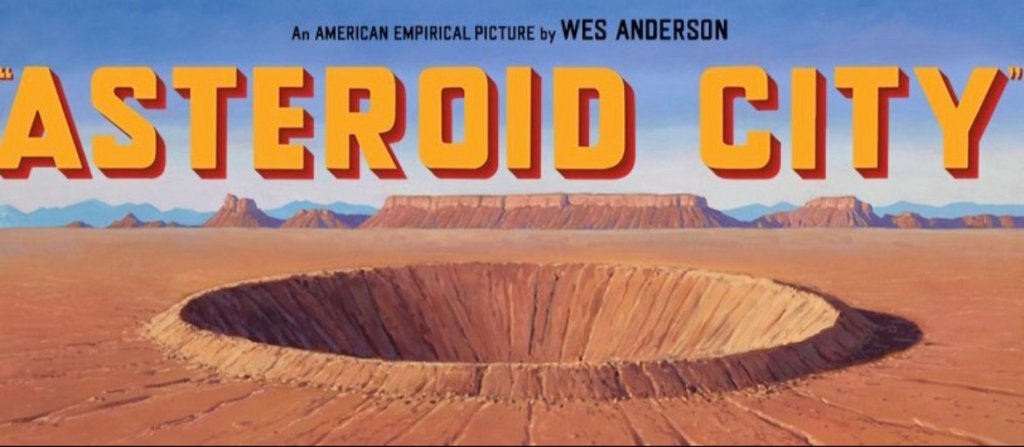
Focus Features has premiered the first trailer for Wes Anderson’s new film “Asteroid City” which will score a limited release on June 16th before expanding a week later on June 23rd through Focus Features.
The trailer showcases Anderson’s usual style of meticulously crafted shot compositions and high color saturation, but this time opts for a high exposure, low contrast and almost sunburnt film look that evokes 1950s postcards and artwork. That visual aesthetic will likely lead to some polarising reactions.
Set in a fictional American desert town circa 1955, the itinerary of a Junior Stargazer/Space Cadet convention (organized to bring together students and parents from across the country for fellowship and scholarly competition) is spectacularly disrupted by world-changing events.
The cast mixes familiar Anderson regulars and new to an Anderson film. The packed ensemble includes Scarlett Johansson, Tom Hanks, Jason Schwartzman, Jeffrey Wright, Tilda Swinton, Bryan Cranston, Edward Norton, Adrien Brody, Liev Schreiber, Hope Davis, Stephen Park, Rupert Friend, Maya Hawke, Steve Carell, Matt Dillon, Hong Chau, Willem Dafoe, Margot Robbie, Tony Revolori, Jake Ryan and Jeff Goldblum.
Magnolia Pictures has premiered the full trailer for Paul Schrader’s new thriller feature “Master Gardener”.
The story follows Narvel Roth (Joel Edgerton), the meticulous horticulturist of Gracewood Gardens. He is as much devoted to tending the grounds of this beautiful and historic estate, to pandering to his employer, the wealthy dowager Mrs. Haverhill (Sigourney Weaver).
When Mrs. Haverhill demands that he take on her wayward and troubled great-niece Maya (Quintessa Swindell) as a new apprentice, chaos enters Narvel’s spartan existence, unlocking dark secrets from a buried violent past that threaten them all.
Esai Morales co-stars in the film which had its world premiere at the 2022 Venice Film Festival which hits cinemas on May 19th.
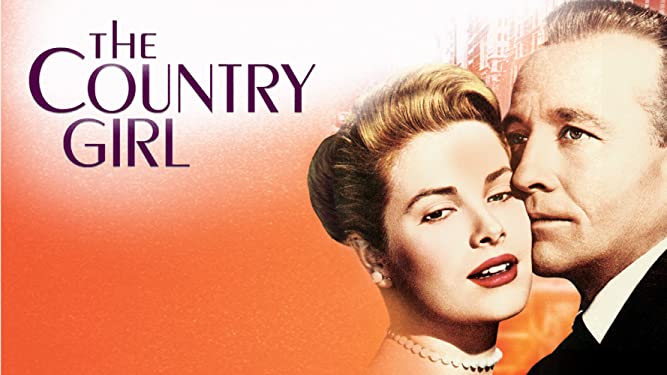
Written by: George Seaton based on The Country Girl by Clifford Odets
Directed by: George Seaton
Featuring: Bing Crosby, Grace Kelly and William Holden
Georgie Elgin:“Let’s say I try my small way to help.”
Bernie Dodd:“That’s what my ex-wife used to keep me reminding of, cheerfully. She had a theory that behind every great man there was a great woman. She also was thoroughly convinced that she was great and all I needed to qualify was guidance on her part.”
Georgie Elgin:“Still does not prove that the theory is completely wrong. I imagine one can go through history and find a few good examples.”
Bernie Dodd:“It’s a pity that Leonardo da Vinci never had a wife to guide him, he might have really gotten somewhere.”
The 1954 film adaptation of “The Country Girl” stars Bing Crosby as Frank Elgin, Grace Kelly as Georgie Elgin, and William Holden as Bernie Dodd. The film closely follows the plot of the play, with some minor changes made to the dialogue and characterizations.
The film is notable for its strong performances, particularly from Grace Kelly, who won an Academy Award for Best Actress for her portrayal of Georgie. Her nuanced performance captures the complexity and emotional depth of the character, and her chemistry with both Bing Crosby and William Holden is palpable.
Bing Crosby also delivers a powerful performance as Frank Elgin, a washed-up alcoholic actor trying to make a comeback. He brings a vulnerability and authenticity to the character that makes the audience empathize with him despite his flaws.
William Holden, who plays Bernie Dodd, the theater director who becomes romantically involved with Georgie, delivers a solid performance, but is overshadowed by the dynamic between Crosby and Kelly.
Overall, the film adaptation of “The Country Girl” is a well-crafted drama that effectively captures the themes of addiction, redemption, and the complexities of human relationships. The strong performances, particularly from Grace Kelly, make it a must-see for fans of classic cinema.
The film also features beautiful cinematography, capturing the stark contrast between the bright lights and glamour of the theater world and the dingy backstage areas where Frank and Georgie spend much of their time. The music, which features several songs performed by Bing Crosby, is also a highlight, adding to the film’s emotional impact.
One notable departure from the play is the ending, which was changed for the film to provide a more optimistic resolution. While some fans of the original play may find this change to be a misstep, the film’s ending works well within the context of the story, providing a satisfying conclusion to the characters’ arcs.
Overall, “The Country Girl” is a classic film that successfully captures the themes and characters of the original play. With strong performances, beautiful cinematography, and memorable music, it remains a beloved classic of Hollywood’s Golden Age.
Another noteworthy aspect of the film is its portrayal of addiction and recovery. The character of Frank Elgin is a complex depiction of an alcoholic struggling to overcome his addiction and reclaim his life and career. The film portrays his struggle with empathy and sensitivity, and Crosby’s performance captures the pain and turmoil of addiction with authenticity.
The film also explores the theme of codependency, as Georgie’s loyalty and devotion to Frank become a hindrance to his recovery and her own personal growth. This dynamic is portrayed with nuance and complexity, highlighting the emotional toll of caring for someone struggling with addiction.
In terms of criticisms, some may argue that the film’s portrayal of women is somewhat dated, with Georgie often depicted as a passive and subservient character. However, it is important to view the film within the context of its time and recognize that it was made during an era where gender roles were more rigidly defined.
Overall, the 1954 film adaptation of “The Country Girl” is a powerful drama that continues to resonate with audiences today. With its strong performances, themes of addiction and recovery, and exploration of complex human relationships, it remains a classic of Hollywood cinema.
Additionally, the film adaptation of “The Country Girl” is notable for its exploration of the theater world and the creative process. The relationship between Frank and Bernie, in particular, highlights the tension and collaboration between actors and directors. The film also touches on the pressures of fame and the toll it can take on individuals and their personal lives.
One criticism of the film may be its pacing, as the dialogue-heavy scenes and slower build-up to the climax may not be to everyone’s taste. However, this can also be seen as a strength of the film, allowing for a deeper exploration of the characters and their relationships.
Finally, it is worth noting that the film’s success is due in large part to the talents of its cast and crew. The direction by George Seaton is understated yet effective, allowing the actors to shine, and the screenplay adaptation by Seaton himself is faithful to the play while making necessary changes for the medium of film.
In conclusion, the 1954 film adaptation of “The Country Girl” is a powerful drama that continues to captivate audiences today. With its strong performances, exploration of addiction and recovery, and nuanced portrayal of complex human relationships, it remains a classic of Hollywood cinema and a must-see for fans of drama and classic film.
Featuring: Barry Foster, Michael Latimer, Susan Travers, Martin Wyldeck, Sydney Tafler, Joanna Dunham, Nigel Stock, Meg Davies, Richard Huw and Ronald Hines
“Van der Valk” (1972 – 1992) Van Der Valk was a British detective television series that originally aired on ITV between 1972 and 1977. The show was based on the novels by Nicolas Freeling, which featured the detective character of Piet Van Der Valk, who worked for the Amsterdam police department.
The series starred Barry Foster as Van Der Valk and was known for its gritty portrayal of crime in Amsterdam. The show was also notable for its use of on-location filming in Amsterdam, which was uncommon for British television at the time.
The show received generally positive reviews and was popular with audiences, leading to the production of several spin-off series and TV movies. However, some critics criticized the show for its stereotypical portrayal of the Dutch and its lack of diversity in casting.
Overall, Van Der Valk was an influential and well-received TV series of the 1970s that helped pave the way for the modern police procedural genre.
In addition to its portrayal of gritty crime and use of on-location filming, Van Der Valk was also praised for its complex and nuanced characters. Foster’s portrayal of Van Der Valk was especially notable for its depth and sensitivity, as the character was often shown grappling with personal and moral issues in addition to solving crimes.
The show’s popularity also led to the production of several tie-in novels and a successful radio adaptation. In the decades since its original airing, Van Der Valk has continued to influence and inspire other crime dramas, both in the UK and internationally.
In 2020, a new adaptation of Van Der Valk premiered on ITV, featuring a new cast and updated storylines. The new series has been well-received, with critics praising its contemporary take on the classic detective format.
Overall, Van Der Valk remains an important and influential TV series of the 1970s, known for its memorable characters, gritty realism, and innovative storytelling techniques.
The original Van Der Valk series also tackled social issues of its time, such as drugs, prostitution, and corruption in the police force, which added to its cultural significance. It also featured a strong supporting cast of characters, including Van Der Valk’s wife, Arlette, and his colleague, Samson, who added depth and dimension to the series.
While the show received some criticism for its stereotypical portrayal of the Dutch, it was also praised for its attention to detail in depicting Amsterdam’s culture and architecture. The show’s use of location filming also helped to create an immersive and authentic atmosphere for viewers.
Overall, Van Der Valk remains a classic example of British crime drama and a notable part of television history. Its impact can still be felt in contemporary crime dramas, as well as in the continued popularity of Nicolas Freeling’s novels.
Episodes
Series One
One Herring’s Not Enough: Commisaris Van der Valk has had a particularly long day when someone contacts the station to say that he has just killed his wife who he caught in bed with her lover. Mr. Boersma had been away for much of the week but came home early and caught them together. He claims that he shot them both with his pistol but when Inspector Johnny Kroon goes to investigate, he finds nothing out of place and certainly does not find the two bodies Boersma claimed would be there. When presented with the facts, Boersma says he must have had a mental breakdown of some sort and imagined …
Destroying Angel: Van der Valk and Kroon investigate when a local prostitute reports that a man is dying. He’s living in rooms above a bar and the police surgeon says he has no hope of recovering. While he can’t be certain, he agrees with the police who feel that he may have been poisoned. As the police soon learn, the man and a partner may have been drug dealers but it’s a very rare book that gets Van der Valk’s interest. When a fingerprint check reveals that the dying man was supposed to have died in a car crash 20 years before, the police aren’t sure just who they’re dealing with.
Blue Notes: When a world-famous Dutch violinist returns to Amsterdam for a rare performance, he receives a series of death threats. Someone even smashes his Stradivarius. Van der Valk can’t fathom why anyone would want to hurt the virtuoso–but that doesn’t mean the threat isn’t real.
Elected Silence: When the daughter of a controversial right-wing journalist disappears, Van der Valk has trouble keeping his personal feelings for the man private, despite warnings from his boss. The ransom demand leaves the detective perplexed and the father struggling with his past.
Thicker Than Water: A young English aristocrat turns up dead in an Amsterdam canal, but his mother shows little interest in finding the killer. Van der Valk and Kroon begin to piece together the man’s history, which leads them on a tour of the city’s transvestite clubs and bars.
The Adventurer: A deadly car crash has Van der Valk flummoxed–and fearful. Why was the victim carrying a gun and a photo of a local stonemason? No one shares his concern, however, including the mason, who dismisses the offer of police protection. But Van der Valk can’t walk away just yet.
Series Two
A Death by the Sea: A romantic midnight swim leaves a man unconscious and his wife missing, presumed drowned. Van der Valk suspects that more than amorous intentions were at play that night, and he sets out to prove it.
A Man of No Importance: When a dead man turns up on the deck of a canal barge, everyone is ready to dismiss him as a nonentity. The commissaris disagrees. Before Van der Valk can find out what happened to the man, though, he first must discover his identity.
A Rose from Mr. Reinhart: Arlette’s intuition proves truer than her husband’s after a young woman is threatened in the park. Van der Valk tries to atone for his mistake by hounding the prominent Amsterdam buisnessman, but his personal feelings might be clouding his judgment.
A Dangerous Point of View: While working on a case, a private detective is stabbed to death in a seedy apartment. Who was he watching for two weeks in the building opposite? And how did it lead to his death?
Season for Love: A rich, middle-aged American flies into Amsterdam to meet her young lover, only to learn that he has disappeared. While she worries about the safety of the missing man, Van der Valk fears that she is in danger herself.
Rich Man, Poor Man: An explosion almost kills a worker at a tractor factory, and a poor immigrant barber is bludgeoned to death in a luxury apartment that he shouldn’t have been able to afford. Van der Valk looks for a link between the two apparently unrelated crimes.
The Rainbow Ends Here: Van der Valk searches for a teenage girl abducted on her way to a clandestine rendezvous with a married man. The man is ready to help in any way he can, but the commissaris finds her hotel-tycoon brother more willing to cooperate with the kidnappers than the police.
Series Three
Enemy: When Van der Valk and his wife Arlette receive death threats, the detective finds himself looking for a mysterious hidden enemy who could strike at any second.
Accidental: When Rokin, the Chief Prosecutor in an international scandal over charges of corruption in high places, disappears, Van der Valk must find out if the man has been bought off by the villains of the piece.
The Runt: When a young thief admired by Van der Valk suddenly becomes wealthy and appears to have connections in high places, the Dutch detective must find out how the miracle occurred – without treading on too many toes.
Wolf: When the body of a young German is discovered murdered in his bed and the apartment is littered with clues, Van der Valk must ask himself if there is one clue too many? Has the killer left a deliberate trail to his identity?
Man of Iron: When one of Van der Valk’s close friends suffers a series of apparently pointless and himself looking for a mysterious hidden enemy who could strike at any second.
Everybody Does It: When Arlette finds it difficult to resist the temptation to buy a cheap – dubious – bargain, her poor judgement lands her husband up to his neck in trouble with a crime syndicate.
Face Value: A dead painter and a valuable collection of pictures lead Van der Valk to take a look behind the scenes into the world of art forgery. He finds major than he’s bargained for when someone makes an attempt on his life.
Dead on Arrival: When a Dutch clairvoyant, adept at solving crimes for the police, is requested to visit England to help in an eight-year-old murder inquiry, Van der Valk is staggered when the man foresees startling revelations.
The Professor: Van der Valk investigates the murder of a married university professor who used a dual identity while having affairs with his students.
In Hazard: When a beautiful woman tells him a story he finds hard to believe, Van der Valk has a choice – to play a hunch, or to adopt the orthodox procedure and let the case take its own course.
Gold Plated Delinquents: Two spoiled adolescent children hunting for new kicks add up to trouble for Van der Valk when a burglary takes place and the detective is given some insight into not so innocent background of their wealthy parents.
Diane: When a woman tries to bury her past, but it overtakes her in Amsterdam, Van der Valk finds himself being drawn strange – and dangerous – incidents that neither he not the girl find beneficial to their health.
Series Four
Doctor Hoffmann’s Children: Van Der Valk investigates several murders. A fall, a burning, a drowning, a dog attack, and a shooting. His daughter helps him get his clue to solve them.
Dangerous Games: Van der Valk plays cat and mouse with a leak in police headquarters.
A Sudden Silence: An important government minister goes missing and is found dead in a dingy side street. What happened to him, and why are all his means of identification in another name?
The Little Rascals: A group of ex hippies called by themselves the little rascals are the targets. Piet investigates and worries about the young lady whose parents have been affected.
Series Five
The Ties That Bind: A former judge is shot dead and Van der Valk is brought in to solve the case. A suspect is apprehended, but confesses that someone else got to the the woman first. What is the connection between the judge’s killing and a drug case Wim is investigating?
Proof of Life: Michael Tromp and his son Rudi are kidnapped. Is his young wife – allegedly on a shopping trip in Germany – involved?
Still Waters: Van der Valk is called back from the start of his holiday to help his boss ‘smooth over’ a political embarrassment that may undermine a national project being pushed through by a senior minister. This national project, a new large-scale sea barrier, creates a lot of opposition by environmental groups, especially a new radical group called the ‘Green Force’. Once Van der Valk starts to get more involved he starts to uncover blackmail, corruption, drugs and murder.
Featuring: Keanu Reeves, Donnie Yen, Bill Skarsgård, Laurence Fishburne, Hiroyuki Sanada, Shamier Anderson, Lance Reddick, Rina Sawayama, Scott Adkins and Ian McShane
Shimazu:“Have you given any thought to where this ends? The Table will never stop. You know this. No one, not even you, can kill everyone.”
This week see the release of “John Wick: Chapter 4” (2023) into cinemas in what may be the final instalment of this franchise or possibly just the end of some kind of first act, what is known is that there are at least two spinoffs on their way, one on the small screen and one on the large. The first “John Wick” (2014) was a surprise but modest hit at the box office, the second instalment was a larger hit with the character as well as the movies having a string following for a variety of reasons, those being the incredible stunts, fight sequences, great character actors, a follow through on the story and finally the most important element that of its star Keanu Reeves who has bought into the idea of these movies and the genre, he is truly something special to see I each of these movies. The third movie “John Wick: Chapter 3 – Parabellum” (2019) was a global hit made on the same budget as its predecessor. All three movies had enough of a following so that this ramped up sequel was produced and so far has been the critical and box office hit that will probably lead to, hopefully some more movies but if not then it has been a great ride, all thriller no filler.
The first film also saw the return of Keanu Reeves to a high-profile action film the seemed to be what audiences were waiting for, and he was excellent as the single minded hit man seeking revenge for the death of his puppy, a gift from his now deceased wife. With Keanu now embracing his inner-Wick as well as seemingly waiting to make a sequel that ups the stakes without alienating the fans of the first and second film we see what is possible when you have a great script, a director who is not only willing to trust that script but also want to put his leading man front and centre, and finally an actor who has embraced the ethos of the genre, as well as handing his extreme talents to a director that can handle the kind of film that is to be produced. This film is a step up in every way from both previous movies, the budget has increased, new as well as experienced actors have been cast, the sets, cars and guns have all been upped and finally the mythology has expanded to such an extent that it is its own Universe.
To say that this film ups the ante in terms of action, violence, story and world building is an understatement, it is refreshing to find a sequel that not only increases the action and violence but also offers more of a peek into this hyper stylized universe of assassin’s that seem to populate this world.
Original screenwriter Derek Kolstad is now gone and replaced by Shay Hatten and Michael Finch who both have action writing credentials across a few movies but make no mistake this new movie comes from the minds of Keanu Reeves and director Chad Stahelski who return from the first three movies to really get their teeth into the story along with star Keanu Reeves who seems really invested in the character of John Wick, as well as the way in which he embraces a philosophy that defines the world he inhabits. I believe it only assists the new film that there is a continuation of talent that moves from film to film to keep the idea of a what a John Wick film is and can be as well as how the films keep getting produced.
The action in this new chapter has been upped as has the body count, there has also been more humour and over the top scenarios introduced just to make sure we all know that this movie is not only fictional but at times absurd in the way it treats what Wick is able to do and get away with. Both this film and the previous one have to be the greatest pure action films of the past ten years at least. They both do what primal action films at their best do, they keep moving forward and never let up, even if you think they are.
The star here is of course Keanu Reeves, who has proven time and time again he is a force to be reckoned with, particularly where you may have a tendency to underrate him. His best performances have been in films where you may think he is not the right choice; even those films that may have been unsuccessful have more than likely aged very well. Reeves has a knack for choosing not just good but great projects to be a part of. The ‘Wick’ films are no different and with the possible announcement of a third it may mean that Reeves will have his own franchise that is not overblown with ego and special effects. One of the great things about these films is the use of CGI, there is very little which is refreshing for action films in this new millennium.
The supporting cast sees holdovers from the first film making very welcome reappearances, Ian McShane playing Winston the father figure/mentor to Wick who offers advice as well as offering exposition to the audience, Lance Reddick as Charon the hotel manager and all-round cool guy. New cast members include Donnie Yen, Hiroyuki Sanada, and Rina Sawayama. One of the new cast members for John Wick 4, Donnie Yen, has already generated excitement among fans due to his reputation as a highly skilled martial artist and action star. He is expected to bring a new level of intensity to the fight scenes, and his addition to the cast has raised expectations even higher.
In terms of action and story this is a movie that offers more of a look behind the curtain as well as moving the story forward in a way that sees John Wick having to make sacrifices in some pretty large ways. When it comes to the action which occurs in between the narrative part of the movie there is much to contend with. There are also questions around identity, honour as well as what do we do after loved ones die, this has become a very existential series, a new kind of action movie for a new age.
If you enjoyed the first two movies then this is a step up in the way this world operates, it offers more of a glimpse behind the curtain that John Wick operate in as well as broadening the existing characters and seamlessly introducing new ones. Of course the standout is Reeves but kudos need to be paid to the producers, writer and director for all the new characters and the casting of those characters. It feels to me like there are no miss-steps or issues at all.
The buzz is building for “Dungeons & Dragons: Honor Among Thieves,” the live-action film adaptation of the famed role playing franchise.
With one week to go before the film’s official release, Paramount Pictures has released one final trailer for the film to help convince people to get out to cinemas to see it. The tone skews more comedy centric than previous trailers, showing off some of the film’s character-based humor and charm.
On Rotten Tomatoes the film is currently tracking at 87% (7.4/10) which puts it as one of the best wide releases of the year thus far.
The movie sees a charming thief and a band of unlikely adventurers undertake an epic heist to retrieve a lost relic, but things go dangerously awry when they run afoul of the wrong people.
It stars Chris Pine, Michelle Rodriguez, Hugh Grant, Regé-Jean Page, Justice Smith, Sophia Lillis and Chloe Coleman, and has been written, directed, and executive produced by Jonathan Goldstein and John Francis Daley. “Dungeons & Dragons: Honor Among Thieves” will be released in theatres worldwide by Paramount Pictures and eOne on March 31st.
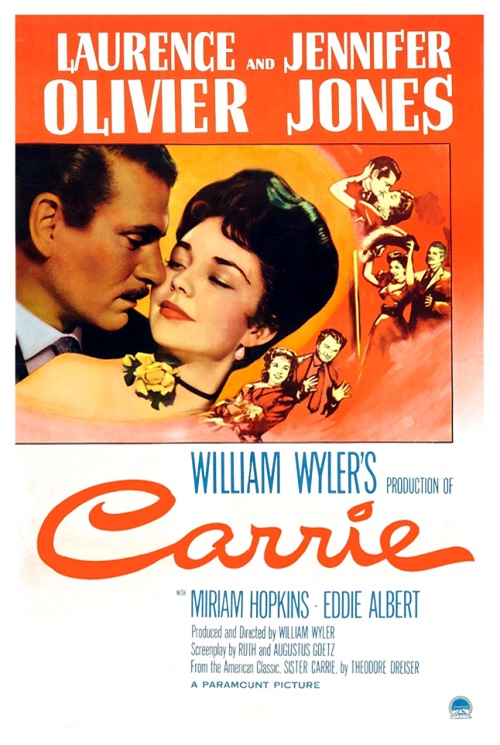
Written by: Theodore Dreiser, Ruth Goetz and Augustus Goetz
Directed by: William Wyler
Featuring: Laurence Olivier, Jennifer Jones and Edward Albert
Julie Hurstwood:“Will you give her up?”
George Hurstwood:“I’m not like you, Julia. I don’t make threats, and I don’t make promises.”
Julie Hurstwood:“Well, I make them. And I keep them.”
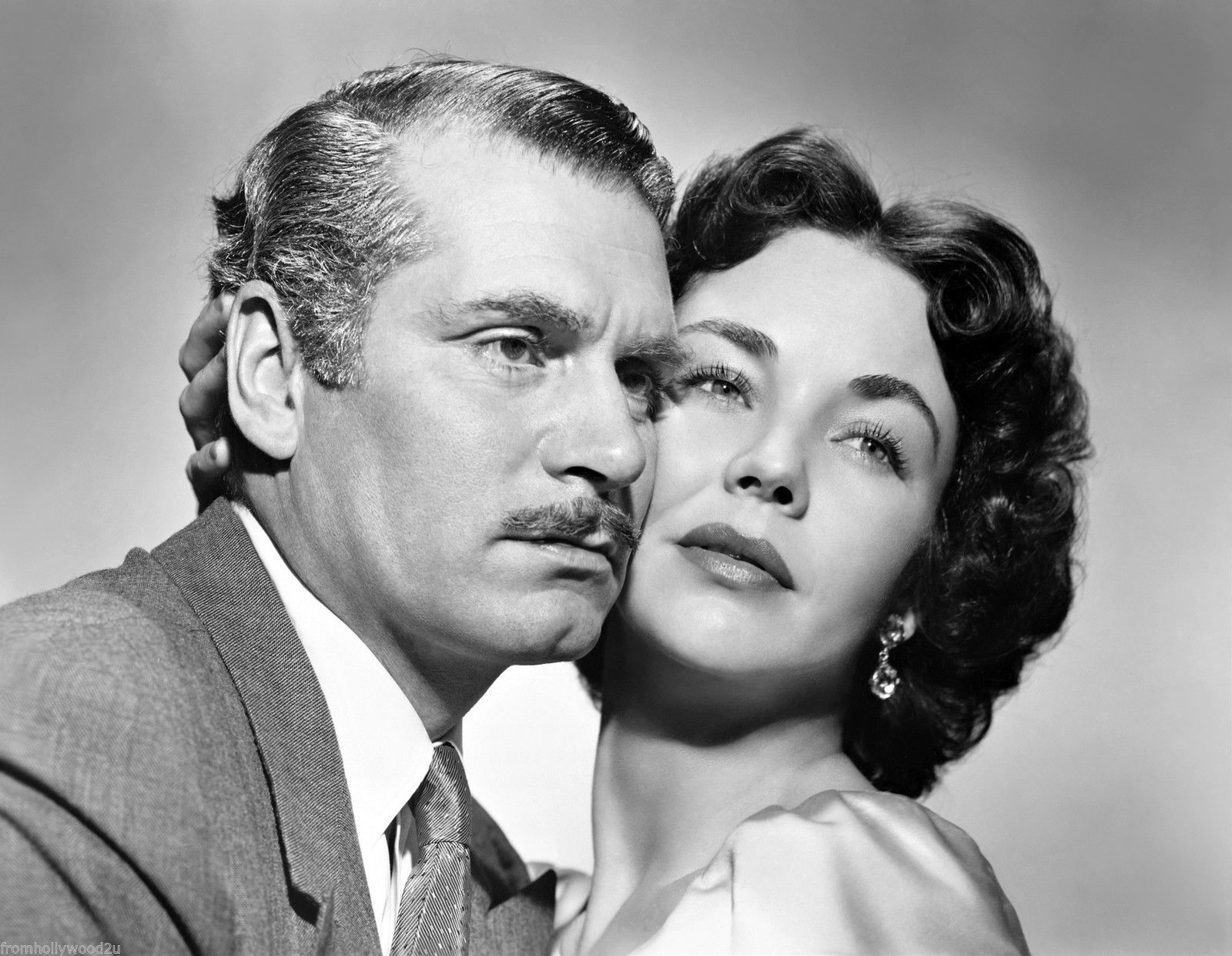
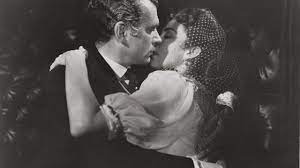
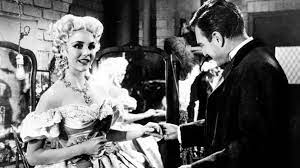
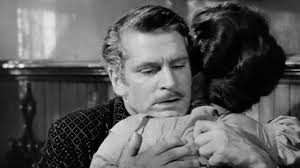
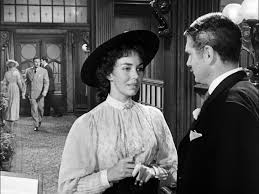
William Wyler’s 1952 melodrama Carrie, based on the classic American novel Sister Carrieby Theodore Dreiser, was not a major success when it was released, despite its cast featuring Laurence Olivier, Jennifer Jones, and Eddie Albert. The controversial and bleak subject matter of the film made it a box office failure. Ruth and Augustus Goetz turn Dreiser’s novel into a taut screenplay about class, poverty, sex, romance, and social mores.
Jones plays Carrie, a naïve young small, farming town woman who, at eighteen sets off from her smalltown to the big city of Chicago to make it. She stays with her older sister and brother-in-law believing with her education she will be able to find a job and success soon, but in the early 20th century, it proves difficult for a woman to find work, even in the bustling metropolis of Chicago. She gets a job in a textile plant but quickly suffers an industrial injury and loses her job. Down and out, she becomes the mistress to the fast-talking traveling salesman Charles Drouet (Albert), the only person who will help her financially. She soon ditches Charles for the older – and wealthier – restauranteur George Hurstwood (Olivier).
George is trapped in a loveless marriage with a guileful wife working to steal his fortune. He becomes so obsessed with Carrie that he steals money from his boss to run away with her and keep her in luxury. They are tracked down in New York by investigators and George has to pay back the money, leaving him destitute and blacklisted in the resteraunt business starting a downward spiral of poverty and despair for the couple. Carrie eventually starts a career as an actress and becomes successful, but it may be too late to save her relationship with George.
Carrie’s derision of both the American class structure and capitalism’s abandonment of the destitute, the difficult themes of industrial accidents, contemplated suicide, marital affairs and even bigamy made it a hard sell for audiences. But it is the melodramatic romance and chemistry between Olivier and Jones that carry the film. Wyler also imbues the film’s visual palette with detail, plenty of balance between shadow and light, and high luxury costumes from the designers.
Video
The black and white 35mm source for Carrie is presented in a 1.33:1 AVC 1080p encodement on this Blu-ray from Imprint. It does not look particularly great compared to some other films of the same era that have been issued on Blu-ray or 4K. There are a lot of scratches, tramlines, speckling, and there is some flicker. The black levels are a bit inconsistent. Some areas show a bit of washout while sometimes it crushes a bit. White levels also tend to clip a bit. Grain looks natural and overall detail is reasonable, especially on the many close-ups on faces; depth-of-field is just a bit limited.
Audio
Carrie arrives with its original mono mix in LPCM 2.0. This is a very reasonable track given the 1952 vintage of the film. It offers up intelligible dialogue with little in the way of clipping, pops, or hiss.
Special Features
Audio commentary by professor/film scholar Jason A. Ney
Neil Sinyard on Carrie – interview with the author of A Wonderful Heart: The Films of William Wyler (1080p; 00:30:24)
Written by: Ranald MacDougall based on La neige en deuil by Henri Troyat
Directed by: Edward Dmytryk
Featuring: Spencer Tracy and Robert Wagner
Father Belacchi:“They’re getting up a rescue party to climb the mountain.”
Zachary Teller:“Why, if everybody’s dead?”
“The Mountain” is a 1956 drama film directed by Edward Dmytryk and starring Spencer Tracy and Robert Wagner. The film follows Dr. Zachary Teller (Spencer Tracy), a middle-aged Swiss physician who is called to a remote mountain village to help a young man named Rudi (Robert Wagner) who has been injured in a climbing accident. Despite the language and cultural barriers, Dr. Teller is determined to save Rudi’s life, and the two form a bond as they work together to heal Rudi’s injuries.
One of the strengths of “The Mountain” is the beautiful cinematography, which showcases the stunning alpine scenery of the Swiss mountains. The film also features strong performances from both Tracy and Wagner, who bring depth and nuance to their roles. “The Mountain” is a well-crafted drama that effectively captures the beauty and challenges of life in a remote mountain village.
The film also explores themes of cultural differences and the importance of human connection, as Dr. Teller and Rudi come from very different worlds but are able to find common ground and learn from each other. While the film is somewhat slow-paced and may not appeal to those looking for action or thrills, it is a thought-provoking and emotionally resonant drama that rewards patient viewers. The characters are well-drawn and the story is engaging, with some unexpected twists and turns along the way.
“The Mountain” is a classic drama that stands the test of time, thanks to its strong performances, beautiful visuals, and timeless themes. It is definitely worth checking out for fans of classic cinema and those interested in exploring the human condition in a unique and challenging setting.
One of the highlights of “The Mountain” is Spencer Tracy’s performance as Dr. Teller. Tracy, who was known for his ability to bring depth and authenticity to his roles, imbues his character with a sense of quiet strength and wisdom that makes him a compelling protagonist. Robert Wagner, meanwhile, is equally impressive as Rudi, portraying the young man’s pain and vulnerability with sensitivity and nuance. The chemistry between the two actors is palpable, and their scenes together are some of the film’s most memorable.
“The Mountain” is a well-crafted and emotionally resonant drama that showcases the talents of its cast and crew. While it may not be the most action-packed or fast-paced film out there, it rewards viewers who are willing to invest in its characters and themes. If you’re a fan of classic cinema or simply enjoy well-made dramas, “The Mountain” is definitely worth checking out. In addition to the performances, the film’s cinematography is also a standout aspect. The breathtaking mountain vistas are captured in stunning detail, and the use of natural light adds an extra layer of authenticity to the visuals.
The film’s themes of overcoming adversity and finding common ground with those who are different from us are also particularly relevant in today’s world. The story of Dr. Teller and Rudi serves as a reminder that no matter how different we may seem on the surface, we all share common struggles and experiences as human beings.
“The Mountain” is a classic drama that still holds up today thanks to its strong performances, stunning visuals, and timeless themes. While it may not be the most well-known film out there, it is definitely worth seeking out for fans of classic cinema and those who enjoy thought-provoking dramas with depth and heart.
The Video
Imprint serves up The Mountain in a 1.78:1 AVC 1080p encodement on Blu-ray Disc. Checking on the technical details of this original VistaVision production from Paramount the original aspect ratio was 1.85:1, so this is not in its original ratio. The color palette does ‘pop,’ especially Tracy’s red shirt and the vivid blue of Wagner’s cap, but there is some haloing in the imagery and softness in many of the frames that diminishes the depth-of-field. That said, there are also plenty of scenes that look sterling, with clear detail free from the random source damage, softness, and some other issues that hinder this transfer.
The Audio
The original mono mix for The Mountain is provided in LPCM 2.0. The sound is relatively good given the 1956 vintage offering clear dialogue and somewhat full sound effects.