• Blu-ray review: “Stir of Echoes” (1995)

    “Stir of Echoes” (1995)

    Horror

    Running Time: 100 minutes

    Written and directed by: David Koepp

    Featuring: Kevin Bacon, Kathryn Erbe, Illeana Douglas and Kevin Dunn

    Lisa: “It doesn’t surprise me that there’s another woman. Of course, the fact that she’s dead gives one pause.”

    Critical Commentary

    “Stir of Echoes” is a supernatural thriller film released in 1999, directed by David Koepp, and based on the novel of the same name by Richard Matheson. The movie stars Kevin Bacon as Tom Witzky, a blue-collar worker who becomes obsessed with the idea of supernatural abilities after undergoing hypnosis at a party. The film received generally positive reviews from critics and audiences alike.

    The plot of “Stir of Echoes” centres around Tom Witzky, who begins to experience strange and frightening visions after being hypnotized by his sister-in-law, Lisa (Illeana Douglas). As his visions become more intense and disturbing, Tom becomes increasingly obsessed with uncovering the truth behind the supernatural forces at work in his life.

    Kevin Bacon delivers a strong performance as Tom Witzky, portraying the character’s transformation from sceptical sceptic to believer with conviction and authenticity. The supporting cast, including Illeana Douglas and Kathryn Erbe as Tom’s wife, also give solid performances.

    The film’s pacing is well done, with the tension building gradually and effectively as the plot unfolds. The visuals and special effects are impressive, adding to the overall creepy and unsettling atmosphere of the movie. The film also explores interesting themes, such as the dangers of unchecked curiosity and the potentially devastating consequences of meddling with forces beyond our control. “Stir of Echoes” is a well-crafted and engaging supernatural thriller that delivers on both scares and substance. It may not be as well-known as some other movies in the genre, but it’s definitely worth a watch for fans of horror and suspense.

    One of the film’s strongest elements is its exploration of the power of suggestion and the effect that hypnosis can have on the human mind. This theme is woven throughout the film, and it raises questions about the nature of reality and the extent to which our thoughts and beliefs can shape our experiences.

    Another notable aspect of “Stir of Echoes” is its effective use of setting and atmosphere. The film takes place in a working-class neighborhood in Chicago, and the gritty, urban landscape provides a fitting backdrop for the story’s supernatural elements. The film also makes great use of sound design and music, with a haunting score that heightens the tension and enhances the eerie mood.

    One potential weakness of the film is its reliance on some familiar horror tropes, such as jump scares and creepy imagery. While these elements are effective at creating scares, they may feel a bit formulaic to some viewers. Additionally, the film’s plot twists and turns may feel somewhat predictable to seasoned horror fans. “Stir of Echoes” is a solid supernatural thriller that manages to stand out from the crowd thanks to its strong performances, effective atmosphere, and thought-provoking themes. While it may not be a groundbreaking entry in the genre, it’s definitely worth a watch for anyone looking for a well-crafted and engaging horror film.

    One of the film’s most memorable scenes is when Tom is alone in his basement, and a ghostly presence begins to physically move and shake him. This scene is a great example of the film’s effective use of practical effects and suspense-building techniques. The scene is tense and terrifying, and it is a standout moment in the film.

    The relationship between Tom and his wife Maggie (Kathryn Erbe) is also a key element of the film. The couple’s dynamic is complex and nuanced, and their struggles to come to terms with Tom’s obsession and the supernatural forces at work in their lives are well-handled. The performances by Bacon and Erbe are believable and grounded, which helps to ground the film’s more fantastical elements.

    “Stir of Echoes” is a solid horror film that is well worth a watch for fans of the genre. While it may not be groundbreaking or revolutionary, it is a well-crafted and engaging movie that delivers on scares, suspense, and substance. With strong performances, effective atmosphere, and a thought-provoking exploration of the power of suggestion and the human mind, “Stir of Echoes” is a solid addition to any horror fan’s watchlist.

    Technical Commentary

    Video

    Presented in an aspect ratio of 1.73:1, encoded with MPEG-4 AVC and granted a 1080p transfer, Stir of Echoes arrives on Blu-ray courtesy of Via Vision Entertainment. Even though the master that was used to source the release isn’t new, the overall appearance of the film is quite nice. Indeed, it is very healthy and clean, free of any compromising digital corrections as well. It is graded very nicely too, so the existing range of primaries and supporting nuances is quite strong.

    Audio

    There are two standard audio tracks on this Blu-ray release: English: DTS-HD Master Audio 5.1 and English: LPCM 2.0. Optional English SDH subtitles are provided for the main feature. Viewing the film with the DTS-HD Master Audio 5.1 track, it was a very solid track with good ranges of nuanced dynamics. 

    Special Features

    – Audio Commentary with writer/director David Koepp

    – Flipping the Switch: Directing Stir of Echoes – Interview with director David Koepp (2021) (17 min) 

    – Maggie’s Memories: Inside Stir of Echoes – Interview with actress Kathryn Erbe (2021) (11 min) 

    – Opening the Door: Designing Stir of Echoes – Interview with production designer Nelson Coates (2021) (16 min) 

    – Sights of Spirits: Channeling the Paranormal (11 min)

    – Behind the Echoes (21 min)

    – The Mind’s Eye: Beneath the Trance (10 min)

    – Special Effects (4 min)

    – Production Design (4 min) 

    – Interviews with Cast and Crew: David Koeppe, Kevin Bacon, Illeana Douglass,  Kathryn Erbe, Gavin Palin, Michele Weisler(8 min) 

    – Behind the Scenes (5 min) 

    – Scene Comparisons (12 min) 

    – Screen Tests (7 min) 

    – Deleted scenes (5 min) 

    – Theatrical Trailer (2 min)

    – TV Spots (2 min) 

    – Original Promo (5 min) 

    – Original Short Promo (2 min) 

    – Breathe – music video (4 min) 

    – Photo Gallery (20 min) 

  • Blu-ray review: “Things to Do in Denver When You’re Dead” (1995)

    “Things to Do in Denver When You’re Dead” (1995)

    Drama

    Running Time: 115 minutes

    Written by: Scott Rosenberg

    Directed by: Gary Fleder

    Featuring: Andy García, Christopher Lloyd, William Forsythe, Bill Nunn, Treat Williams, Jack Warden, Steve Buscemi, Fairuza Balk, Gabrielle Anwar and Christopher Walken

    Easy Wind: “Remember when you was a kid and you would spend the whole year waiting for summer vacation and when it finally came it would fly by just like that? It’s funny, Jimmy, life has a way of flying by faster than any old summer vacation really fucking does.”

    Critical Commentary

    “Things to Do in Denver When You’re Dead” is a crime thriller film directed by Gary Fleder and released in 1995. The movie stars Andy Garcia as Jimmy the Saint, a retired gangster who is drawn back into the criminal underworld to help a friend. The movie also features an ensemble cast that includes Christopher Lloyd, Steve Buscemi, Christopher Walken, and Gabrielle Anwar.

    The movie tells the story of Jimmy the Saint, who is given an ultimatum by a powerful mob boss named The Man with the Plan (played by Christopher Walken). The Man with the Plan wants Jimmy to complete one last job, or he will have Jimmy’s girlfriend killed. Jimmy assembles a team of eccentric criminals to help him complete the job, but things quickly go awry.

    “Things to Do in Denver When You’re Dead” has a unique and quirky tone that sets it apart from other crime thrillers. The movie’s dialogue is snappy and memorable, and the characters are all well-developed and interesting. The film also features some excellent performances, particularly from Steve Buscemi, who steals the show as a paranoid, fast-talking criminal named Mr. Shhh. “Things to Do in Denver When You’re Dead” is a stylish and entertaining crime thriller that is definitely worth checking out. It may not be for everyone, as it is quite violent and features some dark subject matter, but if you enjoy gritty crime dramas with a touch of humour and a great cast, then this movie is definitely worth your time.

    One of the film’s strengths is its visual style. The movie has a distinct, almost dream-like look to it, with lots of moody lighting and unusual camera angles. This style helps to create a sense of tension and unease throughout the film, and it also helps to highlight the characters’ emotional states. 

    Another strong aspect of the film is its score. The soundtrack features a mix of classic and contemporary music, including tracks from Warren Zevon, The Afghan Whigs, and The Disposable Heroes of Hiphoprisy. The music helps to enhance the film’s overall mood and atmosphere, and it also gives the movie a distinctive, memorable sound.

    One potential downside of the film is that its plot can be a bit convoluted at times. There are a lot of characters and subplots to keep track of, and some viewers may find the story hard to follow. However, for those who are willing to put in the effort to piece everything together, the film offers a satisfying and rewarding viewing experience. “Things to Do in Denver When You’re Dead” is a well-crafted and highly entertaining crime thriller with a strong cast, stylish visuals, and an excellent soundtrack. It may not be a movie for everyone, but for those who enjoy this type of film, it is definitely worth checking out.

    One of the notable aspects of the film is its use of language. The characters in the movie speak in a unique and stylized manner, often using inventive slang and creative turns of phrase. This helps to give the movie a distinctive voice and makes the dialogue more memorable.

    The film’s themes also make it stand out from other crime dramas. At its core, “Things to Do in Denver When You’re Dead” is a story about redemption and second chances. The main character, Jimmy the Saint, is a man who is haunted by his past mistakes and is given one last chance to make things right. Throughout the film, he is forced to confront his past and try to find a way to move forward.

    The movie also explores the concept of friendship and loyalty in the criminal underworld. Jimmy and his team of criminals may be outsiders in society, but they have a strong bond and are willing to risk everything for each other. This theme adds depth and complexity to the characters and helps to make the movie more engaging.

    Overall, “Things to Do in Denver When You’re Dead” is a well-crafted and unique crime thriller that offers a lot of memorable moments and interesting themes. Its quirky dialogue, stylish visuals, and strong performances from the cast all help to make it stand out from other movies in the genre. While it may not be for everyone, it is definitely worth checking out for fans of crime dramas who are looking for something a little different.

    Technical Commentary

    Video

    Presented in its original aspect ratio of 1.85:1, encoded with MPEG-4 AVC and granted a 1080p transfer, Things to Do in Denver When You’re Dead arrives on Blu-ray courtesy of Via Vision Entertainment. The master that was used to produce this release isn’t new, but it is quite nice. The density levels of the visuals remain solid throughout the entire film as well. As a result, close-ups and larger panoramic shots have the same type of consistency. The best news is that there are no traces of problematic digital adjustments.

    Audio

    There are two standard audio tracks on this Blu-ray release: English DTS-HD Master Audio 5.1 and English LPCM 2.0. Optional English SDH subtitles are provided for the main feature. The clarity, depth, and dynamic intensity were very solid. I did not encounter any balance issues either. The upper register was very healthy. So, at the moment I am unsure if there is any room for meaningful improvements. 

    Special Features

    • “Things to Perform in Denver When You’re Dead” – in this exclusive new program, Andy Garcia explains what immediately attracted him to Scott Rosenberg’s screenplay for Things to Do in Denver When You’re Dead, and discusses his initial encounter with Gary Fleder, the unique slang that is heard throughout the film, the chemistry between the stars, what it was like to work with Christopher Walken, the unique qualities of his character and his business. Mr. Garcia even discusses the possibility of a second film with the same characters causing noise on the other side. The program was produced by Ballyhoo Motion Pictures. In English, not subtitled. (20 min)
    • “Things to Write in Denver When You’re Dead” – in this exclusive new program, screenwriter Scott Rosenberg recalls how he ended up in Los Angeles and started writing, and discusses the original ideas that became the foundation of his screenplay for Things to Do in Denver When You’re Dead, his collaboration with Gary Fleder, the great cast that was assembled for the film, the unique slang and the overlapping of comedy and drama, etc. There are some very interesting comments about the tightening up of the narrative, which was structured differently in the screenplay, and the manner in which it hurts the romance between Andy Garcia and Gabrielle Anwar. The program was produced by Ballyhoo Motion Pictures. In English, not subtitled. (16 min)
    • “Things to Direct in Denver When You’re Dead” – in this exclusive new program, director Gary Fleder recalls the exact moment during the early 1990s when Miramax became involved with Things to Do in Denver When You’re Dead and he went to work on it, Tony Scott’s attempt to take over the film, how Pulp Fiction permanently overshadowed it, the arrival of Andy Garcia and how it legitimized the project, etc. There are some terrific comments about the casting of Treat Williams and Roger Ebert’s take on the film as well. The program was produced by Ballyhoo Motion Pictures. In English, not subtitled. (18 min)
    • “Things to Design in Denver When You’re Dead” – in this exclusive new program, production designer Nelson Coates discusses some of the things that needed to be accomplished during the pre-production process, the unique locations in Denver that were chosen for key sequences, the bar and stage that was created for Buddy Guy’s performance, and the promotional campaigns for the film in America and Europe. The program was produced by Ballyhoo Motion Pictures. In English, not subtitled. (24 min)
  • Blu-ray review: “The Contender” (2000)

    “The Contender” (2000)

    Drama

    Running Time: 126 minutes

    Written and Directed by: Rod Lurie

    Featuring: Gary Oldman, Joan Allen, Jeff Bridges, Christian Slater, William Petersen, Philip Baker Hall, Saul Rubinek and Sam Elliott

    Laine Hanson: “Principles only mean something when you stick to them when its inconvenient.”

    Critical Commentary

    “The Contender” is a political drama film directed by Rod Lurie and released in 2000. The movie stars Joan Allen, Jeff Bridges, Gary Oldman, and Christian Slater, among others. The film is set in the political world of Washington D.C. and follows the story of a female senator named Laine Hanson, who is nominated by the president to become the vice president of the United States.

    The movie explores themes of gender, power, ethics, and politics, as Laine Hanson faces a difficult confirmation hearing where she must confront allegations about her past sexual behaviour. The film raises important questions about the treatment of women in politics, as well as the role of integrity and moral character in public office.

    Joan Allen delivers a powerful performance as Laine Hanson, capturing the character’s strength, vulnerability, and determination. Jeff Bridges is also excellent as the president, who must navigate the complex political landscape and make difficult decisions. Gary Oldman plays the role of the opposition, Senator Shelly Runyon, with great intensity, while Christian Slater provides strong support as a young political strategist.

    “The Contender” is a well-acted and thought-provoking film that offers a nuanced exploration of the political process and the role of gender in politics. The film is well-directed, with a strong script and excellent performances from the cast. It is a must-see for anyone interested in politics or social issues.

    “The Contender” is also notable for its exploration of the personal lives of politicians and how their pasts can be used against them in a political setting. The film shows how past behavior, particularly sexual behaviour, can be used as a weapon in a political campaign and how this can be particularly damaging for women. The film’s examination of the gendered nature of politics is particularly relevant today, with women still facing significant obstacles and bias when running for office. The film highlights the double standard that exists in the treatment of male and female politicians and how women are often held to a higher moral standard than men.

    At the same time, the film also raises important questions about the importance of moral character and integrity in politics. Laine Hanson is portrayed as a principled and ethical politician, but her past actions raise questions about her fitness for office. The film asks whether personal behaviour should be taken into account when considering a person’s suitability for high office.

    “The Contender” is a well-crafted film that succeeds in exploring complex issues in a nuanced and thought-provoking way. The film’s exploration of gender and politics, ethics and integrity, and the personal lives of politicians is still relevant today and makes it a valuable contribution to the political film genre. Overall, it is a movie worth watching for anyone interested in politics, ethics, and social justice.

    In addition to its exploration of politics and gender, The Contender is also a well-crafted and engaging thriller. The film’s screenplay is tightly written, with sharp dialogue and well-drawn characters that keep the audience engaged from beginning to end. The film’s central conflict is a political battle between Laine Hanson and Senator Shelly Runyon, played with great intensity by Gary Oldman. The tension between the two characters is palpable, and their verbal sparring is a highlight of the film. The film’s climax is also well-executed, with a satisfying resolution to the central conflict.

    “The Contender” is also notable for its use of flashbacks, which provide important context for the events of the film. The flashbacks are well-integrated into the narrative and help to deepen the audience’s understanding of the characters and their motivations. “The Contender” is a well-crafted and thought-provoking film that succeeds both as a political drama and a thriller. Its exploration of gender and politics, ethics and integrity, and the personal lives of politicians is still relevant today and makes it a valuable contribution to the political film genre.

    Furthermore, “The Contender” is a film that showcases the power of excellent performances from its cast. Joan Allen’s portrayal of Laine Hanson is a standout performance that earned her a Best Actress nomination at the Academy Awards. She is convincing as a woman who is not only an intelligent and capable politician but also vulnerable and sympathetic, struggling to balance her past mistakes with her desire to serve the country.

    Jeff Bridges, who plays the President, is also excellent in his role. He portrays a leader who is often torn between his personal feelings and his duty to his office. Gary Oldman’s performance as Senator Shelly Runyon is chilling and convincing, as he embodies the dark side of politics and the lengths that some politicians will go to achieve their goals. In addition, the supporting cast of The Contender also provides strong performances, particularly Christian Slater as the young political strategist who aids Laine Hanson’s campaign.

    “The Contender” is a film that combines excellent performances, a well-crafted screenplay, and a thought-provoking exploration of important social and political issues. It is a film that engages and challenges its audience while also providing a satisfying and well-executed thriller.

    Technical Commentary

    Video

    The Contender features a beautiful anamorphic transfer from source material that appears to be near reference quality. The images are rich and smooth with fantastic colors, deep blacks and exemplary shadow detail. Some of the location shots (probably stock footage) show a little grain but the picture is mainly crisp and satisfying to look at. The only flaw is a few instances of over sharpening that causes vertical and horizontal lines to boil from time to time. This effect is limited though and never distracts from an otherwise spot on transfer.

    Audio

    Imprint use a DTS-HD Master 5.1 surround track (16-bit) in the original English language. The Contender is a fairly passive film audio-wise, and there aren’t many distinguishing separations here. It’s clean and consistent with music credited to Larry Groupé (who has composed most for shorts, documentaries and some TV work), sounding subtle in supporting the film. 

    Special Features

    • Audio commentary with writer/director Rod Lurie and actress Joan Allen
    • Deleted scenes (with optional audio commentary by writer/director Rod Lurie) (15:58)
    • The Making of a Political Thriller – behind-the-scenes featurette (21:51)
    • Interview with actress Joan Allen (12:46)

  • Blu-ray review: “Marooned” (1969)

    “Marooned” (1969)

    Sci-Fi

    Running Time: 134 minutes

    Written by: Mayo Simon based on the novel by Martin Caidin

    Directed by: John Sturges

    Featuring: Gregory Peck, Richard Crenna, David Janssen, James Franciscus and Gene Hackman

    Clayton Stone: “Jesus, fifty-five minutes… We’ll be pretty cold by then.”

    Buzz Lloyd: “Well, one of us’s gonna have to go. I mean uh… that’s what we’re talkin’ about, isnt it? One of us goes and the… other two stay. What… what are we gonna do?”

    Clayton Stone: “Alright look. Let’s do this scientifically: two big guys throw the little guy out, okay?”

    Critical Commentary

    “Marooned” is a science fiction film released in 1969 and directed by John Sturges. The movie features a star-studded cast, including Gregory Peck, Richard Crenna, and Gene Hackman. The story follows three astronauts who become stranded in space when their spacecraft malfunctions, and their struggle to survive and return to Earth.

    The movie received mixed reviews upon its release, with some critics praising its tension and realistic portrayal of space travel, while others criticized its slow pacing and lack of action. Despite the mixed reception, the film was nominated for three Academy Awards and won the Oscar for Best Visual Effects. “Marooned” is considered an important movie in the science fiction genre, particularly for its depiction of space travel and its influence on later films.

    The movie’s realistic portrayal of space travel was achieved through the use of detailed sets and models, as well as extensive research on NASA’s space program. Director John Sturges and his team consulted with NASA engineers to ensure accuracy in the film’s depiction of the astronauts’ equipment and procedures, and the movie’s attention to detail helped to set it apart from other science fiction films of the time.

    In addition to its technical achievements, “Marooned” also features strong performances from its lead actors, particularly Gregory Peck as the determined mission commander and Gene Hackman as the pragmatic engineer who must find a way to save the stranded astronauts.

    While “Marooned” may not have achieved the commercial success of other science fiction films of its era, such as “2001: A Space Odyssey,” its influence can be seen in later films and TV shows, such as “Apollo 13” and “Gravity.” “Marooned” is a well-crafted and thought-provoking science fiction film that is worth watching for its realistic portrayal of space travel and its strong performances.

    In terms of the movie’s plot, “Marooned” presents a compelling and suspenseful story that keeps viewers engaged from start to finish. The astronauts’ struggle for survival in the harsh and unforgiving environment of space creates a sense of tension and urgency that is palpable throughout the film. The movie also explores the psychological toll of isolation and confinement, as the astronauts struggle to maintain their mental and emotional well-being while stranded in space. This adds an additional layer of complexity to the story and makes the characters more relatable and sympathetic.

    “Marooned” is a solid entry in the science fiction genre that is distinguished by its attention to detail, strong performances, and thought-provoking themes. While it may not be as well-known as other classic sci-fi films, it is definitely worth a watch for fans of the genre or anyone interested in the human experience of space travel.

    In terms of the movie’s technical aspects, the special effects in “Marooned” were considered ground-breaking at the time of its release. The film’s depiction of weightlessness and other aspects of space travel were achieved through the use of wire work, miniature models, and other techniques that were state-of-the-art at the time. The film won the Academy Award for Best Visual Effects for its innovative use of practical effects.

    Additionally, the film’s score by composer Jerry Goldsmith adds to the tension and drama of the story. Goldsmith’s haunting and atmospheric music perfectly captures the mood of the film, and his use of unconventional instrumentation, such as the theremin, adds to the otherworldly atmosphere of the movie.

    “Marooned” is a well-crafted and memorable science fiction film that offers a realistic and engaging portrayal of space travel. Its attention to detail, strong performances, and thought-provoking themes make it a classic of the genre that continues to be relevant and influential today.

    Technical Commentary

    Video

    Presented in an aspect ratio of 2.35:1, encoded with MPEG-4 AVC and granted a 1080p transfer, Marooned arrives on Blu-ray courtesy of Via Vision Entertainment. The release is sourced from an older master that was supplied by Sony Pictures. Even though some of its limitations become easy to recognize, it still provide a very pleasing organic presentation of “Marooned”.

    Audio

    There is only one standard audio track on this Blu-ray release: LPCM 2.0. Optional English SDH subtitles are provided for the main feature. When turned on, they split the image frame and the black bar below it. The audio is clear and stable. It is clean, too. Dynamic intensity is quite nice as well. 

    Special Features

    • Audio Commentary featuring author Bryan Reesman.
    • Kim Newman on Marooned (HD 20:22)
    • The Troubled Master – Inside the final films of John Sturges (HD 12:36)
    • Theatrical Trailer.
    • Isolated Sound Effects Track.
  • Trailer: “The Hunger Games: The Ballad of Songbirds and Snakes”

    Trailer: “The Hunger Games: The Ballad of Songbirds and Snakes”

    Lionsgate has premiered the first trailer for “The Hunger Games” prequel feature “The Ballad of Songbirds and Snakes”.

    Michael Arndt and Michael Lesslie penned the script based on the Suzanne Collins book series with Francis Lawrence, who directed all three of the original franchise’s sequels, returning to direct.

    Years before he would become the tyrannical President of Panem, 18-year-old Coriolanus Snow (Tom Blyth) is the last hope for his fading lineage, a once-proud family that has fallen from grace in a post-war Capitol.

    Peter Dinklage, Hunter Schafer and Viola Davis co-star in the film, which debuts in cinemas worldwide on November 17th.

  • Blu-ray review: “The Gift” (2000)

    “The Gift” (2000)

    Horror

    Running Time: 130 minutes

    Written by: Billy Bob Thornton and Tom Epperson

    Directed by: Sam Raimi

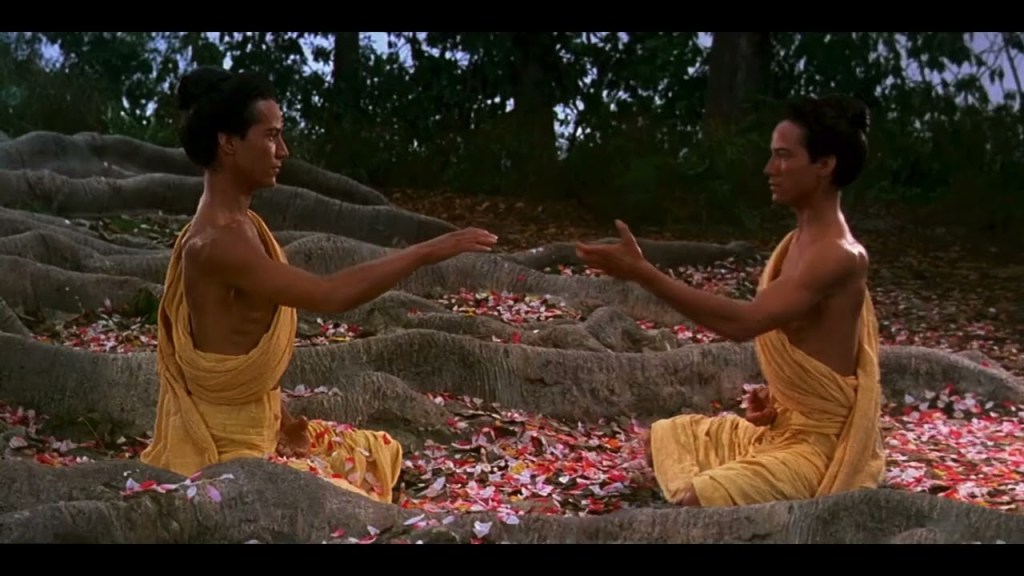
    Featuring: Cate Blanchett, Giovanni Ribisi, Keanu Reeves, Katie Holmes, Greg Kinnear and Hilary Swank

    Donnie: “I’m guilty of cheating on my wife, of being a bad husband, a bad Christian. But I ain’t guilty of killing Jessica. I swear to God.”

    Critical Commentary

    “The Gift” is a psychological thriller movie directed by Sam Raimi and released in 2000. The film stars Cate Blanchett, Keanu Reeves, Giovanni Ribisi, Hilary Swank, and Katie Holmes. The story revolves around a woman named Annie (Blanchett), who possesses psychic abilities and uses them to help solve a murder case in her small town. The movie has received generally positive reviews from critics and audiences alike. Many praised the film for its strong performances, particularly Blanchett’s portrayal of a woman struggling to come to terms with her supernatural powers. Reeves also received praise for his convincing portrayal of a menacing antagonist.

    The movie’s suspenseful atmosphere and cleverly crafted plot were also praised. The film’s pacing and use of suspenseful music kept audiences on the edge of their seats throughout the movie, while the story’s twists and turns kept them guessing until the very end.

    Overall, “The Gift” is a well-crafted and engaging thriller that will keep viewers entertained and on the edge of their seats. With a strong cast and a cleverly written story, it is definitely worth a watch.

    However, some critics did criticize the film for its use of stereotypical southern Gothic tropes, such as the portrayal of the small town as a place of backwardness and ignorance. Additionally, some viewers may find the film’s use of supernatural elements to be a bit contrived or cliché. Despite these criticisms, “The Gift” remains a well-regarded film that has aged well since its release. Its strong performances, suspenseful plot, and atmospheric direction all contribute to a memorable viewing experience. If you enjoy psychological thrillers or are a fan of any of the film’s talented cast, “The Gift” is definitely worth checking out.

    The film also explores themes of faith, morality, and the power of belief. As Annie struggles with her psychic abilities and the implications they have on her religious beliefs, the film raises questions about the nature of faith and the role it plays in our lives.

    Overall, “The Gift” is a thought-provoking and engaging film that is sure to leave a lasting impression on viewers. While it may not be perfect, it is still a solid example of the psychological thriller genre, with strong performances, clever plot twists, and an eerie atmosphere that will keep you on edge from beginning to end.

    It’s also worth noting that “The Gift” features a strong female lead, which was somewhat rare for the thriller genre at the time of its release. Annie is a complex character who is not defined solely by her supernatural abilities, but rather by her intelligence, resourcefulness, and compassion. Her struggles with her psychic powers and her attempts to use them to solve a murder case give the film a unique twist that sets it apart from other thrillers. In addition to the strong performances from the main cast, the supporting cast also shines. Ribisi and Swank, in particular, deliver standout performances as the troubled and emotionally complex suspects in the murder case. Holmes also gives a solid performance as a young woman caught up in the events of the story.

    “The Gift” is a well-crafted and engaging thriller that deserves more attention than it has received over the years. If you’re a fan of the genre or any of the talented cast members, it’s definitely worth checking out.

    Technical Commentary

    Video

    Presented in an aspect ratio of 1.86:1, encoded with MPEG-4 AVC and granted a 1080p transfer, “The Gift” arrives on Blu-ray courtesy of Via Vision Entertainment. The release is sourced from an older master whose limitations show even though there are no traces of problematic digital corrections, there is a general flatness on the visuals that is common for video content, not organic film content. So, delineation and clarity are very rarely adequate, while depth is almost always underwhelming. In many darker areas the dynamic range of the visuals quite simply isn’t right as well. Colors are stable, but this is another area where major improvements are needed so that the overall balance is right. Image stability is good. 

    Audio

    There are two standard audio tracks on this Blu-ray release: English DTS-HD Master Audio 5.1 and English LPCM 2.0. Optional English SDH subtitles are provided for the main feature.  The DTS-HD Master Audio 5.1 track was excellent, never revealing signs of ageing. 

    Special Features

    • Commentary – in this exclusive new audio commentary, critics Nathaniel Thompson and Troy Howarth discuss in great detail the production and stylistic identity of The Gift, the Southern ambience of the film, Sam Raimi’s career and image, etc. 
    • The Gift: Creating the Score – in this exclusive new interview, composer Christopher Young discusses the early stages of his career in the film industry, his approach to scoring The Gift, and how the music recreates the unique ambience of the American South in the film. In English, not subtitled. (11 min).
    • The Gift: A Look Inside – this archival featurette takes a closer look at the conception and production of The Gift. Included in are clips from archival interviews with director Sam Raimi, Cate Blanchett, Keanu Reeves, and Giovanni Ribisi, amongst others. In English, not subtitled. (12 min).
    • Theatrical Trailer – a vintage theatrical trailer for The Gift. In English, not subtitled. (3 min).
    • TV Spots – four vintage TV spot for The Gift. In English, not subtitled. (2 min).
    • Promotional Interviews – a gallery of archival promotional interviews with director Sam Raimi and cast members addressing their involvement with The Gift. In English, not subtitled.
    • Production Featurettes – presented here are three archival featurettes that focus on the production of The Gift. In English, not subtitled.
  • Blu-ray review: “The Dead Zone” (1983)

    “The Dead Zone” (1983)

    Horror

    Running Time: 103 minutes

    Written by: Jeffrey Boam based on the novel by Stephen King

    Directed by: David Cronenberg

    Featuring: Christopher Walken, Brooke Adams, Tom Skerritt, Herbert Lom, Anthony Zerbe, Colleen Dewhurst and Martin Sheen

    Johnny Smith: “”Bless me”? You know what God did for me? He threw an 18-wheel truck at me! Bounced me into nowhere for five years! When I woke up, my-my-my girl was gone, my job was gone, my legs are just about useless. Bless me? God’s been a real sport to me!”

    Critical Commentary

    “The Dead Zone” is a 1983 science fiction thriller film directed by David Cronenberg and starring Christopher Walken, Martin Sheen, and Brooke Adams. The film is based on the novel of the same name by Stephen King.

    The story follows Johnny Smith (Christopher Walken), a high school teacher who is involved in a car accident that leaves him in a coma for five years. When he wakes up, he discovers that he has developed psychic abilities that allow him to see into people’s pasts and futures simply by touching them. His abilities eventually lead him to encounter a ruthless politician named Greg Stillson (Martin Sheen), whose election as president of the United States could lead to a global catastrophe.

    Overall, “The Dead Zone” is a well-crafted and suspenseful film that effectively captures the eerie and foreboding atmosphere of Stephen King’s novel. Christopher Walken delivers a nuanced and haunting performance as Johnny, conveying the character’s sense of isolation and desperation as he struggles to come to terms with his newfound abilities. Martin Sheen is equally impressive as the charismatic and dangerous Greg Stillson, who represents a potent and unpredictable threat to the safety of the world. The film’s pacing is tight and effective, and Cronenberg’s direction creates a palpable sense of dread that keeps the audience on edge throughout.

    “The Dead Zone” is a gripping and thought-provoking film that combines elements of science fiction, horror, and political thriller into a memorable and satisfying viewing experience. Highly recommended for fans of Stephen King’s work or anyone who enjoys intelligent and well-crafted genre films.

    The film also explores themes of fate and destiny, as Johnny struggles with the knowledge of the future he gains through his powers. This adds an additional layer of complexity to the story and raises questions about the nature of free will and whether it is possible to change the course of events that seem predestined. The supporting cast of the film is also excellent, with Brooke Adams delivering a strong performance as Sarah, Johnny’s former girlfriend, and Tom Skerritt providing a memorable turn as Sheriff Bannerman. The film also features a number of standout scenes, including the tense confrontation between Johnny and Stillson at a political rally, and the haunting vision of a young girl drowning that haunts Johnny throughout the story.

    While “The Dead Zone” is not without its flaws – some of the special effects have not aged well, and the pacing can feel slow at times – it remains a compelling and thought-provoking film that is well worth revisiting. Its exploration of power, politics, and the supernatural make it a timeless classic that continues to resonate with audiences today.

    One of the strengths of “The Dead Zone” is its ability to balance the supernatural elements of the story with the more grounded political themes. The film asks thought-provoking questions about the nature of power and the responsibility of those who hold it, and raises important issues about the role of the media and the dangers of demagoguery.

    The film’s visual style is also notable, with Cronenberg making use of his signature body horror techniques to create disturbing and unsettling images. The use of sound and music is also effective, with a haunting score by Michael Kamen adding to the film’s atmosphere of unease.

    While the film is faithful to the novel in many respects, there are some differences between the two versions. Some of the characters and subplots from the book are condensed or eliminated, and the film takes a somewhat different approach to the climax. However, these changes are generally effective in streamlining the story for a cinematic adaptation.

    Furthermore, the film’s exploration of psychic abilities and their potential consequences is still relevant and interesting to contemporary audiences. The film raises important questions about the implications of having such abilities, and how they might be used for good or for ill. “The Dead Zone” is a standout adaptation of a Stephen King novel, and a compelling film in its own right. With strong performances, effective direction, and thoughtful themes, it is a must-watch for fans of the horror and science fiction genres, and for anyone interested in thought-provoking cinema.

    Technical Commentary

    Video

    Presented in an aspect ratio of 1.78:1, encoded with MPEG-4 AVC and granted a 1080p transfer, The Dead Zone arrives on Blu-ray courtesy of Via Vision Entertainment. The release is sourced from an older master that was supplied by Paramount Pictures. It is a fine master, from time to time perhaps even easy to describe as quite good, but it reveals some very familiar limitations. 

    Audio 

    There are two standard audio tracks on this Blu-ray release: English DTS-HD Master Audio 5.1 and English LPCM 2.0. Optional English SDH subtitles are provided for the main feature. Most viewers will choose the DTS-HD Master Audio 5.1 track when viewing the film, which is indeed very good.

    Special Features 

    • Trailer – a vintage trailer for The Dead Zone. In English, not subtitled. (3 min).
    • Commentary – in this audio commentary, critics Stephen Jones and Kim Newman discuss the conception of The Dead Zone and the original material from Stephen King’s novel that inspired it, the production of the film as well as the very particular manner in which it was marketed, its style and tone, the main conflicts that are depicted in it, etc. 
    • Look Past the Future – in this new program, cinematographer Mark Irwin discusses the evolution of his professional relationship with David Cronenberg, his contribution to The Dead Zone, the film’s visual style and tone and specifically the intent to make it look like as if Norman Rockwell had shot it, etc. In English, not subtitled. (17 min).
    • From Coma to Coda – in this new program, composer Edward Shearmur discusses the unique qualities of the score Michael Kamen composed for The Dead Zone, the manner in which the music relates to the psychology of the film, etc. Music producer and engineer James Guthrie discusses his professional relationship with Kamen and his stylistic preferences as well. In English, not subtitled. (13 min).
    • Dino in the Dark: Adapting the King of Horror – this new documentary takes a closer look at the history of the relationship between Stephen King and Hollywood as well as the key films that emerged from it, including The Dead Zone. Included in it are new interviews with author and Stephen King historian Joseph Maddrey, author and director Mick Garris, and director Mark L. Lester, among others. In English, not subtitled. (20 min).
    • Frank Dodd & the Cujo Connection – presented here is a new visual essay by critic Lee Gambin. In English, not subtitled. (19 min).
    • Memories From The Dead Zone – in this archival featurette, David Cronenberg explains how he became involved with The Dead Zone. Also included are clips from archival interviews with Brooke Adams, author and critic Douglas E. Winter, and editor Ronald Sanders. In English, not subtitled. (13 min).
    • The Look of The Dead Zone – in this archival featurette, David Cronenberg, author and critic Douglas E. Winter, and cinematographer Mark Irwin address the visual appearance of The Dead Zone. In English, not subtitled. (10 min).
    • Visions and Horror From The Dead Zone – in this archival featurette, David Cronenberg and cinematographer Mark Irwin explain how key sequences from The Dead Zone were shot and address specific material from Stephen King’s novel that was altered. Author and critic Douglas E. Winter comments as well. In English, not subtitled. (10 min).
    • The Politics of The Dead Zone – in this archival featurette, author and critic Douglas E. Winter, editor Ronald Sanders, Martin Sheen, and David Cronenberg address the politics and subversive nature of The Dead Zone. In English, not subtitled. (12 min).
    • Vintage Interviews (1983) – David Cronenberg, producer Debra Hill, and Martin Sheen discuss the production of  The Dead Zone as well as its characterizations and conflicts. In English, with imposed Japanese subtitles. (17 min).
    • Interview with Stephen King – this archival interview with Stephen King was conducted at the John F. Kennedy Presidential Library and Museum. It covers a wide range of topics, including key events from The Dead Zone and the politics that may or may not be part of them. In English, not subtitled (51 min).
  • Second Trailer: DC’s “The Flash” (2023)

    Trailer: DC’s “The Flash” (2023)

    Ahead of its first screening at CinemaCon, Warner Bros. Pictures has released the second trailer for the Andy Muschietti-directed “The Flash” film.

    Worlds collide in “The Flash” when Barry Allen (Ezra Miller) uses his superpowers to travel back in time in order to change the events of the past.

    But when his attempt to save his family inadvertently alters the future, Barry becomes trapped in a reality in which General Zod (Michael Shannon) has returned, threatening annihilation, and there are no Super Heroes to turn to.

    The film also stars Michael Keaton and Ben Affleck as versions of Bruce Wayne/Batman, Sasha Calle as Supergirl, and Michael Shannon as General Zod. Ron Livingston, Maribel Verdu, Kiersey Clemons, and Antje Traue also star.

    “The Flash” will open in theaters on June 16th 2023.

  • Blu-ray review: “Haunted” (1995)

    “Haunted ” (1995)

    Horror

    Running Time: 108 minutes

    Written by: Lewis Gilbert, Bob Kellett and Timothy Prager

    Directed by: Lewis Gilbert

    Featuring: Aidan Quinn, Kate Beckinsale, Anthony Andrews, John Gielgud and Anna Massey

    Prof. David Ash: “Miss Webb, I have been to hundreds of houses, countless seances, and I have never yet seen something that can’t be explained in rational terms. The people I’ve met all have one thing in common; pain.”

    Critical Commentary

    “Haunted” is a 1995 horror film directed by Lewis Gilbert and starring Aidan Quinn, Kate Beckinsale, and Anthony Andrews. The film follows a sceptical professor named David Ash, who investigates paranormal events at a country house called Edbrook.

    The film received mixed reviews upon its release, with some critics praising its atmosphere and performances while others criticized its pacing and lack of scares. However, it has since gained a cult following among horror fans.

    One of the film’s strengths is its gothic atmosphere, which is enhanced by the eerie setting of Edbrook and the haunting score by Christopher Gunning. The performances by the lead actors, particularly Aidan Quinn as David Ash, are also strong and add depth to the characters.

    However, the film’s slow pacing and lack of scares may disappoint viewers who are expecting a more traditional horror film. The plot is also convoluted at times, which can make it difficult to follow. “Haunted” is a decent horror film that will appeal to fans of atmospheric ghost stories. However, those who prefer more fast-paced and visceral horror may find it lacking.

    Another issue with the film is its reliance on clichés and tropes commonly found in ghost stories. The plot feels predictable and lacks originality, making it feel like a generic haunted house movie.

    On the positive side, the film does explore some interesting themes, such as the relationship between science and the supernatural, and the power of guilt and trauma. These themes add depth to the story and elevate it beyond a simple ghost story. “Haunted” is a film that may not appeal to everyone, but it does have some redeeming qualities that make it worth a watch for fans of gothic horror. Its atmosphere and performances are strong, and its exploration of themes adds depth to the story. However, its slow pacing and predictable plot may be turn-offs for some viewers.

    One of the strengths of “Haunted” is the way it portrays the supernatural occurrences in a subtle and nuanced way. The film relies more on psychological horror than jump scares, which creates a more unsettling and eerie atmosphere. This approach may not be for everyone, but it is refreshing to see a horror film that doesn’t rely on cheap scares. In terms of its visual style, “Haunted” has a classic and timeless feel to it. The film’s cinematography, lighting, and production design all contribute to the gothic atmosphere, and the use of practical effects over CGI also adds to the film’s authenticity.

    The film’s ending may divide audiences, as it is open to interpretation and may leave some viewers wanting more closure. However, the ambiguity of the ending also adds to the film’s eerie and unsettling atmosphere. “Haunted” is a decent horror film that has its strengths and weaknesses. While it may not be the most original or thrilling horror movie, it does have a strong atmosphere and performances, and its exploration of themes adds depth to the story. It is worth a watch for fans of gothic horror and psychological horror.

    It is also worth noting that “Haunted” is based on a novel by James Herbert, and while the film does take some liberties with the source material, it does capture the essence of Herbert’s work. Fans of the novel may appreciate the film’s adaptation, even with its flaws.

    One of the biggest criticisms of “Haunted” is its pacing, which can feel slow and meandering at times. However, this slower pace does allow for more character development and adds to the film’s sense of unease. The film’s use of flashbacks and dream sequences also helps to build tension and suspense.

    The performances in “Haunted” are generally strong, with Aidan Quinn carrying the film as the skeptical David Ash. Kate Beckinsale is also solid as Christina Mariell, a resident of Edbrook who becomes romantically involved with David. Anthony Andrews is effective as the enigmatic and manipulative Robert Mariell, Christina’s stepfather.

    “Haunted” is a flawed but atmospheric horror film that will appeal to fans of gothic horror and psychological horror. While it may not be the most thrilling or original horror movie, it does have its strengths, including strong performances, a timeless visual style, and a nuanced approach to the supernatural.

    Technical Commentary

    Video

    Presented in an aspect ratio of 1.85:1, encoded with MPEG-4 AVC and granted a 1080p transfer, Haunted arrives on Blu-ray courtesy of Via Vision Entertainment. While most of the darker footage can look rather decent, the daylight footage tends to look pretty harsh and overblown. There is still a decent amount of mostly pleasing detail, but the larger your screen is, the easier it will be to conclude that the entire film can and should look vastly superior in high-definition. Some of the primary colours look decent, but during daylight footage the inconsistent brightness levels cause quite a few anomalies. 

    Audio

    There is only one standard audio track on this Blu-ray release: English: LPCM 2.0. Optional English SDH subtitles are provided for the main feature. 

    Special Features

    • “Seeing Things: Filming Haunted” – in this new program, cinematographer Tony Pierce-Roberts recalls how he was approached to work on Haunted many years after her had done The Dark Half and what it was like to work with Lewis Gilbert, whom he describes as “classic English director”. Also, there are plenty of observations about the film’s unique visual style. In English, not subtitled. (11 min).
    • “Feeling Things: Acting Haunted” – in this new program, actor Alex Lowe discusses his acting career and how he was offered to play the character of Simon Mariell, as well as his interactions with Lewis Gilbert during the production of Haunted and attitude toward horror films. In English, not subtitled. (10 min).
    • “Heating Things: Scoring Haunted” – in this new program, composer Debbie Wiseman recalls how she was offered the opportunity to score Haunted, her first interaction with Lewis Gilbert in London, and how the soundtrack she created linked with the visuals from the film. In English, not subtitled. (12 min).
    • Making of Featurette – presented here is a vintage making of featurette which focuses on the production history of Haunted. Included in it are clips from interviews with writer James Herbert, actors Anthony Andrews and Aidan Quinn, and director Lewis Gilbert, amongst others. In English, not subtitled. (24 min).
    • Commentary – this exclusive new audio commentary was recorded by critics Kim Newman and Stephen Jones.
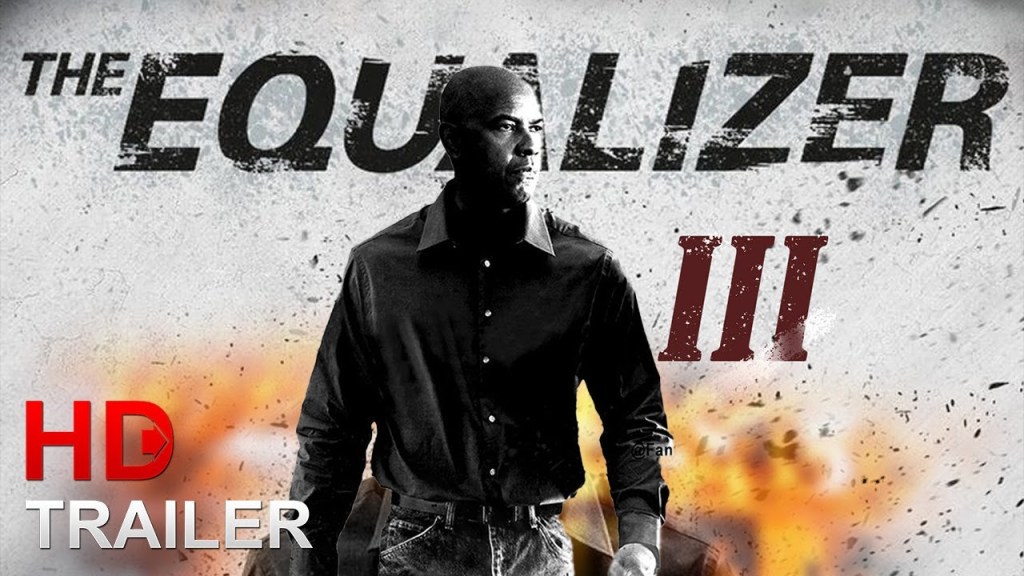
  • Trailer: “The Equalizer 3: The Final Chapter” (2023)

    Sony Pictures has released the first trailer for “The Equalizer 3: The Final Chapter”. This will be star Denzel Washington’s final appearance as his character Robert McCall as “The Equalizer” franchise marks the only time Washington has worked on sequels.

    In the new film, McCall (Denzel Washington) is struggling to reconcile the horrific things he’s done in the past and finds a strange solace in serving justice on behalf of the oppressed.

    The new entry sees Washington reunite with his “Man of Fire” co-star Dakota Fanning. Also onboard are David Denman, Gaia Scodellaro, Sonia Ben Ammar, Remo Girone, Andrea Dodero and Eugenio Mastrandrea.

    “The Equalizer 3” arrives in cinemas on September 1st.

  • DVD review: “Master of None” (2015 – 2021) DVD review:

    “Master of None” (2015 – 2021) 

    Television

    Twenty five Episodes

    Created by: Aziz Ansari and Alan Yang

    Featuring: Aziz Ansari, Eric Wareheim, Noël Wells, Lena Waithe, Kelvin Yu, Alessandra Mastronardi and Naomi Ackie

    Dev: “You see The Social Network? Max Minghella plays an Indian guy. He’s white. They browned him up.”

    Ravi: “No no, I read he’s one-sixteenth Indian.”

    Dev: “Who cares? If you go back far enough we’re all one-sixteenth something. I’m probably one-sixteenth black. You think they’re gonna let me play Blade?”

    “Master of None” is a critically acclaimed Netflix comedy-drama series created by Aziz Ansari and Alan Yang. The show follows Dev Shah (played by Ansari), a 30-something actor living in New York City, as he navigates his personal and professional life.

    One of the standout features of “Master of None” is its sharp writing and astute observations about contemporary society, particularly with regard to issues of race, gender, and sexuality. The show also boasts a diverse and talented cast, including Ansari, Eric Wareheim, Lena Waithe, and Noël Wells, among others.

    Another strength of the series is its unique visual style and storytelling approach, which frequently incorporates elements of magical realism and experimental filmmaking techniques. This helps to keep the show fresh and engaging, even as it tackles weighty themes and issues.

    While “Master of None” has received widespread critical acclaim for its writing, performances, and innovative storytelling, some viewers have criticized the show for being too self-indulgent or navel-gazing. Additionally, the show’s handling of sensitive issues like sexual harassment and consent has generated controversy and debate. “Master of None” is a smart, funny, and thought-provoking series that is well worth watching for anyone who enjoys sharp writing, nuanced performances, and innovative storytelling.

    The show’s first season explores themes such as dating, career, and race in a witty and heartfelt manner, while the second season takes a more cinematic approach, with each episode functioning more like a self-contained short film. The second season also delves deeper into Dev’s personal life, including his family and romantic relationships.

    One of the most notable episodes of the series is “Thanksgiving,” which follows Dev’s friend Denise (played by Lena Waithe) and her family over several Thanksgiving dinners throughout the years. The episode provides a nuanced and moving portrayal of Denise’s journey as a queer Black woman coming out to her family, and it was widely praised for its groundbreaking representation.

    In addition to its exploration of social issues, “Master of None” also excels in its comedic moments, with Ansari’s quick wit and comedic timing shining throughout the series. The show also features a memorable soundtrack that incorporates a diverse range of musical genres and artists.

    In addition to its exploration of social issues, “Master of None” also excels in its depiction of modern relationships, particularly in the way it portrays the challenges and complexities of dating in the digital age. The show’s second season, in particular, features several episodes that examine the highs and lows of romantic relationships, including the episode “First Date,” which follows Dev through a series of disastrous dates with different women.

    The show also features a strong supporting cast, including Eric Wareheim as Dev’s best friend Arnold and Noël Wells as his on-again, off-again girlfriend Rachel. The chemistry between the actors is palpable, and the show’s strong ensemble performances help to make the characters feel real and relatable.

    Despite its critical acclaim, “Master of None” has not been without controversy. In 2018, Ansari was accused of sexual misconduct by a woman he had gone on a date with. While Ansari apologized for any behavior that had made his date uncomfortable, the incident sparked a wider conversation about consent and boundaries in dating, and led to some criticism of the show’s portrayal of relationships.

    “Master of None” is a smart, engaging, and often hilarious show that stands as a testament to the power of innovative storytelling and thoughtful social commentary. While its future remains uncertain, the existing two seasons are well worth watching for anyone who enjoys insightful and entertaining television.

    In addition to its exploration of social and romantic issues, “Master of None” also offers a unique perspective on the immigrant experience, with Dev’s Indian background frequently playing a role in the show’s storylines. The show’s second season features several episodes that examine Dev’s relationship with his family, including “Religion,” which explores Dev’s complicated relationship with his Muslim upbringing.

    The show’s innovative storytelling approach also extends to its use of guest stars, with several notable actors and comedians appearing in memorable roles throughout the series. Angela Bassett, John Legend, and Claire Danes are just a few of the famous faces that have made appearances on “Master of None.”

    Despite its accolades and critical success, “Master of None” remains a somewhat niche show, with its particular brand of humor and social commentary not necessarily appealing to all viewers. However, for those who appreciate the show’s unique style and perspective, it is a must-watch series that stands out as one of the most innovative and thoughtful shows of recent years.

    “Master of None” is a show that deftly combines sharp social commentary, innovative storytelling, and engaging performances to create a truly unique viewing experience. While its future remains uncertain, the existing two seasons stand as a testament to the show’s artistry and cultural significance, and are well worth watching for anyone who values insightful and entertaining television.


    Episodes

    Season One

    Plan B: A condom mishap and a kid’s birthday party prompt Dev to consider the reality of having children.

    Parents: Dev and Brian try to show their appreciation for their immigrant parents at a joint family dinner.

    Hot Ticket: Dev’s plan to score a date with a pretty waitress by inviting her to a concert doesn’t have quite the result he wanted.

    Indians on TV: Frustrated with the limited availability of roles and frequent type-casting of Indian actors, Dev has to make an ethical decision about the future of his career when he gets his hands on a TV executives racist emails.

    The Other Man: Dev has the chance to hook up with a woman he meets at a party, but the opportunity comes with a few complications.

    Nashville: Rachel has finally broken up with her ex-boyfriend, so Dev decides to invite her to a trip to Nashville.

    Ladies and Gentlemen: Dev’s new advertisement doesn’t go as planned and his female entourage tells him about the misogyny they face every day.

    Old People: Dev and Arnold hang-out with Arnold’s Grandpa, who tells them a cool war story (and Arnold becomes very attached to his Grandpa’s robotic seal). This inspires Dev to stick around when he and Rachel visit Grandma Carol at her retirement home and Rachel has to leave mid-visit.

    Mornings: Rachel moves in with Dev and they start having relationship issues.

    Finale: After attending a wedding and a disappointing film premiere, Rachel and Dev are both having doubts about their relationship.

    Season Two

    The Thief: Now living in Modena, Dev serendipitously meets a girl who he makes a real connection with only to have his future date plans go array when a thief steals his mobile phone.

    Le Nozze: Arnold stops by on his way to a wedding to explore Modena with his Little Bud. But he hasn’t told Dev the whole truth about his trip.

    Religion: Back in New York, a visit from observant Muslim relatives puts Dev in a tricky position. He introduces his cousin to a forbidden pleasure: pork.

    First Date: Sucked into a popular dating app, Dev winds up on a string of awkward, fun and disorienting dates with very different women.

    The Dinner Party: After welcoming the Jabbawockeez to his show, Dev struggles to find the right date to take to a dinner party thrown by his celebrity chef boss.

    New York, I Love You: As Dev and friends head to a theater to see the hit movie “Death Castle,” the lives of several ordinary New Yorkers intersect in subtle ways.

    Door #3: A sweet job offer forces Dev to take stock of his priorities. Brian helps his dad with a romantic dilemma. A cupcake competition judge gets cold feet.

    Thanksgiving: Over a series of Thanksgivings from the ’90s to the present, Denise settles into her sexuality and faces the challenge of coming out to her family.

    Amarsi Un Pò: When Francesca returns to New York for a month, Dev plays tour guide and finds himself caught in a whirlwind of confusing emotions.

    Buona Notte: Just as Dev’s personal life reaches a tipping point, disturbing revelations throw his professional life into turmoil, too.

    Season Three

    Moments in Love, Chapter 1: Now a bestselling author, Denise leads a quiet life with her wife, Alicia, in upstate New York. But dinner with another couple leads to bigger questions.

    Moments in Love, Chapter 2: As the mood in the house grows more strained, Alicia leaves town for an antique fair.

    Moments in Love, Chapter 3: Facing a wave of major changes in her life, Denise wrestles with feelings of guilt and failure.

    Moments in Love, Chapter 4: Alicia turns to a fertility clinic for help and soon finds herself on a physical, emotional and financial odyssey.

    Moments in Love, Chapter 5: A trip upstate leads to reflections on the past and present.

  • DVD review: “Emily” (2022)

    “Emily” (2022)

    Drama

    Running Time: 130 minutes

    Written and directed by: Frances O’Connor

    Featuring: Emma Mackey, Fionn Whitehead, Oliver Jackson-Cohen, Alexandra Dowling, Amelia Gething, Adrian Dunbar and Gemma Jones

    “Whatever our souls are made out of, his and mine are the same.” – Emily Bronte, Wuthering Height

    “Emily” is a biographical drama film released in 2021, directed by Frances O’Connor, and stars Emma Mackey in the titular role of Emily Bronte, the author of “Wuthering Heights.” The movie follows Emily’s life and the experiences that influenced her to write one of the most celebrated novels in the English language.

    I thought Emma Mackey’s portrayal of Emily was impressive, capturing the enigmatic and introverted character of the writer. She brought depth and nuance to the role, conveying the inner turmoil and emotional complexity that drove Emily’s creative process. The cinematography was also beautiful, with stunning landscapes and visuals that evoked the mood and atmosphere of the Yorkshire moors, where the story is set.

    One of the strengths of the movie was its attention to detail in capturing the historical period and cultural context of Emily’s life. It explored themes such as class, gender, and creativity in a way that felt authentic and insightful. The supporting cast was also excellent, with strong performances from the likes of Joe Alwyn and Fionn Whitehead.

    “Emily” is a well-crafted and engaging biopic that sheds light on the life and legacy of one of the most revered writers in literary history. If you are a fan of historical dramas or interested in the life and work of Emily Bronte, I would definitely recommend giving this movie a watch.

    That being said, one of the potential weaknesses of the movie is that it may not appeal to those who are not familiar with Emily Bronte’s life or work. Some viewers may find the pacing slow, as the movie focuses on the details of Emily’s life and the events that shaped her writing. Additionally, the movie takes some creative liberties in its portrayal of certain characters and events, which may be controversial for some viewers who are well-versed in Emily’s life and work.

    “Emily” is a well-crafted and engaging movie that offers an insightful glimpse into the life and work of one of the most iconic writers of the 19th century. It features strong performances from its cast, beautiful cinematography, and a thoughtful exploration of themes such as creativity, gender, and class. If you are a fan of biographical dramas or have an interest in Emily Bronte’s life and work, I would definitely recommend giving this movie a watch.

    Another strength of the movie is its exploration of the relationship between Emily and her siblings, particularly her sister Charlotte, who also became a celebrated writer in her own right. The movie portrays the sisters as being close and supportive of each other, despite their differences in temperament and creative style. This aspect of the movie adds depth and nuance to Emily’s character, showing her not only as a writer but also as a sister and a daughter who struggles with the expectations and limitations imposed on her by society.

    In terms of its technical aspects, “Emily” is a well-executed movie, with excellent cinematography, set design, and costume design that evoke the mood and atmosphere of 19th century England. The use of natural lighting and muted colors creates a sense of intimacy and authenticity, while the haunting score adds to the emotional impact of the story.

    “Emily” is a thought-provoking and well-made movie that offers a nuanced and compelling portrayal of the life and work of Emily Bronte. While it may not be for everyone, those who appreciate biographical dramas and historical fiction will find much to enjoy in this movie. With a strong lead performance from Emma Mackey and a talented supporting cast, “Emily” is a movie that is well worth watching for anyone interested in the life and work of one of the most iconic writers of the 19th century.

    One of the things that sets “Emily” apart from other biopics is its emphasis on the creative process behind Emily Bronte’s writing. Throughout the movie, we see glimpses of Emily’s imagination and the sources of inspiration for her iconic novel “Wuthering Heights.” The movie portrays her as a fiercely independent and introspective individual who was unafraid to challenge societal norms and explore taboo subjects in her writing. This aspect of the movie adds depth and complexity to Emily’s character, making her more than just a two-dimensional figure in history.

    Another aspect of the movie that stands out is its exploration of the theme of loss and grief. Throughout the movie, we see Emily struggling to come to terms with the deaths of her siblings and the impact that loss had on her writing. The movie does an excellent job of portraying the emotional weight of grief and the toll it can take on an individual’s creativity and mental health.

    In terms of criticisms, some viewers may find the movie’s pacing slow, as it is a character-driven biopic that focuses on the details of Emily’s life and the events that shaped her writing. Additionally, some viewers may take issue with the creative liberties the movie takes in its portrayal of certain events and characters.

    Overall, “Emily” is a beautifully crafted biopic that offers a nuanced and insightful portrayal of the life and work of one of the most celebrated writers of the 19th century. With a strong lead performance from Emma Mackey and a talented supporting cast, the movie is a must-watch for anyone interested in the life and work of Emily Bronte or the creative process behind iconic literature.

  • Blu-ray review: “Jacob’s Ladder” (1990)

    “Jacob’s Ladder” (1990)

    Drama

    Running Time: 113 minutes

    Written by: Bruce Joel Rubin

    Directed by: Adrian Lyne

    Featuring: Tim Robbins, Elizabeth Peña and Danny Aiello

    Louis: “Eckhart saw Hell too. He said: The only thing that burns in Hell is the part of you that won’t let go of life, your memories, your attachments. They burn them all away. But they’re not punishing you, he said. They’re freeing your soul. So the way he sees it, if you’re frightened of dying and… and you’re holding on, you’ll see devils tearing your life away. But if you’ve made your peace, then the devils are really angels, freeing you from the earth. It’s just a matter of how you look at it, that’s all. So don’t worry, okay? Okay?”

    Critical Commentary

    “Jacob’s Ladder” is a psychological horror movie released in 1990 directed by Adrian Lyne. The film tells the story of Jacob Singer (Tim Robbins), a Vietnam War veteran who is struggling to make sense of his life after returning home from the war.

    The movie starts with Jacob experiencing terrifying hallucinations and flashbacks to his time in Vietnam, which he finds difficult to distinguish from his present reality. He begins to question whether he is losing his mind or if something more sinister is at play. The movie then takes the viewer on a suspenseful and disturbing journey as Jacob tries to unravel the mystery of his experiences.

    One of the strengths of “Jacob’s Ladder” is its exceptional cinematography and sound design, which create a tense and unsettling atmosphere that keeps the audience engaged throughout the film. The performances from the cast, particularly Tim Robbins, are also excellent, adding to the sense of unease and confusion that permeates the movie.

    The movie is not for the faint-hearted, as it deals with themes of trauma, death, and the human psyche. It also contains some intense and graphic scenes, including depictions of violence and gore.

    “Jacob’s Ladder” is a well-crafted and haunting psychological horror film that explores complex themes in a thought-provoking way. It is definitely worth watching for fans of the genre or anyone looking for a movie that will leave a lasting impression.

    One of the most notable aspects of “Jacob’s Ladder” is its ambiguous and thought-provoking storyline. The film raises questions about reality, mortality, and the nature of human consciousness, leaving much of the interpretation up to the viewer.

    Without giving away any spoilers, the film’s ending is particularly controversial and has been the subject of much debate and analysis. Some viewers find the ending confusing or unsatisfying, while others see it as a powerful and thought-provoking conclusion that ties the film’s themes together.

    Despite its age, “Jacob’s Ladder” remains a relevant and impactful movie that continues to captivate audiences. Its influence can be seen in many contemporary horror films that explore similar themes of psychological trauma and the human psyche.

    “Jacob’s Ladder” is a well-made, thought-provoking, and disturbing movie that is not for everyone, but is worth watching for those who appreciate the horror genre and are interested in exploring complex themes related to the human psyche.

    The movie is also notable for its use of practical effects, which adds to the unsettling and surreal atmosphere. The special effects team, led by makeup artist Rob Bottin, created a number of impressive and memorable visuals, including the iconic “head shaking” scene that has become a staple of horror movie lore.

    Furthermore, the film’s exploration of trauma and the toll it takes on the human psyche remains just as relevant today as it was when the movie was released over thirty years ago. The impact of war and violence on individuals is an issue that continues to be a source of concern and discussion in today’s society.

    “Jacob’s Ladder” has influenced a generation of filmmakers and has become a cult classic in the horror genre. Its influence can be seen in numerous movies, TV shows, and video games, and it remains a touchstone for many horror fans.

    In summary, “Jacob’s Ladder” is a haunting and thought-provoking movie that has left a lasting impact on the horror genre. Its combination of exceptional cinematography, unsettling sound design, impressive special effects, and strong performances make it a must-watch for fans of psychological horror.

    Moreover, the film’s exploration of existential themes, such as death and the afterlife, adds a layer of depth and complexity to its storyline. The viewer is left to question the nature of reality and the possibility of an afterlife, as well as the significance of life in the face of mortality.

    “Jacob’s Ladder” also delves into the concept of redemption and the possibility of finding peace and closure after trauma. Through Jacob’s journey, the film suggests that healing is possible but requires confronting one’s inner demons and coming to terms with one’s past.

    Overall, “Jacob’s Ladder” is a masterfully crafted film that deftly balances horror, suspense, and existential themes. Its impact on the horror genre and its continued relevance today speak to its enduring legacy as a classic piece of filmmaking. It is a must-watch for horror fans and anyone interested in exploring the complexities of the human psyche.

    Technical Commentary 

    Video

    “Jacob’s Ladder” from Imprint Films comes with a 1080p HD transfer from ViaVision Entertainment. This movie was released back in 2010 on Blu-ray and oddly seems to be the same exact transfer on this Imprint release. It looks like one of those 1st editions Blu-ray releases when Blu-ray was first on the market and not like one of these new 4K masters. It’s still a good image, but there hasn’t been a new transfer in years and nothing has been cleaned up really. 

    Audio 

    This release comes with both a DTS-HD MA 5.1 and an LPCM 2.0 option. The 5.1 track was on the previous 2010 release and seems to be the same one. The 2.0 track is offered for those who like it kept in stereo. It sounds good enough with great audio effects and versatility, but again, this is a thirteen-year-old master and a new makeover would serve this well.

    Special Features

    • Commentary #1 – A brand new commentary track from the host of The Projection Booth podcast Mike White (no relation) as he talks about the tones, themes, casting, cinematography, and war films. 
    • Commentary #2 – This is the archival commentary from director Adrian Lyne who focuses on the screenplay, characters, and tone of the film. 
    • Prepare The Way (HD, 21 Mins.) – Here’s a brand new interview with writer Bruce Joel Rubin, recalling his career, talks with the director, and how the story morphed into the one ultimately on screen.
    • The Locations of Jacob’s Ladder (HD, 18 Mins.) – Journalist Michael Gingold reveals some of the locations in New York where the film was shot and what they look like now. 
    • Video Essays (HD, 52 Mins.) – Two film critics give two brand new takes on the film in their visual essays presented here. 
    • Building Jacob’s Ladder (HD, 27 Mins.) – This vintage featurette includes interviews with the cast and crew, behind-the-scenes footage, and takes from the story and production of the film. 
    • Archival Interviews (HD, 24 Mins.) – Three separate interviews with Adrian Lyne, Tim Robbins, and Elizabeth Pena are included and are from years ago. 
    • Additional Scenes (HD, 14 Mins.) – There are three different deleted scenes here all with optional commentary from the director.


  • Second Trailer: “Fast X” (2023)

    Trailer: “Fast X” (2023)

    Universal Pictures has unveiled the second trailer for “Fast X,” the tenth entry in the “Fast and Furious” franchise. The Louis Leterrier-helmed film serves as the first of a two-parter closing out the main franchise. 

    Over many missions and against impossible odds, Dom Toretto (Vin Diesel) and his family have outsmarted, out-nerved and outdriven every foe in their path.

    Now, they confront the most lethal opponent they’ve ever faced: A terrifying threat emerging from the shadows of the past who’s fueled by blood revenge, and who is determined to shatter this family and destroy everything – and everyone – that Dom loves, forever.

    Returnees include Vin Diesel, Jordana Brewster, Tyrese Gibson, Michelle Rodriguez, Ludacris, Nathalie Emmanuel, Sung Kang, John Cena, Charlize Theron, Cardi B, Helen Mirren, Michael Rooker and Scott Eastwood.

    Joining the series for the first time are Daniela Melchior (“The Suicide Squad”), Rita Moreno (“West Side Story”) and Alan Ritchson (“Reacher”).

    The film will hit cinemas on May 19th.

  • Blu-ray review: “The House of the Spirits” (1993)

    “The House of the Spirits” (1993)

    Drama

    Running Time: 97 minutes

    Written by: Bille August based on the novel by Isabel Allende

    Directed by: Bille August

    Featuring: Meryl Streep, Jeremy Irons, Glenn Close, Winona Ryder, Antonio Banderas, Armin Mueller-Stahl, María Conchita Alonso, Vanessa Redgrave and Joaquín Martínez

    Esteban Trueba: [to Ferula] “Sometimes I wish Mother was here so I could send you back to her.”

    “The House of the Spirits” is a movie adaptation of Isabel Allende’s novel of the same name. The film was directed by Bille August and released in 1993. It boasts a star-studded cast that includes Meryl Streep, Glenn Close, Winona Ryder, and Jeremy Irons.

    The movie tells the story of the Trueba family, set against the backdrop of political turmoil in an unnamed South American country. The patriarch, Esteban Trueba (Jeremy Irons), is a wealthy landowner who becomes involved in politics and helps overthrow the country’s government. Meanwhile, his wife, Clara (Meryl Streep), has psychic abilities and is deeply connected to the spiritual world. Their daughter, Blanca (Winona Ryder), falls in love with a revolutionary and becomes pregnant, causing further turmoil in the family.

    The movie is visually stunning, with gorgeous cinematography and production design that effectively capture the setting and time period. The performances by the all-star cast are also excellent, particularly Meryl Streep and Glenn Close, who both shine in their roles as Clara and Ferula, Esteban’s sister.

    However, despite these strengths, the film does suffer from some pacing issues. At times, it feels rushed, with important events and character developments being glossed over or given insufficient screen time. This can make it difficult for viewers who are unfamiliar with the source material to fully engage with the story and its characters. “The House of the Spirits” is a beautiful and well-acted film that effectively captures the essence of Isabel Allende’s novel. However, its pacing issues may make it a challenging watch for some viewers.

    Additionally, some critics have argued that the movie’s handling of the political themes present in the novel is somewhat simplistic and heavy-handed. While the film does touch on issues such as class conflict and government corruption, it does not delve deeply into these topics, which may disappoint viewers who are interested in exploring these themes in greater detail.

    On the other hand, the film’s emphasis on the supernatural elements of the story, particularly Clara’s psychic abilities and her connection to the spiritual world, may be seen as a strength by some viewers. The film’s dreamlike quality and magical realism elements effectively convey the sense of otherworldliness that permeates the novel. “The House of the Spirits” is not without its flaws, it is still a visually stunning and emotionally engaging adaptation of Isabel Allende’s novel. Its strong performances and beautiful production design make it a worthwhile watch for fans of the book, as well as anyone interested in magical realism or Latin American cinema.

    It’s worth noting that the film received mixed reviews upon its initial release, with some critics praising its performances and visuals while others criticized its pacing and treatment of the political themes. However, over time, “The House of the Spirits” has gained a cult following and is now regarded as a classic of Latin American cinema.

    One of the film’s standout performances is by Meryl Streep, who brings a quiet intensity and otherworldly quality to her portrayal of Clara. Streep’s ability to convey complex emotions with subtlety and nuance is on full display here, making Clara one of her most memorable roles. Additionally, Jeremy Irons is excellent as the domineering Esteban Trueba, imbuing the character with a sense of depth and complexity that makes him more than a simple villain.

    Ultimately, “The House of the Spirits” is a powerful and emotionally resonant film that explores themes of love, loss, and political upheaval in a way that is both deeply personal and universal. While its pacing and treatment of certain themes may not appeal to all viewers, its strong performances and beautiful visuals make it a film that is well worth watching.

    In terms of its technical aspects, “The House of the Spirits” is a visually stunning film. The production design and cinematography are both top-notch, effectively capturing the mood and atmosphere of the story’s setting. The film’s use of color and lighting is particularly noteworthy, with warm, earthy tones contrasting with cool blues and greens to create a vivid and immersive visual experience.

    Another strength of the film is its handling of the relationships between the characters. The Trueba family is complex and deeply flawed, and the film does an excellent job of exploring the dynamics between them. The central love story between Blanca and Pedro is particularly well done, with both Winona Ryder and Antonio Banderas giving strong performances that capture the passion and intensity of their characters’ relationship.

    “The House of the Spirits” is a powerful and emotionally resonant film that effectively captures the essence of Isabel Allende’s novel. Its strong performances, beautiful visuals, and exploration of complex themes make it a film that is well worth watching for anyone interested in Latin American cinema, magical realism, or powerful character dramas.

    One other aspect of the film that is worth noting is its soundtrack. The film’s music, composed by Hans Zimmer, is a beautiful and haunting score that effectively captures the film’s mood and themes. Zimmer’s use of traditional Latin American instruments and rhythms adds a distinctive flavor to the score, further enhancing the film’s sense of place and time.

    While “The House of the Spirits” may not be a perfect film, it is certainly a memorable one. Its exploration of love, loss, and political upheaval is both universal and deeply personal, and its strong performances, beautiful visuals, and haunting soundtrack all combine to create a truly immersive and emotionally resonant cinematic experience.

    Overall, if you are a fan of Isabel Allende’s novel, or if you are interested in Latin American cinema or magical realism, “The House of the Spirits” is a film that is definitely worth checking out. Its flaws are relatively minor compared to its many strengths, and its impact and influence on the world of cinema cannot be denied.

    Special Features

    • 1080p High-definition presentation on Blu-ray
    • 2 cuts of the film – US Theatrical, and Extended 132-minute European version with an alternative presentation of the film’s opening
    • Audio Commentary by film historian Scott Harrison
    • Beginning with Bille – interview with first assistant director Guy Travers
  • Blu-ray review: “Little Buddha” (1993)

    “Little Buddha” (1993)

    Drama

    Running Time: 140 minutes

    Written by: Rudy Wurlitzer and Mark Peploe

    Directed by: Bernardo Bertolucci

    Featuring: Keanu Reeves, Chris Isaak, Bridget Fonda, Alex Wiesendanger and Ying Ruocheng

    Jesse Conrad: “Were you sleeping lama?”

    Lama Norbu: “No, I was meditating.”

    Jesse Conrad: “What’s meditating?”

    Lama Norbu: “It is being totally quiet and relaxed, separating yourself from everything around you, setting your mind free like a bird, and you can then see your thoughts as if they were passing clouds.”

    “Little Buddha” is a 1993 movie directed by Bernardo Bertolucci. The movie follows the journey of a group of Westerners, who travel to Nepal in search of a reincarnated Tibetan Buddhist teacher. The story is told through the perspective of two children, one of whom is believed to be the reincarnation of the teacher.

    The movie is visually stunning, with beautiful landscapes and a colorful depiction of Nepalese and Tibetan culture. The acting is also excellent, particularly that of the child actors who portray the two main characters.

    However, the movie has received mixed reviews for its portrayal of Buddhism. Some critics have praised it for its authentic depiction of Buddhist teachings and the rituals surrounding reincarnation, while others have criticized it for being superficial and exoticizing Eastern culture.

    “Little Buddha” is an interesting movie that offers a glimpse into the world of Buddhism and the concept of reincarnation. However, it’s important to approach the movie with an open mind and to remember that it is a work of fiction that may not accurately represent all aspects of Buddhism.

    Furthermore, some critics have pointed out that the movie can be slow-paced at times and the narrative may lack a cohesive structure. Additionally, the film’s representation of Buddhism may be too simplistic for some viewers who are more familiar with the religion’s complexities and philosophical nuances.

    Despite these criticisms, “Little Buddha” is still a thought-provoking and visually engaging film that offers a unique perspective on a topic that is not often explored in mainstream cinema. The movie’s exploration of the Buddhist concept of detachment and its emphasis on the importance of compassion and selflessness are particularly noteworthy.

    “Little Buddha” is worth watching for its beautiful cinematography and strong performances, as well as its exploration of Buddhist philosophy and culture. However, viewers should approach the film with an open mind and remember that it is a work of fiction that may not accurately represent all aspects of Buddhism.

    Additionally, one of the strengths of “Little Buddha” is its ability to weave together multiple narratives and perspectives. The film alternates between the present-day story of the Westerners searching for the reincarnated teacher, the flashbacks of the teacher’s life, and the parables told by the teacher himself. This multi-layered approach provides a rich and nuanced view of Buddhism and its teachings.

    Another notable aspect of the film is the way it presents the conflict between traditional Eastern beliefs and Western skepticism. The Westerners’ initial disbelief in reincarnation and their struggle to understand Buddhist concepts provide a compelling contrast to the Eastern characters’ unwavering faith and deep spiritual connection.

    “Little Buddha” is a complex and visually stunning film that delves into profound philosophical questions about life and death. While it may not be a completely accurate representation of Buddhism, it offers a thought-provoking exploration of the religion’s teachings and the ways in which they can intersect with contemporary Western culture.

    Special Features

    • 1080p High-definition presentation on Blu-ray from a 4K scan of the original negative
    • Audio commentary by filmmaker and film historian Jim Hemphill
    • The Making of Little Buddha – featurette
    • Interview with producer Jeremy Thomas
    • Interview with director Bernardo Bertolucci (1993)
    • A Great Adventure – interview with supervising art director Andrew Sanders
    • Reincarnation of Sound – interview with supervising sound editor Eddy Joseph
    • Buddhist Lines – interview with dialogue coach Constantine Gregory
    • Theatrical Trailer
  • Blu-ray review: “I’ll Sleep When I’m Dead” (2003)

    “I’ll Sleep When I’m Dead” (2003)

    Drama

    Running Time: 102 minutes

    Written by: Trevor Preston

    Directed by: Mike Hodges

    Featuring: Clive Owen, Charlotte Rampling, Jonathan Rhys-Meyers and Malcolm McDowell

    Will: “Look at me. Look at what I’ve become. I sometimes don’t talk to another living soul for fucking days, weeks. I’m always on the move. I trust no one, nothing. And it’s got fuck-all to do with escape or withdrawal or fear. It’s grief. For a life wasted. And now there’s Davey. Another fucking wasted life. And I’m gonna find out why.”

    Critical Commentary

    “I’ll Sleep When I’m Dead” is a 2003 crime-drama film directed by Mike Hodges and starring Clive Owen, Charlotte Rampling, and Jonathan Rhys Meyers. The movie tells the story of a former gangster, Will Graham (Clive Owen), who returns to London to investigate the mysterious death of his brother, Davey (Jonathan Rhys Meyers).

    The film received mixed reviews from critics. Some praised Clive Owen’s performance and the film’s stylish direction, while others criticized the slow pacing and lack of character development. The film’s strongest aspect is undoubtedly Clive Owen’s performance as the brooding and enigmatic Will Graham. Owen’s portrayal of the former gangster is both nuanced and understated, making him a captivating lead to follow. Charlotte Rampling also delivers a strong performance as Will’s former lover, Helen, adding a layer of complexity to the story.

    However, the film’s pacing can be slow at times, which can make it feel like a bit of a slog to get through. Additionally, some of the characters, particularly the supporting cast, feel underdeveloped, leaving the audience with little investment in their fates. “I’ll Sleep When I’m Dead” is a solid crime drama with some standout performances, but its slow pacing and underdeveloped characters may leave some viewers wanting more.

    The film’s stylish direction, however, is something that cannot be overlooked. Director Mike Hodges effectively creates a moody and atmospheric setting, utilizing the London cityscape to create a sense of grit and danger. The film’s cinematography is also noteworthy, with its use of muted colors and shadows contributing to the film’s overall tone.

    Another aspect of the film that stands out is its exploration of the themes of masculinity and brotherhood. Will’s journey is one of self-discovery and redemption, as he tries to reconcile with his past and come to terms with his brother’s death. The film also delves into the complex dynamics of male relationships, particularly between brothers, and the sometimes-toxic nature of these relationships. “I’ll Sleep When I’m Dead” is a decent crime drama with some notable strengths, particularly in Clive Owen’s performance and the film’s stylish direction. While its slow pacing and underdeveloped characters may detract from its overall impact, it is still worth a watch for fans of the genre.

    Additionally, the film’s soundtrack also deserves recognition. The use of music throughout the film, particularly in the scenes where Will is driving around London, adds to the film’s atmosphere and helps to establish the mood of each scene.

    The film’s plot can at times feel convoluted and difficult to follow, with some of the story’s key details left unexplained. This can make it challenging for the audience to fully invest in the narrative and can leave some viewers feeling unsatisfied. “I’ll Sleep When I’m Dead” is a film that has its strengths and weaknesses. While it may not be a perfect crime drama, it is still a worthwhile watch for fans of the genre, particularly those interested in exploring the themes of masculinity and brotherhood. With its strong performances and stylish direction, it offers a unique take on the genre and is a film that is sure to leave an impression on its audience.

    It is worth noting that the film’s violence is at times graphic and intense, and may not be suitable for all viewers. Some may find the depictions of violence and brutality disturbing, which could detract from their overall enjoyment of the film.

    Despite its flaws, “I’ll Sleep When I’m Dead” is a film that is worth considering for those looking for a gritty and stylish crime drama. Its strengths lie in its strong performances, stylish direction, and exploration of themes such as masculinity and brotherhood. However, its slow pacing, convoluted plot, and underdeveloped characters may make it a challenging watch for some viewers. Ultimately, whether or not to watch “I’ll Sleep When I’m Dead” will depend on your individual preferences and tolerance for violence in film.

    Technical Commentary

    Video

    Presented in an aspect ratio of 1.78:1, encoded with MPEG-4 AVC and granted a 1080p transfer, “I’ll Sleep When I’m Dead” arrives on Blu-ray courtesy of Via Vision Entertainment. The release is sourced from an older master that was supplied by Paramount Pictures. However, even though the film can and should look fresher, on my system its visuals usually looked good or very good. Delineation, clarity, and depth are very good, while image stability is great. Color balance is very convincing. There is a bit of black crush that pops up here and there, but I did not think that it was distracting. There are no troubling surface imperfections to report.

    Audio

    There are two standard audio tracks on this Blu-ray release: English DTS-HD Master Audio 5.1 and English LPCM 2.0. Optional English SDH subtitles are provided for the main feature. There are some very fine sound effects that do particular things to enhance the desired noirish atmosphere, so I do not think that the dynamic contrasts can be superior. Clarity, sharpness, and stability are outstanding.  

    Special Features

    • 1080p High-definition presentation on Blu-ray
    • Audio Commentary by director Mike Hodges and writer Trevor Preston
    • Mike Hodges and I’ll Sleep When I’m Dead – documentary
    • 2 Deleted Scenes (one with optional audio commentary by Mike Hodges and Trevor Peston)
    • Theatrical Trailer
  • Blu-ray Review: “The Hunter” (1980)

    “The Hunter” (1980)

    Action

    Running Time: 97 minutes

    Written by: Ted Leighton and Peter Hyams

    Directed by: Buzz Kulik

    Featuring: Steve McQueen, Eli Wallach, Kathryn Harrold, LeVar Burton and Ben Johnson

    Ralph ‘Papa’ Thorson: “I’m getting too old for this shit.”

    Critical Commentary

    “The Hunter” is a crime thriller film directed by Buzz Kulik and starring Steve McQueen, Eli Wallach, and Kathryn Harrold. The film is based on the novel “The Master Sniper” by author Hunter Smith. The story follows Ralph “Papa” Thorson (played by McQueen), a modern-day bounty hunter who is hired by bail bondsmen to track down and capture fugitives who have skipped bail. Thorson is a tough and skilled hunter, but he is also a complex and flawed character with a troubled personal life. He is on the trail of a notorious thief named Jack Renda (played by Wallach) who is wanted for a series of robberies.

    “The Hunter” is a gritty and realistic film that showcases Steve McQueen’s acting range as he portrays a character that is both tough and vulnerable. The film is also notable for its impressive action sequences and thrilling chase scenes. Eli Wallach is excellent as the wily and unpredictable Renda, and he provides a formidable opponent for McQueen’s Thorson.

    The film’s portrayal of the life of a bounty hunter is well researched and believable, and the audience is drawn into the dangerous and unpredictable world of fugitive hunting. The plot is well-paced and keeps the audience engaged from start to finish, with plenty of twists and turns along the way.

    “The Hunter” is a classic crime thriller that features a strong performance by Steve McQueen and an engaging story that keeps the audience on the edge of their seat. If you enjoy action-packed films with complex characters and gripping plotlines, then “The Hunter” is definitely worth watching.

    The film also features a great supporting cast, including Kathryn Harrold as Dotty, Thorson’s love interest, and Ben Johnson as Sheriff Strong, Thorson’s friend and mentor. They both deliver solid performances and add depth to the story. “The Hunter” is also notable for its realistic portrayal of violence and its consequences. The film doesn’t shy away from the harsh realities of the bounty hunting profession, and the violence depicted is both graphic and unsettling. However, this violence is always contextualized within the story and serves a purpose in advancing the plot and developing the characters.

    “The Hunter” is a classic crime thriller that delivers great performances, thrilling action, and a compelling story. It is a must-see for fans of Steve McQueen and for anyone who enjoys a good action movie with a complex and interesting protagonist. Despite being released over 40 years ago, “The Hunter” still holds up today and is a testament to the enduring appeal of well-crafted, character-driven thrillers.

    Additionally, the film also explores themes of loyalty, friendship, and the toll that the bounty hunting profession takes on the personal lives of those who practice it. It provides a thought-provoking commentary on the morality of pursuing justice for profit, and the toll that this kind of work can take on one’s psyche.

    The cinematography in “The Hunter” is also worth noting, with sweeping landscapes and detailed close-ups that help to immerse the viewer in the film’s gritty and dangerous world. The score, composed by Michel Legrand, is another standout aspect of the film, adding tension and suspense to the already gripping narrative. “The Hunter” is a classic crime thriller that still holds up today, thanks to its great performances, engaging story, and thought-provoking themes. It is a must-watch for fans of the genre, and a great example of how well-crafted action films can still resonate with audiences decades after their initial release.

    One of the strengths of “The Hunter” is its ability to balance action with character development. Despite the film’s many thrilling chase scenes and shootouts, the audience never loses sight of the complex and flawed protagonist at the center of the story. Steve McQueen delivers a nuanced and powerful performance as Ralph Thorson, bringing depth and humanity to a character that could have easily been reduced to a caricature.

    The supporting cast also shines, with Eli Wallach providing a memorable and charismatic performance as the cunning and dangerous Jack Renda. Kathryn Harrold brings warmth and vulnerability to the role of Dotty, Thorson’s love interest, and Ben Johnson delivers a solid turn as Sheriff Strong.

    “The Hunter” is also notable for its exploration of the changing landscape of law enforcement in America. At the time of its release, the film was seen as a commentary on the rising popularity of bounty hunting as a way to capture fugitives who had skipped bail. Today, the film serves as a snapshot of a time when the lines between law enforcement and private security were becoming increasingly blurred.

    In conclusion, “The Hunter” is a classic action film that remains just as thrilling and engaging today as it was upon its release. With its well-crafted action scenes, memorable performances, and thought-provoking themes, it is a must-see for fans of the genre and anyone interested in exploring the changing face of American law enforcement.

    Technical Commentary 

    Video

    Presented in an aspect ratio of 1.78:1, encoded with MPEG-4 AVC and granted a 1080p transfer, The Hunter arrives on Blu-ray courtesy of Via Vision Entertainment. The release is sourced from an older master that was supplied by Paramount Pictures. This master is actually very nice and with some specific encoding optimizations the technical presentation of “The Hunter” could have been rather impressive. Delineation and clarity are usually good, though virtually the entire film looks slightly softer than it should. Darker visuals have a bit of black crush, but detail remains nice. There are no traces of problematic digital corrections. Color balance is very good and the only area that could see some meaningful improvements is saturation. There are no stability issues.

    Audio

    There is only one standard audio track on this Blu-ray release: English LPCM 2.0. Optional English SDH subtitles are provided for the main feature. The audio is very good. When the current master was prepared, which must have been during the DVD era, the audio was properly transferred and cleaned up.

    Special Features

    • 1080p high-definition transfer by Paramount Pictures
    • Audio commentary by film historian Jason Ney (2022)
    • Steve McQueen, Man on the Edge – vintage documentary
  • Blu-ray review: “The Brotherhood of Satan” (1971)

    “The Brotherhood of Satan” (1971)

    Horror

    Running Time: 102 minutes

    Written by: William Welch

    Directed by: Bernard McEveety

    Featuring: Strother Martin, L. Q. Jones, Charles Bateman, Ahna Capri, Charles Robinson, Alvy Moore and Geri Reischl

    Doc Duncan: “Not your baby, OUR baby, SATAN’S BABY!”

    Critical Commentary

    “The Brotherhood of Satan” is a horror movie released in 1971 and directed by Bernard McEveety. The film follows a family who becomes stranded in a small town where a group of Satanists are performing a ritual to bring about the rebirth of their master, the Devil.

    “The Brotherhood of Satan” is a slow-paced horror movie that relies heavily on suspense and atmosphere rather than cheap scares and gore. The performances from the cast are decent, with L.Q. Jones as the town’s sheriff being a standout.

    The film’s strengths lie in its moody cinematography and eerie music score, which help to create a sense of dread and unease throughout. The concept of a small town being taken over by a Satanic cult is also an interesting premise that has been explored in other horror movies, but “The Brotherhood of Satan” manages to put its own unique spin on it.

    That being said, the movie does have some weaknesses, including some slow pacing that may not be to everyone’s taste, and a somewhat underdeveloped plot that could have used a bit more fleshing out. Additionally, some viewers may find the film’s ending to be unsatisfying.

    “The Brotherhood of Satan” is a decent horror movie that will appeal to fans of atmospheric and suspenseful horror films. It’s not a classic of the genre, but it’s worth checking out for those interested in a slower-paced, more cerebral type of horror movie.

    One aspect of “The Brotherhood of Satan” that may be particularly interesting to modern audiences is its portrayal of a Satanic cult. While some aspects of the portrayal may seem clichéd or even comical by today’s standards, it’s worth noting that the movie was released during a time when Satanic panic and conspiracy theories were on the rise in the United States. As such, the film’s depiction of a secretive cult engaging in ritualistic behavior may have struck a chord with audiences of the time.

    Despite its flaws, “The Brotherhood of Satan” remains a cult classic and is often cited as an influence on later horror movies. Fans of classic horror movies or those interested in the history of the horror genre may find it worth a watch, particularly for its moody atmosphere and unique premise.

    It’s worth noting that “The Brotherhood of Satan” is not a particularly violent or gory movie, which may make it more accessible to viewers who are not fans of extreme horror. However, the movie does contain some disturbing imagery and themes, including child endangerment and sacrifice, which may not be suitable for all audiences.

    In terms of its technical aspects, “The Brotherhood of Satan” features solid direction from Bernard McEveety, who went on to direct numerous TV episodes and other movies throughout his career. The film’s cinematography, by Arch R. Dalzell, is also noteworthy, particularly for its use of light and shadow to create a sense of foreboding.

    While “The Brotherhood of Satan” may not be a perfect movie, it is a worthwhile entry in the horror genre that deserves recognition for its contributions to the genre. Fans of classic horror movies, particularly those interested in Satanic horror or slow-burn suspense, may find it worth a watch.

    One aspect of the movie that stands out is its portrayal of the small town community. The movie takes place in a remote desert town where the Satanic cult holds sway over the local population. The film does a good job of creating a sense of isolation and claustrophobia, as the main characters find themselves trapped in a hostile environment where they don’t know who they can trust.

    The movie’s themes of corruption and manipulation are also interesting. The Satanic cult is shown to be able to exert a great deal of influence over the townspeople, who seem to have been brainwashed into following their leader. This reflects a common fear in horror movies of the time, that small-town communities can be corrupted by outside forces and become hotbeds of evil.

    “The Brotherhood of Satan” is a flawed but interesting horror movie that should appeal to fans of the genre. Its slow-burn approach and moody atmosphere make it stand out from more traditional horror fare, and its portrayal of a Satanic cult in a small town remains an intriguing premise to this day.

    Technical Commentary

    Video

    Sourced from a new 2K scan supplied by Sony Pictures, “The Brotherhood of Satan” provides an impressive 1080p 2.35:1 transfer. This is one of those films where a little “rough around the edges” appearance actually helps the mood of the film. Film grain maintains a natural structure with impressive details in facial features, clothing, and set design. Black levels are nice and inky, a couple of sequences are a little lighter than others and likewise a few are a bit close to crush – but nothing serious.

    Audio 

    “The Brotherhood of Satan” arrives with a LPCM 2.0 mono track. Well balanced between scoring, dialog, and sound effects, this is a nice active mix with plenty of atmosphere. Once the film sets into its groove, the pacing of the dialog allows for a nice bit of background sound effects to come to life. It’s a simple sound design but it’s effective when you have a feeling like something is always lurking in the distance.

    Special Features

    • Audio Commentary featuring Troy Howarth and Nathaniel Thompson
    • The Devil You Know (HD 12:46)
    • Kim Newman on The Brotherhood of Satan (HD 15:01)
    • Theatrical Trailer
  • Trailer: “Talk To Me” (2023)

    Trailer: “Talk To Me” (2023)

    The first trailer has been released for “Talk to Me,” the new horror film from distributor A24 and the feature directorial debut of Australian twin brother filmmakers Danny and Michael Philippou.

    They become hooked on the new thrill, until one of them goes too far and unleashes terrifying supernatural forces. The trailer puts the focus on the one who goes too far and seemingly becomes taken over by some malevolent force.

    Sophia Wilde, Joe Bird, Alexandra Jensen, Otis Dhanji, Miranda Otto, Marcus Johnson, Alexandria Steffensen, Zoe Terakes and Chris Alosio star. The film premiered this year at the Sundance Film Festival to rave reviews leading to A24 acquiring the North American distribution rights in a fierce bidding war.

    “Talk to Me” is set to open in theaters nationwide on July 28th.