Featuring: Mia Goth, David Corenswet, Tandi Wright, Matthew Sunderland, Emma Jenkins-Purro and Alistair Sewell
Pearl: [yelling in distress after being rejected] “No, I’m a star! Please, I’m a star! Please, somebody help me! Please help me! Help me!”
Critical Commentary
“Pearl” is a 2022 horror film directed by Ti West and starring Mia Goth. The film tells the story of Pearl, a young woman who lives on an isolated farm with her parents. Pearl dreams of becoming a movie star, but her mother, Ruth, wants her to stay on the farm and help take care of her father. When a young man comes to town, Pearl sees her chance to escape her rural life. However, her dreams soon turn to nightmares as she realizes that she may not be ready for the outside world.
“Pearl” is a beautifully shot film with a haunting atmosphere. The performances are all top-notch, with Mia Goth giving a particularly memorable turn as Pearl. The film is well-paced and suspenseful, with plenty of twists and turns to keep viewers guessing. However, the film’s greatest strength is its exploration of the themes of isolation, repression, and the dark side of ambition.
“Pearl” is a powerful and disturbing film that will stay with you long after you’ve seen it. It is a must-see for fans of horror films, as well as anyone who is interested in exploring the darker side of the human psyche.
The film is beautifully shot. The cinematography is lush and atmospheric, and the film captures the beauty of the rural landscape while also creating a sense of isolation and unease.
The performances are all top-notch. Mia Goth gives a particularly memorable turn as Pearl. She is both sympathetic and terrifying, and she brings a depth and complexity to the character that makes her believable and relatable.
The film is well-paced and suspenseful. There are plenty of twists and turns to keep viewers guessing, and the film builds to a satisfying climax.
The film explores some interesting themes, such as isolation, repression, and the dark side of ambition. These themes are explored in a thoughtful and nuanced way, and they add depth and complexity to the film.
Weaknesses:
The film can be slow at times. The first half of the film is particularly slow-paced, and it can be difficult to get invested in the characters and the story.
The film is violent and disturbing. There are some graphic scenes of violence, and the film may be too much for some viewers.
The film’s ending is somewhat ambiguous. This may be frustrating for some viewers who are looking for a clear-cut ending.
Overall, Pearl is a well-made and thought-provoking horror film. It is a must-see for fans of the genre, as well as anyone who is interested in exploring the darker side of the human psyche.
The film’s setting is an important part of the story. The isolated farm creates a sense of claustrophobia and unease, and it also reflects Pearl’s own isolation and loneliness.
The film’s use of colour is also significant. The film is mostly shot in muted tones, which reflects the film’s dark and disturbing tone. However, there are occasional flashes of color, which represent Pearl’s dreams and aspirations.
The film’s soundtrack is also noteworthy. The music is atmospheric and suspenseful, and it helps to create the film’s eerie and unsettling atmosphere.
Pearl is a complex and challenging film, but it is also a rewarding one. It is a film that will stay with you long after you’ve seen it.
Technical Review
Video
“Pearl” is presented on Blu-ray courtesy of Lionsgate Films and A24 with an AVC encoded 1080p transfer in 2.39:1. The cinematographer and director attempted to recreate a modern digital version of Technicolor, and one of the outstanding merits of this transfer is the incredibly vivid palette. Fine detail in the more brightly lit moments is typically excellent, and can even be very good in a number of rather dimly lit sequences, as in some of the interior work inside the farmhouse.
Audio
“Pearl” features a well-designed DTS-HD Master Audio 5.1 track which delivers consistent surround activity, even if some can be relatively subtle. Optional English and Spanish subtitles are available. Pearl’s mother is supposedly German, and some German dialogue in the film features forced English subtitles.
Featuring: Conleth Hill, Lesley Manville, Tim McMullan and Ian Lloyd Anderson
Sue:“You must know that feeling when it’s raining outside and the heating’s on and you lose yourself, utterly, in a book. You read and you read and you feel the pages slipping through your fingers until suddenly there are fewer in your right hand than there are in your left and you want to slow down but you still hurtle on towards a conclusion you can hardly bear to discover.”
“Magpie Murders” is a British television drama series based on the novel of the same name by Anthony Horowitz. The show follows editor Susan Ryeland (played by Lesley Manville) as she attempts to solve the mystery of the murder of a famous author, Alan Conway (also played by Manville), and the disappearance of his final manuscript.
The series is a clever and engaging whodunit that will keep viewers guessing until the very end. The show’s structure is unique, with each episode featuring a “story within a story” format that mirrors the structure of the novel. The series is divided into six episodes, each corresponding to a chapter in the book.
The show’s cast is impressive, with Manville delivering standout performances as both Susan Ryeland and Alan Conway. She brings depth and nuance to both characters, making them feel distinct and fully realized. The supporting cast is also strong, with notable performances from Peter Crouch as Detective Sergeant Davey, and Tim McInnerny as Alan Conway’s agent, Charles Clover.
One of the series’ strengths is its attention to detail. The show’s production design and costumes are meticulously crafted, transporting viewers to the small English village where the story takes place. The series also makes effective use of flashbacks and dream sequences, adding depth and complexity to the characters and their relationships.
The show’s pacing is deliberate, with each episode building on the previous one to create a sense of momentum and tension. The series does a good job of balancing the mystery with character development, giving viewers a reason to care about the outcome of the investigation.
The series’ central mystery is engaging and well-crafted, with plenty of twists and turns to keep viewers guessing. The show’s use of the “story within a story” format is particularly effective, as it allows the series to explore the themes of the novel in a way that feels organic and engaging.
One of the series’ standout moments is the final episode, which features a satisfying and unexpected twist that will leave viewers reeling. The twist is well-executed and adds an extra layer of complexity to the already intricate plot.
Despite its strengths, “Magpie Murders” is not without its flaws. The series can be slow-paced at times, with some episodes feeling like they are treading water. Additionally, some of the characters feel underdeveloped, particularly the suspects in the murder investigation.
Overall, “Magpie Murders” is an engaging and well-crafted whodunit that will keep viewers guessing until the very end. The series’ unique structure and attention to detail make it stand out from other mystery shows, and the strong performances from the cast make it a pleasure to watch. While it may not be perfect, “Magpie Murders” is a must-watch for fans of the mystery genre and anyone looking for a well-crafted and engaging TV series.
Episodes
Episode One: The search for a missing chapter in a new book leads to murder.
Episode Two: Two murders. One in a book, one in real life. How are they linked?
Episode Three: Susan’s private life is in turmoil as she tries to close in on the killer.
Episode Four: As Alan Conway is buried, Susan Ryeland receives help from an unexpected source.
Episode Five: A tragedy at the lake at Pye Hall reveals some dark secrets from the past.
Episode Six: The discovery of the missing chapter leads to a great many revelations.
Featuring: Harris Dickinson, Charlbi Dean, Dolly de Leon, Zlatko Burić, Iris Berben, Vicki Berlin, Henrik Dorsin, Jean-Christophe Folly, Amanda Walker, Oliver Ford Davies, Sunnyi Melles and Woody Harrelson
The Captain:“’How people perceive themselves is nothing that interests me.. There are very few that are gonna look in the mirror and say: The person I see is a savage monster. Instead, they make up some construction that justifies what they do.’”
“Triangle of Sadness” is a satirical comedy-drama film that explores the world of high fashion and the superficiality of the industry. Directed by Ruben Östlund, the movie follows the lives of three characters – a model, a fashion designer, and a wealthy businessman – each struggling with their own insecurities and desires.
At its core, “Triangle of Sadness” is a commentary on the fashion industry and its obsession with appearance and status. The film takes a critical look at the industry’s impact on society, particularly on women, who are often objectified and dehumanized in the pursuit of beauty and perfection.
The movie opens with a stunning shot of the Swiss Alps, setting the tone for the film’s breathtaking cinematography. The camera work is consistently impressive, with Östlund using a mix of wide shots and close-ups to capture the beauty and absurdity of the fashion world.
The film’s three main characters are all flawed and complex, each struggling with their own insecurities and desires. The model, played by Lisa Loven Kongsli, is the most relatable and sympathetic of the three. She is shown as a woman who is both confident and vulnerable, struggling to maintain her career and her personal life. Kongsli delivers a standout performance, bringing depth and nuance to her character.
The fashion designer, played by Claes Bang, is a narcissistic and manipulative character who is obsessed with his own image and reputation. Bang delivers a convincing portrayal of a man who is willing to do whatever it takes to maintain his status in the industry, regardless of the cost to others.
The wealthy businessman, played by Vincent Wettergren, is the most enigmatic of the three characters. He is shown as a man who is disconnected from reality, living in a world of his own making. Wettergren’s performance is understated but effective, conveying the character’s sense of detachment and loneliness.
One of the film’s strengths is its use of humour to explore serious themes. Östlund’s satirical approach is evident throughout the movie, with many scenes poking fun at the absurdity of the fashion industry. However, the film’s humour is always grounded in reality, highlighting the real-world consequences of the industry’s obsession with appearance and status.
The movie’s pacing is deliberate, with many scenes feeling drawn-out and repetitive. This can be frustrating at times, as the film’s message is clear early on. However, the slow pace does allow for a more immersive experience, allowing the audience to fully absorb the film’s visuals and themes.
One of the film’s standout scenes is a fashion show that takes place in the middle of a snowstorm. The scene is both beautiful and absurd, with models strutting down the runway in the freezing cold while the audience watches from the warmth of their cars. The scene is a perfect example of the film’s satirical approach, highlighting the ridiculousness of the fashion industry while also showcasing its beauty.
While the film’s commentary on the fashion industry is its strongest aspect, “Triangle of Sadness” also explores themes of power, privilege, and gender dynamics. The movie’s portrayal of women in the industry is particularly noteworthy, with the female characters shown as complex and multifaceted, rather than simply objects of desire.
The movie’s ending is abrupt and unsatisfying, leaving many questions unanswered. However, this is likely intentional, as the film’s message is not one that can be neatly wrapped up in a bow. The movie is meant to provoke thought and discussion, rather than provide easy answers.
Overall, “Triangle of Sadness” is an entertaining and thought-provoking film that delves into the darker side of the fashion industry. While its slow pacing and heavy-handed satire may not be for everyone, the movie’s stunning visuals and strong performances make it worth a watch.
Featuring: Kurt Russell, James Spader, Jaye Davidson and Viveca Lindfors
Colonel Jonathan “Jack” O’Neil: “Give my regards to King Tut, asshole.”
Critical Commentary
Released in 1994, “Stargate” is a science fiction adventure film directed by Roland Emmerich. It serves as the introduction to the Stargate franchise, which expanded into multiple television series and other movies. Set in both ancient Egypt and the present day, the film combines elements of archaeology, mythology, and interstellar travel to create a thrilling and imaginative story.
The film follows the character of Dr. Daniel Jackson (played by James Spader), an Egyptologist who is recruited by the military, led by Colonel Jack O’Neil (Kurt Russell), to decipher an ancient artifact known as the Stargate. As they activate the Stargate, they find themselves transported to a distant planet called Abydos. There, they encounter a society of humans who are being ruled by an alien known as Ra (Jaye Davidson), who claims to be the god of their people. Jackson and O’Neil must lead a rebellion against Ra and find a way to return to Earth.
One of the strengths of “Stargate” lies in its world-building. The concept of the Stargate, a portal capable of instantaneous travel across the universe, is intriguing and opens up vast possibilities for exploration. The film effectively blends ancient Egyptian mythology with science fiction, offering a unique take on both genres. The visual effects, considering the time of its release, are impressive, particularly during the sequences involving the Stargate and the alien planet.
The performances in the film are solid, with Kurt Russell delivering a strong performance as the hardened military leader, Colonel O’Neil. James Spader brings depth to his character, portraying Dr. Daniel Jackson as an intelligent and curious individual who becomes a key figure in unraveling the mysteries of the Stargate. Jaye Davidson as the enigmatic Ra adds an eerie presence to the film, creating a memorable antagonist.
The pacing of the movie keeps the audience engaged throughout, blending action, suspense, and a sense of wonder. The film successfully creates a sense of awe and discovery as the characters explore the alien world of Abydos and its ancient civilization. The movie also delves into themes of cultural imperialism, religious manipulation, and the power of knowledge, adding layers of depth to the story.
While “Stargate” has garnered a dedicated fanbase and spawned a successful franchise, some critics have pointed out that the film could have delved deeper into its intriguing concepts and characters. The plot, at times, may feel predictable, and certain character motivations could have been explored further.
“Stargate” is a visually impressive and entertaining science fiction adventure that successfully blends ancient mythology with futuristic concepts. With strong performances, captivating world-building, and a sense of wonder, the film lays a solid foundation for the expansive Stargate franchise. It may have some shortcomings, but overall, it remains a memorable and enjoyable entry in the genre.
The film’s strengths also lie in its attention to detail and the intricate design of the ancient Egyptian-inspired sets and costumes. The production team successfully creates a visually immersive experience, capturing the grandeur of the ancient civilization and the advanced technology of Ra’s empire. The soundtrack composed by David Arnold adds to the film’s epic feel, complementing the on-screen action and heightening the sense of adventure.
“Stargate” explores the concept of interstellar travel and the idea that ancient civilizations may have had contact with extraterrestrial beings. It sparks the imagination and encourages viewers to ponder the possibility of a hidden history and connections between different cultures. This aspect of the film’s storyline has resonated with audiences and contributed to the franchise’s enduring popularity.
The film’s main drawback is its occasionally simplistic approach to character development. While Kurt Russell and James Spader deliver solid performances, some of the supporting characters are underdeveloped and lack depth. This limits the emotional investment in their fates and relationships, making them feel somewhat one-dimensional. Additionally, the romance subplot between Jackson and Sha’uri (Mili Avital) could have been explored more extensively to enhance the emotional stakes of the story.
Despite these minor flaws, “Stargate” remains a highly enjoyable science fiction adventure that captivates with its imaginative premise, impressive visuals, and thrilling action sequences. It successfully introduces audiences to the Stargate universe and leaves them hungry for further exploration. The film’s enduring legacy is a testament to its ability to capture the imagination and set the stage for the expansive franchise that followed.
“Stargate” is a classic science fiction film that balances ancient mythology and futuristic concepts, offering an exciting and visually stunning adventure. Its flaws in character development are overshadowed by its strengths in world-building and exploration of captivating themes. If you’re a fan of science fiction or enjoy stories that blend history and imagination, “Stargate” is definitely worth a watch.
One aspect that sets “Stargate” apart is its commitment to creating a sense of wonder and discovery. The film takes the audience on a journey to an alien world with its own unique culture, language, and technology. The attention to detail in creating the Abydos civilization adds depth and authenticity to the narrative. Exploring the mysteries of the Stargate and uncovering the truth behind Ra’s rule creates a sense of anticipation and keeps viewers engaged throughout the film.
The action sequences in “Stargate” are well-executed and provide excitement and adrenaline. From intense shootouts to thrilling aerial dogfights, the film offers a good balance of spectacle and character-driven moments. The use of practical effects and well-choreographed stunts adds a sense of realism to the action, making it more immersive for the audience.
Moreover, the film successfully explores themes of imperialism and cultural exchange. The clash between Ra’s oppressive rule and the Abydos people’s desire for freedom raises questions about power dynamics and the consequences of colonization. This adds depth and relevance to the story, making it more than just a sci-fi adventure.
The collaboration between the military and the scientific community is another intriguing aspect of the film. The contrasting perspectives of Colonel O’Neil, who represents the military’s approach of force and control, and Dr. Jackson, who embodies the pursuit of knowledge and understanding, create an engaging dynamic. This dynamic drives the narrative and allows for exploration of complex themes such as the power of knowledge and the importance of cultural understanding.
“Stargate” is a captivating and entertaining science fiction film that combines ancient mythology, interstellar travel, and exciting action. Its commitment to world-building, sense of wonder, and exploration of relevant themes make it a standout in the genre. While it may have minor flaws in character development, the film’s strengths far outweigh them. “Stargate” is a must-watch for fans of sci-fi and adventure, and it serves as a strong foundation for the beloved Stargate franchise that followed.
Another noteworthy aspect of “Stargate” is its effective blend of different genres. While primarily a science fiction adventure, the film also incorporates elements of archaeology, mythology, and even a touch of horror. This multi-genre approach adds layers of complexity and intrigue to the story, appealing to a wider range of audiences. It creates a rich tapestry of storytelling that keeps viewers engaged and invested in the outcome.
The film’s exploration of ancient Egypt and its mythology is particularly fascinating. Drawing inspiration from real-world history, “Stargate” weaves a tale that suggests a connection between ancient Egyptian civilization and advanced alien technology. This concept of ancient astronauts and the influence of extra-terrestrial beings on human culture has been a subject of intrigue and speculation for years, and the film explores it in a compelling and imaginative way.
Furthermore, the film benefits from strong chemistry among its cast. Kurt Russell and James Spader share a believable camaraderie and effectively portray the contrasting personalities of their characters. Their interactions drive much of the film’s emotional core and provide moments of levity amidst the high-stakes adventure. The supporting cast, including Jaye Davidson as the imposing Ra and Mili Avital as the spirited Sha’uri, also deliver solid performances that enhance the overall quality of the film.
One of the enduring strengths of “Stargate” is its ability to stand the test of time. Despite being released in 1994, the film’s visual effects and production design still hold up well today. While advancements in CGI have made significant strides since then, the practical effects and attention to detail in “Stargate” remain impressive. This helps to create a more immersive experience for viewers, allowing them to fully immerse themselves in the world of the film.
“Stargate” \is a highly enjoyable and imaginative sci-fi adventure that successfully blends different genres. Its exploration of ancient Egyptian mythology, solid performances, and impressive visual effects make it a standout film in the genre. While it may have some minor flaws, it remains a beloved classic that continues to captivate audiences. Whether you’re a fan of science fiction, mythology, or thrilling adventures, “Stargate” is definitely worth a watch.
Technical Commentary
Video
Presented in 1080p utilizing the VC-1 codec “Stargate” finally received the high-definition upgrade fans deserve. The colouring problems that plagued the prior version have been corrected this time around, removing the “hot” skin tones, and artificial brightness boosting. On this version, we have a natural colour scheme that accurately reproduces the spectrum of the source material, creating a highly appealing experience.
Audio
“Stargate” offers an equally impressive experience. Lionsgate continues to demonstrate their dedication to offering 7.1 audio tracks on the majority of their titles, and the trend continues with this release. As with most action/sci-fi films, Stargate employs a robust sound design that contains a relentless mix of effects and music to create an epic feel.
Special Features
Original Theatrical Cut
Extended Cut
Audio Commentary by Writer/Director Roland Emmerich and Writer/Producer Dean Devlin
“Deciphering the Gate: Concepts and Casting” Featurette
“Opening the Gate: The Making of the Movie” Feturette
Netflix has premiered the final trailer for the third season of its big-budget fantasy drama “The Witcher” based on the books by Andrzej Sapkowski.
The new season will be split into two with the first five episodes to arrive on June 29th, while the remaining three episodes appear four weeks later on July 27th.
Series creator and showrunner Lauren Hissrich has previously indicated the new season is primarily an adaptation of “Time of Contempt,” one of the more action-heavy entries into Andrzej Sapkowski’s novel series.
Freya Allan, Anya Chalotra and Joey Batey co-star in the series, with the new episodes following in the wake of the poorly received prequel spin-off mini-series “The Witcher: Blood Origin”.
Featuring: Linda Cardellini, John Francis Daley, James Franco, Samm Levine, Seth Rogen, Jason Segel, Martin Starr, Becky Ann Baker, Joe Flaherty and Busy Philipps
Neal Schweiber: “The dance is tomorrow. She’s a cheerleader, you’ve seen Star Wars 27 times. You do the math.”
“Freaks and Geeks” is a highly acclaimed television series that originally aired in 1999 and has since gained a cult following. Created by Paul Feig and executive produced by Judd Apatow, the show explores the lives of a group of high school students in the early 1980s.
One of the standout aspects of “Freaks and Geeks” is its authentic and relatable portrayal of teenage life. The characters are multi-dimensional and feel like real individuals, each struggling with their own insecurities, aspirations, and social dynamics. The show tackles various themes such as identity, fitting in, friendship, family, and the awkwardness of adolescence, all with a healthy dose of humour and sincerity.
The ensemble cast is superb, featuring talented young actors who would go on to achieve great success in their careers. Notable cast members include Linda Cardellini, James Franco, Seth Rogen, Jason Segel, and Busy Philipps. Their performances are nuanced and endearing, bringing depth to their respective characters and creating a strong emotional connection with the audience.
The writing of “Freaks and Geeks” is exceptional, striking a delicate balance between comedy and drama. The show skillfully captures the struggles and triumphs of its characters, addressing serious issues while maintaining a lighthearted tone. The dialogue is witty, poignant, and often reflects the awkwardness and authenticity of teenage interactions.
Despite its critical acclaim and passionate fan base, “Freaks and Geeks” was unfortunately canceled after just one season, leaving viewers craving for more. However, its impact on television cannot be overstated. The show has been praised for its realistic portrayal of adolescence, its exploration of complex themes, and its ability to resonate with audiences of all ages.
“Freaks and Geeks” is a gem of a television series that continues to be celebrated for its outstanding writing, talented cast, and relatable storytelling. It remains a beloved cult classic that has left a lasting impression on its viewers, and its influence can still be felt in subsequent coming-of-age shows. If you enjoy heartfelt, character-driven stories with a healthy dose of humor, “Freaks and Geeks” is definitely worth watching.
One of the strengths of “Freaks and Geeks” lies in its attention to detail and nostalgic setting. The show captures the essence of the 1980s with its meticulous period-specific costumes, music, and cultural references. This attention to detail helps transport viewers back in time, creating a rich and immersive world that enhances the storytelling.
The show’s exploration of the social dynamics in high school is both perceptive and empathetic. It delves into the distinctions between different cliques, such as the “freaks” and the “geeks,” while also challenging stereotypes and highlighting the common struggles that unite teenagers. By presenting a diverse range of characters and perspectives, “Freaks and Geeks” encourages viewers to reflect on their own experiences and empathize with others.
Additionally, the show excels at portraying the complex relationships between characters. Whether it’s the genuine bond between siblings Lindsay (Linda Cardellini) and Sam (John Francis Daley) Weir or the evolving friendships within the freaks and geeks groups, the interpersonal dynamics are compelling and evolve organically throughout the series. The conflicts, resolutions, and growth of these relationships contribute to the show’s authenticity and emotional impact.
“Freaks and Geeks” also deserves praise for its willingness to address serious and sensitive topics. It tackles issues such as peer pressure, drug use, academic pressures, body image, and the challenges of family dynamics. By handling these subjects with care and sincerity, the show offers thought-provoking narratives that go beyond the typical tropes of teen dramas.
Lastly, the writing of the show is bolstered by its well-crafted humour. The comedic moments in “Freaks and Geeks” range from subtle and observational to outright hilarious, often stemming from the relatable awkwardness of adolescence. The humour provides much-needed levity, balancing out the more serious and dramatic moments of the series.
In conclusion, “Freaks and Geeks” is a timeless coming-of-age series that continues to resonate with audiences years after its cancellation. With its authentic portrayal of teenage life, memorable characters, well-written scripts, and a talented ensemble cast, the show remains a standout in the television landscape. If you’re looking for a heartfelt and relatable exploration of adolescence, “Freaks and Geeks” is a must-watch.
One of the aspects that sets “Freaks and Geeks” apart is its commitment to portraying the struggles and complexities of its characters without resorting to stereotypes or simplistic resolutions. The show acknowledges the grey areas of adolescence, where characters often find themselves torn between conflicting desires and facing the consequences of their actions. This realism adds depth to the storytelling and makes the characters feel genuine and relatable.
The show also excels at capturing the essence of the high school experience. It portrays the various social settings and events with authenticity, from lunchtime in the cafeteria to awkward school dances. By immersing viewers in the daily lives of the characters, “Freaks and Geeks” creates a sense of nostalgia for those who have already gone through high school and provides an honest glimpse into the realities of teenage existence.
Another strength of the series is its ability to balance episodic storylines with overarching character development. Each episode presents its own narrative arc, allowing viewers to become invested in the immediate challenges and triumphs of the characters. At the same time, the show maintains a larger narrative thread that follows the characters’ personal growth and explores their evolving relationships. This combination keeps the audience engaged and invested in the characters’ journeys.
“Freaks and Geeks” also deserves recognition for its exploration of the parent-child dynamic. The show takes care to depict the struggles and misunderstandings between teenagers and their parents, offering insight into both sides of the generational divide. Through the interactions between the young characters and their parents, the series presents a nuanced portrayal of the challenges faced by both generations as they navigate their relationships and attempt to understand each other.
Lastly, the impact of “Freaks and Geeks” extends beyond its initial run. The series has garnered a devoted fan base and has influenced subsequent coming-of-age shows, serving as a source of inspiration for creators and resonating with viewers of all ages. It continues to be celebrated for its authenticity, strong writing, and memorable characters.
“Freaks and Geeks” is a remarkable series that successfully captures the complexities of teenage life. With its nuanced storytelling, relatable characters, and authentic portrayal of high school experiences, it remains a beloved and influential show. Whether you’re a fan of coming-of-age stories, appreciate well-written character-driven dramas, or simply want to revisit the nostalgia of the 1980s, “Freaks and Geeks” is a must-see series that continues to leave a lasting impact on its viewers.
Episodes
Pilot: In 1980, a group of high school students face various social struggles. Wealthy “brain” Lindsay wants to rebel. Her geeky freshman brother Sam and his two friends are targeted by a bully.
Beers and Weirs: When Mr. and Mrs. Weir go out of town for the weekend, Lindsay hosts a keg party. Sam, Bill, and Neal are worried that the party-goers will get too rowdy, so they substitute a keg of non-alcoholic beer for the one the freaks have on ice.
Tricks and Treats: Halloween doesn’t go as expected for Sam, Lindsay, or their parents.
Kim Kelly Is My Friend: Kim befriends Lindsay but she has ulterior motives, while Sam is bullied mercilessly by Karen Scarfolli, whose locker is next to his.
Tests and Breasts: Daniel cons Lindsay into helping him pass an algebra test, while Sam and his pals try to figure out the basics of human sexuality.
I’m with the Band: Lindsay encourages Nick to pursue a career in music. Nick continues to practice with his current band, but quickly decides he’s better than them. Lindsay encourages Nick to audition for a bigger local band. When things don’t go well in the audition, Lindsay is there to comfort Nick. Sam, Bill, and Neal struggle with having to shower in gym class.
Carded and Discarded: Sam, Neal, and Bill befriend a pretty new transfer student, but soon fear of losing her to the popular crowd and try to win her over with a series of fun things they plan for her. Lindsay, Nick, Daniel, and Ken decide to get fake IDs so they can see a hot local band perform at a bar. However, after they go through the trouble of getting their IDs and going into the bar, the group is stunned to find out who the hot local bands lead singer is.
Girlfriends and Boyfriends: Lindsay and Nick get more serious, and her parents give unwanted advice. Sam joins the yearbook staff to get closer to Cindy, who thinks of him only as a friend.
We’ve Got Spirit: Sam tries out to be the school mascot hoping to impress Cindy. Meanwhile, Daniel, Ken, and Kim suddenly become the basketball team’s most rabid fans following a series of run-ins with jocks from the rival school, Lincoln High. Lindsay tries to figure out the best way to break up with Nick.
The Diary: Lindsay’s parents are convinced Kim is leading their daughter down a path toward drugs and sex, so they consider taking a peek in her diary. Meanwhile, Bill is tired of the same jocks picking the teams during P.E., often leaving him picked last, so he makes prank calls to Coach Fredricks then confronts him directly. The adults may be the ones learning lessons from the students.
Looks and Books: Lindsay stops hanging out with her “freak” friends after a car accident, and decides to rejoin the mathletes. Sam adopts a new modern hair style and wardrobe in the hopes of impressing Cindy.
The Garage Door: Neal learns his father is cheating on his mother. Ken develops a crush on the tuba player in the school’s marching band and Lindsay helps set them up.
Chokin’ and Tokin’: When Bill talks about being allergic to peanuts in class, Alan tries to prove he’s lying but Bill ends up in the hospital after an allergic reaction. Lindsay smokes weed for the first time.
Dead Dogs and Gym Teachers: Lindsay tries to convince Harold to let her join her friends at a Who concert. Kim and Lindsay accidentally run over Millie’s dog. Kim starts hanging out with Millie. Lindsay wants to tell Millie the truth about her dog, but Kim does not. Meanwhile, Nick teaches himself to play guitar and writes a love ballad for Lindsay. Ms. Haverchuck stuns Bill with the news that she has been dating Coach Fredricks.
Noshing and Moshing: Neal wrestles with the dilemma of whether to tell his mother about his father’s affair. Lindsay is given detention after coming to the aid of a girl being attacked by a boy. Daniel deals with pressures at home and with Kim. He escapes from his problems through punk music.
Smooching and Mooching: Nick stays with the Weirs after a fight with his father and the geeks go to a make-out party.
The Little Things: As McKinley High prepares for a visit from Vice President Bush, Ken and Sam must sort out conflicted feelings in their love lives.
Discos and Dragons: Nick explores disco, Lindsay listens to the Grateful Dead, and Daniel tries something new. What’s cool? Friendship.
Sony Pictures and Blumhouse have released the second and final trailer for the horror sequel “Insidious: The Red Door”.
Marking the fifth overall film in the franchise, it follows on from the events of 2013’s “Insidious: Chapter 2” as opposed to the third and fourth one, which served as prequels and switched the focus to Lin Shaye’s psychic character.
The second movie ended with the Lambert family members Josh (Patrick Wilson) and Dalton (Ty Simpkins) suppressing their memories in order to prevent projecting into The Further ever again.
A decade later, Dalton is heading off to an idyllic, ivy-covered university and coming to grips with his astral projection abilities. Dalton’s college dream becomes a nightmare when the repressed demons of his past suddenly return to haunt them both.
Both actors return, and the project marks Patrick Wilson’s feature directorial debut. Rose Byrne and Lin Shaye are also back, whilst Andrew Astor, Hiam Abbass, Sinclair Daniel, Peter Dager, and Jarquez McClendon appear.
“Insidious: The Red Door” is currently scheduled to hit the theaters on July 7th.
Ahead of its opening on Friday, Paramount Pictures has released a final trailer for “Transformers: Rise of the Beasts”.
The film is set in the 1990s and is described as a globetrotting adventure with the Autobots and introduces a whole new faction of Transformers – the Maximals – to join them as allies in the existing battle for Earth.
The film will also introduce the Predacons and Terrorcons in what is the seventh overall “Transformers” film and the first since 2018’s “Bumblebee”.
Anthony Ramos plays Noah, an ex-military electronics expert who lives with and supports his family in Brooklyn, while Dominque Fishback plays Elena, an artifact researcher at a museum.
They lead the cast in the live-action roles in this entry inspired by the popular Beast Wars property. Ron Perlman, Michelle Yeoh, Peter Dinklage, Pete Davidson, Michaela Jae Rodriguez and Peter Cullen lend their voices to the transformers.
Steven Caple Jr. helms the film from a script by Joby Harold, Darnell Metayer, Josh Peters, Erich Hoeber and Jon Hoeber.
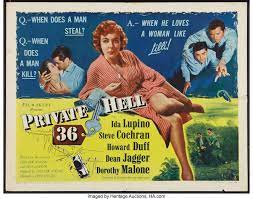
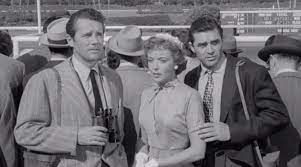
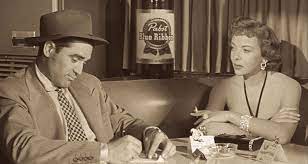
Featuring: Ida Lupino, Steve Cochran, Howard Duff, Dean Jagger and Dorothy Malone
Lilli Marlowe:“Ever since I was a little girl, I dreamed I’d meet a drunken slob in a bar who’d give me fifty bucks and we’d live happily ever after.”
Critical Commentary
“Private Hell 36” is a classic film noir from 1954, directed by Don Siegel and starring Ida Lupino and Howard Duff. It tells the story of two detectives, Jack Farnham (Duff) and Cal Bruner (Steve Cochran), who stumble upon a large sum of stolen money during a routine investigation.
One of the standout aspects of “Private Hell 36” is its atmospheric and gritty cinematography, which captures the dark underbelly of Los Angeles. The film showcases the genre’s characteristic shadowy visuals and moody lighting, effectively creating a sense of tension and unease throughout. Don Siegel’s direction adds to the film’s noir sensibilities, employing tight shots and utilizing the cityscape to enhance the narrative.
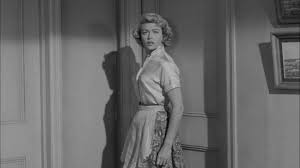
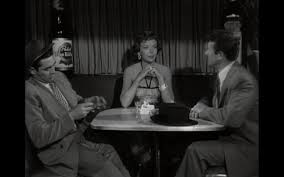
Ida Lupino delivers a captivating performance as Lilli Marlowe, a nightclub singer who becomes entangled in the detectives’ pursuit of the stolen money. Her character adds a layer of complexity to the plot, as her motivations and actions blur the line between right and wrong. Lupino’s portrayal is nuanced and engaging, making Lilli a memorable femme fatale in the noir tradition.
The screenplay, written by Collier Young and Ida Lupino herself, offers a compelling exploration of morality, greed, and the corrupting nature of money. It delves into the ethical dilemmas faced by the detectives as they grapple with the temptation of the stolen cash. The story unfolds with a sense of suspense, as the characters’ choices lead them down a dangerous path.
While “Private Hell 36” is an engaging noir film, it may not reach the same level of recognition as some of the genre’s more renowned classics. The pacing can be a bit uneven at times, and the plot twists may feel predictable to viewers familiar with the noir tropes. However, the film’s strengths lie in its atmospheric visuals, strong performances, and exploration of moral ambiguity.
“Private Hell 36” is a worthwhile watch for fans of classic film noir. It captures the essence of the genre, showcasing a gripping story with shades of gray morality. The combination of Lupino’s performance, Siegel’s direction, and the film’s stylish visuals make it a solid entry in the noir canon.
“Private Hell 36” stands out for its portrayal of the post-war American landscape and its examination of the corrosive effects of greed and corruption. The film reflects the disillusionment and moral ambiguity prevalent during that era, showcasing the darker side of society and the compromises individuals make in pursuit of wealth and power.
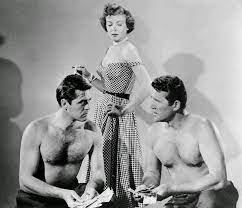
The dynamic between the two detectives, Jack Farnham and Cal Bruner, adds an interesting layer to the narrative. Howard Duff and Steve Cochran deliver convincing performances, capturing the complex dynamics of their characters’ friendship and the strain it undergoes as they become more deeply involved in the web of deception surrounding the stolen money. Their internal conflicts and contrasting moral compasses contribute to the film’s tension and keep the audience engaged.
Furthermore, “Private Hell 36” skilfully explores the theme of temptation and its consequences. The allure of the stolen money puts the characters’ integrity to the test, leading to a downward spiral that exposes their flaws and the fragility of their moral boundaries. This exploration of human nature adds depth and complexity to the plot, providing thought-provoking moments for the audience.
The film’s climactic sequences are particularly memorable, building suspense and delivering satisfying payoffs. The climax confronts the characters with the consequences of their actions, offering a reflection on the destructive power of greed and the potential for redemption.
It’s worth noting that “Private Hell 36” may not have received the same level of recognition as other film noir classics of its time. However, it remains a solid and underappreciated entry in the genre, showcasing the talents of its cast and crew and delivering an engaging story that encapsulates the essence of film noir.
In conclusion, “Private Hell 36” is a captivating film noir that deserves more attention and recognition. With its atmospheric visuals, strong performances, and exploration of moral ambiguity, it successfully captures the essence of the genre. If you are a fan of classic film noir or enjoy thought-provoking crime dramas, this film is definitely worth watching.
One notable aspect of “Private Hell 36” is its examination of the moral gray areas that exist within the criminal justice system. The film raises questions about the line between law enforcement and criminality, as the detectives find themselves tempted by the illicit money they have discovered. It offers a critical commentary on the corrupting influence of money and power, highlighting the ways in which individuals can be compromised and their moral compasses tested.
The film’s supporting cast also delivers commendable performances, adding depth to the story. Dorothy Malone shines as the naive and vulnerable nightclub cashier, Suzanne. Her presence introduces an emotional dimension to the narrative and further explores the themes of trust and betrayal. The interactions between the main characters and Suzanne bring out their vulnerabilities and add layers of complexity to their motivations.
In terms of its technical aspects, “Private Hell 36” features a memorable musical score by Leith Stevens. The music effectively enhances the mood and atmosphere of the film, accentuating the tension and contributing to its noir aesthetic. The use of sound is also notable, with the ambient noises of the city serving to create a palpable sense of realism and immersion.
While “Private Hell 36” may not be as widely recognized as some of the genre’s most celebrated films, it remains a hidden gem that captures the essence of classic film noir. It boasts strong performances, atmospheric visuals, and a compelling exploration of moral dilemmas. Its themes of greed, corruption, and the blurred lines between right and wrong make it a thought-provoking and engrossing watch for fans of the genre.
In conclusion, “Private Hell 36” stands as a testament to the enduring allure of film noir. Its atmospheric style, morally complex characters, and exploration of societal disillusionment make it a captivating entry in the genre. If you appreciate the dark and introspective nature of classic film noir, this lesser-known gem is well worth discovering.
Technical Commentary
Video
Presented in an aspect ratio of 1.78:1, encoded with MPEG-4 AVC and granted a 1080p transfer, “Private Hell 36” arrives on Blu-ray courtesy of Via Vision Entertainment. The release is sourced from an older master that was supplied by Paramount Pictures. There are some minor scratches and specks that pop up here and there, plus in a few areas density levels can be better, but its overall it has a pleasing organic appearance. On a larger screen delineation and depth are usually good. During darker footage shadow definition is satisfying as well.
Audio
There is only one standard audio track on this Blu-ray release: English LPCM 2.0. Optional English SDH subtitles are provided for the main feature. The audio is very clear and stable. Balance is handled nicely as well
Special Features
1080p presentation of the film on Blu-ray
Audio Commentary with Film Historian Drew Casper (2021)
Video Essay with film critic Kat Ellinger on Ida Lupino (2020)
Featurette about the early career of Don Siegel (2021)
Video Interview with film critic Barry Forshaw on Private Hell
Featuring: Glenn Ford, Diana Lynn, Patricia Medina and Francis L. Sullivan
Julie Barnes:“You stood me up because you think I’m a tramp.”
Al Colby:“I don’t think you’re a tramp.”
Julie Barnes:“Yes you do… cuz I am. I’m a tramp and everybody knows it; Julie the tramp. What’s a lady have to do to get a cigarette around here?”
Critical Commentary
“Plunder of the Sun” is a film noir adventure movie released in 1953, directed by John Farrow. “Plunder of the Sun” follows the story of an American adventurer named Al Colby, played by Glenn Ford, who is hired to retrieve a valuable ancient artifact called the “Plunder of the Sun.” The artifact is believed to hold the secret to a lost Incan treasure. Colby embarks on a dangerous journey through Mexico and Peru, encountering various obstacles, treacherous characters, and thrilling adventures along the way.
The film offers a captivating blend of adventure, mystery, and suspense, which were hallmarks of the film noir genre. The exotic locations and beautiful cinematography add to the overall appeal of the movie, creating an immersive atmosphere.
Glenn Ford delivers a solid performance as the charismatic and resourceful protagonist, bringing a sense of determination and charm to the character of Al Colby. The supporting cast, including Diana Lynn as the mysterious Anna Luz and Patricia Medina as the femme fatale Kiki, also deliver commendable performances, adding depth to the story. The plot of “Plunder of the Sun” unfolds in a relatively straightforward manner, following the conventions of the adventure genre. However, it keeps viewers engaged with its well-paced narrative, unexpected twists, and intriguing characters.
The film’s strengths lie in its well-crafted atmosphere and engaging story, supported by competent performances from the cast. While it may not be regarded as one of the most memorable films of the era, “Plunder of the Sun” provides an enjoyable and entertaining cinematic experience for fans of adventure and film noir.
The visual aesthetics of “Plunder of the Sun” are noteworthy. The film effectively captures the allure and mystique of the South American settings, with vibrant colors, impressive set designs, and stunning landscapes. The cinematography beautifully showcases the grandeur of the ancient ruins and the breathtaking natural beauty of the region.
The screenplay, based on a novel by David Dodge, provides a solid foundation for the film’s narrative. It incorporates elements of mystery and intrigue, keeping the audience guessing about the true nature of the “Plunder of the Sun” artefact and the motivations of the various characters involved. The dialogues are sharp and often filled with double entendres, adding to the film’s noir sensibilities.
Director John Farrow demonstrates his skill in crafting suspenseful sequences and maintaining a consistent tone throughout the film. The action scenes, while not overly elaborate, are well-executed and enhance the overall excitement of the story. Farrow’s direction keeps the pacing steady, ensuring that the film doesn’t lose momentum.
One aspect that may be worth noting is that “Plunder of the Sun” was released during a time when Hollywood often portrayed non-Western cultures in a romanticized or stereotypical manner. As a result, some elements of the film may feel outdated or insensitive when viewed through a modern lens. However, it’s important to consider the historical context in which the film was made.
“Plunder of the Sun” is an enjoyable adventure film that offers a blend of suspense, mystery, and exoticism. While it may not be as well-known as other films from the era, it deserves recognition for its atmospheric visuals, engaging storyline, and strong performances. Fans of classic film noir or vintage adventure movies are likely to find it entertaining.
One of the standout aspects of “Plunder of the Sun” is its score, composed by the renowned Miklós Rózsa. The music adds depth and emotion to the film, enhancing the atmosphere and intensifying the suspenseful moments. Rózsa’s score captures the essence of the story, complementing the visuals and performances.
The film’s exploration of ancient civilizations and the quest for lost treasures taps into the adventurous spirit that often captivates audiences. It embraces the romanticized idea of archaeological adventures and hidden treasures, which were popular themes in the 1950s.
The supporting characters in the film also bring their own unique qualities to the story. Whether it’s the enigmatic Anna Luz, the alluring and dangerous Kiki, or the assortment of intriguing individuals that Al Colby encounters on his journey, each character adds layers of complexity and intrigue to the narrative.
“Plunder of the Sun” may not be considered a ground-breaking or revolutionary film, but it succeeds in providing an entertaining and engaging cinematic experience. It captures the essence of the adventure genre with its thrilling plot, captivating performances, and striking visuals.
While some elements of the film may feel dated by today’s standards, it’s important to approach it with an appreciation for the era in which it was made. “Plunder of the Sun” stands as a representative example of classic adventure movies and serves as a time capsule of the filmmaking techniques and storytelling styles of the 1950s.
“Plunder of the Sun” is a film worth exploring for fans of classic adventure and film noir. Its blend of mystery, suspense, and exoticism, along with strong performances and atmospheric visuals, contribute to an enjoyable cinematic experience. While it may not be widely known, it remains a hidden gem for enthusiasts of vintage cinema.
Technical Commentary
Video
Presented in an aspect ratio of 1.36:1, encoded with MPEG-4 AVC and granted a 1080p transfer, “Plunder of the Sun” arrives on Blu-ray courtesy of Via Vision Entertainment. The release is sourced from an older master that was supplied by Paramount Pictures. The transfer is good, and the film actually has a fine and stable organic appearance. They grayscale is convincing, though there is certainly room for rebalancing adjustments that could expose more finer nuances in darker areas. Image stability is very good. All in all, though slightly dated, this is a good organic presentation of Plunder of the Sun that makes it quite easy to enjoy it.
Audio
There is only one standard audio track on this Blu-ray release: English LPCM 2.0. Optional English SDH subtitles are provided for the main feature. The audio is clear and stable. I did notice a few very small pops in the upper register, but there are no distracting distortions or hiss. Dynamic balance is good.
Special Features
1080p presentation of the film on Blu-ray
Audio commentary by Peter Ford (Glen Ford’s son) and writer/historian Frank Thompson
Video Interview with film critic Barry Forshaw on Plunder In The Sun (2020)
On Location with Glenn Ford” – Brief series of photos accompanied by Peter Ford’s reading of a letter his father wrote to his grandmother while on location.
Plundering History” featurette
The John Wayne Stock Company: Sean McClory” featurette
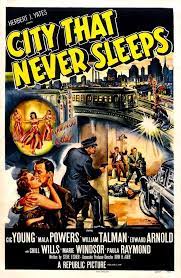
Featuring: Gig Young, Mala Powers, William Talman, Edward Arnold, Chill Wills, Marie Windsor and Paula Raymond
Sally ‘Angel Face’ Connors:“When I first came to this town I was gonna be – oh, there were a lot of things I was gonna do. Become famous. But Chicago’s the big melting pot, and I got melted, but good.”
Critical Commentary
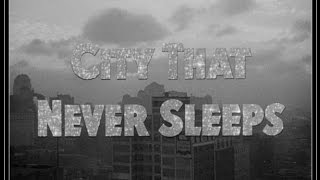
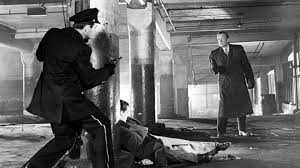
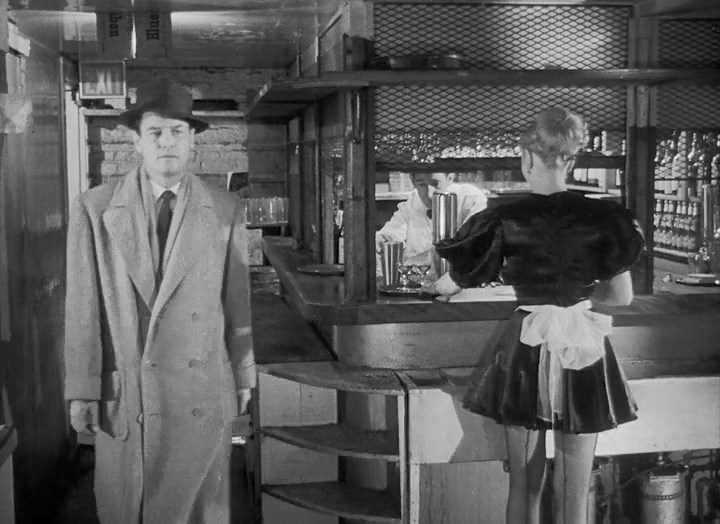
“City That Never Sleeps” is a film noir released in 1953, directed by John H. Auer and starring Gig Young, Mala Powers, and William Talman. Set in Chicago, the film explores the darker side of the city and follows a night in the lives of various characters intertwined by their connection to the city’s underbelly.
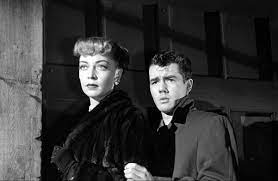
The film revolves around Johnny Kelly (played by Gig Young), a weary Chicago police officer who dreams of becoming a professional dancer. Johnny’s life takes a tumultuous turn when he becomes entangled with two women: his wife, Kathy (played by Mala Powers), and a seductive nightclub dancer named Sally “Angel Face” Connors (played by Marie Windsor).
“City That Never Sleeps” captures the essence of film noir with its moody atmosphere, shadowy cinematography, and morally ambiguous characters. The narrative is driven by Johnny’s internal conflict between his duty as a police officer and his aspirations as a dancer. As the night progresses, he finds himself drawn deeper into a web of corruption, temptation, and betrayal.
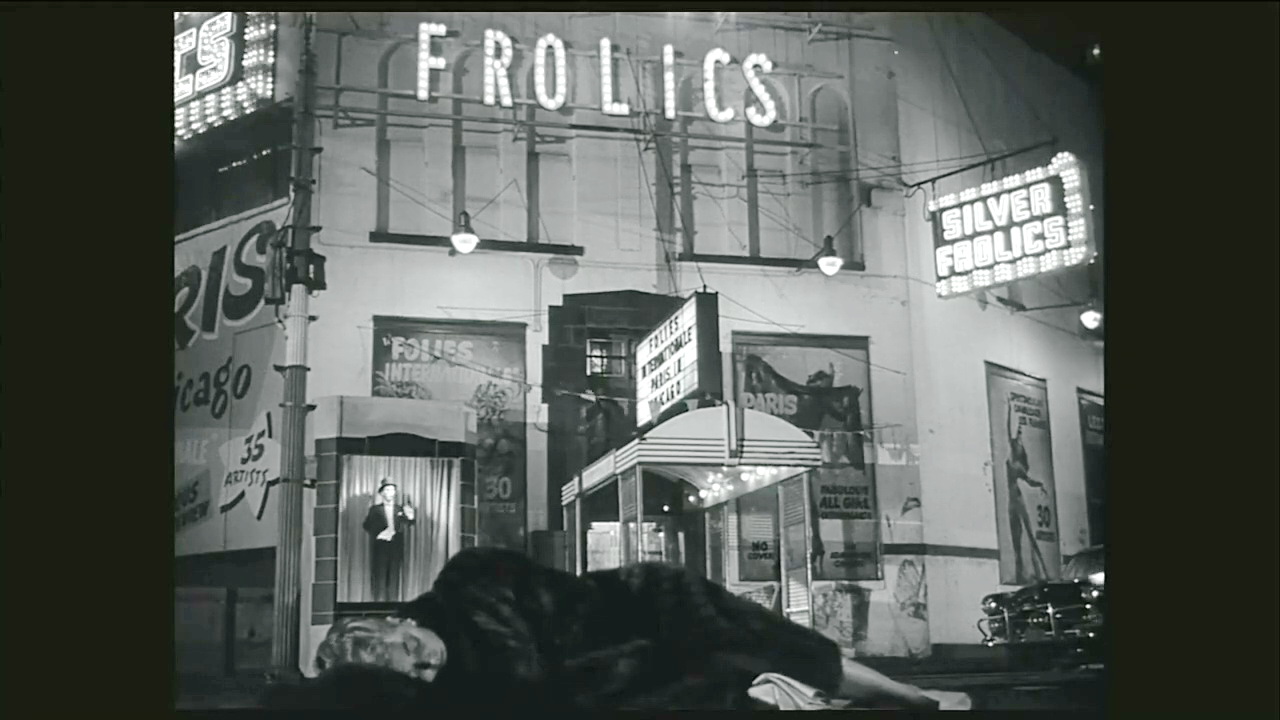
The film effectively portrays the seedy underbelly of Chicago, showcasing its gritty streets, smoky nightclubs, and morally bankrupt characters. The black-and-white cinematography enhances the sense of darkness and despair, creating a visually striking and atmospheric experience.
The performances in “City That Never Sleeps” are generally solid. Gig Young delivers a convincing portrayal of Johnny, capturing the character’s inner turmoil and conflicting desires. Mala Powers and Marie Windsor also deliver noteworthy performances, bringing depth and complexity to their respective roles.
One of the film’s strengths lies in its depiction of Chicago as a character itself. The city is presented as a captivating yet dangerous entity, with its allure and corruption intertwining to create a captivating backdrop for the story.
While “City That Never Sleeps” may not be as well-known as some other film noirs from the era, it offers an intriguing glimpse into the dark underbelly of a city and explores themes of ambition, temptation, and morality. Fans of classic film noir and those interested in atmospheric crime dramas may find it to be an engaging watch.
In addition to its atmospheric setting and morally complex characters, “City That Never Sleeps” also explores themes of redemption and the consequences of one’s actions. As Johnny Kelly finds himself torn between his duty as a police officer and his personal aspirations, he faces difficult choices that ultimately shape his destiny.
The film’s supporting cast also contributes to the overall narrative. William Talman delivers a memorable performance as Hayes Stewart, a charismatic and manipulative con artist who serves as a catalyst for much of the conflict in the story. His interactions with Johnny add an extra layer of tension and moral ambiguity to the plot.
The screenplay of “City That Never Sleeps” effectively combines elements of crime, romance, and noir aesthetics. It presents a series of interconnected storylines that intersect and collide throughout the night, leading to unexpected twists and revelations. The pacing is generally well-maintained, keeping the audience engaged and guessing about the characters’ true motives.
Moreover, the film benefits from its strong visual style, with well-executed cinematography and effective use of shadows and lighting. The noir aesthetic is further enhanced by the film’s evocative score, which complements the mood and intensifies the tension in key scenes.
While “City That Never Sleeps” may not be as widely recognized as some of the more iconic films of the film noir genre, it still captures the essence of the era and offers an engaging narrative with intriguing characters. It presents a dark and morally complex world, reminding viewers of the thin line that separates right from wrong and the consequences that follow one’s choices. “City That Never Sleeps” is a worthwhile film for fans of classic film noir and those interested in exploring the darker side of 1950s cinema. Its captivating atmosphere, morally ambiguous characters, and exploration of themes make it a notable entry in the genre’s canon.
In addition to its atmospheric qualities, “City That Never Sleeps” also delves into the psychology of its characters. It explores the inner conflicts and motivations that drive their actions, giving the film a deeper layer of complexity. Johnny Kelly, in particular, undergoes a transformation throughout the narrative as he confronts his own desires and confronts the consequences of his choices.
The film also highlights the disparities between dreams and reality. Johnny’s aspirations of becoming a professional dancer clash with the harsh reality of his job as a police officer. This struggle creates a sense of tension and adds depth to his character arc. The juxtaposition of the glamorous nightclub scene with the gritty underworld of Chicago further emphasizes the contrast between dreams and the harshness of the real world.
“City That Never Sleeps” also showcases the influence of fate and chance in shaping the characters’ lives. As the night unfolds, seemingly random encounters and decisions intertwine, leading to unexpected outcomes and exposing the characters to the consequences of their actions. This element of unpredictability adds suspense and keeps the audience engaged as they witness the characters’ destinies unfold.
Additionally, the film provides social commentary on the corrupting influence of power and the allure of easy money. It portrays a city where dishonesty and moral compromise prevail, highlighting the consequences of greed and the erosion of integrity. This thematic exploration adds depth to the narrative and reflects the societal concerns of its time.
While “City That Never Sleeps” may not be considered a masterpiece of the film noir genre, it offers an engaging story with strong performances and effective storytelling techniques. It captures the essence of the era and provides an entertaining and thought-provoking viewing experience.
“City That Never Sleeps” is a notable film noir from 1953 that captures the dark and morally complex atmosphere of the genre. Its exploration of themes such as ambition, morality, and the influence of fate, combined with its strong performances and visual style, make it a worthwhile watch for fans of classic film noir and those interested in the darker side of 1950s cinema.
The film’s portrayal of Chicago as a character itself is worth mentioning. The city is depicted as a sprawling, bustling metropolis with its own personality and allure. From the dimly lit alleys to the vibrant nightclubs, the city becomes an integral part of the story, heightening the sense of danger and excitement. The urban setting serves as a backdrop for the characters’ struggles and reflects the moral ambiguity that permeates their lives.
“City That Never Sleeps” also benefits from its tight and well-crafted screenplay. The dialogue is sharp and filled with noir-esque quips, contributing to the film’s overall atmosphere. The narrative keeps the audience engaged with its intricate web of relationships and the gradual unfolding of secrets and betrayals.
Furthermore, the film’s exploration of relationships and the complexities of human nature adds depth to its characters. The romantic entanglements, particularly the love triangle involving Johnny, Kathy, and Sally, illustrate the blurred boundaries between loyalty and temptation. The emotional conflicts and moral dilemmas faced by the characters make them relatable and multi-dimensional.
It’s worth noting that while “City That Never Sleeps” may adhere to some genre conventions of its time, it also injects unique elements that distinguish it from other film noirs. Its focus on the pursuit of personal dreams and aspirations, as well as its exploration of redemption and the consequences of one’s actions, add a layer of complexity and introspection to the story.
“City That Never Sleeps” is a compelling film noir from 1953 that skillfully captures the dark and morally ambiguous atmosphere of the genre. With its strong performances, atmospheric setting, and exploration of themes such as ambition, morality, and the influence of fate, the film remains a noteworthy entry in the film noir canon. Whether you’re a fan of classic cinema or a lover of atmospheric crime dramas, “City That Never Sleeps” offers an engaging and thought-provoking viewing experience.
Technical Commentary
Video
Presented in its original aspect ratio of 1.37:1, encoded with MPEG-4 AVC and granted a 1080p transfer, “City That Never Sleeps” arrives on Blu-ray courtesy of Via Vision Entertainment. The release is sourced from an older master that was supplied by Paramount Pictures. Despite a few light scratches that pop up here and there.
Audio
There is only one standard audio track on this Blu-ray release: English LPCM 2.0. Optional English SDH subtitles are provided for the main feature. The dialog is clear and easy to follow. Dynamic balance is good, but I had the volume on my system turned up quite a bit and noticed some sporadic unevenness here and there.
Special Features
Commentary – in this exclusive new audio commentary, critic Imogen Sara Smith discusses the exact period in which City That Never Sleeps was produced, its stylistic appearance and themes (as well as sense of realism), John H. Auer’s cinematic style, etc.
Interview with Kim Newman – in this exclusive new video interview, critic Kim Newman discusses the conception and style of City That Never Sleeps, the emergence of the documentary-noir films, John H. Auer’s career, etc. In English, not subtitled. (26 min).
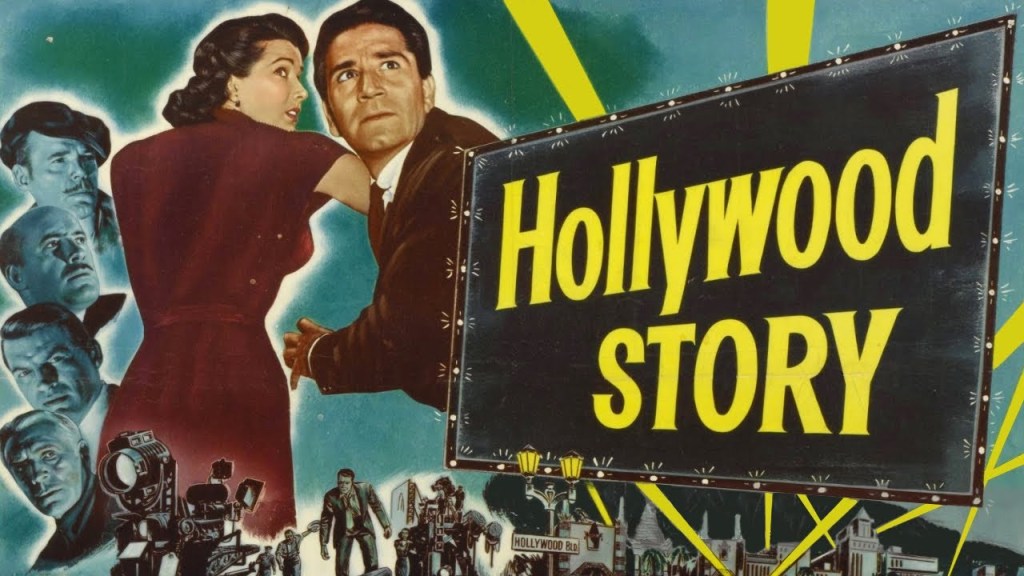
Featuring: Richard Conte, Julie Adams, Richard Egan, Henry Hull, Fred Clark and Jim Backus
Larry O’Brien:“They only made silent pictures here?”
John Miller:“The first ones and the best ones. Ever since 1915, Mr O’Brien. Why, this street has been everything from Klondike Gulch to a canal in Venice. It’s been Chinatown, Park Avenue and the Barbary Coast. You see that corner there? Well, that’s where Lee surrendered to Grant. Custer made his last stand right in the middle of that square.”
Critical Commentary
“Hollywood Story” is a film noir that takes a unique approach by incorporating elements of the film industry within the context of a murder mystery. Directed by William Castle, the film stars Richard Conte, Julia Adams, and Henry Hull.
The story revolves around a determined screenwriter, Larry O’Brien (played by Richard Conte), who becomes obsessed with solving a decades-old murder case. The murder involved a prominent director, Franklin Ferrara, whose unsolved death has haunted Hollywood for years. Larry’s obsession drives him to retrace the steps of the murder and delve into the dark underbelly of the film industry.
One of the notable aspects of “Hollywood Story” is its authentic portrayal of the behind-the-scenes world of Hollywood in the 1950s. It showcases the workings of studios, the influence of produces, and the struggles of aspiring filmmakers, all while keeping the noir atmosphere intact.
The film effectively utilizes the classic film noir visual style, with its chiaroscuro lighting, shadowy cinematography, and moody atmosphere. The dark and mysterious tone enhances the overall suspense and intrigue, drawing the audience into the murky secrets of the past.
Richard Conte delivers a solid performance as the relentless protagonist, capturing the character’s determination and unraveling sanity. The supporting cast also delivers commendable performances, with Julia Adams as the love interest and Henry Hull as the police lieutenant assisting Larry in his investigation.
While “Hollywood Story” may not be considered a standout film noir compared to other classics of the genre, it offers an intriguing blend of murder mystery and Hollywood setting. It provides an engaging narrative and maintains the essential elements of film noir, making it a worthwhile watch for fans of the genre.
“Hollywood Story” (1951) offers an entertaining mix of murder mystery and the glamour and darkness of the film industry. If you enjoy film noir and have an interest in the behind-the-scenes workings of Hollywood, this film could be an intriguing choice.
The film effectively explores the themes of ambition, obsession, and the price of success within the cutthroat world of Hollywood. It sheds light on the lengths people will go to achieve their dreams and the moral compromises they may make along the way. This examination of the darker side of the entertainment industry adds depth to the narrative and gives viewers a glimpse into the harsh realities behind the glitz and glamour. The screenplay of “Hollywood Story” intelligently weaves together the elements of a murder mystery with the backdrop of the film industry. It keeps the audience guessing and engaged as Larry uncovers clues, encounters suspicious characters, and uncovers long-held secrets. The pacing is generally well-maintained, building suspense and maintaining a sense of intrigue throughout the film.
Visually, the film captures the essence of film noir with its stylish cinematography and atmospheric settings. The use of shadow and light effectively enhances the mood, adding to the overall sense of mystery and suspense. Additionally, the depiction of the 1950s Hollywood landscape provides an interesting snapshot of the era’s filmmaking techniques, studio lots, and iconic locations.
While “Hollywood Story” may not be considered a definitive classic of the film noir genre, it still holds value for fans of noir films and those interested in the history of Hollywood. It offers an engaging storyline, solid performances, and a unique blend of murder mystery and the film industry backdrop.
It’s important to note that individual preferences may vary when it comes to film noir, and the 1951 film “Hollywood Story” may not have achieved the same level of recognition as other iconic noir films. However, it remains an intriguing and enjoyable watch for fans of the genre and those interested in exploring the intersection of Hollywood and murder mystery narratives.
One of the strengths of “Hollywood Story” lies in its portrayal of the seedy underbelly of the film industry. It exposes the corrupt and ruthless nature of Hollywood, where power struggles, deception, and personal vendettas lurk beneath the glamorous facade. This exploration of the industry’s darker side adds depth and complexity to the narrative, elevating it beyond a simple murder mystery.
The film also benefits from its strong supporting cast, with notable performances from supporting actors such as Fred Clark, Jim Backus, and Richard Egan. Their characters bring additional layers of intrigue and suspicion to the story, creating a web of relationships and motives that keep the audience guessing.
In terms of its production values, “Hollywood Story” captures the essence of 1950s filmmaking. The sets and costumes reflect the era’s style, and the film effectively utilizes actual Hollywood locations to lend authenticity to the story. The cinematography, while not ground-breaking, effectively creates a moody and atmospheric atmosphere befitting the film noir genre.
One aspect that some viewers may find lacking in “Hollywood Story” is a more intricate and unpredictable plot. While the film maintains a consistent level of suspense and mystery, it may not offer the same level of complexity or surprise twists as some other notable film noirs of the time. However, the strength of the performances and the exploration of the Hollywood setting compensate for this to some extent.
In conclusion, “Hollywood Story” is a solid entry into the film noir genre that successfully combines elements of murder mystery with the backdrop of the film industry. While it may not be considered a standout film noir, it offers an engaging storyline, atmospheric visuals, and strong performances that make it worth watching for fans of the genre. Its exploration of the darker side of Hollywood adds depth and complexity to the narrative, making it a notable entry in the realm of film noirs set in the world of moviemaking.
One of the standout aspects of “Hollywood Story” is its self-reflexive nature. By setting a murder mystery within the world of Hollywood, the film provides an intriguing commentary on the very industry it represents. It offers glimpses into the workings of the studio system, the influence of powerful figures, and the lengths people will go to achieve success in the cutthroat world of filmmaking. This self-awareness adds a layer of meta-commentary to the narrative, allowing viewers to reflect on the illusions and realities of Hollywood itself.
The film also benefits from its noir aesthetics, showcasing the distinctive visual style associated with the genre. The use of low-key lighting, deep shadows, and high contrast cinematography creates a visually striking atmosphere that heightens the suspense and adds a sense of danger and intrigue to the story. The chiaroscuro lighting beautifully captures the moral ambiguity and moral struggles of the characters, emphasizing the shades of gray in their actions and motivations.
Additionally, “Hollywood Story” effectively captures the essence of 1950s Hollywood, providing a fascinating glimpse into the era’s filmmaking techniques, fashion, and societal norms. The film utilizes real locations, studio backlots, and recognizable landmarks, adding a sense of authenticity to the narrative. This attention to detail contributes to the overall immersive experience and serves as a time capsule of Hollywood during that period.
While the plot may not offer ground-breaking twists and turns, the strength of “Hollywood Story” lies in its atmospheric execution, compelling performances, and the exploration of themes such as ambition, greed, and the pursuit of fame. It serves as an engaging character study within the film noir framework, presenting morally complex individuals navigating a treacherous landscape of dreams and deceit.
“Hollywood Story” (1951) is a notable entry in the film noir genre, blending elements of murder mystery with a self-reflexive exploration of the Hollywood industry. While it may not be as widely recognized as some of the genre’s classics, the film offers a captivating narrative, strong performances, and a visually striking representation of the era. It will appeal to fans of film noir, lovers of Hollywood history, and those intrigued by stories that peel back the layers of the entertainment industry.
Technical Commentary
Video
Presented in an aspect ratio of 1.36:1, encoded with MPEG-4 AVC and granted a 1080p transfer, “Hollywood Story” arrives on Blu-ray courtesy of Via Vision Entertainment. The master that was used to source the release isn’t new. However, despite some minor limitations, I think that it is quite good.
Audio
There is only one standard audio track on this Blu-ray release: English LPCM 2.0. Optional English SDH subtitles are provided for the main feature.
Special Features
Commentary – in this exclusive new commentary, professor and film scholar Jason A. Ney offers a wonderful analysis of Hollywood Story and discusses many of the key locations where it was shot, the era in which the film was completed, the studio system and the unsolved murder of director William Desmond Taylor. It it is a very good commentary.
Interview with Kim Newman – in this exclusive new video interview, critic Kim Newman discusses the real story that inspired Hollywood Story, the careers and leagacies of some of the people that made the film, the era in which the film emerged and the evolution of film noir. In English, not subtitled. (17 min).
Julie Adams on “Hollywood Story” – in this archival interview, Julie Adams recalls what it was like to play Sally Rousseau and interact with some of the other stars that made Hollywood Story with her (including the silent era stars that quickly pop up before the camera). There are some interesting comments about Old Hollywood as well. In English, not subtitled. (6 min).
Eddie Muller on “Hollywood Story” – in this archival interview, film noir expert quickly addresses the conception of Hollywood Story as well as the some of the key pieces of the puzzle that inspired the film. In English, not subtitled. (5 min).
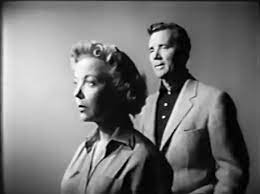
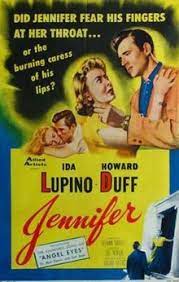
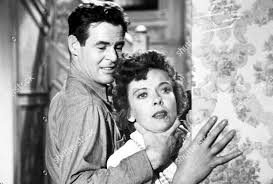
Featuring: Ida Lupino, Howard Duff, Robert Nichols and Mary Shipp
Critical Commentary
“Jennifer” is a film noir directed by Joel Newton, and Lupino plays the lead role of Agnes Langley, a woman who suffers from a split personality disorder.
The movie revolves around Agnes, a married woman who starts experiencing blackouts and finds herself in dangerous situations with no recollection of what happened. As her condition worsens, she seeks help from a psychiatrist, Dr. Hallet (played by Howard Duff), to uncover the root cause of her disorder.
Ida Lupino delivers a strong performance as Agnes/Jennifer, skilfully portraying the contrasting personalities of a troubled woman. She captures the fear, confusion, and vulnerability of her character, effectively conveying the internal struggles Agnes faces.
The film’s plot is intriguing, exploring Agnes’ psychological battle and the mystery surrounding her condition. It delves into the nature of her dissociative identity disorder and the toll it takes on her personal and marital life. The suspense builds as Agnes becomes increasingly entangled in a web of deceit and danger.
“Jennifer” showcases some classic noir elements, including shadowy cinematography, atmospheric settings, and a sense of impending doom. The film effectively captures the mood and atmosphere prevalent in the noir genre. While “Jennifer” may not be as well-known as some of Ida Lupino’s other works, it still offers a compelling story and showcases her acting skills. If you enjoy psychological thrillers and classic film noir, “Jennifer” from 1953 might be worth watching.
“Jennifer” stands out as a unique entry in Ida Lupino’s filmography. Not only did she star in the film, but she also took on the role of director, making her one of the few prominent female directors in the 1950s.
Lupino’s direction brings a distinct perspective to the movie, adding depth and nuance to the storytelling. Her experience as an actress shines through in her ability to extract strong performances from the cast and create an atmosphere that enhances the film’s suspenseful nature.
The supporting cast in “Jennifer” also delivers solid performances. Howard Duff portrays Dr. Hallet, the psychiatrist trying to unravel the mysteries of Agnes’ condition. His character brings a sense of rationality and compassion to the narrative, serving as a counterbalance to Agnes’ troubled state.
The cinematography in “Jennifer” deserves praise as well. The use of lighting and shadows effectively captures the film noir aesthetic, heightening the tension and adding an air of mystery. The visuals play a crucial role in establishing the film’s atmosphere and enhancing the psychological aspects of the story.
One aspect of “Jennifer” that may be subject to individual interpretation is the portrayal of mental illness. While the film tackles the topic of dissociative identity disorder, it does so through the lens of 1950s cinema, which might not align with contemporary understanding and sensitivity towards mental health issues. It’s important to approach the movie with the understanding that its depiction of mental illness may not fully align with modern perspectives. “Jennifer” is a notable entry in Ida Lupino’s career, showcasing her versatility as both an actress and director. It offers an engaging story, solid performances, and a classic film noir atmosphere. If you appreciate Lupino’s work or enjoy films from the era, “Jennifer” is certainly worth exploring.
One notable aspect of “Jennifer” is its exploration of gender dynamics and societal expectations during the 1950s. Agnes Langley’s struggles with her identity and mental illness can be seen as a reflection of the pressures placed on women during that era. The film touches on themes of repression, conformity, and the limited options available to women at the time. This adds an additional layer of depth to the story and offers a commentary on the societal context in which the film is set.
The pacing of “Jennifer” is deliberate, allowing the audience to become fully immersed in the psychological turmoil of the protagonist. The film takes its time to build tension and suspense, gradually revealing the layers of Agnes’ fractured psyche. This deliberate approach may appeal to those who appreciate a slower, more introspective storytelling style.
The production design and costumes in “Jennifer” effectively capture the 1950s aesthetic, enhancing the film’s period setting. From the fashion choices to the interior decor, the attention to detail contributes to the overall immersion and authenticity of the film.
It’s worth mentioning that “Jennifer” may not have received as much attention or recognition as some of the more iconic films from the film noir era. However, it remains an interesting and engaging entry within the genre, offering a captivating performance from Ida Lupino and an exploration of psychological turmoil that will appeal to fans of classic noir.
“Jennifer” (1953) is a film that showcases Ida Lupino’s talent both in front of and behind the camera. With its suspenseful story, strong performances, atmospheric visuals, and thematic depth, the film provides an intriguing and thought-provoking viewing experience. If you have an appreciation for classic film noir or are interested in exploring Lupino’s filmography, “Jennifer” is definitely worth seeking out.
Technical Commentary
Video
There are some mild noise issues in certain landscape shots, but this image is generally attractive. Blacks are luscious, and background clarity enhances the film’s occasionally clever blocking. Textures, particularly of the sand that plays a pivotal role in the narrative, are well-detailed. There is a substantial amount of detail present throughout with subtle textures on the outfits and in the environments and production design. The contrast is steady with only a minor level of density fluctuation in the print. Black levels are pretty solid but could be given a bit more depth. There are no substantial occurrences of black crush or compression artefacts across the five films. The black-and-white photography holds up well across every film as they make the most of their high definition presentation with natural grain intact.
Audio
The soundtrack is clean and packs a bit of nicely understated oomph. Franz Waxman’s score is irritating, but it sounds great. The Blu-Ray set comes with a pretty solid LPCM 2.0 track for each of these five films that presents them well even with some years under their belt. Dialogue comes through clearly without sounding gauzy or weak. It is balanced well with the environmental elements so important elements stay prominent in the mix.
Special Features
1080p High-definition presentation on Blu-ray from a 2021 4K scan
Featuring: Ida Lupino, Robert Ryan and Taylor Holmes
Howard Wilton:“You think I’m funny?”
Ruth Williams:“Not particularly.”
Howard Wilton:“I don’t like being laughed at.”
Ruth Williams:“Well, aren’t you the bundle of nerves! Listen, you. I don’t see many men around polishing floors. It’s a woman’s job. Who do you think you are? Seems to me there’s better ways for a man to make a living.”
Critical Commentary
“Beware, My Lovely” is a psychological thriller film released in 1952, directed by Harry Horner and starring Ida Lupino and Robert Ryan. Set in a small town, the movie revolves around a recently widowed woman, Helen Gordon (Ida Lupino), who hires a handyman, Howard Wilton (Robert Ryan), to help with chores around her house. As the story unfolds, it becomes clear that Howard has a dark secret, and Helen finds herself in grave danger.
The film is known for its atmospheric tension and suspenseful narrative. Ida Lupino delivers a strong performance as Helen, portraying a vulnerable yet determined character who becomes increasingly fearful of Howard’s true nature. Robert Ryan, on the other hand, is menacing and captivating as the handyman, skilfully creating an air of unpredictability and danger.
One of the film’s notable strengths is its effective use of the confined setting. Taking place mostly within the confines of Helen’s house, the claustrophobic atmosphere adds to the sense of unease and heightens the tension between the two central characters. The tight spaces and dimly lit rooms create an environment that amplifies the feeling of impending danger.
The pacing of “Beware, My Lovely” is deliberately slow, allowing the tension to build gradually. While some viewers might find the film’s pacing a bit sluggish by today’s standards, it serves the purpose of building suspense and creating an unsettling atmosphere. The movie focuses more on psychological manipulation and character dynamics rather than relying on action-packed sequences.
The film’s cinematography and lighting choices contribute significantly to the overall mood. The use of shadows, low lighting, and careful camera angles adds to the film noir aesthetic, enhancing the sense of mystery and suspense. The black-and-white visuals effectively capture the bleakness of the story and the characters’ emotional turmoil. However, it’s worth noting that “Beware, My Lovely” does suffer from certain limitations. The film adheres to some of the conventions of its time, such as limited representation and character development for supporting roles, which can be seen as a drawback from a modern perspective. Additionally, the story’s resolution may feel somewhat rushed and less satisfying for some viewers.
“Beware, My Lovely” is a compelling psychological thriller that showcases strong performances from its lead actors. While it may feel dated in certain aspects, it remains a notable entry in the film noir genre, effectively creating an atmosphere of suspense and unease. If you appreciate classic thrillers and enjoy psychological character studies, this film is worth watching.
The film’s screenplay, written by Mel Dinelli, effectively captures the psychological tension between Helen and Howard. It delves into themes of fear, manipulation, and the vulnerability of the human psyche. The dialogue is sharp and impactful, conveying the characters’ emotions and their psychological power struggle.
Ida Lupino’s portrayal of Helen is particularly noteworthy. She brings depth and nuance to her character, effectively conveying the fear and determination of a woman trapped in a dangerous situation. Lupino’s performance showcases her versatility as an actress, capturing both the fragility and strength of Helen’s character. Robert Ryan’s portrayal of Howard Wilton is equally compelling. He delivers a chilling performance, exuding an eerie charm that hides his sinister intentions. Ryan’s ability to switch between moments of calmness and explosive anger adds layers to the character, keeping the audience on edge throughout the film.
The film’s director, Harry Horner, creates a palpable sense of suspense and unease through his skillful direction. He utilizes various techniques, such as tight framing, long takes, and subtle camera movements, to heighten the tension and emphasize the psychological turmoil experienced by the characters.
The music by composer Leith Stevens further enhances the film’s atmosphere. The haunting and suspenseful score complements the visuals and helps to create an unsettling mood. The music effectively builds tension during key moments, contributing to the overall sense of dread.
As a psychological thriller, “Beware, My Lovely” focuses more on the psychological aspects of the story rather than relying on excessive violence or action. It explores the fear and vulnerability that can arise from the presence of a dangerous individual, showcasing the power of psychological manipulation. While “Beware, My Lovely” may not be as widely known as some other films from the film noir era, it remains a captivating and well-crafted thriller that deserves recognition. It offers an intriguing exploration of human psychology and showcases strong performances from its lead actors. If you enjoy atmospheric and psychologically driven films, “Beware, My Lovely” is definitely worth a watch.
One of the strengths of “Beware, My Lovely” lies in its exploration of gender dynamics and power struggles. The film depicts Helen as a vulnerable widow who becomes increasingly trapped and threatened by Howard’s manipulation. It examines the notion of a woman’s trust being exploited by a malevolent force, highlighting the dangers and fears that can arise from such situations.
The film’s setting, a small town in the 1950s, adds to the sense of isolation and vulnerability experienced by Helen. The tight-knit community and lack of resources make it difficult for her to find help or escape her predicament. This amplifies the tension and makes her plight all the more intense. Furthermore, “Beware, My Lovely” provides social commentary on post-war America and the impact of World War II on individuals. Howard, a war veteran suffering from post-traumatic stress disorder, represents the unseen psychological scars left by the war. The film explores the consequences of untreated trauma and its potential to manifest in dangerous and unpredictable ways.
The film’s cinematography and production design also contribute to its effectiveness. The use of shadows, dimly lit rooms, and carefully composed shots creates an atmosphere of suspense and unease. The production design effectively captures the era’s aesthetic, adding an additional layer of authenticity to the story.
Although “Beware, My Lovely” was made in the 1950s, its themes and the performances by Ida Lupino and Robert Ryan still resonate with contemporary audiences. The film explores psychological manipulation and the vulnerability of individuals, making it a timeless tale that continues to captivate viewers. “Beware, My Lovely” is a compelling psychological thriller that skilfully delves into the dark recesses of the human mind. With strong performances, atmospheric cinematography, and a thought-provoking exploration of power dynamics, the film remains relevant and engaging even today. If you enjoy classic suspenseful movies that delve into the complexities of human psychology, “Beware, My Lovely” is definitely worth checking out.
One aspect worth mentioning is the film’s commentary on societal expectations and the role of women during the time period. Helen, as a widow, finds herself in a vulnerable position, grappling with societal pressures to conform to traditional gender roles. The film explores the challenges she faces as she navigates her independence and attempts to assert herself in a threatening situation. This theme adds depth to the story and provides a social context that resonates with audiences.
The character of Howard Wilton is also a fascinating study in manipulation and control. As the handyman, he initially presents himself as helpful and polite, masking his true intentions. This gradual reveal of his sinister nature creates a sense of dread and raises questions about the dangers lurking beneath seemingly harmless facades. Howard’s manipulation tactics and psychological warfare make him a compelling and complex antagonist.
Another noteworthy aspect of “Beware, My Lovely” is its exploration of fear and its psychological effects. The film effectively captures Helen’s growing paranoia and anxiety as she becomes more aware of the danger she is in. This examination of fear and its impact on one’s mental state adds a psychological depth to the narrative, heightening the suspense and keeping the audience on the edge of their seats.
Additionally, the film’s limited setting and the intimacy between the two main characters contribute to the building tension. The confined spaces of Helen’s house create a sense of claustrophobia, intensifying the feeling of entrapment. This adds to the suspense as the audience witnesses the psychological battle unfolding between Helen and Howard within this enclosed environment. “Beware, My Lovely” showcases the strengths of the film noir genre with its moody atmosphere, moral ambiguity, and exploration of the darker aspects of human nature. It effectively blends elements of psychological thriller, crime, and drama, creating a captivating and suspenseful viewing experience.
“Beware, My Lovely” is a thought-provoking and suspenseful film that delves into themes of manipulation, fear, and societal expectations. With its strong performances, atmospheric setting, and psychological depth, the movie continues to be relevant and engaging for audiences interested in classic thrillers and character-driven narratives.
Technical Commentary
Video
There are some mild noise issues in certain landscape shots, but this image is generally attractive. Blacks are luscious, and background clarity enhances the film’s occasionally clever blocking. Textures, particularly of the sand that plays a pivotal role in the narrative, are well-detailed. There is a substantial amount of detail present throughout with subtle textures on the outfits and in the environments and production design. The contrast is steady with only a minor level of density fluctuation in the print. Black levels are pretty solid but could be given a bit more depth. There are no substantial occurrences of black crush or compression artefacts across the five films. The black-and-white photography holds up well across every film as they make the most of their high definition presentation with natural grain intact.
Audio
The soundtrack is clean and packs a bit of nicely understated oomph. Franz Waxman’s score is irritating, but it sounds great. The Blu-Ray set comes with a pretty solid LPCM 2.0 track for each of these five films that presents them well even with some years under their belt. Dialogue comes through clearly without sounding gauzy or weak. It is balanced well with the environmental elements so important elements stay prominent in the mix.
Special Features
1080p High-definition presentation on Blu-ray from a 2021 4K scan
NEW Audio Commentary by professor and film scholar Jason Ney
NEW Author/film historian Pamela Hutchinson on Ida Lupino
Featuring: Humphrey Bogart, Zero Mostel and Everett Sloane
D.A. Martin Ferguson:“You think you can shut people up by killing them, but you’re wrong. Maybe not in the courtroom but they’ll be talkin’ to you, Mendoza! At night when you’re trying to sleep!”
Critical Commentary
“The Enforcer” is a classic film-noir crime drama released in 1951, directed by Bretaigne Windust and Raoul Walsh. Starring Humphrey Bogart and Zero Mostel, the film follows a dedicated police officer as he investigates a ruthless crime syndicate.
Humphrey Bogart delivers a solid performance as the lead character, Detective Inspector Frank O’Brien. Bogart’s portrayal showcases his trademark toughness and charisma, capturing the essence of a hardened cop determined to bring down the criminal organization. His gritty and no-nonsense approach to the role adds depth and authenticity to the character.
The film explores themes of corruption, loyalty, and the pursuit of justice. It delves into the moral dilemmas faced by law enforcement officers when dealing with a criminal syndicate that seems to have infiltrated every level of society. The plot unfolds with a good balance of suspense and action, keeping the viewers engaged throughout.
The supporting cast, including Zero Mostel as Joseph Rico, the mob boss, and Ted de Corsia as Big Babe Lazick, provide compelling performances. Mostel’s portrayal of Rico brings a sense of cunning and menace to the character, while de Corsia’s portrayal of Lazick exudes a quiet but imposing presence.
The direction by Bretaigne Windust and Raoul Walsh is competent, effectively capturing the dark and gritty atmosphere synonymous with the film-noir genre. The cinematography is well-executed, utilizing shadowy lighting and claustrophobic settings to heighten the sense of tension and danger.
One of the film’s standout elements is its intense and well-choreographed action sequences. From shootouts to tense confrontations, the action scenes are executed with precision and effectively capture the danger and excitement of the situations. While “The Enforcer” is a solid crime drama, some viewers may find that the film adheres to certain genre conventions and tropes, making it somewhat predictable at times. However, it’s important to consider that the film was released in 1951 when these conventions were not as well-established as they are today.
“The Enforcer” is an engaging crime drama that showcases Humphrey Bogart’s talent as a leading man. With its well-paced narrative, strong performances, and atmospheric direction, the film remains an enjoyable watch for fans of classic film-noir and crime thrillers.
Additionally, “The Enforcer” presents a captivating depiction of the criminal underworld and the challenges faced by law enforcement during that era. It offers a glimpse into the social and political climate of the time, reflecting the concerns and anxieties of post-war America.
The film’s screenplay, written by Martin Rackin and Ben Roberts, effectively captures the essence of the film-noir genre. The dialogue is sharp and punchy, showcasing the tough and often cynical nature of the characters. It also touches upon themes of betrayal, redemption, and the complexities of the criminal justice system.
Furthermore, the film tackles issues of police corruption and the internal struggle faced by Frank O’Brien as he navigates a world where trust is a scarce commodity. This adds a layer of depth to the narrative and elevates it beyond a typical crime drama. The production design and set pieces of “The Enforcer” contribute to the overall atmosphere of the film. The dimly lit streets, smoky bars, and rundown buildings create a palpable sense of grit and despair. These visual elements effectively immerse the audience in the noir aesthetic, enhancing the film’s overall appeal.
It’s worth noting that “The Enforcer” may not have the same level of acclaim as some of Humphrey Bogart’s other iconic films, such as “Casablanca” or “The Maltese Falcon.” However, it remains an important entry in his filmography and a solid addition to the film-noir genre. “The Enforcer” is a captivating crime drama that showcases the talents of Humphrey Bogart and delivers an engaging story set within the gritty world of organized crime. While it may adhere to some genre conventions, its strong performances, atmospheric direction, and thought-provoking themes make it a worthy watch for fans of classic film-noir.
Technical Commentary
Video
There are some mild noise issues in certain landscape shots, but this image is generally attractive. Blacks are luscious, and background clarity enhances the film’s occasionally clever blocking. Textures, particularly of the sand that plays a pivotal role in the narrative, are well-detailed. There is a substantial amount of detail present throughout with subtle textures on the outfits and in the environments and production design. The contrast is steady with only a minor level of density fluctuation in the print. Black levels are pretty solid but could be given a bit more depth. There are no substantial occurrences of black crush or compression artefacts across the five films. The black-and-white photography holds up well across every film as they make the most of their high definition presentation with natural grain intact.
Audio
The soundtrack is clean and packs a bit of nicely understated oomph. Franz Waxman’s score is irritating, but it sounds great. The Blu-Ray set comes with a pretty solid LPCM 2.0 track for each of these five films that presents them well even with some years under their belt. Dialogue comes through clearly without sounding gauzy or weak. It is balanced well with the environmental elements so important elements stay prominent in the mix.
Special Features
1080p High-definition presentation on Blu-ray from a 2021 4K scan
Audio Commentary by noir expert / Film Noir Foundation board member Alan K. Rode
Film Noir specialist Frank Krutnik on The Enforcer
Featuring: Alan Ladd, Phyllis Calvert and Paul Stewart
Earl Boettiger: “What’s the matter with you? You got a face a foot long.”
Joe Regas:“You look as if you just lost your best friend.”
Al Goddard:“I’m my best friend.”
Joe Regas:“That’s what I said.”
Critical Commentary
“Appointment with Danger” is a classic film noir released in 1951, directed by Lewis Allen and starring Alan Ladd and Phyllis Calvert. Set in the gritty world of post-war Chicago, the movie combines elements of crime thriller and detective drama, delivering an intense and suspenseful experience.
The film follows the story of postal inspector Al Goddard (played by Alan Ladd), who is assigned to investigate the murder of a fellow inspector. As Al delves deeper into the case, he uncovers a web of corruption and organized crime, involving a ruthless gang led by Earl Boettiger (played by Paul Stewart). To solve the murder and bring the criminals to justice, Al must navigate a treacherous path, risking his life in the process.
Alan Ladd delivers a strong performance as Al Goddard, portraying him as a tough and determined investigator with a sense of justice. He embodies the classic noir protagonist, a loner with a haunted past, whose moral compass guides him through the shadows of the criminal underworld. Ladd’s charisma and screen presence carry the film, keeping the audience engaged throughout.
The movie’s plot is intricately woven, with plenty of twists and turns that keep viewers guessing. It successfully captures the dark and moody atmosphere characteristic of film noir, with its shadowy cinematography and morally ambiguous characters. The pacing is generally well-maintained, although there are moments where the story feels slightly sluggish.
Phyllis Calvert delivers a solid performance as well, portraying a nun named Sister Augustine who becomes entangled in the investigation. Her character provides an interesting dynamic and adds a layer of moral conflict to the narrative. The chemistry between Ladd and Calvert is palpable, and their scenes together provide some of the film’s most memorable moments.
One of the standout aspects of “Appointment with Danger” is its gritty and atmospheric cinematography. The black-and-white visuals create a stark contrast, emphasizing the shadows and adding to the overall sense of unease. The film’s noir aesthetic is enhanced by the use of lighting and composition, effectively capturing the essence of the genre.
“Appointment with Danger” may not be as well-known as some of the other films from the era, it remains a solid entry in the film noir canon. It offers a gripping story, memorable performances, and a stylish visual presentation that fans of the genre will appreciate. If you enjoy classic crime thrillers with a dark and brooding atmosphere, this film is worth a watch.
“Appointment with Danger” stands out for its strong supporting cast, each bringing their own unique presence to the film. Paul Stewart delivers a chilling portrayal of Earl Boettiger, the ruthless gang leader. His menacing performance adds an extra layer of tension to the story, making him a formidable adversary for Al Goddard. The film also features reliable performances from Jan Sterling as Dodie, a femme fatale caught in the web of crime, and Jack Webb as Joe Regas, Al’s loyal colleague.
The screenplay of “Appointment with Danger” skillfully balances the elements of mystery, suspense, and drama. The dialogue is sharp and gritty, perfectly capturing the noir sensibilities of the era. The story unfolds gradually, revealing new pieces of the puzzle while keeping the audience engaged. The film manages to maintain a sense of urgency and impending danger throughout, making it a gripping viewing experience.
In terms of its production values, “Appointment with Danger” effectively captures the post-war urban landscape of Chicago. The sets and locations create an authentic backdrop, reflecting the gritty and atmospheric nature of the narrative. The film’s score also deserves mention, as it enhances the tension and mood of the scenes, further immersing viewers into the world of the story. As with many films of its time, it’s important to acknowledge that “Appointment with Danger” reflects the social attitudes and norms prevalent during the 1950s. Some aspects of the storytelling may seem outdated or clichéd to modern audiences. However, it’s crucial to view the film within the context of its time, appreciating its contributions to the film noir genre.
“Appointment with Danger” is a compelling and engaging film that delivers on the expectations of a classic noir thriller. With its strong performances, atmospheric visuals, and gripping narrative, it stands as a worthy addition to the genre. If you’re a fan of film noir or enjoy crime dramas with a dark and mysterious atmosphere, this movie is definitely worth seeking out.
The film explores themes of morality and redemption, common in the noir genre. Al Goddard, the protagonist, is driven by a strong sense of justice and the desire to bring criminals to account for their actions. Throughout the film, he faces moral dilemmas and grapples with his own demons, adding depth to his character and the overall storyline.
The action sequences in “Appointment with Danger” are well-executed and heighten the suspense. From tense car chases to intense confrontations, the film maintains a level of excitement and keeps the audience on the edge of their seats. These sequences are not excessive but serve to advance the plot and increase the stakes for the characters involved.
The chemistry and dynamic between the characters, particularly between Al Goddard and Sister Augustine, offer a compelling subplot. Their interactions create a unique and unexpected relationship, as they find themselves drawn to each other despite their differing backgrounds and professions. This adds an additional layer of complexity to the story and provides moments of emotional depth.
The film’s direction by Lewis Allen is solid, effectively utilizing the noir aesthetics and crafting a visually engaging experience. Allen’s direction creates a sense of claustrophobia and unease, enhancing the suspense and heightening the overall impact of the film. His attention to detail in capturing the atmospheric elements of the genre contributes to the overall success of the movie.
“Appointment with Danger” also stands out for its portrayal of the postal service as an integral part of the story. It sheds light on the important role of postal inspectors and the dangers they face in protecting the integrity of the mail system. This unique aspect of the narrative adds an interesting twist to the typical crime thriller formula.
“Appointment with Danger” is a captivating film that showcases the best elements of the film noir genre. Its strong performances, engaging story, atmospheric visuals, and thought-provoking themes make it a worthy addition to the collection of classic crime dramas. If you enjoy the gritty and suspenseful world of film noir, this movie is a must-watch.
Technical Commentary
Video
There are some mild noise issues in certain landscape shots, but this image is generally attractive. Blacks are luscious, and background clarity enhances the film’s occasionally clever blocking. Textures, particularly of the sand that plays a pivotal role in the narrative, are well-detailed. There is a substantial amount of detail present throughout with subtle textures on the outfits and in the environments and production design. The contrast is steady with only a minor level of density fluctuation in the print. Black levels are pretty solid but could be given a bit more depth. There are no substantial occurrences of black crush or compression artefacts across the five films. The black-and-white photography holds up well across every film as they make the most of their high definition presentation with natural grain intact.
Audio
The soundtrack is clean and packs a bit of nicely understated oomph. Franz Waxman’s score is irritating, but it sounds great. The Blu-Ray set comes with a pretty solid LPCM 2.0 track for each of these five films that presents them well even with some years under their belt. Dialogue comes through clearly without sounding gauzy or weak. It is balanced well with the environmental elements so important elements stay prominent in the mix.
Special Features
1080p High-definition presentation on Blu-ray from a 2021 4K scan
Audio Commentary by professor and film scholar Jason Ney
Hollywood Everyman: The Films of Lewis Allen – featurette
Film Noir specialist Frank Krutnik on Appointment With Danger
Featuring: Burt Lancaster, Paul Henreid, Claude Rains and Peter Lorre
Toady:“I am here, free as the wind, fountain of extraordinary knowledge, splendidly corrupt and eager to be of profitable service.”
Critical Commentary
“Rope of Sand” is a film-noir adventure movie released in 1949, directed by William Dieterle. Starring Burt Lancaster, Paul Henreid, and Claude Rains, the film takes place in the diamond mines of South Africa and revolves around a quest for a stolen diamond cache.
Set against the backdrop of the harsh and treacherous desert, “Rope of Sand” combines elements of suspense, action, and a touch of romance. Burt Lancaster delivers a compelling performance as Mike Davis, an ex-Foreign Legionnaire seeking revenge on a sadistic and powerful diamond mine owner named Martingale, played by Paul Henreid.
The film’s plot unfolds as Mike Davis infiltrates the inner circle of Martingale, attempting to regain the diamond he believes is rightfully his. Along the way, he encounters various characters, each with their own motivations and agendas, including the enigmatic and alluring Suzanne Renaud, portrayed by Corinne Calvet.
“Rope of Sand” showcases the gritty atmosphere of the diamond mines and utilizes its unique setting to create tension and a sense of isolation. The cinematography captures the harsh beauty of the desert landscapes, adding to the overall atmosphere of the film.
The performances by the cast are generally strong, with Burt Lancaster’s rugged charisma and Paul Henreid’s cold and calculating portrayal providing an engaging dynamic. The film also benefits from the presence of Claude Rains, who brings his signature charm and complexity to the role of a sympathetic doctor caught in the middle of the conflict.
While “Rope of Sand” may not be considered a classic film noir on the same level as some of the genre’s best-known works, it still offers an entertaining blend of adventure and suspense. The plot is relatively straightforward, but the film manages to maintain a solid pace and keep viewers engaged throughout. “Rope of Sand” is a decent film-noir entry that provides an enjoyable viewing experience for fans of the genre. Its strong performances, evocative setting, and a touch of romance make it worth exploring for classic movie enthusiasts.
One notable aspect of the film is its exploration of greed and the lengths people will go to possess valuable treasures. The stolen diamond becomes a symbol of power and desire, driving the characters to engage in deception, betrayal, and moral compromise. The themes of obsession and the destructive nature of greed are common elements found in classic film noir, and “Rope of Sand” effectively incorporates these themes into its narrative.
The cinematography in the film deserves further mention. The stark contrast between the barren, unforgiving desert landscapes and the dark, shadowy interiors creates a visual tension that adds to the overall mood of the movie. The use of lighting and shadows enhances the film’s noir aesthetic, creating an atmosphere of suspense and danger.
Additionally, the character dynamics in “Rope of Sand” contribute to the film’s intrigue. The complex relationships between the main characters, particularly Mike Davis and Martingale, are central to the story. Mike’s quest for revenge and Martingale’s desperate attempts to protect his ill-gotten wealth result in a cat-and-mouse game filled with psychological tension.
The inclusion of Corinne Calvet’s character, Suzanne Renaud, adds a layer of romance and manipulation to the plot. Her involvement with both Mike and Martingale further complicates their motivations and actions. The interactions between the three characters create a web of deceit and shifting allegiances that keeps the audience guessing.
While “Rope of Sand” may not be as widely remembered or discussed as some other film-noir classics of its time, it remains an engaging and atmospheric entry in the genre. Its combination of adventure, suspense, and moral dilemmas, along with strong performances and striking visuals, make it a worthwhile watch for fans of classic cinema and lovers of film noir. “Rope of Sand” stands as a solid example of the film-noir genre, offering an intriguing story, memorable characters, and an evocative setting that captures the essence of the era.
One aspect worth noting is the film’s emphasis on the harsh and unforgiving environment of the diamond mines in South Africa. The barren landscapes, scorching heat, and treacherous conditions serve as a metaphor for the moral and ethical dilemmas the characters face. The physical hardships they endure mirror the psychological and emotional struggles they go through in their pursuit of wealth and power.
The screenplay of “Rope of Sand” also incorporates elements of suspense and unexpected twists. As the story unfolds, secrets are revealed, alliances are formed and broken, and characters are forced to confront their own motivations and desires. These narrative turns keep the audience engaged and guessing, adding to the overall tension and intrigue.
In terms of the film’s production value, the set designs and costumes effectively transport viewers to the diamond mines and the surrounding locales. The attention to detail helps immerse the audience in the time and place of the story, enhancing the overall viewing experience.
Furthermore, the performances in “Rope of Sand” are generally strong. Burt Lancaster exudes a rugged charm and intensity, capturing the essence of a man driven by revenge. Paul Henreid delivers a cold and calculating performance, making his character a formidable antagonist. The chemistry and conflict between these two actors elevate the film’s dramatic moments.
The supporting cast, including Claude Rains as the conflicted doctor, add depth and complexity to the ensemble. Their interactions with the main characters contribute to the moral ambiguity and ethical dilemmas at the heart of the story.
While “Rope of Sand” may not be as well-known as other films of its era, it offers a captivating blend of adventure, suspense, and noir elements. Its exploration of greed, the harshness of the desert environment, and the intricate character dynamics make it an engaging and worthwhile entry in the film-noir genre. “Rope of Sand” is a compelling film that showcases the atmospheric qualities of classic film noir. With its solid performances, intriguing plot twists, and the thematic exploration of greed and moral ambiguity, it remains a notable addition to the genre’s catalogue.
Technical Commentary
Video
There are some mild noise issues in certain landscape shots, but this image is generally attractive. Blacks are luscious, and background clarity enhances the film’s occasionally clever blocking. Textures, particularly of the sand that plays a pivotal role in the narrative, are well-detailed. There is a substantial amount of detail present throughout with subtle textures on the outfits and in the environments and production design. The contrast is steady with only a minor level of density fluctuation in the print. Black levels are pretty solid but could be given a bit more depth. There are no substantial occurrences of black crush or compression artefacts across the five films. The black-and-white photography holds up well across every film as they make the most of their high definition presentation with natural grain intact.
Audio
The soundtrack is clean and packs a bit of nicely understated oomph. Franz Waxman’s score is irritating, but it sounds great. The Blu-Ray set comes with a pretty solid LPCM 2.0 track for each of these five films that presents them well even with some years under their belt. Dialogue comes through clearly without sounding gauzy or weak. It is balanced well with the environmental elements so important elements stay prominent in the mix.
Special Features
1080p High-definition presentation on Blu-ray from a 2021 4K scan
Warner Bros. Pictures and Mattel Film have released a new third trailer for the live-action “Barbie” movie – one showcasing much more of the story.
In the film, a doll living in ‘Barbieland’ is expelled for not being perfect enough and sets off on an adventure in the real world. Greta Gerwig (“Lady Bird”) directed and co-wrote the script with her partner Noah Baumbach.
Margot Robbie takes on the iconic role of Barbie alongside Ryan Gosling as Ken. They’re joined by Emma Mackey, Dua Lipa, Issa Rae, Alexandra Shipp, Emerald Fennell, Kate McKinnon, Ritu Arya, Hari Nef, Sharon Rooney, Ana Cruz Kayne and Nicola Coughlan are also all playing Barbies in the film.
Simu Liu, Ncuti Gatwa, Kingsley Ben-Adir and Scott Evans are all playing Kens whilst America Ferrera, Michael Cera, Will Ferrell, Connor Swindells, Ariana Greenblatt, Jamie Demetriou and Helen Mirren have other roles.
The film’s soundtrack artists have been revealed and include: Ava Max, Charli XCX, Dominic Fike, Dua Lipa, FIFTY FIFTY, Gayle, Haim, Ice Spice, Kali, Karol G, Khaliz, Lizzo, Nicki Minaj, Pink Pantheress, Tame Impala, and The Kid Laroi along with a song by Ryan Gosling. Dua Lipa has reportedly created multiple new songs for the film which opens on July 21st.
Featuring: Daniel Day-Lewis, Emily Watson, Brian Cox, Ken Stott, Gerard McSorley and Kenneth Cranham
Maggie:“I do have a mind of my own, Danny. I know very well I might be losing it, but I do have a mind of my own.”
Critical Commentary
“The Boxer” is a 1997 film directed by Jim Sheridan. Starring Daniel Day-Lewis in the lead role, it tells the story of Danny Flynn, a former IRA member who is released from prison after serving a 14-year sentence. Upon his release, he seeks to rebuild his life and reconnect with his former love, Maggie, portrayed by Emily Watson, while also pursuing a career in professional boxing.
Overall, “The Boxer” is a powerful and emotionally charged drama that delves into themes of personal redemption, love, and the complex political landscape of Northern Ireland. Daniel Day-Lewis delivers a remarkable performance, fully immersing himself in the character of Danny Flynn. He brings a quiet intensity and vulnerability to the role, capturing the internal struggles and conflicts faced by his character.
The film also benefits from the skilled direction of Jim Sheridan, who brings his knack for storytelling and exploration of Irish identity to the screen. He creates a tense and gritty atmosphere that effectively portrays the turbulent backdrop of Belfast during the Troubles.
One of the film’s strengths is its portrayal of the boxing sequences. The fight scenes are well-executed and provide a visceral and compelling look into the world of professional boxing. These scenes serve as a metaphor for Danny’s journey and his desire to fight for his own freedom and dignity.
Additionally, the relationship between Danny and Maggie adds an emotional depth to the story. Emily Watson delivers a strong performance, showcasing the complexities of their love and the challenges they face in a politically divided society.
“The Boxer” is not without its flaws, however. Some viewers may find the pacing to be slow at times, and the film’s focus on Danny’s personal journey may overshadow the larger political context. Furthermore, the romantic storyline between Danny and Maggie might feel somewhat predictable and clichéd.
Despite these minor criticisms, “The Boxer” remains a compelling drama that explores the personal struggles of its characters within a politically charged setting. It offers a poignant examination of redemption, love, and the indomitable human spirit. If you appreciate character-driven stories and Daniel Day-Lewis’s exceptional performances, “The Boxer” is definitely worth a watch.
The film effectively captures the atmosphere of Belfast during the Troubles, portraying the tensions and divisions that permeated society. It offers insights into the complex dynamics of Irish politics and the impact they have on the lives of ordinary people. The depiction of the IRA and its influence on Danny’s life adds depth and a sense of authenticity to the narrative.
The cinematography in “The Boxer” is visually striking, capturing the stark contrast between the gritty, urban landscapes and the intimate moments between characters. The use of muted colors and dim lighting enhances the sombre tone of the film, reflecting the struggles faced by the characters and the turbulent times they live in.
The supporting cast, including Brian Cox and Ken Stott, deliver solid performances, adding further layers to the story. Their characters provide additional perspectives on the political and personal conflicts depicted in the film.
The film’s soundtrack, composed by Gavin Friday and Maurice Seezer, effectively complements the on-screen drama. The music captures the emotional resonance of the story, enhancing the intensity of pivotal moments and emphasizing the themes of love, loss, and resilience.
While “The Boxer” focuses primarily on Danny’s personal journey, it does not shy away from exploring the larger political context. It highlights the complexities and moral dilemmas faced by individuals involved in the conflict, shedding light on the deep-rooted divisions within the community. “The Boxer” is a well-crafted film that offers a captivating blend of personal drama and political backdrop. With its compelling performances, authentic portrayal of Belfast during the Troubles, and poignant exploration of themes, the movie stands as a powerful testament to the human spirit’s ability to endure and seek redemption in the face of adversity. If you enjoy character-driven stories, historical dramas, and thought-provoking narratives, “The Boxer” is a film that merits your attention.
One of the film’s strengths lies in its nuanced portrayal of the characters and their relationships. The chemistry between Daniel Day-Lewis and Emily Watson is palpable, and their performances bring depth and authenticity to their characters’ connection. Their shared history and the challenges they face as they navigate their relationship in a divided society make for compelling viewing. “The Boxer” also succeeds in its exploration of themes such as forgiveness, reconciliation, and the power of personal transformation. Danny’s journey from a former IRA member seeking redemption to a professional boxer striving for success serves as a metaphor for his desire to transcend his past and find a new purpose in life. It’s a story that resonates on both an individual and universal level.
The film’s direction by Jim Sheridan is skilful, as he deftly balances the intimate moments between characters with the larger political backdrop. Sheridan’s ability to create tension and evoke emotion through subtle storytelling choices enhances the impact of the narrative. The pacing, though deliberate at times, allows for a deeper immersion into the characters’ inner worlds.
Furthermore, the film’s depiction of boxing as a means of personal expression and liberation is executed effectively. The training sequences and the actual fights are portrayed with authenticity, capturing the physicality and emotional stakes involved in the sport. These moments of intense physicality serve as a powerful contrast to the emotional and political struggles faced by the characters.
While “The Boxer” may not offer ground-breaking insights into the Troubles or provide a comprehensive analysis of the conflict, it succeeds in presenting a humanistic perspective and emphasizing the common threads of love, hope, and resilience that transcend political divisions. “The Boxer” is a poignant and thought-provoking film that skilfully blends personal drama, political backdrop, and the sport of boxing. With its compelling performances, evocative storytelling, and exploration of universal themes, it remains a memorable and impactful cinematic experience that continues to resonate with audiences.
One aspect of the film worth highlighting is its evocative cinematography. The visual aesthetics effectively capture the gritty and raw nature of the story. The use of close-ups and intimate framing allows the audience to intimately connect with the characters and their emotions. Additionally, the juxtaposition of the boxing ring and the war-torn streets of Belfast creates a powerful visual metaphor, symbolizing the individual’s struggle for personal freedom within a larger conflict.
The screenplay, written by Jim Sheridan and Terry George, is rich in authenticity and depth. It avoids taking sides or oversimplifying the complex political situation in Northern Ireland. Instead, it focuses on the personal journeys and moral dilemmas faced by the characters. The dialogue is engaging and thought-provoking, delving into themes of loyalty, identity, and the consequences of one’s actions.
Furthermore, the film benefits from strong supporting performances. Brian Cox delivers a compelling portrayal as Danny’s conflicted father, adding another layer of emotional complexity to the narrative. The ensemble cast, consisting of talented actors who bring depth to their respective roles, contributes to the overall strength of the film.
“The Boxer” is a film that explores the human spirit’s resilience and the transformative power of personal choices. It invites the audience to reflect on the complexities of conflict and the pursuit of reconciliation. While it may not offer easy answers, it sparks a dialogue about the possibilities of redemption and the enduring nature of hope.
It’s worth noting that some viewers may find the film’s pacing slow, particularly in the more introspective moments. Additionally, the emphasis on Danny’s personal journey might leave some wanting for more exploration of the wider social and political context. However, these elements do not diminish the overall impact of the film.
“The Boxer” is a moving and thought-provoking drama that delves into personal struggles, love, and the resilience of the human spirit. It boasts exceptional performances, captivating visuals, and a thoughtfully crafted screenplay. Whether you’re a fan of character-driven stories, historical dramas, or films that explore complex themes, “The Boxer” is a film that resonates and leaves a lasting impression.
Technical Commentary
Video
“The Boxer” comes on an MPEG-4 AVC-encoded BD-50 (disc size: 46.15 GB). Sheridan’s fourth feature appears in its original theatrical exhibition ratio of 1.85:1.
Audio
“The Boxer” has a DTS-HD Master Audio 5.1 Surround track (3226 kbps, 24-bit) and a DTS-HD Master Audio 2.0 Stereo mix (1739 kbps, 24-bit). “The Boxer” is a dialogue-heavy film so sound is focalized along the centre channels. The surround speakers pick up explosions and other f/x with aplomb. Co-composers Gavin Friday and Maurice Seezer deliver a very good score, which was their first together.
Special Features
1080p High-definition presentation on Blu-ray
Audio Commentary with director Jim Sheridan
Audio Commentary with producer Arthur Lappin
Director Jim Sheridan on The Boxer – interview featurette
Archival interview with actress Emily Watson (1997)
Warner Bros. Pictures has released the final trailer for the Andy Muschietti-directed “The Flash” film. The clip confirms the return of Jeremy Irons as Alfred Pennyworth alongside showing off more of the plot. Tickets for the film are on sale now ahead of its release next month.
Worlds collide in “The Flash” when Barry Allen (Ezra Miller) uses his superpowers to travel back in time in order to change the events of the past. But when his attempt to save his family inadvertently alters the future, Barry becomes trapped in a reality in which General Zod (Michael Shannon) has returned, threatening annihilation, and there are no Super Heroes to turn to. That is, unless Barry can coax a very different Batman out of retirement and rescue an imprisoned Kryptonian… albeit not the one he’s looking for.
The film stars Michael Keaton and Ben Affleck as versions of Bruce Wayne/Batman, Sasha Calle as Supergirl, and Michael Shannon as General Zod. Ron Livingston, Maribel Verdu, Kiersey Clemons, and Antje Traue also star.