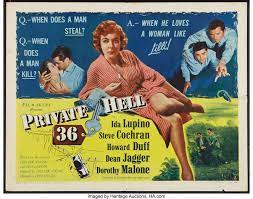
“Private Hell 36” (1954)
Running Time: 81 minutes
Drama

Written by: Collier Young and Ida Lupino
Directed by: Don Siegel
Featuring: Ida Lupino, Steve Cochran, Howard Duff, Dean Jagger and Dorothy Malone
Lilli Marlowe: “Ever since I was a little girl, I dreamed I’d meet a drunken slob in a bar who’d give me fifty bucks and we’d live happily ever after.”
Critical Commentary
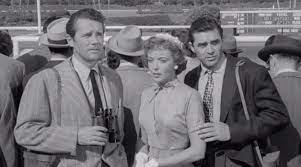
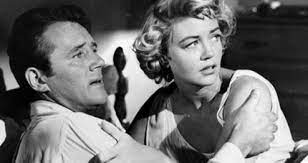
“Private Hell 36” is a classic film noir from 1954, directed by Don Siegel and starring Ida Lupino and Howard Duff. It tells the story of two detectives, Jack Farnham (Duff) and Cal Bruner (Steve Cochran), who stumble upon a large sum of stolen money during a routine investigation.
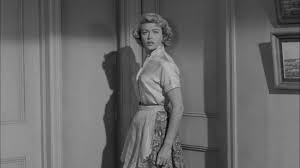
One of the standout aspects of “Private Hell 36” is its atmospheric and gritty cinematography, which captures the dark underbelly of Los Angeles. The film showcases the genre’s characteristic shadowy visuals and moody lighting, effectively creating a sense of tension and unease throughout. Don Siegel’s direction adds to the film’s noir sensibilities, employing tight shots and utilizing the cityscape to enhance the narrative.
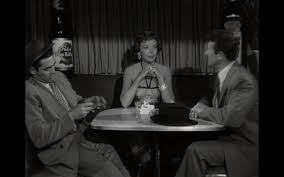
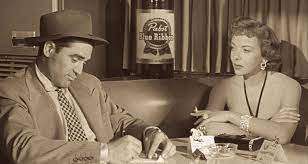
Ida Lupino delivers a captivating performance as Lilli Marlowe, a nightclub singer who becomes entangled in the detectives’ pursuit of the stolen money. Her character adds a layer of complexity to the plot, as her motivations and actions blur the line between right and wrong. Lupino’s portrayal is nuanced and engaging, making Lilli a memorable femme fatale in the noir tradition.
The screenplay, written by Collier Young and Ida Lupino herself, offers a compelling exploration of morality, greed, and the corrupting nature of money. It delves into the ethical dilemmas faced by the detectives as they grapple with the temptation of the stolen cash. The story unfolds with a sense of suspense, as the characters’ choices lead them down a dangerous path.
While “Private Hell 36” is an engaging noir film, it may not reach the same level of recognition as some of the genre’s more renowned classics. The pacing can be a bit uneven at times, and the plot twists may feel predictable to viewers familiar with the noir tropes. However, the film’s strengths lie in its atmospheric visuals, strong performances, and exploration of moral ambiguity.
“Private Hell 36” is a worthwhile watch for fans of classic film noir. It captures the essence of the genre, showcasing a gripping story with shades of gray morality. The combination of Lupino’s performance, Siegel’s direction, and the film’s stylish visuals make it a solid entry in the noir canon.
“Private Hell 36” stands out for its portrayal of the post-war American landscape and its examination of the corrosive effects of greed and corruption. The film reflects the disillusionment and moral ambiguity prevalent during that era, showcasing the darker side of society and the compromises individuals make in pursuit of wealth and power.
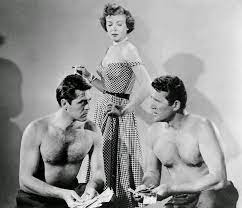
The dynamic between the two detectives, Jack Farnham and Cal Bruner, adds an interesting layer to the narrative. Howard Duff and Steve Cochran deliver convincing performances, capturing the complex dynamics of their characters’ friendship and the strain it undergoes as they become more deeply involved in the web of deception surrounding the stolen money. Their internal conflicts and contrasting moral compasses contribute to the film’s tension and keep the audience engaged.
Furthermore, “Private Hell 36” skilfully explores the theme of temptation and its consequences. The allure of the stolen money puts the characters’ integrity to the test, leading to a downward spiral that exposes their flaws and the fragility of their moral boundaries. This exploration of human nature adds depth and complexity to the plot, providing thought-provoking moments for the audience.
The film’s climactic sequences are particularly memorable, building suspense and delivering satisfying payoffs. The climax confronts the characters with the consequences of their actions, offering a reflection on the destructive power of greed and the potential for redemption.
It’s worth noting that “Private Hell 36” may not have received the same level of recognition as other film noir classics of its time. However, it remains a solid and underappreciated entry in the genre, showcasing the talents of its cast and crew and delivering an engaging story that encapsulates the essence of film noir.
In conclusion, “Private Hell 36” is a captivating film noir that deserves more attention and recognition. With its atmospheric visuals, strong performances, and exploration of moral ambiguity, it successfully captures the essence of the genre. If you are a fan of classic film noir or enjoy thought-provoking crime dramas, this film is definitely worth watching.
One notable aspect of “Private Hell 36” is its examination of the moral gray areas that exist within the criminal justice system. The film raises questions about the line between law enforcement and criminality, as the detectives find themselves tempted by the illicit money they have discovered. It offers a critical commentary on the corrupting influence of money and power, highlighting the ways in which individuals can be compromised and their moral compasses tested.
The film’s supporting cast also delivers commendable performances, adding depth to the story. Dorothy Malone shines as the naive and vulnerable nightclub cashier, Suzanne. Her presence introduces an emotional dimension to the narrative and further explores the themes of trust and betrayal. The interactions between the main characters and Suzanne bring out their vulnerabilities and add layers of complexity to their motivations.
In terms of its technical aspects, “Private Hell 36” features a memorable musical score by Leith Stevens. The music effectively enhances the mood and atmosphere of the film, accentuating the tension and contributing to its noir aesthetic. The use of sound is also notable, with the ambient noises of the city serving to create a palpable sense of realism and immersion.
While “Private Hell 36” may not be as widely recognized as some of the genre’s most celebrated films, it remains a hidden gem that captures the essence of classic film noir. It boasts strong performances, atmospheric visuals, and a compelling exploration of moral dilemmas. Its themes of greed, corruption, and the blurred lines between right and wrong make it a thought-provoking and engrossing watch for fans of the genre.
In conclusion, “Private Hell 36” stands as a testament to the enduring allure of film noir. Its atmospheric style, morally complex characters, and exploration of societal disillusionment make it a captivating entry in the genre. If you appreciate the dark and introspective nature of classic film noir, this lesser-known gem is well worth discovering.
Technical Commentary
Video
Presented in an aspect ratio of 1.78:1, encoded with MPEG-4 AVC and granted a 1080p transfer, “Private Hell 36” arrives on Blu-ray courtesy of Via Vision Entertainment. The release is sourced from an older master that was supplied by Paramount Pictures. There are some minor scratches and specks that pop up here and there, plus in a few areas density levels can be better, but its overall it has a pleasing organic appearance. On a larger screen delineation and depth are usually good. During darker footage shadow definition is satisfying as well.
Audio
There is only one standard audio track on this Blu-ray release: English LPCM 2.0. Optional English SDH subtitles are provided for the main feature. The audio is very clear and stable. Balance is handled nicely as well
Special Features
- 1080p presentation of the film on Blu-ray
- Audio Commentary with Film Historian Drew Casper (2021)
- Video Essay with film critic Kat Ellinger on Ida Lupino (2020)
- Featurette about the early career of Don Siegel (2021)
- Video Interview with film critic Barry Forshaw on Private Hell
- Theatrical Trailer


Leave a Reply