• Movie Review: “Indiana Jones and the Dial of Destiny” (2023)

    Indiana Jones and the Dial of Destiny (2023)

    Adventure

    Running Time: 154 minutes

    Written by: Jez Butterworth, John-Henry Butterworth, David Koepp and James Mangold

    Directed by: James Mangold

    Featuring: Harrison Ford, Phoebe Waller-Bridge, Antonio Banderas, John Rhys-Davies, Toby Jones, Boyd Holbrook, Ethann Isidore and Mads Mikkelsen

    Sallah: “I miss the desert. I miss the sea. And I miss waking up every morning wondering what wonderful adventure the new day will bring to us.”

    Indiana Jones: “Those days have… come and gone.”

    Sallah: “Perhaps. Then perhaps not.”

    The year is 2023. Harrison Ford is 80 years old, and he has finally decided to hang up his fedora and bullwhip for good. But before he does, he agrees to one last adventure: a quest to find the Dial of Destiny, an ancient artifact that can control time itself.

    Joining Indy on his journey is his goddaughter, Helena Shaw (Phoebe Waller-Bridge), a young archaeologist who is determined to prove herself to her mentor. Together, they must face off against a former Nazi scientist named Jürgen Voller (Mads Mikkelsen), who is also determined to get his hands on the Dial of Destiny.

    The Dial of Destiny is a powerful artifact that was created by Archimedes, the Greek mathematician and engineer who is credited with inventing the first mechanical computer. The Dial of Destiny is said to be able to manipulate the flow of time, allowing its user to travel to any point in history.

    Voller believes that he can use the Dial of Destiny to change the course of history. He wants to go back in time and prevent the Nazis from losing World War II. But Indy knows that Voller’s plan is dangerous. If Voller is successful, he could create a timeline in which the Nazis rule the world.

    Indy and Helena must race against time to stop Voller from getting his hands on the Dial of Destiny. Along the way, they will travel to some of the most exotic locations in the world, including Greece, Italy, and Tangiers. They will also face off against a variety of dangerous enemies, including Nazis, assassins, and even a giant cyclops.

    In the end, Indy and Helena are able to stop Voller and prevent him from changing the course of history. But the adventure takes its toll on Indy, and he realizes that it is time for him to hang up his hat for good.

    The Indiana Jones films are a beloved cultural phenomenon that have entertained audiences for decades. The films are known for their thrilling action sequences, their exotic locations, and their witty humor. But what makes the Indiana Jones films truly special is their lead character, Indiana Jones himself.

    Indiana Jones is a larger-than-life hero who is always willing to risk his life to save the day. He is a brilliant archaeologist, a skilled fighter, and a master of disguise. But what makes Indiana Jones so appealing is his sense of humor. He is always quick with a quip, even in the most dangerous situations.

    Harrison Ford’s iconic performance as Indiana Jones is a major reason for the success of the films. Ford brings a perfect blend of humor, charisma, and action to the role. He is the perfect embodiment of the Indiana Jones character.

    The Indiana Jones films are more than just action-adventure movies. They are also important works of popular culture that have helped to shape our understanding of history and mythology. The films have inspired a generation of archaeologists and adventurers, and they continue to entertain audiences around the world.

    The Indiana Jones films are a beloved franchise, and there is no doubt that they will continue to be enjoyed by audiences for many years to come. However, it is unclear what the future holds for the franchise. Harrison Ford has said that he will not be returning to the role of Indiana Jones, and it is unlikely that any other actor could fill his shoes.

    Indy and Helena’s quest for the Dial of Destiny takes them to some of the most exotic locations in the world, including Greece, Italy, and Tangiers. Along the way, they must face off against a variety of dangerous enemies, including Nazis, assassins, and even a giant cyclops.

    One of their first stops is Greece, where they believe the Dial of Destiny is hidden in the ruins of the ancient city of Delphi. However, they are not the only ones who are looking for the Dial. Voller and his team of Nazi scientists have also arrived in Greece, and they are determined to get their hands on the artifact first.

    Indy and Helena narrowly escape Voller’s clutches, and they travel to Italy in search of further clues. In Rome, they meet with a former professor of Indy’s who believes that the Dial of Destiny is hidden in the catacombs beneath the city.

    The catacombs are a dangerous labyrinth, and Indy and Helena must use all of their skills to survive. They are eventually able to find the Dial of Destiny, but they are not the only ones who have found it. Voller and his men have also arrived in the catacombs, and they are now in hot pursuit.

    Indy and Helena manage to escape from the catacombs, but they are now in a race against time. Voller is determined to use the Dial of Destiny to change the course of history, and Indy and Helena must stop him before it is too late.

    The final battle for the Dial of Destiny takes place in Tangiers. Voller has set up a base of operations in the city, and he is using the Dial of Destiny to travel back in time and change the course of history.

    Indy and Helena arrive in Tangiers and they confront Voller. Voller tells them that he is going to use the Dial of Destiny to prevent the Nazis from losing World War II. He believes that if he can change the past, he can create a better future for himself and for the world.

    Indy tries to reason with Voller, but Voller is determined to go through with his plan. He uses the Dial of Destiny to travel back in time and he begins to change the course of history.

    Indy and Helena know that they must stop Voller before it is too late. They fight their way through Voller’s men and they eventually reach the Dial of Destiny. Indy manages to destroy the Dial of Destiny, and Voller’s plan is foiled.

    With the Dial of Destiny destroyed, history is restored to its original course. The Nazis lose World War II, and the world is saved.

    Indy and Helena return to the United States, and Indy finally retires from adventuring. He knows that he can no longer change the course of history, but he is content to know that he has saved the world from Voller’s evil plan.

    Indy spends his remaining years teaching archaeology at a university. He also writes a book about his adventures, which becomes a bestseller. He dies peacefully in his sleep at the age of 90, knowing that he has lived a full and adventurous life.

    Indiana Jones is a true American hero. He is a symbol of courage, determination, and intelligence. He is also a symbol of the power of good to triumph over evil.

    The Indiana Jones films have entertained audiences for decades, and they continue to inspire new generations of adventurers. The films are a reminder that history is full of mystery and wonder, and that there are still great adventures to be had in the world.

    Indiana Jones is a larger-than-life character, but he is also relatable. He is a flawed hero who makes mistakes, but he always learns from them and comes out stronger. He is an inspiration to us all, and he will continue to be remembered for many years to come.

    Some fans have speculated that the franchise could be rebooted with a new actor in the lead role. However, it is also possible that the franchise could be continued in other forms, such as television shows or video games.

    Whatever the future holds for Indiana Jones, it is clear that the character and the films will continue to be an important part of popular culture for many years to come.

    Indiana Jones and the Dial of Destiny is a fitting send-off for one of the most iconic characters in cinema history. The film is full of exciting action sequences, exotic locations, and witty humor. But what makes the film truly special is its exploration of the themes of time and destiny.

    The film asks the question of whether or not we can change the course of history. It also explores the idea of free will and determinism. In the end, the film leaves the question unanswered, but it does offer some food for thought.

    Indiana Jones and the Dial of Destiny is a well-made and entertaining film that is sure to please fans of the franchise. It is a fitting conclusion to the story of Indiana Jones, and it is a film that will be enjoyed by audiences for many years to come.

  • Blu-ray review: “Zarak” (1956)

    “Zarak” (1956)

    Adventure 

    Running Time: 96 minutes

    Written by: Richard Maibaum

    Directed by: Terence Young

    Featuring: Victor Mature, Michael Wilding and Anita Ekberg

    Zarak Khan: “Hanging’s too fast. It’s for the weak. My father once said I should be flogged to death. He tried, cousin, but he failed.”

    Ahmad: “We shall not fail.”

    Critical Commentary

    Released in 1956, “Zarak” is a British adventure film directed by Terence Young. Set against the backdrop of colonial India, the film tells the tale of a charismatic Afghan rebel leader, Zarak Khan, played by Victor Mature, and his battle against the British Empire. “Zarak” is an engrossing epic that combines action, romance, and political intrigue, showcasing strong performances, stunning cinematography, and a compelling narrative that keeps audiences on the edge of their seats. This review will delve into the various aspects that make “Zarak” a timeless classic and discuss its impact on the adventure genre.

    “Zarak” presents a gripping tale of resistance and rebellion. The film explores the complex relationship between Zarak Khan and Major Ingram, portrayed by Michael Wilding, as they navigate the treacherous political landscape of colonial India. The character of Zarak is portrayed as a fierce and enigmatic leader, torn between his desire for freedom and his love for Salma, a British officer’s daughter played by Anita Ekberg. The dynamic between the characters and their conflicting loyalties adds depth to the narrative, making it more than just a straightforward action film.

    “Zarak” features impressive action sequences that bring the story to life. From thrilling horseback chases to daring prison escapes, the film is filled with heart-pounding moments that showcase the bravery and skill of its characters. The cinematography by Guy Green captures the vastness of the Indian landscape, immersing viewers in the stunning visuals of desert plains, lush forests, and grand palaces. The wide shots and meticulously choreographed action scenes elevate the film’s visual impact, creating a sense of scale and grandeur.

    Victor Mature delivers a captivating performance as Zarak Khan, portraying the leader with a blend of charisma and vulnerability. His portrayal highlights the internal conflicts faced by Zarak, humanizing the character and adding layers of complexity to his role. Michael Wilding’s portrayal of Major Ingram showcases the conflict of duty and empathy, providing a strong foil to Zarak’s character. Anita Ekberg brings a touch of romance and vulnerability to her role as Salma, displaying chemistry and emotional depth with Mature.

    “Zarak” delves into the political dynamics of colonial India, examining the tensions and power struggles between the British Empire and the Afghan rebels. The film presents a nuanced perspective on the colonial era, shedding light on the complexities of imperialism and the resistance movements that emerged in response. It also touches upon themes of cultural identity and the clash between Eastern and Western ideologies, adding a layer of social commentary to the narrative.

    “Zarak” left a lasting impact on the adventure genre, influencing subsequent films in its wake. Its blend of action, romance, and political intrigue set against an exotic backdrop became a template for many adventure films to follow. The film’s success paved the way for Terence Young’s future work, including his acclaimed direction of the early James Bond films. “Zarak” also showcased Victor Mature’s talent as a leading man, solidifying his status as a prominent actor in the 1950s.

    “Zarak” remains a classic adventure film that stands the test of time. With its compelling storyline, strong performances, and breathtaking cinematography, the movie captivates audiences from start to finish. The exploration of colonial politics, cultural themes, and the complexities of its characters elevate “Zarak” beyond a simple action film, making it a significant contribution to the adventure genre. The film’s impact can be seen in its influence on subsequent films, as well as the career trajectories of its director and lead actors.

    “Zarak” serves as a testament to the power of storytelling and its ability to transcend time and cultural boundaries. The themes it explores, such as resistance, loyalty, and the clash of cultures, resonate with audiences regardless of the era in which they watch the film. Moreover, the film’s exploration of colonial politics and the struggle for independence provides a thought-provoking backdrop that adds depth and relevance to its narrative.

    One of the film’s standout aspects is the chemistry between the lead actors. Victor Mature’s portrayal of Zarak Khan is charismatic and captivating, capturing the complexities of the character with great depth. He effortlessly balances the fierceness of a rebel leader with moments of vulnerability, creating a multifaceted protagonist that viewers can root for. Michael Wilding delivers a strong performance as Major Ingram, conveying the inner conflict faced by a British officer torn between his duty and his empathy for the rebels. Anita Ekberg brings a touch of elegance and vulnerability to her role as Salma, serving as the emotional center of the film.

    The action sequences in “Zarak” are skillfully choreographed and visually striking. From thrilling horseback chases to intense battles, the film keeps the audience engaged with its high-energy and well-executed action. The cinematography by Guy Green further enhances the film’s impact, capturing the grandeur of the Indian landscape and immersing viewers in the rich visuals. The wide shots and sweeping panoramas not only add to the film’s aesthetic appeal but also contribute to the sense of scale and adventure.

    Beyond its technical and narrative strengths, “Zarak” also offers a critical examination of colonial politics and cultural dynamics. The film delves into the complexities of imperialism and sheds light on the motivations and struggles of the Afghan rebels. It also explores themes of cultural identity and the clash between Eastern and Western ideologies, providing social commentary that adds depth and substance to the story.

    In terms of its lasting impact, “Zarak” influenced subsequent adventure films, setting a template for the genre’s blend of action, romance, and political intrigue. Moreover, the success of “Zarak” propelled the career of its director, Terence Young, who went on to direct several acclaimed films, including the early James Bond movies. The film also solidified Victor Mature’s status as a leading man and showcased his versatility as an actor.

    “Zarak” remains a riveting adventure epic that transcends time. Its captivating storyline, strong performances, and stunning cinematography make it a classic in the adventure genre. The film’s exploration of colonial politics, cultural themes, and the complexities of its characters elevates it beyond mere entertainment, offering a thought-provoking narrative that continues to resonate with audiences today. “Zarak” stands as a testament to the power of cinema to transport viewers to distant lands, engage them with captivating stories, and leave a lasting impact on the world of filmmaking.

  • Trailer: “The Nun 2” (2023)

    Trailer: “The Nun 2” (2023)

    New Line Cinema has released the first trailer for the next entry in “The Conjuring” cinematic universe – the sequel to 2018’s “The Nun”.

    Michael Chaves is directing the project, and filmmaker James Wan is producing this follow-up to the original “The Nun” which made an impressive $366 million worldwide back in 2018. Akela Cooper and Richard Naing worked on the sequel’s script.

    In 1956 France, a priest is murdered and evil is spreading. Sister Irene (Taissa Farmiga) once again comes face-to-face with Valak (Bonnie Aarons), the demon nun.


    “The Conjuring” Universe is the highest-grossing horror franchise in history with over $2 billion in box-office worldwide, four titles earning more than $300 million worldwide each, and seven earning more than $200 million each.

    Michael Chaves helms from a script by Akela Cooper, Goldberg and Richard Naing. “The Nun II” will hit North America on September 8th and will roll out internationally beginning September 6th.
  • Final Trailer: “Foundation – Season 2″ (2023)

    Final Trailer: “Foundation – Season 2″ (2023)

    Apple TV+ has released one last full-length trailer for the second season of its long-in-the-works adaptation of Isaac Asmiov’s hard sci-fi novel series “Foundation”.

    The story chronicles a band of exiles on their unprecedented journey to rebuild civilization amid the fall of the Galactic Empire. 

    Four crucial individuals who transcend space and time are faced with deadly crises, shifting loyalties and complicated relationships that will ultimately determine the fate of humanity.

    Beginning more than a century after the season one finale (which aired almost two years ago), the new run sees tension mounting throughout the galaxy. As the Cleons unravel, a vengeful queen plots to destroy the Empire from within.

    The ensemble cast includes Jared Harris, Lee Pace, Lou Llobell, Leah Harvey, Laura Birn, Terrence Mann, and Cassian Bilton, who are joined in the new run by Isabella Laughland, Kulvinder Ghir, Sandra Yi Sencindiver, Ella-Rae Smith, Dimitri Leonidas, Ben Daniels, Holt McCallany, Rachel House, and Nimrat Kaur.

    David S. Goyer serves as showrunner of the series, with the second season arriving on the platform on July 14th and running through to September 15th.

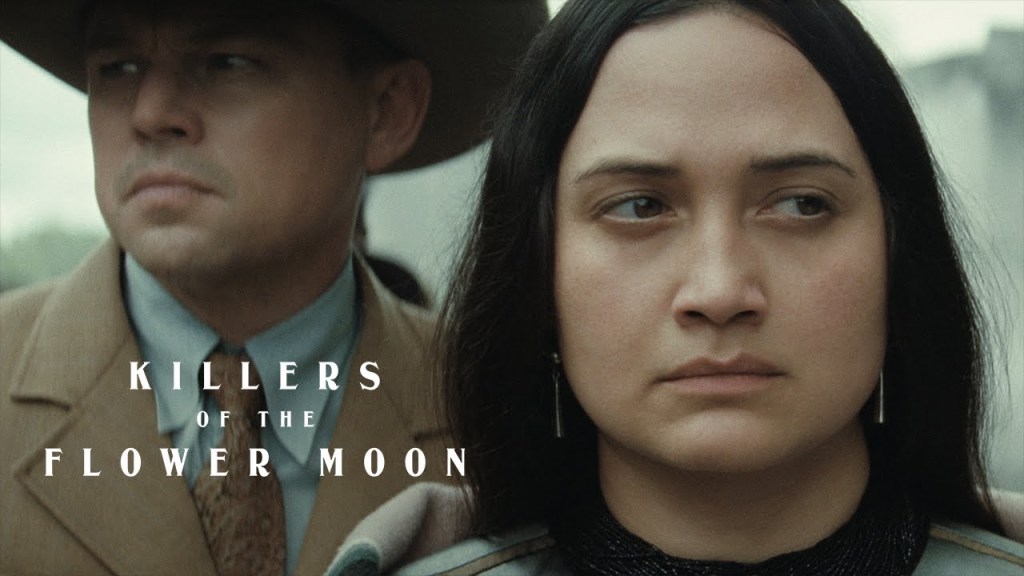
  • New Trailer: “Killers of the Flower Moon”

    New Trailer: “Killers of the Flower Moon”

    The second official trailer has been released for Martin Scorsese’s $200 million-budgeted epic period drama “Killers of the Flower Moon” which boasts a 206 minute runtime.

    The story unfolds in 1920s Oklahoma and depicts the serial murder of members of the oil-wealthy Osage Nation – a string of brutal crimes that came to be known as the ‘Reign of Terror’.

    Leonardo DiCaprio, Robert De Niro, Lily Gladstone, Jesse Plemons, John Lithgow, Brendan Fraser, Cara Jade Myers, JaNae Collins, Jillian Dion, Tatanka Means, William Belleau, Scott Shepherd and Tantoo Cardinal star.

    The movie is based on David Grann’s best-selling book and written for the screen by Eric Roth and Scorsese. Scorsese, DiCaprio, Dan Friedkin, Bradley Thomas and Daniel Lupi produce.

    “Killers of the Flower Moon” will get a limited theatrical release through Paramount Pictures on October 6th before opening wide on October 20th ahead of streaming later on Apple TV+.

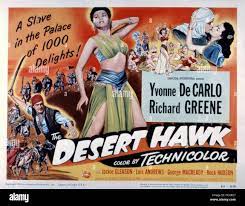
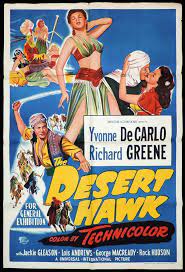
  • Blu-ray review: “The Desert Hawk” (1950)

    “The Desert Hawk” (1950)

    Adventure 

    Running Time: 77 minutes

    Written by: Gerald Drayson Adams

    Directed by: Frederick De Cordova

    Featuring: Yvonne De Carlo and Richard Greene

    Omar: “Wench or princess, a woman is only a woman, and always needs a master.”

    Critical Commentary

    In the realm of captivating cinema, certain films manage to transport audiences to distant lands, offering an immersive experience filled with adventure and intrigue. Among these memorable movies is “The Desert Hawk,” a gripping tale set amidst the vast and unforgiving expanse of the desert. Directed by an esteemed filmmaker, this motion picture weaves together elements of action, suspense, and cultural exploration, leaving an indelible mark on the world of cinema.

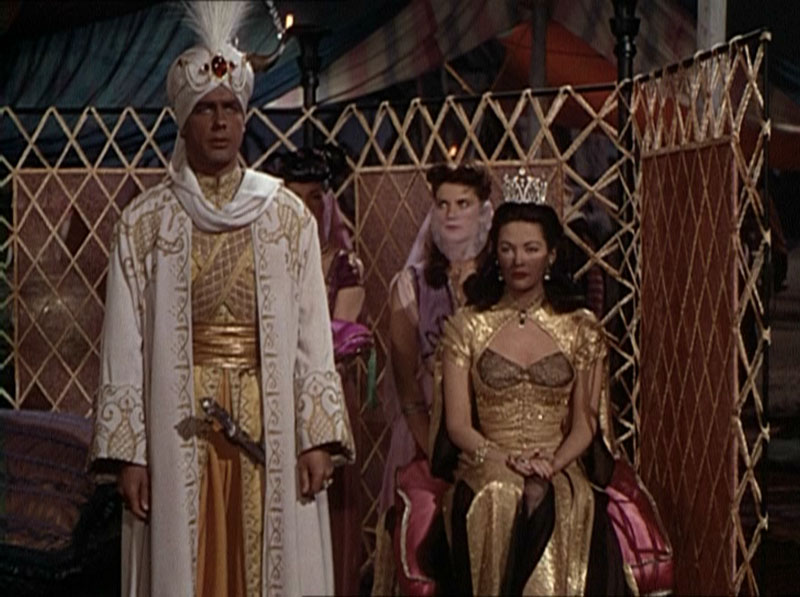
    “The Desert Hawk” unfolds against the backdrop of an ancient and mystifying desert kingdom. The story revolves around a charismatic and enigmatic hero named Malik, known to the locals as the Desert Hawk. Possessing remarkable skills and a deep understanding of the desert’s secrets, Malik becomes embroiled in a high-stakes conflict between warring factions. The movie artfully portrays the stunning landscapes, the scorching sun, and the treacherous sand dunes, transporting the audience to a world where survival and honor coexist.

    The film delves into a range of thought-provoking themes, highlighting the complexities of human nature and the significance of cultural identity. Central themes include courage, loyalty, and the pursuit of justice. Malik, the Desert Hawk, epitomizes bravery, risking his life to protect the innocent and uphold justice, even in the face of overwhelming odds. Furthermore, the exploration of cultural identity in the film showcases the clash between tradition and modernity, offering insight into the struggles faced by societies in transition.

    “The Desert Hawk” features a diverse cast of characters, each with their own motivations and backstories. The protagonist, Malik, embodies the classic archetype of a noble hero fighting against injustice. He evolves throughout the film, grappling with personal challenges while navigating the complexities of his role as the Desert Hawk. Supporting characters, such as a resourceful local guide or a cunning antagonist, add depth and nuance to the narrative, elevating the overall cinematic experience.

    From the onset, “The Desert Hawk” captivates viewers with its masterful use of cinematography and visual effects. Sweeping shots of the expansive desert, coupled with intense action sequences, create an immersive atmosphere that keeps audiences on the edge of their seats. The film’s score, composed specifically to enhance the emotional impact of key scenes, underscores the tension and drama, heightening the overall viewing experience.

    Impact and Reception:

    Upon its release, “The Desert Hawk” garnered critical acclaim and captivated audiences worldwide. Its ability to transport viewers to a distant land while exploring universal themes resonated deeply. The film’s success can be attributed to its meticulous attention to detail, engrossing storytelling, and the skillful performances of the cast. Its enduring legacy lies in its ability to evoke a sense of wonder and inspire viewers to reflect on the complexities of human nature and the world we inhabit.

    One of the notable aspects of “The Desert Hawk” is its exploration of the rich cultural tapestry of the desert kingdom. The film delves into the traditions, customs, and beliefs of the local inhabitants, providing viewers with a glimpse into a world that is both fascinating and unfamiliar. Through the portrayal of rituals, attire, and interpersonal dynamics, the movie sheds light on the intricate fabric of the desert society. This cultural authenticity adds depth to the narrative, fostering a greater understanding and appreciation for the people who call the desert their home.

    Moreover, “The Desert Hawk” serves as a visual feast, showcasing the stunning beauty and harsh realities of the desert environment. The cinematography captures the vastness of the sand dunes, the ever-shifting patterns, and the stark contrast between scorching days and chilly nights. The filmmakers skillfully use light and shadow to evoke the desolate yet mesmerizing atmosphere of the desert. These visual elements not only enhance the storytelling but also immerse the audience in the sensory experience of the desert’s unforgiving nature.

    The performances in “The Desert Hawk” are equally commendable. The cast brings the characters to life with conviction and depth, adding emotional resonance to the narrative. The portrayal of Malik by a talented actor showcases the hero’s internal struggles, his determination, and his unwavering commitment to justice. The chemistry between the characters, whether they are allies or adversaries, enhances the tension and adds layers of complexity to the story.

    Beyond its entertainment value, “The Desert Hawk” also raises thought-provoking questions about power, corruption, and the responsibility of leadership. The film exposes the machinations of those in positions of authority, their thirst for control, and the impact their actions have on the lives of the common people. Through the hero’s journey, the movie emphasizes the importance of individuals standing up against tyranny, using their skills and influence to bring about positive change.

    In conclusion, “The Desert Hawk” is an exceptional film that combines adventure, cultural exploration, and compelling storytelling to create a captivating cinematic experience. Through its breathtaking visuals, well-developed characters, and thought-provoking themes, the movie transports audiences to a world of danger, honor, and the timeless struggle between good and evil. It stands as a testament to the power of cinema to transport and inspire, leaving a lasting impression on those who venture into the sands alongside the Desert Hawk.

    As “The Desert Hawk” continues to captivate audiences, its impact extends beyond the confines of the theater. The film has sparked conversations about cultural preservation and the importance of honoring traditional values in a rapidly changing world. Its portrayal of the desert kingdom serves as a reminder of the significance of preserving cultural heritage and the need to find a delicate balance between progress and the preservation of identity.

    Furthermore, “The Desert Hawk” has inspired a renewed interest in desert landscapes and the allure of adventure. Viewers have been motivated to explore the natural wonders of deserts around the world, appreciating their beauty, and gaining a newfound respect for the challenges faced by those who call these arid regions home. The film has sparked wanderlust, prompting travelers to seek out their own adventures in the sands, albeit with a greater understanding and appreciation for the cultural context in which they are immersing themselves.

    The success of “The Desert Hawk” has also opened doors for filmmakers and storytellers to explore narratives set in similar exotic locations. It has paved the way for more diverse stories to be told, shedding light on lesser-known cultures and showcasing the talents of actors and filmmakers from underrepresented backgrounds. This expansion of perspectives and narratives enriches the cinematic landscape, fostering a more inclusive and diverse film industry.

    Moreover, “The Desert Hawk” has left an indelible mark on the action-adventure genre, influencing subsequent films that seek to recreate the film’s sense of grandeur, suspense, and cultural immersion. It has become a reference point for filmmakers looking to create immersive worlds and compelling characters in captivating landscapes. The success and legacy of “The Desert Hawk” have inspired a new generation of storytellers to push the boundaries of visual storytelling and captivate audiences with their own unique cinematic visions.

    “The Desert Hawk” has cemented its place as a cinematic gem that transports viewers to a world of intrigue, danger, and cultural exploration. Its impact goes beyond the screen, sparking conversations about cultural preservation, inspiring travel, and setting a new standard for immersive storytelling. As the legacy of “The Desert Hawk” continues to grow, its influence on cinema and cultural appreciation will endure, reminding us of the power of film to transcend boundaries and unite us through the universal language of storytelling.

    “The Desert Hawk” stands as a testament to the power of cinema in capturing the essence of far-off lands and immersing audiences in captivating narratives. Through its gripping plot, well-developed characters, and breathtaking visuals, the film transports viewers to the heart of the desert, where ancient traditions clash with modern aspirations. It serves as a reminder of the enduring allure of adventure and the universal quest for justice and honor. “The Desert Hawk” will continue to be celebrated as a cinematic masterpiece that enthralls and inspires audiences for generations to come.

    Technical Commentary

    Video

    “The Desert Hawk” arrives on Blu-ray from a 2023 2K scan of the original camera negative. This original three-strip Technicolor production form Universal has been beautifully restored. 

    Audio

    The original mono for The Desert Hawk is presented in LPCM 2.0. It does not have a very full sound, but the dialogue is intelligible and free from many very loud pops and clicks but there is some audible hiss, which is unavoidable.

    Special Features

    • Audio Commentary by Film Historians Phoeff Sutton and Mark Jordan Legan 
    • Audio Commentary by Authors Jonathan Rigby and Kevin Lyons 
    • “Man in the Shadows: Jeff Chandler at Universal” – Featurette
  • Trailer: “Dune: Part Two” (2023)

    Trailer: “Dune: Part Two” (2023)

    Warner Bros. Pictures has premiered the second official trailer for Denis Villeneuve’s sci-fi epic “Dune: Part Two” (2023). The clip offers a first look at Christopher Walken as Emperor Shaddam IV.

    The sprawling tale adapts the back half of Frank Herbert’s classic 1965 novel and wrapped filming in mid-December. The story sees Paul Atreides (Timothee Chalamet) and Lady Jessica (Rebecca Ferguson) teaming with the desert-dwelling Fremen to liberate the planet of Arrakis from the vicious House Harkonnen.

    Zendaya, Dave Bautista, Charlotte Rampling, Stellan Skarsgard, Stephen McKinley Henderson, Josh Brolin and Javier Bardem all reprise their roles from the first film.


    They are joined by Austin Butler as the lethal Feyd-Rautha, Florence Pugh as Princess Irulan, Lea Seydoux as Lady Margot.

    Villeneuve is directing from a script he co-wrote with Jon Spaihts. Mary Parent, Villeneuve, Cale Boyter, Tanya Lapointe and Patrick McCormick are producing. The release date is November 3rd.
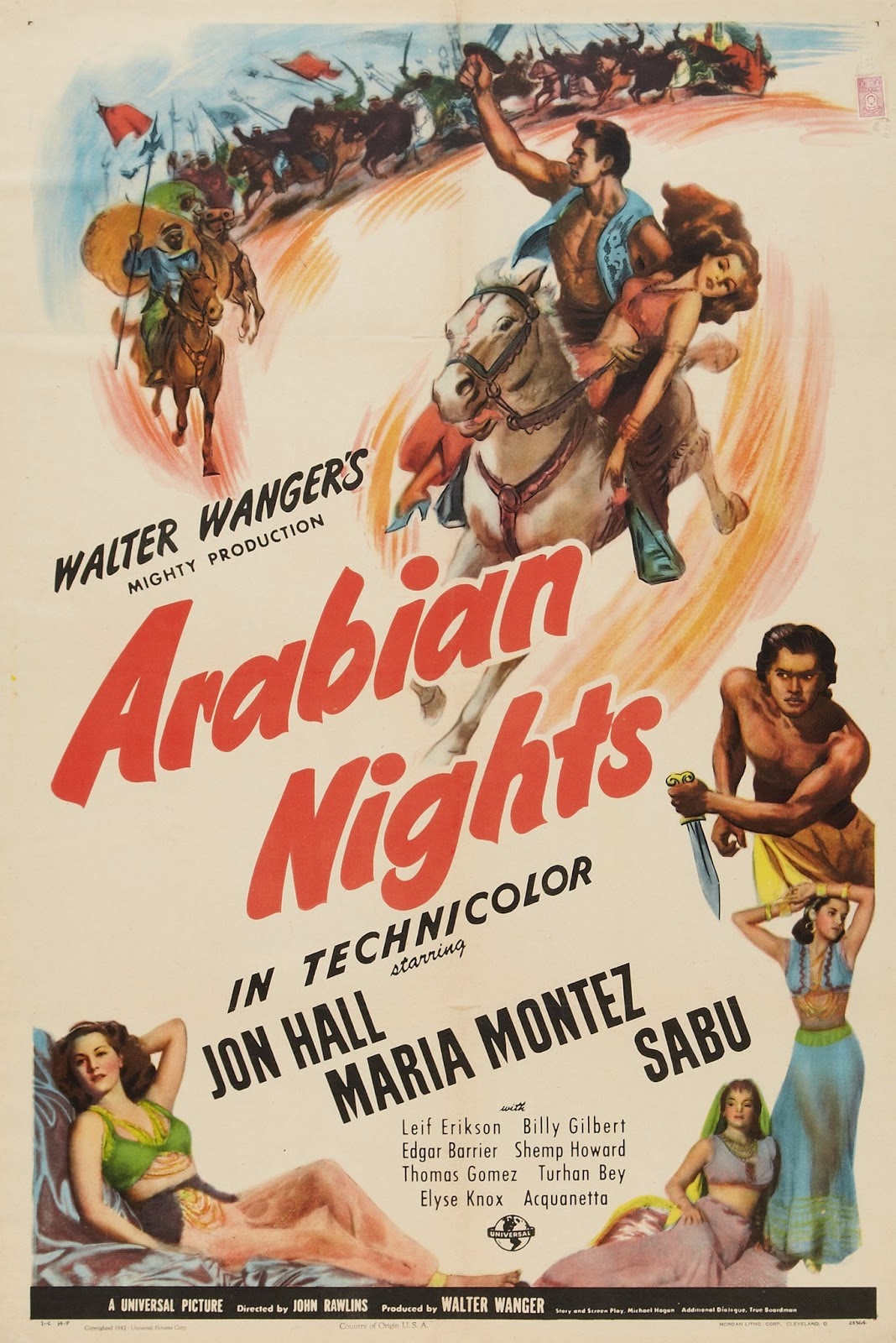
  • Blu-ray review: “Arabian Nights” (1942)

    Adventure 

    Running Time: 87 minutes

    Written by: Michael Hogan

    Directed by: John Rawlins

    Featuring: Jon Hall, Maria Montez, Sabu, Leif Erikson, Billy Gilbert, Edgar Barrier, Shemp Howard, Thomas Gomez, Turhan Bey, Elyse Knox, Acquanetta and Carmen D’Antonio

    Scheherazade: “I would swear I have seen this man before. But where?”

    Ali Ben Ali: “Maybe in your dreams.”

    Critical Commentary

    “Arabian Nights” (1942), directed by John Rawlins, is a classic adventure fantasy film that brings to life the captivating stories of the Arabian Nights, also known as One Thousand and One Nights. With its imaginative storytelling, lavish production design, and memorable performances, the movie has left an indelible mark on the world of cinema. This essay explores the significance of Arabian Nights (1942), highlighting its cultural impact, visual splendour, and enduring appeal.

    Arabian Nights transports viewers to the exotic lands of ancient Arabia, where the young ruler, Haroun Al-Raschid (Jon Hall), embarks on a magical journey. The film weaves together various tales from the Arabian Nights, including “Aladdin and the Magic Lamp,” “Ali Baba and the Forty Thieves,” and “Sinbad the Sailor.” Each tale is intricately connected, creating a tapestry of adventure, romance, and enchantment.

    Released during the height of World War II, Arabian Nights served as a respite from the grim realities of the time. Audiences found solace in the film’s fantastical world, where heroes triumphed over evil, love conquered all, and magic thrived. Arabian Nights presented an escape into a realm where dreams came true and imagination reigned supreme. The film’s ability to transport viewers to a different time and place, offering a temporary refuge, contributed to its cultural significance.

    Arabian Nights dazzles with its opulent visuals and lavish production design. The film embraces a rich color palette, showcasing vibrant costumes, exquisite sets, and breathtaking landscapes. The intricate attention to detail in the movie’s production design creates a visually immersive experience, evoking the mystique and grandeur of the Arabian world. The film’s technical achievements, particularly its use of matte paintings and special effects, were ahead of their time and added to its lasting appeal.

    Arabian Nights boasts a talented cast that brings the iconic characters to life. Jon Hall’s portrayal of Haroun Al-Raschid captures the charisma and nobility of the young ruler, while Maria Montez mesmerizes as the exotic and seductive dancer, Sherazade. Sabu, a young Indian actor, delivers a charming performance as the mischievous and resourceful thief, Abu. The chemistry between the cast members and their commitment to their roles contribute to the film’s overall success.

    Despite being released over eight decades ago, Arabian Nights continues to captivate audiences. Its timeless themes of love, adventure, and the triumph of good over evil resonate across generations. The film’s enduring appeal lies in its ability to transport viewers to a world of imagination, where anything is possible. The magic and wonder of Arabian Nights have inspired countless adaptations, paying tribute to its legacy in cinema.

    The impact of Arabian Nights (1942) extends beyond its initial release, as it continues to influence and inspire filmmakers, artists, and storytellers. The movie’s success paved the way for subsequent adaptations and interpretations of the Arabian Nights tales in both film and other mediums. Its enduring appeal can be seen in the numerous films, television shows, and theatrical productions that have drawn inspiration from its magical world.

    The film’s portrayal of Arabian culture, though romanticized and stylized, played a role in introducing Western audiences to the allure and mystique of the Middle East. Arabian Nights showcased vibrant bazaars, magnificent palaces, and mystical landscapes, creating a sense of exoticism that captivated viewers. However, it is important to acknowledge that the film’s depiction of Arab culture was filtered through a Western lens, and its representation may not align with the authentic nuances and complexities of the region.

    Arabian Nights (1942) also reflects the filmmaking trends and sensibilities of its time. The Golden Age of Hollywood saw a rise in epic fantasies and adventure films, and Arabian Nights embraced this trend by offering a grand-scale production with lavish costumes, sweeping vistas, and thrilling escapades. The movie exemplifies the magic of classic cinema, where practical effects, elaborate sets, and skilful storytelling created an enchanting experience for audiences.

    Furthermore, Arabian Nights showcased the talents of its director, John Rawlins, who expertly crafted a narrative that seamlessly weaved together multiple tales. Rawlins’s ability to maintain a cohesive storyline while transitioning between the adventures of Aladdin, Ali Baba, and Sinbad demonstrates his adeptness as a storyteller. The film’s structure, with its framing device of Haroun Al-Raschid listening to the tales from Sherazade, adds depth and context to the individual stories, highlighting the power of storytelling itself.

    In retrospect, Arabian Nights (1942) can be examined through a critical lens. As with many films of its era, it is important to consider the cultural and social context in which it was made. The representation of diverse cultures and ethnicities in Hollywood has evolved significantly since the film’s release, and contemporary audiences may view certain aspects of Arabian Nights through a more nuanced and informed perspective.

    Nevertheless, Arabian Nights (1942) remains a beloved cinematic masterpiece that continues to captivate audiences with its timeless tales, sumptuous visuals, and evocative storytelling. The film’s enchanting escapism and enduring legacy have solidified its place in the annals of cinema history, reminding us of the transformative power of the silver screen and the enduring appeal of fantastical worlds.

    Arabian Nights (1942) remains a cinematic gem, enchanting audiences with its timeless tales, visually stunning production design, and memorable performances. The film’s cultural significance during a challenging era and its enduring appeal across generations are a testament to its timeless magic. Arabian Nights continues to hold a cherished place in the history of cinema, reminding us of the power of storytelling and the enduring allure of the Arabian Nights.

    Technical Commentary

    Video

    Arriving on Blu-ray “Arabian Nights” features a 1080p MPEG-4 AVC encoded high definition presentation in the original 1.37:1 full frame aspect ratio. This is an altogether outstanding presentation with little in the way of print damage, scratches, and other imperfections. 

    Audio

    The Blu-ray release features a DTS HD Master Audio mono audio presentation. This is a surprisingly robust and pleasurable listen. The track has excellent clarity and detail given the age of the source elements.

    Special Features

    • 1080p High-definition presentation on Blu-ray from a 2K scan of the original negative
    • Audio Commentary by film historians Michael Schlesinger and C. Courtney Joyner
    • Introduction by Turner Classic Movies host Robert Osborne
    • Author/film historian Kim Newman on Arabian Nights
    • Man of a Thousand Themes: Frank Skinner at Universal – featurette with author/film historian Preston Neal Jones
    • Maria Montez: Queen of Technicolor – video essay by film historian Phillipa Berry
    • Theatrical Trailer
  • Blu-ray review: “Billion Dollar Brain” (1967)

    “Billion Dollar Brain” (1967)

    Drama

    Running Time: 111 minutes

    Written by: John McGrath

    Directed by: Ken Russell

    Featuring: Michael Caine, Karl Malden, Ed Begley, Oscar Homolka and Françoise Dorléac

    Col.Stok: “I suppose a young man like you wouldn’t know the pleasure of removing a tight collar.”

    Harry Palmer: “I thought Lenin called such comforts “momentary interest.””

    Col.Stok: “Don’t tell me what Lenin said. I touched Lenin. I stood by him in Ruzheinaya Square in July, nineteen hundred and twenty; the second congress. I touched him. Those are the words he used to describe the comforts and pleasures with which the proletariat are diverted from their more important historic mission. But I am not being diverted. Well, are you going to offer me another drink?”

    Harry Palmer: “In England, Colonel, the historic mission of the proletariat consists almost entirely of momentary interest.”

    Critical Commentary

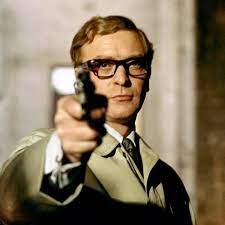
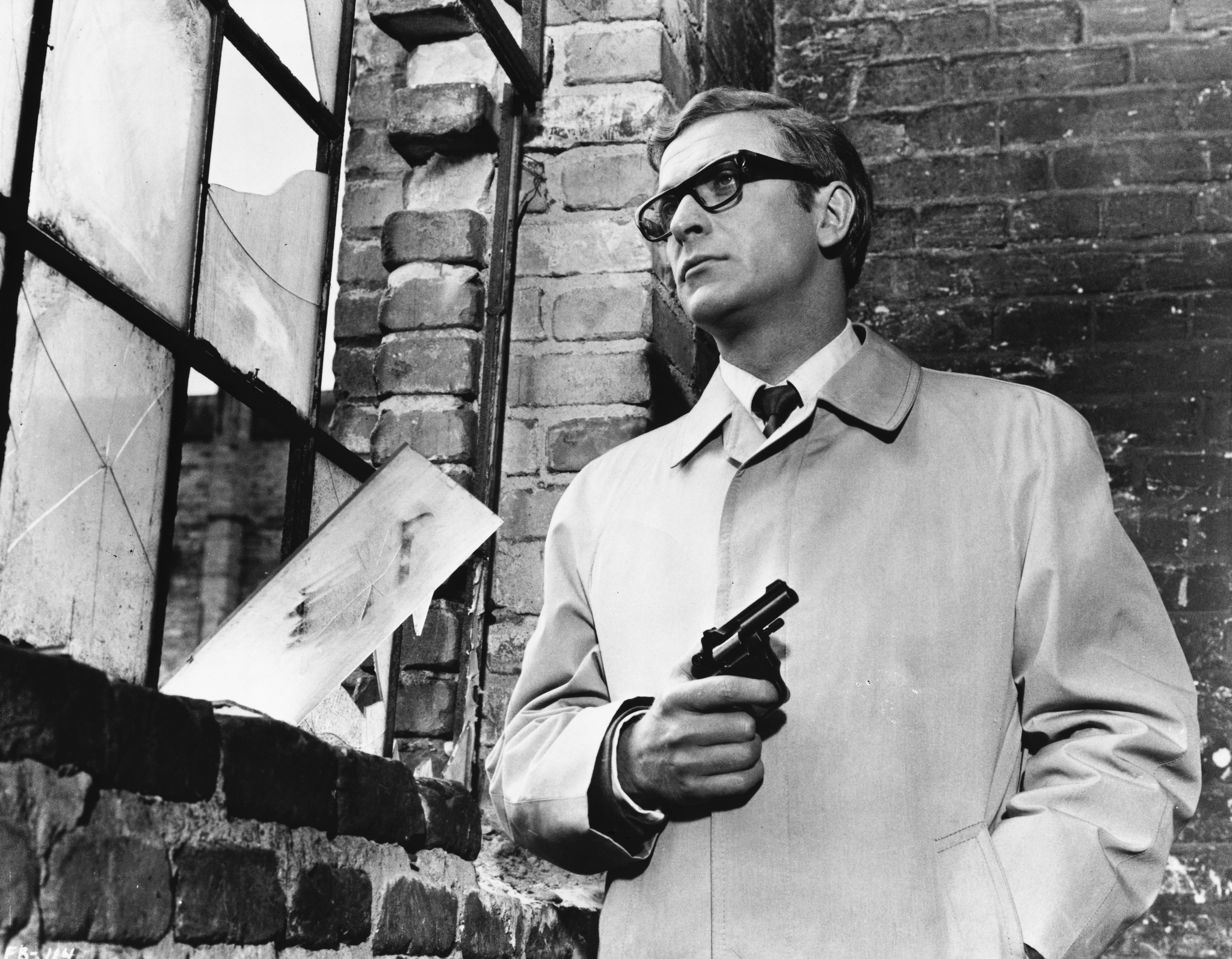
    “Billion Dollar Brain” is a 1967 spy film directed by Ken Russell and starring Michael Caine as Harry Palmer, a former British secret agent who is drawn into a plot to overthrow the Soviet Union with the help of a supercomputer. The film also features Ed Begley, Françoise Dorléac, and Karl Malden.

    “Billion Dollar Brain” was the third film in the Harry Palmer series, following “The Ipcress File” (1965) and “Funeral in Berlin” (1966). The film was a critical and commercial success, and it helped to solidify Caine’s status as a leading man. The film’s plot is complex and convoluted, but it can be summarized as follows: Palmer is hired by an anonymous party to deliver a package to Helsinki. However, he soon learns that he has been duped into working for the British Secret Service, and that the package contains stolen virus-infected eggs. Palmer is then tasked with thwarting a plot by a Texas oil baron (Begley) who is planning to use the supercomputer to launch a nuclear attack on the Soviet Union.

    The film’s tone is a mix of satire, action, and suspense. Russell’s direction is stylish and visually arresting, and he makes effective use of colour and music. Caine is excellent as Palmer, and he brings a sense of humour and humanity to the role. The supporting cast is also strong, with Begley, Dorléac, and Malden all giving memorable performances.

    “Billion Dollar Brain” is a flawed but entertaining film. The plot is often confusing and the film’s satire can be heavy-handed at times. However, the film’s strengths outweigh its weaknesses. Russell’s direction is excellent, Caine is great, and the film is full of memorable moments.

    The film’s visual style is striking. Russell uses color and music effectively to create a sense of atmosphere and suspense. Caine is excellent as Harry Palmer. He brings a sense of humor and humanity to the role, and he makes Palmer a sympathetic and relatable character.

    The supporting cast is also strong. Begley, Dorléac, and Malden all give memorable performances.

    The plot is often confusing. It can be difficult to keep track of who is working for whom, and what the ultimate goal of the villains is. The film’s satire can be heavy-handed at times. Russell doesn’t always strike the right balance between humour and seriousness.

    The film’s ending is somewhat anticlimactic.

    “Billion Dollar Brain” is a flawed but entertaining film. It is worth watching for Russell’s direction, Caine’s performance, and the film’s memorable moments. However, viewers should be prepared for a confusing plot and some heavy-handed satire.

    The film’s visual style is one of its strongest aspects. Russell uses color and music effectively to create a sense of atmosphere and suspense. For example, the film’s opening sequence is set in a dark and stormy night, and the use of red and blue lighting creates a sense of tension and foreboding. The film’s later scenes in Helsinki are also visually striking, with the use of snow and ice creating a sense of isolation and bleakness.

    Caine is excellent as Harry Palmer. He brings a sense of humor and humanity to the role, and he makes Palmer a sympathetic and relatable character. Palmer is a former British secret agent who has been forced to leave the service after being framed for a crime he didn’t commit. He is now working as a private detective, but he is still drawn into the world of espionage when he is hired to deliver a package to Helsinki.

    The supporting cast is also strong. Begley is memorable as the Texas oil baron who is planning to use the supercomputer to launch a nuclear attack on the Soviet Union. Dorléac is also good as the mysterious woman who helps Palmer on his mission. And Malden is solid as the British Secret Service agent who is tasked with keeping Palmer in line.

    The film’s action sequences are well-choreographed and exciting. The film’s most memorable action sequence is a car chase that takes place in Helsinki. The chase is fast-paced and suspenseful, and it features some impressive stunts.

    The film’s satire is often sharp and witty. Russell skewers the world of espionage, and he also takes aim at the Cold War mentality. The film’s satire is sometimes heavy-handed, but it is also often funny and insightful.

    I would recommend “Billion Dollar Brain” to fans of Ken Russell, Michael Caine, and spy films. It is a visually striking and entertaining film, but it is not without its flaws. If you are looking for a straightforward spy thriller, then you may be disappointed. However, if you are looking for a film with a bit of humour, style, and satire, then Billion Dollar Brain is worth a watch.

    Technical Commentary

    Video

    Presented in an aspect ratio of 2.34:1, encoded with MPEG-4 AVC and granted a 1080p transfer, “Billion Dollar Brain” arrives on Blu-ray courtesy of Via Vision Entertainment. The release is sourced from an older master that was supplied by MGM. The quality of this master is very similar to the one Paramount Pictures provided for Funeral in Berlin, which means that even though there are some inherited limitations that make the film look dated, its overall appearance is still rather pleasing.

    Audio

    There is only one standard audio track on this Blu-ray release: LPCM 2.0. Optional English subtitles are provided for the main feature. When turned on, they split the image frame and the black bar below it.

    Special Features

    • Interview with Rob Mallows of “The Deighton Dossier” – in this new program, critic Rob Mallows discusses the success of Len Deighton’s The Ipcress File and Michael Caine’s transformation into Harry Palmer, the unique image of the spy (and particularly his anti-James Bond qualities), producer Harry Saltzman’s relationship with the spy, the production of Billion Dollar Brain and its reception, etc. In English, not subtitled. (13 min).
    • Photographing Spies: Interview with Cinematographer Billy Williams – in this new program, cinematographer Billy Williams recalls how he was offered to replace cinematographer Otto Heller, Ken Russell’s work on Billion Dollar Brain, the film’s tone and personality, the awful shooting conditions in Finland, the tragic death of Françoise Dorleac, Michael Caine’s risky performance on the floating ice blocks at the end of the film, etc. In English, not subtitled. (14 min).
    • Billion Dollar Frame: Interview with Associate Editor Willy Kemplen – in this new program, associate editor Willy Kemplen recalls what it was like to work with editor Alan Osbiston and producer Harry Saltzman, the fact that Billion Dollar Brain was not a typical Ken Russell film, the director’s “difficult” reputation, some interesting interactions he had with various cast members as well as Andre De Toth, etc. There are some interesting comments about the final version of the film as well. In English, not subtitled. (20 min).
    • “This Week” – Excerpt of Michael Caine Discussing the British Film Industry – in this archival video piece, Michael Caine discusses the state of the British Film Industry during the 1960s as well as its dependence on American funds. In English, not subtitled. (6 min).
  • Trailer: “Futurama: Season 11” (2023)

    Trailer: “Futurama: Season 11” (2023)

    Hulu has released the official trailer for the highly anticipated return of the beloved adult animated series “Futurama,” with ten all-new episodes which will be released weekly on Mondays on Hulu from July 24th.

    There are developments in the epic love story of Fry and Leela, the mysterious contents of Nibbler’s litter box, the secret history of evil Robot Santa, and the whereabouts of Kif and Amy’s tadpoles.

    The animated sci-fi comedy first aired in 1999 on FOX before being cancelled after four seasons. Four DTV movies followed, which became the fifth season, with Comedy Central then airing two more seasons from 2010-2013.

    The full voice cast is back, including Billy West as Fry/Farnsworth/Zoidberg/Zapp Brannigan, John DiMaggio as Bender, Katey Sagal as Leela, Phil LaMarr as Hermes, Lauren Tom as Amy Wong, Maurice LaMarche as Kif Kroker/Calculon/Morbo, David Herman as Scruffy/Wernstrom and Tress MacNeille as Mom.

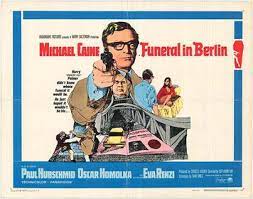
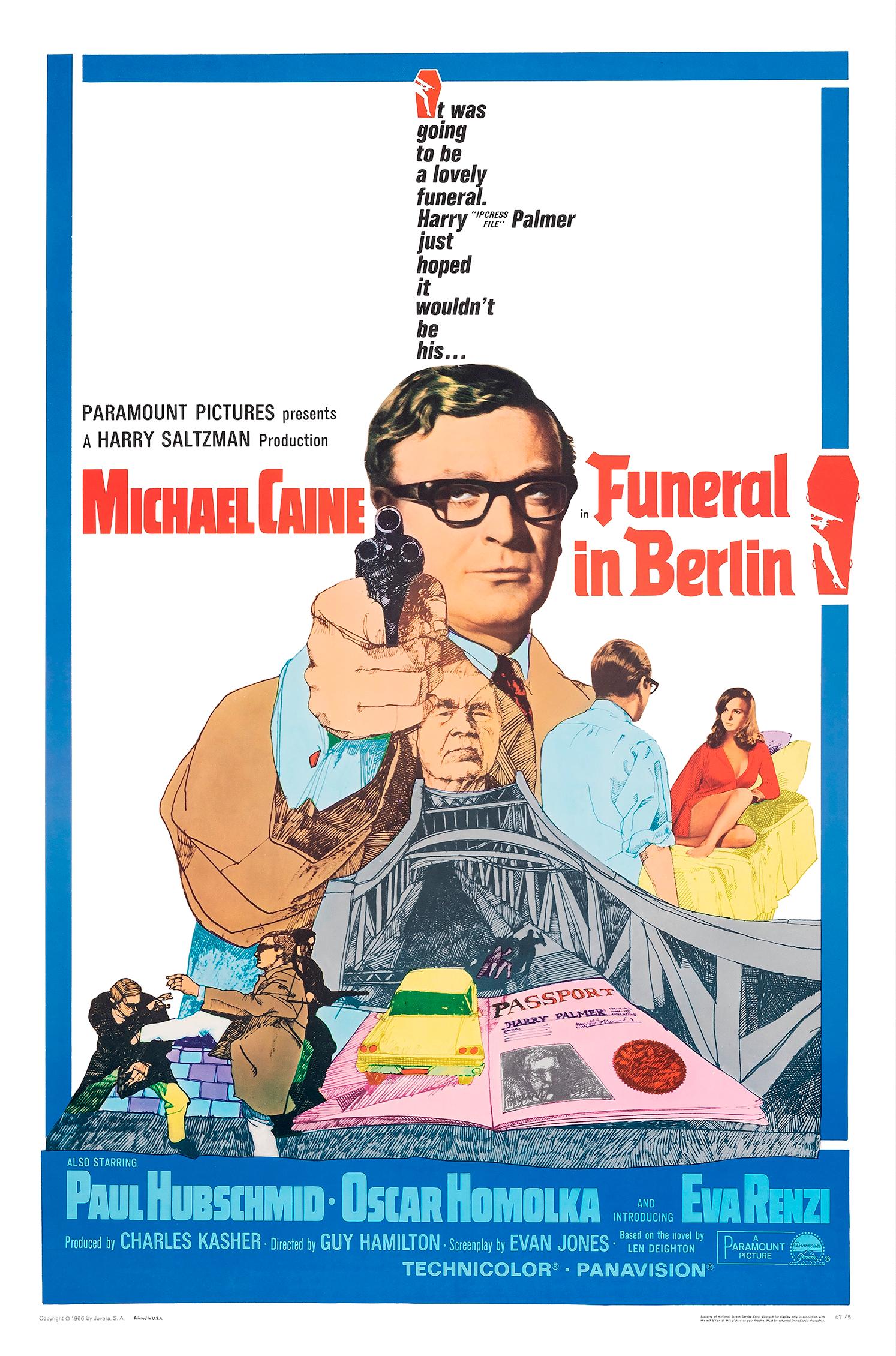
  • Blu-ray review: “Funeral in Berlin” (1966)

    “Funeral in Berlin” (1966)

    Drama

    Running Time: 102 minutes

    Written by: Evan Jones

    Directed by: Guy Hamilton

    Featuring: Michael Caine, Paul Hubschmid, Oskar Homolka, Eva Renzi, Guy Doleman and Hugh Burden

    Samantha Steel: “My name is Samantha Steel. Some people call me Sam.”

    Harry Palmer: “Edmund Dorf. Some people call me Edna.”

    Critical Commentary

    “Funeral in Berlin” is a 1966 British spy film directed by Guy Hamilton and based on the 1964 novel of the same name by Len Deighton. It is the second of three 1960s films starring Michael Caine as the character Harry Palmer that followed the characters from the initial film, “The Ipcress File” (1965). The third film was “Billion Dollar Brain” (1967).

    The film follows Palmer as he is sent to Berlin to arrange the defection of Colonel Stok, a prominent Soviet intelligence officer. Palmer is sceptical but links up with Johnny Vulkan, an old German friend and former criminal associate, who now runs the Berlin station for British intelligence. Palmer makes a rendezvous with Stok in the Soviet zone of the divided city, finding him eccentric and likeable. Stok asks for the defection to be managed by Otto Kreutzmann, a West German criminal who has organised a number of recent escapes. However, things are not as they seem. Stok is not who he appears to be, and Kreutzmann is not to be trusted. Palmer soon finds himself caught up in a web of intrigue and double-crossing, as he tries to unravel the truth and prevent a major international incident.

    The film’s plot is complex and convoluted, with a number of twists and turns. This is one of the things that makes the film so engaging, as the viewer is constantly trying to figure out what is going on. The film also does a good job of depicting the political and social tensions of the Cold War era, which adds to the sense of intrigue. The film’s plot is also notable for its use of double-crossing. This is a common theme in spy films, but it is handled particularly well in Funeral in Berlin. The viewer is never quite sure who to trust, and this adds to the suspense of the film.

    The film’s characters are well-developed and believable. Michael Caine gives a strong performance as Harry Palmer, and he is well-supported by the rest of the cast. Oscar Homolka is particularly good as Colonel Stok, and he brings a lot of depth to the role.

    The film’s characters are also interesting because they are not always what they seem. This is particularly true of Colonel Stok, who is initially portrayed as a harmless eccentric. However, as the film progresses, it becomes clear that Stok is a much more complex character.

    The film is set in Berlin, which was a divided city during the Cold War. This setting adds to the film’s sense of intrigue and danger. The film also does a good job of depicting the city’s divided nature, with the Western and Eastern zones being clearly demarcated.

    The film’s style is sleek and stylish. The cinematography is particularly good, and the film makes effective use of shadows and light. The film’s score is also atmospheric and suspenseful. The film’s style is also notable for its use of humor. This is not a typical spy film, and it does not take itself too seriously. The film’s humor helps to lighten the mood and make the film more enjoyable.

    “Funeral in Berlin” is a well-made and entertaining spy film. It is a classic of the genre, and it is still worth watching today. The film’s complex plot, well-developed characters, and stylish setting all contribute to its appeal. The film has also had a lasting legacy. It was one of the first British spy films to achieve international success, and it helped to pave the way for other films in the genre, such as “The Spy Who Came in from the Cold” (1965) and “Tinker Tailor Soldier Spy” (1979).

    The film does a good job of depicting the Cold War era. The film’s setting, Berlin, was a divided city during this time, and the film captures the sense of tension and uncertainty that existed in the city. The film also does a good job of depicting the political and social tensions of the Cold War era, which adds to the sense of intrigue.

    Second, I think the film’s humour is one of its strengths. The film does not take itself too seriously, and its humour helps to lighten the mood and make the film more enjoyable. However, the film’s humour is also used to great effect in some of the film’s more suspenseful moments. For example, there is a scene where Palmer is being chased by East German agents, and he uses humour to distract them and escape. This scene is both suspenseful and funny, and it is a great example of how the film’s humour is used to great effect.

    Finally, I think Funeral in Berlin is a film that still holds up today. The film’s complex plot, well-developed characters, and stylish setting all contribute to its appeal. The film is also notable for its use of humour, which helps to lighten the mood and make the film more enjoyable. If you are a fan of spy films, then I highly recommend checking out Funeral in Berlin. It is a classic of the genre, and it is still a lot of fun to watch today.

    “Funeral in Berlin” is a classic spy film that is still worth watching today. It is a well-made film with a complex plot, well-developed characters, and a stylish setting. The film is also notable for its use of humor, which helps to lighten the mood and make the film more enjoyable. If you are a fan of spy films, then you should definitely check out Funeral in Berlin. It is a classic of the genre, and it is still a lot of fun to watch today.

    Technical Commentary

    Video

    Presented in an aspect ratio of 2.35:1, encoded with MPEG-4 AVC and granted a 1080p transfer, “Funeral in Berlin” arrives on Blu-ray courtesy of Via Vision Entertainment. The release is sourced from an older master that was supplied by Paramount Pictures. The current master is fairly decent. Indeed, the biggest limitation of this master is its age, which means that even though most of the visuals do not look as fresh and vibrant as they should, the film still has an acceptable organic appearance. 

    Audio

    There is only one standard audio track on this Blu-ray release: LPCM 2.0. Optional English subtitles are provided for the main feature. The master that was used to produce this release is undoubtedly old, I think that the existing lossless track is near perfect. All you have to do to realize that it is so is turn up the volume slightly higher than usual and you will quickly conclude that the upper register is very healthy and the dynamic range is excellent. 

    Special Features

    • “Fun in Berlin” – in this new video interview, editor John Bloom recalls how he was approached by Guy Hamilton and offered the opportunity to work on Funeral in Berlin while he was still involved with Georgy Girl, and discusses the director’s working methods, the original footage he saw and synchronization of the dailies, his time in West Berlin where the bulk of the film was shot, some specific troubles with the producers of the film, etc. Also, there are some very interesting comments about the film’s soundtrack, which apparently Mr. Bloom found quite problematic. The interview was conducted in 2021. In English, not subtitled. (14 min).
    • “Michael Caine: Breaking the Mold” (1994) – in this archival program, Michael Caine discusses his life and career, his acting philosophy, the films and roles that had a profound impact on him and his image, and the socio-cultural environment in Britain during the ’60s. A small section of the program is dedicated to Alfie. Included in the program are clips from interviews with director Lewis Gilbert (Alfie), Roger Moore, Julie Walters, Bob Hoskins, Dennis Selinger (Caine’s agent), director Sidney J. Furie (The Ipcress File), and Angie Dickinson, amongst others. This program previously appeared on Via Vision Entertainment’s release of My Generation, which is included in the label’s two-disc release of Alfie. In English, not subtitles. (58 min).
    • “Afternoon Plus” (1983) – in this archival program, writer Len Deighton discusses Guy Hamilton and Evan Jones’ cinematic adaptation of his novel, the fact that in the early 1960s Ian Fleming stated that the novel was his favorite, class division and the totalitarian nature of communism, the rise of corruption in the communist states in Eastern Europe during the 1980s, etc. In English, not subtitled. (26 min).
    • “Candid Caine” (1969) – in this archival documentary, Michael Caine discusses his working methods, his background, and acting career. The actor also visits some of the special places from his childhood years and before he became famous. In English, not subtitled. (47 min).
    • Commentary – in this exclusive new audio commentary, Rob Mallows (from “The Deighton Dossier” website, which is an online resource about writer Len Deighton), discusses in great detail the various locations in West Berlin where key sections of Funeral in Berlin were shot, various plot points from the film and important events from the novel are recreated, Harry Palmer’s complex relationship with Ross (Guy Doleman), a few notable differences between Funeral in Berlin and The Ipcress File, etc. 
    • Photo Gallery – a collection of archival production and promotional stills for Funeral in Berlin With music. (3 min).
    • Trailer – vintage trailer for A Funeral in Berlin. In English, not subtitled. (3 min).
  • Trailer: “The Witcher” Series 3: Part 1

    “The Witcher” Series 3: Part 1

    Netflix has premiered yet one more trailer for the third season of its big-budget fantasy drama “The Witcher” based on the books by Andrzej Sapkowski.

    The clip puts the focus on the first part of the new season, which will run for five episodes arriving this Thursday, June 29th. The remaining three episodes for the season appear four weeks later, on July 27th.

    Series creator and showrunner Lauren Hissrich has previously indicated the new season is primarily an adaptation of “Time of Contempt,” one of the more action-heavy entries into Andrzej Sapkowski’s novel series.


    The new run is said to be closest to a one-to-one adaptation of the books thus far. It marks Henry Cavill’s final outing in the role of Geralt of Rivia, with Liam Hemsworth taking over the part for the show’s fourth and fifth season.
    Freya Allan, Anya Chalotra and Joey Batey co-star in the series which was filmed in Slovenia, Croatia, Morocco, parts of the Sahara, Wales, Surrey and Longcross Studios in England.
  • Blu-ray review: “The Ipcress File” (1965)

    “The Ipcress File” (1994)

    Drama

    Running Time: 109 minutes

    Written by: Bill Canaway

    Directed by: Sidney J. Furie

    Featuring: Michael Caine, Nigel Green, Guy Doleman and Sue Lloyd

    Major Dalby: “The next time you use CC1 authority, just you make sure you have it!”

    Palmer: “You know, it’s funny… If Radcliffe had been here, I’d have been… a hero.”

    Major Dalby: “He wasn’t. And you’re not.”

    Critical Commentary

    “The Ipcress File” is a 1965 British spy thriller film directed by Sidney J. Furie and starring Michael Caine as Harry Palmer, a British intelligence officer who is tasked with investigating the kidnapping of a nuclear scientist. The film is based on the 1962 novel of the same name by Len Deighton, and it was a critical and commercial success, helping to launch Caine’s career as a leading man.

    The film is set in London during the Cold War, and it is a gritty and realistic depiction of the world of espionage. Palmer is a working-class man who is drawn into the world of intelligence work by chance, and he quickly finds himself in over his head. He is faced with a number of challenges, including the kidnapping of the scientist, the threat of nuclear war, and the machinations of a Soviet spy ring.

    The film is notable for its suspenseful plot, its stylish visuals, and its iconic performances. Caine gives a memorable performance as Palmer, and he is ably supported by a cast that includes Guy Doleman, Nigel Green, and Sylvia Syms. The film’s director, Sidney J. Furie, also deserves credit for his stylish direction, which helped to make the film a classic of the spy thriller genre.

    One of the things that makes The Ipcress File so effective is its realism. The film does not shy away from the dark side of espionage, and it shows the toll that the job can take on its practitioners. Palmer is a complex character who is both flawed and sympathetic, and his journey is one that is both exciting and emotionally engaging.

    The film is also notable for its depiction of the Cold War. The film was made in the early 1960s, when the Cold War was at its height, and it captures the sense of paranoia and suspicion that was prevalent at the time. The film also shows the dangers of nuclear proliferation, and it raises questions about the ethics of espionage.

    “The Ipcress File” is a product of its time, and it reflects the Cold War anxieties that were prevalent in the early 1960s. The film’s plot revolves around the threat of nuclear war, and it shows the lengths that the Soviet Union will go to in order to acquire nuclear weapons. The film also raises questions about the ethics of espionage, and it suggests that the Cold War is a dangerous and morally ambiguous conflict.

    The film’s depiction of the world of intelligence work is also realistic and thought-provoking. Palmer is a working-class man who is drawn into the world of intelligence work by chance, and he quickly finds himself in over his head. He is faced with a number of challenges, including the kidnapping of the scientist, the threat of nuclear war, and the machinations of a Soviet spy ring.

    Palmer is a complex character who is both flawed and sympathetic. He is a skilled intelligence officer, but he is also a man of his time, and he is not immune to the prejudices and biases of the era. He is also a man of action, and he is not afraid to take risks in order to get the job done.

    The film’s supporting characters are also well-developed and memorable. Major Dalby is Palmer’s boss, and he is a tough but fair man who is willing to give Palmer a chance to prove himself. Jean Courtney is a fellow intelligence officer who is attracted to Palmer, but she is also suspicious of his motives. Colonel Ross is the head of the Soviet spy ring, and he is a ruthless and ambitious man who will stop at nothing to achieve his goals.

    The film’s style is stylish and atmospheric. The cinematography is sharp and evocative, and the music by John Barry is haunting and suspenseful. The production design is also impressive, and the film captures the look and feel of London in the early 1960s.

    “The Ipcress File” is a classic of the spy thriller genre, and it is a must-see for fans of the genre. The film is suspenseful, stylish, and thought-provoking, and it features a memorable performance by Michael Caine. If you are looking for a great spy thriller to watch, then The Ipcress File is the perfect choice.

    The film’s legacy is significant. It was a critical and commercial success, and it helped to launch Michael Caine’s career as a leading man. The film also influenced a number of other spy thrillers, including the James Bond films. The Ipcress File is a classic of the spy thriller genre, and it is a film that will continue to be enjoyed by fans for generations to come.
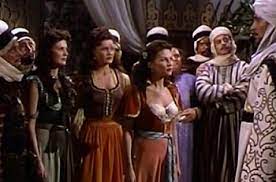
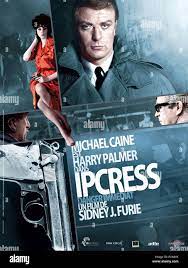
    “The Ipcress File” is a classic of the spy thriller genre, and it is a must-see for fans of the genre. The film is suspenseful, stylish, and thought-provoking, and it features a memorable performance by Michael Caine. If you are looking for a great spy thriller to watch, then The Ipcress File is the perfect choice.

    Technical Commentary

    Video

    Presented in an aspect ratio of 2.35:1, encoded with MPEG-4 AVC and granted a 1080p transfer, “The Ipcress File” arrives on Blu-ray courtesy of Via Vision Entertainment. The back cover confirms that this release was sourced from the old restored master that was prepared on behalf of ITV Studios in the United Kingdom. It is a pretty good master that makes it quite easy to enjoy the film, but there are different areas where some meaningful improvements can be made. 

    Audio

    There are two standard audio tracks on this Blu-ray release: English: DTS-HD Master Audio 5.1 (48kHz, 24-bit) and English: LPCM 2.0 Mono (48kHz, 24-bit). Optional English SDH subtitles are provided for the main feature. When turned on, they split the image and black bar below it. 

    Special Features

    • Audio Commentary One – this archival audio commentary was recorded by director Sidney J. Furie and film editor Peter Hunt. The two gentlemen offer plenty of invaluable information about the conception and production of The Ipcress File, the editing of the film (apparently director Furie never went to the editing room to work with Hunt), the evolution of the screenplay (which was rewritten every day), the lensing of different episodes, the critical reception and the fact that some critics described the film as “the thinking man’s James Bond”, etc.
    • Audio Commentary Two – film historians and critics Troy Howarth and Daniel Kremer share plenty of very interesting information about Sidney J. Furie’s framing choices and the evolving screenplay he had to work with, the use of music, the similarities and differences between The Ipcress File and the James Bond films that emerged during the same era, Ken Adam’s interesting ideas and work and how they shaped up the film’s visual style, the evolution of the British thriller (with specific comments about its stylistic appearance), the type of actors Furie liked to work with, etc. This is an outstanding commentary. Mr. Kremer is the author of Sidney J. Furie: Life and Films and produces a terrific summation of the director’s entire career, with factual information that is clearly very well researched. The commentary was commissioned by Kino Lorber. 
    • Michael Caine is Harry Palmer – in this archival interview, Michael Caine recalls how he was approached and asked to play Harry Palmer, and discusses his interactions with the rest of the cast members, the film’s production history, etc. In English, not subtitled. (20 min).
    • The Design File – in this archival video interview, production designer Ken Adam discusses his contribution to The Ipcress File and its production history. In English, not subtitled. (11 min).
    • Locations Report – in this new program, critic Richard Dacre discusses Len Deighton’s novel that inspired The Ipcress File, the casting of Michael Caine, the evolution of the spy character, as well as the various key locations in London that were used by director Sidney J. Furie. Then-and-now comparisons are included. The program was produced exclusively for Via Vision Entertainment in 2021. In English, not subtitled. (20 min).
    • Through the Keyhole – in this new video interview, second assistant director Denis Johnson Jr. discusses some of director Sidney J. Furie’s unusual lensing choices in The Ipcress File, a few key locations that are seen in the film, as well as its tone. The interview was conducted exclusively for Via Vision Entertainment in 2021. In English, not subtitled. (4 min).
    • Counting the Cash – in this new video interview, assistant production accountant Maurice Landsberger recalls his contribution to The Ipcress File and comments on the production process. The interview was conducted exclusively for Via Vision Entertainment in 2021. In English, not subtitled. (8 min).
    • The Design File – in this archival video interview, production designer Ken Adam discusses his contribution to The Ipcress File and its production history. In English, not subtitled. (11 min).
  • Trailer: “Star Trek: Strange New Worlds Season Two” (2023)

    Trailer: “Star Trek: Strange New Worlds Season Two” (2023)

    Paramount+ has released a new trailer for the second season of “Star Trek: Strange New Worlds,” this one showing off what’s to come on the season ahead following last week’s season premiere.

    There’s more of Jack Quaid as Ensign Brad Boimler in the crossover episode with “Star Trek: Lower Decks,” glimpses of the court-martial of Number One, the return of the Gorn Hegemony, a scene with Lt. James T. Kirk and Ensign Uhura talking about death, and a shot with Spock having somehow become human.

    Captain Pike will be back in force in the second episode “Ad Astra Per Asprera” airing on Thursday June 22nd – the episode focusing on the court martial. Other notable episodes this year include the seventh which deals with the ‘Lower Decks’ crossover, and the ninth which numerous cast members have dubbed their clear favorite of the season.

    The second season of “Star Trek: Strange New Worlds” will wrap on August 17th.

  • “Agatha Christie’s Poirot – Final Case Fiile Collection Series 9 – 13” (1999 – 2000)

    “Agatha Christie’s Poirot” (1999 – 2000)

    Television

    Twenty-One Episodes

    Created by: Agatha Christie

    Featuring: David Suchet 

    Poirot: “There are many things not called poison which can kill a man,” 

    Hercule Poirot is a British television series based on the works of Agatha Christie. It stars David Suchet as the Belgian detective Hercule Poirot. The series ran for 13 seasons and 70 episodes, and it was one of the most popular detective series of all time.

    The series was praised for its faithful adaptation of Christie’s novels, its excellent cast, and Suchet’s masterful portrayal of Poirot. Suchet captured Poirot’s eccentricities and his brilliant mind, and he made him a truly memorable character.

    The series also featured a number of other memorable characters, including Poirot’s faithful companion Captain Hastings (Hugh Fraser), his secretary Miss Lemon (Philippa Lowthorpe), and his rival Inspector Japp (John Malkovich).

    The cases featured in the series were all based on Christie’s novels and short stories. They ranged from classic whodunits to more complex psychological thrillers. The series also featured a number of guest stars, including Peter Ustinov, Joan Collins, and David Niven.

    Hercule Poirot was a critical and commercial success. It won numerous awards, including the BAFTA Award for Best Drama Series (1990) and the Golden Globe Award for Best Miniseries or Television Film (1991). The series was also a huge hit with viewers, and it has been broadcast in over 100 countries.

    There are a number of reasons why Hercule Poirot is so popular. First, the series is a faithful adaptation of Christie’s novels. This means that fans of the books will be able to enjoy the series without any major changes.

    Second, the cast is excellent. David Suchet is a brilliant actor, and he captures Poirot’s eccentricities and his brilliant mind perfectly. The other actors in the series are also very good, and they help to bring the characters to life.

    Third, the cases are well-written and suspenseful. Christie was a master of plotting, and her cases are always interesting and engaging. The series does a good job of adapting these cases for the screen, and they never fail to keep viewers guessing.

    Fourth, the series is visually appealing. The production values are high, and the series is beautifully shot. The locations are also well-chosen, and they help to create a sense of atmosphere.

    Fifth, the series is timeless. The cases are still relevant today, and they offer a glimpse into the past. The series also features a number of social and historical themes, which make it more than just a simple mystery series.

    Hercule Poirot is a classic detective series that is still enjoyed by viewers today. It is a faithful adaptation of Christie’s novels, it features an excellent cast, and it is visually appealing. The cases are well-written and suspenseful, and they offer a glimpse into the past. If you are a fan of Agatha Christie or detective series in general, then you should definitely check out Hercule Poirot.

    In addition to the reasons mentioned above, I think Hercule Poirot is so popular because it is a comforting show. The cases are always well-plotted and suspenseful, but they also have a sense of closure. We know that Poirot will always solve the case, and that justice will be served. This makes the show a great escape from the stresses of everyday life.

    I also think Hercule Poirot is popular because it is a show that can be enjoyed by people of all ages. The cases are complex enough to keep adults engaged, but they are also simple enough for children to understand. This makes it a great show to watch as a family.

    Overall, I think Hercule Poirot is a wonderful show that is sure to entertain viewers of all ages. It is a classic detective series that is still relevant today, and it is a great escape from the stresses of everyday life.

    Episodes

    Season Nine

    Five Little Pigs: Lucy Crale enlists Poirot to investigate the 14-year-old murder in which her mother was hanged for poisoning her artist father.

    Sad Cypress: Elinor Carlisle seems to be the obvious murderer of her ailing aunt and the beautiful romantic rival who broke up her engagement, but Poirot uncovers darker motives.

    Death on the Nile: A wealthy American heiress honeymooning on a Nile cruise ship is stalked by a former friend, whose boyfriend she had stolen before making him her new husband.

    The Hollow: Poirot stumbles on the murder scene of philandering Dr Christow in a country house as his wife standing next to him with a revolver in her hand.

    Season Ten

    The Mystery of the Blue Train: Poirot investigates the brutal murder of an American heiress and the theft of a fabulous ruby on the Blue Train between Calais and Nice.

    Cards on the Table: The enigmatic, sinister Mr. Shaitana, one of London’s richest men, invites 8 guests, 4 of them possible murderers and 4 ‘detectives’ to his opulent apartment.

    After the Funeral: When a man disinherits his sole beneficiary and bequeaths his wealth to others just prior to his death, Poirot is called in to investigate.

    Taken at the Flood: A young widow is left in sole possession of her late husband’s fortune, and her brother refuses to share it with her in-laws – so they enlist Poirot to try to prove that the widow’s missing first husband might not be dead after all.

    Season Eleven

    Mrs McGinty’s Dead: A pair of photographs are the only clues that Poirot has to solve the murder of a village charwoman, and to prove the innocence of the victim’s lodger.

    Cat Among the Pigeons: A foreign revolution, a kidnapped princess, and a trove of priceless rubies are linked to a prestigious girls’ school, where staff members are brutally murdered.

    Third Girl: After a seemingly neurotic young heiress tells Ariadne Oliver and Poirot that she thinks she may have killed someone, her ex-nanny is found with her wrists slashed.

    Appointment with Death: Syria 1937. While accompanying her husband on an archaeological dig, the abusive and overbearing Lady Boynton is found stabbed to death.

    Season Twelve

    Three Act Tragedy: When a vicar chokes to death on a cocktail while attending a party held by actor Sir Charles Cartwright, Poirot initially dismisses the idea of murder but reconsiders when another guest dies in the same manner.

    Hallowe’en Party: During a village’s Hallowe’en party, a young girl boasts of having witnessed a murder from years before. No one believes her tale until her body is found later on in the evening, drowned in the apple-bobbing bucket.

    Murder on the Orient Express: Poirot investigates the murder of a shady American businessman stabbed in his compartment on the Orient Express when it is blocked by a blizzard in Croatia.

    The Clocks: Four clocks surround an unidentified corpse in a blind woman’s house, and a young typist is summoned to the crime scene. However, Poirot is convinced that the complicated setup is merely hiding a simpler solution.

    Season Thirteen

    Elephants Can Remember: Ariadne Oliver becomes an amateur sleuth when her goddaughter tasks her to find out the truth behind her parents’ mysterious deaths.

    The Big Four: As the threat of world war looms large, Poirot seeks the help of friends both old and new when he is pitted against a dangerous group of dissidents responsible for a series of violent murders.

    Dead Man’s Folly: Mrs Oliver is asked to devise a murder hunt for a Devon fête, but her sense of foreboding summons Poirot to the scene. Her fears are realized when the girl playing murder victim winds up truly murdered.

    The Labours of Hercules: Poirot’s pursuit of an infamous art thief leads him to a snowbound hotel in the Swiss Alps, where he is met with a plethora of mysteries and the reappearance of a familiar face from the past.

    Curtain: Poirot’s Last Case: An ailing Poirot returns to Styles with Hastings nearly three decades after solving their first mystery there in order to prevent a serial killer from claiming more victims.

  • Trailer: “Kraven the Hunter” (2023)

    Trailer: “Kraven the Hunter” (2023)

    “Kraven the Hunter” is an upcoming American superhero film based on the Marvel Comics character of the same name, produced by Columbia Pictures in association with Marvel Entertainment. Distributed by Sony Pictures Releasing, it is intended to be the fourth film in Sony’s Spider-Man Universe (SSU). The film was directed by J. C. Chandor and written by Art Marcum, Matt Holloway, and Richard Wenk. It stars Aaron Taylor-Johnson in the title role alongside Ariana DeBose, Russell Crowe, Fred Hechinger, and Alessandro Nivola.

    “Kraven the Hunter” was considered for film appearances several times before Sony became interested in a standalone film for the character, as part of their new shared universe, in 2017. Wenk was hired in August 2018, with Marcum and Holloway joining later. Chandor entered negotiations to direct in August 2020, and was confirmed in May 2021 when Taylor-Johnson was cast. Further casting took place in early 2022, before filming began in late March in London, England and concluded by mid-June.

    Kraven the Hunter is scheduled to be released in the United States on October 6, 2023.

  • DVD review: “The Passengers of the Night” (2022)

    “The Passengers of the Night” (2022)

    Drama

    Running Time: 111 minutes

    Written by: Mikhaël Hers, Maude Ameline and Mariette Désert

    Directed by: Mikhaël Hers

    Featuring: Charlotte Gainsbourg, Quito Rayon-Richter, Noée Abita, Megan Northam, Thibault Vinçon, Emmanuelle Béart, Laurent Poitrenaux and Didier Sandre

    Elisabeth: “I prefer to be understood.”

    “The Passengers of the Night” is a 2022 French drama film directed by Mikhaël Hers and starring Charlotte Gainsbourg, Noémie Merlant, and Emmanuelle Béart. The film follows a young woman named Elisabeth (Merlant) who, after the death of her husband, moves into a boarding house in Paris. There, she meets a group of other women who are all struggling with their own personal losses. As they bond over their shared experiences, Elisabeth begins to find a new sense of purpose in life.

    The film is a slow-burning, atmospheric character study that explores the themes of grief, loss, and resilience. Hers’s direction is assured and elegant, and he creates a rich and evocative portrait of Paris. The performances are all top-notch, with Gainsbourg giving a particularly memorable turn as Elisabeth.

    The Passengers of the Night is a beautifully made film that is sure to resonate with anyone who has ever experienced loss. It is a film about the power of connection and the importance of finding hope in the darkest of times.

    The film’s direction is assured and elegant. Hers creates a rich and evocative portrait of Paris, and he uses the city’s streets and architecture to great effect in conveying the film’s themes.

    The performances are all top-notch. Gainsbourg gives a particularly memorable turn as Elisabeth, and she is supported by strong performances from Merlant, Béart, and the rest of the cast.

    The film is beautifully shot. The cinematography is stunning, and the film’s use of light and shadow is particularly effective.

    The film’s themes are universal and relatable. The film explores the themes of grief, loss, and resilience, and it is sure to resonate with anyone who has ever experienced these emotions.

    The film is slow-paced and may not appeal to everyone.

    The film’s ending is somewhat ambiguous, which may leave some viewers unsatisfied.

    The film’s direction is one of its strongest aspects. Hers creates a rich and evocative portrait of Paris, and he uses the city’s streets and architecture to great effect in conveying the film’s themes. The film is beautifully shot, with the cinematography by Sébastien Buchmann capturing the city’s beauty in all its different moods. The use of light and shadow is also particularly effective, creating a sense of atmosphere and mood that is perfectly suited to the film’s subject matter.

    The performances are all top-notch. Gainsbourg gives a particularly memorable turn as Elisabeth. She conveys Elisabeth’s grief and loss with subtlety and nuance, and she also captures her strength and resilience. Merlant is also excellent as Talulah, and she has a great chemistry with Gainsbourg. Béart is also good as Vanda, and she brings a sense of warmth and compassion to the role. The rest of the cast is also strong, with all of the actors giving believable and committed performances.

    The film’s themes are universal and relatable. The film explores the themes of grief, loss, and resilience, and it is sure to resonate with anyone who has ever experienced these emotions. The film also explores the themes of family, friendship, and community, and it shows how these relationships can help us to cope with loss and find hope in the darkest of times.

    The film’s ending is somewhat ambiguous, which may leave some viewers unsatisfied. However, I believe that the ambiguity is appropriate for the film’s themes. The film is about the journey of grief and loss, and it does not offer any easy answers. The ending leaves the viewer to think about the film’s themes and to draw their own conclusions.

    “The Passengers of the Night” is a beautifully made film that is sure to resonate with anyone who has ever experienced loss. It is a film about the power of connection and the importance of finding hope in the darkest of times. I highly recommend it.

    Overall, The Passengers of the Night is a beautifully made film that is sure to resonate with anyone who has ever experienced loss. It is a film about the power of connection and the importance of finding hope in the darkest of times.

    Recommendation:

    I would recommend this film to fans of slow-burning character studies and films that explore the themes of grief and loss. The film is beautifully made and features strong performances from the cast. However, the film is slow-paced and may not appeal to everyone.

  • DVD review: “My Old School (2022)

    “My Old School (2022)

    Documentary

    Running Time: 115 minutes

    Directed by: Jono McLeod

    Featuring: Alan Cumming, Clare Grogan and Lulu

    Narrator: “So, many of us would think, if we had our time over again, what would we do? In fact, he tried to do exactly the same thing he had done the first time.”

    “My Old School” is a 2022 documentary film directed by Jono McLeod. The film tells the story of Brian MacKinnon, a 30-year-old man who posed as a 16-year-old student at Bearsden Academy in Glasgow, Scotland, from 1993 to 1995.

    The film was a critical and commercial success, winning the Audience Award for Best Documentary at the 2022 Sundance Film Festival. It was also nominated for the BAFTA Scotland Award for Best Documentary and the Grierson Award for Best Documentary.

    The film begins with McLeod, who was a student at Bearsden Academy at the same time as MacKinnon, reflecting on his memories of the time. He remembers being intrigued by MacKinnon, who was a brilliant student and a popular member of the school community.

    As the film progresses, McLeod interviews MacKinnon, his former classmates, and his teachers. He learns that MacKinnon had a troubled childhood and that he posed as a teenager in order to escape his past.

    The film also explores the social and cultural context of MacKinnon’s deception. In the early 1990s, there was a growing awareness of the issue of child sexual abuse. MacKinnon’s deception tapped into this fear and anxiety, and it led to a media frenzy when it was revealed in 1995.

    “My Old School” is a fascinating and disturbing film. It is a story about deception, identity, and the power of memory. It is also a reminder of the importance of compassion and understanding.

    The film has been praised for its sensitive handling of a sensitive subject matter. McLeod has been commended for his ability to create a film that is both entertaining and thought-provoking.

    “My Old School” is a must-see for anyone interested in true crime, social history, or the power of storytelling. It is a film that will stay with you long after you have seen it.

    Here are some of the things that you can learn from “My Old School”:

    The power of deception: “My Old School” shows the power of deception. MacKinnon was able to deceive his classmates, teachers, and even his family for two years. This shows how easy it can be for people to be fooled, even by those they know and trust.

    The importance of identity: “My Old School” also explores the importance of identity. MacKinnon posed as a teenager because he wanted to escape his past and create a new identity for himself. This shows how important it is for people to feel like they belong and that they have a sense of identity.

    The power of compassion: “My Old School” is ultimately a story about compassion. McLeod shows how the people who knew MacKinnon were able to forgive him and move on. This shows how important it is to be compassionate and understanding, even when someone has done something wrong.

    I hope that you will take the time to watch “My Old School”. It is a powerful and moving film that will stay with you long after you have seen it.

  • Blu-ray review: “Broker” (2022)

    “Broker” (2022)

    Drama

    Running Time: 129 minutes

    Written and directed by: Hirokazu Kore-eda

    Featuring: Song Kang-ho, Gang Dong-won, Bae Doona, Lee Ji-eun and Lee Joo-young

    Dong-soo: “It might rain. Take an umbrella.”

    Moon So-young: “Come and get me if it rains. With an umbrella.”

    Critical Commentary

    Broker is a 2022 South Korean drama film directed by Hirokazu Kore-eda. The film stars Song Kang-ho, Kang Dong-won, IU, and Bae Doona. It follows two brokers who run a business of finding adoptive parents for babies abandoned in “baby boxes”. After an infant’s mother surprises the duo by returning to ensure her child finds a good home, the three embark on a journey to find the right couple, building an unlikely family of their own.

    The film premiered at the 75th Cannes Film Festival on May 26, 2022, where it won the award for Best Actor for Song Kang-ho. It was released in South Korea on June 8, 2022.

    The film opens with a young woman named So-young (IU) leaving her newborn baby in a “baby box”. The next day, two brokers, Sang-hyun (Song Kang-ho) and Dong-soo (Kang Dong-won), collect the baby and take it to their office. They plan to find a good adoptive family for the baby, but So-young soon returns to the office, determined to keep her child.

    Sang-hyun and Dong-soo agree to help So-young find a family for her baby, but only if she agrees to go on a road trip with them. They travel to different cities, meeting with potential adoptive parents. Along the way, they bond with So-young and the baby, and they begin to question their own beliefs about family and adoption.

    “Broker” explores a number of themes, including family, adoption, and motherhood. The film challenges the traditional definition of family, suggesting that it is not always defined by blood or legal ties. It also explores the complex emotions that mothers experience when they give up their children for adoption.

    The film is also notable for its depiction of the “baby box” system. Baby boxes are small, anonymous boxes where parents can anonymously leave their newborns. The boxes are monitored by social workers, who ensure that the babies are safe and healthy. The system is controversial, with some people arguing that it encourages abandonment. However, the film argues that the baby box system can be a lifeline for mothers who are struggling to care for their children.

    The film has also been praised by critics for its sensitive handling of the subject matter. The Hollywood Reporter called it “a moving and compassionate film that explores the complex emotions of motherhood and adoption.” The New York Times said that it is “a beautifully made film that is both heartbreaking and hopeful.”

    The film’s depiction of the “baby box” system is particularly noteworthy. The system is controversial, with some people arguing that it encourages abandonment. However, the film argues that the baby box system can be a lifeline for mothers who are struggling to care for their children. The film shows how the system can provide a safe and anonymous way for mothers to give up their children, and how it can help to connect mothers with adoptive families who are looking for children.

    The film’s cast is excellent. Song Kang-ho gives a standout performance as Sang-hyun, the compassionate broker who helps So-young find a family for her baby. Kang Dong-won is also excellent as Dong-soo, the more cynical broker who is initially reluctant to help So-young. IU gives a strong performance as So-young, the young mother who is struggling to make a decision about her baby. Bae Doona is also good as Sang-hyun’s wife, who is also a broker.

    The film’s direction is also excellent. Hirokazu Kore-eda is a master filmmaker, and he brings his usual sensitivity and compassion to the film. He creates a film that is both heartbreaking and hopeful, and he explores the complex themes of family, adoption, and motherhood with great skill. “Broker” is a moving and thought-provoking film that is well worth a watch. It is a film that will stay with you long after you have seen it.

    “Broker” is a moving and thought-provoking film that explores the complex themes of family, adoption, and motherhood. The film is beautifully made and features strong performances from its cast. If you are looking for a film that will make you think and feel, then “Broker” is definitely worth a watch.

    Technical Commentary

    Video

    The AVC encoded image (1.85:1 aspect ratio) presentation offers a satisfactory level of detail, with facial particulars most pronounced, examining differences in age. Urban tours retain a level of texture with building exteriors and decorative additions. Cityscapes and rural travel preserve deep distances, showing off the bigness of the locations and all the architectural offerings found along the way. Costuming is fibrous, including softer baby gear and thicker business attire. 

    Audio

    The 5.1 DTS-HD MA mix deals with the gentle ways of “Broker,” offering crisp instrumentation with scoring cues, which provide a warmer sound to support the feature’s emotional moods. Dialogue exchanges are distinct, securing clear conversations and delicate confessions. Surrounds are active, exploring atmospherics with changing weather and community bustle, also capturing a sense of the open world with outdoor events. 

  • Trailer: “Foundation: Series 2” (2023)

    Trailer: “Foundation: Series 2” (2023)

    Apple TV+ has released the full-length trailer for the second season of its long-in-the-works adaptation of Isaac Asmio’s hard sci-fi novel series “Foundation”.

    The story chronicles a band of exiles on their unprecedented journey to rebuild civilization amid the fall of the Galactic Empire. Four crucial individuals who transcend space and time are faced with deadly crises, shifting loyalties and complicated relationships that will ultimately determine the fate of humanity.

    Beginning more than a century after the season one finale, the new run sees tension mounting throughout the galaxy. As the Cleons unravel, a vengeful queen plots to destroy the Empire from within.

    Hari, Gaal, and Salvor discover a colony of Mentalics with psionic abilities that threaten to alter psychohistory itself. The Foundation has entered its religious phase, promulgating the Church of Seldon throughout the Outer Reach and inciting the Second Crisis: war with Empire.

    The ensemble cast includes Jared Harris, Lee Pace, Lou Llobell, Leah Harvey, Laura Birn, Terrence Mann, and Cassian Bilton, who are joined in the new run by Isabella Laughland, Kulvinder Ghir, Sandra Yi Sencindiver, Ella-Rae Smith, Dimitri Leonidas, Ben Daniels, Holt McCallany, Rachel House, and Nimrat Kaur.

    David S. Goyer serves as showrunner of the series, with the second season arriving on the platform on July 14th with the season to run through to September 15th.