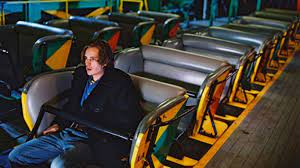
Netflix has unveiled the full trailer for “Game of Thrones” writer-producers David Benioff and Dan Weiss’ new series – the sci-fi epic “3 Body Problem” at Netflix.
The project is based on Chinese author Liu Cixin’s sci-fi trilogy which tells the story of what happens when humanity discovers that we are not alone in the universe and prepares for an alien force arriving from a distant and inhospitable world.
“A young woman’s fateful decision in 1960s China reverberates across space and time into the present day. When the laws of nature inexplicably unravel before their eyes, a close-knit group of brilliant scientists join forces with an unorthodox detective to confront the greatest threat in humanity’s history.”
The show’s expansive cast includes Jovan Adepo, John Bradley, Rosalind Chao, Liam Cunningham, Eiza González, Jess Hong, Marlo Kelly, Alex Sharp, Sea Shimooka, Zine Tseng, Saamer Usmani, Benedict Wong and Jonathan Pryce.
“3 Body Problem” will launch on Netflix on March 21st.
Featuring: Emma Stone, Mark Ruffalo, Willem Dafoe, Ramy Youssef, Christopher Abbott and Jerrod Carmichael
Dr. Godwin Baxter:“My father once told me, “Always carve with compassion.” He was a fucking idiot, but it’s not bad advice.”
Yorgos Lanthimos, the cinematic architect of the bizarre, brings another fever dream to life with “Poor Things,” a Frankensteinian romp through Victorian-era absurdity. Based on Alasdair Gray’s equally grotesque novel, the film is a sumptuous feast of off-kilter charm, audacious humour, and unsettling questions about gender, mortality, and the very essence of humanity.
At the heart of this madcap concoction lies Bella (Emma Stone, radiating childlike curiosity through disfigured features), a woman stitched together from the drowned and the desperate by the unorthodox Dr. Godwin (Willem Dafoe, relishing in every twitch and tic). Reborn without memory, Bella embarks on a journey of self-discovery, navigating the labyrinthine world of 19th-century society with a frankness that disarms and delights.
Lanthimos, master of deadpan delivery and awkward social interactions, paints a hilarious and unsettling portrait of this era. Every scene is meticulously crafted, a tapestry of meticulously chosen details that scream of Victorian excess and repressed desires. From the grotesquely opulent dinner parties to the hilariously stilted dialogues, the film revels in its own absurdity, poking fun at societal norms and scientific hubris with a gleefully morbid touch.
Stone is a revelation as Bella, her performance defying categorization. With wide-eyed wonder and razor-sharp wit, she embodies the Frankensteinian creation in all her fractured glory. Her journey, from childlike innocence to liberated womanhood, is both poignant and darkly comedic, a testament to Stone’s versatility and comedic timing.
The supporting cast is equally brilliant, each offering a twisted charm to the proceedings. Mark Ruffalo, as the lovelorn and perpetually perplexed Sir Godfrey, provides the film’s emotional anchor, while Ramy Youssef brings a manic energy to his role as the flamboyant and scheming Baron. Willem Dafoe, as the mad scientist with a heart of Frankenstein’s monster, is as captivatingly unsettling as ever, injecting the film with a constant sense of lurking unease.
But “Poor Things” is more than just a parade of eccentricities. Beneath the surface of its flamboyant costumes and grotesque humour lies a surprisingly tender exploration of identity, desire, and the very definition of what it means to be human. Bella’s journey is a poignant quest for self-acceptance, challenging both societal expectations and the arbitrary definitions of gender and morality. The film grapples with questions of belonging, the scars we carry (both literal and metaphorical), and the transformative power of love and acceptance.
However, Lanthimos’ signature ambiguity can become a double-edged sword. While it allows for multiple interpretations and keeps the audience perpetually engaged, it can also leave some feeling adrift in a sea of absurdity. The film’s pacing occasionally stumbles, losing momentum as it dives deep into Bella’s internal struggles. And while the abrupt ending might satisfy some for its open-endedness, others may crave a more concrete resolution.
Beneath the flamboyant costumes and grotesque humour of “Poor Things” lies a rich tapestry of thematic threads, each woven into a commentary on the very fabric of human existence.
Gender and the Re-assembled Self: Bella, a being stitched together from female fragments, challenges the rigid constructs of Victorian womanhood. Her Frankensteinian existence forces a re-evaluation of gender as fixed or innate, instead presenting it as fluid and constructed. Her journey of self-discovery becomes a subversion of traditional feminine narratives, as she embraces her own desires and agency, defying societal expectations of passivity and obedience.
The Body Politic: Class and Scientific Hubris: Dr. Godwin’s grotesque experiment reflects the societal obsession with control and manipulation, particularly towards the “othered” classes. Bella’s body becomes a canvas for scientific and social anxieties, her very existence a transgression against the natural order. The film satirizes the scientific elite’s hubris, blurring the lines between creator and monster, and posing unsettling questions about who gets to define normalcy and who bears the consequences of transgression.
Love in the Face of Absurdity: Despite the dark humor and unsettling circumstances, “Poor Things” offers a surprisingly tender exploration of love and acceptance. Bella’s relationship with Sir Godfrey transcends societal expectations, offering a glimpse of genuine connection amidst the absurdity. Their love becomes a refuge from the harsh realities of Bella’s existence, highlighting the transformative power of compassion and acceptance in the face of the unknown.
Mortality and the Grotesque: The film confronts mortality head-on, revelling in the grotesque beauty of the human body, both living and stitched-together. Bella’s very existence embodies the ephemerality of life, her patchwork form a constant reminder of death’s ever-present gaze. Yet, even within this morbid reality, the film finds humour and even defiance, celebrating the resilience of the human spirit even in the face of decay and dissolution.
Beyond Humanity: The Monstrous and the Miraculous: Ultimately, “Poor Things” pushes the boundaries of what defines humanity. Is Bella a monster, a woman, or something entirely different? The film refuses to provide easy answers, inviting us to grapple with the concept of humanity itself. In its ambiguity lies the film’s power, forcing us to confront our own prejudices and preconceptions about who deserves to belong and what truly makes us human.
This thematic analysis is just a starting point for a conversation that the film so brilliantly provokes. Each viewer will likely find their own resonances within these threads, and the film’s open-ended conclusion invites further exploration and interpretation. By unpacking these themes, we can appreciate the depth and complexity of “Poor Things,” a film that is as grotesque as it is beautiful, as absurd as it is profound, and ultimately, a haunting and unforgettable cinematic experience.
Despite its minor flaws, “Poor Things” is a triumph of audacious filmmaking, a film that dares to laugh in the face of the macabre and find beauty in the grotesque. It’s a testament to Lanthimos’ unique vision, a cinematic feast that will linger long after the credits roll, leaving viewers both exhilarated and deeply unsettled. It’s not a film for everyone, but for those who embrace the strange and revel in the delightfully deformed, “Poor Things” is a cinematic delicacy, a Frankensteinian Franken-Frankenstein’s feast for the senses.
20th Century Studios has released the first trailer for “The First Omen,” an upcoming psychological thriller prequel to Richard Donner’s classic 1976 film and its two sequels.
Arkasha Stevenson helms the new film in which a young American woman is sent to Rome to begin a life of service to the church. She encounters a darkness that causes her to question her own faith and uncovers a terrifying conspiracy that hopes to bring about the birth of evil incarnate.
Nell Tiger Free, Tawfeek Barhom, Sonia Braga, Ralph Ineson and Bill Nighy star.
Stevenson, Tim Smith and Keith Thomas penned the script from a story by Ben Jacoby, whilst David S. Goyer and Keith Levine produce.
“The First Omen” is set for a wide theatrical release on April 5th 2024.
Featuring: Sydney Sweeney, Glen Powell, Alexandra Shipp, GaTa, Hadley Robinson, Michelle Hurd, Dermot Mulroney, Darren Barnet, Bryan Brown and Rachel Griffiths
Bea:“Saying something is cringe is cringe, old man.”
“Anyone But You” aims to be a frothy escape, a sun-drenched getaway to romantic comedy paradise. Starring the undeniably charismatic Sydney Sweeney and Nicholas Powell, it throws everything a rom-com can muster at the screen: meet-cute, luxurious locales, jealous exes, and of course, scorching chemistry. But while the ingredients are there, the final dish feels slightly undercooked.
The plot dances a familiar jig. Bea, a free-spirited travel blogger, and Ben, a buttoned-up architect, clash and spark in a chance encounter. Naturally, they end up stranded on a paradise island with a cast of colourful characters, navigating misunderstandings, misadventures, and the gradual tug of hearts. Sweeney and Powell exude charm, their banter crackling with wit and their physicality showcasing that undeniable “it” factor. The supporting cast, including a scene-stealing koala and a hilariously over-the-top socialite, bring comedic bursts.
However, the film stumbles on the script. Predictable twists and uninspired jokes pepper the narrative, often relying on slapstick and outdated rom-com tropes. The central conflict, a misunderstanding fueled by poor communication, could easily be resolved with a simple conversation, yet it drags on, testing the audience’s patience. Additionally, the film’s lavish setting and wealthy characters, while visually appealing, can feel alienating, pushing the “escapism” button a bit too hard.
“Anyone But You” isn’t devoid of charm. The leads carry the movie with their undeniable charisma, and there are scattered moments of genuine humor and heartfelt connection. But ultimately, it falls short of its rom-com ambitions. The predictable plot, uninspired humor, and lack of real emotional depth leave you wanting more. It’s a pleasant enough diversion, a summer breeze that flits by without leaving much of a trace.
While “Anyone But You” presents itself as a light-hearted romp, its roots dig into a surprising source: Shakespeare’s “Much Ado About Nothing.” The film, directed by Will Gluck, known for modernizing classic tales (“Easy A,” “Cruella”), attempts to transplant the Bard’s witticisms and romantic entanglements into a 21st-century rom-com setting. However, the success of this transposition is a mixed bag.
Beatrice and Benedick 2.0: The core couple of Bea and Ben mirror Beatrice and Benedick, a pair known for their sharp tongues and reluctant attraction. Sweeney and Powell capture the fiery banter and simmering chemistry, but their characters lack the depth and nuance of their Shakespearean counterparts.
Miscommunication as a Driving Force: The central conflict in both works stems from a misunderstanding orchestrated by meddling friends. However, the film’s resolution relies on contrivances rather than the organic character growth and introspection seen in the play.
The Role of Comedy: The film embraces physical comedy and slapstick, a departure from Shakespeare’s reliance on wordplay and clever dialogue. While this approach elicits laughs, it often feels out of sync with the more intimate moments, creating a jarring tonal imbalance.
Underdeveloped Characters: The supporting cast, while entertaining, often veers into caricature. The film’s attempts to update Shakespearean archetypes, like the villainous Don John and the bumbling constable Dogberry, fall flat, lacking the complexity and wit of their original counterparts.
The film leans heavily on familiar rom-com tropes, from the meet-cute to the grand gesture. While these conventions can be comforting, their predictability saps the narrative of tension and surprise.
The film touches on themes of societal expectations, career ambitions, and personal growth, but it doesn’t delve deeply enough to offer meaningful insights or challenge conventional rom-com tropes.
Despite its Shakespearean echoes, “Anyone But You” ultimately falters in its attempt to marry classic themes with modern sensibilities. While it offers surface-level entertainment, its lack of character depth, reliance on tropes, and uneven tone prevent it from becoming a truly memorable rom-com experience.
Enjoyable but forgettable. A sun-kissed rom-com with charming leads but a predictable and underdeveloped plot. If you’re looking for a light-hearted escape, it might tide you over. But for a truly satisfying rom-com experience, “Anyone But You” might leave you searching for something…well, anyone but itself.
Netflix has premiered the first trailer for Zack Snyder’s “Rebel Moon — Part Two: The Scargiver,” the second part of his two-part sci-fi epic which will arrive on the streamer on April 19th 2024.
The trailer release comes just days after the first part, “Rebel Moon – Part One: A Child of Fire,” premiered on the service on December 21st and has already risen to the top of their movie charts.
The new film continues the epic saga of Kora and the surviving warriors as they prepare to sacrifice everything, fighting alongside the brave people of Veldt, to defend a once peaceful village, a newfound homeland for those who have lost their own in the fight against the Motherworld.
On the eve of their battle the warriors must face the truths of their own pasts, each revealing why they fight. As the full force of the Realm bears down on the burgeoning rebellion, unbreakable bonds are forged, heroes emerge, and legends are made.
Sofia Boutella, Ed Skrein, Michiel Huisman, Fra Fee, Charlie Hunnam, Ray Fisher and Anthony Hopkins star in the film which will premiere on Netflix.
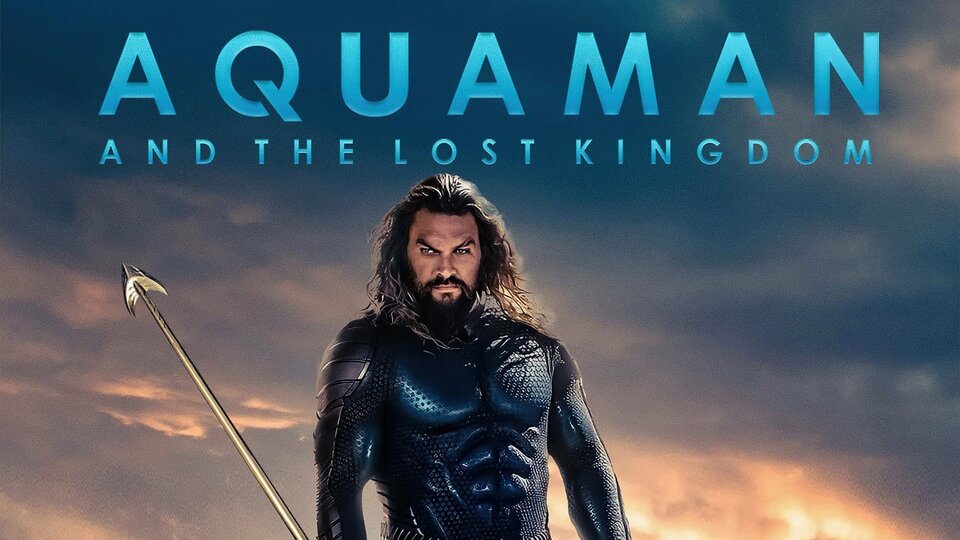
Featuring: Jason Momoa, Patrick Wilson, Amber Heard, Yahya Abdul-Mateen II and Nicole Kidman
Arthur Curry:“I don’t know what lies ahead. But we can’t leave our children in a world without hope.”
With the trident poised to pierce the waves once more, Aquaman 2, titled “Aquaman and the Lost Kingdom,” churns on the horizon, promising depths yet unplumbed in the aquatic realm. While the embargo on official reviews remains steadfast until tomorrow, we can dive into the bubbling anticipation by dissecting the available trailers, whispers of plot, and the returning creative crew.
Firstly, the familiar faces resurface. Jason Momoa’s Arthur Curry, burdened by both crown and destiny, navigates the treacherous currents of leadership, balancing the mantle of Aquaman with the complexities of human-Atlantean relations. Amber Heard’s Mera, his fiery queen and formidable warrior, stands by his side, their bond tempered by trials past and likely forged anew in the face of unknown perils. Patrick Wilson’s vengeful Orm, Arthur’s half-brother, casts a menacing shadow, hinting at unresolved conflicts and perhaps even an uneasy alliance against a greater threat.
Director James Wan, the architect of the 2018 Aquaman’s vibrant spectacle, returns to helm the sequel. We can expect his signature blend of fantastical world-building, pulse-pounding action sequences, and a dash of campy humor to once again paint the underwater canvas with awe-inspiring detail. Trailers brim with glimpses of monstrous sea creatures, gravity-defying underwater metropolises, and breathtaking action that seamlessly blends CGI wizardry with practical stunts. One scene showcases Arthur riding a colossal seahorse – a visual feast that captures the boundless imagination of the Aquaman universe.
Whispers of the plot suggest a quest for a legendary power hidden within the darkest corners of the ocean. This pursuit may pit Arthur against not only familiar foes but also ancient guardians and mythical beasts jealously guarding their domain. Themes of environmental stewardship, the fragile balance of power between land and sea, and the burden of leadership seem to surface from the depths, promising a story with both epic scope and personal resonance.
The return of Orm, Arthur’s ostracized brother, presents a fascinating wrinkle in the narrative tapestry. Will he remain a vengeful foil, fueled by the loss of his throne and the death of his father? Or could he, faced with an even greater threat, begrudgingly join forces with his brother, forging a fragile alliance born of necessity? This potential shift in dynamics, from bitter rivals to uneasy allies, holds the promise of complex character development and thrilling on-screen chemistry between Momoa and Wilson.
Beyond the personal, the trailers seem to hint at a larger conflict – a battle for an ancient power capable of tipping the scales between land and sea. This potent McGuffin introduces the potential for environmental themes to take centre stage. Will Arthur champion the delicate balance between the two worlds, or will he be forced to choose between the land he once called home and the underwater kingdom he now leads? This exploration of ecological responsibility and the consequences of unchecked power adds a layer of thematic depth that could elevate the film beyond mere spectacle.
Speaking of spectacle, Wan’s penchant for grandiose visuals and exhilarating action sequences is on full display in the trailers. From gravity-defying underwater manoeuvres to clashes with colossal sea creatures, Aquaman 2 promises to be a feast for the eyes. The glimpses of the “Lost Kingdom” itself, shimmering with alien architecture and bioluminescent life, suggest a further expansion of the already vibrant Atlantean universe. Wan’s ability to seamlessly blend practical effects with CGI magic could once again create a world that feels both fantastical and believable, immersing viewers in the wonders and dangers of the deep.
However, questions linger beneath the surface. Will the plot manage to juggle spectacle with character development, ensuring emotional stakes beyond the dazzling visuals? Can the film balance its environmental message with the inherent escapism of the superhero genre? And will the story manage to avoid retreading the familiar beats of its predecessor, venturing into uncharted territory both narratively and visually?
These are the questions that await answers, but one thing is clear: Aquaman 2, riding on the crest of anticipation and speculation, promises a deep dive into a world of thrilling action, complex characters, and potentially resonant themes. Whether it emerges as a triumphant sequel or simply a visually stunning underwater adventure, the film is poised to make a splash when it hits theatres.
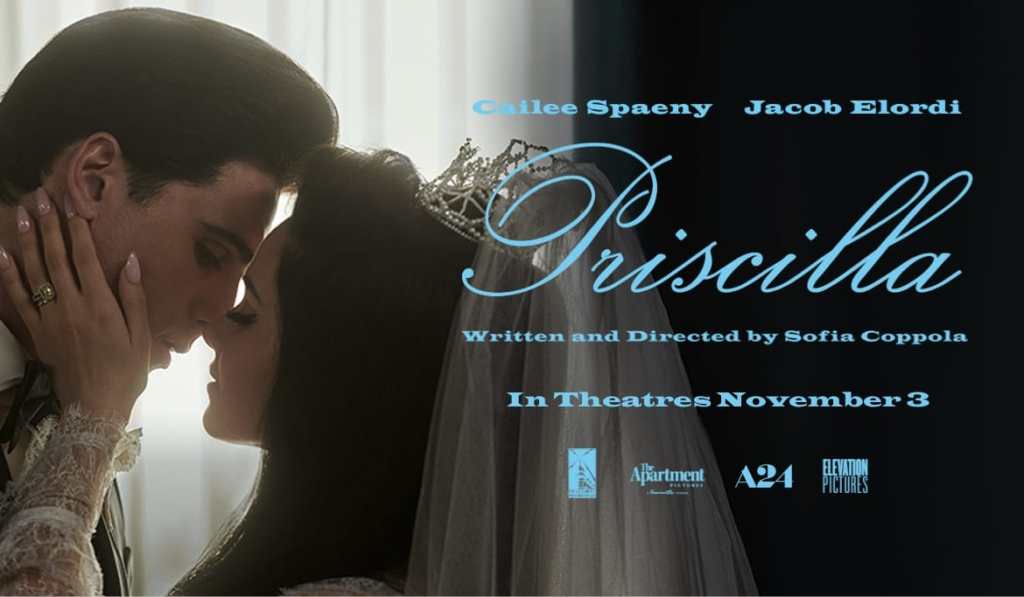
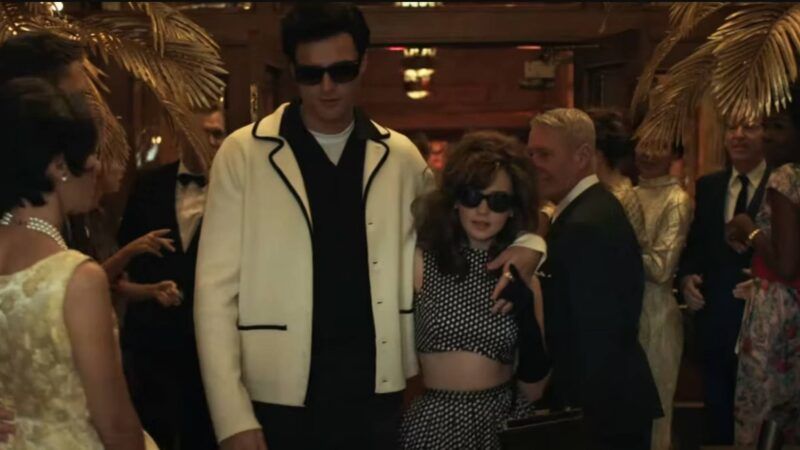
Featuring: Cailee Spaeny, Jacob Elordi and Dagmara Domińczyk
Priscilla:“Was there something you’re hiding?”
Elvis:“I don’t have a goddamn thing to hide! You’re just being too goddamn aggressive and demanding!”
Forget the kangaroos and sunburnt landscapes, folks. This “Priscilla” isn’t your typical Oz road trip. We’re ditching the Outback for the gilded cage of Graceland, because director Sofia Coppola has spun a spellbinding, introspective portrait of Priscilla Presley’s early life with Elvis. Forget biopics, this is a deeply personal tapestry woven with whispers, yearning, and the faint echo of a rock ‘n’ roll dream.
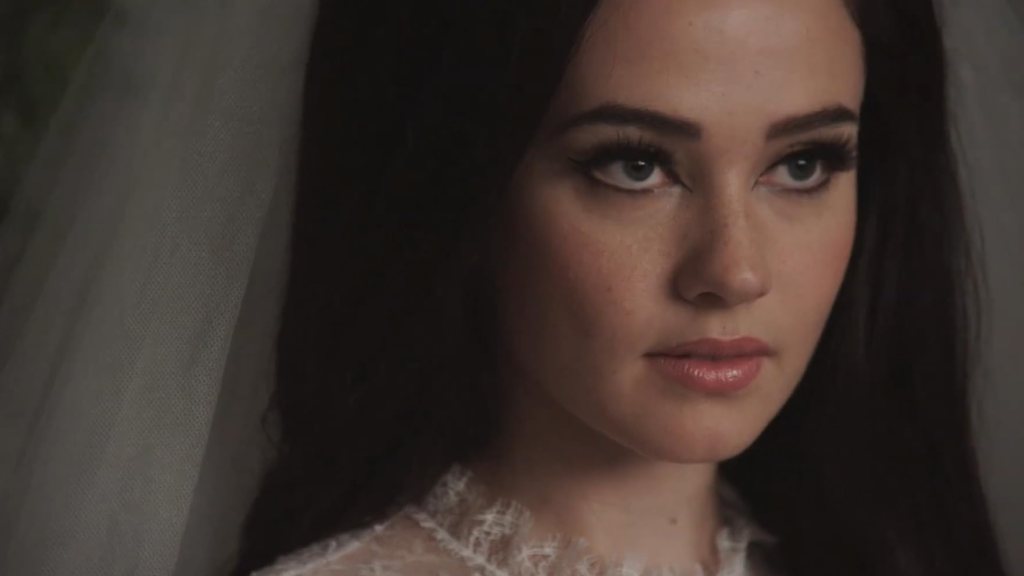
Cailee Spaeny as Priscilla is a revelation. Gone are the flamboyant costumes and dance numbers; instead, we see a shy 14-year-old thrust into the blinding spotlight of Elvis’s world. Coppola captures the claustrophobia and gilded loneliness of life behind the King’s curtain, with long, lingering shots of Priscilla trapped in plush rooms, lost in Elvis’s whirlwind.
Elvis himself, played with brooding intensity by Ansel Elgort, remains an elusive figure. We rarely see him perform, the King’s music merely a distant echo filtering through Priscilla’s world. This choice is brilliant, forcing us to see him through Priscilla’s eyes – not as the idol, but as a complex, troubled man.
The film unfolds like a hazy memory, dreamlike sequences blending with stark realities. We see Priscilla grapple with isolation, navigate a world that constantly objectifies her, and search for her own identity amidst the Presley circus. There’s no villain, no grand drama, just the slow, suffocating pressure of a life lived in someone else’s shadow.
Coppola’s signature pastel palette takes on a newfound melancholic beauty here. The candy-colored Memphis mansions feel more like gilded prisons, while the sun-drenched desert becomes a symbol of Priscilla’s yearning for escape. The soundtrack, a mix of 50s classics and hushed contemporary melodies, further underscores the film’s emotional complexity.
This “Priscilla” is not a spectacle. It’s a slow burn, a quiet meditation on vulnerability, self-discovery, and the cost of living a fairy tale. It’s a film that lingers, its haunting whispers resonating long after the credits roll.
Prepare to be captivated, not by glitter and feathers, but by the profound emotional landscape Coppola paints. This “Priscilla” won’t leave you humming Elvis tunes; it’ll leave you pondering the complexities of love, fame, and the search for oneself within the dazzling cage of another’s dream.
Coppola’s masterful touch within “Priscilla” is like unpacking a velvet-lined treasure chest of emotions. Her signature style injects the film with a unique blend of nostalgia, melancholic beauty, and a quiet intimacy that transcends the typical biopic formula.
Gone are the bombastic concert scenes and glittery spectacle one might expect from an Elvis story. Instead, Coppola opts for a slow, deliberate pace, letting us linger in the hushed spaces between Priscila’s thoughts and desires. The camera lingers on her delicate expressions, capturing the weight of unspoken anxieties and longing that simmer beneath the surface.
Coppola’s signature use of long shots and natural light further amplifies this introspective tone. Priscilla seems dwarfed by the opulent Memphis mansions, her small figure swallowed by the gilded cage of Elvis’s world. The sun-drenched desert landscapes, often stark and silent, mirror the emotional emptiness she grapples with.
Moreover, Coppola’s colour palette is a masterclass in conveying emotional dissonance. While one might expect vibrant Memphis to explode with colour, instead, it’s subdued in pastel hues, creating a sense of unreality and emotional detachment. Conversely, the muted tones of Priscilla’s inner world occasionally burst into saturated flashes of longing, like when she glimpses Elvis onstage or catches a glimpse of her own potential beyond the confines of Graceland.
The soundtrack plays a crucial role in this dance of light and emotion. Instead of bombastic rock ‘n’ roll, Coppola opts for hushed contemporary melodies and Elvis’s music filtered through Priscilla’s ears, often faint and distant. This creates a sense of yearning and isolation, as if Priscilla yearns for a life beyond the echoes of the King’s legend.
Ultimately, Coppola’s direction transforms “Priscilla” from a biopic into a poignant character study. She doesn’t shy away from the complexities of the Presley marriage, but instead, her focus is on Priscilla’s emotional journey, her search for identity within a gilded cage. By eschewing spectacle and embracing silence, Coppola creates a hauntingly beautiful portrait of a young woman lost in a world of fame, yearning for a voice of her own.
This “Priscilla” is not about Elvis; it’s about Priscilla finding her own rhythm in the shadow of the King. And for that, we owe a debt of gratitude to Sofia Coppola’s masterful direction, which paints a haunting, lyrical portrait of yearning, self-discovery, and the quiet echoes of a dream life.
Netflix has premiered the teaser trailer for “Beverly Hills Cop: Axel F,” the long-awaited fourth film in the action-comedy series starring Eddie Murphy.
In the new film, Detective Axel Foley (Murphy) is back on the beat in Beverly Hills, decades after we last saw him walking these streets.
After his daughter’s life is threatened, she (Taylour Paige) and Foley team up with a new partner (Joseph Gordon-Levitt) and old pals Billy Rosewood (Judge Reinhold) and John Taggart (John Ashton) to turn up the heat and uncover a conspiracy.
Paul Reiser, Bronson Pinchot and Kevin Bacon co-star in the film which is directed by Mark Molloy from a screenplay written by Will Beall, Tom Gormican and Kevin Etten, based on the characters created by Danilo Bach and Daniel Petrie, Jr.
Murphy, Malloy, Jerry Bruckheimer, Melissa Reid and Chad Oman produce and the film is aiming for a Summer 2024 release.
Warner Bros. Pictures has premiered a third official trailer for Denis Villeneuve’s sci-fi epic “Dune: Part Two”.
The sprawling tale adapts the back half of Frank Herbert’s classic 1965 novel and wrapped filming in mid-December. The story sees Paul Atreides (Timothee Chalamet) and Lady Jessica (Rebecca Ferguson) teaming with the desert-dwelling Fremen to liberate the planet of Arrakis from the vicious House Harkonnen.
Zendaya, Dave Bautista, Charlotte Rampling, Stellan Skarsgard, Stephen McKinley Henderson, Josh Brolin and Javier Bardem all reprise their roles from the first film.
They are joined by Austin Butler as the lethal Feyd-Rautha, Florence Pugh as Princess Irulan, Lea Seydoux as Lady Margot. Tim Blake Nelson also has a role.
The first film opened simultaneously in domestic theaters and on HBO Max on October 22nd 2021. It grossed $400.6 million at the worldwide box office and earned ten Academy Award nominations, including Best Picture.
Villeneuve is directing from a script he co-wrote with Jon Spaihts. Mary Parent, Villeneuve, Cale Boyter, Tanya Lapointe and Patrick McCormick are producing.
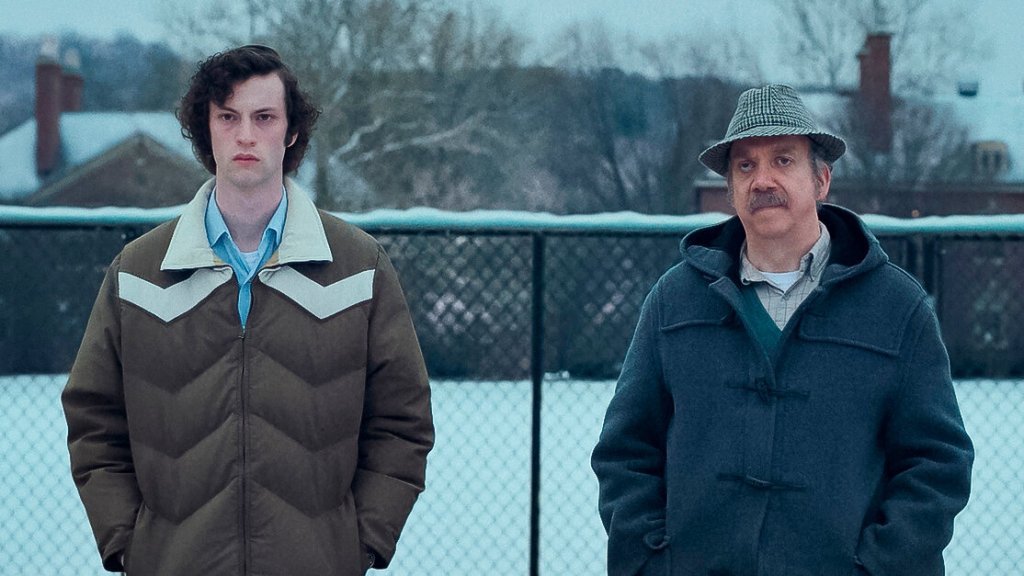
Featuring: Paul Giamatti, Da’Vine Joy Randolph and Dominic Sessa
Paul Hunham:“I find the world a bitter and complicated place. And it seems to feel the same way about me. You and I have that in common, I think.”
Released in the latter half of 2023, “The Holdovers” quietly slipped onto streaming platforms, gathering a dedicated following and sparking thoughtful discussions about grief, aging, and the power of human connection. Written and directed by Alexander Payne, the film weaves a poignant and humorous narrative about two high school teachers forced to stay at school for the summer to supervise detention.
Paul Hunham (Paul Giamatti), a history teacher on the cusp of retirement, and Emily Rathburn (Mary Elizabeth Winstead), a recently divorced English teacher, find themselves thrust together in an empty school building, their lives at crossroads. Paul grapples with the impending loss of his career and the looming shadow of his late wife, while Emily navigates the emotional wreckage of her failed marriage and the uncertainty of her future.
Payne paints a masterful portrait of loneliness and isolation, contrasting the vibrant chaos of a bustling school with the cavernous silence of its empty halls. The film’s pacing is deliberate, allowing the audience to fully inhabit the characters’ inner worlds and witness the subtle shifts in their dynamic as they navigate their forced proximity.
Giamatti delivers a phenomenal performance, capturing Paul’s weary cynicism, quiet grief, and unexpected tenderness with remarkable nuance. Winstead, equally compelling, portrays Emily’s vulnerability, resilience, and dry wit with a depth that resonates long after the film’s credits roll.
The film’s script is a masterclass in character development, crafting individuals who are flawed, complex, and deeply relatable. Payne avoids stereotypical portrayals of middle-aged characters, instead offering a refreshingly honest and nuanced exploration of the challenges and joys that come with aging.
“The Holdovers” is not without its humour. Despite the film’s melancholic undertones, Payne infuses the narrative with moments of wit and absurdity that offer welcome relief and highlight the characters’ endearing quirks. His use of humor is never flippant, always serving to further explore the characters’ emotional complexities and vulnerabilities.
One of the film’s most compelling aspects is its exploration of grief. Paul and Emily, though in different stages of their lives, are both grappling with significant loss. Payne depicts their journeys with sensitivity and honesty, avoiding sentimental clichés and instead focusing on the raw emotions and messy realities of coping with loss.
The film’s setting plays a crucial role in its narrative. The empty school building becomes a metaphor for the characters’ sense of isolation and the void left by their losses. As they spend time together, the school transforms into a space of shared understanding and connection, offering them a temporary reprieve from their individual struggles.
“The Holdovers” is a film that lingers long after the viewing experience. Its characters, their journeys, and the poignant exploration of human connection leave a lasting impression. It is a film that celebrates the power of human connection, even in the face of loss, and reminds us that it is never too late to forge new bonds and find solace in shared experiences.
Beyond its core narrative, “The Holdovers” raises important questions about the educational system and the treatment of teachers. The film subtly critiques the bureaucratic constraints and societal pressures that often burden educators, leaving them feeling undervalued and unsupported. It also highlights the dedication and passion of teachers who, despite the challenges, remain committed to their students and their profession.
While the film’s slow pace and introspective nature may not appeal to all viewers, those who appreciate nuanced character studies and emotional depth will find much to admire in “The Holdovers.” It is a film that rewards patience and offers a moving exploration of human connection, loss, and the resilience of the human spirit.
Since its release, “The Holdovers” has received positive reviews from critics and audiences alike, garnering praise for its nuanced storytelling, exceptional performances, and poignant exploration of universal themes. The film’s critical acclaim has been reflected in various awards and nominations, including recognition at the AFI Awards and the New York Film Critics Circle.
Critics have lauded the film’s ability to seamlessly interweave humour and pathos, creating a uniquely affecting viewing experience. They have praised Payne’s masterful direction, highlighting his ability to elicit powerful performances from his cast and create a visually stunning and emotionally resonant film. Particular praise has been directed towards Giamatti and Winstead’s performances, with critics acknowledging the depth and complexity they bring to their respective characters.
The film has also resonated with audiences, particularly those who appreciate character-driven stories and films that explore the complexities of human relationships. Viewers have connected with the characters’ struggles and triumphs, finding solace in their shared experiences and the film’s message of hope and resilience. The film has sparked meaningful discussions about aging, loss, and the importance of human connection, further solidifying its cultural impact.
Beyond its critical and audience reception, “The Holdovers” has generated conversations about the representation of middle-aged characters in film. The portrayal of Paul and Emily, as individuals grappling with loss and change, challenges stereotypical representations of older characters and offers a more nuanced and authentic perspective. This has been seen as a positive development in the film industry, encouraging more diverse and realistic representations of aging on screen.
Furthermore, the film’s subtle critique of the educational system has ignited discussions about the challenges faced by teachers and the need for reform. This has resonated with educators and parents alike, prompting calls for a more supportive and nurturing environment for both teachers and students.
It is still early to assess the full impact of “The Holdovers,” but it is clear that the film has made a significant mark on the cultural landscape. Its critical acclaim, audience reception, and ability to spark important conversations have cemented its place as a thought-provoking and emotionally resonant cinematic experience. As time passes, it is likely that “The Holdovers” will continue to resonate with audiences and be recognized as a valuable contribution to contemporary cinema.
The film’s central message revolves around the transformative power of human connection. Though Paul and Emily come from different backgrounds and face distinct challenges, their shared experience in the empty school allows them to forge a bond that transcends their differences. They find solace in each other’s company, providing support and understanding during their respective journeys through grief and uncertainty. This theme resonates with the universal human need for connection and belonging, highlighting the importance of finding solace and support in shared experiences, particularly during challenging times.
“The Holdovers” subtly subverts traditional societal expectations regarding age and loss. Paul, on the cusp of retirement, grapples with the perceived loss of his identity and purpose. Emily, navigating a recent divorce, confronts societal pressures surrounding marriage and family. The film challenges these expectations by portraying both characters as individuals with complex inner lives and a capacity for growth and change. It highlights the fact that aging does not diminish one’s value or potential, and that loss, while painful, can become a catalyst for self-discovery and personal transformation.
Through its portrayal of the teachers and the empty school environment, “The Holdovers” subtly critiques the current state of the education system. The film highlights the bureaucratic constraints and lack of resources that often burden educators, leaving them feeling undervalued and unsupported. Additionally, it raises questions about the pressure placed on students, particularly in high-achieving academic environments. While the film does not offer easy answers, it prompts viewers to critically evaluate the educational system and consider its impact on both teachers and students.
The film includes several scenes where Emily and Paul engage in artistic pursuits, such as playing music and writing poetry. These moments emphasize the importance of creative expression as a tool for navigating difficult emotions and finding meaning in life. By showcasing the transformative power of art, the film encourages viewers to explore their own creative potential and utilize it as a source of strength and resilience.”The Holdovers” is a film that stays with you long after the credits roll. Its poignant exploration of universal themes, coupled with its nuanced characters and masterful performances, leaves a lasting impression on viewers. The film encourages introspection and invites reflection on personal experiences with loss, change, and the pursuit of meaning in life. It serves as a reminder to cherish human connection, embrace life’s uncertainties, and find solace and strength in the face of adversity.
Overall, “The Holdovers” is a remarkable film that deserves to be seen and discussed. It is a testament to the power of storytelling to illuminate the human experience and to offer solace and understanding in the face of adversity. With its outstanding performances, insightful script, and poignant exploration of universal themes, “The Holdovers” stands as a memorable and thought-provoking addition to the cinematic landscape.
Koichi Shikishima:“That monster… will never forgive us.”
Released in December 2023, “Godzilla Minus One” has quickly become a phenomenon, captivating audiences worldwide. It’s not just another Godzilla film; it’s a visceral, emotional rollercoaster that redefines the genre, pushing the boundaries of monster movies and leaving a lasting impression.
The film opens on a starkly different Japan. Years of war have ravaged the country, leaving widespread destruction and despair. This bleak backdrop establishes a sense of vulnerability and desperation, heightening the impact of Godzilla’s arrival. This is not a world prepared for another disaster, let alone a giant, radioactive monster.
Director Takashi Yamazaki masterfully weaves the personal stories of individuals into the grand narrative of Godzilla’s rampage. We meet a young woman struggling to survive in the ruins, a scientist determined to understand the monster, and a soldier haunted by the horrors of war. These characters are relatable and well-developed, grounding the film in human emotions and allowing viewers to connect with it on a deeper level.
The film’s portrayal of Godzilla is nothing short of spectacular. The CGI is flawless, bringing the iconic kaiju to life with terrifying detail. However, this Godzilla is not just a mindless beast; it’s a force of nature with a sense of raw power and destructive potential. The film’s pacing allows the audience to truly experience the scale of Godzilla’s rampage, creating a sense of awe and terror that few films have achieved.
While the action sequences are undeniably impressive, “Godzilla Minus One” is not simply eye candy. The film explores complex themes of grief, survival, and the human spirit’s resilience in the face of unimaginable devastation. It asks questions about the consequences of war and our responsibility for the future of the planet.
The film’s emotional core lies in its characters’ journeys. We witness their struggles, their losses, and their unwavering determination. The performances are outstanding, with each actor bringing their characters to life with authenticity and nuance. There’s a genuine sense of camaraderie and compassion among the characters, making their fight against Godzilla even more compelling.
The film’s score, composed by the legendary Kenji Kawai, is both epic and intimate. It perfectly complements the visuals and enhances the emotional impact of the story. The sound design is equally impressive, creating a soundscape that is both realistic and immersive. Every roar, every blast, and every crumbling building is meticulously crafted to draw the audience into the action.
“Godzilla Minus One” is a film that will be remembered for years to come. It’s a triumph of filmmaking, balancing spectacular visuals with a compelling story and a powerful message. It’s a testament to the enduring legacy of Godzilla and a reminder of the importance of human connection and resilience in the face of adversity. With its blend of breathtaking action, emotional depth, and thought-provoking themes, “Godzilla Minus One” is more than just a monster movie; it’s a cinematic masterpiece.
Having reviewed the film’s general elements, let’s delve deeper into specific aspects that contribute to its success.
Themes:
Loss and Grief: The film’s post-war setting provides a powerful backdrop for exploring themes of loss and grief. Characters grapple with the loss of loved ones,homes, and their way of life. This rawness adds depth to the narrative and makes the characters’ struggles all the more relatable.
Survival: In the face of unimaginable devastation, the characters are forced to fight for their survival. This theme is explored not only in the physical sense but also in the emotional and psychological struggle to maintain hope and find meaning in a world shattered by war and destruction.
Humanity and Resilience: Despite the bleakness of the setting, “Godzilla Minus One” is ultimately a story of hope and human resilience. We see characters come together to support each other, fight for their survival, and rebuild their lives. This message of hope resonates deeply with the audience and leaves a lasting impression.
Responsibility and Environmentalism: The film subtly raises questions about humanity’s responsibility for the environment and the consequences of our actions.Godzilla, in a sense, can be seen as a manifestation of nature’s wrath, a response to the destruction humans have inflicted upon the planet. This adds a layer of complexity to the film and encourages viewers to consider the impact of their choices.
The film utilizes several powerful symbols to enhance its themes and message.
Godzilla: Godzilla himself is a symbol of both destruction and renewal. He is a force of nature that cannot be controlled, but he also represents the potential for change and new beginnings.
The Ruins: The devastated landscape serves as a constant reminder of the war’s destructive impact. It also symbolizes the characters’ need to rebuild their lives and create a better future.
The Sun: The sun, which frequently appears throughout the film, represents hope and resilience. It signifies the possibility of new dawn and a brighter future, even in the darkest of times.
Director Takashi Yamazaki utilizes a variety of filmmaking techniques to enhance the film’s impact.
Slow-motion shots: These shots are used to emphasize the scale and power of Godzilla and the destruction he causes. They also create a sense of awe and wonder, allowing the audience to truly appreciate the spectacle.
Close-ups: Close-ups on the characters’ faces are used to convey their emotions and inner struggles. This helps to create a sense of connection between the audience and the characters, making them more invested in the story.
Contrasting visuals: The film often contrasts shots of the devastated landscape with shots of nature’s beauty. This juxtaposition highlights the characters’ determination to rebuild and reclaim their lives.
Music and sound design: As mentioned earlier, the film’s score and sound design are exceptional. They play a crucial role in creating the film’s atmosphere and enhancing the emotional impact of the story.
“Godzilla Minus One” is a powerful and thought-provoking film that redefines the monster movie genre. With its stunning visuals, compelling story, and emotional depth, it is a cinematic experience that will stay with you long after the credits roll. It is a film that deserves to be seen on the big screen.
Featuring: Timothée Chalamet, Calah Lane, Keegan-Michael Key, Paterson Joseph, Matt Lucas, Mathew Baynton, Sally Hawkins, Rowan Atkinson, Jim Carter, Tom Davis, Olivia Colman and Hugh Grant
Willy Wonka:“I’ve spent the past seven years travelling the world, perfecting my craft. You see I’m something of a magician, inventor, and chocolate maker. So quiet up, and listen down. Nope. Scratch that, reverse it.”
The highly anticipated prequel to the beloved “Willy Wonka and the Chocolate Factory” has finally arrived, bringing us back to the youthful days of the enigmatic chocolatier. Timothee Chalamet steps into the iconic top hat and purple velvet, painting a picture of a young Wonka driven by dreams and a passion for confectionery.
Director Paul King, the man behind the heartwarming “Paddington” films, infuses “Wonka” with a similar sense of whimsical charm. The world he creates is a vibrant tapestry of candy-colored landscapes, fantastical inventions, and quirky characters. Every frame bursts with life and imagination, making it a visual feast for the eyes.
Chalamet delivers a captivating performance as a Wonka brimming with infectious enthusiasm and a touch of naivety. He effortlessly captures the character’s eccentricities and burgeoning genius, making him a character you can’t help but root for. The supporting cast, featuring Olivia Colman as Wonka’s stern grandmother and Keegan-Michael Key as a hilariously corrupt candy inspector, adds to the film’s delightful comedic charm.
The musical numbers, penned by the talented Neil Hannon, are catchy and cleverly woven into the narrative. They add another layer of magic to the film, particularly the reimagined “Pure Imagination” which retains its iconic charm while offering a fresh perspective.
However, “Wonka” isn’t without its flaws. The film’s reliance on CGI, while visually impressive, occasionally feels artificial, lacking the tangible warmth of the original. The story, while charming and engaging, sometimes feels predictable and lacks the dark edge that made Roald Dahl’s work so captivating.
Furthermore, some may find Chalamet’s portrayal of Wonka a tad too wholesome compared to the eccentric and enigmatic character audiences are familiar with. While he delivers a solid performance, he doesn’t quite capture the same level of unpredictable charisma that Gene Wilder brought to the role.
Themes of Childhood and Dreams: “Wonka” is a nostalgic look at the power of childhood imagination and the pursuit of dreams. It reminds us that even the most extraordinary achievements often begin with a spark of wonder and a willingness to believe in the impossible.
The Duality of Wonka: The film subtly explores the duality present within Wonka. While he is driven by a passion for chocolate and a desire to create joy, there are also hints of darker emotions beneath the surface. This foreshadows his eventual evolution into the enigmatic and sometimes eccentric character we encounter in “Willy Wonka and the Chocolate Factory.”
The Importance of Community: Despite Wonka’s initial focus on individual success, the film emphasizes the importance of community and collaboration. It is through his interactions with his eccentric companions, particularly the street-smart Noodle, that Wonka learns valuable lessons about friendship and the power of working together.
Reimagining a Classic: “Wonka” exists in the shadow of a beloved film. While it does not attempt to directly replicate the original, it instead offers a fresh perspective on the character and his world. This approach allows the film to stand on its own while still paying homage to the legacy of Roald Dahl and the iconic 1971 movie.
A Film for a New Generation: “Wonka” undeniably targets a younger audience. While this may alienate some viewers, it also ensures that the magic and wonder of Roald Dahl’s story continues to resonate with new generations. The film’s lighthearted tone and positive message make it a perfect choice for families and anyone seeking a cheerful escape.
Beyond Entertainment: While primarily a fun and entertaining film, “Wonka” also offers a subtle commentary on the nature of ambition and the potential dangers of unchecked desire. The film invites us to consider the consequences of pursuing success at all costs and the importance of maintaining a balance between personal dreams and the well-being of others.
With the release of the prequel, it’s natural to question the film’s place within the iconic Wonka universe and its potential impact on the franchise’s overall legacy.
Will “Wonka” overshadow the original film? While the prequel offers a charming and visually stunning experience, it’s highly unlikely to eclipse the legacy of the 1971 masterpiece. Gene Wilder’s unforgettable performance and the film’s unique blend of whimsy and darkness have cemented it as a beloved classic. However, “Wonka” serves as a valuable addition to the franchise, expanding the world and offering a new perspective on the character.
Does the film successfully capture the essence of Roald Dahl’s work? While the film retains the spirit of Dahl’s fantastical world, it takes liberties with his original story and characters. Some may find this approach disrespectful, while others will appreciate the fresh perspective. Ultimately, the film’s success in capturing Dahl’s essence boils down to individual interpretation.
What does “Wonka” mean for the future of the franchise? The prequel opens doors for further exploration of the Wonka universe. It could potentially lead to sequels, spin-offs, or even reboots of the original film. However, the success of these ventures will depend heavily on how they manage to retain the charm and spirit of the existing Wonka legacy while offering something new and engaging for audiences.
Will future generations connect with Wonka? “Wonka” introduces the character and his world to a new generation. The film’s engaging story, vibrant visuals, and catchy music are likely to resonate with young audiences. While it may not hold the same nostalgic value as the original for older viewers, it has the potential to spark a fresh fascination with the world of Willy Wonka.
Despite these shortcomings, “Wonka” remains a delightful and entertaining experience. It’s a film that captures the essence of Roald Dahl’s world while offering a fresh perspective on a beloved character. While it may not reach the heights of its predecessor, it stands as a charming and whimsical addition to the Willy Wonka universe.
Featuring: Pierce Brosnan, Annabeth Gish, Melissa George, Anika Noni Rose and Caitlin Carmichael
Tagline:“Beware the lake.”
Critical Commentary
Stephen King, the master of horror and suspense, has left an indelible mark on the literary and cinematic landscape with his prolific works. “Bag of Bones,” a television mini-series adaptation of King’s novel, unfolds a narrative brimming with supernatural elements, psychological depth, and a gripping exploration of the human psyche. In this comprehensive review, we will delve into the various aspects of the mini-series, evaluating its strengths, weaknesses, and the overall impact of the adaptation.
“Bag of Bones” opens with Mike Noonan (played by Pierce Brosnan), a bestselling author, grappling with the sudden death of his wife, Jo (played by Melissa George). The grieving process propels Mike into a journey of self-discovery, leading him to their lakeside retreat in Western Maine. The narrative unfolds with a dual timeline, blending the present-day events with flashbacks from Mike and Jo’s life.
The mini-series meticulously weaves a tapestry of horror, mystery, and psychological drama. King’s signature blend of the supernatural and the mundane is present throughout, creating an atmospheric tension that permeates every scene. The lakeside setting becomes an integral part of the narrative, its serene beauty contrasting with the darkness that lurks beneath.
The pacing of the plot is both a strength and a potential drawback. The deliberate, slow build-up allows for a deep exploration of characters and relationships, immersing the audience in the emotional landscape of Mike’s grief. However, at times, the pacing may feel sluggish, and viewers seeking quick thrills might find the narrative tempo challenging.
Pierce Brosnan delivers a compelling performance as Mike Noonan, capturing the nuances of a man haunted by loss and grappling with the unexplainable. His portrayal adds layers to the character, making Mike’s journey from grief to revelation believable and poignant. Melissa George, in her role as Jo Noonan, brings a charisma that elevates the flashback sequences, grounding the emotional core of the story.
The supporting cast, including Annabeth Gish as Jo’s best friend Mattie, Caitlin Carmichael as Kyra, and Jason Priestley as Jo’s literary agent, contribute solid performances that enhance the overall narrative. The chemistry between the characters is palpable, particularly in the flashback sequences, where the portrayal of Mike and Jo’s relationship becomes a linchpin for the emotional impact of the story.
One of the key strengths of “Bag of Bones” lies in its adept handling of supernatural elements. The mini-series seamlessly integrates ghostly apparitions, eerie visions, and paranormal occurrences into the fabric of the narrative. The supernatural aspects serve not only as devices to induce fear but also as metaphors for the unresolved issues that haunt the characters.
The spectral appearances, often chilling and visually striking, add a layer of horror that is quintessentially Stephen King. The mini-series uses these supernatural elements not merely for shock value but as tools to explore the characters’ psyches and the unresolved conflicts that linger in the lakeside community.
At its core, “Bag of Bones” is a story about grief, guilt, and the quest for redemption. Mike Noonan’s journey becomes a metaphor for the human experience of loss and the subsequent struggle to make sense of the inexplicable. The mini-series delves into the complexities of mourning, portraying grief not as a linear process but as a labyrinthine journey with unexpected twists and turns.
As Mike confronts his own demons and the supernatural forces at play, the narrative becomes a meditation on the nature of guilt and the possibility of redemption. The lakeside community serves as a microcosm of intertwined fates, each character carrying their own burdens and seeking resolution.
“Bag of Bones” benefits from atmospheric cinematography that captures the eerie beauty of the lakeside setting. The juxtaposition of serene landscapes with moments of supernatural horror creates a visual tension that enhances the overall viewing experience. The use of lighting, shadows, and camera angles contributes to the creation of a palpable sense of dread, particularly in scenes involving paranormal phenomena.
The flashback sequences are presented with a distinct visual tone, differentiating them from the present-day narrative. This stylistic choice helps the audience navigate the dual timelines while reinforcing the emotional impact of the characters’ past experiences. The attention to visual detail, from the lakeside mansion to the mist-covered woods, adds a layer of authenticity to the adaptation.
The musical score of “Bag of Bones” complements the atmospheric tension, enhancing the emotional beats of the narrative. The haunting melodies and subtle cues heighten the sense of unease, creating an immersive experience for the viewer. The sound design, including the use of ambient sounds and whispers, contributes to the overall atmosphere of dread.
The lakeside environment, with its rustling leaves, creaking floorboards, and distant echoes, becomes an integral part of the auditory landscape. The combination of sound and visuals works in tandem to establish a pervasive sense of foreboding that permeates the entire mini-series.
Adapting a Stephen King novel for the screen is no small feat, considering the intricate narratives and complex characters inherent in his works. “Bag of Bones” stays true to the source material in many aspects, capturing the essence of King’s storytelling. The inclusion of key supernatural elements, the exploration of psychological horror, and the thematic depth remain faithful to the novel.
However, as is often the case with adaptations, certain elements are streamlined or modified for the visual medium. While these changes are understandable for the constraints of a mini-series format, purists may find some deviations from the source material notable. Nevertheless, the adaptation succeeds in preserving the core narrative and the spirit of King’s work.
Despite its many strengths, “Bag of Bones” is not without its flaws. The deliberate pacing, while effective in establishing a moody atmosphere, may alienate viewers seeking a more brisk narrative. Certain plot points, particularly those related to the lakeside community’s history, may feel underexplored or unresolved, leaving some questions lingering.
The mini-series also grapples with the challenge of balancing supernatural horror with the emotional weight of the characters’ journey. At times, the transition between the two elements feels uneven, with certain scares appearing disconnected from the overarching narrative. Striking a seamless balance between the supernatural and the psychological could have elevated the mini-series to a more cohesive whole.
“Bag of Bones” stands as a compelling adaptation that captures the essence of Stephen King’s novel while delivering a visually atmospheric and emotionally resonant viewing experience. The exploration of grief, guilt, and redemption, coupled with the supernatural elements that define King’s work, makes this mini-series a worthwhile watch for fans of the horror genre.
Pierce Brosnan’s nuanced performance, supported by a capable ensemble cast, brings the characters to life, grounding the narrative in the emotional struggles of its protagonists. The lakeside setting, visually striking and haunting, serves as a character in its own right, contributing to the overall atmosphere of the mini-series.
While “Bag of Bones” may not be without its pacing issues and narrative complexities, it successfully weaves a tapestry of horror, mystery, and human drama. For those willing to embark on a journey that combines the supernatural with the deeply personal, this mini-series offers a satisfying exploration of the shadows that lurk beneath the surface of our lives. The thematic richness and psychological depth make “Bag of Bones” more than just a conventional horror story; it’s a meditation on th human condition, exploring the intricate interplay between the seen and the unseen.
The mini-series excels in its ability to evoke a sense of place, utilizing the lakeside environment not only as a backdrop but as an integral part of the storytelling. The mansion, with its history shrouded in mystery, becomes a focal point for both the characters and the audience. The decision to anchor the narrative in this specific locale enhances the mini-series’ distinct identity and contributes to the creation of a fully realized world.
One of the notable achievements of “Bag of Bones” is its portrayal of the supernatural. Instead of relying solely on jump scares or overt horror tropes, the mini-series delves into the psychological horror of the unknown. The ghostly apparitions and spectral encounters serve as manifestations of the characters’ internal struggles, blending the supernatural with the deeply personal.
Furthermore, the mini-series tackles themes of writer’s block and creativity, offering a meta-narrative layer that adds complexity to Mike Noonan’s character. As a successful author haunted by both literal and metaphorical ghosts, Brosnan’s portrayal captures the vulnerability and desperation that often accompany creative struggles. This exploration of the creative process adds an additional layer of relatability for audiences, providing a nuanced perspective on the challenges faced by artists.
The character relationships, particularly the dynamic between Mike and Jo, are the emotional core of the mini-series. The flashbacks, seamlessly integrated into the narrative, gradually unveil the layers of their relationship, from the initial stages of love to the complexities that arise with time. The authenticity of their connection, coupled with the genuine chemistry between Brosnan and George, makes the emotional beats of the story resonate on a profound level.
While the mini-series excels in character development, it occasionally falters in the execution of certain plot points. Some threads, particularly those related to the historical mysteries of the lakeside community, feel underexplored. The balance between the overarching supernatural narrative and the intricacies of the community’s past could have been more finely tuned, allowing for a more cohesive and satisfying resolution.
The deliberate pacing, while effective in establishing a brooding atmosphere, may be a point of contention for viewers accustomed to more fast-paced storytelling. The slow burn approach serves the narrative well in terms of character exploration and emotional depth, but it may test the patience of those seeking immediate gratification or traditional horror thrills.
In terms of visual aesthetics, “Bag of Bones” shines with its evocative cinematography and attention to detail. The use of lighting to create shadows and silhouettes contributes to the eerie ambiance, enhancing the supernatural elements. The distinction in visual tone between the present and the past is a testament to the mini-series’ commitment to storytelling through visuals.
The soundtrack, while effective in creating a haunting atmosphere, occasionally veers into the realm of predictability with its reliance on typical horror cues. A more innovative approach to the musical score could have elevated the viewing experience, creating a sonic landscape that mirrors the uniqueness of the narrative.
Despite its shortcomings, “Bag of Bones” remains a commendable effort in adapting Stephen King’s intricate and multifaceted novel. The mini-series succeeds in capturing the essence of the source material, delivering a narrative that blends supernatural horror with an exploration of profound human emotions. Pierce Brosnan’s standout performance, coupled with strong supporting cast contributions, ensures that the characters are not lost amid the spectral elements.
Featuring: Thomas Jane, Marcia Gay Harden, Laurie Holden, Andre Braugher, Toby Jones, William Sadler, Jeffrey DeMunn, Frances Sternhagen, Sam Witwer, Alexa Davalos and Nathan Gamble
Ollie:“As a species we’re fundamentally insane. Put more than two of us in a room, we pick sides and start dreaming up reasons to kill one another. Why do you think we invented politics and religion?”
Critical Commentary
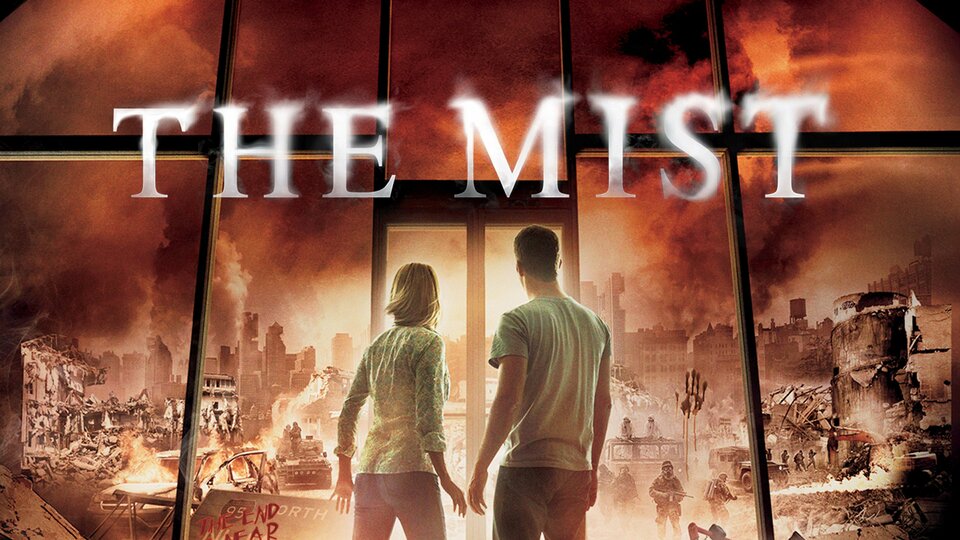
“The Mist,” a 2007 science fiction horror film directed by Frank Darabont, stands as a unique and polarizing entry in the realm of cinematic adaptations of Stephen King’s works. Adapted from King’s novella of the same name, the film weaves a tale of survival, human nature, and the unknown. As the mist descends upon a small town, it brings with it not only grotesque creatures but also the darkness within the human soul. This review will explore the film’s strengths, its deviations from the source material, the performances of the cast, the visual and special effects, and its thematic richness.
One of the first considerations when evaluating any adaptation is how faithfully it captures the essence of the source material. In the case of “The Mist,” Darabont stays true to the core premise of King’s novella, but he takes creative liberties with the ending that significantly diverge from the original text. While some purists may bemoan these changes, others appreciate the director’s bold choice to craft an ending that leaves a lasting impact.
In King’s novella, the story concludes on a more ambiguous note, leaving the fate of the protagonists unresolved. Darabont, however, opted for a more emotionally charged and controversial ending, adding a layer of tragedy that lingers in the minds of viewers. The conclusion has sparked debates among audiences, with some praising its emotional weight, while others argue that it deviates too far from the source material’s intent. Regardless of personal opinions on the conclusion, it is undeniably a daring departure from the expected norms of horror film resolutions.
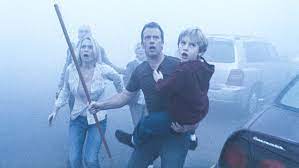
“The Mist” boasts a talented ensemble cast that delivers compelling performances, anchoring the film’s narrative in a sea of terror and uncertainty. Thomas Jane, who plays the lead role of David Drayton, serves as the audience’s emotional anchor throughout the film. Jane’s portrayal of a father desperately trying to protect his son amidst the chaos is both convincing and empathetic.
Supporting performances, notably those by Marcia Gay Harden as Mrs. Carmody and Toby Jones as Ollie Weeks, contribute to the film’s success. Harden’s Mrs. Carmody is a fascinating character study of religious fanaticism and the dangers of unchecked zealotry. Her transformation from a seemingly harmless eccentric to a formidable and divisive figure adds depth to the exploration of human nature under duress.
The dynamic among the diverse group of survivors trapped in the supermarket is a microcosm of society in crisis. From the skeptical and rational David to the faithful Mrs. Carmody, the characters’ interactions offer a mirror to the human condition when faced with the unknown. The ensemble cast effectively captures the tension and conflicts arising from fear, desperation, and conflicting worldviews, creating a palpable sense of claustrophobia within the supermarket walls.
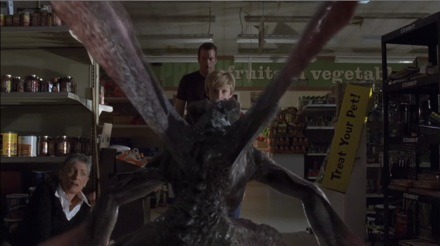
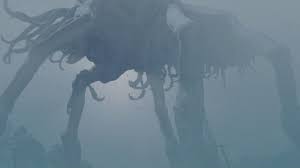
“The Mist” received praise for its atmospheric and chilling visual effects, particularly in bringing the nightmarish creatures lurking within the mist to life. The film cleverly employs a mix of practical effects and CGI to create an otherworldly and menacing atmosphere. The diverse array of creatures, from colossal tentacled behemoths to swarming insectoid nightmares, showcases the filmmakers’ commitment to delivering a visually stimulating horror experience.
The mist itself becomes an entity, concealing the unknown horrors lurking within. The use of practical effects, such as fog machines and atmospheric lighting, adds an eerie realism to the mist, enhancing the suspense and dread. The integration of CGI, while occasionally showing signs of its mid-2000s origins, generally holds up well, immersing the audience in a nightmarish landscape.
Darabont’s decision to film in black and white for the director’s cut of the movie, available on the home release, further enhances the visual experience. Stripping away color intensifies the contrast, emphasizing shadows and highlights and giving the film a timeless quality. This stylistic choice enhances the bleak and foreboding atmosphere, contributing to the film’s overall impact.
At its core, “The Mist” is more than a creature feature; it is a psychological exploration of the human response to fear and the consequences of unchecked belief systems. The mist serves as a metaphor for the unknown, and the horrors it conceals reflect the fears that reside within the human psyche. The film delves into the darker aspects of human nature, highlighting the fragility of societal norms when faced with existential threats.
Mrs. Carmody’s character embodies the dangers of extremism, using fear and desperation to amass followers and impose her beliefs on the terrified survivors. Her arc serves as a cautionary tale about the potential for manipulation and the destructive power of blind faith. The film raises thought-provoking questions about the thin veneer of civilization and the ease with which it can crumble when confronted by the unknown.
David Drayton’s journey, paralleling the descent into chaos outside the mist, explores the moral dilemmas faced in extreme situations. The choices made by the characters, often driven by fear and desperation, force the audience to reflect on their own ethical boundaries. The film doesn’t shy away from the uncomfortable reality that, in dire circumstances, the line between right and wrong can blur, and the choices made in the heat of the moment can have profound consequences.
Beyond its horror elements, “The Mist” offers a subtle but potent commentary on societal divisions and the fragility of community bonds. The diverse group of survivors in the supermarket represents a cross-section of society, each bringing their biases, prejudices, and beliefs into the pressure cooker of survival. The unfolding events lay bare the fault lines that exist within the group, as alliances form and fracture based on individual loyalties and perceptions.
The film’s portrayal of group dynamics serves as a reflection of real-world societal tensions. It raises pertinent questions about how communities cope with crises, the role of leadership in times of uncertainty, and the impact of fear on collective decision-making. These themes resonate beyond the confines of the horror genre, elevating “The Mist” to a film that invites deeper analysis and discussion.
Upon its release, “The Mist” received a mixed response from both critics and audiences. The film’s divisive ending, in particular, garnered strong reactions, with some praising its emotional weight and others expressing dissatisfaction with its departure from the novella’s conclusion. However, as time has passed, “The Mist” has gained a cult following, and its reputation has grown beyond initial reactions. The film’s willingness to subvert genre expectations and explore profound themes has contributed to its enduring legacy.
The boldness of Darabont’s adaptation and its departure from traditional horror conventions have sparked discussions about the nature of horror storytelling. While some viewers appreciate the film’s departure from a neatly tied ending, others argue that it risks alienating those seeking more conventional resolutions. In retrospect, “The Mist” can be seen as a precursor to a wave of horror films that challenge and subvert established norms, paving the way for a new era of genre storytelling.
“The Mist” distinguishes itself by delving into psychological horror, using the external threat of monstrous creatures as a backdrop to explore the internal fears and conflicts of its characters. The mist becomes a manifestation of existential dread, representing the unknown and the uncontrollable forces that humanity grapples with. This existential layer adds depth to the horror, elevating it beyond mere creature-feature territory.
David Drayton’s emotional journey, from disbelief to desperation, serves as an anchor for the audience. As the mist descends and the horrors unfold, the film becomes a study in the psychological toll of extreme situations. The fear of the unknown, amplified by the creatures lurking within the mist, drives characters to question their beliefs, confront their mortality, and grapple with their own moral compass.
“The Mist” pays homage to classic horror cinema while infusing the genre with modern sensibilities. The film’s black-and-white director’s cut is a nod to the golden age of horror, reminiscent of the atmospheric and chilling works of directors like Alfred Hitchcock. This stylistic choice enhances the timeless quality of the narrative, placing it in conversation with horror classics that continue to resonate with audiences.
Furthermore, the film’s use of the supermarket as a microcosm of society echoes the claustrophobic settings of earlier horror masterpieces like George A. Romero’s “Night of the Living Dead.” The confined space becomes a pressure cooker for tension and conflict, mirroring the societal breakdown occurring outside the supermarket walls.
At its core, “The Mist” is a study of human nature under extreme stress. The film challenges the notion of a cohesive and compassionate society when faced with existential threats. The diverse group of survivors represents a cross-section of humanity, and as their situation becomes increasingly dire, the social fabric begins to unravel.
The character of Mrs. Carmody, with her zealous beliefs and ability to sway the frightened masses, serves as a cautionary tale about the dangers of extremism in times of crisis. Her character arc explores how fear and desperation can lead individuals to embrace radical ideologies, highlighting the fragility of societal norms and the ease with which they can be subverted.
While “The Mist” is undeniably a work of fiction, its themes resonate with contemporary anxieties. The film’s exploration of fear, division, and the consequences of unchecked extremism draws parallels to real-world issues. In an era marked by political and social upheaval, “The Mist” serves as a cautionary parable about the dangers of succumbing to fear, blindly following charismatic leaders, and the potential consequences of societal breakdown.
The mist itself becomes a metaphor for the uncertainties and challenges that humanity faces in an increasingly complex and unpredictable world. By tapping into universal fears and anxieties, the film transcends its genre roots to become a reflection of the human condition in the 21st century.
“The Mist” is a film that transcends the boundaries of traditional horror, offering a compelling narrative that combines visceral scares with thought-provoking themes. Frank Darabont’s bold adaptation and the cast’s stellar performances elevate the film beyond its creature-feature trappings. The visual and special effects contribute to the film’s immersive atmosphere, while the thematic richness and social commentary add layers of complexity to the narrative.
While the deviation from Stephen King’s original ending may be divisive among fans, it undeniably contributes to the film’s lasting impact and distinguishes it from conventional horror fare. “The Mist” remains a standout entry in the horror genre, challenging its audience to confront not only the terrors lurking within the mist but also the darkness that resides within the human soul.
Technical Commentary
Video
“The Mist” drifts onto Blu-ray with a very good 1080p, 1.85:1-framed transfer. This package features both a colour version and a black and white version of the film. I’ll begin with the colour version. The look of the mist itself translates very well to black and white imagery, creating greater drama, though viewing the film on back-to-back nights, some of the tension was reduced due to the film being so fresh in my mind.
Audio
The Dolby TrueHD 5.1 lossless soundtrack accompanying The Mist sets a great tone and atmosphere for the film, but features a few annoying shortcomings. The track does a first-rate job of creating a nice, realistic atmosphere, however, and a spooky one at that once we become ensnared in the mist. It’s not just the sounds of horror that make it so realistic, it’s the way the track so precisely handles everything asked of it, from that distant dialogue heard in the store, to, yes, the more action-oriented sequences in the film. The Mist does not offer a perfect soundtrack, but aside from a few minor quibbles, it’s fine.
Special Features
Disc One
1080p high-definition presentation of the Colour Version
Audio Commentary by writer/director Frank Darabont • Deleted and extended scenes
Deleted and extended scenes with audio commentary by writer/director Frank Darabont
A Conversation with author Stephen King and writer/director Frank Darabont
When Darkness Came: The Making of The Mist – documentary
Taming the Beast: The Making of Scene 35 – featurette
Monsters Among Us: A Look at the Creature FX – featurette
The Horror of it All: The Visual FX of The Mist – featurette
Drew Struzan: An Appreciation of an Artist – featurette
Webisodes
Disc Two
1080p high-definition presentation of the Black & White Version
Written by: Matt Greenberg, Scott Alexander and Larry Karaszewski
Directed by: Mikael Håfström
Featuring: John Cusack, Samuel L. Jackson, Mary McCormack, Tony Shalhoub, Len Cariou and Jasmine Jessica Anthony
Room 1408: “Even if you leave this room, you can never leave this room!”
Critical Commentary
“1408,” a psychological horror film directed by Mikael Håfström and released in 2007, is an adaptation of Stephen King’s short story of the same name. Known for its intense psychological narrative and supernatural elements, the movie takes audiences on a gripping journey through the twisted corridors of the human mind. In this comprehensive review, we will explore the various aspects that contribute to the film’s success, from its stellar performances to its haunting atmosphere and thought-provoking themes.
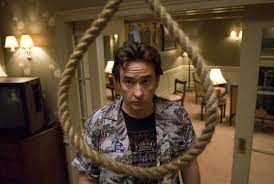
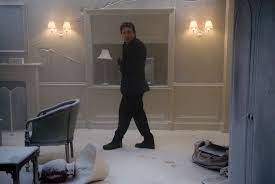
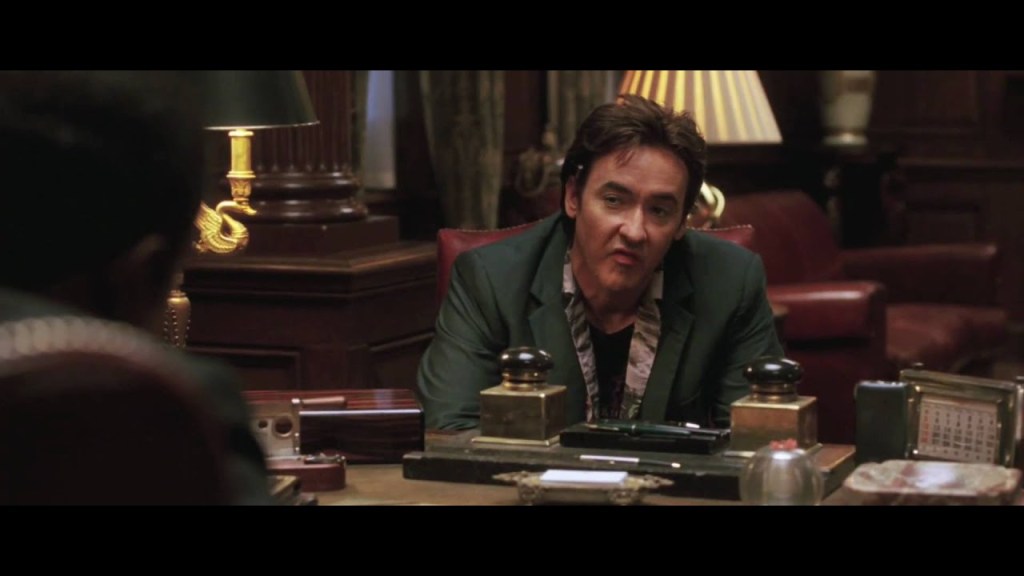
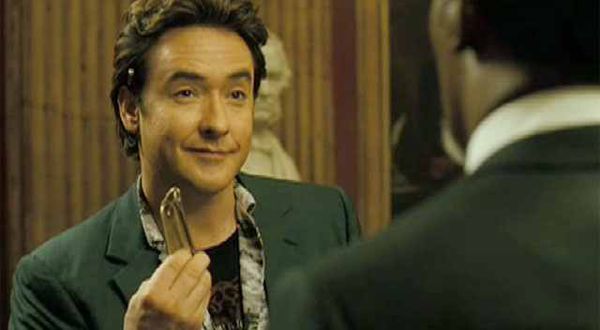
The storyline revolves around Mike Enslin, a skeptical writer played by John Cusack, who specializes in debunking paranormal phenomena. Despite his dismissive attitude towards the supernatural, Enslin becomes intrigued by the notorious Dolphin Hotel’s Room 1408 after receiving a mysterious postcard. The hotel manager, Gerald Olin (Samuel L. Jackson), warns him of the room’s dark history, recounting a series of deaths and tragedies associated with it.
Determined to prove the hotel’s supernatural reputation wrong, Enslin checks into Room 1408, armed with recording equipment and a cynical mindset. However, he quickly discovers that the room is anything but ordinary. As the clock ticks past the initial hour, Enslin becomes entangled in a nightmarish reality where time warps, reality shifts, and his deepest fears manifest in horrifying ways.
John Cusack delivers a compelling performance as Mike Enslin, capturing the character’s skepticism and vulnerability. Cusack’s portrayal is crucial to the film’s success, as the audience needs to empathize with Enslin’s descent into terror. The actor skillfully navigates the character’s emotional spectrum, from initial skepticism to genuine fear, creating a relatable and engaging protagonist.
Samuel L. Jackson, in the role of hotel manager Gerald Olin, provides a strong supporting performance. Jackson’s commanding presence adds an air of mystery and foreboding to the narrative, effectively setting the tone for the horrors that await Enslin in Room 1408.
Mikael Håfström’s direction plays a pivotal role in the film’s effectiveness. The decision to focus on psychological horror rather than relying on gratuitous violence or jump scares sets “1408” apart from conventional horror fare. Håfström masterfully builds tension through atmospheric elements, utilizing the hotel’s labyrinthine corridors and the eerie ambiance of Room 1408 to create a sense of impending dread.
The cinematography, led by Benoît Delhomme, enhances the film’s visual impact. Delhomme’s camera work effectively captures the claustrophobic nature of the hotel room, utilizing tight shots and disorienting angles to mirror Enslin’s growing sense of confinement and paranoia. The use of lighting is particularly noteworthy, with subtle changes in color and intensity contributing to the film’s unsettling atmosphere.
One of the film’s standout features is its ability to establish and maintain a chilling atmosphere. The choice of location, the Dolphin Hotel, with its grand yet decaying interiors, serves as an ominous backdrop to the unfolding horror. The set design, coupled with the haunting score by Gabriel Yared, immerses the audience in a world where reality blurs, and the line between the tangible and the supernatural becomes increasingly ambiguous.
The sound design in “1408” is a crucial element that heightens the suspense and fear. From the subtle creaks and whispers in the hotel corridors to the jarring bursts of music during moments of intense horror, the soundscapes crafted by the audio team contribute significantly to the film’s overall impact. The effective use of silence, punctuated by sudden and disconcerting sounds, creates an unsettling auditory experience that lingers in the viewer’s mind.
At its core, “1408” is a psychological thriller that delves into the complexities of the human mind. As Mike Enslin navigates the surreal horrors of Room 1408, the film challenges not only his sanity but also the audience’s perception of reality. The narrative unfolds as a mind-bending puzzle, with each twist and turn leading to deeper psychological exploration.
The film cleverly employs psychological themes such as guilt, grief, and the fear of the unknown. Enslin’s haunted past and the strained relationship with his deceased daughter become central motifs that add emotional weight to the horror. The room itself acts as a metaphorical manifestation of his inner demons, forcing him to confront the traumas he has long suppressed.
“1408” incorporates rich symbolism and metaphorical elements, elevating it beyond a typical horror movie. The room becomes a symbol of the subconscious mind, a place where buried fears and unresolved emotions resurface. The recurring motif of the clock, with its relentless ticking, symbolizes the inevitability of time and the inescapable nature of one’s past.
The changing appearances of the room reflect Enslin’s fractured psyche, mirroring the disintegration of his grip on reality. As the boundaries between dream and reality blur, the film invites viewers to question the nature of perception and the thin line between the tangible and the imagined.
Beneath the surface of its horror elements, “1408” explores existential and philosophical questions. The film challenges conventional notions of reality, prompting viewers to ponder the subjective nature of experience. The existential dread that permeates Enslin’s journey echoes themes found in the works of existentialist philosophers, where individuals grapple with the meaning of life and the absurdity of existence.
The concept of psychological haunting, where one’s inner demons become tangible, raises questions about the nature of fear and the power of the mind to shape perception. “1408” invites the audience to consider the boundaries between the physical and the psychological, urging them to confront the inherent fears that dwell within the recesses of the human psyche.
One of the film’s strengths lies in its nuanced character development, particularly that of Mike Enslin. As the story progresses, Enslin evolves from a skeptical and somewhat detached individual into a deeply vulnerable and emotionally raw protagonist. John Cusack’s portrayal allows the audience to witness the gradual erosion of Enslin’s skepticism, replaced by a genuine and palpable fear. The character’s journey becomes a mirror for the viewers, inviting them to confront their own fears and vulnerabilities.
The transformation is not limited to Enslin alone. The spectral manifestations within Room 1408, ranging from apparitions to inanimate objects taking on a life of their own, reflect the deepest fears of those who enter. This multifaceted approach to horror, where the psychological and supernatural elements coalesce, adds layers of complexity to both the narrative and the characters’ experiences.
“1408” excels in its pacing, expertly balancing moments of quiet tension with intense bursts of horror. The gradual escalation of fear is a testament to the filmmakers’ understanding of the psychological thriller genre. The film masterfully exploits the confined space of Room 1408, utilizing it to amplify the sense of isolation and helplessness.
The strategic use of time as a narrative device contributes significantly to the film’s suspense. As the clock ticks inexorably, the audience is drawn into Enslin’s race against time, heightening the stakes and intensifying the horror. This time-centric approach adds an element of urgency, making every passing minute within Room 1408 feel like an eternity.
“1408” stands out for its willingness to subvert traditional horror tropes. Rather than relying on conventional jump scares or gratuitous violence, the film opts for a more psychological and atmospheric approach. The horror emerges from the internal struggles of the characters, the disintegration of reality, and the unsettling atmosphere within the room.
By eschewing clichés, “1408” manages to create a more enduring sense of fear. The horror is not fleeting; it lingers in the mind, leaving the audience with a lingering sense of unease. The film challenges the viewer’s expectations, delivering a more cerebral and emotionally resonant experience that transcends the boundaries of conventional horror storytelling.
Mikael Håfström’s direction in “1408” pays homage to classic horror films while infusing the narrative with a contemporary sensibility. The use of suspenseful camera angles and the deliberate pacing echo the works of psychological horror pioneers such as Alfred Hitchcock. Additionally, the film’s exploration of psychological torment draws inspiration from Stanley Kubrick’s “The Shining,” another adaptation of a Stephen King work.
While “1408” acknowledges its cinematic predecessors, it also forges its own identity. The film’s unique blend of psychological horror, supernatural elements, and existential themes sets it apart in a genre often saturated with formulaic approaches. It serves as a bridge between the traditional and modern aspects of horror cinema, appealing to both seasoned enthusiasts and newcomers to the genre.
Upon its release, “1408” received generally positive reviews from both critics and audiences. The film’s success was attributed to its effective blend of psychological horror, strong performances, and a thought-provoking narrative. John Cusack’s portrayal of Mike Enslin was particularly praised, as were the film’s atmospheric elements and suspenseful pacing.
Over the years, “1408” has gained a cult following and is often cited as one of the standout psychological horror films of its time. Its enduring legacy lies in its ability to evoke fear through psychological unease rather than relying on conventional horror conventions. As the genre continues to evolve, “1408” remains a benchmark for those seeking a more cerebral and emotionally resonant horror experience.
“1408” stands as a testament to the potency of psychological horror when executed with precision and nuance. From its compelling performances to its masterful direction, the film captivates audiences by weaving a narrative that transcends the boundaries of conventional horror. Through its exploration of psychological torment, existential themes, and the interplay between reality and the supernatural, “1408” leaves a lasting imprint on the viewer’s psyche.
As we navigate the labyrinthine corridors of Room 1408 alongside Mike Enslin, we are confronted not only with the external horrors that manifest but also with the internal demons that lurk within us all. Mikael Håfström’s directorial prowess, coupled with Stephen King’s source material, creates an experience that lingers long after the credits roll—a chilling reminder that the most profound horrors are often those that reside within the recesses of the human mind. “1408” stands as a paragon of psychological horror, inviting viewers to confront their deepest fears and question the very nature of reality itself.
Technical Commentary
Video
“1408” arrives with a 1080p, 2.39:1-framed transfer. What we see is a somewhat dark, nondescript transfer that offers little in the way of eye-catching detail. It’s a good transfer, there is a golden tint to much of the image with a hint of green, too.
Audio
“1408” arrives on Blu-ray with a strong Dolby TrueHD 5.1 lossless soundtrack. Dialogue is strong and natural There is a nice clarity and presence to the entirety of the soundtrack. It is very well-mixed with nothing coming across as too loud at reference volume, and the track is very good at doing what it’s primary purpose should be: compliment the movie perfectly without drawing unwarranted attention to itself.
Special Features
Disc One
1080p high-definition presentation of the Theatrical Cut
Alternate Ending #1
Alternate Ending #2
Deleted Scenes
Deleted Scenes with audio commentary by director Mikael Håfström and writers Scott Alexander & Larry Karaszewski
John Cusack on 1408 – vintage featurette • Inside Room 1408 – vintage featurette
Theatrical Trailer
The Secrets of 1408: Vintage Featurettes – The Characters, The Director, The Physical Effects and The Production Design
Disc Two
1080p high-definition presentation of the Director’s Cut
Audio Commentary by director Mikael Håfström and writers Scott Alexander & Larry Karaszewski
Warner Bros. Pictures and Legendary have now premiered the official first trailer for Adam Wingard’s “Godzilla x Kong: The New Empire”.
The all-new adventure that pits the almighty Kong and the fearsome Godzilla against a colossal undiscovered threat hidden within our world, challenging their very existence – and our own.
The film delves further into the histories of these Titans and their origins, as well as the mysteries of Skull Island and beyond, while uncovering the mythic battle that helped forge these extraordinary beings and tied them to humankind forever.
The cast includes “Godzilla vs. Kong” returnees Rebecca Hall, Brian Tyree Henry and Kaylee Hottle who are joined by Dan Stevens, Alex Ferns and Fala Chen. Terry Rossio, Simon Barrett and Jeremy Slater penned the script.
“Godzilla x Kong: The New Empire” opens in cinemas April 12th.
HBO has premiered the teaser trailer for the highly anticipated second season of its “Game of Thrones” spin-off series “House of the Dragon”
Shooting on the new season took place in England, Spain, & Wales and clocks in at a shorter eight-episode run with no time jumps this time. A third season has already been mapped.
Based on George R.R. Martin’s “Fire & Blood,” the series chronicles the rise and the downfall of the Targaryens – the only family of dragonlords to survive the Doom of Valyria. Events unfold three centuries prior to “Game of Thrones”.
The series stars Matt Smith, Olivia Cooke, Emma D’Arcy, Rhys Ifans, Steve Toussaint, Eve Best, Sonoya Mizuno, Graham McTavish, Jefferson Hall, David Horovitch, Matthew Needham, Bill Patterson, Gavin Spokes, Wil Johnson, John Macmillan, Savannah Steyn, and Theo Nate.
Gayle Rankin, Russell Beale, Freddie Fox, and Abubakar Salim join the cast for the second season.
Warner Bros. Pictures has officially premiered the teaser trailer and motion poster for George Miller’s “Furiosa: A Mad Max Saga,” the upcoming prequel to 2015’s “Mad Max: Fury Road”.
The new take sees Anya Taylor-Joy playing a younger version of Charlize Theron’s Furiosa character who was snatched from the Green Place of Many Mothers and falls into the hands of a great Biker Horde led by the Warlord Dementus.
Sweeping through the Wasteland, they come across the Citadel presided over by Immortan Joe. While the two Tyrants war for dominance, Furiosa must survive many trials as she puts together the means to find her way home.
Chris Hemsworth and Tom Burke co-star in the film, whilst ‘Fury Road’ actors Nathan Jones and Angus Sampson will reprise their roles of Rictus Erectus and The Organic Mechanic respectively. Quaden Bayles, Daniel Webber and Lachy Hulme also star.
“Furiosa” is set to hit cinemas on May 24th 2024. Check out the motion poster on Instagram.
Featuring: Jonathan Jackson, David Arquette and Cliff Robertson
Mature Alan: [voice over] “Nothing seems to last. But the bullet. The bullet is constant. The bullet is always there. You wait in line, that’s all. And when it’s your turn to ride the bullet, maybe you ride, maybe you run. Either way it comes to the same thing. Fun is fun. And done is done. Nobody lives forever, but we all shine on.”
Critical Commentary
Released in 2004, “Riding the Bullet” is a psychological horror film directed by Mick Garris, based on Stephen King’s novella of the same name. The film takes audiences on a chilling journey that combines elements of horror, drama, and supernatural suspense. With its unique storyline, gripping performances, and atmospheric cinematography, “Riding the Bullet” delivers an unsettling and thought-provoking cinematic experience.
Set in 1969, the film follows the life of Alan Parker (played by Jonathan Jackson), a young artist with a troubled past and a strained relationship with his overbearing mother, Jean Parker (Barbara Hershey). Alan receives news of his mother’s sudden stroke, prompting him to hitchhike to the hospital. Along the way, he encounters a mysterious stranger named George Staub (David Arquette), who appears to be a spectral figure with ominous intentions.
The narrative takes a surreal turn when George offers Alan a choice between life and death, represented by a sinister carnival ride called “The Bullet.” Faced with the decision to either confront his fears or succumb to the unknown, Alan embarks on a nightmarish journey through his own psyche, revisiting traumatic events from his past and encountering various supernatural entities.
“Riding the Bullet” explores themes of mortality, redemption, and the consequences of one’s choices. The titular bullet ride becomes a metaphor for life’s uncertainties, the inevitability of death, and the unpredictable nature of the human experience. The film delves into the psychological aspects of fear, guilt, and the search for meaning in the face of mortality.
The ghostly encounters that Alan experiences during his journey serve as symbolic representations of his inner demons. Each encounter forces him to confront unresolved issues and make choices that will ultimately shape his destiny. The narrative cleverly weaves together elements of horror and drama, creating a rich tapestry of emotional intensity and supernatural intrigue.
Mick Garris, known for his work in the horror genre, masterfully crafts a visually compelling and atmospheric film. The cinematography, led by director of photography C. Kim Miles, captures the eerie landscapes and haunting environments that Alan navigates during his odyssey. From desolate highways to abandoned carnival grounds, the film’s visual elements enhance the overall sense of foreboding.
The use of lighting and shadows plays a crucial role in creating a tense and suspenseful atmosphere. Garris employs a mix of practical effects and CGI to bring the supernatural elements to life, striking a balance between the tangible and the ethereal. The result is a film that immerses the audience in a world where reality and the supernatural seamlessly blend.
Jonathan Jackson delivers a compelling performance as Alan Parker, portraying the character’s vulnerability and inner turmoil with authenticity. His journey from a troubled artist to a man confronting his deepest fears is conveyed with nuance and emotional depth. Barbara Hershey’s portrayal of Jean Parker adds another layer to the film, as her character’s influence looms large over Alan’s psyche.
David Arquette’s portrayal of the mysterious George Staub adds an enigmatic quality to the narrative. Arquette strikes a balance between charm and menace, keeping the audience guessing about George’s true nature and motives. The supporting cast, including Cliff Robertson and Erika Christensen, contribute solid performances that enhance the overall ensemble.
The film’s soundtrack, featuring a mix of 1960s rock and folk music, enhances the nostalgic setting while also underscoring the emotional beats of the story. The score, composed by Nicholas Pike, complements the film’s eerie atmosphere with its haunting melodies and dissonant tones. The music becomes an integral part of the narrative, heightening the tension and accentuating key moments of horror and revelation.
“Riding the Bullet” employs a non-linear narrative structure, seamlessly weaving together past and present events. This approach adds a layer of complexity to the storytelling, inviting the audience to piece together the puzzle of Alan’s life and choices. The pacing is deliberate, allowing for moments of introspection and character development amid the supernatural occurrences.
While some viewers may find the narrative shifts disorienting, the film’s structure ultimately serves the thematic exploration of Alan’s journey towards self-discovery and redemption. The gradual revelation of his past through a series of flashbacks adds depth to the character and invites empathy from the audience.
Despite its many strengths, “Riding the Bullet” is not without its criticisms. Some viewers may find the film’s blend of horror and psychological drama to be uneven, as the narrative occasionally veers into surreal and disjointed territory. Additionally, the film’s reliance on supernatural elements may not resonate with those who prefer more grounded horror experiences.
The character of George Staub, while intriguing, could have benefited from further exploration. His motivations and backstory remain somewhat enigmatic, leaving certain aspects of the narrative open to interpretation. Some viewers may find this ambiguity adds to the film’s mystique, while others may wish for a more concrete explanation.
As “Riding the Bullet” celebrates its one-year anniversary since this review was written, it’s worthwhile to reflect on how the film has continued to resonate with audiences and the broader cinematic landscape. The passage of time often allows for a deeper appreciation of a film’s impact, and in the case of “Riding the Bullet,” its legacy has evolved beyond its initial critical reception.
One notable aspect of the film’s legacy is the development of a cult following. Over the past year, discussions about the film have persisted in online forums, social media, and within niche horror communities. Fans of the genre continue to dissect the intricacies of the narrative, share theories about the symbolism, and engage in spirited debates about the film’s enigmatic conclusion.
The film’s ambiguity, which was both a strength and a point of contention in the original review, has become a catalyst for ongoing interpretations. Viewers continue to offer diverse perspectives on the nature of George Staub, the symbolic significance of the carnival ride, and the psychological underpinnings of Alan’s journey. This sustained interest speaks to the film’s ability to spark intellectual curiosity and encourage viewers to revisit its haunting landscapes.
In the year following its release, “Riding the Bullet” has left its mark on the horror genre, inspiring subsequent filmmakers to explore similar themes of psychological horror and supernatural redemption. The film’s non-linear narrative structure, atmospheric cinematography, and emphasis on character-driven horror have influenced a new wave of filmmakers seeking to blend traditional horror elements with thought-provoking storytelling.
The success of “Riding the Bullet” in carving its niche within the broader horror landscape has demonstrated the enduring appeal of films that challenge the boundaries of the genre. As filmmakers and audiences continue to seek innovative approaches to horror storytelling, “Riding the Bullet” stands as a testament to the genre’s ability to evolve and captivate audiences with fresh, psychologically rich narratives.
As part of the extensive catalogue of Stephen King adaptations, “Riding the Bullet” has found its place within the broader tapestry of King’s cinematic universe. While not as universally recognized as some of King’s more iconic works, the film has solidified its status as a distinctive entry in the author’s filmography. Discussions surrounding the film often include its unique take on King’s themes and the effectiveness of the adaptation in capturing the essence of the original novella.
In the context of Stephen King’s diverse body of work, “Riding the Bullet” remains a noteworthy exploration of the author’s fascination with the supernatural, mortality, and the human psyche. Its place within the broader King cinematic universe ensures that it will continue to be revisited by fans and scholars alike as they explore the thematic threads that run through King’s extensive literary canon.
“Riding the Bullet” stands as a unique and thought-provoking entry in the horror genre. Mick Garris successfully adapts Stephen King’s novella into a visually captivating and emotionally resonant film. Jonathan Jackson’s performance anchors the narrative, guiding audiences through a nightmarish odyssey that explores the complexities of life, death, and the choices we make.
The film’s atmospheric cinematography, evocative soundtrack, and well-crafted performances contribute to its overall impact. While not without its criticisms, “Riding the Bullet” is a rollercoaster of horror and redemption that invites viewers to confront their own fears and reflect on the profound mysteries of existence. As the film celebrates its place in the pantheon of supernatural cinema, it continues to resonate with audiences seeking a cinematic experience that lingers in the recesses of the mind.
James Wan’s Atomic Monster and Jason Blum’s Blumhouse Productions have released the full-length trailer for “Night Swim,” dubbed a new ‘haunted swimming pool’ movie.
Wyatt Russell plays Ray Waller – a former major league baseball player forced into early retirement by a degenerative illness.
He moves into a new home with his concerned wife Eve (Oscar nominee Kerry Condon), teenage daughter Izzy (Amélie Hoeferle) and young son Elliot (Gavin Warren).
Secretly hoping, against the odds to return to pro ball, Ray persuades Eve that the new home’s shimmering backyard swimming pool will be fun for the kids and provide physical therapy for him.
But a dark secret in the home’s past will unleash a malevolent force that will drag the family under, into the depths of inescapable terror.
The film, written and directed by Bryce McGuire (“Baghead”), will release in cinemas on January 5th.