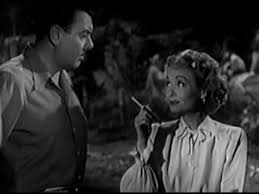
Featuring: Michael Ironside, Wendy Lyon, Justin Louis, Lisa Schrage and Richard Monette
Mary Lou Maloney:“It’s not who you come with, it’s who takes you home.”
“Hello Mary Lou: Prom Night II” is a fascinating delve into the world of supernatural horror and high school drama, a captivating blend that keeps you on the edge of your seat from start to finish. Released in 1987, this film is a sequel to the original Prom Night but takes a decidedly different direction, moving away from the slasher genre and embracing a more supernatural and psychological approach.
The plot revolves around the character of Mary Lou Maloney, a high school student who meets a tragic end during her prom night in 1957. Fast forward to the present day, and Mary Lou’s vengeful spirit is unleashed when a high school student, Vicki Carpenter, unknowingly sets her free by opening a trunk containing Mary Lou’s prom dress. What ensues is a rollercoaster of supernatural occurrences, possession, and a descent into madness as Mary Lou wreaks havoc on the lives of those around her.
One of the standout aspects of Hello Mary Lou is its commitment to creating a unique and memorable antagonist. Mary Lou, portrayed by Lisa Schrage, delivers a performance that is both seductive and sinister. The transformation from innocent high school girl to vengeful spirit is portrayed with a perfect balance of horror and charm. Schrage’s portrayal adds layers to Mary Lou, making her more than just a one-dimensional villain and turning her into a character that you simultaneously fear and empathize with.
The film’s visual effects, considering its 1987 release date, are surprisingly effective. The supernatural elements are brought to life with a combination of practical effects and imaginative cinematography. The scenes featuring Mary Lou’s ghostly presence are particularly well-executed, with a surreal and ethereal quality that adds to the overall sense of unease.
Furthermore, Hello Mary Lou excels in its exploration of psychological horror. As Mary Lou takes control of Vicki’s life, the boundaries between reality and the supernatural blur, creating an atmosphere of constant tension. The film plays with the audience’s perception, leaving them questioning what is real and what is a manifestation of Mary Lou’s malevolent influence.
The soundtrack also deserves praise, as it expertly complements the film’s tone. The use of 1950s rock and roll songs enhances the nostalgic and eerie atmosphere, providing a perfect backdrop for the unfolding supernatural drama.
What truly sets Hello Mary Lou apart is its willingness to take risks and subvert expectations. While it may have departed from the slasher roots of its predecessor, this deviation adds a layer of unpredictability that keeps the audience engaged. The film embraces its supernatural elements wholeheartedly, delivering a story that feels fresh and inventive, even decades after its release.
The exploration of themes such as guilt, redemption, and the consequences of one’s actions elevates Hello Mary Lou beyond mere horror spectacle. As Mary Lou’s spirit seeks revenge, the narrative delves into the moral ambiguity of the characters involved. The film challenges the audience to question the boundaries of justice and the price one must pay for past sins, making it a more thought-provoking experience than your typical horror flick.
The supporting cast also deserves recognition for their performances. Michael Ironside as the stern and authoritative principal adds a layer of tension to the high school setting, while Wendy Lyon, who plays Vicki Carpenter, delivers a convincing performance as she navigates the psychological turmoil inflicted upon her character.
The cinematography is another highlight, with inventive camera work and clever visual storytelling. The use of dream sequences and hallucinations adds to the disorienting atmosphere, blurring the lines between reality and the supernatural. This visual flair contributes to the film’s overall immersive quality, drawing the audience deeper into the nightmarish world it presents.
It’s essential to acknowledge the film’s impact on the horror genre, particularly its influence on subsequent supernatural horror films. Hello Mary Lou paved the way for other films that explored the intersection of high school drama and the supernatural, setting a precedent for narratives that blend horror with coming-of-age elements.
While “Hello Mary Lou: Prom Night II” may not have achieved the same mainstream success as some of its contemporaries, its cult following and enduring appeal among horror enthusiasts speak to its lasting impact. The film stands as a testament to the creative risks that can pay off in the realm of horror cinema, providing a unique and memorable viewing experience that transcends its initial release.
However, the film is not without its flaws. Some may argue that the shift from a slasher genre to supernatural horror might disappoint fans of the original Prom Night. Additionally, certain plot points may seem predictable to seasoned horror enthusiasts, as the film draws inspiration from classic horror tropes.
“Hello Mary Lou: Prom Night II” is a hidden gem in the horror genre, offering a fresh and inventive take on the conventional high school horror narrative. With a standout performance from Lisa Schrage, effective visual effects, and a haunting soundtrack, the film manages to leave a lasting impression. While it may not be a mainstream classic, it has earned its place among cult horror favorites and is a must-watch for fans of the genre.
Kim:“You seem a little anxious, Wendy. By the way, who are going with tonight?”
Wendy:“It’s not who you go with, honey. It’s who takes you home.”
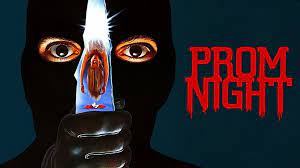
“Prom Night,” directed by Paul Lynch and released in 1980, stands as an enduring pillar in the annals of slasher cinema, epitomizing the horror trends of its time. As a quintessential example of the genre, the film not only capitalized on the success of other late ’70s horror classics but also showcased its own unique take on the formula, setting the stage for the slew of prom-themed horror films that would follow.
At its core, “Prom Night” follows the tale of a group of high school friends who are tormented by a mysterious killer on their prom night, years after a tragic incident involving a young girl named Robin Hammond. As the evening unfolds, the past comes back to haunt the protagonists, and the identity of the masked murderer becomes a central mystery. The film smartly blends elements of suspense, drama, and whodunit, weaving a narrative that keeps viewers guessing until the climactic reveal.
The casting of Jamie Lee Curtis as the lead, a few years after her breakout role in “Halloween” (1978), lent an immediate air of credibility to “Prom Night.” Curtis, playing Kim Hammond, the sister of the deceased Robin, delivers a nuanced performance that combines vulnerability with a resilient spirit. Her character’s journey, haunted by a tragic past and the looming threat of the killer, adds emotional depth to the film and elevates it beyond a mere slasher flick.
“Prom Night” masterfully establishes an eerie atmosphere from the outset, using the anticipation of the prom night festivities as a backdrop for the unfolding horror. The slow, deliberate pacing contributes to the building tension, and the film employs classic suspense techniques, such as the killer’s point of view shots and eerie telephone calls, to keep audiences on edge. The choice of the prom night setting adds a layer of irony, juxtaposing the joyous occasion with the sinister events unfolding, a trope that would become a hallmark of the slasher genre.
The film’s score, composed by Paul Zaza and Carl Zittrer, is an integral part of its identity. The haunting melodies and suspenseful cues enhance the overall impact, underscoring key moments and cementing the film’s place in the genre. The cinematography, marked by effective lighting and clever framing, contributes to the visual appeal and sets “Prom Night” apart from its contemporaries.
Legacy and Influence: “Prom Night” left an indelible mark on the horror genre, influencing subsequent slasher films and cementing itself as a cult classic. The success of the movie spawned a series of sequels and a 2008 remake, attesting to its enduring appeal. The film’s legacy is not only a testament to its quality within the genre but also its role in shaping the trajectory of ’80s horror.
The success of “Prom Night” can be attributed not only to its engaging storyline and memorable performances but also to the meticulous craftsmanship displayed by director Paul Lynch and the creative team. The use of practical effects for the kills, a staple of ’80s horror, adds a visceral and authentic quality to the film. The tension is heightened by Lynch’s adept direction, making effective use of shadows, mirrors, and suspenseful tracking shots. These elements, combined with a keen sense of pacing, contribute to the film’s enduring impact.
Beyond its slasher roots, “Prom Night” takes time to develop its characters, creating a sense of investment in their fates. The ensemble cast, including Leslie Nielsen and Antoinette Bower, adds depth to the narrative with their nuanced performances. Subplots involving teenage relationships, secrets, and the aftermath of the tragic incident provide a richness that goes beyond the typical body count narrative of many slashers.
“Prom Night” arrived during a peak period for the slasher genre, riding the wave of success established by earlier films like “Halloween” and “Friday the 13th.” The film encapsulates the cultural zeitgeist of the time, tapping into the anxieties and fears associated with adolescence. The focus on prom night, a rite of passage for many, resonated with audiences, amplifying the impact of the horror elements.
The success of “Prom Night” left an indelible mark on the horror landscape, influencing subsequent films within the genre. The formula of a masked killer stalking teenagers during a significant event became a template for countless slashers that followed. Additionally, the film’s ability to blend suspense, horror, and mystery paved the way for a new wave of genre offerings, solidifying its status as a trendsetter.
Upon its release, “Prom Night” received a mixed critical response, with some praising its suspenseful atmosphere and performances, while others critiqued its adherence to genre conventions. Over the years, however, the film has garnered a dedicated cult following that appreciates its nostalgic charm, effective scares, and contribution to the horror genre’s evolution. “Prom Night” has become more than just a movie; it’s a cultural touchstone for fans of ’80s horror.
“Prom Night” (1980) remains a cornerstone of slasher cinema, a film that skillfully navigates the tropes of the genre while adding its own distinct flavor. With a compelling plot, standout performances, and a chilling atmosphere, it continues to be celebrated by horror aficionados as a quintessential example of the era’s cinematic offerings. For those seeking a nostalgic journey into the heyday of ’80s horror, “Prom Night” stands as a glittering gem that deserves a place in the pantheon of iconic slashers.
Trailer: “Ministry of Ungentlemanly Warfare” (2024)
Lionsgate has premiered the first trailer for Guy Ritchie’s new film WW2 action film “The Ministry of Ungentlemanly Warfare”
Henry Cavill, Henry Golding, Alan Ritchson, Alex Pettyfer, Hero Fiennes Tiffin, Eiza Gonzalez, Cary Elwes, Babs Olusanmokun, Til Schweiger, Henry Zaga, Mohammad Nour Hakmi, and Babs Olusanmokun co-star in the film.
The true story tale covers UK Prime Minister Winston Churchill’s and James Bond author Ian Fleming’s secret WWII combat organization.
The clandestine squad’s unconventional and ‘ungentlemanly’ fighting techniques against the Nazis helped change the course of the war and gave birth to the modern Black Ops unit.
Paul Tamasy, Eric Johnson, Arash Amel and Ritchie adapted the book based on war correspondent and military historian Damien Lewis’ best-seller of the same name.
“The Ministry of Ungentlemanly Warfare” premieres in cinemas on April 19th.
Featuring: Andrew Scott, Paul Mescal, Jamie Bell and Claire Foy
Mum:“I suppose we don’t get to decide when it ends.”
Andrew Haigh’s “All of Us Strangers” is more than a film; it’s an experience. It’s a tapestry woven with threads of grief, love, and existential longing, each strand shimmering under the golden light of memory and possibility. It’s a film that burrows deep into the core of human experience, unearthing raw emotions and confronting us with the ghosts of our past while illuminating the shimmering paths that lie ahead.
At the heart of the film lies Adam (Andrew Scott), a screenwriter adrift in a sea of grief and loneliness. Haunted by the loss of his parents in a childhood accident, he exists in a self-imposed isolation, the walls of his near-empty London flat mirroring the emptiness within. Enter Harry (Paul Mescal), a vibrant, enigmatic neighbor who disrupts Adam’s carefully constructed equilibrium with his infectious energy and unyielding curiosity. Their chance encounter blossoms into a passionate connection, a lifeline thrown across the chasms of their respective demons.
But “All of Us Strangers” is not simply a love story. It’s a profound exploration of grief and reconciliation. Through Adam’s journey, Haigh weaves a poignant tapestry of unsaid words and unexpressed emotions. We witness the rawness of Adam’s pain, the way it manifests in self-destructive habits and emotional numbness. We see the ghosts of his parents, not as spectral figures, but as living memories that both torment and hold the promise of solace.
Then there’s Harry, a force of nature who shakes Adam from his torpor. Mescal imbues Harry with a vulnerability that mirrors Adam’s own, yet tempered with a youthful optimism that offers a glimmer of hope. Their relationship, charged with passion and tenderness, becomes a catalyst for Adam’s healing. It’s not a straightforward journey; it’s messy, fraught with misunderstandings and hurt, but ultimately, it’s a testament to the transformative power of human connection.
The film transcends the boundaries of conventional narrative. Time folds in on itself as Adam finds himself in his childhood home, his parents alive and unchanged, thirty years after their death. This surreal element is not a gimmick; it’s a potent metaphor for the way grief can warp time and space, trapping us in a perpetual limbo. The reunion with his parents is both agonizing and beautiful, a chance to confront the unspoken, a dance with the ghosts of what could have been.
Haigh’s masterful direction elevates the material to sublime heights. The cinematography is breathtaking, bathing the film in a golden glow that reflects Adam’s yearning for warmth and connection. The soundtrack, a melancholic mix of acoustic melodies and atmospheric electronics, underscores the emotional resonance of every scene. And the performances are simply brilliant. Scott delivers a tour-de-force performance as Adam, capturing the character’s vulnerability, anger, and raw tenderness with unparalleled skill. Mescal, despite having a smaller role, is equally captivating, injecting Harry with a magnetic charm that leaves you wanting more.
“All of Us Strangers” is not a film for the faint of heart. It’s a raw, emotional journey that demands your full attention. But if you’re willing to surrender to its embrace, it will reward you with an experience that stays with you long after the credits roll. It’s a film that celebrates the power of love, the resilience of the human spirit, and the enduring presence of those we’ve lost. It’s a reminder that even in the darkest corners of our grief, there is always the possibility of light, of healing, and of finding solace in the tapestry of strangers who become our anchors, our lovers, and the guiding stars on the path towards wholeness.
My previous review touched upon the emotional core of “All of Us Strangers,” but there’s so much more to unpack from this cinematic tapestry. Let’s delve deeper into some of the film’s thematic nuances and explore how they resonate with different viewers:
The Limbo of Grief: Haigh brilliantly captures the limbo state that grief creates. Adam exists in a space between past and present, unable to fully move forward while chained to the loss of his parents. The surreal element of his childhood home existing unchanged underscores this feeling of being trapped in time. This resonated deeply for me, reminding me of my own experiences with grief and the struggle to reconcile the past with the present.
Facing the Unspoken: Through Adam’s reunion with his parents, the film confronts the unspoken words and unresolved emotions that can linger after a loved one’s passing. The dialogue between them is raw and unfiltered, tackling themes of regret, anger, and forgiveness. This resonated with my own anxieties about conversations I wish I’d had with those who are gone, offering a cathartic release.
The Transformative Power of Connection: While grief isolates, love offers a lifeline. Harry’s presence disrupts Adam’s isolation, forcing him to confront his emotional vulnerability. Their relationship serves as a reminder that even in the midst of immense pain, the connection with another soul can be a catalyst for healing and growth. This resonated with the hope I’ve found in my own connections after loss, highlighting the importance of reaching out and allowing others to support us.
The Fragility of Reality: The film flirts with the boundaries of reality, blurring the lines between past and present, dream and reality. This raises questions about the nature of time and memory, challenging us to reconsider the way we perceive our own experiences. This resonated with my fascination with the subjective nature of reality, encouraging me to reflect on how personal interpretation shapes our understanding of the world.
The Enduring Presence of the Lost: Although physically gone, Adam’s parents remain a powerful presence in his life. They exist not just as ghosts, but as a part of his identity, shaping his choices and motivating him to live more fully. This resonated with my belief that those we love continue to influence us even after they’re gone, reminding me to honor their memory through my actions.
“All of Us Strangers” is a film that invites individual interpretation. These are just some of the themes and resonances that struck me, and you may find yourself drawn to different aspects of the film’s rich tapestry. Ultimately, its strength lies in its ability to provoke thought, evoke emotion, and leave a lasting impression on the viewer long after the final scene. “All of Us Strangers” is a masterful cinematic achievement. It’s a film that lingers in the mind and heart, a testament to the power of storytelling to illuminate the deepest corners of the human experience.
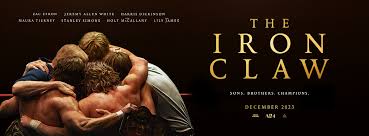
Featuring: Zac Efron, Jeremy Allen White, Harris Dickinson, Maura Tierney, Holt McCallany and Lily James
Kevin Von Erich:“Ever since I was a child, people said my family was cursed. Mom tried to protect us with God. Dad tried to protect us with wrestling. He said if we were the toughest, the strongest, nothing could ever hurt us. I believed him. We all did.”
Sean Durkin’s “The Iron Claw” is a film that packs a hefty punch, both literally and figuratively. It’s a sprawling biopic chronicling the rise and fall of the Von Erich wrestling dynasty, a family whose story is as intertwined with triumph as it is with tragedy. Buckle up, wrestling fans and cinephiles alike, because we’re about to enter a ring where the stakes are high, the blood is real, and the emotional impact is undeniable.
Let’s start with the powerhouse performance of Zac Efron as Kevin Von Erich, the golden boy of the family. Efron sheds his Hollywood heartthrob persona and undergoes a complete physical and emotional transformation. He bulks up, sports a blonde mullet, and channels Kevin’s intensity and vulnerability with raw authenticity. Every drop of sweat, every grimace of pain, feels genuine, pulling you into the gruelling world of professional wrestling.
But “The Iron Claw” is more than just a wrestling spectacle. It’s a nuanced exploration of a family ravaged by tragedy. The film delves into the dark side of fame, the destructive pressure placed on these brothers by their overbearing father (played with chilling intensity by Holt McCallany), and the devastating toll it takes on their mental and physical health. We witness the domino effect of loss, each tragedy chipping away at the family’s fragile foundation, leaving us heartbroken and grappling with the complexities of grief and addiction.
Durkin masterfully blends historical accuracy with a touch of magical realism, blurring the lines between lived experience and wrestling lore. This approach enhances the film’s emotional impact, allowing us to truly feel the larger-than-life presence of the Von Erichs and the myths that continue to surround them. The cinematography is equally captivating, capturing the grit and glamour of the wrestling world with a raw immediacy.
However, “The Iron Claw” is not for the faint of heart. The film tackles sensitive topics like suicide and mental health with unflinching honesty, and the wrestling scenes can be brutal and unforgiving. Be prepared for an emotional rollercoaster ride that will leave you pondering the cost of fame, the complexities of family dynamics, and the enduring legacy of a family forever etched in wrestling history.
When it comes to wrestling films, “The Iron Claw” occupies a unique space. It’s not a pure sports movie like “The Wrestler” or “Creed,” nor is it a light-hearted romp like “Nacho Libre.” Instead, it delves into the dark underbelly of the industry, weaving a tragic family saga intertwined with the highs and lows of professional wrestling. So, where does it stand amongst other biopics and wrestling-themed films?
Compared to other biopics like “Bohemian Rhapsody” or “Rocketman,” “The Iron Claw” shuns the sugar-coated approach. It delves into the darker aspects of the Von Erich story, unafraid to portray the family’s struggles with addiction, mental health, and the devastating consequences of fame. While biographical films often portray their subjects as larger-than-life heroes, “The Iron Claw” humanizes the Von Erichs, exposing their vulnerabilities and the tragic realities that overshadowed their triumphs.
While wrestling forms the backdrop of the film, it’s not simply a glorified showcase of moves and matches. Unlike wrestling-centric films like “Moneyball” or “King Kong Bundy,” “The Iron Claw” uses the brutality of the ring as a metaphor for the family’s internal struggles. The violence and physical toll of wrestling mirror the emotional and mental trauma they endure, creating a potent thematic link that elevates the film beyond pure sports entertainment.
One of “The Iron Claw’s” strengths is its nuanced portrayal of family dynamics. It goes beyond the typical “dysfunctional family” trope, exploring the complex relationships between the Von Erich brothers, their father, and their wives. The film delves into the unhealthy pressure placed on the sons to succeed, the destructive competition between them, and the impact of their father’s controlling nature. This familial focus sets it apart from other wrestling films, which often prioritize spectacle over character development.
Unlike purely historical biopics, “The Iron Claw” employs a touch of magical realism, blurring the lines between reality and wrestling lore. This approach, while controversial, allows the film to capture the larger-than-life presence of the Von Erichs and the myths that surround them. It adds a layer of emotional resonance, allowing viewers to connect with the family on a deeper level than a straightforward historical drama could.
“The Iron Claw” throws a powerful punch, not just for its emotional depth but also for its plunge into the history of the Von Erich family and the electrifying world of professional wrestling in the 1980s. To truly appreciate the film’s impact, let’s step back in time and unpack the context that fuelled their rise and tragic fall.
The Von Erichs weren’t just wrestlers; they were Texas royalty. Fritz Von Erich (real name Jack Adkisson), the family patriarch, had already carved a legendary career in the ring before passing the torch to his sons. David, Kevin, Kerry, and Mike all entered the family business, captivating audiences with their athleticism, charisma, and genuine Texan swagger.
Their home turf was World Class Championship Wrestling (WCCW), a regional promotion based in Dallas, Texas. In the 1980s, WCCW became a wrestling hotbed, thanks in part to the Von Erichs. They drew rabid crowds, filling arenas with passionate fans cheering their every move. Their matches were electric, often blurring the lines between scripted drama and genuine emotion.
The Von Erichs weren’t just crowd-pleasers; they were innovators. Kevin, known for wrestling barefoot, popularized the “Iron Claw” submission hold, a brutal yet visually striking manoeuvre that became his signature. Each brother developed their own distinct style, captivating audiences with high-flying acrobatics, powerful slams, and intense rivalries.
Kerry Von Erich, nicknamed “The Texas Tornado,” became arguably the most successful of the brothers. His clashes with iconic figures like Ric Flair and The Fabulous Freebirds were legendary, drawing national attention and propelling both WCCW and the Von Erichs to mainstream fame.
Unfortunately, the Von Erich story is also one of immense tragedy. David, the eldest brother, died by suicide in 1984, casting a dark shadow over the family. This was followed by a string of personal struggles and health issues that plagued the remaining brothers.
Kevin, plagued by injuries and personal demons, retired from wrestling in 1986. Mike followed suit in 1989 after suffering a horrific neck injury. Kerry, despite achieving success in other promotions, ultimately met a tragic end in 1990, dying by suicide.
Despite the tragedies, the Von Erichs’ legacy lives on. They remain synonymous with Texas wrestling, their influence felt throughout the industry. Their story, captured in “The Iron Claw,” serves as a reminder of both the exhilarating heights and the devastating lows that can accompany fame and athletic passion.
To fully appreciate the context of the Von Erichs’ rise and fall, we need to consider the broader picture of wrestling in the 1980s. This era saw a national boom in the sport, driven by larger-than-life personalities, captivating storylines, and the rise of cable television.
Promoters like Vince McMahon and Ted Turner capitalized on this boom, creating national wrestling empires like the World Wrestling Federation (WWF) and World Championship Wrestling (WCW). WCCW, though a regional player, benefited from this national fervour, providing a platform for the Von Erichs to shine.
The Von Erichs’ impact wasn’t limited to Texas. Their talent and charisma caught the attention of national promotions, leading to appearances in the WWF and WCW. Kerry even held the prestigious WWF Intercontinental Championship, further cementing the family’s place in wrestling history.
The Von Erich story is a complex tapestry woven with ambition, triumph, and heartbreak. It’s a story that sheds light on the darker side of the wrestling industry, where the pressure to entertain can come at a devastating cost. “The Iron Claw,” by exploring this context, delivers a powerful and poignant tale that resonates far beyond the wrestling ring.
I hope this deeper dive into the historical context of the Von Erichs and 1980s wrestling has enriched your understanding of “The Iron Claw.” If you have any further interest in specific aspects of this era, feel free to ask!
“The Iron Claw” is a powerful and thought-provoking film that transcends the genre of biopic. It’s a human drama that grapples with universal themes of family, loss, and the pursuit of dreams, all wrapped in the electrifying world of professional wrestling. Zac Efron delivers a career-defining performance, and the film’s technical prowess and emotional depth make it a truly unforgettable experience.
The full-length trailer is out for “Ghostbusters: Frozen Empire,” the sequel to 2021’s “Ghostbusters: Afterlife” at Sony Pictures.
Gil Kenan helms the new entry – taking over from Jason Reitman who remains onboard as a producer and co-writer with Kenan and Jason Blumenfeld.
The new film sees the Spengler family deciding to leave Oklahoma and go back to where it all started – the iconic New York City firehouse.
There they help the original Ghostbusters, who’ve developed a top-secret research lab, to take busting ghosts to the next level. When the discovery of an ancient artifact unleashes an evil force, Ghostbusters new and old must join forces to protect their home and save the world from a second Ice Age.
Mckenna Grace, Paul Rudd, Finn Wolfhard and Carrie Coon are returning after making their debuts in ‘Afterlife’, as are the three original surviving Ghostbusters played by Bill Murray, Dan Aykroyd and Ernie Hudson. Kumail Nanjiani, Patton Oswalt, James Acaster and Emily Alyn Lind also star whilst Annie Potts is back as Janine Melnitz and William Atherton returns as Walter Peck.
Featuring: Jason Statham, Emmy Raver-Lampman, Josh Hutcherson, Bobby Naderi, Jemma Redgrave, Minnie Driver, Phylicia Rashad and Jeremy Irons
Adam Clay:“Stealing from an elderly person is like stealing from a child. In some ways it’s worse. When someone hurts a child, there are people who care, parents to step in. When someone hurts an older person, they are often left to face the hornets alone.”
Released in January 2024, “The Beekeeper” has generated a hive of buzz, with audiences and critics alike divided on its merits. So, is this action flick a queen bee of entertainment or merely a drone in the cinematic landscape? Let’s don our beekeeper suits and take a closer look.
The film follows Jonas “The Beekeeper” Blake (Jason Statham), a vengeful ex-operative hellbent on dismantling the clandestine organization that betrayed him and murdered his family. Fueled by rage and armed with a lethal set of skills, Jonas stings his way through a web of corruption, leaving a trail of bodies and honeycombs of chaos in his wake.
Director David Ayer, known for his gritty, hyper-realistic action sequences, delivers in spades. “The Beekeeper” is a symphony of punches, kicks, and gunfire, meticulously choreographed and brutally executed. Statham, an action veteran himself, channels his inner John Wick, transforming into a one-man wrecking crew who dispatches foes with balletic efficiency.
Beyond the surface-level thrills, “The Beekeeper” grapples with themes of grief, betrayal, and the corrupting influence of power. Jonas’s quest for vengeance is as much about seeking justice as it is about exorcising the demons of his past. However, the film’s exploration of these themes remains somewhat shallow, often overshadowed by the relentless action.
Performances: Statham delivers a solid performance, embodying the stoic rage of a man consumed by loss. The supporting cast, including Emmy Raver-Lampman as Jonas’s estranged daughter and Billy Naderi as his reluctant FBI ally, provide decent counterpoints, but their characters feel underdeveloped.
Ayer’s signature visual style is on full display, with neon-drenched fight scenes and gritty urban landscapes. The cinematography is competent, but it rarely transcends the functional, failing to capture the raw power and emotional weight of the story.
The score by Marco Beltrami is serviceable, but it lacks the memorability and thematic resonance that could have elevated the film’s emotional impact.
“The Beekeeper” is a crowd-pleaser for fans of Statham’s brand of action cinema. The relentless pace, bone-crunching fight scenes, and Statham’s undeniable charisma are sure to entertain. However, those seeking a deeper exploration of the film’s thematic potential or nuanced character development will likely be left wanting.
Action Deconstruction:
Choreography and Execution: As mentioned, the action sequences are undeniably impressive. Ayer’s meticulous direction and Statham’s physical prowess combine to create balletic brutality. Long takes and tight framing immerse us in the visceral impact of each blow, while Statham’s fluid movements defy his years, reminding us why he’s the reigning king of action cinema.
Impact and Meaning: However, the sheer volume of action can sometimes overshadow its thematic connection to the narrative. While the rage fueling Jonas’s rampage is evident, the film could have done more to connect his physical acts to his emotional core. A sprinkle of vulnerability amidst the carnage could have added depth and resonance to the action.
Character Hive Mind:
Jonas Blake: Statham inhabits Jonas with a stoic intensity that masks the inferno of grief and vengeance burning within. We see glimpses of the pain driving him, but more exploration of his internal conflict would have made him a more compelling protagonist.
Supporting Cast: The supporting characters, unfortunately, feel like underdeveloped drones in Jonas’s hive. Raver-Lampman and Naderi deliver decent performances, but their characters lack the depth and motivation to truly engage the audience.
Thematic Honeycomb:
Revenge and Redemption: The film grapples with the cycle of vengeance and the possibility of redemption. Jonas’s quest for justice threatens to consume him, and the film raises questions about whether true closure can be found in violent retribution. However, these themes remain largely unexplored, leaving the audience with more questions than answers.
Corruption and Power: The film exposes the corrupting influence of power within clandestine organizations. However, this theme feels like a missed opportunity. A deeper dive into the organization’s machinations and Jonas’s place within them could have added intrigue and complexity to the narrative.
Visual Buzz:
Neon Noir: Ayer’s signature neon-drenched visuals lend a distinct aesthetic to the film. The gritty urban landscapes bathed in vibrant blues and purples create a visually arresting world that reflects the dark underbelly of Jonas’s mission.
Functional Cinematography: While competent, the camerawork rarely transcends the functional. The action sequences are well-shot, but there’s a lack of visual poetry or stylistic flourishes that could elevate the film’s emotional impact.
Beyond the Buzz:
Genre Comparisons: “The Beekeeper” inevitably invites comparisons to other Statham action vehicles like “John Wick” and “The Transporter.” While it delivers comparable thrills, it lacks the unique world-building and stylistic elements that set those films apart.
Missed Potential: Ultimately, “The Beekeeper” feels like a missed opportunity. The intriguing premise, talented cast, and competent action sequences are undeniable, but the film fails to reach its full potential due to underdeveloped themes, characters, and visuals.
“The Beekeeper” is a satisfying action film for genre enthusiasts, offering Statham at his best and some truly jaw-dropping fight sequences. However, those seeking a deeper cinematic experience with nuanced characters and thematic exploration will likely be left wanting. The film buzzes with potential, but it never quite takes flight, leaving its audience with a sweet tooth for something more substantial.
This examination, I hope, provides a multifaceted perspective on “The Beekeeper,” allowing you to appreciate its strengths and identify its shortcomings through different lenses. Whether you find it a satisfying thrill ride or a missed opportunity, the film surely sparks conversation and invites further dissection – a testament to its ability to sting, even if it doesn’t quite reach the pinnacle of the cinematic hive.
Remember, the film’s true value, much like honey, is subjective. So, savor the sweet action sequences, ponder the missed thematic blooms, and ultimately, form your own opinion on this buzzing piece of cinema.
“The Beekeeper” is a competent action film, but it never quite stings its way into the realm of cinematic greatness. While Statham’s performance and the action sequences are undeniable highlights, the film’s underdeveloped themes and characters prevent it from achieving true buzz. So, is it worth your time? If you’re craving a mindless adrenaline rush, then dive in. But if you’re looking for a thought-provoking or emotionally resonant experience, you might want to steer clear of this hive.
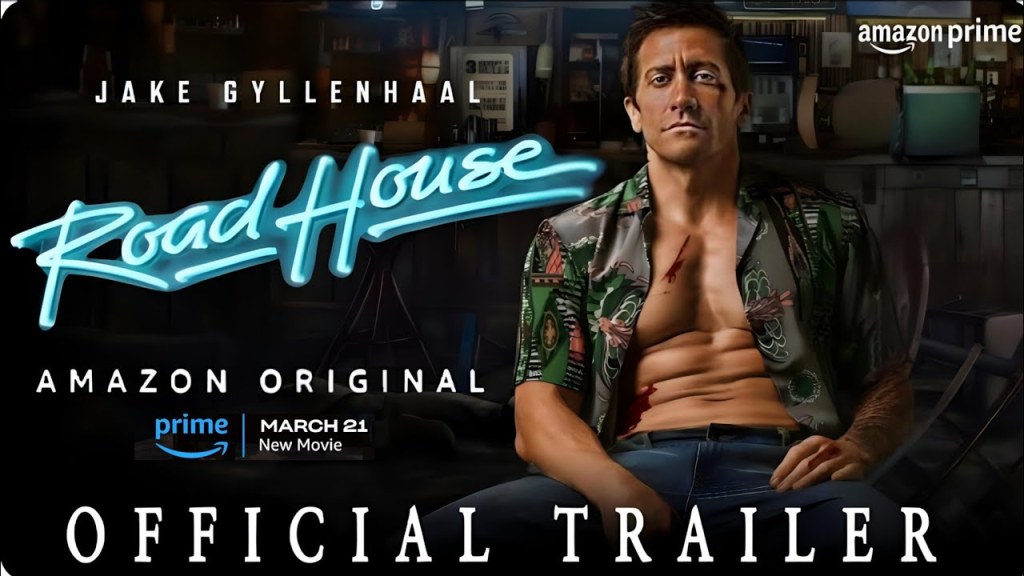
Amazon has premiered the first trailer for its reimagining of the cult classic 1980s Patrick Swayze-led film “Road House”.
Filmmaker Doug Liman (Edge of Tomorrow,” “Mr. & Mrs. Smith,” “The Bourne Identity,” “Go”) directs this new version which follows a former UFC fighter who takes a job as a bouncer at a rough-and-tumble roadhouse in the Florida Keys but soon discovers that not everything is what it seems in this tropical paradise.
Conor McGregor, Daniela Melchior, Billy Magnussen, Gbemisola Ikumelo, Lukas Gage, Hannah Love Lanier, Travis Van Winkle, B.K. Cannon, Arturo Castro, Dominique Columbus, Beau Knapp and Bob Menery co-star.
Amazon is proceeding with its streaming plans with the film to hit the service on March 21st.
Featuring: Patrick Macnee, Ian Hendry, Honor Blackman, Julie Stevens, Diana Rigg, Linda Thorson and Patrick Newell
John Steed:“Mrs. Peel, we’re needed.”
Critical Commentary
“The Avengers,” a British television series that first aired in 1961, underwent significant transformations throughout its run. One of the notable eras was the inclusion of Tara King, played by the talented actress Linda Thorson. This review explores the dynamic shift in the series with Tara King’s introduction and evaluates the impact it had on the show’s overall tone, character dynamics, and storytelling.
Tara King entered “The Avengers” in its sixth season, succeeding the iconic Emma Peel, portrayed by Diana Rigg. Linda Thorson’s portrayal of Tara brought a fresh energy to the series, offering a different dynamic compared to her predecessors. While Emma Peel was known for her sleek and sophisticated demeanour, Tara King brought a youthful exuberance and a quirky charm to the show.
One of the key elements that made “The Avengers” with Tara King stand out was the evolving dynamic between her and John Steed, played by Patrick Macnee. Steed’s character, known for his sharp wit and impeccable style, found an intriguing counterpart in Tara King. Their partnership was marked by a delightful mix of mentorship and camaraderie, injecting a playful and endearing quality into the series.
Tara’s character was distinctively different from Emma Peel, and this contrast added depth to the show’s narrative. While Emma was a master in martial arts and had a mysterious allure, Tara brought a more down-to-earth, girl-next-door quality. Her character resonated with the changing cultural landscape of the 1960s, reflecting the era’s evolving perceptions of gender roles.
The introduction of Tara King coincided with a subtle shift in the show’s storytelling. The espionage elements remained, but there was an increased emphasis on humour, absurdity, and surrealism. “The Avengers” with Tara King embraced a more light-hearted and whimsical approach, blending the espionage genre with elements of science fiction and fantasy. The episodes featuring Tara King often explored unconventional plots, incorporating elements like mind control, time travel, and eccentric villains. This departure from the more grounded narratives of earlier seasons added a layer of unpredictability to the show, making each episode a delightful adventure filled with twists and turns.
The visual aesthetics of “The Avengers” with Tara King continued the show’s tradition of stylish and avant-garde cinematography. The use of bold colours, innovative camera angles, and avant-garde set designs contributed to the show’s iconic visual appeal. The fashion choices for Tara King were notably trendy, reflecting the fashion-forward sensibilities of the time.
“The Avengers” with Tara King remains a cultural touchstone, capturing the zeitgeist of the 1960s and embodying the spirit of innovation that defined the era. The series continued to garner a dedicated fanbase, and Tara King’s character, in particular, found resonance among viewers who appreciated the infusion of humour and a more eclectic storytelling approach.
The show’s impact on popular culture extended beyond its initial run, influencing subsequent spy-fi and superhero genres. The combination of espionage, humour, and surrealism paved the way for other iconic series and films in the same vein, solidifying “The Avengers” as a trailblazer in the television landscape.
Linda Thorson’s performance as Tara King received acclaim for bringing a breath of fresh air to the series. Her ability to balance vulnerability with intelligence and wit added a new layer of relatability to the character. The chemistry between Thorson and Patrick Macnee contributed significantly to the show’s success during Tara King’s tenure.
The legacy of “The Avengers” with Tara King extends beyond the small screen. The show’s influence can be seen in subsequent television productions, movies, and even comic books. Elements of its unique blend of genres and character dynamics have inspired generations of storytellers, contributing to the enduring popularity of spy-fi and superhero narratives.
Despite the inevitable comparisons with previous iterations of “The Avengers,” Tara King’s era brought its own distinct flavour, proving that the show could successfully evolve while maintaining its core appeal. The willingness to embrace change and experiment with storytelling formats showcased the creative agility of the production team and solidified “The Avengers” as a resilient and dynamic series.
Beyond its contributions to genre evolution and cultural impact, “The Avengers” with Tara King also left a lasting mark on the dynamics of television storytelling. The show’s ability to seamlessly transition between espionage, humour, and fantasy elements showcased a willingness to push boundaries and experiment with narrative conventions. This willingness to innovate set a precedent for subsequent television series, influencing the way creators approached genre-blending and character development.
The success of “The Avengers” with Tara King demonstrated that a long-running series could successfully reinvent itself without sacrificing its core identity. This approach has since become a valuable lesson for producers and writers looking to maintain audience interest over multiple seasons. The show’s ability to introduce new characters, adapt its tone, and explore diverse storylines has become a blueprint for revitalizing established series, ensuring their longevity and relevance.
Linda Thorson’s portrayal of Tara King played a pivotal role in the show’s continued success. Her character’s endearing qualities, combined with Thorson’s charismatic performance, ensured that Tara King would become a beloved figure among fans. Tara’s impact is not only limited to her time on the show but has endured through the years as a symbol of the evolving roles of women in television.
Tara King, with her intelligence, resourcefulness, and distinct personality, became a positive representation of female characters in a genre that often stereotyped or marginalized women. Her character challenged traditional gender roles, contributing to the ongoing conversation about diversity and inclusion in media. In this way, Tara King’s legacy extends beyond the confines of “The Avengers” and remains relevant in discussions about the portrayal of women in television.
“The Avengers” with Tara King played a pivotal role in shaping the trajectory of spy-fi and superhero genres. The show’s willingness to blend espionage with elements of science fiction and fantasy paved the way for later productions in these genres. The idea that a series could seamlessly incorporate fantastical elements while maintaining a sense of sophistication and intrigue became a hallmark that influenced subsequent spy-fi and superhero narratives.
This influence can be seen in later television series, films, and even in the rise of comic book adaptations that embraced a more eclectic and genre-blurring approach. “The Avengers” with Tara King helped redefine audience expectations for what was possible within the realms of spy fiction and superhero storytelling, ultimately contributing to the diversity and creativity of the modern television landscape.
While Tara King’s era in “The Avengers” marked a departure from the established dynamics of the show, it played a crucial role in keeping the series relevant and adaptable to changing tastes. The charming interplay between Tara and Steed, combined with the show’s willingness to experiment with storytelling, left an indelible mark on television history.
In conclusion, “The Avengers” with Tara King successfully navigated the challenges of introducing a new character after the departure of a beloved predecessor. Linda Thorson’s portrayal of Tara King brought a unique and enjoyable flavour to the series, contributing to the show’s enduring legacy as a ground-breaking and influential work in the realm of television.
Special Features
1080p high-definition presentation from the original 35mm elements
Collectable double-sided Hardbox packaging – 1500 copies only
120-page booklet featuring an essay by television writer / historian Andrew Pixley, and Press/Story Information from the original studio files
Original ‘as broadcast’ mono audio track (LPCM) and “The Avengers in Colour” opening slate
Audio Commentary on “The Forget-Me-Knot” by filmmakers Samuel Clemens and George Clemens (2023)
Audio Commentary on the Terry Nation scripted episode “Invasion of the Earthmen” by writer/film critic Kim Newman and screenwriter/author Robert Shearman (2023)
Audio Commentary on “Split!” by writer/producer Brian Clemens and director Roy Ward Waker
Audio Commentary on “LOOK! (stop me if you’ve heard this one) But There Were These Two Fellers…” by filmmakers Samuel Clemens and George Clemens (2023)
Never-before-released Video Commentary on “All Done with Mirrors” featuring actress Linda Thorson, director Raymond Austin, composer Howard Blake, producer Brian Clemens recorded on-stage at “THE AVENGERS AT 50” event in 2011
Audio Commentary on “All Done with Mirrors” by actress Linda Thorson and Paul O’Grady
Audio Commentary on “Game” by director Robert Fuest
Audio Commentary on “Noon Doomsday” by actress Linda Thorson and Paul O’Grady
2nd Audio Commentary on “Noon Doomsday” by stuntwoman Cyd Child
3rd Audio Commentary on “Noon Doomsday” by filmmakers Samuel Clemens and George Clemens (2023)
Audio Commentary on “Killer” by guest actress Jennifer Croxton
Audio Commentary on “The Morning After” by director John Hough
Audio Commentary on “Love All” by writer Jeremy Burnham and guest actress Veronica Strong
Audio Commentary on “Fog” by film historians Jonathan Rigby and Kevin Lyons (2023)
Audio Commentary on “Thingumajig” by film historians Jonathan Rigby and Kevin Lyons (2023)
Audio Commentary on “Bizarre” by television historians Dick Fiddy (of the British Film Institute) and Henry Holland (2023)
Video Introductions to “The Interrogators”, “Love All”, “Take Me To Your Leader”, “Pandora”, “Thingumajig” and “Requiem” by Linda Thorson
Video Introduction to “Whoever Shot Poor George Oblique Stroke XR40?” by director Cyril Frankel
Audio Recollection on “Get-A-Way!” by guest actor Peter Bowles
“THE AVENGERS AT 50” – Interviews captured at the 50th Anniversary celebration of the series, held at Chichester University (2011)
Helicopter arrival and Audio Commentary by Linda Thorson and Paul O’Grady
Linda Thorson introduces video message from Patrick Macnee
“The Impact of The Avengers” – panel discussion with Linda Thorson, Paul O’Grady, director Raymond Austin, actor John Carson and author Alwyn Turner
“The Music of The Avengers” – Themes from the series (and The New Avengers) performed by the Chichester University Orchestra
Interview with Linda Thorson by Paul O’Grady
“The Two Sides of Tara King” – with Linda Thorson and stuntwoman Cyd Child
Interview with director John Hough
Interview with director Robert Fuest
Interview with composer Howard Blake
Interview with director/stunt co-ordinator Raymond Austin (NEW! Complete unreleased version)
“In the Footsteps of Tara King” – interview with Linda Thorson by Oliver Kalkofe (2010)
“Wish You Were Here” – Locations featurette
“Avenging The Avengers” – featurette on the series (1992) plus additional unused interviews
“Thriller: Lady Killer” – complete episode from the ATV series starring Linda Thorson, written by Brian Clemens (in Standard Definition)
“Return of the Saint: The Roman Touch” – complete episode of the ITC action series guest starring Linda Thorson (in Standard Definition)
Archival Vault Material
“Introducing Linda Thorson” – Vintage Promotional Trailer
“Girl About Town” – Vintage Promotional Short Film about Linda Thorson with optional Audio Commentary by Linda Thorson and Paul O’Grady
Artists Screen Tests – vault film of various actresses auditioning to be the new “Avengers Girl” (mute with optional Audio Commentary)
“Invasion of the Earthmen” – Alternative U.S. End Credits
– Series 6 Textless Closing Credits with theme music
– U.S. ABC Network Commercial Break Bumpers
– “Mit Schirm, Charme Und Melone” – German Opening Titles / Closing Credits
– “Granada Plus Points” for “The Forget-Me-Knot” featuring Patrick Macnee
– Extensive Photo Galleries from the studio archives
Bonus Disc 1: The Avengers – The Early Years
“Hot Snow Act 1” – the only surviving material from the very first episode of Series 1, with optional Audio Commentary by producer Leonard White (in Standard Definition)
“Girl on the Trapeze” – the complete 6th episode from Series 1 (in Standard Definition)
“The Frighteners” – the complete 15th episode from Series 1 (in Standard Definition)
“Bullseye” – the complete 8th episode from Series 2, with optional Audio Commentary by actress Honor Blackman and Paul O’Grady
“Warlock” – the complete 16th episode from Series 2, with optional, NEW! previously unreleased Audio Commentary by Honor Blackman and story editor Richard Bates recorded at “THE AVENGERS AT 50” event in 2011
14 Audio Reconstructions for missing Series 1 episodes
“THE AVENGERS AT 50” – Interview with producers Leonard White and Brian Tessler, actresses Honor Blackman and Julie Stevens (2011)
Bonus Disc 2: Mister Jerico (1970)
1970 crime caper produced by ITC as the pilot to a proposed new Patrick Macnee series, but ultimately aired as a one-off television film, and theatrically exhibited in some territories.
1080p high-definition presentation of a 2023, 2K scan from the original camera negative by Imprint, with grading by award-winning colourist Jonathan Wood
audio Commentary by television historians Dick Fiddy (of the British Film Institute) and Henry Holland (2023)
Featuring: Christopher Walken, Lindsay Crouse, Frances Sternhagen, Terry Hanauer, Andreas Katsulas and Joel Carlson
Whitley Strieber:“Was there an owl in here last night?”
Critical Commentary
“Communion” is a thought-provoking and enigmatic science fiction film that delves into the realms of extra-terrestrial encounters and the profound impact they can have on an individual’s life. Released in 1989 and directed by Philippe Mora, the movie is based on the bestselling book of the same name by Whitley Strieber, who claims to have had real-life experiences with alien beings.
The film stars Christopher Walken in the lead role as Whitley Strieber, a successful author who, along with his family, experiences a series of inexplicable and terrifying events that lead him to question the nature of reality and his own sanity. What sets “Communion” apart from typical alien-themed movies is its focus on the psychological and emotional toll that these encounters take on the protagonist.
Christopher Walken delivers a compelling and nuanced performance as Strieber, capturing the character’s emotional journey from scepticism to fear, and ultimately to a complex acceptance of the inexplicable events that unfold. Walken’s ability to convey the inner turmoil and vulnerability of Strieber adds depth to the narrative, making the audience empathize with the character’s struggle to reconcile the extraordinary experiences with the scepticism of the outside world.
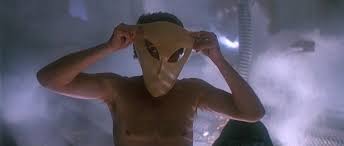
The film’s cinematography and visual effects, while dated by today’s standards, effectively convey the eerie and unsettling atmosphere surrounding Strieber’s encounters. The use of practical effects and prosthetics in depicting the alien beings adds a visceral and unsettling quality to the film, enhancing the overall sense of unease.
One of the strengths of “Communion” lies in its willingness to explore the psychological and existential aspects of alien abduction experiences. The movie delves into themes of trauma, memory, and the impact of the unknown on human consciousness. It successfully avoids falling into the trap of clichéd extra-terrestrial tropes and instead opts for a more introspective and character-driven narrative.
The supporting cast, including Lindsay Crouse as Anne Strieber and Frances Sternhagen as Dr. Janet Duffy, contributes solid performances that help ground the film in a sense of reality. The relationships and interactions between characters serve to humanize the story, making the audience invest emotionally in the central mystery.
The film’s soundtrack, composed by Eric Clapton, complements the eerie and mysterious tone of the narrative. Clapton’s music adds an otherworldly quality to the film, enhancing the suspense and drama of Strieber’s journey.
While “Communion” received mixed reviews upon its initial release, its enduring appeal lies in its unique approach to the alien abduction genre. Rather than relying solely on spectacle and action, the film engages with the psychological and emotional impact of extra-terrestrial experiences. It encourages viewers to ponder the mysteries of the universe and the limitations of human understanding.
The film unfolds as a psychological journey, mirroring Strieber’s own struggle to reconcile the bizarre events that disrupt his seemingly idyllic life. As the narrative progresses, viewers are taken on a rollercoaster of emotions, from the initial disbelief and terror to the gradual acceptance of an otherworldly reality. The screenplay, adapted by Whitley Strieber himself, offers a glimpse into the inner workings of a mind grappling with the unimaginable, blurring the lines between reality and perception.
The supporting characters in “Communion” play pivotal roles in both challenging and reinforcing Strieber’s experiences. Lindsay Crouse as Anne Strieber provides a convincing portrayal of a supportive yet sceptical wife trying to comprehend her husband’s increasingly erratic behaviour. The dynamic between Christopher Walken and Crouse adds a layer of authenticity to the film, showcasing the strain that such extraordinary events can place on personal relationships.
Frances Sternhagen’s performance as Dr. Janet Duffy, a psychologist attempting to unravel the mysteries behind Strieber’s encounters, adds a touch of scientific inquiry to the narrative. The inclusion of Duffy’s character not only introduces an element of rational analysis but also serves as a conduit for the audience to question the veracity of Strieber’s experiences. This blend of psychological drama and scientific inquiry adds depth to the storytelling, preventing the film from descending into a mere spectacle of the supernatural.
The film’s pacing is deliberate, allowing the tension to build gradually, mirroring Strieber’s own sense of unease and disorientation. Philippe Mora’s direction emphasizes atmospheric elements, utilizing shadows, lighting, and sound design to create an unsettling ambiance. The visual and auditory cues heighten the suspense, keeping the audience on edge as they follow Strieber’s descent into the unknown.
“Communion” doesn’t shy away from exploring the more esoteric aspects of Strieber’s encounters, incorporating elements of mysticism and the metaphysical. This willingness to embrace ambiguity and leave certain questions unanswered contributes to the film’s enduring mystique. The narrative’s refusal to provide easy answers challenges viewers to engage with the material on a deeper level, sparking conversations about the nature of belief, the limits of human understanding, and the existence of phenomena beyond our comprehension.
While some critics may fault “Communion” for its departure from conventional storytelling and its reliance on subjective experiences, these very elements contribute to its enduring appeal. The film serves as a testament to the complexity of the human mind and its capacity to grapple with the inexplicable. It invites audiences to consider the possibility that there are facets of existence that defy conventional explanation, encouraging a more open-minded approach to the mysteries that surround us.
“Communion” is a thought-provoking and atmospheric film that explores the intersection of the unknown and the human psyche. Christopher Walken’s powerful performance, coupled with the film’s introspective approach, elevates it beyond typical science fiction fare. Whether one believes in extra-terrestrial encounters or not, “Communion” remains a captivating exploration of the mysteries that lie beyond the boundaries of our understanding.
Technical Commentary
Video
The AVC encoded image (2.36:1 aspect ratio) presentation for “Communion” appears to be sourced from an older master of the film. Detail is on the soft side, but skin particulars are appreciable on human characters and alien visions, which retain their rubbery appearance. Household interiors are open for examination, along with misty, metallic ship visits. Colours are slightly muted, but the cooler palette for “Communion” remains intact, tracking evening experiences and dimly lit encounters.
Audio
The 2.0 DTS-HD MA mix delivers decent dialogue exchanges, with nothing lost along the way. Atmospherics are appreciable, with a louder sense of alien action and steamy environments.
Special Features
Audio Commentary by Film Historian/Screenwriter Gary Gerani (2023)
Audio Commentary by Director Philippe Mora and William J. Birnes, publisher of UFO Magazine
Outtakes
Behind-the-scenes Footage
Theatrical Trailers
Excerpt from “According to Occam’s Razor” – actual videotape footage of an alien implant removal
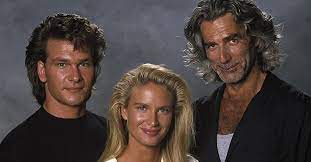
Featuring: Patrick Swayze, Ben Gazzara, Kelly Lynch and Sam Elliott
Dalton: “Take the biggest guy in the world, shatter his knee and he’ll drop like a stone.”
Critical Commentary
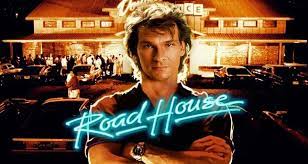
“Road House,” released in 1989, directed by Rowdy Herrington, is a film that has left an indelible mark on the action genre. Starring Patrick Swayze as the enigmatic and stoic Dalton, the movie takes us on a thrilling journey through the world of roadside bars, corrupt towns, and the explosive blend of romance and violence. From the neon-lit bars to the gravel-strewn streets, “Road House” is a cinematic rollercoaster that transcends the typical action movie tropes.
The plot revolves around Dalton, a legendary bouncer with a Zen-like philosophy, who is hired to clean up the notorious Double Deuce, a bar in the small town of Jasper. As Dalton attempts to restore order and bring justice to the town, he finds himself entangled in a web of corruption, crime, and personal vendettas. The narrative seamlessly weaves together action, romance, and drama, making “Road House” more than just a typical action flick.
At the heart of the film is Patrick Swayze’s portrayal of Dalton. Swayze brings a unique blend of charm, physical prowess, and brooding intensity to the character, making Dalton more than just a bouncer with a philosophy – he becomes a symbol of justice. Swayze’s on-screen chemistry with Kelly Lynch, who plays the role of the local doctor and Dalton’s love interest, adds depth to the film. The supporting cast, including Sam Elliott as Dalton’s mentor and Ben Gazzara as the menacing villain Brad Wesley, further elevates the ensemble.
“Road House” is renowned for its intense and well-choreographed action sequences. From the gritty barroom brawls to the high-octane showdowns, the film delivers a visceral and adrenaline-pumping experience. The fight scenes are not just about physicality; they serve as a narrative device, showcasing Dalton’s skills and the underlying tension in the town. Swayze’s background in dance brings a unique grace to the fight scenes, making them stand out in the action genre.
The film’s visual aesthetics, captured by cinematographer Dean Cundey, contribute significantly to its overall impact. The neon lights of the Double Deuce, the dusty roads of Jasper, and the atmospheric lighting during the action scenes create a distinct visual identity for “Road House.” The setting feels like a character in itself, adding authenticity to the small-town atmosphere and enhancing the film’s immersive quality.
The soundtrack of “Road House” complements the film’s rugged ambiance, featuring classic rock tunes that become synonymous with the era. The musical choices, including tracks by The Jeff Healey Band, enhance the emotional beats of the narrative and provide a memorable backdrop to the on-screen action.
Beneath the surface-level action and romance, “Road House” explores themes of justice, redemption, and the complexity of human nature. Dalton’s philosophy, rooted in Eastern wisdom and martial arts, adds a layer of depth to the character and elevates the film beyond a mere action spectacle.
One of the standout aspects of “Road House” is its rich character dynamics and relationships. The camaraderie between Dalton and his mentor, Wade Garrett, played with seasoned charm by Sam Elliott, adds emotional depth to the film. Their shared history and the mutual respect between the characters enhance the narrative, providing a nuanced exploration of loyalty and brotherhood.
The romantic subplot between Dalton and Dr. Elizabeth “Doc” Clay, portrayed by Kelly Lynch, is more than just a clichéd love interest angle. The chemistry between Swayze and Lynch feels genuine, and the budding romance unfolds organically amidst the chaos of the Double Deuce and the town’s tumultuous atmosphere. This love story is not a mere subplot; it becomes an integral part of Dalton’s journey, driving him to confront not only external threats but also his own vulnerabilities.
Ben Gazzara’s portrayal of Brad Wesley, the town’s corrupt and powerful antagonist, is a masterclass in villainy. Gazzara’s charismatic yet menacing performance makes Wesley a memorable foe. His control over the town, both economically and through sheer intimidation, sets the stage for Dalton’s crusade for justice. The film’s exploration of corruption in a small town adds a layer of social commentary, making the stakes more significant than just barroom brawls.
“Road House” is peppered with memorable lines and iconic quotes that have become ingrained in pop culture. Dalton’s stoic wisdom, delivered with Swayze’s trademark intensity, is balanced by witty and often humorous exchanges between the characters. The dialogue serves as a vehicle for character development, adding depth to the personas in the midst of the chaos.
While “Road House” may not have received unanimous critical acclaim upon its initial release, it has since attained cult status. The film’s influence on subsequent action movies is evident in its blending of martial arts, Western tropes, and a touch of film noir. Its impact is felt in the way it pushed the boundaries of the action genre, proving that a film could be both thrilling and thought-provoking.
“Road House” remains a testament to the late Patrick Swayze’s versatility as an actor. Swayze’s ability to seamlessly transition from dramatic moments to high-energy action scenes showcases his range. His portrayal of Dalton endears the character to audiences, making him an enduring figure in the realm of action cinema.
“Road House” stands the test of time as a cult classic, celebrated for its charismatic performances, intense action sequences, and a narrative that transcends the boundaries of traditional action cinema. Patrick Swayze’s iconic portrayal of Dalton, combined with the film’s visual flair, memorable soundtrack, and underlying themes, cements “Road House” as a quintessential entry in the action genre. Whether you’re a fan of adrenaline-pumping fights, heartfelt romance, or philosophical musings, “Road House” delivers on multiple fronts, making it a must-watch for cinephiles and action enthusiasts alike.
Technical Commentary
Video
With a new 2k scan of the interpositive, this 2.35:1 1080p transfer is probably the best ‘Road House’ has ever looked – relatively speaking. It’s notably brighter than the previous MPEG-2 release from 2009 and also thankfully retains a stable but present grain field. On the surface, it may not seem like much of an improvement, but it becomes clearer in wide shots and establishing shots. Details are rendered a little finer and with better clarity. There are also a number of scenes that looked out of focus in the previous release that now look sharpened up and look clearer.
Special Features
Audio Commentary by director Rowdy Herrington (2006)
Audio Commentary by filmmakers / Road House fans Kevin Smith and Scott Mosier (2006)
I Thought You’d Be Bigger: The Making of Road House– documentary
A Conversation with Director Rowdy Herrington
Pain Don’t Hurt – The Stunts of Road House
Pretty Good for a Blind White Boy – The Music of Road House
Featuring: Thomas Jane, Marcia Gay Harden, Laurie Holden, Andre Braugher, Toby Jones, William Sadler, Jeffrey DeMunn, Frances Sternhagen, Sam Witwer, Alexa Davalos and Nathan Gamble
Ollie:“As a species we’re fundamentally insane. Put more than two of us in a room, we pick sides and start dreaming up reasons to kill one another. Why do you think we invented politics and religion?”
Critical Commentary
“The Mist,” a 2007 science fiction horror film directed by Frank Darabont, stands as a unique and polarizing entry in the realm of cinematic adaptations of Stephen King’s works. Adapted from King’s novella of the same name, the film weaves a tale of survival, human nature, and the unknown. As the mist descends upon a small town, it brings with it not only grotesque creatures but also the darkness within the human soul. This review will explore the film’s strengths, its deviations from the source material, the performances of the cast, the visual and special effects, and its thematic richness.
One of the first considerations when evaluating any adaptation is how faithfully it captures the essence of the source material. In the case of “The Mist,” Darabont stays true to the core premise of King’s novella, but he takes creative liberties with the ending that significantly diverge from the original text. While some purists may bemoan these changes, others appreciate the director’s bold choice to craft an ending that leaves a lasting impact.
In King’s novella, the story concludes on a more ambiguous note, leaving the fate of the protagonists unresolved. Darabont, however, opted for a more emotionally charged and controversial ending, adding a layer of tragedy that lingers in the minds of viewers. The conclusion has sparked debates among audiences, with some praising its emotional weight, while others argue that it deviates too far from the source material’s intent. Regardless of personal opinions on the conclusion, it is undeniably a daring departure from the expected norms of horror film resolutions.
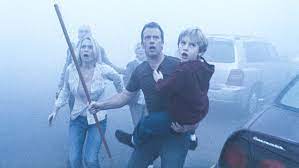
“The Mist” boasts a talented ensemble cast that delivers compelling performances, anchoring the film’s narrative in a sea of terror and uncertainty. Thomas Jane, who plays the lead role of David Drayton, serves as the audience’s emotional anchor throughout the film. Jane’s portrayal of a father desperately trying to protect his son amidst the chaos is both convincing and empathetic.
Supporting performances, notably those by Marcia Gay Harden as Mrs. Carmody and Toby Jones as Ollie Weeks, contribute to the film’s success. Harden’s Mrs. Carmody is a fascinating character study of religious fanaticism and the dangers of unchecked zealotry. Her transformation from a seemingly harmless eccentric to a formidable and divisive figure adds depth to the exploration of human nature under duress.
The dynamic among the diverse group of survivors trapped in the supermarket is a microcosm of society in crisis. From the skeptical and rational David to the faithful Mrs. Carmody, the characters’ interactions offer a mirror to the human condition when faced with the unknown. The ensemble cast effectively captures the tension and conflicts arising from fear, desperation, and conflicting worldviews, creating a palpable sense of claustrophobia within the supermarket walls.
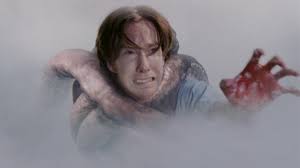
“The Mist” received praise for its atmospheric and chilling visual effects, particularly in bringing the nightmarish creatures lurking within the mist to life. The film cleverly employs a mix of practical effects and CGI to create an otherworldly and menacing atmosphere. The diverse array of creatures, from colossal tentacled behemoths to swarming insectoid nightmares, showcases the filmmakers’ commitment to delivering a visually stimulating horror experience.
The mist itself becomes an entity, concealing the unknown horrors lurking within. The use of practical effects, such as fog machines and atmospheric lighting, adds an eerie realism to the mist, enhancing the suspense and dread. The integration of CGI, while occasionally showing signs of its mid-2000s origins, generally holds up well, immersing the audience in a nightmarish landscape.
Darabont’s decision to film in black and white for the director’s cut of the movie, available on the home release, further enhances the visual experience. Stripping away color intensifies the contrast, emphasizing shadows and highlights and giving the film a timeless quality. This stylistic choice enhances the bleak and foreboding atmosphere, contributing to the film’s overall impact.
At its core, “The Mist” is more than a creature feature; it is a psychological exploration of the human response to fear and the consequences of unchecked belief systems. The mist serves as a metaphor for the unknown, and the horrors it conceals reflect the fears that reside within the human psyche. The film delves into the darker aspects of human nature, highlighting the fragility of societal norms when faced with existential threats.
Mrs. Carmody’s character embodies the dangers of extremism, using fear and desperation to amass followers and impose her beliefs on the terrified survivors. Her arc serves as a cautionary tale about the potential for manipulation and the destructive power of blind faith. The film raises thought-provoking questions about the thin veneer of civilization and the ease with which it can crumble when confronted by the unknown.
David Drayton’s journey, paralleling the descent into chaos outside the mist, explores the moral dilemmas faced in extreme situations. The choices made by the characters, often driven by fear and desperation, force the audience to reflect on their own ethical boundaries. The film doesn’t shy away from the uncomfortable reality that, in dire circumstances, the line between right and wrong can blur, and the choices made in the heat of the moment can have profound consequences.
Beyond its horror elements, “The Mist” offers a subtle but potent commentary on societal divisions and the fragility of community bonds. The diverse group of survivors in the supermarket represents a cross-section of society, each bringing their biases, prejudices, and beliefs into the pressure cooker of survival. The unfolding events lay bare the fault lines that exist within the group, as alliances form and fracture based on individual loyalties and perceptions.
The film’s portrayal of group dynamics serves as a reflection of real-world societal tensions. It raises pertinent questions about how communities cope with crises, the role of leadership in times of uncertainty, and the impact of fear on collective decision-making. These themes resonate beyond the confines of the horror genre, elevating “The Mist” to a film that invites deeper analysis and discussion.
Upon its release, “The Mist” received a mixed response from both critics and audiences. The film’s divisive ending, in particular, garnered strong reactions, with some praising its emotional weight and others expressing dissatisfaction with its departure from the novella’s conclusion. However, as time has passed, “The Mist” has gained a cult following, and its reputation has grown beyond initial reactions. The film’s willingness to subvert genre expectations and explore profound themes has contributed to its enduring legacy.
The boldness of Darabont’s adaptation and its departure from traditional horror conventions have sparked discussions about the nature of horror storytelling. While some viewers appreciate the film’s departure from a neatly tied ending, others argue that it risks alienating those seeking more conventional resolutions. In retrospect, “The Mist” can be seen as a precursor to a wave of horror films that challenge and subvert established norms, paving the way for a new era of genre storytelling.
“The Mist” distinguishes itself by delving into psychological horror, using the external threat of monstrous creatures as a backdrop to explore the internal fears and conflicts of its characters. The mist becomes a manifestation of existential dread, representing the unknown and the uncontrollable forces that humanity grapples with. This existential layer adds depth to the horror, elevating it beyond mere creature-feature territory.
David Drayton’s emotional journey, from disbelief to desperation, serves as an anchor for the audience. As the mist descends and the horrors unfold, the film becomes a study in the psychological toll of extreme situations. The fear of the unknown, amplified by the creatures lurking within the mist, drives characters to question their beliefs, confront their mortality, and grapple with their own moral compass.
“The Mist” pays homage to classic horror cinema while infusing the genre with modern sensibilities. The film’s black-and-white director’s cut is a nod to the golden age of horror, reminiscent of the atmospheric and chilling works of directors like Alfred Hitchcock. This stylistic choice enhances the timeless quality of the narrative, placing it in conversation with horror classics that continue to resonate with audiences.
Furthermore, the film’s use of the supermarket as a microcosm of society echoes the claustrophobic settings of earlier horror masterpieces like George A. Romero’s “Night of the Living Dead.” The confined space becomes a pressure cooker for tension and conflict, mirroring the societal breakdown occurring outside the supermarket walls.
At its core, “The Mist” is a study of human nature under extreme stress. The film challenges the notion of a cohesive and compassionate society when faced with existential threats. The diverse group of survivors represents a cross-section of humanity, and as their situation becomes increasingly dire, the social fabric begins to unravel.
The character of Mrs. Carmody, with her zealous beliefs and ability to sway the frightened masses, serves as a cautionary tale about the dangers of extremism in times of crisis. Her character arc explores how fear and desperation can lead individuals to embrace radical ideologies, highlighting the fragility of societal norms and the ease with which they can be subverted.
While “The Mist” is undeniably a work of fiction, its themes resonate with contemporary anxieties. The film’s exploration of fear, division, and the consequences of unchecked extremism draws parallels to real-world issues. In an era marked by political and social upheaval, “The Mist” serves as a cautionary parable about the dangers of succumbing to fear, blindly following charismatic leaders, and the potential consequences of societal breakdown.
The mist itself becomes a metaphor for the uncertainties and challenges that humanity faces in an increasingly complex and unpredictable world. By tapping into universal fears and anxieties, the film transcends its genre roots to become a reflection of the human condition in the 21st century.
“The Mist” is a film that transcends the boundaries of traditional horror, offering a compelling narrative that combines visceral scares with thought-provoking themes. Frank Darabont’s bold adaptation and the cast’s stellar performances elevate the film beyond its creature-feature trappings. The visual and special effects contribute to the film’s immersive atmosphere, while the thematic richness and social commentary add layers of complexity to the narrative.
While the deviation from Stephen King’s original ending may be divisive among fans, it undeniably contributes to the film’s lasting impact and distinguishes it from conventional horror fare. “The Mist” remains a standout entry in the horror genre, challenging its audience to confront not only the terrors lurking within the mist but also the darkness that resides within the human soul.
Technical Commentary
Video
“The Mist”
The Theatrical Color version does look great seeing notable improvements in fine details, fine film grain, and colors. The image is overall cooler-looking, blues have a bit more prominence, with HDR the primaries are highlighted, not oversaturated. Black levels and whites are strong and healthy with deep blacks and ominous shadows and the titular Mist displays an ethereal glow without being blown out or too bright.
On the other side of the coin, we see the Director’s Black and White cut coming in looking much cleaner and clearer, with a more natural and healthy grayscale. Like the Theatrical Color, details are sharper than before with the film grain structure looking more natural and cinematic without the signs of smoothing or compression issues of past discs.
Audio
The Dolby TrueHD 5.1 lossless soundtrack accompanying The Mist sets a great tone and atmosphere for the film, but features a few annoying shortcomings. The track does a first-rate job of creating a nice, realistic atmosphere, however, and a spooky one at that once we become ensnared in the mist. It’s not just the sounds of horror that make it so realistic, it’s the way the track so precisely handles everything asked of it, from that distant dialogue heard in the store, to, yes, the more action-oriented sequences in the film. The Mist does not offer a perfect soundtrack, but aside from a few minor quibbles, it’s fine.
Special Features
Disc One
4Kpresentation of the Colour Version
Audio Commentary by writer/director Frank Darabont • Deleted and extended scenes
Featuring: Sarah Lancashire, Siobhan Finneran, James Norton, Charlie Murphy, George Costigan and Rhys Connah
Catherine:“Can’t stop thinking about it.”
After a nail-biting seven-year hiatus, Sally Wainwright’s Happy Valley finally returned for its bittersweet final chapter. And what a chapter it is. Series 3 doesn’t disappoint, delivering a taut, suspenseful, and emotionally resonant conclusion that both honors the show’s legacy and carves its own space in television history.
We rejoin Catherine Cawood (Sarah Lancashire, in a career-defining performance), our steely Yorkshire detective, still grappling with the fallout of her nemesis Tommy Lee Royce’s (James Norton) escape and the haunting shadow he casts over her life. Familiar faces return, each carrying the weight of past traumas and unresolved conflicts. Anne (Siobhan Finneran), Catherine’s sister, continues to bear the scars of Tommy’s abuse, while Ryan (Rhys Connah), Catherine’s grandson and Tommy’s biological son, navigates the perilous path of adolescence burdened by a toxic legacy.
The series masterfully captures the cyclical nature of trauma. The past bleeds into the present, poisoning relationships and warping destinies. Yet, amidst the bleakness, glimmers of hope and resilience shine through. Catherine, despite her emotional armor, finds moments of tenderness with Ryan and her colleagues. There’s even a wry humor that cuts through the tension, a testament to Wainwright’s ability to weave complex emotions into a rich tapestry.
At the heart of the season lies the inevitable confrontation between Catherine and Tommy. This dance of predator and prey, simmering for years, explodes in a series of electrifying encounters. Wainwright avoids the obvious, refusing to give us a predictable showdown. Instead, she crafts a nuanced exploration of obsession, vengeance, and the thin line between justice and self-destruction.
Happy Valley is more than just a police procedural. It’s a character study, a meditation on grief and forgiveness, and a powerful indictment of systemic failures that perpetuate cycles of violence. The show doesn’t shy away from uncomfortable truths, tackling issues like domestic abuse, addiction, and the complexities of family dynamics with unflinching honesty.
But within the darkness, Wainwright finds pockets of beauty. The breathtaking Yorkshire landscapes offer a stark counterpoint to the emotional turmoil, reminding us of the enduring power of nature and the possibility of renewal. The bonds of love and community, particularly the fierce loyalty between Catherine and her sister Anne, provide a vital anchor in the storm.
Series 3 concludes with a sense of closure, while leaving room for interpretation. Wainwright doesn’t offer easy answers, but she trusts her audience to grapple with the complexities of the characters and their choices. The final moments are haunting, lingering long after the credits roll, a testament to the show’s lasting impact.
Happy Valley is a masterclass in storytelling. Wainwright’s writing is sharp, nuanced, and deeply human. The performances are uniformly outstanding, with Lancashire and Norton delivering unforgettable portrayals of characters etched in our minds. The direction is meticulous, building tension and atmosphere with an assured hand.
This final season isn’t without its flaws. The compressed six-episode format leaves some storylines feeling underdeveloped, and the pacing occasionally stumbles. But these are minor quibbles in the face of the show’s overall brilliance.
Happy Valley is a show that will stay with you long after you’ve finished watching it. It’s a dark and gripping portrait of humanity, but it’s also a story of hope and resilience. It’s a testament to the power of storytelling to illuminate the darkest corners of the human experience and, in doing so, to offer a glimmer of light.
Episodes
Catherine is called to a drained reservoir near Ripponden, and identifies a skeleton. Royce is interviewed and tells the police who ordered the killing. Pharmacist Faisal Bhatti is illegally supplying prescription drugs and is blackmailed by violent drug dealers from the Knezevic gang. One of Bhatti’s clients, Joanna Hepworth, is the abused wife of Rob Hepworth, Ryan’s PE teacher, who reports her for possession. Ryan has been secretly visiting Royce, and Catherine wants to know who is helping him.
Catherine finds out Clare and her partner Neil are taking Ryan to see Royce in prison, and follows them and confronts Clare. Hepworth accuses Ryan of vandalising his car but there is no evidence. With Joanna desperate to leave Mr. Hepworth, she blackmails Bhatti into helping her, claiming her husband knows about him. Joanna wants him to arrange a place for her to live, or help her kill her husband.
Clare finds out that Ryan had been writing to Royce since he was ten, and started seeing him in the last year. Catherine confronts Ryan and asks him to move out, explaining what Royce did. A blind woman jumps out of her high rise apartment window after being exploited by organised crime, which attracts unwanted attention for a gang member. Faisal wants to proceed with the plan to kill Mr. Hepworth, but after Joanna backs out and confesses that Hepworth does not actually know about him, he kills her in a fit of rage.
Knezevic tells two of his gang he has a job for them; they create a disturbance allowing Royce to escape from the court dock and flee Leeds on a bicycle. A missing persons officer visits the Hepworths’ house and Rob later discovers Joanna’s body in a suitcase in the garage.
Royce is taken to a safe house. He plans on moving abroad and taking Ryan with him. Hepworth reports finding Joanna’s body to the police. Catherine suspects he was involved in her death. Catherine’s family have to go into hiding. Royce and Ryan are still in contact via their games consoles, and Royce asks if Ryan wants to go away with him.
The police are closing in on Royce. The Knezevics double-cross Royce, who barely escapes after killing Zeljko and his associates. When interviewed by the police, Ryan reveals Royce has been in contact, while Catherine’s stirred up grief for Becky leads her on a collision course with Tommy. After an emotional final showdown between the pair, Royce fatally injures himself by setting himself on fire. Later, at Becky’s grave, Catherine receives news that Tommy has died. Meanwhile, Hepworth is taken in for questioning. On her final day on duty, Catherine connects some leads that allows her colleagues to solve Joanna’s murder.
Pool Tech:“It’s funny, isn’t it, though. I mean, we evolved out of the water, and some part of our reptilian brain knows we’re not supposed to be there anymore. But… I guess that’s why we try to tame it so hard. It’s like trying to conquer death…”
Night Swim, the new haunted pool thriller from director Andrew McGuire, plunges us into a simmering pot of family drama, psychological unease, and the primal fear of water’s depths. It’s a film that promises goose bumps and existential chills, but like the murky shadows dancing on the bottom of its titular pool, it delivers a mixed bag of thrills and frustrations.
The story follows the Turner family as they relocate to a sprawling Arizona vacation home, eager for a fresh start after a tragedy. But their idyllic poolside dreams are quickly shattered by ominous occurrences. Flickering lights dance on the water’s surface, distorted figures seem to lurk beneath, and a chilling undercurrent of danger lurks just out of sight.
McGuire crafts a masterful atmosphere of unease. The camera lingers on the pool’s rippling surface, creating a sense of claustrophobic anticipation. Distorted sounds muffle conversations, and shadows play tricks on the characters and audience alike. This careful attention to detail builds a world where every splash and ripple feels portentous.
The cast delivers solid performances. Mckenna Grace is captivating as the troubled teen, Lily, whose connection to the pool seems deeper and more disturbing than anyone else’s. Rob Lowe and Kerry Russell are believable as the concerned parents, struggling to hold their family together amid the escalating strangeness. And Tony Revolori steals the show with his quirky, scene-stealing performance as the eccentric pool boy, offering bursts of humour amidst the mounting tension.
However, Night Swim suffers from some significant pacing issues. The first act takes its time establishing the characters and setting, but then rushes through some key plot points in the second half. This leaves some character motivations feeling undercooked and the resolution slightly rushed. Additionally, while the film expertly builds suspense, it doesn’t quite deliver on the payoff. The reveal of the pool’s secrets, while intriguing, lacks the punch it needs to truly satisfy.
Diving into the symbolism of “Night Swim” unlocks hidden layers of meaning that enrich the film’s psychological depths. Let’s explore some key symbols and their potential interpretations:
Water: The most potent symbol, naturally. Water can represent rebirth, cleansing, and new beginnings. Yet, here it also embodies hidden danger, unmasking past traumas, and the suffocating weight of secrets. The pool transforms from a place of leisure to a portal to the subconscious, reflecting the characters’ inner turmoil.
Broken Glass: Shards appear throughout the film, symbolizing shattered lives, fractured relationships, and the sharp edges of grief. The broken pool tiles mirror the family’s brokenness, while Lily’s fear of walking on glass could represent her fragility and need for emotional healing.
Light and Shadow: The flickering pool lights and distorted shadows create a sense of disorientation and uncertainty. Light struggles to penetrate the murky depths, suggesting hidden truths and the opaqueness of human emotions. This play of light and shadow also reflects the characters’ internal battles between truth and denial.
The Diving Board: A symbol of vulnerability and bravery. Stepping onto it requires facing one’s fears, venturing into the unknown. Lily’s hesitation and eventual plunge signify her journey of confronting her trauma and emerging stronger.
Colours: The film’s muted palette, dominated by blues and greens, reinforces the coldness and isolation of the family’s emotional state. Occasional flashes of red, like Lily’s hair and the flickering lights, could represent anger, danger, or the pulse of hidden memories.
The Labyrinth of Memory: The film often feels like a descent into a labyrinthine memory palace. The recurring shots of Lily exploring the abandoned house, the fragmented flashbacks, and the distorted reflections in the pool water all contribute to this sense of navigating a tangled past. Could this labyrinthine structure represent the characters’ struggle to piece together their family’s fractured history and confront their own buried memories?
The Haunting Presence of Absence: The film subtly portrays the family’s trauma through the conspicuous absence of the deceased daughter, Sarah. Her name is rarely mentioned, her belongings remain untouched, and her death lingers as a specter in every conversation. This constant reminder of what’s lost adds another layer of complexity to the symbol of the pool, which could be seen as a physical manifestation of their grief and unprocessed emotion.
The Duality of Water: As you mentioned, water holds a complex duality in the film. While it embodies danger and hidden secrets, it also possesses the potential for cleansing and rebirth. Lily’s transformative experience at the bottom of the pool, where she confronts her fear and connects with Sarah’s memory, could represent this redemptive potential. Could the film be suggesting that facing the depths of our pain is necessary for true healing and emergence?
The Language of Silence: Beyond visual symbols, “Night Swim” utilizes silence as a powerful tool for storytelling. The unspoken words, the hesitant conversations, and the pregnant pauses between characters reveal deep-seated emotions and unspoken truths. By paying attention to the silences, we can gain a deeper understanding of the characters’ internal landscapes and the unspoken dynamics within the family.
Ultimately, Night Swim is a film with undeniable atmosphere and strong performances, but one that falters in its execution. It tantalizes with the promise of psychological chills and supernatural mysteries, but leaves you feeling like you’ve only dipped your toes into the darkest depths of its potential.
Night Swim is a worthy watch for fans of atmospheric thrillers and slow-burning mysteries. However, those seeking a truly terrifying experience or a fully satisfying resolution may be left wanting more. It’s a film that leaves you intrigued, but questioning whether it could have taken a deeper dive.
Featuring: Kumail Nanjiani, Elizabeth Banks, Keegan-Michael Key, Awkwafina and Danny DeVito
Delroy:“I’m free as a bird! I am a bird!”
Taking flight in December 2023, “Migration” soared into theaters with the promise of a family-friendly adventure. Packed with stunning visuals, a star-studded voice cast, and a timely message about overcoming fear, it had all the ingredients for a cinematic feast. Did it deliver? Let’s take a look, feather by feather.
Soaring on Animation: The most breathtaking aspect of “Migration” is undoubtedly its animation. The team at Illumination Entertainment brings the sky alive with vibrant color palettes, detailed textures, and fluid, graceful movements. From the wind whipping through feathers to the sun glinting off water, every scene feels tangible and immersive. Witnessing the Mallard family navigate mountain ranges, dodge skyscrapers, and dip into crystal-clear Caribbean waters is a visual treat that keeps you glued to the screen.
Laughter takes center stage throughout the film. Mike White’s signature wit infuses the script with sharp dialogue and hilarious scenarios. Awkwafina and Kumail Nanjiani as the adventurous ducklings, Dax and Gwen, bring impeccable comedic timing, while Elizabeth Banks provides the perfect balance as Pam, the voice of reason amidst the feathered chaos. Even DeVito’s grumpy pigeon, Phil, gets some side-splitting moments that will have kids and adults quacking with glee.
The heart of “Migration” lies in its exploration of confronting fear. Overprotective Mack, voiced by Nanjiani, initially refuses to migrate, clinging to the familiar pond despite the dangers it presents. His journey mirrors real-life anxieties about change, the unknown, and stepping outside one’s comfort zone. The film tackles these themes with gentle humor and relatable characters, offering valuable lessons about embracing the unknown and finding strength in family.
While “Migration” excels in its visual and comedic aspects, it stumbles slightly in its narrative. The central plot remains fairly predictable, following a familiar “fish out of water” structure. While this works for younger audiences, the film could have benefited from some deeper complexity to resonate fully with adults. Additionally, some side characters, like the Jamaican parrots, feel underutilized, their potential for humor and cultural exploration left largely untapped.
The film cleverly uses the migratory journey as a metaphor for various life experiences, including:
Leaving their cozy pond symbolizes breaking free from the comfort zone and embracing the challenges and possibilities of the unknown. The film tackles resistance to change head-on, highlighting the fear of leaving something familiar and loved behind.
The contrasting mindsets of Mack and his children represent the clash between traditional values and a yearning for adventure. It subtly prompts discussions about respecting elders while pursuing individual dreams.
The film subtly addresses environmentalism and the threats birds face on migration routes. Phil the pigeon embodies ingrained prejudices, offering a platform for discussing inclusivity and acceptance.
Both adult and younger viewers can relate to the characters’ moments of self-doubt and overcoming limitations. The journey highlights the importance of relying on family and discovering hidden courage within ourselves.
By going beyond the film’s entertainment value, “Migration” can become a springboard for personal growth, intellectual curiosity, and social awareness. It can inspire us to face our fears, embrace the unknown, and contribute to a world where all creatures, feathered or not, can fly freely and find their home in the vast skies.
Despite its minor shortcomings, “Migration” deserves a place on your family movie night itinerary. The animation is a visual masterpiece, the humor is infectious, and the message about facing fear is important and timely. While adults might find the plot predictable, children will be enthralled by the adventure, the laughs, and the stunning visuals. “Migration” reminds us that sometimes, the greatest journeys begin with a leap of faith, leaving you wanting to spread your wings and see the world, feather by feather.
So, if you’re looking for a fun, visually stunning, and ultimately heartwarming film, “Migration” is definitely worth the ticket. Just be prepared to leave your cynicism at the pond and embrace the joy of soaring through the skies with a flock of misfit ducks.
Featuring: Jeffrey Wright, Tracee Ellis Ross, John Ortiz, Erika Alexander, Leslie Uggams, Adam Brody, Issa Rae and Sterling K. Brown
Sintara Golden:“Potential is what people see when what’s in front of them isn’t good enough.”
Cord Jefferson’s “American Fiction” is not merely a film; it’s a detonator, carefully rigged to explode preconceived notions and spark necessary conversations about race, creativity, and the insidious workings of power within the literary and cinematic landscapes. With Jeffrey Wright delivering a masterclass in nuanced performance, the film dives headlong into the ethical quagmire of a struggling novelist, Thelonious “Monk” Ellison, who writes a satirical potboiler under a pseudonym to expose the industry’s obsession with stereotypical Black narratives. What unfolds is a labyrinthine journey through ego, deception, and ultimately, the transformative power of owning one’s own story.
The film’s brilliance lies in its layered approach. Monk is not just a frustrated author; he’s a walking microcosm of Black intellectualism wrestling with the burden of representation. His academic works – reinterpreted Greek plays – gather dust on forgotten shelves, while his biting satire, “Uncle Bubba’s ABCs of Thug Life,” soars to commercial success. This stark contrast throws into sharp relief the industry’s hunger for “safe” Black narratives, palatable to white audiences and easily monetized. It’s a biting commentary on the commodification of Black pain and the stifling pressure to conform to prescribed narratives.
Yet, Monk isn’t without his flaws. His arrogance and elitism alienate him from his daughter, and his decision to write under a pseudonym raises troubling questions about authenticity and appropriation. This moral ambiguity keeps the audience on edge, questioning Monk’s motives and challenging their own assumptions about authorship and agency.
Jefferson masterfully weaves these complexities into a narrative that is both hilarious and heartbreaking. The film’s comedic moments, often arising from the absurdity of the publishing world and the over-the-top nature of “Uncle Bubba,” provide welcome levity. But the humour never obscures the film’s deeper concerns. The casual racism of literary editors, the exploitative nature of book tours, and the constant pressure to cater to white expectations – these are depicted with a razor-sharp precision that never feels gratuitous.
Wright’s portrayal of Monk is nothing short of phenomenal. He captures the character’s frustration, wit, and vulnerability with breathtaking subtlety. Every glance, every clipped sentence, speaks volumes about Monk’s internal struggle. The supporting cast, too, delivers outstanding performances, adding depth and dimension to the film’s tapestry.
“American Fiction” is not without its flaws. The pacing occasionally falters, and the final act takes a slightly melodramatic turn. However, these shortcomings pale in comparison to the film’s overall impact. It’s a film that lingers long after the credits roll, prompting introspection and challenging audiences to dismantle their own comfortable assumptions about race, representation, and the very nature of storytelling.
This controversial novel-within-the-film is more than just a plot device. It acts as a scathing indictment of the tired tropes and stereotypes often inflicted upon Black narratives. Each of Uncle Bubba’s misadventures – from watermelon-eating contests to gangsta rap shootouts – feels like a deliberate exaggeration, forcing viewers to laugh at the sheer absurdity while simultaneously recognizing the real-life tropes they lampoon.
What’s fascinating is how the film plays with our reactions to this satire. Do we laugh along with the white characters who find it “refreshing” and “provocative”? Do we cringe at the blatant stereotypes, recognizing the harm they perpetuate? This ambiguity encourages introspection, forcing us to examine our own biases and complicity in consuming such narratives.
Monk’s decision to write under a pseudonym raises complex questions about authorship and identity. On the one hand, his deception exposes the industry’s hypocrisy and allows him to publish a book he truly believes in. On the other hand, it raises ethical concerns about appropriation and the exploitation of others’ experiences.
The film doesn’t offer easy answers. We see the personal toll Monk’s lie takes on him and his relationships, particularly with his daughter, who feels betrayed by his lack of authenticity. It forces us to grapple with the question: at what cost does artistic critique come, and can art ever truly exist outside the context of its creator’s identity?
“American Fiction” beautifully avoids the trap of creating a simplistic racial binary. The film acknowledges the diversity of Black experiences and perspectives, showcasing characters like Stagg R. Leigh, the celebrated Black author who represents a contrasting path to success. Additionally, the film explores the role of non-Black characters like Olivia, the editor trapped in a system she can’t change, adding complexity and nuance to the conversation.
By refusing to offer easy answers or paint characters in simple shades of good and evil, the film compels us to move beyond binary thinking and recognize the intricate interplay of race, class, and individual experience.
While “American Fiction” tackles heavy themes, it does so with a sharp wit and an abundance of humour. The over-the-top satire of “Uncle Bubba,” the awkward social interactions at literary events, and the hilariously pompous remarks of some characters – all serve as comedic pressure valves, releasing tension and allowing the film to breathe.
However, the humour is never purely ironic. It often carries a sting, prompting us to laugh at the ridiculousness of certain situations while simultaneously recognizing the real-world injustices they represent. This subversive use of humour makes the film even more impactful, leaving audiences both entertained and introspective.
Ultimately, “American Fiction” is more than just a film; it’s a potent conversation starter. It’s a call to action for creators of colour to reclaim their narratives, for audiences to become more discerning consumers of art, and for the industry itself to confront its biases and embrace the richness and diversity of the human experience. In a world desperate for authentic stories, “American Fiction” stands as a beacon, illuminating the path towards a more inclusive and empathetic future.
Daniel James Brown: “Harmony, balance, and rhythm. They’re the three things that stay with you your whole life. Without them civilization is out of whack. And that’s why an oarsman, when he goes out in life, he can fight it, he can handle life. That’s what he gets from rowing.”
George Clooney’s directorial outing, “The Boys in the Boat,” glides onto the screen with the smooth rhythm of oars slicing through water. Based on Daniel James Brown’s bestselling book, it tells the true story of the University of Washington Huskies rowing team and their improbable victory at the 1936 Berlin Olympics. It’s a tale of grit, teamwork, and triumph against the odds, all set against the backdrop of the Great Depression and Nazi Germany.
The film’s greatest strength lies in its cast, spearheaded by Callum Turner as Joe Rantz, the team’s unlikely coxswain. Turner embodies Joe’s vulnerability and tenacity with understated nuance, making him a truly relatable protagonist. Joel Edgerton plays Coach Al Ulbrickson, the gruff but dedicated mentor who pushes the boys to their limits. Edgerton’s performance is a masterclass in balancing tough love with genuine care, while the rest of the ensemble cast delivers admirable portrayals of the diverse group of young men who form the heart of the crew.
Clooney, as director, excels in capturing the beauty and intensity of rowing. The training sequences are thrilling, as the camera moves in sync with the oars, immersing us in the synchronized struggle and exhilarating release of each stroke. He also paints a vivid picture of the Depression-era Seattle, where the boy’s face poverty, hunger, and prejudice. These scenes, though brief, add depth and context to their motivations, reminding us that their Olympic journey is about more than just winning a race.
However, “The Boys in the Boat” stumbles when it leans too heavily on familiar underdog tropes. The narrative follows a predictable arc, from initial setbacks to triumphant victory, with each obstacle meticulously overcome in classic Hollywood fashion. While this formula undeniably evokes a sense of satisfaction, it also leaves a lingering feeling of déjà vu. Additionally, the film occasionally employs melodramatic dialogue and sentimentality, which, while aiming to tug at the heartstrings, sometimes feels saccharine.
Furthermore, the historical context of the 1936 Olympics, particularly the looming shadow of Nazi Germany, remains largely unexplored. While the film hints at the political backdrop, it doesn’t fully delve into the implications of competing on Hitler’s stage. This missed opportunity leaves viewers with a sense of incompleteness, especially considering the potential for a deeper exploration of themes like resilience in the face of oppression.
There is social disparity and triumph in “The Boys in the Boat.” This aspect adds a crucial layer to the film’s underdog narrative, revealing how their victory transcends athletic achievement and becomes a symbol of overcoming societal inequalities.
The juxtaposition of Joe’s impoverished background and Roger’s privileged upbringing is a powerful tool. Analyze how the film depicts their initial interactions, the friction caused by their differing experiences, and ultimately, how rowing becomes a common ground. We can explore how Coach Ulbrickson recognizes this potential and shapes the team to value each member’s unique strengths, regardless of their social standing.
Look at how the team’s victory resonates beyond the Olympic arena. Highlight how their success becomes a beacon of hope for working-class communities in Depression-era America. Analyse how the film portrays the public’s reaction to their triumph, emphasizing how it transcends personal glory and speaks to a collective yearning for social justice.
While Joe takes centre stage, we can examine how the film weaves in the struggles of other team members with contrasting backgrounds. Consider exploring how the triumphs of boys like Joe, Shorty, and even Al Ulbrickson, represent victories for their respective communities, each overcoming distinct obstacles and prejudices.
Analyse how the film uses visual cues and metaphorical language to emphasize the theme of social disparity and triumph. Look for scenes where camera angles, set design, or even costuming highlight the differences between the team members’ backgrounds. Explore how rowing itself becomes a symbol of bridging these gaps, as the rhythmic strokes and synchronized effort showcase the power of unity against inequality.
While “The Boys in the Boat” undeniably falls into the classic underdog sports film category, its true power lies in its nuanced exploration of social disparity and how the crew’s victory becomes a symbol of triumph against deeply ingrained societal inequalities. The film expertly weaves together the personal journeys of these young men from diverse backgrounds, showcasing how rowing offers a platform for not just athletic achievement, but also social leveling and collective empowerment.
One aspect that shines particularly bright is the stark contrast between Joe Rantz’s working-class upbringing and the affluent backgrounds of teammates like Roger Morris. The initial friction between them feels authentic, revealing the unspoken class tensions simmering beneath the surface. However, the film beautifully avoids the trap of simplistic solutions. Instead, it allows rowing to act as a bridge, slowly breaking down these barriers and fostering a sense of shared purpose. As the camera lingers on their synchronized strokes, we witness a visual metaphor for unity and equality, where each pull transcends individual circumstances to contribute to a collective goal.
This triumph against disparity extends beyond the personal. The film subtly but effectively connects the crew’s victory to the wider struggles of Depression-era America. We see the joy and hope that erupt in working-class communities as news of their success spreads. Their achievement becomes a beacon of inspiration, proving that even in the face of economic hardship and social marginalization, collective effort and perseverance can rewrite the script.
The film doesn’t shy away from individual struggles either. Characters like Shorty Hunt, plagued by self-doubt and anxiety, and Joe himself, battling his own insecurities, represent the emotional toll of navigating both athletic pressure and societal biases. By showcasing how their teammates rally around them, offering support and encouragement, the film highlights the transformative power of community in overcoming personal demons.
Furthermore, “The Boys in the Boat” utilizes symbolism and imagery to subtly reinforce the theme of social disparity and triumph. The camera often lingers on Joe’s calloused hands contrasted with Roger’s manicured fingernails, reminding us of their divergent starting points. The cramped, dilapidated boathouse juxtaposed with the grandeur of the Olympic stadium visually underscores the distance they have traversed. These subtle cues add depth and resonance to the narrative, urging viewers to see their victory not just as a sporting feat, but as a collective act of defiance against social barriers.
“The Boys in the Boat” is a well-made, heart-warming film with undeniable crowd-pleasing appeal. Its stellar cast, stunning visuals, and inspiring story offer a satisfying cinematic experience. However, its adherence to formulaic storytelling and a somewhat superficial treatment of the historical context prevent it from achieving true greatness. It’s a film that ultimately leaves you smiling and cheering, but also wishing it had dared to dig deeper into the complexities of its subject matter.
Featuring: Taraji P. Henson, Danielle Brooks, Colman Domingo, Corey Hawkins, H.E.R., Halle Bailey, Phylicia Pearl Mpasi and Fantasia Barrino
Shug Avery:“How come you don’t laugh none? Ain’t you got something to make you just smile?”
Alice Walker’s poignant novel, “The Color Purple,” has blossomed into a powerful musical, recently gracing the silver screen with vibrant life. While some may be familiar with the 1985 film adaptation, this new iteration, directed by Blitz Bazawule, transcends nostalgia, bringing fresh nuances and a contemporary lens to the enduring story.
Fantasia Barrino embodies Celie, a woman robbed of her voice and agency, tossed between abusive husbands and suffocating societal expectations. Barrino’s soulful presence is both deeply vulnerable and resilient, her voice soaring in moments of despair and defiance. Danielle Brooks, a whirlwind of fire and humor, shines as Shug Avery, a sassy blues singer who awakens Celie to her own sensuality and power. Oprah Winfrey, reprising her role as Sophia, Celie’s rebellious sister, imbues the character with a fierce resilience and a mischievous edge.
Bazawule’s vibrant direction weaves music and movement into the narrative tapestry. He utilizes diverse musical styles, from gospel hymns to bluesy ballads, each reflecting the characters’ emotional landscapes. The production numbers are dazzling, pulsating with energy and color, yet never overshadowing the story’s poignant core. The visual palette is as rich as the music, with lush landscapes contrasting with the bleakness of Celie’s early life.
The musical navigates sensitive themes of racism, sexism, and domestic abuse with unflinching honesty. However, it balances these darker moments with powerful messages of female solidarity, self-discovery, and resilience. Sisterhood becomes Celie’s lifeline, as she finds solace and strength in the bonds she forges with Shug, Sophia, and Nettie, her long-lost sister.
While the film’s performances are universally stellar, some may find the pacing uneven and the tonal shifts too abrupt. The narrative occasionally leans towards sentimentality, softening some of the novel’s raw edges. However, these imperfections are outweighed by the film’s emotional power and its unwavering commitment to its core message of empowerment.
The film walks a tightrope between acknowledging Celie’s pain and celebrating her resilience. It achieves this, in part, through its nuanced portrayal of her journey. Early scenes, steeped in bluesy tones and sparse melodies, capture the suffocating darkness of her life with Mr. and the stifling societal expectations.
However, the film never dwells solely on darkness. Moments of light peek through, like fireflies in the night. Shug’s arrival bursts onto the screen with flamboyant costumes and a vibrant musical number, “Push Da Button,” symbolizing the awakening of Celie’s sensuality and newfound voice. As the narrative progresses, the music shifts, incorporating gospel elements and triumphant harmonies, mirroring Celie’s growing self-confidence and the strengthening bonds of sisterhood.
While some may argue that the film softens some of the novel’s brutal reality, it balances that by never shying away from depicting the emotional and physical abuse Celie endures. The key lies in not dwelling on that darkness but showing how Celie transcends it, finding light and joy even in the midst of hardship.
The film takes interesting liberties with some characters, offering fresh perspectives. Shug, in particular, is less overtly manipulative and more vulnerable than in the novel, making her relationship with Celie feel more complex and tender. Sofia, meanwhile, retains her fierceness but gains a layer of vulnerability through her struggle with Harpo.
Nettie’s portrayal deviates significantly, emphasizing her intellectual and spiritual growth through epistolary exchanges, adding a layer of depth to their long-distance bond with Celie. These reinterpretations don’t alter the story’s core message but enrich it by offering new facets to these pivotal characters.
The film’s performances are undeniably its crowning achievement. Barrino’s embodiment of Celie is heart-wrenching and empowering, her voice soaring from fragile whispers to defiant belts as Celie evolves. Brooks as Shug exudes raw charisma and infectious joy, while Winfrey’s nuanced Sofia carries both her fiery spirit and hidden wounds with masterful grace.
Each actor brings their own unique energy and depth to their roles, creating an ensemble that feels like a living tapestry. Particularly noteworthy are scenes like Celie’s defiant “Sister” with Shug and Sofia, a powerful display of female solidarity, and Nettie’s letters, imbued with quiet strength and yearning.
“The Color Purple” remains relevant because it tackles themes that continue to resonate in today’s world: racism, sexism, domestic abuse, and the human capacity for resilience. The film’s portrayal of Celie’s journey encourages conversations about these issues, inspiring empathy and empowering marginalized voices.
Furthermore, the film emphasizes the importance of sisterhood, reminding us that collective strength can overcome individual struggles. Its message of self-discovery and self-love holds powerful meaning for everyone, regardless of their background or experiences.
5The film’s impact extends beyond entertainment. It has the potential to spark conversations about social justice, trigger personal growth journeys, and encourage activism. Educational screenings and community discussions can amplify its message and inspire tangible change.
“The Color Purple” is not just a film; it’s a catalyst for conversation, reflection, and action. By engaging with its characters, its themes, and its performances, we can continue to learn, grow, and strive for a world where Celie’s story feels not just relatable, but obsolete.
Ultimately, “The Color Purple” is a testament to the human spirit’s ability to persevere even in the face of unimaginable hardship. It is a celebration of womanhood in all its complexities, a call to embrace self-love and sisterhood. Barrino’s Celie blossoms from a silent sufferer into a woman bursting with life and joy, her journey resonating deeply with anyone who has ever felt powerless or unheard.
Whether you’re a first-time witness or a returning believer, “The Color Purple” is a journey worth taking. It is a film that leaves you moved, empowered, and humming its melodies long after the credits roll. It is a story that reminds us that even in the darkest corners, love can bloom, and hope can take flight on the wings of resilience.
Featuring: George Brent, Vera Ralston, Brian Aherne and Constance Bennett
“The sullen killer of the jungles…and the woman who knew no fear! The story of their meeting and the strange events that followed!”
Critical Commentary
Jungle drums beat, not with the primal rhythm of nature, but with the syncopated cadences of 1940s B-movie schlock. We crash-land with the rickety plane of “Angel on the Amazon,” a 1948 celluloid expedition into the heart of both the Amazon rainforest and Hollywood’s delightfully bizarre imagination.
From the ashes of this crash emerges Jim Warburton, a grizzled, world-weary pilot played by George Brent with all the enthusiasm of a man wrestling a hangover in a swamp. Enter Christine, our titular Angel, played by Vera Ralston in a role that would make Tarzan blush. She swings through the trees with the grace of a gazelle and the wardrobe of a Vegas showgirl, clad in shimmering emerald gowns that seem perpetually dry despite the incessant downpours. Her motives are as murky as the river, her past a whisper on the jungle breeze.
The plot, like a boa constrictor after a particularly large rodent, is best described as sinuously loose. An expedition searching for the Fountain of Youth (naturally) stumbles upon Christine’s Edenic domain, a technicolor oasis amidst the emerald chaos. Jim, with the romantic instincts of a soggy log, falls head over heels, while the expedition leader, Dr. Rand (Brian Aherne), channels his inner Dr. Evil, scheming to exploit the mythical spring for his own nefarious purposes.
Don’t expect Attenborough-esque naturalism here. The Amazon is less a living ecosystem and more a jungle disco, populated by rubbery snakes, unconvincing jaguars, and extras playing natives who wouldn’t look out of place at a luau. The dialogue crackles with the voltage of a dying car battery, filled with lines like “She’s as wild as the Amazon itself!” and “Only the jungle knows her secrets!” These gems are delivered with the solemnity of a Shakespearean pronouncement by a cast that seems perpetually surprised to find themselves in this technicolour fever dream.
But amidst the camp and kitsch, something undeniably alluring emerges. Like a macabre orchid blooming in the swamp, “Angel on the Amazon” possesses a strange, hypnotic charm. The film’s pulpy heart beats with a genuine love for the B-movie aesthetic, an infectious enthusiasm that’s hard to resist. It’s a gloriously messy cocktail of adventure, romance, and the supernatural, served in a skull-shaped tiki mug adorned with plastic orchids.
So, should you brave the depths of this cinematic jungle? If you’re a cinephile with a soft spot for the absurd, then absolutely. This is a film to savour with a wink and a raised eyebrow, a camp classic best enjoyed with a group of friends, popcorn, and perhaps a healthy dose of jungle-themed cocktails. It’s a reminder that sometimes, the most entertaining journeys are the ones that are completely off the beaten path, where logic takes a siesta and bad dialogue becomes a charmingly bizarre songbird.
Beyond the surface of campy adventure and rubber snakes, “Angel on the Amazon” whispers a fascinating subtext. The clash between civilization and nature takes center stage, embodied by Jim and Christine. He, a jaded product of the modern world, seeks escape in the jungle’s embrace. She, a creature of the wild, embodies its untamed spirit, its defiance of human control. Their romance is a clash of fire and water, a dance between order and chaos.
Dr. Rand’s avarice for the Fountain of Youth adds another layer of complexity. His quest for eternal life mirrors mankind’s insatiable hunger for control over nature, over time itself. Christine, with her ageless beauty and primal grace, becomes a symbol of what we seek to conquer and exploit. Her tragic past, hinted at in fleeting flashbacks, suggests a cautionary tale about the perils of defying the natural order.
But the film doesn’t offer easy answers. It revels in the ambiguity, leaving us to grapple with the ethical and philosophical quandaries it raises. Is eternal youth a blessing or a curse? Can civilization truly coexist with nature, or are they destined to be locked in an eternal struggle? These are questions that linger long after the credits roll, echoing through the emerald depths of the Amazon like the haunting call of a jaguar.
Beyond the subtext, the film also offers a fascinating glimpse into Hollywood’s Golden Age. It’s a time capsule of the studio system, showcasing the archetypal characters, the larger-than-life performances, and the unapologetic escapism that defined classic B-movies. Watching “Angel on the Amazon” is like stepping onto a soundstage filled with jungle vines and smoke machines, a nostalgic trip back to a time when filmmaking was as much about pure entertainment as it was about artistic expression.
So, dear reader, I urge you to revisit this forgotten gem with fresh eyes. Look beyond the rubber snakes and the B-movie tropes. See the film as a reflection of its time, a pulpy parable about nature, humanity, and the allure of the unknown. And above all, let yourself be swept away by its infectious exuberance, its unapologetic embrace of the absurd. “Angel on the Amazon” may not be a cinematic masterpiece, but it’s a wildly entertaining ride through a Technicolor jungle, a film that refuses to be easily categorized or forgotten.
But beware, dear explorer, for “Angel on the Amazon” is not for the faint of cinematic heart. It’s a film that wears its B-movie badge with pride, reveling in its own outrageousness. If you demand realism and coherence, turn back now. But if you’re seeking an unhinged escape into a world of emerald gowns, rubber snakes, and whispered legends of eternal youth, then step into the plane, buckle up, and prepare to be transported to the heart of this delightfully pulpy paradise.
Special Features
1080p High-definition presentation on Blu-ray from a 4K Scan of the original 35mm camera negative (2014)
Featuring: Barry Keoghan, Jacob Elordi, Rosamund Pike, Richard E. Grant, Alison Oliver, Archie Madekwe and Carey Mulligan
Oliver Quick:“I loved him, but was I in love with him?”
In the realm of psychological thrillers, Emerald Fennell’s “Saltburn” stands out as a captivating and unsettling cinematic experience, delving into the depths of human desire, class divides, and the dark underbelly of privilege. Released in 2023, the film has garnered critical acclaim for its masterful execution of suspense, its exploration of complex themes, and its stellar performances.
The narrative follows Oliver Quick (Barry Keoghan), a working-class scholarship student at Oxford University, who finds himself entangled in the opulent world of the wealthy and eccentric Saltburn family. Invited to spend the summer at their grand estate, Oliver becomes captivated by the allure of wealth and the enigmatic beauty of Pamela Saltburn (Carey Mulligan). However, as he delves deeper into their lives, he uncovers a web of secrets, betrayals, and disturbing desires that threaten to consume him.
Fennell masterfully creates an atmosphere of suspense and unease, slowly tightening the screws of tension as Oliver’s fascination with the Saltburns transforms into a dangerous obsession. The film’s opulent setting, juxtaposed with Oliver’s outsider status, serves to highlight the stark contrast between his humble upbringing and the excesses of the privileged class. This contrast is further accentuated by the Saltburns’ eccentric behavior and their penchant for shocking revelations, creating a sense of perpetual unease and anticipation.
Keoghan delivers a captivating performance as Oliver, portraying his character’s transformation from an ambitious outsider to a man consumed by desire and desperation. His nuanced portrayal captures Oliver’s vulnerability, his ambition, and his descent into darkness with a chilling authenticity. Mulligan, as the enigmatic Pamela Saltburn, exudes an aura of mystery and allure, her veiled intentions adding to the film’s suspenseful atmosphere. Her performance is both captivating and unsettling, leaving the audience guessing her true motivations until the very end.
Fennell’s directorial vision is both visually stunning and thematically rich. The film’s cinematography, with its sweeping shots of the Saltburn estate and its intimate close-ups, captures the beauty and decay of the setting, mirroring the duality of the characters and the narrative. The film’s score, a blend of haunting melodies and ominous undertones, further enhances the atmosphere of suspense and unease.
“Saltburn” is not merely a psychological thriller; it is a profound exploration of the human condition, delving into the dark corners of desire, the corrosive nature of ambition, and the devastating consequences of class divisions. The film challenges its audience to confront their own perceptions of privilege, wealth, and the pursuit of happiness, leaving a lasting impression long after the credits roll.
Beyond its captivating narrative and suspenseful atmosphere, “Saltburn” delves into complex themes that resonate deeply with the audience. The film’s exploration of class divides and the toxic allure of wealth is particularly poignant, highlighting the destructive consequences of social inequality and the insatiable pursuit of material gain.
Oliver’s journey from a working-class background to the opulent world of the Saltburns serves as a stark reminder of the stark contrasts between the privileged and the underprivileged. His initial fascination with their wealth and status gradually transforms into a dangerous obsession, as he becomes consumed by the desire to belong to their world. This obsession, fuelled by a sense of inferiority and a yearning for acceptance, ultimately leads to his downfall.
The film’s exploration of desire and its destructive potential is equally compelling. Pamela Saltburn, with her enigmatic beauty and seductive charm, embodies the allure of unattainable desires. Oliver’s infatuation with her blinds him to the darkness that lies beneath her façade, leading him down a path of self-destruction.
Fennell’s masterful portrayal of these complex themes is further enhanced by the stellar performances of the film’s cast. Keoghan’s portrayal of Oliver’s transformation from an ambitious outsider to a man consumed by desire and desperation is both captivating and unsettling. Mulligan’s performance as Pamela Saltburn is equally compelling, her veiled intentions and enigmatic aura adding to the film’s suspenseful atmosphere.
In addition to its thematic depth and captivating performances, “Saltburn” also boasts stunning visuals and a haunting score. The film’s cinematography captures the beauty and decay of the Saltburn estate, juxtaposing its grandeur with the darkness that lurks beneath the surface. The score, a blend of haunting melodies and ominous undertones, further enhances the atmosphere of suspense and unease.
“Saltburn” is not merely a psychological thriller; it is a profound exploration of the human condition. The film delves into the dark corners of desire, the corrosive nature of ambition, and the devastating consequences of class divisions. It challenges its audience to confront their own perceptions of privilege, wealth, and the pursuit of happiness, leaving a lasting impression long after the credits roll.
“Saltburn” is a film that lingers long after the credits roll, its haunting images and unsettling atmosphere etched into the viewer’s memory. It is a film that defies easy categorization, blending elements of psychological thriller, social commentary, and coming-of-age drama into a captivating and disturbing cinematic experience.
At its core, “Saltburn” is a story about desire – the insatiable longing for something that lies just beyond our grasp. This desire takes many forms in the film, from Oliver’s yearning for acceptance and belonging to Pamela’s quest for power and control. But it is ultimately the destructive power of desire that drives the narrative forward, Oliver’s character is particularly compelling in this regard. His journey from an ambitious outsider to a man consumed by desire is both tragic and cautionary. Initially drawn to the Saltburns’ wealth and status, he gradually becomes obsessed with their world, willing to sacrifice anything to gain their acceptance. This obsession blinds him to the darkness that lurks beneath the surface of their opulent lifestyle, leading him down a path of self-destruction.
Pamela Saltburn is another complex and fascinating character, a woman whose motivations are as enigmatic as her beauty. She is both alluring and dangerous, her charm masking a deep-seated need for control. Her relationship with Oliver is a twisted game of power and manipulation, as she exploits his desires for her own ends.
The film’s exploration of class divides is equally compelling. The Saltburns represent the epitome of privilege, their wealth and status providing them with a sense of entitlement and detachment from the realities of the world around them. Oliver, on the other hand, is an outsider, his working-class background making him acutely aware of his own limitations. This contrast is further highlighted by the film’s setting, the grandeur of the Saltburn estate juxtaposed with the stark reality of Oliver’s modest upbringing.
The film’s visual style is both stunning and unsettling. The cinematography captures the beauty and decay of the Saltburn estate, its opulence masking a dark underbelly of secrets and betrayal. The use of lighting and shadow is particularly effective, creating an atmosphere of suspense and unease. The score, a blend of haunting melodies and ominous undertones, further enhances the film’s unsettling atmosphere.
“Saltburn” is a masterful work of psychological suspense, elevated by its captivating performances, stunning visuals, and thought-provoking themes. Emerald Fennell’s directorial vision is both unsettling and captivating, immersing the audience in a world of secrets, betrayals, and the allure of unattainable desires. The film leaves a lasting impression, challenging its audience to question the nature of privilege, ambition, and the true meaning of happiness.