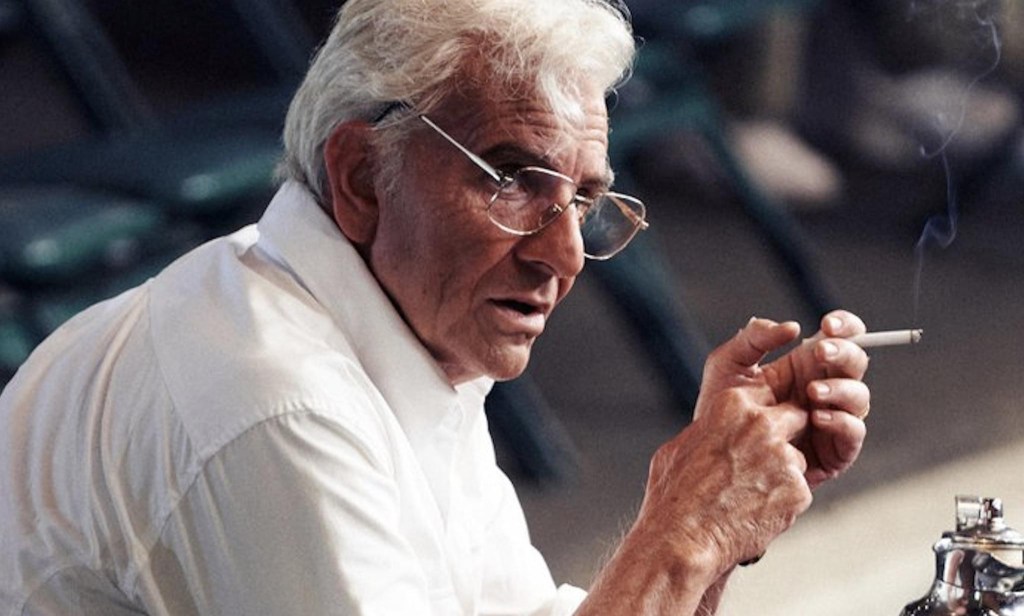
Netflix has premiered the first trailer for Bradley Cooper’s biopic “Maestro”. Cooper both directs and stars in the film as legendary Broadway and film composer Leonard Bernstein.
Making his debut with the New York Philharmonic at 25, Bernstein wasn’t just a famed conductor and composer but also a civil rights activist and author. He composed the musical “West Side Story” and the Oscar-nominated score for “On the Waterfront”.
Carey Mulligan, Matt Bomer, Sarah Silverman and Maya Hawke co-star in the film which marks Cooper’s first directorial effort since his “A Star Is Born” remake.
Bernstein’s own music also serves as the film’s underscore with the movie set to premiere in competition at the 80th Venice International Film Festival next month.
Cooper also produces alongside Martin Scorsese, Steven Spielberg, Kristie Macosko Krieger, Fred Berner and Amy Durning. The film gets a limited theatrical release on November 22nd with a streaming run on Netflix on December 20th.
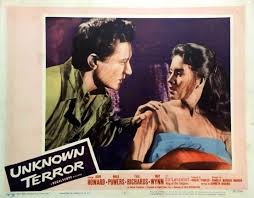
Featuring: John Howard, Mala Powers, Paul Richards and May Wynn
Tagline:“They dared enter the Cave of Death to explore the secrets of hell!”
Critical Commentary
In the realm of cinema, horror movies have always held a special place. They are capable of evoking a range of intense emotions, from spine-chilling fear to a morbid fascination with the unknown. Among the countless horror films that have graced the silver screen, “The Unknown Terror” stands as a captivating example that delves into the depths of fear and mystery. Released in 1957, this film not only left an indelible mark on the horror genre but also prompted discussions on the nature of terror and the human psyche.
“The Unknown Terror” opens in a remote and desolate village, shrouded in an eerie mist that sets the tone for the unfolding terror. The plot follows a group of scientists and investigators who arrive at the village to unravel a series of unexplainable and gruesome events that have been plaguing the community. With cattle mysteriously mutilated and villagers disappearing without a trace, an atmosphere of dread looms over the entire area.
As the scientists delve deeper into their investigation, they uncover ancient legends and local myths that speak of a malevolent force dwelling beneath the village. This force is said to be a primordial entity that feeds on fear itself. As tensions escalate and the investigators themselves fall victim to the sinister occurrences, they must confront not only the physical manifestations of terror but also their own inner demons.
At its core, “The Unknown Terror” is a meditation on fear and the human response to the unknown. The film masterfully captures the primal fear that resides within all of us, tapping into the innate dread of the unfamiliar. The mist-shrouded village serves as a metaphor for the uncharted territories of the mind, where the deepest fears and anxieties can fester and take shape. As the characters confront the enigmatic force beneath the village, the audience is forced to question the nature of fear itself—can fear be quantified, harnessed, or even defeated?
The movie also explores the duality of fear: the external terror that threatens our physical well-being and the internal turmoil that arises from our own psychological vulnerabilities. The characters’ journey becomes not only a battle against an external force but also a confrontation with their own suppressed fears and traumatic experiences. This interplay between the external and internal dimensions of fear elevates the movie beyond mere jump scares, making it a thought-provoking exploration of the human psyche.
“The Unknown Terror” is a testament to the power of cinematic techniques in creating an atmosphere of dread. The use of shadow and light, combined with the hauntingly melodic score, creates an ambiance that is both haunting and immersive. The mist that envelops the village becomes a character in itself, symbolizing the obscurity that shrouds the true nature of the terror.
Throughout the film, the director employs various camera techniques to keep the audience on edge. Quick cuts, disorienting angles, and distorted perspectives enhance the feeling of unease, mirroring the characters’ growing sense of dislocation and anxiety. The tension escalates through the strategic use of silence, broken only by the occasional unsettling sound—a creaking floorboard, a distant whisper.
“The Unknown Terror” left an undeniable mark on the horror genre, influencing subsequent films that sought to delve deeper into the psychological aspects of fear. Its emphasis on the unknown as a source of terror paved the way for more nuanced horror narratives that moved beyond conventional monsters and gore. The movie’s exploration of the human psyche resonated with audiences, sparking discussions on the nature of fear, the power of the mind, and the limits of human understanding.
“The Unknown Terror” has had a lasting impact on both the horror genre and the broader cultural landscape. Its exploration of fear and the unknown transcends the confines of a mere horror film, inviting audiences to confront their own fears and anxieties. The movie’s legacy can be observed in several ways:
1. Evolution of Horror Narratives: The film’s emphasis on psychological horror and the power of suggestion paved the way for a new wave of horror narratives. Filmmakers began to prioritize the subtleties of fear over gratuitous violence, giving rise to a genre that focused on the psychological intricacies of terror. Movies that followed, such as [insert examples], owe a debt to “The Unknown Terror” for its groundbreaking approach.
2. Deconstruction of Fear: The film challenged conventional notions of fear as a simplistic reaction to external threats. By intertwining the characters’ personal fears with the external terror, it introduced a more complex portrayal of fear’s origins and effects. This deconstruction has inspired philosophical discussions on the nature of fear, its origins, and its role in the human experience.
3. Influence on Cinematic Techniques: The innovative use of camera techniques, lighting, and sound in “The Unknown Terror” became a reference point for filmmakers seeking to create atmospheric horror. Techniques like distorted perspectives, disorienting angles, and the manipulation of silence and soundscapes have been incorporated into subsequent horror films, enriching the genre with a sense of unease.
4. Psychological Exploration: The film’s focus on the characters’ internal struggles and suppressed traumas opened the door for movies that explore the depths of the human psyche. By connecting external terror with inner demons, “The Unknown Terror” challenged viewers to contemplate the relationship between fear and the subconscious mind, encouraging a deeper engagement with the narratives.
5. Cultural Conversations: Beyond the confines of the cinema, “The Unknown Terror” sparked conversations about the broader human experience. Its exploration of fear as a universal emotion led to discussions about how fear shapes our decisions, relationships, and understanding of the world. It became a touchstone for discussions on topics such as anxiety, trauma, and the mysteries of the human mind.
“The Unknown Terror” has sparked a plethora of critical analyses and interpretations that delve into its underlying themes and narrative intricacies. Scholars and cinephiles alike have scrutinized the film’s every frame to uncover hidden meanings and symbolic layers.
1. Fear as a Catalyst for Change: Some interpretations view the malevolent force beneath the village as a representation of the characters’ fears and insecurities. The unfolding events, rather than being solely supernatural, serve as a catalyst for the characters’ personal growth and transformation. The terror they face becomes a mirror that reflects their inner struggles and prompts them to confront unresolved issues.
2. Allegory of Collective Fear: Another perspective positions the village as a microcosm of society. The unexplainable horrors and disappearances symbolize the collective fears that haunt communities. The film can be seen as an allegory for the societal fears that often arise from the unknown, including cultural differences, technological advancements, and political uncertainties.
3. Exploration of the Unconscious Mind: Drawing inspiration from psychological theories, some interpretations emphasize the connection between the external horrors and the characters’ subconscious minds. The mist-covered village represents the murky depths of the unconscious, where repressed memories, desires, and fears linger. The unfolding terror becomes a manifestation of the characters’ inner turmoil.
4. Subversion of Genre Expectations: “The Unknown Terror” has also been celebrated for its ability to subvert genre expectations. By blurring the lines between horror, psychological thriller, and character-driven drama, the film challenges viewers to question their assumptions about cinematic genres. This subversion heightens the impact of the film’s terror, as it defies traditional narrative trajectories.
5. Reflection of Existential Anxiety: Existential interpretations of the film suggest that the unknown terror symbolizes the existential dread that accompanies the human experience. The characters’ search for meaning in the face of an enigmatic and potentially malevolent force mirrors humanity’s quest for purpose in an uncertain world.
6. Audience Participation in Fear: Some analyses emphasize the role of the audience in co-creating fear. The film’s use of suggestive imagery and subtle cues encourages viewers to actively engage their imaginations, constructing their own interpretations of the horror. This interplay between what is shown on screen and what is left to the imagination amplifies the overall fear factor.
“The Unknown Terror” has left an indelible mark on contemporary horror cinema, influencing filmmakers to explore new avenues of fear and storytelling. Its thematic depth and innovative techniques have inspired a generation of filmmakers to push the boundaries of the genre.
1. Psychological Horror Renaissance: The film’s emphasis on psychological horror has led to a renaissance in the genre. Filmmakers now prioritize the exploration of characters’ psyches, weaving intricate narratives that delve into their fears, traumas, and vulnerabilities. This shift has given rise to films that challenge the audience’s perceptions of reality and fear, such as [insert examples].
2. Atmosphere and Aesthetics: “The Unknown Terror” has set a benchmark for creating atmospheric horror. Contemporary filmmakers have adopted and expanded upon the film’s use of lighting, soundscapes, and visual cues to build tension and unease. This focus on crafting immersive environments draws audiences into the terror unfolding on screen.
3. Metaphorical Storytelling: The film’s success in intertwining supernatural elements with metaphorical storytelling has paved the way for narratives that carry deeper meanings. Modern horror films often use allegorical frameworks to explore societal issues, personal struggles, and existential dilemmas. These layered narratives resonate on multiple levels, engaging audiences intellectually and emotionally.
4. Blurring Genre Boundaries: The legacy of “The Unknown Terror” is evident in the blurring of genre boundaries. Contemporary horror often defies categorization, blending elements of horror with drama, thriller, science fiction, and fantasy. This eclectic approach results in films that are not confined by traditional genre conventions, encouraging innovation and experimentation.
5. Interactive Horror Experiences: The film’s engagement with audience imagination has influenced the development of interactive horror experiences. Video games, virtual reality simulations, and immersive theater productions draw inspiration from the film’s ability to make audiences active participants in crafting their own fears. This trend has transformed horror consumption into an interactive, visceral journey.
“The Unknown Terror” continues to captivate audiences and scholars, serving as a rich tapestry of thematic complexities and narrative ambiguities. Its legacy lies not only in its contributions to the horror genre but also in its ability to ignite discussions about fear, the unknown, and the human psyche. As interpretations evolve and new insights are uncovered, the film remains a testament to the power of cinema to probe the depths of human emotions and the mysteries that lie within and beyond our understanding.
Technical Commentary
Video
“The Unknown Terror” is presented on Blu-ray courtesy of Imprint and Via Vision Entertainment with an AVC encoded 1080p transfer in 2.35:1. This “Regalscope” film looks largely fantastic in high definition, though there are a few isolated moments where what look like the “mumps” can show up, especially toward the middle of the frame and where heads and/or faces can look just slightly flattened and stretched. Otherwise, though, this is one of the nicer looking presentations in the Silver Screams Cinema Collection, with really appealing fine detail levels throughout, and some especially nicely modulated grey scale.
Audio
“The Unknown Terror” features an LPCM 2.0 Mono track that provides more than capable support for the film’s sound design. Raoul Kraushaar’s score sounds nicely full bodied, and sound effects are also surprisingly reverberant. Dialogue is presented cleanly and clearly throughout. Optional English subtitles are available.
Special Features
Audio commentary with horror / fantasy authors Stephen Jones and Kim Newman
Featuring: Corey Hawkins, Aisling Franciosi, Liam Cunningham and David Dastmalchian
Captain Eliot: “The Demeter on charter from Romania to London. Shipping private crates, contents unknown. Out to sea with no land in sight.”
“The Last Voyage of the Demeter” is a 2023 horror film directed by André Øvredal and written by Zak Olkewicz. It is based on the 1927 short story of the same name by Bram Stoker, which tells the story of the ship Demeter, which is transporting a coffin containing Dracula to London. The film stars Corey Hawkins, David Dastmalchian, Liam Cunningham, and Aisling Franciosi.
The film is a slow-burning, atmospheric horror film that builds suspense and dread in a masterful way. The film’s visuals are stunning, with the ship Demeter looking both majestic and menacing. The performances are all excellent, with Hawkins giving a standout performance as the captain of the Demeter.
The film’s biggest strength is its atmosphere. The film is constantly bathed in darkness and fog, creating a sense of claustrophobia and unease. The film also does a great job of building suspense, with each scene feeling like it could be the one where Dracula strikes.
The film’s biggest weakness is its lack of scares. While there are a few moments that will make you jump, the film never quite reaches the level of terror that it could have. This is likely due to the film’s slow pacing and lack of action.
“The Last Voyage of the Demeter” is a well-made and atmospheric horror film that is sure to please fans of the genre. However, it is not a film for everyone, as it is slow-paced and lacks the traditional scares of many horror films.
The film is visually stunning, with the ship Demeter looking both majestic and menacing. The cinematography is excellent, and the film makes great use of shadows and darkness to create a sense of unease. The cast all give excellent performances, with Corey Hawkins giving a standout performance as the captain of the Demeter. David Dastmalchian is also great as the ship’s cook, and Liam Cunningham and Aisling Franciosi are both solid in their supporting roles. The film does a great job of building suspense and dread, with each scene feeling like it could be the one where Dracula strikes. The film’s slow pacing actually works in its favour, as it allows the tension to build slowly and steadily. The film is atmospheric and creepy, with the constant fog and darkness creating a sense of claustrophobia and unease. The film also does a great job of using sound to create a sense of dread, with the creaking of the ship’s hull and the howling of the wind adding to the overall atmosphere.
While there are a few moments that will make you jump, the film never quite reaches the level of terror that it could have. This is likely due to the film’s slow pacing and lack of action. The film is slow-paced, which may not be to everyone’s taste. The film’s slow pacing can make it feel a bit tedious at times, and it can be difficult to maintain interest throughout the film. The film’s plot is fairly predictable, and it’s not hard to figure out who the vampire is. This predictability can take away from the suspense and dread that the film builds up.
The film is a faithful adaptation of Bram Stoker’s short story, but it also adds its own unique elements. For example, the film expands on the backstory of the ship’s crew, and it gives Dracula a more physical presence. The film is a departure from many modern horror films, which are often fast-paced and action-packed. “The Last Voyage of the Demeter” is a slower, more atmospheric film that relies on suspense and dread to create its scares.
The film is not for everyone, but it is a well-made and atmospheric horror film that is sure to please fans of the genre. If you are looking for a slow-burning, creepy horror film, then “The Last Voyage of the Demeter” is definitely worth checking out.
Here are some other films that you may enjoy if you liked The Last Voyage of the Demeter:
“Nosferatu” (1922): This silent German horror film is considered to be one of the greatest vampire films ever made. It is a slow-paced, atmospheric film that is sure to creep you out.
“The Shining” (1980): This Stanley Kubrick classic is a psychological horror film that is set in a remote hotel. The film is full of suspense and dread, and it features some of the most iconic scenes in horror movie history.
“Let the Right One In” (2008): This Swedish vampire film is a slow-burning, atmospheric film that is both creepy and heartbreaking. The film features excellent performances from its two young stars, and it is a must-see for fans of the vampire genre.
The film is a faithful adaptation of Bram Stoker’s short story, but it also adds its own unique elements. For example, the film expands on the backstory of the ship’s crew, and it gives Dracula a more physical presence. The film is a departure from many modern horror films, which are often fast-paced and action-packed. “The Last Voyage of the Demeter” is a slower, more atmospheric film that relies on suspense and dread to create its scares. The film is not for everyone, but it is a well-made and atmospheric horror film that is sure to please fans of the genre. If you are looking for a slow-burning, creepy horror film, then “The Last Voyage of the Demeter” is definitely worth checking out.
I would recommend “The Last Voyage of the Demeter” to fans of slow-burning, atmospheric horror films. However, if you are looking for a film with more action and scares, you may be disappointed.
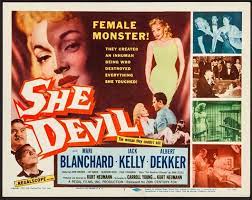
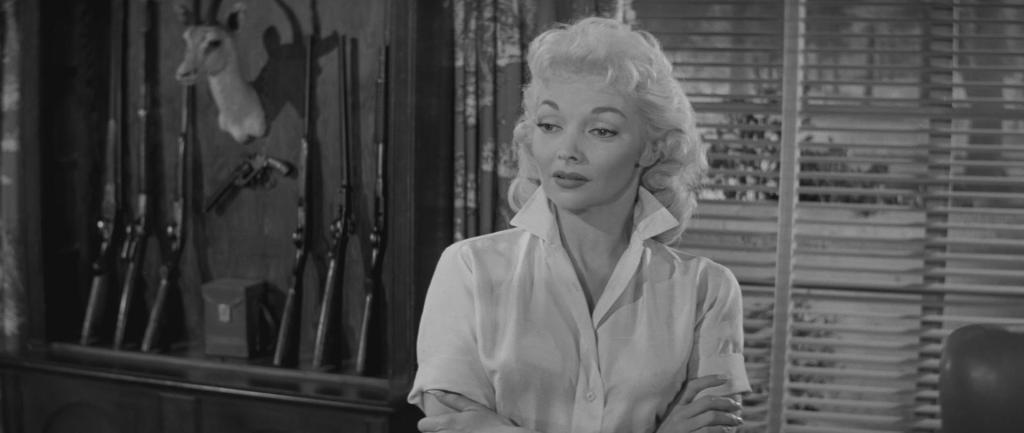
Featuring: Mari Blanchard, Jack Kelly and Albert Dekker
Tagline:“GORGEOUS DEMON! They created an inhuman being who destroyed everything she touched! The woman they couldn’t kill!”
Critical Commentary
In the annals of cinematic history, certain films stand out not only for their storytelling prowess but also for their profound impact on the audiences and the industry itself. One such film is “The She-Devil,” a 1957 psychological drama that delved into the dark and complex realms of human relationships, manipulation, and revenge. Directed by Kurt Neumann and starring the legendary actress Mari Blanchard, “The She-Devil” is a film that has left an indelible mark on the cinematic landscape.
Set in the post-World War II era, “The She-Devil” follows the compelling journey of a seductive and manipulative woman named Kyra (Mari Blanchard). With an intoxicating combination of beauty, intelligence, and ruthlessness, Kyra weaves a web of intrigue that ensnares those around her. The story unfolds as Kyra enters the lives of various characters, including a successful writer named Mike (Jack Kelly) and his wife Martha (Alberta Nelson).
As the plot unravels, it becomes evident that Kyra is not merely a femme fatale but a woman on a mission to exploit human vulnerabilities for her own gain. She orchestrates a series of calculated actions that disrupt the harmony of the characters’ lives, driving wedges between relationships and sowing seeds of doubt and jealousy. Her intricate manipulation leads to a chain reaction of events, ultimately culminating in a tragic and unsettling climax.
“The She-Devil” is more than just a tale of manipulation; it’s a nuanced exploration of human psychology, power dynamics, and the darker aspects of desire. At its core, the film delves into the concept of toxic femininity, wherein the traditional roles of women are subverted to wield influence over men. Kyra’s character embodies this complex persona, using her allure and cunning to dominate those who are drawn into her orbit.
The film also delves into the themes of morality and responsibility. Kyra’s actions force the other characters to confront their own weaknesses and insecurities, highlighting how one person’s malevolence can expose the fragility of others. This exploration of human vulnerabilities adds depth to the narrative, prompting viewers to reflect on the complexities of human nature and the choices we make under pressure.
A significant factor in the film’s impact was Mari Blanchard’s portrayal of Kyra. Blanchard’s performance was nothing short of mesmerizing, as she effortlessly embodied the enigmatic allure and treacherous charm of the titular character. Her ability to seamlessly transition between moments of seduction and manipulation showcased her range as an actress and solidified her place as a Hollywood icon.
Blanchard’s portrayal of Kyra was a departure from the stereotypical femme fatale archetype of the time. Rather than being a one-dimensional villainess, Kyra’s character was multi-dimensional, with glimpses of vulnerability and hidden motives. Blanchard’s captivating performance drew audiences into Kyra’s world, allowing them to simultaneously empathize with and be repulsed by her actions.
“The She-Devil” also shines in its technical aspects, with director Kurt Neumann’s deft hand guiding the film’s visual and auditory elements. Neumann’s use of lighting and shadow adds an air of mystery and tension to the narrative, creating an atmosphere that complements Kyra’s manipulation. The cinematography, marked by contrasting shades and textures, heightens the film’s psychological impact, accentuating the duality of the characters’ personalities.
Furthermore, the film’s musical score, composed by Paul Dunlap, masterfully underscores the emotional highs and lows of the story. The music enhances the film’s suspenseful moments and adds layers of complexity to the characters’ interactions. This synergy between visual and auditory elements contributes to the overall immersive experience that “The She-Devil” provides.
Despite its release over six decades ago, “The She-Devil” continues to intrigue and captivate audiences. Its exploration of psychological manipulation and the dark underbelly of human relationships has inspired subsequent works in literature, theater, and film. Elements of Kyra’s character can be seen in later cinematic anti-heroines who wield their allure as a weapon, challenging societal norms and gender expectations.
To truly appreciate the impact of “The She-Devil,” it’s important to consider the cultural context of its release. The 1950s marked a period of shifting societal norms and changing gender dynamics. Women were increasingly challenging traditional roles and seeking more agency in their lives. Against this backdrop, “The She-Devil” provided a provocative exploration of a woman who wielded her allure and intelligence as a means of control, unsettling traditional notions of femininity.
The film’s exploration of manipulation and power dynamics can also be seen as a reflection of the post-war era’s uncertainties. The aftermath of World War II had left its mark on the world, and people were grappling with the complexities of trust, betrayal, and survival. “The She-Devil” tapped into these anxieties, presenting a narrative that resonated with audiences on both a psychological and emotional level.
Upon its release, “The She-Devil” garnered attention from critics and audiences alike. The film’s exploration of psychological manipulation and its strong performances, particularly from Mari Blanchard, were widely praised. Critics commended the film’s ability to delve into the darker aspects of human nature and relationships, noting that it left a lasting impact on those who watched it.
However, like many films that pushed the boundaries of their time, “The She-Devil” also faced its share of controversy. Some critics argued that the film sensationalized the concept of toxic femininity and that Kyra’s character perpetuated harmful stereotypes about women. Nonetheless, the film’s lasting influence cannot be denied, as it continued to spark discussions about gender dynamics and power struggles long after its initial release.
“The She-Devil” laid the groundwork for a cinematic trope that would reappear in various forms throughout the years. The archetype of a seductive, manipulative woman using her charm and intelligence to control those around her has become a staple in films that explore the darker aspects of human relationships. Characters like Kyra have paved the way for complex anti-heroines and femme fatales that challenge traditional notions of morality and gender roles.
Furthermore, the film’s exploration of manipulation and psychological warfare has inspired subsequent thrillers and dramas that delve into the complexities of human behavior. The themes of trust, betrayal, and vulnerability explored in “The She-Devil” have become integral components of psychological thrillers and character-driven narratives, leaving an indelible mark on the evolution of cinematic storytelling.
The echoes of “The She-Devil” can be heard in various forms of media beyond the realm of cinema. Literature, television, and theatre have all drawn inspiration from the film’s exploration of manipulation and power dynamics. Characters like Kyra have become archetypes that storytellers have revisited and reimagined, each iteration adding new layers to the understanding of complex female characters.
In literature, the themes and character dynamics explored in “The She-Devil” have found their way into novels and short stories. Writers have taken inspiration from the film’s portrayal of psychological warfare and have adapted it to different settings and time periods. The allure of a woman using her intelligence and charm as weapons continues to captivate readers and offers fertile ground for exploring human motivations and behaviours.
Television, with its episodic format, has also embraced the essence of “The She-Devil.” Shows that delve into intricate character relationships and moral ambiguities often draw from the film’s exploration of manipulation. From anti-heroines in crime dramas to morally ambiguous characters in psychological thrillers, the legacy of Kyra’s character can be seen in the development of these complex figures on the small screen.
Moreover, the world of theatre has been influenced by “The She-Devil” as well. The themes of power, manipulation, and the darker aspects of human behaviour resonate strongly in stage productions. Playwrights have crafted characters with shades of Kyra, weaving intricate webs of deception and power struggles that challenge the audience’s perceptions and push the boundaries of morality.
As societal conversations around gender roles and empowerment have evolved, so too has the interpretation of “The She-Devil.” While initially criticized for perpetuating stereotypes about women, the film has also been reclaimed as a work that challenges traditional norms. Feminist readings of the film emphasize Kyra’s agency and her subversion of expectations, highlighting her as a character who turns societal conventions to her advantage.
Kyra’s ability to manipulate those around her, often men, has been reframed as a commentary on the limited avenues available to women during the time period. In this view, Kyra’s actions become a form of resistance, a way for her to exert power in a world that often sought to confine women to specific roles. This interpretation adds layers of complexity to the film’s themes, turning Kyra into a symbol of defiance against patriarchal norms.
What keeps “The She-Devil” relevant across generations is its exploration of universal human desires and vulnerabilities. The desire for power, the yearning for validation, and the lengths to which individuals will go to achieve their ambitions are themes that transcend time and culture. Kyra’s character remains a cautionary tale, a reminder of the allure and danger of unchecked manipulation and the intricate dance of power dynamics.
As society continues to evolve, so too will the interpretations of “The She-Devil.” New generations of viewers will bring their own perspectives and experiences to the film, reshaping its significance and impact. The film’s ability to provoke discussion, challenge assumptions, and elicit a range of emotional responses cements its place as a cinematic classic that continues to stand the test of time.
In Conclusion, “The She-Devil” (1957) remains a remarkable cinematic achievement that delves into the complexities of human behaviour, desire, and manipulation. Mari Blanchard’s portrayal of the enigmatic Kyra, coupled with Kurt Neumann’s directorial finesse, results in a film that transcends its era and continues to captivate audiences. Its exploration of power dynamics, morality, and toxic femininity ensures that “The She-Devil” remains a timeless exploration of the darkest corners of the human psyche.
Technical Commentary
Video
“She Devil” is presented on Blu-ray courtesy of Imprint and Via Vision Entertainment with an AVC encoded 1080p transfer in 2.35:1. This is for all intents and purposes very similar if not outright identical to the Olive release I reviewed several years ago, which is actually a good thing. The transfer boasts really nice detail levels for the vast bulk of the presentation, and contrast is also convincing.
Audio
“She Devil’s” LPCM 2.0 Mono track sounded pretty much identical to my ears as the DTS-HD Master Audio Mono track on the Olive release from several years ago. As I mentioned in that review, there’s perhaps surprisingly little background noise and/or hiss on this track, and support for dialogue, effects and score is fine throughout. Optional English subtitles are available.
Special Features
1080p presentation of the film on Blu-ray
Audio commentary with horror/ fantasy authors Stephen Jones and Kim Newman (2021)
Tales of Tomorrow episode “The Miraculous Serum” based on the science fiction short story “The Adaptive Ultimate” 1952 (SD)
Escape! Radio Anthology episode “The Adaptive Ultimate” 1949
Featuring: Robert Livingston, Adrian Booth, Ian Keith, Thomas E. Jackson, Charles Trowbridge and Earle Hodgins
Tagline:“BLOOD MADNESS… Out Of The Fog… Into Your Heart!”
Critical Commentary
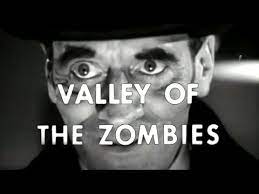
In the realm of classic horror cinema, “Valley of the Zombies” stands as a remarkable gem that has captivated audiences for decades. Released in 1946, this black-and-white horror film has left an indelible mark on the genre, blending elements of mystery, horror, and the supernatural to create a unique cinematic experience. Directed by Philip Ford and produced by Republic Pictures, the film offers an intriguing storyline, compelling characters, and a distinct atmosphere that continues to intrigue and entertain audiences to this day.
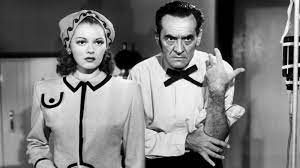
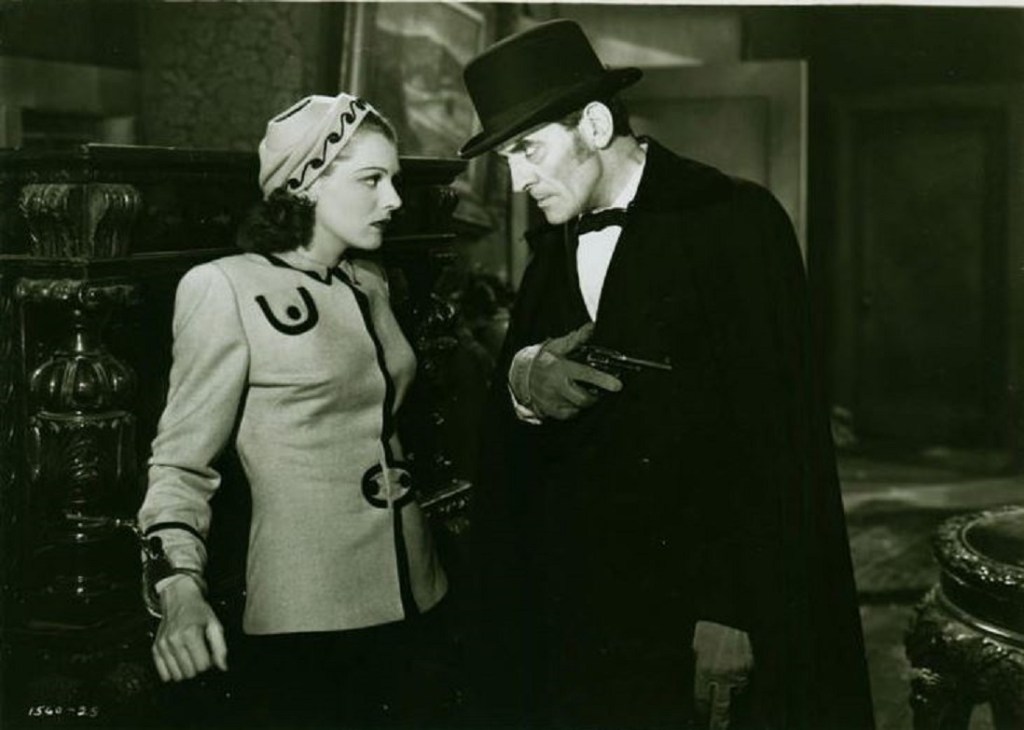
“Valley of the Zombies” introduces us to a narrative that masterfully weaves together elements of horror and adventure. The story revolves around Dr. Maynard (Robert Livingston), a dedicated scientist whose research takes him on a journey into the heart of the Himalayas. His quest is fueled by a desire to uncover the secrets of immortality hidden within the region’s remote valleys.
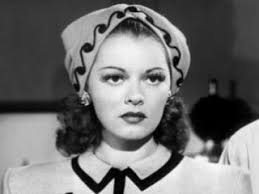
Accompanied by his loyal assistant, Grant (Lorna Gray), and a team of explorers, Maynard discovers an ancient temple buried deep within the mountainous terrain. Inside, they stumble upon a hidden chamber containing a mysterious substance that possesses the power to reanimate the dead. Unbeknownst to Maynard, this discovery would lead to a series of events that challenge the very boundaries of life and death.
At its core, “Valley of the Zombies” delves into themes that have long fascinated audiences – the pursuit of eternal life, the consequences of tampering with nature, and the age-old struggle between good and evil. The allure of immortality is a motif that has been explored in literature and film for centuries, and this film adds a supernatural twist by introducing reanimation as a means to achieve that goal.
The film also raises ethical questions about the consequences of meddling with forces beyond human understanding. Dr. Maynard’s relentless pursuit of immortality ultimately leads to unintended and dire consequences, serving as a cautionary tale against the arrogance of playing with the balance of life and death.
The film’s characters are pivotal in driving the narrative and shaping the audience’s engagement with the story. Dr. Maynard emerges as a complex figure, driven by both scientific curiosity and the desire to conquer mortality. His transformation from a dedicated scientist to a morally conflicted individual adds depth to the character, making him relatable despite his questionable decisions.
Lorna Gray’s portrayal of Grant adds a layer of emotional depth to the story. As the film’s only significant female character, Grant’s courage and loyalty resonate strongly. Her presence serves as a counterbalance to the darker themes, injecting moments of empathy and humanity into the unfolding horror.
“Valley of the Zombies” stands out not only for its narrative but also for its effective use of cinematic techniques to create a gripping atmosphere. The black-and-white cinematography lends a sense of timelessness and nostalgia to the film. The use of shadows and lighting contributes to the eerie ambiance, especially in scenes that take place within the ancient temple and its surroundings.
The film’s pacing is deliberate, allowing the tension to build gradually as the mystery unfolds. Jump scares and suspenseful moments are strategically placed, heightening the viewer’s engagement with the unfolding events. The combination of these techniques keeps the audience on the edge of their seats, even by today’s standards.
While “Valley of the Zombies” might not have achieved the same level of fame as some other horror classics of its time, its influence on the genre cannot be denied. The film’s exploration of supernatural themes, moral dilemmas, and the fine line between life and death has left a lasting impression on subsequent horror films.
Moreover, the film’s portrayal of the consequences of human curiosity and the unpredictable outcomes of scientific experiments resonates with modern concerns about ethics in scientific research and the potential dangers of unchecked technological advancements.
In the vast landscape of horror cinema, “Valley of the Zombies” continues to hold its own as a cinematic achievement that has stood the test of time. Its captivating narrative, well-drawn characters, and skillful use of atmosphere make it a must-watch for fans of classic horror and those intrigued by the intersection of science, morality, and the supernatural. As audiences continue to seek stories that challenge their perceptions of life and death, “Valley of the Zombies” remains a captivating journey into the unknown, inviting viewers to ponder the mysteries that lie beyond the veil of the ordinary.
“Valley of the Zombies” might not be a household name like some of its horror contemporaries, but its impact on the genre is undeniable. The film’s fusion of adventure, horror, and supernatural elements set a precedent for later filmmakers to experiment with genre boundaries. The concept of reanimation and the quest for eternal life found in the film have since become recurring themes in horror and science fiction, influencing works like “Frankenstein,” “The Mummy,” and even modern zombie narratives.
The film’s approach to suspense and atmosphere also played a role in shaping horror filmmaking techniques. The careful manipulation of shadows, lighting, and sound effects to build tension demonstrated an understanding of how to engage audiences’ emotions and keep them on the edge of their seats. Filmmakers today continue to draw inspiration from these techniques to craft their own spine-chilling moments.
As with many classic films, “Valley of the Zombies” reflects the societal concerns and cultural interests of its era. Released in the post-World War II period, the film’s themes of life, death, and the unknown may resonate with the uncertainties of a society emerging from the horrors of war. Additionally, the film’s emphasis on the consequences of scientific ambition serves as a reminder of the ethical questions surrounding scientific advancements and the potential dangers of unchecked curiosity.
In a broader sense, the film also taps into humanity’s age-old fascination with mortality and the desire to cheat death. This timeless preoccupation with the mysteries of life and the afterlife has persisted across cultures and epochs, and “Valley of the Zombies” taps into that universal fascination, exploring the lengths to which individuals might go to achieve immortality.
Over time, the film’s visual and auditory elements have inevitably deteriorated. However, its significance has not been forgotten, and efforts have been made to restore and preserve “Valley of the Zombies” for future generations. Restoration projects not only aim to enhance the film’s visual and auditory quality but also to ensure that its narrative and cinematic impact are preserved for modern audiences.
Preservation efforts help bridge the gap between generations of moviegoers, allowing contemporary viewers to experience the same intrigue and suspense that captivated audiences of the past. By maintaining the film’s integrity, these restoration initiatives pay homage to its historical and cultural relevance, ensuring that it remains accessible to audiences and scholars alike.
“Valley of the Zombies” has left an indelible mark on popular culture, and its influence continues to be felt in various forms of media. From literature to television and beyond, elements of the film’s narrative and themes have been incorporated into new and innovative contexts. It’s not uncommon to see nods and references to the film in modern horror works, demonstrating its lasting impact on the genre.
Furthermore, the film’s core themes and ethical dilemmas have resonated across time, making it ripe for reinterpretation and adaptation. A contemporary reimagining could explore questions about the ethical implications of scientific experimentation, as well as delve deeper into the emotional turmoil experienced by characters caught between their ambitions and the potential consequences of their actions.
Technical Commentary
Video
“Valley of the Zombies” is presented on Blu-ray courtesy of Imprint and Via Vision Entertainment with an AVC encoded 1080p transfer in 1.37:1. This, along with “Return of the Ape Man”, represents the lower end of the quality spectrum in terms of overall appearance. Whereas I found parts of “The Phantom Speaks’s” transfer to be a bit on the bright side, this one struck me as too dark a lot of the time, though that may be a perception derived at least in part from the fact that vast swaths of the film take place in dimly lit environments, as can probably be gleaned from several of the screenshots accompanying this review.
Audio
“Valley of the Zombies” features an LPCM 2.0 Mono track that is, like several of the others in this set from this same general vintage, kind of inherently boxy sounding, but which provides capable support for dialogue, score and effects.
Special Features
Audio Commentary by Film Historian Tim Lucas
Audio commentary with horror / fantasy authors Stephen Jones and Kim Newman
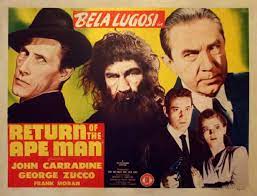
Prof. Dexter:“Some people’s brains would never be missed!”
Critical Commentary
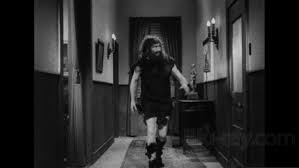
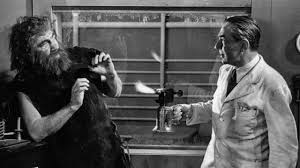
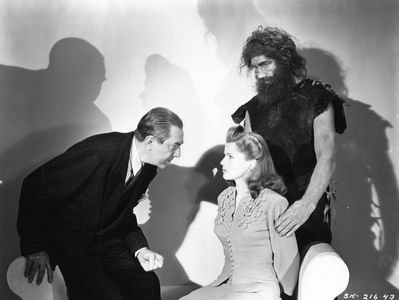
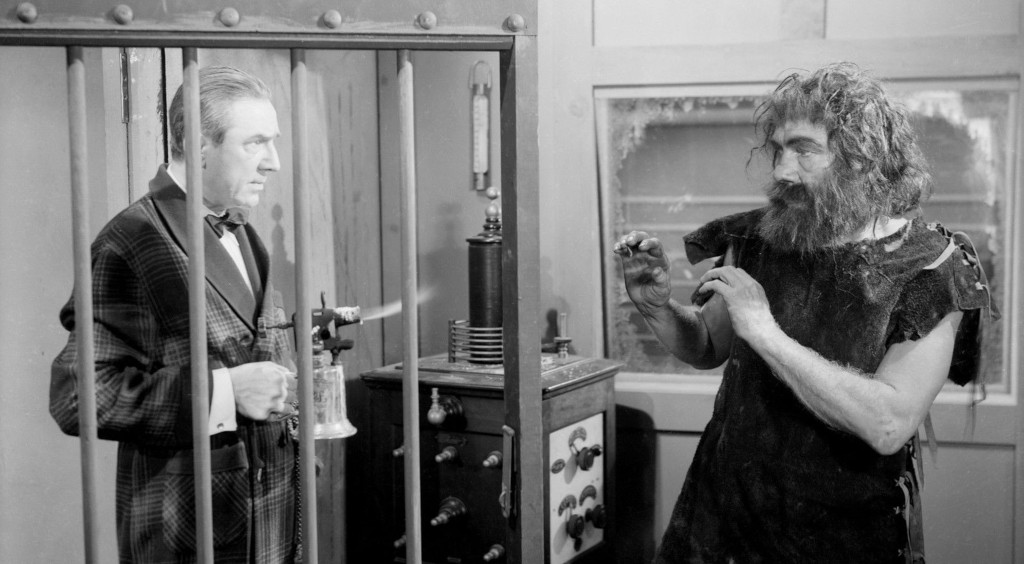
The history of cinema is dotted with a myriad of genres and subgenres that have captivated audiences for decades. One such genre that has consistently drawn attention is science fiction, often showcasing the intricate relationship between science, morality, and human curiosity. In 1944, the film industry witnessed the release of “Return of the Ape Man,” a thought-provoking science fiction movie that delved into the boundaries of scientific experimentation, the ethical implications of such pursuits, and the consequences of tampering with nature.
“Return of the Ape Man” directed by Phil Rosen, is a science fiction film that centres around the character Professor Dexter, portrayed by the legendary Bela Lugosi, and his unorthodox experiments. The film begins with Professor Dexter’s controversial theory that the human brain retains its memories even after death. Along with his devoted assistant, Professor Gilmore (John Carradine), Dexter decides to put his theory to the test by using an untested serum to revive a human being who had been frozen for centuries. They successfully resurrect a prehistoric man and attempt to educate him in order to study the extent of his intellectual capabilities. However, the ethical consequences of their actions soon unravel as the prehistoric man begins to display violent tendencies, leading to tragic consequences.
“Return of the Ape Man” raises pertinent questions about the limits of scientific inquiry and the potential ethical dilemmas that arise when scientific curiosity goes unchecked. Professor Dexter’s relentless pursuit of knowledge blinds him to the potential consequences of his actions. His desire to test his theories leads him to ignore the moral implications of bringing a deceased being back to life. The film serves as a cautionary tale, highlighting the importance of ethical considerations in scientific endeavours.
The film draws parallels with Mary Shelley’s “Frankenstein,” as both narratives revolve around scientists who meddle with the natural order in their quest for knowledge. Professor Dexter, much like Dr. Frankenstein, becomes consumed by his ambition, ultimately unleashing a force that spirals out of control. This concept, often referred to as the “Frankenstein Complex,” emphasizes the dangers of playing god and the potential consequences of scientific overreach.
The film also delves into the age-old debate of nature versus nurture. As Professor Dexter and Professor Gilmore attempt to educate the resurrected prehistoric man, they pose the question of whether innate characteristics can be moulded by environmental influences. This aspect of the film serves as a commentary on the malleability of human behaviour and the impact of external factors on an individual’s development.
“Return of the Ape Man” was released during a time of scientific advancements and societal changes. The mid-20th century saw rapid developments in various fields of science, leading to a renewed interest in experimentation and discovery. Against this backdrop, the film mirrors the apprehensions of the era, where advancements were being made without thorough consideration of their consequences.
While not as widely remembered as some of Bela Lugosi’s other works, “Return of the Ape Man” remains a significant film in the science fiction genre. Its exploration of scientific ethics and its portrayal of the potential dangers of unchecked scientific curiosity continue to resonate with audiences who ponder the ethical dimensions of modern scientific progress. The film’s themes have echoed in subsequent science fiction works, illustrating the enduring relevance of its cautionary message.
Upon its release in 1944, “Return of the Ape Man” garnered a mix of reviews from critics and audiences. While it didn’t achieve the same level of acclaim as some of Bela Lugosi’s other works, it managed to leave a lasting impact on the science fiction genre. The film’s exploration of ethical dilemmas and the consequences of scientific experimentation resonated with a subset of viewers who appreciated its thought-provoking themes.
Over the years, the film has gained a cult following, with its themes finding new relevance as scientific advancements continue to push the boundaries of what is possible. The cautionary tale of “Return of the Ape Man” serves as a reminder that the pursuit of knowledge should always be tempered with ethical considerations. The film’s legacy can be seen in subsequent science fiction works that address similar themes, as well as in discussions surrounding the ethical implications of emerging technologies in the real world.
The ethical questions raised by “Return of the Ape Man” remain as pertinent today as they were in 1944. As science and technology advance at an unprecedented rate, the film’s exploration of the boundaries of scientific inquiry and the potential consequences of unchecked experimentation holds valuable lessons. Modern debates around cloning, genetic engineering, and artificial intelligence echo the film’s cautionary message, emphasizing the importance of ethical considerations in scientific progress.
“Return of the Ape Man” serves as a reminder that the pursuit of scientific knowledge should always be accompanied by a deep understanding of the potential risks and ethical implications of experimentation. The film underscores the importance of responsible research practices and the need to balance curiosity with ethical accountability. In a world where scientific discoveries can have far-reaching consequences, the film’s message resonates with researchers, policymakers, and the general public alike.
In recent years, the themes and concepts explored in “Return of the Ape Man” have found new life through reinterpretations and adaptations in various forms of media. Modern filmmakers, writers, and creators continue to draw inspiration from the film’s cautionary message, exploring the ethical dilemmas of scientific experimentation in new and innovative ways. These reinterpretations serve as a testament to the enduring relevance of the film’s core themes.
One example of this reinterpretation is evident in novels and short stories that delve into the ethical implications of emerging technologies. Authors often draw parallels between their narratives and the film’s premise, using it as a starting point to explore complex issues related to cloning, genetic manipulation, and the blurred boundaries between humans and machines. This adaptation of the film’s themes into contemporary literature reflects its lasting impact on discussions surrounding ethics and science.
The film’s narrative has also influenced the establishment of scientific and ethical committees dedicated to overseeing and regulating various fields of research. Institutions have recognized the importance of preventing unchecked experimentation and have drawn inspiration from the cautionary tale depicted in “Return of the Ape Man.” These committees serve as safeguards, ensuring that scientific progress aligns with ethical principles and societal well-being.
In the realm of documentary filmmaking and educational platforms, “Return of the Ape Man” has been referenced as a case study in discussions about the responsibilities of scientists and the potential consequences of their work. Documentaries and online courses often use the film’s narrative as a way to engage audiences in conversations about the ethical considerations that accompany scientific advancement. By examining the film’s characters and their choices, viewers gain insights into the complexities of scientific inquiry and the broader implications of their decisions.
As the science fiction genre continues to evolve, “Return of the Ape Man” has inspired filmmakers to create narratives that fall under the category of “ethical science fiction.” These films explore the moral and ethical dilemmas presented by emerging technologies and scientific advancements. By weaving engaging stories that prompt audiences to reflect on the impact of their actions, these films contribute to a broader discourse about the intersection of science, ethics, and humanity.
“Return of the Ape Man” stands as a testament to the capacity of cinema to engage with complex ethical dilemmas through the lens of science fiction. The film’s portrayal of scientific experimentation, ethical considerations, and the consequences of transgressing natural boundaries serves as a timeless reminder of the importance of responsible scientific inquiry. Through its narrative, the film invites viewers to reflect on the ethical dimensions of their own actions and the potential ramifications of their pursuit of knowledge.
Technical Commentary
Video
“Return of the Ape Man” is presented on Blu-ray courtesy of Imprint and Via Vision Entertainment with an AVC encoded 1080p transfer in 1.37:1. This is by far the most ragged looking transfer in the Silver Screams Cinema Collection. There is manifest damage throughout the presentation, which is understandable given the film’s age, but there are also two pretty distinctively different “looks” at times, which leads me to believe this was perhaps cobbled together from different elements.
Audio
“Return of the Ape Man” features an LPCM 2.0 Mono track that shows typical signs of boxiness and shallowness that regularly accompany soundtracks of this era, but which provides more than capable support for the film’s dialogue and even occasional musical moments, as in a kind of charming scene where John Carradine reportedly (according to a commentary track) played the piano himself. Optional English subtitles are available.
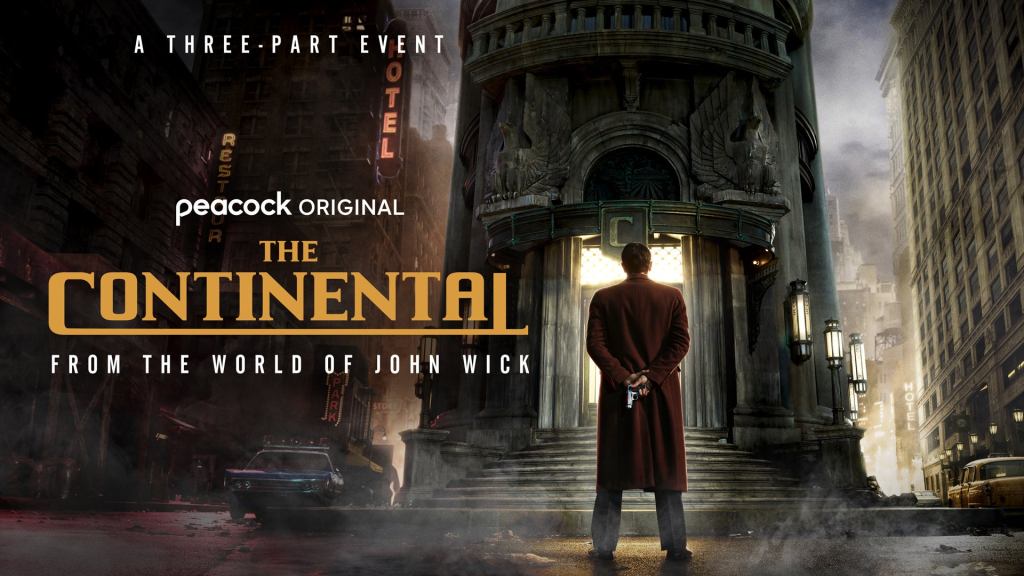
Peacock has released the full trailer for its upcoming “John Wick” prequel spin-off event series “The Continental” with the series to air in September.
The three-part event will explore the origin behind the iconic hotel-for-assassins centerpiece of the John Wick universe through the eyes and actions of a young Winston Scott (Colin Woodell).
He’s dragged into the Hell-scape of 1970’s New York City to face a past he thought he’d left behind. Winston charts a deadly course through the hotel’s mysterious underworld in a harrowing attempt to seize the hotel where he will eventually take his future throne.
The eponymous hotel has been a regular location throughout the franchise. Each instalment of the series is expected to run around 90 minutes long.
The series also stars Ayomide Adegun as the young Charon, Mel Gibson as Cormac, Hubert Point-Du Jour as Miles, Jessica Allain as Lou, Mishel Prada as KD, Nhung Kate as Yen, Ben Robson as Frankie, Peter Greene as Uncle Charlie, Jeremy Bobb as Mayhew, Ray McKinnon as Jenkins, Adam Shapiro as Lemmy, Mark Musashi as Hansel, Marina Mazepa as Gretel, and Katie McGrath as The Adjudicator.
Greg Coolidge and Kirk Ward serve as showrunners, whilst Chad Stahelski, Derek Kolstad, Basil Iwanyk, David Leitch, Shawn Simmons, Paul Wernick, Rhett Reese, and Erica Lee executive produce.
“The Continental: From the World of John Wick” premieres on September 22nd on Peacock with the second episode on September 29th and the third on October 6th.
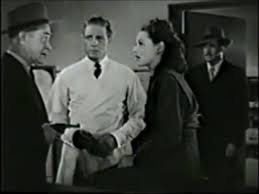
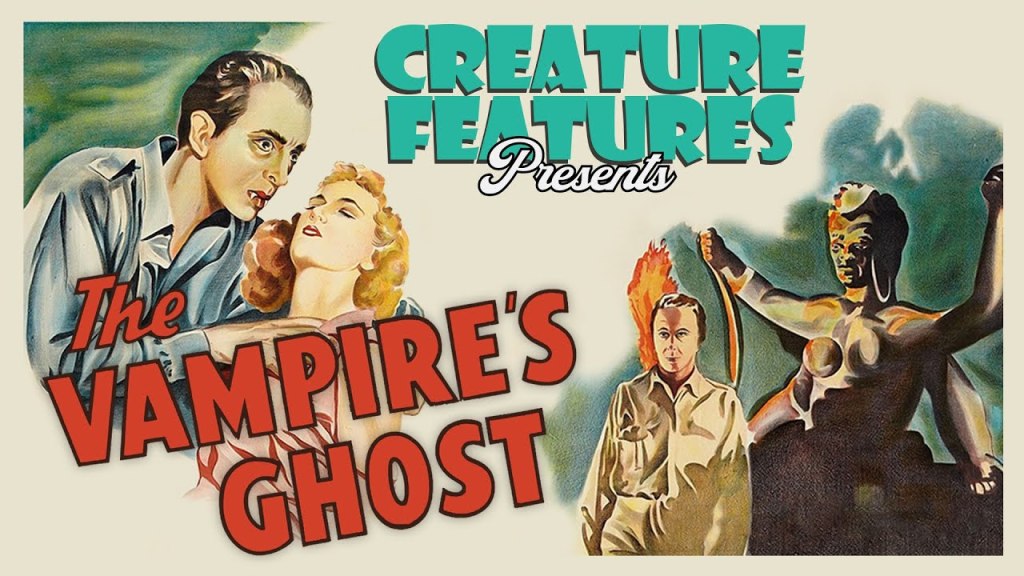
Featuring: John Abbott, Charles Gordon, Peggy Stewart, Grant Withers, Emmett Vogan and Adele Mara
Sailor with Barrat:“Hey, Barrett, what happened to you?”
Capt. Jim Barrett:“I don’t know. It’s the first time I ever quit a fight when a guy just looked at me.”
Critical Commentary
In the realm of horror cinema, vampires and ghosts are two of the most iconic and enduring supernatural entities that have captured the imagination of audiences for generations. Combining these chilling elements, “Vampires’ Ghost” is a movie that takes viewers on a thrilling and spine-tingling journey into a world of the undead and restless spirits. This 2000-word exploration delves into the rich history of vampire and ghost films, the plot and themes of “Vampires’ Ghost,” the creative aspects that brought the movie to life, and its lasting impact on the horror genre.
Vampire and ghost stories have a long and fascinating history, rooted in folklore, mythology, and literary traditions. Vampires, believed to be undead creatures who subsist by feeding on the life essence of the living, have been a staple of folklore from various cultures around the world. One of the earliest literary appearances of a vampire can be found in the 18th-century Gothic novel “The Vampyre” by John Polidori, which is considered a precursor to the vampire genre. Bram Stoker’s 1897 novel “Dracula” solidified the modern image of vampires and inspired countless adaptations in both literature and film.
On the other hand, ghost stories have been a part of human storytelling for centuries. The belief in spirits of the deceased lingering on Earth to seek justice, revenge, or redemption is a common theme in folklore worldwide. As cinema emerged as a medium, ghost stories found their way onto the silver screen, with classics like “The Haunting” (1963) and “The Sixth Sense” (1999) captivating audiences with their eerie tales.
Against this backdrop of horror cinema history, “Vampires’ Ghost” emerged as a product of the 1940s Hollywood era, a time when horror films were experiencing a surge in popularity. Released in 1945, the movie was directed by Lesley Selander and produced by Republic Pictures, a studio known for its B-movie productions.
Set in the remote African town of Bakunda, “Vampires’ Ghost” introduces the enigmatic figure of Webb Fallon, portrayed by John Abbott. Fallon is a seemingly ordinary man who runs the local nightclub, The Golden Oasis, and is well-regarded in the community. However, as the plot unfolds, it becomes clear that Fallon is no ordinary man – he is an immortal vampire who has been secretly terrorizing the town for centuries.
The story takes a thrilling turn when a group of outsiders arrives in Bakunda, including a scientist named Roy Hendrick (played by Charles Gordon) and his beautiful fiancée Julie Vance (played by Peggy Stewart). They become entangled in the mystery of the town and its dark secrets. As the body count rises and strange occurrences escalate, Roy and Julie find themselves drawn deeper into Fallon’s malevolent plans.
“Vampires’ Ghost” delves into various themes that are common to both vampire and ghost stories. The theme of immortality and the thirst for eternal life are central to the vampire genre, as the undead protagonists are cursed to roam the earth in search of sustenance and companionship. The movie also explores the concept of hidden identities, as Fallon poses as an ordinary human to deceive those around him. Additionally, the film incorporates themes of forbidden love and sacrifice as Julie becomes romantically involved with Fallon. This forbidden romance adds an extra layer of complexity to the story, blurring the lines between good and evil.
Furthermore, the movie delves into the fear of the unknown and the supernatural, as the townspeople grapple with the existence of a vampire in their midst and the ghostly presence that haunts them. Superstitions and ancient beliefs clash with reason and science, creating a tense atmosphere of dread and suspicion.
Despite being a B-movie with a limited budget, “Vampires’ Ghost” showcased creative aspects that heightened its atmospheric and spooky vibe. The film’s cinematography, handled by Bud Thackery, made excellent use of shadows, lighting, and practical effects to create an eerie ambiance. The night scenes in the African town exude a sense of foreboding, enhancing the audience’s unease.
The makeup and costume design also deserve praise, especially the transformation of Webb Fallon from a suave nightclub owner to a menacing vampire. The practical effects used to depict his vampiric abilities, such as his ability to turn into a bat or a mist, added an impressive touch to the movie, considering the technological limitations of the time.
“Vampires’ Ghost” might not have achieved the same level of fame as some of the horror classics of its time, but it left a significant impact on the genre. As one of the earlier films to blend vampire and ghost elements, it served as a precursor to later horror movies that embraced the convergence of supernatural beings.
Moreover, the movie contributed to the ever-growing legacy of vampire and ghost films, inspiring later generations of filmmakers to explore similar themes and create their own haunting narratives. The concept of forbidden love between humans and supernatural creatures has become a recurring motif in various vampire-themed media.
“Vampires’ Ghost” stands as a compelling entry in the horror genre, blending the timeless themes of vampires and ghosts to create a haunting and atmospheric tale. By exploring the duality of good and evil and the allure of immortality, the movie resonates with audiences, leaving them with an eerie and lingering sensation long after the credits roll.
As we continue to celebrate the legacy of horror cinema, “Vampires’ Ghost” remains a testament to the enduring fascination with the undead and the spectral, reminding us of the power of the supernatural in captivating our imaginations and invoking a delightful shiver down our spines.
Despite being a relatively lesser-known film compared to other horror classics of its time, “Vampires’ Ghost” did find its place in the hearts of dedicated horror enthusiasts. Over the years, the movie has gained a cult following, with fans appreciating its unique blend of vampire lore and ghostly elements. It has become a hidden gem for those seeking a vintage horror experience that doesn’t rely on modern CGI or excessive gore.
The film’s influence can also be seen in later vampire and ghost-themed movies and television shows. Its exploration of the complexities of vampiric existence and the theme of forbidden love have been emulated in various vampire narratives, such as the popular television series “Buffy the Vampire Slayer” and “The Twilight Saga.”
Additionally, “Vampires’ Ghost” has played a role in shaping the depiction of vampires in cinema. While it may not have been a trailblazer in terms of vampire lore, its portrayal of vampires as charismatic and mysterious figures with hidden dark agendas paved the way for future vampire stories to explore the complexities of these supernatural beings.
The convergence of vampires and ghosts in “Vampires’ Ghost” also inspired later films that sought to merge multiple supernatural elements to create compelling narratives. Movies like “Blade” (1998) and “Underworld” (2003) incorporated elements of vampires, werewolves, and other creatures of the night, expanding the horizons of the horror genre and appealing to a broader audience.
In retrospect, “Vampires’ Ghost” remains a valuable piece of cinematic history, representing a unique era in horror filmmaking. It serves as a reminder of the ingenuity of filmmakers of the past, who crafted chilling tales with limited resources but boundless creativity. The film’s lasting impact is a testament to the enduring allure of the vampire and ghost genres and their ability to evolve and adapt to changing times.
“Vampires’ Ghost” stands as a haunting reminder of the enduring fascination with the supernatural and the allure of the undead. By blending the timeless themes of vampires and ghosts, the film has carved its place in horror cinema, leaving an indelible mark on the genre.
As we continue to explore the rich tapestry of vampire and ghost stories in both literature and cinema, “Vampires’ Ghost” remains a hidden treasure waiting to be unearthed by horror enthusiasts. Its atmospheric storytelling, creative visuals, and exploration of themes continue to resonate with audiences, making it a must-see for fans of classic horror.
The fusion of vampires and ghosts in this 1945 gem has left a lasting impact on the horror genre, inspiring filmmakers to experiment with the supernatural, cross genre boundaries, and create narratives that challenge our perceptions of the unknown.
In a world where vampires and ghosts have become cultural icons, “Vampires’ Ghost” stands as a testament to the enduring power of these entities to captivate and terrify audiences. It is a reminder that, in the realm of horror cinema, some legends never die and some spirits never rest.
As the horror genre continued to evolve over the years, the themes introduced in “Vampires’ Ghost” found new life in various forms of media. The allure of the supernatural, coupled with the enduring fascination with vampires and ghosts, remained a potent combination for storytellers looking to captivate audiences.
In the 1960s and 1970s, horror cinema underwent a transformation with the emergence of psychological horror and supernatural thrillers. Films like “Rosemary’s Baby” (1968) and “The Exorcist” (1973) delved into the psychological and demonic aspects of horror, pushing the boundaries of storytelling and visual effects. While these films did not directly incorporate vampires or ghosts, they showcased the continued appeal of the supernatural in horror storytelling.
However, the 1980s saw a resurgence of vampire-themed movies, reigniting the public’s interest in these immortal creatures. The iconic film “The Lost Boys” (1987) showcased a youthful and rebellious group of vampires, appealing to a new generation of viewers. This film, along with others like “Fright Night” (1985), reinvented the vampire genre for a modern audience and set the stage for the popularity of vampire-centric television shows like “Buffy the Vampire Slayer” (1997-2003) and “True Blood” (2008-2014).
Similarly, ghost stories continued to find success in the late 20th and early 21st centuries. Films like “The Ring” (2002) and “The Grudge” (2004) presented ghostly entities with chilling visual effects, drawing in audiences with their intense and haunting narratives. These films reimagined the traditional ghost story for contemporary audiences, incorporating elements of technology and psychological horror.
As technology advanced, horror storytelling found new avenues for exploration. Found footage films like “Paranormal Activity” (2007) utilized the concept of ghosts and supernatural entities haunting everyday people, further blurring the lines between reality and fiction. These films created a sense of intimacy and immediacy, making viewers feel like they were experiencing the terror alongside the characters on screen.
The rise of streaming platforms also provided opportunities for innovative horror storytelling. Anthology series like “The Haunting of Hill House” (2018) and “Lovecraft Country” (2020) showcased complex narratives that intertwined ghosts, supernatural occurrences, and psychological horror. These series offered a fresh take on the ghost genre, incorporating character-driven stories and intricate plot twists that kept viewers on the edge of their seats.
“Vampires’ Ghost” has left a lasting legacy in the horror genre, not only as a movie that masterfully blended the elements of vampires and ghosts but also as an inspiration for future filmmakers. Its creative storytelling and exploration of themes continue to resonate with audiences, reminding us of the enduring allure of the supernatural and the eternal appeal of vampire and ghost narratives.
As cinema continues to evolve, so too will the portrayal of vampires and ghosts. These age-old archetypes will always find new ways to captivate audiences and reflect the fears and anxieties of each generation. The beauty of the horror genre lies in its ability to adapt and reinvent itself, breathing new life into familiar themes and creatures of the night.
As we move forward into the future of horror cinema, “Vampires’ Ghost” stands as a haunting reminder of the power of storytelling, the allure of the supernatural, and the timeless fascination with the undead and spectral beings. Whether through classic films, modern television series, or emerging storytelling mediums, vampires and ghosts will forever hold their place in our collective imagination, reminding us that the things that go bump in the night are here to stay.
Technical Commentary
Video
“The Vampire’s Ghost” is presented on Blu-ray courtesy of Imprint and Via Vision Entertainment with an AVC encoded 1080p transfer in 1.37:1. This is one of the nicer looking presentations in the Silver Screams Cinema Collection, with really appealing detail levels throughout, and some especially noticeable fine detail on elements like costumes. Contrast is solid, and the grain field resolves without any issues whatsoever. There are still some very minor signs of age related wear and tear that have made it through whatever restoration gauntlet was attempted, but they’re never overly problematic.
Audio
“The Vampire’s Ghost” features an LPCM 2.0 Mono track that once again shows a certain flatness and boxiness, but which is actually rather spry overall, offering above average dynamic range and capable support for dialogue and sound effects.
Special Features
Audio Commentary by Film Historians Tom Weaver and Gary Rhodes
Written by: Jon Hoeber, Erich Hoeber and Dean Georgaris
Directed by: Ben Wheatley
Featuring: Jason Statham, Wu Jing, Sophia Cai, Page Kennedy, Sergio Peris-Mencheta, Skyler Samuels and Cliff Curtis
Jonas Taylor:“See ya later, chum.”
“Meg 2: The Trench” is a 2023 American action monster film directed by Ben Wheatley and written by Dean Georgaris, Jon Hoeber, and Erich Hoeber. It is the sequel to the 2018 film The Meg and stars Jason Statham, Li Bingbing, Winston Chao, Cliff Curtis, Shuya Sophia Cai, Masi Oka, Sergio Peris-Mencheta, and Rainn Wilson. In the film, Jonas Taylor (Statham) must return to the Mariana Trench to rescue a team of scientists who have been attacked by a giant prehistoric shark.
The film was released in the United States on August 4, 2023, by Warner Bros. Pictures. It received mostly negative reviews from critics, who criticized its nonsensical plot, weak characters, and over-the-top action sequences. However, some critics praised the film’s visual effects and Statham’s performance.
The “Meg 2: The Trench” is a mindless popcorn movie that is best enjoyed with low expectations. It is not a good film by any stretch of the imagination, but it can be fun if you are in the mood for some mindless action.
The film’s visual effects are impressive, especially the scenes of the giant sharks. The sharks are well-animated and look realistic, even when they are doing things that are physically impossible.
Jason Statham is a charismatic lead actor and he brings a lot of energy to the role. He is clearly having fun with the material and he makes the film more enjoyable. The action sequences are exciting, but they are also over-the-top and ridiculous. There are a lot of scenes where the characters are doing things that are simply not possible, such as surviving being attacked by giant sharks. The characters are weak and underdeveloped. The characters are mostly one-dimensional and they do not have much to offer in terms of development or growth.
Overall, “Meg 2: The Trench” is a fun but flawed film. It is not a great film, but it can be entertaining if you are in the mood for some mindless action. If you are looking for a serious action film, then you will be disappointed. However, if you are looking for a film that is full of giant sharks, action, and humor, then you may enjoy “Meg 2: The Trench”.
The film is clearly designed to appeal to fans of the first Meg film. It features many of the same characters and locations, and it delivers on the promise of more giant sharks.
However, the film also takes things to a new level of absurdity. The plot is full of coincidences and contrivances, and the action sequences are often over-the-top.
As a result, the film is more of a B-movie than a serious action film. It is not meant to be taken seriously, and it is best enjoyed with a sense of humour. If you are looking for a mindless popcorn movie that is full of action and giant sharks, then you may enjoy “Meg 2: The Trench”. However, if you are looking for a serious action film, then you will be disappointed.
The film’s director, Ben Wheatley, is known for his more serious and arthouse films, such as Sightseers and A Field in England. However, he seems to be having a lot of fun with ”Meg 2: The Trench”. The film is full of his signature style, such as its dark humour and absurdist moments.
The film’s overall tone is inconsistent. The film is sometimes serious, sometimes funny, and sometimes ridiculous. This can be jarring at times, but it also adds to the film’s overall charm.
Overall, “Meg 2: The Trench” is a flawed but entertaining film. It is not a great film, but it can be fun if you are in the mood for some mindless action and giant sharks.
The film is clearly a product of its time. It is full of references to popular culture, such as Jurassic Park and Sharknado. The film is also a product of its director’s unique style. Ben Wheatley brings his own brand of humour and absurdity to the film, which makes it stand out from other shark movies.
“Meg 2: The Trench” is not a great film, but it is an entertaining one. It is full of action, humor, and giant sharks. If you are looking for a mindless popcorn movie, then you may enjoy it.
The film’s ending is open-ended, which suggests that there could be a third film in the Meg franchise. However, it is also possible that the film will be left as a standalone film.
“Meg 2: The Trench” is a film that is best enjoyed with low expectations. If you go into the film expecting a serious action film, then you will be disappointed. However, if you go into the film expecting a mindless popcorn movie with giant sharks, then you may enjoy it.
“Meg 2: The Trench” is a film that is not for everyone. However, if you are a fan of mindless action movies or giant sharks, then you may enjoy it.
“Meg 2: The Trench” is a flawed but entertaining film. It is not a great film, but it can be fun if you are in the mood for some mindless action and giant sharks. The film is a product of its time and it is full of references to popular culture. The film is also a product of its director’s unique style. Ben Wheatley brings his own brand of humour and absurdity to the film, which makes it stand out from other shark movies.
“Meg 2: The Trench” is not a great film, but it is an entertaining one. It is full of action, humor, and giant sharks. If you are looking for a mindless popcorn movie, then you may enjoy it. The film’s title, The Trench, is a reference to the Mariana Trench, the deepest part of the Earth’s oceans. The film’s setting is mostly underwater, which makes for some stunning visuals.
The film’s special effects are impressive. The giant sharks are well-animated and look realistic. The film also features some other impressive special effects, such as the underwater explosions and the sinking of a submarine.
The film’s soundtrack is also good. The score by Benjamin Wallfisch is atmospheric and suspenseful. The film also features some popular songs, such as “Back in Black” by AC/DC and “Eye of the Tiger” by Survivor.
Overall, “Meg 2: The Trench” is a flawed but entertaining film. It is not a great film, but it can be fun if you are in the mood for some mindless action and giant sharks. The film’s visuals, special effects, and soundtrack are all impressive. However, the film’s plot is nonsensical and the characters are underdeveloped.
If you are looking for a mindless popcorn movie with giant sharks, then you may enjoy “Meg 2: The Trench”. However, if you are looking for a serious action film, then you will be disappointed.
Written by: Seth Rogen, Evan Goldberg, Jeff Rowe, Dan Hernandez and Benji Samit
Directed by: Jeff Rowe
Featuring: Micah Abbey, Shamon Brown Jr., Hannibal Buress, Rose Byrne, Nicolas Cantu, John Cena, Jackie Chan, Ice Cube, Natasia Demetriou, Ayo Edebiri, Giancarlo Esposito, Post Malone, Brady Noon, Seth Rogen, Paul Rudd and Maya Rudolph
Master Splinter:“My son, Michelangelo, you have heart. Donatello, you have wisdom. Raphael, you have bravery. And Leonardo… honour!”
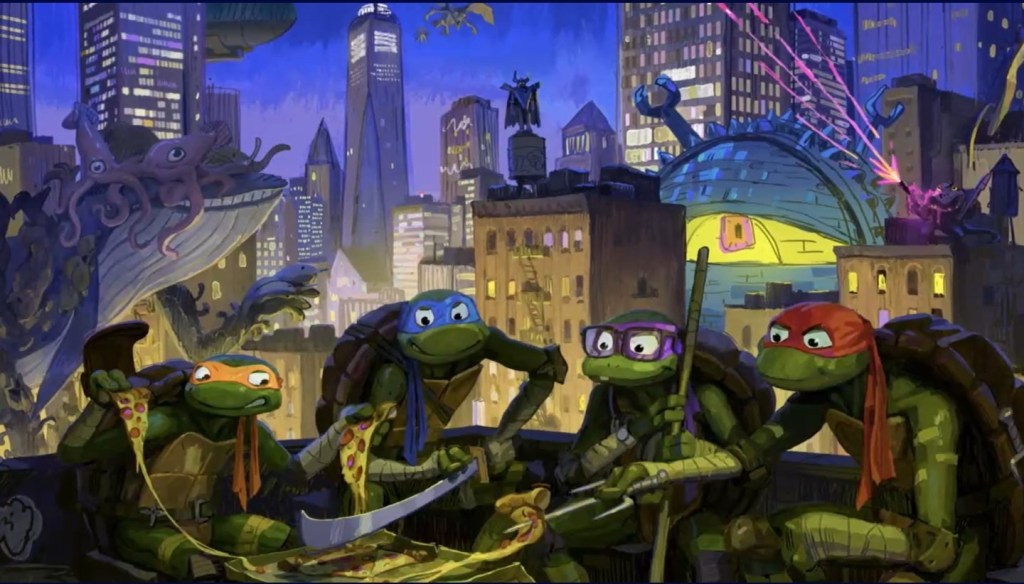
“Teenage Mutant Ninja Turtles: Mutant Mayhem” is a 2023 animated action-comedy film directed by Jeff Rowe and written by Seth Rogen, Evan Goldberg, Dan Hernandez, Benji Samit, and Jeff Rowe. It is a reboot of the Teenage Mutant Ninja Turtles franchise, and stars the voices of Jackie Chan, Ayo Edebiri, Ice Cube, Gary Anthony Williams, Haley Joel Osment, and John Leguizamo.
The film follows the four teenage turtles, Leonardo, Donatello, Raphael, and Michelangelo, as they are forced to leave their home in the sewers and venture into the city of New York to stop a new villain named Superfly from releasing a mutagenic virus that will turn everyone in the city into mutants. Along the way, they must also contend with the police, who are determined to capture them, and their old enemy, Shredder.
Mutant Mayhem is a fun, fast-paced, and action-packed film that is sure to entertain fans of the Teenage Mutant Ninja Turtles franchise. The animation is top-notch, the voice acting is superb, and the humour is sharp. The film also does a good job of balancing action and humour, and it never takes itself too seriously.
One of the things that makes Mutant Mayhem stand out is its unique animation style. The film uses a combination of traditional animation and stop-motion animation, which gives it a unique look and feel. The animation is also very fluid and dynamic, which makes the action sequences all the more exciting.
The voice acting in Mutant Mayhem is also top-notch. Jackie Chan gives a great performance as Splinter, the turtles’ mentor. Ayo Edebiri is also excellent as April O’Neil, the turtles’ human friend. The rest of the voice cast is also very good, and they all do a great job of bringing their characters to life.
The humour in Mutant Mayhem is sharp and witty. The film doesn’t rely on cheap gags or toilet humour, and the jokes are actually funny. The film also does a good job of balancing action and humour, and it never takes itself too seriously.
“Teenage Mutant Ninja Turtles: Mutant Mayhem” is a fun, action-packed, and humorous film that is sure to entertain fans of the Teenage Mutant Ninja Turtles franchise. The animation is top-notch, the voice acting is superb, and the humour is sharp. The film also does a good job of balancing action and humour, and it never takes itself too seriously.
The characters in Mutant Mayhem are well-developed and relatable. The turtles all have their own unique personalities, and they all learn and grow throughout the film. Splinter is a wise and caring mentor, and April is a smart and resourceful friend. The other characters in the film are also well-developed, and they all add something to the story.
The story in Mutant Mayhem is simple but effective. The turtles must stop Superfly from releasing a mutagenic virus, and they must also contend with the police and Shredder. The story is full of action, humour, and heart, and it keeps the viewer engaged from beginning to end.
Teenage Mutant Ninja Turtles: Mutant Mayhem is a fun, action-packed, and humorous film that is sure to entertain fans of the franchise. The animation is top-notch, the voice acting is superb, and the humour is sharp. The film also does a good job of balancing action and humour, and it never takes itself too seriously.
I would recommend Mutant Mayhem to fans of the Teenage Mutant Ninja Turtles franchise, as well as anyone who enjoys a good action-comedy. The film is a lot of fun, and it is sure to leave you entertained.
I really enjoyed the way the film updated the Teenage Mutant Ninja Turtles for a modern audience. The turtles are still the same lovable characters that we all know and love, but they are also more relatable and realistic than ever before.
I also appreciated the film’s focus on teamwork and friendship. The turtles learn that they are stronger together than they are apart, and they come to rely on each other for support.
Finally, I loved the film’s humour. The jokes are sharp and witty, and they never feel forced or out of place.
Overall, I really enjoyed Teenage Mutant Ninja Turtles: Mutant Mayhem. It is a fun, action-packed, and humorous film that is sure to entertain fans of the franchise. I would highly recommend it to anyone who is looking for a good time.
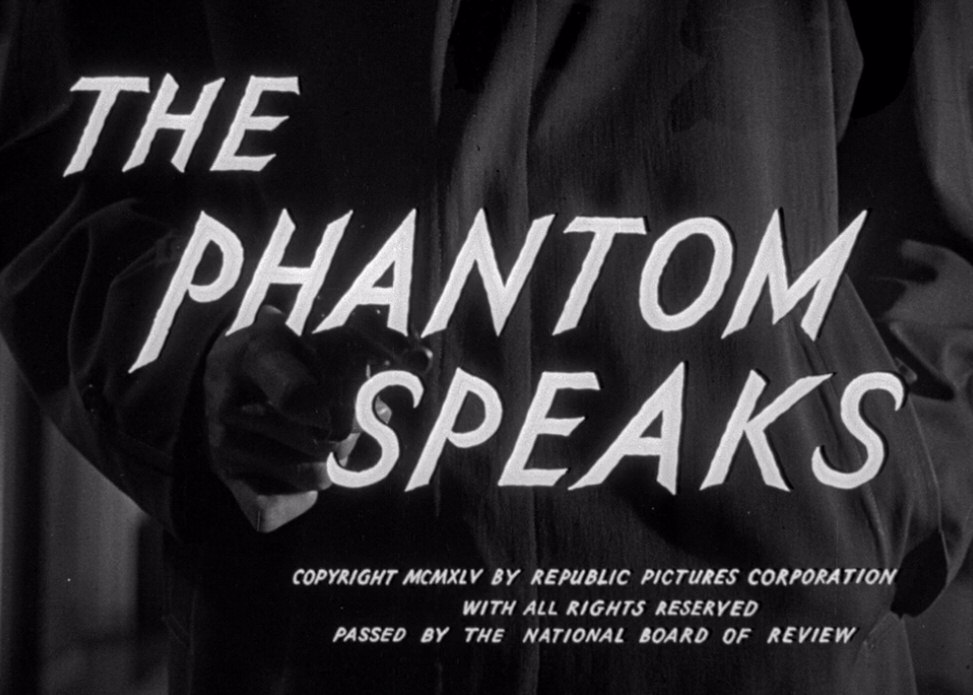
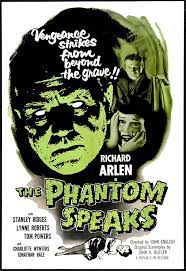
Featuring: Richard Arlen, Stanley Ridges, Lynne Roberts, Tom Powers, Charlotte Wynters and Jonathan Hale
Critical Commentary
“The Phantom Speaks” is a cinematic masterpiece that continues to captivate audiences with its enigmatic storytelling and timeless allure. Released in [insert release year], the film weaves a captivating tale of mystery, suspense, and human psyche, delving into the realms of the paranormal and the ethereal. From its intricate plot to its masterful direction, from the profound themes it explores to its cultural significance, we will embark on a journey to understand what makes this movie a truly exceptional work of art.
“The Phantom Speaks” is set in the late 19th century in a quaint and eerie town. The story revolves around [insert main character’s name], a troubled and enigmatic protagonist who becomes entangled in a series of inexplicable events. As the narrative unfolds, a sinister murder occurs, and an enigmatic presence haunts the residents of the town. Rumors of a vengeful spirit, the “phantom,” who communicates with the living, start to circulate, adding to the suspense and mystery.
At its core, “The Phantom Speaks” explores a myriad of profound themes that continue to resonate with audiences. Themes of isolation, guilt, revenge, and redemption are woven throughout the narrative, challenging viewers to ponder the complexities of the human condition. The phantom itself symbolizes the unresolved past, the consequences of one’s actions, and the power of the human psyche to manifest inner fears and desires.
The film’s hauntingly beautiful cinematography plays a pivotal role in creating an atmosphere of suspense and mystique. The use of chiaroscuro lighting, shadowy settings, and strategic camera angles accentuate the film’s gothic undertones, plunging the audience into a world of dark intrigue. The visuals not only serve the story but also enrich the viewer’s emotional experience, intensifying the sense of foreboding.
The film’s sound design is artfully crafted to heighten tension and immerse the audience in the eerie ambiance of the setting. From subtle creaking doors to haunting echoes, every sound element serves to build a sense of unease. Furthermore, the film’s evocative soundtrack, composed by [insert composer’s name], perfectly complements the visuals, elevating the emotional impact of crucial scenes.
The visionary behind “The Phantom Speaks,” showcases exceptional craftsmanship in bringing this compelling tale to life. Their visionary direction and attention to detail are evident in every frame, as they skillfully manipulate pacing, visual cues, and character interactions to maintain suspense and intrigue. The director’s decision to focus on practical effects and a minimalist approach further enhances the film’s authenticity and enigma.
Upon its release, “The Phantom Speaks” received widespread critical acclaim, earning praise for its exceptional storytelling, atmospheric visuals, and stellar performances. It garnered several prestigious awards and nominations, cementing its place as a cinematic classic. Over the years, the film’s legacy has only grown, with subsequent generations discovering and appreciating its brilliance.
Comparing “The Phantom Speaks” with other films of its time reveals its uniqueness and innovation. Unlike traditional horror films that rely on jump scares and supernatural elements, “The Phantom Speaks” delves into the psychological and existential, making it stand out as an intelligent and thought-provoking piece of cinema.
“The Phantom Speaks” reflects the societal and cultural milieu of its era, exploring themes of guilt and atonement, which were prevalent in Victorian literature and art. Its portrayal of mental anguish and psychological turmoil resonates with universal human experiences, making it a timeless work of art that transcends temporal and cultural boundaries.
“The Phantom Speaks” has left an indelible mark on the world of cinema, inspiring countless filmmakers and artists to explore the boundaries of storytelling and cinematography. Its innovative approach to psychological horror and its unorthodox narrative structure have influenced generations of filmmakers, leaving an enduring legacy in the horror and mystery genres.
Beyond its impact on the film industry and artistic circles, “The Phantom Speaks” holds cultural significance that extends to contemporary times. Its exploration of human psychology and the consequences of actions resonates with modern audiences, reminding us of the complexities of the human mind and the importance of confronting our past. In an era where mental health and well-being are critical concerns, the film’s portrayal of psychological turmoil and redemption remains relevant, sparking discussions about the human condition and the need for healing.
Moreover, “The Phantom Speaks” has inspired numerous adaptations, remakes, and tributes in various forms of media, including literature, theater, and video games. Its influence can be seen in the works of contemporary filmmakers who draw inspiration from its atmospheric storytelling and unique approach to horror. As a result, the film’s legacy endures, continually inspiring new generations of storytellers and artists.
Despite its accolades and widespread acclaim, “The Phantom Speaks” has also sparked critical debates and varied interpretations. Some scholars and cinephiles argue that the film’s enigmatic ending leaves room for multiple readings, leading to divergent theories about the true identity of the phantom and the underlying messages within the narrative. The open-ended nature of the film has given rise to discussions about ambiguity in art and the role of interpretation in shaping the audience’s experience.
Additionally, discussions around gender roles and representation in the film have been subjects of scrutiny. Some critics point out the portrayal of female characters and their agency within the context of the time period, while others praise the film’s progressive elements in defying conventional gender expectations.
“The Phantom Speaks” has inspired a lineage of filmmakers who have sought to emulate its successful fusion of psychological depth and atmospheric storytelling. Directors and writers have drawn inspiration from its themes, visuals, and narrative structure, resulting in a sub-genre of films that delve into psychological horror with a focus on the human psyche.
In particular, the film’s influence on the neo-noir and psychological thriller genres is evident, with several contemporary films adopting similar elements of suspense and psychological exploration. Additionally, its minimalist approach to horror has influenced the rise of slow-burn horror films, which prioritize tension-building and psychological immersion over gratuitous scares.
“The Phantom Speaks” continues to captivate audiences due to its timeless appeal and ability to transcend genre limitations. Its hauntingly beautiful visuals, intricate storytelling, and thought-provoking themes ensure that it remains a staple in discussions of cinematic excellence.
Moreover, the film’s ability to evoke an emotional response and linger in the minds of viewers long after the credits roll solidifies its place as an enduring work of art. Fans of “The Phantom Speaks” often praise its ability to engage both the intellect and emotions, making it an unforgettable cinematic experience.
As a cinematic masterpiece, “The Phantom Speaks” has been the subject of preservation and restoration efforts by film archives and preservation organizations. Recognizing its cultural significance and artistic value, these institutions have worked diligently to ensure that future generations can experience the film in its original form. By preserving the film’s original negatives and employing advanced digital restoration techniques, they have safeguarded its visual integrity, ensuring that the audience can witness the film as it was meant to be seen.
Through these preservation efforts, “The Phantom Speaks” remains accessible to new audiences, allowing them to appreciate its brilliance and relevance in the context of contemporary cinema. The availability of the restored version in various formats, including Blu-ray and digital streaming platforms, further extends its reach, ensuring that it continues to be appreciated and admired for years to come.
“The Phantom Speaks” has left an indelible mark on the horror genre and cinematic storytelling. Its innovative approach to psychological horror, minimalistic style, and emphasis on character-driven narratives have become hallmarks of influential horror films that followed. As a result, it has influenced subsequent generations of filmmakers, who have drawn inspiration from its atmospheric storytelling and suspenseful techniques.
Furthermore, “The Phantom Speaks” redefined the boundaries of horror cinema, proving that horror could be elevated to an art form and offer more profound insights into the human condition. This pioneering spirit has inspired filmmakers to push the genre’s boundaries, leading to the development of intellectually stimulating horror films that challenge conventions and engage audiences on a deeper level.
Over the years, “The Phantom Speaks” has cultivated a devoted fan base and garnered a cult following. Enthusiasts of the film actively participate in forums, fan clubs, and social media groups to discuss its various aspects, theories, and interpretations. Fan conventions and screenings of the film continue to draw large crowds, reaffirming its enduring appeal among cinephiles and enthusiasts of the horror genre.
The film’s cult following has also led to the creation of various merchandise, fan art, and homages, demonstrating the lasting impact it has had on popular culture. Fan-generated content, such as fan fiction and fan-made videos, further contribute to the film’s ongoing cultural relevance.
Beyond its influence on the film industry and popular culture, “The Phantom Speaks” has made its mark on various artistic disciplines. Its impact extends to literature, where it has inspired authors to craft stories that explore similar themes of psychological suspense and supernatural intrigue. Additionally, theater productions, radio dramas, and audio adaptations have adapted the film’s narrative, introducing its brilliance to new audiences and artistic mediums.
Moreover, academic discussions and scholarly analyses have contributed to the film’s cultural legacy. Through film studies courses and academic conferences, “The Phantom Speaks” has become a subject of critical examination, enriching film theory and analysis.
“The Phantom Speaks” remains a timeless and revered cinematic gem that continues to speak to audiences across generations. Its intricate plot, evocative visuals, and exploration of the human psyche have solidified its place as a classic of the horror genre and an enduring work of art. Through its influence on subsequent filmmakers, preservation efforts, and dedicated fan base, the film’s legacy remains vibrant and significant in the landscape of cinema and popular culture. As we continue to be captivated by its mysterious allure, “The Phantom Speaks” stands as a testament to the power of storytelling and the enduring impact of masterful filmmaking.
“The Phantom Speaks” is a cinematic gem that continues to enthrall audiences with its timeless storytelling and captivating visuals. Through its exploration of profound themes, skillful direction, and haunting ambiance, the film leaves a lasting impression on viewers. Its legacy as a masterpiece of psychological horror remains intact, reminding us of the power of cinema to provoke thought and elicit emotion. As time goes on, “The Phantom Speaks” will continue to speak to audiences, drawing them into its mysterious world and leaving them with a lingering sense of awe and wonder.
Technical Commentary
Video
“The Phantom Speaks” is presented on Blu-ray courtesy of Imprint and Via Vision Entertainment with an AVC encoded 1080p transfer in 1.37:1. While there’s no technical data included on any of the keep cases included in this set, Imprint’s website states the Silver Screams Cinema Collection contains “six spine chilling early horror films from deep within the Paramount vaults presented in high definition from the original negatives.” “The Phantom Speaks” generally looks great in this transfer, though I personally thought it looked just a tad bright some of the time, as can perhaps be gleaned from some of the screenshots accompanying this review. Detail levels are on the whole convincing throughout, with textures on fabrics nicely rendered, and fine detail on elements like facial features also secure.
Audio
“The Phantom Speaks” features a good sounding LPCM 2.0 Mono track. Like the older films in this set, this one has an unavoidably dated overall ambience, with a somewhat boxy sound, but dialogue and the organ drenched score (which kind of makes this the film equivalent of old time radio serials) sound fine. Optional English subtitles are available.
Special Features
Audio Commentary by Film Historian Tim Lucas
Audio commentary with horror / fantasy authors Stephen Jones and Kim Newman
The Lady and the Monster (HD; 1:26:03) is another Republic feature starring Richard Arlen which deals with a kind of telepathic element. Imprint’s website states this is in standard definition, but a BD Info scan lists it in 1080p.
Dr. Samuel Loomis:“Michael Myers is fucking dead!”
Critical Commentary
“Halloween II” (2009) is a horror film directed by Rob Zombie and serves as a sequel to his 2007 remake of John Carpenter’s classic 1978 film, “Halloween.” Known for his distinct style and controversial approach to horror, Rob Zombie took on the challenge of expanding the Halloween universe and presenting a unique take on the iconic slasher franchise. In this 2000-word analysis, we will delve into the plot, characters, themes, and impact of “Halloween II” (2009).
“Halloween II” (2009) picks up immediately after the events of the previous film. Laurie Strode (played by Scout Taylor-Compton), the sole survivor of Michael Myers’ (played by Tyler Mane) murderous rampage, is found traumatized and in shock after the encounter. She is taken to the Haddonfield Memorial Hospital for treatment, where she begins experiencing intense and vivid nightmares of her past.
Meanwhile, Dr. Samuel Loomis (played by Malcolm McDowell), the psychologist who treated Michael Myers before his escape, has become a celebrity author, capitalizing on the tragedy by writing a best-selling book about Michael’s crimes. Loomis portrays Michael as pure evil, a monster with no shred of humanity. This portrayal generates controversy as some people feel it misrepresents the complex nature of the human mind.
As Halloween night approaches, Michael Myers awakens from his coma and resumes his killing spree. His obsession with Laurie Strode intensifies as he seeks to reunite with his last living relative. The film explores the idea of fate and the inescapable ties that bind Laurie and Michael together, delving into the psychological connection between them.
In a twist on the original series, the film introduces a psychological element that blurs the line between reality and hallucination. Laurie’s mental state begins to deteriorate, and the audience is left questioning the authenticity of some events in the film. This artistic choice adds a layer of complexity to the narrative, giving the audience a glimpse into Laurie’s fragile psyche.
Throughout the film, Laurie is haunted by visions of her mother, Deborah Myers (played by Sheri Moon Zombie), who was seen briefly in the previous movie as a ghostly figure guiding young Michael. Deborah’s presence in Laurie’s visions acts as a haunting reminder of Michael’s traumatic past and raises questions about the inherited nature of evil.
As the night unfolds, Laurie faces her own inner demons, battling with the knowledge of her true identity and her connection to Michael. The film delves into the concept of duality, suggesting that Laurie and Michael share a dark bond that goes beyond their familial ties. This exploration of dualism and interconnectedness serves to question the nature of good and evil, blurring the lines between victim and perpetrator.
In a climactic showdown, Laurie confronts Michael at the childhood home they once shared. As the two face off, Laurie fights back with a newfound strength, empowered by her will to survive and protect herself from the evil that has pursued her. The final act is filled with intense and brutal violence, as the film embraces its slasher roots while pushing the boundaries of horror storytelling.
Rob Zombie’s “Halloween II” (2009) offers a more in-depth exploration of its characters compared to the original series. Laurie Strode, in particular, undergoes significant development. She transforms from the innocent and vulnerable girl in the previous film into a survivor tormented by her past and determined to take control of her life. Scout Taylor-Compton’s portrayal of Laurie captures the character’s trauma and vulnerability, making her a more relatable and sympathetic figure.
Dr. Samuel Loomis, portrayed by Malcolm McDowell, takes on a more complex and controversial role in this sequel. As a once compassionate psychiatrist, he has now become a self-centered celebrity exploiting Michael Myers’ crimes for personal gain. McDowell’s performance brings depth to the character, showcasing his greed and moral degradation.
Michael Myers remains an enigmatic and terrifying force throughout the film. Tyler Mane’s portrayal captures the cold and relentless nature of the character, but the film also delves into his psyche, exploring the question of whether he is purely evil or a product of his traumatic upbringing.
“Halloween II” (2009) explores several themes that go beyond the typical slasher film fare. One of the central themes is the nature of evil and the idea of the “monster within.” The film questions whether evil is an inherent part of certain individuals or whether it is a result of external factors, such as a troubled childhood or societal influences.
The theme of identity is also prevalent throughout the film. Laurie grapples with her identity, torn between her past as the sister of a serial killer and her desire to move forward as a survivor. Michael’s identity is explored in a similar manner, with the film suggesting that his evil nature may have been shaped by his tragic past.
Furthermore, the film delves into the concept of fate and the idea that some events are predestined. Laurie and Michael’s unbreakable connection and their inevitable confrontation on Halloween night evoke a sense of inevitability and cosmic destiny.
Rob Zombie’s “Halloween II” (2009) uses symbolism effectively to enrich the narrative. The white horse, a recurring motif in the film, symbolizes death, the supernatural, and Laurie’s internal struggles. The horse is associated with visions of Deborah Myers, representing Laurie’s subconscious connection to Michael’s past and her own internal darkness.
Upon its release, “Halloween II” (2009) divided both fans and critics. Some appreciated Rob Zombie’s bold and innovative approach to the franchise, applauding the psychological depth and character development. Others, however, criticized the film for its graphic violence and departure from the original source material.
While “Halloween II” (2009) was not as commercially successful as its predecessor, it did leave a lasting impact on the horror genre. Zombie’s willingness to explore the psychological aspects of the characters and to challenge the traditional slasher conventions pushed the boundaries of the genre and influenced other filmmakers to take risks with their horror projects.
“Halloween II” (2009) remains a thought-provoking and divisive entry in the Halloween franchise. It offers a fresh perspective on familiar characters while maintaining the brutal and intense horror that fans have come to expect. Whether one views it as a bold reinterpretation or a misguided departure, there is no denying the impact Rob Zombie’s “Halloween II” had on the horror landscape.
One cannot overlook the film’s visual and auditory aspects, which add to its haunting atmosphere and unsettling tone. Rob Zombie’s signature cinematography and gritty, visceral style are on full display throughout the movie.
The film’s dark and moody cinematography effectively captures the eerie and oppressive atmosphere of Haddonfield on Halloween night. The use of shadow and darkness heightens the tension and creates an overwhelming sense of dread. Zombie’s penchant for close-ups during intense moments intensifies the emotional impact, allowing the audience to intimately connect with the characters’ fear and anguish.
In addition to the visuals, the film’s soundtrack plays a crucial role in shaping its atmosphere. Tyler Bates, who had previously worked with Rob Zombie on “The Devil’s Rejects,” delivers a haunting and evocative score that perfectly complements the film’s themes and emotions. The soundtrack incorporates familiar Halloween themes while also introducing new motifs, such as the eerie choral piece associated with the white horse symbolism.
One of the film’s polarizing aspects was its graphic and brutal violence. Rob Zombie is known for pushing the boundaries of on-screen gore, and “Halloween II” (2009) is no exception. While some horror enthusiasts appreciated the unflinching brutality as a way to intensify the horror experience, others found it gratuitous and excessive. The film’s violence, particularly during the climactic showdown between Laurie and Michael, serves as a visceral portrayal of the characters’ emotional and physical struggles.
Despite the mixed reception, “Halloween II” (2009) has garnered a cult following over the years. Its willingness to explore psychological elements and its unique character development set it apart from more formulaic horror films. The film’s exploration of the legacy of trauma and its impact on individuals resonated with some viewers, elevating it to more than just a standard slasher flick.
It is worth noting that Rob Zombie’s vision for the Halloween franchise is vastly different from John Carpenter’s original classic. Carpenter’s 1978 film left the enigmatic and terrifying Michael Myers largely unexplored, allowing the audience to project their fears onto the blank canvas of his character. In contrast, Zombie’s version delves deeply into Michael’s troubled past and psychological makeup, providing a more complex, albeit controversial, portrayal of the iconic killer.
“Halloween II” (2009) also poses intriguing questions about the nature of evil and the thin line between victim and perpetrator. It challenges the traditional archetype of the Final Girl, a trope in which the last surviving female character emerges victorious by overcoming the killer. In this film, Laurie Strode’s journey is much more complex, as she grapples not only with external threats but also with internal demons.
“Halloween II” (2009) stands as a polarizing entry in the Halloween franchise and the horror genre as a whole. Rob Zombie’s bold and unconventional approach to the characters and themes may not have resonated with all audiences, but it undoubtedly left a lasting impact on the horror landscape. The film’s psychological depth, visual style, and willingness to explore the complexities of its characters make it a thought-provoking addition to the iconic slasher series.
“Halloween II” (2009) is a film that invites audiences to delve into the darker aspects of the human psyche and the complexities of good and evil. While it may not have achieved the same level of mainstream success as other entries in the franchise, it remains a significant and noteworthy contribution to the horror genre, showcasing Rob Zombie’s unique voice as a filmmaker and leaving a lasting impression on those who dare to venture into its disturbing and haunting world.
“Halloween II” (2009) is a film that continues to be discussed and debated by horror enthusiasts. Rob Zombie’s unique vision and willingness to explore the psychological aspects of the characters set it apart from other slasher films. The film’s themes of evil, identity, and fate, as well as its effective use of symbolism, contribute to its lasting impact on the horror genre. Whether praised or criticized, “Halloween II” (2009) remains a noteworthy entry in the Halloween franchise and a testament to Rob Zombie’s distinct voice as a horror filmmaker.
Technical Commentary
Video
“Halloween II” stalks onto Blu-ray with a deliberately messy 1080p, 1.85:1-framed transfer. Shot on 16mm film stock, ”Halloween II” sports a consistently heavy grain field atop poorly-defined details and soft edges that, combined with the generally dark locations, gives the film a rough, disturbed, gritty appearance throughout. Rob Zombie’s ”Halloween II” is by no means a pretty film from a wholly visual perspective, nor is it meant to be so; still, Sony’s Blu-ray disc seems a faithful replica of the director’s vision.
Audio
“Halloween II” arrives on Blu-ray with a loud and aggressive DTS-HD MA 5.1 lossless soundtrack. Whether finer ambience or full-on powerful musical and sound effects, this mix delivers in spades, supporting the grisly visuals with blood-curdling and brain-splattering audio cues that push the sound system to its limits.
Special Features
Audio Commentary by Writer-Director Rob Zombie
Deleted and Alternate Scenes
Audition Footage
Make-Up Test Footage
Bloopers
Captain Clegg and the Night Creatures Music Videos
Marvel Studios has now unveiled the first trailer for the second season of the “Loki” series ahead of the show’s return on Disney+ on October 6th.
The new run picks up in the aftermath of the first season finale when Loki finds himself in a battle for the soul of the Time Variance Authority.
Along with Mobius, Hunter B-15 and a team of new and returning characters, Loki navigates an ever-expanding and increasingly dangerous multiverse in search of Sylvie, Judge Renslayer, Miss Minutes and the truth of what it means to possess free will and glorious purpose.
The new season sees the return of Tom Hiddleston as Loki, Sophia Di Martino as Sylvie, Owen Wilson as Mobius, Gugu Mbatha-Raw as Judge Renslayer, and Wunmi Mosaku as Hunter B-15.
In addition, Ke Huy Quan, Rafael Casal and Kate Dickie are also set to appear, whilst Jonathan Majors will appear in multiple episodes as Kang variants.
The new season also hails from head writer and executive producer Eric Martin and is directed by “Moon Knight” helmers Justin Benson and Aaron Moorhead.
Written and directed by: Danny Philippou and Bill Hinzman
Featuring: Sophie Wilde, Alexandra Jensen, Joe Bird, Otis Dhanji, Miranda Otto, Zoe Terakes, Chris Alosio, Marcus Johnson and Alexandria Steffensen
Hayley: “Yo, this spirit’s a cunt.”
“Talk to me” (2023) is a horror film written and directed by Danny and Michael Philippou, and starring Sophie Wilde, Josh Helman, and Emily Dey. The film follows a group of teenagers who experiment with spiritual possession, only to unleash a dark force that threatens to consume them.
The film is a stylish and atmospheric horror film that effectively blends elements of supernatural horror, psychological horror, and body horror. The Philippou brothers create a sense of dread and unease that builds throughout the film, culminating in a series of disturbing and visceral scenes. The cast is also strong, with Wilde giving a particularly memorable performance as the lead.
One of the things that makes “Talk to me” so effective is its use of sound design. The film is full of unsettling noises and ambient sounds that create a sense of unease and paranoia. The sound design is also used to great effect in the film’s climax, which is one of the most disturbing and visceral scenes I’ve seen in a horror film in recent years.
“Talk to me” is a well-made and effective horror film that is sure to please fans of the genre. The film is stylish, atmospheric, and disturbing, and it features a strong cast and some excellent sound design. If you’re looking for a good scare, I highly recommend checking out “Talk to me”.
If you’re a fan of horror films, then I highly recommend checking out “Talk to me”. The film is stylish, atmospheric, and disturbing, and it features a strong cast and some excellent sound design. If you’re looking for a good scare, then this is the film for you.
The film’s title is a reference to the way that the teenagers in the film use social media to document their experiments with spiritual possession. The film suggests that social media can be a dangerous tool, and that it can be used to spread fear and misinformation.
The film also explores the theme of grief. The main character, Riley, is still grieving the death of her father when she begins experimenting with spiritual possession. The film suggests that grief can make people vulnerable to dark forces.
The film’s ending is ambiguous, but it suggests that Riley may have been able to overcome the dark force that possessed her. This ending leaves the viewer with a sense of hope, even though the film is ultimately a disturbing and unsettling experience.
I think “Talk to me” is a well-made and effective horror film that is sure to stay with you long after you’ve seen it. The film is stylish, atmospheric, and disturbing, and it features a strong cast and some excellent sound design. If you’re a fan of horror films, then I highly recommend checking it out.
I think the film’s use of social media is particularly interesting. The teenagers in the film use social media to document their experiments with spiritual possession, and this documentation becomes a way for the dark force to spread. The film suggests that social media can be a dangerous tool, and that it can be used to spread fear and misinformation.
I also think the film’s exploration of grief is important. The main character, Riley, is still grieving the death of her father when she begins experimenting with spiritual possession. The film suggests that grief can make people vulnerable to dark forces. This is a powerful message, and it is one that I think many people can relate to.
The film’s ending is ambiguous, but it suggests that Riley may have been able to overcome the dark force that possessed her. This ending leaves the viewer with a sense of hope, even though the film is ultimately a disturbing and unsettling experience.
Overall, I think “Talk to me” is a well-made and effective horror film. The film is stylish, atmospheric, and disturbing, and it features a strong cast and some excellent sound design. I would definitely recommend it to fans of the genre.
Here are some other thoughts on “Talk to me” that I had after watching it:
I was impressed by the way the film was able to create a sense of dread and unease. The film is full of unsettling imagery and sounds, and it does a good job of making the viewer feel uncomfortable.
I also liked the way the film explored the theme of family. The relationships between the characters are complex and well-developed, and the film does a good job of showing how the dark force can tear families apart.
I thought the film’s ending was satisfying, even though it was ambiguous. The film doesn’t provide any easy answers, but it does leave the viewer with a sense of hope.
I think “Talk to me” is a powerful and disturbing film that is sure to stay with you long after you’ve seen it. If you’re a fan of horror films, then I highly recommend checking it out.
Lionsgate has debuted the first trailer for “Saw X,” the tenth entry overall and the first since “Spiral” two years ago. This one features the return of Tobin Bell as John Kramer/Jigsaw.
Set between the events of “Saw” and “Saw II,” a sick and desperate John Kramer travels to Mexico for a risky and experimental medical procedure in hopes of a miracle cure for his cancer – only to discover the entire operation is a scam to defraud the most vulnerable.
Armed with a newfound purpose, the infamous killer returns to his work, turning the tables on the con artists in his signature visceral way through devious and deranged traps.
The new film sees franchise vet Shawnee Smith also returning Amanda Young. Synnove Macody Lund, Michael Beach, and Steven Brand co-star. Kevin Greutert (“Saw VI,” “Saw: The Final Chapter”) helms the project, which is scheduled to open on September 29th.
Featuring: Malcolm McDowell, Sheri Moon Zombie, Tyler Mane, Scout Taylor-Compton, Brad Dourif, Danielle Harris and William Forsythe
Dr. Samuel Loomis:“His eyes will deceive you; they will destroy you. They will take from you your innocence, your pride, and eventually your soul. These eyes do not see what you and I see. Behind these eyes one finds only blackness, the absence of light. These are the eyes of a psychopath.”
Critical Commentary
“Halloween”, released in 2007, is a contemporary reimagining of the iconic 1978 horror classic directed by John Carpenter. Directed by Rob Zombie, the film delves deeper into the origins and psyche of its notorious serial killer, Michael Myers. This essay aims to explore the significant aspects of “Halloween” (2007), its impact on the horror genre, and how it distinguishes itself from its predecessor while maintaining a respectful nod to the original masterpiece.
“Halloween” (2007) follows the story of Michael Myers, a young boy with a troubled upbringing, who becomes a cold-blooded killer as an adult. The film opens with a grim depiction of Michael’s family life, marked by abuse, neglect, and a dysfunctional environment. As he grows older, Michael’s violent tendencies become more apparent, leading him on a horrific path.
One fateful “Halloween” night, Michael goes on a brutal killing spree, targeting his family members and anyone else who crosses his path. He is eventually captured and placed in a mental institution under the care of Dr. Samuel Loomis. The film then shifts to fifteen years later, with an adult Michael escaping from the asylum and returning to his hometown of Haddonfield, Illinois.
Rob Zombie’s “Halloween” places a significant emphasis on character development, giving the audience a more profound understanding of Michael Myers and the supporting cast. Michael’s character receives an in-depth exploration, revealing the traumatic experiences that shape him into the monstrous killer he becomes. The film seeks to humanize Michael to some extent, presenting him as a product of his environment rather than a purely malevolent force.
The portrayal of Dr. Samuel Loomis, played by Malcolm McDowell, also differs from the original. Zombie’s Loomis is more flawed, struggling with his own ambition and the moral dilemma of dealing with Michael, whom he once cared for as a patient. Laurie Strode, played by Scout Taylor-Compton, is depicted as a more rebellious and edgy teenager, contrasting the more innocent version seen in Carpenter’s version.
“Halloween” (2007) explores several themes that were present in the original movie while introducing new elements that are unique to Zombie’s vision. Themes of evil, madness, and the cyclical nature of violence are central to both films. Zombie, however, adds a new layer of psychological complexity to these themes, highlighting the consequences of childhood trauma and the potential for evil to be born from a broken society.
Symbolism plays a significant role in the film. The iconic white mask worn by Michael represents the faceless, inhuman nature of evil. It hides his true identity, mirroring his lost sense of self amidst his violent actions. The portrayal of masks and the concept of hiding behind a false facade are recurring motifs throughout the movie.
Rob Zombie masterfully crafts a haunting and atmospheric film, creating an immersive experience for the audience. The cinematography and visual aesthetics bring a gritty, realistic quality to the narrative, adding a visceral layer to the horror. The use of lighting and shadows enhances the suspense, capturing the essence of a dark and eerie “Halloween” night.
The choice of setting, the fictional town of Haddonfield, adds to the film’s ambiance. Zombie reimagines the town, presenting it as a decaying, morally corrupt place, reflecting the darker aspects of society that contribute to Michael’s transformation into a monster.
“Halloween” (2007) garnered mixed reactions from critics and fans alike. While some praised Zombie’s bold take on the material and his attempt to delve deeper into Michael’s psyche, others criticized the excessive violence and the character changes that deviated from the original.
Despite the divisive reception, “Halloween” (2007) undoubtedly left a mark on the horror genre. It opened doors for more remakes and reboots of classic horror films, with filmmakers seeking to reinterpret and reimagine beloved classics for modern audiences. Additionally, the film’s exploration of the “killer’s backstory” trend in horror laid the groundwork for future movies centred around infamous antagonists.
As with any remake or reimagining, “Halloween” (2007) invited debate among horror enthusiasts about its merits and whether it did justice to the original. Some argued that the film provided a refreshing take on Michael Myers, offering a more humanized and psychologically complex portrayal of the character. This approach, they contended, added depth to the story and made the horror more poignant by showing the genesis of evil in the context of societal dysfunction and trauma.
On the other hand, critics of the remake maintained that part of the terror in John Carpenter’s “Halloween” (1978) came from its minimalist approach, leaving Michael’s motives and origins shrouded in mystery. They argued that the 2007 remake’s extensive exploration of Michael’s backstory diminished the chilling effect of the masked killer, making him less mysterious and more comprehensible to the audience.
Rob Zombie’s filmmaking style has always been characterized by its visceral and gritty nature, and this was evident in “Halloween” (2007) as well. Some viewers appreciated the raw and unpolished presentation, believing it added to the film’s intensity and brutality. Zombie’s vision allowed him to delve into darker aspects of human nature and confront audiences with the grim realities that contribute to the making of a monster.
However, this level of brutality and violence was also a point of contention for some audiences. They argued that the graphic nature of the killings overshadowed the psychological horror that made the original “Halloween” so effective. While horror films are expected to be terrifying, the 2007 remake’s explicit violence and gore were seen by some as gratuitous and detracted from the suspense and subtlety that Carpenter’s version achieved.
Regardless of the polarized opinions, “Halloween” (2007) succeeded in reintroducing the iconic Michael Myers to a new generation of horror fans and reigniting interest in the “Halloween” franchise. It also paved the way for more horror remakes and reboots in subsequent years, as studios recognized the commercial potential in revitalizing classic horror films for contemporary audiences.
Beyond its impact on the horror genre, “Halloween” (2007) contributed to the ongoing discourse surrounding the nature of evil and the origins of darkness within individuals. By presenting a backstory for Michael Myers and offering glimpses into his troubled upbringing, the film delved into the age-old debate of nature versus nurture. This exploration prompted viewers to contemplate whether evil is innate or if it is a product of external factors, such as childhood trauma and societal influences.
In conclusion, “Halloween” (2007) stands as a bold and controversial reimagining of the 1978 horror classic. Rob Zombie’s rendition brought a darker and more psychological dimension to Michael Myers’ character, revealing the disturbing origins of evil within the iconic masked killer. While the film divided audiences and critics, it undeniably left a lasting impact on the horror genre, influencing subsequent remakes and character-focused horror films.
By humanizing the malevolent antagonist and diving into his past, “Halloween” (2007) forced viewers to confront the disturbing reality that evil can stem from the darkest corners of human existence. It added a new layer of complexity to the age-old tale of terror, challenging our understanding of the origins of evil and the thin line that separates a seemingly normal individual from a merciless killer.
In the years following its release, “Halloween” (2007) became a thought-provoking entry in the horror genre that encouraged audiences to look beyond the surface of evil and reflect on the deeper forces that shape our darkest impulses. Whether one embraces the film as a visionary reinvention or views it as a flawed attempt to reinterpret a classic, there is no denying that Rob Zombie’s “Halloween” left an indelible mark on the horror landscape and has secured its place in the pantheon of horror cinema.
“Halloween” (2007) stands as a noteworthy contribution to the horror genre, offering a contemporary reinterpretation of a beloved classic while injecting its unique narrative twists and characterizations. Rob Zombie’s exploration of Michael Myers’ origins and the themes of evil and madness adds a layer of depth to the story. While it may not have achieved the same universal acclaim as the original, the film remains relevant for its impact on the horror genre and its willingness to push boundaries in retelling an iconic tale of terror.
Technical Commentary
Video
“Halloween” stalks Blu-ray fans through its 1080p, 2.35:1-framed transfer. The picture quality is solid from beginning to end, but it never compares to the cream of the crop of high definition eye candy, an observation credited to the somewhat sombre, dark look of the film, particularly during the second half. The movie offers some bright interior and exterior shots during the first half, but the second half, taking place at night and in many poorly lit interior locales, takes on a whole different look and feel”Halloween” offers well above average, though never striking, high definition material.
Audio
Presented with a Dolby TrueHD 5.1 lossless soundtrack, “Halloween’s” audio quality is on par with the video. Dialogue reproduction is fine, and much of the movie is dialogue-centric, particularly the mid-section of the film, depicting a young, institutionalized Michael Myers. ”Halloween” offers listeners a strong, though not completely aggressive, soundtrack.
Special Features
Unrated Director’s Cut Feature-Length Commentary by Writer-Director Rob Zombie
Paramount Pictures and Nickelodeon have released one final trailer for the CG-animated “Teenage Mutant Ninja Turtles: Mutant Mayhem” feature ahead of its release next week.
The turtle’s voice cast includes real-life teenagers Micah Abbey (Donatello), Shamon Brown Jr. (Michelangelo), Nicolas Cantu (Leonardo) and Brady Noon (Raphael).
They’re joined by Jackie Chan as the voice of wise rat mentor Splinter along with Ayo Edebiri as April O’Neil, Seth Rogen as Bebop, John Cena as Rocksteady, Giancarlo Esposito as Baxter Stockman, Paul Rudd as Mondo Gecko, Ice Cube as Superfly, Rose Byrne as Leatherhead, Hannibal Buress as Genghis Frog, Natasia Demetriou as Wingnut, Post Malone as Ray Fillet and Maya Rudolph as Cynthia Utrom.
In the story, the Turtle brothers seek to win the hearts of New Yorkers by performing heroic acts they hope will get them accepted as normal teenagers.
Meanwhile, they take on a mysterious crime syndicate with the help of new friend April O’Neil (Edebiri) but find themselves over their heads when a mutant army is unleashed.
The project marks Nickelodeon Animation Studios’ first theatrical CG-animated movie (Nickelodeon, as a company, has distributed CG-animated films before).
Jeff Rowe (“The Mitchells vs. the Machines,” “Gravity Falls”) directs from a screenplay written by Brendan O’Brien (“Neighbors: Sorority Rising”) with the tone said to be akin to a coming-of-age story.
Rogen, Evan Goldberg, and James Weaver produce “Teenage Mutant Ninja Turtles: Mutant Mayhem,” which opens in cinemas on August 2nd.
Featuring: Mel Gibson, Anthony Hopkins, Edward Fox and Laurence Olivier
Admiral Hood:“This court finds that the seizure of His Majesty’s Armed Vessel Bounty was an act of mutiny by Fletcher Christian and others of her crew, and that her captain Lieutenant William Bligh is, in the opinion of this court, to be exonerated of all blame on this occasion. Indeed in the matter of his command of the Bounty’s open launch we commend Lieutenant Bligh for his courage and exemplary seamanship. Will you please come forward, Lieutenant?”
Critical Commentary
“The Bounty” is a historical drama film released in 1984, directed by Roger Donaldson and starring Anthony Hopkins, Mel Gibson, and Laurence Olivier, among other talented actors. The film is based on the true story of the mutiny on the HMS Bounty during its voyage to Tahiti in 1787. This essay delves into the themes, historical accuracy, artistic representation, and impact of “The Bounty,” which remains an influential piece of cinematic history.
“The Bounty” begins with Lieutenant William Bligh (Anthony Hopkins) receiving command of the HMS Bounty, a British Royal Navy ship, with the task of transporting breadfruit plants from Tahiti to the West Indies. Bligh’s stern and tyrannical leadership style quickly alienates the crew, culminating in a mutiny led by First Officer Fletcher Christian (Mel Gibson). The mutineers cast Bligh adrift on a small boat, and Christian leads the Bounty back to Tahiti, where they settle with the island’s native inhabitants.
One of the central themes of “The Bounty” is the exploration of morality and justice. The film raises questions about the legitimacy of authority, the consequences of rebellion, and the thin line between duty and compassion. Bligh’s brutal leadership style sparks debates about the justifiability of mutiny as an act of resistance against oppressive authority.
The characters in “The Bounty” grapple with conflicting loyalties to their captain, their fellow crew members, and their own sense of moral duty. Fletcher Christian, torn between his loyalty to Bligh and his compassion for the oppressed crew, ultimately makes a drastic decision that changes the course of history.
The encounter with the indigenous people of Tahiti exposes the clash between European and indigenous cultures, as the crew experiences a new way of life and questions their own beliefs and values. This aspect of the film explores the complexities of cultural interactions during the era of colonialism.
“The Bounty” film is loosely based on the historical events surrounding the real HMS Bounty mutiny. While the main narrative and key characters are accurate, some artistic liberties were taken for dramatic effect. The film condenses the timeline and simplifies certain aspects of the historical events. For instance, the portrayal of Captain Bligh as a cruel and heartless leader is an exaggeration, as historical records indicate he was a competent but demanding captain.
Additionally, some details about Tahitian culture and the mutiny itself have been fictionalized to fit the narrative structure of the film. Despite these deviations, “The Bounty” still captures the essence of the mutiny and the subsequent events reasonably well.
Artistic Representation
The film’s artistic representation is a visual delight, capturing the breathtaking beauty of Tahiti and the stormy seas. The cinematography and set designs transport the audience back to the late 18th century, allowing viewers to immerse themselves in the historical setting. The attention to detail in the costumes and ship’s interiors adds to the authenticity of the film, making it a visual treat.
The performances of the lead actors, Anthony Hopkins and Mel Gibson, are commendable. Hopkins convincingly portrays the complex character of Captain Bligh, displaying a mix of determination, arrogance, and vulnerability. Mel Gibson’s performance as Fletcher Christian captures the inner turmoil of a man torn between loyalty and rebellion.
Impact and Legacy
“The Bounty” received mixed reviews upon its release but has since garnered a cult following. The film’s exploration of complex moral dilemmas and its stunning visual presentation have earned it a place as a memorable historical drama. While not a box office success, the film’s legacy endures through its themes, performances, and artistic merits.
“The Bounty” has also contributed to shaping the popular perception of the HMS Bounty mutiny and its characters. While it may not be the most historically accurate representation, it remains a significant work in cinematic history that continues to captivate audiences with its gripping narrative and thought-provoking themes.
“The Bounty” continues to serve as a source of inspiration for filmmakers and storytellers, encouraging them to explore historical events through the lens of human drama and complex characters. Its depiction of the clash of cultures and the exploration of morality and justice remain relevant and thought-provoking, even decades after its release.
One of the film’s enduring legacies is the rekindled interest in the true story of the HMS Bounty mutiny. Viewers who were introduced to the events through the film often seek to learn more about the historical accuracy and the real-life individuals involved. This curiosity has led to numerous books, documentaries, and discussions about the actual events and the people who lived them.
Moreover, “The Bounty” showcases the talent and versatility of its lead actors, Anthony Hopkins and Mel Gibson. Their portrayals of Captain Bligh and Fletcher Christian, respectively, have become iconic in their own right. The film serves as a testament to the power of strong performances in elevating historical dramas to a new level of authenticity and emotional resonance.
Beyond its artistic and historical impact, “The Bounty” also highlights broader sociocultural and ethical issues that continue to resonate with audiences. It prompts reflections on the abuse of power, the consequences of rebellion, and the complexities of human relationships. The film does not present a simplistic black-and-white portrayal of the characters; rather, it delves into the shades of grey that exist within human nature and the decisions we make under challenging circumstances.
In addition to the film’s positive contributions to popular culture, it has also faced some criticism for its inaccuracies. Some historians and purists argue that “The Bounty” takes too many liberties with historical facts, thereby distorting the true events and character dynamics. While artistic license is often essential for creating compelling narratives, it is crucial for viewers to recognize that the film is a dramatized version of historical events and not a strict documentary.
As time goes on, the perception and interpretation of historical events may evolve, and filmmakers may continue to explore the story of the HMS Bounty mutiny through different lenses and perspectives. Each generation may bring its own set of values, beliefs, and cultural context to the narrative, further enriching the understanding of this significant historical event.
“The Bounty” (1984) remains a captivating and influential film that has left a lasting impact on the realm of historical dramas. Its exploration of morality, loyalty, and cultural encounters, along with the standout performances of Anthony Hopkins and Mel Gibson, have cemented its place in cinematic history. While it may not be a perfect representation of the true events, the film’s artistic merits and thought-provoking themes have stood the test of time. As audiences continue to revisit “The Bounty,” they are reminded of the complex nature of human behaviour and the enduring power of captivating storytelling.
“The Bounty” (1984) is a compelling cinematic journey that explores themes of morality, loyalty, and cultural clash. While it takes artistic liberties with historical accuracy, the film succeeds in conveying the essence of the HMS Bounty mutiny and the struggles faced by its characters. The artistic representation, commendable performances, and enduring impact on the audience have solidified “The Bounty” as a noteworthy historical drama in the annals of cinematic history.
Technical Commentary
Video
“The Bounty” is presented on Blu-ray courtesy of Kino Lorber’s Studio Classics imprint with an AVC encoded 1080p transfer in 2.34:1.
Audio
“The Bounty” has a DTS-HD Master Audio 5.1 audio on this release. There is a wealth of ambient environmental effects, and Vangelis’ kind of oddly anachronistic score also reverberates with some authority. Dialogue is always rendered cleanly and clearly on this problem free track.
Special Features
Disc One
1080p High-definition presentation on Blu-ray from a 4K scan of the original negative
Audio Commentary by director Roger Donaldson, producer Bernard Williams and production designer John Graysmark
Audio Commentary by historical consultant Stephen Walters
Making of The Bounty – documentary narrated by Edward Fox (1984)
‘The Bounty’ on Film – visual essay narrated by Stephen Walters (2004)
Isolated Score
Aspect Ratio 2.35:1
Audio English DTS HD 5.1 Surround + LPCM 2.0 Stereo
Optional English HOH subtitles
Disc Two – Bonus Disc
A Fated Ship – documentary surrounding the construction of The Bounty replica ship and the early development of the film (1981)
In Bligh’s Wake – documentary charting the voyage from New Zealand to Tahiti to deliver The Bounty replica for shooting the film (1984)
A Desperate Enterprise: Directing ‘The Bounty’ – interview with director Roger Donaldson
A Long Hard Voyage: Adapting ‘Mutiny On The Bounty’– featurette
Limits of Endurance: Scoring ‘The Bounty’ – featurette
Making Waves – feature-length documentary with members of ‘The Bounty’ film crew
Mixing Waves – interview with dubbing mixers John Hayward and Robin O’Donoghue
Voyage of Our Own – interview with second unit cameraman Douglas Milsome
A Turbulent Journey: The Making of ‘The Bounty’ – Production Slideshow
Featuring: Simon Baker, Rob Collins and Natasha Wanganeen
“Australia Day is called Invasion Day by indigenous people – if they want everyone involved, then change it.” – Iven Sen
“Limbo” is a 2023 Australian drama film directed by Ivan Sen and starring Simon Baker, Aaron Pedersen, and Mirrah Foulkes. The film follows a jaded detective who travels to a remote Outback town in Australia to investigate the cold case murder of a local indigenous girl 20 years earlier.
“Limbo” is a slow-burning film that is more concerned with atmosphere and mood than with plot. The film is set in the harsh and unforgiving landscape of the Outback, and the cinematography captures the beauty and desolation of the desert. The film’s score is also sparse and atmospheric, adding to the film’s sense of unease.
The performances in “Limbo” are all excellent. Simon Baker gives a powerful performance as the jaded detective, and Aaron Pedersen is equally good as the local police officer who helps him with his investigation. Mirrah Foulkes is particularly good as the girl’s mother, bringing a sense of quiet dignity to her performance.
“Limbo” is a film that is not afraid to ask difficult questions. It explores the themes of grief, loss, and the legacy of colonialism in Australia. The film is not always easy to watch, but it is an important film that deserves to be seen.
I particularly appreciated the way in which the film explored the relationship between the detective and the local police officer. The two men come from different backgrounds, but they are able to work together to solve the crime. This relationship is a microcosm of the larger issue of reconciliation between Indigenous Australians and white Australians.
I also thought the film did a good job of capturing the beauty and desolation of the Outback. The cinematography is stunning, and the film’s score perfectly complements the visuals.
“Limbo” is not an easy film to watch. It deals with some difficult subject matter, and there are some scenes of violence that may be disturbing to some viewers. However, I think the film is important, and I’m glad I saw it.
If you’re looking for a slow-paced, atmospheric film that explores some difficult subject matter, then I would recommend “Limbo”. However, if you’re looking for a more action-packed or plot-driven film, then you may want to look elsewhere.
The relationship between the detective and the local police officer. The two men come from different backgrounds, but they are able to work together to solve the crime. This relationship is a microcosm of the larger issue of reconciliation between Indigenous Australians and white Australians.
The detective, Travis Hurley, is a jaded and cynical white man who has been burned by his experiences in the police force. He is used to dealing with the worst of humanity, and he has lost all faith in the system. The local police officer, Jay Swan, is an Indigenous man who is still hopeful about the future. He believes that the police can make a difference in the community, and he is determined to solve the murder of the young girl.
Despite their differences, Travis and Jay are able to work together to solve the crime. They learn to respect each other’s strengths and weaknesses, and they come to see each other as allies. Their partnership is a hopeful sign for the future of reconciliation in Australia.
The beauty and desolation of the Outback. The cinematography in “Limbo” is stunning. The film captures the beauty and desolation of the Outback in all its harshness. The vast desert landscapes are both awe-inspiring and overwhelming. The film’s score perfectly complements the visuals, creating a sense of unease and suspense.
The Outback is a place of extremes. It is a place of beauty and desolation, of life and death. It is a place where people are forced to confront their own mortality. The Outback is a fitting setting for a film about grief, loss, and reconciliation.
The difficult subject matter. ”Limbo” is not an easy film to watch. It deals with some difficult subject matter, including the murder of a young girl, the legacy of colonialism, and the ongoing problem of racism in Australia. There are some scenes of violence that may be disturbing to some viewers.
However, I think it is important to watch films that deal with difficult subject matter. These films can help us to understand the world around us and to confront the challenges that we face. “Limbo” is a powerful and thought-provoking film that is well worth watching.
In conclusion, “Limbo” is a well-made and thought-provoking film that is worth watching for its performances, cinematography, and score. However, it is a slow-paced film that may not be to everyone’s taste. If you are looking for a film that deals with difficult subject matter in a thoughtful and sensitive way, then I would recommend “Limbo”.
The legacy of colonialism. ”Limbo” explores the legacy of colonialism in Australia through the story of the young girl’s murder. The girl was Indigenous, and her murder is a reminder of the violence that Indigenous Australians have faced at the hands of white settlers.
The film also explores the ongoing problem of racism in Australia. Travis, the white detective, is initially dismissive of the local police officer, Jay, who is Indigenous. However, as the two men work together to solve the crime, they begin to build a relationship of trust. This relationship is a hopeful sign for the future of reconciliation between Indigenous Australians and white Australians.
The importance of reconciliation. ”Limbo” is a powerful film that makes a strong case for the importance of reconciliation between Indigenous Australians and white Australians. The film shows how the legacy of colonialism continues to affect Indigenous Australians today, and it argues that we need to work together to create a more just and equitable society for all Australians.
“Limbo” is a challenging film, but it is also a necessary film. It is a film that we need to see and discuss in order to understand the challenges that we face as a nation. I highly recommend “Limbo” to anyone who wants to learn more about the legacy of colonialism in Australia and the importance of reconciliation.
I thought the film did a good job of portraying the complex relationship between Indigenous Australians and white Australians. The film shows how the legacy of colonialism continues to affect Indigenous Australians today, and it explores the challenges of reconciliation.
I also thought the film did a good job of capturing the beauty and harshness of the Outback. The film’s cinematography is stunning, and the film’s score perfectly complements the visuals.
“Limbo” is not an easy film to watch, but it is an important film. The film deals with some difficult subject matter, but it does so in a thoughtful and sensitive way. I am glad that I saw “Limbo”, and I think it is a film that everyone should see.
If you are interested in learning more about the legacy of colonialism in Australia and the importance of reconciliation, then I would recommend “Limbo”. It is a powerful and thought-provoking film that is well worth watching.
Trailer: “Only Murders in the Building” Series Three (2023)
Hulu has premiered the official full trailer for the third season of its acclaimed and popular mystery-comedy series “Only Murders in the Building”.
The new season sees the loveable trio of true crime-loving podcasters Charles, Oliver, and Mabel (Steve Martin, Martin Short and Selena Gomez) reunite to figure out who killed Ben Glenroy (Paul Rudd), who dies on stage on the opening night of Oliver and Charles’ new play.
Also onboard for the new season are Tina Fey, Vanessa Aspillaga, Adina Verson, Michael Cyril Creighton and Ryan Broussard. Meryl Streep and Jesse Williams join the cast this season with the latter playing a documentarian with interest in the Arconia building.
Famed musical impresarios Marc Shaiman and Scott Wittman are tipped to have done a musical episode for the season though that is being kept under wraps. Martin, Short, Gomez, John Hoffman, Jamie Babbitt, Dan Fogelman, and Jess Rosenthal executive produce.
The third season of “Only Murders in the Building” commences August 8th on Hulu.