• Blu-ray review: “The Prophecy” (1995)

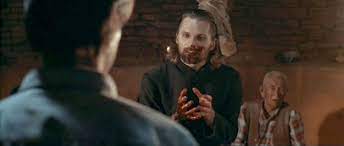
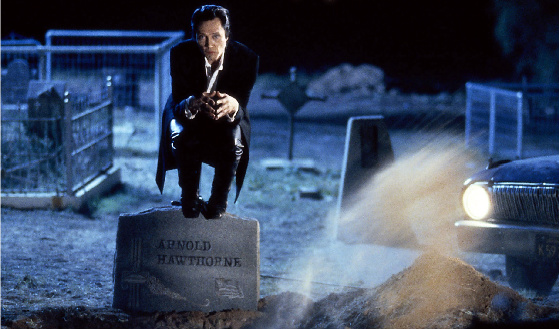
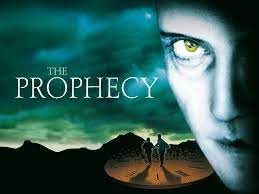
    “The Prophecy” (1995)

    Drama

    Running Time: 97 minutes

    Written and directed by: Gregory Widen

    Featuring: Christopher Walken, Elias Koteas, Virginia Madsen, Eric Stoltz, Amanda Plummer and Viggo Mortensen

    Gabriel: “I’m an angel. I kill firstborns while their mamas watch. I turn cities into salt. I even, when I feel like it, rip the souls from little girls, and from now till kingdom come, the only thing you can count on in your existence is never understanding why.”

    Critical Commentary

    In the annals of cinematic history, certain films stand out for their unique blend of spirituality, supernatural elements, and profound storytelling. “The Prophecy,” directed by Gregory Widen in 1995, is one such film. This dark and enigmatic masterpiece delves deep into theological and philosophical themes, wrapped in a supernatural thriller that keeps audiences on the edge of their seats. With a stellar cast, led by Christopher Walken, “The Prophecy” is a thought-provoking exploration of the age-old struggle between heaven and hell. In this review, we will delve into the film’s intriguing narrative, memorable characters, thematic depth, and its impact on the supernatural thriller genre.

    “The Prophecy” unfolds in the gloomy settings of contemporary Los Angeles, a city rife with moral ambiguity. The film kicks off with the suicide of Thomas Daggett (Elias Koteas), a former priest who left the clergy in search of a less demanding life. Daggett’s return to the church, albeit as a detective, is marked by a gruesome murder scene that reeks of supernatural intervention. This event is a harbinger of the cosmic conflict that is at the heart of the film.

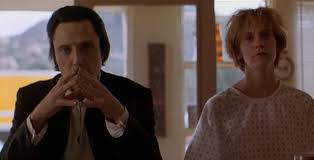
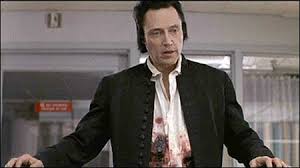
    The central plot revolves around the theft of a dark, soul-corrupting human heart from a recently deceased suicide victim, which is a valuable pawn in the celestial chess game between angels and demons. The antagonist, Gabriel (Christopher Walken), is an archangel who has fallen from grace and aims to use the stolen heart to tip the balance of power in favor of Hell. Opposing Gabriel are Simon (Eric Stoltz), an angel who has sided with humanity, and the sceptical detective Daggett, who finds himself unwittingly thrust into the battle.

    As the story unfolds, viewers are led on a suspenseful journey through twists, revelations, and moral dilemmas. “The Prophecy” is unafraid to explore complex theological questions and blur the lines between good and evil. Its engaging narrative keeps the audience entranced, as they eagerly anticipate the ultimate showdown between the forces of heaven and hell.

    The strength of “The Prophecy” lies not only in its compelling storyline but also in its well-crafted characters. At the centre of it all is Christopher Walken’s mesmerizing portrayal of Gabriel. Walken’s enigmatic and somewhat chilling presence makes him a captivating antagonist, and his performance as the fallen angel is a standout in his career. He brings a unique blend of charisma and malevolence to the character, making Gabriel an unforgettable figure in the realm of cinematic villains.

    Opposite Walken is Eric Stoltz as Simon, an angel who has aligned himself with humanity. Stoltz delivers a performance that is both otherworldly and deeply human. His character embodies the film’s overarching theme of free will and the choices that shape our destiny.

    Elias Koteas as Detective Thomas Daggett offers a relatable and grounded perspective for the audience. His transition from a disillusioned former priest to a detective confronted with supernatural horrors adds depth to the film. Daggett serves as the audience’s conduit into the film’s arcane world, and Koteas’s performance brings an element of authenticity to the character.

    The film also features an impressive supporting cast, including Virginia Madsen as Katherine, a schoolteacher entangled in the celestial conflict, and Amanda Plummer as Mary, a mentally unstable character who plays a vital role in the unfolding prophecy. The cast’s collective performances elevate the film, enhancing the character dynamics and deepening the audience’s engagement with the story.

    “The Prophecy” is a film rich in theological and philosophical themes, making it a thought-provoking experience. At its core, the movie explores the question of free will and the consequences of the choices we make. The characters in the film grapple with issues of faith, morality, and their place in the cosmic struggle between good and evil.

    One of the film’s central themes is the idea that angels, like humans, possess free will. The angels’ fallibility and capacity for both good and evil challenge traditional notions of angelic purity. This theme underscores the film’s philosophical exploration of moral ambiguity and the complexities of divine and human nature.

    “The Prophecy” also touches on the concept of prophecy itself. It raises questions about whether prophecies are immutable or if they can be altered through human agency. This leads to a deeper examination of the characters’ choices and their impact on the outcome of the celestial conflict.

    Additionally, the film employs religious and mythological symbolism to underscore its themes. From the presence of the archangel Gabriel to references to the Bible and angelic hierarchy, “The Prophecy” draws from a rich tapestry of religious and mythological elements to craft its narrative.

    “The Prophecy” is an influential film in the supernatural thriller genre. While it may not have achieved the same level of commercial success as some other supernatural thrillers, its impact on the genre and its cult following are undeniable. The film’s unique blend of theological exploration, supernatural elements, and psychological depth has left a lasting impression on audiences and filmmakers alike.

    One of the aspects that set “The Prophecy” apart from other supernatural thrillers is its willingness to engage with profound themes. It does not rely solely on jump scares and special effects to create tension. Instead, it delves deep into philosophical and theological questions, challenging viewers to think beyond the surface narrative.

    The film’s portrayal of angels and demons as morally complex beings rather than one-dimensional forces of good and evil has influenced subsequent works in the genre. It paved the way for a more nuanced exploration of supernatural elements in storytelling, where characters are not simply heroes or villains but multifaceted individuals with their own motivations and struggles.

    The success of “The Prophecy” also inspired a series of sequels, demonstrating the enduring appeal of its core concepts and characters. While these sequels may not have reached the same heights as the original, they further extended the film’s impact on the genre.

    Upon its release in 1995, “The Prophecy” received a mixed response from critics and garnered a modest box office reception. Some critics praised the film’s ambition, unique thematic depth, and the standout performance of Christopher Walken, while others found fault in the narrative’s complexity and the film’s brooding atmosphere. Regardless of the initial critical reception, “The Prophecy” began to find its audience in the years following its release, earning a dedicated following of fans who appreciated its distinctive approach to the supernatural thriller genre.

    The film’s themes and narrative have continued to resonate with viewers, and “The Prophecy” has since been recognized as a cult classic. Its legacy extends beyond the original movie, as it inspired several sequels, including “The Prophecy II” (1998), “The Prophecy 3: The Ascent” (2000), and “The Prophecy: Uprising” (2005) and “The Prophecy: Forsaken” (2005). While these sequels may not have achieved the same level of acclaim as the original, they kept the spirit of the franchise alive and allowed for further exploration of the theological and supernatural themes introduced in the first film.

    The enduring appeal of “The Prophecy” also led to its influence on subsequent works in the supernatural thriller genre. Many filmmakers and storytellers took note of the film’s ability to blend supernatural elements with profound philosophical and theological questions, leading to a broader trend of exploring the complexities of good and evil in similar narratives.

    One could argue that “The Prophecy” played a role in paving the way for more recent films and television series that have explored similar themes. Shows like “Lucifer” and “The Good Place” have brought theological and philosophical discussions into the mainstream, continuing the legacy of questioning the nature of good and evil in the supernatural realm.

    “The Prophecy” (1995) is a cinematic revelation that marries supernatural thriller elements with deep theological and philosophical explorations. Its memorable characters, led by Christopher Walken’s iconic portrayal of Gabriel, draw viewers into a dark and enigmatic world where angels, demons, and humans collide. The film’s rich themes of free will, moral ambiguity, and prophecy add layers of depth to the narrative, leaving audiences pondering their own beliefs and choices.

    As a trailblazer in the supernatural thriller genre, “The Prophecy” has left a lasting impact. It challenged traditional portrayals of angels and demons, paving the way for more complex and nuanced representations in subsequent works. Its influence is evident in the cult following it has garnered and the creation of several sequels that continue to explore the film’s core concepts.

    “The Prophecy” is a cinematic gem that offers both entertainment and intellectual stimulation. It is a testament to the power of storytelling when it dares to probe the profound questions of existence while delivering a riveting and suspenseful narrative. With its memorable characters, thought-provoking themes, and supernatural intrigue, “The Prophecy” remains a must-see film for fans of the genre and anyone who appreciates a thought-provoking cinematic experience.

    Special Features

    • Audio Commentary by film historians Bryan Reesman & Max Evry
    • God’s Army: Making The Prophecy – interview with
      writer/director Gregory Widen
    • Divine Intervention: Filming The Prophecy – interview
      with director of photography Richard Clabaugh
    • Original Opening Sequence
    • Theatrical Trailer
  • Full Trailer: “Lawmen: Bass Reeves” (2023)

    Trailer: “Lawmen: Bass Reeves” (2023)

    Paramount+ has unveiled the full trailer for its high-profile western series “Lawmen: Bass Reeves” which hails from “Yellowstone,” “1923,” “Tulsa King” and “Special Ops: Lioness” producer Taylor Sheridan.

    David Oyelowo stars in the eight-episode series based on the life of Bass Reeves, the legendary African-American lawman of the Wild West who worked in the post-Reconstruction era as a federal peace officer in the Indian Territory.

    Policing the entire Oklahoma territory, he captured over 3,000 of the most dangerous criminals without ever being wounded. In a job with a high mortality rate, Reeves survived into old age and remains one of the greatest frontier heroes in American history.

    Dennis Quaid, Donald Sutherland, Garrett Hedlund, Shea Whigham, Barry Pepper, Dale Dickey, Lauren E. Banks, Forrest Goodluck, Grantham Coleman and Demi Singleton co-star.

    Created by showrunner Chad Feehan, the series will premiere on the Paramount+ on November 5th.

  • Blu-ray review: “Losing Isaiah” (1989)

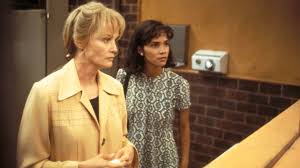
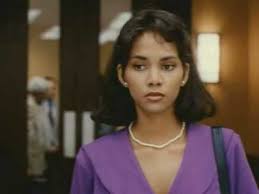
    “Losing Isaiah” (1989)

    Drama

    Running Time: 111 minutes

    Written by: Naomi Foner Gyllenhaal

    Directed by: Stephen Gyllenhaal

    Featuring: Jessica Lange, Halle Berry, David Strathairn, Cuba Gooding Jr. and Samuel L. Jackson

    Margaret Lewin: “Any animal can give birth. That doesn’t make it a mother.”

    Khaila Richards: “Oh, so you’re calling me an animal? If you think you’re going to just take my baby from me like some puppy from a pound, you got another think coming, lady!”

    Critical Commentary

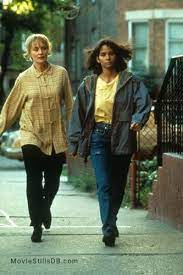
    Film has a unique ability to immerse audiences in a world of emotions and experiences. “Losing Isiah” is one such film that delves deep into the complexities of loss, adoption, and the human capacity for change and redemption. Released in 1995 and directed by Stephen Gyllenhaal, this thought-provoking drama explores the story of Isiah, an infant boy who is abandoned by his birth mother and adopted by a loving, middle-class couple. As the narrative unfolds, it takes us on a poignant journey through the legal, ethical, and emotional challenges surrounding adoption, while also examining the profound impact of loss on both the child and those who care for him. In this essay, we will analyze the film “Losing Isiah” in depth, exploring its themes, character development, and the emotional resonance it holds for its audience.

    “Losing Isiah” revolves around the life of Isiah, a child born to a drug-addicted mother, Khaila Richards (played by Halle Berry), who abandons him in a dumpster shortly after birth. The infant is miraculously discovered by Sarah and Richard Lewinsohn (Jessica Lange and David Strathairn), a compassionate and well-off couple who have been struggling with infertility for years. They decide to adopt Isiah, and he becomes the missing piece of their family puzzle.

    However, Khaila’s life takes a turn for the better as she conquers her addiction and finds stable employment. With the help of her lawyer, Margaret Lewinsohn (played by the talented actress, Daisy Eagan), Sarah’s sister, Khaila begins the legal battle to regain custody of her son. The court drama that ensues explores complex themes such as motherhood, addiction, race, and class, raising profound questions about who should have the right to raise Isiah.

    Themes Explored in “Losing Isiah”

    One of the central themes of the film is the question of what defines motherhood. Khaila’s struggle to overcome her addiction and reclaim her son raises questions about her capacity to be a loving and responsible mother. Sarah’s struggle to let go of Isiah, despite her initial excitement at becoming a mother, highlights the complex emotions involved in parenting and adoption.

    Khaila’s journey from drug addiction to recovery is a testament to the possibility of redemption and transformation. Her character arc challenges societal judgments and stereotypes about addicts, showing that people can change when given the right support and opportunities.

    The film also explores issues of race and adoption, as Isiah is a biracial child adopted by a white couple. This aspect of the story highlights the complexities and challenges faced by transracial adoptive families and raises questions about cultural identity and belonging.

    Legal and Ethical Dilemmas: The legal battle for Isiah’s custody raises ethical questions about the best interests of the child. The film challenges viewers to consider what factors should be prioritized when determining custody: a biological connection, financial stability, or a loving home environment.

    The characters in “Losing Isiah” are richly developed, each carrying their own burdens, desires, and growth throughout the film.

    Khaila Richards (Halle Berry): Berry’s portrayal of Khaila is a standout performance in the film. Initially, Khaila is depicted as a troubled and addicted mother who abandons her child. 

    However, as the story progresses, we witness her transformation into a determined, loving, and responsible mother. Berry’s nuanced performance captures the raw emotions and inner turmoil of Khaila’s character, making her a complex and empathetic figure.

    Sarah Lewinsohn (Jessica Lange): Jessica Lange delivers a powerful performance as Sarah, who initially struggles with infertility and later grapples with the idea of losing Isiah. Sarah’s character embodies the complexities of motherhood, love, and sacrifice. Her journey from desperation to acceptance is portrayed with emotional depth and authenticity.

    Richard Lewinsohn (David Strathairn): David Strathairn’s portrayal of Richard, Sarah’s husband, is a compelling depiction of a man trying to support his wife while also coming to terms with the challenges of adoption. Richard’s character represents the often-overlooked experiences of fathers in the adoption process.

    Margaret Lewinsohn (Daisy Eagan): Daisy Eagan’s portrayal of Margaret, Sarah’s sister and Khaila’s lawyer, adds another layer of complexity to the narrative. Margaret grapples with her own moral dilemmas as she navigates her roles as both advocate and family member.

    “Losing Isiah” has a profound emotional impact on audiences due to its compelling characters and the thought-provoking themes it explores. The film invites viewers to empathize with the central characters, even when their actions and decisions are morally ambiguous. This emotional engagement encourages audiences to reflect on their own beliefs and values regarding motherhood, addiction, and adoption.

    The emotional resonance of the film also stems from its exploration of the human capacity for change and redemption. Khaila’s transformation from a drug-addicted woman to a loving mother is a testament to the power of resilience and the possibility of personal growth. Audiences are inspired by her journey and compelled to reconsider their preconceptions about individuals struggling with addiction.

    Furthermore, “Losing Isiah” challenges viewers to confront their own biases and prejudices, particularly regarding race and adoption. The film highlights the importance of cultural identity and the need for open and honest conversations about the complexities of transracial adoption.

    “Losing Isiah” not only explores the deeply personal and emotional aspects of motherhood, adoption, and addiction but also carries significant cultural and social relevance. It serves as a lens through which we can examine broader issues in society.

    The film addresses the complexities of transracial adoption, a topic that has gained increasing attention and relevance in the real world. The adoption of Isiah by a white couple raises questions about identity, belonging, and the challenges faced by biracial or multiracial individuals in a predominantly white environment. This aspect of the film prompts discussions about the importance of cultural heritage and the need for open dialogue surrounding race and identity.

    “Losing Isiah” portrays the harsh realities of addiction, particularly how it can lead to a breakdown of families and a cycle of neglect. However, it also offers a message of hope by showing that individuals with addiction issues can recover and rebuild their lives. In a society grappling with addiction as a public health crisis, the film highlights the importance of empathy and support for those seeking recovery.

    The legal battle for Isiah’s custody underscores the complexity of legal and ethical decisions surrounding child welfare. In the real world, child custody cases are often multifaceted and challenging to navigate. “Losing Isiah” encourages conversations about the role of the legal system in determining the best interests of children and the need for careful consideration of all factors involved.

    The film brings into focus the rights and responsibilities of birth mothers. Khaila’s struggle to regain custody of Isiah forces viewers to contemplate the rights of biological parents, especially when they have made efforts to overcome adversity and become suitable caregivers. This theme encourages discussions about the legal and moral obligations of parents, whether biological or adoptive.

    The socioeconomic contrast between Khaila’s initial situation and the Lewinsohn family’s comfortable lifestyle highlights the stark disparities in society. “Losing Isiah” prompts viewers to consider how these disparities impact the opportunities and outcomes for individuals and families, particularly in the context of adoption.

    Above all, the film underscores the transformative power of compassion and love. Sarah and Richard Lewinsohn’s decision to adopt Isiah and Khaila’s journey toward recovery demonstrate the positive impact that empathy and support can have on individuals and families. In a world often characterized by division and conflict, “Losing Isiah” serves as a reminder of the potential for humanity to come together to help those in need.

    In “Losing Isiah,” director Stephen Gyllenhaal skillfully navigates the emotional landscape of loss, adoption, and redemption. Through its well-developed characters and thought-provoking themes, the film invites audiences to explore the complexities of motherhood, addiction, and the legal and ethical dilemmas surrounding adoption. It challenges viewers to empathize with the characters’ struggles and transformations, fostering a deeper understanding of the human capacity for change and growth.

    Ultimately, “Losing Isiah” leaves a lasting emotional impact on its audience, prompting reflection on the fundamental questions of identity, love, and the ties that bind us as a society. As a cinematic exploration of these profound themes, the film continues to resonate with viewers and stands as a testament to the power of storytelling in eliciting empathy and understanding.

    Special Features

    • Normal Messy Lives – production designer Jeannine Oppewall on Losing Isiah (2023)
    • Archival Interview with Halle Berry (1995)
  • Blu-ray review: “Music Box” (1989)

    “Music Box” (1989)

    Drama

    Running Time: 124 minutes

    Written by: Joe Eszterhas

    Directed by: Costa-Gavras

    Featuring: Jessica Lange, Armin Mueller-Stahl, Frederic Forrest and Lukas Haas

    Mikey Talbot: “Grandpa told me that the holocaust was a big exaggeration.”

    Critical Commentary

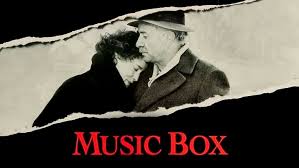
    In the vast realm of cinematic history, there are films that entertain, films that enlighten, and films that haunt our deepest emotions. “Music Box,” directed by Costa-Gavras and released in 1989, is a masterpiece that falls into the latter category. This haunting thriller, wrapped in a family drama, explores themes of justice, identity, and the dark secrets that bind generations. It is a film that not only entertains but leaves an indelible mark on the viewer’s psyche.

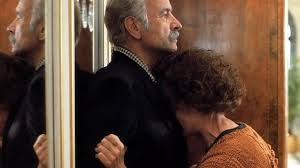
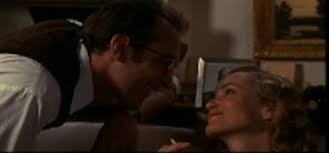
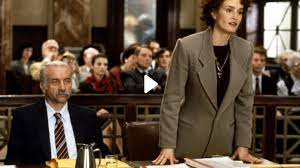
    “Music Box” tells the story of Ann Talbot, portrayed by the exceptional Jessica Lange, a successful attorney in Chicago. The film unfolds as Ann’s seemingly serene life takes a nightmarish turn when her father, Michael J. Laszlo (Armin Mueller-Stahl), an immigrant from Hungary, is accused of war crimes committed during World War II. Ann is compelled to defend her father, and what follows is a gripping courtroom drama, shrouded in the unsettling aura of a dark family secret.

    Intriguingly, the story is loosely based on real events, adding an extra layer of authenticity to the narrative. As Ann delves deeper into her father’s past, she uncovers disturbing truths, and the audience is taken on an emotional rollercoaster ride filled with suspense and moral dilemmas.

    The film’s success hinges on the remarkable performances of its cast. Jessica Lange delivers a tour de force performance as Ann Talbot, a daughter torn between her unwavering love for her father and the growing suspicion that he may not be the man she thought he was. Lange masterfully portrays the inner conflict, vulnerability, and strength of her character, earning her an Academy Award nomination for her role.

    Armin Mueller-Stahl’s portrayal of Michael J. Laszlo is equally compelling. His transformation from a loving, doting grandfather to a man haunted by a dark past is riveting. Mueller-Stahl’s portrayal makes it difficult for the audience to pass a final judgment on his character, echoing the film’s central theme of moral ambiguity.

    Supporting performances from Frederic Forrest as Jack Burke, Ann’s ex-husband, and Lukas Haas as Mikey, her son, add depth to the family dynamics. These characters serve as pillars of support for Ann as she navigates the turbulent waters of her father’s past.

    At its core, “Music Box” is a film about identity and justice. Ann’s journey to uncover her father’s past forces her to confront uncomfortable truths about her family’s history and her own identity. It raises profound questions about how well we truly know the people we love and the lengths we are willing to go to protect them.

    The courtroom scenes are particularly powerful, as Ann grapples with the responsibility of defending her father against the allegations of war crimes. The moral ambiguity of the situation is palpable, and the film challenges the audience to ponder where their loyalties would lie in such a predicament.

    Additionally, the film explores the concept of justice in the context of historical atrocities. It raises important questions about the accountability of individuals who may have committed heinous acts during wartime. “Music Box” forces viewers to consider whether justice should have a statute of limitations and whether individuals can ever truly be held accountable for their actions, no matter how much time has passed.

    Costa-Gavras, known for his politically charged and socially relevant films, brings his signature style to “Music Box.” His direction creates an atmosphere of tension and unease that lingers throughout the film. The use of lighting, camera angles, and a hauntingly beautiful score by Philippe Sarde all contribute to the film’s overall sense of foreboding.

    The film’s pacing is deliberate, allowing the audience to become fully immersed in the unfolding drama. The gradual unveiling of secrets and the steady buildup of suspense keep viewers on the edge of their seats, making “Music Box” a true cinematic thriller.

    The use of flashbacks is another notable aspect of the film’s craftsmanship. As Ann investigates her father’s past, the audience is transported to Hungary during World War II, providing crucial context and emotional weight to the narrative. These flashback sequences are skillfully interwoven with the present-day storyline, creating a seamless narrative flow.

    “Music Box” is firmly rooted in a historical context that adds depth and significance to its narrative. The film touches on the dark history of Hungary during World War II, including the collaboration of some Hungarians with Nazi forces and the persecution of Jews. This historical backdrop adds layers of complexity to the characters and their motivations, making the film more than just a courtroom drama; it becomes a reflection on the legacy of war and the moral dilemmas it leaves in its wake.

    The film also explores the post-World War II era when many war criminals fled Europe and sought refuge in the United States. This historical reality forms the basis of the film’s central conflict and raises questions about how effectively justice can be served in such cases.

    Impact and Controversy

    Upon its release, “Music Box” garnered critical acclaim and sparked significant controversy. It was praised for its powerful performances and thought-provoking themes but also faced accusations of anti-Hungarian bias. Some Hungarian groups objected to the film’s portrayal of Hungarians during World War II, arguing that it painted an unfairly negative picture of the entire nation. Nevertheless, the film’s impact and lasting legacy cannot be denied.

    “Music Box” opened up discussions about historical accountability and the ethical complexities of defending individuals accused of war crimes. It also prompted viewers to reflect on the enduring trauma of war and the hidden scars that can affect generations.

    One of the most compelling aspects of “Music Box” is its exploration of the dynamics within the Talbot family. Ann’s unwavering love for her father, Michael, is at the heart of the story. Her commitment to defending him, despite the mounting evidence against him, raises profound questions about the lengths to which we are willing to go for our loved ones.

    The film depicts the complexities of familial loyalty and the emotional turmoil Ann experiences as she grapples with the possibility that her father may have committed heinous acts during the war. It challenges viewers to consider the extent to which they would protect their own family members, even when faced with uncomfortable truths. This theme resonates with audiences on a deeply personal level, as it taps into the universal experience of grappling with family secrets and moral dilemmas.

    Costa-Gavras is renowned for his ability to tackle complex and politically charged subjects in his films. “Music Box” is no exception, as it delves into the morally murky waters of war crimes, accountability, and the passage of time. The director’s keen eye for storytelling and his skill in building tension are evident throughout the film.

    One of Costa-Gavras’s notable strengths as a director is his ability to create a palpable atmosphere of unease and suspense. He achieves this through meticulous attention to detail, such as the use of dimly lit interiors and a haunting musical score by Philippe Sarde. These elements work in tandem to create an unsettling mood that pervades the entire film.

    The film’s use of flashbacks is another example of Costa-Gavras’s directorial prowess. These sequences seamlessly transport the audience to wartime Hungary, providing essential context and emotional resonance to the narrative. The juxtaposition of past and present enhances the storytelling and deepens the audience’s engagement with the characters and their struggles.

    “Music Box” remains a relevant and thought-provoking film even decades after its release. Its exploration of war crimes, justice, and the enduring impact of historical events continues to resonate in a world where similar questions persist. As societies grapple with issues of accountability and reconciliation, the film serves as a reminder of the moral complexities surrounding these topics.

    Furthermore, the film’s portrayal of family secrets and the moral dilemmas they entail remains timeless. Audiences from all walks of life can relate to the idea of uncovering uncomfortable truths about their own families, and “Music Box” provides a framework for examining the emotional and ethical dimensions of such revelations.

    The film’s enduring impact is also reflected in its critical acclaim and its inclusion in discussions of cinematic classics. It continues to be studied in film schools and discussed in academic circles for its thematic depth and powerful storytelling

    “Music Box” is a cinematic gem that defies easy categorization. It is a thriller, a courtroom drama, a family saga, and a historical exploration all rolled into one. Costa-Gavras’s masterful direction, coupled with exceptional performances by Jessica Lange and Armin Mueller-Stahl, elevates the film to the realm of cinematic classics.

    The film’s exploration of identity, justice, and the dark secrets of the past makes it a thought-provoking and emotionally resonant experience. “Music Box” challenges its audience to grapple with difficult moral questions and leaves a lasting impression that continues to haunt long after the credits roll.

    As we revisit this film from 1989, it remains a testament to the power of cinema to delve into the deepest recesses of the human soul and shed light on the complexities of our shared history. “Music Box” is not just a movie; it is an enduring work of art that will continue to captivate and haunt audiences for generations to come.

    Special Features

    • Audio Commentary by Gary Crowdus, editor of Cineaste Magazine (2023)
    • Life Imidates Tragedy – screenwriter Joe Eszterhas on Music Box (2023)
    • Through a Different Doorway – production designer Jeannine Oppewall on Characters and their Environments (2023)
    • Folk Dancing and Home Brew Fluency – actor Michael Rooker on the Actor’s Craft (2023)
    • Filmstruck – The Early Career of actor Lukas Haas (2023)
    • A Time Of Trial – featurette
    • Profile: Taking Risks – Costa-Gavras and Irwin Winkler – featurette
    • Archival interview with actor Jessica Lange (1989)
    • Archival interview with actor Armin Mueller-Stahl (1989)
    • Archival interview with director Costa-Gavras (1989)
  • Trailer: “The Fall of the House of Usher” (2023)

    Trailer: The Fall of the House of Usher (2023)

    Netflix has another trailer dubbed ‘She’s Coming’ for Mike Flanagan’s fifth and final series for the streamer – “The Fall of the House of Usher”.

    Flanagan’s “The Haunting of Hill House” and “The Haunting of Bly Manor” series took elements from multiple works of authors Shirley Jackson and Henry James respectively. ‘Usher’ does the same with stories by Edgar Allan Poe.

    The eight-episode horror drama will follow the reclusive Roderick (Bruce Greenwood) and his twin Madeline (Mary McDonnell) as they do anything to help their family business, Fortunato Pharmaceuticals, become the pinnacle of the industry.

    The Usher family’s dark secrets start to come to the surface when a mysterious woman begins to haunt them. The series also stars Mark Hamill, Carla Gugino, Rahul Kohli, Willa Fitzgerald, Henry Thomas, Zach Gilford, and Kate Siegel, among others.“ “The Fall of the House of Usher” will premiere in full on Netflix on October 12th.

  • Trailer: “Night Swim” (2024)

    Trailer: “Night Swim” (2024)

    James Wan’s Atomic Monster and Jason Blum’s Blumhouse Productions have released the first trailer for “Night Swim”.

    Based on the acclaimed 2014 short film by Rod Blackhurst and Bryce McGuire, Wyatt Russell stars as Ray Waller – a former major league baseball player forced into early retirement by a degenerative illness.

    He moves into a new home with his concerned wife Eve (Oscar nominee Kerry Condon), teenage daughter Izzy (Amélie Hoeferle) and young son Elliot (Gavin Warren).

    Secretly hoping, against the odds to return to pro ball, Ray persuades Eve that the new home’s shimmering backyard swimming pool will be fun for the kids and provide physical therapy for him.

    But a dark secret in the home’s past will unleash a malevolent force that will drag the family under, into the depths of inescapable terror.

    The film, written and directed by Bryce McGuire (“Baghead”), is set to drag viewers into the dark depths on January 5th.

  • Trailer: “The Beekeeper” (2024)

    First trailer: “The Beekeeper” (2024)

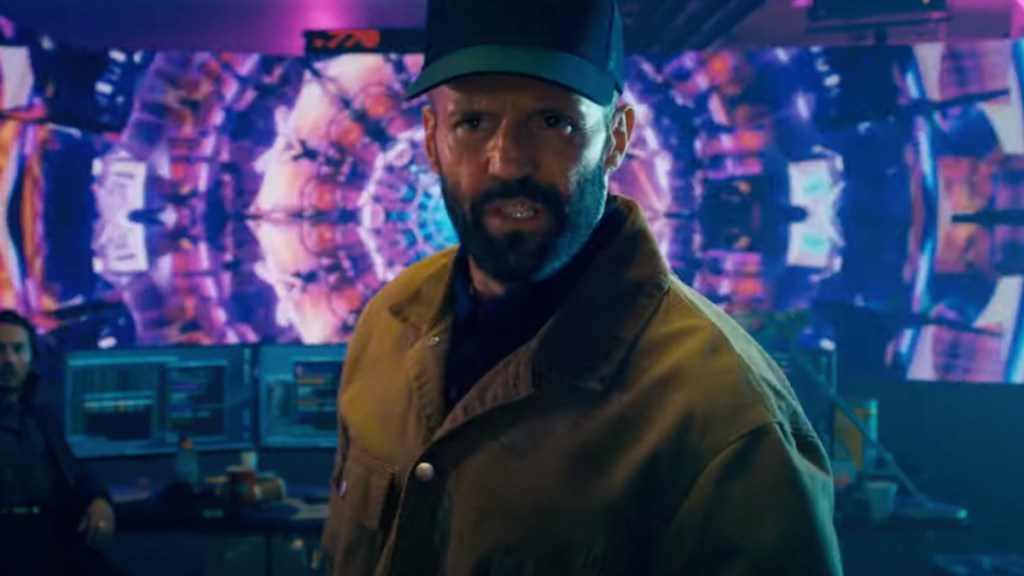
    MGM has premiered the trailer for David Ayer’s new action thriller “The Beekeeper” starring Jason Statham, Josh Hutcherson, Emmy Raver-Lampman, Minnie Driver, Bobby Naderi, Phylicia Rashad and Jeremy Irons.

    In “The Beekeeper,” one man’s brutal campaign for vengeance takes on national stakes after he is revealed to be a former operative of a powerful and clandestine organization known as ‘Beekeepers’.

    The target of his vengeance? A phishing company. The man suffered personal tragedy due to his friend and former caretaker ended her life after falling for one of the company’s scams. Now he intends to make them pay.

    Kurt Wimmer pens the script for the film which was shot in the UK in late 2022. Statham and Ayers produce for Miramax and Cedar Park Entertainment. 

    MGM is handling U.S. distribution and previously teamed with Miramax and Statham on Guy Ritchie’s “Wrath of Man”. The plan is for this to be the first of a potential franchise.

    Bill Block, Chris Long, Statham, Ayer and Wimmer produce. “The Beekeeper” will open in cinemas on January 12th.

  • Blu-ray review: “Crimes of the Heart” (1986)

    “Crimes of the Heart” (1986)

    Drama

    Running Time: 105 minutes

    Written by: Beth Henley

    Directed by: Bruce Beresford

    Featuring: Diane Keaton, Jessica Lange, Sissy Spacek, Sam Shepard, Tess Harper and Hurd Hatfield

    Meg Magrath: “Why’d you do it, Babe ? Why’d you put your head in the oven?”

    Babe Magrath: “I don’t know… I’m having a bad day.”

    Critical Commentary

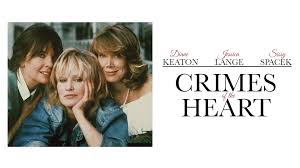
    “Crimes of the Heart,” directed by Bruce Beresford and released in 1986, is a poignant cinematic adaptation of Beth Henley’s Pulitzer Prize-winning play of the same name. Set in a small Mississippi town, the film follows the lives of three sisters who reunite after a tumultuous period of separation. With a stellar cast that includes Diane Keaton, Jessica Lange, and Sissy Spacek in the leading roles, “Crimes of the Heart” offers a captivating exploration of family, resilience, and the complexity of human emotions. In this 2000-word review, we will delve into the film’s plot, character development, performances, cinematography, and themes to analyse its enduring appeal and cultural significance.

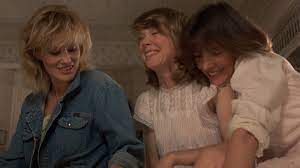
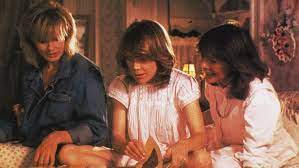
    The story revolves around the Magrath sisters, Lenny (Diane Keaton), Meg (Jessica Lange), and Babe (Sissy Spacek), who find themselves together again in their family home after Babe’s arrest for shooting her abusive husband. Each sister carries her own emotional baggage and a history of trauma, and as they come together, their individual struggles and conflicts unravel.

    Lenny, the eldest sister, is a lonely, reclusive woman who has spent her life caring for their ailing grandfather and now faces her own health issues. Diane Keaton’s portrayal of Lenny is a masterclass in subtlety, showcasing the character’s quiet desperation and vulnerability.

    Meg, the middle sister, is an aspiring singer whose career in Hollywood has soured. Jessica Lange’s performance captures Meg’s restlessness and her attempts to mask her insecurities behind a facade of confidence. Her chemistry with Barnette Lloyd (played by the charming and earnest Travis Smith) adds depth to her character.

    Babe, the youngest sister, is the center of the family crisis, accused of a heinous crime. Sissy Spacek delivers an unforgettable performance, conveying Babe’s childlike innocence and her inner strength as she confronts the consequences of her actions.

    The film’s plot unfolds over the course of a few days as the sisters navigate the legal and emotional aftermath of Babe’s actions. Their interactions reveal long-held grudges, buried secrets, and the bonds that tie them together, even in the face of adversity.

    The cast of “Crimes of the Heart” is nothing short of phenomenal. Diane Keaton, Jessica Lange, and Sissy Spacek give career-defining performances that showcase their range and versatility as actors. Keaton’s Lenny is a character marked by restraint and vulnerability, and her portrayal is a study in understated acting. Lange’s Meg is a complex blend of charisma and insecurity, and she handles the character’s emotional arc with grace and depth. Spacek’s Babe is a revelation, capturing the character’s naivety and inner strength with remarkable precision.

    The supporting cast is equally praiseworthy. Tess Harper, as Chick Boyle, Babe’s judgmental cousin, adds a touch of humour and conflict to the story. Sam Shepard, in the role of Doc Porter, brings depth to Meg’s past, and his chemistry with Jessica Lange is palpable.

    Director Bruce Beresford deserves credit for his sensitive handling of the material. He allows the characters and their interactions to take centre stage, avoiding melodrama and excessive theatrics. Beresford’s direction keeps the film grounded in the Southern atmosphere, using the setting to enhance the story’s authenticity.

    The cinematography of “Crimes of the Heart” contributes significantly to the film’s atmosphere and mood. The film’s visual style reflects the languid, oppressive heat of a Mississippi summer. The warm, earthy tones and soft lighting create a sense of intimacy, drawing the audience into the characters’ lives.

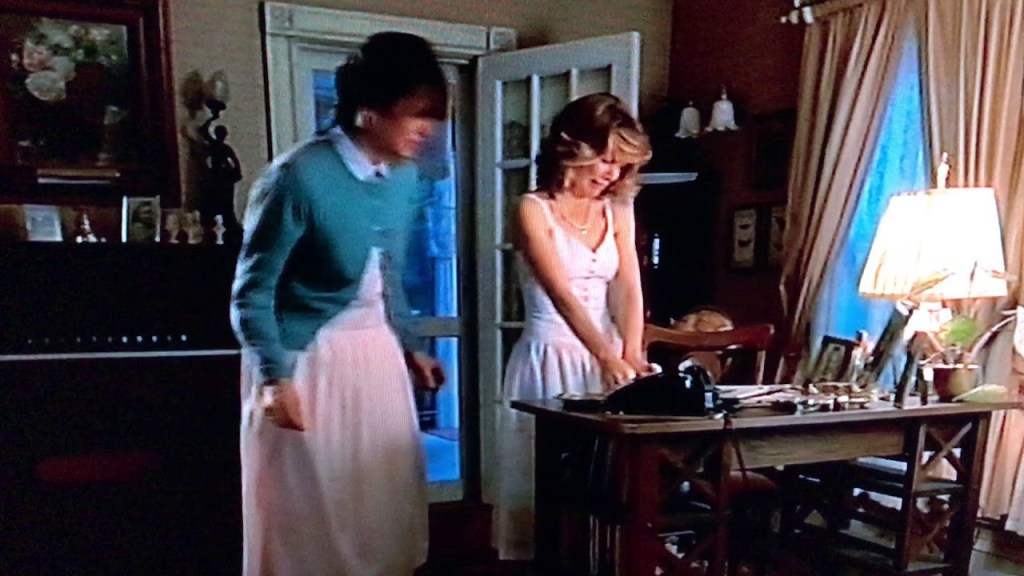
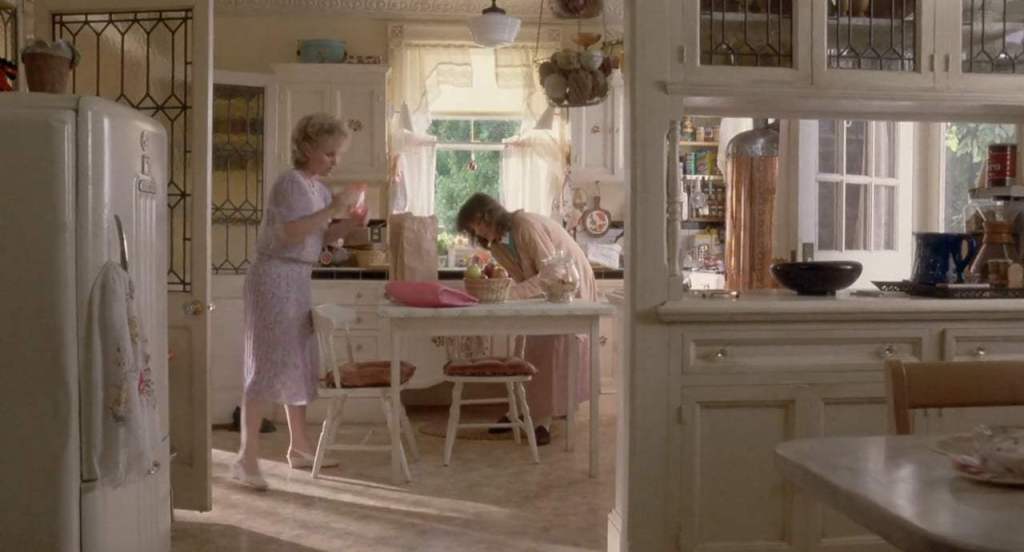
    The use of the family home as a central setting adds depth to the story. The cluttered, lived-in interior serves as a metaphor for the sisters’ shared history and emotional baggage. The camera work effectively captures the close quarters in which the characters interact, emphasizing the tension and familiarity that define their relationships.

    “Crimes of the Heart” explores several central themes that continue to resonate with audiences today. Family is at the heart of the film, and it delves into the complexities of sibling relationships. The Magrath sisters’ dynamics are a mix of love, rivalry, and the shared experience of a troubled upbringing. As they confront their past and present, the film highlights the enduring bonds that connect family members, even when they have grown apart.

    Another significant theme is resilience in the face of adversity. Each sister has faced her share of hardships, from Lenny’s isolation to Meg’s shattered dreams and Babe’s abusive marriage. Despite these challenges, they find the strength to support one another and confront their individual demons. The film’s portrayal of resilience is both inspiring and relatable, reminding viewers of the human capacity to overcome even the darkest moments.

    The theme of justice and morality also plays a central role. Babe’s arrest and trial force the characters to grapple with questions of right and wrong, and the film raises important ethical dilemmas. It challenges the audience to consider whether there can be justification for extreme actions taken in extreme circumstances, highlighting the complexity of human behaviour and the limitations of conventional morality.

    Additionally, “Crimes of the Heart” offers a commentary on the role of women in society, particularly in the American South. The film portrays the sisters as women who have been shaped by traditional gender roles and societal expectations. Chick Boyle, the judgmental cousin, embodies these norms, contrasting with the sisters’ struggles to break free from them. The film’s exploration of female empowerment and independence adds depth to its narrative.

    Conclusion (Approx. 200 words): In conclusion, “Crimes of the Heart” is a timeless cinematic gem that continues to resonate with audiences for its powerful performances, sensitive direction, and exploration of universal themes. Diane Keaton, Jessica Lange, and Sissy Spacek deliver unforgettable portrayals of the Magrath sisters, bringing depth and authenticity to their characters. The film’s exploration of family, resilience, justice, and female empowerment makes it a thought-provoking and emotionally resonant experience.

    Bruce Beresford’s direction and the film’s cinematography enhance its Southern Gothic atmosphere, immersing the audience in the sweltering Mississippi setting. The story’s enduring appeal lies in its ability to capture the complexities of human relationships and the capacity for hope and redemption, even in the darkest of circumstances.

    “Crimes of the Heart” remains a testament to the power of storytelling and the enduring impact of exceptional performances. Whether you’re revisiting it or discovering it for the first time, this cinematic masterpiece is sure to leave a lasting impression on your heart and mind.

    Special Features

    • 1080P High-definition presentation on Blu-ray from a 2K scan
    • Audio Commentary by Karen Horsley, author of “The American Southern Gothic on Screen” (2023)
    • Everyday Life, Well Observed – director Bruce Beresford on Crimes of the Heart (2023)
    • Southern Discomfort – playwright Beth Henley on Crimes of the Heart (2023)
    • Archival interviews with director Bruce Beresford, and editor / producer Freddie Fields (1986)
    • Archival interviews with actors Jessica Lange, Tess Harper & Sissy Spacek (1986)
    • Archival Interview with playwright Beth Henely (1986)
  • Trailer: Sofia Coppola’s “Priscilla” (2023)

    Trailer: “Priscilla” (2023)

    A24 has premiered the second trailer for “Priscilla,” the newest directorial effort of “Lost in Translation” and “Marie Antoinette” filmmaker Sofia Coppola.

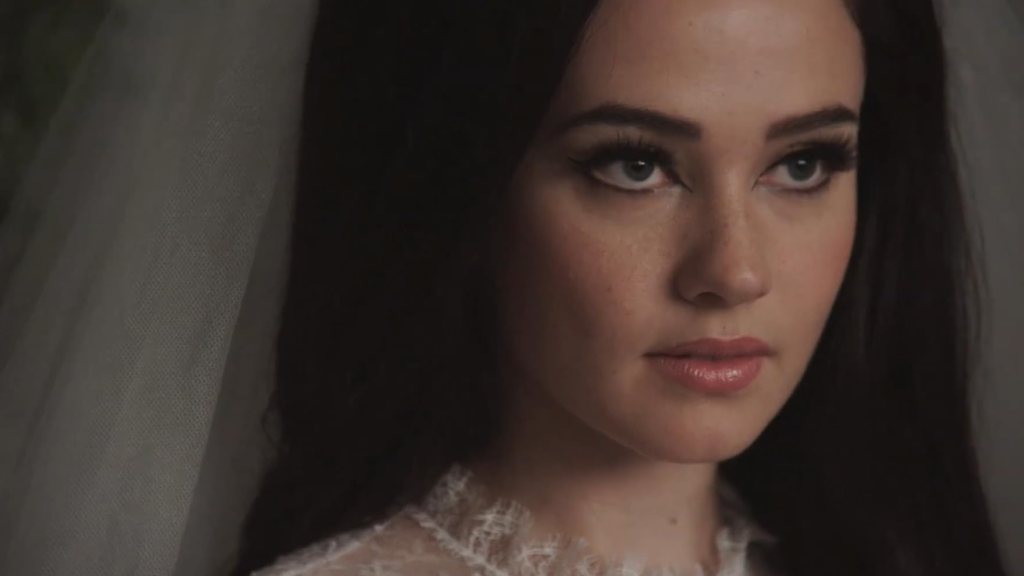
    Australian actor and “Euphoria” breakout Jacob Elordi plays Elvis Presley in the film alongside “Mare of Easttown” actress Cailee Spaeny as Priscilla.

    In the film, teenage Priscilla Beaulieu meets Elvis Presley at a party. The man is already a meteoric rock-and-roll superstar and becomes someone entirely unexpected in private moments: a thrilling crush, an ally in loneliness, a vulnerable best friend.

    Through Priscilla’s eyes, the story explores the unseen side of a great American myth in Elvis and Priscilla’s long courtship and turbulent marriage, from a German army base to his dream-world estate at Graceland.

    The story is based on the real Priscilla’s tell-all memoir “Elvis and Me” which didn’t shy away from showing her husband at some of his darkest hours, including addiction and infidelity.

    Coppola reunites with some of her key creative collaborators like lenser Philippe Le Sourd and production designer Tamara Deverell among others on the film, which also stars Dagmara Dominczyk and Luke Humphrey. The release date is November 3rd.

  • Trailer: “Renaissance: A Film By Beyonce” (2023)

    Trailer: “Renaissance: A Film by Beyonce” (2023)

    Beyonce has unveiled the first trailer for her forthcoming concert film based on her Renaissance World Tour concert.

    The trailer confirms the official title “Renaissance: A Film by Beyonce” and the film’s December 1st theatrical release date. Her company, Parkwood Entertainment, produced the film.

    In a press release on Business Wire, it is confirmed AMC Theatres Distribution will release the film worldwide – essentially in the same way as it’s doing with upcoming Taylor Swift concert film this month.

    The film follows the tour from its opening show in Stockholm, Sweden, to the grand finale in Kansas City, Missouri. It will be a blend of filmed footage of her concert and behind-the-scenes footage about the tour’s making.

    The movie opens in North America on December 1st with additional global cities to be announced at a later date. 

  • Trailer: “Silent Night” (2023)

    First Trailer: John Woo’s “Silent Night” (2023)

    The first trailer for the film “Silent Night” (2023) has now gone online.

    The gritty revenge tale follows a tormented father, Godlock (Kinnaman), who witnesses his young son die when caught in a gang’s crossfire on Christmas Eve.

    While recovering from a wound that costs him his voice, he makes vengeance his life’s mission and embarks on a punishing training regimen in order to avenge his son’s death.

    Kid Cudi, Harold Torres and Catalina Sandino Moreno also star in the film, which was shot in Mexico City and famously features no dialogue.

    Woo has previously said the movie uses “music instead of language” as part of its visual storytelling. It’s also on a tighter budget than he normally has for American features.

    Robert Archer Lynn penned the script, while Erica Lee, Basil Iwanyk, Lori Tilkin, and Christian Mercuri produce. Lionsgate will release the film in cinemas on December 1st.

  • Blu-ray review: “Frances” (1982)

    “Frances” (1982)

    Drama

    Running Time: 140 minutes

    Written by: Eric Bergren, Christopher De Vore and Nicholas Kazan

    Directed by: Graeme Clifford

    Featuring: Jessica Lange, Sam Shepard and Kim Stanley

    Harry York: “Frances, you’re crazy.”

    Frances Farmer: [softly] “Don’t tell anybody.”

    Critical Commentary

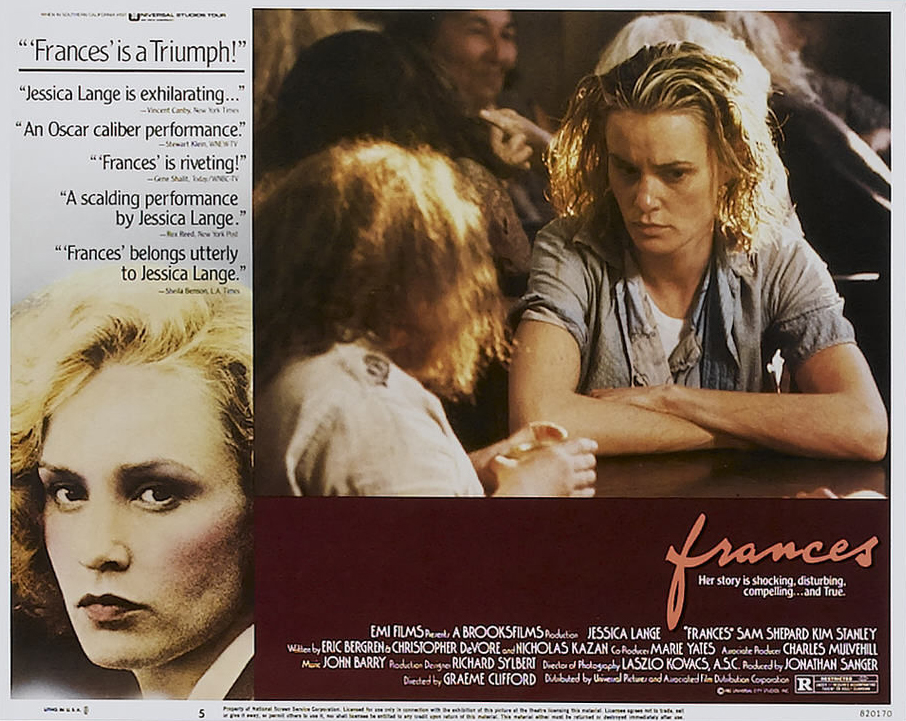
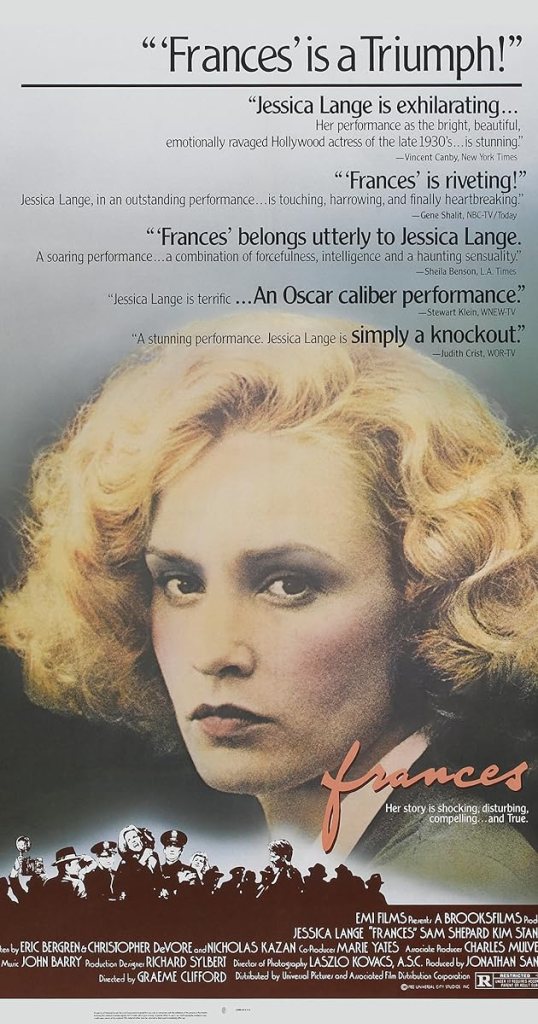
    In the realm of cinema, there are certain films that transcend the boundaries of time, leaving an indelible mark on the audience’s heart and mind. “Frances,” directed by Graeme Clifford in 1982, is one such cinematic gem that has earned its rightful place among the classics. This biographical drama offers a compelling glimpse into the tumultuous life of actress Frances Farmer, portrayed with extraordinary depth and nuance by Jessica Lange. In this 2000-word review, we will explore the multifaceted aspects of “Frances,” from its exceptional performances and evocative storytelling to its historical significance and enduring relevance.

    “Frances” is a biographical drama that chronicles the life of Frances Farmer, an actress from the 1930s whose story is both tragic and fascinating. The film opens with Frances’ early life in Seattle, where her rebellious spirit and artistic aspirations begin to take shape. She dreams of becoming a successful actress but faces numerous challenges, both personal and societal, as she tries to break into the entertainment industry. Frances’ journey is marked by her unconventional behavior, struggles with mental health, and conflicts with her overbearing mother, Lillian Farmer, played convincingly by Kim Stanley.

    The film meticulously traces Frances’ evolution from a young, ambitious woman to a Hollywood starlet, and ultimately, her descent into a world of mental illness and institutionalization. The narrative is both heartbreaking and thought-provoking, as it explores the sacrifices one must make for artistic success and the toll it can take on one’s mental well-being.

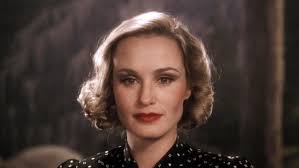
    “Frances” is undoubtedly a character-driven film, and its success hinges on the performance of its lead actress, Jessica Lange. In what can only be described as a tour de force, Lange delivers a mesmerizing portrayal of Frances Farmer. Her performance is a masterclass in acting, showcasing her ability to embody the complexities and contradictions of this enigmatic character.

    Lange skillfully navigates Frances’ transformation from a fiery, independent young woman to a vulnerable and tormented soul. Her emotional range is nothing short of astounding, as she portrays Frances with both grace and raw intensity. Whether it’s Frances’ moments of defiance, vulnerability, or despair, Lange brings an authenticity to the character that is truly remarkable. It’s a performance that leaves an indelible mark and earned Lange an Academy Award nomination, firmly establishing her as a powerhouse in Hollywood.

    Graeme Clifford’s direction in “Frances” is commendable, as he manages to capture the essence of the era in which the story unfolds while maintaining a timeless quality. The film’s cinematography, led by cinematographer László Kovács, is both evocative and visually stunning. The use of color, lighting, and framing contributes to the film’s overall atmosphere, effectively conveying the mood and emotions of the characters.

    The period-accurate production design and costume choices add authenticity to the film, immersing the audience in the world of 1930s and 1940s Hollywood. The attention to detail in recreating this era is a testament to the dedication of the production team and their commitment to transporting viewers back in time.

    One of the most compelling aspects of “Frances” is the complex and tumultuous relationship between Frances and her mother, Lillian. Kim Stanley’s performance as Lillian is equally impressive, portraying a woman who is both a source of love and suffocating control in Frances’ life. The film delves into the deep-seated conflicts between mother and daughter, revealing the suffocating grip of maternal expectations on Frances’ aspirations.

    The depiction of this relationship adds depth to the narrative and offers a glimpse into the psychological underpinnings of Frances’ struggles. It explores the age-old theme of the artist’s conflict with society and family, where pursuing one’s artistic dreams often clashes with societal norms and familial expectations. The tension between Frances and Lillian is a central driving force in the film, making it as much a family drama as a biographical one.

    “Frances” raises thought-provoking questions about the price of autonomy and individualism. Frances Farmer’s story is one of a woman who refused to conform to the expectations of her time, both as a daughter and an actress. Her desire for autonomy and artistic freedom clashed with the rigid norms and regulations of Hollywood and society in the 1930s and 1940s.

    As Frances grapples with the pressures of fame, mental illness, and societal expectations, the film forces the audience to confront the broader themes of conformity, gender roles, and the sacrifices required to pursue one’s passions. It serves as a reminder of the enduring struggle many artists face when trying to navigate the fine line between self-expression and societal acceptance.

    “Frances” also provides a sobering exploration of the darker aspects of fame and the entertainment industry. As Frances ascends to stardom, she becomes a target for the media, with her every move scrutinized and sensationalized. The film highlights how fame can be a double-edged sword, offering adulation and success on one hand while eroding one’s privacy and mental stability on the other.

    Frances’ experiences with the mental health care system of her time also shed light on the inadequacies and mistreatment that individuals faced in mental institutions during that era. Her institutionalization and forced medical treatments serve as a stark reminder of the challenges faced by those with mental health issues in a society that often stigmatized and misunderstood them.

    Mental health is a central theme in “Frances,” and the film is unflinching in its portrayal of Frances’ struggles with mental illness. It offers a nuanced depiction of her journey, showcasing her moments of lucidity, as well as her periods of instability. The film raises important questions about the treatment of mental illness in the 1930s and 1940s and the societal attitudes toward those who suffered from it.

    While the film provides a compassionate portrayal of Frances’ mental health challenges, it also serves as a commentary on the need for greater understanding and support for individuals facing similar issues today. In this regard, “Frances” remains relevant in a contemporary context, as discussions around mental health continue to evolve and gain prominence in society.

    “Frances” was not a commercial success upon its initial release, but it has since gained a cult following and is considered a classic of American cinema. Its enduring legacy lies in its ability to resonate with audiences across generations. The film’s exploration of themes such as individualism, mental health, and the price of fame continues to be relevant and thought-provoking.

    Furthermore, Jessica Lange’s performance in “Frances” is often cited as one of the standout performances in her illustrious career. The film marked a turning point in her acting trajectory, establishing her as a talent to be reckoned with, and she went on to become one of Hollywood’s most celebrated actresses.

    “Frances” (1982) is a cinematic masterpiece that offers a compelling and poignant portrayal of the life and struggles of actress Frances Farmer. The film

    Technical Commentary

    Video

    “Frances” is presented on Blu-ray with an AVC encoded 1080p transfer in 1.85:1. In its best moments, things are agreeable and detail levels are very good, but there are a number of deficiencies, including some chroma anomalies on grain. 

    Audio

    The disc offers two Spanish language options, one without subtitles and the other with. 

    Special Features

    • 1080P High-definition presentation on Blu-ray from a 2K scan
    • Audio Commentary from film historian & critic Matthew Asprey Gear (2023)
    • Audio Commentary by director Graeme Clifford and David Gregory
    • Reflecting on ‘Frances’  – Interview with producer Jonathan Sanger (2023)
    • Goodnight, ‘Frances’  – Interview with director Graeme Clifford (2023)
    • Deco Dreams: The Art and Syle of ‘Frances’  – Interview with art director Ida Random (2023)
    • A Hollywood Life: Remembering ‘Frances’ – featurette
    • Archival interview with Jessica Lange (1983)
    • Theatrical Trailer
  • First Trailer: “Argylle” (2024)

    Trailer: Matthew Vaughn’s “Argylle”

    Universal Pictures and Apple Original Films have premiered the trailer for “Kingsman” and “Kick-Ass” director Matthew Vaughn’s spy thriller “Argylle” which will open in cinemas on February 2nd 2024.

    Jason Fuchs penned the script for the film dubbed a “razor-witted, reality-bending, globe-encircling spy thriller”. Bryce Dallas Howard stars as Elly Conway, a reclusive but successful author whose idea of bliss is a night at home with her computer and her cat.

    Soon, such quiet evenings are a thing of the past when the plots of her fictional best-selling espionage novels, about a secret agent named Argylle and his mission to unravel a global spy syndicate, begin to mirror the covert actions of a real-life spy organization.

    John Cena, Ariana DeBose, Bryan Cranston, Catherine O’Hara, Sofia Boutella, Samuel L. Jackson and pop superstar Dua Lipa co-star. Vaughn directs and produces the project.

  • Trailer: Disney’s “Wish”

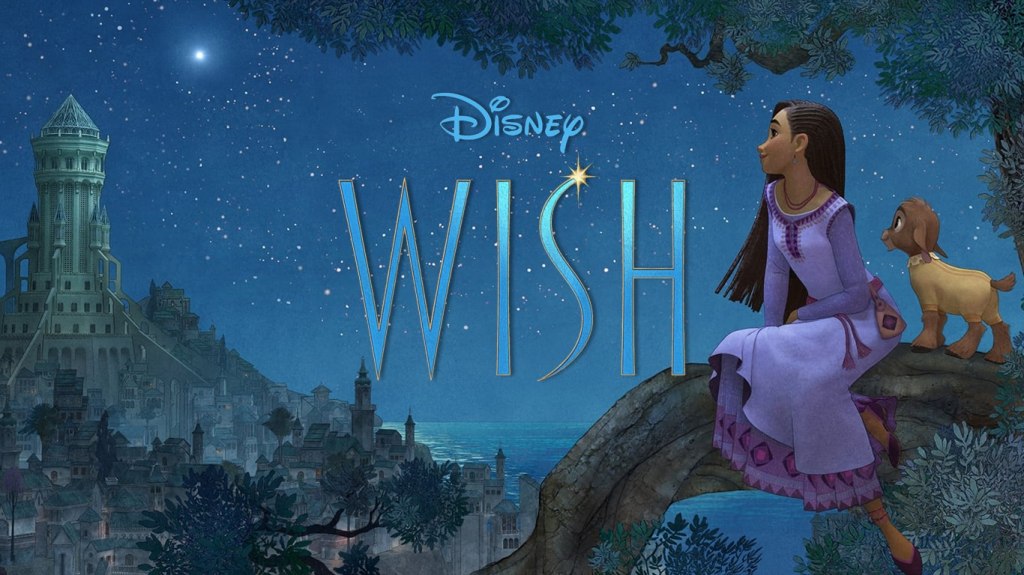
    Full Trailer: Disney’s “Wish” (2023)

    Walt Disney Animation Studios has released the full trailer for their new animated musical-comedy film “Wish” which opens exclusively in theatres for the Thanksgiving holiday.

    Asha (Ariana DeBose) is a sharp-witted 17-year-old idealist, makes a wish so powerful that it is answered by a cosmic force – a celestial ball of boundless energy called Star.

    Together, Asha, her pet goat Valentino (Alan Tudyk) and Star confront a most formidable foe – the ruler of the fantastical land of Rosas, King Magnifico (Chris Pine) – to save her community and prove that when the will of one courageous human connects with the magic of the stars, wondrous things can happen.

    Other voice talent includes Angelique Cabral as Queen Amaya, Victor Garber as Asha’s grandfather, Natasha Rothwell as Asha’s mother along with Jennifer Kumiyama, Evan Peters, Harvey Guillén, Ramy Youssef, Niko Vargas, Della Saba, and Jon Rudnitsky.

    The film boasts several new songs written by Julia Michaels and Benjamin Rice for the film, including “The Wish” sung by DeBose herself.

    Chris Buck (“Frozen”) directs the film alongside Fawn Veerasunthorn (“Raya and the Last Dragon”). Lee and Allison Moore (“Night Sky”) pen the project.

    ‘Wish” opens only in cinemas on November 22nd.

  • Blu-ray review: “House of Sand and Fog” (2003)

    “House of Sand and Fog” (2003)

    Drama

    Running Time: 126 minutes

    Written by: Shawn Lawrence Otto and Vadim Perelman

    Directed by: Vadim Perelman

    Featuring: Jennifer Connelly, Ben Kingsley, Ron Eldard, Frances Fisher and Kim Dickens

    Behrani: [Praying for his dying son] “Please, God, don’t take my joon-am. I make my nazr. My nazr, hear me, please to hear me. I will give everything to one who is less fortunate. Yes! I will make it for the broken bird. Please, God, I’m making nazr to this woman. To Kathy Nicolo. And I, to you I promise, if you heal my son, I will return her father’s house. I will also give to her all the money I have. My God, Khoda. I make nazr only for my son. Please, I want only for my son. I beg you. I will do whatever is your will. I will purchase ten kilos of the finest seed and I will find an American mosque and I will feed them to all the birds outside. I will let the birds cover me and peck out my eyes! Please, God, my nazr is in your hands!”

    Critical Commentary

    In the realm of cinematic storytelling, few films manage to convey the raw intensity of human emotions and the complexities of morality as effectively as “House of Sand and Fog.” Released in 2003 and directed by Vadim Perelman, this adaptation of Andre Dubus III’s novel takes viewers on an unforgettable journey through the lives of two individuals, Kathy Nicolo (Jennifer Connelly) and Massoud Amir Behrani (Ben Kingsley), whose fates become inexorably intertwined by a disputed house. With themes of loss, identity, and the collision of cultures at its core, “House of Sand and Fog” delivers a compelling narrative that challenges our perceptions of right and wrong.

    “House of Sand and Fog” begins by introducing us to Kathy Nicolo, a recovering addict who is struggling to regain her footing in life after a painful divorce. Her home, a modest bungalow left to her by her father, is mistakenly seized and auctioned by the county due to an unpaid tax bill. This pivotal moment sets the stage for a tragic conflict, as Massoud Amir Behrani, a former Colonel in the Iranian Air Force, buys the house at auction with hopes of securing a better future for his family in America.

    The film unfolds as a gripping battle for ownership of the house ensues, fueled by stubbornness, pride, and desperation. As Kathy and Behrani’s lives become increasingly entangled, the audience is confronted with the moral complexities surrounding their actions. Who deserves the house? What is the true cost of achieving the American dream?

    Jennifer Connelly delivers a powerhouse performance as Kathy Nicolo, portraying a woman teetering on the precipice of despair with remarkable vulnerability. Her character is haunted by personal demons, struggling with addiction and a profound sense of loss. Connelly’s portrayal allows the audience to empathize with Kathy’s plight, even when her actions take a darker turn.

    Ben Kingsley’s portrayal of Massoud Amir Behrani is equally compelling. Behrani is a proud and dignified man driven by a deep desire to provide a better life for his family. Kingsley masterfully captures the complexities of Behrani’s character, making him more than just an antagonist. Behrani’s moral compass may be skewed, but it is rooted in love and a longing for a sense of belonging in a foreign land.

    The film’s supporting cast, including Shohreh Aghdashloo as Behrani’s wife Nadi, and Ron Eldard as Kathy’s boyfriend Lester, add depth and authenticity to the story. Aghdashloo’s performance is particularly noteworthy, as she portrays a woman trapped between her husband’s aspirations and her own sense of displacement.

    “House of Sand and Fog” is a masterclass in storytelling, exploring a multitude of themes that resonate deeply with the human experience. The film delves into the consequences of bureaucracy, the pursuit of the American dream, the clash of cultures, and the destructive power of pride and stubbornness.

    The cinematography, helmed by Roger Deakins, captures the melancholic beauty of the coastal setting, emphasizing the isolation and desolation experienced by the characters. The use of color and lighting serves to accentuate the emotional depth of the narrative, with darker tones reflecting the characters’ inner turmoil.

    James Horner’s haunting musical score adds another layer of emotional resonance to the film. The score’s melancholic strings and haunting melodies heighten the sense of tragedy that permeates the story. It’s a testament to Horner’s ability to convey complex emotions through music.

    What truly sets “House of Sand and Fog” apart is its refusal to offer easy answers or moral clarity. The film thrusts its audience into a morally gray quagmire, forcing them to grapple with the ethical dilemmas faced by the characters. As the tension escalates, it becomes increasingly difficult to categorize the characters as heroes or villains. This moral ambiguity is a testament to the film’s thought-provoking storytelling.

    The house itself serves as a potent symbol throughout the film. It represents not only the physical manifestation of the American dream but also the elusive nature of happiness and security. Kathy’s attachment to the house is not just about property; it’s about reclaiming a sense of control and identity in a world that has often dealt her a losing hand.

    The fog that envelops the coastal landscape is another powerful metaphor. It symbolizes the uncertainty and obscurity that shroud the characters’ motivations and actions. Just as the fog obscures the horizon, the characters’ choices are clouded by their own desires and circumstances.

    The Persian rug, a family heirloom, becomes a focal point in the story, symbolizing the Behrani family’s heritage and their determination to preserve their identity in a foreign land. It becomes a poignant reminder of the cultural clash and the longing for a sense of belonging.

    In “House of Sand and Fog,” Vadim Perelman has crafted a deeply affecting and morally complex film that leaves a lasting impact on its audience. With its outstanding performances, evocative cinematography, and thought-provoking themes, it stands as a testament to the power of storytelling in cinema. The film’s refusal to provide easy answers and its exploration of the moral gray areas of life make it a truly compelling and emotionally resonant work of art. “House of Sand and Fog” invites us to confront our own preconceptions and biases, ultimately challenging us to reflect on the often tragic consequences of pride, stubbornness, and the pursuit of the American dream. It is a cinematic masterpiece that lingers in the mind long after the credits roll.

    Technical Commentary

    Video

    The 1.85:1 anamorphic transfer transfer is saturated and though this results in a lot of grain in some scenes, it also gives it a very unique look and feel. For a movie that’s new to Blu-ray, the transfer is not the best out there for a film of its age.

    Audio

    The Dolby Digital 5.1 track is actually very robust. Dialogue is very clean and though there is some Iranian dialogue (with subtitles), it sounds fine. The surrounds offer an unexpected ambiance to the track as well. 

    Special Features

    • 1080P High-definition presentation on Blu-ray from a 2K scan
    • Audio Commentary with actor Ben Kingsley, director Vadim Perelman and novelist Andre Dubus III
    • When The Fog Clears – director Vadim Perelman Twenty Years Later (2023)
    • Building The House – editor Lisa Zeno Churgin on House Of Sand And Fog (2023)
    • Finding Nadi – a conversation with actress Shohreh Aghdashloo (2023)
    • Deleted scenes (with optional audio commentary by Vadin Perelman)
    • Behind-the-scenes – archival featurette
    • Shohreh Aghdashloo Audition Footage
    • Slide Show with comments by cast and crew
  • Trailer: “Taylor Swift: The Eras Tour” (2023)

    Trailer: “Taylor Swift: The Eras Tour” (2023)

    Taylor Swift’s upcoming concert film “Taylor Swift: The Eras Tour,” which is expected to have a gargantuan domestic debut next month, is now upgrading that to a likely massive global debut.

    In a posting on Instagram, Swift said: “The tour isn’t the only thing we’re taking worldwide. Been so excited to tell you all that The Eras Tour concert film is now officially coming to theaters WORLDWIDE on Oct 13!”.

    The film famously skipped the studios and made a deal directly with AMC Theaters for its domestic debut. Now, the exhibition giant and its partners will also tackle international distribution of the movie.

    They are currently working to reach agreements with movie theater operators in over 100 countries and representing more than 7,500 cinemas globally. In Europe, the film will reportedly play at every Odeon Cinemas location.

    Tickets for international locations outside North America will go on sale for most participating locations starting today.

    The film is scheduled to play in more than 4,000 movie theaters in North America, including some IMAX locations, and is tracking for an opening of either just over or under $100 million. That would make it the top-grossing concert film of all time after just its first weekend.

  • Blu-ray review: “Waking the Dead” (2000)

    “Waking the Dead” (2000)

    Drama

    Running Time: 105 minutes

    Written by: Robert Dillon

    Directed by: Keith Gordon

    Featuring: Billy Crudup, Jennifer Connelly, Molly Parker, Janet McTeer, Paul Hipp, Sandra Oh and Hal Holbrook

    Sarah Williams: “You can’t be everything to me.”

    Fielding Pierce: “I want to be.”

    Sarah Williams: “Oh, dear. I love that you said that.”

    Critical Commentary

    Released in 2000, “Waking the Dead” is a thought-provoking and emotionally charged film directed by Keith Gordon. Based on the novel of the same name by Scott Spencer, the movie delves into themes of love, loss, and redemption through a complex narrative structure that moves seamlessly between the past and the present. Starring Billy Crudup and Jennifer Connelly in the lead roles, the film offers a gripping and emotionally resonant cinematic experience.

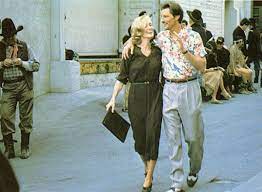
    The movie revolves around Fielding Pierce (played by Billy Crudup), a young and ambitious political activist with aspirations of becoming a Congressman. Fielding’s life takes an unexpected turn when he meets Sarah Williams (Jennifer Connelly), a passionate and artistic woman who shares his passion for social justice. Their passionate love affair is at the center of the film’s narrative, serving as the driving force behind Fielding’s journey of self-discovery and transformation.

    The story unfolds through a dual narrative structure, skillfully weaving between the 1970s, when Fielding and Sarah’s love story blossomed, and the 1980s, when Fielding is haunted by Sarah’s memory as he pursues his political career. This narrative technique allows the audience to explore the profound impact of Sarah’s life and death on Fielding’s psyche and political aspirations.

    The strength of “Waking the Dead” lies in its compelling character development, particularly that of Fielding Pierce. Billy Crudup delivers a remarkable performance, portraying Fielding’s evolution from an idealistic young activist to a haunted and conflicted politician. As the film oscillates between the past and the present, Crudup skillfully conveys Fielding’s emotional turmoil and inner conflict, making the character’s journey deeply relatable and engaging.

    Jennifer Connelly’s portrayal of Sarah Williams is equally impressive. Her character is complex, exuding both passion and vulnerability. Connelly brings Sarah to life with depth and authenticity, making her a captivating presence throughout the film. The chemistry between Crudup and Connelly is palpable, and their on-screen romance is both intense and believable.

    At its core, “Waking the Dead” explores the enduring power of love and the profound impact of loss on the human psyche. Fielding’s love for Sarah is all-encompassing and all-consuming. Their relationship is passionate, filled with idealism and youthful fervor. However, it is also plagued by the challenges of the tumultuous era they live in, with political activism, personal ambitions, and external pressures threatening to tear them apart.

    The film’s portrayal of loss is poignant and heart-wrenching. After Sarah’s tragic death, Fielding is left grappling with guilt, grief, and a sense of abandonment. His memories of Sarah haunt him, and he becomes obsessed with unraveling the mystery surrounding her death. The film raises thought-provoking questions about the nature of love and whether it can transcend death. Fielding’s journey to come to terms with his loss and find closure forms the emotional core of the movie.

    As Fielding pursues his political career in the 1980s, “Waking the Dead” delves into the moral dilemmas and compromises that come with the territory. Fielding’s idealism from the 1970s clashes with the pragmatism and compromises required in the world of politics. The film explores the tension between personal ambition and staying true to one’s principles, a theme that remains relevant in contemporary politics.

    Fielding’s internal struggle to balance his political aspirations with his memories of Sarah adds depth to his character. The film doesn’t shy away from portraying the morally ambiguous choices he makes, highlighting the complexity of political life. This aspect of the film invites viewers to reflect on the compromises and ethical decisions individuals in positions of power often face.

    “Waking the Dead” boasts strong visual storytelling, with cinematography by Tom Richmond that effectively captures the different time periods and moods of the film. The use of color palettes and lighting techniques helps distinguish between the past and the present, creating a visual distinction that aids in the narrative’s fluidity.

    The film’s soundtrack, featuring a mix of period-specific and contemporary music, enhances the emotional resonance of the story. The music serves as a backdrop to the characters’ experiences and adds depth to their emotional journeys.

    The editing by Jeff Wishengrad is particularly noteworthy, as it seamlessly weaves together the two timelines, allowing the audience to navigate the complex narrative structure with ease. This editing style mirrors Fielding’s own attempts to reconcile his past and present, creating a sense of unity in the storytelling.

    One of the strengths of “Waking the Dead” is its narrative complexity. The film invites viewers to actively engage with the story, piecing together the puzzle of Fielding’s life and the mystery of Sarah’s death. As the film unfolds, it becomes apparent that the past and present are interconnected, and every detail serves a purpose in unraveling the central mystery.

    The use of symbolism, such as recurring motifs like the red beret and the Polaroid photographs, adds depth to the narrative. These symbols serve as visual cues that tie the two timelines together, reinforcing the idea that Fielding’s past is inextricably linked to his present.

    Since its release in 2000, “Waking the Dead” has garnered a dedicated following of cinephiles who appreciate its nuanced storytelling and emotional depth. The film’s exploration of love, loss, and the moral dilemmas of political life has allowed it to remain relevant even years after its initial release.

    One of the enduring aspects of the film is its ability to spark discussions and reflections on the themes it presents. Viewers often find themselves pondering questions about the nature of love, the impact of personal choices on one’s life trajectory, and the challenges of maintaining one’s ideals in a world filled with compromise. These themes are universal and continue to resonate with audiences, making “Waking the Dead” a timeless piece of cinema.

    Additionally, the film’s narrative structure and use of symbolism have been studied and discussed by film enthusiasts and scholars alike. Its creative approach to storytelling, with its seamless shifts between past and present, serves as an example of how cinema can push boundaries and engage viewers on both intellectual and emotional levels.

    Billy Crudup’s Career and Impact

    “Waking the Dead” also played a significant role in cementing Billy Crudup’s reputation as a versatile and talented actor. His portrayal of Fielding Pierce demonstrated his ability to inhabit complex characters and convey a wide range of emotions. Following the film’s release, Crudup’s career continued to flourish, and he became a sought-after actor in both film and theatre.

    Crudup’s performance in “Waking the Dead” solidified his status as an actor capable of delivering compelling and emotionally charged roles. This led to a series of acclaimed performances in various films, including “Almost Famous” (2000) and “Big Fish” (2003), further establishing him as a respected figure in the film industry.

    Jennifer Connelly’s performance as Sarah Williams in “Waking the Dead” also contributed to her growing reputation as a talented actress. Her ability to bring depth and authenticity to her characters caught the attention of both critics and audiences. Connelly’s career continued to thrive, and she went on to win an Academy Award for her role in “A Beautiful Mind” (2001).

    The chemistry between Crudup and Connelly in “Waking the Dead” is a testament to their acting abilities and made them a memorable on-screen pair. While their careers took them in different directions, their collaboration in this film remains a standout moment in both of their filmographies.

    “Waking the Dead” also left its mark on independent filmmaking. The film’s success, albeit modest, showcased the potential of indie cinema to tackle complex and emotionally resonant narratives. It demonstrated that smaller, character-driven films could have a lasting impact and find dedicated audiences, even in the midst of a crowded and competitive industry.

    The film’s use of a dual narrative structure, where past and present interweave to create a compelling story, has served as an inspiration for other filmmakers exploring nonlinear storytelling techniques. It remains an example of how innovative narrative structures can elevate a film’s storytelling and engage viewers in a more profound way.

    In “Waking the Dead,” director Keith Gordon delivers a haunting and emotionally charged cinematic experience. The film’s exploration of love, loss, and redemption is both thought-provoking and deeply moving. Billy Crudup and Jennifer Connelly deliver exceptional performances, bringing their characters to life with authenticity and emotional depth. The film’s dual narrative structure, combined with its use of symbolism and compelling character development, makes it a memorable and intellectually engaging viewing experience.

    While “Waking the Dead” may not have achieved widespread recognition upon its release, it remains a hidden gem in the realm of indie cinema. Its exploration of timeless themes and its portrayal of the complexities of love and politics continue to resonate with audiences. For those who appreciate films that challenge the mind and touch the heart, “Waking the Dead” is a must-watch that deserves a place among the classics of contemporary cinema.

    Technical Commentary

    Video

    “Waking The Dead” is presented in a 1.85:1 anamorphic widescreen transfer. This is a flawless visual presentation, one with no problems to report. The contrast is of supreme important in this movie, as the visuals can become dark at times and this transfer delivers in all respects. Shadow depth is dead on, black levels are well balanced, and detail level is always high. The blacks seem crisp here and that adds a lot to the visual impact of the film. The colours are of a more natural scope here, but some brighter shades do emerge and flesh tones seem normal and warm also. No compression problems surface either, this is a tremendous visual transfer in every aspect.

    Audio

    This disc includes a Dolby Digital 5.1 track this turned out to be an impressive mix. The dialogue is the major element in this mix and sounds clean here, with no volume errors or harshness in the least. But the surrounds see a lot of attention, though perhaps not in an overpowering fashion. I noticed a lot of directional and subtle use, such as when Sarah speaks to Fielding after her death and those moments were enhanced tenfold by the audio presence. This is much like a romantic ghost story and as such, some terrific atmospheric audio is placed on display in this mix. The music is fantastic and arrives in a rich texture here, which is much appreciated. You can find many of the cues from the score on the menus pages, should you want to relax and listen to them in isolated form. This disc also includes a 2.0 surround track and subtitles in Spanish & English.

    Special Features

    • 1080P High-definition presentation on Blu-ray from a 2K scan
    • Audio Commentary by director Keith Gordon
    • Audio Commentary by film critic Bilge Ebiri (2023)
    • The Sum Total of Change – Interview with director Keith Gordon (2023)
    • Desperately Clinging to Utopian Ideals – Interview with actor Billy Crudup (2023)
    • Making-Of – archival featurette
    • Deleted scenes (with optional commentary by director Keith Gordon)
    • Theatrical Trailer
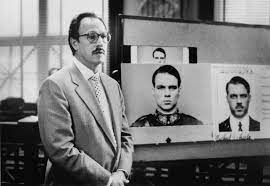
    • Aspect Ratio 1.85:1
    • Audio DTS HD 5.1 Surround
    • English HOH Subtitles
  • Trailer: The “Doctor Who” 60th Specials (2023)

    Trailer: “Doctor Who” (2023)

    The BBC has released the new full official trailer for the three 60th anniversary specials of “Doctor Who” due out in November.

    Boasting the titles “The Star Beast,” “Wild Blue Yonder” and “The Giggle,” the episodes which will feature David Tennant as the fourteenth incarnation of The Doctor (he previously played the tenth) whilst Catherine Tate returns as Donna Noble.

    The trailer doesn’t cover the question as to why Tennant’s “face” has come back, but does go heavily into the return of Donna and how her previous adventures with The Doctor that she was forced to forget are now going to come back into play.

    The Fifteenth Doctor, played by Ncuti Gatwa, will take control of the TARDIS alongside Millie Gibson as his new companion Ruby Sunday next year with Gatwa glimpsed ever so briefly in the final shot of the trailer.

    The three “Doctor Who” 60th-anniversary specials air this November on the BBC in the UK and on Disney+ around the rest of the world.

  • Trailer: Friedkin’s “Caine-Mutiny Court Martial”

    Trailer: “The Caine Mutiny Court-Martial” (2023)

    Showtime has premiered the trailer for William Friedkin’s “The Caine Mutiny Court-Martial,” the final film of the recently passed “The Exorcist” and “The French Connection” filmmaker.

    The work originated as Herman Wouk’s Pulitzer Prize-winning 1951 novel “The Caine Mutiny” which Wouk then adapted into a play in 1953, a film in 1954, a telemovie in 1955 and an Australian televised play in 1959.

    Barney Greenwald (Jason Clarke), a skeptical lawyer, reluctantly defends naval executive officer Stephen Maryk (Jake Lacy) who took control of the USS Caine from its captain, Lt. Philip Francis Queeg (Kiefer Sutherland), while caught in a violent sea storm.

    As the court-martial proceeds, however, Greenwald increasingly questions if it was truly a mutiny or rather the courageous acts of a group of sailors who could not trust their unstable leader.

    Friedkin both wrote and directed this new take which marks both his last work and one of the final works of actor Lance Reddick who died earlier this year and plays the judge here.

    It’s also the first film of the revived Republic Pictures label. “The Caine Mutiny Court-Martial” will stream October 6th on Paramount+ and Showtime.

  • Blu-ray review: “Career Opportunities” (1991)

    “Career Opportunities” (1991)

    Comedy

    Running Time: 83 minutes

    Written by: John Hughes

    Directed by: Bryan Gordon

    Featuring: Frank Whaley, Jennifer Connelly and Dermot Mulroney

    Josie: “And you’re happy, you know, you’re happy.”

    Jim Dodge: “I’m not happy. I’m working nights, everybody thinks I’m a liar, my whole family’s laughing at me… Reverend Harwell gave me the finger last week!”

    Critical Commentary

    “Career Opportunities,” directed by Bryan Gordon, is a film that holds a unique place in the history of cinema, particularly in the context of career opportunities within the movie industry itself. Released in 1991, the film not only entertains but also provides a backdrop against which we can explore the multifaceted nature of careers in the film business during that era. In this essay, we will delve into the film “Career Opportunities,” analyze its themes, characters, and production, and discuss the broader career opportunities available in the movie industry at the time.

    Directed by Bryan Gordon, “Career Opportunities” is a coming-of-age comedy that tells the story of Jim Dodge, played by Frank Whaley, a young man with dreams much bigger than his small-town life. The film’s events transpire over the course of one night when Jim, a night janitor at a local department store, finds himself locked in with an equally disenchanted co-worker, Josie McClellan, portrayed by Jennifer Connelly. As they navigate their confinement, the film explores themes of ambition, escape, and the pursuit of personal and professional fulfillment.

    Jim and Josie represent two contrasting perspectives on career opportunities. Jim is a dreamer, aspiring to escape his seemingly dead-end job, while Josie, a disillusioned rich girl, is unsure about her own path.

    The film delves into the idea that careers are not just about making a living but also about self-discovery and personal growth.

    To fully appreciate the significance of “Career Opportunities” within the context of career opportunities in the movie industry in 1991, it is essential to examine the various roles and professions within the film business during that era.

    Acting:

    Acting remained a highly sought-after career in the movie industry. Established actors continued to thrive, while newcomers like Frank Whaley, who played Jim, sought their break in the industry.

    The film industry offered opportunities for character actors, supporting roles, and leads, all of which required diverse acting skills.

    Writing and Directing:

    Aspiring writers and directors looked for opportunities to tell unique stories, much like John Hughes, who had left an indelible mark on the teen movie genre in the 1980s and early 1990s. Filmmakers sought to create compelling narratives that resonated with audiences, as exemplified by “Career Opportunities.”

    Production and Behind-the-Scenes Roles:

    The film industry relied on a vast network of professionals working behind the scenes. Producers, production managers, and coordinators played essential roles in managing the logistics of filmmaking. Cinematographers, editors, and visual effects artists worked tirelessly to bring stories to life, enhancing the visual and emotional impact of films.

    III. Bryan Gordon: A Director’s Journey

    Bryan Gordon, the director of “Career Opportunities,” had a unique career path within the film industry. His experience sheds light on the opportunities available to directors during this era.

    Television Background:

    Before directing “Career Opportunities,” Gordon was known for his work in television, including episodes of the popular series “Parks and Recreation” and “Curb Your Enthusiasm.” Television served as a platform for many directors to showcase their skills and transition into feature films.

    Transition to Film:

    “Career Opportunities” marked Gordon’s foray into feature films, highlighting the dynamic nature of career opportunities within the entertainment industry.

    The film industry often welcomed directors with a strong background in television, recognizing their ability to tell engaging stories.

    While “Career Opportunities” may not have achieved the same level of critical acclaim or commercial success as some other films of the era, it remains a valuable snapshot of the cinematic landscape in 1991. Its exploration of career choices and personal growth resonated with audiences then and continues to hold relevance today.

    The film served as an example of how stories about personal and professional development could find a place in cinema. Aspiring directors and writers could draw inspiration from Bryan Gordon’s journey and the film’s thematic exploration.

    “Career Opportunities” encapsulated the aspirations and challenges of a generation coming of age in the early 1990s. The film’s setting and characters reflected the societal and economic realities of the period.

    “Career Opportunities” (1991), directed by Bryan Gordon, offers not only a nostalgic look back at the early 1990s but also a window into the career opportunities that existed within the movie industry at that time. The film’s themes of ambition, escape, and personal growth resonate with those pursuing careers in the entertainment business, which often requires perseverance, creativity, and a willingness to embrace unexpected opportunities. In Bryan Gordon’s own career journey, we see the malleability of roles within the industry and the potential for growth and evolution, making it a testament to the ever-changing and dynamic nature of careers in the movie business.

    Technical Commentary

    Video

    Presented in an aspect ratio of 2.35:1, encoded with MPEG-4 AVC and granted a 1080p transfer, Career Opportunitiesarrives on Blu-ray courtesy of Kino Lorber. 

    I would not be surprised if it is was confirmed that the same person that prepared the existing master for Lost Highwaywas placed in charge with the preparation of the master that was used to produce this release of Career Opportunities. These masters are older, but both have very strong and practically identical organic qualities that I like a lot. 

    I am going to point out the two areas where some minor but meaningful improvements can be made. First, there is some extremely light crushing that flattens select nuances. However, even in very dark areas there is still plenty of very good detail to see and appreciate. If a new master is created on a modern equipment, the flattened nuances will be better exposed and easier to recognized, especially on a larger screen where these types of details become more prominent. Second, the grain can have slightly tighter and more even appearance. However, this is a very small complaint because the density levels on the current master are very, very good, and if you decide to upscale it to 4K, the issue is instantly resolved. Also, the fluidity of the visuals is already very good, so the uptick in quality will not be dramatic. The rest looks either very good or great. For example, depth is consistently pleasing. Clarity and sharpness are proper as well. Color saturation and balance are wonderful. Yes, a couple of minor adjustment can be made to strengthen a few ranges of supporting nuances, but the primaries look great. Image stability is excellent. The entire film looks clean as well. All in all, this is a very solid master that makes Career Opportunities look about as good as it can. 

    Audio

    There is only one standard audio track on this Blu-ray release: English DTS-HD Master Audio 2.0. Optional English SDH subtitles are provided for the main feature. When turned on, they appear inside the image frame. 

    On my system the audio sounded fantastic. In fact, I think that it is on par with what you will get from the redone lossless tracks on the various restorations of John Hughes’ big hits that have been made available on Blu-ray. Clarity, sharpness, depth, and balance are terrific, so if possible, when you view Career Opportunities turn up the volume as much as you can. There is some great music in this film. 

    Special Features

    • 1080P High-definition presentation on Blu-ray from a 2K scan
    • Audio Commentary by director Bryan Gordon (2023)
    • Interior. Night. – director of photography Donald McAlpine on filming Career Opportunities (2023)
    • Crafting Criminals – Interview with actors Dermot and Kieran Mulroney (2023)
    • Theatrical Trailer
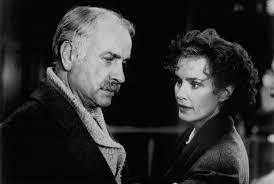
    • Optional English HOH Subtitles
    • Audio English LPCM 2.0 Stereo
    • Aspect Ratio 2.35:1