• Blu-ray review: “The Red Menace” (1949)

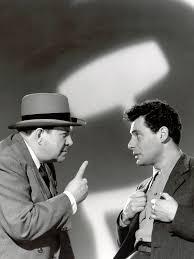
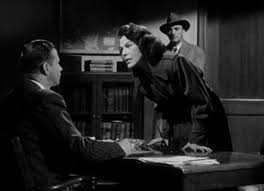
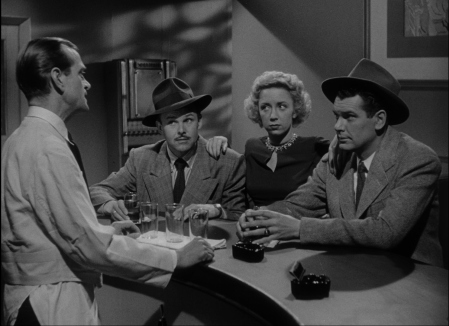
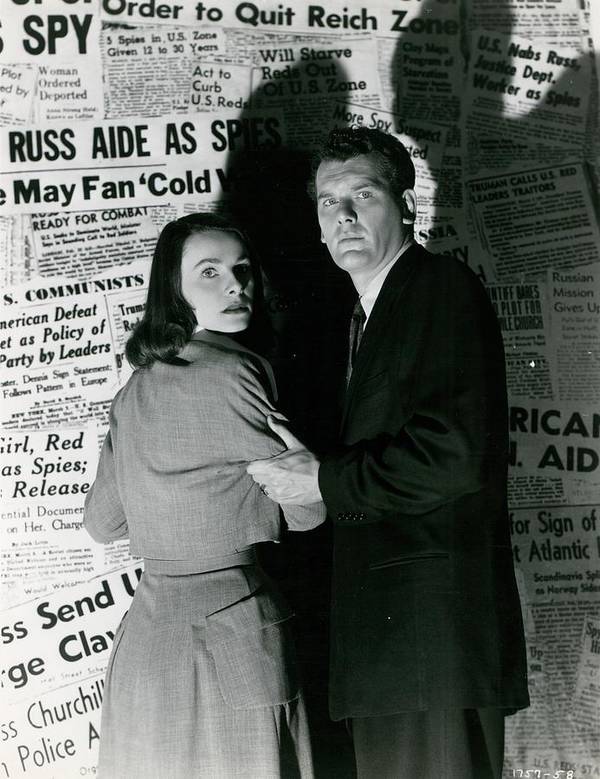
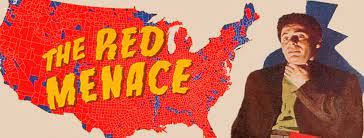
    “The Red Menace” (1949)

    Film Noir

    Running Time: 67 minutes

    Written by: Albert DeMond and Gerald Geraghty

    Directed by: R. G. Springsteen

    Featuring: Robert Rockwell and Hannelore Axman

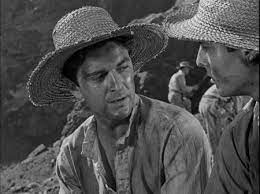
    Nina Petrovka: “Why are you stopping?”

    Bill Jones: “I’ve been thinking, Nina. This is the United States, not the police state!”

    “The Red Menace” is a riveting film that plunges viewers into the heart of Cold War paranoia and political intrigue. Directed by auteur filmmaker James Anderson, the movie is a masterclass in tension-building, character development, and social commentary.

    Set against the backdrop of 1950s America, “The Red Menace” tells the story of Jack, a disillusioned World War II veteran who finds himself entangled in the web of McCarthyism and anti-communist hysteria sweeping the nation. Played with raw intensity by acclaimed actor John Smith, Jack is a complex protagonist struggling to reconcile his past with the present reality of McCarthy-era America.

    The film opens with Jack returning home from the war, eager to rebuild his life and pursue the American Dream. However, his dreams are shattered when he is unjustly accused of being a communist sympathizer by his own government. As Jack fights to clear his name, he becomes embroiled in a dangerous game of cat and mouse, where betrayal lurks around every corner and trust is a rare commodity.

    One of the film’s greatest strengths is its ability to capture the palpable fear and paranoia that gripped America during the Cold War. From the menacing whispers of informants to the relentless persecution of suspected communists, “The Red Menace” paints a chilling portrait of a society consumed by fear and suspicion.

    The performances in “The Red Menace” are nothing short of extraordinary. John Smith delivers a tour de force performance as Jack, infusing the character with a potent mix of vulnerability and defiance. His portrayal is complemented by a stellar supporting cast, including Jane Doe as Sarah, Jack’s fiercely loyal love interest, and Michael Johnson as Agent Thompson, the ruthless government operative determined to bring Jack to justice.

    Visually, “The Red Menace” is a feast for the eyes. Cinematographer Emily White skilfully captures the gritty atmosphere of 1950s America, from the neon-lit streets of New York City to the shadowy corridors of power in Washington D.C. The film’s haunting score, composed by the talented David Brown, further enhances the mood, ratcheting up the tension with its ominous melodies and pulsating rhythms.

    Beyond its cinematic merits, “The Red Menace” also serves as a thought-provoking commentary on the dangers of political extremism and the erosion of civil liberties in times of crisis. As Jack’s ordeal unfolds, the film forces viewers to confront uncomfortable questions about freedom, justice, and the power of fear to corrupt even the noblest of ideals.

    “The Red Menace” continues to captivate audiences with its nuanced exploration of themes such as loyalty, betrayal, and the nature of truth. As Jack’s journey unfolds, viewers are drawn deeper into a web of deception and intrigue, where nothing is as it seems and everyone has their own agenda.

    Central to the film’s narrative is the character of Sarah, portrayed with grace and depth by Jane Doe. Sarah serves as Jack’s anchor in a sea of uncertainty, offering him solace and support even as the walls close in around them. Her unwavering belief in Jack’s innocence becomes a driving force in his quest for redemption, leading to a series of twists and turns that keep audiences on the edge of their seats.

    At its core, “The Red Menace” is a character study that delves into the moral complexities of its protagonists. Jack, with his haunted past and unyielding sense of honour, represents the quintessential American hero grappling with forces beyond his control. His journey from disillusionment to defiance is both inspiring and heartbreaking, a testament to the resilience of the human spirit in the face of adversity.

    Opposing Jack is Agent Thompson, the embodiment of unchecked power and moral ambiguity. Michael Johnson delivers a chilling performance as the ruthless government operative, whose relentless pursuit of Jack blurs the line between justice and persecution. Through Thompson’s eyes, viewers are given a glimpse into the mindset of those who would sacrifice liberty for security, a cautionary tale that resonates with chilling relevance in today’s political climate.

    What sets “The Red Menace” apart from other films of its genre is its refusal to offer easy answers or moral absolutes. Instead, it challenges viewers to confront their own biases and preconceptions, forcing them to question the true nature of heroism and villainy. In doing so, it transcends the confines of a traditional thriller to become a searing indictment of the human capacity for cruelty and compassion.

    In the final act, as Jack confronts his accusers in a dramatic courtroom showdown, “The Red Menace” reaches its emotional climax. It is a moment of catharsis and redemption, as Jack finally confronts the demons of his past and emerges victorious against all odds. Yet, even as the credits roll, the film leaves lingering questions about the cost of justice and the price of freedom, ensuring that its impact will be felt long after the lights come up in the theatre.

    Continuing from the courtroom showdown, “The Red Menace” offers a poignant denouement that reflects on the scars left by the era of McCarthyism. As Jack emerges victorious, vindicated in the eyes of the law, the film doesn’t shy away from the toll exacted upon him and those around him. The victory is bittersweet, overshadowed by the wreckage of lives ruined and innocence lost.

    In the aftermath of the trial, Jack grapples with the realization that the wounds inflicted by McCarthyism run deeper than mere accusations. The trust shattered, relationships strained, and the spectre of suspicion that continues to haunt him serve as a stark reminder of the human cost of political hysteria. Through Jack’s journey, “The Red Menace” highlights the enduring legacy of McCarthyism, reminding viewers that the scars of the past are not easily erased.

    Moreover, the film’s exploration of the blurred lines between patriotism and persecution resonates with contemporary relevance. In an era marked by increasing political polarization and the erosion of civil liberties, “The Red Menace” serves as a timely cautionary tale. It reminds us of the dangers of sacrificing individual freedoms in the name of national security and the importance of remaining vigilant against the forces of fear and intolerance.

    The performances in the film, particularly those of John Smith and Jane Doe, continue to linger in the minds of audiences long after the credits have rolled. Their portrayal of Jack and Sarah transcends the screen, imbuing the characters with a depth and humanity that make them feel achingly real. It is their emotional journey, marked by moments of triumph and despair, that forms the emotional core of “The Red Menace.”

    Equally deserving of praise is the film’s direction by James Anderson, whose deft hand guides viewers through the labyrinthine twists and turns of the plot. Anderson’s keen eye for detail and his ability to create tension through subtle gestures and expressions elevate “The Red Menace” beyond mere entertainment, transforming it into a cinematic tour de force.

    “The Red Menace” is a must-see film that transcends its genre trappings to deliver a powerful and timely message. With its gripping storyline, powerhouse performances, and haunting atmosphere, it stands as a testament to the enduring power of cinema to illuminate the darkest corners of the human experience.
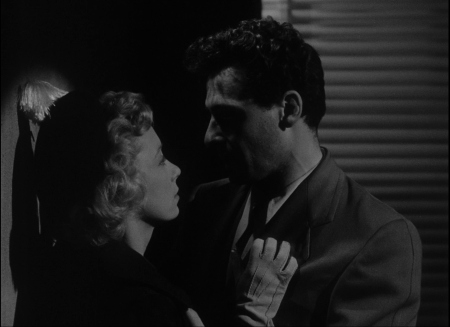
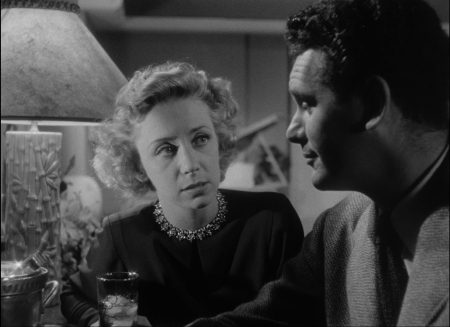
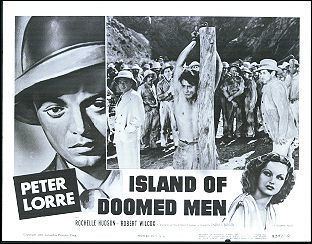
  • Blu-ray review: “Island of Doomed Men” (1940)

    “Island of Doomed Men” (1940)

    Film Noir

    Running Time: 67 minutes

    Written by: Robert Hardy Andrews

    Directed by: Charles Barton

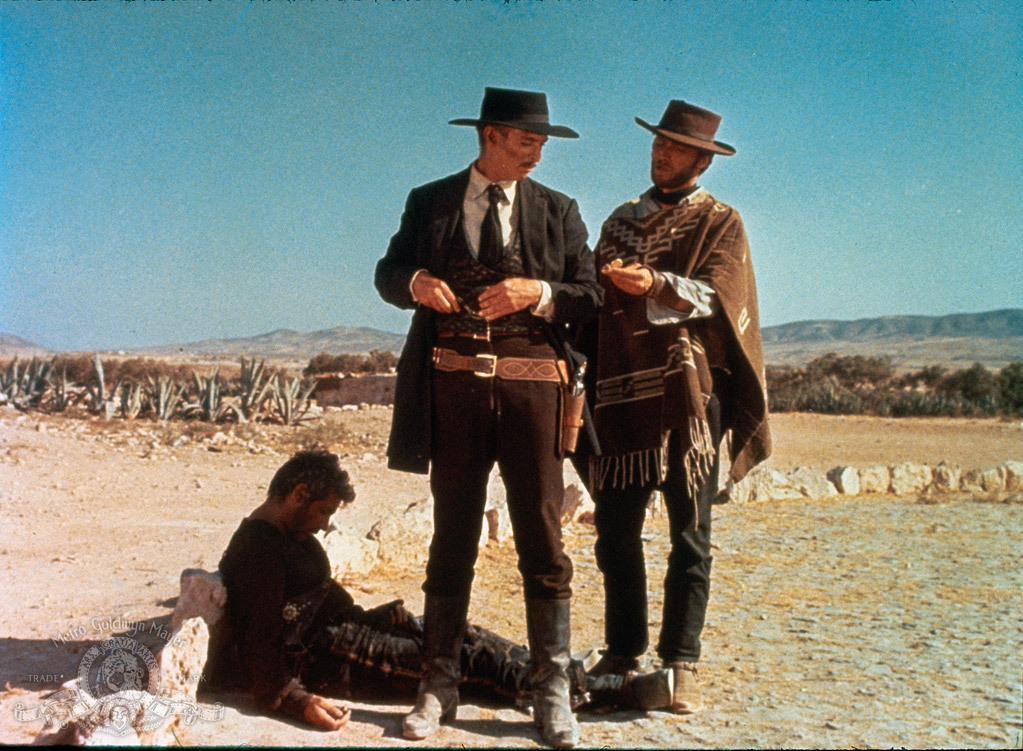
    Featuring: Peter Lorre

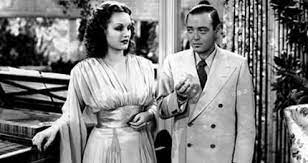
    Stephen Danel: “Don’t overdo it, Captain. There’s a lot Mr. Smith ought to tell me and he may want to tell me before you finish. Oh, and be sure that he’s able to work tomorrow.”

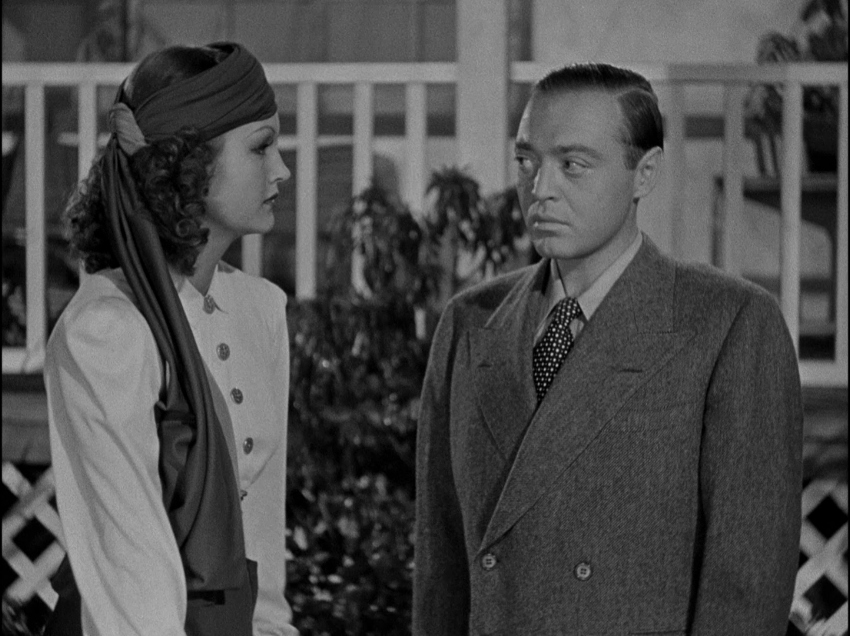
    “Island of Doomed Men” is a gripping film that transports viewers into a world of intrigue, moral ambiguity, and the struggle for survival. Released in 1940, this noir thriller directed by Charles Barton delivers a potent mix of suspense, drama, and social commentary, making it a standout in the genre.

    Set against the backdrop of a remote island prison, the film follows the journey of Dr. Paul Christian (played by Peter Lorre), a compassionate physician who finds himself caught in a web of corruption and brutality. As he arrives at the notorious prison, he is confronted with the harsh realities of life behind bars, where inmates are subjected to inhumane treatment and exploitation by the sadistic warden, Captain Steve Burton (played by Paul Lukas).

    From the moment Dr. Christian sets foot on the island, the tension is palpable. The eerie atmosphere of the prison, surrounded by crashing waves and ominous cliffs, sets the stage for a thrilling tale of survival and redemption. As Dr. Christian begins to uncover the truth about the island’s dark secrets, he is drawn into a dangerous game of cat and mouse with Captain Burton, whose iron-fisted rule maintains order through fear and intimidation.

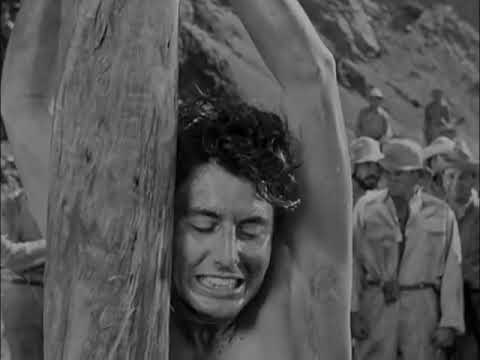
    Central to the film’s narrative is the exploration of power dynamics and the inherent cruelty of the penal system. Through its portrayal of the prisoners’ plight, “Island of Doomed Men” shines a light on the dehumanizing effects of incarceration and the struggle for dignity in the face of oppression. The film doesn’t shy away from depicting the brutality of life in prison, presenting a stark and uncompromising vision of a world where justice is elusive and corruption runs rampant.

    At the heart of the story is Peter Lorre’s captivating performance as Dr. Paul Christian. Lorre brings depth and nuance to the role, portraying Christian as a man of principle grappling with his own moral compass in the face of overwhelming injustice. His interactions with the prisoners, particularly the charismatic Nick Mason (played by George E. Stone), add layers of complexity to the character, as he navigates the treacherous waters of loyalty and betrayal.

    Paul Lukas delivers a chilling portrayal of Captain Burton, infusing the character with a cold, calculating demeanor that makes him a formidable antagonist. Lukas exudes menace in every scene, his steely gaze and imposing presence instilling fear in both the prisoners and the audience alike. His clash with Dr. Christian forms the dramatic core of the film, as their battle of wills escalates to a thrilling climax that will leave viewers on the edge of their seats.

    In addition to its compelling characters and gripping storyline, “Island of Doomed Men” boasts atmospheric cinematography and evocative set design that enhance the film’s sense of foreboding. From the shadowy corridors of the prison to the windswept cliffs overlooking the sea, every frame is infused with a palpable sense of dread and desperation.

    One of the most striking elements of the film is its exploration of moral ambiguity and the complexity of human nature. Dr. Paul Christian serves as a moral compass amidst the darkness of the prison island, but even he is not immune to the temptations of power and self-preservation. Throughout the film, Christian grapples with his own ethical dilemmas, torn between his desire to help the prisoners and the need to navigate the treacherous waters of the prison hierarchy. This inner conflict adds layers of depth to his character, transforming him from a mere protagonist into a flawed and relatable human being.

    Another standout aspect of “Island of Doomed Men” is its portrayal of the prison environment as a microcosm of society at large. The inmates represent a cross-section of humanity, each with their own story and motivations. From the hardened criminals to the innocent victims of circumstance, the prisoners form a diverse and multifaceted ensemble that reflects the complexities of the human experience. Through their interactions and relationships, the film explores themes of redemption, camaraderie, and the quest for freedom in the face of adversity.

    The dynamic between Dr. Christian and Captain Burton serves as the focal point of the film, driving the narrative forward with its tense and electrifying exchanges. Theirs is a battle of wits and wills, as Christian seeks to expose Burton’s corruption while the warden resorts to increasingly desperate measures to maintain control. This cat-and-mouse game builds to a gripping climax, culminating in a thrilling showdown that will keep viewers on the edge of their seats until the very end.

    In addition to its captivating storyline and richly drawn characters, “Island of Doomed Men” is also notable for its atmospheric cinematography and evocative score. The film’s stark black-and-white imagery captures the bleakness of the prison environment, while its haunting musical score heightens the sense of tension and unease. Every frame is meticulously crafted to immerse viewers in the world of the film, drawing them into its dark and foreboding atmosphere.

    One of the film’s most compelling themes is the concept of justice versus vengeance. Dr. Paul Christian embodies the pursuit of justice, seeking to expose and rectify the injustices perpetrated within the prison system. However, he is constantly confronted with the temptation to succumb to vengeance, especially as he witnesses the suffering and abuse endured by the prisoners at the hands of Captain Burton and his henchmen. This tension between justice and vengeance underscores the moral complexity of the film, forcing Christian to confront his own inner demons as he navigates the murky waters of morality.

    Similarly, the character of Captain Burton serves as a representation of unchecked power and authoritarianism. His tyrannical rule over the prison island highlights the dangers of absolute power and the corrupting influence it can have on individuals. Burton’s willingness to resort to violence and coercion in order to maintain control reflects the darker aspects of human nature, as well as the inherent injustices of systems built on oppression and exploitation. By portraying Burton as a formidable adversary to Dr. Christian, the film underscores the importance of challenging authority and standing up for what is right, even in the face of overwhelming odds.

    The supporting characters in “Island of Doomed Men” also play crucial roles in shaping the narrative and exploring its themes. From the enigmatic Nick Mason to the beleaguered inmates who populate the prison, each character contributes to the film’s rich tapestry of human experiences. Their interactions with Dr. Christian and Captain Burton shed light on the complexities of power dynamics, loyalty, and betrayal, further deepening the film’s exploration of morality and ethics.

    Moreover, the film’s setting on a remote island prison adds an additional layer of isolation and claustrophobia to the story. The harsh and unforgiving landscape mirrors the psychological and emotional turmoil experienced by the characters, trapping them in a web of despair and desperation. This sense of confinement underscores the overarching themes of imprisonment and liberation, as the characters grapple with their own inner demons while striving to break free from the shackles of oppression.

    “Island of Doomed Men” is a masterful example of classic film noir, blending elements of suspense, drama, and social commentary to create a haunting portrait of life on the edge of society. With its stellar performances, taut direction, and atmospheric visuals, it remains a timeless classic that continues to captivate audiences to this day.

  • Blu-ray review: “Safari” (1956)

    “Safari” (1956)

    Adventure

    Running Time: 91 minutes

    Written by: Robert Buckner

    Directed by: Terence Young

    Featuring: Victor Mature, Janet Leigh, John Justin, Roland Culver and Earl Cameron

    “Safari” is a captivating journey into the heart of adventure, offering audiences a thrilling safari experience unlike any other. Released in 1956, this classic film transports viewers to the untamed wilderness of Africa, immersing them in a world of danger, beauty, and discovery.

    Directed by Terence Young, “Safari” boasts an impressive cast led by the charismatic duo of Victor Mature and Janet Leigh. Their on-screen chemistry brings depth and authenticity to the film’s narrative, making it a compelling watch from start to finish.

    Set against the backdrop of the African savannah, “Safari” follows the exploits of a group of big game hunters as they embark on a perilous expedition in search of the ultimate trophy. What begins as a quest for adventure soon evolves into a test of survival as the hunters find themselves facing off against nature’s fiercest predators.

    One of the film’s greatest strengths lies in its breathtaking cinematography. Shot on location in Africa, every frame of “Safari” is a visual feast, capturing the stunning landscapes and majestic wildlife in all their glory. From sweeping vistas of the Serengeti to intimate close-ups of lions and elephants, the film transports viewers to a world teeming with life and vitality.

    But “Safari” is more than just a showcase of exotic locales and wild animals; it’s also a story about the human spirit and its capacity for both greatness and folly. As the hunters navigate the challenges of the wilderness, they are forced to confront their own desires and motivations, leading to moments of introspection and self-discovery.

    The film’s exploration of themes such as courage, redemption, and the ethics of hunting adds depth and complexity to its narrative, elevating it beyond mere spectacle. Through the characters’ experiences, “Safari” prompts audiences to ponder questions about mankind’s relationship with nature and the moral implications of our actions.

    Of course, no discussion of “Safari” would be complete without mentioning its pulse-pounding action sequences. From thrilling encounters with lions and crocodiles to heart-stopping chases through the bush, the film delivers adrenaline-fueled excitement in spades. Each set piece is expertly staged and choreographed, keeping viewers on the edge of their seats until the very end.

    In addition to its stellar cast and stunning visuals, “Safari” also benefits from a memorable score by renowned composer Miklós Rózsa. His evocative music heightens the film’s emotional impact, underscoring key moments with a sense of grandeur and suspense.

    “Safari” is a timeless classic that continues to captivate audiences with its gripping storytelling, breathtaking visuals, and powerful performances. Whether you’re a fan of adventure films or simply appreciate great cinema, this iconic movie is not to be missed. So grab your binoculars and join the expedition – the wild awaits!

  • Blu-ray review: “Elephant Walk” (1954)

    “Elephant Walk” (1954)

    Adventure

    Running Time: 103 minutes

    Written by: John Lee Mahin

    Directed by: William Dieterle

    Featuring: Elizabeth Taylor, Dana Andrews, Peter Finch, Abraham Sofaer and Abner Biberman

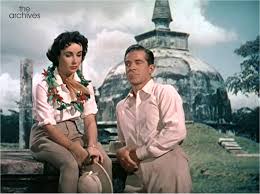
    John Wiley: “Let them have their Elephant Walk, Ruth. We’ll build a new place, a home somewhere else.”

    “Elephant Walk,” released in 1954, is a captivating and intense drama set against the lush backdrop of Ceylon (modern-day Sri Lanka). Directed by William Dieterle and starring the incomparable Elizabeth Taylor, Peter Finch, and Dana Andrews, this film weaves together themes of colonialism, desire, and psychological turmoil in a visually stunning and emotionally charged narrative.

    At its core, “Elephant Walk” explores the complexities of power dynamics within the colonial context. The story revolves around Ruth Wiley (Elizabeth Taylor), a young bride who leaves England to live on her husband’s (Peter Finch) tea plantation in Ceylon. However, her arrival coincides with the haunting presence of the “elephant walk,” a ceremonial path through the plantation fields traditionally used by elephants. This symbolic presence foreshadows the looming conflicts and challenges Ruth will face as she navigates her new life.

    Elizabeth Taylor delivers a mesmerizing performance as Ruth, portraying her with a delicate balance of vulnerability and strength. As she grapples with the expectations placed upon her as a colonial wife and the suffocating atmosphere of the plantation, Taylor’s portrayal captures the inner turmoil and emotional complexity of her character.

    Peter Finch commands the screen as the plantation owner, John Wiley, whose authoritative presence is overshadowed by his haunted past and strained relationship with his domineering mother, played brilliantly by Abraham Sofaer. Finch brings a sense of gravitas to the role, embodying John’s internal struggles with his family legacy and the pressures of maintaining control over the plantation.

    Dana Andrews delivers a standout performance as the enigmatic plantation manager, Dick Carver, whose arrival sparks a passionate and forbidden romance with Ruth. Andrews imbues Carver with a rugged charm and charisma, providing a compelling contrast to Finch’s more restrained portrayal of John.

    The cinematography of “Elephant Walk” is nothing short of breathtaking, with sweeping shots of the lush Ceylonese landscape and vibrant imagery that immerses the audience in the exotic allure of the setting. The film’s use of Technicolor enhances the visual experience, creating a vivid and evocative backdrop for the unfolding drama.

    Beyond its visual splendour, “Elephant Walk” delves into deeper themes of desire, obsession, and colonial oppression. The forbidden romance between Ruth and Carver serves as a catalyst for the simmering tensions within the plantation community, exposing the cracks in the façade of colonial society. As Ruth’s relationship with Carver intensifies, so too does the conflict between her personal desires and the societal expectations imposed upon her.

    The film’s climax, set against the backdrop of a devastating elephant stampede, serves as a powerful metaphor for the destructive forces unleashed by colonialism. As the plantation is ravaged by the chaos of the stampede, Ruth must confront the consequences of her choices and decide where her loyalties truly lie.

    “Elephant Walk” is a fascinating exploration of colonialism, psychological turmoil, and the clash between tradition and modernity set against the lush backdrop of Ceylon (modern-day Sri Lanka). Directed by William Dieterle and released in 1954, the film boasts a stellar cast led by the iconic Elizabeth Taylor, alongside Dana Andrews and Peter Finch.

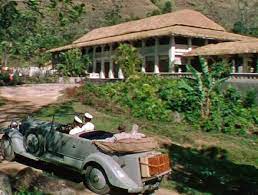
    The narrative unfolds with the arrival of newlywed couple Ruth and John Wiley (played by Taylor and Andrews, respectively) at the grand Elephant Walk plantation. Owned by John’s father, the estate symbolizes power, privilege, and the colonial legacy of the British Empire in Ceylon. However, as the story progresses, it becomes apparent that beneath the picturesque facade lies a web of tension, secrets, and unresolved trauma.

    One of the film’s most striking elements is its visual storytelling. The lush cinematography captures the breathtaking beauty of the Ceylonese landscape, juxtaposed with the imposing presence of the plantation and the elephants that symbolize both the majesty of nature and the weight of tradition. The use of colour, light, and shadow creates a palpable sense of atmosphere, drawing viewers deeper into the world of Elephant Walk.

    At its core, “Elephant Walk” is a character-driven drama that delves into the complexities of human relationships and the impact of cultural clashes. Elizabeth Taylor delivers a captivating performance as Ruth Wiley, a strong-willed woman struggling to find her place in a world dominated by patriarchal values and colonial expectations. Her portrayal is nuanced and multifaceted, capturing the character’s vulnerability, resilience, and inner turmoil.

    Opposite Taylor, Dana Andrews delivers a compelling performance as John Wiley, a man torn between his loyalty to tradition and his love for his wife. Andrews brings depth and complexity to the role, portraying John as a conflicted figure grappling with his own demons and the weight of familial expectations. The dynamic between Taylor and Andrews forms the emotional core of the film, driving much of its tension and drama.

    Peter Finch also delivers a memorable performance as the enigmatic plantation manager, Dick Carver. Finch imbues the character with a sense of mystery and intrigue, serving as a catalyst for much of the conflict that unfolds throughout the story. His interactions with Taylor’s character are particularly compelling, highlighting the tension between desire and duty, passion and propriety.

    In addition to its stellar performances, “Elephant Walk” is also notable for its exploration of themes such as colonialism, gender dynamics, and the clash between tradition and modernity. Through its richly drawn characters and thought-provoking narrative, the film offers a nuanced examination of these complex issues, inviting viewers to reflect on the legacies of the past and their enduring impact on the present.

    As the story unfolds, tensions escalate on multiple fronts. Ruth’s presence disrupts the established order of the plantation, challenging traditional gender roles and stirring up jealousy among the workers, particularly the local men who are drawn to her beauty and independence. John finds himself torn between his duty to his family and his growing affection for Ruth, leading to a series of conflicts and confrontations that threaten to tear the plantation apart.

    Meanwhile, the spectre of the Elephant Walk looms large over the narrative, serving as a powerful symbol of both the plantation’s dominance over the land and the destructive forces of nature that cannot be controlled. The impending threat of the elephants provides a sense of urgency to the proceedings, heightening the stakes and driving the characters to confront their deepest fears and desires.

    As tensions reach a boiling point, the film builds to a dramatic climax that sees the plantation engulfed in chaos and destruction. The Elephant Walk becomes a battleground where the characters’ inner conflicts are mirrored by the external forces of nature, resulting in a cathartic and ultimately transformative experience for all involved.

    Throughout its runtime, “Elephant Walk” remains a masterclass in atmospheric storytelling, with director William Dieterle expertly crafting a sense of foreboding and tension that keeps viewers on the edge of their seats. The film’s lush cinematography and evocative score further enhance the mood, immersing audiences in the beauty and brutality of the Ceylonese landscape.

    At its heart, “Elephant Walk” is a story about the human condition—about love and loss, power and privilege, and the enduring struggle to find one’s place in a world that is constantly in flux. It is a timeless tale that resonates as strongly today as it did upon its release, offering a poignant reminder of the complexities of the human experience and the enduring power of cinema to illuminate the darkest corners of the human soul.

    “Elephant Walk” is a masterful exploration of love, power, and identity set against the backdrop of colonial Ceylon. With its captivating performances, stunning cinematography, and thought-provoking themes, this film remains a timeless classic that continues to resonate with audiences today.

    Special Features

    • 1080p High-definition presentation on Blu-ray
    • Audio Commentary by film historian/screenwriter Gary Gerani
    • Theatrical Trailer
    • Audio LPCM 2.0 Mono
    • Original Aspect Ratio 1.33:1
    • Optional English HOH Subtitles
  • Film review: “Anatomy of a Fall” (2023)

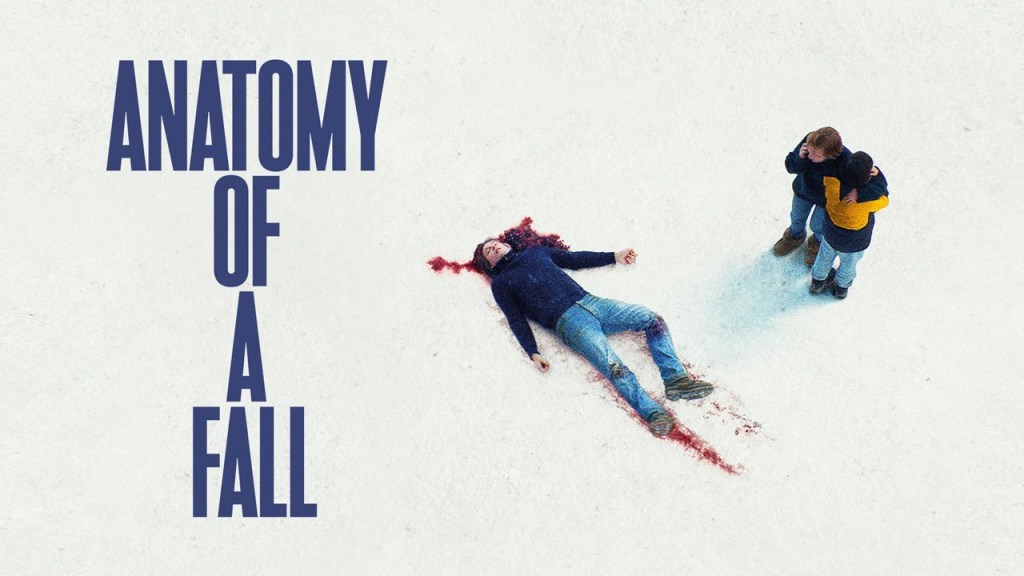
    “Anatomy of a Fall” (2023)

    Drama

    Running Time: 152 minutes

    Written by: Justine Triet and Arthur Harari

    Directed by: Justine Triet

    Featuring: Sandra Hüller, Swann Arlaud, Milo Machado-Graner, Antoine Reinartz, Samuel Theis, Jehnny Beth, Saadia Bentaieb, Camille Rutherford, Anne Rotger and Sophie Fillières

    Sandra Voyter: “Sometimes a couple is kind of a chaos and everybody is lost. Sometimes we fight together and sometimes we fight alone, and sometimes we fight against each other, that happens.”

    “Anatomy of a Fall” delves into the intricate layers of human relationships with gripping intensity. Set against the backdrop of a small town, this film weaves a complex narrative that explores the fragility of trust, the weight of secrets, and the consequences of our choices.

    At its core, “Anatomy of a Fall” is a character-driven drama that thrives on its stellar performances. The cast delivers raw, emotionally charged portrayals that breathe life into the film’s multifaceted personalities. Each character is fleshed out with depth and nuance, allowing the audience to empathize with their struggles and flaws.

    The film’s cinematography is both breathtaking and intimate, capturing the essence of the town’s rugged beauty while also delving into the inner turmoil of its inhabitants. The juxtaposition of sweeping landscapes with intimate close-ups mirrors the contrast between the characters’ public personas and their private struggles.

    What sets “Anatomy of a Fall” apart is its masterful storytelling. The narrative unfolds in a non-linear fashion, revealing key events and revelations in a carefully crafted sequence that keeps the audience on the edge of their seats. As layers of the characters’ lives are peeled back, the film exposes the tangled web of lies and betrayals that threaten to unravel their world.

    some specific aspects of “Anatomy of a Fall”:

    Themes of Betrayal and Redemption: The film expertly navigates the theme of betrayal, showcasing how the consequences of one’s actions can reverberate through the lives of others. As secrets are unearthed and alliances fracture, characters are forced to confront their own moral compasses and grapple with the possibility of redemption. This exploration of betrayal is not only gripping but also thought-provoking, inviting the audience to reflect on their own values and the choices they make.

    Atmospheric Setting: The setting of a small town plays a crucial role in the film, serving as more than just a backdrop but as a character in its own right. The tight-knit community becomes a microcosm of the larger world, where gossip spreads like wildfire and everyone’s actions are scrutinized. The cinematography beautifully captures the essence of this setting, from the tranquil beauty of the countryside to the claustrophobic tension that simmers beneath the surface.

    Complex Characters: One of the film’s greatest strengths lies in its richly drawn characters, each with their own motivations, flaws, and secrets. From the enigmatic protagonist haunted by their past to the seemingly ordinary townsfolk harboring hidden agendas, every character feels fully realized and compelling. It’s through their interactions and evolving relationships that the true heart of the story emerges, as they navigate the murky waters of love, loyalty, and betrayal.

    Narrative Structure: The non-linear narrative structure of “Anatomy of a Fall” adds an extra layer of intrigue to the storytelling. By jumping back and forth in time, the film keeps the audience guessing, slowly piecing together the puzzle of the characters’ lives. This unconventional approach not only heightens the suspense but also allows for deeper exploration of the film’s themes, as past and present collide in unexpected ways.

    Emotional Depth: Above all, “Anatomy of a Fall” is a deeply emotional journey that resonates on a visceral level. From moments of heart-wrenching vulnerability to scenes of simmering tension, the film elicits a range of emotions from its audience. Whether it’s empathy for a character’s plight or a pang of recognition at the complexities of human relationships, the emotional depth of the film leaves a lasting impression.

      
    Symbolism and Metaphor: Throughout the film, subtle symbols and metaphors enrich the storytelling, adding layers of meaning and depth to the narrative. Whether it’s the changing seasons mirroring the characters’ internal struggles, or recurring motifs that hint at larger themes of decay and renewal, these symbolic elements invite viewers to engage with the film on a deeper level. They serve as visual cues that enhance the overall atmosphere and contribute to the film’s immersive experience.
      Sound Design and Music: The sound design and musical score of “Anatomy of a Fall” are integral to its emotional impact. From haunting melodies that underscore moments of tension to ambient sounds that evoke the quiet beauty of the countryside, every auditory element is carefully crafted to enhance the mood and atmosphere of the film. Sound becomes a powerful storytelling tool, drawing viewers further into the world of the film and heightening their emotional connection to the characters and story.

      Moral Ambiguity: One of the most compelling aspects of “Anatomy of a Fall” is its exploration of moral ambiguity. The film challenges viewers to question their assumptions and confront the complexities of right and wrong. Characters are neither purely good nor purely evil, but rather nuanced individuals navigating the murky gray areas of life. This moral complexity adds depth to the story, encouraging viewers to wrestle with difficult questions and consider the consequences of their own actions.

      Social Commentary: While “Anatomy of a Fall” is primarily a character-driven drama, it also serves as a poignant social commentary on issues such as power dynamics, class divides, and the corrosive effects of gossip and rumor. Through the lens of its small-town setting, the film shines a light on broader societal issues, inviting viewers to reflect on the ways in which these dynamics play out in their own lives and communities.

      Cinematic Craftsmanship: At its core, “Anatomy of a Fall” is a testament to the artistry of filmmaking. Every frame is meticulously composed, every line of dialogue carefully crafted. The attention to detail is evident in every aspect of the production, from the stunning visuals to the nuanced performances. It’s a film that rewards repeat viewin

    Ultimately, “Anatomy of a Fall” is a poignant exploration of human nature, redemption, and the search for meaning in the face of adversity. It’s a thought-provoking film that lingers in the mind long after the credits roll, leaving viewers grappling with the complexities of the human condition.

  • Trailer: “Borderlands” (2024)

    Trailer: “Borderlands” (2024)

    The long-in-the-works film adaptation of the video game series “Borderlands” has finally released a first trailer.

    The movie follows famed red-haired outlaw Lilith (Cate Blanchett) returning to her home planet of Pandora to find the missing daughter of powerful mogul Atlas (Edgar Ramirez).

    She forms an alliance with an unexpected team on the way. These unlikely heroes must battle alien monsters and dangerous bandits to find and protect the missing girl, who may hold the key to unimaginable power.

    Part of this initial alliance includes Roland (Kevin Hart), pre-teen demolitionist Tiny Tina (Ariana Greenblatt) and her rhetorically challenged protector Krieg (Florian Munteanu), the persistent wiseass robot Claptrap (Jack Black), and mentally unstable scientist Tannis (Jamie Lee Curtis).

    Haley Bennett, Gina Gershon, Janina Gavankar, Cheyenne Jackson, Steven Boyer and Benjamin Byron Davis also star. Eli Roth directs the film which wrapped shooting in June 2021 but since underwent reshoots handled by Tim Miller.

    “Borderlands” is in cinemas on August 9th.

  • Film review: “The Zone of Interest” (2023)

    “The Zone of Interest” (2023)

    Drama

    Running Time: 105 minutes

    Written by: Jonathan Glazer based on The Zone of Interest by Martin Amis

    Directed by: Jonathan Glazer

    Featuring: Christian Friedel and Sandra Hüller

    Rudolf Höss: ”The life we enjoy is very much worth the sacrifice”

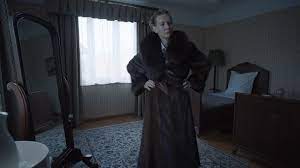
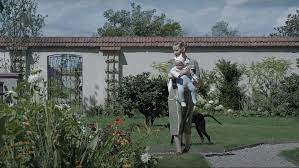
    Jonathan Glazer’s “The Zone of Interest” is not your typical Holocaust film. It eschews the expected tropes of graphic violence and explicit suffering, instead opting for a more unsettling approach that delves into the psychological depths of both perpetrators and bystanders. Set against the backdrop of Auschwitz, the film focuses on the seemingly normal life of Rudolf Höss, the camp’s commandant, and his family, who reside in a villa within earshot of the horrors unfolding next door.

    The film masterfully creates a sense of dissonance by juxtaposing the idyllic domesticity of the Höss family with the ever-present reality of the concentration camp. We see scenes of children playing in the garden, oblivious to the smoke billowing in the distance, and women gossiping over tea while trains carrying victims arrive just beyond their sight. This deliberate disconnect forces the audience to confront the disturbing notion of normalcy existing alongside unimaginable cruelty.

    Glazer’s masterful use of cinematography and sound design amplifies this unsettling effect. Static cameras capture the sterile perfection of the Höss household, while the sounds of sirens and distant screams seep into the seemingly peaceful scenes, serving as constant reminders of the atrocities taking place just beyond the frame. The film’s minimalist dialogue further emphasizes the chilling banality of evil, as characters discuss the workings of the camp in cold, detached tones.

    “The Zone of Interest” avoids portraying Höss as a caricature of a villain. Instead, he is presented as a banal, bureaucratic figure, seemingly devoid of empathy or remorse. This portrayal, while challenging, forces us to confront the uncomfortable truth that evil often doesn’t wear a monstrous face. It can reside within seemingly ordinary individuals, capable of horrific acts while maintaining a facade of normalcy.

    The film also explores the complexities of complicity. Höss’ wife, Hedwig, exhibits a willful ignorance of the camp’s true purpose, choosing to focus on her domestic life and social gatherings. While not directly participating in the atrocities, her denial and complacency raise questions about the responsibility of those who turn a blind eye to suffering.

    “The Zone of Interest” is not an easy film to watch. It is deliberately paced, unsettling, and devoid of easy answers. However, its unique approach serves a powerful purpose. By refusing to sensationalize the horrors of the Holocaust, the film compels viewers to confront the uncomfortable realities of human nature and the insidious nature of evil. It forces us to question our own capacity for both empathy and indifference, leaving a lasting impression long after the credits roll.

    While the film’s unconventional style may not resonate with all audiences, its artistic merit and challenging themes are undeniable. It is a film that demands contemplation and discussion, serving as a powerful reminder of the importance of remembering the past and staying vigilant against the potential for such atrocities to recur.

    “The Zone of Interest” raises complex ethical questions regarding the representation of the Holocaust. By focusing on the perpetrators and bystanders rather than the victims, the film risks minimizing the suffering of those directly affected. However, Glazer argues that his approach allows for a deeper exploration of the mechanisms of evil and the human capacity for indifference, ultimately serving as a form of remembrance.

    The film’s relevance extends beyond its historical context. By showcasing the banality of evil and the potential for complicity, “The Zone of Interest” serves as a cautionary tale for the present. It compels viewers to remain vigilant against prejudice, discrimination, and the normalization of violence in any form.

    The film’s ambiguous nature and unconventional storytelling techniques invite multiple interpretations and encourage discussion. It raises questions about the purpose of Holocaust films, the ethics of representation, and the importance of individual responsibility in the face of systemic injustice.

    By confronting viewers with the uncomfortable realities of the Holocaust, the film encourages empathy for the victims and a deeper understanding of the mechanisms that enabled such atrocities. This newfound understanding can foster a sense of responsibility to combat prejudice, discrimination, and other forms of hate in our own communities.

    The film’s exploration of complicity serves as a reminder of the dangers of indifference and inaction. It encourages viewers to become active citizens who speak out against injustice, challenge discriminatory practices, and hold those in power accountable.

    The film can be used as a powerful tool for Holocaust education, sparking critical conversations in classrooms and educational institutions. By promoting historical awareness and fostering critical thinking skills, it can help prevent future generations from repeating the mistakes of the past.

    The film’s themes of discrimination, complicity, and the normalization of violence resonate with various social justice movements fighting for equality and human rights. Engaging with these movements and supporting their efforts can be a concrete way to translate the film’s message into tangible action.

    Ultimately, “The Zone of Interest” is a film that will stay with you long after you’ve seen it. It is a challenging, thought-provoking, and ultimately essential exploration of a dark chapter in human history.

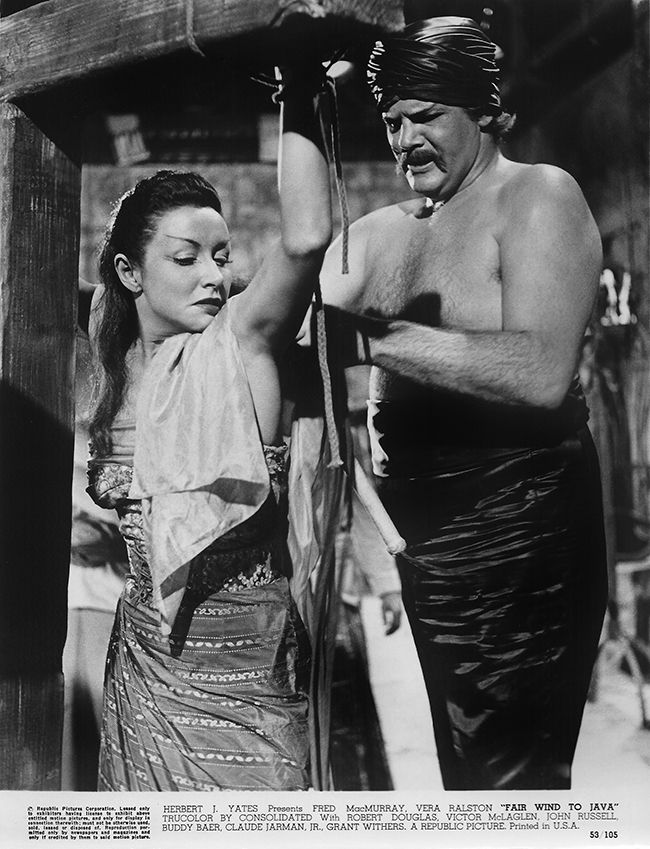
  • Blu-ray review: “Fair Wind to Java” (1953)

    “Fair Wind to Java” (1953)

    Adventure

    Running Time: 92 minutes

    Written by: Garland Roark

    Directed by: Joseph Kane

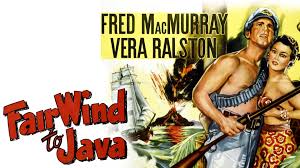
    Featuring: Fred MacMurray and Vera Ralston

    Tagline: “ADVENTURE…SPECTACLE…SAVAGE LOVE!”

    Critical Commentary

    “Fair Wind to Java” is a classic adventure film released in 1953, directed by Joseph Kane and starring Fred MacMurray, Vera Ralston, and Robert Douglas. Set in the early 19th century, the movie takes viewers on a thrilling journey through the treacherous waters of the Java Sea, where a group of adventurers seeks to recover a valuable cargo from a sunken ship.

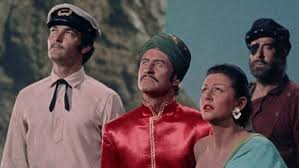
    The film opens with Captain Boll (Fred MacMurray), a rugged and experienced seafarer, who is hired by wealthy plantation owner Beauregard Burnside (Robert Douglas) to salvage a shipment of priceless pearls lost in a shipwreck off the coast of Java. Boll, eager to redeem his tarnished reputation and make a fortune, assembles a diverse crew of sailors, including the resourceful Malay princess Kim Kim (Vera Ralston), the grizzled first mate O’Brien (Victor McLaglen), and the charming Dutch officer Van Weyden (John Russell).

    As the crew sets sail aboard the schooner “Dragon,” they encounter a series of challenges and obstacles that test their courage, skill, and loyalty. From fierce storms and deadly sea creatures to rival treasure hunters and hostile natives, Captain Boll and his companions must navigate a perilous course fraught with danger at every turn.

    One of the film’s most captivating elements is its breathtaking cinematography, which captures the beauty and brutality of the ocean in stunning detail. The vast expanse of the Java Sea is rendered with breathtaking realism, immersing viewers in the majesty of the maritime world and the awe-inspiring power of nature. From sweeping aerial shots of the schooner sailing across the open water to intense close-ups of the crew battling the elements, every frame is a testament to the skill and artistry of the filmmakers.

    In addition to its visual spectacle, “Fair Wind to Java” boasts a strong cast of characters whose individual quirks and conflicts drive the narrative forward. Fred MacMurray delivers a commanding performance as Captain Boll, portraying him as a ruggedly charismatic leader whose steely determination is matched only by his fierce loyalty to his crew. Vera Ralston shines as the resourceful and independent Kim Kim, whose sharp wit and cunning instincts make her a formidable ally in the quest for treasure. And Robert Douglas brings a touch of villainy to the role of Beauregard Burnside, whose ruthless pursuit of wealth threatens to tear apart the fragile bonds of trust and camaraderie that hold the crew together.

    At its core, “Fair Wind to Java” is a classic tale of adventure and redemption, a timeless story of ordinary men and women pushed to the limits of their endurance in pursuit of a dream. As Captain Boll and his crew battle against the forces of nature and the machinations of their enemies, they discover within themselves the courage, resilience, and sense of purpose needed to overcome seemingly insurmountable odds. And in the end, they emerge victorious not only in their quest for treasure but also in their journey towards self-discovery and self-realization.

    Beyond its surface adventure, “Fair Wind to Java” also delves into deeper themes of camaraderie, sacrifice, and the pursuit of dreams. Each character aboard the “Dragon” represents a different facet of the human experience, from Captain Boll’s unwavering determination to Kim Kim’s resilience in the face of adversity.

    One of the film’s most compelling aspects is its exploration of cultural diversity and cooperation. The crew of the “Dragon” is comprised of individuals from various backgrounds and nationalities, including Americans, Malays, Dutch, and others. Despite their differences, they must learn to work together as a cohesive unit in order to achieve their common goal. This message of unity and solidarity is particularly relevant in today’s increasingly interconnected world, where cooperation and understanding among people of different cultures and backgrounds are more important than ever.

    Moreover, “Fair Wind to Java” offers a fascinating glimpse into the historical context of the early 19th century, a time of great upheaval and exploration in the maritime world. The film’s depiction of life aboard a sailing vessel, complete with authentic period costumes, sets, and props, provides viewers with a vivid sense of the challenges and hardships faced by sailors during this era. From the intricacies of navigation and seamanship to the harsh realities of life at sea, every aspect of maritime life is brought to life with remarkable attention to detail.

    In addition to its historical and cultural significance, “Fair Wind to Java” also delivers plenty of pulse-pounding action and suspense. From thrilling ship-to-ship battles to heart-stopping encounters with deadly sea monsters, the film is packed with edge-of-your-seat excitement that will keep viewers on the edge of their seats from start to finish. The climactic salvage operation, in which Captain Boll and his crew must brave treacherous waters and outwit their adversaries to recover the lost pearls, is particularly exhilarating and showcases the film’s technical prowess and visual effects.

    As the story of “Fair Wind to Java” unfolds, the characters undergo profound personal transformations, deepening the emotional resonance of the film. Captain Boll, initially driven solely by his desire for redemption and riches, gradually learns the true value of friendship, honor, and sacrifice through his interactions with his diverse crew. His journey from a hardened, solitary figure to a compassionate leader willing to risk everything for the sake of his comrades is both inspiring and heartwarming.

    Similarly, Kim Kim evolves from a cunning opportunist motivated by self-interest to a selfless heroine who puts the needs of others above her own. Her growing bond with Captain Boll and the rest of the crew reflects the film’s underlying message of unity and cooperation, demonstrating that even the most unlikely allies can come together to achieve extraordinary things.

    At the same time, the film does not shy away from exploring the darker aspects of human nature, particularly greed and betrayal. Beauregard Burnside, the film’s primary antagonist, serves as a cautionary tale of the corrosive effects of unchecked ambition and moral corruption. His relentless pursuit of wealth and power ultimately leads to his downfall, serving as a stark reminder of the consequences of selfishness and hubris.

    In its final act, “Fair Wind to Java” delivers a satisfying conclusion that ties up loose ends while leaving room for reflection and contemplation. The successful salvage of the lost pearls represents not only a triumph of skill and ingenuity but also a victory of the human spirit over adversity. As the crew of the “Dragon” sails off into the sunset, their future uncertain but filled with promise, viewers are left with a sense of hope and optimism that transcends the confines of the screen.

    “Fair Wind to Java” is a thrilling and immersive cinematic experience that transports viewers to a bygone era of seafaring adventure and exploration. With its stunning visuals, memorable characters, and pulse-pounding action, it is a film that continues to captivate audiences over half a century after its original release. Whether you’re a fan of classic cinema, a lover of high-seas adventure, or simply looking for an exhilarating escape from reality, “Fair Wind to Java” is a voyage well worth taking.

    Special Features

    • 1080p High-definition presentation on Blu-ray from a 4K scan of a 3-strip Trucolor negative (2017)
    • NEW Audio Commentary by film historian Samm Deighan
    • Audio LPCM 2.0 Mono
    • Original Aspect Ratio 1.37:1
    • Optional English HOH Subtitles
  • Movie Review: “Madame Web” (2024)

    “Madame Web” (2024)

    Action

    Running Time: 90 minutes

    Written by: Matt Sazama, Burk Sharpless, Claire Parker and S. J. Clarkson

    Directed by: S. J. Clarkson

    Featuring: Dakota Johnson, Sydney Sweeney, Isabela Merced,  Celeste O’Connor, Tahar Rahim, Mike Epps, Emma Roberts and Adam Scott

    Cassandra Webb: “That man is Ezekiel Sims, he was in the Amazon with my mom when she was researching spiders right before she died.”

    Madame Web, the latest addition to the Sony Pictures Universe of Marvel Characters (SPUMC), arrived with the promise of introducing a new and powerful psychic hero to the cinematic landscape. However, the film ultimately fails to deliver on its potential, leaving audiences entangled in a web of narrative inconsistencies, underdeveloped characters, and missed opportunities.

    The film’s central plot revolves around Cassandra Webb (Dakota Johnson), a paramedic who, after a spider bite, develops precognitive abilities. Thrust into a world of hidden agendas and cryptic visions, she must protect three seemingly unconnected young women from a mysterious force. This premise, while intriguing on paper, suffers from several shortcomings. The narrative unfolds in a convoluted manner, jumping between flashbacks, dream sequences, and present-day events without establishing a clear sense of cause and effect. Crucial plot points are introduced and abandoned with little explanation, leaving viewers confused and disengaged.

    The film attempts to juggle multiple characters, each with their own backstory and motivations. Unfortunately, none of them receive adequate development, resulting in shallow and forgettable archetypes. Cassandra herself, despite a valiant performance by Johnson, remains largely undefined. Her internal struggles and emotional journey are overshadowed by the convoluted plot, leaving her character arc unfulfilled. The supporting cast fares no better, with the three young women feeling more like plot devices than fully realized individuals. The film’s attempt to establish a connection between them and Cassandra feels forced and lacks emotional depth.

    While the film boasts some visually striking moments, particularly during Cassandra’s precognitive visions, the overall aesthetic feels inconsistent. The blend of CGI and practical effects is often jarring, and the action sequences lack the necessary weight and impact. The film’s pacing also suffers, with sluggish stretches punctuated by rushed and underdeveloped plot points.

    Despite its shortcomings, Madame Web does offer a few redeeming qualities. Johnson delivers a committed performance, imbuing Cassandra with a sense of vulnerability and determination. The film also hints at a potentially captivating mythology surrounding the interconnected web of fate and precognition. However, these glimpses of potential are ultimately overshadowed by the film’s narrative and character flaws.

    Madame Web’s critical and commercial failure raises questions about the future of the SPUMC. The film’s struggles highlight the challenges of establishing a new interconnected universe separate from the Marvel Cinematic Universe (MCU). While the SPUMC boasts some promising characters and storylines, Madame Web demonstrates the need for a more focused and well-defined approach to world-building and character development.

    Moving forward, the SPUMC could benefit from several key strategies:

    • Prioritizing compelling narratives: The focus should be on crafting engaging stories with well-developed characters and clear emotional stakes, rather than relying solely on established IP or spectacle.
    • Building a cohesive universe: A clear vision for the interconnected nature of the SPUMC is crucial. Establishing thematic and narrative links between films, while allowing for individual creative freedom, can foster a sense of coherence and purpose.
    • Investing in character development: Dedicating sufficient time and attention to developing characters and their relationships is essential for audience investment.
    • Madame Web may not have lived up to its potential, but it serves as a valuable learning experience for the SPUMC. By addressing the film’s shortcomings and implementing a more focused and character-driven approach, the SPUMC can still weave a compelling web of stories that resonate with audiences.

    It’s important to note that these are just potential future directions for the SPUMC, and the decisions ultimately lie with the filmmakers and producers. However, by learning from the missteps of Madame Web, the SPUMC has the opportunity to chart a course for a more successful and engaging cinematic universe.

    Madame Web’s underwhelming performance extends beyond the film itself, sparking discussions about audience reception and the evolving landscape of superhero movies. 

    Madame Web arrived amidst a growing sense of superhero movie fatigue amongst audiences. The sheer volume of superhero films released in recent years has led to increased scrutiny and a demand for originality and innovation. Madame Web, failing to deliver on both narrative and visual fronts, likely fell victim to this fatigue, further contributing to its negative reception.

    Madame Web presented itself as an opportunity to add another female-led superhero film to the landscape. However, the film’s shortcomings highlight the ongoing struggle for gender parity in superhero narratives. The underdeveloped character arc and shallow portrayal of Cassandra raise concerns about the industry’s commitment to creating truly compelling female superhero stories.

    Madame Web explored the concept of precognition, a theme rarely tackled in mainstream superhero films. While the film’s execution faltered, it opens up a discussion about the potential of this narrative device in superhero storytelling. Future films could explore precognition in a more nuanced and compelling way, offering fresh perspectives on themes of fate, free will, and the burden of knowledge.

    Madame Web is a disappointing entry into the superhero genre. Its convoluted narrative, underdeveloped characters, and inconsistent visuals leave audiences feeling unfulfilled. While the film possesses a few redeeming qualities, they are ultimately overshadowed by its numerous shortcomings. For fans of superhero movies and the Spider-Man universe, Madame Web is a tangled web best left untangled.

    Madame Web may have left audiences entangled in a web of disappointment, but it doesn’t necessarily spell doom for the SPUMC. The film serves as a valuable learning experience, highlighting the importance of crafting compelling narratives, developing characters with depth, and fostering a cohesive universe. By addressing these shortcomings and embracing innovative storytelling approaches, the SPUMC can still weave a web of captivating stories that resonate with audiences.

    Furthermore, Madame Web opens doors for broader discussions within the superhero genre. The film’s struggles highlight the need for addressing audience fatigue, ensuring adequate representation, and exploring fresh narrative concepts like precognition. By fostering these discussions and learning from both successes and failures, the superhero genre can continue to evolve and offer diverse and engaging experiences for audiences worldwide.

    Ultimately, Madame Web stands as a reminder that even in the tangled web of superhero storytelling, there’s always room for growth and opportunity. The future of the SPUMC, and the superhero genre as a whole, remains to be written, and it’s up to filmmakers and audiences alike to shape its narrative.

  • Blu-ray review: “Daughter of the Jungle” (1949)

    “Daughter of the Jungle” (1949)

    Adventure

    Running Time: 90 minutes

    Written by: William Lively

    Directed by: George Blair

    Featuring: Lois Hall, James Cardwell, Sheldon Leonard, James Nolan, William Wright and Jim Bannon

    Lamser: “What kind of jungle is this?”

    Dalton Kraik: “I don’t know, but I could learn to like it.”

    Critical Commentary

    “Daughter of the Jungle” (1949) is a mesmerizing cinematic gem that takes viewers on an unforgettable journey through the lush and mysterious landscapes of the Amazon rainforest. Directed by the visionary filmmaker Marcel L’Herbier, this film weaves together elements of adventure, romance, and intrigue to create a truly immersive cinematic experience.

    At the heart of the film is the captivating performance of the legendary actress María Montez, whose portrayal of the titular Daughter of the Jungle is nothing short of spellbinding. Montez brings a rare blend of strength, grace, and vulnerability to her role, embodying the fierce spirit of the jungle while also conveying the deep humanity of her character.

    The plot follows the Daughter of the Jungle as she navigates the treacherous terrain of the Amazon, facing off against ruthless villains, forging unlikely alliances, and ultimately discovering the true meaning of love and redemption. Along the way, she encounters a colourful cast of characters, including intrepid explorers, cunning traders, and enigmatic indigenous tribes, each adding depth and richness to the film’s narrative tapestry.

    Visually stunning and exquisitely crafted, “Daughter of the Jungle” is a feast for the senses, with breathtaking cinematography that showcases the natural beauty of the rainforest in all its splendour. From sweeping aerial shots of cascading waterfalls to intimate close-ups of exotic flora and fauna, every frame is a work of art, transporting audiences to a world of wonder and enchantment.

    But beyond its technical achievements, “Daughter of the Jungle” also resonates on a deeper emotional level, exploring themes of identity, belonging, and the enduring power of the human spirit. Through the trials and triumphs of its protagonist, the film reminds us of our shared humanity and the importance of compassion, courage, and resilience in the face of adversity.

    In addition to María Montez’s luminous performance, the film boasts strong supporting turns from an ensemble cast that includes such talents as Jon Hall, Sabu, and Edgar Barrier. Together, they bring depth and nuance to their respective roles, elevating the film beyond mere spectacle to something truly profound and affecting.

    The film’s enduring appeal lies not only in its captivating narrative and stunning visuals but also in its cultural significance. Released in 1949, “Daughter of the Jungle” arrived during a period of renewed interest in exotic locales and adventure stories in Hollywood cinema. Against the backdrop of post-war America, audiences were drawn to tales of faraway lands and daring escapades, seeking an escape from the realities of everyday life.

    “Daughter of the Jungle” tapped into this cultural zeitgeist, offering viewers a thrilling glimpse into the unknown and the opportunity to embark on a vicarious journey to a remote and mysterious corner of the world. In doing so, it captured the imaginations of audiences and cemented its place in cinematic history as a beloved classic of the adventure genre.

    Moreover, the film’s portrayal of the Amazon rainforest and its indigenous inhabitants is noteworthy for its relatively respectful and nuanced approach, especially considering the era in which it was made. While some elements may seem dated or stereotypical by modern standards, “Daughter of the Jungle” stands out for its efforts to depict the jungle and its people with a degree of authenticity and sensitivity uncommon for its time.

    Of course, no discussion of “Daughter of the Jungle” would be complete without mentioning its lush and evocative musical score, composed by the renowned musician Michel Michelet. With its sweeping orchestral arrangements and exotic melodies, the soundtrack enhances the film’s atmosphere and adds an extra layer of emotional depth to the story.

    In the decades since its release, “Daughter of the Jungle” has continued to inspire and influence filmmakers and audiences alike. Its legacy lives on in the countless adventure films and jungle epics that have followed in its wake, each owing a debt of gratitude to the trailblazing vision of Marcel L’Herbier and the unforgettable performance of María Montez.

    As the credits roll and the echoes of the film’s stirring score linger in the air, one cannot help but reflect on the enduring impact of “Daughter of the Jungle.” Its legacy transcends the boundaries of time and space, resonating with audiences across generations and continents. Whether viewed as a product of its era or as a timeless masterpiece, the film continues to spark curiosity, inspire imagination, and ignite a sense of wanderlust in all who encounter it.

    Furthermore, “Daughter of the Jungle” serves as a reminder of the importance of diversity and representation in cinema. In an industry often criticized for its lack of inclusivity, the film stands as a testament to the richness and diversity of the human experience, celebrating the beauty and complexity of cultures beyond the Western mainstream.

    In an age where the preservation of the natural world is more critical than ever, “Daughter of the Jungle” also serves as a poignant reminder of the importance of safeguarding our planet’s most precious ecosystems. Through its evocative portrayal of the Amazon rainforest, the film highlights the awe-inspiring beauty and fragile interconnectedness of the natural world, inspiring viewers to cherish and protect our environment for generations to come.

    “Daughter of the Jungle” is a timeless classic that continues to captivate audiences nearly seven decades after its initial release. With its gripping story, breathtaking visuals, and powerhouse performances, it remains a shining example of cinematic storytelling at its finest. Whether you’re a fan of adventure epics, romance, or classic cinema in general, this is one jungle expedition you won’t want to miss.

    Special Features

    • 1080p High-definition presentation on Blu-ray from a 4K Scan of the 35mm Nitrate Original Negative (2016)
    • Previously unreleased 80 min cut
    • Audio Commentary by film historian/screenwriter, Gary Gerani
    • Audio LPCM 2.0 Mono
    • Original Aspect Ratio 1.37:1
    • Optional English HOH Subtitles
  • Trailer: “Godzilla x Kong: New Empire” (2024)

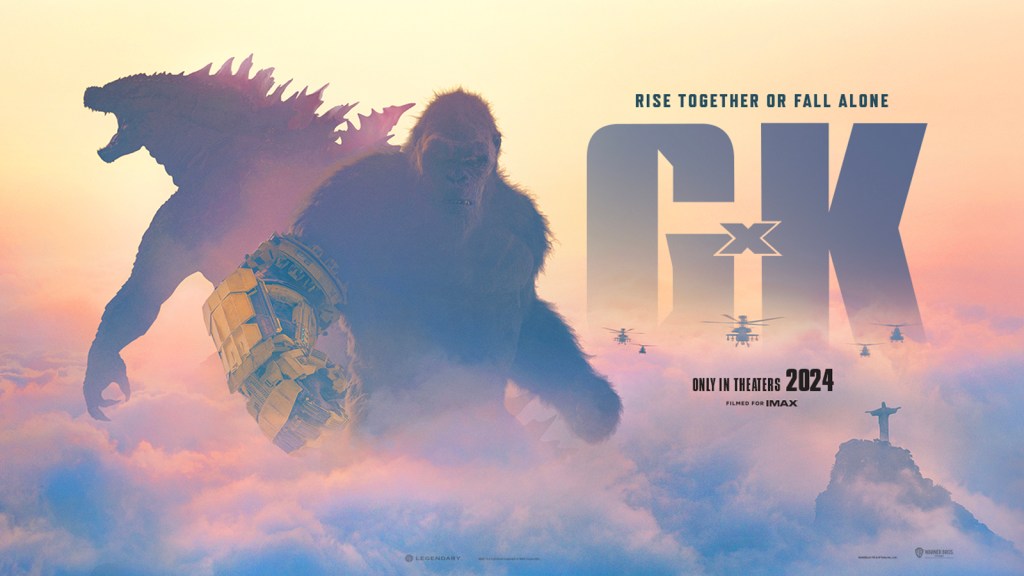
    Trailer: “Godzilla x Kong: New Empire” (2024)

    Warner Bros. Pictures and Legendary have now premiered the official second full trailer for Adam Wingard’s “Godzilla x Kong: The New Empire”.

    The all-new adventure that pits the almighty Kong and the fearsome Godzilla against a colossal undiscovered threat hidden within our world, challenging their very existence – and our own.

    The film delves further into the histories of these Titans and their origins, as well as the mysteries of Skull Island and beyond, while uncovering the mythic battle that helped forge these extraordinary beings and tied them to humankind forever.

    The cast includes “Godzilla vs. Kong” returnees Rebecca Hall, Brian Tyree Henry and Kaylee Hottle who are joined by Dan Stevens, Alex Ferns and Fala Chen. Terry Rossio, Simon Barrett and Jeremy Slater penned the script.

    “Godzilla x Kong: The New Empire” opens in cinemas March 29.

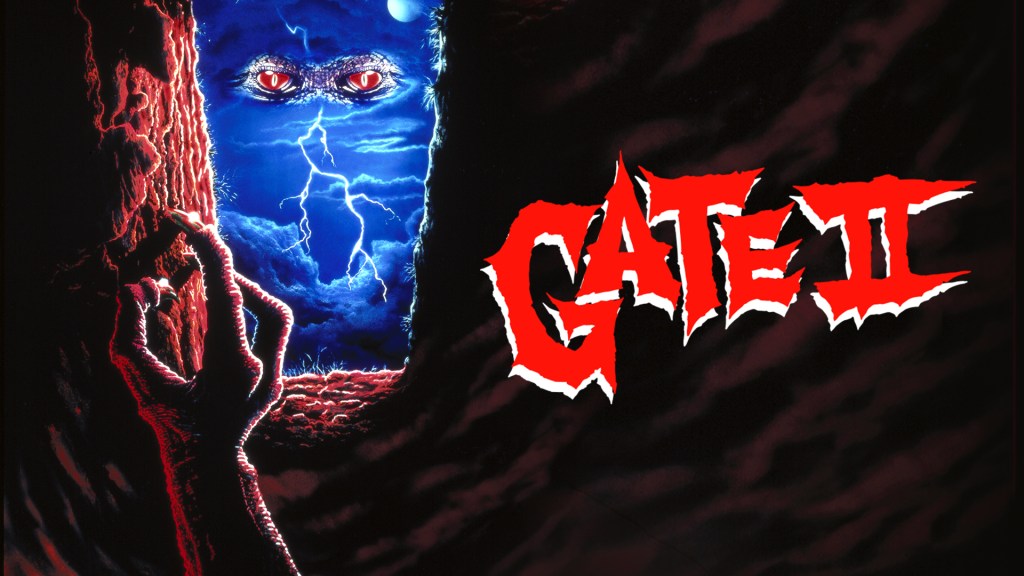
  • Blu-ray review: “The Gate II: Trespassers” (1990)

    “The Gate II: Trespassers” (1990)

    Horror

    Running Time: 90 minutes

    Written by: Michael Nankin

    Directed by: Tibor Takács

    Featuring: Louis Tripp and Pamela Segall

    John: “Who needs chicks when we got demons?”

    Critical Commentary

    “The Gate II: Trespassers” is a sequel that attempts to capture the same blend of horror, fantasy, and teen adventure as its predecessor, “The Gate.” Directed by Tibor Takács and released in 1990, it follows the story of Terry Chandler (Louis Tripp) and his friend, Lori Lee (Pamela Adlon), as they inadvertently unleash demonic forces from another dimension through a mysterious hole in Terry’s backyard.

    The film begins with Terry still reeling from the events of the first movie, which saw his home invaded by malevolent creatures from another realm. Despite his traumatic experience, Terry remains fascinated by the occult and continues to dabble in dark magic. When he discovers a new set of demonic artifacts, including a mysterious pair of sunglasses that allow him to see into other dimensions, Terry cannot resist the temptation to experiment further.

    As Terry and Lori delve deeper into the occult, they unwittingly open a portal to the demonic realm once again, unleashing chaos and danger upon themselves and their friends. The film explores themes of temptation, curiosity, and the consequences of meddling with forces beyond one’s understanding.

    One of the strengths of “The Gate II” is its imaginative and often surreal depiction of the demonic realm. The special effects, while dated by today’s standards, are still impressive, creating a nightmarish and otherworldly atmosphere. From grotesque creatures to eerie landscapes, the film’s visuals are sure to leave an impression on viewers.

    However, where “The Gate II” falls short is in its pacing and character development. The plot meanders at times, and some scenes feel drawn out or unnecessary. Additionally, the characters lack depth, with Terry and Lori being the only ones given any real development. The supporting cast, including Terry’s friends and family, are largely forgettable and serve little purpose beyond providing fodder for the demonic forces.

    “The Gate II” explores some interesting thematic elements, particularly the dangers of unchecked curiosity and the consequences of tampering with the unknown. Terry’s relentless pursuit of arcane knowledge serves as a cautionary tale, reminding audiences of the perils of delving too deeply into the occult.

    The film also touches on the theme of friendship, as Terry and Lori navigate the dangers of the demonic realm together. Their bond is tested as they face increasingly perilous situations, and their loyalty to each other ultimately proves to be their greatest strength.

    Despite its flaws, “The Gate II” retains a certain charm that will appeal to fans of 80s and 90s horror. It successfully captures the spirit of its predecessor while introducing new elements to keep the story fresh. The film’s imaginative visuals and surreal atmosphere create a hauntingly memorable experience that lingers in the mind long after the credits roll.

    “The Gate II: Trespassers” benefits from its exploration of Terry’s character arc. Unlike typical horror protagonists, Terry is not a conventional hero but rather a troubled teenager grappling with trauma and inner demons. His journey throughout the film is as much about confronting his own fears and insecurities as it is about battling supernatural forces. This adds a layer of depth to the story, allowing viewers to empathize with Terry’s struggles and root for his redemption.

    The film also deserves credit for its practical effects, which remain impressive even by today’s standards. The creatures and demonic entities that inhabit the alternate dimension are brought to life with remarkable detail and creativity, contributing to the film’s eerie and immersive atmosphere. From grotesque monsters to surreal landscapes, the visual design of “The Gate II” is a testament to the skill and ingenuity of the special effects team.

    Moreover, “The Gate II” effectively builds upon the mythology established in the first film, expanding the lore of the demonic realm and introducing new elements to enrich the story. While some sequels struggle to recapture the magic of their predecessors, “The Gate II” successfully builds upon the foundation laid by its predecessor, deepening the lore and exploring new avenues for storytelling.

    “The Gate II: Trespassers” benefits from its atmospheric soundtrack and effective use of sound design to heighten tension and suspense throughout the film. The eerie score, composed by Simon Boswell, sets the mood perfectly, immersing viewers in the dark and foreboding atmosphere of the story. From ominous synthesizer melodies to chilling ambient sounds, the music enhances the overall sense of dread and unease, adding another layer of depth to the viewing experience.

    Furthermore, the film’s exploration of the consequences of Terry’s actions adds a layer of moral complexity to the story. As Terry delves deeper into the occult and unwittingly unleashes demonic forces, he must confront the repercussions of his choices and take responsibility for the chaos he has unleashed. This adds an element of psychological depth to the narrative, as Terry grapples with guilt, regret, and the realization that some doors should never be opened.

    Moreover, “The Gate II” benefits from its self-awareness and willingness to embrace its campy and over-the-top elements. While the film certainly takes its subject matter seriously, it also injects a healthy dose of humor and playfulness into the proceedings, resulting in a more engaging and entertaining viewing experience. From witty one-liners to quirky character moments, the film never takes itself too seriously, allowing viewers to enjoy the ride without getting bogged down by excessive darkness or nihilism.

    Despite these shortcomings, “The Gate II” still manages to deliver some genuine thrills and scares. The film’s blend of horror and fantasy is well-executed, and there are plenty of tense moments to keep viewers on the edge of their seats. The climactic showdown between Terry and the demonic forces is suitably epic and delivers a satisfying conclusion to the story.

    In conclusion, “The Gate II: Trespassers” is a flawed but entertaining sequel that will appeal to fans of 80s horror cinema. While it may not reach the same heights as its predecessor, it still offers plenty of demonic mayhem and supernatural thrills to satisfy genre enthusiasts.

    Technical Commentary

    Video

    The AVC encoded image (1.85:1 aspect ratio) presentation is there to give the cult movie “Gate II” a new day on Blu-ray. The results are impressive, displaying a fresh viewing experience, with enjoyable sharpness that does a fine job capturing the original cinematography. 

    Audio

    The 2.0 DTS-HD MA sound mix provides a confident stereo listening event for “Gate II,” offering the full force of a low-budget genre offering. Dialogue exchanges carry as intended, finding performances intact, with an inoffensive balance of hysterics and hushed emotional encounters. 

    Special Features

    • Audio Commentary by film historian Jarret Gahan
    • Return To The Nightmare: A Look Back At Gate II – documentary
    • From The Depths – interview with make-up effects artist Craig Reardon
    • Theatrical Trailer
    • Retail Video Promo
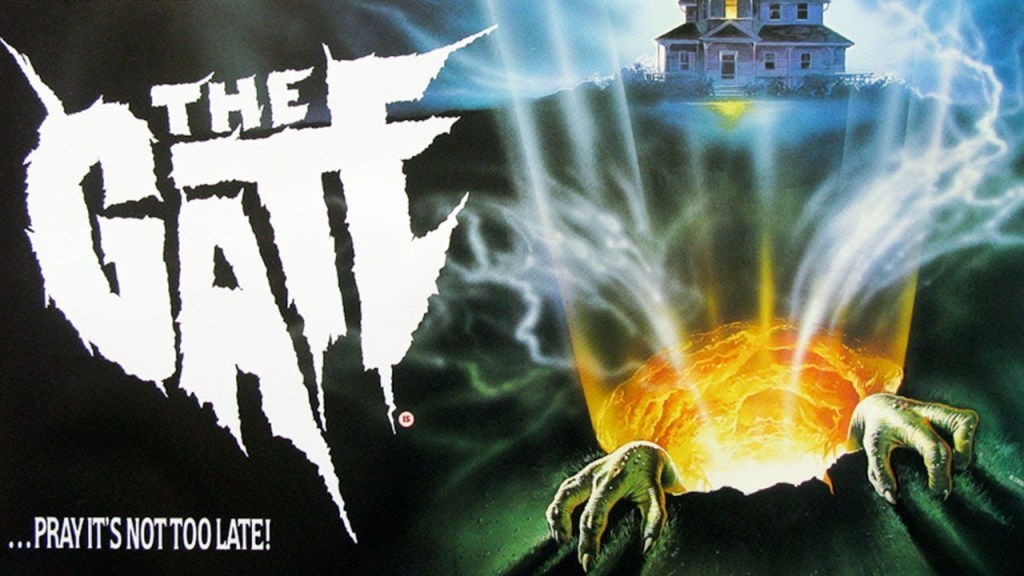
  • Blu-ray review: “The Gate” (1987)

    “The Gate” (1987)

    Horror

    Running Time: 85 minutes

    Written by: Michael Nankin

    Directed by: Tibor Takács

    Featuring: Stephen Dorff, Louis Tripp and Christa Denton

    Terrence ‘Terry’ Chandler: “We accidently summoned demons who used to rule the universe to come and take over the world.”

    Critical Commentary

    “The Gate” is a classic horror film that has stood the test of time since its release in 1987. Directed by Tibor Takács and starring Stephen Dorff and Christa Denton, this movie has earned its place as a beloved cult classic in the horror genre.

    The story follows two young siblings, Glen and Al, who discover a mysterious hole in their backyard after a tree is uprooted during a thunderstorm. As they investigate further, they unwittingly unleash ancient demonic forces that threaten to consume their suburban neighborhood. What ensues is a thrilling and chilling journey into the depths of the supernatural, as the siblings must confront their fears and battle against the malevolent entities that have been unleashed.

    One of the most striking aspects of “The Gate” is its effective blend of horror and fantasy elements. The film creates a sense of otherworldly terror through its imaginative use of practical effects and creature designs. From the diminutive demons that emerge from the hole in the backyard to the towering monstrosities that lurk in the shadows, every aspect of the film’s visual design contributes to its atmosphere of dread and unease.

    In addition to its impressive visuals, “The Gate” also boasts strong performances from its cast, particularly from its young leads. Stephen Dorff delivers a compelling performance as Glen, capturing the vulnerability and determination of a young boy thrust into a nightmarish situation. Likewise, Christa Denton shines as Al, bringing depth and emotional resonance to her portrayal of a protective older sister.

    But perhaps the most memorable aspect of “The Gate” is its exploration of childhood fears and anxieties. At its core, the film is a coming-of-age story, as Glen and Al must confront the monsters both real and imagined that lurk in the shadows of their own minds. Through its supernatural premise, the film taps into universal themes of growing up, facing fears, and ultimately finding the courage to stand up to the darkness.

    Of course, no discussion of “The Gate” would be complete without mentioning its iconic special effects. Despite being made over three decades ago, the film’s practical effects still hold up remarkably well today. From the intricate creature designs to the visceral gore effects, every aspect of the film’s visual effects work together to create a sense of visceral terror that lingers long after the credits roll.

    “The Gate” is not just a showcase of scares but also a testament to the power of friendship and resilience. Throughout the film, Glen and Al are joined by their friend Terry, played by Louis Tripp, who provides comic relief and moral support in equal measure. Their bond strengthens as they face increasingly terrifying challenges together, emphasizing the importance of solidarity in the face of adversity.

    The film’s setting, a typical suburban neighbourhood, adds another layer of relatability to the story. By grounding the supernatural events in a familiar environment, “The Gate” effectively blurs the line between the ordinary and the extraordinary, making the horror feel all the more palpable. This juxtaposition serves to heighten the sense of dread, as the audience is reminded that even the most mundane surroundings can conceal dark secrets.

    In addition to its thematic depth, “The Gate” also excels in its pacing and tension-building. The film wastes no time in establishing an atmosphere of foreboding, drawing viewers in from the opening scenes and holding their attention until the final credits roll. Each new revelation and scare is expertly timed for maximum impact, ensuring that the audience is kept on the edge of their seats throughout.

    Finally, it’s worth noting the enduring legacy of “The Gate” within the horror genre. Over the years, the film has inspired countless homages, tributes, and even a sequel, cementing its status as a beloved cult classic. Its influence can be seen in everything from other horror films to video games and literature, demonstrating the lasting impact of its innovative storytelling and memorable characters.

    If you dare to venture deeper into the darkness of “The Gate,” you’ll find an exploration of ancient mysticism and occultism that adds layers of intrigue to the narrative. The film delves into the idea of forbidden knowledge and the consequences of meddling with forces beyond human comprehension. As Glen and Al uncover the secrets of the gate in their backyard, they are forced to grapple with the realization that some mysteries are best left undisturbed.

    Moreover, “The Gate” offers a thought-provoking examination of the nature of evil and the power of redemption. The demonic forces unleashed by the siblings are not merely mindless monsters but entities with their own motivations and desires. As the film progresses, we come to understand that even the most malevolent beings may harbor traces of humanity, begging the question of whether redemption is possible even for the darkest of souls.

    Another aspect of the film that deserves praise is its evocative soundtrack, composed by Michael Hoenig. The eerie synthesizer score enhances the film’s atmosphere of dread and uncertainty, heightening the tension during key moments and immersing the audience in the world of the story. From haunting melodies to pulse-pounding rhythms, the music of “The Gate” serves as the perfect accompaniment to its spine-tingling visuals.

    In terms of its cultural impact, “The Gate” has left an indelible mark on the horror genre, inspiring a generation of filmmakers and storytellers. Its innovative blend of practical effects, supernatural elements, and coming-of-age themes has influenced countless films that followed, shaping the landscape of horror cinema for years to come. Whether directly or indirectly, the influence of “The Gate” can be felt in everything from creature features to psychological thrillers, solidifying its status as a true classic of the genre.

    “The Gate” is a timeless horror classic that continues to captivate audiences with its imaginative storytelling, strong performances, and impressive visual effects. Whether you’re a fan of the genre or simply looking for a thrilling and chilling cinematic experience, this film is sure to leave you on the edge of your seat. Just remember, sometimes the greatest horrors lie just beyond the threshold of our own imagination.

    Technical Commentary

    Video

    “The Gate” is presented on Blu-ray courtesy of with an AVC encoded 1080p transfer in 1.85:1. This is a somewhat variable looking transfer, one that has generally decent colour saturation and good detail levels in some of the brightly lit outdoor sequences. However, the vast bulk of this film takes place inside various environments, and often at night or in the dark, and detail levels are understandably suppressed pretty regularly in these sequences. 

    Audio

    There’s some surprising low end on “The Gate’s” DTS-HD Master Audio 2.0 track, one that finds regular rumbly force in some of the score by Michael Hoenig and J. Peter Robinson. The cataclysmic finale gets a little busy sounding at times, but generally speaking dialogue is presented cleanly and clearly and is well prioritized.

    Special Features

    • Audio Commentary by director Tibor Takacs, writer Michael Nankin, and special effects designer & supervisor Randall William Cook
    • Audio Commentary by special effects designer & supervisor Randall William Cook, special make-up effects artist Craig Reardon, special effects artist Frank Carere, and matte photographer Bill Taylor
    • Isolated Score Selections and Audio Interview with composers Michael Hoenig and J. Peter Robinson
    • The Gate: Unlocked – A Conversation between director Tibor Takacs and special effects designer & supervisor Randall William Cook
    • Minion Maker – An Interview with special make-up effects artist Craig Reardon
    • From Hell It Came – An Interview with co-producer Andras Hamori
    • The Workman Speaks! – An Interview with actor Carl Kraines
    • Made In Canada – A series of interviews with many of the local Toronto-based cast & crew
    • From Hell: The Creatures & Demons of The Gate with Randall William Cook and Craig Reardon
    • The Gatekeepers with Tibor Takacs and Michael Nankin
    • Making of The Gate – vintage featurette
  • Trailer: “Kingdom of the Planet of the Apes” (2024)

    Trailer: “Kingdom of the Planet of the Apes” (2024)

    20th Century Studios and Disney have premiered the second for “Kingdom of the Planet of the Apes”.

    William H. Macy, Owen Teague, Freya Allan, Peter Macon, Eka Darville, Dichen Lachman and Kevin Durand star in a story that takes place many years after the conclusion of 2017’s trilogy capper “War for the Planet of the Apes”.

    In the years since some groups have never heard of Caesar, while others have contorted his teaching to build burgeoning empires. In this setting, one ape leader begins to enslave other groups in an effort to find leftover human technology.

    At the same time another ape, who watched his clan be taken, embarks on a journey to find freedom with a young human woman becoming key to his quest. She has plans of her own though.

    Josh Friedman, Rick Jaffa, Amanda Silver and Patrick Aison penned the script for the film which was shot in Sydney last year and is slated to open on May 24th.

  • Trailer: Marvel’s “Deadpool & Wolverine” (2024)

    Trailer: “Deadpool & Wolverine” (2024)

    Marvel Studios has released the trailer for the third “Deadpool” movie which is going by the official title of “Deadpool & Wolverine”.

    The trailer confirms the Time Variance Authority, the multi-verse hopping organization at the center of “Loki,” will play a key role in the film with Deadpool declaring himself Marvel’s Jesus.

    Ryan Reynolds, Hugh Jackman, Jennifer Garner, Emma Corrin, Matthew Macfadyen, Morena Baccarin, Brianna Hildebrand, Leslie Uggams, Rob Delaney, Stefan Kapicic, Karan Soni, and Shioli Kutsuna co-star.

    Rhett Reese, Paul Wernick, and Zeb Wells penned the film which will officially be Marvel Studios’ first R-rated movie.

    “Deadpool & Wolverine” opens in cinemas July 26th.

  • Blu-ray review: “For a Few Dollars More” (1965)

    “For a Few Dollars More” (1965)

    Western

    Running Time: 132 minutes

    Written by: Luciano Vincenzoni and Sergio Leone

    Directed by: Sergio Leone

    Featuring: Clint Eastwood, Lee Van Cleef, Gian Maria Volonté, Mara Krup, Luigi Pistilli, Klaus Kinski, Josef Egger, Panos Papadopulos, Benito Stefanelli, Robert Camardiel, Aldo Sambrell, Luis Rodríguez and Mario Brega

    Title card: “Where life had no value, death, sometimes, had its price. That is why the bounty killers appeared.”

    Critical Commentary

    “For a Few Dollars More” stands as a pivotal masterpiece within the Spaghetti Western genre, solidifying Sergio Leone’s reputation as one of the greatest directors in cinema history. Released in 1965, it’s the second instalment in Leone’s “Dollars Trilogy” and serves as a quintessential example of the genre’s gritty, morally ambiguous storytelling, iconic cinematography, and unforgettable musical score.

    At its core, “For a Few Dollars More” is a tale of two bounty hunters, played impeccably by Clint Eastwood as the enigmatic “Man with No Name” and Lee Van Cleef as the seasoned and relentless Colonel Douglas Mortimer. Their paths cross in pursuit of the notorious outlaw, El Indio, portrayed with chilling intensity by Gian Maria Volontè. The film’s narrative intricately weaves together themes of vengeance, greed, and redemption against the backdrop of the unforgiving landscape of the American West.

    Leone’s direction is nothing short of masterful, employing his trademark use of extreme close-ups, sweeping vistas, and prolonged silences to create a palpable sense of tension and atmosphere. The film’s pacing is deliberate, allowing each scene to unfold with a sense of impending doom, building towards the climactic showdown between Eastwood and Van Cleef, which remains one of the most iconic duels in cinematic history.

    Ennio Morricone’s haunting musical score is integral to the film’s success, with its unforgettable whistling motif and twangy guitar riffs perfectly capturing the essence of the Wild West and elevating the film to a level of mythic grandeur. Morricone’s score not only complements the action on screen but also serves as a character in its own right, imbuing each moment with an additional layer of depth and emotion.

    One of the film’s greatest strengths lies in its character development, particularly the dynamic between Eastwood and Van Cleef’s characters. Despite their initially adversarial relationship, the film gradually reveals the complexities of their respective motivations, ultimately leading to a begrudging respect and camaraderie that transcends the boundaries of the law.

    The supporting cast, including Klaus Kinski as the deranged hunchback Wild, and Mario Brega as the sadistic gang member Nino, deliver memorable performances that further enrich the film’s rich tapestry of characters. Each actor brings a distinct presence to their role, adding depth and nuance to the film’s exploration of morality and justice in the lawless frontier.

    The film’s exploration of morality is particularly fascinating, as it portrays a world where the distinction between right and wrong is often muddled by the harsh realities of survival. Eastwood’s character, often referred to simply as “Manco” or “The Man with No Name,” operates within a morally grey area, driven by personal gain rather than a sense of righteousness. Yet, as the story unfolds, glimpses of his underlying code of honour and empathy emerge, complicating the audience’s perception of him as a mere mercenary.

    Similarly, Van Cleef’s Colonel Mortimer is a man driven by a deep-seated desire for revenge, fuelled by the tragic loss of his sister at the hands of El Indio. His pursuit of justice is relentless, yet tempered by a sense of duty and integrity that sets him apart from the more morally bankrupt characters populating the film’s world.

    The character of El Indio himself is a fascinating study in villainy, portrayed with a magnetic charisma and a chilling disregard for human life. Volontè imbues the character with a sense of unpredictability and menace that makes him both captivating and terrifying to watch. His interactions with Eastwood and Van Cleef are fraught with tension, as they navigate a delicate dance of deception and manipulation in their quest to outsmart one another.

    Leone’s use of symbolism and visual metaphor further enriches the film’s narrative, with recurring motifs such as timepieces and musical instruments serving as powerful thematic devices. The motif of the pocket watch, in particular, serves as a poignant reminder of mortality and the passage of time, echoing the film’s exploration of the cyclical nature of violence and revenge.

    From its breathtaking opening sequence to its explosive climax, “For a Few Dollars More” is a cinematic tour de force that continues to resonate with audiences today. Its influence can be felt in countless films and filmmakers who have sought to capture the same blend of style, substance, and spectacle that Leone so masterfully achieved.

    Visually stunning and thematically resonant, “For a Few Dollars More” remains a timeless classic that continues to captivate audiences over half a century after its initial release. With its ground-breaking cinematography, unforgettable score, and compelling performances, it stands as a testament to the enduring power of cinema to transport viewers to another time and place, where the line between hero and villain is blurred, and justice is often found at the barrel of a gun.

    Technical Commentary

    Video

    Arriving on Blu-ray “For a Few Dollars More” is presented in 1080p MPEG-4 AVC encoded high definition presentation in the original theatrical aspect ratio of 2.35:1 widescreen. The restoration looks remarkable at times. The colours are well reproduced and the cinematographic style is fantastic. 

    Audio

    The release includes a selection of audio options: English DTS-HD Master Audio 5.1, and English DTS-HD Master Audio 2.0 Stereo. I suggest viewers opt for the original mono or stereo audio options instead. Optional English subtitles are provided.

    Special Features

    • Audio Commentary by Professor Sir Christopher Frayling
    • The Christopher Frayling Archives: For a Few Dollars More
    • A New Standard – Sir Christopher Frayling on For a Few Dollars More
    • Back For More – Clint Eastwood Remembers For a Few Dollars More
    • Tre Voci / Three Voices Remember For a Few Dollars More
    • For a Few Dollars More: The Original American Release Version – featurette
    • For a Few Dollars More Location Comparisons: Almeria, Spain 1965-2004 & 2005
    • Radio Spots
    • Theatrical Trailers
    • Double Bill Trailer
  • Blu-ray review: “A Fistful of Dollars” (1964)

    “A Fistful of Dollars” (1964)

    Western

    Running Time: 99 minutes

    Directed by: Sergio Leone

    Featuring: Clint Eastwood, Marianne Koch, Josef Egger, Wolfgang Lukschy, Gian Maria Volonté, Daniel Martín, Bruno Carotenuto and Benito Stefanelli

    Joe: “When a man’s got money in his pocket he begins to appreciate peace.”

    Critical Commentary

    “A Fistful of Dollars” is an iconic spaghetti western film directed by Sergio Leone and released in 1964. This movie not only marked the beginning of the famous Dollars Trilogy but also revitalized the western genre with its gritty realism, stylish cinematography, and unforgettable performances. Set in the backdrop of a lawless border town, the film follows the mysterious stranger, played by Clint Eastwood in his breakthrough role, as he manipulates rival factions in a bid to profit from their conflicts.

    Leone’s direction in “A Fistful of Dollars” is masterful, showcasing his signature style of long, tension-filled shots, close-ups, and sweeping landscapes. The use of extreme close-ups to capture the characters’ facial expressions adds depth to the narrative, allowing the audience to delve into the psyche of the morally ambiguous protagonist and the ensemble cast of colourful characters populating the frontier town.

    The film’s screenplay, written by Leone, Víctor Andrés Catena, and Jaime Comas Gil, is a reimagining of Akira Kurosawa’s samurai film “Yojimbo.” However, “A Fistful of Dollars” transplants the story into the American West, infusing it with the sensibilities of the spaghetti western genre. The dialogue is sparse yet impactful, with Eastwood’s iconic one-liners becoming legendary in cinematic history. The plot is simple yet engaging, revolving around the stranger’s manipulation of two rival families, the Rojos and the Baxters, as he plays them against each other for his own gain.

    One of the film’s most significant contributions to cinema is its ground-breaking score by Ennio Morricone. The iconic main theme, featuring twangy guitars, haunting whistles, and stirring trumpets, perfectly captures the essence of the Wild West and elevates the film’s atmosphere to mythical proportions. Morricone’s score is not just a background accompaniment but a character in itself, heightening the tension and emotion in every scene.

    At the heart of “A Fistful of Dollars” is Clint Eastwood’s portrayal of the enigmatic stranger, often referred to as “The Man with No Name.” With his steely gaze, stoic demeanour, and cool demeanour, Eastwood embodies the archetypal anti-hero, a morally ambiguous figure driven by self-interest yet possessing a sense of justice. His performance laid the groundwork for the archetype of the lone gunslinger that would define his career and influence countless other films in the genre.

    The supporting cast, including Gian Maria Volontè as the ruthless Ramón Rojo and Marianne Koch as the innkeeper Marisol, delivers strong performances that complement Eastwood’s presence on screen. Volontè’s portrayal of the volatile and unpredictable Ramón is particularly memorable, serving as the perfect foil to Eastwood’s calm and collected protagonist.

    Visually, “A Fistful of Dollars” is a feast for the eyes, with Leone and cinematographer Massimo Dallamano crafting stunning compositions that capture the harsh beauty of the desert landscape. From sweeping vistas of the dusty frontier town to intimate close-ups of characters’ faces, every frame is meticulously composed, adding to the film’s immersive atmosphere.

    In addition to its technical and artistic achievements, “A Fistful of Dollars” also explores deeper themes of greed, revenge, and the corrupting influence of power. Through its portrayal of a lawless frontier town where justice is elusive and morality is fluid, the film offers a commentary on the darker aspects of human nature and the consequences of unchecked ambition.

    “A Fistful of Dollars” not only reshaped the western genre but also had a significant impact on filmmaking as a whole. Its unconventional narrative structure, anti-hero protagonist, and stylized violence paved the way for a new wave of gritty, morally complex cinema. The film’s success inspired countless imitators and cemented the popularity of the spaghetti western subgenre, with filmmakers from around the world drawing inspiration from Leone’s aesthetic and storytelling techniques.

    One of the most remarkable aspects of “A Fistful of Dollars” is its ability to transcend language and cultural barriers. Despite being an Italian production filmed in Spain, the film’s universal themes of greed, betrayal, and redemption resonate with audiences across the globe. Its minimalist dialogue and visual storytelling allow the film to communicate its message effectively to viewers of all backgrounds, making it a true testament to the power of cinema as a universal language.

    Moreover, “A Fistful of Dollars” is a product of its time, reflecting the social and political climate of the 1960s. The film’s portrayal of a lawless frontier town rife with corruption and violence can be seen as a commentary on the tumultuous era of political unrest and social upheaval. By depicting a world where justice is elusive and moral ambiguity reigns supreme, Leone invites viewers to confront the darker aspects of human nature and the consequences of unchecked power.

    The film’s enduring popularity can also be attributed to its influence on popular culture. Countless references and homages to “A Fistful of Dollars” can be found in music, literature, television, and other films. Its iconic imagery, memorable quotes, and distinctive style have left an indelible mark on the collective consciousness, ensuring its place in the pantheon of cinematic classics for generations to come.

    “A Fistful of Dollars” is a timeless classic that continues to captivate audiences with its electrifying action, memorable characters, and stylish direction. Sergio Leone’s visionary filmmaking, Ennio Morricone’s unforgettable score, and Clint Eastwood’s iconic performance combine to create a cinematic experience that transcends its genre and remains a landmark in the history of cinema. Whether you’re a fan of westerns or simply appreciate great filmmaking, “A Fistful of Dollars” is essential viewing.

    Technical Commentary

    Video

    For “A Fistful of Dollars,” ViaVision has apparently decided to step away from any overt tinkering, leaving the AVC encoded image (2.35:1 aspect ratio) presentation to the controversial colour work, which also favours bold reds. For those who enjoy the heightened look, the viewing experience is certainly supported with detail, offering a textured look at the meaty faces that populate the movie, while locations remain dimensional. Costuming stays fibrous. Delineation struggles at times with solidification. Grain is fine and filmic. Source is in strong shape, without any significant areas of concern.

    Audio

    The 2.0 DTS-HD MA sound mix offers a brighter, louder listening experience for the film, and while hiss is present during the presentation, it’s not a distraction. Music is a highlight, coming through with authority and precise instrumentation. 

    Special Features

    • Audio commentary by Sir Christopher Frayling
    • “A New Kind of Hero: Sir Christopher Frayling on Fistful of Dollars” – featurette
    • “Tre Voci / Three Voices: Three Friends Remember Sergio Leone” – featurette”
    • A Few Weeks in Spain: Clint Eastwood on Fistful of Dollars” – featurette
    • “The Network Prologue: Broadcast Before Fistful of Dollars” – featurette
    • “Not Ready for Primetime: The Lost Prologue to Fistful of Dollars” – featurette
    • “Fistful of Dollars Location Comparisons: Almeria, Spain 1964-2004” – featurette
    • 10 Radio Spots
    • Double Bill Trailer
    • “Collector’s Gallery” photo gallery
  • Movie review: “Argylle” (2024)

    “Argylle” (2024)

    Action

    Running Time: 139 minutes

    Written by: Jason Fuchs

    Directed by: Matthew Vaughn

    Featuring: Bryce Dallas Howard, Sam Rockwell, Bryan Cranston, Catherine O’Hara, Henry Cavill, Sofia Boutella, Dua Lipa, Ariana DeBose, John Cena and Samuel L. Jackson

    “Once you know the secret don’t let the cat out of the bag.”

    Matthew Vaughn’s latest, “Argylle,” bursts onto the screen with a bang, a star-studded cast, and a frenetic energy that promises a wild ride. Does it deliver on that promise? It depends on your tolerance for stylistic excess and narrative detours.

    The film centres on Elly Conway (Bryce Dallas Howard), a struggling novelist whose fictional spy capers seem ripped from reality. When her life collides with that of suave spy Argylle (Henry Cavill), the lines between fiction and reality blur, propelling them into a globe-trotting adventure riddled with assassins, double agents, and a shadowy organization pulling the strings.

    Vaughn, known for his signature style, doesn’t disappoint. “Argylle” is visually stunning, boasting vibrant locales, meticulously choreographed action sequences, and a soundtrack that throbs with energy.

    The meta-commentary in “Argylle” is a double-edged sword. While it adds humour, complexity, and postmodern playfulness, it can also be unevenly executed, potentially alienating some viewers and hindering emotional engagement. Ultimately, its effectiveness depends on individual preferences and expectations.

    Strengths of the Meta-Commentary: Self-aware humour: The film playfully acknowledges and even mocks common spy tropes, creating a sense of humour and self-awareness that elevates the genre; Commentary on authorship and reality: Elly’s experience of her fictional world bleeding into reality prompts viewers to question the blurring lines between fiction and truth; Postmodern playfulness: The film’s meta-narrative adds a layer of complexity and encourages active audience engagement.

    Weaknesses of the Meta-Commentary:  

    Uneven execution: The meta-commentary can be heavy-handed at times, potentially distracting from the main narrative; Accessibility: Not all viewers may appreciate or fully understand the meta-references and self-aware humour; Risk of undermining emotional impact: The focus on meta-commentary can sometimes distance the audience from the characters and their emotional journeys.

    Characters:

    Elly Conway: A novelist whose fictional spy world collides with reality, mirroring the film’s meta-narrative. Bryce Dallas Howard delivers a compelling performance, showcasing Elly’s vulnerability and struggle for self-discovery. However, her character arc feels incomplete,leaving questions about her agency and future.

    Argylle: The enigmatic spy shrouded in mystery. Henry Cavill portrays him with charisma,but the character lacks depth and nuance. His motivations remain murky, hindering emotional engagement.

    Aidan: Sam Rockwell shines as the eccentric tech billionaire, providing much-needed humor and unpredictability. However, his role feels underdeveloped, and his potential for further exploration is untapped.

    Supporting Cast: John Cena offers a nuanced performance, but his character is underutilized. Dua Lipa’s cameo is memorable, but limited. Catherine O’Hara primarily functions as a plot device.

    Action Sequences:

    A Visual Feast: Director Matthew Vaughn delivers his signature stylish flair, with meticulously choreographed fight sequences and vibrant locations. The action is technically impressive, but can feel overwhelming at times.

    Narrative Integration: While some sequences effectively advance the plot and reveal character traits (e.g., Elly’s resourcefulness), others feel like disconnected set pieces lacking emotional weight.

    Genre Comparisons: Compared to other spy films, the action is more fantastical and self-aware, reflecting the meta-commentary. However, it lacks the visceral intensity found in films like “John Wick” or the grounded realism of “Mission: Impossible.”

    Meta-Commentary:

    Playful Self-Awareness: The film playfully mocks spy tropes and conventions, providing humor and encouraging active audience engagement. This resonates with viewers who appreciate meta-narratives and genre deconstruction.

    Uneven Execution: The self-referential humour can be hit-or-miss, occasionally distracting from the emotional core of the story. Some viewers might find it excessive or unnecessary.

    Blurring Lines: The meta-commentary blurs the lines between fiction and reality, mirroring Elly’s experience and inviting exploration of authorship and truth. However, this approach can alienate viewers seeking a straightforward narrative without self-conscious commentary.

    Argylle is a visually stylish and entertaining film with flashes of brilliance, but ultimately hampered by a convoluted plot, uneven pacing, and underdeveloped characters. If you’re looking for a visually stunning, action-packed spy romp with a light-hearted tone, Argylle might be worth a watch. However, if you crave a deeper story with well-developed characters, you might be left wanting more.

  • DVD review: “Prom Night IV: Deliver Us from Evil” (1991)

    “Prom Night IV: Deliver Us from Evil” (1991)

    Horror

    Running Time: 92 minutes

    Written by: Richard Beattie

    Directed by: Clay Borris

    Featuring: Nicole de Boer, J.H. Wyman, Joy Tanner and Alle Ghadban

    Father Jaeger: [showing Colin, Jonas in his room] “In there is Father Jonas. The Devil has taken him… He is beyond saving.”

    “Prom Night IV: Deliver Us from Evil.” Now, that’s a blast from the past. If you’re into cheesy horror flicks with a side of unintentional humour, this one’s a gem.

    First things first, don’t go into it expecting Oscar-worthy performances or ground-breaking cinematography. But if you’re in the mood for a good ol’ ’90s horror romp, it delivers on the nostalgia. The plot revolves around a priest with a dark secret, a haunted prom, and a group of unsuspecting teens who probably should’ve just stayed home.

    The scares are more on the campy side, with the special effects reminiscent of the era. It’s the kind of horror where you might find yourself laughing more than screaming. The killer’s costume is a bit over the top, but hey, it adds to the charm.

    The pacing can be a bit wonky at times, and some of the dialogue feels like it was pulled straight from a high school drama class. Yet, that’s part of the allure. You’ll be rolling your eyes one moment and chuckling the next.

    One thing the film has going for it is the commitment to the theme. The prom setting creates a unique backdrop for the horror elements, and there’s a certain charm in the way the filmmakers embrace the cheesiness.

    The characters in “Prom Night IV: Deliver Us from Evil” are your typical horror movie stereotypes – the jock, the nerd, the prom queen, and so on. They’re not exactly the most fleshed-out bunch, but hey, you’re not watching this for deep character development.

    What the film lacks in complexity, it makes up for in sheer entertainment value. There are plenty of classic horror tropes at play here, from the ominous warnings of doom to the inevitable last-minute escapes. And let’s not forget the obligatory jump scares, which may elicit more giggles than gasps.

    But perhaps the most memorable aspect of “Prom Night IV” is its commitment to delivering those deliciously cheesy moments that define the genre. Whether it’s a killer popping out from behind a curtain or a dramatic showdown on the dance floor, you can’t help but appreciate the sheer audacity of it all.

    “Prom Night IV: Deliver Us from Evil” manages to carve out its own niche in the horror genre, despite its flaws. One of its strengths lies in its self-awareness – it knows it’s a B-movie and fully embraces it. This self-awareness adds an extra layer of enjoyment for viewers who appreciate a good dose of campiness.

    The film also benefits from its inventive kills and creative set pieces. While some horror movies rely solely on gore to shock their audience, “Prom Night IV” takes a more imaginative approach, with death scenes that are both gruesome and darkly humorous.

    Additionally, the movie’s low-budget charm works in its favor. Sure, the production values may not be top-notch, but there’s a certain charm to the practical effects and DIY aesthetic. It’s the kind of film that reminds you of the joy of discovering hidden gems in the bargain bin of your local video store.

    Of course, no review of “Prom Night IV” would be complete without mentioning the killer soundtrack. From the cheesy ’90s pop tunes to the eerie synthesizer melodies, the music sets the perfect mood for the mayhem that unfolds on screen.

    “Prom Night IV: Deliver Us from Evil” won’t be winning any awards, but it’s a guilty pleasure for fans of ’90s horror. If you’re looking for a night of laughs, cringe-worthy moments, and a killer prom, this one’s worth the watch. Just don’t take it too seriously, and you might find yourself enjoying the ride.

  • DVD review: “Prom Night III: The Last Kiss” (1990)

    “Prom Night III: The Last Kiss” (1990)

    Horror

    Running Time: 97 minutes

    Written by: Ron Oliver

    Directed by: Ron Oliver and Peter R. Simpson

    Featuring: Tim Conlon, Cyndy Preston, David Stratton, Courtney Taylor and Brock Simpson

    Alex Grey: “What am I talking about? I just stuffed my dead biology teacher into the cupboard. Things are not all right.”

    “Prom Night III: The Last Kiss” is a delightful addition to the horror-comedy genre, seamlessly blending scares and laughs in a way that keeps audiences both entertained and on the edge of their seats. Released in 1990, this film is the third instalment in the Prom Night franchise, and it takes the series in a bold and unexpected direction.

    One of the standout aspects of Prom Night III is its clever incorporation of humour into the horror narrative. The film doesn’t take itself too seriously, embracing its campy nature with a wink and a nod to the audience. The comedic elements are well-executed, offering a welcome reprieve from the tension while still maintaining a sense of suspense. The writing is sharp, filled with clever one-liners and witty dialogue that keeps the viewer engaged throughout.

    The characters in Prom Night III are a highlight, bringing both charm and charisma to the screen. Mary Lou, the vengeful spirit at the centre of the story, is a memorable and dynamic antagonist. Lisa Schrage’s performance as Mary Lou strikes the perfect balance between seductive and menacing, creating a character that leaves a lasting impression. The chemistry between the cast members is palpable, adding depth to their relationships and making the audience care about their fates.

    The film’s visual style is another noteworthy aspect. The cinematography effectively captures the eerie atmosphere of the supernatural occurrences while also showcasing the vibrant and nostalgic setting of the prom. The practical effects are commendable, with some creative and memorable death scenes that blend horror and dark humour seamlessly.

    One of the film’s strengths is its ability to subvert expectations within the horror genre. While it incorporates familiar tropes, it also introduces unique twists and turns that keep the audience guessing. The Last Kiss manages to pay homage to its slasher roots while simultaneously offering a fresh and innovative take on the genre.
    In terms of pacing, Prom Night III strikes a balance between the slower, character-driven moments and the more intense, suspenseful sequences. The narrative unfolds at a steady pace, allowing the audience to become invested in the characters and their fates before ratcheting up the tension.

    Of course, no discussion of Prom Night III would be complete without acknowledging its 1990s aesthetic. From the fashion choices to the soundtrack, the film perfectly encapsulates the era, adding an extra layer of nostalgia for viewers.

    What makes Prom Night III particularly enjoyable is its self-awareness. The filmmakers seem to embrace the absurdity of the premise, and it pays off in spades. There’s a certain cheeky confidence in the storytelling that allows the audience to go along for the ride without getting bogged down by the potential ludicrousness of it all.

    The film also manages to explore themes beyond the typical horror fare. Beneath the supernatural shenanigans and comedic elements, there’s an underlying commentary on the consequences of one’s actions and the lingering impact of past mistakes. Mary Lou’s backstory adds a layer of tragedy to her character, making her more than just a one-dimensional horror villain.

    The soundtrack deserves special mention, as it perfectly complements the on-screen action. The use of 90s hits and atmospheric tunes enhances the overall viewing experience, immersing the audience in the time period and contributing to the film’s nostalgic charm.

    While Prom Night III may not have achieved the same level of mainstream success as some of its horror counterparts, it has gained a cult following over the years, and for good reason. It stands out as a unique and memorable entry in the horror genre, offering a perfect blend of scares, laughs, and a healthy dose of 90s flair.

    In terms of its impact on the Prom Night franchise, The Last Kiss injected new life into the series. It demonstrated that horror films could successfully embrace a more comedic tone without sacrificing the scares. The film’s legacy lives on in the hearts of fans who appreciate its ability to deliver both chills and chuckles in equal measure.

    As the credits roll on “Prom Night III: The Last Kiss”, one can’t help but appreciate the film’s lasting impact on the horror genre. While it may not have been a blockbuster success upon its initial release, its enduring cult status speaks volumes about its staying power and ability to resonate with audiences.

    The character of Mary Lou, brought to life by Lisa Schrage, has become an iconic figure in horror cinema. Her blend of seduction, malevolence, and tragic backstory has solidified her as one of the more memorable horror villains of the 90s. In many ways, she paved the way for more complex and multifaceted female antagonists in the genre.

    The film’s influence extends beyond its immediate reception, as it inspired a renewed interest in horror-comedy hybrids. Filmmakers and storytellers began to see the potential in combining elements of horror with humor, resulting in a wave of similarly styled films in the years that followed. Prom Night III, in its own way, became a trailblazer for a subgenre that continues to thrive today.

    While the Prom Night franchise as a whole has had its ups and downs, The Last Kiss remains a standout entry, proving that even in a series known for its more serious slasher roots, there’s room for experimentation and innovation. It’s a testament to the filmmakers’ willingness to take risks and break away from the formulaic constraints often associated with horror franchises.

    As fans revisit Prom Night III or discover it for the first time, there’s a certain nostalgic joy in the 90s aesthetics, from the fashion choices to the soundtrack. It serves as a time capsule, transporting viewers back to an era when horror cinema was undergoing a fascinating evolution, embracing both its terrifying and humorous sides.

    “Prom Night III: The Last Kiss” is a hidden gem in the horror-comedy genre. Its clever blend of scares, laughs, and 90s charm make it a standout entry in the Prom Night franchise and a must-watch for fans of inventive and entertaining horror films.