• DVD & Blu-ray review: “Annabelle: Creation” (2017)

    “Annabelle: Creation” (2017)

    Horror

    3-stars

    Running Time: 109 minutes

    Written by: Gary Dauberman

    Directed by: David F. Sandberg

    Featuring:  Stephanie Sigman, Talitha Bateman, Anthony LaPaglia, and Miranda Otto

    Linda: “Janice says she’s seen your daughter.”

    Samuel Mullins: “My daughter has been dead for a long time.”

    I have gone on record to say that 2017 has been a very good year for the Horror genre, in particular for the low budget horror, the most obvious examples being “Get Out” (2017) and “Split” (2017), with no coincidence at all that these are both Blumhouse productions, to a larger or lesser degree. However, with the release of this week’s sequel to “Annabelle” (2014) we see a different approach from producers James Wan and Peter Safran, as they have created an entire Universe spun off from the hit horror movie “The Conjuring” (2013). Within that first film was a ‘cameo’ from a doll called Annabelle which was followed by a warning that she was never to be touched as it was pure evil – audiences were curious as to her story and so the first “Annabelle” was produced, it was almost as big a hit as “The Conjuring” so a sequel was always on the cards – three years later it has arrived in the form of a prequel – turns out that was a wise decision.

    When “Annabelle” was released to much fanfare it was not as well received as its parent film, or its sequel “The Conjuring 2” (2016) which upped the scares as well as story, once again introducing a character known as the Nun – we will see that spinoff film in 2018. With this sequel the producers have followed a similar pattern to an earlier Blumhouse movie, “Ouji” (2014) which failed with critics as well as audiences, instead of forgetting about it the producers went ahead with a sequel “Ouji: Origin of Evil” (2016) which was both a critical as well as box office hit. Blumhouse wisely hired a director, Mike Flanagan, who had a string of independent horror successes to bring his own originality as well as create a prequel for the series – here Wan and Safran have done a similar thing with their Annabelle series, by bringing in David F. Sandberg who had his own huge hit with “Lights Out” (2017) which was received extremely well – we shall see if this gamble worked or if this is the end of the creepy little doll.

    This movie revolves around Samuel Mullins, a dollmaker, and his wife Esther, whose daughter died twelve years earlier, open their home to Sister Charlotte, a nun, and several girls from an orphanage that has been closed. The dollmaker’s possessed creation, Annabelle, sets her sights on the girls turning their shuttered shelter into a storm of terror.

    Over the years there have been many horror movies devoted to the ‘doll as a conduit’ for evil forces as well as unleashing these forces on unsuspecting victims. The most obvious as well as most successful are the ‘Childs Play’ (1988-2017) films where a villain has his consciousness transferred to a child’s doll, from there havoc is unleashed and has been over seven pretty successful movies. I grew up with that particular franchise but I never found it that scary, more humorous than anything else, however the ‘doll’ film that scared me the most, and still does, comes from a television movie called “Trilogy of Terror” (1974), which contained three stories, the most frightening named ‘Amelia’ written by genre legend Richard Matheson, about an African doll that comes to life and terrorizes actress Karen Black – it is thoroughly excellent, frightening and to this day I find it hard to believe it was ever aired on television.

    So we come to the latest in the possessed doll sub-genre that has originated from another movie, as has been stated. This doll is different to other doll movies where the doll Annabelle, is based on ‘truth’ (although the Warrens who have this doll have pretty much been discredited) in that this doll has a demon attached to it, that hunts for human souls and seems completely indestructible. The figurine acts as the maguffin of the first “Annabelle” which may have been an error as there is an over reliance on its looks as well as a fairly vapid family that then relied on tropes that have been used since the very first horror films, in actuality the first film seemed like a copy (not a good one) of the melodrama that worked so well in Polanski’s “Rosemary’s Baby’ (1968).

    What this sequel does different as well as I might add better, is to put the physical doll to one side for most of the film while concentrating on the being that is behind the power – the demon that has made itself at home within firstly, the family unit then, in the wider adopted family that comes to live in the large spooky house. Making this a prequel was the best thing to do, then the film could concentrate not only on the demon but also the relationships between the girls that live in the house, as well as the grown ups who are supposed to be in control, which is what gives the story any real weight for the audience to draw on – which is good because this is not a perfect film, although it is a step up from the first entry.

    There is no doubt that director David F. Sandberg although short on experience is a very good director as well as being able to execute a script with some real flare. He produces not only some real scares not relying on jump scares or cuts by building as much tension as he can through long sequences where as an audience member you are not totally sure where he is going with it, which is refreshing. It also harkens back to his “Lights Out” movie which utilized some of the same techniques. I do not give away spoilers but I did enjoy the fact that this movie starts off on one character that you may think is going to be the hero of the story but there is a twist on the familiar that I found welcoming, which leads directly into the storyline of the first film, which makes that first film now seem a little better through this linking.

    Of course this is not the most perfect film, I was let down by some of the situations that either were too much of a leap, or simple logic problems which seemed either too weird or coincidental, or just defied how people behave in given situations – it also relied heavily on tropes, which in itself is not a totally bad thing, but when you rely on them to push your story forward seem rather silly. In my mind this is down to the writer, Gary Dauberman, who unfortunately wrote the first “Annabelle’, so all the negative things about that film have been transferred to this one, albeit they seem to have been mitigated by the new director – which just shows you how important it is to have a director that can transcend the script as well as being to make an impact with shot selection as well as using framing devices.

    To be honest it wasn’t until I had a think about this movie that I decided I did actually like it, but in comparison to the previous film as well as “The Conjuring 2” this was quite refreshing and unique, particularly in an R-rated movie. The reason for this from my point of view was to make the children in the film feel believable in particular the two younger girls who turn out have the pivotal roles – which is refreshing, more so in the horror genre than any other. I recommend this movie for not only the people who love horror, but for those that were fans of “Lights Out” as it does show a progression from the low budget to the mid budget level, it bodes well for Sandberg’s next movies.

    “Annabelle: Creation” (2017) is out now on DVD & Blu-ray.

  • DVD review: “A Monster Calls” (2017)

    “A Monster Calls” (2017)

    Drama/Fantasy

    images

    Running Time: 108 minutes

    Directed by: J. A. Bayona

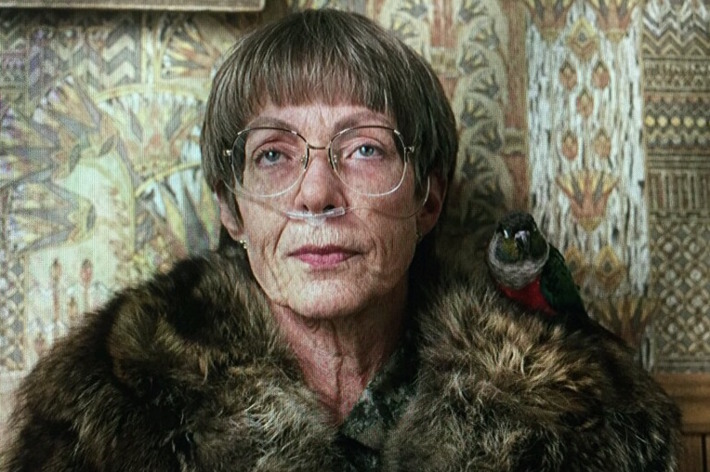
    Featuring: Sigourney Weaver, Felicity Jones, Toby Kebbell, Lewis MacDougall, and Liam Neeson

    The Monster: “I know everything about you, Connor O’Malley. The truth you dream, the truth that you hide.”

    A Monster Calls is a 2016 dark fantasy drama film directed by J. A. Bayona and written by Patrick Ness, based on his own novel. The film deals with some pretty heavy emotions and events that we all must deal with, but this story is about how a child must learn to live with a loved one who is facing the possibility that they are going to die. Not only that but there is a complication in that the child’s father is living in another country and only has an older Grandmother to rely on.

    The film’s plot is based around young Conor O’Malley must face his mother’s terminal cancer, his strict grandmother, his estranged father, and his school bully, Harry. One night at 12:07 a.m., Conor encounters the tree-like Monster, who tells Conor it has come to relate three true stories, after which Conor will tell the Monster his own story, the truth behind his nightmare. They continue to meet at 12:07 a.m. or p.m., and Conor ultimately understands that though he does not want his mother to die, he understands it is inevitable and something he must accept, and that he wants the experience to be over. After this, Conor returns, with the Monster by his side, to comfort his mother one last time, and she dies at 12:07. He returns home with his grandmother, who becomes caring towards him and gives Conor a room of his own. In the room he finds his mother’s old art book, which depicts the characters of the stories that have been told by the Monster, and a drawing of his mother as a child with the Monster.

    This film has a budget of US$40 million but it looks like a bigger budgeted film and this is all to Bayona’s credit. It must have been difficult to green light a film about a child and a talking tree that may never find an audience. Don’t be fooled, while the main character is a child this is not necessarily a film for all children. It must walk a fine line between being too much for children and not enough for adults and in most cases in succeeds without question – it is something to behold and once again full credit must be given to Bayona for following through on what must have been some pretty tough decisions.

    It is always great to see a new child actor being able to carry an entire film and newcomer Lewis MacDougall as Conor is in every scene of the film carrying off a touch perfect performance of a boy who is going to lose his mother, the most important person in his life, and has no idea how to deal with the multitude of conflicted emotions. He (with help) imagines a mentor/bodyguard/friend in the Liam Neeson voiced tree, if you look hard enough there is a link between the tree character and the rest of the family. Neeson is of course a great actor, but with that gravely Irish tone is perfectly cast in the voice role, and brings all the gravity you would expect of someone who once played Zeus. Felicity Jones in her fourth major role since her break out performance in “The Theory of Everything” (2014) shows why in a supporting role is one of the most in demand actresses today. The supporting cast of Sigourney Weaver and underrated Toby Kebbell round out what is an absolutely perfect film.

    If you do go and watch this film with a child then you may find you have some explaining to do to them – but in my mind that is a positive, as we all face the loss of loved ones in this life. This movie handles a painful subject with humour, drama and love in what could have been a disaster. The ending is greta and od course there will be tears – but the film is hopeful especially in its final moments which bring the entire story full circle.

    “A Monster Calls” (2017) is now available on DVD.

  • DVD & Blu-ray review: “War for the Planet of the Apes” (2017)

    “War for the Planet of the Apes” (2017)

    Sci-Fi/Action/Drama

    5stars_small

    Running Time: 142 minutes

    Written by: Matt Reeves and Mark Bomback

    Directed by: Matt Reeves

    Featuring: Andy Serkis, Woody Harrelson, Steve Zahn, Amiah Miller, Karin Konoval, Judy Greer and Terry Notary

    Colonel: “All of human history has lead to this moment. The irony is we created you. And nature has been punishing us ever since. This is our last stand. And if we lose… it will be a Planet of Apes.”

    Possibly the film of the year, the third, and what we are told is the final movie in this cycle of ‘Apes’ movies has arrived on DVD (& lu-ray)  with the aptly (if not long) titled moniker “War for the Planet of the Apes” (2017), co-written and directed by Matt Reeves who has seen his stock rise since his last outing with the incomparable sequel “Dawn of the Planet of the Apes” (2014). Reeves has managed to take an idea from the initial reboot “Rise of the Planet of the Apes” (2012), move seamlessly into another time period, at the same time build an authentic world where apes rule, humans are an after thought, in fact almost forgotten with his first foray. “Dawn of the Planet of the Apes”, which was a huge leap forward not only for this franchise but for him as a nascent filmmaker, having last directed “Let Me In” (2010), with his largest success being “Cloverfield” (2008). However, with this latest entry into the ‘Apes’ franchise, “War for the Planet of the Apes”, he has once again defied the genre limitations delivering a film that simply defies reduction, by combining elements that deliver a film greater than the sum of its parts.

    This time Caesar (Andy Serkis) and his apes are forced into a deadly conflict with an army of humans led by a ruthless colonel (Woody Harrelson). After the apes suffer unimaginable losses, Caesar wrestles with his darker instincts and begins his own mythic quest to avenge his kind. As the journey finally brings them face to face, Caesar and the colonel are pitted against each other in an epic battle that will determine the fate of both of their species and the future of the planet.

    I find it difficult not to talk about how far these three ‘Apes’ movies have come without addressing the way that technology has been used not to just provide some spectacular motion captured effects, but how well they are deployed within their environments. There is no doubt in my mind that without these cutting edge effects these films would not be able to exist as well as they do – by developing these effects the story can be so much more expansive as well as being able to build three dimensional characters that are able to emote without the use of dialogue – something hinted at in the first film, attempted in the second, but now fully embraced in this third, possible final entry with a movie that really has to be experience on the big screen. This film is a true achievement in harnessing motion capture technology– I was agog at some of the sequences where I have no real clue how some of the action was done – it is truly amazing, Matt Reeves and his team should be applauded for the best film of the year that encompasses such a large scale as well as layered storytelling.

    Once again the star of this film, as well as the two previous is the wonderful Andy Serkis – he who was catapulted to fame as the nasty Golem in the ‘Lord of the Rings Trilogy’, and cemented his credentials in “Rise of the Planet of the Apes” (2012), I naively thought that was a nadir for him, how wrong I was. If ever he was going to receive some awards consideration it is for this iteration of Caesar, who he brings to life in ways not seen before on the big screen. The Caesar of this movie is a very different beast indeed (no pun intended), he is grappling with the effects of his fight with rival Koba, as well as being a father to two boys, maintaining his leadership, fighting off the invasionary forces that were hinted at at the end of, “Dawn of the Planet of the Apes”, led by ‘The Colonel’ (Woody Harrelson) – it is a full basket that he has to deal with. When he is faced with some extremely horrific events you wonder if he will be lost to the path that seems to have been predestined by Koba, of course the complexities of his character mean that his journey into darkness will, in the end not define him – it is only Serkis who has lived with this character for the past six year could play, which he does to its ultimate conclusion – has there ever been a hero like Caesar?

    The film’s other highlights within the cast are of course Woody Harrelson as ‘The Colonel’ and the big surprise (well it was to me anyway) Steve Zahn as ‘Bad Ape’. Harrelson is the main protagonist who you hear on a radio before his actual introduction where he performs an unthinkable act that kicks off the main thrust of the plot. Harrelson shines as a man thrust into a position where he has made some Kurtz like decisions – much like that Colonel from the film “Apocalypse Now” (1979), his actions are made by an unhinged mind in a situation he could never have foreseen. Zhan like Toby Kebbell in the previous film brings something unique to a film full of one offs, a shy scared timid ape holds the key to the plot as well as Caesars salvation along with a remarkable little girl, played by Amiah Miller.

    Writer/Director Matt Reeves (as well as the original writers of “Rise of the Planet of the Apes”) has always had the original five films hanging over him with decisions that had to be made about how closely he would adhere to some of the history talked about in those films. The character of Caesar does make an appearance in those movies, but the timelines that have been embraced here are different to those in the original franchise. What Reeves has done, more so than what ‘Rise’ did where there were lines of dialogue lifted from the original “Planet of the Apes” (1968), is to bring in reasons for where the human/ape society ended up. In this latest film Reeves tackles the reason why humans are savage like in the future as well as possible reasons why there were so few humans in the future, when the Earth becomes a planet of apes. The last two movies that have been written by Reeves are so well plotted that you as the viewer don’t even notice the fact that for all intents and purposes there is a cliffhanger at the conclusion of “Dawn of the Planet of the Apes”.

    One of the great moments is the allegory that exists within these mvies that began in the second film and is accentuated as well as being advanced in this new movie. The ape as not only Native American but as any indigenous population attempted to be removed or wiped out by a technologically advanced civilization is familiar and something we are seeing today with the decimation of animal species worldwide. The apes even like the Native Americans have found a sanctuary in a desert which they must get to under their own steam, they are interrupted by the humans as well as meeting death at their hands. Reeves has done an outstanding job keeping the plot on point, relevant as well as keeping an eye on the future not only of the world he has built but on whatever is to come from future writers and directors.

    The film is a stand out this year with its subtle nods to not only other ‘Apes’ films but also to other similar genres – this is a movie for the times we live in as well as times past – Reeves is a master film-maker working within the confines of not only a genre but a established franchise that has more good movies than bad. This has to stand as one of the best out of an eight film series, something that has to be acknowledged when the origins of this entire series comes from one book written fifty years ago. I believe this would make author Pierre Boulle proud not only of where his original novel has gone but what it has inspired. Brave Matt Reeves and 20th Century Fox – this is indeed a brave decision for a company to make, it is alos a lesson to be learnt when their other franchise, Alien, seems to be faltering at the finish line.

    “War for the Planet of the Apes” (2017) is out now on DVD & Blu-ray.

  • “I, Tonya: (2017) – Official Trailer
    Error
    This video doesn’t exist

    Tonya Harding dominated the ice with unrivalled athleticism. She dominated the headlines for something else entirely. “I, Tonya” is an at times absurd, tragic and hilarious look at the woman at the centre of the biggest scandal in sports history.

    “I, Tonya” (2017) is directed by Craig Gillespie and stars Margot Robbie, Sebastian Stan, Allison Janney, Paul Walter Hauser, Julianne Nicholson, Bobby Cannavale, Mckenna Grace

    “I, Tonya” releases in NZ cinemas on February 15, 2018.

    10-janney.w710.h473

  • Film review: “Ingrid goes West” (2017)

    “Ingrid goes West” (2017)

    Comedy

    3-stars

    Running Time: 98 minutes

    Written by: David Branson Smith & Matt Spicer

    Directed by: Matt Spicer

    Featuring: Aubrey Plaza, Elizabeth Olsen, Billy Magnussen, Wyatt Russell, Pom Klementieff and O’Shea Jackson Jr.

    Dan Pinto: “Can we restart like a reboot?“

    Ingrid Thorburn: “Yes, like a reboot.”

    There have been many movies made that deal with the idea of stalkers, either shadowing normal people or celebrities (which of course are more popular), where this movie slightly differs is the idea of someone stalking a low level social media user. To be fair there is nothing really that original about “Ingrid goes West” (2017), in fact while watching it I was a little disappointed by the unoriginality of the plot, that involved L.A. based characters doing nothing new with their lives except being majorly impressed with themselves, as vacuous as possible with little regard for either their general environment or other people – which possibly explains Ingrid’s attempted integration into their lives.

    When writing and directing your first movie it can be a great short cut to take an old story, or even preexisting theme, tarting it up for a new generation and presenting it as new, which is what has happened here. If you are looking for a classic predated version to this tray Martin Scorsese’s “The King of Comedy” (1982), it is probably the best example, but by no means the first. The other aspect is that if you are also looking for an actor or actress that is trying to broaden their horizons, with new projects then this can change up the narrative for the better, hiding any possible unoriginal origins. It is with luck then that Aubrey Plaza as well as the talented Elizabeth Olsen were able to be cast to show new sides to their exisiting work.

    The movie is set sround Ingrid Thorburn (Aubrey Plaza) who is a mentally unstable young woman in Pennsylvania. After discovering on Instagram that an unrequited friend of hers named Charlotte (Meredith Hagner) did not invite her to her wedding, Ingrid crashes the reception and maces her in the face. Ingrid undergoes a brief stay at a mental hospital and, writing letters to Charlotte, explains that she has been having difficulties dealing with the death of her mother, who was the only person who was ever kind to her. After her release, Ingrid encounters a guest of the wedding. She says that Charlotte was never friends with Ingrid but simply commented on one of her posts, leading Ingrid to pursue a one-sided friendship with her.

    Later Ingrid learns of a social media influencer named Taylor Sloane (Elizabeth Olsen). Beguiled by her seemingly perfect life, Ingrid comments on one of her photographs and receives a slight response from Sloane. With an inheritance of over $60,000 from her mother, Ingrid decides to move to Los Angeles to become friends with Taylor. Upon arrival, she rents a house in Venice from Dan Pinto (O’Shea Jackson Jr.), an aspiring screenwriter and Batman enthusiast. She visits Taylor’s regular hangouts and restaurants, and gets a makeover in her style.

    I find it completely perplexing that while watching a movie that is primarily about the characters that Aubrey Plaza and Elizabeth Olsen play I was completely transfixed by the actors Wyatt Russell and O’Shea Jackson Jr. who for me were the real stars of this movie, and not having them appear more was a real disservice to them, as well as to the audience watching. By now you should be aware of the talents of both Aubrey Plaza and Elizabeth Olsen, who over the past few years have either made impacts on television, Plaza with the still underrated “Parks and Recreation” (2009-2015), Olsen in a variety of film roles including this years excellent “Wind River” (2017) – so it was with a small bit of disappointment that here they are playing one note characters with little surprise or revelation, even though it seems at times the screenplay is hinting at some kind of twist or even major third act revelation.

    What I enjoyed about the two male characters was they were the more interesting depictions of people who were not really involved in any meaningful social media, so were easy to understand as well being more grounded. These two also had arcs, small ones that is, that could be followed from the points of their introduction to almost their exiting of the narrative. Both Wyatt Russell and O’Shea Jackson Jr. are second generation L.A. actors (the sons of Kurt Russell & Goldie Hawn and Ice Cube respectively) so they have innate charm as well as screen presence that lit up when they appeared – something that could not be said for the leads. I feel it is important that the men were second generation L.A. based actors, they could easily, in my mind, inhabit the people they are portraying as they have probably interacted with many similar real life people.

    Surprisingly for a movie that portends to be about Social Media it only really appears fleetingly, it is left unexplained, more of a macguffin than anything else –there is no comment made about its use or impact – except for the obvious. I wonder what someone like Paddy Chayefsky would have made of rich material like this; I don’t think it would have been a halfhearted drama/thriller with little bite or social commentary. That leads into the relative inexperience of the writers and director David Branson Smith & Matt Spicer who have taken a plot that is trope laden, then layered it with an aspect of social media passing this off as new. What may have been more original, as well as a touch transgressive, may have been to write what they know, making the main characters male instead of female, thereby taking what is a feminine touch and adding masculinity as the protagonist – this would have at least made it a bit more original in the eyes of the social media peons.

    I have no doubt the reason the movie is set in L.A. is one of budget, it is also an easy place to light, there are few days that are lost because of inclement weather, it also makes it interesting if the main character is supposed to be coming from another part of the US – it makes it a fish out of water story as well, which means you can layer up on the character with little effort – which is a good descriptor of this movie – little effort.

    With all that said this is not a bad movie, in fact it is a pretty good movie, but that may be more down to the talent in front of the camera, which is excellent, so you will not be let down because of that. This is a good movie to watch at home where you can talk about it, I cannot help but think it is not really a go out to the cinemas and watch. If you have Netflix and it pops up on there you will have a good time with it.

    “Ingrid goes West” (2017) is out now on cinemas.

  • DVD review: “Decline and Fall” (2017)

    “Decline and Fall” (2017)

    TV Series/Comedy

    3-stars

    Episodes: Three

    Created by: James Wood

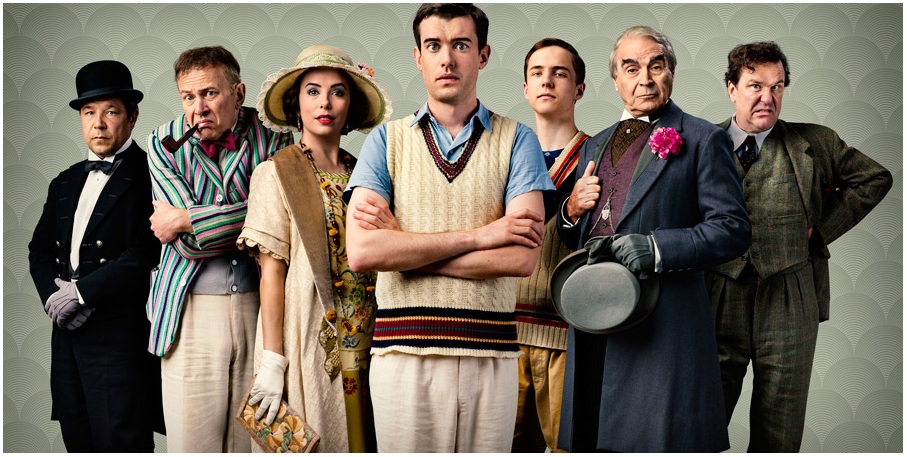
    Featuring: Matthew Beard, Stephen Graham, Douglas Hodge, Jack Whitehall, Eva Longoria

    Jack Whitehall has come a long way since his British sitcom origins, he has worked to become a regular celebrity on English television, so it is not without any surprise that he may want to try something a little different. HE has struck gold with his new television series, “Decline and Fall” (2017), not quite a comedy but more fun than a drama – it has mixed results but the inclusion of a high caliber of supporting players means that there is always something interesting to look at, as well as a rich analysis of the upper class in the UK.

    I was fascinated to see how this series would function as it was adapting an classic novel by Evelyn Waugh (Arthur Evelyn St. John Waugh) into something that would not only be entertaining but fun to watch, with some acerbic wit thrown in. My mind was put at ease when I saw the name John Wood, the creator of the excellent “Rev” (2010 – 2014) which like “Decline and Fall” (2017) balanced drama, comedy, plot and narrative in such an expert way that it left you only wanting more. Wood seems to have a knack for comedies about people who are trying to find their way in an unjust world where no matter their own principles they are faced it situations outside of their control.

    The series sees Paul Pennyfeather (Jack Whitehall) as an inoffensive divinity student at Oxford University in the 1920s, who is wrongly dismissed for indecent exposure having been made the victim of a prank by The Bollinger Club. This is just the set up, any more plot would spoil his on going adventures into a calamity of a life.

    This is a wonderful mini-series that cracks along at a pace that may surprise many, it follows Paul as he stumbles from one situation to another – there are many elements within the narrative that are taken from other genres which make this great for a modern audience. There is no doubt this is a comedy that makes the central character the brunt of others whims to the point that he becomes a truly powerless figure without any agency of his own – but because of extremely poor decisions made by Paul you can never feel pity for him. Pennyfeather is taken advantage of by almost everyone from the opening scene where he is stripped naked, forced to run home naked while saviors are all around. Of course Pennyfeather is a representation of the lower classes of the time (although that could be easily said to be now, an anti Forrest Gump if you will) who is pushed around by the rich and powerful but never really getting ahead in the game of life. Of course the high and mighty that exist in this plot are all devious disguised crooks who are all guilty, one way or another, while Pennyfeather actually plays their victim, doing their bidding but clueless in every respect.

    “Decline and Fall” has a real eclectic cast that on the surface may seem disparate but come together to bring the story to life in a way that my surprise many viewers. The cast led by Jack Whitehall who plays Pennyfeather without a hint of irony comes alive in a role like he has never before, which bodes well for his coming career – having escaped any comedy dungeon he may have been facing. There are far too many fantastic character actors to delve in too deeply but I have to talk about a couple.

    Firstly not all characters make appearances or at least long appearances in every episode. The always-great Stephen Graham as Philbrick who turns up as a kind of butler in the first episode plays such a different part to anything else he has ever portrayed, is at once menacing, terrifying, funny as well as empathic all at very different moments throughout the series. Probably the surprise of the series is the American import Eva Longoria who plays Margot Beste-Chetwynde, the mother of one of Paul’s students, but by the end of the series is something of a femme fatale of sorts, who as a somewhat antagonist plays a most important part in Paul’s life, as well as his ultimate fate. The other main supporting character is David Suchet who plays one of the oddest characters in this series, he is initially a head master at the school Paul initially winds up at, playing it straight but with a bent that will strike many as eccentric, but like everyone else is not what he first appears. Finally Douglas Hodge as Grimes who comes and goes and must play three distinct versions of the same person, you will die laughing especially with his exaggerated limp.

    The writer as well as main producer James Wood has crafted something utterly magnificent in his version of a fine novel that plays out like a bad dream, especially for the main character, Paul Pennyfeather. Wood who was the creative behind the excellent underrated “Rev” that featured another anti-hero in the form of Todd Holland’s Rev. Adam Smallbone (another great name), here has Pennyfeather the person not so much stuck in the middle, but pushed out in front of everyone else. Whereas Smallbone had some modicum of control, here Pennyfeather seems to have none at all – he is at the whim of others, even when he thinks he is being independent and in control. In fact much of the action takes place around him much like the student being shot in the foot on sports day, like us Pennyfeather is just a witness – great stuff.

    Another aspect of the show is just how perfect the tone is, as well as how evenly the performances are with each actor within every scene. “Decline and Fall” is also a great break from other genre shows that are floating around, such as the endless supply of police procedural shows as well as the thrillers that seem to proliferate at the moment. The show is also a nice refrain from many comedies that have been produced, it is not highbrow but can come off like that, it is an interesting juxtaposition with many shows, even with its source material. When Waugh wrote this there is no way he could have known that it would be adapted into a television show, so we are witnessing a hero that is semi-autobiographical as well as an ideal hero of Waugh’s – but of course this is a deeply flawed character, which makes it even more human.

    If you get a chance to view this mini series you should grab the chance, it runs for a little under three hours so it takes a small amount of time but the rewards are immense as is the entertainment, just great television, with excellent performance from a classic novel.


  • Error
    This video doesn’t exist

    Based on the New York Times bestseller, WONDER tells the incredibly inspiring and heartwarming story of August Pullman. Born with facial differences that, up until now, have prevented him from going to a mainstream school, Auggie becomes the most unlikely of heroes when he enters the local fifth grade. As his family, his new classmates, and the larger community all struggle to discover their compassion and acceptance, Auggie’s extraordinary journey will unite them all and prove you can’t blend in when you were born to stand out.

    “Wonder” is released 30th November 2017 in cinemas.

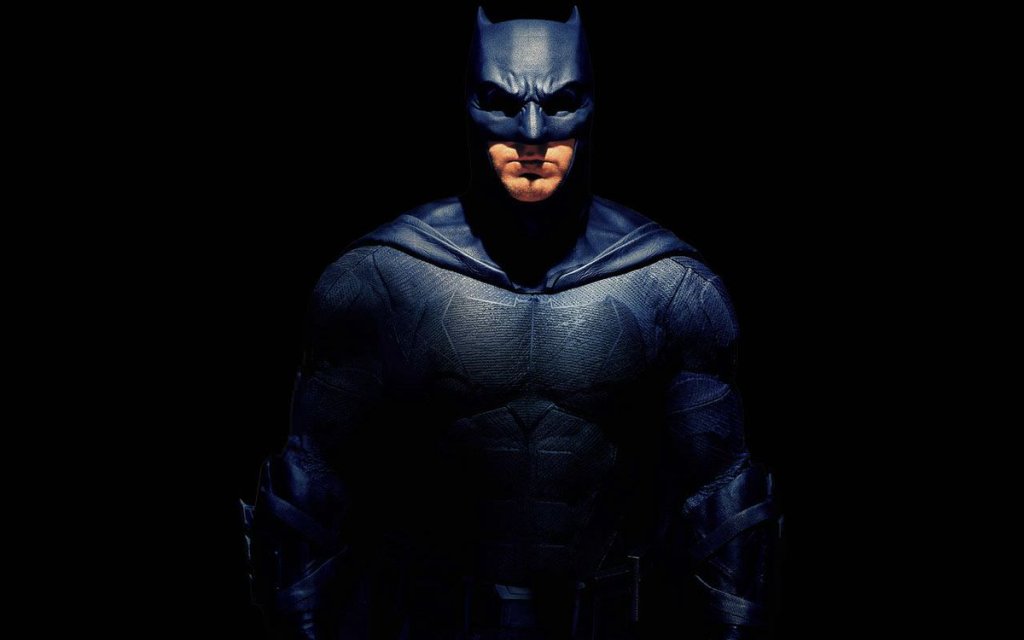
  • “JUSTICE LEAGUE” (2017) – Hero Character Videos – Batman

    “JUSTICE LEAGUE” (2017) – Hero Character Videos – Batman

    Error
    This video doesn’t exist

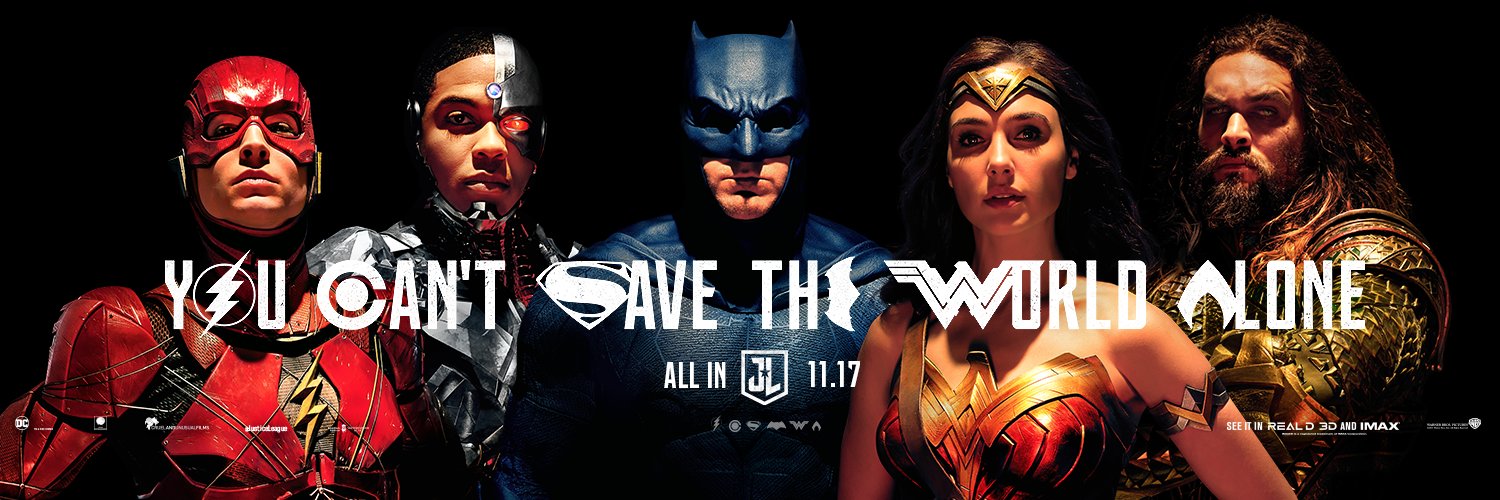
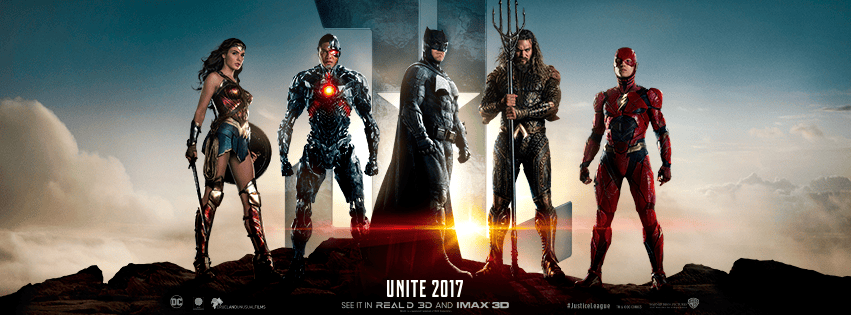
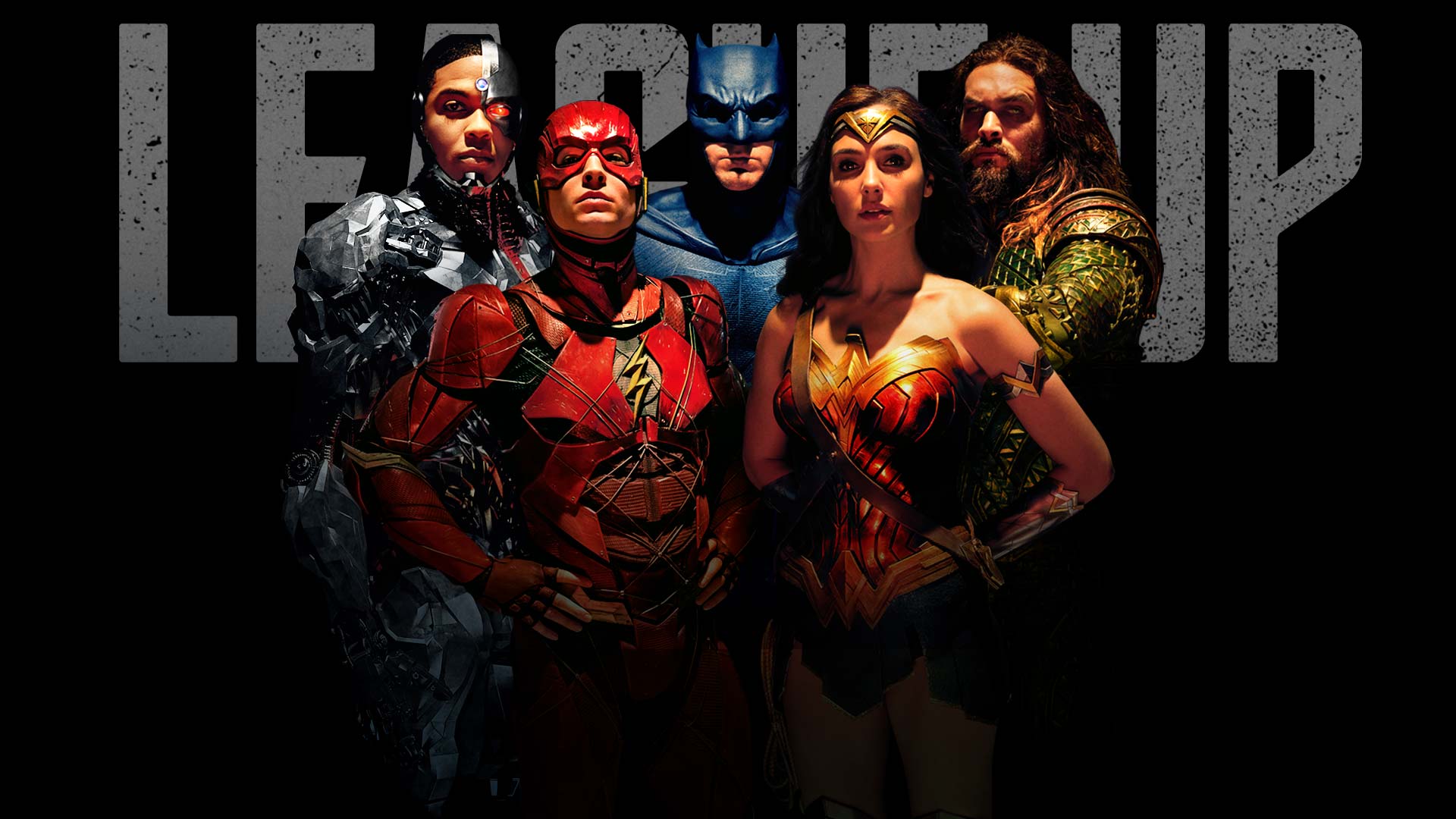
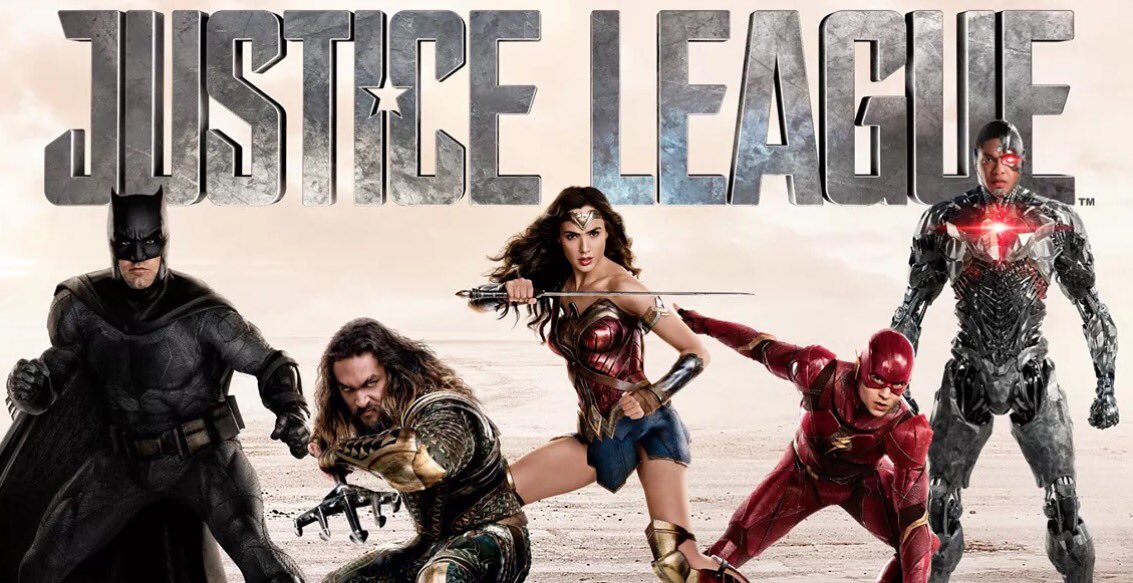
    Fuelled by his restored faith in humanity and inspired by Superman’s selfless act, Bruce Wayne enlists the help of his newfound ally, Diana Prince, to face an even greater enemy. Together, Batman and Wonder Woman work quickly to find and recruit a team of metahumans to stand against this newly awakened threat. But despite the formation of this unprecedented league of heroes—Batman, Wonder Woman, Aquaman, Cyborg and The Flash—it may already be too late to save the planet from an assault of catastrophic proportions.

    JUSTICE LEAGUE is directed by Zack Snyder and stars Ben Affleck, Gal Gadot, Jason Momoa, Ezra Miller, Ray Fisher, Henry Cavill, Jeremy Irons, Amy Adams, Diane Lane, J.K. Simmons.

    JUSTICE LEAGUE releases in New Zealand cinemas on November 16, 2017.

    1lklhsZ

  • Television review: “Louis Theroux: Talking to Anorexia” (2017)

    “Louis Theoux: Talking To Anorexia (2017)

    Documentary

    5stars_small

    Running Time: 60 minutes

    Presented by: Louis Theroux

    Louis Theroux: “But that’s part of your illness there should be no shame attached, it’s an illness.”

    If you enjoy watching Louis Theroux as well as his particular form of documentary, then the recent month has been a blessing for you as we have had four documentaries that reflect different parts of humanity that are able to illicit very different response not only from an audience, but from Theroux himself. This last point cannot be underestimated as Theroux can sometimes be a little restrained but here it is easy to see that this special had a deep effect on him, as it will on any viewer.

    Theroux is a very different interviewer or documentarian; his style is as unique as the man himself. Theroux can come off as a fish out of water with many of his subjects; the reason for this is a planned one. He likes his subjects to lead him in whatever way they may like, he never forces an issue or is rarely confrontational, but never seems to be afraid of asking difficult questions, no matter the actual topic of one of his television shows. With “Talking to Anorexia” Theroux talks to a few women about their illness as well as how they are, or are not, coping with their condition. In this Theroux shows himself as someone who not only comes to care for these people but unveils new depths to his process.

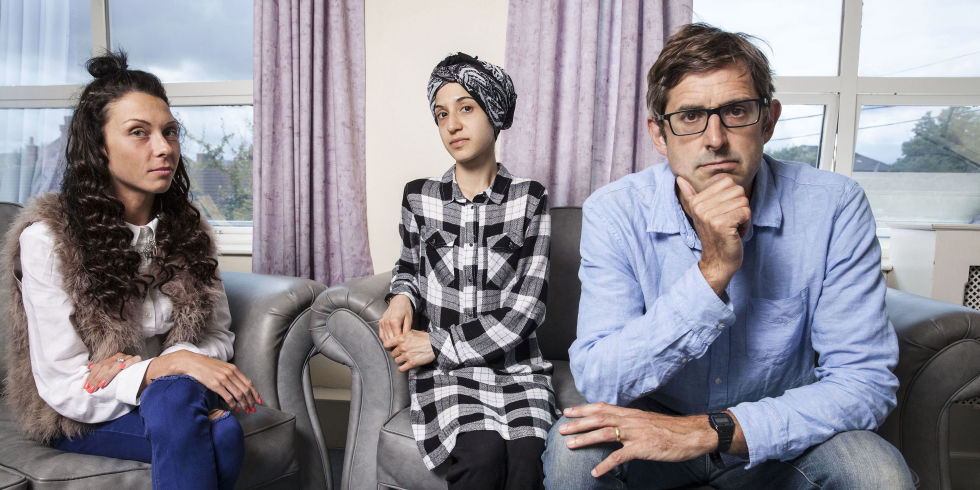
    This week saw the one off documentary “Louis Theroux: Talking To Anorexia” (2017) an hour-long show on BBC Two, Theroux spent time with in-patients in an anorexia ward at a north London hospital, as they struggled with their illnesses and relapses.

    “Anorexia nervosa is a serious illness characterised by extreme weight loss caused by behaviours of dieting/food restriction and/or excessive exercise to the point of self-starvation, which may result in death. Due to the irrational fear of weight gain an individual develops inappropriate eating habits or rituals and compensatory behaviours in an effort to “burn off” calories. Sufferers may display an obsession with having a thin body and often have a distorted body self-perception; seeing themselves as fat when they are clearly underweight.

    Individuals with anorexia tend to experience extreme anxiety and fear around food and eating, which to others will seem irrational or even bizarre. In a seemingly paradoxical way the more the individual tends to lose weight and engage in food avoidance the more extreme their fears and behaviours tend to become.

    Anorexia is not a choice nor is it something that one can “snap out of”. Sufferers experience not just anxiety but extreme feelings of guilt, panic, hopelessness and distress that are very frightening to them and those around them. A defining characteristic of the disorder is the individual’s denial of the problem and ambivalence to engage in treatment.

    Anorexia occurs in approximately 0.5% of females and in only 0.05% of males, with the average age of onset in early to mid adolescence. However, younger and older adults may also present for treatment. “- New Zealand Eating Disorders Clinic

    Theroux almost always comes across to audience as either objective, or at least non-judgmental as it assists him (and us) in getting to know his subjects particularly intimately, in terms of situations that can be morally ambiguous. This was probably best represented last seen when the documentarian interviewed people that were addicted to alcohol – although you never got the feeling that Theroux felt any sorrow or pity for them. That is what makes this special so different as well as important in a very eye opening way.

    It is obvious from the opening as well as all his interactions that Theroux feels helpless with the women that he talks to as well as the families that he interacts with. He is definitely a fish out of water, more so than in anything else he has ever done, he is also the most compassionate, my feeling was that if he could help he would of- but of course that is one of the issues, no matter what you do with this disease, it is up to he sufferer to pull themselves out of it. When Theroux sits down talking to these sufferers there are a couple of times when he has their phones, flicking through old photos, you can see him thinking about how far these poor woman have come – from looking healthy, even beautiful to the physical wrecks before him in the flesh. It is obvious that Theroux is well out of his depth in both understanding the problem as well as trying to assist where he can.

    “Talking to Anorexia” is possibly Theroux’s best and most accomplished piece to date, he is really growing as a documentarian, (which given his experience is a tribute to the man) he is also choosing some interesting subjects to talk to, as well as showing audiences what it is really like to interact with people with very real issues. The other aspect of Theroux that is improving is his ability to empathize with people but not just paying lip service to them or the very real issues they face.

    What was great was to see Theroux really care about what these people were talking about as well as how they were going to try and beat their illness, with some of the devastating effects it can have if it is not treated or overcome. This is not an easy subject to see or to approach, we are let in on deeply personal issues and emotions so it is to the subjects themselves that much of the credit for the success if this documentary should be given.

    The strength of the show, was to show four very different people in their own homes as well as in a clinical situation. One of the more interesting was an older lady who had not had any healthy relationships for many years, she was trapped by her illness. Theroux was trying to understand as well as help her, in his own way, but he could not reach her in any perceptible way – which was a way to illustrate without being heavy handed how hard it is to reach people who simply do not want to be reached.

    This documentary cannot be recommended highly enough, it is simply the best example of a documentarian at the top of his game. It says so much without being subjective; it attempts to understand why people harm themselves as well as showing how people can lose sight of what should be important in their lives. It also shows what support there is both in terms of family as well as others who make it their career to lift people up, care for them and then hopefully say goodbye and good luck.

    This is the very best kind of television, it highlights, informs but does not exploit people for a good story or rating – this should be commended.

    14452370-high-

  • “JUSTICE LEAGUE” (2017) – Hero Character Videos – Wonder Woman

    “JUSTICE LEAGUE” (2017) – Hero Character Videos – Wonder Woman

    Error
    This video doesn’t exist

    Fuelled by his restored faith in humanity and inspired by Superman’s selfless act, Bruce Wayne enlists the help of his newfound ally, Diana Prince, to face an even greater enemy. Together, Batman and Wonder Woman work quickly to find and recruit a team of metahumans to stand against this newly awakened threat. But despite the formation of this unprecedented league of heroes—Batman, Wonder Woman, Aquaman, Cyborg and The Flash—it may already be too late to save the planet from an assault of catastrophic proportions.

    JUSTICE LEAGUE is directed by Zack Snyder and stars Ben Affleck, Gal Gadot, Jason Momoa, Ezra Miller, Ray Fisher, Henry Cavill, Jeremy Irons, Amy Adams, Diane Lane, J.K. Simmons.

    JUSTICE LEAGUE releases in New Zealand cinemas on November 16, 2017.

    wonder-woman-justice-league


  • Film review: “A Bad Moms Christmas” (2017)

    “A Bad Moms Christmas” (2017)

    Comedy

    stars-2-5

    Running Time: 104 minutes

    Written & directed by:  Jon Lucas and Scott Moore

    Featuring:  Mila Kunis, Kristen Bell, Kathryn Hahn,  Christine Baranski, Cheryl Hines and Susan Sarandon, Jay Hernandez , Justin Hartley and Peter Gallagher

    Kiki: “I spend months picking out the perfect present for everyone. You know the only thing I get in return? Coupons, free back rubs.”

    Amy: “That’s not okay.”

    Kiki: “Shitty back rubs.”

    I am not sure I really cared if there was ever going to be a sequel to the surprise hit from last year “Bad Moms” (2016), that on a meager budget of US$20 million grossed over US$190 million worldwide, which was a fantastic result for independent STX production as well as female led films – so it is really no surprise that it was decided to double down, with the aim of repeating the success of that first film – what studio would not want to try for a franchise, especially based around female characters, attempting to say something about empowerment of a sort. Of course that first movie leveraged off the natural talent and likeability of stars Mila Kunis, Kristen Bell, Kathryn Hahn as well as the movies antagonists in the shape of Christina Applegate, Jada Pinkett Smith and Annie Mumolo. This time around the previous cast has been slimmed down, only the ‘bad’ Moms have returned, the antagonists (of a sort) are their mothers, played by Cheryl Hines, Christine Baranski and Oscar winner Susan Sarandon, who in their own disparate ways attempt to make their time memorable.

    What is interesting about this sequel is that it was rushed into production, arriving just over a year after the release of the first movie. Not only that it has been written and directed by the same team of Jon Lucas and Scott Moore who are from the Todd Phillips stable of creatives, in case you are wondering, that is the guy who directed the now classic (tongue firmly in cheek) “Hangover Trilogy” (2009 – 2013). Like the first movie “A Bad Moms Christmas” (2017) seems to be attempting to make a statement about mothers as well as the stresses that come with that, but actually misses out on saying anything of real substance, that may be because too much attention is given to getting laughs, as well as concentrating on shock comedy, how many ‘fucks’ any one character can say per minute of screen time – in case you are wondering if that was the bar of success they surpass it with ease.

    The movie revolves around under-appreciated and overburdened moms Amy (Mila Kunis), Kiki (Kristen Bell) and Carla (Kathryn Hahn) rebel against the challenges and expectations of the Super Bowl for Moms: Christmas. As if creating the perfect holiday for their families isn’t hard enough, they’ll have to do it while hosting and entertaining their own respective mothers (Christine Baranski, Cheryl Hines and Susan Sarandon) when they come to visit.

    I wouldn’t call this movie a complete gross out comedy because there is really only one scene where this could even be considered gross out, and its not really that gross or offensive – it involves waxing. The fact is that for some reason women swearing as well as saying the word ‘pussy’ repetitively seems to be Jon Lucas and Scott Moore’s, the writer/directors, idea of humor. Of course to me there seems to be something at odds with men writing about a semblance of motherhood that is supposed to be, I assume, insightful – I have news for you just because you had a mother doesn’t mean you know what it is to be a mother or can relate to that individual stress.

    The narrative as well as the plot for this movie is deceptively simple, only half heartedly referencing the original movie in an awkward scene in a mall where the moms are drinking beer – this is a poor imitation of the genuinely funny scene in the first movie where the moms all commiserated over alcohol in a bar. The plot is so simple that I could not help but think that when the device of having the elder mothers make an appearance the writers took the rest of the day off, thinking they had discovered something original. Unfortunately this just meant that their device could fit snugly into a three-act structure, which it does, as well as try and say something about mother/daughter relationships, but it turns out to be unimaginative with little consequences for anyone. As with the first movie it seems that all these families have an endless supply of money to call on in a moments notice, thereby making this a movie for the 1% – there is actually a sickening amount of product placement as well as consumerism that speaks to excesses that maybe should have been examined instead of the faux ‘relationship problems’ that these people have. This is also relates to how the children in this movie come across, like spoilt kids that seem eager to blame their parents for their own shortcomings – I don’t think I would have ever treated my mother like they do, if I did my father would have said something about it – unlike the men here who all seem to have their balls chopped off.

    There is no denying that the movie is full of at least very good actors as well as people that are portraying characters that were built up from the previous movie – well almost, the elder mothers seem to be playing caricatures, which means that the writing has been weak or there has been no depth given to their parts. Even though “A Bad Moms Christmas” is billed as an ensemble, this is Mila Kunis’ movie, with her character being the center around which the other two moms, Kristen Bell and Kathryn Hahn, orbit. In fact Hahn is there to be the ‘rough’ mother, while Bell is some kind of ditzy blonde one – talk about all surface and no depth.

    All in all this is not a bad comedy, at least compared to the awful comedies that have been produced this year by major studios. To be fair this could have been at least as good as “Bad Moms” but I think the rush into production to meet a deadline had meant aspects of the movie are weak, which is a shame as I think these actresses deserve better. In saying that there are laughs to be had throughout the movie, but the plot is a little non-existent.

    “A Bad Moms Christmas” (2017) is out now only in cinemas.

  • “JUSTICE LEAGUE” (2017) – Hero Character Videos – Cyborg

    “JUSTICE LEAGUE” (2017) – Hero Character Videos – Cyborg

    Error
    This video doesn’t exist

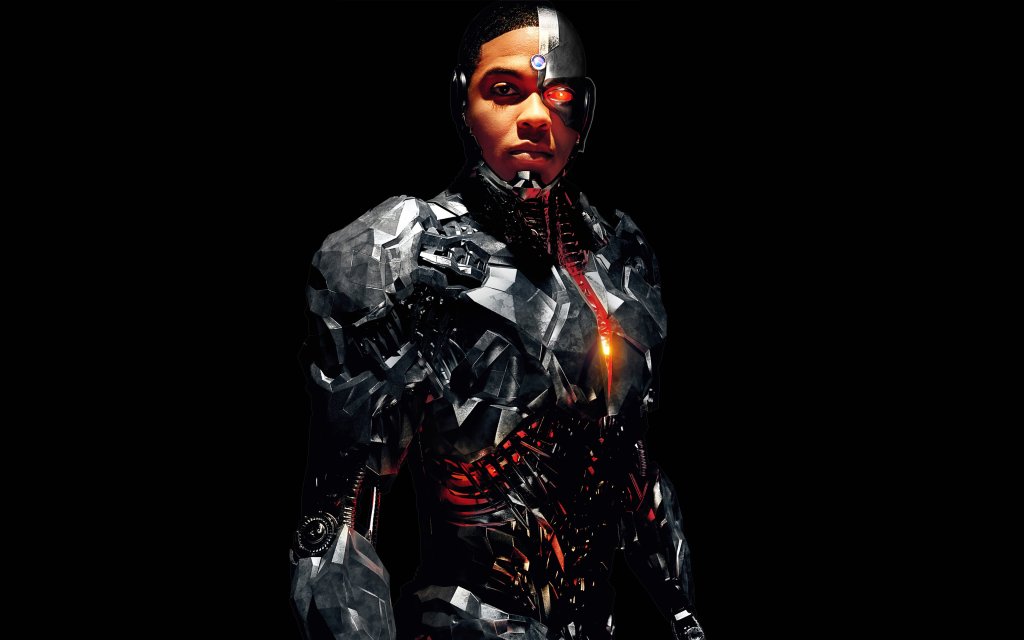
    Fuelled by his restored faith in humanity and inspired by Superman’s selfless act, Bruce Wayne enlists the help of his newfound ally, Diana Prince, to face an even greater enemy. Together, Batman and Wonder Woman work quickly to find and recruit a team of metahumans to stand against this newly awakened threat. But despite the formation of this unprecedented league of heroes—Batman, Wonder Woman, Aquaman, Cyborg and The Flash—it may already be too late to save the planet from an assault of catastrophic proportions.

    JUSTICE LEAGUE is directed by Zack Snyder and stars Ben Affleck, Gal Gadot, Jason Momoa, Ezra Miller, Ray Fisher, Henry Cavill, Jeremy Irons, Amy Adams, Diane Lane, J.K. Simmons.

    JUSTICE LEAGUE releases in New Zealand cinemas on November 16, 2017.

    justice league spry film 1

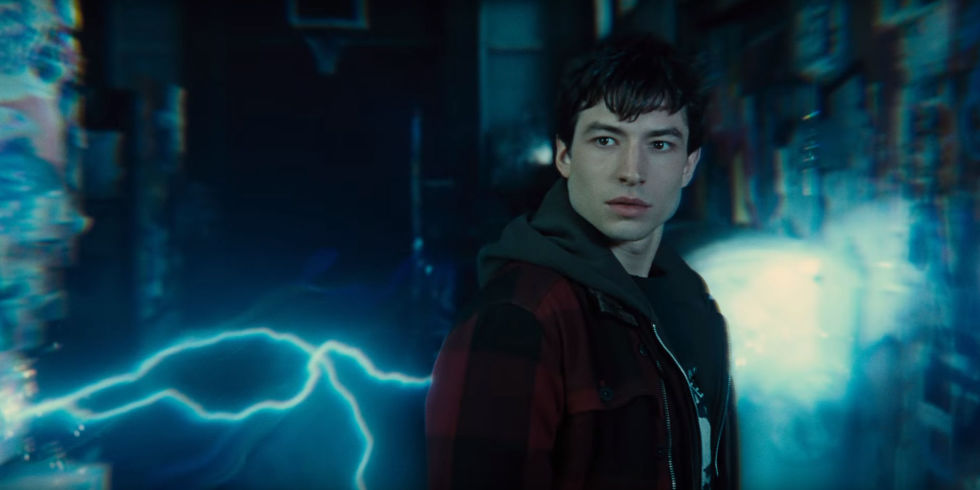
  • “JUSTICE LEAGUE” (2017) – Hero Character Videos – The Flash

    “JUSTICE LEAGUE” (2017) – Hero Character Videos – The Flash

    Error
    This video doesn’t exist

    Fuelled by his restored faith in humanity and inspired by Superman’s selfless act, Bruce Wayne enlists the help of his newfound ally, Diana Prince, to face an even greater enemy. Together, Batman and Wonder Woman work quickly to find and recruit a team of metahumans to stand against this newly awakened threat. But despite the formation of this unprecedented league of heroes—Batman, Wonder Woman, Aquaman, Cyborg and The Flash—it may already be too late to save the planet from an assault of catastrophic proportions.

    JUSTICE LEAGUE is directed by Zack Snyder and stars Ben Affleck, Gal Gadot, Jason Momoa, Ezra Miller, Ray Fisher, Henry Cavill, Jeremy Irons, Amy Adams, Diane Lane, J.K. Simmons.

    JUSTICE LEAGUE releases in New Zealand cinemas on November 16, 2017.

    justice league spry film 1


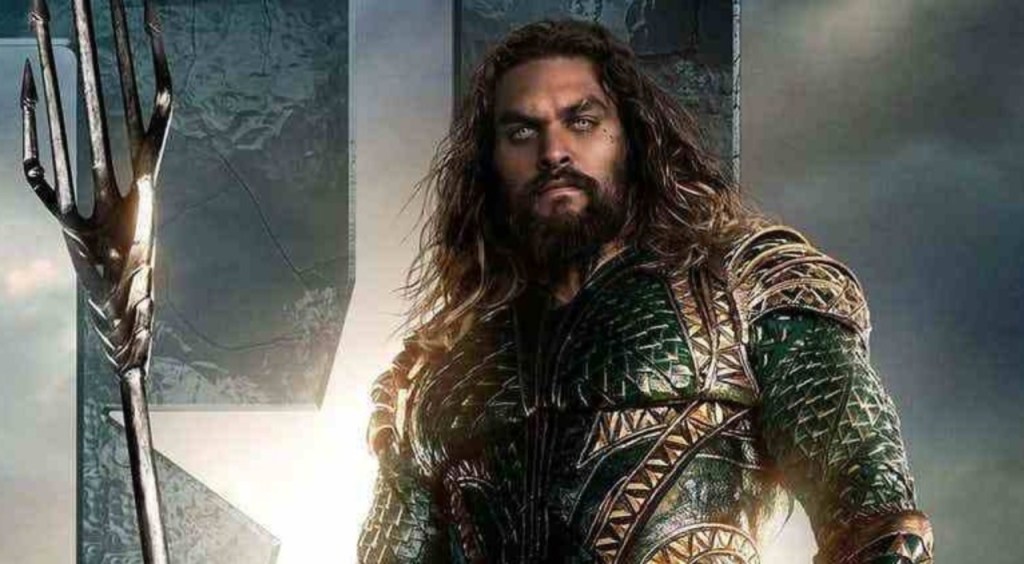
  • “JUSTICE LEAGUE” (2017) – Hero Character Videos – Aquaman

    “JUSTICE LEAGUE” (2017) – Hero Character Videos – Aquaman

    Error
    This video doesn’t exist

    Fuelled by his restored faith in humanity and inspired by Superman’s selfless act, Bruce Wayne enlists the help of his newfound ally, Diana Prince, to face an even greater enemy. Together, Batman and Wonder Woman work quickly to find and recruit a team of metahumans to stand against this newly awakened threat. But despite the formation of this unprecedented league of heroes—Batman, Wonder Woman, Aquaman, Cyborg and The Flash—it may already be too late to save the planet from an assault of catastrophic proportions.

    JUSTICE LEAGUE is directed by Zack Snyder and stars Ben Affleck, Gal Gadot, Jason Momoa, Ezra Miller, Ray Fisher, Henry Cavill, Jeremy Irons, Amy Adams, Diane Lane, J.K. Simmons.

    JUSTICE LEAGUE releases in New Zealand cinemas on November 16, 2017.

    justice leage spry film 1

  • DVD & Blu-ray review: “The Big Sick” (2017)

    “The Big Sick” (2017)

    Comedy

    5stars_small

    Running Time: 124 minutes

    Written:  Kumail Nanjiani & Emily V. Gordon

    Directed by: Michael Showalter

    Featuring: Kumail Nanjiani, Zoe Kazan, Holly Hunter, Ray Romano, Adeel Akhtar and Anupam Kher

    Terry: “Let me give you some advice, Kumail. Love isn’t easy. That’s why they call it love.”

    Kumail: “I don’t really get that.”

    Terry: “I know. I thought I could just start saying something and something smart would come out.”

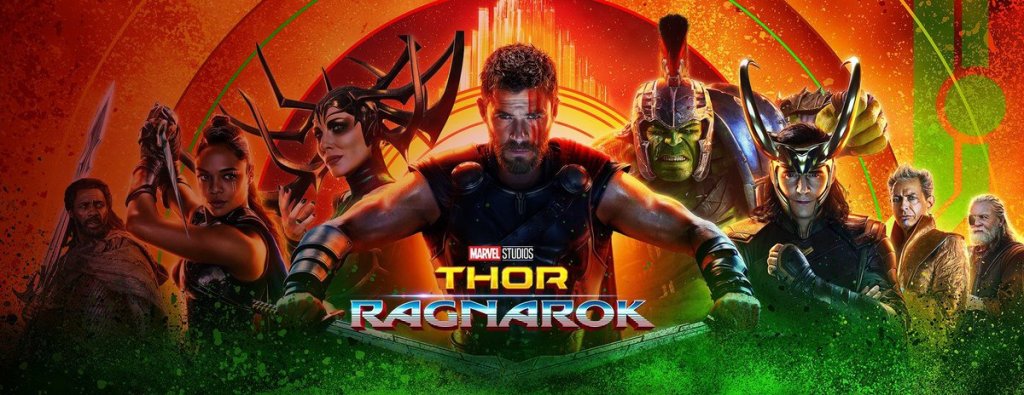
    This has not been the greatest years for comedies; they have been high on concept but low on results. The laughs this year seem to have been delivered by action films with comedic moments, the funniest arguably being “Spider-Man: Homecoming” (2017) as well as the recently released “Thor: Ragnarok” (2017), that is until now.

    “The Big Sick” (2017) is a love story, comedy with drama sprinkled over the top, to give it some risk as well as peril for its cast of characters. Oh yes, its also based on a true story, being written by real life couple Kumail Nanjiani and Emily V. Gordon. This is a film that focuses on their real life relationship, their meeting and the realities of a mixed culture relationship, that had real consequences for both of them – it makes compelling story-telling as well as reliable and constant laughs throughout this movie. It is also expertly directed by Michael Showalter whose last film was the excellent Sally Field starrer “Hello, My Name is Doris” (2015) – he is also a talented and in demand television director.

    The movie revolves around Kumail is a comedian living in Chicago trying to make it in the industry while driving for Uber in his spare time. His entire family is from Pakistan, so they are Muslim and regularly set Kumail up with various Pakistani women in hopes of continuing the tradition of an arranged marriage, much to Kumail’s annoyance. During one of his shows, he is heckled by Emily, a woman in the audience. After the show they hook up and begin to date.

    If you have never heard of the principal Kumail Nanjiani who hear plays himself in the movie, you are missing out on an excellent stand-up as well as a very accomplished character actor, he can be seen on the HBO hit comedy “Silicon Valley” which is in now in its fourth season, and there he plays Dinesh Chugtai, one of the mainstays of the how. Nanjiani has also appeared in many other television shows as well as movies, he is extremely talented as well as a podcaster. In fact he hosted a podcast about the X-Files that he is a self confessed fan of, he even appeared in an episode of the revival series. This is heighted in “The Big Sick” in really nice ways that act as a homage to this love. However in his first real starring role as a Chicago based Pakistani stand-up, playing a version of himself he hits it for six.

    Seeing this film described as romantic comedy as I have read is a bit if a misnomer as it is so much more than that, it has elements of comedy as well as romantic tropes, but it also contains a hefty bit of drama as well as, of course, biography. So it is reductive to describe it or limit it to one genre as this film is so much more than a typical romantic comedy – this actually elevates the genre to a new level as it also combines what it is to be stranger in a strange land as well as being seen as not only the eternal outsider but possibly some enemy of the state, that is always seen as the metaphorical ‘other’ in society.

    Now while this is a story about a relationship, as well as family, the acceptance of new cultures as well as how people behave when they are trying to please almost everyone else but themselves, this story is also exclusively told from the point of view of Kumail, and almost nobody else, in fact everyone else’s experience is told through Kumail eyes so we are only seeing what he sees and everything else is really a mystery. This is a vital difference between other films with similar narratives as we really begin to understand why Kumail keeps the different strands of his separate, he has commitments to his family which he is being dishonest about as well as trying to keep up with some kind of commitment to Emily, who he is also being dishonest to. This becomes important as the story takes hold and we start to see the kind of scrutiny and pressure that Kumail has been put under but also the kind of pressure he has put himself under. At times it is not an easy watch to see the main character come under real threats emotionally but this story does have a happy ending – and if you have missed it this is co-written by Kumail and his wife, Emily.

    The director of this feature is Michael Showalter who has been given a cracker of a script, so he does have his work cut out for him, in fact the director whose last film was the excellent “Hello, My Name is Doris”, does something here he did there, that is build the film around an untested leading man by giving him some great supporting actors to work with who know how to play drama as well as extremely funny comedy. At the top we have Zoe Kazan who inhabits her role as Emily, who never seems out of her depth playing her part, then we have Ray Romano and the great Holly Hunter as her parents. Hunter and Romano both play their parts with equal part humor as well as dramatic as any part could be. Hunter you would expect to be great, but Romano is the one that is the real surprise as a typical clueless Father who relies on his wife for answers as well as decision making, a typical male who befriends Kumail while everyone else shuns him. Adeel Akhtar who plays Kumail’s brother Naveed has little screen time but when you see him he is nothing short of fantastic – over the years Akhtar has been stealing movies in everything he has appeared in, this is the case with “The Big Sick”, he is priceless as Kumail’s traditional Muslim brother – who really only wants what’s best for the entire family, even if its at Kumail’s expense.

    “The Big Sick” deals with many issues that face not only Muslim Americans, the interaction of mixed cultured relationships, the politics of the present in the US as well as what it means to be a man, and a child of immigrants – surely the most American of stories. What is great about this film is that it doesn’t answer any of those questions, instead it asks those questions of everyone within the film. What this film may be trying to say is that there are no easy answers to these and more of societies problems, but there does need to be understanding in the way we as a society look at each other no matter religion or politics. There is also something to be said for the way we look at what is the truth, as well as how as people we react when the truth comes out. This is no more apparent in “The Big Sick” than when Kumail’s family history comes out, he reacts in a way that is familiar to all – he gets mad, in so doing destroys the relation ship that means something to him – this will be familiar to all I am sure.

    This is a very good film, one that contains many different messages as well as a very healthy amount of humor, which will appeal to most people. Not only that the situations that occur between Kumail, Emily as well as their respective families will be familiar to all, because if you have not been in their situation you are probably aware of people who have. In short this has some universal truths about not families as well as how we treat them but how we view each other. I can recommend this to all and you will have a great time sitting in an audience watching this film – it is also a great antidote to the bloated US Summer movies that are hitting our shores as I write this. Go and search this out you will not be disappointed.

    “The Big Sick” is out now on DVD & Blu-ray.

  • Streaming review: “Stranger Things 2” (2017)

    “Stranger Things 2” (2017)

    TV Series/Drama/Sci-Fi/Horror

    images

    Episodes: Nine

    Created by: The Duffer Brothers

    Featuring:  Winona Ryder, David Harbour, Finn Wolfhard, Millie Bobby Brown, Gaten Matarazzo, Caleb McLaughlin, Natalia Dyer, Charlie Heaton, Cara Buono, Sean Astin, Paul Reiser

    When Netflix released the Duffer Brothers created “Stranger Things” in 2016 there is no way in the world that anyone could have known that it would become one of the top pop culture phenomenon’s of that year – yet alone spawn a sequel series that has long been talked about, as well as it being one of the most anticipated events of 2017. So with that the new series, aptly titled “Stranger Things 2” dropped all of its episodes on the 28th October (NZ time), which meant that for many people it was the series to binge for the next few days.

    The Duffer Brothers have brought back Eleven, Mike, Dustin, Lucas, Noah as well as Joyce and Sheriff Hopper, with all the supporting characters you would expect, adding two more regulars in the form of Dr. Owens, Bob Newby and Max to move the story forward from where we left it in the first season. The good news is that the plot is indeed moving forward, with some realities such as the trauma that Noah and his family are now feeling a year on from the revelation of Eleven and the ‘Upside Down’. He has regular visits to Dr. Owens which are of course, not what they seem on the surface. While there is no doubt that the first season (as well this of course) could not exist without the work of Stephen King, Speilberg and a huge dose of John Carpenter, this new season injects a massive dose of Lovecraftian Horror that infects the plot as well as the characters much like it did in the 1980s.

    The second season takes place around Halloween (October 31) of 1984, about a year after the events of the first season, and explores the “bigger mythology” of Will’s disappearance. Its about the “determined desire to return to normalcy in Hawkins” for Will, his family, his friends, and the other residents in the town affected by the events. Will suffers from “some sort of post-traumatic stress disorder” from his time in the Upside Down, and has visions of a “shadow monster” that is reaching down from the sky, and which serves as a “singular threat” that connects the various narratives in the season.

    Episodes:

    “Madmax”

    Written & Directed by: The Duffer Brothers

    “Trick or Trick, Freak”

    Written & Directed by: The Duffer Brothers

    “The Pollywog”

    Written by: Justin Doble Directed by: Shawn Levy

    “Will the wise”

    Written by: Paul Dichter Directed by: Shawn Levy

    “Dig Dug”

    Written by: Jessie Nickson-Lopez Directed by: Andrew Stanton

    “The Spy”

    Written by: Kate Trefry Directed by: Andrew Stanton

    “The Lost Sister”

    Written by: Justin Doble Directed by: Rebecca Thomas

    “The Mind Flayer”

    Written & Directed by: The Duffer Brothers

    “The Gate”

    Written & Directed by: The Duffer Brothers

    Much like the first season it is better going into this without knowing much about the story, but I am going to talk about the creative choices as well as some of the themes that are apparent for me in this new season.

    One of the main points of reference in season two is the great horror writer H.P. Lovecraft who had a resurgence in the 1980s, particularly in horror film and novels. In fact it was the loose adaption’s two stories in particular that ended up becoming two seminal horror films, Stuart Gordon’s “Re-animator” (1985) and “From Beyond” (1986). These introduced the idea of Lovecraft horror to an entire new audience, coupled with the advent of video cassettes and the boom in rental and retail stores. Lovecraft has been one of the largest influences on all horror media since his death, as well as his rediscovery by his peers with the publication of his sorties shortly after his death –  these infected and informed the way in which people viewed horror. In brief one of his ideas was the idea of a tentacled being called ‘Cthulu’ that lived in the oceans, and was trying to infect the world, which is something that may be echoed in the ‘Upside Down’. Not only that but this and other creatures would live under the ‘surface’ which is something that has influence the Duffer Brothers in their design of not only the world under the surface of Hawkins, but also the idea of points of space where it is thin enough to cross over – surely seen in both seasons. Of coure there are many other references, Stephen Kings stories come to mind, in particular ‘Carrie’ where the protagonist has mind powers that she uses in malevolent ways on friends and enemies alike, surely a reference to Eleven.

    The story is of course set in the 1980s, whereas in the first season this was reflected in the pop culture of the day, as well as the washed out look and music that was composed, with subtle posters around the bedrooms of the main characters and of course the technology that is constantly being used by the characters within the story. This new season really wants to hit the viewer over the head with 80s pop culture, not only with everything aforementioned but also with more Non-diegetic pop music as well which like another 80s inspired story, “Atomic blonde” (2017) seemed to delight in constantly making it clear when the film was set to the point it seemed to be covering up a complete lack of story. Here however the Duffers seem to stop just short of it becoming too much, which has to be a fine balancing act. Another aspect was the use of movies of the time as well as seeing people dress up in 80s pop culture characters, the interaction with that as well as the video game arcades is a bit of a blunt tool to use for audiences who may know about the 80s already. While there can be no doubt that the first season of “Stranger Things” was on the forefront of 80s nostalgia, it now has to face a year that has seen a number of film and TV properties cashing in on this, including a monster horror hit in the form of Stephen King’s “IT” (2017), which used the 80s in a very subtle way, not cashing in on cheap nostalgic tricks that unfortunately are present in “Stranger Things 2” – which I found to be a bit of missed opportunity as well as unimaginative.

    The instrumental music that has been employed by The Duffers through composers Michael Stein and Kyle Dixon (also known as S U R V I V E) is excellent, as it was in the first season, it has not moved forward though, still using synths as the basis, much like Mark Mothersbaugh did in the recent soundtrack to “Thor: Ragnarok” (2017) – DEVO is referenced in the first scene which may have been a direct homage to the great Mothersbaugh which was fun to hear, although is a massive trope for 80s based shows.

    Of course “Stranger Things 2” is full of tropes, which may be considered self referential, such as the Rob Lowe lookalike who not looks like a Lowe film character but behaves the same way. Speaking of 80s callbacks the casting of Sean Astin and Paul Reiser who came to public attention with their now classic roles in two 80s staples, the still amazingly perfect “Aliens” (1986) and “Goonies” (1985) seems perfect for this show, they are not only great actors but bring a sense of authenticity, much like Matthew Modine did in the first season.
    Something that does occur in this new season are some comments as well as actions about gender and racial politics which could have been handled a bit better and may have been if people with more experience has been involved. One major point, which seems to be paid for laughs, is when the gang dresses up as the Ghostbusters from the titular movie. Firstly both Mike and Lucas come to school dressed as Venkman (played by Bill Murray in the movie) which on the surface is fine, however Mike seems to make the point Lucas should have come as Winston (played by Ernie Hudson) as he is black, like the character – which if course is insulting. Then Lucas says that Mike could have come as Winston, the point then being made that no one wants to be Winston. From a cultural and racial point of view this is fairly low brow on many levels, needless to say that children espousing this view is supposed to be reflective of the times, but it comes across as clumsy at best, racist at worst. The gender issues for me come down to how woman are treated in the show as well as how some of the main female characters are reduced to screaming messes – Winona Ryder’s character comes to mind, she has gone from being a savior type person that had some agency to being reactive, seemingly needing a mans help at almost every corner, this was pretty disappointing for me as she was such a highlight of season one.

    The show is still very good, the relationships between the four boys has moved on, they are not the tight group we saw in the first season, in fact for most of this new season they are spread out amongst secondary characters dealing with B plots that inform what is happening with the possibility of a new threat they are going to be facing. There has definitely been an effort to move the story forward while expanding this Universe that has been created. Sure I have a few quibbles but watching this show is fun, especially with company so you can talk about what is going on in between the breaks.

    I can recommend this as a worthy follow up – If you enjoyed the first season then this is a step up, you will also be happy to know that a third and fourth season is in the works.

    “Stranger Things 2” as well as the first season are streaming now on Netflix.

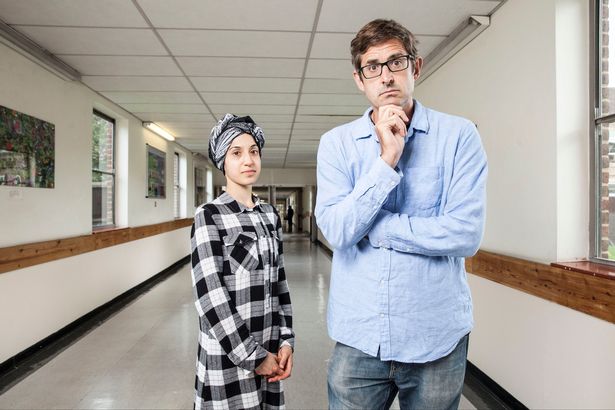
  • TV review: “Louis Theroux: Dark States” (2017)

    “Louis Theroux: Dark States” (2017)

    Documentary

    Created, written & presented by: Louis Theroux

    images

    The last time we saw Louis Theroux was his revisitation to a subject that seems to have haunted him for some time, he obviously felt like he needed to revisit, this was “Louis Theroux: Saville” (2016) – an analysis of himself, something Theroux does not often do, to be honest he needn’t have bothered – he was not to blame for Saville, the monster, nor was he to blame for not seeing what Saville was hiding, years of predatory sexual behavior. This was a serious issue for the presenter, which has now seen him return to some more serious issues, that of drugs, prostitution and murder in the US.

    While these three episodes are not quite a return to his ‘Weird Weekends’ there is a feeling that Theroux is cashing in on those while attempting to make something more serious as well as socially conscious, like his “My Scientology Movie” he also tries to comment himself on his feelings on what he has witnessed, with his interactions with people he encounters. His actual interactions can be successful in relation to coming to a truth about a person which is great for the viewers, they think they are being let in on someone’s life, be that tragic or not. Many of these lives are in a state of flux illustrating the issues that are being touched upon, but with little positive outcomes, just like real life.

    Of course Theroux’s great strength is his ability to ask questions that in their form seem minimalistic, as well as fairly innocuous, but in fact open the subject up in ways many other interviewers/reporters may find impossible. There are many examples of this not only within these three episodes but in all of his documentaries. In the final installment for example after talking to two groups of people in Milwaukee about a recent murder of one their friends, he matter-of-factly asks, “Do you know who murdered him?” – on both occasions everyone (except Louis who has a great poker face) looks a little stunned – “No” they answer he then follows it up immediately with “You probably wouldn’t tell me if you knew anyway, right?” – that is greeted with knowing grins from both groups. This is the bread and butter of any Theroux documentary, after all these years it never fails to work.

    Over the past seven years or so I have viewed almost all of the Louis Theroux oeuvre, I have looked forward to new shows, seeing his growth over the entire lot. Many of his shows are not perfect, not even close, but he has a true exuberance in meeting new people in new countries who have experienced life that is completely foreign to him, such as neo-Nazis, transgender kids, scientologists, murderers, pedophiles, the list goes on and on. What he does is let his audience in on those people too which can elucidate another point of view, this can either change or back up the morals of the person watching which is an achievement worth having.

    Of course with many documentarians it can be them that is ultimately the subject of their work, especially when viewing work over a period of years. It is not difficult to imagine what someone like Michael Moore or Nick Broomfield is like in real life; they are always in front of their camera. However what I love about Theroux is that he puts himself front and center, but I feel like I do not know him, he remains a mystery to me to this day. He goes out of his way to make sure the focus in on his subject as well as subject matter rarely offering his own social or political opinions.
    Theroux will give his subjects space and time, sometimes what feels like an uncomfortable amount of it, to not only answer his queries but to offer more information than they may have felt they were going to, or to give looks that can give away their motivations or true feelings. This is no more so than in episode two where he enters a prison to talk to a pimp who is serving forty years for trafficking in people. The exchange between them is affable with Theroux asking about his crimes, then steering the conversation to how his victims, the prostitutes, felt or why they did what they did. The answers are what you might expect, but then Theroux says offhand “It’s like a cult and you are their leader”, to which the pimp answers “If that’s what you think”, then a pause and he adds “I guess it is”, a longer pause and the pimp just starts smiling. Both men in this exchange give so much away but it is the camera that reveals the truth between the two men as well the audience looking on.

    As I said these three episodes are not perfect, they do not dig deep to analyze why all of these people find themselves in the situations or worlds they find themselves in. Each episode runs for sixty minutes, to be honest each episode could run for sixty hours and you may never find the truth of the issues, but my feeling was with another thirty minutes a broader picture could have been painted about the geography of the locations, the ‘victims’ as well as the perpetrators, which do exist in each episode. Louis does not let people off the hook in many situations, but when talking to a mother who owns many guns that she says she uses for protection I could not help but think he held back, maybe intimidated by her as well the weapons on show. This is just one example but my feeling was he was in a situation he did not know how to react to which I was a little disappointed by.

    As I said for the most part within the three episodes Louis does a great job of talking to street level, for the most part everyday people doing what they do, not embarrassed by how they are filmed or how they are talked to. Out of the three episodes I found the first one “Heroin Town” to be the most relevant as well as most enlightening for various reasons, I could relate to it, I felt for the people involved in it, I though Louis was most at home in each situation and that he could see that real people were lost in their lives, some knew that, some did not. Another huge factor was that you could witness people taking drugs, whether injecting or smoking it, which meant you were a witness to their day-to-day lives. In the other two episodes you cannot witness a murder or someone prostituting himself or herself meaning that their lives were being relayed second as well as third hand, so the impact is lost for a viewer.

    All in all though for a majority of each episode it is impactful to have someone in the audiences shoes asking questions I would ask, but being 100% non judgmental, just wanting to know about them, as well as their situation, I will always watch a Louis Theroux documentary because I learn about an aspect of life I hope never to experience. In saying that it is always these people that are taken advantage of, lied to and victimised, the first in society when change happens. This will become apparent throughout the world, as new governments are elected especially the right wing as they will be aiming at easy targets, these people are those targets. As we see in the first episode drugs to do not discriminate, they will get whomever they can, whether you are male or female, rich or poor, no matter what culture you identify with – this is a point we can all take from this, remembering victims are not perpetrators.

    Looking ahead if you can watch these episodes you should, they are worth while, poignant as well as entertaining. We see through an awkward Englishman’s eyes some serious situations that are occurring in a county that professes to be the greatest in the world, which of course it is not. Like so many nations it is living off past victories but will not face up to the reality that other nations are doing much better with less. This is series worth watching just to see some harsh realities at play.

    Episode One: Heroin Town

    Louis looks at America’s love affair with prescription painkillers that has led to a widespread dependency on opiates.

    Episode Two: Sex Trafficking in Houston

    Investigating sex workers and their pimps, Louis uncovers the dark underbelly of Houston, Texas.

    Episode Three: Murder in Milwaukee

    Louis spends time with the Milwaukee Police Department as they try to tackle the high rate of homicide and meets the residents affected by gun crime.

    “Louis Theroux: Dark States” is coming to streaming and broadcast television soon.

    Episode One: Heroin Town will be screened in New Zealand cinemas from 17th November 2017.

  • DVD review: “Guerrilla” (2017)

    “Guerrilla” (2017)

    TV Series/Drama

    images

    Episodes: Six

    Created by: John Ridley

    Featuring:  Idris Elba, Freida Pinto and Babou Ceesay

    It was always going to be difficult to follow up an Oscar winning screenplay, particularly for a film like “12 Years a Slave” (2013), but John Ridley had his work cut out for him with this story of politics and racism, in the just released on DVD miniseries “Guerrilla” (2017). What Ridley has done is remarkable; he has created a dense drama about a time that many are too young or ignorant to probably even realise happened. It was a time when many of the police were nothing more than racist sexist bullies, where woman’s right meant nothing, the only kind of person to be was white male and privileged. It echoes the state of many countries that elected right wing governments who are now facing questions regarding how they want to treat their citizens. It would be easy to say this is a reflection of Trump as well as his cohorts but it has happened in the UK, Australia, as well as shifts of governments much like the recent German elections – the world os in a truly sad state.

    In many ways the world was a very different place in which “Guerrilla” is set, but there was a growing tide of radical activism in many countries that sought to challenge the status quo of the idea of power, where this power flows from as well its general legitimacy when minorities were being discussed. Representation was a massive issue in terms of getting across ideas that were not white, male or straight to a public that needed to know why they should care about issues that did not have a direct effect on them. There can be such a disconnect between the haves who feel by right they should have a say the way society works, as well as the people who are seen as poor minorities who actually live within that society.

    “Guerrilla” is really primarily a love story set against the backdrop of one of the most politically explosive times in U.K. history. A politically active couple (played by Freida Pinto and Babou Ceesay) have their relationship and values tested, when they liberate a political prisoner and form a radical underground cell in 1970s London.

    This is not only a gripping drama as well as an edge of your seat thriller, but it also acts as a kind of historical document that through some fiction illustrates what it was like to be non-white to a larger extent, as well as a non-white male to a lesser extent. Through each episode we move through some pretty tough decisions that are made by each character as they arrive at some harsh realties about the country they are living in as well as what some of the power players within the country want to do. These decisions will have adverse effects on not only their lives, but the wider community in which they all live. What Ridley does is to show viewers from a ground level, some of the events that not only provide motivation, but also that these groups are not isolated by geography. Throughout the world, in the US with the Weatherman as well as Germany with the Baader- Meinhof Group these people can see the only way forward is to use rhetoric as well as public displays of revolution to highlight their plight. We see what it not only takes for someone to see injustice in their society or community, but also how far they can be pushed before they see a need to take drastic real, as well as socially destructive action against the government.

    The cast is large, as you would expect with a socially conscious miniseries, it is led by Freida Pinto and Babou Ceesay, who are the definite leads, with able support from superstar Idris Elba (who also acts as a producer). Pinto and Ceesay are excellent in their roles as partners who are involved in political activism as well as attempting to make lives for themselves. They play off each other wonderfully in both their personal lives as well as their political radicalized one. The other interesting aspect of their performances is that they do they feel apart from the power structures that surround them, but Pinto is an Indian woman and Ceesay is an African man – so they are in a way culturally disparate from each other. While I enjoyed having Elba in this show I could not help but feel like it was some kind of ‘stunt’ casting, in that I was taken out of the plot when he appeared. I am in no way taking away from his talent, obviously if you have someone of his caliber available then you grab it with both hands, but I felt he was a little miscast, he is an imposing figure onscreen, sometimes his bigger than life parts can cast a long shadow. On the other hand it is some of the smaller parts that are the most memorable, in particular the always-talented Zawe Ashton playing Omega is a highlight as is Daniel Mays, starting to become a staple on British television, his talent is always evident.

    The series as I have said is written by Ridley, he has also directed three of the six episodes, which he has done very well. There can be nothing better than writing a series, then directing a large portion, you know the material inside and out, with any questions being answered by the author himself. The remaining three episodes have been directed by Sam Miller who has a great eye, as well as having an affinity for directing period pieces as is evident with “Guerrilla”, possibly the most important and serious show he has worked on in his career. Ridley has chosen well with his directing partner, Miller has an extensive CV in directing television shows over a wide range of genres, as well as working with top-notch talent, “Guerrilla” is proof that he has to be one of the top television directors working in the UK today.

    This is not a perfect show, but if you are looking for socially relevant television that has a definite beginning, middle and end then this is for you. However there is a major part missing or at least reduced, that is the part of the African woman (actually generally women in general), as well the part they played during this time of major upheaval as well as challenge to the norms and attitudes of the time. “Guerrilla” is written from a male perspective, which as I have said shows, the main characters are mostly men. The leading female character is not of African descent, but of Indian decent in Freida Pinto who is no doubt an excellent actress as well as compelling, inhabiting her role with both anger, as well as empathy – it would have been a little more even if she had been of African descent.

    If you want to watch a show that is easily binge worthy, as well as a history lesson and a timely reminder of how much society has not changed then you will love this show. With so many average television existing, as well as many that leave you with cliffhangers at the end of the final episode I found “Guerrilla” refreshing as well as compelling, I recommend this highly.

    “Guerrilla” is out now on DVD.

  • Film review: “Thor: Ragnarok” (2017)

    “Thor: Ragnarok” (2017)

    Action

    3-stars

    Written by: Eric Pearson

    Directed by: Taika Waititi

    Featuring: Chris Hemsworth, Tom Hiddleston, Cate Blanchett, Idris Elba, Jeff Goldblum, Tessa Thompson, Karl Urban, Mark Ruffalo, and Anthony Hopkins

    Thor: “I don’t hang with the Avengers anymore. It all got too corporate.”

    Well its here the third Marvel film to be released this year after “Guardians of the Galaxy Vol. 2” (2017) and “Spider-Man: Homecoming” (2017) – also a Sony pictures film – which sees the return of not only Thor, but Hulk (both last seen in “Avengers: Age of Ultron”) as well as Loki, Odin and Heimdall. It also sees the introduction of a few new characters from the Thor comics such as Executioner, Valkyrie, Hela and Surtur. Its great to see some deep cuts from the Thor side of things, as well as some storylines from the Hulk comics – it became obvious from the last two Thor films that it was difficult to carry the weight of an entire film by himself, so Hulk has been imported to share the load, which works a treat, and may in facy be down to the fact that Mark Ruffalo is such a great actor, making any movie he better.

    The other thing that has been done is to bring in New Zealand director, Taika Waititi, to punch up the feel of the visuals as well as making this franchise viable after the critical drubbing of “Thor: The Dark World” (2013) – directed by Alan Taylor who while being one of the great television director’s seems to have been revealed as a mediocre film director at best. Waititi has gone for it in the comedy department, possibly a little too funny in my mind which eschews drama for broad comedy – I like humour but this was possibly a little to much for my tastes.

    Four years after the events of Thor: The Dark World, and two years after the events of Avengers: Age of Ultron, Thor, held captive on the planet Sakaar without his hammer Mjolnir, must win a gladiatorial duel against an old friend—the Hulk—in order to return to Asgard in time to stop the villainous Hela and the impending Ragnarök, the end of all Asgardian civilization.

    For those of you who know about the success of the Marvel films this is going to be another win for them as well as their parent Disney – who at this point seem to own the super hero genre hands down – any real competition has by now been left in the dust. It may be hard to believe but this is the seventeenth entry into the MCU, as well as being in their Phase Three segment of this ongoing Universe which shows no sign of stopping now. After a strong start with director Kenneth Branagh in the first “Thor” (2010), a minor dip with its sequel, it was with hope that when Taika Waititi was brought on as director this new film would have its own style – the good news is that is does, but it may not please everyone.

    While not completely original this movie has taken a cue from the 1980s, which may seem like it has jumped on the bandwagon of recent hits like “Stranger Things” (2016-2017) as well as the monster hit “IT” (2017). Of course it would reductive to say that, as “Thor: Ragnarok” (2017) was in production before those were released, so I think we can put that down to good timing as well as Waititi’s own unique style which in the past has been referential of that decade. The good news is that like those other shows it succeeds not only with its look but the music is a step away from the tried and true Marvel composers as well which works wonders for this film.

    As with many comic book based movies from major studios the cast is always something to behold, “Thor: Ragnarok” is no different with the already staple cast being added to with Mark Ruffalo, Cate Blanchett, Karl Urban and Jeff Goldblum all making appearances as major Marvel characters, almost all exclusively from the Thor comic canon. There really is not much more to say other than that all of these wonderful actors get to touch on their comedic sides more than they have in their past, more than you may think in a Marvel film to date, even taking into account the comedic relief in the previous two ‘Guardians’ films. This comedic element has been lacking in the previous two Thor films but is not absent in runs of the comic. In fact it was the great Walt Simonson who was responsible for humor in Thor, one of his best stories was our titular hero being turned into a frog – something I would love to see in the movies. As for our regular cast headed by Chris Hemsworth and Tom Hiddleston who now inhabit their roles like second skins excel here in the time they spend together – these Thor films as well as the other movies they appear in together are all the best when the chemistry they have is ignited onscreen – one of the reasons I like the Thor films is just to watch these two together.

    Of course this movie has a prime mover in the form of director Taika Waititi who since production was announced has been the star of this installment. Ever since the one, two punch of “What We Do in the Shadows” (2014) and “Hunt for the Wilderpeople” (2016) he has obviously been on Hollywood radars but I do not think many would have thought his Hollywood debut would have been a Marvel movie, certainly not Thor. But trust the man to see the opportunity in this project, grabbing the reins and creating the probably the most original Marvel movie in some time – yes I am including ‘Guardians’ here, that was an easy sell particularly when you are starting from scratch. Here Waititi has to take an existing franchise and take a sharp left turn, the success or failure was always his – to his credit this road movie works – it takes two of the most popular storylines from both Hulk and Thor, crosses it with “Easy Rider” (1969) and produces something really cool.

    There is much more that could be said but I don’t want to spoil anything but there is one more aspect of the film that has to be talked about and that is the soundtrack by DEVO front man Mark Mothersbaugh. Mothersbaugh who has been contributing to soundtracks and writing music for decades here is given free reign to create music that would suit the 80s vibe Waititi was going for, succeeding beyond any other 80s era like music anyone has produced for other shows that are set in the same time period.

    The film is not perfect, it spends far too long with other secondary as well as tertiary characters, as well as introducing a few too many new ones as well. I am not sold on Cate Blanchett as ‘Hela’ as well as her actually fighting hand to hand with the titular hero – this is something that would never have happened in the comics. I am also not a fan of the dispatching of major charters from the previous two films in off handed and frankly in a lazy manner. Some of the beats could have been handled better but this may be down to Waititi’s lack of experience in a movie of this size.

    If you are a Marvel devotee you will love this movie for everything that is offers, there is more to like from Ruffalo’s Hulk, never looking better, way more fun and a touch more vocal. The new cast are all great with the returning players obviously not tired of their own roles. If you are a casual fan or first timer this is a good movie to watch as it doesn’t really matter if you have not seen the previous movies. This is a humorous thrill ride through a number of planets, a lot of action with a major amount of humor, I recommend but you may be confused as to what movie this is!

    “Thor: Ragnarok” (2017) is out now only in cinemas.

  • Film review: “Maudie” (2016)

    “Maudie” (2017)

    Drama

    images

    Running Time: 116 minutes

    Written by: Sherry White

    Directed by: Aisling Walsh

    Featuring: Sally Hawkins and Ethan Hawke

    Mr. Davis (Shopkeeper): “I don’t know why people pay money for these, my 5-year-old could do better.”

    Everett Lewis: “Maybe. Maybe he could, but he didn’t – Maud did.”

    Films about real people can be routine affairs, especially when they revolve around subjects that end up feeling self-important or, are in actuality quite dull. I often do not see the point in putting lives onscreen that have already been documented in news programs or documentaries. So it is when a film arrives like “Maudie” (2016) that you realize that a persons life is not just measured in money, or fame, but in what they do with their time, and sometimes what they leave behind. “Maudie” is based on the real life of Maud Dowley an original if ever there was one. Maud was a painter in the town of Marshalltown, Nova Scotia who left behind a legacy that lives to this very day, this is a film worth paying to see.

    “Maudie” is a truly touching, as well as moving film, that unlike many other of its genre does not douse itself in nostalgia or show a life that was better in the ‘old days’. In fact if anything it illustrates just how hard life was, as well as the gender politics that may have existed in some small isolated towns in the 1930s. “Maudie” also goes out of its way to paint a picture of the harshness of the main characters reality – she is not only being controlled by an Aunt, but is actually financially victimized by her brother, something she never forgot or recovered from. It may appear that Maud moves from bad to worse, but in actuality she joins with a person who had not had a great time of it either.

    “Maudie” is all about Maud Dowley an arthritic woman who having lived with her Aunt Ida and brother Charles is told that her brother has sold their family home, which their parents had left to him. In the meantime, Ida berates her about visiting the local nightclub. The next day at the local store, Maud sees the inarticulate and rough fish peddler Everett Lewis place an advertisement for a cleaning lady. Maud answers the call and takes the position for room and board.

    This is a truly remarkable film about an original woman, the time she spent with her husband who were more or less forced together by circumstances, somewhat out of their control. They forged a loving relationship that lasted decades, it produced not only works of art, but also a home that ended up unknowingly being her lifetime’s work that once she passed away was (and is) a testament to her talent. This film treats not only her but her husband with respect, even when as an audience member you may feel some animosity towards him. There are definite gender roles at play, that are fluid, which is impressive considering this film is set from the 1930s onwards. We witness a nice scene towards the middle of the narrative, where after Maud is painting more full time, her husband is peeling potatoes, something once you are introduced to him, he would never do – that’s what he initially hired her for – a truly lovely moment, played authentically by both leads.

    “Maudie” is a co-production between Canada (where it was filmed) and Ireland; this shows onscreen as many shots feel like they have been lifted out of an Irish landscape. The film is directed by Aisling Walsh, who has a long history in both English television as well as film – this is not her first go around. In saying that Walsh has her steady hand on this film, it holds together so well, looks amazing and sounds great. Walsh knows exactly what she is doing as well as what she wants to show onscreen, a brilliant painter who had a difficult life – with a man who had no idea how to treat her or to understand how to deal with issues in life that arise for everyone. He was a man who did not know how to express himself, lucky he had Maud who not only knew how to feel, but she could express it in her paintings both on canvass as well as in her home. It would be easy to say that the landscape is a character in the film, but it is actually the home not the landscape that is the third main character. Interestingly it is the couple’s home that is the true lasting proof of their love and relationship – it is now in an Art Gallery, fully restored in Nova Scotia since 1984.

    The two main actors that have been cast are extremely experienced in a variety of genres, but this film sees them playing real people, where they have many of their mannerisms, this makes up for the fact that they really look nothing like their subjects. Not that this matters one iota, Sally Hawkins as Maud holds the camera the entire time she is onscreen, she is captivating and her talent has never been more evident as it is in “Maudie”. To me it felt like she was authentic as well as fully in command of every scene – it is a showy role but it never felt like she was out of her depth – an Oscar worthy performance. Hawkins foil is the ever-reliable Ethan Hawke who is so talented that he seems to coast through each scene with ease, but he knows he is there to support the main player, Hawkins. At this stage of his career it should surprise no one that Hawke is at home onscreen here as much as he has ever been – I hope his performance is highlighted as one of the best of his career.

    Something that is often overlooked in film is the music, but here it is integral to the plot, it helps to move the story along without telling an audience how to feel. So it is unsurprising the composer is Michael Timmins from the band ‘Cowboy Junkies’. Like their best music this soundtrack is subtle, not overbearing but contains music that is present in each scene that it is needed to be in. There are also some vocalists appearing and the movie closes with a ‘Cowboy Junkies’ song “Something more beside you” which like the film is understated as well as moving.

    This is one of the better films that has been released this year, if it were not for its limited platform and lack of appearances at festivals it may have been an Oscar contender, especially for Sally Hawkins – it does appear she will be making an appearance at the Oscars with another film so all is not lost for her. I would say that if you want to watch a movie that illustrates what life can be about with its triumphs and tragedies for two people that find each other then this is the film for you – I can highly recommend.

    “Maudie” is out now in cinemas.