• Movie review: “Bad Boys: Ride or Die” (2024)

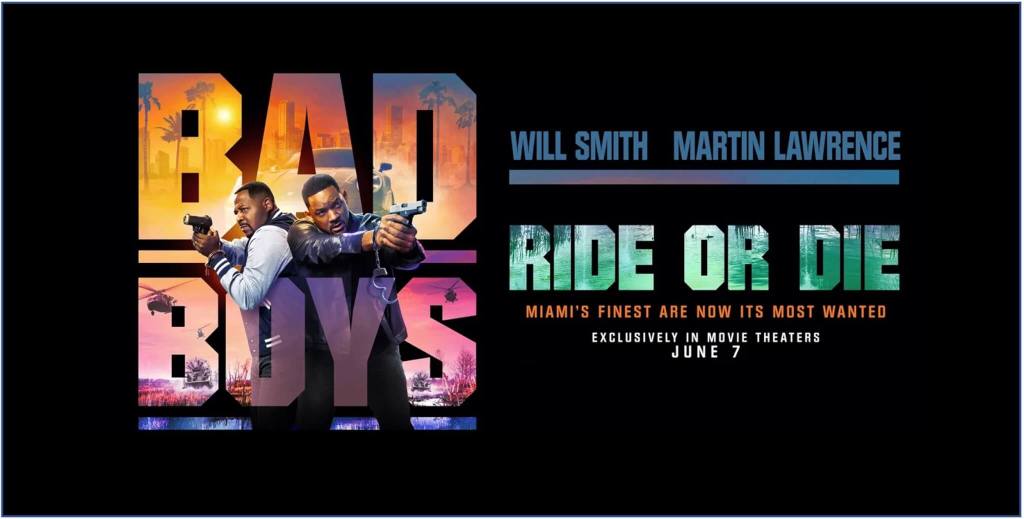
    “Bad Boys: Ride or Die” (2024)

    Action

    Running Time: 115 minutes

    Written by: Chris Bremner and Will Beall

    Directed by: Adil & Bilall

    Featuring: Will Smith, Martin Lawrence, Vanessa Hudgens, Alexander Ludwig, Paola Núñez, Eric Dane, Ioan Gruffudd, Rhea Seehorn, Jacob Scipio, Melanie Liburd, Tasha Smith, Tiffany Haddish and Joe Pantoliano

    Armando Aretas: “Y’all are some terrible fucking fugitives.”

    “Bad Boys Ride or Die,” presumably the fourth chapter in the high-octane “Bad Boys” series, delivers the explosive action, sharp humor, and charismatic chemistry that fans have come to expect from Will Smith and Martin Lawrence. Directed by the innovative team of Adil El Arbi and Bilall Fallah, who helmed the successful “Bad Boys for Life,” this film once again takes viewers on a wild ride through the streets of Miami.

    The film opens with a bang, plunging Mike Lowrey (Will Smith) and Marcus Burnett (Martin Lawrence) into the heart of a complex new case involving a powerful drug cartel with international ties. The stakes are higher than ever as they uncover a plot that threatens not only their city but also their families. The narrative balances high-speed chases and shootouts with deeper emotional beats, exploring themes of loyalty, sacrifice, and the enduring bond between the two protagonists.

    As the title “Ride or Die” suggests, this installment emphasizes the unbreakable brotherhood between Mike and Marcus. Their journey is not just about fighting crime but also about confronting their own pasts and legacies. This emotional depth adds layers to the film, making it more than just a typical action flick.

    Will Smith and Martin Lawrence once again shine in their roles. Smith’s portrayal of Mike Lowrey is as charismatic and intense as ever, blending sharp wit with a relentless drive for justice. Lawrence’s Marcus Burnett provides the perfect counterbalance with his comedic timing and heartfelt sincerity. The chemistry between the two leads is electric, their banter and camaraderie the beating heart of the film.

    The supporting cast also delivers strong performances. Vanessa Hudgens, reprising her role as Kelly from “Bad Boys for Life,” brings a youthful energy and competence to the team. Newcomer John Leguizamo, playing the enigmatic and ruthless antagonist, adds a fresh layer of menace to the film. His performance is both chilling and compelling, providing a formidable challenge for our heroes.

    Adil El Arbi and Bilall Fallah prove once again that they are adept at handling large-scale action sequences while maintaining a coherent and engaging storyline. Their direction ensures that the film’s pacing keeps audiences on the edge of their seats. The action scenes are spectacularly choreographed, featuring impressive stunts, explosive set pieces, and adrenaline-pumping chases.

    Cinematographer Robrecht Heyvaert captures the vibrant and gritty essence of Miami, using dynamic camera work and vivid color palettes to enhance the visual appeal. The city itself becomes a character in the film, its diverse locales providing a rich backdrop for the unfolding drama.

    “Bad Boys Ride or Die” delves deeper into the personal lives of its protagonists, particularly focusing on themes of family and legacy. Marcus grapples with his impending retirement and the desire to protect his loved ones, while Mike faces a shocking revelation from his past that forces him to reconsider his path. These emotional arcs are woven seamlessly into the action, providing a balanced narrative that resonates on multiple levels.

    Humor remains a crucial element of the “Bad Boys” franchise, and “Ride or Die” does not disappoint. The script is peppered with laugh-out-loud moments, often derived from the playful banter between Mike and Marcus. Martin Lawrence’s comedic talent shines, delivering punchlines with impeccable timing, while Will Smith’s charm and wit add an extra layer of fun.

    At its core, the film is a celebration of friendship and loyalty. The bond between Mike and Marcus is portrayed with warmth and authenticity, reminding audiences why they fell in love with these characters in the first place. Their journey, filled with ups and downs, ultimately reaffirms the importance of sticking together through thick and thin.

    “Bad Boys Ride or Die” is a worthy addition to the beloved franchise, offering a perfect blend of explosive action, heartfelt drama, and infectious humor. Will Smith and Martin Lawrence’s performances anchor the film, their chemistry as potent as ever. Under the skilled direction of Adil El Arbi and Bilall Fallah, the movie manages to be both thrilling and emotionally resonant.

    Fans of the series will find much to enjoy, while newcomers will be drawn in by the engaging story and dynamic characters. “Bad Boys Ride or Die” proves that this iconic duo still has plenty of fuel in the tank, delivering a cinematic experience that is both exhilarating and deeply satisfying.

  • Blu-ray review: “Submarine Command” (1951)

    “Submarine Command” (1951)

    War

    Running Time: 87 minutes

    Written by: Jonathan Latimer 

    Directed by: John Farrow

    Featuring: William Holden, Nancy Olson and William Bendix

    CPO Boyer: “Listen – I joined the navy to see the world, cruise the seven seas. What happens? I spend 12 years under water.”

    “Submarine Command” is a 1951 American drama film directed by John Farrow, featuring a star-studded cast led by William Holden, Nancy Olson, and William Bendix. The film delves into the psychological and emotional turmoil experienced by a naval officer haunted by a decision made during wartime, offering a poignant exploration of duty, guilt, and redemption.

    The plot centers around Lieutenant Commander Ken White (William Holden), a naval officer serving on a submarine during World War II. The film begins with a tense and gripping underwater sequence where White is forced to make a fateful decision to surface and save his crew, resulting in the submarine being attacked and his commanding officer killed. This decision haunts White, who carries the burden of guilt and self-doubt into his post-war life.

    One of the film’s strengths is its ability to blend intense submarine warfare scenes with a deep, character-driven narrative. William Holden delivers a powerful performance as Ken White, effectively portraying a man struggling with his inner demons. Holden’s nuanced acting captures the complexity of a character torn between his sense of duty and his personal guilt. His journey towards self-forgiveness and redemption forms the emotional core of the film.

    Nancy Olson plays Carol, White’s understanding and supportive wife. Olson brings warmth and empathy to her role, highlighting the emotional toll White’s inner turmoil takes on their relationship. The chemistry between Holden and Olson is palpable, adding depth to the personal stakes of the story.

    William Bendix, as Chief Petty Officer Boyer, provides a solid supporting performance. His character serves as a bridge between White’s past and present, embodying the loyalty and camaraderie of the naval crew. Bendix’s portrayal is both grounded and emotionally resonant, offering a contrast to White’s internal struggle.

    Director John Farrow’s handling of the film’s pacing and tension is commendable. The underwater sequences are particularly well-executed, creating a sense of claustrophobia and imminent danger that enhances the film’s dramatic impact. Farrow’s direction ensures that the film’s wartime and peacetime elements are seamlessly integrated, allowing the narrative to flow smoothly between action-packed scenes and more introspective moments.

    The screenplay, written by Jonathan Latimer, is another strong point. Latimer effectively balances the film’s thematic elements, using dialogue and character interactions to explore the psychological aftermath of war. The script delves into the moral ambiguities of wartime decisions and the lingering effects of trauma, providing a thoughtful and engaging narrative.

    Visually, “Submarine Command” benefits from its effective use of black-and-white cinematography. The stark contrasts and shadows in the underwater scenes amplify the tension and create a visually compelling experience. The film’s production design also deserves praise, particularly the realistic depiction of the submarine’s interior, which adds authenticity to the story.

    Despite its strengths, “Submarine Command” is not without its flaws. Some viewers may find the film’s pacing uneven, particularly in the transition between the intense wartime sequences and the slower, character-driven scenes. Additionally, while the film’s exploration of psychological themes is commendable, some aspects of White’s redemption arc might come across as predictable or overly sentimental.

    “Submarine Command” intricately explores themes of duty, guilt, and the struggle for redemption. The protagonist, Lieutenant Commander Ken White, epitomizes the classic tortured hero, grappling with the profound consequences of his decisions. This thematic focus is emblematic of post-World War II cinema, where many films began to explore the psychological scars left by the conflict.

    White’s internal conflict is rooted in his decision to surface the submarine, an action intended to save his crew but which ultimately led to the death of his commanding officer. This moral quandary raises questions about the nature of command and the heavy burden of responsibility carried by military leaders. The film doesn’t shy away from portraying the psychological toll of war, reflecting a broader societal effort to understand and process the collective trauma experienced by veterans.

    The narrative structure of “Submarine Command” is reflective of this journey, oscillating between past and present. The wartime sequences are depicted in stark, gripping detail, providing a sharp contrast to the post-war scenes where White attempts to reintegrate into civilian life. This juxtaposition effectively underscores the lingering impact of his wartime experiences on his psyche.

    William Holden’s portrayal of Ken White is the film’s cornerstone. Holden, known for his ability to convey complex emotions with subtlety, brings depth to White’s character. His performance captures the essence of a man haunted by his past yet striving to move forward. Holden’s expressive eyes and restrained demeanor communicate White’s inner turmoil, making his journey towards self-acceptance both believable and poignant.

    Nancy Olson, as Carol White, complements Holden’s performance beautifully. Carol’s role is crucial as she represents the civilian world that Ken is trying to reconnect with. Olson’s portrayal is imbued with compassion and resilience, showcasing her character’s strength as she supports her husband through his struggles. The dynamic between Holden and Olson adds emotional weight to the film, illustrating the personal costs of war on relationships.

    William Bendix’s role as Chief Petty Officer Boyer is another standout. Bendix, often cast in roles that emphasize loyalty and steadfastness, brings a sense of grounded realism to the film. Boyer’s unwavering support for White serves as a reminder of the bonds forged in the crucible of war, and Bendix’s performance provides a necessary counterbalance to Holden’s more introspective portrayal.

    Director John Farrow’s craftsmanship is evident in the film’s technical execution. The underwater sequences are particularly notable for their tension and realism. Farrow employs tight framing and effective use of sound to create a claustrophobic atmosphere that heightens the suspense. These scenes are not only visually compelling but also serve to immerse the audience in the submarine’s confined environment, reflecting the characters’ psychological pressures.

    The film’s black-and-white cinematography, handled by Lionel Lindon, enhances its dramatic impact. The stark contrasts and careful lighting contribute to the film’s somber mood, particularly in the flashback sequences. The visual style underscores the film’s themes, using shadows and light to symbolize the moral ambiguities and emotional depths of White’s journey.

    “Submarine Command” was released in 1951, a time when America was grappling with the aftermath of World War II and the ongoing Korean War. The film’s exploration of the psychological effects of combat resonated with contemporary audiences, many of whom were veterans or had loved ones who served. This period saw a shift in war films from straightforward heroism to more nuanced portrayals of the human cost of conflict.

    The film’s depiction of post-war adjustment reflects the broader societal challenges faced by returning veterans. Issues such as PTSD (though not named as such at the time), survivor’s guilt, and the struggle to reintegrate into civilian life were becoming more prominent in public discourse. “Submarine Command” taps into these concerns, offering a cinematic exploration of themes that were deeply relevant to its audience.

    Though not as widely remembered as some other war films of its era, “Submarine Command” holds a significant place in the genre. Its focus on the psychological dimensions of warfare paved the way for later films that would delve even deeper into these themes. The film’s balanced approach to action and character development serves as a template for how to craft compelling narratives that resonate on both an emotional and intellectual level.

    In the broader context of William Holden’s career, “Submarine Command” is an important work that showcases his versatility as an actor. Coming off the success of films like “Sunset Boulevard,” Holden’s performance here reinforces his ability to portray complex, conflicted characters, a trait that would define many of his subsequent roles.

    “Submarine Command” is a well-crafted and emotionally resonant film that offers a compelling blend of wartime action and character-driven drama. William Holden’s standout performance anchors the film, supported by strong performances from Nancy Olson and William Bendix. John Farrow’s direction and Jonathan Latimer’s screenplay combine to create a thoughtful exploration of duty, guilt, and redemption. While the film has its pacing issues, it remains a powerful and engaging depiction of the psychological aftermath of war. For fans of classic war dramas, “Submarine Command” is a noteworthy entry in the genre, offering both intense action and a poignant human story.

  • Trailer: “The Bear Season 3″ (2024)

    Trailer: “The Bear Season 3″ (2024)

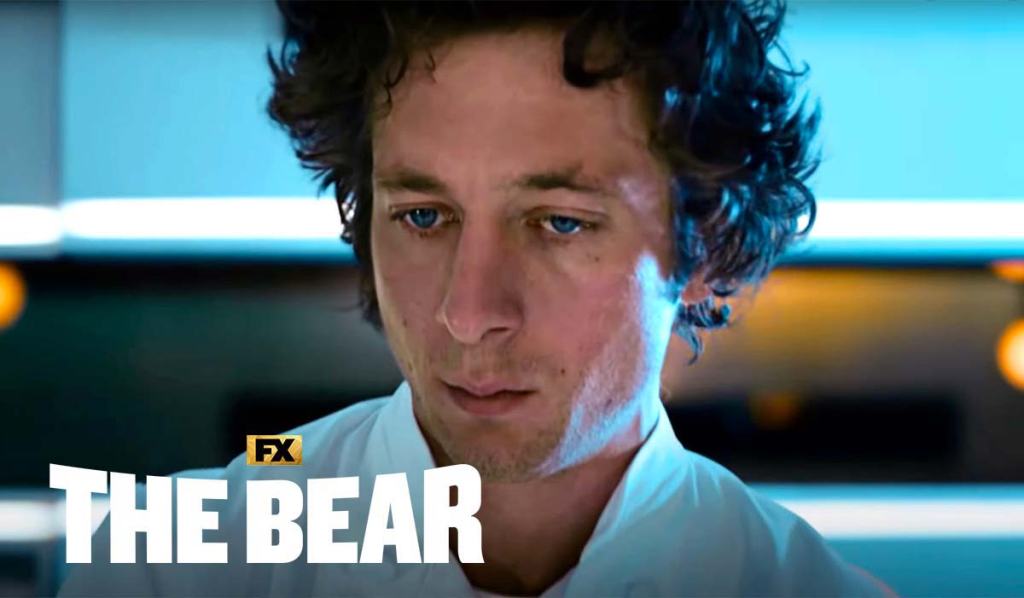
    FX has released a trailer for the new third season of its highly acclaimed dramedy “The Bear” starring Emmy winners Jeremy Allen White, Ayo Edebiri and Ebon Moss-Bachrach.

    Carmy, Sydney and the rest of the crew return to their newly-renovated dysfunctional kitchen where the appliances are newer but the chaos of operating a successful fine dining restaurant is just as intense.

    The new season follow them as they do what it takes to elevate The Bear, their beef stand turned fine dining establishment, to the highest level, all while doing their best just to stay in business.

    Abby Elliott, Lionel Boyce, Liza Colón-Zayas, Edwin Lee Gibson, and Matty Matheson co-star and the new season is scheduled to premiere on June 27th on Hulu with ten episodes released that day.

  • Blu-ray review: “Night Has a Thousand Eyes” (1948)

    “Night Has a Thousand Eyes” (1948)

    Drama

    Running Time: 81 minutes

    Written by: Barré Lyndon and Jonathan Latimer

    Directed by: John Farrow

    Featuring: Edward G. Robinson, Gail Russell and John Lund

    John Triton aka ‘The Mental Wizard’: “I’d become a sort of a reverse zombie. I was living in a world already dead, and I alone knowing it.”

    “Night Has a Thousand Eyes” is a captivating psychological thriller that delves deep into the realms of premonition, fate, and the human psyche. Directed by John Farrow and released in 1948, this film is based on Cornell Woolrich’s novel of the same name, and it brings to life a haunting tale that keeps viewers on the edge of their seats from start to finish.

    The film follows the enigmatic figure of John Triton, played masterfully by Edward G. Robinson, who possesses the uncanny ability to foresee tragic events before they occur. Triton’s eerie gift torments him, isolating him from society and driving him to the brink of madness. His premonitions, depicted in hauntingly surreal sequences, create an atmosphere of tension and dread that permeates the entire film.

    Robinson’s portrayal of Triton is nothing short of mesmerizing. He captures the character’s torment and internal conflict with remarkable depth, drawing viewers into Triton’s world of uncertainty and fear. Robinson’s performance is the heart of the film, anchoring its emotional core and elevating it to a level of cinematic brilliance.

    Supporting Robinson is a stellar cast including Gail Russell as the love interest, Jean Courtland, and John Lund as her skeptical fiancé, Elliott Carson. Russell brings a sense of vulnerability and innocence to her role, while Lund provides a strong foil to Robinson’s troubled protagonist. Their interactions with Triton add layers of complexity to the narrative, as they grapple with the implications of his premonitions and their own beliefs about fate and destiny.

    Visually, “Night Has a Thousand Eyes” is a feast for the eyes. Cinematographer John F. Seitz creates a noir-infused atmosphere with his use of shadow and light, evoking a sense of foreboding that mirrors Triton’s own inner turmoil. The film’s moody visuals are complemented by a haunting score composed by Victor Young, which further enhances the sense of unease that permeates every frame.

    At its core, “Night Has a Thousand Eyes” is a meditation on the nature of fate and the power of belief. It raises thought-provoking questions about the existence of destiny and the extent to which we can control our own lives. Through Triton’s journey, the film explores themes of guilt, redemption, and the search for meaning in a seemingly indifferent universe.

    “Night Has a Thousand Eyes” unfolds with a sense of inevitability, drawing viewers into a web of intrigue and suspense that grips them until the final frame. The pacing is deliberate yet gripping, allowing the tension to build gradually as Triton’s premonitions become increasingly frequent and intense. Each prediction serves as a breadcrumb leading towards a shocking revelation, keeping audiences guessing until the very end.

    One of the film’s most compelling aspects is its exploration of the psychological toll of Triton’s gift. As he grapples with the burden of knowing the future, he becomes consumed by paranoia and despair. His isolation from society mirrors his inner turmoil, highlighting the alienating effects of his extraordinary abilities. Through Triton’s character arc, the film delves into the complexities of human nature and the fragile line between sanity and madness.

    The dynamic between Triton and Jean Courtland adds an additional layer of depth to the narrative. Their burgeoning romance is fraught with tension, as Triton’s premonitions cast a shadow over their relationship. Jean’s unwavering faith in Triton’s abilities serves as a source of both comfort and conflict, highlighting the complexities of trust and belief in the face of uncertainty.

    Furthermore, “Night Has a Thousand Eyes” is notable for its exploration of moral ambiguity. As Triton grapples with the consequences of his visions, he is forced to confront the ethical implications of altering the course of fate. His internal struggle raises thought-provoking questions about the nature of free will and the responsibility that comes with knowledge of the future.

    The film’s climax is nothing short of breathtaking, as Triton’s premonitions culminate in a heart-pounding sequence that delivers on the promise of suspense and intrigue. The resolution is both satisfying and thought-provoking, leaving viewers pondering the deeper themes long after the credits roll.

    In addition to its thematic depth, “Night Has a Thousand Eyes” is a technical marvel. The film’s noir-inspired cinematography and atmospheric lighting create a sense of unease that permeates every frame. From shadowy alleyways to dimly lit interiors, the visual composition is masterfully crafted to evoke a sense of dread and uncertainty.

    While “Night Has a Thousand Eyes” may not enjoy the same level of recognition as other classic thrillers of its time, such as “Double Indemnity” or “The Maltese Falcon,” it nonetheless stands as a testament to the enduring power of storytelling. With its atmospheric visuals, stellar performances, and thought-provoking themes, this film continues to captivate audiences nearly seven decades after its initial release. For fans of classic cinema and psychological thrillers alike, “Night Has a Thousand Eyes” is not to be missed.

    Special Features

    • 1080p High-definition presentation on Blu-ray
    • NEW Audio Commentary with critic Imogen Sara Smith
    • NEW The Author’s Prerogative: Biographer Marilyn Ann Moss on John Farrow’s Films (and the Life That Made Them) (2024)
    • Screen Directors Playhouse: Night Has A Thousand Eyes – radio version (1949)
    • Theatrical Trailer
    • Audio LPCM 2.0 Mono
    • Original Aspect Ratio 1.33:1
  • Blu-ray review: “The Hitler Gang ” (1944)

    “The Hitler Gang ” (1944)

    Drama

    Running Time: 100 minutes

    Written by: Frances Goodrich and Albert Hackett

    Directed by: John Farrow

    Captain Ernst Röhm: “Gerlich has shot himself.”

    Streicher: “He’s the first man who shot himself in the head six times.”

    “The Hitler Gang,” directed by John Farrow in 1944, is a fascinating yet controversial film that delves into the rise of Adolf Hitler and the Nazi Party in Germany. As a historical drama, it aims to provide audiences with insight into the political and social conditions that paved the way for Hitler’s ascent to power and the atrocities committed during his regime. However, it’s important to approach this film with a critical eye, considering its context and the challenges of depicting such sensitive subject matter.

    First and foremost, it’s crucial to acknowledge the historical significance of “The Hitler Gang.” Released during World War II, the film served as a piece of wartime propaganda, intended to rally support for the Allied cause by portraying Hitler and the Nazis in a negative light. As such, it presents a highly dramatized and often sensationalized version of events, with little regard for historical accuracy.

    The film follows Hitler’s trajectory from his early days as a struggling artist in Vienna to his eventual rise to power as Chancellor of Germany. Along the way, it depicts his ruthless ambition, manipulation of the masses, and the violent tactics employed by the Nazi Party to suppress dissent and consolidate power. While some scenes are undoubtedly powerful and thought-provoking, others veer into melodrama, sacrificing nuance for the sake of dramatic effect.

    One of the film’s most notable strengths is its cast, particularly the performance of Bobby Watson in the role of Adolf Hitler. Watson captures Hitler’s charisma and fanaticism with chilling precision, portraying him as a complex and multifaceted character rather than a one-dimensional villain. Similarly, the supporting cast delivers solid performances, bringing to life key figures such as Joseph Goebbels, Hermann Göring, and Heinrich Himmler.

    Visually, “The Hitler Gang” is a mixed bag. While the production values are generally high for a film of its time, some scenes suffer from dated special effects and stagey set design. Additionally, the decision to film in black and white, while appropriate for the era, may limit its appeal to modern audiences accustomed to more vibrant cinematography.

    Perhaps the most contentious aspect of “The Hitler Gang” is its portrayal of historical events. While the film provides a basic overview of Hitler’s rise to power, it takes significant liberties with the facts, inventing dialogue and conflating events for the sake of narrative cohesion. This approach may be frustrating for viewers seeking a more accurate portrayal of history, but it’s important to remember that the film was intended primarily as propaganda rather than as a work of scholarly analysis.

    Beyond its historical and cinematic merits, “The Hitler Gang” also prompts important discussions about the ethics of portraying real-life atrocities on screen. The film walks a fine line between providing necessary historical context and potentially glorifying or sensationalizing the actions of its subjects. This raises questions about the responsibility of filmmakers to accurately represent historical events and the potential consequences of misrepresentation or distortion.

    Moreover, “The Hitler Gang” serves as a stark reminder of the dangers of propaganda and the manipulation of mass media for political purposes. By examining the methods employed by Hitler and the Nazis to sway public opinion and suppress dissent, the film underscores the importance of critical thinking and media literacy in safeguarding against the rise of authoritarianism and extremism.

    Additionally, the film’s release during World War II adds another layer of complexity to its legacy. As a piece of wartime propaganda, it must be viewed within the context of its production and distribution, which were heavily influenced by political and military objectives. This raises questions about the role of art in times of conflict and the potential for film to serve as both a tool for propaganda and a vehicle for truth and justice.

    Despite its shortcomings, “The Hitler Gang” remains a significant cultural artifact that continues to spark debate and discussion among historians, filmmakers, and audiences alike. Its portrayal of Hitler and the Nazi Party may be flawed, but it serves as a reminder of the enduring legacy of one of the darkest chapters in human history.

    Furthermore, beyond its historical and ethical implications, “The Hitler Gang” underscores the power of cinema to shape perceptions and influence public opinion. As a medium of storytelling, film has the ability to evoke emotion, provoke thought, and inspire action. In the case of “The Hitler Gang,” its portrayal of Hitler and the Nazis as sinister and malevolent figures undoubtedly played a role in galvanizing support for the Allied cause during World War II.

    However, the film’s legacy extends beyond its immediate impact on wartime audiences. It continues to be studied and analyzed by scholars, filmmakers, and historians as a reflection of the era in which it was produced. By examining the techniques used to depict historical events and the underlying messages conveyed, researchers can gain insights into the broader cultural and political climate of the time.

    Moreover, “The Hitler Gang” serves as a cautionary tale about the dangers of totalitarianism and the erosion of democratic norms. By highlighting the tactics employed by Hitler and the Nazis to subvert democracy and consolidate power, the film underscores the importance of safeguarding democratic institutions and upholding the values of freedom, equality, and justice.

    In today’s world, where authoritarianism and extremism continue to pose significant threats to global stability and security, the lessons of “The Hitler Gang” remain as relevant as ever. By grappling with the complexities of its portrayal of history and engaging in critical dialogue about its themes and messages, audiences can gain a deeper understanding of the forces that shape our world and the responsibilities we bear as citizens of a democratic society.

    “The Hitler Gang” is a flawed yet intriguing film that offers a window into the propaganda efforts of World War II. While its portrayal of historical events may be questionable, it remains a valuable artifact of its time, serving as a reminder of the power of cinema to shape public opinion. For those interested in exploring the complexities of Hitler’s rise to power, it’s worth a watch, but viewers should approach it with caution and a critical mindset.

    Special Features & Technical Specs:

    • 1080p High-definition presentation on Blu-ray
    • Commentary by film historians Daniel Kremer and Allan Arkush (2024)
    • Master Of Invention – Video Essay by filmmaker and critic David Cairns (2024)
    • The Rise of a Dictator – Teaching Custodians educational film (1944)
    • Audio LPCM 2.0 Mono
    • Original Aspect Ratio TBC
    • Optional English HOH Subtitles
  • “Commandos Strike at Dawn” (1942)

    Drama

    Running Time: 100 minutes

    Written by: Irwin Shaw

    Directed by: John Farrow

    Featuring: Paul Muni, Anna Lee, Lillian Gish, Sir Cedric Hardwicke and Robert Coote

    Schoolteacher: [watching a Nazi bookburning] “I’m writing a novel myself. I’d be very disappointed if you gentlemen don’t burn it.”

    “Commandos Strike at Dawn” (1942) is a stirring wartime drama that deftly combines action, suspense, and a poignant human story. Directed by John Farrow and starring Paul Muni, the film is set against the grim backdrop of World War II, bringing to life a tale of courage and resistance.

    Paul Muni delivers a compelling performance as Erik Toresen, a peaceful Norwegian fisherman whose life is irrevocably changed by the Nazi occupation. Muni’s portrayal is nuanced, capturing the transformation of an ordinary man into a determined leader of a local resistance group. His journey from reluctant fighter to a symbol of defiance is the emotional core of the film, and Muni’s intensity and depth bring authenticity to the role.

    The supporting cast, including Anna Lee as Judith Bowen and Lillian Gish as Mrs. Bergesen, adds richness to the narrative. Lee’s portrayal of Judith is particularly noteworthy; she brings a subtle strength and vulnerability to her character, making her more than just a love interest. Lillian Gish, though in a smaller role, lends her usual grace and gravitas, enhancing the film’s emotional resonance.

    Farrow’s direction ensures that the pacing remains tight, especially during the gripping action sequences. The climactic raid on the German forces is well-executed, balancing tension and excitement with a sense of realism. The cinematography by William C. Mellor captures the stark beauty of the Norwegian landscape, contrasting the serenity of the setting with the violence of war.

    The screenplay, based on a story by C.S. Forester, is effective in weaving together personal and larger historical narratives. It highlights the moral complexities of war and the personal sacrifices made by those who choose to resist oppression. While some dialogue may feel dated by modern standards, the overall script remains engaging and thought-provoking.

    “Commandos Strike at Dawn” also benefits from an evocative score by Louis Gruenberg, which underscores the film’s dramatic moments without overpowering the narrative. The music enhances the atmosphere, adding emotional depth to key scenes.

    One of the film’s strengths lies in its ability to humanize the conflict. Rather than focusing solely on military heroics, it delves into the impact of war on a small community, exploring themes of loss, resilience, and solidarity. This approach makes the story more relatable and impactful, as it reflects the broader human experience of war.

    “Commandos Strike at Dawn” (1942) is a riveting wartime drama that masterfully blends suspense, action, and an emotionally resonant human story. Directed by John Farrow and led by the formidable Paul Muni, the film is set during the turbulent period of World War II, capturing the struggles and heroism of a small Norwegian village under Nazi occupation.

    Paul Muni shines in his role as Erik Toresen, a mild-mannered fisherman whose life takes a dramatic turn when his village is invaded by German forces. Muni’s portrayal is both intense and empathetic, embodying the internal conflict of a man pushed to the brink by the horrors of war. His transformation from a peaceful citizen to a brave resistance leader is depicted with profound authenticity, making Toresen’s journey compelling and deeply moving.

    The ensemble cast supports Muni with strong performances that enrich the film’s narrative. Anna Lee as Judith Bowen offers a delicate balance of strength and vulnerability, her character serving as both a moral compass and a source of emotional depth. Lillian Gish, despite her limited screen time, leaves a lasting impression with her portrayal of Mrs. Bergesen, bringing a dignified grace and emotional weight to her role.

    Director John Farrow ensures that the film maintains a tight and engaging pace, particularly during the high-stakes action sequences. The climactic raid on the Nazi occupiers is executed with precision, creating a palpable sense of tension and urgency. Farrow’s ability to balance action with quieter, more introspective moments allows the film to explore the broader impact of war on individuals and communities.

    William C. Mellor’s cinematography is another highlight, capturing the stark beauty of the Norwegian landscape. The visual contrast between the serene natural environment and the brutality of the Nazi occupation underscores the film’s central themes. Mellor’s use of lighting and composition enhances the emotional tone, making the setting almost a character in its own right.

    The screenplay, adapted from a story by C.S. Forester, skillfully intertwines personal and historical narratives. It doesn’t shy away from the moral complexities of war, instead presenting a nuanced portrayal of resistance and collaboration. The dialogue, while occasionally reflective of the era’s style, remains engaging and thought-provoking, adding depth to the characters and their struggles.

    Louis Gruenberg’s score further elevates the film, providing an evocative musical backdrop that complements the dramatic moments without overshadowing the story. The music adds an additional layer of emotional intensity, enhancing the audience’s connection to the characters and their plight.

    One of the film’s standout qualities is its focus on the human side of the conflict. Rather than glorifying war, it delves into the personal sacrifices and moral dilemmas faced by those who choose to resist tyranny. This humanistic approach makes the story more relatable and impactful, as it highlights the courage and resilience of ordinary people in extraordinary circumstances.

    “Commandos Strike at Dawn” is not just a wartime action film; it is a poignant exploration of the human spirit in the face of adversity. Its portrayal of courage, sacrifice, and the indomitable will to fight for freedom resonates deeply, making it a timeless piece of cinema. While the film reflects the sensibilities and cinematic techniques of its time, its core messages remain relevant, offering a powerful reminder of the cost of war and the strength of the human spirit.

    “Commandos Strike at Dawn” is a well-crafted wartime drama that combines strong performances, effective direction, and a compelling story. It stands out as a poignant tribute to the spirit of resistance and the resilience of ordinary people in extraordinary times. While it may reflect the sensibilities of its era, its core message of courage and sacrifice remains timeless.

    Special Features

    • 1080p High-definition presentation on Blu-ray
    • Audio LPCM 2.0 Mono
    • Original Aspect Ratio 1.33:1
    • Optional English Subtitles
  • Trailer: “Horizon: An American Saga” (2024)

    Warner Bros. Pictures has premiered the second trailer for Kevin Costner’s multi-part western epic “Horizon: An American Saga”.

    Costner directs and stars in the films alongside Sienna Miller, Sam Worthington, Jena Malone, Abbey Lee, Michael Rooker, Danny Huston, Luke Wilson, Isabelle Fuhrman, Jeff Fahey, Will Patton, Tatanka Means, Owen Crow Shoe, Ella Hunt, and Jamie Campbell Bower.

    Costner is also producing with Howard Kaplan and Mark Gillard. The story explores the lure of the Old West and how it was won – and lost – through the blood, sweat and tears of many.

    Spanning the four years of the Civil War, from 1861 to 1865, the film goes on an emotional journey across a country at war with itself, experienced through the lens of families, friends and foes all attempting to discover what it truly means to be the United States of America.

    “Horizon: An American Saga” will release the first chapter in cinemas on June 28th followed by the second chapter on August 16th.

  • “Dune” (1984)

    Science Fiction

    Running Time: 137 minutes

    Written and Directed by: David Lynch

    Featuring: Francesca Annis, Leonardo Cimino, Brad Dourif, José Ferrer, Linda Hunt, Freddie Jones, Richard Jordan, Kyle MacLachlan, Virginia Madsen, Silvana Mangano, Everett McGill, Kenneth McMillan, Jack Nance, Siân Phillips, Jürgen Prochnow, Paul Smith, Patrick Stewart, Sting, Dean Stockwell, Max von Sydow, Alicia Roanne Witt and Sean Young

    Paul: “I must not fear. Fear is the mind-killer. Fear is the little-death that brings total obliteration. I will face my fear. I will let it pass over me and through me. And when it has passed I will turn the inner eye to see its path. Where it has gone, there will be nothing. Only I will remain.”

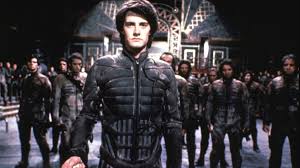
    David Lynch’s adaptation of Frank Herbert’s science fiction epic, “Dune,” is a polarizing journey into the heart of one of literature’s most revered sagas. Released in 1984, Lynch’s interpretation diverges significantly from the source material, offering a visually stunning yet narratively complex experience that leaves audiences divided.

    Visually, Lynch’s “Dune” is a masterpiece. From the vast, sweeping landscapes of the desert planet Arrakis to the intricate designs of the various factions’ costumes and technology, every frame is meticulously crafted to transport viewers to a distant and fantastical universe. The use of practical effects and elaborate set designs lends the film a tactile and immersive quality that remains impressive even by today’s standards.

    However, where “Dune” truly excels is in its ability to capture the thematic depth and political intrigue of Herbert’s novel. Lynch skillfully navigates the intricate web of alliances, betrayals, and power struggles that define the world of Arrakis, offering a nuanced exploration of themes such as environmentalism, religion, and the corrupting influence of power. The performances, particularly those of Kyle MacLachlan as the young hero Paul Atreides and Kenneth McMillan as the villainous Baron Harkonnen, are equally compelling, adding emotional weight to the film’s grandiose narrative.

    That being said, Lynch’s “Dune” is not without its flaws. The film’s ambitious scope often leads to pacing issues, with certain plotlines feeling rushed or underdeveloped. Additionally, Lynch’s surreal and idiosyncratic filmmaking style may not be to everyone’s taste, with some viewers finding the film’s dreamlike atmosphere and nonlinear storytelling confusing or off-putting.

    David Lynch’s “Dune” is a film that defies easy categorization. Released in 1984, it remains a testament to both the director’s unique vision and the challenges of adapting complex literary works to the silver screen.

    At its core, Lynch’s “Dune” is a sprawling epic that follows the journey of Paul Atreides as he navigates the treacherous politics of the desert planet Arrakis. From the moment the film opens, viewers are plunged into a world of intrigue, betrayal, and cosmic conflict. Lynch’s masterful direction imbues each scene with a sense of foreboding, as if the very sands of Arrakis hold secrets waiting to be unearthed.

    Visually, “Dune” is a triumph of design and imagination. From the towering sandworms that roam the desert to the ornate palaces of the noble houses, every aspect of the film’s production design is meticulously crafted to create a sense of wonder and awe. The special effects, while dated by today’s standards, still possess a certain charm and ingenuity that adds to the film’s otherworldly atmosphere.

    Yet, for all its visual splendor, “Dune” is a film that thrives on ambiguity. Lynch eschews traditional narrative conventions in favor of a more dreamlike and impressionistic approach, leaving much of the story’s underlying themes and motivations open to interpretation. This ambiguity can be both a strength and a weakness, as it allows for multiple layers of meaning to be gleaned from the film but can also lead to frustration for viewers seeking a more straightforward narrative.

    One aspect of “Dune” that has garnered particular attention is its treatment of the source material. Frank Herbert’s novel is a dense and multifaceted work that explores complex themes such as politics, religion, and ecology. While Lynch’s adaptation captures much of the novel’s scope and ambition, it also takes significant liberties with the source material, condensing and altering certain plot elements to fit within the constraints of a feature film. This approach has sparked debate among fans of the novel, with some praising Lynch’s bold reinterpretation and others lamenting the loss of certain key elements.

    Lynch’s “Dune” is a bold and visionary adaptation that remains a captivating and thought-provoking cinematic experience. While it may not fully satisfy fans of Herbert’s novel or those unfamiliar with the source material, its stunning visuals, thematic depth, and ambitious scope make it a worthy addition to the science fiction canon. Whether viewed as a flawed masterpiece or a fascinating failure, Lynch’s “Dune” is sure to leave a lasting impression on those willing to embark on its epic journey.

    Television Version

    David Lynch’s “Dune” has long been a subject of fascination and debate among fans of science fiction cinema. In 1984, Lynch released his ambitious adaptation of Frank Herbert’s seminal novel to a mixed reception, with its sprawling narrative and idiosyncratic style dividing audiences and critics alike. However, decades later, Lynch’s vision of Arrakis underwent a transformation with the release of the TV version, offering fans a new perspective on this enigmatic cinematic journey.

    Originally aired as a miniseries on television, the extended version of Lynch’s “Dune” provides viewers with a more comprehensive and cohesive retelling of Herbert’s epic saga. Clocking in at over three hours, the TV version incorporates previously unseen footage and narrative expansions that delve deeper into the complex mythology and characters of the Dune universe. This extended runtime allows for a more leisurely pace, giving the story room to breathe and allowing viewers to immerse themselves fully in the world of Arrakis.

    Visually, the TV version of “Dune” retains much of the grandeur and spectacle of its theatrical counterpart. The sweeping vistas of the desert planet, the intricate costumes and set designs, and the otherworldly special effects are all present and accounted for, serving to transport viewers to a distant and fantastical realm. However, the expanded runtime also allows for greater clarity and coherence in the storytelling, with certain plotlines and character arcs benefiting from additional exposition and development.

    One of the most significant changes in the TV version of “Dune” is the inclusion of new scenes and subplots that were originally left on the cutting room floor. These additions provide valuable context and insight into the motivations of key characters, as well as fleshing out elements of the story that may have felt underdeveloped in the theatrical release. Additionally, the TV version features a revised ending that offers a more satisfying resolution to certain plot threads, addressing one of the primary criticisms leveled against the original film.

    Despite these improvements, Lynch’s “Dune” in its TV incarnation remains a divisive and polarizing work. Its unconventional narrative structure, surreal imagery, and abstract themes are likely to alienate some viewers, particularly those unfamiliar with the source material. However, for fans of Herbert’s novel and aficionados of Lynch’s oeuvre, the TV version of “Dune” represents a fascinating and worthwhile reimagining of a beloved science fiction classic.

    Lynch’s “Dune” in its TV form is a captivating and immersive journey into the heart of one of literature’s most enduring sagas. While it may not completely satisfy everyone, its ambition, creativity, and sheer audacity make it a worthy addition to the ever-expanding pantheon of science fiction adaptations. Whether viewed as a flawed masterpiece or a fascinating curiosity, Lynch’s “Dune” in its TV incarnation is sure to leave a lasting impression on those brave enough to venture into its sands.

    Special Features & Technical Specs:

    • 1080p High-definition presentation on Blu-ray
    • Theatrical and Extended TV Version
    • Audio Commentary on the Extended TV Version by film journalist Max Evry (2024)
    • “The Sleeper Must Awaken: Making Dune” – feature-length documentary – NEW EXTENDED VERSION (93 minutes)
    • “Beyond Imagination: Merchandising Dune” – featurette
    • “Prophecy Fulfilled: Scoring Dune” – featurette
    • “Destination Dune” – featurette
    • “Impressions of Dune” – documentary
    • “Designing Dune” – featurette
    • “Dune Models & Miniatures” – featurette 
    • “Dune FX” – featurette
    • “Dune Costumes” – featurette
    • Deleted scenes with introduction by Raffaella de Laurentiis
    • Vintage interview with actor Paul Smith
    • Vintage interview with production coordinator Golda Offenheim
    • Vintage interview with make-up effects artist Christopher Tucker
    • Theatrical Trailers and TV Spots
    • Image Galleries
    • Optional English HOH Subtitles
    • Audio DTS-HD Master Audio 5.1
    • Aspect Ratio 2.35:1
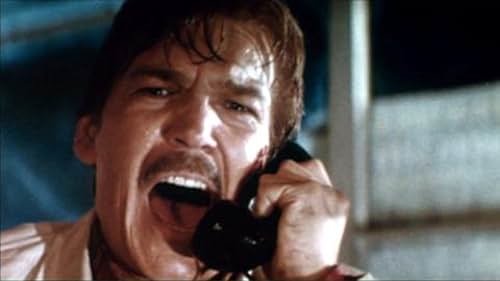
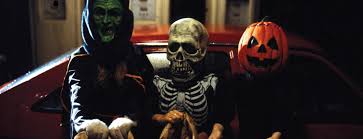
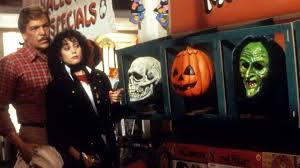
  • “Halloween III” (1982)

    Horror

    Running Time: 99 minutes

    Written and Directed by: Tommy Lee Wallace

    Featuring: Tom Atkins, Stacey Nelkin and Dan O’Herlihy

    Commercial Announcer: “It’s almost time, kids. The clock is ticking. Be in front of your TV sets for the Horrorthon, followed by the Big Giveaway. Don’t miss it. And don’t forget to wear your masks. The clock is ticking. It’s almost time.”

    “Halloween III: Season of the Witch” is a peculiar entry into the iconic Halloween franchise, one that has generated a divisive response among fans since its release in 1982. Departing from the slasher formula established by the first two films, “Halloween III” takes a bold leap into the realm of science fiction and occult horror, crafting a unique and chilling narrative that stands apart from its predecessors.

    Directed by Tommy Lee Wallace and produced by John Carpenter, the film follows Dr. Dan Challis (played by Tom Atkins), a physician who becomes embroiled in a sinister conspiracy surrounding a novelty Halloween mask manufacturer, Silver Shamrock Novelties. As Dan delves deeper into the mystery, he discovers a plot by the company’s owner, Conal Cochran (played with eerie charisma by Dan O’Herlihy), to use the masks to execute a diabolical plan on Halloween night that threatens the lives of countless children.

    One of the most striking aspects of “Halloween III” is its departure from the Michael Myers storyline that dominated the first two films. Instead, it presents a standalone narrative that explores themes of consumerism, technology, and ancient Celtic rituals. This decision was initially met with confusion and disappointment from audiences expecting another installment featuring the infamous masked killer. However, viewed in isolation from the rest of the series, “Halloween III” is a refreshingly original and daring piece of cinema.

    The film’s atmosphere is suffused with an eerie sense of dread, heightened by Carpenter’s signature minimalist score, which effectively underscores the tension and foreboding throughout. Wallace’s direction imbues the narrative with a sense of urgency, as Dan races against time to unravel the sinister machinations of Cochran and prevent a catastrophe of apocalyptic proportions.

    At the heart of “Halloween III” is its exploration of the dark side of commercialism and the manipulation of mass media. Cochran’s plan hinges on the pervasive influence of television and the commodification of Halloween, using the Silver Shamrock masks as a conduit for his malevolent designs. This commentary on the power of advertising and the exploitation of holiday traditions adds a layer of depth to the film’s narrative, elevating it beyond mere genre fare.

    The performances in “Halloween III” are solid across the board, with Tom Atkins delivering a compelling portrayal of a flawed hero driven by a sense of duty and desperation. Dan O’Herlihy is particularly memorable as the enigmatic and sinister Cochran, infusing the character with a chilling charisma that makes him a formidable antagonist.

    The thematic richness of “Halloween III: Season of the Witch” extends beyond its critique of consumerism and media manipulation, delving into deeper layers of horror and mythology. Central to the film’s plot is the incorporation of ancient Celtic rituals and traditions, particularly the celebration of Samhain, the precursor to modern-day Halloween. Cochran’s use of these pagan elements to enact his nefarious plan adds a sense of mysticism and occultism to the narrative, imbuing it with a primal and otherworldly atmosphere.

    The idea of a small town harboring dark secrets and sinister forces lurking beneath its quaint façade is a recurrent theme in horror cinema, and “Halloween III” masterfully taps into this trope. The sleepy town of Santa Mira, where Silver Shamrock Novelties is located, serves as the perfect backdrop for the unfolding mystery, with its eerily placid streets and seemingly idyllic surroundings concealing a malevolent conspiracy. This juxtaposition of the mundane and the macabre heightens the sense of unease and unpredictability, keeping audiences on the edge of their seats until the film’s chilling climax.

    Visually, “Halloween III” is a feast for the senses, with its striking cinematography and atmospheric lighting creating a palpable sense of dread and foreboding. The use of shadow and darkness is particularly effective in conveying the sinister undertones of the narrative, while the colorful and grotesque imagery associated with the Silver Shamrock masks adds a surreal and nightmarish quality to the proceedings.

    Another standout aspect of the film is its practical effects, which were executed with impressive craftsmanship and attention to detail. From the gruesome demise of unfortunate victims to the unsettling transformations brought about by the cursed masks, the practical effects work in “Halloween III” lends a visceral and tactile quality to the horror, immersing viewers in the nightmarish world of the film.

    Despite its initial reception and the controversy surrounding its departure from the Michael Myers storyline, “Halloween III: Season of the Witch” has endured as a cult classic and a testament to the creative risks that can pay off in the realm of genre filmmaking. Its bold vision, atmospheric direction, and thematic depth make it a standout entry in the Halloween franchise and a compelling piece of horror cinema in its own right. Whether revisited as a curiosity or appreciated for its subversive brilliance, “Halloween III” continues to haunt the collective imagination of horror fans and cinephiles alike, proving that sometimes the most unexpected detours can lead to the most unforgettable destinations.

    While “Halloween III: Season of the Witch” may have initially confounded expectations and polarized audiences, it has since gained a cult following and garnered appreciation for its audacious departure from franchise conventions. Its blend of science fiction, horror, and social commentary make it a unique and thought-provoking entry in the Halloween series, deserving of reappraisal and recognition for its bold vision and willingness to take risks. Whether viewed as an oddity within the franchise or as a standalone gem, “Halloween III” remains a haunting and unforgettable cinematic experience.

    Special Features & Technical Specs:

    • 1080p High-definition presentation on Blu-ray
    • Audio Commentary by film historian Lee Gambin, with an appearance by director Joe Dante (2024)
    • Audio Commentary by director Tommy Lee Wallace (2012)
    • Audio Commentary by actor Tom Atkins
    • “Stand Alone: The Making of Halloween III: Season of the Witch” – 2012 documentary 
    • “Horror’s Hallowed Grounds: Revisiting the Original Shooting Locations” – 2012 featurette 
  • “Halloween II” (1981)

    Horror

    Running Time: 92 minutes

    Written by: John Carpenter and Debra Hill

    Directed by: Rick Rosenthal

    Featuring: Jamie Lee Curtis, Donald Pleasence and Dick Warlock

    Sam Loomis: “I shot him six times! I shot him in the heart, but… he’s not human!”

    “Halloween II” from 1981 is a sequel that emerges as a quintessential embodiment of the slasher genre’s golden era. Directed by Rick Rosenthal and produced by the master of horror himself, John Carpenter, the film picks up right where its predecessor left off, ensuring a seamless continuation of the nightmarish narrative that began with the original “Halloween” in 1978.

    Set on the same eerie Halloween night in the fictional town of Haddonfield, Illinois, the film follows Laurie Strode (Jamie Lee Curtis) as she is rushed to Haddonfield Memorial Hospital after narrowly escaping the clutches of the relentless masked killer, Michael Myers (played once again by the iconic Nick Castle). As Laurie recuperates from her ordeal, Michael continues his relentless pursuit, leaving a trail of bloodshed in his wake.

    What sets “Halloween II” apart from many other slasher sequels is its commitment to maintaining the tense, atmospheric tone established by Carpenter in the original film. Rosenthal adeptly utilizes Carpenter’s signature visual style, employing shadowy cinematography, suspenseful tracking shots, and a haunting musical score to create an atmosphere of pervasive dread. The film’s setting within the confines of the hospital adds a claustrophobic dimension to the terror, as Laurie finds herself trapped in a seemingly secure but ultimately vulnerable environment.

    Jamie Lee Curtis delivers another standout performance as Laurie Strode, showcasing her resilience and resourcefulness in the face of unimaginable horror. Her portrayal of a young woman pushed to the brink of survival adds depth to the character and elevates her beyond the typical “final girl” archetype. Donald Pleasence also returns as Dr. Sam Loomis, Michael Myers’ relentless pursuer, bringing a sense of gravitas and urgency to his role as he grapples with the realization that evil knows no bounds.

    One of the film’s strengths lies in its exploration of the connection between Laurie and Michael, revealing a twisted, almost symbiotic relationship that adds layers of psychological complexity to their cat-and-mouse game. As Laurie struggles to uncover the truth about her assailant’s identity, she is forced to confront her own dark past, leading to a climactic showdown that is as emotionally resonant as it is terrifying.

    “Halloween II” delves deeper into the psyche of its characters, particularly Laurie Strode, as she grapples with the trauma of her previous encounter with Michael Myers. Curtis infuses Laurie with a palpable sense of vulnerability and resilience, portraying her as a young woman haunted by her past but determined to confront her fears head-on. The film explores Laurie’s journey from victim to survivor, emphasizing her strength and resourcefulness in the face of overwhelming adversity.

    The supporting cast also delivers strong performances, with notable turns from Charles Cyphers as Sheriff Leigh Brackett and Lance Guest as Jimmy, a sympathetic paramedic who forms a bond with Laurie during her ordeal. Their characters add depth and humanity to the narrative, serving as more than mere cannon fodder for Michael Myers’ rampage.

    In addition to its character-driven storytelling, “Halloween II” also excels in its execution of suspenseful set pieces and gruesome kill sequences. Rosenthal demonstrates a keen understanding of horror conventions, employing a variety of techniques to keep audiences on the edge of their seats. From tense chase sequences through the dimly lit corridors of the hospital to nail-biting confrontations in the shadows, the film delivers plenty of heart-pounding moments that will leave viewers gasping for breath.

    Of course, no discussion of “Halloween II” would be complete without mentioning its iconic antagonist, Michael Myers. Castle’s portrayal of the silent, emotionless killer is as chilling as ever, instilling a sense of primal terror with every silent footstep and ominous silhouette. Myers’ relentless pursuit of Laurie is rendered all the more terrifying by his seemingly supernatural resilience and unyielding determination, cementing his status as one of the most enduring and iconic villains in horror cinema.

    From a technical standpoint, “Halloween II” showcases the same level of craftsmanship and attention to detail that made its predecessor such a classic. Carpenter’s minimalist score sets the perfect tone for the film’s suspenseful moments, while Dean Cundey’s cinematography expertly captures the eerie atmosphere of Haddonfield at night. The practical effects work, including the film’s gruesome kills, is also top-notch, adding a visceral realism to the on-screen carnage.

    “Halloween II” is a worthy successor to the original film, delivering all the suspense, thrills, and iconic moments that fans of the franchise have come to expect. With its strong performances, taut direction, and effective blend of horror and psychological tension, the film remains a standout entry in the slasher genre and a testament to the enduring power of Michael Myers’ reign of terror.

    While “Halloween II” may not reach the same heights of innovation as its predecessor, it nevertheless succeeds as a worthy follow-up that expands upon the mythos of Michael Myers while delivering plenty of suspense, thrills, and gruesome kills for fans of the genre. The film’s unflinching portrayal of violence may be too much for some viewers, but for those who appreciate a good scare, “Halloween II” remains a chilling reminder that evil never dies.

    Special Features & Technical Specs:

    Disc One – Theatrical Cut

    • 1080p High-Definition presentation on Blu-ray
    • Audio Commentary by Dustin McNeill, co-author of Taking Shape: Developing Halloween From Script to Scream (2024)
    • Audio Commentary by director Rick Rosenthal and actor Leo Rossi (2012)
    • Audio Commentary by stunt coordinator / actor Dick Warlock (2012)
    • – “The Nightmare Isn’t Over!: The Making of Halloween II” – 2012 documentary
    • “Horror’s Hallowed Grounds: The Locations of Halloween II” – 2012 featurette 
    • Alternate Ending 
    • Deleted Scenes
    • Theatrical Trailer
    • TV Spots
    • Radio Spots
    • Still Gallery
    • Audio DTS-HD Master Audio 5.1 / DTS-HD Master Audio 2.0
    • Original Aspect Ratio 2.35:1

    Disc Two – Television Cut

    • 1080p High-Definition upscaled presentation on Blu-ray
    • Standard Definition presentation
  • “The Prisoner” (1967 – 1968)

    Television

    5stars_small

    17 Episodes

    Created by: Patrick McGoohan and George Markstein

    Written by: Patrick McGoohan, David Tomblin, Anthony Skene, Terence Feely, Vincent Tilsley, George Markstein

    Directed by: Patrick McGoohan, Pat Jackson, Don Chaffey, David Tomblin

    Featuring: Patrick McGoohan

    Number 6: “I will not make any deals with you. I’ve resigned. I will not be pushed, filed, stamped, indexed, briefed, debriefed or numbered. My life is my own. I resign.”

    Arriving once again on DVD this month is the British television series “The Prisoner” (1967-1968) which was a 17-episode series first broadcast in the United Kingdom in September 1967. It stars and was co-created by Patrick McGoohan, combining spy fiction with elements of science fiction, social and political metaphors with a psychological twist that reflected some of the concerns of its time as well as being prescient to the times that would follow over the coming decades from the time of its production.

    The series followed a British former secret agent who is abducted and imprisoned in a mysterious coastal village resort, where his captors try to find out why he abruptly resigned from his job. Although the show was sold as a thriller in the mould of the previous series starring McGoohan, Danger Man (1960–68; retitled as Secret Agent in the US), its combination of 1960s counter cultural themes and surrealistic setting had a far-reaching influence on science fiction and fantasy TV programming, and on narrative popular culture in general.

    The series follows an unnamed man (played by Patrick McGoohan) who, after abruptly and angrily resigning from his job, apparently prepares to make a hurried departure from the country. While packing his luggage, he is rendered unconscious by knockout gaspiped into his London flat. When he wakes, he finds himself in a re-creation of his apartment, located in a mysterious seaside “village” within which he is held captive, isolated from the mainland by mountains and sea. The Village is further secured by numerous monitoring systems and security forces including a militarised, balloon-based device called Rover that recaptures or destroys those who attempt escape. The man encounters the Village’s population: hundreds of people from all walks of life and cultures, all seeming to be peacefully living out their lives. They do not use names, but have been assigned numbers, which give no clue as to any person’s status within the Village, whether as inmate or guard. Potential escapees therefore have no idea whom they can and cannot trust. The protagonist is assigned Number Six, but he repeatedly refuses the pretence of his new identity.

    “The Prisoner” over the past six decades has been one of the most analyzed shows ever created, it has at times been unavailable after its broadcast then when the the VCR became popular shows like this were reintroduced to a new market, the same thing with DVDs especially with the relative low cost which meant that these types of series that ere cultish. became the property of a mass market, so once again were asking to be analyzed. Probably the most cultist and analysed show in television history. Of course it helps the longevity of the series that the themes are linked to society that has changed so much through social, political and technological upheaval that audiences today can glean as much today as people were able to in the 1960s.

    The series was seen by many as a direct follow on from McGoohan’s previous series in which he played secret agent John Drake, and although McGoohan himself insisted that it wasn’t the same character, it has been suggested that this claim may have been made to avoid having to pay a hefty royalty to Danger Man creator Ralph Smart. There has always been dispute over who originally came up with the idea for The Prisoner, both McGoohan and script editor George Markstein laying claim. From the formers point of view, an isolation camp for British Agents who knew too much had figured in the Danger Man episode ‘Colony Three’, and it was whilst on location for this series that McGoohan discovered Portmeirion in South Wales, which featured as ‘The Village’. However, whilst serving with Army Intelligence during the second World War, Markstein had supposedly discovered the existence of a remote Scottish castle which acted very much as an isolation centre for military personnel, whose knowledge of classified material made it impossible to allow them their freedom during such a sensitively dangerous period. (Many years after, Markstein would cite this as his prime inspiration for The Prisoner’s core concept).

    The Prisoner was a stylish production with the star as executive producer and very much in control of the direction the series took, indeed it was McGoohan himself who penned the final episode, “Fall Out” which promised to give all the answers -but ended up asking more questions. We never actually discovered who Number One was although at the beginning of each show when McGoohan asked the question, ‘Who is Number One?’ he received the reply, ‘You, are Number Six’. Or could it have been “You are, Number Six!”?, for certainly in the final episode Number 6 actually removes a mask from the face of the supposed Number One -only to reveal himself underneath it.

    This of course is a prime example of the ambiguity that has kept fans of the series debating for years hence, even after (many years later) Patrick McGoohan claimed that his intention was for The Prisoner to be an allegory in which the people, places and happenings hide a message, the message here being that we are all prisoners of ourselves. By turns infuriating, complex, oblique and thought provoking, The Prisoner stands, even today, as a perfect example of original and entertaining television storytelling, as well as the almost overpowering need of one complexly gifted man to challenge the limits of a too often ephemeral and trivial medium.

    The fundamental political, social and technological conflict in the world today is, as it has been for a much of the past hundred or so years is individualism versus collectivism. Does the individual’s life belong to him—or does it belong to the group, the community, society, or the state?

    Individualism is the idea that the individual’s life belongs to him and that he has an inalienable right to live it as he sees fit, to act on his own judgment, to keep and use the product of his effort, and to pursue the values of his choosing. It’s the idea that the individual is sovereign, an end in himself, and the fundamental unit of moral concern.
    Collectivism is the idea that the individual’s life belongs not to him but to the group or society of which he is merely a part, that he has no rights, and that he must sacrifice his values and goals for the group’s “greater good.” According to collectivism, the group or society is the basic unit of moral concern, and the individual is of value only insofar as he serves the group.

    When we look out at the world and see people, we see separate, distinct individuals. The individuals may be in groups (say, on a soccer team or in a business venture), but the indivisible beings we see are individual people. Each has his own body, his own mind, his own life. Groups, insofar as they exist, are nothing more than individuals who have come together to interact for some purpose. This is an observable fact about the way the world is. It is not a matter of personal opinion or social convention, and it is not rationally debatable.

    These ideas are at the very heart of “The Prisoner” which is one of the reasons why after decades it is still a fascinating watch that never gets old, in fact it is probably one of the most important as well as one of the greatest shows ever created.

    Episodes:

    1. “Arrival” – After waking up in the Village and discovering his captivity there, Number Six encounters a friend from the outside who may have a possible escape.
    2. “The Chimes of Big Ben”– A new prisoner, Nadia, may have information about the Village that makes an escape attempt possible.
    3. “A, B and C” – A desperate Number Two tampers with Number Six’s dreams to discover where his loyalties lie.
    4. “Free for All” – Presented with the opportunity, Number Six runs for election to the post of Number Two.
    5. “The Schizoid Man” – Number Two replaces Number Six with a duplicate to weaken the real Six’s sense of identity.
    6. “The General” – An important prisoner’s new speed-teaching machine poses perhaps the greatest threat to Number Six’s independence.
    7. “Many Happy Returns” – After waking to find the Village deserted, Number Six returns to England but does not know whom he can trust there.
    8. “Dance of the Dead” – Number Six tries to save an old friend who is headed for destruction at the hands of the Village.
    9. “Checkmate” -Number Six thinks he has a means to tell the prisoners from the wardens.
    10. “Hammer into Anvil” – Number Six takes revenge on a sadistic Number Two for the death of another prisoner.
    11. “Its your Funeral” – To save the prisoner who is being set up to take the fall, Number Six must intervene in a Village power struggle and prevent the assassination of a Number Two.
    12. “A Change of Mind” – Number Two stirs the Village to ostracize Number Six, and then takes even more drastic measures to cure Six’s “unmutuality”.
    13. “Do not forsake me oh my darling” – Deprived of his memory and placed in another man’s body, Number Six travels back to England to seek a missing scientist. Nigel Stock portrays Six for most of this episode.
    14. “Living in harmony”- In an Old West setting, a lawman who resigned is trapped in a town called Harmony where the Judge wants him to be the new sheriff — by hook or by crook.
    15. “The girl who was death” – Number Six avoids the assassination attempts of a beautiful woman while foiling the plots of her megalomaniac father.
    16. “Once upon a time” – Number Two subjects Number Six to a desperate, last-ditch effort to subdue him, Degree Absolute — an ordeal that will not end until it breaks one of them.
    17. “Fall out” – Number Six encounters the forces behind the Village, but can he finally escape?

    “The Prisoner” is out now on DVD.

  • Trailer: “Megalopolis” (2024)

    The official first trailer is out for filmmaker Francis Ford Coppola’s epic “Megalopolis”.

    Coppola has credited the H.G. Wells-penned 1936 film “Things to Come” as his first inspiration for this $120 million-budgeted drama.

    In the film, the fate of Rome haunts a modern world unable to solve its own social problems in this story of a New York woman which is divided between loyalties to her father, who has a classical view of society, and her lover, who is more progressive and ready for the future.

    The cast includes Adam Driver, Giancarlo Esposito, Aubrey Plaza, Shia LaBeouf, Nathalie Emmanuel, Kathryn Hunter, Dustin Hoffman, Jason Schwartzman, Jon Voight, Laurence Fishburne, Chloe Fineman and James Remar.

    Coppola wrote the script and is himself financing the long-gestating project which has set multiple European distributors but has yet to lock various other territories.

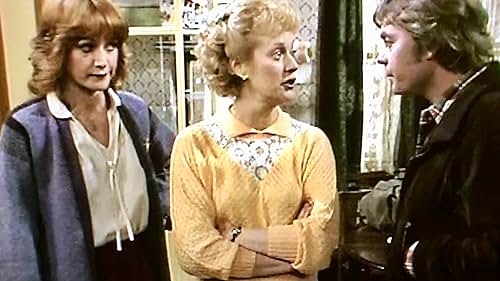
  • “Shelley” (1979-1983)

    TV Comedy

    Seventy One Episodes

    Featuring: Hywel Bennett, Warren Clarke, Garfield Morgan, Belinda Sinclair and Josephine Tewson

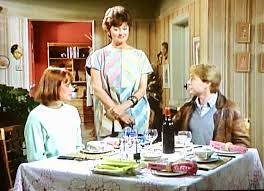
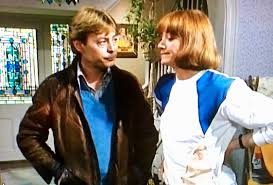
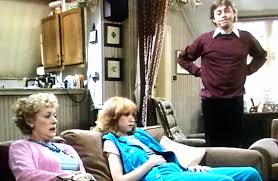
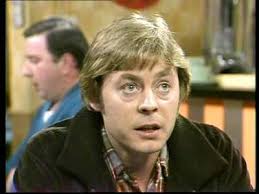
    “Shelley,” the beloved British sitcom that premiered in 1979, remains a timeless classic that continues to charm audiences with its wit, humor, and endearing characters. Set in the bustling city of London, the series follows the misadventures of the titular character, James Shelley, a perennially unemployed and unambitious young man who shirks conventional responsibilities in favor of pursuing his own interests and pleasures.

    At the heart of “Shelley” is its irrepressible protagonist, brought to life by the incomparable talent of actor Hywel Bennett. With his trademark wit, dry humor, and devil-may-care attitude, James Shelley is a lovable rogue whose antics and escapades never fail to entertain. Whether he’s charming his way out of trouble, outsmarting authority figures, or simply lounging around in his cluttered flat, Shelley is a character who embodies the spirit of rebellion and nonconformity, striking a chord with audiences who admire his free-spirited approach to life.

    But what truly sets “Shelley” apart is its sharp and incisive social commentary, which provides a biting critique of the absurdities and hypocrisies of modern life. Through its clever satire and observational humor, the series tackles a wide range of topical issues, from bureaucracy and corporate culture to gender roles and societal expectations. Yet, amidst its biting satire, “Shelley” never loses its sense of warmth and humanity, always grounding its humor in the universal truths of human nature.

    The supporting cast of “Shelley” is equally memorable, with a colorful array of characters who populate Shelley’s world and add depth and dimension to the series. From his long-suffering girlfriend Fran, played with charm and wit by Belinda Sinclair, to his perpetually exasperated landlord Rigsby, portrayed with comedic brilliance by Josephine Tewson, each character brings their own unique quirks and foibles to the table, creating a rich tapestry of comedic interactions and relationships.

    The writing in “Shelley” is consistently sharp and witty, with clever dialogue and clever wordplay that keeps viewers engaged and entertained throughout each episode. Whether it’s a quick-fire exchange between Shelley and his boss, a hilarious misunderstanding with his neighbors, or a witty observation about the absurdities of modern life, the humor in “Shelley” is always on point, delivering laughs that are as smart as they are side-splitting.

    Visually, “Shelley” captures the essence of 1970s London with its gritty, urban aesthetic and authentic production design. From the cluttered interiors of Shelley’s flat to the bustling streets of the city, every detail feels meticulously crafted, immersing viewers in the vibrant and bustling world of urban London life.

    One of the enduring strengths of “Shelley” lies in its ability to balance humor with poignancy. While the series is undeniably hilarious, it also delves into deeper themes and emotions, offering moments of genuine heart and insight amidst the laughter. Whether it’s exploring Shelley’s inner struggles with his own identity and purpose, or depicting the complexities of his relationships with those around him, the series isn’t afraid to confront the more poignant aspects of life with sincerity and sensitivity.

    At its core, “Shelley” is a character study of its titular protagonist, a charming and charismatic antihero whose laid-back demeanor belies a keen intellect and a profound sense of humanity. Despite his flaws and shortcomings, Shelley is a character who resonates with audiences on a deeply personal level, serving as a mirror through which we can reflect on our own hopes, fears, and aspirations.

    The enduring appeal of “Shelley” can also be attributed to its timeless humor, which transcends the confines of its 1970s setting to resonate with audiences of all ages and backgrounds. Whether it’s poking fun at the absurdities of bureaucracy, lampooning the pretensions of the upper class, or simply reveling in the joy of everyday absurdities, the humor in “Shelley” is as relevant and relatable today as it was when the series first aired.

    Furthermore, “Shelley” boasts a strong sense of continuity and character development throughout its six-season run, allowing viewers to witness Shelley’s growth and evolution over the years. From his early days as a carefree slacker to his eventual maturation and self-discovery, Shelley undergoes a gradual transformation that is both satisfying and authentic, reminding us all that growth and change are essential aspects of the human experience.

    In addition to its compelling characters and sharp writing, “Shelley” is also notable for its innovative storytelling techniques and narrative structure. Each episode unfolds like a miniature comedy of errors, with Shelley and his cohorts stumbling from one hilarious predicament to the next, all while maintaining a sense of narrative cohesion and forward momentum that keeps viewers engaged and invested in the story.

    “Shelley” stands as a testament to the enduring appeal of British comedy and its ability to capture the essence of everyday life with warmth, wit, and authenticity. Through its portrayal of Shelley and his eclectic circle of friends and acquaintances, the series offers a window into the human experience, exploring themes of friendship, love, ambition, and the eternal quest for meaning and fulfillment.

    The legacy of “Shelley” extends far beyond its original run, influencing countless comedians, writers, and filmmakers who have been inspired by its irreverent humor and relatable characters. From its witty dialogue to its memorable catchphrases, the series has left an indelible mark on popular culture, earning a place in the pantheon of television classics alongside such revered comedies as “Fawlty Towers,” “The Office,” and “Blackadder.”

    Moreover, “Shelley” remains as relevant today as it was when it first premiered, offering a timeless reminder of the power of laughter to unite us in times of uncertainty and adversity. In an increasingly fragmented and divided world, the universal appeal of comedy serves as a beacon of hope and humanity, reminding us of our shared humanity and the importance of finding joy and laughter in the midst of life’s challenges.

    “Shelley” is a timeless classic that remains as relevant and entertaining today as it was when it first premiered over four decades ago. With its charming characters, sharp writing, and incisive social commentary, it’s a sitcom that continues to stand the test of time, reminding us all to embrace life’s absurdities with humor, wit, and a healthy dose of rebellion. Whether you’re a longtime fan or discovering it for the first time, “Shelley” is a must-watch for anyone who appreciates great comedy with a touch of irreverence and wit.

  • “The Brokenwood Mysteries” (2014-present)

    TV Drama

    Forty Three Episodes

    Featuring: Neill Rea, Fern Sutherland, Nic Sampson, Jarod Rawiri, Cristina Serban Ionda, Pana Hema Taylor and Rawiri Jobe

    Kristin Sims: “Jacinta O’Connor, I’m arresting you for the murders of Nate Dunn and Evelyn Dunn. You have the right to remain silent.”

    Jacinta O’Connor: “It’s a little late for that.”
    “The Brokenwood Mysteries” is a riveting New Zealand television series that seamlessly blends the charm of small-town life with the intrigue of murder mysteries. With its picturesque setting, engaging characters, and clever plots, this show has captured the hearts of audiences around the globe.

    Set in the fictional town of Brokenwood, the series follows the adventures of Detective Senior Sergeant Mike Shepherd (played by Neill Rea), a rugged and enigmatic detective with a knack for solving crimes. Alongside him is his trusty sidekick, Detective Kristin Sims (played by Fern Sutherland), whose sharp wit and tenacity complement Shepherd’s unorthodox methods perfectly.

    What sets “The Brokenwood Mysteries” apart from other crime dramas is its unique setting. The quaint town of Brokenwood serves as the backdrop for a wide range of murder cases, each with its own set of suspects, motives, and twists. From the local vineyards to the rugged countryside, every episode offers a glimpse into the beauty and complexity of rural New Zealand.
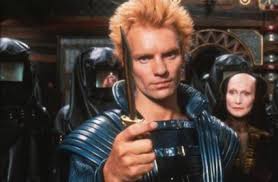
    One of the show’s greatest strengths lies in its characters. Shepherd is a complex and enigmatic figure, whose unassuming demeanor belies a sharp intellect and keen intuition. His interactions with Sims, as well as other members of the Brokenwood Police Force, are filled with humor, warmth, and genuine camaraderie. The supporting cast, including Constable Jones (played by Nic Sampson) and pathologist Gina Kadinsky (played by Cristina Serban Ionda), add depth and nuance to the series, each bringing their own unique perspective to the investigations.

    But perhaps the most compelling aspect of “The Brokenwood Mysteries” is its clever and intricate plots. Each episode presents a new mystery for Shepherd and his team to unravel, with no shortage of twists, turns, and red herrings along the way. From seemingly straightforward cases to complex whodunits, the show keeps viewers guessing until the very end, with each reveal more satisfying than the last.

    Another notable aspect of the series is its attention to detail. From the stunning cinematography to the authentic New Zealand accents, every aspect of “The Brokenwood Mysteries” feels meticulously crafted and true to life. The show’s creators have clearly put a great deal of effort into capturing the essence of small-town New Zealand, and it pays off in spades.

    In addition to its captivating storytelling and compelling characters, “The Brokenwood Mysteries” also offers plenty of humor and heart. Despite the often grim subject matter, the series never takes itself too seriously, with plenty of lighthearted moments sprinkled throughout. Whether it’s Shepherd’s love of country music or Sims’ sarcastic one-liners, there’s always a sense of warmth and humanity at the heart of the show.

    As the series progresses, it continually evolves and deepens, offering viewers not only intriguing mysteries but also rich character development and exploration of social themes. While each episode stands alone as a compelling mystery, there is also a larger narrative arc that unfolds across the seasons, delving into the personal lives and pasts of the main characters.

    One of the most appealing aspects of “The Brokenwood Mysteries” is its ability to balance light-hearted moments with more serious themes. While the show certainly doesn’t shy away from the darker aspects of crime and human nature, it also finds humor and humanity in the midst of tragedy. This balance adds depth and complexity to the storytelling, making for a viewing experience that is both entertaining and thought-provoking.

    Another strength of the series is its commitment to diversity and representation. “The Brokenwood Mysteries” features a diverse cast of characters, including people of various ethnicities, ages, and backgrounds. This inclusivity not only reflects the reality of modern New Zealand but also allows the show to explore a wide range of perspectives and experiences.

    In addition to its diverse cast, “The Brokenwood Mysteries” also tackles a variety of social issues, from immigration and cultural identity to environmental conservation and economic inequality. While these themes are woven subtly into the fabric of the show, they add depth and relevance to the storylines, elevating the series beyond mere entertainment.

    Of course, none of this would be possible without the stellar performances of the cast. Neill Rea brings a quiet intensity to the role of Mike Shepherd, perfectly capturing the character’s mix of stoicism and vulnerability. Fern Sutherland shines as Kristin Sims, infusing her character with wit, intelligence, and a healthy dose of skepticism. And the supporting cast, including Nic Sampson, Cristina Serban Ionda, and others, bring their own unique talents and personalities to the mix, rounding out the ensemble beautifully.

    “The Brokenwood Mysteries” continues to captivate audiences with its ability to weave intricate plots, engaging characters, and stunning scenery into each episode. As the series progresses, it consistently delivers fresh and compelling mysteries that keep viewers on the edge of their seats.

    One of the show’s standout qualities is its dedication to authenticity. From the meticulously researched police procedures to the accurate portrayal of rural New Zealand life, every detail feels true to life. This commitment to realism not only adds depth and richness to the storytelling but also allows viewers to fully immerse themselves in the world of Brokenwood.

    In addition to its authenticity, “The Brokenwood Mysteries” also excels in its use of setting as a character unto itself. The lush landscapes, quaint townships, and idyllic vineyards of New Zealand provide the perfect backdrop for the series’ myriad mysteries. Whether it’s a murder in a vineyard or a suspicious death at a local festival, each case is intricately tied to the unique geography and culture of the region.

    Furthermore, the show’s writers have a knack for crafting multi-layered mysteries that keep viewers guessing until the very end. With each new case, Shepherd and his team are faced with a seemingly endless array of suspects, motives, and twists, forcing them to dig deeper and think outside the box to uncover the truth. This element of suspense and intrigue is what keeps viewers coming back for more, eagerly awaiting the next thrilling installment.

    But perhaps the greatest strength of “The Brokenwood Mysteries” lies in its ability to balance 

    the darkness of crime with moments of levity and humanity. Despite the often grim subject matter, the series never loses its sense of humor or its compassion for its characters. Whether it’s a quirky suspect, a humorous misunderstanding, or a heartfelt moment between colleagues, there’s always a sense of warmth and humanity at the heart of the show.

    “The Brokenwood Mysteries” is a must-watch for fans of crime dramas and mystery novels alike. With its stunning setting, memorable characters, and clever plots, it’s a show that will keep you coming back for more. So grab a glass of wine, settle in, and prepare to be captivated by the mysteries of Brokenwood. You won’t be disappointed.

  • Trailer: “Furiosa: A Mad Max Saga” (2024)

    A final trailer has been released for George Miller’s “Furiosa: A Mad Max Saga”.

    The new take sees Anya Taylor-Joy playing a younger version of Charlize Theron’s Furiosa character who was snatched from the Green Place of Many Mothers and falls into the hands of a great Biker Horde led by the Warlord Dementus (Chris Hemsworth).

    Sweeping through the Wasteland, they come across the Citadel presided over by Immortan Joe (Lachy Hulme). While the two Tyrants war for dominance, Furiosa must survive many trials as she puts together the means to find her way home.

    Tom Burke, Nathan Jones, Angus Sampson, Quaden Bayles and Daniel Webber co-star. Several crew members from ‘Fury Road’ also return including screenwriter Lathouris, film editor Margaret Sixel, costume designer Jenny Beavan, and composer Tom Holkenborg.

    The project was the biggest film production in Australia’s history. The film had its premiere there last week and is scheduled for a global premiere at Cannes next week.

    “Furiosa: A Mad Max Saga” is set to hit cinemas on May 24th .

  • “The Zone of Interest” (2023)

    Drama

    Running Time: 105 minutes

    Written by: Jonathan Glazer based on The Zone of Interest by Martin Amis

    Directed by: Jonathan Glazer

    Featuring: Christian Friedel and Sandra Hüller

    Rudolf Höss: ”The life we enjoy is very much worth the sacrifice”

    Jonathan Glazer’s “The Zone of Interest” is not your typical Holocaust film. It eschews the expected tropes of graphic violence and explicit suffering, instead opting for a more unsettling approach that delves into the psychological depths of both perpetrators and bystanders. Set against the backdrop of Auschwitz, the film focuses on the seemingly normal life of Rudolf Höss, the camp’s commandant, and his family, who reside in a villa within earshot of the horrors unfolding next door.

    The film masterfully creates a sense of dissonance by juxtaposing the idyllic domesticity of the Höss family with the ever-present reality of the concentration camp. We see scenes of children playing in the garden, oblivious to the smoke billowing in the distance, and women gossiping over tea while trains carrying victims arrive just beyond their sight. This deliberate disconnect forces the audience to confront the disturbing notion of normalcy existing alongside unimaginable cruelty.

    Glazer’s masterful use of cinematography and sound design amplifies this unsettling effect. Static cameras capture the sterile perfection of the Höss household, while the sounds of sirens and distant screams seep into the seemingly peaceful scenes, serving as constant reminders of the atrocities taking place just beyond the frame. The film’s minimalist dialogue further emphasizes the chilling banality of evil, as characters discuss the workings of the camp in cold, detached tones.

    “The Zone of Interest” avoids portraying Höss as a caricature of a villain. Instead, he is presented as a banal, bureaucratic figure, seemingly devoid of empathy or remorse. This portrayal, while challenging, forces us to confront the uncomfortable truth that evil often doesn’t wear a monstrous face. It can reside within seemingly ordinary individuals, capable of horrific acts while maintaining a facade of normalcy.

    The film also explores the complexities of complicity. Höss’ wife, Hedwig, exhibits a willful ignorance of the camp’s true purpose, choosing to focus on her domestic life and social gatherings. While not directly participating in the atrocities, her denial and complacency raise questions about the responsibility of those who turn a blind eye to suffering.

    “The Zone of Interest” is not an easy film to watch. It is deliberately paced, unsettling, and devoid of easy answers. However, its unique approach serves a powerful purpose. By refusing to sensationalize the horrors of the Holocaust, the film compels viewers to confront the uncomfortable realities of human nature and the insidious nature of evil. It forces us to question our own capacity for both empathy and indifference, leaving a lasting impression long after the credits roll.

    While the film’s unconventional style may not resonate with all audiences, its artistic merit and challenging themes are undeniable. It is a film that demands contemplation and discussion, serving as a powerful reminder of the importance of remembering the past and staying vigilant against the potential for such atrocities to recur.

    “The Zone of Interest” raises complex ethical questions regarding the representation of the Holocaust. By focusing on the perpetrators and bystanders rather than the victims, the film risks minimizing the suffering of those directly affected. However, Glazer argues that his approach allows for a deeper exploration of the mechanisms of evil and the human capacity for indifference, ultimately serving as a form of remembrance.

    The film’s relevance extends beyond its historical context. By showcasing the banality of evil and the potential for complicity, “The Zone of Interest” serves as a cautionary tale for the present. It compels viewers to remain vigilant against prejudice, discrimination, and the normalization of violence in any form.

    The film’s ambiguous nature and unconventional storytelling techniques invite multiple interpretations and encourage discussion. It raises questions about the purpose of Holocaust films, the ethics of representation, and the importance of individual responsibility in the face of systemic injustice.

    By confronting viewers with the uncomfortable realities of the Holocaust, the film encourages empathy for the victims and a deeper understanding of the mechanisms that enabled such atrocities. This newfound understanding can foster a sense of responsibility to combat prejudice, discrimination, and other forms of hate in our own communities.

    The film’s exploration of complicity serves as a reminder of the dangers of indifference and inaction. It encourages viewers to become active citizens who speak out against injustice, challenge discriminatory practices, and hold those in power accountable.

    The film can be used as a powerful tool for Holocaust education, sparking critical conversations in classrooms and educational institutions. By promoting historical awareness and fostering critical thinking skills, it can help prevent future generations from repeating the mistakes of the past.

    The film’s themes of discrimination, complicity, and the normalization of violence resonate with various social justice movements fighting for equality and human rights. Engaging with these movements and supporting their efforts can be a concrete way to translate the film’s message into tangible action.

    Ultimately, “The Zone of Interest” is a film that will stay with you long after you’ve seen it. It is a challenging, thought-provoking, and ultimately essential exploration of a dark chapter in human history.

  • “Priscilla” (2023)

    Drama

    Running Time: 113 minutes

    Written and directed by: Sofia Coppola

    Featuring:  Cailee Spaeny, Jacob Elordi and Dagmara Domińczyk

    Priscilla: “Was there something you’re hiding?”

    Elvis: “I don’t have a goddamn thing to hide! You’re just being too goddamn aggressive and demanding!”

    Forget the kangaroos and sunburnt landscapes, folks. This “Priscilla” isn’t your typical Oz road trip. We’re ditching the Outback for the gilded cage of Graceland, because director Sofia Coppola has spun a spellbinding, introspective portrait of Priscilla Presley’s early life with Elvis. Forget biopics, this is a deeply personal tapestry woven with whispers, yearning, and the faint echo of a rock ‘n’ roll dream.

    Cailee Spaeny as Priscilla is a revelation. Gone are the flamboyant costumes and dance numbers; instead, we see a shy 14-year-old thrust into the blinding spotlight of Elvis’s world. Coppola captures the claustrophobia and gilded loneliness of life behind the King’s curtain, with long, lingering shots of Priscilla trapped in plush rooms, lost in Elvis’s whirlwind.

    Elvis himself, played with brooding intensity by Ansel Elgort, remains an elusive figure. We rarely see him perform, the King’s music merely a distant echo filtering through Priscilla’s world. This choice is brilliant, forcing us to see him through Priscilla’s eyes – not as the idol, but as a complex, troubled man.

    The film unfolds like a hazy memory, dreamlike sequences blending with stark realities. We see Priscilla grapple with isolation, navigate a world that constantly objectifies her, and search for her own identity amidst the Presley circus. There’s no villain, no grand drama, just the slow, suffocating pressure of a life lived in someone else’s shadow.

    Coppola’s signature pastel palette takes on a newfound melancholic beauty here. The candy-colored Memphis mansions feel more like gilded prisons, while the sun-drenched desert becomes a symbol of Priscilla’s yearning for escape. The soundtrack, a mix of 50s classics and hushed contemporary melodies, further underscores the film’s emotional complexity.

    This “Priscilla” is not a spectacle. It’s a slow burn, a quiet meditation on vulnerability, self-discovery, and the cost of living a fairy tale. It’s a film that lingers, its haunting whispers resonating long after the credits roll.

    Prepare to be captivated, not by glitter and feathers, but by the profound emotional landscape Coppola paints. This “Priscilla” won’t leave you humming Elvis tunes; it’ll leave you pondering the complexities of love, fame, and the search for oneself within the dazzling cage of another’s dream.

    Coppola’s masterful touch within “Priscilla” is like unpacking a velvet-lined treasure chest of emotions. Her signature style injects the film with a unique blend of nostalgia, melancholic beauty, and a quiet intimacy that transcends the typical biopic formula.

    Gone are the bombastic concert scenes and glittery spectacle one might expect from an Elvis story. Instead, Coppola opts for a slow, deliberate pace, letting us linger in the hushed spaces between Priscila’s thoughts and desires. The camera lingers on her delicate expressions, capturing the weight of unspoken anxieties and longing that simmer beneath the surface.

    Coppola’s signature use of long shots and natural light further amplifies this introspective tone. Priscilla seems dwarfed by the opulent Memphis mansions, her small figure swallowed by the gilded cage of Elvis’s world. The sun-drenched desert landscapes, often stark and silent, mirror the emotional emptiness she grapples with.

    Moreover, Coppola’s colour palette is a masterclass in conveying emotional dissonance. While one might expect vibrant Memphis to explode with colour, instead, it’s subdued in pastel hues, creating a sense of unreality and emotional detachment. Conversely, the muted tones of Priscilla’s inner world occasionally burst into saturated flashes of longing, like when she glimpses Elvis onstage or catches a glimpse of her own potential beyond the confines of Graceland.

    The soundtrack plays a crucial role in this dance of light and emotion. Instead of bombastic rock ‘n’ roll, Coppola opts for hushed contemporary melodies and Elvis’s music filtered through Priscilla’s ears, often faint and distant. This creates a sense of yearning and isolation, as if Priscilla yearns for a life beyond the echoes of the King’s legend.

    Ultimately, Coppola’s direction transforms “Priscilla” from a biopic into a poignant character study. She doesn’t shy away from the complexities of the Presley marriage, but instead, her focus is on Priscilla’s emotional journey, her search for identity within a gilded cage. By eschewing spectacle and embracing silence, Coppola creates a hauntingly beautiful portrait of a young woman lost in a world of fame, yearning for a voice of her own.

    This “Priscilla” is not about Elvis; it’s about Priscilla finding her own rhythm in the shadow of the King. And for that, we owe a debt of gratitude to Sofia Coppola’s masterful direction, which paints a haunting, lyrical portrait of yearning, self-discovery, and the quiet echoes of a dream life.

  • “All Creatures Great and Small” (1978-1990)

    TV Drama

    Ninety Episodes

    Created by Bill Sellars based on If Only They Could Talk and It Shouldn’t Happen to a Vet by James Herriot

    Featuring: Christopher Timothy, Robert Hardy, Peter Davison, Carol Drinkwater, Mary Hignett, John McGlynn, Margaretta Scott and Lynda Bellingham

    Tristan Farnon: [said frequently] “You’re out of your *mind*, Siegfried!”

    “All Creatures Great and Small” is a timeless classic that captivated audiences for over a decade from 1978 to 1990, based on the beloved autobiographical novels by British veterinarian James Herriot. Set in the picturesque Yorkshire Dales of England during the 1930s and 1940s, this charming television series offers a heart-warming portrayal of rural life, veterinary practice, and the enduring bonds between humans and animals.

    At its core, “All Creatures Great and Small” is a celebration of the simple joys of life and the beauty of the natural world. The stunning Yorkshire landscape serves as more than just a backdrop; it becomes a character in itself, imbuing each episode with a sense of bucolic tranquillity and rustic charm. From rolling hills to quaint villages, viewers are transported to a bygone era where time seems to move a little slower, and the connection to nature is palpable.

    The show’s success can be attributed in large part to its endearing cast of characters, brought to life by a talented ensemble of actors. Christopher Timothy shines in the role of James Herriot, the earnest and compassionate young veterinarian whose love for animals is matched only by his dedication to his profession. Timothy effortlessly captures Herriot’s blend of humility, humour, and genuine empathy, making him a protagonist audiences can’t help but root for.

    Opposite Timothy is Robert Hardy as Siegfried Farnon, the eccentric yet lovable senior partner at Skeldale House Veterinary Surgery. Hardy’s portrayal of Siegfried is a masterclass in comedic timing and dramatic depth, balancing the character’s brusque demeanor with moments of vulnerability and warmth. The dynamic between James and Siegfried forms the heart of the series, as their mentor-mentee relationship evolves into a deep friendship built on mutual respect and shared experiences.

    Rounding out the main cast are Peter Davison as Tristan Farnon, Siegfried’s mischievous younger brother, and Carol Drinkwater (later succeeded by Lynda Bellingham) as Helen Alderson, the local farmer’s daughter who captures James’s heart. Davison brings a rakish charm to Tristan, whose antics often land him in trouble but endear him to both viewers and his fellow characters. Meanwhile, Drinkwater and Bellingham imbue Helen with warmth and resilience, serving as a source of support and stability for James amidst the chaos of rural veterinary practice.

    What truly sets “All Creatures Great and Small” apart is its ability to balance moments of light-hearted humour with poignant emotional depth. While the series is replete with comedic escapades involving obstinate cows, unruly sheep, and eccentric clients, it also tackles weightier themes such as loss, sacrifice, and the passage of time. Whether confronting the harsh realities of farm life or grappling with personal and professional challenges, the characters of Darrowby navigate each obstacle with courage, resilience, and unwavering optimism.

    Moreover, “All Creatures Great and Small” is notable for its authentic portrayal of veterinary medicine, drawing on James Herriot’s real-life experiences to offer insight into the joys and hardships of caring for animals in a rural setting. From routine check-ups to life-saving surgeries, each episode provides a fascinating glimpse into the daily routines and unique challenges faced by country veterinarians, highlighting the importance of compassion, ingenuity, and teamwork in providing quality care for both domestic pets and farm animals alike.

    In addition to its compelling storytelling and memorable characters, “All Creatures Great and Small” is also celebrated for its evocative cinematography, evocative score, and meticulous attention to period detail. Every scene is crafted with care and precision, transporting viewers to a bygone era with its authentic costumes, props, and set design. Whether capturing the breathtaking beauty of the Yorkshire landscape or the bustling atmosphere of a country fair, the production values of the series are second to none, creating an immersive viewing experience that feels both timeless and enchanting.

    Delving deeper into some aspects of “All Creatures Great and Small”:

    1. Themes of Community and Connection: One of the most resonant aspects of the series is its exploration of community and the bonds that unite individuals in the rural landscape of Yorkshire. Whether it’s the camaraderie among the staff at Skeldale House Veterinary Surgery, the friendships forged between neighbors in the village of Darrowby, or the symbiotic relationship between farmers and their animals, “All Creatures Great and Small” celebrates the interconnectedness of human lives and the importance of mutual support and solidarity in times of both joy and hardship.
    2. Historical and Cultural Context: Set against the backdrop of pre-World War II and post-war Britain, the series offers a fascinating glimpse into a pivotal period of history marked by economic hardship, social change, and the enduring spirit of resilience. Through its meticulously researched depiction of everyday life in rural Yorkshire, “All Creatures Great and Small” provides viewers with a window into the challenges and triumphs of a bygone era, while also highlighting the timeless values of compassion, integrity, and perseverance that transcend the passage of time.
    3. Animal Welfare and Ethical Considerations: As a show centered around the veterinary profession, “All Creatures Great and Small” raises important questions about animal welfare and the ethical responsibilities inherent in caring for living creatures. While the series portrays the joy and fulfillment that comes from healing sick animals and nurturing new life, it also grapples with the difficult decisions and moral dilemmas faced by veterinarians when confronted with suffering, euthanasia, and the limits of medical intervention. Through its nuanced portrayal of these issues, the series encourages viewers to reflect on their own attitudes towards animals and the ethical complexities of our relationship with the natural world.
    4. Evolution of Characters and Relationships: Over the course of its eleven seasons, “All Creatures Great and Small” allows its characters to grow and evolve in meaningful ways, mirroring the passage of time and the transformative power of life’s experiences. Whether it’s James Herriot gaining confidence and expertise in his profession, Siegfried Farnon confronting his own vulnerabilities and insecurities, or Tristan Farnon finding his place in the world beyond his brother’s shadow, each character undergoes a journey of self-discovery and personal growth that endears them even more to viewers and deepens the emotional resonance of the series as a whole.
    5. Enduring Legacy and Cultural Impact: More than three decades since its conclusion, “All Creatures Great and Small” remains a beloved cultural touchstone that continues to inspire new generations of viewers around the world. From its enduring popularity in syndication and streaming platforms to the recent revival of the series in a new adaptation, the legacy of “All Creatures Great and Small” speaks to its timeless appeal and enduring relevance in an ever-changing world. As a testament to the enduring power of storytelling and the universal themes of love, friendship, and compassion, “All Creatures Great and Small” holds a special place in the hearts of audiences everywhere, reminding us of the simple joys and profound connections that make life truly meaningful.

    “All Creatures Great and Small” is a television masterpiece that continues to resonate with audiences decades after its initial broadcast. Through its captivating storytelling, endearing characters, and timeless themes, the series offers a poignant reminder of the enduring power of love, friendship, and the unbreakable bond between humans and animals. Whether you’re a longtime fan or discovering it for the first time, “All Creatures Great and Small” is sure to leave an indelible impression on your heart and soul.

  • “Saw” (2004)

    Horror

    Running Time: 103 minutes

    Written by: Leigh Whannell

    Directed by: James Wan

    Featuring: Cary Elwes, Danny Glover, Monica Potter, Michael Emerson, Ken Leung and Leigh Whannell

    John: [to Amanda] “Congratulations. You are still alive. Most people are so ungrateful to be alive. But not you. Not anymore.”

    “Saw” (2004), directed by James Wan and written by Wan and Leigh Whannell, is a landmark film in the horror genre. It’s not just a movie; it’s an experience that thrusts viewers into a twisted game of life and death. With its gritty atmosphere, inventive storytelling, and memorable characters, “Saw” challenged the conventions of horror cinema and left an indelible mark on audiences worldwide. In this review, we’ll delve deep into the dark corridors of “Saw,” examining its themes, characters, and impact on the horror genre.

    The plot of “Saw” revolves around two men, Adam and Lawrence, who awaken to find themselves chained in a dilapidated bathroom with no memory of how they got there. As they struggle to piece together their situation, they discover cassette tapes left by their captor, the notorious Jigsaw Killer. Jigsaw, a sadistic mastermind, informs them that they must complete his twisted games to survive. As the clock ticks down, Adam and Lawrence must confront their darkest secrets and make impossible choices to escape Jigsaw’s deadly trap.

    At its core, “Saw” is a meditation on the nature of human survival and morality. The film explores the lengths to which people will go to save themselves or others when faced with extreme circumstances. Jigsaw’s elaborate traps force his victims to confront their sins and make life-or-death decisions, blurring the line between right and wrong. Themes of redemption, sacrifice, and the consequences of one’s actions permeate the narrative, adding depth to the visceral horror.

    One of the most compelling motifs in “Saw” is the concept of the “reverse bear trap,” a gruesome device that symbolizes the characters’ struggle to break free from their past mistakes. The imagery of the trap, with its razor-sharp teeth poised to tear flesh apart, is both horrifying and symbolic of the psychological torment endured by the victims. As they confront their inner demons, they must also grapple with the physical threat of Jigsaw’s traps, heightening the tension and suspense.

    Central to the success of “Saw” are its complex and morally ambiguous characters. Jigsaw, portrayed with chilling intensity by Tobin Bell, is a fascinating antagonist whose motives transcend mere sadism. His twisted philosophy, rooted in a desire to make his victims appreciate the value of life, adds a layer of depth to the character. Despite his monstrous actions, there’s a perverse logic to Jigsaw’s madness that makes him a compelling figure in the annals of horror villains.

    Adam and Lawrence, played by Leigh Whannell and Cary Elwes, respectively, serve as the audience’s surrogates, experiencing the horror of Jigsaw’s games firsthand. As they struggle to unravel the mystery of their captivity, their flaws and vulnerabilities are laid bare, making them sympathetic protagonists. Whannell and Elwes deliver powerhouse performances, capturing the desperation and terror of their characters with raw authenticity.

    From its grimy cinematography to its haunting score, “Saw” is a masterclass in atmospheric storytelling. Director James Wan creates a palpable sense of dread that permeates every frame, immersing viewers in the nightmarish world of the film. The use of low-key lighting and claustrophobic set design enhances the feeling of confinement and isolation, amplifying the psychological horror.

    One of the most striking aspects of “Saw” is its inventive use of practical effects to depict the gruesome aftermath of Jigsaw’s traps. From severed limbs to mutilated corpses, the film doesn’t shy away from graphic violence, but it never feels gratuitous or exploitative. Instead, the gore serves a narrative purpose, reinforcing the high stakes of the characters’ predicament and the ruthlessness of their captor.

    “Saw” was a critical and commercial success upon its release, spawning a franchise that would redefine the horror genre for years to come. Its innovative blend of psychological terror and visceral gore inspired a new wave of horror filmmakers, paving the way for the rise of “torture porn” cinema in the mid-2000s. While subsequent entries in the franchise varied in quality, the original “Saw” remains a benchmark of excellence in modern horror.

    Beyond its influence on the genre, “Saw” sparked widespread cultural discussion about the ethics of torture and the nature of fear. Its exploration of moral ambiguity and the human capacity for cruelty challenged audiences to confront uncomfortable truths about themselves and society at large. In an era marked by uncertainty and moral ambiguity, “Saw” continues to resonate with viewers as a chilling reminder of the darkness that lies within us all.

    One of the most underrated aspects of “Saw” is its masterful sound design and score. Composer Charlie Clouser’s industrial-infused soundtrack adds a sinister ambiance to the film, heightening the tension and amplifying the sense of dread. From the eerie metallic clangs of Jigsaw’s traps to the pulsating electronic beats that underscore moments of suspense, the music is as much a character in the film as the protagonists themselves.

    Moreover, the use of diegetic sound, such as the crackling of cassette tapes or the buzzing of fluorescent lights, contributes to the film’s immersive atmosphere. Every creak, groan, and scream serves to immerse viewers in the nightmarish world of “Saw,” ensuring that every sensory detail contributes to the overall sense of unease.

    “Saw” is a masterclass in narrative tension and pacing, with its non-linear structure keeping viewers on the edge of their seats from start to finish. Through a series of carefully interwoven flashbacks and revelations, the film gradually unveils the full scope of Jigsaw’s twisted game, keeping audiences guessing until the final shocking twist.

    The decision to confine the majority of the action to a single location—the dilapidated bathroom—adds to the film’s claustrophobic atmosphere and ramps up the intensity of the storytelling. Every moment feels crucial, every revelation a gut punch, as Adam and Lawrence race against the clock to escape their grim fate.

    Beneath its blood-soaked surface, “Saw” offers a scathing critique of contemporary society and the lengths to which people will go to survive in a world fraught with moral ambiguity and existential dread. Jigsaw’s victims are not random strangers but individuals who have squandered their lives through complacency, greed, or moral cowardice. By forcing them to confront their sins in the most visceral way possible, Jigsaw holds up a mirror to society’s darkest impulses and challenges viewers to examine their own values and priorities.

    Furthermore, “Saw” explores the theme of justice versus vengeance, raising provocative questions about the ethics of punishing wrongdoers and the nature of redemption. Is Jigsaw a vigilante seeking to mete out justice to those he deems unworthy of life, or is he merely a sadistic madman driven by a twisted sense of morality? The film leaves these questions open to interpretation, inviting viewers to grapple with the complexities of morality and the nature of evil.

    “Saw” is a harrowing descent into the depths of human depravity that transcends the confines of traditional horror cinema. With its thought-provoking themes, complex characters, and visceral thrills, it’s a film that lingers in the mind long after the credits roll. Whether you’re a seasoned horror aficionado or a casual viewer, “Saw” is an essential entry in the pantheon of great horror films and a testament to the power of cinema to provoke, disturb, and ultimately, enlighten.

  • “Allelujah” (2022)

    Drama

    Running Time: 99 minutes

    Written by: Heidi Thomas and Alan Bennett

    Directed by: Richard Eyre

    Featuring: Jennifer Saunders, Bally Gill, Russell Tovey, David Bradley, Derek Jacobi and Judi Dench

    Sister Gilpin: “I mean, all these managers, all they think about is movement isn’t it? Like the hospital system is just some giant bowel that has to keep pumping out shit.”

    “Allelujah,” the 2022 TV movie penned by the legendary Alan Bennett, is a deceptively layered work. Advertised as a heartwarming tale of a community rallying to save their local hospital, it takes a sharp turn, morphing into a poignant exploration of mortality, ethics, and the ever-strained National Health Service (NHS).

    The story unfolds in a geriatric ward of a small Yorkshire hospital, fondly nicknamed “The Beth.” Facing closure due to budget cuts, the patients and staff band together. We meet a colorful cast of characters: the formidable ward sister Dorothy (a brilliantly steely Jennifer Saunders), the charming yet troubled Dr. Valentine (Bally Gill), and a gaggle of elderly patients with their own quirks and grievances, led by the ever-optimistic Mr. Parker (David Bradley).

    The initial tone is lighthearted, with laugh-out-loud moments as the residents prepare for a concert honoring the beloved nurse Sister Monica (Judi Dench, underused but delightful). However, beneath the surface lurks a darker truth. The threat of closure hangs heavy, and whispers of euthanasia practiced by Dr. Valentine cast a long shadow.

    Bennett’s signature wit is present, laced with a touch of cynicism. The humor often stems from the absurdities of bureaucracy and the patients’ frank observations on aging. Yet, the film doesn’t shy away from difficult themes. The ethical implications of euthanasia are explored with nuance, sparking internal debates in the audience.

    The narrative takes a significant turn that some viewers might find jarring. What appears to be a classic underdog story against an uncaring system takes a more complex route. This “rug-pull” moment, as some critics have called it, has divided audiences. While some find it disrupts the initial flow, others see it as a reflection of the film’s deeper message: the fight for the NHS is far from black and white.

    “Allelujah” shines in its performances. The veteran cast delivers stellar work. Saunders embodies the no-nonsense nurse with a heart of gold, while Bradley brings warmth and vulnerability to Mr. Parker. Special mention goes to Derek Jacobi as the conflicted consultant, Colin, forced to choose between efficiency and compassion.

    The film’s greatest strength lies in its ability to evoke a range of emotions. It’s humorous, heartbreaking, and thought-provoking all at once. It doesn’t offer easy answers, instead prompting viewers to ponder the value of life, the challenges faced by the healthcare system, and the enduring spirit of community.

    The final act, set against the backdrop of the COVID-19 pandemic, adds another layer of poignancy. The overwhelmed Dr. Valentine, delivering a heartfelt plea for the NHS, becomes a powerful symbol of the immense pressure healthcare workers endured during that time.

    Strengths:

    Nuance and Complexity: “Allelujah” avoids simplistic portrayals. The characters, from the well-meaning Dr.Valentine to the conflicted Colin, grapple with moral dilemmas. There are no easy villains, just a system under strain and individuals navigating impossible situations.

    Social Commentary: The film doesn’t shy away from criticizing government cuts to the NHS. It highlights the human cost of austerity measures, showcasing the dedication of overworked staff and the vulnerability of patients in underfunded wards.

    Dark Humor: Bennett’s signature wit cuts through the heavy themes. The gallows humor of the elderly patients provides moments of levity and underscores the absurdity of the situation.

    Timely Resonance: The film’s themes of aging, the pressure on healthcare systems, and the value of community care feel particularly relevant in a post-pandemic world.

    Weaknesses:

    Tonal Shift: The shift from lighthearted comedy to a darker exploration of euthanasia might alienate some viewers expecting a more traditional crowd-pleaser.

    Underdeveloped Characters: While the central cast delivers strong performances, some characters, like Judi Dench’s Sister Monica, feel underused. More depth could have been explored in their backstories and motivations.

    Open Ending: The film concludes without a clear resolution, leaving some viewers wanting more closure.

    “Allelujah” is likely to spark discussions long after the credits roll. It compels viewers to confront difficult questions about healthcare, resource allocation, and the ethics of end-of-life decisions.

    The film also serves as a powerful testament to the enduring spirit of the NHS. Despite facing immense challenges, the dedication of its staff and the unwavering support of communities highlight the vital role it plays in British society.

    Ultimately, “Allelujah” is not a film with easy answers. It’s a complex and thought-provoking work that deserves to be considered within the broader conversation about the future of healthcare and the importance of valuing human life at every stage.

    “Allelujah” might not be the feel-good film the trailers promised. It’s a complex and challenging watch, but one that rewards patient viewers. With its sharp writing, stellar performances, and willingness to tackle difficult questions, it serves as a thought-provoking tribute to the NHS and a reminder of the importance of fighting for what we believe in.