Nearly a full year out from release, Apple Original Films has premiered the first trailer for the Brad Pitt-led F1 movie “F1”.
Oscar winner Pitt stars as a former driver who returns to Formula 1, alongside Damson Idris (“Snowfall”) as his teammate on APXGP, a fictional team on the grid.
Oscar nominee Kerry Condon, Oscar winner Javier Bardem, Emmy winner Tobias Menzies, Emmy nominee Sarah Niles, Kim Bodnia and Samson Kayo co-star.
Joseph Kosinski (“Top Gun: Maverick”) directs and produces the feature alongside Jerry Bruckheimer, Chad Oman, Pitt, Dede Gardner, Jeremy Kleiner and Sir Lewis Hamilton.
Warner Bros. Pictures will handle the theatrical and IMAX run which hits cinemas in North America on June 27th 2025 and internationally starts its rollout that week 2025.
Miss Jane Marple:“When gentlemen of a certain age fall in love, they get the disease very badly.”
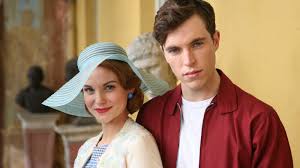
Agatha Christie’s Miss Marple series, known for its charming and astute elderly detective, has been a beloved staple in the mystery genre for decades. The TV adaptation, simply titled “Marple,” has taken this timeless character and her intriguing cases from the pages of classic literature to the small screen with a grace and style that has captivated audiences.
“Marple” revolves around the character of Miss Jane Marple, a seemingly innocuous elderly lady living in the quaint village of St. Mary Mead. However, beneath her benign exterior lies a sharp mind and a keen understanding of human nature. Each episode presents a standalone mystery, often involving murder, deceit, and complex human relationships. Miss Marple’s strength lies in her ability to see through the facades people put up and deduce the truth with her unparalleled intuition and logic.
The series does a commendable job of staying true to the essence of Christie’s original stories while also adding a fresh perspective. The writers have taken some liberties, occasionally merging different elements from various stories or adding new subplots, but these changes generally serve to enhance the narrative and keep it engaging for both newcomers and long-time fans of the books.
The portrayal of Miss Marple has seen different actresses bringing their unique touches to the character. Geraldine McEwan and Julia McKenzie, who have played the iconic role in the series, each bring their own charm and nuances to Miss Marple. McEwan’s portrayal is marked by a twinkle of mischief and a gentle, almost whimsical demeanor, while McKenzie brings a more grounded and earnest interpretation, with a quiet but steely resolve.
The supporting cast in each episode is often composed of well-known British actors, adding a layer of quality and familiarity. The guest stars deliver strong performances, making each mystery feel substantial and the suspects well-rounded. The casting directors have done an excellent job of selecting actors who can bring depth and believability to their roles, whether they are portraying victims, suspects, or accomplices.
The production design of “Marple” is a visual treat, perfectly capturing the period setting with meticulous attention to detail. The quaint villages, grand manors, and lush countryside settings are all beautifully rendered, creating an immersive experience for the viewer. The costume design is equally impressive, with outfits that are both period-accurate and visually appealing.
Cinematography plays a crucial role in establishing the tone of the series. The use of light and shadow, along with careful framing, adds to the suspense and drama of the mysteries. The series often employs close-ups to capture the subtle expressions of the characters, allowing the audience to glean insights into their thoughts and motivations, much like Miss Marple herself.
One of the enduring themes of “Marple” is the exploration of the darker side of human nature. The series delves into the complexities of love, jealousy, greed, and revenge, all of which are common motives for the crimes Miss Marple investigates. Through her observations and interactions, the series offers a commentary on the capacity for both good and evil within people, regardless of their outward appearances.
Miss Marple herself is a fascinating character study. Her age and gender often lead others to underestimate her, but she uses these assumptions to her advantage, often playing the role of a harmless old lady while she carefully unravels the truth. Her sharp intellect, combined with her deep empathy and understanding of human nature, makes her an exemplary detective. The series also touches on her personal life, including her friendships and the experiences that have shaped her worldview, adding layers to her character beyond her role as a sleuth.
The TV series “Marple” has left a significant mark on the landscape of British television and the broader mystery genre. It has introduced Agatha Christie’s timeless detective to a new generation of viewers, ensuring that Miss Marple remains a relevant and beloved figure in popular culture. The show’s success has helped to revive interest in Christie’s work, leading many viewers to discover or revisit her original novels and other adaptations.
The series also stands as a testament to the enduring appeal of the classic whodunit format. In an era where crime dramas and thrillers often rely on high-tech gadgets, complex forensics, and gritty realism, “Marple” proves that there is still a place for more traditional, character-driven mysteries. The show’s focus on clever deduction, intricate plotting, and rich character development offers a refreshing alternative to more contemporary approaches to the genre.
“Marple” inevitably invites comparisons to other adaptations of Christie’s work, most notably the long-running “Poirot” series starring David Suchet. While both series share a commitment to faithfully bringing Christie’s stories to life, they differ in tone and style. “Poirot” often has a more formal and polished aesthetic, befitting its Belgian detective’s meticulous nature, whereas “Marple” embraces a cozier, more intimate atmosphere that aligns with its village settings and the character’s unassuming persona.
Other Miss Marple adaptations, such as the films starring Margaret Rutherford and the BBC series featuring Joan Hickson, have also left their mark. Each actress brings a distinct interpretation to the role, and “Marple” stands out for its balance between honoring these past portrayals and carving out its own unique identity. The show’s willingness to innovate while remaining true to the spirit of the source material sets it apart in the crowded field of Christie adaptations.
“Marple” has generally been well-received by audiences and critics alike. Viewers appreciate the series’ faithful yet fresh take on Christie’s stories, the high production values, and the strong performances, particularly by McEwan and McKenzie. The show’s ability to maintain suspense and intrigue across multiple seasons has been a key factor in its popularity.
However, some purists have taken issue with the liberties the series occasionally takes with the source material. These changes, such as merging characters or altering plot points, are seen by some as unnecessary deviations. Despite this, the overall reception remains positive, with many acknowledging that such adaptations are often necessary to keep the stories engaging for modern audiences.
“Marple” is a masterful adaptation that honors Agatha Christie’s beloved character while also bringing a fresh and engaging perspective to her stories. With strong performances, beautiful production design, and well-crafted mysteries, the series offers a delightful and intellectually stimulating viewing experience. It captures the charm and complexity of Miss Marple and her world, making it a must-watch for fans of classic mysteries and quality television alike.
Featuring: Jodie Comer, Austin Butler, Tom Hardy, Michael Shannon, Mike Faist and Norman Reedus
Johnny:“I’ve been thinking, I can run this club forever. I’ve built this from nothing. This is our family. You and me kid.”
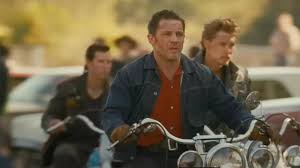
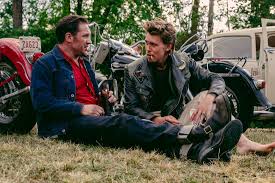
“The Bikeriders” is a gripping drama set in the 1960s that immerses viewers in the gritty and rebellious world of motorcycle gangs. Inspired by the book of the same name by Danny Lyon, the film explores the lives, brotherhood, and tumultuous journeys of members of the Vandals motorcycle club.
The narrative follows Kathy (Jodie Comer), the wife of a devoted biker named Benny (Austin Butler). The story is primarily told from Kathy’s perspective, providing an intimate look into the lives of the bikers and their loved ones. The movie delves into the complexities of their relationships, their sense of loyalty, and the consequences of their lifestyle choices.
Benny’s dedication to the club is unwavering, often putting him at odds with Kathy, who struggles to balance her love for him with her fears for their future. Tom Hardy plays Johnny, the charismatic and enigmatic leader of the Vandals, whose presence and decisions shape the course of the gang and its members.
As the film progresses, the bikers face internal conflicts, external threats from rival gangs, and increasing pressure from law enforcement. The tension escalates, leading to dramatic confrontations that test their loyalty, morality, and survival instincts.
The performances in “The Bikeriders” are a highlight, with Tom Hardy, Austin Butler, and Jodie Comer delivering compelling portrayals of their complex characters. Hardy’s portrayal of Johnny is magnetic, capturing the character’s charisma, authority, and underlying vulnerability. He brings depth to the role, making Johnny both a formidable leader and a deeply flawed individual.
Austin Butler shines as Benny, a young man torn between his loyalty to the club and his love for Kathy. Butler’s nuanced performance conveys Benny’s internal struggle and his journey from an enthusiastic biker to a conflicted individual grappling with the consequences of his choices.
Jodie Comer delivers a standout performance as Kathy, providing the emotional core of the film. Her portrayal of a woman caught between love and fear is both powerful and relatable. Comer effectively conveys Kathy’s resilience, making her a compelling character who anchors the narrative.
Jeff Nichols, known for his work on films like “Mud” and “Loving,” directs “The Bikeriders” with a keen eye for detail and authenticity. Nichols captures the essence of the 1960s biker culture, immersing the audience in a world of roaring engines, leather jackets, and smoky bars. The film’s atmosphere is palpable, thanks in part to the meticulous production design and period-accurate costumes.
The cinematography by Adam Stone is visually striking, with sweeping shots of open roads and intimate close-ups that emphasize the characters’ emotions. The use of natural light and muted color tones adds to the film’s gritty realism, enhancing the storytelling.
“The Bikeriders” explores themes of loyalty, identity, freedom, and the consequences of one’s choices. It delves into the allure of the biker lifestyle, highlighting the sense of brotherhood and rebellion that draws individuals to such a life. At the same time, the film doesn’t shy away from depicting the darker aspects, including violence, addiction, and the toll it takes on relationships.
The film also examines the notion of family, both biological and chosen. The Vandals are portrayed as a tight-knit group that operates as an extended family, bound by a code of loyalty and honor. This sense of family is juxtaposed with the personal sacrifices and moral dilemmas faced by the characters, particularly Benny and Kathy.
One of the film’s greatest strengths is its focus on character development and dynamics. The relationships between the characters are richly layered, adding depth to the narrative and making the audience care about their fates.
Benny and Kathy’s relationship serves as the emotional heartbeat of the film. Their love story is portrayed with authenticity, showing both the passion that draws them together and the conflicts that threaten to tear them apart. Kathy’s journey from a supportive but anxious partner to a woman who must make difficult decisions for her well-being is compelling. Her character arc is one of strength and resilience, capturing the struggle many faced in similar situations during the era.
Johnny’s role as the leader of the Vandals is central to the film’s exploration of power and influence within the gang. His leadership is charismatic yet flawed, as he grapples with the responsibilities and moral ambiguities of leading a group that thrives on rebellion. Hardy’s portrayal makes Johnny both intimidating and sympathetic, revealing the loneliness and burdens that come with his position.
The Vandals themselves are not just a backdrop but a collection of distinct personalities, each contributing to the club’s dynamic. The film takes time to develop secondary characters, making the Vandals feel like a real community. Their interactions, loyalty tests, and conflicts add layers to the story, showcasing the complexity of their brotherhood.
Adam Stone’s cinematography captures the essence of the 1960s with a combination of gritty realism and poetic beauty. The vast, open landscapes reflect the freedom and allure of the biker lifestyle, while the tight, intimate shots convey the personal struggles and intense emotions of the characters. The use of natural light and a muted color palette enhances the period feel, immersing viewers in the time and place.
The soundtrack of “The Bikeriders” is another standout element, featuring a mix of classic rock and original compositions that perfectly complement the film’s tone. The music underscores key moments, heightening the emotional impact and drawing the audience further into the world of the Vandals. The roar of motorcycle engines, the ambient sounds of bars and gatherings, and the carefully selected tracks all work together to create an immersive auditory experience.
The film’s pacing is deliberate, allowing the story to unfold organically. Jeff Nichols balances moments of high tension and action with quieter, character-driven scenes, maintaining a rhythm that keeps the audience engaged. The structure, which interweaves Kathy’s reflections with present-day events, adds a layer of introspection and depth to the narrative.
The decision to frame the story through Kathy’s perspective provides a unique and poignant lens, highlighting the often-overlooked experiences of those on the periphery of the biker world. This narrative choice enriches the film, offering a fresh take on a genre typically dominated by male perspectives.
“The Bikeriders” also serves as a reflection on broader societal and cultural issues. The film subtly addresses themes of gender roles, authority, and counterculture movements of the 1960s. Kathy’s struggle for agency within a male-dominated environment resonates with broader feminist themes, while the gang’s clashes with law enforcement and rival groups echo the larger societal tensions of the era.
The movie portrays the bikers not just as outlaws but as complex individuals seeking belonging and purpose in a rapidly changing world. This nuanced depiction challenges stereotypes and invites the audience to empathize with characters who exist on society’s fringes.
“The Bikeriders” is a compelling and thought-provoking drama that offers a raw and authentic look into the world of 1960s motorcycle gangs. With stellar performances, meticulous direction, and evocative cinematography, the film captivates from start to finish. Jeff Nichols has crafted a nuanced and emotionally resonant story that explores the complexities of loyalty, love, and the search for freedom.
Fans of character-driven dramas and period pieces will find “The Bikeriders” to be a memorable and impactful cinematic experience. It is a film that not only entertains but also prompts reflection on the choices we make and the paths we choose to follow.
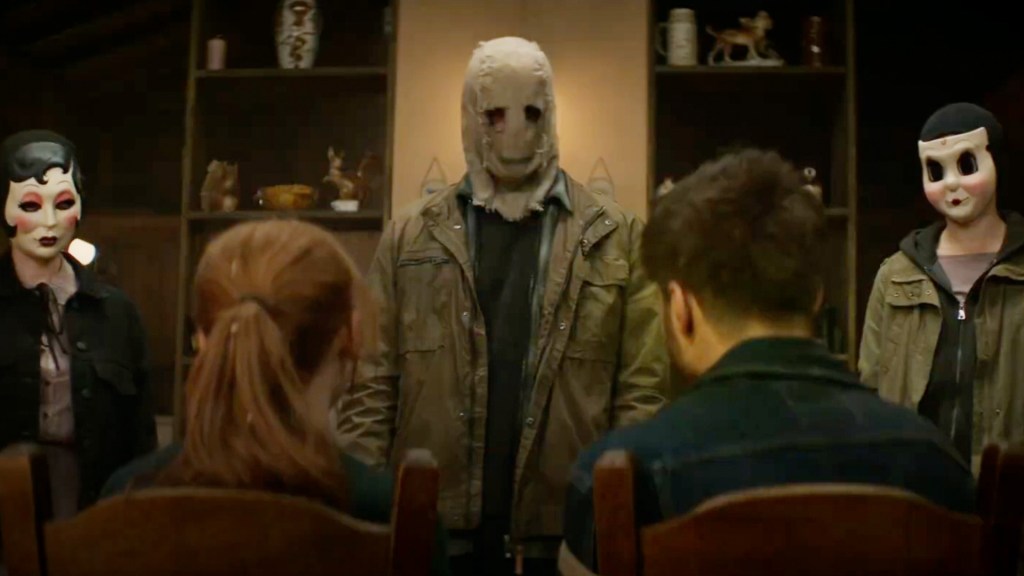
Warner Bros. Pictures has premiered the second trailer for M. Night Shyamalan’s latest thriller “Trap” which hits cinemas next month.
The psychological thriller was shot late last year in Canada and follows a man and his daughter attending a pop concert. They soon realise the whole event is a trap being laid by the cops to catch the serial killer ‘The Butcher’.
Josh Hartnett stars as the father, Hayley Mills plays Dr. Grant, and Shyamalan’s R&B singer-songwriter daughter Saleka plays the concert’s lead act Lady Raven.
The film’s international rollout commences August 1st and domestically hits cinemas on August 9th.
Featuring: Amy Poehler, Maya Hawke, Kensington Tallman, Liza Lapira, Tony Hale, Lewis Black, Phyllis Smith, Ayo Edebiri, Lilimar, Grace Lu, Sumayyah Nuriddin-Green, Adèle Exarchopoulos, Diane Lane, Kyle MacLachlan and Paul Walter Hauser
Joy:“I don’t know how to stop Anxiety. Maybe we can’t. Maybe this is what happens when you grow up. You feel less joy.”
“Inside Out 2” takes viewers back into the imaginative world of Riley’s emotions with an invigorating blend of humor, heart, and psychological insight. The sequel to Pixar’s beloved “Inside Out” expands on the original’s innovative concept, delving deeper into the complexities of human emotions and the challenges of growing up.
The film picks up with Riley now navigating the tumultuous waters of adolescence. This new chapter introduces a fresh array of emotions to her internal control room, each one brilliantly voiced and characterized. The addition of emotions like Anxiety and Apathy brings new dimensions to the narrative, enriching the already diverse emotional landscape.
One of the film’s standout aspects is its ability to balance humor and poignant moments. The dynamic interactions between the emotions provide plenty of laughs, while the storyline touches on more mature themes such as identity, mental health, and the struggle for self-acceptance. The script is clever, ensuring that the humor appeals to both children and adults, making it a truly family-friendly movie.
Visually, “Inside Out 2” is stunning. The animation is vibrant and detailed, capturing the essence of the mind’s intricate workings in a visually appealing manner. The creativity behind the representation of abstract concepts remains a highlight, as the film explores new areas of Riley’s mind with inventive and captivating designs.
The voice cast delivers exceptional performances, with returning actors bringing consistency and new additions seamlessly blending into the ensemble. Their portrayals add depth and relatability to the characters, making the audience care deeply about their journey.
One of the film’s most commendable achievements is its handling of complex emotional and psychological themes. It offers valuable insights into the importance of acknowledging and understanding one’s emotions, making it not just an entertaining watch but also a meaningful one. “Inside Out 2” encourages viewers to embrace their feelings, understand their mental health, and communicate openly about their inner experiences.
Overall, “Inside Out 2” is a triumphant sequel that lives up to its predecessor’s legacy. It combines humor, heart, and insightful storytelling to create an emotionally resonant experience. Whether you’re a fan of the original or new to Riley’s world, this film is a must-watch that promises to leave a lasting impact.
The trailer has been released by Lionsgate for Mel Gibson’s “Flight Risk,” a new action thriller starring Mark Wahlberg, Michelle Dockery and Topher Grace.
Wahlberg plays a pilot transporting an Air Marshal (Dockery) accompanying a fugitive (Grace) to trial. As they cross the Alaskan wilderness, tensions soar and trust is tested, as not everyone on board is who they seem.
It marks Gibson’s first directorial effort in eight years, the last one being the multiple Oscar-nominated “Hacksaw Ridge” in 2016, and his sixth overall after “The Man Without a Face,” “Braveheart,” “The Passion of the Christ” and “Apocalypto” before that.
Lionsgate, Media Capital Technologies, Hammerstone Studios, Icon and Davis Entertainment Company are behind the film which is set for an October 18th release date.
Featuring: James Roday, Dulé Hill, Timothy Omundson, Maggie Lawson, Corbin Bernsen, Kirsten Nelson and Anne Dudek
Shawn Spencer:“Oh, you mean my pilot’s license? That’s out back in the Cessna. Or perhaps you’re referring to my license to kill. Revoked. Trouble at the Kazakhstan border. I could give you the details but then I’d have to kill you, which I can’t do because my license to kill has been revoked.”
“Psych” is a television series that premiered on the USA Network on July 7, 2006, and concluded on March 26, 2014, after eight seasons and 120 episodes. Created by Steve Franks, the show stars James Roday Rodriguez as Shawn Spencer, a hyper-observant man who convinces the Santa Barbara Police Department that he has psychic abilities, and Dulé Hill as Burton “Gus” Guster, his best friend and reluctant partner. The series is a delightful blend of comedy, mystery, and drama, with a unique premise that sets it apart from typical procedural dramas.
The series is set in Santa Barbara, California, where Shawn Spencer and Gus Guster run a psychic detective agency, Psych. Shawn, having been trained by his police officer father, Henry Spencer (played by Corbin Bernsen), possesses remarkable observational skills. However, rather than becoming a police officer, he chooses a less conventional path, using his talents to solve crimes while pretending to be a psychic. This premise allows for a range of comedic situations, as Shawn’s antics often clash with the more serious tone of police work.
Shawn Spencer: James Roday Rodriguez delivers a charismatic performance as Shawn, a character who is both charming and infuriating. Shawn’s quick wit, pop culture references, and boyish enthusiasm make him a lovable protagonist. His complex relationship with his father adds depth to his character, as he struggles to prove himself while maintaining his independence.
Burton “Gus” Guster: Dulé Hill’s portrayal of Gus provides the perfect counterbalance to Shawn’s zaniness. Gus is methodical, risk-averse, and often the voice of reason. His loyalty to Shawn is unwavering, even as he gets dragged into increasingly bizarre situations. The chemistry between Hill and Rodriguez is the heart of the show, and their dynamic is a major factor in its success.
Henry Spencer: Corbin Bernsen plays Shawn’s stern but loving father, whose tough upbringing of Shawn is revealed through flashbacks. Henry’s role as a former detective provides a realistic anchor to Shawn’s more fantastical detective work. Their relationship evolves over the series, offering moments of genuine emotion amid the comedy.
Juliet O’Hara and Carlton Lassiter: Maggie Lawson and Timothy Omundson portray the main police detectives who work with Shawn and Gus. Juliet, who eventually becomes Shawn’s love interest, is a competent and kind-hearted detective. Lassiter, on the other hand, is a by-the-book cop who is initially skeptical of Shawn’s abilities but gradually comes to respect his unorthodox methods. Their interactions with Shawn and Gus add layers to the narrative, blending professional tension with personal growth.
The writing in “Psych” is sharp, witty, and laden with pop culture references. The show’s creators clearly have a deep affection for 1980s and 1990s pop culture, which is reflected in the countless references to movies, TV shows, and music from those decades. This nostalgia factor is a significant appeal for many fans.
The humor is a mix of slapstick, wordplay, and situational comedy. Shawn’s elaborate schemes to maintain his psychic ruse often lead to hilarious scenarios. The banter between Shawn and Gus is rapid-fire and frequently laugh-out-loud funny. The show’s ability to balance comedy with mystery is one of its strongest points, ensuring that even the most serious moments are punctuated with levity.
Each episode of “Psych” features a new case for Shawn and Gus to solve, ranging from murders and kidnappings to thefts and disappearances. The cases are well-constructed, with enough red herrings and twists to keep viewers engaged. Shawn’s unconventional methods, combined with his keen observational skills, make the solving of each case entertaining and often surprising.
The series also includes several multi-episode arcs and recurring villains, which add continuity and depth to the overarching story. Notable among these is the Yin/Yang trilogy, a darker and more intense storyline that showcases the show’s ability to handle serious subject matter without losing its comedic edge.
“Psych” is known for its impressive roster of guest stars and cameos, many of whom are drawn from the very pop culture the show frequently references. Appearances by stars like Cary Elwes, Jaleel White, and even members of the cast of “The Breakfast Club” add a layer of fun for fans. These guest appearances are often cleverly integrated into the plot, enhancing the overall viewing experience.
One of the most compelling aspects of “Psych” is its character development and the evolution of relationships over the series. Each character undergoes significant growth, and their relationships with one another deepen and become more nuanced.
Shawn and Gus: The friendship between Shawn and Gus is the backbone of the series. Their bond is portrayed with a genuine warmth and authenticity that resonates with viewers. Over the seasons, their friendship is tested by various challenges, but they always manage to come back stronger. Their interactions are filled with playful banter, but there are also moments of sincerity that highlight their deep connection.
Shawn and Juliet: The romantic relationship between Shawn and Juliet develops slowly, with Shawn’s initial infatuation evolving into a mature and supportive partnership. Their romance is handled with a light touch, balancing the comedic and dramatic elements of their relationship. Juliet’s ability to see past Shawn’s facade and appreciate his true qualities adds depth to their connection.
Lassiter and Shawn: The dynamic between Lassiter and Shawn shifts significantly throughout the series. Initially, Lassiter views Shawn with suspicion and disdain, seeing him as a fraud. However, as Shawn consistently proves his worth, Lassiter begins to respect and even admire him, albeit grudgingly. This evolution is gradual and believable, adding a layer of realism to their interactions.
Henry and Shawn: The father-son relationship between Henry and Shawn is central to the series. Henry’s tough love approach and high expectations for Shawn create tension, but it’s clear that he deeply cares for his son. Their relationship is characterized by moments of conflict and reconciliation, ultimately showcasing a journey of mutual understanding and respect.
“Psych” stands out for its willingness to experiment with different genres and themes. Several episodes pay homage to specific movies, TV shows, and cultural phenomena, creating unique viewing experiences.
“Dual Spires”: This episode is a tribute to “Twin Peaks,” featuring several actors from the original series and a storyline that mirrors the eerie and surreal atmosphere of the cult classic. It’s a perfect example of “Psych’s” ability to blend homage with its own brand of humor.
“100 Clues”: In this episode, the show celebrates its 100th episode with a tribute to the movie “Clue.” Featuring guest stars from the original film and a similar murder mystery setup, it’s a delightful nod to fans of both the movie and the show.
Musical Episode: “Psych: The Musical” is a standout, featuring original songs and showcasing the cast’s musical talents. This ambitious episode blends mystery with musical theater, highlighting the show’s versatility and creativity.
“Psych” has left a lasting impact on its fans and the television landscape. Its unique blend of comedy and mystery, along with its endearing characters, has earned it a dedicated fanbase. The show’s ability to balance episodic mysteries with ongoing character arcs has influenced other series in the genre.
The show’s popularity led to several follow-up movies, starting with “Psych: The Movie” in 2017, “Psych 2: Lassie Come Home” in 2020, and “Psych 3: This Is Gus” in 2021. These films continue the adventures of Shawn and Gus, providing fans with more of the humor and heart they love.
“Psych” is a unique and delightful series that successfully blends comedy, mystery, and drama. Its clever writing, strong performances, and endearing characters make it a standout in the realm of television procedurals. The show’s ability to maintain a high level of quality over eight seasons is a testament to the talent and creativity of its cast and crew.
For those looking for a series that offers humor, heart, and a bit of mystery, “Psych” is an excellent choice. Its rewatchability, bolstered by the endless pop culture references and dynamic character relationships, ensures that it remains a beloved show long after its original run. Whether you’re a longtime fan or a newcomer, “Psych” promises an entertaining and memorable journey into the world of psychic detective work.
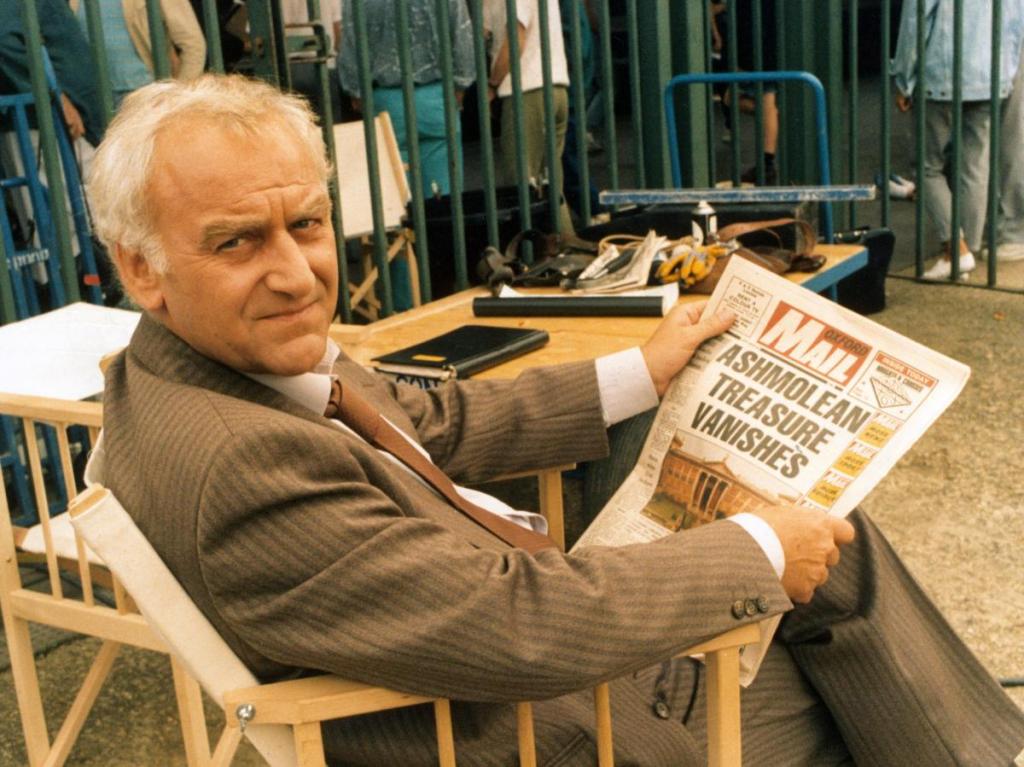
Featuring: John Thaw, Kevin Whately and James Grout
Morse:“I always drink at lunchtime. It helps my imagination.”
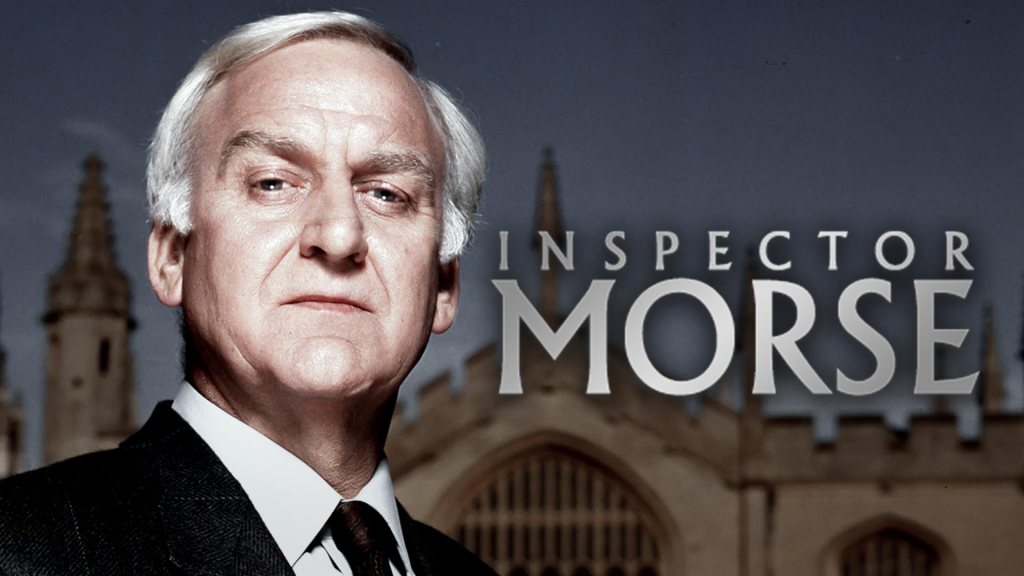
“Inspector Morse” is a British television series that originally aired from 1987 to 2000. Based on the novels by Colin Dexter, the show stars John Thaw as the titular Inspector Endeavour Morse and Kevin Whately as his loyal Sergeant Robbie Lewis. Set in Oxford, the series combines intelligent, intricate plots with rich character development and a strong sense of place.
The show revolves around the complex and often melancholic Inspector Morse, a cultured and somewhat cantankerous detective with a penchant for classical music, real ale, and crossword puzzles. Each episode presents a standalone mystery, typically involving murder, with Morse and Lewis delving into the often dark and secretive world of Oxford’s academic and social circles. The plots are meticulously crafted, with plenty of red herrings and unexpected twists that keep viewers engaged and guessing until the final reveal.
John Thaw’s portrayal of Morse is nothing short of iconic. He brings depth and nuance to the character, capturing Morse’s intellect, vulnerabilities, and idiosyncrasies with remarkable skill. Kevin Whately provides an excellent counterbalance as the more down-to-earth Lewis, whose straightforward approach and loyalty complement Morse’s more enigmatic nature. The chemistry between Thaw and Whately is one of the series’ greatest strengths, adding a layer of warmth and humanity to the often grim subject matter.
The city of Oxford is almost a character in its own right. The series makes full use of its picturesque and historic locations, which provide a visually stunning backdrop for the stories. The university, with its ancient buildings and traditions, adds a unique atmosphere that enhances the overall mood of the show. The cinematography and production design are consistently high-quality, contributing to the immersive experience.
“Inspector Morse” stands out for its intellectual and mature approach to the crime genre. The show doesn’t rely on sensationalism or gratuitous violence; instead, it focuses on character-driven stories and moral complexities. Themes of guilt, redemption, and the human condition are explored thoughtfully. The tone is often somber and reflective, with moments of wit and dry humor that lighten the mood without undermining the seriousness of the narratives.
The music of “Inspector Morse,” composed by Barrington Pheloung, is another highlight. The hauntingly beautiful main theme and the carefully selected classical pieces enhance the emotional impact of the series. Music plays a significant role in Morse’s character development, reflecting his inner world and adding depth to the storytelling.
“Inspector Morse” has left a lasting legacy, spawning two successful spin-offs: “Lewis,” which follows Sergeant Lewis as he becomes an inspector, and “Endeavour,” a prequel series exploring the early career of a young Morse. Both spin-offs have been well-received, attesting to the enduring appeal of the original series.
“Inspector Morse” has had a significant cultural impact, not just in the UK but internationally. The series has been praised for elevating the detective genre by infusing it with literary and cultural references, sophisticated dialogue, and morally complex characters. It has influenced numerous other crime dramas that followed, both in terms of narrative style and character development. The show’s success has cemented its place as a classic of British television.
Strengths
Strong Lead Performances: John Thaw’s performance as Morse is often lauded as one of the greatest in television history. His ability to convey Morse’s internal struggles, intelligence, and occasional irascibility with subtlety and depth is remarkable.
Complex Characters: Beyond the leads, the show features a host of well-drawn supporting characters, each adding to the richness of the narrative. Guest stars often include notable actors, who bring additional gravitas to the episodes.
Intricate Plots: The mysteries in “Inspector Morse” are known for their complexity and attention to detail. They are well-crafted puzzles that reward careful viewing and intellectual engagement.
Atmospheric Setting: The use of Oxford as a setting provides a unique and atmospheric backdrop that is both beautiful and integral to the stories. The city’s architecture and academic environment add layers of intrigue and sophistication.
Thoughtful Themes: The series delves into themes such as justice, morality, human nature, and the consequences of actions. It doesn’t shy away from exploring the darker aspects of human experience, making it a thought-provoking watch.
Weaknesses
Pacing: Some viewers may find the pacing of the series slow, especially compared to modern, fast-paced crime dramas. “Inspector Morse” often takes its time to build atmosphere and develop characters, which might not appeal to everyone.
Melancholic Tone: The show’s often melancholic and introspective tone, while one of its strengths, might not suit all viewers. Those looking for lighter, more action-driven mysteries might find “Inspector Morse” too somber.
Complexity of Plots: While the intricate plots are a highlight for many, they can also be a challenge. Some episodes require close attention to keep track of the various clues, red herrings, and character relationships, which might be daunting for casual viewers.
Several episodes of “Inspector Morse” stand out for their exceptional storytelling and impact. Here are a few notable ones:
“The Dead of Jericho”: The series pilot introduces viewers to the complex world of Inspector Morse. The episode sets the tone for the series with a blend of academic intrigue, personal drama, and Morse’s characteristic melancholy.
“The Last Enemy”: This episode delves deep into the politics and rivalries within Oxford’s academic circles. It showcases Morse’s intellectual prowess and his ability to navigate complex social dynamics.
“Deceived by Flight”: Featuring a compelling plot involving a cricket match, this episode is notable for its blend of sport, murder, and Morse’s personal reflections, adding layers to his character.
“The Day of the Devil”: This episode deals with themes of satanism and psychological manipulation, providing a darker and more intense viewing experience. It highlights Morse’s determination and moral steadfastness.
“Death is Now My Neighbour”: This episode is crucial for revealing key aspects of Morse’s background and personal life. It includes significant character development and a poignant storyline.
Throughout its run, “Inspector Morse” offers significant development for its central characters. Morse, initially seen as a somewhat aloof and enigmatic figure, gradually reveals more of his personal history, vulnerabilities, and moral code. This evolution is expertly portrayed by John Thaw, whose nuanced performance ensures that Morse remains a compelling and multifaceted character.
Sergeant Lewis also undergoes considerable growth. Initially depicted as the more straightforward and unassuming partner, he develops a deeper understanding of Morse’s methods and motivations. By the end of the series, Lewis is more confident and assertive, setting the stage for his own leadership in the spin-off series “Lewis.”
One of the hallmarks of “Inspector Morse” is its frequent use of literary and cultural references. Morse’s love for classical music, literature, and crosswords often plays a role in the plots. These elements add a layer of intellectual depth and serve as a reflection of Morse’s inner life. For example, references to works by Shakespeare, T.S. Eliot, and other literary figures are woven into the narratives, enriching the viewing experience for those familiar with these texts.
“Inspector Morse” received widespread critical acclaim during its run. John Thaw’s portrayal of Morse earned him multiple awards, including BAFTA TV Awards for Best Actor. The series itself won numerous accolades for its writing, direction, and production quality. Its impact on the crime drama genre is evidenced by its enduring popularity and the successful spin-offs it inspired.
For viewers, “Inspector Morse” offers a rich and immersive experience. The combination of intriguing mysteries, strong character development, and the picturesque Oxford setting makes for compelling viewing. The series’ ability to balance intellectual challenges with emotional depth ensures that it resonates on multiple levels.
“Inspector Morse” has significantly influenced the crime drama genre, particularly in how it balances complex characters with intricate plots. Its success paved the way for more sophisticated and character-driven narratives in crime series. Shows like “Broadchurch,” “Sherlock,” and even American series like “True Detective” owe a debt to the path forged by “Inspector Morse.”
“Inspector Morse” is a masterful blend of mystery, character study, and atmospheric storytelling. Its intelligent plots, outstanding performances, and evocative setting make it a standout in the crime drama genre. Whether you’re a fan of classic whodunits or simply appreciate well-crafted television, “Inspector Morse” is a series that is well worth watching.
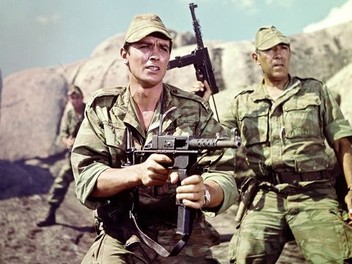
Featuring: Anthony Quinn, Alain Delon, George Segal, Michèle Morgan, Maurice Ronet, Claudia Cardinale and Grégoire Aslan
Merle:“A message from the airforce, sir. In 10 minutes, they will be overhead to drop in reinforcements!”
Lt. Col. Pierre Raspeguy:“We haven’t got enough firepower left to cover them, they’ll be slaughtered before they hit the ground, get back on the radio and warn them off.”
“Lost Command,” directed by Mark Robson, is a war film based on Jean Lartéguy’s 1960 novel “The Centurions.” The movie, starring Anthony Quinn, Alain Delon, George Segal, Michèle Morgan, and Maurice Ronet, delves into the complexities of military command and the moral ambiguities of war. Set against the backdrop of the French-Algerian War, the film explores themes of loyalty, sacrifice, and the psychological toll of combat.
Plot Synopsis
The story follows Lieutenant Colonel Pierre-Noel Raspéguy (Anthony Quinn), a tough and determined French officer who is captured by the Viet Minh during the First Indochina War. After his release, Raspéguy is tasked with leading a parachute battalion in Algeria, where he faces the formidable challenge of quelling the Algerian independence movement. Alongside him are Captain Philippe Esclavier (Alain Delon), a noble and idealistic officer; Lieutenant Mahidi (George Segal), an Algerian who sides with the rebels; and Captain Boisfeuras (Maurice Ronet), a ruthless and cunning soldier.
Quinn delivers a powerful performance as Raspéguy, embodying the character’s rugged determination and complex morality. Raspéguy is a man shaped by war, his leadership style characterized by a blend of paternalism and ruthless pragmatism. Quinn’s portrayal captures the internal conflicts of a soldier who must balance his duty to his country with the ethical implications of his actions.
Delon’s Esclavier is the moral compass of the film, representing the idealistic side of military service. His character’s journey from a naive officer to a disillusioned veteran is portrayed with subtlety and depth. Delon’s performance brings a sense of gravitas and introspection to the role, making Esclavier a compelling counterpart to Raspéguy.
Segal’s portrayal of Mahidi adds a layer of complexity to the narrative. As an Algerian who initially fights for the French, Mahidi’s eventual defection to the rebels highlights the personal and political conflicts inherent in colonial wars. Segal’s performance is both nuanced and passionate, effectively conveying Mahidi’s internal struggle and ultimate sense of betrayal.
Ronet’s Boisfeuras is a chilling depiction of the darker side of military operations. His character is ruthless and unrelenting, willing to employ any means necessary to achieve his objectives. Ronet’s performance is intense and menacing, providing a stark contrast to the more principled Esclavier.
“Lost Command” tackles the controversial subject of colonialism head-on, presenting a balanced view of the conflict. The film does not shy away from depicting the brutality of both the French forces and the Algerian rebels, highlighting the moral ambiguities of war. Raspéguy’s actions, while aimed at maintaining order, often cross ethical boundaries, prompting viewers to question the true cost of colonial rule.
The theme of loyalty is central to the film, with characters constantly grappling with their allegiances. Raspéguy’s loyalty to his men and his country is tested against the backdrop of a war that lacks clear moral boundaries. Mahidi’s shift in loyalty from the French to the Algerian rebels underscores the personal conflicts faced by individuals caught in the crossfire of political upheaval.
The film delves into the psychological toll of combat on soldiers. Raspéguy, Esclavier, and Mahidi each experience the war’s impact on their psyche in different ways. Raspéguy’s hardened exterior masks his internal turmoil, Esclavier’s idealism is eroded by the harsh realities of war, and Mahidi’s sense of identity is torn apart by conflicting loyalties. “Lost Command” portrays these psychological struggles with a raw honesty that adds depth to the narrative.
Mark Robson’s direction is adept at balancing the film’s action sequences with its more introspective moments. The battle scenes are gritty and intense, capturing the chaos and violence of guerilla warfare. In contrast, the quieter scenes allow for character development and reflection, giving the film an emotional resonance.
Cinematographer Robert Surtees excels in capturing the stark beauty of the Algerian landscape. The use of wide shots and natural lighting enhances the film’s realism, immersing viewers in the harsh environment faced by the soldiers. The visual contrast between the lush jungles of Indochina and the arid deserts of Algeria underscores the diverse challenges encountered by the French forces.
The film’s score, composed by Franz Waxman, complements the narrative with its dramatic and evocative themes. The music underscores the tension and drama of the battle scenes, while also providing a poignant backdrop for the more reflective moments. The sound design is equally effective, with the sounds of gunfire and explosions adding to the film’s immersive quality.
“Lost Command” is a compelling war film that offers a nuanced portrayal of the French-Algerian War. Through its complex characters and unflinching examination of moral ambiguity, the film provides a thought-provoking commentary on the nature of colonialism and the psychological impact of combat. The strong performances, particularly by Anthony Quinn and Alain Delon, coupled with Mark Robson’s skilled direction, make “Lost Command” a powerful and enduring work of cinema. It is a film that challenges viewers to reflect on the ethical dimensions of war and the human cost of political conflict.
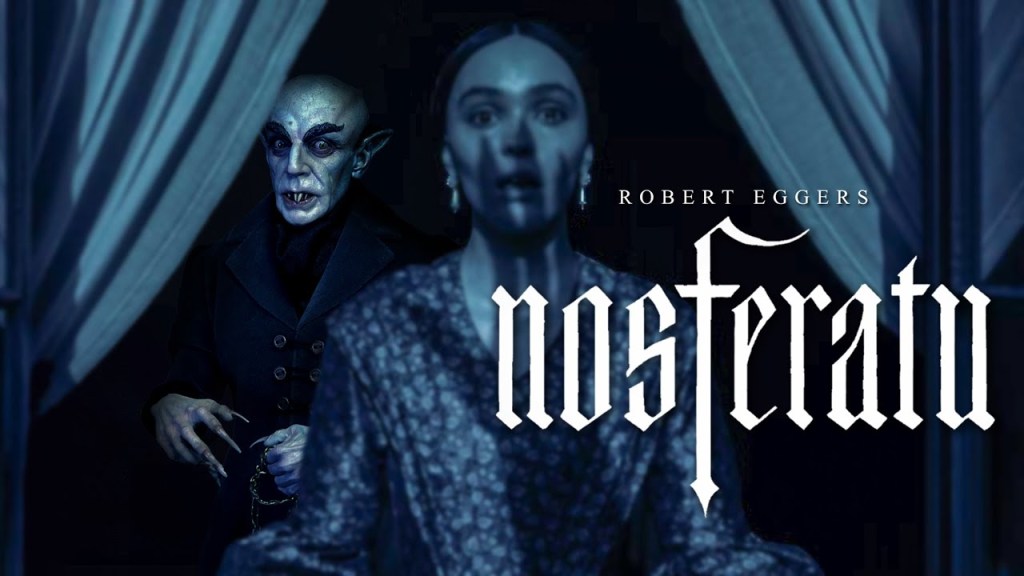
Focus Features has premiered the trailer for filmmaker Robert Eggers’ re-imagining of F.W. Murnau’s legendary original 1922 feature “Nosferatu”.
The story is dubbed a gothic tale of obsession between a haunted young woman in 19th-century Germany and the ancient Transylvanian vampire who stalks her, bringing untold horror with him.
Bill Skarsgard, Lily-Rose Depp, Nicolas Hoult, Willem Dafoe, Aaron Taylor-Johnson, Emma Corrin, Ralph Ineson and Simon McBurney star in the film which was shot in Prague a year ago.
“Nosferatu” will open in cinemas on Christmas Day.
Featuring: Natalie Portman, Julianne Moore and Charles Melton
Gracie:“Insecure people are very dangerous, aren’t they? I’m secure. Make sure you put that in there.”
“May December,” directed by Todd Haynes, is a provocative and deeply nuanced drama that delves into the complexities of relationships, identity, and the public gaze. The film stars Julianne Moore and Natalie Portman, who deliver outstanding performances, elevating the already compelling narrative to extraordinary heights.
The film revolves around the unconventional and controversial relationship between Gracie Atherton-Yoo (Julianne Moore) and her significantly younger husband, Joe Yoo (Charles Melton). Their love story, which began when Gracie was Joe’s teacher and he was still a teenager, drew national attention and scandal years ago. Now, as their past fades into relative obscurity, their lives are disrupted by the arrival of Elizabeth (Natalie Portman), an actress preparing to play Gracie in a biographical film.
“May December” navigates a labyrinth of themes, including the morality of age-disparate relationships, the influence of media on personal lives, and the fluid nature of identity. The film is less interested in passing judgment on its characters and more in exploring the layers of their experiences and emotions.
One of the central themes is the idea of public versus private identity. Gracie and Joe’s relationship, once a national scandal, is now a private, albeit complex, family dynamic. Elizabeth’s intrusion into their lives serves as a catalyst, forcing the couple to confront their past decisions and the reality of their present situation. Elizabeth herself becomes a mirror, reflecting and distorting the characters’ perceptions of themselves and each other.
Julianne Moore is exceptional as Gracie, capturing the character’s vulnerability and steely resolve. She portrays Gracie as a woman who has made peace with her controversial past, yet is perpetually aware of its shadow. Moore’s performance is a masterclass in subtlety, using minute facial expressions and body language to convey a wide range of emotions.
Natalie Portman, as Elizabeth, is equally compelling. She brings a sense of curiosity and determination to the role, portraying Elizabeth as a woman on a quest for truth, both in her portrayal of Gracie and in understanding her own life. Portman’s interactions with Moore are electric, filled with tension and unspoken understanding.
Charles Melton’s portrayal of Joe Yoo is nuanced and heartfelt. He captures the confusion and inner turmoil of a man who has grown up under the public eye and is still grappling with the implications of his past. Melton’s performance is particularly effective in scenes where Joe’s internal conflict is laid bare, showing the audience the fragility beneath his composed exterior.
Todd Haynes’s direction is meticulous and thoughtful. He creates a rich, immersive world that feels both intimate and expansive. Haynes’s use of visual storytelling is particularly striking, with each shot carefully composed to enhance the narrative’s emotional depth. The film’s color palette and lighting play a significant role in setting the tone, often reflecting the inner states of the characters.
The cinematography by Edward Lachman is exquisite, capturing the lush, almost dreamlike quality of the setting. The camera work often lingers on the characters’ faces, allowing the audience to delve deeper into their psyches. This visual approach complements the film’s introspective nature, inviting viewers to become fully immersed in the characters’ journeys.
The screenplay, written by Samy Burch and Alex Mechanik, is sharp and insightful. The dialogue is natural yet loaded with subtext, revealing the characters’ motivations and fears without overt exposition. The script does an excellent job of balancing moments of quiet introspection with more intense, dramatic scenes, creating a rhythm that keeps the audience engaged throughout.
The musical score of “May December,” composed by Carter Burwell, plays a pivotal role in shaping the film’s atmosphere. Burwell, known for his ability to enhance emotional undertones through music, delivers a soundtrack that complements the film’s mood perfectly. The score is haunting and melancholic at times, underscoring the characters’ internal struggles, while lighter, more whimsical pieces highlight moments of tenderness and introspection. The music subtly guides the audience’s emotional journey, adding layers of meaning to the visual and narrative elements.
The editing, overseen by Affonso Gonçalves, is precise and effective in maintaining the film’s deliberate pace. “May December” takes its time to unravel the story, allowing the audience to fully absorb the intricate dynamics between the characters. The transitions between scenes are smooth, often using visual or thematic motifs to create a cohesive flow. This careful pacing ensures that each moment resonates, giving the film a contemplative quality that encourages viewers to reflect on the unfolding drama.
One of the film’s greatest strengths is its deep and thoughtful character development. Gracie, Joe, and Elizabeth are richly layered characters, each with their own distinct arc. Gracie’s journey is one of self-examination, as she grapples with the consequences of her past actions and their impact on her present life. Julianne Moore’s portrayal brings out the complexity of a woman who is both remorseful and defiant, seeking redemption while stubbornly clinging to her narrative.
Joe’s character, played with remarkable sensitivity by Charles Melton, evolves from a seemingly passive participant in his own life to someone who begins to question the foundations of his relationship with Gracie. His interactions with Elizabeth serve as a catalyst for this transformation, as he confronts the reality of his experiences and the choices he has made.
Elizabeth, portrayed by Natalie Portman, undergoes a significant transformation as well. Initially driven by professional curiosity, she becomes increasingly personally invested in the lives of Gracie and Joe. This investment forces her to confront her own values and the ethical implications of her role in their story. Portman captures this evolution beautifully, showing Elizabeth’s growing empathy and understanding.
“May December” also serves as a commentary on the broader societal issues of scandal, media sensationalism, and the public’s appetite for controversy. The film critiques the way society tends to sensationalize personal tragedies and scandals, often reducing complex human experiences to simplistic narratives for public consumption. Through Elizabeth’s character, the film explores the ethical responsibilities of those who seek to retell real-life stories, highlighting the fine line between artistic exploration and exploitation.
The film’s reception has been overwhelmingly positive, with particular praise directed towards the performances of Moore and Portman. Critics have lauded Haynes’s direction and the film’s ability to tackle difficult subject matter with sensitivity and depth. The nuanced portrayal of a controversial relationship has sparked discussions about morality, consent, and the lasting impact of our past actions on our present lives.
“May December” is a remarkable film that challenges viewers to look beyond surface judgments and consider the complexities of human relationships. It is a story about love, regret, and the ways in which our past shapes our present. With stellar performances from its cast, masterful direction from Todd Haynes, and a script that is both poignant and thought-provoking, “May December” is a cinematic triumph that will linger in the minds of its audience long after the credits roll.
This film is not just a commentary on the nature of scandal and public perception but also a profound exploration of personal truth and the often blurred lines between right and wrong. It is a must-watch for anyone who appreciates films that provoke thought and evoke deep emotional responses.
Featuring: Kirk Douglas, Richard Harris and Ulla Jacobsson
Terboven:“Winston Churchill is puffing an extra big cigar today. And we laugh at him. Why? Because all these containers, which the British did so much to destroy, have already been pre-fabricated in Berlin. They are already on their way here and will be installed by tomorrow.”
“The Heroes of Telemark” is a 1965 British-American war film directed by Anthony Mann and starring Kirk Douglas and Richard Harris. The film is based on the true story of the Norwegian resistance fighters who sabotaged the German heavy water plant in Rjukan during World War II. This act was crucial in preventing Nazi Germany from developing nuclear weapons.
The film begins with Dr. Rolf Pedersen (Kirk Douglas), a Norwegian physics professor, being recruited by the Norwegian resistance to assist in the sabotage of the Norsk Hydro plant in Telemark. The plant is producing heavy water, a crucial component for Nazi Germany’s atomic bomb project. Pedersen is initially reluctant but is eventually persuaded to join the mission, realizing the catastrophic consequences if the Nazis succeed.
Pedersen teams up with Knut Straud (Richard Harris), a determined resistance fighter. Together, they face numerous challenges, including evading the Gestapo, navigating the treacherous Norwegian landscape, and executing the sabotage operation without endangering the local civilian population. The film builds tension as the team meticulously plans and executes the sabotage, culminating in a dramatic and suspenseful climax.
“The Heroes of Telemark” is loosely based on real events, and while it captures the essence of the Norwegian resistance’s bravery and ingenuity, it takes significant liberties with historical facts. The film condenses several real-life operations into a single mission, and characters are often amalgamations or entirely fictional. For instance, the real-life hero of the Telemark operation, Joachim Rønneberg, is not represented in the film, and the character of Dr. Rolf Pedersen is a fictional creation.
Despite these inaccuracies, the film effectively conveys the high stakes and immense pressure faced by the resistance fighters. The depiction of the harsh Norwegian winter and the perilous conditions under which the saboteurs operated is particularly compelling and adds to the film’s authenticity.
Kirk Douglas delivers a strong performance as Dr. Rolf Pedersen, portraying a man torn between his pacifist principles and the necessity of violent action to prevent greater evil. Douglas’s charisma and screen presence drive the film, making Pedersen a sympathetic and relatable character.
Richard Harris, as Knut Straud, complements Douglas with his portrayal of a hardened resistance fighter committed to the cause. Harris brings a rugged determination to the role, providing a stark contrast to Douglas’s more intellectual character. The chemistry between Douglas and Harris is one of the film’s highlights, adding depth to their partnership and the mission’s emotional stakes.
The supporting cast, including Ulla Jacobsson as Anna Pedersen and Michael Redgrave as Uncle Arne, also deliver solid performances, contributing to the film’s overall impact.
Anthony Mann’s direction is both ambitious and meticulous, effectively balancing the film’s action sequences with character-driven moments. Mann, known for his work on Westerns and epics, brings a sense of grandeur to the Norwegian landscape, using it as a dramatic backdrop that enhances the film’s tension and stakes.
The cinematography by Robert Krasker is exceptional, capturing the stark beauty and harshness of the Norwegian winter. The use of on-location shooting in Norway adds to the film’s authenticity and visual appeal. The action sequences, particularly the sabotage operation and the subsequent chase scenes, are well-executed and thrilling, keeping viewers on the edge of their seats.
At its core, “The Heroes of Telemark” is a story about courage, sacrifice, and the moral complexities of war. The film explores the difficult choices faced by individuals in times of conflict, highlighting the personal cost of resistance and the broader implications of their actions. The characters’ internal struggles and the external dangers they face underscore the film’s message about the importance of standing up against tyranny, even at great personal risk.
The film also addresses the ethical dilemmas of warfare, particularly the tension between achieving strategic objectives and minimizing civilian casualties. This theme is embodied in the characters’ debates and the careful planning of the sabotage mission, which aims to avoid unnecessary loss of life while achieving a critical objective.
“The Heroes of Telemark” is a compelling war film that combines historical drama with action and suspense. While it takes liberties with historical accuracy, it succeeds in capturing the spirit and bravery of the Norwegian resistance fighters who played a crucial role in thwarting Nazi Germany’s atomic ambitions. The strong performances by Kirk Douglas and Richard Harris, along with Anthony Mann’s skilled direction and Robert Krasker’s stunning cinematography, make it a memorable and impactful film.
For viewers interested in World War II history, resistance movements, or stories of courage against overwhelming odds, “The Heroes of Telemark” offers a gripping and inspiring cinematic experience. Despite its historical inaccuracies, the film stands as a tribute to the real-life heroes of Telemark and their remarkable contribution to the Allied war effort.
Special Features
1080p High-definition presentation on Blu-ray
Audio Commentary by film historians Steve Mitchell and Steven Jay Rubin (2024)
The Making of ‘The Heroes of Telemark’ – interview featurette with the production crew (2024)
Playing a Hero – interview with actor David Weston (2024)
Location Reports from Norway & Weymouth (1965)
Vintage interviews with Richard Harris, Kirk Douglas, Michael Redgrave, Ulla Jacobsson, Anthony Mann (1965)
Featuring: Burt Lancaster, Jody Lawrance and Gilbert Roland
Sgt. Mike Kincaid:“Look, kid, why don’t you relax? Make things easy on yourself. Three more days and I’ll have you back with your people.”
Mahla:“You won’t live three more days.”
Ten Tall Men is a 1951 adventure film directed by Willis Goldbeck and starring Burt Lancaster, Jody Lawrance, and Gilbert Roland. Set against the rugged and exotic backdrop of North Africa, the film weaves a tale of bravery, camaraderie, and romantic entanglements during the French Foreign Legion’s campaigns.
The story centers around Sgt. Mike Kincaid (Burt Lancaster), a resourceful and charismatic member of the French Foreign Legion. Kincaid is notorious for his irreverent attitude towards authority but revered by his men for his leadership and cunning. The narrative kicks off when Kincaid and his comrades, played by a diverse ensemble cast, are tasked with a seemingly impossible mission: to thwart an impending tribal uprising led by the formidable Emir Hassan (Gerald Mohr).
Kincaid’s plan is audacious. He decides to kidnap the Emir’s betrothed, Mahla (Jody Lawrance), hoping that this bold move will destabilize the enemy’s morale and buy the Legion valuable time. The film progresses through a series of daring escapades, intense skirmishes, and unexpected romantic developments between Kincaid and Mahla. As Kincaid and his men navigate treacherous terrain and face relentless adversaries, they demonstrate not only physical prowess but also deep bonds of loyalty and friendship.
Characters and Performances
Burt Lancaster delivers a charismatic performance as Sgt. Mike Kincaid, balancing rugged heroism with a roguish charm. Lancaster’s physicality and presence are undeniable, making Kincaid a compelling and dynamic protagonist. His on-screen chemistry with Jody Lawrance adds a layer of romantic tension that enriches the narrative. Lawrance, as Mahla, brings a blend of strength and vulnerability to her role, making her more than just a damsel in distress. She portrays a character with her own agency and depth, which is refreshing for a film from this era.
The supporting cast, including Gilbert Roland as Pfc. Luis Delgado and Kieron Moore as Cpl. Pierre Molier, adds depth and diversity to the story. Each character brings a unique personality and skill set to the group, contributing to the film’s themes of camaraderie and brotherhood. Roland’s portrayal of Delgado, in particular, stands out for its warmth and humor, providing a counterbalance to the more intense aspects of the plot.
Willis Goldbeck’s direction is solid, capturing the sweeping landscapes and intense action sequences with a keen eye. The film’s pacing is generally well-handled, maintaining a balance between action, drama, and romance. The North African desert, with its vast dunes and stark beauty, serves as a stunning backdrop for the story, enhancing the film’s epic feel.
The cinematography by William E. Snyder deserves special mention. The use of Technicolor enhances the visual appeal, bringing vibrancy to the desert scenes and adding a layer of intensity to the battle sequences. Snyder effectively captures both the grandeur of the landscape and the intimacy of the characters’ interactions.
Ten Tall Men explores themes of honor, loyalty, and bravery, common in films about the French Foreign Legion. The film portrays the Legion as a melting pot of diverse individuals united by a common cause, highlighting the bonds forged in the crucible of battle. The camaraderie among the ten men, despite their different backgrounds and personalities, is a central theme, underscoring the idea that unity and mutual respect are essential for survival.
The film also delves into the complexities of duty and love. Kincaid’s growing affection for Mahla complicates his mission, adding a personal dimension to the larger conflict. This romantic subplot, while somewhat predictable, is handled with enough nuance to keep it engaging.
While Ten Tall Men is an entertaining and visually appealing film, it is not without its flaws. The plot, though engaging, follows a relatively predictable path, with few surprises or twists. The depiction of the North African tribes and their culture is simplistic and often stereotypical, reflecting the sensibilities of its time rather than providing a nuanced portrayal.
Moreover, the film’s female characters, while given more agency than in many contemporaneous films, are still largely defined by their relationships with the male protagonists. Mahla, though strong and resourceful, ultimately serves to advance Kincaid’s character arc more than her own.
Ten Tall Men occupies a unique place in the canon of adventure films from the 1950s. While it may not be as widely recognized as some of Burt Lancaster’s other works, it showcases his versatility as an actor and his ability to carry a film with his sheer presence. The movie is a testament to the era’s filmmaking style, where grand, sweeping narratives set in exotic locales captured the imagination of audiences.
One of the significant aspects of the film’s legacy is its reflection of the post-World War II sentiment. During this period, there was a fascination with stories about unity, bravery, and the clash of cultures, which Ten Tall Men encapsulates. It also speaks to the enduring popularity of the French Foreign Legion as a cinematic subject, symbolizing adventure and the ultimate test of endurance and loyalty.
The technical achievements of Ten Tall Men are noteworthy. The film’s use of Technicolor was a significant draw at the time, enhancing the visual storytelling with vibrant hues that brought the desert landscapes and action scenes to life. This visual appeal contributed to the film’s success and its ability to transport audiences to a different world.
Additionally, the film’s score, composed by Victor Young, adds a rich, emotive layer to the narrative. The music underscores the tension and drama of the action scenes and amplifies the romantic and introspective moments, effectively supporting the film’s tone.
Viewed through a modern lens, Ten Tall Men has elements that are problematic, particularly its portrayal of North African cultures. The film’s depiction of the local tribes and their leaders lacks depth and sensitivity, relying on stereotypes that were common in Hollywood productions of the time. This aspect of the film is a reminder of the industry’s historical shortcomings in representing non-Western cultures accurately and respectfully.
In contemporary discussions about classic films, it is essential to acknowledge these flaws while also recognizing the context in which the film was made. Ten Tall Men can be appreciated for its entertainment value and technical prowess, but it also serves as a point of reference for how cultural representations have evolved in cinema.
Ten Tall Men is a quintessential adventure film from the early 1950s, offering a blend of action, romance, and camaraderie set against the exotic backdrop of the North African desert. Burt Lancaster’s charismatic performance and the film’s stunning cinematography are its standout features, making it a worthwhile watch for fans of classic adventure films. Despite its predictable plot and dated cultural portrayals, the film remains a testament to the enduring appeal of tales of bravery and brotherhood.
Featuring: Alan Ladd, James Mason and Patricia Medina
Capt. Paul Gilbert: [after sentencing Hugh Tallant to a 50-lash whipping] “I don’t want any danger of infection. Have you the salt ready for his wounds?”
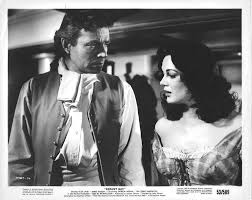
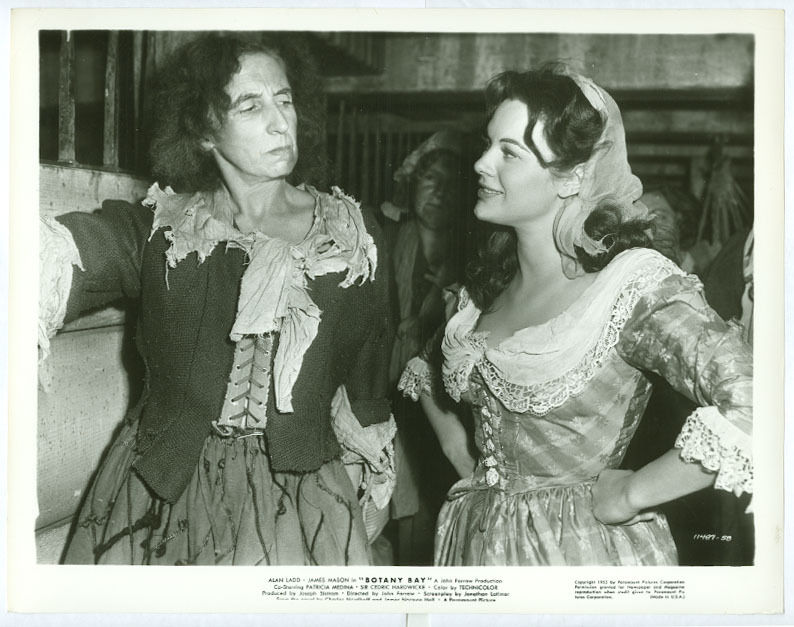
“Botany Bay,” directed by John Farrow and released in 1953, is a historical drama that delves into the grim realities of British convict transportation to Australia in the late 18th century. Starring Alan Ladd, James Mason, and Patricia Medina, the film adapts Charles Nordhoff and James Norman Hall’s novel of the same name, presenting a narrative rich with adventure, romance, and moral complexities.
The story begins in England, where we meet Hugh Tallant (Alan Ladd), an English physician wrongfully convicted of a crime he did not commit. Alongside other convicts, Tallant is sentenced to transportation to the penal colony of Botany Bay in New South Wales, Australia. The journey aboard the convict ship is perilous, marked by brutal treatment from the ship’s sadistic captain, Captain Paul Gilbert (James Mason).
The film vividly depicts the harsh conditions endured by the convicts, offering a stark portrayal of their struggle for survival and dignity. Tallant’s medical knowledge and compassionate nature set him apart from his fellow prisoners, earning him the grudging respect of some crew members and the enmity of others, particularly Captain Gilbert.
As the ship nears its destination, tensions rise, culminating in a gripping climax where Tallant and his fellow convicts seize an opportunity to revolt. Their quest for freedom is fraught with danger, moral dilemmas, and unexpected alliances, ultimately leading to a resolution that underscores the themes of justice and redemption.
Alan Ladd delivers a solid performance as Hugh Tallant, embodying the character’s resilience and quiet strength. His portrayal effectively conveys Tallant’s inner turmoil and determination to maintain his humanity despite the dehumanizing circumstances. Ladd’s on-screen presence is complemented by James Mason’s chilling portrayal of Captain Gilbert. Mason brings a sinister charm to the role, creating a villain who is both menacing and fascinating.
Patricia Medina plays the role of Sally Munroe, a fellow convict and Tallant’s love interest. Medina’s performance adds a layer of emotional depth to the narrative, portraying Sally as a resilient and resourceful woman who finds strength in her bond with Tallant. The chemistry between Ladd and Medina adds a touch of romance to the otherwise grim storyline, providing a counterbalance to the brutality depicted.
John Farrow’s direction ensures that “Botany Bay” remains engaging and visually compelling throughout its runtime. Farrow skillfully balances scenes of intense drama with moments of quieter introspection, allowing the characters’ development to unfold naturally. The film’s pacing is well-managed, maintaining a sense of tension and anticipation from start to finish.
The cinematography, handled by John F. Seitz, is another standout aspect of the film. Seitz captures the claustrophobic atmosphere of the convict ship with stark, shadowy visuals that enhance the sense of confinement and oppression. The contrast between the ship’s bleak interiors and the expansive, sunlit landscapes of Australia serves to highlight the characters’ yearning for freedom and new beginnings.
“Botany Bay” explores several themes, including justice, redemption, and the human capacity for resilience. The film does not shy away from depicting the brutal realities of the convict transportation system, offering a sobering look at this dark chapter in history. The characters’ experiences reflect broader societal issues, such as the abuse of power and the struggle for equality and dignity.
The historical context of the film is meticulously researched, providing an authentic portrayal of 18th-century maritime life and the penal colony system. The filmmakers’ attention to detail in costume design, dialogue, and set pieces contributes to the film’s immersive quality, transporting viewers back to a time when survival often hinged on the ability to adapt and endure.
The musical score of “Botany Bay,” composed by Franz Waxman, significantly enhances the film’s emotional impact. Waxman, known for his versatility and ability to evoke deep emotional responses, employs a rich orchestral palette that complements the narrative’s dramatic arcs. The music underscores the tension and desperation of the convicts’ plight while also highlighting moments of hope and tenderness. The score’s dynamic range, from haunting melodies to rousing, adventurous themes, adds an additional layer of depth to the viewing experience.
The sound design, though subtle, is effective in immersing the audience in the harsh realities of life aboard a convict ship. The creaking of the ship’s timbers, the relentless crashing of waves, and the ambient sounds of the sea create an atmosphere of claustrophobia and tension. These auditory elements, combined with the visual depiction of the ship’s conditions, help to convey the constant sense of danger and uncertainty faced by the characters.
One of the strengths of “Botany Bay” is its focus on character development and the relationships that form under duress. Hugh Tallant’s journey from a wrongfully convicted man to a leader among the convicts is portrayed with nuance, allowing the audience to empathize with his struggles and triumphs. Tallant’s relationship with Sally Munroe evolves naturally, driven by shared adversity and mutual respect. Their growing bond serves as a beacon of hope and humanity amidst the brutality they endure.
Captain Paul Gilbert’s character, on the other hand, is a study in the corrupting influence of power. Mason’s portrayal captures the captain’s descent into cruelty, driven by a combination of personal insecurities and a ruthless desire to maintain control. The film effectively uses Gilbert as a foil to Tallant, highlighting the moral contrasts between the two men and underscoring the themes of justice and retribution.
The supporting characters, including fellow convicts and crew members, are well-drawn and add richness to the narrative. Each character’s backstory and motivations are briefly touched upon, providing a sense of the diverse array of individuals brought together by their shared fate. This ensemble cast contributes to the film’s authenticity and emotional depth.
“Botany Bay” benefits from impressive production design that recreates the period setting with considerable detail. The convict ship, in particular, is rendered with an eye for authenticity, from its cramped quarters and grimy decks to the oppressive atmosphere that pervades life below deck. The contrast between the ship and the expansive, untamed landscapes of Australia serves to emphasize the convicts’ journey from confinement to potential freedom.
The film’s visual style, characterized by stark contrasts and dramatic lighting, enhances the storytelling. Cinematographer John F. Seitz employs a mix of close-ups and wide shots to capture both the personal struggles of the characters and the broader, epic scope of their journey. This approach ensures that the film remains visually engaging, drawing the audience into the world of the convicts and their harrowing voyage.
“Botany Bay” is notable for its commitment to historical accuracy, shedding light on a lesser-known aspect of British colonial history. The film provides an unflinching look at the penal transportation system, highlighting the harsh realities faced by those who were forcibly removed from their homeland and sent to the other side of the world. This historical context is not only informative but also serves to underscore the film’s thematic exploration of justice and human resilience.
Upon its release, “Botany Bay” contributed to a broader public awareness of this dark chapter in history, prompting discussions about the legacy of colonialism and the treatment of convicts. The film’s portrayal of the convicts as individuals with dignity and agency challenged contemporary perceptions and encouraged a more nuanced understanding of their experiences.
“Botany Bay” is a compelling historical drama that offers a thought-provoking exploration of human endurance and the quest for justice. The strong performances by Alan Ladd and James Mason, combined with John Farrow’s adept direction and John F. Seitz’s evocative cinematography, make this film a memorable cinematic experience. While the story is rooted in historical events, its themes remain relevant, resonating with contemporary audiences and reminding us of the enduring power of the human spirit.
Overall, “Botany Bay” stands as a testament to the resilience of those who, despite facing overwhelming odds, strive to reclaim their freedom and humanity. The film’s blend of adventure, romance, and historical authenticity ensures its place as a noteworthy entry in the genre of historical dramas.
Featuring: Justice Smith, Brigette Lundy-Paine, Helena Howard, Lindsey Jordan, Conner O’Malley, Emma Portner, Ian Foreman, Fred Durst and Danielle Deadwyler
Maddy:“Time wasn’t right. It was moving too fast. And then I was 19. And then I was 20. I felt like one of those dolls asleep in the supermarket. Stuffed. And then I was 21. Like chapters skipped over on a DVD. I told myself, “This isn’t normal. This isn’t normal. This isn’t how life is supposed to feel.””
“I Saw the TV Glow” is an intriguing cinematic experience that oscillates between being a nostalgic homage to ’90s pop culture and a chilling psychological thriller. Directed by Jane Schoenbrun, the film dives deep into the psyche of its characters, presenting a layered narrative that is both engaging and thought-provoking. Here’s a comprehensive look at this unique film.
The story revolves around two teenagers, Casey and Eric, who form an intense friendship based on their mutual obsession with a mysterious TV show. This show, which is broadcast only at odd hours, becomes the foundation of their bond and the anchor for their reality. The setting, drenched in the hues of CRT screens and the ambient noise of VHS tapes, transports the audience back to the late ’90s, evoking a sense of nostalgia for anyone who grew up in that era.
As the plot unfolds, the lines between reality and the TV show blur, leading to a series of eerie and unsettling events. The show within the film begins to influence the characters’ lives in increasingly disturbing ways, culminating in a harrowing climax that leaves the audience questioning the nature of reality and the power of media.
“I Saw the TV Glow” tackles several profound themes, including the impact of media on young minds, the nature of friendship, and the struggle between reality and fantasy. The TV show serves as a metaphor for the escapism that many people seek in media, especially during their formative years. It reflects how media can shape perceptions, behaviors, and even mental health.
The film also delves into the concept of shared delusion, where Casey and Eric’s intense connection to the TV show leads them down a path of mutual paranoia and fear. This shared delusion is a poignant commentary on how shared experiences, especially through media, can create deep bonds but also lead to collective psychosis.
The performances in “I Saw the TV Glow” are nothing short of remarkable. The lead actors, whose portrayals of Casey and Eric are both nuanced and compelling, bring a depth to their characters that is crucial for the film’s success. Their chemistry is palpable, and their descent into paranoia and obsession is both believable and heartbreaking.
Supporting performances also shine, particularly those playing the enigmatic figures involved with the TV show. These characters add to the film’s eerie atmosphere, providing both context and mystery to the unfolding events.
Jane Schoenbrun’s direction is masterful, creating an atmosphere that is simultaneously nostalgic and unsettling. The use of lighting and color palette evokes the late ’90s perfectly, while also enhancing the film’s eerie tone. Schoenbrun expertly balances the film’s slower, contemplative moments with its more intense, suspenseful scenes, keeping the audience engaged throughout.
The cinematography by Kareem Hussain is a standout element, with the grainy, lo-fi aesthetic of the ’90s TV broadcasts being recreated with meticulous detail. The visual style not only reinforces the nostalgic feel but also contributes to the film’s overall sense of unease.
The soundtrack of “I Saw the TV Glow” deserves special mention. The music, composed by a mix of ’90s-inspired tracks and original scores, perfectly complements the film’s atmosphere. It oscillates between melancholic and haunting, mirroring the emotional journey of the characters.
The sound design also plays a crucial role in building tension and suspense. The ambient noises of old technology, the static of TV screens, and the eerie silence in certain scenes all contribute to the film’s unsettling vibe.
“I Saw the TV Glow” is a meticulously crafted psychological thriller that transcends conventional boundaries, creating an experience that is as immersive as it is thought-provoking. Directed by Jane Schoenbrun, the film serves as both a tribute to ’90s pop culture and a haunting exploration of the human psyche. Here’s a deeper dive into various aspects of this unique film.
The narrative structure of “I Saw the TV Glow” is built around the lives of two teenagers, Casey and Eric, who find solace and escape in an enigmatic late-night TV show. This show, airing at odd hours on a local channel, becomes the epicenter of their lives, influencing their perceptions and actions. The film’s setting, vividly bringing the late ’90s to life, is characterized by the omnipresence of CRT televisions, VHS tapes, and the analog ambiance that defined the era.
As Casey and Eric delve deeper into the show, reality and fiction start to intertwine. The show’s influence grows increasingly sinister, leading to a series of events that blur the line between the real world and the broadcasted fiction. This progression is both gradual and terrifying, as the audience witnesses the characters’ psychological deterioration. The setting itself, with its dimly lit rooms and flickering TV screens, enhances the film’s unsettling atmosphere, making the boundary between reality and fantasy almost imperceptible.
At its core, “I Saw the TV Glow” explores the profound impact of media on young, impressionable minds. The TV show serves as a powerful symbol of escapism, reflecting how individuals, particularly teenagers, often turn to media to cope with their realities. This escapism, however, is double-edged; while it offers a refuge, it also has the potential to distort reality and influence behavior in dangerous ways.
The film also delves into themes of friendship and shared delusion. Casey and Eric’s intense connection, fostered through their shared obsession with the TV show, highlights how powerful and consuming such bonds can be. Their descent into paranoia and shared psychosis serves as a chilling reminder of how collective experiences, especially those mediated through screens, can lead to distorted perceptions of reality.
The symbolism in the film is rich and multifaceted. The TV screen itself becomes a portal to an alternate reality, while the static and interference on the screen symbolize the disruption of their mental states. The recurring motif of the glow of the TV screen represents the hypnotic allure of media and its pervasive influence on the subconscious.
The performances in “I Saw the TV Glow” are a standout feature. The lead actors, who play Casey and Eric, deliver nuanced and deeply emotional portrayals. Their chemistry is authentic and compelling, making their journey from innocent fascination to disturbing obsession both believable and heartbreaking. Their ability to convey the subtle shifts in their mental states is crucial to the film’s impact.
Supporting performances also contribute significantly to the film’s eerie atmosphere. Characters associated with the TV show, whether they are enigmatic figures or seemingly normal individuals, add layers of mystery and tension. Their interactions with the protagonists often leave the audience questioning their motives and the reality of the situations.
Jane Schoenbrun’s direction is masterful, creating a film that is both visually and emotionally resonant. The deliberate pacing allows the tension to build gradually, drawing the audience deeper into the psychological maze. Schoenbrun’s ability to balance moments of quiet introspection with sudden bursts of intensity keeps viewers on edge.
The cinematography by Kareem Hussain enhances the film’s unsettling tone. The visual style, characterized by grainy textures and muted colors, perfectly captures the ’90s aesthetic. The use of lighting, particularly the ominous glow of TV screens, creates a pervasive sense of unease. Each frame is carefully composed to reflect the characters’ internal states, with the camera often lingering on seemingly mundane objects that take on a menacing quality.
The soundtrack of “I Saw the TV Glow” is an integral part of its immersive experience. The music, blending ’90s-inspired tracks with an original score, mirrors the film’s emotional and psychological landscape. The haunting melodies and eerie soundscapes heighten the tension and reinforce the film’s nostalgic yet unsettling atmosphere.
Sound design plays a critical role in building the film’s mood. The ambient sounds of old technology, such as the hum of CRT monitors and the crackle of static, are used to great effect. These sounds, combined with moments of silence, create a sense of anticipation and dread. The auditory experience is as disorienting as the visual, drawing the audience deeper into the characters’ deteriorating mental states.
Beyond its surface narrative, “I Saw the TV Glow” offers profound psychological and philosophical insights. The film invites viewers to reflect on the nature of reality and the extent to which media shapes our perceptions. It raises questions about the boundaries between reality and fantasy, and how easily those boundaries can be blurred by powerful narratives.
The psychological deterioration of Casey and Eric serves as a case study in the dangers of over-identification with media. Their journey illustrates how media consumption can become an unhealthy obsession, leading to a loss of self and a disconnection from reality. The film also explores the concept of shared delusion, where two individuals reinforce each other’s distorted views, creating a feedback loop that amplifies their paranoia.
“I Saw the TV Glow” is a fascinating exploration of media’s influence on reality and the fragility of the human mind. It’s a film that requires the audience to think deeply about the themes it presents, making it more than just a psychological thriller. The combination of strong performances, meticulous direction, and evocative cinematography creates an experience that is both immersive and haunting.
While the film may not be for everyone, especially those who prefer straightforward narratives, it is a must-watch for fans of psychological thrillers and those who appreciate films that challenge the boundaries between reality and fiction. “I Saw the TV Glow” is a poignant reminder of the power of media and the delicate balance between escapism and reality, making it a memorable addition to the genre.
Featuring: Madelaine Petsch, Froy Gutierrez, Gabriel Basso, Ema Horvath and Ella Bruccoleri
Maya:“Why are you doing this to us?”
Pin-Up Girl: “Because you were here.”
“The Strangers: Chapter 1,” directed by Renny Harlin, is a gripping addition to the horror genre, delivering a tense and unsettling experience that both honors and updates the legacy of its predecessor. This chapter brings back the eerie, masked trio of killers, pushing the boundaries of fear and suspense.
Set in a secluded, picturesque house, the film quickly descends into chaos as the central characters find themselves tormented by the enigmatic intruders. The plot, while somewhat straightforward, is effectively executed with a steady buildup of tension. The sense of isolation and helplessness is palpable, amplified by Harlin’s skillful direction and the atmospheric cinematography. The use of lighting and shadow plays a crucial role in creating a haunting ambiance that keeps viewers on edge throughout.
The cast delivers strong performances, with the protagonists portraying a convincing blend of terror and resilience. The antagonists, characterized by their eerie masks and silent demeanor, exude a chilling presence that is both mysterious and terrifying. Their lack of dialogue and backstory enhances the sense of randomness and inevitability, making their menace feel all the more real.
Renny Harlin’s direction shines in maintaining a relentless pace that rarely offers the audience a moment to breathe. The tension is meticulously crafted, with each scene escalating the dread without resorting to cheap jump scares. Instead, the horror is psychological, rooted in the unpredictability and brutality of the strangers’ actions.
Visually, “The Strangers: Chapter 1” excels in creating a claustrophobic and oppressive atmosphere. The cinematography, combined with a minimalist score, enhances the feeling of unease. The sound design is particularly noteworthy, with subtle audio cues and effective use of silence contributing to the film’s unnerving tone.
While the film excels in building tension and delivering scares, it may leave some viewers wanting more in terms of character development and plot depth. The motivations of the strangers remain as obscure as ever, which, while adding to the horror, might feel frustrating to those seeking a more comprehensive narrative. Additionally, some horror tropes are predictably employed, which could detract from the originality for seasoned fans of the genre.
“The Strangers: Chapter 1” picks up on the core concept of its predecessor – random acts of terror perpetrated by faceless, emotionless intruders. The film follows a young couple who retreat to a remote house for a getaway, only to find themselves targeted by the same masked assailants from the first movie. The storyline is simple, which works to the film’s advantage, focusing on the raw horror and psychological torment of the situation.
The script is sparse, especially on dialogue from the intruders, maintaining their mystery and adding to their menacing presence. The conversations between the couple are natural and relatable, providing a stark contrast to the horrifying events that unfold. This scriptwriting choice emphasizes the normalcy of the victims’ lives, making the intrusion of violence all the more jarring.
While the film focuses heavily on the horror elements, it does take moments to build the relationship between the protagonists. Their interactions provide just enough background to make viewers care about their fate, although deeper character development could have added more emotional weight. The lack of detailed backstory for the antagonists, however, is intentional, reinforcing their role as embodiments of random, senseless evil.
The visual style of “The Strangers: Chapter 1” is one of its strongest elements. The cinematography captures the eerie beauty of the secluded setting, using long shots and tight angles to create a feeling of entrapment. The house, which initially appears cozy and inviting, transforms into a labyrinth of fear under Harlin’s direction. Lighting plays a crucial role, with shadows and dimly lit spaces heightening the sense of lurking danger.
The soundtrack is minimalistic yet effective. The use of silence is particularly noteworthy, with quiet moments building an almost unbearable tension. When the music does kick in, it’s to accentuate the horror, using dissonant sounds and sudden crescendos to shock and unsettle the audience. The sound design meticulously captures the small noises – creaking floors, distant whispers – that add to the immersive fear.
The pacing of the film is well-executed, starting with a slow buildup that allows the audience to become invested in the characters before plunging them into a relentless series of terrifying events. The structure follows a traditional horror format but does so with enough skill to keep it engaging. Each encounter with the strangers escalates the stakes, leading to a climax that is both thrilling and harrowing.
At its core, “The Strangers: Chapter 1” explores themes of vulnerability and the randomness of violence. The strangers’ lack of motive – epitomized in the chilling line, “Because you were home” – suggests a world where safety is an illusion and violence can strike without reason. This randomness is what makes the film so terrifying, playing on the primal fear of unprovoked aggression.
“The Strangers: Chapter 1” is a worthy successor to the original film, capturing the same sense of dread and adding new layers of tension. It’s a film that understands the power of atmosphere and psychological terror over gore and shock value. The direction, performances, and technical elements come together to create a horror experience that lingers long after the credits roll.
“The Strangers: Chapter 1” is a solid horror film that succeeds in delivering a chilling experience. It stands out for its atmospheric tension, strong performances, and effective direction. While it might not offer much in terms of new storytelling, it effectively harnesses the fear of the unknown and the randomness of violence to create a memorable horror experience. Fans of the genre and the original film will likely appreciate this new chapter, even as it leaves the door open for more exploration in future installments.
Featuring: Owen Teague, Freya Allan, Kevin Durand, Peter Macon and William H. Macy
Proximus Caesar:“Are you familiar with the concept of evolution? In their time, humans were capable of many great things. They could fly, like eagles fly. They could speak across oceans. But now, it is our time… and it is my kingdom. We will learn. Apes will learn. I will learn. And I… will conquer.”
“Kingdom of the Planet of the Apes” takes us back into the dystopian future of intelligent primates and a humanity on the brink of extinction, continuing the rich narrative tapestry woven by its predecessors. Directed by Wes Ball, this latest installment adds depth to the storied franchise, presenting a visually stunning and thematically profound chapter.
The film is set years after the events of “War for the Planet of the Apes,” where we witness a world where apes have established a thriving civilization while humans grapple with their diminishing existence. The narrative is well-crafted, balancing action and introspection, with a plot that delves into the moral complexities of leadership, the ethics of power, and the fragility of peace. The story follows multiple characters, both ape and human, providing a multi-faceted view of this fractured world.
Andy Serkis’s absence as Caesar is felt, but the new characters, particularly Cornelius, Caesar’s son, played by Owen Teague, and the human protagonist portrayed by Freya Allan, carry the torch admirably. Their performances are compelling, capturing the nuanced struggles of their characters. The supporting cast, including a mix of CGI-animated apes and live-action humans, deliver strong performances that enhance the emotional gravity of the narrative.
The visual effects are, unsurprisingly, top-notch. The apes are rendered with incredible detail, making their expressions and movements strikingly lifelike. The landscapes, a mix of desolate ruins and burgeoning ape settlements, are beautifully shot, creating a stark contrast that visually underscores the themes of decay and rebirth. The cinematography by Gyula Pados captures both the epic and intimate moments with equal prowess, making the film a visual treat.
“Kingdom of the Planet of the Apes” delves into themes of survival, coexistence, and the cyclical nature of violence. The film does not shy away from depicting the brutal realities of this post-apocalyptic world, but it also offers moments of hope and the possibility of reconciliation. It challenges the audience to reflect on the nature of humanity and what it means to be civilized.
Wes Ball’s direction is confident and thoughtful, allowing the story to unfold at a deliberate pace that builds tension and fosters emotional investment. While some may find the pacing slower compared to its predecessors, this choice allows for deeper character development and a richer exploration of the film’s themes.
The musical score, composed by Michael Giacchino, significantly enhances the film’s atmosphere. Giacchino’s music beautifully underscores the emotional weight of key scenes, from tense confrontations to moments of quiet reflection. The sound design is equally impressive, with immersive audio effects that bring the apes’ world to life, from the rustling of leaves in their forest dwellings to the echoes of distant conflicts. The combination of music and sound design elevates the cinematic experience, making the world of “Kingdom of the Planet of the Apes” feel both tangible and expansive.
The script, written by Josh Friedman, Rick Jaffa, Amanda Silver, and Patrick Aison, skillfully blends poignant dialogue with action sequences. The dialogue is sharp and reflective, often highlighting the ideological divides and internal conflicts of the characters. The apes’ unique manner of communication, a mix of sign language and vocalizations, adds a layer of authenticity and emotional resonance. The script’s ability to convey complex ideas and emotions through both words and actions is a testament to its strength.
One of the film’s standout aspects is its meticulous world-building. “Kingdom of the Planet of the Apes” expands the franchise’s lore, offering insights into the evolution of ape society and the remnants of human civilization. The film explores the cultural and social structures of the ape community, showcasing their advancements and the challenges they face in maintaining harmony. This world-building is not only visually compelling but also enriches the narrative, providing a deeper context for the characters’ struggles and aspirations.
The action sequences are thrilling and well-choreographed, blending practical effects with cutting-edge CGI to create realistic and intense scenes. The apes’ agility and strength are showcased in various battles and chases, emphasizing their dominance in this new world. The special effects team deserves praise for their work in seamlessly integrating the apes into the live-action environment, making the interactions between humans and apes believable and dynamic.
Character development is a cornerstone of the film, with each major character undergoing significant growth. Cornelius’s journey from a hesitant leader to a figure of authority is particularly compelling, reflecting the weight of his father’s legacy. The human characters, struggling with their own survival and moral dilemmas, add depth to the narrative. The interplay between ape and human perspectives provides a balanced and nuanced view of the conflict, making the characters’ decisions and sacrifices all the more impactful.
“Kingdom of the Planet of the Apes” continues the franchise’s tradition of social commentary, addressing themes such as environmental degradation, the consequences of technological advancement, and the ethics of genetic manipulation. The film prompts viewers to consider the parallels between the apes’ society and our own, particularly in terms of governance, justice, and the use of power. These themes are woven into the narrative without feeling preachy, allowing the audience to draw their own conclusions.
The film excels in creating emotional connections with its audience. The relationships between characters, especially within the ape community, are portrayed with sensitivity and depth. Moments of loss, triumph, and reconciliation are handled with care, ensuring that they resonate on a personal level. The film’s ability to elicit a wide range of emotions, from sorrow to hope, is a testament to its storytelling prowess.
“Kingdom of the Planet of the Apes” is a worthy addition to the franchise, providing a compelling continuation of the saga with its powerful performances, stunning visuals, and thoughtful narrative. It maintains the series’ tradition of blending action with profound philosophical questions, making it a film that is both entertaining and intellectually stimulating. Fans of the series and newcomers alike will find much to appreciate in this latest chapter of the apes’ saga.
Studio Canal has released the first trailer for the third “Paddington” film which is titled “Paddington in Peru”.
The story brings the marmalade-loving bear to Peru as he returns to visit his beloved Aunt Lucy, who now resides at the Home for Retired Bears.
With the Brown Family in tow, a thrilling adventure ensues when a mystery plunges them into an unexpected journey through the Amazon rainforest and to the mountain peaks of the country.
Ben Whishaw is back as the voice of Paddington alongside Hugh Bonneville, Julie Walters, Madeleine Harris, Samuel Joslin and Carlo Tous. Emily Mortimer takes over the role of Mrs. Brown.
Jim Broadbent, Olivia Colman and Antonio Banderas also star whilst Imelda Staunton will voice Aunt Lucy.
Dougal Wilson replaces Paul King as director of the project which was shot on location in London, Peru and Colombia.
“Paddington in Peru” will first hit the UK on November 8th and unroll over several months before arriving in U.S. cinemas on January 17th 2025.
Featuring: Anya Taylor-Joy, Chris Hemsworth, Tom Burke and Alyla Browne
Dementus:“You fabulous thing. You crawled out of a pitiless grave, deeper than hell. Only one thing that is going to do that for you. Not hope. Hate. No shame in hate. It’s one of the greatest forces of nature.”
“Furiosa,” the highly anticipated prequel to George Miller’s acclaimed “Mad Max: Fury Road,” plunges viewers into a savage, post-apocalyptic landscape, further enriching the Mad Max universe. With Anya Taylor-Joy stepping into the boots of the fierce Imperator Furiosa, the film explores her origins, tracing the path that led her to become the formidable warrior we met in “Fury Road.”
“Furiosa” takes us back to a time before the reign of Immortan Joe, unveiling the brutal and chaotic rise of this iconic character. The film delves into Furiosa’s early life, from her abduction and enslavement to her eventual escape and fight for survival. The narrative is both expansive and intimate, weaving together grand-scale action with personal moments of struggle and resilience. The storyline is tightly paced, maintaining a relentless momentum that echoes the frenetic energy of its predecessor while providing a deeper emotional core.
Anya Taylor-Joy delivers a powerhouse performance as Furiosa, capturing the character’s inner turmoil and unwavering determination. Her portrayal is nuanced, blending vulnerability with a steely resolve that makes Furiosa both relatable and awe-inspiring. Supporting roles by Chris Hemsworth and Yahya Abdul-Mateen II add depth to the story, each bringing their unique gravitas and charisma. Hemsworth, in particular, shines as a complex antagonist, providing a worthy foil to Furiosa’s burgeoning heroism.
George Miller’s direction is, once again, a masterclass in visual storytelling. His vision for the dystopian world is both grand and meticulously detailed, with every frame brimming with kinetic energy. The cinematography by John Seale captures the stark beauty of the wasteland, contrasting vast, desolate expanses with the chaotic intensity of the action sequences. The film’s practical effects and stunts are jaw-dropping, showcasing Miller’s commitment to creating visceral, immersive experiences.
The action set-pieces in “Furiosa” are nothing short of spectacular. From high-octane car chases to brutal hand-to-hand combat, the film keeps viewers on the edge of their seats. The use of practical effects over CGI lends a tangible, gritty realism to the action, making every explosion and collision feel impactful. The film’s design, from the grotesque war rigs to the flamboyant costumes, is both imaginative and grounded, enhancing the film’s immersive quality.
“Furiosa” explores themes of survival, identity, and resistance, delving into the psychological scars of its characters. The film’s emotional resonance lies in Furiosa’s journey from captivity to empowerment, making her a symbol of defiance and hope. The narrative doesn’t shy away from the brutality of its world, but it also highlights the strength and resilience of the human spirit.
“Furiosa” is a triumphant addition to the Mad Max saga, offering a rich backstory to one of its most compelling characters. Anya Taylor-Joy’s stellar performance, combined with George Miller’s visionary direction, ensures that the film stands tall in the franchise. It’s a gripping, emotional, and visually stunning ride that fans of the series and newcomers alike will find captivating. “Furiosa” not only expands the mythos of the Mad Max universe but also solidifies Furiosa’s place as one of the most iconic heroines in modern cinema.
Written by: Paul A. Kaplan, Mark Torgove and David Reynolds
Directed by: Mark Dindal
Featuring: Chris Pratt, Samuel L. Jackson, Hannah Waddingham, Ving Rhames, Nicholas Hoult, Cecily Strong, Harvey Guillén, Brett Goldstein, Bowen Yang and Snoop Dogg
Garfield: [before he starts eating lasagne; from teaser trailer] “I apologize in advance. The eating you’re about to see will not be pretty. And if you have young children, this would be a good time for them to leave the room.”
“Garfield” (2024) is a delightful reimagining of the beloved lasagna-loving cat, bringing him back to the big screen with a fresh, modern twist. Directed by Mark Dindal and featuring the voice talents of Chris Pratt as Garfield, the film balances nostalgia with contemporary humor, making it an enjoyable experience for both longtime fans and newcomers alike.
The storyline is engaging, centering around Garfield’s misadventures as he navigates through a series of comical and heartwarming situations. Chris Pratt’s portrayal of Garfield captures the cat’s quintessential laziness and sardonic wit, while also bringing a touch of warmth and depth to the character. The dynamic between Garfield and Jon Arbuckle, played by a wonderfully earnest Paul Dano, provides the emotional core of the film. Jon’s unwavering affection for his mischievous pet is both charming and relatable.
The animation is a standout feature, combining vibrant, colorful environments with expressive character designs. The blend of CGI with hand-drawn aesthetics gives the film a unique look that pays homage to the original comic strips while appealing to a modern audience. The visual humor is sharp and cleverly executed, adding an extra layer of enjoyment for viewers of all ages.
The screenplay, penned by David Reynolds, is packed with witty dialogue and humorous situations that stay true to the spirit of Jim Davis’s original creation. The jokes are clever, often with a self-referential edge that acknowledges Garfield’s long-standing place in popular culture. The film also includes plenty of subtle nods to fans, with Easter eggs and references scattered throughout.
The supporting characters are well-developed and add richness to the narrative. Samuel L. Jackson’s role as Vic, a new character introduced in this film, is particularly noteworthy. His chemistry with Garfield adds a fresh dynamic to the story, and his performance brings both humor and heart to the film. Additionally, the voices of Ving Rhames and Nicholas Hoult as Garfield’s friends create a fun and engaging ensemble.
Christophe Beck’s musical score complements the film perfectly, enhancing both the comedic and emotional moments. The soundtrack includes a mix of original compositions and familiar tunes, adding to the overall nostalgic feel of the movie.
“Garfield” (2024) succeeds in capturing the essence of what has made the character a beloved icon for decades. It is a film that respects its source material while offering fresh and entertaining content for a new generation. The combination of sharp writing, charming performances, and eye-catching animation makes it a must-watch for families and fans of the famously lazy cat.
The character development in “Garfield” is thoughtfully crafted. Chris Pratt’s Garfield is not just a lazy, food-loving cat but also shows layers of vulnerability and courage as he faces challenges outside his usual lazy life. Paul Dano’s Jon Arbuckle is depicted with more depth than previous iterations, showcasing a nuanced portrayal of a man deeply attached to his pet, grappling with his own insecurities. Liz, portrayed by a charming and spirited Zoey Deutch, is more than just a love interest; she is a fully fleshed-out character who contributes significantly to the plot, particularly in helping Jon navigate the emotional turmoil of losing Garfield.
David Reynolds’ screenplay is one of the film’s strongest assets. The humor is sharp, and the jokes are well-timed, often reflecting Garfield’s sarcastic nature. There’s a delightful mix of slapstick comedy and sophisticated humor, ensuring that both children and adults find something to laugh about. The writing successfully bridges the gap between the old and new, with Garfield’s classic lines delivered in a way that feels fresh and relevant.
The visual aesthetics of “Garfield” are both vibrant and engaging. The animation team has done a remarkable job in bringing Garfield’s world to life with vivid colors and detailed backgrounds. The city scenes are particularly well-executed, showcasing a lively urban landscape that contrasts with Garfield’s usually laid-back environment. The characters’ movements are fluid and expressive, enhancing their personalities and making the interactions more dynamic.
The supporting cast is a highlight, each character bringing something unique to the table. Samuel L. Jackson as Vic, a streetwise stray dog who becomes Garfield’s reluctant ally, is a standout. His no-nonsense attitude combined with Garfield’s sarcastic humor creates a delightful dynamic. The voice talents of Ving Rhames and Nicholas Hoult add depth to the ensemble, portraying characters that contribute to Garfield’s journey in meaningful ways. The diversity in characters ensures that the film stays engaging and unpredictable.
Christophe Beck’s score complements the film perfectly, capturing the essence of Garfield’s playful and sometimes poignant moments. The music enhances the narrative without overshadowing it, striking a perfect balance. The soundtrack features a mix of original compositions and nostalgic tracks that will resonate with longtime fans of Garfield.
“Garfield” (2024) delves into themes of self-discovery, the importance of home, and the bonds that tie us together. Through Garfield’s journey, the film explores how stepping out of one’s comfort zone can lead to personal growth. The relationship between Garfield and Jon highlights the unconditional love between pets and their owners, a theme that is sure to resonate with animal lovers.
“Garfield” (2024) is a successful revival of the iconic character, blending humor, heart, and adventure into a film that appeals to a wide audience. It honors the legacy of Jim Davis’s creation while bringing new elements to the table. The film is a testament to the enduring appeal of Garfield, proving that the lazy cat still has a lot to offer in today’s entertainment landscape.
Whether you’re a fan of the original comic strips, enjoyed the previous movies, or are new to Garfield’s world, this film offers a charming and entertaining experience that is worth watching. “Garfield” (2024) is not just a movie about a cat; it’s a story about finding one’s place in the world, the adventures along the way, and the joy of returning home.