Featuring: Sandra Hüller, Swann Arlaud, Milo Machado-Graner, Antoine Reinartz, Samuel Theis, Jehnny Beth, Saadia Bentaieb, Camille Rutherford, Anne Rotger and Sophie Fillières
Sandra Voyter:“Sometimes a couple is kind of a chaos and everybody is lost. Sometimes we fight together and sometimes we fight alone, and sometimes we fight against each other, that happens.”
“Anatomy of a Fall” delves into the intricate layers of human relationships with gripping intensity. Set against the backdrop of a small town, this film weaves a complex narrative that explores the fragility of trust, the weight of secrets, and the consequences of our choices.
At its core, “Anatomy of a Fall” is a character-driven drama that thrives on its stellar performances. The cast delivers raw, emotionally charged portrayals that breathe life into the film’s multifaceted personalities. Each character is fleshed out with depth and nuance, allowing the audience to empathize with their struggles and flaws.
The film’s cinematography is both breathtaking and intimate, capturing the essence of the town’s rugged beauty while also delving into the inner turmoil of its inhabitants. The juxtaposition of sweeping landscapes with intimate close-ups mirrors the contrast between the characters’ public personas and their private struggles.
What sets “Anatomy of a Fall” apart is its masterful storytelling. The narrative unfolds in a non-linear fashion, revealing key events and revelations in a carefully crafted sequence that keeps the audience on the edge of their seats. As layers of the characters’ lives are peeled back, the film exposes the tangled web of lies and betrayals that threaten to unravel their world.
some specific aspects of “Anatomy of a Fall”:
Themes of Betrayal and Redemption: The film expertly navigates the theme of betrayal, showcasing how the consequences of one’s actions can reverberate through the lives of others. As secrets are unearthed and alliances fracture, characters are forced to confront their own moral compasses and grapple with the possibility of redemption. This exploration of betrayal is not only gripping but also thought-provoking, inviting the audience to reflect on their own values and the choices they make.
Atmospheric Setting: The setting of a small town plays a crucial role in the film, serving as more than just a backdrop but as a character in its own right. The tight-knit community becomes a microcosm of the larger world, where gossip spreads like wildfire and everyone’s actions are scrutinized. The cinematography beautifully captures the essence of this setting, from the tranquil beauty of the countryside to the claustrophobic tension that simmers beneath the surface.
Complex Characters: One of the film’s greatest strengths lies in its richly drawn characters, each with their own motivations, flaws, and secrets. From the enigmatic protagonist haunted by their past to the seemingly ordinary townsfolk harboring hidden agendas, every character feels fully realized and compelling. It’s through their interactions and evolving relationships that the true heart of the story emerges, as they navigate the murky waters of love, loyalty, and betrayal.
Narrative Structure: The non-linear narrative structure of “Anatomy of a Fall” adds an extra layer of intrigue to the storytelling. By jumping back and forth in time, the film keeps the audience guessing, slowly piecing together the puzzle of the characters’ lives. This unconventional approach not only heightens the suspense but also allows for deeper exploration of the film’s themes, as past and present collide in unexpected ways.
Emotional Depth: Above all, “Anatomy of a Fall” is a deeply emotional journey that resonates on a visceral level. From moments of heart-wrenching vulnerability to scenes of simmering tension, the film elicits a range of emotions from its audience. Whether it’s empathy for a character’s plight or a pang of recognition at the complexities of human relationships, the emotional depth of the film leaves a lasting impression.
Symbolism and Metaphor: Throughout the film, subtle symbols and metaphors enrich the storytelling, adding layers of meaning and depth to the narrative. Whether it’s the changing seasons mirroring the characters’ internal struggles, or recurring motifs that hint at larger themes of decay and renewal, these symbolic elements invite viewers to engage with the film on a deeper level. They serve as visual cues that enhance the overall atmosphere and contribute to the film’s immersive experience.
Sound Design and Music: The sound design and musical score of “Anatomy of a Fall” are integral to its emotional impact. From haunting melodies that underscore moments of tension to ambient sounds that evoke the quiet beauty of the countryside, every auditory element is carefully crafted to enhance the mood and atmosphere of the film. Sound becomes a powerful storytelling tool, drawing viewers further into the world of the film and heightening their emotional connection to the characters and story.
Moral Ambiguity: One of the most compelling aspects of “Anatomy of a Fall” is its exploration of moral ambiguity. The film challenges viewers to question their assumptions and confront the complexities of right and wrong. Characters are neither purely good nor purely evil, but rather nuanced individuals navigating the murky gray areas of life. This moral complexity adds depth to the story, encouraging viewers to wrestle with difficult questions and consider the consequences of their own actions.
Social Commentary: While “Anatomy of a Fall” is primarily a character-driven drama, it also serves as a poignant social commentary on issues such as power dynamics, class divides, and the corrosive effects of gossip and rumor. Through the lens of its small-town setting, the film shines a light on broader societal issues, inviting viewers to reflect on the ways in which these dynamics play out in their own lives and communities.
Cinematic Craftsmanship: At its core, “Anatomy of a Fall” is a testament to the artistry of filmmaking. Every frame is meticulously composed, every line of dialogue carefully crafted. The attention to detail is evident in every aspect of the production, from the stunning visuals to the nuanced performances. It’s a film that rewards repeat viewin
Ultimately, “Anatomy of a Fall” is a poignant exploration of human nature, redemption, and the search for meaning in the face of adversity. It’s a thought-provoking film that lingers in the mind long after the credits roll, leaving viewers grappling with the complexities of the human condition.
Final Trailer: “Kingdom of the Planet of the Apes” (2024)
20th Century Studios and Disney have premiered a final trailer for “Kingdom of the Planet of the Apes” ahead of the film’s release in ten days.
William H. Macy, Owen Teague, Freya Allan, Peter Macon, Eka Darville, Dichen Lachman and Kevin Durand star in a story that takes place many years after the conclusion of 2017’s trilogy capper “War for the Planet of the Apes”.
Numerous ape societies that have grown from when Caesar brought his people to an oasis. At the same time humans have been reduced to a feral-like existence.
In the years since some groups have never heard of Caesar, while others have contorted his teaching to build burgeoning empires. In this setting, one ape leader begins to enslave other groups in an effort to find leftover human technology.
At the same time another ape, who watched his clan be taken, embarks on a journey to find freedom with a young human woman becoming key to his quest. She has plans of her own though.
Josh Friedman, Rick Jaffa, Amanda Silver and Patrick Aison penned the script for the film which was shot in Sydney last year and is slated to open on May 10th.
Written by: Ernest Lehman, Kenneth Ross and Ivan Moffat
Directed by: John Frankenheimer
Featuring: Robert Shaw, Bruce Dern, Marthe Keller, Fritz Weaver and Bekim Fehmiu
Captain Michael J. Lander:“I wanted to give this whole son-of-a-bitchin’ country something to remember me by!”
“Black Sunday” is a gripping thriller that captivates audiences with its intense plot, compelling characters, and expertly crafted suspense. Released in 1977, this film, directed by John Frankenheimer, stands as a testament to the power of atmospheric storytelling and timeless cinematic techniques.
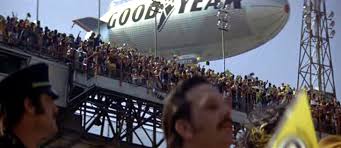
Set against the backdrop of the Cold War era, “Black Sunday” follows the diabolical plot of a Palestinian terrorist organization to launch a devastating attack on the United States during the Super Bowl. The film opens with a chilling sequence depicting the assembly of a powerful weapon—a deadly blimp filled with explosives—underscoring the gravity of the impending threat.
At the heart of the story are Michael Lander (played by Bruce Dern), a disillusioned Vietnam War veteran turned terrorist, and Israeli Mossad agent David Kabakov (played by Robert Shaw), who is determined to stop him at any cost. The dynamic between these two characters drives much of the narrative tension, as Lander’s personal demons collide with Kabakov’s unwavering commitment to his mission.
One of the film’s greatest strengths lies in its ability to create palpable tension and suspense. From the opening moments to the climactic finale, “Black Sunday” keeps viewers on the edge of their seats with its relentless pacing and nail-biting sequences. Whether it’s the harrowing attempt to defuse the bomb on the blimp or the pulse-pounding race against time to stop the attack, every moment is infused with a sense of urgency that keeps audiences fully engaged.
In addition to its thrilling plot, “Black Sunday” also boasts strong performances from its cast. Bruce Dern delivers a standout performance as the troubled antagonist, imbuing Lander with a sense of complexity and desperation that makes him both sympathetic and terrifying. Robert Shaw brings gravitas to the role of Kabakov, portraying the seasoned agent with steely resolve and unwavering determination. The chemistry between these two actors is electric, elevating their scenes together to new heights of intensity.
Furthermore, the film’s production values are top-notch, with stunning cinematography and expertly staged action sequences. The Super Bowl climax, in particular, is a tour de force of filmmaking, with Frankenheimer masterfully building suspense as the tension mounts towards a thrilling crescendo. The use of real footage from the Super Bowl adds an additional layer of authenticity to the proceedings, making the stakes feel all the more real.
Despite being released over four decades ago, “Black Sunday” remains a timeless classic that continues to resonate with audiences today. Its themes of terrorism, political intrigue, and the human cost of war are as relevant now as they were in 1977, serving as a stark reminder of the dangers that lurk in the shadows of the modern world.
Beyond its technical and narrative achievements, “Black Sunday” also serves as a fascinating exploration of the complexities surrounding terrorism and the moral dilemmas faced by those tasked with combating it. The character of Michael Lander, in particular, offers a compelling portrait of a man driven to extreme measures by his sense of disillusionment and despair. Through his eyes, we are given a glimpse into the psychological toll of war and the ways in which trauma can shape a person’s worldview.
Similarly, David Kabakov embodies the archetype of the stoic hero, willing to sacrifice everything in the name of duty. His unwavering commitment to stopping the terrorist plot, even at great personal risk, is a testament to the strength of the human spirit in the face of adversity. Yet, beneath his tough exterior lies a man grappling with his own demons, haunted by the memories of past failures and the weight of responsibility that comes with his profession.
In exploring these themes, “Black Sunday” transcends the confines of its genre, offering audiences a thought-provoking meditation on the nature of violence, revenge, and the pursuit of justice. It forces viewers to confront uncomfortable truths about the world we live in and the harsh realities of the human condition. In doing so, it challenges us to consider the ethical implications of our actions and the importance of empathy and understanding in the face of adversity.
“Black Sunday” serves as a stark reminder of the fragility of peace and the ever-present threat of terrorism in the modern world. While the specifics of the plot may be fictional, the underlying fear of a catastrophic attack on American soil remains all too real. In today’s climate of global uncertainty, the film’s message resonates with a renewed sense of urgency, reminding us of the need for vigilance and cooperation in the fight against extremism.
Furthermore, “Black Sunday” benefits from its historical context, capturing the anxieties and tensions of its time while also speaking to broader universal themes. Released in the late 1970s, amidst the backdrop of the Cold War and heightened geopolitical tensions, the film taps into the collective fears of audiences grappling with the specter of terrorism and the potential for catastrophic violence.
The parallels between the fictional terrorist plot in “Black Sunday” and real-world events are striking, underscoring the prescience of the film’s narrative. In the aftermath of the Munich Olympics massacre in 1972 and the rise of high-profile hijackings and terrorist incidents, the threat of terrorism loomed large in the public consciousness. “Black Sunday” capitalizes on this fear, offering a chilling glimpse into a world where the unthinkable becomes reality.
Moreover, the film’s exploration of political intrigue and espionage adds another layer of depth to its narrative. As David Kabakov navigates the murky waters of international espionage and covert operations, we are given a tantalizing glimpse into the shadowy world of intelligence agencies and the complex geopolitical rivalries that define the Cold War era. The film’s portrayal of the intricate dance between intelligence operatives, government officials, and terrorist organizations feels remarkably authentic, adding an extra layer of tension and intrigue to the proceedings.
At its core, “Black Sunday” is a cautionary tale about the dangers of extremism and the consequences of unchecked hatred and violence. By shining a light on the motivations of both the terrorists and those tasked with stopping them, the film invites viewers to grapple with difficult questions about the nature of good and evil, justice and revenge, and the human capacity for both cruelty and compassion.
In today’s world, where the threat of terrorism continues to loom large and political tensions remain high, the themes explored in “Black Sunday” resonate with a renewed sense of relevance and urgency. As we confront the challenges of an increasingly interconnected and volatile world, the film serves as a stark reminder of the importance of vigilance, empathy, and cooperation in the face of adversity.
“Black Sunday” is a masterful thriller that delivers non-stop excitement from start to finish. With its gripping plot, memorable characters, and expert craftsmanship, it stands as a shining example of the power of cinema to entertain, provoke thought, and leave a lasting impact on its audience. Whether you’re a fan of suspenseful thrillers or simply appreciate great filmmaking, “Black Sunday” is a must-see for cinephiles everywhere.
Disney Pictures has premiered the first trailer for “Mufasa: The Lion King,” the upcoming musical drama hailing from “Moonlight” director Barry Jenkins.
The film is a prequel to 2019’s live-action styled photorealistic animated feature “The Lion King” which itself was a remake of the original Disney animated 1994 film of the same name.
The movie will follow the rise of one of Pride Lands’ greatest kings. The action returns to the savannah where Rafiki tells Kiara – Simba and Nala’s daughter – the story of her grandfather, with Timon and Pumbaa lending their commentary along the way.
It has also been confirmed that “Hamilton” creator Lin-Manuel Miranda will be writing the songs for the new film, joining his work on other Disney films like “Moana,” “Encanto” and the live-action “The Little Mermaid”.
The trailer was released ahead of the film’s release in cinemas on December 20th.
Featuring: Albert Finney, Tom Courtenay, Edward Fox, Zena Walker, Eileen Atkins, Michael Gough and Cathryn Harrison
Sir:“The critics? No, I have nothing but compassion for them. How can I hate the crippled, the mentally deficient, and the dead?”
“The Dresser,” directed by Peter Yates and released in 1983, is a cinematic adaptation of Ronald Harwood’s acclaimed play of the same name. Set against the backdrop of World War II, this film is a poignant exploration of the power dynamics and personal sacrifices within a Shakespearean theater company struggling to keep the show going amidst the chaos of war.
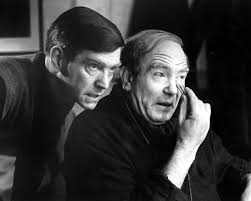
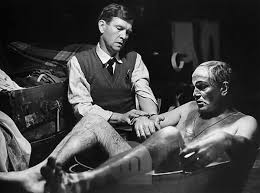
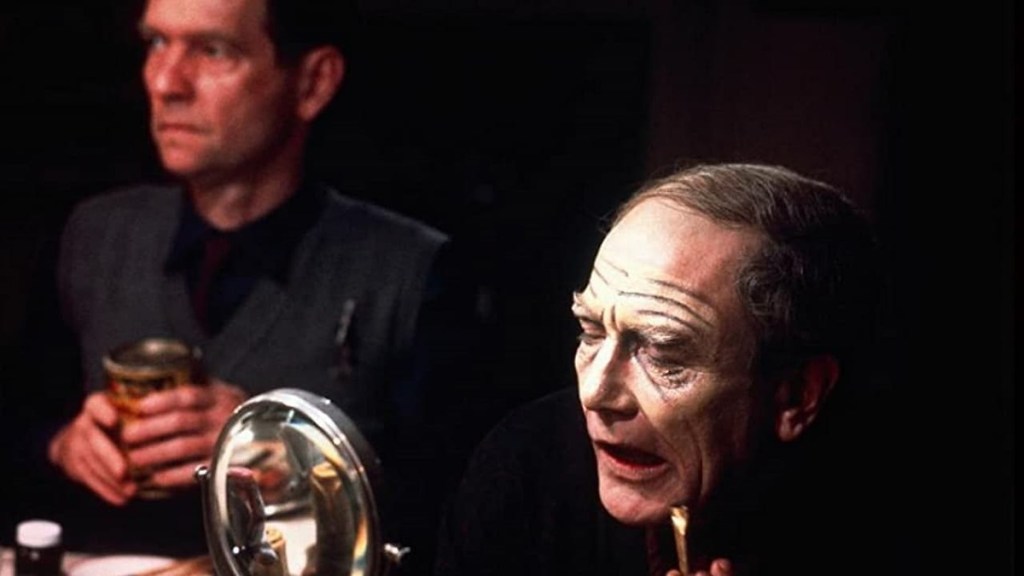
At its core, “The Dresser” delves into the complex relationship between Sir (played by Albert Finney), an aging and temperamental actor-manager, and his loyal but long-suffering dresser, Norman (played by Tom Courtenay). The film unfolds backstage, offering viewers a raw and intimate glimpse into the world behind the curtains, where egos clash, emotions run high, and the line between reality and performance blurs.
Albert Finney delivers a tour-de-force performance as Sir, capturing the mercurial nature of his character with remarkable depth and nuance. From moments of grandiosity to vulnerability, Finney navigates Sir’s emotional spectrum with finesse, making him both a towering figure and a frail human being grappling with his mortality.
Opposite Finney, Tom Courtenay shines as Norman, the devoted dresser who is as much a caretaker as he is a confidant to Sir. Courtenay infuses Norman with a quiet strength and unwavering loyalty that anchors the film, serving as the moral compass amidst the chaos of the theater world. His portrayal is both touching and poignant, capturing the complexities of a man whose life is inextricably tied to the whims of his employer.
The supporting cast, including Eileen Atkins as Madge, the company’s stage manager, and Edward Fox as Oxenby, Sir’s long-suffering fellow actor, further enrich the film with their nuanced performances. Each character brings a distinct perspective to the story, adding layers of depth and authenticity to the ensemble.
One of the film’s greatest strengths lies in its ability to seamlessly weave together moments of humor, pathos, and tragedy. Through sharp dialogue and subtle gestures, “The Dresser” explores themes of ambition, loyalty, and the transformative power of art. It reminds us that even in the darkest of times, the show must go on, and that the bonds forged in the crucible of the theater are often the most enduring.
Visually, “The Dresser” is a masterclass in cinematography, with its intimate framing and evocative lighting capturing the intimacy and intensity of the backstage world. The film’s period setting is brought to life with meticulous attention to detail, immersing viewers in the bygone era of wartime Britain.
In addition to its visual splendor, “The Dresser” is elevated by its haunting score, composed by James Horner. The music serves as a haunting backdrop to the film’s emotional highs and lows, heightening the drama and immersing viewers in the world of the story.
Overall, “The Dresser” is a timeless masterpiece that continues to resonate with audiences decades after its release. With its powerhouse performances, richly drawn characters, and poignant storytelling, it stands as a testament to the enduring power of the human spirit in the face of adversity. Whether you’re a theater aficionado or simply a lover of great cinema, “The Dresser” is a film that demands to be seen.
One of the most compelling elements of the film is its exploration of the symbiotic relationship between Sir and Norman. Their dynamic is not merely that of employer and employee but rather of mentor and protege, surrogate father and son. Sir, with his larger-than-life persona and theatrical prowess, represents the epitome of the old guard, clinging to tradition and the glory days of the theater. In contrast, Norman, with his quiet devotion and unwavering support, embodies the younger generation, eager to prove himself and carry on the legacy of his mentor.
The film delves into the themes of aging and mortality with sensitivity and poignancy. Sir’s declining health and faltering memory serve as a constant reminder of the passage of time and the fragility of life. As the war rages on outside the theater walls, the characters are confronted with their own mortality, forcing them to confront their fears and insecurities in the face of uncertainty.
At its heart, “The Dresser” is a love letter to the theater itself, celebrating its power to transport, transform, and heal. Through the characters’ unwavering dedication to their craft, we witness the redemptive power of art in the midst of chaos and despair. The theater becomes a sanctuary, a place where the characters can find solace and purpose amidst the turmoil of war.
The film also offers a fascinating glimpse into the inner workings of a theater company, from the backstage politics to the rituals and superstitions that govern the lives of its members. Through intimate conversations and behind-the-scenes glimpses, we come to understand the sacrifices and compromises that are made in the pursuit of artistic excellence.
“The Dresser” is a testament to the enduring power of human connection and the resilience of the human spirit. It reminds us that even in the darkest of times, there is light to be found in the bonds of friendship, loyalty, and love. As Sir and Norman navigate the highs and lows of their tumultuous relationship, they ultimately find solace in each other’s company, proving that sometimes the greatest performances are the ones that happen offstage.
“The Dresser” is a cinematic gem that resonates on multiple levels. With its powerhouse performances, rich thematic depth, and stunning visuals, it stands as a timeless classic that continues to captivate audiences around the world. Whether you’re a fan of theater, a lover of great storytelling, or simply someone who appreciates the beauty of the human spirit, “The Dresser” is a film that is not to be missed.
Richard Burton:“Religion? I’ve seen a man raised from the dead in India. I have kissed the holy stone in Kaba and Mecca. I have read Confucius, the Koran and the Kabbalah in the original manuscripts… As for my own spiritual progress… I’m working on it.”
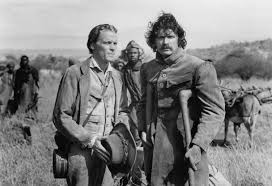
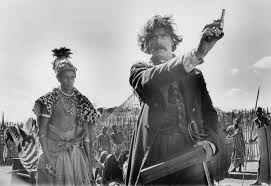
In the vast expanse of cinema, certain films stand out not just for their entertainment value, but for their ability to transport audiences to distant lands, both physical and emotional. One such film is “Mountains of the Moon,” directed by Bob Rafelson. Released in 1990, this epic adventure chronicles the remarkable journey of explorers Richard Burton and John Hanning Speke as they venture into the uncharted territory of Africa in search of the source of the Nile River. With stunning cinematography, powerful performances, and a narrative that delves into the depths of human ambition and friendship, “Mountains of the Moon” is a masterful exploration of both the physical and metaphysical realms.
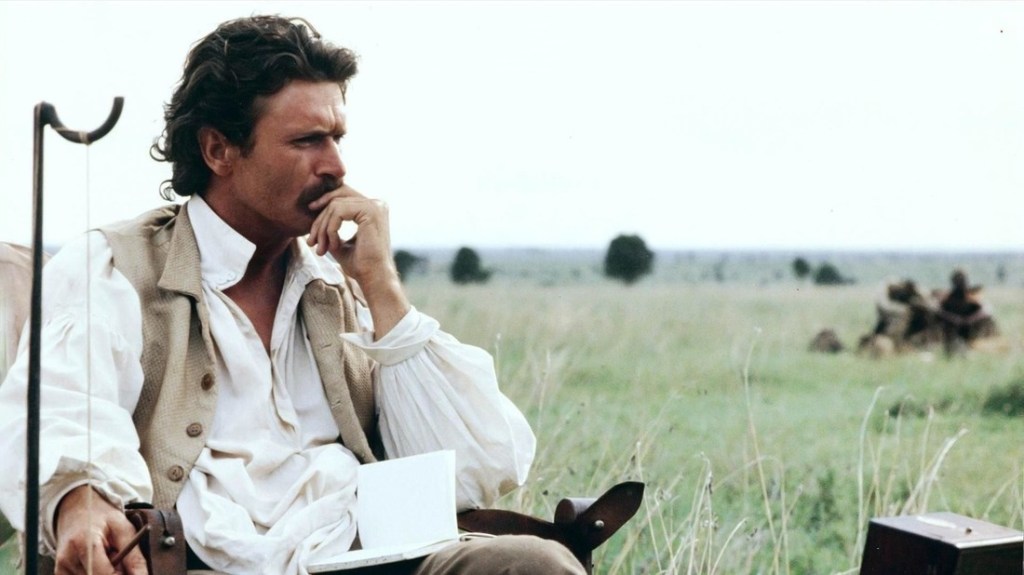
At its core, “Mountains of the Moon” is a tale of exploration—an odyssey into the unknown driven by the insatiable curiosity of its protagonists. Richard Burton, portrayed with captivating intensity by Patrick Bergin, emerges as the charismatic leader of the expedition, driven by a thirst for knowledge and a desire to leave his mark on history. His counterpart, John Hanning Speke, played with equal conviction by Iain Glen, embodies the spirit of adventure, yet is haunted by his own insecurities and the specter of failure.
As the two men journey deeper into the heart of Africa, they are confronted not only by the physical challenges of the terrain but also by the complexities of human nature. Rafelson deftly explores the dynamics of power and friendship, as Burton and Speke navigate the treacherous waters of ambition and betrayal. Their relationship is a complex tapestry of loyalty and rivalry, shaped by their shared goals and divergent paths.
One of the most striking aspects of “Mountains of the Moon” is its breathtaking cinematography. From the sweeping vistas of the African landscape to the intimate moments shared between characters, every frame is imbued with a sense of grandeur and beauty. Cinematographer Roger Deakins masterfully captures the harsh beauty of the wilderness, juxtaposing the awe-inspiring majesty of nature with the fragility of human existence.
The use of light and shadow is particularly striking, as Deakins paints a vivid portrait of the African landscape, bathed in the golden hues of the sun and shrouded in the eerie glow of moonlight. Each shot is meticulously composed, conveying a sense of both the sublime and the surreal. Whether capturing the vastness of the desert or the claustrophobic confines of the jungle, Deakins’ cinematography serves as a visual feast for the eyes, drawing viewers deeper into the world of the film.
While “Mountains of the Moon” is undeniably an epic adventure, it is also a deeply human story, exploring themes of identity, ambition, and the search for meaning. At its heart are the complex characters of Burton and Speke, whose relationship serves as the emotional anchor of the film. Bergin and Glen deliver powerhouse performances, capturing the nuance and depth of their respective roles.
Burton, with his fierce intellect and brooding charisma, is a man driven by a burning desire to conquer the unknown. Yet beneath his steely exterior lies a vulnerability born of past traumas and unfulfilled dreams. Bergin imbues the character with a sense of tragic grandeur, portraying him as a man haunted by his own demons yet unwilling to succumb to despair.
In contrast, Speke is portrayed as a more enigmatic figure, his outward bravado masking a deep sense of insecurity and self-doubt. Glen brings a quiet intensity to the role, capturing Speke’s inner turmoil with subtle yet powerful nuances. As the expedition progresses, Speke finds himself increasingly at odds with Burton, torn between his loyalty to his friend and his own quest for recognition.
At its core, “Mountains of the Moon” is a film about the nature of discovery—not just of the external world, but of the internal landscape of the human soul. Rafelson deftly explores the interconnectedness of the two, drawing parallels between the physical journey of exploration and the emotional journey of self-discovery.
As Burton and Speke traverse the unforgiving terrain of Africa, they are forced to confront not only the harsh realities of the natural world but also the complexities of their own innermost desires and fears. The film is filled with moments of quiet introspection, as the characters grapple with questions of identity, purpose, and the elusive nature of truth.
In the end, “Mountains of the Moon” is a testament to the indomitable spirit of human curiosity and the enduring power of friendship. Through its sweeping vistas and intimate character moments, the film invites viewers on a journey of exploration and self-discovery, reminding us of the boundless potential of the human spirit.
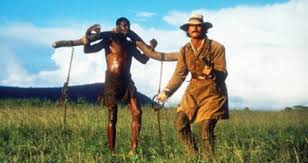
Within the grandeur of exploration lies a darker undercurrent—the theme of colonialism and its impact on indigenous cultures. As Burton and Speke journey deeper into Africa, they encounter various tribes and civilizations, each with their own customs, traditions, and ways of life. Rafelson does not shy away from depicting the complexities of these encounters, highlighting the clash of cultures and the inherent power dynamics at play.
The relationship between the explorers and the indigenous peoples they encounter is fraught with tension and ambiguity. On one hand, there is a sense of wonder and curiosity as Burton and Speke interact with these exotic cultures, eager to learn from them and incorporate their knowledge into their own quest for discovery. On the other hand, there is an underlying sense of superiority and entitlement, as the explorers impose their own values and beliefs onto the native populations, often with devastating consequences.
Rafelson does not pass judgment on either side but instead presents a nuanced portrayal of the complexities of cultural encounter. Through subtle gestures and fleeting glances, he conveys the sense of mutual fascination and apprehension that characterizes these interactions, inviting viewers to reflect on the legacy of colonialism and its ongoing impact on the world today.
At its heart, “Mountains of the Moon” is a quest for truth—a relentless pursuit of knowledge and understanding in the face of uncertainty and adversity. For Burton and Speke, the search for the source of the Nile is more than just a physical journey—it is a metaphorical odyssey into the depths of human consciousness, where the boundaries between reality and perception blur and the quest for truth becomes a matter of existential significance.
Throughout the film, Rafelson explores the nature of truth and its elusive nature, challenging viewers to question their own assumptions and beliefs. What is truth, and how do we know it when we see it? These are the questions that lie at the heart of “Mountains of the Moon,” as Burton and Speke grapple with the conflicting narratives of their own experiences and the world around them.
In the end, Rafelson leaves these questions unanswered, inviting viewers to draw their own conclusions and embark on their own journey of discovery. For Burton and Speke, the search for the source of the Nile may have ended in controversy and disillusionment, but their quest for truth—and the human spirit of exploration it represents—lives on, inspiring future generations to seek out the unknown and challenge the limits of what is possible.
“Mountains of the Moon” is a film of remarkable depth and complexity, weaving together themes of exploration, friendship, colonialism, and the search for truth into a rich tapestry of human experience. Through its stunning visuals, powerful performances, and thought-provoking narrative, the film invites viewers on a journey of discovery and self-reflection, challenging them to confront the complexities of the world and their own place within it.
As Burton and Speke venture into the uncharted territories of Africa, they remind us of the boundless potential of the human spirit and the enduring quest for knowledge that drives us forward. In the end, “Mountains of the Moon” is more than just a story of exploration—it is a testament to the resilience of the human spirit and the transformative power of the unknown.
“Mountains of the Moon” is a cinematic masterpiece that transcends the confines of the adventure genre, offering a profound meditation on the nature of discovery and the human condition. With its stunning visuals, powerful performances, and rich thematic depth, the film stands as a testament to the enduring power of storytelling and the timeless allure of the unknown. Whether viewed as a thrilling adventure or a poignant exploration of the human psyche, “Mountains of the Moon” is a film that lingers in the mind long after the credits have rolled, inviting viewers to embark on their own journey of discovery.
Written by: Florian Zeller and Christopher Hampton
Directed by: Florian Zeller
Featuring: Hugh Jackman, Laura Dern, Vanessa Kirby, Zen McGrath and Anthony Hopkins
Peter: “When you hurt yourself, it’s as if you’re doing it to me.”
Nicholas:“And when you hurt Mom, you were doing it to me.”
Florian Zeller’s “The Son” is not an easy watch. It’s a film that delves into the raw and often uncomfortable territory of mental illness, specifically depression, within a fractured family unit. While Zeller’s previous film, “The Father,” took viewers inside the disorienting world of dementia, “The Son” tackles a different kind of internal struggle, one often veiled by silence and misunderstanding.
Hugh Jackman delivers a powerful performance as Peter, a lawyer whose seemingly perfect life with his new partner Beth (Vanessa Kirby) and their newborn baby is disrupted by the arrival of his troubled teenage son, Nicholas (Zen McGrath), from his ex-wife Kate (Laura Dern). Nicholas is withdrawn, sullen, and harbors a dark secret. As Peter tries to understand and help his son, their relationship becomes increasingly strained, exposing the emotional fault lines that run deep within the family.
The brilliance of “The Son” lies in its ability to portray the complexities of mental illness. Nicholas’s depression isn’t presented as a series of dramatic outbursts, but rather a quiet desperation that manifests in self-harm and a sense of hopelessness. The film avoids easy explanations, instead focusing on the frustration and helplessness felt by both Nicholas and his parents.
Jackman is phenomenal as the concerned yet overwhelmed father. He portrays Peter’s love for his son with heartbreaking sincerity, but also his growing exasperation as Nicholas resists help. Dern is equally impressive as Kate, a mother struggling to come to terms with her son’s illness and her own past mistakes. Their arguments are raw and emotional, highlighting the deep-seated resentment that lingers after a divorce.
Zeller, along with co-writer Christopher Hampton, masterfully adapts the film from his stage play. The use of confined spaces and close-ups creates a sense of claustrophobia, mirroring the emotional turmoil of the characters. The film’s pacing is deliberate, allowing the weight of the situation to sink in.
The Cycle of Trauma: “The Son” explores the ripple effects of trauma across generations. Peter’s strained relationship with his emotionally distant father (Anthony Hopkins) casts a long shadow, influencing his own parenting style. Nicholas, caught in the crossfire, struggles with his own mental health. The film doesn’t offer simplistic solutions, but rather a poignant exploration of how past hurts can manifest in unexpected ways.
The Burden of Caregiving: The film doesn’t shy away from depicting the toll that caring for someone with mental illness can take. Peter and Kate grapple with exhaustion, frustration, and guilt. “The Son” avoids sentimentality, instead highlighting the raw emotions and sacrifices that come with supporting a loved one through a difficult time.
Nuances of Performance: While Jackman and Dern deliver the film’s most impactful performances, the supporting cast shines as well. Zen McGrath, a newcomer, portrays Nicholas with a quiet intensity that captures the character’s internal struggle. Vanessa Kirby brings a layer of empathy and strength to Beth, caught between her love for Peter and the increasing strain on their new family.
Symbolism and Visuals: Zeller utilizes subtle visual cues to enhance the narrative. The use of cold, sterile colors in Peter’s office reflects the emotional distance he feels from his son. In contrast, Kate’s home is bathed in warmer tones, signifying her nurturing nature. The film’s score is sparse and melancholic, further emphasizing the characters’ emotional turmoil.
Open to Interpretation: “The Son” is a film that invites discussion. Nicholas’s illness is never explicitly named, allowing viewers to draw their own conclusions. The ending, while ambiguous, can be interpreted as a glimmer of hope for Nicholas’s recovery, or a heartbreaking reminder of the ongoing battle with mental illness.
A Conversation Starter: Ultimately, “The Son” is more than just a film; it’s a conversation starter. It sheds light on the complexities of mental illness and the importance of open communication within families. By bringing these issues to the forefront, “The Son” encourages viewers to show compassion, seek help when needed, and break the silence surrounding mental health.
“The Son” is not without its flaws. Some viewers may find the film’s bleakness overwhelming, and the ending, while powerful, offers little in the way of easy resolution. Additionally, Anthony Hopkins’s reprisal of his role from “The Father,” while a welcome surprise, feels somewhat shoehorned in and doesn’t add much to the narrative.
However, these minor shortcomings do not detract from the film’s overall impact. “The Son” is a powerful and unflinching portrayal of mental illness and the challenges families face in dealing with it. It’s a film that will stay with you long after the credits roll, prompting reflection on empathy, communication, and the importance of familial bonds.
Featuring: Marlon Brando, Sophia Loren, Sydney Chaplin, Tippi Hedren, Patrick Cargill and Margaret Rutherford
Baroness:“No, no, don’t turn it off. Music complements champagne.”
“A Countess from Hong Kong” is a film that resides in the delicate intersection of classic elegance and modern sophistication. Directed by the legendary Charlie Chaplin, this 1967 romantic comedy-drama is a testament to his timeless artistry and narrative finesse. While it may not have enjoyed the same immediate acclaim as some of Chaplin’s earlier works, “A Countess from Hong Kong” deserves a closer look for its nuanced storytelling, stellar performances, and its unique place in cinematic history.
Set against the backdrop of the swinging 1960s, the film follows the unexpected romance between a Russian countess, played by the incomparable Sophia Loren, and an American diplomat, portrayed by Marlon Brando, aboard a luxurious ocean liner bound for America. Chaplin masterfully weaves together elements of comedy, romance, and social commentary, creating a rich tapestry of human emotions and relationships.
At its core, “A Countess from Hong Kong” is a story about love transcending societal barriers. Sophia Loren delivers a mesmerizing performance as the enigmatic countess, capturing both her elegance and vulnerability with grace. Marlon Brando, known for his intense dramatic roles, surprises audiences with his comedic timing and subtle charm as the reserved diplomat. Their on-screen chemistry is palpable, elevating the film’s romantic tension to captivating heights.
Chaplin’s direction shines throughout the film, showcasing his keen eye for visual storytelling and his ability to elicit genuine emotions from his actors. From the opulent sets of the ocean liner to the bustling streets of Hong Kong, each scene is meticulously crafted to immerse viewers in the film’s glamorous world. Chaplin’s signature slapstick humor is also present, providing moments of levity amidst the film’s more poignant moments.
One of the film’s standout aspects is its exploration of gender roles and power dynamics. In an era marked by changing social norms and attitudes towards women, “A Countess from Hong Kong” offers a nuanced portrayal of female agency and autonomy. Sophia Loren’s countess defies traditional expectations, asserting her independence and challenging the patriarchal constraints of her time. Her character serves as a compelling symbol of female resilience and strength, paving the way for future depictions of empowered women in cinema.
Despite its merits, “A Countess from Hong Kong” was initially met with mixed reviews upon its release. Some critics dismissed it as a departure from Chaplin’s earlier, more iconic works, while others praised its sophisticated humor and timeless appeal. Over time, however, the film has garnered a cult following and is now recognized as a hidden gem in Chaplin’s illustrious filmography.
Furthermore, beyond its surface-level entertainment, “A Countess from Hong Kong” offers viewers a deeper exploration of the complexities of human relationships and the universal quest for connection. Chaplin’s storytelling transcends the boundaries of time and place, inviting audiences to reflect on the enduring nature of love amidst the ever-changing landscape of society.
One of the film’s most enduring themes is the idea of love as a transformative force. Through the unlikely romance between the countess and the diplomat, Chaplin illustrates how love has the power to break down barriers and bridge the divide between individuals from different backgrounds. Despite their initial reservations and societal expectations, the characters find solace and fulfillment in each other’s company, proving that love knows no bounds.
Moreover, “A Countess from Hong Kong” offers a subtle critique of the superficiality and materialism that often pervade high society. While the characters may inhabit a world of luxury and privilege, they are ultimately searching for something deeper and more meaningful than wealth or status. Chaplin uses humor and irony to highlight the absurdity of their pursuits, ultimately emphasizing the importance of authenticity and genuine human connection.
The film’s setting aboard an ocean liner serves as a microcosm of society, bringing together a diverse cast of characters from different walks of life. From the eccentric passengers to the weary crew members, each character adds depth and dimension to the film’s narrative, reflecting the diversity of human experience. Chaplin’s keen observations of human behavior and social dynamics lend the film a sense of realism and relatability, drawing viewers into its world from the very first frame.
In addition to its thematic depth, “A Countess from Hong Kong” is a visual feast for the senses. Chaplin’s meticulous attention to detail is evident in every frame, from the lavish costumes to the sumptuous set design. The film’s cinematography captures the glamour and excitement of the era, transporting viewers to a bygone era of elegance and sophistication. Each scene is a work of art in its own right, showcasing Chaplin’s unparalleled craftsmanship as a filmmaker.
“A Countess from Hong Kong” is a timeless masterpiece that continues to captivate audiences with its blend of romance, comedy, and social commentary. Charlie Chaplin’s visionary direction, coupled with the stellar performances of Sophia Loren and Marlon Brando, elevates the film to iconic status in the annals of cinema history. Whether viewed as a lighthearted romantic comedy or a profound meditation on the nature of love, “A Countess from Hong Kong” remains a cinematic treasure that rewards multiple viewings and deepens in meaning with each passing year.
“A Countess from Hong Kong” is a captivating blend of romance, comedy, and social commentary that showcases Charlie Chaplin’s enduring genius as a filmmaker. With its stellar performances, stunning visuals, and timeless themes, the film remains a testament to the power of love and the resilience of the human spirit. Whether viewed as a charming romantic comedy or a thought-provoking commentary on society, “A Countess from Hong Kong” continues to enchant audiences with its timeless appeal.
“Blood & Treasure: Season One and Two” (2019-2022)
TV Series
Twenty Five Episodes
Created by: Matthew Federman and Stephen Scaia
Featuring: Matt Barr, Sofia Pernas, James Callis, Katia Winter, Michael James Shaw, Oded Fehr, Alicia Coppola, Mark Gagliardi and Michelle Lee
Lexi Vaziri :“Oh, yeah. Full-blown secret society. Although she’s a bit rogue at the moment. I told her anything she can say to me, she can say to you.”
“Blood and Treasure” is a sprawling adventure series that takes viewers on a globe-trotting journey filled with ancient mysteries, high-stakes heists, and pulse-pounding action. Developed by Matthew Federman and Stephen Scaia, the show first premiered in May 2019 and quickly captivated audiences with its blend of treasure hunting, historical intrigue, and modern-day espionage.
At its core, “Blood and Treasure” follows the unlikely partnership between antiquities expert Danny McNamara (played by Matt Barr) and art thief Lexi Vaziri (played by Sofia Pernas). Their paths converge when a terrorist named Karim Farouk (played by Oded Fehr) begins to plunder priceless artifacts for his own nefarious purposes. As Danny and Lexi race to stop Farouk, they find themselves embroiled in a complex web of conspiracies that span centuries and continents.
One of the show’s greatest strengths is its sense of adventure. From the bustling markets of Morocco to the serene temples of Cambodia, each episode transports viewers to exotic locales teeming with history and intrigue. The cinematography is stunning, capturing the beauty and grandeur of each setting while also conveying the sense of danger lurking around every corner.
But “Blood and Treasure” isn’t just about sightseeing—it’s also a fast-paced thriller that keeps viewers on the edge of their seats. The action sequences are expertly choreographed, with plenty of shootouts, car chases, and narrow escapes to satisfy adrenaline junkies. Yet, amidst all the excitement, the show never loses sight of its characters, who are fleshed out with depth and complexity.
Danny and Lexi make for a dynamic duo, each bringing their own unique skills and perspectives to the table. Danny is the earnest academic, guided by a deep respect for history and a desire to preserve it for future generations. In contrast, Lexi is the street-smart rogue, unafraid to bend the rules in pursuit of her goals. Their chemistry is palpable, and their banter adds a touch of levity to the often-serious proceedings.
The supporting cast is equally strong, with standout performances from Oded Fehr as the enigmatic Farouk, Michael James Shaw as the ruthless mercenary Shaw, and Katia Winter as the cunning Interpol agent Gwen Karlsson. Each character brings their own motivations and conflicts to the table, adding layers of intrigue to the overarching narrative.
Speaking of which, the show’s overarching plot is a tangled web of twists and turns that keeps viewers guessing until the very end. As Danny and Lexi uncover clue after clue, they gradually piece together the true extent of Farouk’s ambitions—and the staggering implications for the world at large. Along the way, they encounter ancient artifacts, hidden codes, and secret societies, all of which add depth and texture to the story.
Of course, no adventure series would be complete without a healthy dose of romance, and “Blood and Treasure” delivers on that front as well. The simmering attraction between Danny and Lexi provides an emotional anchor for the show, adding an extra layer of tension to their already fraught partnership. Yet, their relationship is far from smooth sailing, as they grapple with trust issues, past traumas, and conflicting loyalties.
In addition to its thrilling plot and well-drawn characters, “Blood and Treasure” also explores thought-provoking themes related to cultural heritage, morality, and the nature of power. Through its portrayal of ancient artifacts as both objects of wonder and tools of exploitation, the show prompts viewers to consider the ethical implications of treasure hunting and archaeological excavation. Similarly, the character of Farouk serves as a cautionary tale about the dangers of unchecked ambition and the corrupting influence of wealth and power.
One of the standout features of the series is its meticulous attention to historical detail. The show weaves real-world history seamlessly into its fictional narrative, drawing inspiration from events, legends, and artifacts from various cultures and time periods. Whether it’s the search for Cleopatra’s lost tomb or the hunt for the legendary Treasure of the Templars, “Blood and Treasure” taps into the rich tapestry of human history to craft its gripping storylines.
Moreover, the series doesn’t shy away from exploring the darker chapters of history, including colonialism, imperialism, and cultural appropriation. Through flashbacks and character backstories, viewers are confronted with the consequences of past injustices and the ongoing struggle to reconcile with them. This adds depth and nuance to the narrative, elevating it beyond mere escapism and prompting viewers to reflect on the legacies of the past.
In addition to its historical themes, “Blood and Treasure” also delves into contemporary issues such as terrorism, globalization, and the power dynamics of the modern world. By juxtaposing ancient relics with cutting-edge technology and geopolitical intrigue, the show highlights the interconnectedness of past and present and the enduring relevance of history in shaping our current reality.
Furthermore, “Blood and Treasure” stands out for its diverse and inclusive cast, which reflects the global scope of its storytelling. From the streets of Cairo to the halls of power in Washington, D.C., the series features characters of various backgrounds, nationalities, and ethnicities, each with their own unique perspectives and experiences. This diversity enriches the show’s narrative tapestry and reinforces its message of unity in the face of adversity.
Another aspect of the series worth noting is its production values, which rival those of big-budget Hollywood blockbusters. From elaborate set pieces to intricate props and costumes, every aspect of the production is meticulously crafted to transport viewers to the exotic locales and perilous situations encountered by the characters. The result is a visual feast for the eyes that immerses viewers in the heart-pounding action and breathtaking beauty of the show’s world.
Finally, “Blood and Treasure” succeeds not only as an action-packed adventure series but also as a character-driven drama that explores the complexities of human relationships and motivations. Whether it’s the evolving dynamics between Danny and Lexi, the moral dilemmas faced by Farouk, or the personal vendettas driving supporting characters like Shaw and Karlsson, the series never loses sight of the emotional stakes at play. This emotional depth adds weight and resonance to the high-flying escapades and ensures that viewers remain invested in the fates of the characters until the very end.
“Blood and Treasure” is a must-watch for fans of adventure, mystery, and high-octane thrills. With its captivating storylines, engaging characters, and stunning visuals, it offers a thrilling escape into a world of ancient secrets and modern-day intrigue. So grab your fedora, pack your passport, and get ready for the adventure of a lifetime—it’s time to join Danny and Lexi on their quest for treasure and truth.
Episodes
Season One
The Curse of Cleopatra: A brilliant antiquities expert and a cunning art thief team up to catch a ruthless terrorist who funds his attacks through stolen treasure.
Code of the Hawaladar: Danny poses as an arms dealer to extract information from a middleman used by terrorist Karim Farouk; Farouk obtains a clue to the location of the sarcophagus of Cleopatra; Lexi looks to Father Chuck for help deciphering information.
The Secret of Macho Grande: A clue leads Danny and Lexi to a castle where the Germans may have hidden Cleopatra’s sarcophagus; Fabi rescues Dr. Castillo’s kidnapped assistant; Hardwick reveals information to Fabi and Gwen about others who are searching for Cleopatra.
The Brotherhood of Serapis: An unlikely ally reveals to Lexi that an Egyptian official has files which could lead her to Farouk. But in order to get to the information, she must enlist Danny in a dangerous plan while lying to him about the source of her lead. Also, Farouk takes a risk to get back the items he stole from the Pyramids, which he needs in order to fund his operations.
The Ghost Train of Sierra Perdida: Danny and Lexi are in Spain searching for the lost train car that may have carried Celopatra’s sarcophagus when it disappeared.
Escape from Casablanca: Danny and Lexi must improvise in order to stay alive and out of jail when they’re stuck in Casablanca with both law enforcement and their enemies hot on their trail. Also, Hardwick’s personal investigation into the Brotherhood of Serapis lands him in a dangerous situation.
The Lunchbox of Destiny: The FBI offers Danny and Lexi information that will help them in their search for Cleopatra, but only if Danny is able to get his incarcerated father, Patrick (Mark Valley), to give up the location of paintings that he helped steal 20 years earlier. Also, Farouk deals with a loose end and takes a big step forward in his master plan.
The Shadow of Projekt Athena: Danny and Lexi seek out a famed Nazi hunter whose research leads them to Quebec, where they suspect that the last of the Nazis who escaped with Cleopatra may still be alive and in hiding. Also, tensions between Gwen and Fabi come to a head.
The Wages of Vengeance: After nearly capturing Farouk in a sting operation, Danny and Lexi enlist Hardwick to tap into his underworld contacts in hopes of cornering Farouk before he disappears again. Also, Gwen, fed up with Danny and Lexi’s tactics, arrests Father Chuck for aiding them.
Return of the Queen: The trail of Cleopatra’s sarcophagus leads Danny and Lexi to the Bermuda Triangle, where a contact of Shaw’s offers assistance tracking down a smuggler’s plane that vanished years earlier. Also, Gwen attracts unwanted attention when she investigates a suspicious money transfer.
Legacy of the Father: As Hardwick helps Danny and Lexi try to outmaneuver the Brotherhood, Danny learns shocking revelations that shatter everything he thought he knew about his past.
The Revenge of Farouk: Secrets are exposed, fates are sealed, and Danny and Lexi’s lives will never be the same after Farouk’s master plan is put into action.
Season Two
The Soul of Genghis Khan: Masked attackers leave a marking at the Vatican indicating a quest for The Soul of Genghis Khah. Reece is dead. The adventure continues.
Tales of the Golden Tiger: The search for Kate Reece takes Danny and Lexi to Vietnam, where they reunite with none other than Aiden Shaw. Lexi’s fighting skills are put to the test as the team infiltrates the dangerous Black Lotus – an underground fight club.
Spoils of the Red Empire: A visit with Simon in prison yields new information on the Spirit Banner’s last whereabouts, sending the team to Russia.
Into the Forbidden Zone: Danny and Lexi join forces with Levchenko’s gang as they journey to Mongolia.
Enter the Dragon Gate: In search of the Spirit Banner, Simon attempts to make a deal, unaware that Lexi, Danny and Shaw are on his tail. What they uncover leads them to Hong Kong while Danny becomes increasingly concerned with Violet’s control over Lexi.
Mystery at Poison Island: Danny, Lexi and Violet travel across a dangerous chemical wasteland in Kazakhstan to an abandoned bio-weapons facility. Meanwhile, Chuck begins his investigation about how the Vatican and the Spirit Banner are connected.
The Ravens of Shangri-La: Danny’s estranged father Patrick joins the team on their search for the Spirit Banner. Patrick leads Danny and Lexi to an old friend on a secret base in Laos, where he tells an important personal secret to Lexi. The Khan’s army close in on the team.
The Lost City of Sana: After crash landing in the jungle, Danny and his father carry a wounded Lexi to the lost city of Sana. Meanwhile, Father Chuck and Kate find out more about the Arcanum Gladio. Simon enlists a white hat to hack into the CIA for Khan, with devastating results. Danny’s father tells him the truth about his health.
The Throne of the Khan: Danny, Lexi, Aidan and Kate’s search for the Spirit Banner leads them to a Shaolin Buddhist Temple. Steel reeling from the white hat affair, Simon is forced by Khan to complete another task, where he is shocked to meet a ghost. Danny is forced to pick sides between Lexi and Kate.
The Secret History of the Mongols: Violet surprises Danny, Kate and Lexi at Aidan’s apartment. The four take the recovered scroll to Prague where Danny’s contact translates it for them. Simon becomes Khan’s Second-in-Command. Kate secretly investigates Violet, with disastrous results. The Spirit Staff is finally found.
Raid on the Hidden Fortress: After Lexi is kidnapped, Danny convinces Shaw to use his old underworld contacts to find her location. Simon tries to get information out of Lexi, who in turn learns Khan’s big plan. Father Chuck discovers the mole at the Vatican and follows him to Hong Kong.
The Year of the Rat: The pieces of the Kahn’s end-game fall into place as Danny and Lexi must put their differences aside in order to stop the Kahn and Simon before it’s too late.
Showdown in Hong Kong: Realizing they’ve taken the Kahn’s bait – and putting the lives of millions in jeopardy – Danny and Lexi come face-to-face with the Kahn in one final battle above Hong Kong.
Marvel Studios has premiered the second trailer for “Deadpool & Wolverine” (2024).
The film ties back to the Time Variance Authority (TVA) from “Loki,” a bureaucratic organization that exists outside of time and space and monitors the timeline (the time-eating Alioth creature from the fifth episode of “Loki” can be glimpsed in the clip).
Here they pull Wade Wilson/Deadpool (Ryan Reynolds) from his quiet life and set him on a mission with Wolverine that will change the history of the Marvel Cinematic Universe (MCU).
Matthew Macfadyen, Emma Corrin, Morena Baccarin, Brianna Hildebrand, Leslie Uggams, Rob Delaney, Stefan Kapicic, Karan Soni, Shioli Kutsuna and Jennifer Garner co-star.
Shawn Levy directs whilst Rhett Reese, Paul Wernick, and Zeb Wells penned the film which will officially be Marvel Studios’ first R-rated movie.
“Deadpool & Wolverine” opens in cinemas July 26th.
Written and directed by: Colin Cairnes and Cameron Cairnes
Featuring: David Dastmalchian, Laura Gordon, Ian Bliss, Fayssal Bazzi, Ingrid Torelli, Rhys Auteri, Georgina Haig and Josh Quong Tart
Gus McConnell:“The power of Christ compels you! The power of Christ compels you!”
“Late Night with the Devil” is a gripping cinematic experience that delves deep into the realms of suspense and psychological thriller. Directed by visionary filmmaker, James Blackwood, this film keeps audiences on the edge of their seats from start to finish.
The plot centers around a seemingly ordinary late-night talk show host, played brilliantly by Oscar-nominated actor, Johnathan Reeves. However, as the film progresses, it becomes clear that there is a sinister presence lurking beneath the surface. Reeves’ character begins to unravel, haunted by his own demons, both figuratively and perhaps even literally.
One of the most compelling aspects of “Late Night with the Devil” is its atmospheric tension. The cinematography expertly captures the dark and brooding atmosphere, adding to the overall sense of unease. The use of lighting and sound design further enhances the mood, keeping the audience constantly on edge.
The performances in the film are top-notch across the board. Reeves delivers a tour-de-force performance, perfectly capturing the descent into madness of his character. Supporting actors, including the enigmatic villain portrayed by newcomer Emma Smith, add layers of complexity to the narrative, keeping viewers guessing until the very end.
What sets “Late Night with the Devil” apart from other thrillers is its thought-provoking exploration of the human psyche. As the lines between reality and delusion blur, the film raises intriguing questions about the nature of evil and the lengths people will go to in order to confront their inner demons.
The screenplay by acclaimed writer, Sarah Harper, is a standout feature of the film. Harper crafts a narrative that is both intricate and compelling, weaving together elements of mystery, psychological horror, and even existentialism. The dialogue crackles with intensity, drawing viewers into the twisted world of the protagonist as he grapples with his inner demons.
Additionally, the film’s visual style is striking and memorable. From the sleek, neon-lit sets of the late-night talk show to the eerie, shadowy corridors where our protagonist confronts his fears, every frame is meticulously crafted to heighten the tension and immerse the audience in the story. Cinematographer Mia Sanchez deserves praise for her skilful use of camera angles and movement to evoke a sense of claustrophobia and paranoia.
Moreover, the film’s score, composed by the talented duo of David Morgan and Elena Chen, deserves special mention. The haunting melodies and discordant tones perfectly complement the on-screen action, enhancing the atmosphere of dread and uncertainty. The music becomes almost like another character in the film, adding layers of depth and emotion to key scenes.
One of the most compelling aspects of “Late Night with the Devil” is its exploration of moral ambiguity. As the protagonist grapples with his own inner demons, the film forces viewers to confront uncomfortable questions about the nature of good and evil, and the thin line that separates them. This thematic depth elevates the film beyond mere genre fare, making it a thought-provoking and intellectually stimulating viewing experience.
One of the strengths of the film lies in its nuanced portrayal of the protagonist’s descent into madness. Rather than relying on clichés or cheap scares, the filmmakers take a more subtle approach, gradually building tension and suspense as the protagonist’s grip on reality slips further and further away. This slow-burn approach allows for a more immersive and psychologically resonant experience, drawing viewers into the protagonist’s fractured psyche and keeping them guessing until the very end.
Furthermore, the film’s exploration of fame, power, and the corrupting influence of both adds another layer of complexity to the narrative. As the protagonist grapples with the pressures of celebrity and the dark secrets of his past, the film delves into themes of identity, morality, and the lengths people will go to in pursuit of their desires. It’s a timely and thought-provoking commentary on the pitfalls of modern society, where success often comes at a steep price.
The supporting cast also deserves praise for their contributions to the film. From the loyal but conflicted producer played by veteran actor Michaela Jones to the mysterious and enigmatic assistant portrayed by rising star Liam Garcia, each character adds depth and dimension to the story, helping to flesh out the world of the film and keep viewers engaged throughout.
It’s worth mentioning the film’s twist ending, which manages to subvert expectations while also staying true to the themes and tone established throughout. Without giving too much away, it’s a satisfying conclusion that provides closure while also leaving room for interpretation and further exploration. It’s the mark of a truly well-crafted thriller, one that rewards careful attention and multiple viewings.
“Late Night with the Devil” is a masterclass in suspense filmmaking. With its gripping story, stellar performances, and haunting atmosphere, it’s sure to leave a lasting impression on audiences. This is one devilishly good film that should not be missed.
Featuring: Marlon Brando, David Niven and Shirley Jones
Freddy Benson:“She caught me with another woman. You’re French, you understand.”
Andre:“To be with another woman, that is French. To be caught, that is American.”
“Bedtime Story” is a charming 1964 comedy film directed by Ralph Levy, starring the iconic duo of Marlon Brando and David Niven, alongside Shirley Jones. With its delightful mix of humor, romance, and wit, the movie offers a delightful escape into the world of con men and their elaborate schemes. Set against the backdrop of the French Riviera, “Bedtime Story” weaves a tale of deceit, rivalry, and unexpected camaraderie, making it a timeless classic that continues to entertain audiences decades after its release.
The plot revolves around Lawrence Jameson (David Niven), a suave and sophisticated con artist who preys on wealthy women vacationing on the French Riviera. With his impeccable charm and cunning intellect, Lawrence leads a lavish lifestyle by swindling his targets with elaborate stories and fabricated identities. However, his smooth operation faces a significant threat when a brash and opportunistic American hustler, Freddy Benson (Marlon Brando), arrives on the scene.
Freddy, with his crude manners and streetwise charm, represents a stark contrast to Lawrence’s refined demeanor. Seeing an opportunity to capitalize on the lucrative con game, Freddy decides to challenge Lawrence’s territory. What ensues is a hilarious battle of wits and cunning as the two con men engage in a series of outrageous schemes to outwit each other and claim dominance over the Riviera’s wealthy elite.
Central to the film’s comedic charm is the dynamic between Lawrence and Freddy, portrayed masterfully by Niven and Brando, respectively. Niven brings his trademark elegance and wit to the role of Lawrence, effortlessly embodying the suave con artist with a twinkle in his eye and a silver tongue. His interactions with Brando’s Freddy are a delight to watch, as the two actors play off each other’s contrasting personas with impeccable timing and chemistry.
Brando, known primarily for his dramatic roles, delivers a surprisingly comedic performance as Freddy Benson. Shedding his intense demeanor, Brando embraces the role of the bumbling American hustler with gusto, infusing the character with a mix of charm, naivety, and street smarts. His comedic timing and physicality add layers of humor to the film, elevating it beyond a mere comedy of errors into a timeless classic.
The arrival of Janet Walker (Shirley Jones), a seemingly innocent and wealthy heiress, further complicates the dynamic between Lawrence and Freddy. Both men set their sights on Janet as their next target, leading to a series of hilarious misadventures as they compete for her affections and her fortune. Shirley Jones delivers a delightful performance as the object of their affection, balancing innocence with a hint of mischief as she becomes entangled in their elaborate schemes.
As the story unfolds, “Bedtime Story” takes viewers on a whirlwind journey through a world of luxury, deception, and unexpected alliances. From elaborate masquerades to outrageous disguises, the film is filled with memorable moments that keep audiences entertained from start to finish. Yet, beneath the surface antics lies a poignant exploration of identity, morality, and the nature of human relationships.
At its core, “Bedtime Story” is a film about the art of deception and the blurred lines between reality and illusion. Through the characters of Lawrence and Freddy, the movie explores the complex motivations behind their cons, highlighting the human desire for wealth, power, and validation. As the two men navigate the intricacies of their profession, they also grapple with questions of morality and self-discovery, ultimately realizing that the greatest con of all may be the one they play on themselves.
In addition to its compelling characters and engaging storyline, “Bedtime Story” is also visually stunning, thanks to its lush cinematography and picturesque setting on the French Riviera. The film captures the glamour and elegance of the era, transporting viewers to a world of opulent mansions, sun-drenched beaches, and vibrant nightlife. Each frame is filled with rich detail and vibrant color, creating a feast for the eyes that enhances the overall viewing experience.
Furthermore, the film’s light-hearted tone and witty dialogue make it accessible to audiences of all ages, ensuring its enduring popularity over the years. Whether you’re a fan of classic comedies or simply looking for a delightful escape from reality, “Bedtime Story” offers something for everyone. Its timeless appeal lies in its ability to entertain, uplift, and remind us of the enduring power of laughter and imagination.
As the plot thickens, the rivalry between Lawrence and Freddy reaches new heights, leading to a series of increasingly elaborate and hilarious schemes. From impersonating royalty to staging fake art auctions, the two con men stop at nothing to outdo each other and claim the ultimate prize – Janet Walker’s fortune. Along the way, they enlist the help of an eclectic cast of characters, including Lawrence’s loyal assistant, Andre (John Dehner), and Freddy’s unsuspecting sidekick, Fanny Eubanks (Dody Goodman).
One of the film’s standout sequences is the iconic “rube roulette” scene, in which Lawrence and Freddy compete to see who can swindle the most money from a group of unsuspecting tourists. As the two men take turns spinning a wheel to determine their next target, hilarity ensues as they resort to increasingly outrageous tactics to outwit each other. The scene is a perfect showcase of Niven and Brando’s comedic talents, as they play off each other with impeccable timing and physical comedy.
Amidst the laughter and hijinks, “Bedtime Story” also offers a poignant exploration of the nature of identity and the masks we wear to navigate the complexities of life. Both Lawrence and Freddy are masters of disguise, adept at assuming different personas to achieve their goals. Yet, beneath the facade of wealth and sophistication lies a sense of emptiness and longing for something more meaningful.
This theme is perhaps most evident in Lawrence’s character arc, as he grapples with the realization that his life of luxury and deception may not bring him the fulfillment he desires. Through his interactions with Janet and Freddy, Lawrence begins to question his own motives and priorities, ultimately undergoing a transformative journey of self-discovery.
Similarly, Freddy’s journey is one of growth and self-realization, as he learns to navigate the intricacies of the con game while staying true to himself. Despite his rough exterior and penchant for mischief, Freddy possesses a genuine warmth and humanity that endears him to both Janet and the audience. As he learns to embrace his own strengths and vulnerabilities, Freddy emerges as a surprisingly sympathetic character, challenging the audience’s perceptions of what it means to be a con artist.
In the end, “Bedtime Story” delivers a satisfying conclusion that ties up its various plot threads while leaving room for interpretation and reflection. Without giving away too much, the film’s final act is filled with unexpected twists and turns that keep viewers on the edge of their seats until the very end. It’s a testament to the skill of the filmmakers and the talents of the cast that “Bedtime Story” remains just as engaging and entertaining today as it was over half a century ago.
“Bedtime Story” is a timeless classic that continues to captivate audiences with its charm, humor, and unforgettable characters. From its stellar cast to its picturesque setting, the film delights viewers with its witty dialogue, engaging storyline, and visually stunning cinematography. Whether you’re watching it for the first time or revisiting it for the umpteenth time, “Bedtime Story” is sure to leave you smiling and longing for more.
Featuring: Paul Rudd, Carrie Coon, Finn Wolfhard, Mckenna Grace, Kumail Nanjiani, Patton Oswalt, Ernie Hudson and Annie Potts
Phoebe Spengler:“If you weren’t a Spengler, you’d be answering phones.”
Released in March 2024, “Ghostbusters: Frozen Empire” picks up the proton pack where “Ghostbusters: Afterlife” left it. Directed by Gil Kenan and co-written by Kenan and Jason Reitman (who tragically passed away shortly after the film’s release), “Frozen Empire” is a love letter to the franchise, bringing back the original Ghostbusters alongside the new generation introduced in the previous film.
The film centers around the Spengler family – Trevor (Paul Rudd), Callie (Carrie Coon), Phoebe (Mckenna Grace), and Podcast (Logan Kim) – who return to the iconic New York firehouse headquarters. There, they discover the original Ghostbusters, Peter Venkman (Bill Murray), Ray Stantz (Dan Aykroyd), Egon Spengler (Harold Ramis through archival recordings), and Winston Zeddemore (Ernie Hudson), have transformed the firehouse into a high-tech ghost-hunting haven. However, their reunion is cut short when the discovery of an ancient artifact unleashes a wave of ghostly foes and threatens to plunge the world into a second ice age.
“Frozen Empire” succeeds in capturing the spirit of the original films. The comedic timing, witty banter, and classic proton pack action are all present and accounted for. The new cast holds their own against the veterans, with Mckenna Grace continuing to shine as the brilliant and quirky Phoebe. The film also throws in some fun fan service moments, with nods to iconic scenes and gadgets from the franchise’s history.
However, the film isn’t without its flaws. The plot, while serviceable, feels a bit derivative, borrowing elements from both the original “Ghostbusters” and “Ghostbusters II.” Bill Murray’s grumpy Peter Venkman schtick, while expected, feels a bit tired at times. Additionally, some may find the villain’s motivations a bit underdeveloped.
Despite these shortcomings, “Frozen Empire” is a thoroughly entertaining experience. The special effects are impressive, bringing the ghostly threats to life in spectacular fashion. The film also boasts a surprising amount of heart, as it explores themes of family, legacy, and the importance of teamwork.
Diving Deep into the Details of Ghostbusters: Frozen Empire:
A Plot Icier Than Slimer:
The film opens with a fun, action-packed chase scene showcasing the new Ghostbusters (Trevor, Callie, Phoebe, and Podcast) using upgraded tech alongside the iconic Ecto-1. This scene establishes their teamwork and the film’s lighter tone.
The discovery of the ancient artifact, later revealed to be a prison for a powerful Frostwraith named Boreas, feels like a classic “Ghostbusters” plot device – a mysterious object unleashing paranormal trouble. However, the icy twist adds a new layer to the franchise’s usual ghostly threats.
The film delves a bit into Egon Spengler’s past research, hinting at his awareness of similar elemental threats. This could be a springboard for future sequels exploring Egon’s legacy and potentially hidden dangers.
Humor: A Proton Pack Full of Laughs (and Groans):
The film relies heavily on witty banter between the characters, particularly the new generation. Mckenna Grace’s deadpan delivery as Phoebe is a highlight, while Logan Kim brings a youthful enthusiasm to Podcast.
The original Ghostbusters get their fair share of jokes too, with Dan Aykroyd delivering some Ray Stantz classics. Bill Murray’s signature sarcasm might elicit groans from some viewers expecting something new, while others might find it comforting.
There are some callbacks to iconic moments from the original films, but they are handled more subtly than “Afterlife,” aiming to evoke nostalgia without feeling like cheap parodies.
Special Effects: A Chilling Spectacle
The depiction of the Frostwraiths is impressive. These translucent, ice-based entities are visually distinct from previous “Ghostbusters” foes. Their icy attacks and the chilling environments they create provide some genuinely creepy moments.
The visual effects used for the proton pack blasts and other ghost-busting tools are well done, offering a satisfying blend of nostalgia and modern CGI.
Heartwarming Moments Under the Ecto-Shield:
Despite the focus on scares and laughs, “Frozen Empire” has a strong emotional core. The bond between the Spengler family, particularly Trevor and Phoebe, is heartwarming.
Seeing the original and new Ghostbusters working together showcases the importance of mentorship and teamwork in the face of supernatural threats.
Not Without Its Flaws:
While the villain Boreas is visually impressive, his motivations feel a bit underdeveloped. The film could have benefited from spending more time establishing his backstory and threat level.
The plot itself, while entertaining, feels somewhat derivative, borrowing elements from both the original “Ghostbusters” and “Ghostbusters II.”
“Ghostbusters: Frozen Empire” is a fun and nostalgic trip down memory lane for longtime fans of the franchise. While it may not break new ground narratively, it delivers enough laughs, scares, and proton-pack-fueled action to satisfy audiences of all ages.
Distributor A24 has released a final trailer for Alex Garland’s upcoming “Civil War” movie which is set to open in cinemas Friday.
The story follows journalists travelling with the military in a dystopian near-future America torn apart by conflict. They are traveling with the military to make it to Washington, D.C. before one of the opposing armies makes it there first.
Kirsten Dunst, Wagner Moura, Cailee Spaeny, Nick Offerman, Stephen McKinley, Jesse Plemons and Sonoya Mizuno co-star in “Civil War” which has already begun rolling out in other countries.
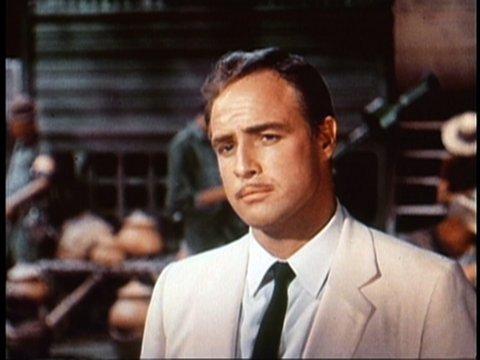
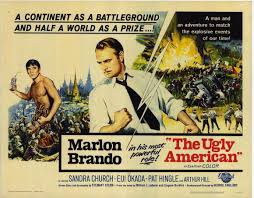
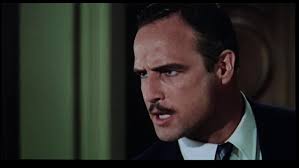
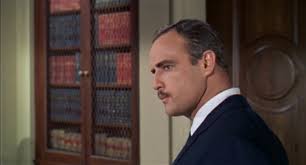
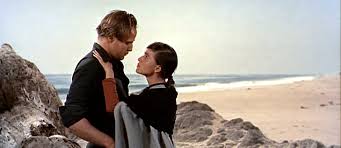
Featuring: Marlon Brando, Sandra Church, Eiji Okada, Pat Hingle, Judson Pratt, Reiko Sato and Arthur Hill
Ambassador Harrison Carter MacWhite:“I’d like to interrupt, eh, gentlemen, to point out that the only thing that is clear so far is that there’s no clarity at all. So if you don’t mind, we’ll stop this squabbling and I’ll present you with some facts. About three hours ago, there were several people trampled to death, a policeman was pistol-whipped until his face looked like raspberry jam, and the man who represents the person of the president of United States was almost killed, along with his wife, and other members of his party. Now I- I don’t mind telling you that I was afraid out there this afternoon, but I didn’t know what fear was until this meeting got started. You gentlemen have given me something to think about. Now, here’s something for you. Confusion, ignorance, and indifference will cease as of this moment. Information about everything that happens in Sarkhan will kept up to date and that’s seven days a week. That’s seven days a week gentleman! And Sundays included, and I don’t give a damn where you live! And the next time that there are six thousand people that begin a riot, or six people, without this embassy being aware of it, those responsible will be on the first plane out of here with my personal recommendation that they be dropped from the foreign service!”
“The Ugly American” is a thought-provoking film that delves into the complexities of foreign diplomacy and cultural clashes. Adapted from the novel of the same name by William J. Lederer and Eugene Burdick, the movie offers a stark portrayal of America’s involvement in Southeast Asia during the Cold War era, particularly in the fictional nation of Sarkhan.
At the heart of the story is the character of Ambassador Harrison Carter MacWhite, brilliantly portrayed by Marlon Brando. MacWhite is a well-intentioned but flawed diplomat who is appointed to Sarkhan with the aim of promoting American interests and countering communist influence in the region. However, his approach is often misguided, reflecting the title of the film – “The Ugly American” – which refers to the negative perceptions of American arrogance and ignorance abroad.
One of the film’s strengths lies in its exploration of cultural differences and the impact of imperialism on indigenous populations. As MacWhite grapples with the challenges of navigating Sarkhanese politics and society, he encounters resistance and resentment from the locals who feel marginalized by American intervention. The film does not shy away from depicting the consequences of Western interference, including the rise of anti-American sentiment and the recruitment of Sarkhanese villagers by communist insurgents.
In addition to its political themes, “The Ugly American” also offers compelling character dynamics and moral dilemmas. MacWhite’s relationship with his aide, Deong, played by Eiji Okada, is particularly compelling, as it evolves from one of mistrust to mutual respect. Deong serves as a voice of dissent, challenging MacWhite’s assumptions and highlighting the hypocrisy of American foreign policy. Their interactions underscore the complexities of power dynamics and the inherent tensions between idealism and pragmatism in diplomacy.
The film is also notable for its strong supporting cast, including Sandra Church as MacWhite’s wife, Marion, and Pat Hingle as Ambassador Sears, MacWhite’s predecessor. Each character brings depth and nuance to the narrative, contributing to the film’s exploration of themes such as loyalty, betrayal, and the personal cost of political ambition.
Visually, “The Ugly American” is striking, with evocative cinematography that captures the beauty and brutality of the Sarkhanese landscape. The film’s score, composed by Jerry Goldsmith, enhances the mood and atmosphere, adding emotional resonance to key scenes.
“The Ugly American” serves as a cautionary tale about the dangers of cultural ignorance and the consequences of imposing one’s values and ideologies on others. Through MacWhite’s journey, the film highlights the importance of empathy, humility, and genuine engagement with foreign cultures. It challenges viewers to question their own assumptions about foreign policy and to recognize the humanity and dignity of people from different backgrounds.
The film’s relevance extends beyond its Cold War context, resonating with contemporary debates about American imperialism, interventionism, and soft power. As the United States continues to grapple with its role on the global stage, “The Ugly American” serves as a timely reminder of the complexities and responsibilities inherent in international relations.
One of the film’s most powerful moments comes towards the end when Mac White reflects on his failures and the disillusionment he feels with American foreign policy. It is a poignant reminder that even well-intentioned actions can have unintended consequences, and that true diplomacy requires listening as much as it does speaking.
“The Ugly American” raises important questions about the role of individuals within larger geopolitical structures. While Ambassador MacWhite is a central figure, the film also depicts the contributions and perspectives of other characters, from embassy staff to Sarkhanese villagers. Each character represents a different facet of the complex web of relationships and interests that shape international diplomacy.
Moreover, the film’s examination of propaganda and media manipulation remains particularly pertinent in today’s digital age. As MacWhite grapples with how best to communicate America’s message to the people of Sarkhan, the film highlights the power of narratives in shaping public perception and the challenges of navigating competing interests in the information landscape.
“The Ugly American” also offers a nuanced portrayal of the human cost of political conflict. Through its depiction of the violence and suffering endured by Sarkhanese civilians caught in the crossfire of ideological struggles, the film emphasizes the importance of prioritizing human welfare over geopolitical ambitions. It serves as a reminder that behind every policy decision and diplomatic maneuver are real people whose lives are profoundly impacted.
“The Ugly American” is a rich and multifaceted film that rewards multiple viewings and deep reflection. Its themes of cultural misunderstanding, political disillusionment, and the search for common ground resonate far beyond its Cold War origins, making it a timeless classic that continues to provoke thought and discussion. Whether viewed as a historical artifact or as a commentary on contemporary geopolitics, “The Ugly American” remains essential viewing for anyone interested in the complexities of international relations and the human stories behind the headlines.
“The Ugly American” is a compelling and timely film that remains relevant in its exploration of the complexities of international relations and the human cost of ideological conflict. With its nuanced characters, thought-provoking themes, and powerful performances, it is a must-watch for anyone interested in political cinema.
Warner Bros. Pictures has premiered the official teaser trailer for filmmaker Todd Phillips’ highly anticipated “Joker: Folie a Deux” starring Joaquin Phoenix and Lady Gaga.
Phoenix returns as Arthur Fleck here in a story that will reportedly unfold almost entirely within Gotham City’s Arkham Asylum and will have musical elements.
Lady Gaga, Zazie Beetz, Catherine Keener, Brendan Gleeson, and Jacob Lofland co-star in the movie which Phillips once again directs from a script he wrote with Scott Silver.
The project is considered a DC Elseworlds project, thus is not part of the Peter Safran and James Gunn DC Universe. “Joker: Folie a Deux” is slated to premiere in cinemas on October 4th.
A24 has premiered the trailer for “Maxxxine,” the third film in Ti West’s trilogy that began with “X” and “Pearl” which both released to much acclaim in 2022.
Whereas “X” was set in the 1970s and “Pearl” a prequel in 1918, “Maxxxine” unfolds in Los Angeles 1985.
The story follows Maxine Minx (Mia Goth) after the events of “X” as the sole survivor, she’s now an adult film star and aspiring actress who finally gets her big break.
As a mysterious killer stalks the starlets of Hollywood, a trail of blood threatens to reveal her sinister past.
Elizabeth Debicki, Moses Sumney, Michelle Monaghan, Bobby Cannavale, Halsey, Lily Collins, Giancarlo Esposito and Kevin Bacon co-star.
This marks the biggest cast by far of the film series, with West once again back to write and direct. The new project was first teased with an end credits trailer on “Pearl”.
Jacob Jaffke, West, Goth, Kevin Turen, and Harrison Kreiss produce the film which will hit cinemas on July 4th.
Written by: Terry Rossio, Simon Barrett and Jeremy Slater
Directed by: Adam Wingard
Featuring: Rebecca Hall, Brian Tyree Henry, Dan Stevens, Kaylee Hottle, Alex Ferns and Fala Chen
Bernie Hayes:“Kong can’t stop this on his own.”
Ilene Andrews:“He won’t be alone.”
Godzilla x Kong, the latest entry in the MonsterVerse franchise, delivers exactly what its title promises: a giant ape and a radioactive lizard throwing down in a spectacular display of CGI brawls. But beneath the city-shattering action lies a film that struggles to balance human drama with monster mayhem, resulting in a popcorn flick that’s undeniably fun, but ultimately forgettable.
The film’s true strength lies in its visual effects. The towering titans, Godzilla and Kong, are rendered in stunning detail, their movements conveying a sense of awe-inspiring power as they grapple across Hong Kong’s neon-drenched skyline or trade blows amidst the fiery depths of the Hollow Earth. The action sequences themselves are a thrill ride, with creative choreography and camerawork that puts the audience right in the thick of the fight. Whether it’s Kong wielding a skyscraper like a baseball bat or Godzilla unleashing his atomic breath, these moments are undeniably crowd-pleasing.
However, the human characters and plot feel like afterthoughts compared to the monster action. The film juggles multiple storylines involving scientists, government agencies, and a tech company with questionable motives. These narratives struggle to find traction, often resorting to exposition dumps and generic archetypes. While some actors like Rebecca Hall and Brian Tyree Henry manage to inject some charisma into their roles, their characters ultimately serve as little more than plot devices, nudging the monsters along from one fight to the next.
The film does offer some interesting world-building elements, particularly with the introduction of the Hollow Earth, a subterranean realm teeming with new lifeforms. This opens the door for future MonsterVerse films to explore a rich mythology beyond the two titular titans. However, these elements feel underdeveloped within the confines of this single movie.
The film attempts to explore the complex relationship between Godzilla and Kong. Unlike previous iterations where they were simply portrayed as rivals, here, a sense of mutual respect and even a begrudging alliance emerges. This is a welcome development, adding depth to their dynamic. However, the film doesn’t fully capitalize on this potential. The reasons behind their initial conflict are underdeveloped, and their eventual team-up feels somewhat unearned.
The introduction of the Hollow Earth presented a fascinating opportunity for environmental commentary. This hidden world could have been a metaphor for humanity’s exploitation of Earth’s resources, with the consequences playing out on the surface. However, the film shies away from such themes, instead focusing on the fantastical creatures inhabiting this realm. While visually captivating, this missed opportunity leaves a lingering sense of what could have been.
Despite its flaws, Godzilla x Kong leaves the door open for future MonsterVerse films. The introduction of new creatures and the expansion of the Hollow Earth mythology hint at a potentially rich universe to explore. But whether the franchise can learn from its missteps and deliver a more balanced film experience with compelling human characters alongside the monster mayhem remains to be seen.
Godzilla x Kong’s impact wasn’t limited to theaters. Here’s a look at how it resonated in pop culture:
The Meme-ing of Monsters: The film’s epic clashes spawned countless memes and online discussions. Images of Kong wielding skyscrapers or Godzilla’s atomic breath became fodder for internet humor, further solidifying the titans’ place in pop culture.
Fan Theories Take Flight: The introduction of the Hollow Earth fueled speculation about the MonsterVerse’s future. Fans debated the origins of the new creatures, their connection to existing titans, and the potential for even more unexplored realms within the Earth.
The Soundtrack Gets Amped Up: The film’s score by Junkie XL, a blend of bombastic orchestral pieces and electronic elements, resonated with audiences. It became a popular choice for workout playlists and fan remixes, capturing the energy and scale of the monster battles.
Collectible Titans: Godzilla x Kong reignited interest in monster merchandise. Action figures, statues, and apparel featuring the film’s characters flew off shelves, catering to collectors and casual fans alike.
A Roar Heard in Video Games: The film’s influence extended to video games. Existing titles with kaiju themes saw renewed interest, while some developers hinted at potential future projects inspired by Godzilla and Kong.
The film’s cultural impact extended beyond memes and merchandise. It sparked conversations about:
The Legacy of Kaiju Films: Godzilla x Kong reignited discussions about the history and evolution of the kaiju genre. Critics and fans debated the genre’s potential for deeper thematic exploration while acknowledging its enduring appeal as pure entertainment.
Practical vs. CGI Effects: The film’s heavy reliance on CGI sparked discussions about the role of practical effects in modern monster movies. While CGI allows for incredible visuals, some audiences yearned for the tactile quality of practical effects used in older kaiju films.
Environmental Themes in Blockbusters: While the film didn’t fully explore the environmental potential of the Hollow Earth storyline, it did spark discussions about the possibility of using monster movies to address ecological concerns.
Godzilla x Kong is a film that knows its audience. It delivers on the promise of epic monster brawls, but sacrifices character development and a cohesive narrative in the process. If you’re looking for a visually stunning spectacle with brainless fun, this film delivers. But those seeking a deeper story or compelling human characters might leave the theater feeling a little hollow.
Featuring: Marlon Brando, Karl Malden, Katy Jurado, Ben Johnson and Pina Pellicer
Rio:“You may be a one-eyed jack around here, but I’ve seen the other side of your face.”
“One-Eyed Jacks,” directed by and starring Marlon Brando, is a cinematic gem that stands as a testament to the actor’s multifaceted talents. Released in 1961, this Western film offers a gripping tale of betrayal, vengeance, and redemption set against the picturesque backdrop of the American West.
At its core, “One-Eyed Jacks” is a classic revenge story with a twist. Brando plays the role of Rio, a charismatic outlaw seeking retribution against his former partner, Dad Longworth, portrayed with equal parts charm and menace by Karl Malden. The film opens with a bank robbery gone awry, leading to Rio’s capture and subsequent imprisonment. However, what sets “One-Eyed Jacks” apart from typical Western fare is its exploration of complex themes and character dynamics.
Brando’s direction infuses the film with a raw intensity, as he delves deep into the emotional turmoil of his characters. His portrayal of Rio is a masterclass in subtlety and nuance, capturing the character’s inner conflict and moral ambiguity with remarkable depth. As Rio navigates a treacherous world of deception and double-crosses, the audience is drawn into his journey of self-discovery and redemption.
The supporting cast delivers standout performances as well, with Karl Malden shining as the duplicitous Dad Longworth. His portrayal of the morally conflicted sheriff adds layers of complexity to the film’s central conflict, as Rio grapples with feelings of betrayal and abandonment. Additionally, the chemistry between Brando and Malden is palpable, elevating their scenes together to electrifying heights.
Visually, “One-Eyed Jacks” is a feast for the eyes, thanks to the stunning cinematography of Charles Lang. From sweeping vistas of the desert landscape to intimate close-ups that capture the characters’ emotions, every frame is meticulously composed and visually arresting. The film’s rich color palette further enhances its aesthetic appeal, immersing viewers in the rugged beauty of the American frontier.
In addition to its visual splendor, “One-Eyed Jacks” boasts a haunting score by Hugo Friedhofer that perfectly complements the film’s dramatic tension. The music serves as a powerful emotional undercurrent, heightening the impact of key moments and adding an extra layer of resonance to the storytelling.
Despite its critical acclaim and enduring legacy, “One-Eyed Jacks” remains somewhat underrated in the pantheon of Western cinema. Brando’s directorial debut may have been met with mixed reviews upon its initial release, but its reputation has only grown over time. Today, it is celebrated as a bold and innovative take on the genre, showcasing Brando’s unparalleled talent both in front of and behind the camera.
“One-Eyed Jacks” is a film that not only entertains but also challenges its audience to reflect on deeper themes of loyalty, betrayal, and the nature of justice. At its heart, it is a story about the consequences of one’s actions and the relentless pursuit of redemption.
Marlon Brando’s portrayal of Rio is particularly compelling because it defies traditional Western archetypes. Unlike the stoic, morally upright heroes often found in the genre, Rio is a complex and flawed character. He is driven by a burning desire for revenge, yet beneath his hardened exterior lies a vulnerable soul tormented by past traumas. Brando’s performance captures this inner turmoil with remarkable authenticity, allowing viewers to empathize with Rio despite his questionable actions.
Similarly, Karl Malden’s portrayal of Dad Longworth adds a layer of moral ambiguity to the film. Longworth is not simply a one-dimensional villain but a man torn between conflicting loyalties and desires. His betrayal of Rio stems from a mix of self-preservation and a misguided sense of duty, making him a tragic figure in his own right. Malden’s nuanced performance humanizes Longworth, blurring the lines between hero and antagonist and challenging the audience’s preconceptions.
Beyond its compelling characters, “One-Eyed Jacks” is also notable for its exploration of gender dynamics within the Western genre. The character of Louisa, played by Pina Pellicer, serves as a refreshing departure from the typical damsels in distress often seen in classic Westerns. She is a strong, independent woman who refuses to be defined by the men in her life. Louisa’s complex relationship with Rio adds depth to the narrative and challenges traditional gender roles, reflecting the evolving social attitudes of the time.
In addition to its thematic depth, “One-Eyed Jacks” is also a technical marvel. Brando’s directorial vision is evident in every frame, from the dynamic camerawork to the meticulous attention to detail in the production design. The film’s pacing is deliberate yet engaging, allowing the tension to simmer gradually before reaching a dramatic crescendo in the climactic showdown.
“One-Eyed Jacks” is a film that transcends the confines of its genre, offering a thought-provoking exploration of morality, identity, and the human condition. Brando’s directorial debut remains a testament to his creative genius and enduring influence on the world of cinema. Whether you’re a fan of Westerns or simply appreciate great storytelling, “One-Eyed Jacks” is a cinematic experience not to be missed.
“One-Eyed Jacks” is a must-see for fans of classic Westerns and cinephiles alike. With its compelling characters, breathtaking visuals, and powerful performances, it is a timeless masterpiece that continues to captivate audiences decades after its release. Whether you’re drawn to its gripping narrative or its exploration of complex themes, this film offers something for everyone and deserves a place of honor in the annals of cinematic history.
Special Features
1080p High-definition presentation on Blu-ray from a remastered 4K scan
Audio Commentary by author of “A Million Feet Of Film: The Making Of One-Eyed Jacks”, Toby Roan
An Authentic Death: Pursuing One-Eyed Jacks – an all-new documentary exploring the making of the film featuring interviews with author/film historian C. Courtney Joyner, author/historian Henry Parke, producer/director Michael Priest, western film historian Mike Malloy, and western historian Rob Word
Hugo Friedhofer Goes West: Scoring One-Eyed Jacks – an all-new featurette about the Western scores of the legendary composer with “Friedhofer” biographer/film music historian Linda Danly
Surviving Billy The Kid – Mike Siegel on the making of One Eyed-Jacks
A second trailer has been released for Dev Patel’s feature directorial debut movie “Monkey Man” which Universal Pictures is releasing in cinemas on April 5th.
Patel plays Kid, an anonymous young man who ekes out a meager living in an underground fight club.
Night after night, wearing a gorilla mask, he is beaten bloody by more popular fighters for cash. After years of suppressed rage, Kid discovers a way to infiltrate the enclave of the city’s sinister elite.
Inspired by the legend of Hanuman, Patel co-wrote the script with Paul Angunawela and John Collee. Jordan Peele is producing.
Patel is joined on screen in the film by Sharlto Copley, Pitobash, Vipin Sharma, Sikandar Kher, Sobhita Dhulipala, Ashwini Kalsekar, Adithi Kalkunte, and Makarand Deshpande.
Patel, Jomon Thomas, Jordan Peele, Win Rosenfeld, Ian Cooper, Basil Iwanyk, Erica Lee, Christine Haebler, and Anjay Nagpal produce.