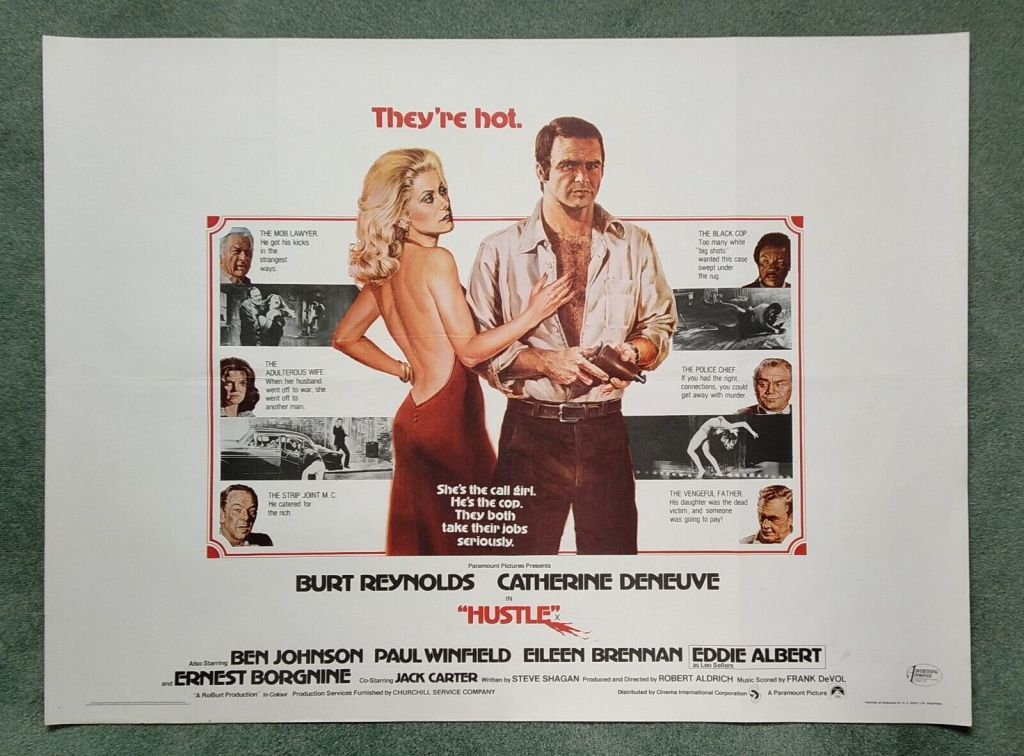
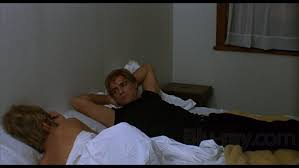
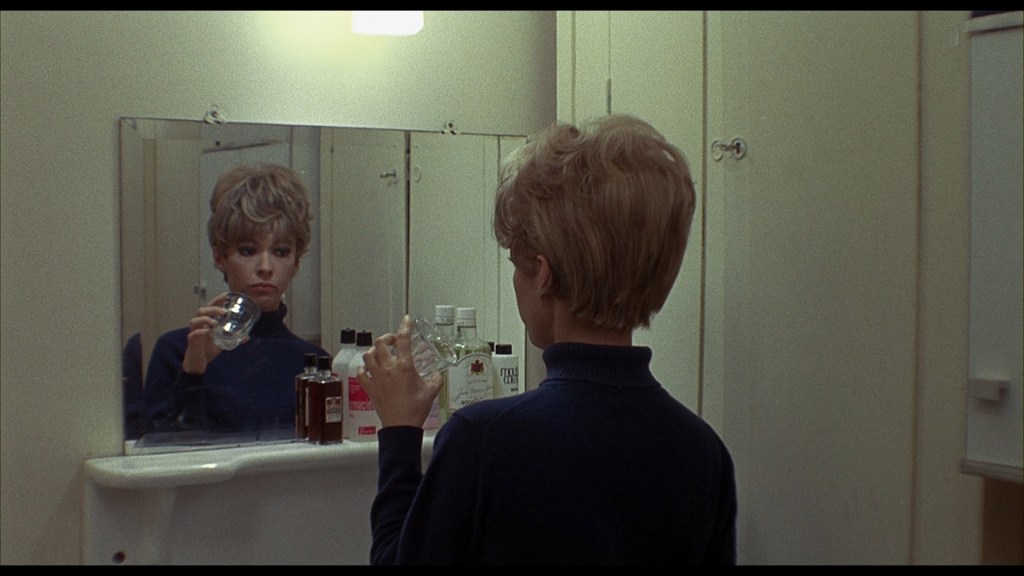
Featuring: Burt Reynolds, Catherine Deneuve, Ben Johnson, Paul Winfield, Eileen Brennan, Eddie Albert, Ernest Borgnine and Jack Carter
Lt. Phil Gaines: “Don’t you know where you live, Marty? Can’t you smell the bananas? You know what country you live in? You live in Guatamala with color television.”
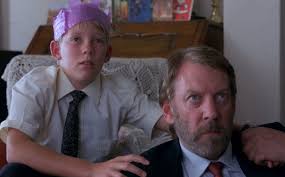
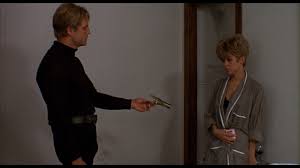
Hustle (1975), directed by Robert Aldrich and starring Burt Reynolds, Catherine Deneuve, and Paul Winfield, is a moody crime drama that attempts to blend elements of film noir with the character-driven cynicism of 1970s Hollywood. Released at the height of Reynolds’ popularity, Hustle presents a different side of the actor, stepping away from his signature wisecracking persona to deliver a more subdued, introspective performance. While the film struggles at times with its pacing and uneven tone, it remains a compelling snapshot of an era in transition, both in film and in society.
The film follows Phil Gaines (Burt Reynolds), a weary, disillusioned Los Angeles police detective, and his partner Louis Belgrave (Paul Winfield) as they investigate the apparent suicide of a young woman named Gloria Hollinger. However, her father, Marty (Ben Johnson), refuses to accept the ruling, believing his daughter was murdered. As Gaines delves into the case, he finds himself entangled in a corrupt and indifferent justice system, while also navigating his strained romance with Nicole (Catherine Deneuve), a high-class call girl seeking a way out of her profession.
As the investigation unfolds, Gaines discovers unsettling truths about the city’s underbelly, crime, and power structures. His increasing frustration with the futility of justice reflects a broader existential crisis, one that mirrors the moral ambiguity permeating 1970s American cinema. The case ultimately forces him to confront his own ethical compromises and the possibility that, despite his best efforts, the world is beyond redemption.
Burt Reynolds, known for his charismatic and often comedic roles, delivers a restrained and nuanced performance in Hustle. As Phil Gaines, he embodies a man torn between duty and apathy, balancing toughness with moments of vulnerability. Reynolds’ performance is effective, though at times his usual magnetism feels intentionally dampened to fit the film’s somber tone.
Catherine Deneuve, in one of her few American roles, brings an ethereal presence to Nicole. While her character is underwritten, Deneuve manages to convey a quiet desperation that adds depth to the film. Paul Winfield provides strong support as Gaines’ more pragmatic partner, and Ben Johnson delivers a heartbreaking turn as a grieving father seeking justice in a world that doesn’t care.
Robert Aldrich, best known for Kiss Me Deadly (1955) and The Dirty Dozen (1967), brings a world-weary sensibility to Hustle. His direction is steady, but at times the film struggles to maintain momentum. The pacing is deliberately slow, emphasizing mood and character over plot, which may frustrate viewers expecting a more conventional crime thriller.
The film’s visual style leans into noir aesthetics, with shadowy cinematography by Joseph Biroc that captures the bleakness of 1970s Los Angeles. The city feels oppressive and indifferent, mirroring the characters’ struggles. Hustle also benefits from a moody score by Frank De Vol, which complements the film’s melancholic tone.
At its core, Hustle is a meditation on moral decay and disillusionment. The film critiques institutional corruption, the commodification of women, and the inescapability of fate. Phil Gaines represents the archetypal noir protagonist: a man who knows the system is broken but lacks the power to change it. His relationship with Nicole underscores themes of escapism and the impossibility of redemption.
The film also reflects the broader cultural anxieties of the mid-1970s, a period marked by post-Watergate distrust in institutions and a growing cynicism in American cinema. Unlike traditional detective films where the protagonist finds justice, Hustle offers no such comfort. Its ending is downbeat and unresolved, reinforcing the film’s overarching sense of fatalism.
While Hustle has its strengths, it is not without flaws. The film’s pacing can feel sluggish, and some of its subplots—particularly those involving Nicole—are underdeveloped. The script, penned by Steve Shagan, occasionally leans too heavily on existential brooding at the expense of narrative tension. Additionally, while Reynolds delivers a strong performance, some critics have argued that his subdued portrayal lacks the depth needed to fully carry the film’s weightier themes.
Despite these shortcomings, Hustle remains an intriguing entry in the neo-noir genre. Though it lacks the punch of classics like Chinatown (1974) or Night Moves (1975), it is a worthwhile watch for fans of 1970s crime dramas and those interested in seeing a different side of Burt Reynolds. While it never reaches the heights of Aldrich’s best work, it is an admirable effort that captures the moral ambiguity and disillusionment of its time.
Hustle is a slow-burning, melancholic crime drama that trades action for introspection. While it may not be among the most memorable films of the era, it is a fascinating piece of 1970s cinema that showcases a more restrained Burt Reynolds and a haunting vision of a world where justice is elusive. If you appreciate moody, character-driven crime films with a noir edge, Hustle is worth seeking out.
Featuring: Burt Reynolds, Jennifer Billingsley, Ned Beatty, Bo Hopkins and Matt Clark
Vinnie Carruthers: “What happened to you?”
Gator McKlusky:“I was tryin’ to save these two buddies of mine from getting knocked up by a homosexual.”
Vinnie Carruthers: “Oh, praise God!”
White Lightning, directed by Joseph Sargent and starring Burt Reynolds, is a quintessential 1970s action film that blends Southern grit, moonshine-running thrills, and a touch of revenge drama. This film, often credited as one of the defining entries in the “hicksploitation” subgenre, paved the way for a slew of similar films throughout the decade. It also cemented Reynolds’ status as a leading man, showcasing his charisma, physicality, and a newfound depth that set him apart from many of his contemporaries.
The story follows Gator McKlusky (Burt Reynolds), a former moonshine runner who finds himself in prison for his illicit activities. While serving time, he learns that his younger brother was murdered by corrupt Sheriff J.C. Connors (Ned Beatty), a ruthless lawman who has been cracking down on bootlegging with an iron fist. Seeking vengeance but unable to do so legally, Gator strikes a deal with federal agents: if he agrees to go undercover and help expose Connors’ operations, he will earn his freedom.
Posing once again as a moonshiner, Gator returns to his old stomping grounds in rural Arkansas and rekindles relationships with old associates, including the charming but cautious Roy Boone (Bo Hopkins) and his girlfriend Lou (Jennifer Billingsley). As he delves deeper into the operation, Gator navigates high-speed chases, violent confrontations, and the growing threat posed by Connors’ men, all while struggling with his personal demons.
Burt Reynolds delivers a compelling performance as Gator McKlusky. While his later roles often leaned into comedy, this film highlights a more serious and determined side of Reynolds. Gator is a man on a mission, but he’s not just a two-dimensional action hero—his pain and anger over his brother’s death add an emotional weight to the character that makes his quest for justice feel more personal. Reynolds’ natural charm and rugged appeal make Gator easy to root for, and his presence alone elevates the material.
Ned Beatty’s portrayal of Sheriff J.C. Connors is chilling. Unlike some over-the-top villains of the era, Connors is more subdued in his menace, which makes him all the more terrifying. He exudes authority and corruption in equal measure, making it easy to see why the locals are too afraid to challenge him. His interactions with Gator are tense and layered with unspoken threats, making their eventual showdown all the more satisfying.
The supporting cast, including Bo Hopkins as Roy Boone, adds depth to the film. Boone is a complex character—a man who, while involved in the bootlegging trade, isn’t as ruthless as others in the game. His moral ambiguity and growing friendship with Gator create an engaging dynamic. Jennifer Billingsley, though given less to work with, delivers a solid performance as Lou, a love interest who provides a softer contrast to the film’s rough-and-tumble world.
One of White Lightning’s greatest strengths is its action sequences. The film is packed with thrilling car chases that showcase the raw power and danger of backroad moonshine running. The stunt work is impressive, with practical effects and real, high-speed driving that adds an authentic edge. Unlike modern action films reliant on CGI, every crash, skid, and pursuit in White Lightning feels visceral and real, making the stakes feel genuinely high.
Joseph Sargent’s direction gives the film a grounded, almost documentary-like feel in places. He captures the gritty, sweaty reality of the Deep South, from its lush swamps and dusty backroads to the rundown bars and dingy police stations. The cinematography by Edward Rosson complements this aesthetic, using natural lighting and long tracking shots to immerse the viewer in Gator’s world. The choice to film on location adds to the authenticity, making the setting feel as much a character as any of the actors.
Beneath its high-octane action, White Lightning touches on deeper themes of corruption, justice, and rebellion. Sheriff Connors represents an oppressive force—an unchecked authority figure who operates above the law, using fear and violence to maintain his grip. Gator, though far from a traditional hero, embodies the idea of fighting back against corruption, even if his methods are unconventional.
The film also reflects a changing America in the 1970s. The South was still grappling with the aftermath of the Civil Rights Movement, and distrust of government and law enforcement was at an all-time high following events like Watergate and the Vietnam War. White Lightning taps into these anxieties, portraying Gator as an anti-establishment figure who seeks justice on his own terms. His refusal to back down in the face of corruption resonated with audiences at the time and continues to do so today.
White Lightning was a box office success and led to a sequel, Gator (1976), which Reynolds himself directed. While the sequel leaned more into comedy, the original remains a standout for its blend of action, drama, and social commentary. The film also influenced later Southern action films, from Smokey and the Bandit (1977) to The Dukes of Hazzard TV series, which borrowed heavily from White Lightning’s themes and aesthetic.
Reynolds’ performance as Gator McKlusky helped solidify his on-screen persona as a lovable rogue—a template he would return to throughout his career. The film’s gritty, no-nonsense approach to action storytelling remains a blueprint for many modern filmmakers seeking to recapture that raw, unpolished style of 1970s cinema.
White Lightning is more than just a fast-paced action film—it’s a time capsule of 1970s filmmaking, blending thrilling car chases with a compelling revenge story and subtle but effective social commentary. Burt Reynolds gives one of his most engaging performances, and Ned Beatty’s turn as the villainous sheriff adds real dramatic weight. The direction, setting, and raw action make this a must-watch for fans of classic action cinema.
For those looking for a movie that combines Southern charm with edge-of-your-seat excitement, White Lightning delivers in spades. Whether you’re a Burt Reynolds aficionado, a fan of car chase films, or just someone who appreciates a well-crafted revenge thriller, this film remains a standout of its era and a testament to the enduring appeal of gritty, character-driven action movies.
Marlon Brando, Himself:“Everything that you do – make it real as you can. Make it alive. Make it tangible. Find the truth of that moment.”
Marlon Brando, Himself:“Lying for a living. That’s what acting is. All I’ve done is just learned how to be aware of the process.”
Stevan Riley’s Listen to Me Marlon is an extraordinary documentary that delves deep into the psyche of Marlon Brando, one of the most enigmatic and influential actors in cinema history. Rather than relying on conventional interviews or talking-head testimonials, the film constructs its narrative almost entirely from Brando’s own words, using a vast archive of personal audio recordings he made over several decades. The result is an intimate, poetic, and deeply introspective portrait of a man who reshaped the art of acting while struggling with profound personal demons.
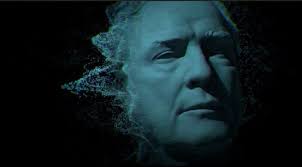
What sets Listen to Me Marlon apart from other documentaries is its innovative storytelling technique. Brando’s self-recorded reflections serve as both the film’s narrator and its emotional core. These recordings are combined with archival footage, film clips, home movies, and eerie digital recreations of Brando’s face, creating an almost ghostly presence that hovers over the film. The effect is haunting and deeply personal, allowing viewers to hear Brando’s unfiltered thoughts on fame, acting, love, and loss.
Rather than presenting a linear biography, the documentary flows like a stream of consciousness, moving seamlessly between different periods of Brando’s life. His musings on his craft, his troubled childhood, and his disillusionment with Hollywood are interwoven with moments of profound vulnerability. The film allows Brando to tell his own story in a way that feels raw and unmediated, making it one of the most intimate portrayals of a celebrity ever put to screen.
For cinephiles and aspiring actors, Listen to Me Marlon is a masterclass in acting theory. Brando speaks at length about his approach to performance, from his formative experiences studying under Stella Adler to his groundbreaking work in A Streetcar Named Desire and On the Waterfront. His reflections on method acting reveal a deep understanding of human behavior and emotion, and his frustrations with the art form’s commercialization resonate strongly.
Brando was both a genius and a rebel, a man who revolutionized acting but grew increasingly disenchanted with the industry. He laments how Hollywood reduces actors to commodities and how fame became an unbearable burden. His insights into the craft are fascinating, particularly when he discusses his ability to manipulate emotions and use personal experiences to enhance his performances.
Beyond his artistic brilliance, the film does not shy away from the tragedies and controversies that shaped Brando’s life. His troubled childhood, marked by an abusive father and an alcoholic mother, left deep scars that influenced his relationships and career choices. His personal life was riddled with turmoil, from tumultuous romances to the heartbreaking tragedies involving his children.
One of the most poignant moments in the film is Brando’s reflection on the 1990 shooting of his daughter Cheyenne’s boyfriend by his son Christian. The incident devastated him, and his sorrow is palpable in the recordings. The film presents Brando not just as an icon but as a deeply flawed, wounded man who struggled with guilt, isolation, and regret.
Visually, Listen to Me Marlon is stunning. Riley and editor Roderick Jaynes craft a dreamlike tapestry of imagery that enhances the film’s meditative quality. The use of archival footage is particularly effective, blending seamlessly with Brando’s voice to create a hypnotic experience. The eerie CGI rendering of Brando’s face, based on a 3D scan he commissioned before his death, adds an unsettling yet fittingly ethereal presence to the film.
The score, composed by Stefan Wesolowski, further amplifies the film’s haunting atmosphere. It’s a melancholic, meditative soundtrack that underscores Brando’s introspective monologues, making the entire experience feel like a séance with the past.
Listen to Me Marlon is a profoundly moving and deeply original documentary that transcends the traditional biographical format. It offers an unparalleled look into the mind of one of cinema’s greatest actors, allowing Brando to narrate his own story in his own words. The film is both a celebration of his genius and a lament for his troubled life, capturing the contradictions that made him such a fascinating figure.
For those who admire Brando, this documentary is essential viewing. It strips away the myths and tabloid sensationalism to reveal a man of immense talent, intelligence, and complexity. Even for those unfamiliar with his work, Listen to Me Marlon stands as a powerful meditation on fame, artistry, and the human condition. It is an unforgettable cinematic experience that lingers long after the credits roll.
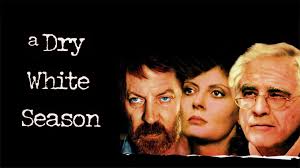
Featuring: Donald Sutherland, Janet Suzman, Jürgen Prochnow, Zakes Mokae, Susan Sarandon and Marlon Brando
Ian McKenzie:“Justice and law, Mr. Du Toit, are often just… well they’re, I suppose they can be described as distant cousins. And here in South Africa, well, they’re simply not on speaking terms at all.”
Few films capture the horror of institutionalized injustice with the clarity and urgency of A Dry White Season. Based on André Brink’s novel of the same name, the film is a powerful indictment of apartheid in South Africa, a system that thrived on oppression and racial segregation. Directed by Euzhan Palcy—who became the first Black woman to direct a Hollywood studio film—this 1989 drama is a harrowing, deeply affecting film that remains as relevant today as it was upon its release.
With a cast led by Donald Sutherland, Susan Sarandon, Marlon Brando, and Zakes Mokae, A Dry White Season is not just a searing critique of apartheid but also an exploration of the personal cost of awakening to injustice. The film forces its audience to confront the consequences of standing up to a system built on cruelty, indifference, and corruption.
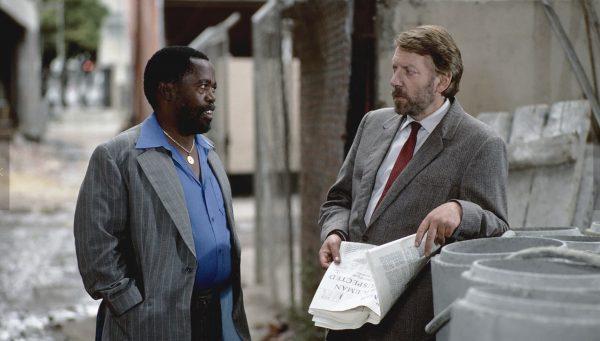
At its core, A Dry White Season is the story of Ben du Toit (Donald Sutherland), a white South African schoolteacher who initially lives in blissful ignorance of the brutal reality faced by Black South Africans under apartheid. Ben is a man of privilege, sheltered from the horrors that unfold daily in his own country. His world begins to crumble when his Black gardener, Gordon Ngubene (Winston Ntshona), seeks his help after his son is brutally beaten by the police during a student protest.
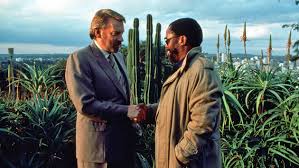
Ben, believing in the fairness of the law, tries to intervene but is met with bureaucratic stonewalling. When Gordon himself is arrested, tortured, and killed in police custody, Ben is forced to confront the system he once trusted. His efforts to seek justice for Gordon lead him down a dangerous path, putting his own family and life at risk. As he becomes more entangled in the struggle against apartheid, he enlists the help of human rights lawyer Ian McKenzie (Marlon Brando in a brief but powerful role) and journalist Melanie Bruwer (Susan Sarandon).
What follows is a descent into the terrifying reality of a system that will go to any lengths to protect itself. Ben’s naïve belief that truth and justice will prevail is shattered as he is targeted, ostracized, and ultimately destroyed by the same system he once upheld.
One of the film’s most compelling aspects is its exploration of moral awakening. Ben du Toit is not a traditional hero—he is a man who begins as part of the problem, oblivious to the suffering of the Black population. His transformation from a passive bystander to an active resistor is the film’s emotional core.
White Complicity in Apartheid: Ben’s initial apathy mirrors that of many white South Africans at the time. He enjoys the privileges of apartheid without question, until the violence directly affects someone he knows. His journey highlights how systems of oppression rely not just on active perpetrators but also on the passive compliance of the privileged.
The Power and Limits of the Law: Ian McKenzie, played by Marlon Brando in an Oscar-nominated performance, is the cynical lawyer who understands that the legal system is merely an instrument of oppression. His famous courtroom speech, in which he exposes the state’s brutality while knowing his arguments will make no difference, is one of the film’s most poignant moments.
The Price of Defiance: As Ben becomes more involved in fighting injustice, his life unravels. His family turns against him, his career is destroyed, and he is branded a traitor. This mirrors the real-life consequences faced by white anti-apartheid activists who were often ostracized, imprisoned, or assassinated.
Donald Sutherland as Ben du Toit delivers one of his finest performances, capturing the gradual unraveling of a man who once believed in his country’s institutions. His transformation from a quiet, respectable teacher to a man haunted by his own complicity is subtle but deeply moving.
Marlon Brando as Ian McKenzie steals the show despite only appearing in a few scenes. His performance, weary yet defiant, serves as the film’s moral compass. His speech in the courtroom remains one of Brando’s most underrated moments.
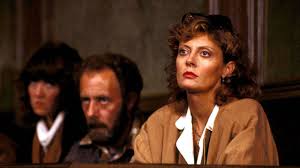
Susan Sarandon as Melanie Bruwer provides the film with another perspective—the role of the journalist determined to expose the truth. While her role is relatively small, she brings a quiet determination that complements Sutherland’s performance.
Zakes Mokae as Captain Stolz embodies the cold, bureaucratic cruelty of the apartheid regime. As the police officer responsible for Gordon’s death, he represents the faceless evil of institutionalized oppression.
Euzhan Palcy’s direction is unflinching and deeply humanistic. She does not sensationalize the violence but presents it in stark, matter-of-fact brutality. The scenes of torture and oppression are harrowing but never gratuitous.
The cinematography by Pierre-William Glenn emphasizes contrast—between the lush, privileged world of white South Africans and the bleak, poverty-stricken reality of Black South Africans. The use of light and shadow enhances the film’s themes, with Ben’s increasing isolation reflected in the darkening tones of his surroundings.
Unlike many Hollywood films that simplify historical injustices, A Dry White Season does not offer easy resolutions. The apartheid system is not defeated in the film, nor does Ben emerge victorious. His fate is a chilling reminder of how difficult it is to fight an entrenched system of power.
The film also benefits from its authenticity—shot partially on location, it captures the tension and paranoia of South Africa in the 1970s and 1980s. The violence feels real, and the fear is palpable.
While critically acclaimed, A Dry White Season was not without controversy. The South African government condemned the film, and it was banned in some countries. Some critics argued that the film, despite its strong message, still centered on a white protagonist rather than the Black activists leading the anti-apartheid struggle. While this is a valid critique, the film serves as an important entry point for audiences unfamiliar with the complexities of apartheid.
Over three decades later, A Dry White Season remains a powerful historical drama. Its themes of racial injustice, state-sponsored violence, and moral awakening are still relevant in today’s world. The film is a reminder that systemic oppression does not disappear overnight and that confronting injustice often comes at a great personal cost.
Euzhan Palcy’s work paved the way for future filmmakers tackling stories of racial injustice. The film’s release during the final years of apartheid helped bring international attention to the atrocities of the regime.
What makes A Dry White Season stand out among other films dealing with racism and systemic oppression is its unflinching honesty. Unlike Hollywood’s tendency to sanitize historical struggles, this film refuses to shy away from the raw brutality of the apartheid regime. It presents a world in which justice is an illusion, truth is silenced, and those who dare to challenge the status quo risk losing everything.
This is not an easy film to watch, but it is an essential one. It is a film that remains profoundly relevant, even decades after its release, as the themes it explores—systemic racism, state violence, and moral awakening—continue to resonate globally.
Ben du Toit (Donald Sutherland) is a seemingly decent, well-meaning schoolteacher who lives a comfortable life in Johannesburg. He is not overtly racist, nor does he see himself as complicit in apartheid; rather, he, like many white South Africans of the time, simply accepts the system as the natural order of things. His life changes when his Black gardener, Gordon Ngubene (Winston Ntshona), approaches him for help after his son is beaten by the police for participating in a student protest.
Initially, Ben assumes the situation is a misunderstanding. He believes in South Africa’s institutions and assumes that if he simply appeals to the right authorities, justice will be served. However, as he digs deeper, he is confronted with the terrifying truth: the government is not simply indifferent to the suffering of Black South Africans—it is actively engaged in their oppression.
When Gordon himself is arrested, tortured, and killed in police custody, Ben is forced to confront the limits of his privilege. His comfortable life begins to unravel as he seeks justice. His wife (Janet Suzman) and daughter turn against him, preferring to maintain their social standing rather than support his quest for truth. His employer distances itself from him, and his former friends abandon him. As he becomes more entangled in the fight against apartheid, he is subjected to increasing surveillance, harassment, and threats.
Ultimately, his pursuit of justice leads him to a tragic fate. The system he once trusted is revealed to be an unbreakable machine of oppression, where truth is irrelevant, and power is maintained through violence and fear.
At its heart, A Dry White Season is a story about the personal cost of moral awakening. Ben’s transformation from passive observer to active resistor is not framed as an act of heroism but as a tragic journey with devastating consequences.
1. White Privilege and Complicity
One of the film’s most powerful themes is its critique of white privilege. Ben is a good man by conventional standards, but his goodness is passive. He does not actively oppress Black South Africans, but he also does nothing to help them until he is personally confronted with the brutality of apartheid. The film makes it clear that systems of oppression do not only survive because of active perpetrators but because of the passive compliance of those who benefit from them.
His initial belief in the system—his assumption that appealing to the authorities will lead to justice—is a reflection of his privilege. For most of his life, the system has worked in his favor, so he assumes it must be fundamentally just. It is only when he is personally affected that he realizes the truth.
2. The Futility of Legal Justice in an Unjust System
One of the film’s most chilling messages is that the legal system under apartheid is not merely ineffective—it is actively complicit in oppression. This is most clearly illustrated in the character of Ian McKenzie (Marlon Brando), the weary human rights lawyer who understands that the law is a tool of those in power.
McKenzie’s courtroom scene is one of the film’s highlights. He delivers a powerful indictment of the apartheid regime, exposing its brutality and hypocrisy. Yet, as he delivers his impassioned speech, there is no triumph—only futility. The outcome of the case is predetermined. The system does not care about truth, and those in power do not need to justify their actions.
Brando’s brief but unforgettable performance adds an extra layer of weight to the film’s message. His presence, even in a supporting role, underscores the gravity of the story being told.
3. The Personal Cost of Resistance
Ben’s journey is not one of heroism but of tragic inevitability. Unlike many Hollywood films that feature white protagonists in stories about racial injustice, A Dry White Season does not offer redemption. Ben does not save the day. His resistance does not dismantle the system. Instead, he is crushed by it.
His fate is a grim reminder that standing up to injustice often comes at a steep price. It is not a comfortable narrative, but it is an honest one. The film refuses to provide easy answers or false hope. Instead, it forces the audience to confront the reality that systemic oppression is deeply entrenched and that those who resist often pay the ultimate price.
Euzhan Palcy’s direction is a key reason why A Dry White Season remains so impactful. She does not sensationalize the violence or dramatize the story for emotional manipulation. Instead, she presents the horror of apartheid with an unflinching gaze.
Palcy’s choice to shoot many scenes with a stark, almost documentary-like realism enhances the film’s authenticity. The violence, while not overly graphic, feels disturbingly real. The film does not rely on shock tactics but rather presents oppression as a constant, inescapable force.
The cinematography by Pierre-William Glenn uses stark contrasts to emphasize the divide between white and Black South Africans. The bright, idyllic world of white suburban life is juxtaposed against the dark, oppressive conditions of Black townships and prisons. This visual contrast reinforces the theme of willful ignorance—white South Africans live in comfort while atrocities occur just outside their doorsteps.
The sound design also plays a crucial role in the film’s emotional impact. The use of silence in key moments, particularly during scenes of violence and oppression, creates an unsettling atmosphere. The absence of a swelling musical score in these moments forces the audience to sit with the horror of what is happening.
Upon its release, A Dry White Season received widespread critical acclaim. It was praised for its unflinching portrayal of apartheid, its strong performances, and its powerful message. Marlon Brando’s performance earned him an Academy Award nomination for Best Supporting Actor, marking his final Oscar nomination.
However, the film also faced controversy. It was banned in South Africa upon release, and its political message made it a target of censorship in certain regions. Despite this, it remains one of the most important films about apartheid.
Although apartheid officially ended in the early 1990s, the themes explored in A Dry White Season remain relevant. The film’s portrayal of systemic racism, state violence, and the complicity of privilege continues to resonate in contemporary discussions about social justice.
In a time when police brutality, institutionalized racism, and political corruption remain pressing issues, A Dry White Season serves as a reminder that confronting injustice is never easy—but silence is not an option.
A Dry White Season is a gripping, emotionally devastating film that does not shy away from the harsh realities of its subject matter. Bolstered by exceptional performances, masterful direction, and a powerful message, it is one of the most important political films of the 20th century. For those who appreciate films with historical and political weight, A Dry White Season is essential viewing. It is a testament to the courage of those who fought against apartheid—and a sobering reminder of the cost of standing up to injustice.
Featuring: Marlon Brando, Jack Nicholson, Randy Quaid, Kathleen Lloyd, Frederic Forrest and Harry Dean Stanton
Tittle Tod:“Damn, I don’t know why they had to put Canada all the way up here.”
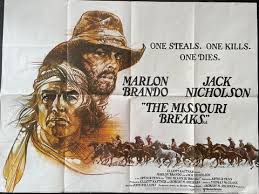
Arthur Penn’s The Missouri Breaks (1976) is a film that resists easy categorization. A revisionist Western featuring two of the greatest actors of the era, Marlon Brando and Jack Nicholson, it presents a unique and often confounding vision of the West, one that’s both beautiful and brutal, comedic and violent. Upon its release, the film was met with mixed reviews, and even today, it remains a polarizing entry in the Western genre. However, looking back at it decades later, The Missouri Breaks stands as an ambitious and fascinating film—flawed, certainly, but compelling in its unpredictability.
The film is set in 1880s Montana and follows Tom Logan (Jack Nicholson), the leader of a band of horse thieves, who decides to purchase a small farm as a front for their operations. He and his gang set their sights on rustling from a powerful land baron, David Braxton (John McLiam), a ruthless cattleman who has spent his life protecting his empire from rustlers. Braxton, eager to rid himself of Logan’s gang, hires the eccentric “regulator” Robert E. Lee Clayton (Marlon Brando), an Irish bounty hunter with a flair for the theatrical and a love for sadistic executions.
As Logan grows closer to Braxton’s daughter, Jane (Kathleen Lloyd), a romance develops, complicating the outlaw’s relationship with the man trying to destroy him. Meanwhile, Clayton begins his slow and methodical hunt, picking off members of Logan’s gang in strange and unsettling ways.
The main draw of The Missouri Breaks is, without a doubt, the performances of its two leads. Jack Nicholson is in his prime here, delivering a grounded and charismatic performance as Tom Logan. Unlike the wild-eyed, unhinged roles he would become famous for (The Shining, One Flew Over the Cuckoo’s Nest), his Logan is subdued and pragmatic. He’s an outlaw, but he’s not heartless—just a man trying to carve out a piece of the world for himself. His romance with Jane adds an interesting dimension to the film, though it is underdeveloped compared to the central conflict with Brando’s character.
Then there’s Marlon Brando as Robert E. Lee Clayton, a performance that can only be described as bizarre. Brando, ever the eccentric, reportedly refused to learn his lines and improvised much of his dialogue. The result is one of the strangest performances in Western history. Clayton is a dandyish assassin, clad in absurd outfits, slipping into an exaggerated Irish brogue at times, and killing with a psychotic sense of humor. One moment, he’s casually talking about literature; the next, he’s dressed in a woman’s bonnet, preparing to murder a man in cold blood. His unpredictability makes him one of the most unsettling characters in any Western.
Brando’s performance is divisive—some find it brilliant, others see it as self-indulgent nonsense. But there’s no denying that it makes The Missouri Breaks unique. If Brando had played Clayton straight, the film would likely be much more conventional. Instead, his presence turns it into something strange, at times surreal.
Direction and Cinematography: A Slow, Bleak Beauty
Arthur Penn, best known for Bonnie and Clyde (1967), was no stranger to films about outlaws. But unlike that film’s kinetic energy, The Missouri Breaks is slow and meandering. The pacing is deliberate, almost too much so, as it lingers on the mundane aspects of Logan’s life while punctuating the narrative with bursts of sudden, brutal violence.
Cinematographer Michael Butler captures the vast beauty of Montana’s landscapes, making the film visually stunning. The rolling plains, the expansive skies, and the rustic farmhouses create a backdrop that feels both romantic and harsh—mirroring the film’s tone. But while the film looks great, it doesn’t follow the traditional Western structure. There are no grand shootouts, no clear heroes and villains. Instead, Penn focuses on mood and character, which may leave some viewers frustrated.
Like many revisionist Westerns of the 1970s, The Missouri Breaks explores the moral ambiguity of the Old West. There are no true good guys here—Logan is a criminal, but Braxton is no better. Clayton, supposedly the “law,” is the most monstrous of them all, a man who enjoys the act of killing. The film suggests that the West wasn’t built on noble ideals but on power, violence, and opportunism.
It also comments on the death of the outlaw era. Logan and his gang represent a way of life that is fading. Braxton’s hiring of Clayton signals the shift from lawless individualism to corporate control—where men like Logan are no longer welcome. The West is changing, and the film is filled with a melancholic sense of inevitability.
Though it is often meditative, The Missouri Breaks is punctuated by moments of shocking violence. Clayton’s methods of execution are particularly unsettling—hanging men in their sleep, killing without warning, toying with his victims before finishing them off. The film’s violence is sudden and brutal, reinforcing the harshness of the world it depicts.
At the same time, the film has a strange sense of humor, largely due to Brando’s antics. Whether he’s prancing around in an absurd costume or delivering cryptic monologues, Clayton often feels like he belongs in a dark comedy rather than a Western. This tonal imbalance is one of the reasons the film has remained so divisive.
Upon its release, The Missouri Breaks was a commercial disappointment. Critics were baffled by Brando’s performance, and audiences found the film too slow and meandering. However, in the years since, it has gained a cult following. Modern audiences, more accustomed to revisionist Westerns, have come to appreciate its oddball nature, its subversion of genre tropes, and its meditative storytelling.
Films like Unforgiven (1992) and The Assassination of Jesse James by the Coward Robert Ford (2007) owe something to The Missouri Breaks—they continue its tradition of deconstructing the Western myth. It may not have been fully appreciated in its time, but today, it stands as an interesting and worthwhile entry in the genre.
The Missouri Breaks is not a film for everyone. It’s slow, unconventional, and at times frustrating. But it’s also compelling, visually stunning, and utterly unique. Nicholson gives a solid, grounded performance, while Brando delivers one of the most bizarre turns in Western history. Arthur Penn’s direction is thoughtful, if a bit meandering, and the film’s thematic depth makes it worth revisiting.
Arthur Penn’s The Missouri Breaks (1976) is a fascinating and frustrating film, a Western that both embraces and deconstructs the genre. With its breathtaking cinematography, odd tonal shifts, and the volatile pairing of Jack Nicholson and Marlon Brando, it stands as one of the most unconventional Westerns ever made. Upon release, it was met with confusion and disappointment. Even today, it remains divisive. Some see it as a muddled failure, while others recognize it as an ambitious, if flawed, meditation on the end of the outlaw era.
By the mid-1970s, the Western genre was undergoing a radical transformation. The golden age of John Ford and Howard Hawks had given way to grittier, more morally ambiguous takes on the Old West. Films like McCabe & Mrs. Miller(1971) and Pat Garrett and Billy the Kid (1973) abandoned the black-and-white morality of classic Westerns, instead portraying the West as a place of corruption, decay, and existential dread. The Missouri Breaks fits squarely in this revisionist tradition, though its odd pacing and tonal inconsistencies make it stand out even within that movement.
The film centers on Tom Logan (Jack Nicholson), the leader of a gang of horse thieves who has grown tired of the constant danger of outlaw life. Seeking a more stable operation, Logan and his men purchase a small plot of land in Montana, using it as a front for their ongoing rustling activities. Their primary target is the wealthy rancher David Braxton (John McLiam), who has spent years protecting his property from bandits like Logan. Braxton, unwilling to tolerate further losses, hires Robert E. Lee Clayton (Marlon Brando), a bounty hunter with a penchant for elaborate disguises, sadistic mind games, and disturbingly creative methods of execution.
What follows is not a typical Western cat-and-mouse game but something stranger and more psychological. While Logan tries to maintain his gang and develop a romance with Braxton’s daughter, Jane (Kathleen Lloyd), Clayton methodically hunts down his men, dispatching them in bizarre and unsettling ways. The film moves at a slow, deliberate pace, building tension less through action than through the sheer unpredictability of Clayton’s character.
Jack Nicholson, fresh off his Oscar-winning performance in One Flew Over the Cuckoo’s Nest (1975), delivers a surprisingly restrained performance as Tom Logan. While he was known for playing wild, unhinged characters, Logan is quiet and pragmatic. He’s a criminal, but he’s not especially ruthless—he’s simply trying to survive in a changing world. Unlike many classic Western outlaws, Logan isn’t a larger-than-life figure. He’s a man caught between the old ways of the West and the creeping forces of modernity.
One of the most interesting aspects of his character is his relationship with Jane Braxton. Though their romance is somewhat underdeveloped, it adds a new layer to Logan. He’s clearly drawn to her, not just for her beauty but for the idea that she represents—a life away from crime, a future he knows is unlikely but still longs for. Nicholson plays this with a quiet sadness, making Logan a more complex figure than the traditional Western antihero.
If Nicholson is subdued, Brando is the exact opposite. His performance as Robert E. Lee Clayton is the most divisive element of The Missouri Breaks and the reason the film is remembered today. Brando, by the 1970s, was already infamous for his erratic behavior on set, and this film is no exception. Reportedly, he refused to learn his lines, improvised much of his dialogue, and constantly changed his character’s wardrobe and accent. The result is one of the strangest villains in Western history.
Clayton is an enigma. At times, he seems almost comical, dressing in absurd costumes (including a woman’s bonnet) and speaking in an exaggerated Irish brogue. But underneath his theatrics is a genuinely terrifying presence. Unlike Logan, who is just trying to survive, Clayton enjoys his work. He delights in killing, treating each murder as a kind of performance. His methods are cruel and unpredictable—sometimes he shoots his victims without warning, other times he toys with them, psychologically tormenting them before striking.
Brando’s performance can be seen as either brilliant or self-indulgent, depending on the viewer. Some argue that he brings an eerie unpredictability to the film, making Clayton one of the most unsettling bounty hunters in cinema. Others see it as a case of an actor going completely off the rails, sabotaging the film’s coherence. Regardless, Clayton is unforgettable. In a genre full of hardened gunmen and stoic bounty hunters, he is something else entirely—a grotesque, flamboyant psychopath who operates on his own twisted logic.
One of the reasons The Missouri Breaks struggled upon release is its pacing. Unlike the action-packed Westerns of the past, this film unfolds at a deliberate, often glacial speed. Penn is less interested in shootouts than in mood and atmosphere. The film lingers on the vast, desolate landscapes of Montana, emphasizing the loneliness of its characters.
For some, this slow pace is a strength. It allows the film to build an eerie tension, making Clayton’s sudden bursts of violence all the more shocking. For others, it makes the film feel aimless. There are long stretches where very little happens, and when the action does arrive, it’s often abrupt and strange rather than cathartic.
Like many revisionist Westerns, The Missouri Breaks is ultimately about the end of the outlaw era. Tom Logan and his gang represent a way of life that is dying out. The frontier is no longer a place for free-spirited outlaws to roam; it is becoming a world of rules, regulations, and hired killers like Clayton who enforce the new order.
David Braxton, though not as flamboyant as Clayton, represents the real power in this world. He is not a man of action but a businessman, using money and influence to control his domain. When his wealth is threatened, he doesn’t fight back himself—he hires someone else to do his dirty work. In this sense, The Missouri Breaks can be seen as a metaphor for the death of the rugged individualist, replaced by corporate and institutional control.
Upon its release, The Missouri Breaks was a box office failure. Critics were baffled by Brando’s performance, and audiences found the film too slow and meandering. However, in the decades since, it has developed a cult following. Some appreciate it as a bold, experimental take on the Western. Others still see it as a misfire, an example of a film with too many competing ideas and an unhinged performance that derails its narrative.
Regardless of where one falls on it, The Missouri Breaks remains one of the most unique Westerns ever made. It is neither a masterpiece nor a total disaster—it exists in a strange limbo, fascinating and frustrating in equal measure.
If you’re looking for a straightforward Western, this isn’t it. But if you’re willing to embrace its weirdness, The Missouri Breaks offers an experience unlike any other. It’s a flawed, fascinating oddity—a film that, for better or worse, refuses to be forgotten.
Written by: Bernardo Bertolucci, Franco Arcalli French dialogue: Agnès Varda
Directed by: Bernardo Bertolucci
Featuring: Marlon Brando, Maria Schneider, Maria Michi, Giovanna Galletti, Jean-Pierre Léaud and Massimo Girotti
Paul:“No, you’re alone. You’re all alone. And you won’t be able to be free of that feeling of being alone until you look death right in the face. I mean that sounds like bullshit. Some romantic crap. Until you go right up into the ass of death. Right up in his ass. ‘Til you find the womb of fear.”
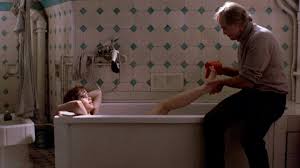
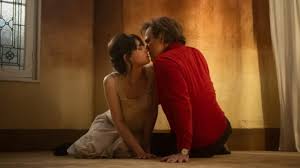
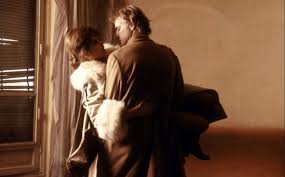
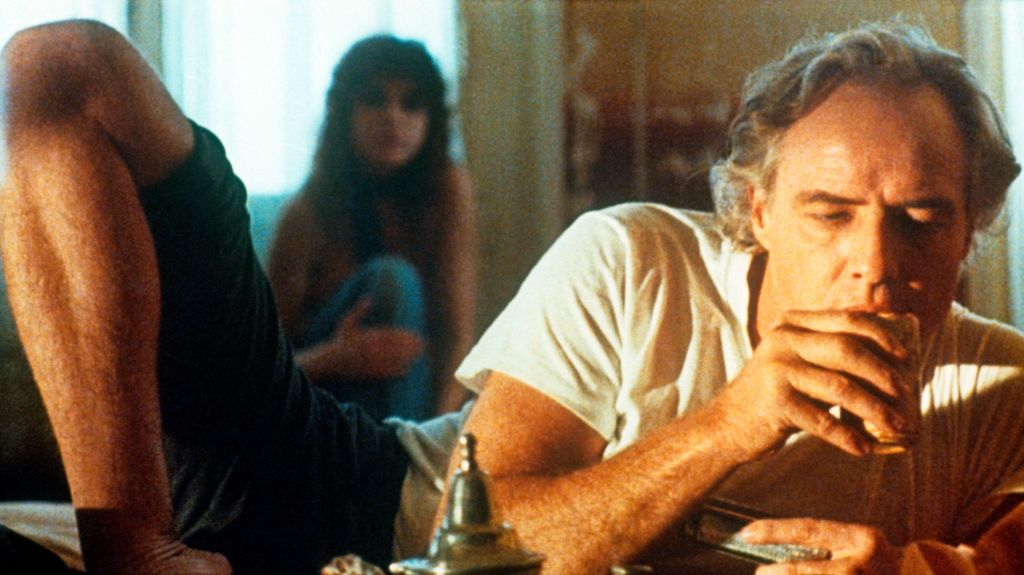
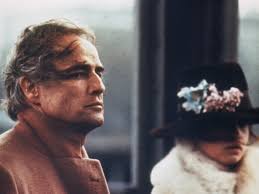
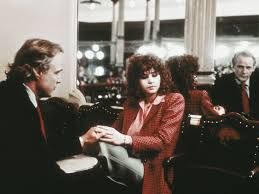
Few films have sparked as much controversy, admiration, and debate as Last Tango in Paris, directed by Bernardo Bertolucci and starring Marlon Brando and Maria Schneider. A film that exists at the intersection of raw emotional expression and cinematic provocation, Last Tango in Paris is an experience that continues to polarize audiences and critics alike. It is both a study of grief and alienation and a film notorious for its disturbing behind-the-scenes revelations. Regardless of one’s stance on its ethics, the film remains a landmark of 1970s cinema, blending improvisational acting with a bleak, existential outlook on love, sex, and human connection.
The film revolves around Paul (Marlon Brando), an American expatriate in Paris, who, in the wake of his wife’s suicide, enters a purely sexual relationship with Jeanne (Maria Schneider), a young Parisian woman engaged to a filmmaker. Their encounters take place in an empty apartment, where Paul imposes strict rules—no names, no personal histories, no attachments beyond the physical. The film charts their dynamic as Paul battles his own despair and Jeanne attempts to navigate both her independence and her attraction to the enigmatic, self-destructive stranger.
At its core, Last Tango in Paris is about isolation, grief, and the desperate attempt to find solace in another human being without the burdens of emotional entanglement. Paul, broken and hollow, uses sex as both an escape and a form of self-punishment, while Jeanne, initially complicit in the arrangement, gradually finds herself repelled by Paul’s cruelty and unraveling psyche. Bertolucci crafts a bleak meditation on the futility of love and the pain of human relationships, using the central affair as an allegory for emotional detachment and existential despair.
Marlon Brando delivers one of his most iconic and challenging performances, embodying Paul with an almost unbearable sense of rawness. His monologues—some of which were improvised—expose a man unraveling, burdened by his past and disgusted by his own desires. Brando’s performance is deeply personal, often blurring the line between character and actor, particularly in scenes where he channels his own experiences of grief and regret.
Maria Schneider, in contrast, brings vulnerability and youthful impulsiveness to Jeanne. However, her performance is forever overshadowed by the disturbing production methods used by Bertolucci and Brando. Schneider later spoke about how she felt manipulated and violated during filming, particularly in the infamous “butter” scene, which she was not fully informed about beforehand. Her performance, though impressive, is inseparable from the troubling context of her real-life trauma, making it difficult to assess purely from an artistic standpoint.
Bertolucci’s direction is both intimate and voyeuristic, capturing the raw intensity of the characters’ interactions through long takes, extreme close-ups, and fluid camerawork. Cinematographer Vittorio Storaro bathes the film in warm, melancholic tones, contrasting the claustrophobic apartment with the cold, indifferent city of Paris outside. The film’s visual style adds to its themes of isolation and emotional volatility, making the audience complicit in the characters’ unraveling.
Last Tango in Paris was met with both acclaim and outrage upon its release. It was banned in multiple countries, censored in others, and sparked international debates on obscenity in cinema. While many hailed it as a bold exploration of human sexuality and psychological torment, others viewed it as exploitative and degrading—particularly in light of Maria Schneider’s later revelations about her mistreatment on set.
In retrospect, Last Tango in Paris exists in a complicated space. As a film, it is undeniably powerful, fueled by extraordinary performances and daring storytelling. But ethically, it raises serious questions about the limits of directorial control and the responsibility filmmakers have toward their actors. Bertolucci’s admission that he deliberately withheld information from Schneider in order to elicit a “real” reaction underscores a troubling dynamic of power and consent in filmmaking.
Last Tango in Paris remains a difficult film to engage with. As a piece of cinema, it is deeply evocative, capturing the pain of grief and the desperation for human connection with brutal honesty. As a cultural artifact, it stands as a cautionary tale about artistic obsession crossing ethical boundaries. Whether one sees it as a masterpiece or a deeply flawed relic of a different cinematic era, its impact is undeniable.
Ultimately, the film’s legacy is one of both artistic brilliance and moral reckoning. It forces us to confront not just the characters’ emotions on screen but also the real-world consequences of filmmaking choices. It is an unforgettable experience—one that provokes, disturbs, and lingers in the mind long after the credits roll.
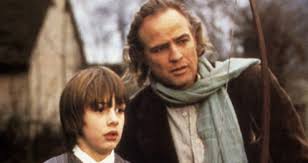
Featuring: Marlon Brando, Stephanie Beacham, Thora Hird and Harry Andrews
Peter Quint: “If you love someone, you want to kill them.”
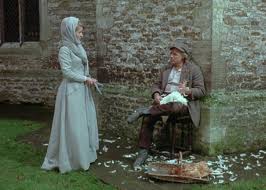
Released in 1971 and directed by Michael Winner, The Nightcomers serves as a prequel to Henry James’s novella The Turn of the Screw, exploring the events leading up to the ghostly happenings at Bly Manor. With Marlon Brando in the lead as the enigmatic and dangerous Peter Quint, the film attempts to unravel the dark psychological underpinnings of the characters who haunt James’s story. However, Winner’s approach transforms the source material into something far more visceral and controversial, blending psychological horror with overt eroticism and sadomasochistic undertones. While it may not capture the chilling subtlety of James’s work, The Nightcomers remains a provocative and unsettling piece of cinema.
The film is set in an isolated English manor, where orphans Flora (Verna Harvey) and Miles (Christopher Ellis) live under the care of their new governess, Miss Jessel (Stephanie Beacham), and the housekeeper Mrs. Grose (Thora Hird). The children’s wealthy uncle, disinterested in their upbringing, remains absent. Into this secluded world enters Peter Quint (Marlon Brando), the manor’s Irish groundskeeper, whose charismatic yet menacing presence soon becomes a dark influence on the children.
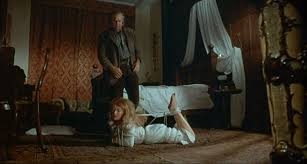
Quint’s relationship with Miss Jessel is a toxic blend of seduction and control, characterized by violent sexual encounters that the children witness. Quint’s philosophy, a bleak mix of nihilism and perverse freedom, captivates the impressionable Miles and Flora, who begin to emulate his behavior. As Quint tightens his psychological hold, the children’s innocence erodes, setting the stage for the haunting events of The Turn of the Screw.
Marlon Brando’s portrayal of Peter Quint is both magnetic and repulsive. Brando’s Irish accent may waver at times, but his ability to convey danger with disarming charm is compelling. His Quint is a complex antagonist—intelligent, brutal, and eerily childlike in his hedonism. Stephanie Beacham as Miss Jessel delivers a nuanced performance, capturing both the character’s vulnerability and her dark complicity in Quint’s world.
The child actors, Verna Harvey and Christopher Ellis, bring a disturbing innocence to their roles, convincingly portraying children who are gradually corrupted by Quint’s influence. Thora Hird, as Mrs. Grose, provides a grounded counterpoint to the mounting horror, her suspicion and helplessness palpable as she watches the household unravel.
Michael Winner’s direction leans heavily into the erotic and sadomasochistic aspects of the story, making The Nightcomers a deeply uncomfortable viewing experience. The explicitness of Quint and Jessel’s relationship, shown in a series of shockingly graphic scenes for the time, risks overshadowing the psychological horror. Winner’s tendency towards the sensational undermines the eerie ambiguity that made The Turn of the Screw a classic of supernatural fiction.
Nonetheless, the cinematography by Robert Paynter deserves praise. The use of natural lighting and the haunting English countryside create an atmosphere of decaying elegance and foreboding. The camera’s lingering shots of the manor’s dark corridors and mist-covered grounds add to the sense of isolation and inevitable doom.
The Nightcomers explores themes of corruption, power, and the loss of innocence. Peter Quint embodies a perverse mentor figure, seducing not just Miss Jessel but the children with his doctrines of freedom through cruelty. His influence warps the children’s perception of morality, leading them to reenact his violence in chilling ways
The film’s portrayal of sexuality is controversial and, at times, problematic. The sadomasochistic dynamics between Quint and Miss Jessel raise questions about consent and agency, muddying the narrative’s intent. Winner’s focus on these aspects feels more exploitative than enlightening, diminishing the psychological horror in favor of shock value.
Jerry Fielding’s score complements the film’s oppressive mood, using discordant strings and eerie silence to heighten tension. The minimalistic sound design allows for the natural creaks and whispers of the old manor to become unsettlingly prominent, making the setting itself a character in the story.
Upon release, The Nightcomers received mixed reviews, with critics divided over its explicit content and divergence from the subtle horror of Henry James’s novella. While some appreciated Brando’s fearless performance and the film’s audacious take on a literary classic, others criticized it for its luridness and lack of psychological nuance.
Over the years, however, the film has garnered a cult following for its boldness and Brando’s memorable turn as Quint. As a prequel, it offers a provocative, if flawed, exploration of the origins of Bly Manor’s haunting, transforming the ghosts of James’s story into the psychological scars left by trauma and abuse.
The Nightcomers is a disturbing and controversial prequel that dares to delve into the dark origins of The Turn of the Screw. While its emphasis on sadomasochistic themes may alienate some viewers, Marlon Brando’s chilling performance and the film’s oppressive atmosphere make it a haunting examination of corruption and innocence lost. It may not capture the eerie subtlety of its source material, but as a study of psychological horror, it remains an unforgettable, if deeply unsettling, experience
Featuring: Marlon Brando, Richard Boone, Rita Moreno and Pamela Franklin
Chauffeur: [to Leer] “I don’t want you to hurt the girl; I don’t want you to touch her. If I come back and I find out that she’s not all right, I’m gonna take that burp gun and I’m gonna jam it up your nose… and I’m gonna pull the trigger ’til it doesn’t work any more.”
The Night of the Following Day is a psychological crime thriller directed by Hubert Cornfield and released in 1969. The film, based on Lionel White’s novel The Snatchers, is a dark and atmospheric tale of a kidnapping that spirals into betrayal, violence, and psychological torment. Despite a mixed reception upon release, largely due to its unconventional narrative structure and bleak tone, the film has gained a certain cult status over the years, appreciated for its gritty realism and the complex performances of its cast, particularly Marlon Brando.
This review will delve into the plot intricacies, thematic undertones, performances, and the technical aspects that make The Night of the Following Day a fascinating, if flawed, entry in the crime thriller genre.
The film opens with a seemingly serene scene at an airport in France, where a young heiress (played by Pamela Franklin) arrives, unaware of the dark fate awaiting her. She is swiftly kidnapped by a group of criminals led by a brooding and enigmatic chauffeur, Bud (Marlon Brando). Accompanying him are Vi (Rita Moreno), his troubled lover, Leer (Richard Boone), a sadistic and unhinged accomplice, and a jittery partner named Wally (Jess Hahn). The group takes the girl to a remote beachfront house, intending to ransom her back to her wealthy father.
However, as the hours pass, the plan begins to unravel. Distrust and paranoia infest the group, exacerbated by Leer’s growing instability and Vi’s emotional collapse. Bud, who seems increasingly disillusioned by the criminal life, becomes a reluctant guardian to the captive, displaying a conflicted morality that stands in stark contrast to Leer’s violent tendencies. The film’s tension builds as the characters turn on each other, leading to a harrowing climax that questions the nature of guilt, betrayal, and the futility of violence.
At the heart of The Night of the Following Day is Marlon Brando’s performance as Bud. Brando, often known for his intense and raw portrayals, delivers a subdued yet powerful performance, conveying a man torn between apathy and a lingering conscience. His portrayal is notable for its restraint; Bud speaks little, but Brando’s eyes and body language reveal a storm of conflicting emotions.
One of the film’s most memorable scenes is a silent exchange between Bud and the captive heiress, where Brando’s gaze shifts from indifference to a flicker of protective instinct. His ability to communicate so much without words elevates the film’s tension and deepens the moral ambiguity of his character.
Richard Boone’s performance as Leer is equally compelling, serving as a foil to Brando’s subdued menace. Boone infuses Leer with a frightening unpredictability, a man barely holding back his sadistic impulses. His interactions with Brando are electric, creating a palpable sense of danger within the group.
Rita Moreno’s portrayal of Vi, a drug-addicted accomplice drowning in guilt, adds an additional layer of tragedy to the story. Her scenes, particularly those depicting her struggle with addiction and guilt, are heart-wrenching and highlight the personal toll of the criminal life. Pamela Franklin, as the kidnapped heiress, effectively captures a mix of fear and resilience, making her plight genuinely affecting.
One of the most striking elements of The Night of the Following Day is its atmosphere. Cinematographer Willy Kurant captures the bleak beauty of the French coast with a muted color palette that mirrors the moral grayness of the characters. The beachfront house, isolated and surrounded by crashing waves, becomes a character in itself—both a prison and a purgatory for the captors and their victim.
The use of natural lighting and shadow is particularly effective in heightening the sense of claustrophobia and inevitability. Night scenes, lit only by dim lamps or flickering matches, create an eerie ambiance that lingers long after the credits roll.
Thematically, the film explores the corrosive effects of guilt and the moral decay that accompanies a life of crime. Each character embodies a different response to guilt—Bud’s silence, Vi’s addiction, and Leer’s escalating violence. The titular reference to “the night of the following day” can be interpreted as a metaphor for the consequences that inevitably follow immoral actions, no matter how carefully planned.
The ocean, ever-present in the background, serves as a symbol of the inescapable nature of guilt and fate. The characters are often framed against the crashing waves, emphasizing their isolation and the inevitability of their downfall.
Hubert Cornfield’s direction, though sometimes criticized for its uneven pacing, deserves recognition for its daring. The film’s structure is unconventional, with long, dialogue-free sequences that rely on visual storytelling. While this may frustrate viewers expecting a more straightforward thriller, it creates a meditative quality that sets the film apart from typical crime dramas of the era.
However, the pacing can occasionally falter, particularly in the second act, where the tension dips amidst scenes that linger a bit too long on the captors’ psychological unraveling. A tighter edit might have enhanced the film’s suspense without losing its reflective tone.
The film’s ending is perhaps its most polarizing aspect. In a twist that leaves audiences questioning the nature of reality within the story, the narrative shifts abruptly, suggesting that much of what transpired may have been a dream or hallucination. This ambiguity, while thematically resonant, risks alienating viewers who prefer a more concrete resolution.
Upon closer inspection, however, the ending can be seen as a commentary on the inescapable nature of guilt. The cyclical structure suggests that no matter how one tries to escape or justify their actions, they are doomed to relive the consequences in one form or another.
Upon its release in 1969, The Night of the Following Day received a mixed response from critics and audiences alike. Some appreciated its brooding atmosphere and psychological depth, while others were frustrated by its ambiguous storytelling and slow pacing. The film’s unconventional approach, particularly its controversial ending, was a significant point of contention. Many viewers were left puzzled or dissatisfied, expecting a more straightforward crime thriller.
However, in the decades that followed, the film has garnered a cult following, with contemporary critics reassessing its merits. Marlon Brando’s restrained yet powerful performance is now widely regarded as one of the film’s greatest strengths, showcasing his ability to convey inner conflict with minimal dialogue. Similarly, Richard Boone’s portrayal of the sadistic Leer has been re-evaluated as a chilling and effective counterpoint to Brando’s morally conflicted Bud.
Film scholars have also highlighted Hubert Cornfield’s direction as ahead of its time, with his use of naturalistic lighting and handheld camera work prefiguring the gritty realism that would come to define 1970s American cinema. The film’s exploration of guilt, identity, and the inescapable consequences of violence resonates more profoundly today, making it a fascinating time capsule of its era’s anxieties and moral ambiguities.
One of the most intriguing aspects of The Night of the Following Day is its clear influence from the film noir tradition. The stark moral dichotomies, doomed characters, and shadow-laden cinematography are all hallmarks of noir, reimagined here in the context of a 1960s European setting. The film’s portrayal of the kidnapping as a scheme destined to fail, primarily due to the characters’ flaws and mistrust, echoes the fatalistic tone of classic noirs like Double Indemnity and The Killing.
The character of Bud, in particular, can be seen as a noir antihero—world-weary, morally ambiguous, and ultimately doomed by his own attempts to reconcile his actions with a flickering sense of morality. His internal struggle, captured so vividly by Brando’s understated performance, elevates the film beyond a simple crime story into a meditation on guilt and redemption.
The score, composed by Stanley Myers, adds another layer of complexity to the film’s atmosphere. Alternating between tense, dissonant strings and eerily serene melodies, the music mirrors the psychological turmoil of the characters. The use of silence is equally effective; several key scenes unfold without any musical accompaniment, heightening the realism and allowing the natural sounds—the crash of waves, the whisper of wind—to enhance the sense of isolation and dread.
One particularly notable scene involves Vi (Rita Moreno) alone in the beach house, struggling with her guilt and addiction. The absence of music, combined with Moreno’s raw portrayal of despair, creates an almost unbearable tension. This minimalist approach to sound design emphasizes the film’s bleak tone and reinforces the sense of inescapable fate that hangs over the characters.
At its core, The Night of the Following Day is less concerned with the mechanics of the kidnapping plot and more with the moral disintegration of its characters. The film’s refusal to provide clear moral distinctions between the captors creates a sense of moral vertigo that keeps the audience off-balance. Each character’s motivations are shaded with ambiguity—Bud’s protective instincts toward the hostage seem genuine, yet his complicity in the crime makes him culpable; Vi’s remorse is palpable, but her addiction renders her unreliable; and even the hostage herself, though innocent, becomes a symbol of the moral corruption that has ensnared them all.
The film’s bleak outlook can be interpreted as an existential commentary on the human condition. The characters’ actions seem dictated by forces beyond their control—greed, guilt, desperation—trapping them in a cycle of violence and betrayal. The open-ended conclusion reinforces this existential despair, suggesting that even if the immediate crisis were resolved, the characters would remain prisoners of their own guilt and past actions.
The French coastal setting is not merely a backdrop but a vital part of the film’s thematic structure. The sea, vast and indifferent, reflects the characters’ sense of isolation and the futility of their actions. The beach house, with its shuttered windows and claustrophobic interiors, serves as a metaphorical prison—both for the captive heiress and for the captors themselves, who find their plans unraveling within its walls.
Cornfield’s direction makes extensive use of mirrors and reflections, subtly reinforcing the theme of duality and the fractured identities of the characters. One memorable shot features Bud gazing at his own reflection, the fractured image symbolizing his internal conflict and moral ambiguity. Such visual motifs deepen the film’s exploration of identity and self-deception, suggesting that the real prison is not the physical house but the guilt and disillusionment that haunt the characters.
Marlon Brando’s portrayal of Bud invites comparisons to some of his other iconic antiheroes, such as Terry Malloy in On the Waterfront and Colonel Kurtz in Apocalypse Now. Like Terry, Bud is a man burdened by guilt and torn between self-preservation and doing what he knows is right. However, where Terry ultimately finds a path to redemption, Bud seems trapped in a cycle of moral compromise and despair.
This portrayal can also be seen as a precursor to the morally ambiguous protagonists that would dominate 1970s cinema, embodying a shift away from clear-cut heroes and villains to more complex, psychologically tormented characters. Brando’s ability to imbue Bud with both menace and vulnerability adds a tragic dimension to the character, making him one of the more nuanced figures in Brando’s filmography.
The Night of the Following Day is a flawed yet fascinating thriller that lingers in the mind. Its exploration of guilt, betrayal, and moral ambiguity, combined with strong performances and a suffocating atmosphere, make it a unique entry in the crime genre. While not without its shortcomings—particularly its uneven pacing and ambiguous ending—the film’s strengths lie in its refusal to offer easy answers or neat resolutions.
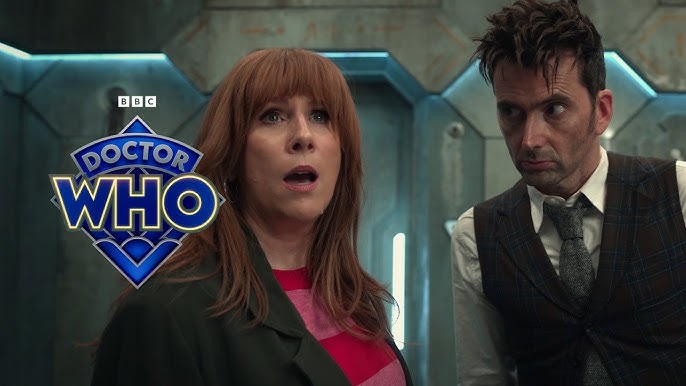
The Doctor:“I really do remember, though. Every second with you. I’m so glad you’re back, ’cause it killed me, Donna. It killed me, it killed me, it killed me.”
Donna Noble:“We can have more days, can’t we? I mean, why is it such a big goodbye with you? Why is it one last trip? Cos you could visit with my family. We could do outrageous things, like have tea, or dinner, and a laugh. And Rose’s school play. Well, maybe not that. She can’t act. She’s terrible. I don’t know how to tell her. But the point is, you’ve been given a second chance. You can do things different this time. So why don’t you do something completely new, and have some friends?”
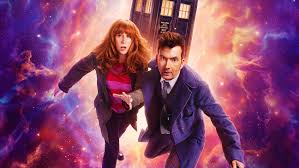
The 60th Anniversary Specials of Doctor Who are a love letter to fans, a thrilling adventure through time and space, and a powerful statement that the series still has so much to offer. Under the guidance of returning showrunner Russell T Davies, the specials not only celebrate the show’s storied past but also lay the groundwork for an exciting future. With David Tennant back as the Fourteenth Doctor and Catherine Tate reprising her role as Donna Noble, these episodes are a masterclass in balancing nostalgia with innovation.
The trilogy of specials — “The Star Beast,” “Wild Blue Yonder,” and “The Giggle” — weave together a narrative that is both epic in scope and deeply personal. The story opens with “The Star Beast,” introducing us to a new yet familiar Doctor struggling with his unexpected regeneration. The choice to bring back David Tennant as the Fourteenth Doctor is not just fan service; it’s a bold move that pays off. Tennant’s portrayal brilliantly captures the confusion and raw energy of a Time Lord caught between identities. His chemistry with Catherine Tate is instantly rekindled, offering a mix of humor, heart, and the occasional gut-punch of emotion.
The reintroduction of Donna Noble is both joyous and poignant. The plot’s focus on Donna’s memory loss and the potential consequences of her remembering the Doctor adds a ticking time bomb element that keeps the tension high. Yasmin Finney’s portrayal of Rose Noble, Donna’s daughter, is a standout. Her character is given depth and agency, seamlessly integrating into the Whoniverse.
“Wild Blue Yonder” takes a darker turn, embracing elements of psychological horror and isolation. Stranded in a desolate outpost at the edge of the universe, the Doctor and Donna face a chilling mystery involving doppelgängers and existential threats. This episode’s claustrophobic atmosphere and moral complexity evoke the best of the Davies and Moffat eras, proving that Doctor Who can still terrify as well as inspire.
Finally, “The Giggle” brings everything to a head with the return of Neil Patrick Harris as the Toymaker. Harris delivers a deliciously sinister performance, combining theatrical menace with a genuine sense of danger. The Toymaker’s reality-warping powers lead to some of the most visually inventive sequences in the show’s history. The climax is both satisfying and heartbreaking, with the Doctor forced to make impossible choices that resonate with the core themes of sacrifice and redemption.
David Tennant’s return is nothing short of spectacular. He effortlessly transitions between the exuberance of his Tenth Doctor and the darker, more reflective tones of his new incarnation. His scenes with Catherine Tate are electric, blending sharp wit with moments of profound sadness. Tate’s Donna is as brilliant as ever, her humor and defiance masking the tragedy of her situation.
Yasmin Finney’s Rose brings a fresh energy to the specials. Her interactions with Tennant and Tate are natural and compelling, hinting at a larger role in the future. Neil Patrick Harris steals every scene he’s in, his portrayal of the Toymaker managing to be campy yet genuinely menacing.
Russell T Davies’ writing is sharp, emotionally resonant, and unafraid to tackle big ideas. The specials explore themes of identity, memory, and the weight of one’s actions, all while delivering classic Doctor Who thrills. Davies’ ability to juggle these elements without losing sight of character is a testament to his storytelling prowess.
The direction is equally impressive, with each episode having a distinct visual style. The use of practical effects alongside CGI is seamless, and the action sequences are kinetic without overshadowing the story. Murray Gold’s return as composer is a blessing; his score elevates every scene, blending iconic motifs with new themes that capture the epic scale of the specials.
The specials are packed with callbacks and Easter eggs for longtime fans, but they never feel gratuitous. Whether it’s a throwaway line referencing Gallifrey or a subtle musical cue, these moments enrich the story rather than distract from it. The inclusion of past companions and the revisiting of unresolved plot threads from Tennant’s original run feel organic and earned.
The final moments of “The Giggle” offer a tantalizing glimpse of what’s to come. Ncuti Gatwa’s brief but impactful debut as the Fifteenth Doctor is thrilling, his charisma and energy a promising sign for the future of the series. The seamless regeneration scene, coupled with the cryptic hints about a new threat, leaves fans eagerly anticipating the next chapter.
One of the most impressive aspects of the 60th Anniversary Specials is their exploration of identity and the cost of memory. The Doctor’s struggle to understand why he has returned to a familiar face serves as a metaphor for wrestling with one’s past. This thematic thread is beautifully mirrored in Donna’s arc. Her journey—from a life unknowingly shaped by forgotten heroism to the painful realization of her past with the Doctor—is both heartbreaking and uplifting. The exploration of memory as both a gift and a curse adds layers of depth to the story, making the emotional beats hit harder.
The specials also touch on the concept of legacy. The Doctor’s influence on the universe, and the ripple effects of their actions, are scrutinized. The Toymaker’s taunts about the Doctor’s destructive tendencies and the inevitable consequences of their choices force the Doctor to confront uncomfortable truths. This self-reflection feels earned and adds a sense of maturity to Tennant’s portrayal, distinguishing the Fourteenth Doctor from his previous incarnation.
Beyond the main trio, the supporting cast shines. Jacqueline King as Sylvia Noble is given moments of genuine pathos, transforming her character from comic relief to a symbol of a mother’s love and sacrifice. Her scenes with Donna are some of the most emotionally charged in the specials, capturing the pain of a parent watching their child suffer without being able to help.
Karl Collins returns as Shaun Temple, providing a grounded, everyman perspective that balances the high-concept sci-fi elements. His support for Donna and Rose is heartfelt, making the Noble family dynamics feel authentic and relatable.
The introduction of Shirley Anne Bingham (played by Ruth Madeley), a UNIT scientist who assists the Doctor, is another highlight. Her intelligence, wit, and determination make her an instantly likable addition, and her interactions with the Doctor hint at a potential recurring role in the series.
Visually, the specials are a feast. The production values are noticeably higher, with slicker CGI, detailed set designs, and a more cinematic approach to direction. The scenes in “Wild Blue Yonder,” with their eerie, sterile environments and tense lighting, are particularly striking. The Toymaker’s reality-warping lair in “The Giggle” is a surreal blend of nightmare and carnival, with practical effects and inventive CGI blending seamlessly.
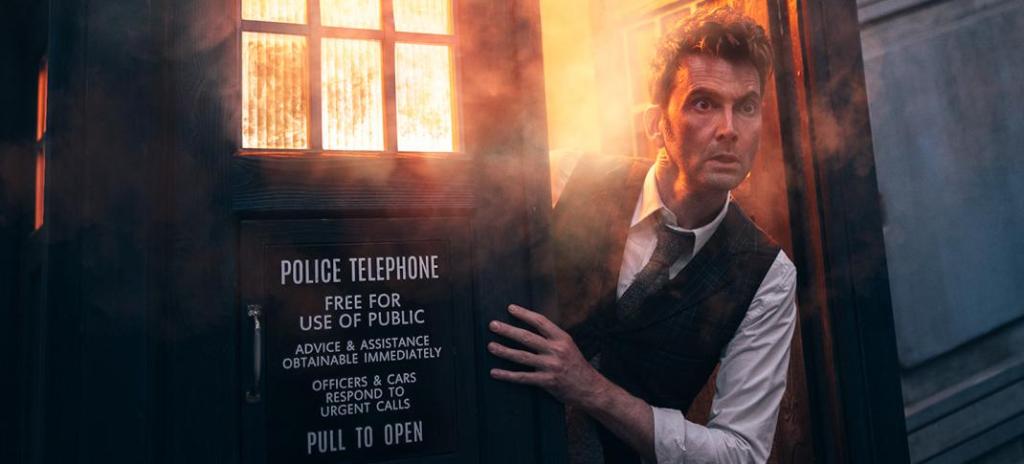
The TARDIS interior has been given a slight redesign, featuring warmer tones and a balance of the organic and mechanical elements that defined the Davies era. It’s both a nostalgic callback and a fresh take, much like the specials themselves.
Murray Gold’s return as composer cannot be overstated. His score is as much a character as the Doctor or Donna. From the triumphant brass in action sequences to the delicate piano motifs underscoring emotional moments, the music enhances every scene. The reimagining of classic themes—such as “Doomsday” and “The Doctor’s Theme”—provides a sense of continuity, while new compositions, particularly Rose’s theme, suggest a bold new direction for the series.
Fan service in long-running franchises can be a double-edged sword, but the 60th Anniversary Specials handle it with remarkable finesse. Cameos and references are woven organically into the plot rather than feeling like checkboxes on a list. The return of classic monsters, including the Meep from “The Star Beast,” is used to explore new facets of the Doctor’s character rather than relying on pure nostalgia.
One particularly moving moment is the holographic message left by the Tenth Doctor for Donna, which serves as both a callback and a catalyst for her memory to resurface. It’s a brilliant example of how to balance fan service with genuine emotional impact.
No celebration is without its flaws, and the specials do have a few. The pacing in “The Giggle” occasionally falters, particularly during some of the more exposition-heavy scenes involving the Toymaker’s plan. While Neil Patrick Harris’ performance is stellar, the resolution of his arc feels somewhat rushed, leaving questions about his origins and motivations unanswered. However, given the hints that the Toymaker might return, this could be intentional.
Additionally, some fans might find the reliance on past companions and villains a bit too comfortable, craving newer threats and faces. However, considering the anniversary context, these choices feel more like a deliberate tribute than a crutch.
In many ways, these specials encapsulate the best of Doctor Who: the whimsy, the horror, the heartbreak, and the hope. Russell T Davies has proven that his understanding of the show’s core—its ability to tell deeply human stories through a sci-fi lens—is as sharp as ever. By giving closure to lingering storylines while opening doors for the future, the specials serve as both an ending and a beginning.
The regeneration scene, blending Tennant’s era-defining catchphrases with Ncuti Gatwa’s infectious energy, feels like a passing of the torch in the most satisfying way. Gatwa’s brief appearance teases a Doctor who is unpredictable, joyful, and ready to shake things up.
The Doctor Who 60th Anniversary Specials are a triumph, balancing nostalgia with forward momentum. Russell T Davies has managed to craft a story that honors the past while fearlessly embracing the future. With stellar performances, sharp writing, and a profound emotional core, these specials are a reminder of why Doctor Who has endured for six decades. If the next era is anything like this, the TARDIS is in very good hands indeed.
Created by: Todd A. Kessler, Glenn Kessler and Daniel Zelman
Featuring: Glenn Close, Rose Byrne, Željko Ivanek, Noah Bean, Tate Donovan, Ted Danson, Anastasia Griffith, Marcia Gay Harden, Timothy Olyphant, William Hurt, Campbell Scott, Martin Short, Dylan Baker, John Goodman and Ryan Phillippe
Martin Cutler: “If you were a man I’d kick the living dog-shit out of you.”
Patty Hewes: “If you were a man I’d be worried.”
Damages is a legal thriller that dives deep into the murky waters of morality, power, and ambition. Created by Todd A. Kessler, Glenn Kessler, and Daniel Zelman, the series aired for five seasons, exploring the twisted paths of law and justice through the eyes of its main characters: the ruthless high-stakes litigator Patty Hewes (Glenn Close) and her protégé-turned-adversary Ellen Parsons (Rose Byrne). The show is a masterclass in storytelling, blending legal drama with psychological thrills, and its unique structure—employing intricate flashbacks and non-linear timelines—keeps viewers perpetually on edge.
At its core, Damages revolves around the high-stakes world of corporate law, where morality is often sacrificed at the altar of victory. Each season presents a new case, but the overarching narrative is the evolving and volatile relationship between Patty and Ellen.
The series opens with a murder mystery: Ellen Parsons, covered in blood, stumbles through the streets of New York. From this shocking scene, the show jumps back six months earlier, unraveling how Ellen, a fresh law school graduate, became entangled in the web of Patty Hewes—a lawyer known for her willingness to win at any cost.
The first season’s main case involves Arthur Frobisher (Ted Danson), a billionaire accused of fraud and insider trading. As Patty and her team take on Frobisher, the lines between justice and vengeance blur. The flash-forward technique creates a puzzle-like narrative, revealing pieces slowly, making each episode a crucial part of the larger picture.
Glenn Close’s portrayal of Patty Hewes is nothing short of electrifying. Patty is manipulative, brilliant, and terrifyingly ruthless. She embodies a paradox—fighting for justice while employing morally ambiguous methods. Her complex motivations, stemming from a need to control and dominate, make her one of television’s most compelling antiheroes.
Patty’s relationship with her son, Michael, and her tumultuous past add layers to her character, revealing a woman who is as vulnerable as she is formidable. The series continually challenges viewers to decide whether Patty is a hero, a villain, or something in between.
Rose Byrne’s evolution as Ellen Parsons is equally impressive. Initially, Ellen appears as an idealistic and naive lawyer, eager to make a difference. However, under Patty’s tutelage—and through a series of betrayals and personal losses—Ellen transforms into a hardened, strategic player capable of outmaneuvering even Patty. Ellen’s quest for justice becomes increasingly personal, culminating in a power struggle that is as emotional as it is strategic.
The shifting dynamics between Ellen and Patty form the emotional core of the series, exploring themes of trust, betrayal, and the cost of ambition.
Damages excels not just in its lead characters but also in its supporting cast. Ted Danson’s Arthur Frobisher, a billionaire with a penchant for self-preservation, is both despicable and pitiable. Zeljko Ivanek’s portrayal of Ray Fiske, a tortured attorney grappling with loyalty and guilt, earned him a well-deserved Emmy. His tragic arc in the first season remains one of the most haunting elements of the series.
The show’s later seasons introduced equally compelling antagonists, such as John Goodman’s religiously motivated businessman and Ryan Phillippe’s mysterious whistleblower. Each character adds a unique flavor to the narrative, ensuring that no season feels repetitive or stale
Damages dissects the American legal system, exposing its vulnerabilities and the ease with which power can corrupt. It delves into themes of revenge, justice, and moral compromise, often posing difficult questions: Does the end justify the means? Can justice ever truly be served without a cost?
The series also explores the personal toll of ambition. Patty’s sacrifices—including her relationships and even her humanity—underscore the loneliness that accompanies her quest for power. Ellen’s journey, meanwhile, reflects the loss of innocence and the transformative impact of trauma and betrayal.
The writing in Damages is meticulously crafted, with each episode peeling back layers of the central mystery. The show’s signature use of flash-forwards is not merely a gimmick but a storytelling technique that enhances suspense. The audience, aware of the outcome but not the cause, is compelled to unravel the mystery alongside the characters.
However, the show’s complexity can occasionally be a double-edged sword. Some viewers may find the dense plotting and shifting timelines overwhelming, particularly in the later seasons. The fifth and final season, while providing closure, also polarizes audiences with its more introspective and subdued tone.
The visual style of Damages complements its dark themes. The muted color palette, combined with stark lighting, evokes a noir atmosphere that mirrors the moral ambiguity of its characters. The use of close-ups emphasizes the psychological tension, making even the quietest scenes feel fraught with danger.
The soundtrack, with its haunting melodies and minimalist score, heightens the suspense. The opening credits, featuring ominous music and abstract imagery, set the tone for the morally complex journey ahead.
While Damages has been lauded for its intricate plotting and strong performances, it has not been without criticism. Some argue that the series’ reliance on flash-forwards and convoluted plot twists can feel overly complex, demanding a level of attention that casual viewers may find taxing. Additionally, certain plotlines—especially in the middle seasons—occasionally veer into melodrama, risking a loss of the grounded realism that defines its best moments.
Despite these flaws, the show’s ambitious storytelling and willingness to embrace moral ambiguity set it apart from standard legal dramas.
Damages left an indelible mark on the legal thriller genre, paving the way for shows that blend procedural elements with serialized storytelling. Its influence can be seen in series like Suits and The Good Wife, which borrow elements of its moral complexity and character-driven narratives.
Glenn Close’s performance, earning two Emmy Awards, is arguably one of the greatest in television history, bringing a Shakespearean gravitas to Patty Hewes. Rose Byrne’s transformation throughout the series is equally commendable, proving that Damages was as much about the apprentice surpassing the master as it was about the law.
In the end, Damages is a searing examination of power, ethics, and the cost of winning. It challenges viewers to reflect on the nature of justice and the lengths to which people will go to secure it. With its complex characters, moral dilemmas, and a narrative that demands full attention, Damages is not just a legal thriller—it is a profound meditation on the darkness that resides in us all.
For those who appreciate morally ambiguous characters, intricate plotting, and a willingness to confront the darker sides of human nature, Damages is an essential watch.
Featuring: Richard Webb, Aline Towne, Lane Bradford, Stanley Price, John Crawford and George Meeker
CHAPTER TITLES:1. Slaves of the Phantom; 2. The Acid Clue; 3. The Death Car; 4. Highway Holocaust; 5. Bridge to Eternity; 6. Ordeal by Fire; 7. Murder Train; 8. Window of Peril; 9. Trail to Destruction; 10. High-Voltage Danger; 11. Death’s Highway; 12. The Phantom Meets Justice.
Republic Pictures was a powerhouse of action-packed serials in the golden age of movie serials, and The Invisible Monster (1950) is one of its lesser-known but intriguing entries. Clocking in at 12 chapters, this science-fiction/crime hybrid delivers on the studio’s trademark mix of thrills, stunts, and outlandish plots. Though not one of Republic’s finest serials, it offers enough charm, absurdity, and cliffhangers to keep serial enthusiasts entertained.
The story follows the exploits of an evil mastermind known only as “The Phantom Ruler” (played by Stanley Price), who has developed a unique chemical that, when applied to clothing, renders the wearer invisible. He uses this power to orchestrate a campaign of terror, recruiting criminals to help him execute a series of heists and eliminate those who stand in his way. His ultimate goal? To amass enough wealth to create an army of invisible soldiers and take control of the country.
Standing in his way is federal agent Lane Carson (Richard Webb), who, along with intrepid reporter Carol Richards (Aline Towne), works tirelessly to thwart the Phantom Ruler’s schemes. Through a series of chases, fights, and close calls, Carson and Richards attempt to unravel the mystery behind the invisible criminal and put an end to his reign of terror.
Classic Republic Action: Republic serials were known for their dynamic stuntwork, and The Invisible Monsterdelivers in that regard. Fistfights, car chases, and rooftop pursuits punctuate the action, with the usual high-energy editing and pacing that keep the story moving.
Entertaining Absurdity: The central premise of an invisible villain trying to take over the country is wonderfully ludicrous, which is part of the charm. The budgetary limitations force Republic to use creative techniques, such as floating guns and objects being manipulated by wires, to suggest the presence of an invisible character.
Effective Cliffhangers: Like any good serial, each chapter ends with an over-the-top perilous situation, ensuring that audiences of the time would return to see the resolution. While some cliffhangers are predictable, others are genuinely creative.
The Weaknesses:
Budget Limitations: The invisibility effect is achieved through simple means, such as cutting away from the action, using wires, and inserting reaction shots. While this was a practical necessity, it makes the central gimmick feel less convincing.
Repetitive Plot Structure: As with many serials, The Invisible Monster suffers from a repetitive cycle: Carson investigates, fights henchmen, nearly gets killed, and escapes—only for the Phantom Ruler to hatch yet another variation of the same plan. While this was expected of serials, modern audiences may find the repetition tiresome.
Weak Characterization: The characters are fairly one-dimensional. Richard Webb is serviceable as the square-jawed hero, but Lane Carson lacks much personality beyond being a dutiful federal agent. Aline Towne’s Carol Richards is more proactive than some serial heroines, but she still spends much of the time either reporting on events or getting captured.
The Invisible Monster is not one of Republic’s standout serials, but it’s a fun example of the studio’s formulaic but entertaining approach to filmmaking. While the special effects are primitive and the plot is highly predictable, the serial retains a certain charm for fans of classic B-movie thrills. It represents the dying days of the serial format, which would soon be eclipsed by television’s rise in the 1950s.
For those interested in vintage cliffhangers, The Invisible Monster is worth a watch. It might not reach the heights of The Adventures of Captain Marvel or Spy Smasher, but its mix of invisible villainy, over-the-top action, and Republic’s signature energy make it an enjoyable, if flawed, relic of its era.
“The Adventures of Priscilla, Queen of the Desert” (1994)
Comedy
Running Time: 103 minutes
Written and directed by: Stephan Elliott
Featuring: Terence Stamp, Hugo Weaving, Guy Pearce and Bill Hunter
Bernadette: [to Shirley] “Now listen here, you mullet. Why don’t you just light your tampon, and blow your box apart? Because it’s the only bang you’re ever gonna get, sweetheart!”
Few films capture the spirit of flamboyance, resilience, and self-acceptance as beautifully as The Adventures of Priscilla, Queen of the Desert. Released in 1994 and directed by Stephan Elliott, this Australian road movie remains a cultural landmark, blending humor, heart, and groundbreaking LGBTQ+ representation with dazzling visuals and unforgettable performances. Starring Terence Stamp, Hugo Weaving, and Guy Pearce, the film follows the journey of three drag performers as they traverse the Australian Outback in their lavender-hued bus, Priscilla. Along the way, they encounter prejudice, camaraderie, and personal revelations, making for an unforgettable cinematic experience.
The film’s premise is deceptively simple: two drag queens, Tick/Mitzi (Hugo Weaving) and Adam/Felicia (Guy Pearce), and a transgender woman, Bernadette (Terence Stamp), travel from Sydney to Alice Springs to perform a drag show. Tick, the unofficial leader of the trio, secretly accepts the gig as a means of reconnecting with his estranged wife and son. What follows is a journey filled with both joyous and challenging moments, as the three characters confront their pasts, navigate an often-hostile landscape, and celebrate their identities with unshakable pride.
The film thrives on its road trip structure, using the vast, desolate beauty of the Australian Outback to create a striking contrast with the extravagant costumes and personalities of its protagonists. The cinematography by Brian J. Breheny captures both the grandeur of the landscape and the intimate struggles of the characters, making for a film that is visually arresting and emotionally resonant.
One of Priscilla’s greatest strengths is its cast. Terence Stamp delivers a career-defining performance as Bernadette, a transgender woman who is both poised and world-weary. Her character exudes dignity, wisdom, and vulnerability, and Stamp plays her with a quiet grace that was groundbreaking at the time. Unlike many portrayals of transgender characters in earlier films, Bernadette is never reduced to a stereotype; she is complex, fiercely independent, and deeply human.
Hugo Weaving, best known for later roles in The Matrix and The Lord of the Rings, brings warmth and nuance to Tick/Mitzi, a drag queen struggling with his responsibilities as a father. Tick’s arc is perhaps the most emotionally rewarding, as he transitions from self-doubt to self-acceptance over the course of the film. His relationship with his young son, Benji, is a highlight, showcasing a rare and positive depiction of LGBTQ+ parenthood.
Guy Pearce, in one of his earliest major roles, is a revelation as Adam/Felicia, the brash, unapologetic, and mischievous young queen. Adam’s reckless confidence and sharp wit provide much of the film’s humor, but he also experiences moments of vulnerability, particularly in a harrowing scene involving homophobic violence. Pearce’s performance is electric, embodying both the exuberance and the dangers of being openly queer in a hostile world.
In the early 1990s, mainstream films rarely featured LGBTQ+ protagonists, let alone as the central focus of a major motion picture. Priscilla not only placed drag culture and transgender identity front and center but did so in a way that was both celebratory and unflinching. The film acknowledges the discrimination and violence faced by its characters, but it never loses its sense of joy and empowerment.
One of the most powerful aspects of Priscilla is how it normalizes its characters’ identities without reducing them to their struggles. Bernadette, Tick, and Adam are not defined by their queerness; they are individuals with dreams, flaws, and strengths. The film doesn’t shy away from depicting homophobia, but it also balances these moments with scenes of acceptance, such as when Tick’s son welcomes him with open arms, showing that love and understanding can transcend societal prejudice.
Of course, no review of The Adventures of Priscilla, Queen of the Desert would be complete without discussing its legendary costumes. Designed by Lizzy Gardiner and Tim Chappel, the film’s wardrobe is nothing short of spectacular. From the iconic silver flip-flop dress to the extravagant feathered headdresses, the costumes are a dazzling explosion of creativity and self-expression. Their work was so impressive that it won the Academy Award for Best Costume Design, solidifying Priscilla’s place in the pantheon of great cinematic fashion moments.
The film’s soundtrack is another highlight, featuring anthems from disco legends like ABBA, Gloria Gaynor, and The Village People. These songs serve as both a celebration of queer culture and a reflection of the characters’ emotional journeys. Whether it’s the euphoric energy of “I Will Survive” or the poignant melancholy of “Save the Best for Last,” the music elevates the film’s already rich emotional tapestry.
Since its release, The Adventures of Priscilla, Queen of the Desert has achieved cult classic status and remains one of the most beloved LGBTQ+ films of all time. It paved the way for greater representation in cinema, inspiring later works like To Wong Foo, Thanks for Everything! Julie Newmar (1995) and the stage adaptation Priscilla, Queen of the Desert – The Musical.
The film also played a crucial role in shifting perceptions of drag and transgender identity in popular culture. While some aspects of its portrayal might be considered dated today, particularly in the way Bernadette’s gender identity is discussed, Priscilla was undeniably ahead of its time in portraying LGBTQ+ characters with depth, dignity, and humanity.
The Adventures of Priscilla, Queen of the Desert is more than just a road trip comedy; it is a heartfelt, visually stunning, and culturally significant masterpiece. With its unforgettable characters, stunning costumes, and uplifting message of self-acceptance, it continues to resonate with audiences decades after its release.
Whether you’re drawn to its outrageous humor, its emotional depth, or its trailblazing LGBTQ+ representation, Priscillais a film that deserves to be celebrated and revisited. In a world that still struggles with acceptance, its message of resilience, love, and unapologetic self-expression remains as vital as ever.
Special Features and Technical Specs:
Disc One: 4K UHD
Dolby Vision presentation on 4K UHD, restored from the original 35mm negative by Imprint Films
Audio Commentary by director Stephan Elliott
Original Aspect Ratio 2.35:1
Audio English DTS-HD 5.1 Surround + LPCM 2.0 Stereo
Optional English Subtitles
Disc Two: Blu-ray
1080p High-definition presentation on Blu-ray of the 4K restoration
Audio Commentary by director Stephan Elliott
Theatrical Trailer
Original Aspect Ratio 2.35:1
Audio English DTS-HD 5.1 Surround + LPCM 2.0 Stereo
Optional English Subtitles
Disc Three: Blu-ray – Documentary + Special Features
Between a Frock and a Hard Place – Feature Documentary (2015)
Priscilla: A Celebration For Everybody – interview with writer/director Stephan Elliott (2024)
The Average Little Boy – interview with actor Mark Holmes (2024)
Birth of a Queen – featurette
Behind The Bus: Priscilla With Her Pants Down – featurette
Featuring: Colman Domingo, Clarence Maclin, Sean San José and Paul Raci
Sean Johnson:“We here to become human again, to put on nice clothes and dance around and enjoy the things that is not in our reality.”
“Sing Sing” (2024) is a profound cinematic exploration of the transformative power of art within the confines of incarceration. Directed by Greg Kwedar, the film delves into the real-life Rehabilitation Through the Arts (RTA) program at New York’s Sing Sing Correctional Facility, presenting a narrative that is both heart-wrenching and uplifting.
At the heart of the story is John ‘Divine G’ Whitfield, portrayed with exceptional depth by Colman Domingo. Divine G, serving a 25-to-life sentence for a crime he didn’t commit, finds solace and purpose in the prison’s theater group. His journey is a testament to resilience and the human spirit’s capacity for redemption through creative expression.
The ensemble cast, notably featuring Clarence Maclin as a newcomer to the theater program, brings authenticity to the narrative. Maclin, a former inmate and RTA participant, delivers a performance that blurs the lines between fiction and reality, adding layers of credibility to the film.
Kwedar’s directorial approach is commendable for its commitment to authenticity. By casting former inmates and integrating their real-life experiences, the film transcends traditional storytelling, offering viewers an intimate glimpse into the lives of incarcerated individuals seeking redemption through art.
The narrative structure of “Sing Sing” is both compelling and nuanced. It avoids common prison drama clichés, instead focusing on the personal growth and camaraderie fostered through the creative process. The rehearsals and performances within the film serve as a microcosm of hope and transformation, highlighting the profound impact of artistic expression.
Greg Kwedar’s Sing Sing is more than just a prison drama—it’s an emotionally rich, deeply humane film that celebrates the power of creativity in even the bleakest circumstances. Set within the walls of Sing Sing Correctional Facility, the film immerses viewers in the real-life Rehabilitation Through the Arts (RTA) program, which allows incarcerated individuals to express themselves through theater. Featuring a cast that blends professional actors with real-life formerly incarcerated men, Sing Sing blurs the lines between fiction and reality in a way that few films have achieved.
At the heart of Sing Sing is John “Divine G” Whitfield (played by the phenomenal Colman Domingo), a man serving a 25-to-life sentence for a crime he did not commit. Divine G finds solace and purpose in the RTA program, where he and his fellow inmates put on theatrical performances. This program doesn’t just offer a distraction from prison life—it becomes a lifeline, a means of self-expression, and a pathway to healing.
One of the film’s central threads is the arrival of Clarence “Mac” Maclin (played by himself), a newcomer to the theater troupe who initially sees the program as nothing more than a way to pass the time. Through the rehearsals and camaraderie, Mac undergoes a transformation, learning to open up and rediscover his own sense of self-worth. Maclin, a former inmate and actual RTA member, brings an astonishing level of authenticity to his role, making his character’s journey all the more compelling.
Unlike many prison films that focus on violence or escape narratives, Sing Sing finds its drama in human connection and personal evolution. The film doesn’t ignore the harsh realities of prison life, but it places emphasis on the moments of joy, vulnerability, and creativity that the men experience through their artistic pursuits.
Colman Domingo is having a career-defining moment, and Sing Sing is another shining example of his immense talent. After earning accolades for his roles in Rustin and Euphoria, Domingo delivers a performance that is quiet, powerful, and deeply moving. As Divine G, he captures a man who has every reason to be bitter but instead chooses to uplift those around him. Domingo’s portrayal is not flashy or over-the-top; instead, he brings a subtle intensity and warmth that makes Divine G an unforgettable character.
Domingo’s chemistry with Maclin is especially striking. Their relationship evolves from skepticism to mutual respect, and their scenes together feel raw and unscripted. The film’s decision to incorporate real-life formerly incarcerated actors lends an unmatched realism to their interactions, making Sing Sing feel less like a traditional narrative film and more like a window into an actual prison theater program.
Director Greg Kwedar takes a documentarian approach, avoiding heavy-handed melodrama in favor of a more organic, observational style. The camera lingers on moments that might be deemed “small” in another film—actors rehearsing lines, laughing at their mistakes, or supporting each other through self-doubt. These moments are where Sing Sing shines, illustrating the way art can be a vessel for personal growth and healing.
The film’s pacing is deliberately unhurried, allowing audiences to immerse themselves in the characters’ lives. The rehearsal scenes, in particular, are fascinating to watch, as they reveal each character’s inner struggles and triumphs. The men aren’t just acting in a play; they are finding their voices, working through trauma, and reclaiming their identities.
Additionally, the decision to use real ex-convicts alongside professional actors ensures that Sing Sing never feels exploitative or artificial. The performances are naturalistic, and the script (written by Kwedar and Clint Bentley) allows the actors to bring their own experiences into the storytelling.
At its core, Sing Sing is about second chances, even in an environment that seems designed to strip people of their humanity. The film powerfully argues that creativity can be a form of freedom, even when physical freedom is unattainable. It also highlights the importance of brotherhood, showing how these men lift each other up in ways that the prison system itself often fails to do.
Unlike typical prison dramas that focus on the brutality of incarceration, Sing Sing chooses to center hope, resilience, and transformation. That’s not to say it romanticizes prison life—on the contrary, it acknowledges the injustices and the suffering that come with it. But it also refuses to define these men solely by their crimes or their sentences. Instead, it sees them as artists, actors, and human beings deserving of dignity.
Critics and audiences alike have praised Sing Sing for its deeply emotional storytelling and unique approach to the prison film genre. The film currently boasts a near-unanimous positive reception, with many highlighting Domingo’s performance, Maclin’s breakout role, and Kwedar’s sensitive direction.
More than just an inspiring story, Sing Sing serves as an advocacy piece, bringing attention to the real-life RTA program and the need for rehabilitative opportunities within the prison system. It asks viewers to reconsider their perceptions of incarcerated individuals and challenges the idea that punishment should overshadow personal growth.
“Sing Sing” is a cinematic triumph that sheds light on the often-overlooked narratives of incarcerated individuals. Through its authentic portrayal of the RTA program and the transformative power of art, the film offers a poignant commentary on humanity, redemption, and the enduring spirit of those seeking a second chance.
Featuring: Kris Kristofferson, Ali MacGraw, Burt Young, Madge Sinclair, Franklyn Ajaye and Ernest Borgnine
Melissa:“Why do they call you the Duck?”
Rubber Duck:“Because it rhymes with “luck.” See, my daddy always told me to be just like a duck. Stay smooth on the surface and paddle like the devil underneath!”
“Convoy” is a 1978 action-comedy film directed by Sam Peckinpah, based on the 1975 country song of the same name by C.W. McCall. The film stars Kris Kristofferson as “Rubber Duck” Martin, a trucker who leads a convoy of truckers across the country while being pursued by a corrupt sheriff, “Dirty Lyle” Wallace, played by Ernest Borgnine.
The film was a commercial success, grossing over $46 million against a budget of $12 million. However, it received mixed reviews from critics, who praised the action sequences and the performances of Kristofferson and Borgnine, but criticized the plot and the film’s violence.
“Convoy” is considered to be a cult classic, and it has been praised for its depiction of the American trucker culture. The film is also notable for its use of slow-motion photography, which was a trademark of Peckinpah’s work.
The plot of “Convoy” is fairly simple. Rubber Duck is a trucker who is tired of being harassed by the police. When he and his friends are pulled over by Dirty Lyle, a corrupt sheriff, they decide to fight back. They form a convoy of truckers and set out across the country, pursued by Lyle and his deputies.
The plot is not particularly original, but it is effective in setting up the action sequences. The film is also successful in creating a sense of camaraderie among the truckers.
“Convoy” is known for its action sequences, which are well-choreographed and exciting. The film features several chase scenes, as well as a number of crashes and explosions.
The action sequences are one of the film’s strongest points. They are sure to keep viewers entertained.
The performances in “Convoy” are generally good. Kristofferson is believable as the rebellious Rubber Duck, and Borgnine is excellent as the corrupt sheriff. The supporting cast is also solid.
“Convoy” is a violent film, even by Peckinpah’s standards. The film features several scenes of graphic violence, including shootings, stabbings, and explosions.
The violence in the film is one of its most controversial aspects. Some viewers may find it to be excessive.
Let’s delve deeper into “Convoy” (1978), exploring its strengths, weaknesses, and lasting impact. While often categorized as a simple action film, it’s a more complex beast, reflecting the cultural anxieties of its time and showcasing Peckinpah’s signature style, even if arguably diluted by studio interference.
The narrative spine is straightforward: Rubber Duck (Kris Kristofferson), a charismatic trucker, finds himself in a running feud with the corrupt and vindictive Sheriff Lyle “Cottonmouth” Wallace (Ernest Borgnine). A seemingly minor incident escalates, drawing in other truckers and igniting a cross-country convoy, a symbol of rebellion against authority and a system perceived as unfair.
Anti-Establishment Sentiment: The late 70s saw growing disillusionment with government and authority. The truckers’ rebellion resonates with this sentiment, portraying them as working-class heroes fighting against a system that exploits them.
Individualism vs. Conformity: The convoy represents a rejection of societal norms and a celebration of individual freedom. The truckers, with their independent spirit and CB radios, create their own community outside the established order.
The Myth of the Open Road: “Convoy” plays with the romanticized image of the American trucker, embodying the freedom and independence of the open road. However, it also hints at the harsh realities of the trucking life, including exploitation and constant pressure.
Corruption and Abuse of Power: Borgnine’s Sheriff Wallace isn’t just a stereotypical villain; he represents the abuse of power by those in authority, a theme that continues to resonate today.
“Convoy” bears some of Peckinpah’s hallmarks: slow-motion action sequences, a focus on male camaraderie, and a gritty, realistic portrayal of violence. The truck crashes are brutal and visceral, reflecting the director’s fascination with the mechanics of destruction. However, the film also feels compromised. Peckinpah reportedly clashed with the studio, and the final product feels less raw and subversive than his earlier work. The narrative is more conventional, and the violence, while present, feels less impactful than in films like “The Wild Bunch” or “Straw Dogs.”
Kristofferson embodies the cool, laconic hero, while Borgnine chews the scenery with relish as the villainous sheriff. The supporting cast of truckers adds color and texture to the film, creating a sense of community. Ali MacGraw’s character, Melissa, feels somewhat underdeveloped and serves primarily as a love interest, a common issue with female characters in many 70s action films.
Despite its flaws, “Convoy” has become a cult classic. Its iconic imagery – the line of rumbling trucks, the Duck’s Mack – has permeated popular culture. The film’s themes of rebellion and anti-establishment sentiment continue to resonate with audiences. While not Peckinpah’s best work, it remains a fascinating and flawed film, a product of its time and a reflection of the changing landscape of American cinema. It’s a film that can be enjoyed on a purely visceral level for its action sequences, but also offers a glimpse into the social and political anxieties of the late 1970s.
It’s important to acknowledge the film’s limitations. Its portrayal of women is dated and simplistic. The dialogue can be cheesy at times. And the plot, while functional, is not particularly complex. However, “Convoy” is more than just a truck-driving action movie. It’s a cultural artifact, a snapshot of a specific moment in American history, and a testament to the enduring appeal of the open road and the spirit of rebellion. Whether you’re a fan of Peckinpah, trucking movies, or just looking for some escapist entertainment, “Convoy” is worth a look, albeit with the understanding that it’s a flawed but fascinating piece of cinematic history.
“Convoy” is a flawed but entertaining film. The plot is not particularly original, and the film is violent. However, the action sequences are well-done, and the performances are good.
The film is worth watching for fans of action movies and Peckinpah’s work. It is also a good choice for those who are interested in the American trucker culture.
Special Features and Technical Specs:
Disc One: 4K UHD
4K restoration from the original 35mm negative by StudioCanal, presented in Dolby Vision on 4K UHD Blu-ray
Audio Commentary by filmmaker / Peckinpah scholar Mike Siegel (2024)
Audio Commentary by film historians Paul Seydor, Garner Simmons, and Nick Redman
The Lost Convoy – video essay by filmmaker / Peckinpah scholar MIke Siegel (2024)
Interview with actor / comedian Franklyn Ajaye (2024)
Passion & The Poetry: Sam’s Trucker Movie (NEW 2024 revision & upscale) – a 70 minute documantary film by Mike Siegel with Kris Kristofferson, Ali MacGraw, Ernest Borgnine, producer Michael Deeley, Katy Haber, Garner Simmons, and Sam Peckinpah
Three Lost Scenes – Deleted Scenes illustrated with rare photos (2024)
Injokes, Friends & Cameos – Guest appearances and in jokes Featurette (2024)
Trucker Notes From Norway – Norwegian Trucker expert Anders Loefaldli on the famous Rubber Duck Mack RS 700 truck (2024)
The Duck Trucks – featurette on Dan Bruno’s original Convoy truck and trailer, and Gerd Albrecht’s rebuilt Mack truck (2024)
Passion & Poetry with Peckinpah in Portugal Part 2 – featurette from the Portugese Peckinpah Retrospective 2022
Promoting Convoy – Animated Gallery of international posters and lobby cards (2024)
Convoy In Color – a selection of rare colour photos (2024)
Filming Convoy – Part 1: White Sands & the Truck Stop – a selection of 100 rare behind-the-scenes photos (2024)
Filming Convoy – Part 2: The Trucks Are Rolling – a selection of 100 rare behind-the-scenes photos (2024)
Filming Convoy – Part 3: Showdown in Alvarez – a selection of 100 rare behind-the-scenes photos (2024)
2K scan of the 35mm US Trailer
US TV Spot
US Radio Spots with animated colour & black-and-white photos
Original Aspect Ratio 2.35:1
Audio LPCM 2.0 Dual Mono
Optional English HOH Subtitles
Disc Two: Blu-ray
1080p High-definition presentation on Blu-ray of the 4K restoration
Audio Commentary by filmmaker / Peckinpah scholar Mike Siegel (2024)
Passion & The Poetry: Sam’s Trucker Movie (NEW 2024 revision & upscale) – a 70 minute documantary film by Mike Siegel with Kris Kristofferson, Ali MacGraw, Ernest Borgnine, producer Michael Deeley, Katy Haber, Garner Simmons, and Sam Peckinpah
Three Lost Scenes – Deleted Scenes illustrated with rare photos (2024)
njokes, Friends & Cameos – Guest appearances and in jokes Featurette (2024)
Trucker Notes From Norway – Norwegian Trucker expert Anders Loefaldli on the famous Rubber Duck Mack RS 700 truck (2024)
Passion & Poetry with Peckinpah in Portugal Part 2 – featurette from the Portugese Peckinpah Retrospective 2022
Promoting Convoy – Animated Gallery of international posters and lobby cards (2024)
Convoy In Color – a selection of rare colour photos (2024)
Filming Convoy – Part 1: White Sands & the Truck Stop – a selection of 100 rare behind-the-scenes photos (2024)
Filming Convoy – Part 2: The Trucks Are Rolling – a selection of 100 rare behind-the-scenes photos (2024)
Filming Convoy – Part 3: Showdown in Alvarez – a selection of 100 rare behind-the-scenes photos (2024)
2K scan of the 35mm US Trailer
US TV Spot
US Radio Spots with animated colour & black-and-white photos
Original Aspect Ratio 2.35:1
Audio LPCM 2.0 Dual Mono
Optional English HOH Subtitles
Disc Three: Blu-ray Bonus Features
1080p High-definition presentation on Blu-ray of the 115 minute Extended Cut
The Lost Convoy – Mike Siegel on the lost Peckinpah version of the film (includes Deleted Scenes) (2024)
Featuring: Gareth Thomas, Michael Keating, Sally Knyvette, Paul Darrow, David Jackson, Peter Tuddenham, Jan Chappell, Jacqueline Pearce and Stephen Greif
Vila Restal: [about Jenna] “She’s a big name. It’s an honor to be locked up with her.”
Blake’s 7, created by Terry Nation, debuted in 1978 as a dystopian British sci-fi series that quickly carved out a distinct niche within the genre. Unlike the optimistic futurism of Star Trek or the space opera grandeur of Star Wars, Blake’s 7presents a grim, morally ambiguous universe dominated by the oppressive Terran Federation. Season One lays the foundation for this universe with a compelling mix of political intrigue, character-driven drama, and bleak futurism.
The season begins with The Way Back, an explosive pilot that sets the tone for the series. Roj Blake, portrayed with stoic gravitas by Gareth Thomas, is introduced as a disillusioned citizen manipulated into forgetting his past as a resistance leader. The Terran Federation’s authoritarian control is chillingly depicted, employing psychological conditioning and brutal suppression to maintain power. Blake’s wrongful conviction and subsequent transportation to a penal colony serve as the catalyst for assembling his ragtag crew of rebels.
Blake’s allies—the cynical computer genius Kerr Avon (Paul Darrow), the thief Vila Restal (Michael Keating), the empathic Cally (Jan Chappell), the loyal Jenna Stannis (Sally Knyvette), and the enigmatic Zen, the ship’s AI—form an ensemble brimming with tension and contrasting motivations. Their ship, the Liberator, is an advanced alien vessel, symbolizing both their escape from tyranny and the moral complexities of wielding superior power.
Season One delves into themes of rebellion, authoritarianism, and the corruptibility of power. The Federation is a faceless, bureaucratic villain, but its agents, like the ruthless Servalan (Jacqueline Pearce) and her henchman Travis (Stephen Greif), add a personal, menacing touch. The show’s moral landscape is deliberately murky; Blake’s idealism often clashes with Avon’s pragmatism, raising questions about the cost of freedom and the ethics of resistance.
Unlike many contemporaries, Blake’s 7 embraces a stark, almost nihilistic tone. Victories are often pyrrhic, alliances fragile, and characters deeply flawed. This realism extends to the series’ aesthetic—budget constraints result in minimalist sets and rudimentary special effects, yet these limitations inadvertently enhance the show’s gritty, utilitarian atmosphere.
The heart of Season One lies in its character dynamics. Blake and Avon represent ideological opposites: Blake’s unwavering belief in the cause versus Avon’s self-serving cynicism. Their uneasy alliance drives much of the tension and philosophical debate within the crew. Vila provides comic relief without undermining the show’s gravitas, while Jenna and Cally offer perspectives often underrepresented in sci-fi of the era—strong, complex female characters integral to the plot.
Key episodes like Project Avalon, Breakdown, and Orac showcase the show’s strengths. Project Avalon highlights the Federation’s brutal efficiency, Breakdown delves into Gan’s (David Jackson) struggle with his behavioral limiter, and Oracintroduces the titular supercomputer, setting the stage for future storylines. The season finale, Orac, ends on a cliffhanger, underscoring the show’s willingness to subvert expectations.
While Season One is compelling, it’s not without flaws. Pacing can be uneven, with some episodes feeling padded to meet runtime. Special effects, while charmingly retro, may deter modern viewers accustomed to high-budget visuals. Additionally, character development occasionally takes a backseat to episodic plots, leaving certain arcs underexplored.
Despite these shortcomings, Blake’s 7 Season One remains a landmark in British science fiction. Its influence is evident in later works that explore morally complex heroes and dystopian futures. The series’ willingness to challenge genre conventions, coupled with strong performances and thought-provoking narratives, ensures its enduring appeal.
Season One of Blake’s 7 is a bold, uncompromising introduction to a universe where heroism is fraught with moral ambiguity, and victory often comes at a cost. Its gritty realism, complex characters, and subversive storytelling continue to resonate, making it a must-watch for fans of intelligent, character-driven sci-fi.
Special Features
UPDATED SPECIAL EFFECTS On all thirteen episodes
ARCHIVAL DOCUMENTARY The previously unreleased Making Of Blake’s 7, featuring extensive interviews with cast and crew
NEW FEATURE-LENGTH DOCUMENTARY A new look back at the making of the first series
IN CONVERSATION Matthew Sweet interviews actor Sally Knyvette STEPHEN GREIF TRIBUTE A look at the life and career of the first incarnation of Travis
RARE CONVENTION FOOTAGE Previously unreleased panels with the cast and crew
ARCHIVE TREATS BBC continuity, TV coverage and music from the Blake’s 7 vinyl record
HD PHOTO GALLERIES With previously unseen images
DVD CONTENT Featurettes, audio commentaries and more
WRITTEN ARCHIVE Production paperwork, scripts, studio floorplans and much more, available for the first time
Written by: William Goldman based on A Bridge Too Far by Cornelius Ryan
Directed by: Richard Attenborough
Featuring: Dirk Bogarde, James Caan, Michael Caine, Sean Connery, Edward Fox, Elliott Gould, Anthony Hopkins, Gene Hackman, Hardy Krüger, Laurence Olivier, Ryan O’Neal, Robert Redford, Maximilian Schell and Liv Ullmann
Lt. Colonel J.O.E. Vandeleur:“Remember what the general said; we’re the cavalry. It would be bad form to arrive in advance of schedule. In the nick of time would do nicely.”
“A Bridge Too Far” is a 1977 war film directed by Richard Attenborough, chronicling the Allied attempt to capture several strategically important bridges in the Netherlands during World War II, in a mission known as Operation Market Garden.
The film boasts an all-star cast, including Dirk Bogarde, Sean Connery, Michael Caine, James Caan, Anthony Hopkins, Robert Redford, and Gene Hackman. It’s known for its epic scale, historical accuracy, and realistic depiction of war.
The movie follows the events of Operation Market Garden, a daring plan to swiftly end the war by capturing key bridges and advancing into Germany. However, the operation faced unexpected resistance and logistical problems, resulting in a devastating defeat for the Allies.
Review: “A Bridge Too Far” is a compelling and immersive war film that successfully captures the chaos and brutality of combat. Attenborough’s direction is masterful, seamlessly weaving together multiple storylines and characters. The film’s strength lies in its attention to detail, both in its historical accuracy and its portrayal of the human cost of war.
The ensemble cast delivers outstanding performances, bringing depth and complexity to their characters. The battle sequences are intense and realistic, showcasing the horrors of war without glorifying it. The film doesn’t shy away from depicting the mistakes and miscalculations that led to the Allied defeat, offering a sobering reminder of the futility of war.
However, the film’s length and sprawling narrative may be overwhelming for some viewers. With so many characters and storylines, it can be challenging to keep track of everyone. Additionally, some may find the film’s tone to be too bleak and depressing.
One of the film’s most significant achievements is its unflinching portrayal of Operation Market Garden’s failure. It doesn’t shy away from showcasing the blunders, miscommunications, and sheer bad luck that plagued the Allied forces. This isn’t a simplistic narrative of good versus evil; it’s a nuanced exploration of the complexities of war, where even the most valiant efforts can be undone by unforeseen circumstances. The film highlights the bravery of individual soldiers, but also underscores the strategic miscalculations that led to their sacrifice.
The ensemble cast is truly remarkable. Each actor, from the seasoned veterans like Dirk Bogarde and Sean Connery to the rising stars like James Caan and Robert Redford, brings a distinct personality to their role. They embody the weariness, the fear, and the determination of the men caught in the crossfire. While some characters are more developed than others, the sheer number of perspectives contributes to the film’s panoramic view of the operation. We see the war from the perspective of generals in command rooms, paratroopers dropped behind enemy lines, and ordinary soldiers fighting for their lives.
“A Bridge Too Far” is renowned for its commitment to historical accuracy. The filmmakers meticulously recreated the battlefields, uniforms, and equipment of the era. They consulted with historians and veterans to ensure that the film accurately depicted the events of Operation Market Garden. This attention to detail adds a layer of authenticity to the film, making it feel less like a Hollywood production and more like a window into the past. While some liberties are taken for dramatic effect, the film remains largely faithful to the historical record.
The film’s sprawling narrative, while intended to provide a comprehensive overview of the operation, can also be its biggest weakness. With so many characters and storylines vying for attention, it can be difficult for viewers to fully connect with any single individual. The sheer scale of the film can sometimes feel overwhelming, and some may find themselves struggling to keep track of all the different threads. While the film ultimately succeeds in conveying the grand scope of the operation, it does so at the expense of some character development.
Despite its length and complexity, “A Bridge Too Far” remains a relevant and important war film. Its message about the futility of war and the human cost of conflict resonates just as strongly today as it did in 1977. The film doesn’t glorify war; it depicts it as a brutal and chaotic affair, where even the best-laid plans can go awry. It serves as a reminder of the sacrifices made by the men and women who fought in World War II, and a cautionary tale about the dangers of hubris and miscalculation.
At its core, “A Bridge Too Far” is a cautionary tale about the dangers of overconfidence and the devastating consequences of strategic miscalculations. Operation Market Garden, conceived as a swift and decisive strike to end the war by Christmas, ultimately became a bloody and demoralizing defeat. The film poignantly illustrates how the pursuit of grand objectives can lead to immense suffering and loss, particularly for the soldiers on the ground who bear the brunt of the consequences.
While the battle sequences are undeniably gripping, “A Bridge Too Far” also excels in its quieter moments. The film takes the time to explore the human side of war, showcasing the camaraderie, fear, and resilience of the soldiers. We see the bonds that form between men in the face of danger, the sacrifices they make for each other, and the toll that combat takes on their minds and bodies. These moments of human connection provide a powerful counterpoint to the spectacle of war, reminding us that behind the statistics and the strategies lie individual lives with their own hopes and dreams.
One of the film’s most intriguing aspects is its multi-faceted approach to storytelling. By shifting between different perspectives – from the Allied high command to the paratroopers dropped behind enemy lines – “A Bridge Too Far” provides a comprehensive view of Operation Market Garden. We see the operation from the perspective of those who planned it, those who executed it, and even those who opposed it. This mosaic of viewpoints allows for a more nuanced understanding of the events, highlighting the complexities of the situation and the various factors that contributed to the Allied defeat.
“A Bridge Too Far” is not just a war film; it’s a historical document. The filmmakers went to great lengths to ensure the accuracy of their portrayal, consulting with historians and veterans to recreate the events of Operation Market Garden with meticulous detail. This commitment to historical authenticity adds a significant layer of depth to the film, making it a valuable resource for those interested in learning more about this pivotal moment in World War II.
Despite its critical acclaim and enduring popularity, “A Bridge Too Far” has also been the subject of some debate. Some critics have argued that the film’s length and sprawling narrative detract from its emotional impact, while others have criticized its portrayal of certain historical figures. However, even its detractors acknowledge the film’s technical achievements and its powerful anti-war message.
Ultimately, “A Bridge Too Far” is a film that continues to resonate with audiences because of its unflinching portrayal of war, its exploration of the human cost of conflict, and its commitment to historical accuracy. It’s a film that challenges viewers to think critically about the nature of war and the decisions that lead nations into battle. While its length and complexity may be demanding, the film’s rewards are well worth the effort. It’s a powerful and moving cinematic experience that leaves a lasting impression.
“A Bridge Too Far” is a well-crafted and thought-provoking war film that offers a realistic and unflinching look at one of the most ambitious and ultimately disastrous operations of World War II. While its length and complexity may be challenging for some, it remains a powerful and important film that honors the courage and sacrifice of the soldiers involved.
Special Features and Technical Specs:
Disc One: 4K UHD
Dolby Vision presentation on 4K UHD, restored from the original 35mm negative by Imprint Films
Audio Commentary by screenwriter William Goldman and the main crew
Trivia Track – Alternate subtitle-track with info on the production of the film
Theatrical Trailer
Original Aspect Ratio 2.35:1
Audio: DTS-HD 5.1 Surround + DTS-HD 4.0 Surround
Optional English Subtitles
Disc Two: Blu-ray
1080p High-definition presentation on Blu-ray of the 4K restoration
Audio Commentary by screenwriter William Goldman and the main crew
Trivia Track – Alternate subtitle-track with info on the production of the film
Theatrical Trailer
Original Aspect Ratio 2.35:1
Audio: DTS-HD 5.1 Surround + DTS-HD 4.0 Surround
Optional English Subtitles
Disc Three: Blu-ray Bonus Features
Attenborough at War – featurette with film historian/screenwriter C. Courtney Joyner (2024)
Joseph E. Levine: Becoming the Showman – featurette (2024)
More Than Another War Movie: Elliott Gould Builds ‘A Bridge Too Far’ – interview with actor Elliott Gould (2024)
We Are the Calvary: Filming ‘A Bridge Too Far’ – interview with camera operator Peter MacDonald (2024)
Behind the Lens: Remembering Geoffrey Unsworth – interview with clapper loader Tony Jackson and camera operator Peter MacDonald (2024)
A Futile Mission: Scoring ‘A Bridge Too Far’ – interview with film music historian Jon Burlingame (2024)
Making ‘A Bridge Too Far’ – a feature-length documentary from Simon Lewis, author of The Making of A Bridge Too Far (2024)
The Arnhem Report – A rarely-seen 1977 documentary on the making of the film (SD)
Theirs is The Glory – 1946 film about the Historic events in Arnhem (SD)
Heroes from the Sky – 2001 documentary (SD)
A Distant Battle: Memories of Operation Market Garden – 60th Anniversary featurette (SD)
Richard Attenborough: A Filmmaker Remembers – interview with director Richard Attenborough (2002)
Archival interview with director Richard Attenborough (1977)
Archival interview with actor Anthony Hopkins (1977)
Featuring: Jesse Eisenberg, Kieran Culkin, Will Sharpe, Jennifer Grey, Kurt Egyiawan, Liza Sadovy and Daniel Oreskes
Benji Kaplan:“Dave, we’re on a fuckin Holocaust tour. If now isn’t the time and place to grieve, to open up, then I don’t know what to tell you, man.”
“A Real Pain” is a poignant and often humorous exploration of family dynamics, grief, and the complexities of inherited trauma.
The film follows two estranged cousins, David (Jesse Eisenberg) and Benji (Kieran Culkin), on a guided tour of Poland to honor their late grandmother. David, the more reserved and introspective of the two, embarks on the trip with a sense of duty, while Benji, impulsive and unpredictable, approaches it with a carefree, almost flippant attitude.
The core of the film lies in the nuanced and often volatile relationship between David and Benji. Their contrasting personalities and unresolved past conflicts create a constant undercurrent of tension. Their interactions are a masterclass in sibling-like dynamics, oscillating between moments of genuine affection and bitter arguments. Culkin, in particular, delivers a captivating performance, embodying Benji’s charismatic yet deeply troubled persona with raw intensity.
“A Real Pain” delves into profound themes with surprising sensitivity. The backdrop of Poland, with its rich history and the haunting shadow of the Holocaust, provides a poignant context for the cousins’ personal journeys. The film grapples with issues of family legacy, the weight of history, and the difficulty of reconciling past traumas with present realities.
The film boasts stunning cinematography, capturing the beauty of the Polish landscape and creating a visually evocative atmosphere. Eisenberg, in his directorial debut, demonstrates a keen eye for detail and a confident command of the narrative. The pacing is deliberate, allowing for moments of quiet contemplation and introspection, while also maintaining a sense of momentum.
Despite the weighty subject matter, “A Real Pain” is infused with a dry, often dark humor that provides welcome moments of levity. The film masterfully balances moments of profound sadness with unexpected bursts of laughter, creating a truly unique and engaging viewing experience.
“A Real Pain” transcends the typical “road trip” movie, evolving into a poignant and introspective exploration of familial bonds, the weight of history, and the enduring impact of trauma.
A Deeper Dive into Character:
David: While Eisenberg embodies David’s reserved nature, his performance reveals a simmering internal conflict. David grapples with a sense of responsibility for his family’s past, a burden that manifests as anxiety and a constant need for control. His journey is one of self-discovery, as he confronts his own anxieties and learns to embrace vulnerability.
Benji: Culkin’s portrayal of Benji is a tour de force. He embodies the character’s impulsive, unpredictable nature with a captivating energy. Benji’s bravado masks a deep-seated pain and a yearning for connection he struggles to articulate. His journey is one of confronting his own demons and learning to acknowledge the impact of his past on his present.
Poland itself becomes a character in the film. The stark beauty of the landscape, juxtaposed with the historical weight of the Holocaust, creates a haunting atmosphere. The film masterfully utilizes locations – from bustling city squares to poignant memorials – to evoke a sense of both beauty and melancholy.
The Intergenerational Impact of Trauma: “A Real Pain” delves into the complex ways in which historical trauma can be passed down through generations. The cousins’ experiences in Poland force them to confront the legacy of their ancestors, revealing how the past continues to shape their present lives.
David’s attempts to control every aspect of the trip highlight the futility of trying to escape the past. The film subtly suggests that true healing lies in embracing uncertainty and allowing oneself to be vulnerable.
Despite their constant bickering, the cousins’ journey ultimately highlights the enduring power of family ties. Through shared experiences, both joyful and painful, they begin to understand each other on a deeper level and forge a new path forward.
Eisenberg’s directorial debut is a testament to his talent. The film is visually stunning, with a keen eye for detail and a masterful use of light and shadow. The soundtrack, featuring a poignant selection of Chopin’s piano pieces, further enhances the film’s emotional impact.
“A Real Pain” is a deeply moving and thought-provoking film that stays with you long after the credits roll. It’s a testament to the power of human connection, the enduring impact of family history, and the importance of confronting the past to find healing and understanding.
Featuring: Walter Reed, Lois Collier, Gregory Gaye, James Craven, Harry Lauter and Richard Irving
Trent:“You know, I’ve never flown one of these things before.”
Flying Disc Man from Mars is a fascinating relic from the 1950s, encapsulating an era when science fiction was deeply intertwined with Cold War anxieties and the newfound allure of space exploration. Directed by Fred C. Brannon, this 12-part Republic serial—first released in 1950—offered audiences of the time a thrilling, albeit sometimes campy, depiction of extraterrestrial menace and human ingenuity. For modern viewers, it serves as both a time capsule of mid-20th century storytelling and a testament to the boundless imagination that characterized early science fiction cinema.
The story kicks off with the arrival of Mota, the titular Flying Disc Man from Mars, on Earth. Mota, portrayed with theatrical flair by Gregory Gaye, is an alien agent aiming to subjugate humanity with the help of local collaborators. His diabolical plan involves using advanced Martian technology to create a global dictatorship—an overt metaphor for contemporary fears of communism and totalitarianism. In his quest for domination, Mota enlists Dr. Bryant, a disgruntled scientist with questionable morals, played by James Craven.
Enter Kent Fowler, the stalwart protagonist, played by Walter Reed. As a pilot and all-around action hero, Fowler is determined to thwart Mota’s plans and save humanity. Fowler’s team includes Helen Hall, his resourceful assistant, portrayed by Lois Collier, whose contributions to the story, while somewhat limited by the gender roles of the era, add a touch of dynamism to the serial.
“Flying Disc Man from Mars” unabashedly reflects the cultural zeitgeist of post-World War II America. The looming threat of the Cold War is evident in Mota’s intentions, casting him as a thinly veiled allegory for foreign adversaries. This Martian invader, with his advanced weaponry and plans for global domination, mirrored societal fears of Soviet technological superiority and infiltration. Meanwhile, Kent Fowler’s unyielding patriotism and bravery embody the American ideal of resistance and resilience.
This ideological backdrop elevates the serial beyond mere pulp entertainment. It serves as a cinematic artifact of America’s psychological state during a time of uncertainty and paranoia. The interplay between Mota’s alien origin and his very human political aspirations suggests that the dangers facing Earth might not be entirely “otherworldly” but instead a magnified reflection of the era’s terrestrial conflicts.
For a low-budget serial, “Flying Disc Man from Mars” is surprisingly ambitious in its visual scope. Republic Pictures, renowned for its serials, was a pioneer in special effects of the time. While the effects may appear rudimentary by today’s standards, they possess a charming ingenuity that continues to captivate.
The flying saucer sequences are a highlight, achieved using models and wire rigs that, while unconvincing in high definition, were likely impressive to audiences in 1950. The alien technology, represented through blinking lights, knobs, and ray guns, carries a delightful retro-futuristic aesthetic. These elements, combined with stock footage and practical effects, create a visually cohesive, if not entirely believable, depiction of Martian menace.
Walter Reed’s portrayal of Kent Fowler is emblematic of the era’s serial heroes: stoic, courageous, and unwaveringly moral. While his character lacks depth or nuance, Reed’s earnest performance imbues Fowler with a likability that anchors the serial. Lois Collier’s Helen Hall, though constrained by 1950s gender tropes, provides moments of resourcefulness and determination that hint at a more progressive portrayal of women.
Gregory Gaye’s Mota is an archetypal villain, delivering his lines with an almost Shakespearean gravitas that borders on camp. His portrayal is theatrical yet engaging, making Mota a memorable antagonist despite his one-dimensional motivations. James Craven’s Dr. Bryant, on the other hand, represents a more grounded threat, serving as a cautionary tale about the perils of human greed and disillusionment.
As with many serials of the time, the episodic structure of “Flying Disc Man from Mars” alternates between moments of exposition and action-packed cliffhangers. Each chapter concludes with a nail-biting scenario—from plane crashes to shootouts—designed to entice viewers back for the next installment. While this format effectively sustains tension, it occasionally sacrifices narrative coherence in favor of sensationalism.
For modern audiences accustomed to sophisticated storytelling, the repetitive nature of the episodes and the formulaic resolutions can feel dated. However, these elements are intrinsic to the serial format and contribute to its nostalgic charm.
“Flying Disc Man from Mars”, while not a masterpiece, has left an indelible mark on the history of science fiction cinema. It is a precursor to the more complex and polished films that would define the genre in later decades. The serial’s themes, aesthetics, and narrative tropes influenced countless filmmakers and paved the way for the mainstream acceptance of science fiction as a legitimate cinematic genre.
Moreover, the serial is a valuable educational tool for understanding the intersection of art, culture, and politics in 1950s America. Its simplistic depiction of good versus evil, combined with its Cold War undertones, provides insight into the era’s collective psyche and the role of media in shaping public perception.
“Flying Disc Man from Mars” is a quintessential example of mid-century science fiction, offering thrills, camp, and a dash of cultural introspection. While its technical and narrative limitations may deter some viewers, it remains an enjoyable romp for fans of vintage cinema and an essential study for those interested in the evolution of the science fiction genre. To watch it today is to travel back in time, experiencing the hopes, fears, and fantasies of a world standing on the brink of the Space Age.
Featuring: Colin Ferguson, Salli Richardson-Whitfield, Joe Morton, Debrah Farentino, Jordan Danger, Ed Quinn, Erica Cerra, Neil Grayston, Niall Matter, Matt Frewer, Tembi Locke and James Callis
Marshall Jack Carter: [about heat signatures in the morgue] “I swear if this turns into a zombie attack, I am quitting!”
Eureka is a captivating blend of science fiction, drama, and comedy that aired from 2006 to 2012. Created by Andrew Cosby and Jaime Paglia, the show unfolds in the fictional town of Eureka, Oregon—a hidden hub of scientific innovation populated by brilliant but eccentric minds. It’s a delightful mix of episodic storytelling and overarching narratives, balancing humor, heart, and high-stakes drama in a way that keeps audiences engaged.
The show’s protagonist, U.S. Marshal Jack Carter (Colin Ferguson), stumbles upon Eureka after a car accident while escorting a fugitive. When circumstances force him to remain in the town, he is appointed as its sheriff. Jack’s straightforward, pragmatic approach contrasts sharply with the quirky genius of Eureka’s residents, leading to humorous misunderstandings and creative problem-solving.
The central conceit of Eureka is its setting—a town where cutting-edge technology and experimental science are a part of daily life. This premise allows the series to explore a wide array of science fiction concepts, from time travel to artificial intelligence, often with unexpected and entertaining consequences.
The characters are the heart of Eureka, and the show excels at making them relatable despite their extraordinary intellects. Jack Carter is the quintessential “everyman” whose common sense and grounded nature make him the ideal counterbalance to the town’s high-tech chaos. Colin Ferguson’s performance is charismatic and endearing, making Jack a compelling protagonist.
Dr. Allison Blake (Salli Richardson-Whitfield), the town’s liaison to the Department of Defense, serves as both a romantic interest and a voice of reason. Her relationship with Jack evolves naturally, adding depth to their characters. Meanwhile, Dr. Henry Deacon (Joe Morton), the town’s moral compass and mechanical genius, brings wisdom and heart to the series. Supporting characters like Deputy Jo Lupo (Erica Cerra), Fargo (Neil Gordon), and various guest scientists provide comic relief and help flesh out the rich tapestry of Eureka’s community.
While Eureka is often lighthearted, it doesn’t shy away from exploring serious themes. The series examines the ethical implications of scientific advancements, the responsibilities that come with genius, and the unintended consequences of tampering with nature. However, it balances these weightier elements with a playful, whimsical tone. The humor often arises from Jack’s fish-out-of-water status or the unintended chaos of failed experiments, making even dire situations entertaining.
One of Eureka’s greatest strengths is its imaginative storytelling. Each episode introduces a new scientific dilemma or experiment gone awry, keeping the narrative fresh and engaging. The show’s writers cleverly integrate real-world scientific theories with speculative fiction, creating scenarios that feel both plausible and fantastical.
The production design and special effects, while occasionally limited by budget, are creative and effective. The town of Eureka itself is a character, with its picturesque streets and hidden laboratories contributing to the show’s charm.
Another standout feature is the show’s character development. Over its five-season run, the characters grow and change in meaningful ways. Relationships deepen, past mistakes are confronted, and personal triumphs are celebrated. This emotional resonance elevates Eureka beyond a standard sci-fi series.
While Eureka is consistently enjoyable, it does have its flaws. Some story arcs feel rushed or underdeveloped, particularly in later seasons. Additionally, the show occasionally leans too heavily on romantic subplots, which can feel forced or repetitive.
The episodic nature of the series sometimes leads to a lack of continuity. Certain plot points or character developments are introduced and then seemingly forgotten, which can be frustrating for viewers invested in the overarching narrative.
Eureka remains a beloved series in the science fiction genre. Its mix of humor, heart, and inventive storytelling has earned it a dedicated fanbase. The show’s optimistic view of science and its focus on community make it a refreshing alternative to darker, more dystopian sci-fi narratives.
The fictional town of Eureka itself deserves special recognition as one of the most inventive settings in modern television. A secret government project birthed this idyllic enclave to house the most brilliant scientists in the world, all working for Global Dynamics (GD), a sprawling high-tech research facility that sits at the heart of the town. The dynamic nature of GD gives Eureka its episodic versatility: any scientific mishap, grand experiment, or groundbreaking discovery can originate here.
The town blends quintessential small-town Americana with high-tech innovation. The cozy café doubles as a meeting ground for quantum physicists, and quirky homes may hide state-of-the-art laboratories. This juxtaposition creates a world that feels simultaneously grounded and fantastical, inviting viewers to dream of a place where science can be both exhilarating and disastrous.
Beyond Jack Carter’s down-to-earth charm and Allison Blake’s driven intellect, Eureka shines for the sheer diversity and depth of its ensemble cast.
Dr. Henry Deacon (Joe Morton): A jack-of-all-trades genius with a moral compass as sharp as his intellect. Henry’s expertise in almost every scientific field often makes him Jack’s go-to for solving problems. The evolution of his character—from a wise mentor figure to someone grappling with his own ethical dilemmas—offers some of the show’s most poignant moments.
Douglas Fargo (Neil Gordon): As GD’s bumbling yet lovable assistant, Fargo frequently finds himself in over his head, but his growth over the seasons—from comic relief to capable leader—is genuinely rewarding. Fargo symbolizes the humanity behind even the most brilliant minds, showing that genius and fallibility often go hand in hand.
Deputy Jo Lupo (Erica Cerra): A no-nonsense former Army Ranger who brings a different kind of expertise to the show. While others handle the science, Jo often takes charge of tactical situations with grit and heart. Her evolving relationships, particularly with Zane Donovan (Niall Matter), add layers of depth to her character.
The show is especially adept at portraying women in science, with Allison, Jo, and other female characters frequently in pivotal, trailblazing roles. This approach felt refreshing for a mid-2000s television series and added to the show’s appeal.
Eureka uses its science fiction framework to explore broader philosophical questions and social commentary. Some recurring themes include:
Ethics in Science: Global Dynamics routinely pushes the boundaries of scientific progress, raising questions about the unintended consequences of ambition. Whether it’s an experiment destabilizing time or creating artificial life, the show examines the moral implications of wielding such immense power.
Humanizing Genius: The series takes a refreshing approach to genius, showing that even the brightest minds are prone to emotional struggles, insecurities, and mistakes. The residents of Eureka aren’t depicted as cold, detached intellectuals but as fully realized individuals balancing brilliance with fallibility.
Family and Community: At its core, Eureka is a show about relationships. Jack Carter’s bond with his daughter Zoe (Jordan Hinson) is a beautiful throughline that grounds the series emotionally. The townspeople form a family of their own, showing how even the quirkiest individuals can come together as a community.
Humor as a Coping Mechanism: While the stakes in Eureka can be high, the show consistently uses humor to diffuse tension. Whether it’s Carter’s exasperation at yet another crisis or Fargo’s accidental chaos, the comedy makes the series accessible to viewers who might be intimidated by hard sci-fi.
Some standout episodes and arcs deserve special mention for their creativity and storytelling prowess:
“Once in a Lifetime” (Season 1 Finale): This game-changing episode introduces a parallel reality where life in Eureka looks vastly different, forcing characters to confront “what might have been.”
Time Travel Arc (Season 4): One of the show’s most ambitious arcs involves a group of characters traveling back to the 1940s and altering the course of history. The ramifications of this storyline add layers of complexity to the relationships and showcase the series’ commitment to evolving its narrative.
The Artifact Mystery: A central storyline spanning multiple seasons revolves around an alien artifact that impacts key characters in unexpected ways. The tension and intrigue surrounding the artifact provide some of the show’s most suspenseful moments.
Eureka is noteworthy for its relatively accurate integration of scientific concepts. While the show takes creative liberties, its use of theoretical physics, artificial intelligence, nanotechnology, and more remains rooted in plausible (albeit speculative) ideas. This dedication to blending real science with fiction elevates the series above many of its contemporaries.
The show’s visual effects are another highlight. While it operates on a cable TV budget, Eureka effectively uses practical effects and CGI to bring its high-tech gadgets and futuristic disasters to life. The aesthetic balance between the quaint town and sleek technology amplifies its unique charm.
Eureka’s final season offers a bittersweet farewell, wrapping up character arcs and revisiting the show’s central themes. While some fans felt the ending was a bit rushed, it remained satisfying overall, delivering closure while leaving room for imagination about the future of the town and its quirky inhabitants.
More than a decade after its conclusion, Eureka maintains a strong fanbase and continues to find new audiences through streaming platforms. Its optimistic vision of science and the creativity it celebrates make it a timeless piece of entertainment.
Eureka is a charming and imaginative series that strikes a perfect balance between humor, drama, and science fiction. Its well-drawn characters, inventive plots, and heartfelt moments make it a standout in the genre. While it’s not without its flaws, the show’s unique blend of elements ensures it remains an engaging and entertaining ride from start to finish. Whether you’re a sci-fi aficionado or just looking for a fun, feel-good series, Eureka is well worth a visit.
Written by: Winnie Holzman and Dana Fox based on the musical by Stephen Schwartz and Winnie Holzman
Directed by: Jon M. Chu
Featuring: Cynthia Erivo, Ariana Grande, Jonathan Bailey, Ethan Slater, Bowen Yang, Peter Dinklage, Michelle Yeoh and Jeff Goldblum
Wizard:“The best way to bring folks together is to give them a real good enemy.”
“Wicked,” the 2024 film adaptation of the acclaimed Broadway musical, directed by Jon M. Chu, offers a visually stunning and musically rich experience that delves into the origins of the iconic witches from L. Frank Baum’s “The Wizard of Oz.” The film stars Cynthia Erivo as Elphaba, the future Wicked Witch of the West, and Ariana Grande as Glinda, the Good Witch of the North.
Jon M. Chu, known for his work on “Crazy Rich Asians” and “In the Heights,” brings his signature flair for grandiose musical numbers to “Wicked.” The film is a feast for the eyes, with elaborate set designs that bring the Land of Oz to life in vibrant detail. From the bustling campus of Shiz University to the emerald grandeur of the Emerald City, each location is crafted with meticulous attention to detail. The musical numbers are equally impressive, with choreography that complements the film’s dynamic cinematography. Songs like “Defying Gravity” and “Popular” are presented with fresh energy, showcasing the vocal talents of Erivo and Grande.
Cynthia Erivo delivers a powerful performance as Elphaba, capturing the character’s complexity and emotional depth. Her portrayal conveys Elphaba’s journey from an ostracized young woman to a figure of formidable strength. Ariana Grande brings a nuanced interpretation to Glinda, balancing the character’s initial superficiality with genuine warmth and growth. The chemistry between Erivo and Grande is palpable, making the evolution of their characters’ friendship both believable and compelling. Jonathan Bailey’s portrayal of Fiyero adds charm and depth to the love triangle central to the narrative.
Chu’s direction maintains the essence of the original stage production while utilizing the cinematic medium to expand the story’s scope. The decision to split the adaptation into two parts allows for a more in-depth exploration of the characters and their relationships. However, this choice also results in a runtime that some may find lengthy, with the film concluding at a pivotal moment that sets the stage for the sequel.
“Wicked” has garnered a range of responses from critics. The film’s visual spectacle and performances have been widely praised. Christy Lemire of RogerEbert.com notes that the film is “thrilling” when focusing on its “big, splashy production numbers,” and commends the “magnetic multi-hyphenates” Erivo and Grande for meeting “every physical and emotional challenge of these iconic characters.”
However, some critics have pointed out that the film’s tonal shifts between “upbeat wonder and dark oppression” can be jarring, and that its exploration of heavier themes may feel “wedged in.”
“Wicked” thrives in its ability to reframe the narrative of “The Wizard of Oz.” Instead of focusing on good versus evil, it explores the shades of gray between morality, showcasing how perspectives shape our understanding of heroes and villains. Elphaba’s story, rooted in her ostracization for her green skin and innate sense of justice, parallels real-world struggles against prejudice and systemic oppression. The themes of identity, power, and societal expectations resonate throughout, making the film not just a musical spectacle but a profound exploration of human complexities. The decision to delve into these themes with more depth in a two-part adaptation allows the audience to connect deeply with the characters.
The film expands the universe of Oz in ways that only cinema can. From sprawling landscapes to intricate interiors, the world of Oz feels lived-in and dynamic. The Emerald City is presented as a metropolis shimmering with green hues and architectural grandeur, while Shiz University becomes a character in itself, bustling with activity and energy. The use of CGI blends well with practical effects, avoiding the pitfall of making the visuals overly artificial. Attention to the fantastical creatures and unique costuming adds texture, grounding the audience in the magical yet tangible setting of the story.
Elphaba’s transformation is central to the film’s narrative. Cynthia Erivo not only captures Elphaba’s vulnerability but also portrays her evolution into a powerful figure of resistance. Her pain, resolve, and eventual defiance against a prejudiced society culminate beautifully in her rendition of “Defying Gravity,” a moment that defines the character’s emancipation.
Ariana Grande’s Glinda begins as a vapid, ambitious social climber, but as the narrative unfolds, she grows into a figure of compassion and maturity. Their friendship – a powerful emotional anchor of the movie – is depicted with nuance, showcasing a love-and-conflict dynamic that feels real.
Jonathan Bailey’s Fiyero serves as more than a romantic foil; his journey from apathy to activism reflects the broader themes of courage and self-discovery. The supporting cast, including the sly and scheming Madame Morrible (Michelle Yeoh) and the seemingly benign but morally complex Wizard (Jeff Goldblum), round out a rich tapestry of characters.
Stephen Schwartz’s iconic score receives a masterful reinterpretation in the film. Orchestrations are expanded, giving even the most familiar melodies fresh vibrancy. Songs such as “No One Mourns the Wicked” and “What Is This Feeling?” maintain their theatrical roots while benefiting from cinematic staging and energy. Erivo’s raw and emotionally charged vocals are a standout, especially in ballads like “I’m Not That Girl.” Grande brings charm and vocal agility to songs like “Popular,” infusing humor while hinting at Glinda’s inner complexities.
One notable addition is how the score incorporates leitmotifs to subtly link key moments, emphasizing the interconnectedness of the characters’ fates. Additionally, the sound mixing ensures every lyric and note shines, creating a soundtrack that’s as exhilarating as it is moving.Jon M. Chu’s decision to ground this larger-than-life story in intimate emotional beats is commendable. By using close-ups during pivotal moments and incorporating symbolism into the production design (e.g., the recurring use of clocks referencing Oz’s mechanical precision and inevitable conflicts), Chu creates a layered experience. The contrast between lighthearted campus antics at Shiz and the darker political tensions in Oz enhances the narrative’s emotional stakes.
However, some pacing choices have invited criticism. While the film is methodical in establishing its world and characters, some moments feel prolonged. This deliberate pace may reward fans who savor detail but risk losing casual viewers less familiar with the source material.
As one of the most anticipated adaptations of a beloved musical, “Wicked” carries significant cultural weight. The film’s exploration of friendship, inequality, and power feels especially resonant in contemporary times, where social justice and identity politics are central conversations. The diverse casting and refreshed interpretation of Oz’s socio-political hierarchy have sparked dialogue about inclusivity and the shifting roles of heroes and villains in modern storytelling.
“Wicked” is not merely a movie but a cultural event, brimming with ambition, heart, and spectacle. Its performances elevate the narrative, and its bold visual and musical presentation ensures its place among the great cinematic musicals. While it may be divisive due to its ambitious scope and structural choices, it remains a triumph for those willing to invest in the characters’ journeys.
As fans await the second part, they’ll relish revisiting this inaugural entry, which reminds us that even the most familiar stories can feel entirely new when told with authenticity, creativity, and passion.
“Wicked” stands as a testament to the enduring appeal of its source material, offering a cinematic experience that is both grand in scale and rich in emotion. While it may not fully satisfy all viewers due to its length and the necessity of a sequel to complete the story, it succeeds in bringing the beloved musical to the screen with passion and artistry. Fans of the original production and newcomers alike will find much to appreciate in this lavish adaptation.