• Blu-ray Review: “Kundun” (1997)

    “Kundun” (1997)

    Drama

    Running time: 134 minutes

    Written by: Melissa Mathison

    Directed by: Martin Scorsese

    Featuring: Tenzin Thuthob Tsarong, Gyurme Tethong, Tulku Jamyang Kunga Tenzin andTenzin Yeshi Paichang

    Dalai Lama: “I see a safe journey, I see a safe return.”

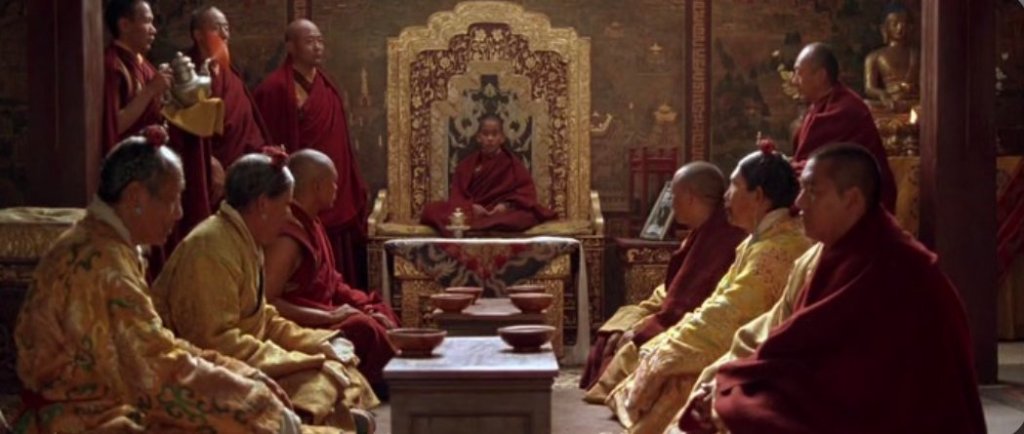
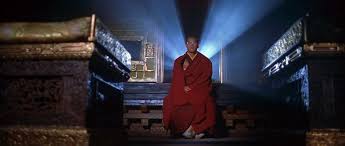
    Kundun is a 1997 biographical film directed by Martin Scorsese, chronicling the life of the 14th Dalai Lama, Tenzin Gyatso, from his early childhood to his exile from Tibet in 1959. This film stands out for its meticulous attention to historical detail, its profound spiritual undertones, and its breathtaking cinematography. Here’s an in-depth review:

    The screenplay, written by Melissa Mathison, is a heartfelt and respectful portrayal of the Dalai Lama’s journey. It begins with his discovery as a child believed to be the reincarnation of the 13th Dalai Lama and follows his upbringing, education, and eventual leadership of Tibet during a period of intense political upheaval. The narrative is structured in a way that allows viewers to witness the Dalai Lama’s transformation from a young boy into a wise spiritual leader. Mathison’s script is imbued with a sense of reverence for Tibetan culture and Buddhism, capturing both the personal and political dimensions of the Dalai Lama’s life.

    Scorsese’s direction in Kundun is a departure from his usual gritty, urban settings, showcasing his versatility as a filmmaker. His direction is deliberate and meditative, mirroring the contemplative nature of its subject. Scorsese uses a restrained approach, allowing the story to unfold in a manner that feels organic and deeply respectful of Tibetan traditions and beliefs.

    Cinematographer Roger Deakins delivers some of his finest work in this film. The visuals are nothing short of stunning, capturing the majestic landscapes of Tibet with a painterly eye. The use of color is particularly striking, with vibrant reds, yellows, and oranges dominating the palette, evoking the rich tapestry of Tibetan Buddhist art. Each frame is composed with precision, contributing to the film’s ethereal and transcendent quality.

    The cast, comprised largely of Tibetan non-actors, brings an authenticity to the film that would be difficult to achieve with professional actors. Tenzin Thuthob Tsarong, who portrays the adult Dalai Lama, delivers a performance marked by quiet dignity and inner strength. His portrayal captures the spiritual depth and gentle resolve of the Dalai Lama, making the character both relatable and inspiring. The supporting cast, including the actors playing the young Dalai Lama and his family, are equally compelling, providing a sense of realism and cultural accuracy.

    Philip Glass’s score for Kundun is another standout element of the film. The music is minimalist yet powerful, with repetitive structures that echo the chants and rhythms of Tibetan Buddhist rituals. Glass’s compositions elevate the emotional resonance of the film, creating an aural landscape that complements Deakins’ visual mastery. The soundtrack enhances the spiritual and meditative aspects of the story, drawing viewers into the inner world of the Dalai Lama.

    Kundun explores several profound themes, including the clash between tradition and modernity, the struggle for cultural and political autonomy, and the nature of spiritual leadership. The film delves into the Dalai Lama’s inner conflicts as he grapples with the responsibilities of leadership and the horrors of Chinese invasion. It also highlights the resilience of the Tibetan people and their unwavering faith in the face of adversity. The film’s spiritual dimension is particularly potent, offering a glimpse into the Dalai Lama’s philosophical and religious insights.

    Upon its release, Kundun received critical acclaim for its artistic achievements, though it was less commercially successful. The film’s sensitive portrayal of Tibetan culture and its political message drew praise, but also led to controversy, particularly with the Chinese government, which attempted to block its distribution. Over the years, Kundunhas garnered a dedicated following and is often regarded as one of the most visually and thematically rich films in Scorsese’s oeuvre.

    Kundun is a visual feast, with every frame meticulously crafted to reflect the beauty and spirituality of Tibetan culture. The film’s production design, overseen by Dante Ferretti, recreates the grandeur of the Potala Palace and other significant locations with remarkable accuracy. The attention to detail in the sets, costumes, and props immerses viewers in the world of Tibetan Buddhism, making the historical and cultural context vivid and authentic.

    The use of symbolism is also prevalent throughout the film. Scorsese and Deakins employ visual metaphors to deepen the narrative. For instance, the recurring imagery of sand mandalas—a traditional Tibetan Buddhist art form—symbolizes the impermanence of life and the cyclical nature of existence. These artistic choices enhance the film’s meditative tone and underscore its spiritual themes.

    While Kundun is a biographical film, it doesn’t follow a conventional narrative structure. The pacing is contemplative, reflecting the rhythms of monastic life and the spiritual journey of the Dalai Lama. The film is divided into distinct chapters, each representing a significant phase in the Dalai Lama’s life. This episodic structure allows for a deep dive into key moments, providing insight into his growth as both a spiritual leader and a political figure.

    The film’s deliberate pacing may feel slow to some viewers, but it is a deliberate choice that mirrors the introspective nature of its subject. This approach encourages audiences to engage with the material on a deeper level, pondering the philosophical and ethical questions posed by the Dalai Lama’s experiences.

    Kundun does not shy away from the political realities faced by Tibet during the 20th century. The film portrays the Chinese invasion and subsequent occupation of Tibet with unflinching honesty, highlighting the suffering and resilience of the Tibetan people. Scorsese handles these scenes with sensitivity, avoiding sensationalism and instead focusing on the human impact of these events.

    The film’s depiction of the Dalai Lama’s negotiations with Chinese officials and his eventual decision to flee into exile is both poignant and powerful. It emphasizes the difficult choices faced by the Dalai Lama and the sacrifices he made for the sake of his people and their cultural heritage. This aspect of the film underscores the broader themes of nonviolent resistance and the struggle for self-determination.

    Kundun has had a lasting impact not only as a piece of cinema but also as a cultural and political statement. Its release brought greater awareness to the plight of the Tibetan people and the challenges faced by the Dalai Lama. The film’s respectful portrayal of Tibetan Buddhism and its emphasis on nonviolence and compassion have resonated with audiences around the world, contributing to a greater understanding of these values.

    The film also sparked conversations about the role of art and cinema in addressing political issues. Scorsese’s decision to make Kundun despite potential backlash from powerful entities demonstrated the power of film as a medium for social and political commentary. The controversy surrounding its release, including attempts by the Chinese government to suppress it, only underscored the film’s significance and the importance of free artistic expression.

    In addition to its narrative and thematic strengths, Kundun is a technical triumph. The film’s editing, by Thelma Schoonmaker, is seamless, maintaining a cohesive flow despite its episodic structure. Schoonmaker’s skillful editing ensures that the film’s pacing supports its contemplative nature while keeping viewers engaged.

    The sound design, supervised by Eugene Gearty, further enhances the film’s immersive quality. The subtle use of ambient sounds, from the bustling streets of Lhasa to the serene atmosphere of monastic rituals, adds depth to the viewing experience. These auditory elements, combined with Glass’s score, create a rich sensory tapestry that draws viewers into the world of the film.

    Kundun received a mixed response upon its initial release, with some critics praising its artistic achievements while others found its slow pace challenging. However, over time, the film has been reevaluated and is now considered a significant work in Scorsese’s filmography. It has garnered a cult following and is appreciated for its beauty, depth, and emotional resonance. Audiences who connect with the film often cite its spiritual and philosophical insights as key factors in its enduring appeal. The film’s depiction of the Dalai Lama’s journey is seen as a source of inspiration, offering lessons in compassion, resilience, and the importance of staying true to one’s principles.

    Kundun is a masterpiece of biographical cinema, distinguished by its respectful portrayal of a revered spiritual leader and its stunning visual and musical artistry. Scorsese’s film is a profound meditation on spirituality, leadership, and cultural survival, rendered with a level of craftsmanship that makes it a standout in his illustrious career. For those interested in history, spirituality, or simply the art of filmmaking, Kundun is an essential viewing experience.

  • Blu-ray review: “Dirty Pretty Things” (2002)

    “Dirty Pretty Things” (2002)

    Drama

    Running time: 101 minutes

    Written by: Steven Knight

    Directed by: Stephen Frears

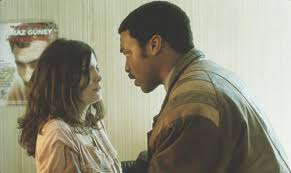
    Featuring: Chiwetel Ejiofor, Audrey Tautou, Sergi López, Sophie Okonedo, Benedict Wong and Zlatko Buric

    Guo Yi: “You know, Okwe, good at chess usually means bad at life. You do realize that she’s in love with you, don’t you? I’ve been with her 20 minutes, and I know it. But then, I’m bad at chess…”

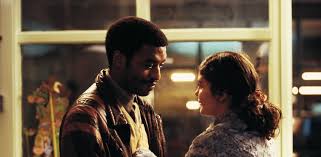
    “Dirty Pretty Things” is a 2002 British social thriller directed by Stephen Frears and written by Steven Knight. The film, starring Chiwetel Ejiofor, Audrey Tautou, and Sergi López, is a gripping narrative that blends elements of noir, social commentary, and thriller to create a powerful, thought-provoking experience.

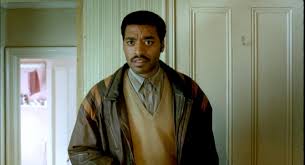
    Set in the underbelly of London, “Dirty Pretty Things” follows the lives of undocumented immigrants who are marginalized and forced into the city’s hidden economy. At the center of the story is Okwe (Chiwetel Ejiofor), a Nigerian doctor who, due to his illegal status, works as a cab driver by day and a hotel receptionist by night. His life is a constant struggle to make ends meet while staying under the radar of immigration authorities.

    Okwe’s routine is disrupted when he discovers a human heart in one of the hotel rooms. This grisly find plunges him into a dark and dangerous world of illegal organ trafficking. Alongside him is Senay (Audrey Tautou), a Turkish immigrant who works as a chambermaid at the same hotel. Senay dreams of escaping to New York but is also entangled in the harsh realities of living without legal status.

    The hotel’s manager, Sneaky (Sergi López), is revealed to be running an organ trafficking ring, exploiting the desperation of undocumented immigrants. As Okwe and Senay become more involved, they must navigate this perilous world while grappling with their own moral dilemmas and the ever-present threat of deportation.

    Chiwetel Ejiofor delivers a standout performance as Okwe. His portrayal of a man haunted by his past yet driven by a sense of duty and morality is both compelling and heartbreaking. Ejiofor’s ability to convey deep emotional complexity with subtlety makes Okwe a deeply sympathetic character.

    Audrey Tautou, known for her role in “Amélie,” brings a delicate yet resilient quality to Senay. Her portrayal captures the vulnerability and strength of a woman striving for a better life against insurmountable odds. Tautou’s chemistry with Ejiofor adds a layer of tenderness to the film, providing a glimmer of hope amid the darkness.

    Sergi López is chillingly effective as Sneaky. His character is the embodiment of exploitation and corruption, and López’s performance exudes menace and opportunism. The supporting cast, including Benedict Wong and Sophie Okonedo, also contribute significantly to the film’s authenticity and emotional depth.

    Stephen Frears’ direction is masterful, balancing the film’s thriller elements with its social commentary. Frears creates a tense, claustrophobic atmosphere that mirrors the precarious lives of the characters. The pacing is deliberate, allowing the story to unfold organically while maintaining a sense of urgency.

    Cinematographer Chris Menges captures the gritty, grimy aesthetic of London’s underbelly with stark realism. The film’s visual style emphasizes the characters’ isolation and the city’s harsh environment. The use of dim lighting and shadowy interiors enhances the film’s noirish tone, creating a sense of unease and danger.

    “Dirty Pretty Things” delves into themes of exploitation, survival, and the human cost of illegal immigration. The film exposes the harsh realities faced by undocumented immigrants, who are often forced into dangerous and demeaning work just to survive. It sheds light on the systemic injustices and the moral compromises that arise in such a precarious existence. The film’s exploration of the illegal organ trade is particularly harrowing, highlighting the extent to which vulnerable individuals are exploited. The desperation of the characters underscores the extreme measures they must take to secure their futures, often at great personal risk. 

    One of the film’s most compelling aspects is its intricate character development. Okwe, initially presented as a man resigned to his fate, slowly reveals layers of complexity. His background as a doctor, his compassionate nature, and his internal moral compass are gradually unveiled, making his journey all the more poignant. Okwe’s interactions with other characters, especially Senay, demonstrate his profound empathy and sense of justice, even as he navigates his precarious existence.

    Senay’s character arc is equally rich. Initially depicted as a hopeful yet naïve young woman, her experiences in the hostile environment of London force her to shed her innocence. Tautou portrays Senay’s transformation with a blend of vulnerability and determination, making her plight both relatable and heartbreaking. Her relationship with Okwe evolves from one of mere survival partnership to a deep, mutual respect and caring, providing emotional depth to the narrative.

    The supporting characters in “Dirty Pretty Things” add significant depth and nuance to the story. Juliet (Sophie Okonedo), a prostitute working in the same hotel, represents another facet of the immigrant experience. Her interactions with Okwe reveal the solidarity and camaraderie among the marginalized, as well as the moral complexities they navigate.

    Benedict Wong’s character, Guo Yi, a morgue attendant and friend of Okwe, adds a touch of dark humor and provides crucial support to the protagonist. Guo Yi’s pragmatic outlook on life contrasts sharply with Okwe’s idealism, highlighting the diverse ways immigrants cope with their harsh realities.

    The film’s setting in the seedy, often overlooked parts of London plays a crucial role in creating its atmosphere. The hotel, where much of the action takes place, is a microcosm of the city’s hidden world, where illegal activities flourish under the cover of respectability. The stark contrast between the luxurious façade presented to the guests and the grim reality behind the scenes underscores the theme of duality running throughout the film.

    The use of real locations adds to the authenticity of the film. The bustling streets, dingy back alleys, and cramped living spaces vividly portray the immigrants’ daily struggle. The cinematography captures these elements with a gritty realism, often using handheld cameras and tight framing to create a sense of immediacy and immersion.

    Nathan Larson’s score for “Dirty Pretty Things” complements the film’s tone perfectly. The music, a blend of haunting melodies and tense, rhythmic undertones, enhances the film’s emotional and dramatic impact. The sound design is equally effective, with the ambient noise of the city and the hotel creating a constant sense of unease and tension.

    Upon its release, “Dirty Pretty Things” received critical acclaim for its gripping narrative, strong performances, and social relevance. Critics praised Stephen Frears for his nuanced direction and Steven Knight for his compelling script. Chiwetel Ejiofor’s performance was particularly lauded, earning him several awards and nominations.

    The film was recognized for its unflinching portrayal of the immigrant experience and its ability to weave a thrilling narrative with significant social commentary. It was nominated for an Academy Award for Best Original Screenplay, highlighting its impact and resonance.

    “Dirty Pretty Things” remains a significant film for its bold exploration of themes often overlooked in mainstream cinema. Its focus on the human side of immigration and exploitation, combined with its thriller elements, makes it a unique and powerful film. It has influenced subsequent films and discussions around immigration and the hidden economies that sustain marginalized communities.

    The film also helped elevate the careers of its main cast, particularly Chiwetel Ejiofor, who has since become a prominent figure in cinema. Audrey Tautou’s performance showed her versatility beyond the whimsical roles she was known for, and Stephen Frears reaffirmed his reputation as a director capable of tackling diverse and challenging subjects.

    “Dirty Pretty Things” is a masterful blend of thriller and social drama, offering a gripping, heart-wrenching look at the lives of undocumented immigrants in London. Its strong performances, particularly by Chiwetel Ejiofor and Audrey Tautou, and its unflinching portrayal of exploitation and survival make it a standout film. It is a poignant, thought-provoking work that resonates deeply, shedding light on the hidden struggles of those living on society’s fringes.

    By intertwining personal stories with broader social issues, “Dirty Pretty Things” transcends its genre, becoming a powerful commentary on humanity and resilience. Its lasting impact and critical acclaim are a testament to its quality and relevance, making it a must-watch for anyone interested in socially conscious cinema.

    “Dirty Pretty Things” is a powerful, evocative film that combines elements of thriller and social drama to tell a compelling story of human struggle and resilience. The film’s strong performances, particularly by Ejiofor and Tautou, and Frears’ deft direction make it a standout in its genre. It is a poignant reminder of the hidden lives and stories that exist in the shadows of society, urging viewers to confront uncomfortable truths about exploitation and survival. Overall, “Dirty Pretty Things” is a gripping, thought-provoking film that resonates long after the credits roll, making it a must-watch for those interested in socially conscious cinema.

  • Movie review: “Longlegs” (2024)

    “Longlegs” (2024)

    Horror

    Running time: 101 minutes

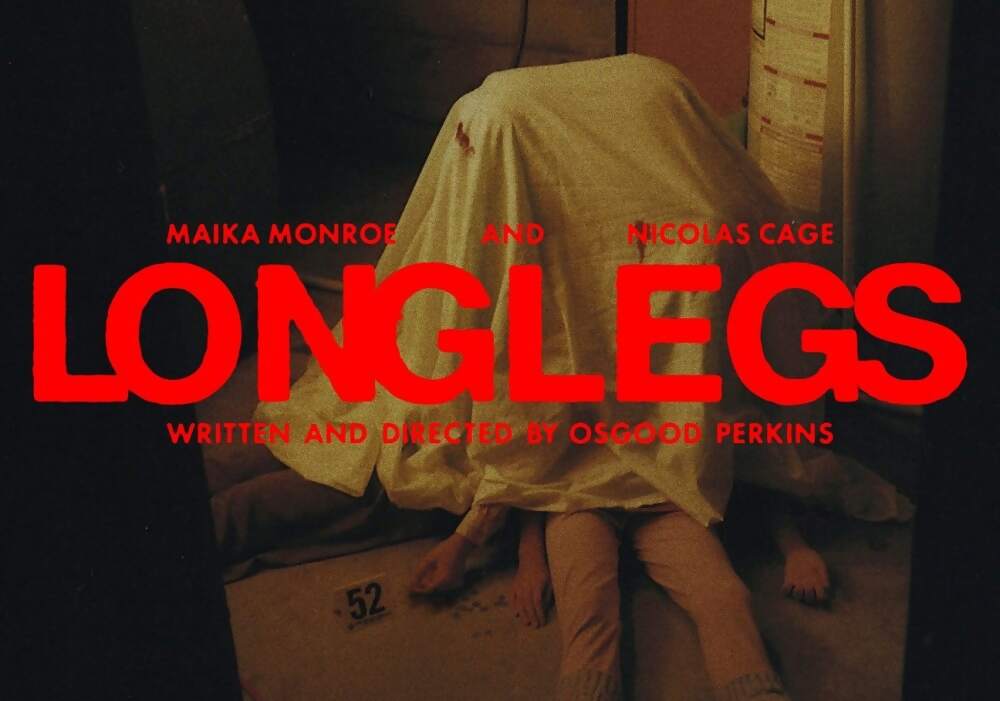
    Written and directed by: Osgood Perkins

    Featuring: Maika Monroe, Blair Underwood, Alicia Witt and Nicolas Cage

    Longlegs: “Oh! There she is! The almost-birthday girl!”

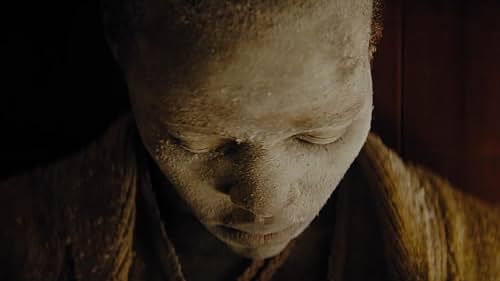
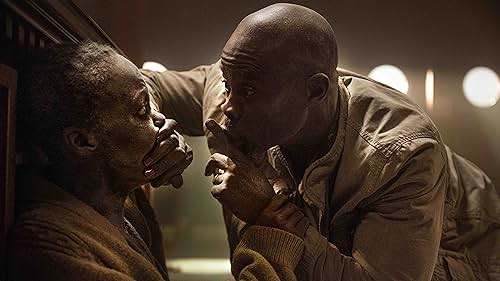
    “Longlegs,” directed by Osgood Perkins, is a chilling horror-thriller that delves into the depths of fear, suspense, and the human psyche. Known for his work on “The Blackcoat’s Daughter” and “I Am the Pretty Thing That Lives in the House,” Perkins brings his unique storytelling and atmospheric style to this new film. Starring Nicolas Cage in a lead role, “Longlegs” promises a gripping and eerie experience. Let’s explore this film in detail.

    The story revolves around an enigmatic and sinister figure known as Longlegs, played by Nicolas Cage. Set in a small, desolate town, the film follows a series of bizarre and gruesome murders that baffle the local authorities. FBI agent Charles Fallon (Maika Monroe) is assigned to the case, bringing her expertise and determination to uncover the truth behind the murders.

    As Fallon delves deeper into the investigation, she uncovers a web of dark secrets and supernatural elements that tie the murders to the town’s past. Longlegs is not just a killer but a malevolent force that preys on the fears and vulnerabilities of its victims. The film expertly weaves together psychological horror and supernatural suspense, keeping the audience on the edge of their seats.

    Nicolas Cage delivers a standout performance as Longlegs, showcasing his ability to embody complex and menacing characters. His portrayal is both terrifying and mesmerizing, creating a palpable sense of dread whenever he appears on screen. Cage’s commitment to the role elevates the film, making Longlegs a memorable and haunting antagonist.

    Maika Monroe shines as FBI agent Charles Fallon, bringing depth and nuance to her character. Fallon’s determination and vulnerability make her a relatable and compelling protagonist. Monroe’s chemistry with the supporting cast, including performances by actors such as Jeremy Davies and Kate Lyn Sheil, adds layers to the narrative and enhances the film’s emotional impact.

    Osgood Perkins’s direction is masterful, creating an atmosphere that is both claustrophobic and expansive. He uses the desolate town setting to great effect, turning everyday locations into sites of horror and tension. Perkins’s meticulous attention to detail and his ability to build suspense through pacing and visual storytelling are evident throughout the film.

    The cinematography by Julie Kirkwood is striking, with a muted color palette that enhances the film’s eerie and unsettling mood. The use of shadows, light, and framing adds to the sense of unease, making the audience feel as though they are constantly being watched. The visual style complements the film’s themes and reinforces the feeling of dread that permeates the story.

    “Longlegs” explores themes of fear, trauma, and the human psyche. The character of Longlegs serves as a manifestation of the town’s collective fears and secrets, highlighting how past traumas can resurface and haunt individuals and communities. The film delves into the psychological aspects of horror, examining how fear can distort reality and lead to destructive behavior.

    The supernatural elements of the story are symbolic of the unknown and the uncontrollable aspects of human existence. Longlegs’s ability to manipulate and torment his victims reflects the power of fear and the ways in which it can be weaponized. The film also touches on themes of redemption and the struggle to overcome personal demons, as seen through Fallon’s character arc.

    One of the film’s strengths is its pacing, which allows for a slow build-up of tension and suspense. Perkins takes his time to develop the characters and the story, creating a sense of anticipation and unease. The deliberate pacing may not appeal to all viewers, but it effectively immerses the audience in the film’s dark and unsettling world.

    The tension is further heightened by the film’s sound design and score. The eerie soundscape and haunting music add to the atmosphere, creating moments of intense fear and shock. The use of silence and subtle auditory cues enhances the psychological horror, making even the quietest scenes feel ominous.

    “Longlegs” excels in its use of both visual and practical effects to create a truly terrifying experience. The makeup and special effects team did a remarkable job bringing Longlegs to life, making him a figure of genuine horror. His elongated limbs, grotesque appearance, and unsettling movements contribute to his otherworldly and frightening presence. The practical effects used in the murder scenes are disturbingly realistic, adding to the film’s visceral impact.

    The visual effects seamlessly integrate with the practical ones, particularly in scenes where Longlegs’s supernatural abilities are showcased. The combination of these effects creates a cohesive and immersive experience, drawing the audience deeper into the film’s dark narrative.

    The screenplay, co-written by Osgood Perkins and Rob Hayes, is tight and effective, with dialogue that feels natural and purposeful. The interactions between characters reveal much about their backgrounds and motivations, particularly the exchanges between Fallon and her colleagues, which highlight her determination and resilience.

    The script also deftly balances exposition with suspense. While there are moments where characters explain aspects of the supernatural occurrences, these are interwoven with the action and character development, ensuring the story remains engaging and the tension unbroken.

    “Longlegs” has received a mixed to positive response from critics. Many praise the film for its atmospheric direction, strong performances, and psychological depth. Nicolas Cage’s portrayal of Longlegs is often highlighted as a standout aspect, with reviewers commending his ability to bring complexity and menace to the character.

    However, some critics note that the film’s slow pacing and emphasis on psychological horror over traditional scares might not appeal to all audiences. Despite this, “Longlegs” is generally recognized as a thoughtful and well-crafted addition to the horror genre.

    Audience reactions to “Longlegs” have been similarly varied. Fans of slow-burn horror and psychological thrillers appreciate the film’s meticulous build-up of suspense and its exploration of fear and trauma. Nicolas Cage’s performance, in particular, has been a major draw, with many viewers finding his portrayal of Longlegs both chilling and captivating.

    On the other hand, some horror enthusiasts who prefer more action-packed or gore-heavy films may find “Longlegs” lacking in immediate thrills. The film’s focus on atmosphere and character development over jump scares and rapid pacing means it may not satisfy all tastes in the horror community.

    “Longlegs” is a compelling and chilling horror-thriller that showcases Osgood Perkins’s talent for creating atmospheric and psychologically rich narratives. The film’s strong performances, particularly by Nicolas Cage and Maika Monroe, combined with its haunting direction and cinematography, make it a standout in the genre.

    While the film’s slow pacing and psychological focus may not be for everyone, “Longlegs” offers a thought-provoking and deeply unsettling experience for those who appreciate horror that delves into the human psyche. It is a testament to Perkins’s ability to craft stories that linger in the mind long after the credits roll. “Longlegs” is a must-watch for fans of psychological horror and supernatural thrillers. It is a dark and twisted tale that explores the nature of fear and the power of the past, leaving a lasting impression on its audience.

  • Movie review: “Deadpool & Wolverine” (2024)

    “Deadpool & Wolverine” (2024)

    Action

    Running time: 128 minutes

    Written by: Ryan Reynolds, Rhett Reese, Paul Wernick, Zeb Wells and Shawn Levy

    Directed: Shawn Levy

    Featuring: Ryan Reynolds, Hugh Jackman, Emma Corrin, Morena Baccarin, Rob Delaney, Leslie Uggams, Aaron Stanford and Matthew Macfadyen

    Deadpool: “Welcome to the MCU. You’re joining at a bit of a low point.”

    “Deadpool and Wolverine,” the much-anticipated crossover film, brings together two of Marvel’s most beloved and irreverent characters: Deadpool (Ryan Reynolds) and Wolverine (Hugh Jackman). Directed by Shawn Levy, the film has been eagerly awaited by fans since its announcement, promising a blend of humor, action, and a unique dynamic between the two protagonists. While the film delivers on many fronts, it also faces some challenges that prevent it from reaching its full potential.

    Ryan Reynolds and Hugh Jackman are in top form, bringing their iconic characters to life with the perfect blend of humor and intensity. Reynolds’ Deadpool is as witty and irreverent as ever, delivering one-liners and meta-commentary that keep the audience entertained. Jackman’s Wolverine provides a grounding presence, adding emotional depth and a sense of gravitas to the film.

    The chemistry between Reynolds and Jackman is electric, with their contrasting styles creating a dynamic that is both humorous and heartfelt. Their interactions range from laugh-out-loud banter to poignant moments that explore their respective journeys and the burdens they carry.

    Shawn Levy’s direction manages to balance the film’s comedic and dramatic elements, creating a tone that is both cohesive and engaging. The action sequences are well-choreographed, showcasing the brutal fighting styles of both characters while maintaining a sense of fun. The film’s visual style is vibrant and dynamic, with each location brought to life through meticulous attention to detail.

    The screenplay, penned by Rhett Reese, Paul Wernick, and Michael Green, is sharp and witty, capturing the essence of both characters. The humor is a mix of slapstick, sarcasm, and meta-references, often poking fun at superhero tropes and the broader Marvel universe. However, some jokes may feel overdone, and the reliance on meta-humor occasionally detracts from the story’s emotional beats.

    “Deadpool and Wolverine” explores themes of redemption, identity, and the power of unlikely friendships. Wolverine’s journey is particularly compelling, as he confronts his past and finds a renewed sense of purpose. Deadpool’s arc, while primarily comedic, also delves into his struggle with loneliness and his desire for acceptance.

    Ryan Reynolds continues to excel in his portrayal of Deadpool, bringing a mix of sardonic wit, vulnerability, and relentless energy to the character. In “Deadpool and Wolverine,” we see Wade Wilson grappling with deeper issues beyond his usual antics. The film explores his sense of isolation, stemming from his disfigurement and the loss of loved ones. Despite his constant wisecracks, moments of solitude reveal a character who yearns for connection and acceptance. This exploration adds layers to Deadpool, making him more than just a comedic anti-hero.

    Hugh Jackman’s Wolverine is as compelling as ever. Post-“Logan,” the character is more introspective, burdened by his past and the loss of friends. This film brings Logan out of his self-imposed exile, pushing him to confront old wounds and redefine his purpose. His reluctance to join Deadpool initially stems from a desire to avoid more violence and loss. However, his journey with Wade forces him to acknowledge that he can still make a difference. Logan’s growth throughout the film is profound, transitioning from a weary warrior to a renewed hero.

    The action in “Deadpool and Wolverine” is top-notch, combining visceral combat with the unique abilities of both protagonists. Wolverine’s brutal, close-quarters fighting style contrasts sharply with Deadpool’s acrobatic, improvisational approach. The film’s choreography ensures that each fight scene is thrilling and distinct, keeping the audience engaged.

    “Deadpool and Wolverine” is a highly entertaining film that successfully brings together two iconic characters in a way that feels fresh and exciting. The performances of Ryan Reynolds and Hugh Jackman, coupled with Shawn Levy’s dynamic direction, make for a movie that is both humorous and heartfelt. While it faces some challenges in pacing and character development, the film ultimately delivers a satisfying and enjoyable experience for fans of both characters. Entering at a challenging moment for superhero films, “Deadpool and Wolverine” stands out for its unique blend of humor and action, proving that even at a low point, there is still plenty of fun to be had in the Marvel universe.

  • Blu-ray review: “Heaven’s Prisoners” (1996)

    “Heaven’s Prisoners” (1996)

    Drama

    Running time: 132 minutes

    Written by: Harley Peyton and Scott Frank

    Directed: Phil Joanou

    Featuring: Alec Baldwin, Mary Stuart Masterson, Kelly Lynch, Teri Hatcher and Eric Roberts

    Bubba Rocque: “Dave Robicheaux drowned in the bottle and went into the swamp to sleep it off.”

    Didi Giancano: “He may have been asleep, but that was before you dropped a fucking plane on his head and woke him up. Guys like that, when they wake up, they don’t go back to sleep so easy. Not without help.”

    “Heaven’s Prisoners,” directed by Phil Joanou and based on the novel by James Lee Burke, is a 1996 crime thriller that combines elements of mystery, suspense, and drama. The film stars Alec Baldwin as the troubled protagonist, Dave Robicheaux, a former New Orleans police officer turned bait shop owner. The cast also includes Kelly Lynch, Mary Stuart Masterson, Teri Hatcher, and Eric Roberts.

    The story is set in the sultry and evocative backdrop of Louisiana, a location that lends itself well to the film’s dark and atmospheric tone. Dave Robicheaux is trying to live a quiet life after leaving the police force due to the emotional and psychological scars left by his past. However, his attempt at a peaceful existence is shattered when he witnesses a small plane crash into a nearby bayou. Dave rescues a young Salvadoran girl from the wreckage, which sets off a chain of events that pulls him back into the world he tried to leave behind.

    As Dave delves deeper into the mystery of the crash, he uncovers a web of corruption, drug trafficking, and violence. The plot thickens with the introduction of various characters, including the enigmatic Annie (Kelly Lynch), the seductive Claudette (Teri Hatcher), and the dangerous local kingpin, Bubba Rocque (Eric Roberts). As the stakes rise, Dave’s struggle to protect the girl and unravel the truth puts him at odds with both his past and present demons.

    Alec Baldwin delivers a compelling performance as Dave Robicheaux, capturing the character’s complexity and inner turmoil. His portrayal is both gritty and nuanced, reflecting a man haunted by his past yet driven by a strong sense of justice. Baldwin’s chemistry with Kelly Lynch, who plays his supportive yet troubled wife, Annie, adds depth to their relationship and provides an emotional anchor for the narrative.

    Mary Stuart Masterson shines as Robin Gaddis, a former stripper with a complicated history. Her portrayal brings a sense of vulnerability and strength to the character, making her a memorable part of the film. Teri Hatcher’s Claudette is alluring and manipulative, adding to the film’s tension and intrigue. Eric Roberts, as the menacing Bubba Rocque, delivers a menacing performance that heightens the film’s sense of danger.

    Phil Joanou’s direction effectively captures the moody and atmospheric setting of Louisiana, utilizing the lush, swampy landscapes to create a palpable sense of place. The cinematography by Harris Savides is striking, with the use of shadows and light enhancing the film’s noir-like quality. The bayou scenes, in particular, are beautifully shot, evoking a sense of mystery and foreboding that permeates the film.

    “Heaven’s Prisoners” explores themes of redemption, justice, and the inescapability of one’s past. Dave Robicheaux’s journey is one of confronting his inner demons while seeking to protect the innocent and expose the corrupt. The film’s tone is dark and brooding, with moments of intense action balanced by quieter, more introspective scenes that delve into Dave’s psyche.

    The narrative is layered, with multiple subplots interwoven to create a complex and engaging story. However, at times, the film’s pacing can feel uneven, with certain plot points receiving more attention than others. Despite this, the overarching mystery and the character-driven drama keep the audience invested.

    The screenplay for “Heaven’s Prisoners” was adapted by Harley Peyton, known for his work on “Twin Peaks.” The dialogue is sharp and well-crafted, capturing the gritty and often cynical nature of the characters. Dave Robicheaux’s lines, in particular, are filled with a world-weary wisdom that reflects his troubled past and complex moral code. His interactions with other characters are laced with tension and underlying emotion, creating a palpable sense of conflict and drama.

    The script successfully balances the film’s multiple plotlines, though at times it can feel a bit overstuffed. The intricate web of corruption, drug trafficking, and personal vendettas is compelling, but some viewers might find it challenging to keep track of all the threads. Nevertheless, the dialogue and character development help maintain engagement, even when the plot becomes convoluted.

    The film’s score, composed by George Fenton, complements the moody and atmospheric tone of the story. The music incorporates elements of blues and jazz, reflecting the cultural backdrop of New Orleans and enhancing the film’s Southern Gothic vibe. The score underscores the tension and drama of key scenes without overpowering the action or dialogue.

    Sound design also plays a crucial role in creating the film’s immersive atmosphere. The ambient sounds of the bayou, from the chirping of crickets to the rustling of the wind through the trees, add to the sense of place and build an immersive environment that draws viewers into the story.

    The editing, handled by William Steinkamp, is generally effective in maintaining the film’s suspenseful tone. However, the pacing can be uneven at times. Some scenes, particularly those involving character development and quieter moments of introspection, are given ample room to breathe, allowing the audience to connect with the characters on a deeper level. In contrast, certain action sequences and plot developments feel rushed, potentially leaving viewers wanting more context or resolution.

    Despite these pacing issues, the film manages to keep viewers on the edge of their seats, with enough twists and turns to sustain interest throughout its runtime. The climactic moments are well-executed, delivering the necessary impact to bring the story to a satisfying, albeit somewhat predictable, conclusion.

    Visually, “Heaven’s Prisoners” is a treat for fans of noir and atmospheric thrillers. Harris Savides’ cinematography is a standout aspect of the film, with his use of light and shadow creating a visually compelling narrative. The film’s color palette is dominated by muted, earthy tones, reflecting the gritty and somber nature of the story. The use of natural lighting in outdoor scenes, particularly those set in the bayou, adds a sense of realism and immediacy to the film.

    The production design also deserves praise for its attention to detail. The settings, from Dave’s modest bait shop to the opulent homes of the wealthy and corrupt, are meticulously crafted to reflect the characters’ personalities and social standings. This attention to detail enhances the overall authenticity of the film, grounding its more dramatic elements in a believable reality.

    “Heaven’s Prisoners” delves into several profound themes, including the struggle for redemption, the complexities of morality, and the pervasive influence of the past. Dave Robicheaux’s character embodies these themes, as he grapples with his own demons while seeking to right the wrongs he encounters. The film’s exploration of justice and vengeance is nuanced, presenting a world where the lines between good and evil are often blurred.

    Symbolism is also used effectively throughout the film. The recurring imagery of water, for example, represents both cleansing and danger, reflecting Dave’s journey towards redemption while facing the perils that arise. The bayou itself serves as a metaphor for the murky and treacherous nature of the human soul, hiding secrets beneath its surface.

    Upon its release, “Heaven’s Prisoners” received mixed reviews from critics. Some praised the film for its strong performances, particularly Alec Baldwin’s portrayal of Dave Robicheaux, and its atmospheric setting. Others, however, criticized its convoluted plot and uneven pacing. Despite these mixed reviews, the film has garnered a cult following over the years, with fans appreciating its dark, moody aesthetic and complex characters.

    In the broader context of crime thrillers, “Heaven’s Prisoners” stands out for its deep character study and rich sense of place. It may not have achieved mainstream success, but it remains a notable entry in the genre, particularly for those who enjoy stories set in the deep South with a focus on moral ambiguity and personal redemption.

    “Heaven’s Prisoners” is a film that rewards patience and attention to detail. Its strengths lie in its atmospheric setting, strong performances, and exploration of complex themes. While it may be hindered by pacing issues and a sometimes convoluted plot, these flaws are outweighed by its compelling characters and evocative cinematography. For viewers willing to immerse themselves in its dark and brooding world, “Heaven’s Prisoners” offers a rich and engaging cinematic experience.

    “Heaven’s Prisoners” is a solid entry in the crime thriller genre, bolstered by strong performances and a richly atmospheric setting. Alec Baldwin’s portrayal of Dave Robicheaux anchors the film, and the supporting cast adds depth and intrigue to the narrative. While the film has its flaws, particularly in pacing, its exploration of dark themes and the inescapability of the past makes it a compelling watch. Fans of noir and crime dramas will find much to appreciate in this brooding and evocative film.

    Ultimately, “Heaven’s Prisoners” is a story of redemption and the relentless pursuit of truth, set against the hauntingly beautiful backdrop of the Louisiana bayou. Its blend of suspense, drama, and mystery ensures that it remains a memorable and engaging film experience.

  • Blu-ray review: “The Crossing Guard” (1995)

    “The Crossing Guard” (1995)

    Drama

    Running time: 101 minutes

    Written and directed: Sean Penn

    Featuring: Jack Nicholson, David Morse, Robin Wright and Anjelica Huston

    Joe: “So listen to this. I’m coming out of the bathroom, right, and these two Orientals, they’re arguin’, they’re hollerin’, they’re screaming at one another. And all in Japanese. So I told ’em, I said “Ay! You’re in America now, speak Spanish.””

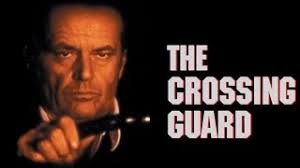
    Directed by Sean Penn and starring Jack Nicholson, Anjelica Huston, and David Morse, The Crossing Guard is a film that delves deep into the raw and often painful emotions surrounding grief, guilt, and the possibility of redemption. The film presents a compelling narrative that is as much about internal struggles as it is about external actions.

    The story revolves around Freddy Gale (Jack Nicholson), a man consumed by grief and a desire for vengeance after his young daughter is killed by a drunk driver, John Booth (David Morse). Booth, having served his sentence, is now out of prison and trying to rebuild his life. Freddy, unable to move past his loss, vows to kill Booth within three days of his release.

    Freddy’s ex-wife, Mary (Anjelica Huston), provides a counterpoint to his anguish. While she is also mourning their daughter, she has managed to find a semblance of peace and encourages Freddy to let go of his anger. The film’s tension builds as Freddy confronts Booth and grapples with his own demons.

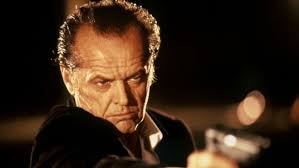
    Jack Nicholson delivers a powerhouse performance as Freddy Gale. Known for his ability to portray complex characters, Nicholson brings a palpable intensity to the role. His portrayal of a father drowning in sorrow and rage is both heartbreaking and compelling. Nicholson’s Freddy is not just a man seeking revenge; he is a man desperately trying to find meaning and closure in a life shattered by tragedy.

    David Morse, as John Booth, provides a nuanced performance that evokes sympathy despite his character’s past actions. Morse captures Booth’s remorse and his struggle for redemption, making the audience see him as more than just a villain. His interactions with Nicholson are fraught with tension and emotion, adding depth to the film’s exploration of forgiveness and guilt.

    Anjelica Huston, though her screen time is limited, shines as Mary. Her character embodies the possibility of moving forward and finding peace, serving as a stark contrast to Freddy’s relentless pursuit of vengeance. Huston’s performance is understated yet powerful, providing a necessary balance to the film’s darker themes.

    Sean Penn, in one of his early directorial efforts, showcases his talent for creating intense, character-driven dramas. The Crossing Guard is a testament to Penn’s ability to elicit strong performances from his cast and to handle sensitive subject matter with care and insight. The film is deliberately paced, allowing the audience to fully immerse themselves in the characters’ emotional journeys.

    Penn’s direction is complemented by Vilmos Zsigmond’s cinematography, which captures the bleakness of Freddy’s world. The use of shadows and muted colors reflects the protagonist’s internal despair. The visual storytelling enhances the film’s mood, making the audience feel the weight of Freddy’s grief.

    The Crossing Guard delves into several profound themes, chief among them being the destructive nature of unresolved grief. Freddy’s inability to move past his daughter’s death has consumed his life, driving a wedge between him and those who care about him. His single-minded pursuit of revenge highlights the futility of holding onto anger and the damage it can cause.

    The film also explores the theme of redemption. Booth’s journey to make amends for his past actions is portrayed with sensitivity, showing that redemption is not an easy path but one that requires facing the consequences of one’s actions and seeking forgiveness.

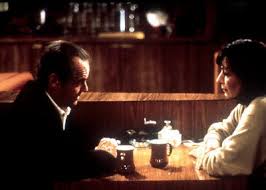
    The interactions between Freddy and Booth serve as the film’s emotional core. Their confrontations are charged with tension, but also moments of vulnerability that reveal their shared humanity. The film suggests that forgiveness, while difficult, is necessary for healing.

    Freddy Gale’s character arc is the driving force of the narrative. Initially, Freddy is portrayed as a man utterly consumed by his pain. His grief has led him down a path of self-destruction, alienating him from his ex-wife and others who care about him. His obsession with vengeance is not just about avenging his daughter’s death but also about finding a way to cope with his own feelings of helplessness and loss.

    Jack Nicholson’s portrayal of Freddy captures the essence of a man trapped in his own sorrow. The nuances in his performance, from the barely contained rage to the moments of vulnerability, paint a vivid picture of a man on the brink of collapse. Freddy’s interactions with other characters, particularly Mary and Booth, reveal different facets of his personality and his struggle to find peace.

    Mary, played by Anjelica Huston, serves as a beacon of resilience and acceptance. Her ability to move forward contrasts sharply with Freddy’s inability to let go of the past. The scenes between Mary and Freddy are some of the film’s most poignant, as they highlight the different ways people cope with tragedy. Huston’s performance brings a quiet strength to the character, making her a grounding force in the narrative.

    David Morse’s portrayal of John Booth adds depth to the story. Booth is a man haunted by his past, seeking redemption but unsure if he deserves it. Morse captures the complexity of Booth’s character, making the audience sympathize with him despite his actions. Booth’s interactions with Freddy are charged with emotional intensity, as both men grapple with their roles in the tragedy that has bound them together.

    Sean Penn’s directorial approach in The Crossing Guard is marked by a keen attention to detail and a focus on character-driven storytelling. The film’s visual style, courtesy of cinematographer Vilmos Zsigmond, uses light and shadow to mirror the internal struggles of the characters. The muted color palette and use of dim lighting create an atmosphere of melancholy, reflecting the somber themes of the film.

    Penn employs several symbolic elements to enhance the narrative. The recurring motif of time, represented by clocks and watches, underscores the characters’ relationship with the past and their struggle to move forward. Freddy’s constant checking of his watch symbolizes his fixation on the deadline he has set for himself to confront Booth, highlighting his obsession with revenge.

    The film also uses the urban landscape to reflect Freddy’s emotional state. The desolate streets and dimly lit bars he frequents symbolize his isolation and inner turmoil. In contrast, scenes featuring Mary often take place in brighter, more open settings, symbolizing her journey toward healing and acceptance.

    The Crossing Guard is a film that demands an emotional investment from its audience. Its exploration of grief and the quest for redemption is portrayed with such raw honesty that it resonates deeply with viewers. The film does not offer easy answers or neat resolutions, instead presenting a realistic portrayal of the complexities of human emotion.

    Freddy’s journey is both heartbreaking and compelling, making the audience empathize with his pain while also recognizing the destructiveness of his quest for revenge. The film’s resolution, which eschews a traditional Hollywood ending, reinforces its commitment to authenticity. It leaves the audience contemplating the nature of forgiveness and the possibility of finding peace in the aftermath of tragedy.

    Upon its release, The Crossing Guard received mixed reviews from critics, with particular praise for the performances of Nicholson and Morse. Some critics lauded the film’s emotional depth and Penn’s direction, while others felt the pacing was too slow or the narrative too bleak. Despite the mixed reviews, the film has garnered a following over the years, appreciated for its unflinching portrayal of grief and the human condition.

    The film’s legacy lies in its exploration of themes that are universally relatable. Its depiction of a father’s grief and a man’s search for redemption continues to resonate with audiences, making it a powerful piece of cinema that transcends its initial reception.

    The Crossing Guard is a powerful exploration of grief, vengeance, and redemption. It is a film that does not shy away from the darker aspects of human emotion but also offers a glimmer of hope for those willing to seek it. Jack Nicholson’s intense performance, combined with David Morse’s sympathetic portrayal of a man seeking forgiveness, makes for a compelling viewing experience. Sean Penn’s direction ensures that the film remains a poignant and thought-provoking piece of cinema.

    While it may not be an easy watch due to its heavy themes, The Crossing Guard is a film that stays with you, prompting reflection on the complexities of forgiveness and the human capacity for change. It stands as a testament to the power of cinema to explore the depths of the human soul and the possibility of redemption even in the face of profound loss.

  • Final Trailer: “Borderlands” (2024)

    Final Trailer: “Borderlands” (2024)

    Lionsgate has released the final trailer for the long-in-the-works film adaptation of the video game series “Borderlands”.

    The movie follows famed red-haired outlaw Lilith (Cate Blanchett) returning to her home planet of Pandora to find the missing daughter of powerful mogul Atlas (Edgar Ramirez).

    Haley Bennett, Gina Gershon, Janina Gavankar, Cheyenne Jackson, Steven Boyer and Benjamin Byron Davis also star. Eli Roth directs the film which wrapped shooting in June 2021.

    “Borderlands” is in cinemas on August 9th.

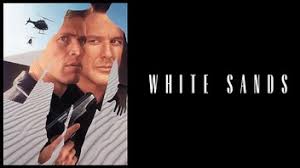
  • Blu-ray review: “White Sands” (1992)

    “White Sands” (1992)

    Drama

    Running time: 101 minutes

    Written by: Daniel Pyne

     Directed by: Roger Donaldson

    Featuring: Willem Dafoe, Mary Elizabeth Mastrantonio, Samuel L. Jackson and Mickey Rourke

    Lane Bodine: “I’ve never met anyone like you… you’re honest, even when you lie.”

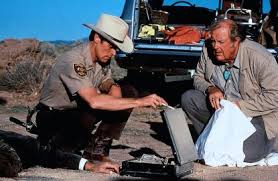
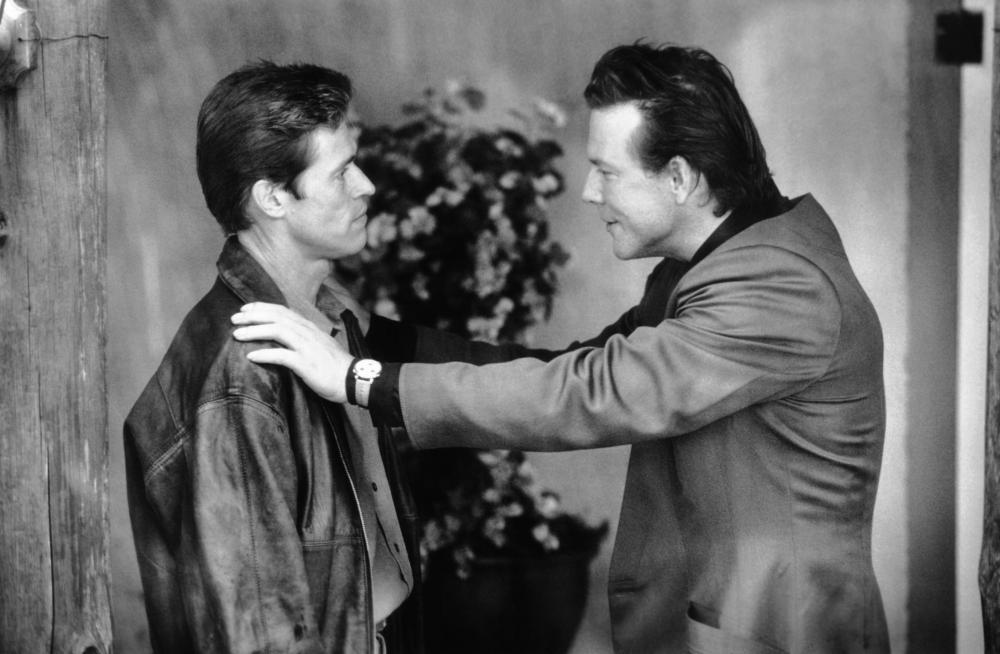
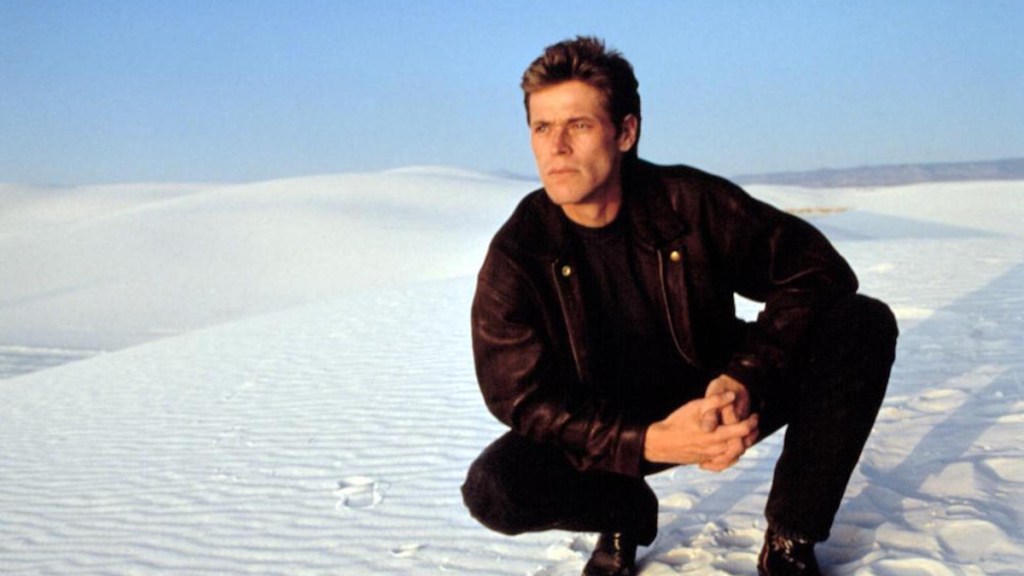
    “White Sands,” directed by Roger Donaldson and released in 1992, is a neo-noir thriller that entices viewers with its intriguing premise and star-studded cast, yet ultimately falls short of its potential due to a convoluted plot and uneven pacing. The film features Willem Dafoe as Ray Dolezal, a small-town sheriff who stumbles upon a mysterious suitcase containing $500,000 and a dead body in the New Mexico desert. This discovery sets off a chain of events that pulls Dolezal into a dangerous web of deceit, corruption, and murder.

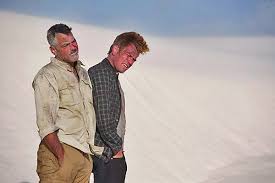
    The film’s opening is promising, with stunning cinematography capturing the stark beauty of the New Mexico landscape. The imagery of the white sand dunes serves as a metaphor for the murky moral territory that Dolezal will navigate throughout the story. Willem Dafoe delivers a compelling performance as the naïve yet determined sheriff, showcasing his range as an actor and effectively portraying Dolezal’s transformation from a lawman with a strict moral code to a man willing to bend the rules to uncover the truth.

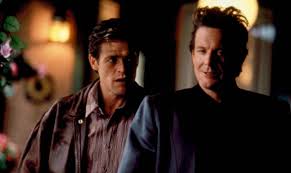
    Mickey Rourke plays Gorman Lennox, a suave and enigmatic arms dealer who becomes Dolezal’s reluctant ally. Rourke’s performance is charismatic and menacing, adding a layer of complexity to the character. Mary Elizabeth Mastrantonio stars as Lane Bodine, a woman with her own hidden agenda, who adds an element of femme fatale to the mix. Samuel L. Jackson, in one of his earlier roles, portrays Greg Meeker, an FBI agent whose motives are as opaque as the desert sands.

    The film’s narrative structure is both its strength and its Achilles’ heel. The labyrinthine plot twists and turns, keeping the audience guessing and creating a sense of suspense. However, the complexity of the story often leads to confusion, as multiple subplots and character motivations become tangled and difficult to follow. The script, penned by Daniel Pyne, is ambitious but sometimes sacrifices coherence for the sake of unpredictability.

    One of the film’s standout aspects is its atmospheric score by Patrick O’Hearn. The music complements the film’s mood, enhancing the tension and underscoring the sense of isolation that permeates the desert setting. The score, combined with the film’s visual aesthetic, creates a palpable sense of unease that lingers throughout the movie.

    Despite its stylistic strengths, “White Sands” suffers from uneven pacing. The film alternates between moments of intense action and slower, more introspective scenes. While this can be effective in building suspense, in “White Sands,” it often results in a disjointed viewing experience. The slow-burn approach requires patience, and the payoff may not be satisfying for all viewers.

    The themes explored in “White Sands”—morality, deception, and the corrupting influence of money—are compelling, but the film’s execution leaves much to be desired. The characters, while intriguing, sometimes feel underdeveloped, and their motivations can be opaque. This lack of clarity can make it difficult for the audience to fully invest in their journeys.

    While “White Sands” may not have achieved the acclaim it sought, it does offer moments of genuine intrigue and serves as a notable entry in the careers of its principal actors. Willem Dafoe’s portrayal of Ray Dolezal is particularly significant, showcasing his ability to embody a character who evolves under pressure. This transformation is central to the film’s narrative, illustrating how ordinary individuals can be drawn into extraordinary circumstances and forced to confront their own moral boundaries.

    Mickey Rourke’s performance as Gorman Lennox is another highlight. Rourke brings a magnetic presence to the screen, playing Lennox with a blend of charm and menace that keeps viewers on edge. His interactions with Dafoe’s Dolezal are charged with tension, creating a dynamic that propels much of the film’s drama. Rourke’s ability to convey complexity and unpredictability in his character adds depth to the story, making Lennox a memorable antagonist.

    Mary Elizabeth Mastrantonio’s Lane Bodine provides a compelling counterpoint to the male leads. As a character with her own agenda and secrets, Bodine is integral to the unfolding mystery. Mastrantonio’s performance is nuanced, capturing the duality of a woman who can be both vulnerable and manipulative. Her chemistry with Dafoe adds an additional layer of tension to the film, as Dolezal grapples with whether to trust her.

    The supporting cast, including Samuel L. Jackson and M. Emmet Walsh, also deliver strong performances that contribute to the film’s overall atmosphere. Jackson’s portrayal of FBI agent Greg Meeker is particularly noteworthy, offering a glimpse of the intensity and charisma that would come to define his later roles. Walsh, as Dolezal’s deputy, provides a grounded presence that contrasts with the escalating chaos of the plot.

    Director Roger Donaldson’s handling of the film’s aesthetic elements is commendable. The desert setting is not just a backdrop but a character in itself, with its vast, unforgiving expanse reflecting the isolation and moral ambiguity faced by the characters. The use of natural light and shadow enhances the noir feel of the film, creating a visual palette that is both stark and evocative.

    Despite these strengths, “White Sands” is hampered by its narrative complexity. The plot’s numerous twists and turns, while initially engaging, can become overwhelming and difficult to follow. The film’s ambition to keep the audience guessing sometimes leads to a lack of coherence, making it challenging to fully grasp the stakes and relationships at play. This complexity, combined with the slow pacing, may test the patience of some viewers.

    The film’s exploration of themes such as corruption, greed, and the fluid nature of identity is intriguing but not fully realized. The characters’ motivations are often shrouded in mystery, which can be both a strength and a weakness. While this ambiguity adds to the suspense, it can also leave the audience craving more clarity and depth in the characters’ arcs.

    In the context of early ’90s cinema, “White Sands” stands out for its stylistic choices and strong performances, even if it does not achieve the narrative tightness of more celebrated thrillers of the time. It serves as a reminder of the era’s willingness to experiment with genre conventions and push the boundaries of traditional storytelling.

    “White Sands” is a film that tantalizes with its potential but ultimately falters under the weight of its ambitious narrative. The performances, particularly those of Dafoe and Rourke, are noteworthy, and the film’s visual and auditory elements create a strong sense of atmosphere. However, the convoluted plot and uneven pacing prevent it from being a truly satisfying thriller. While it may not stand out as a classic in the neo-noir genre, “White Sands” remains an interesting watch for fans of complex, character-driven stories and those who appreciate the stylistic elements of early ’90s cinema.

  • Trailer: “Joker: Folie a Deux” (2024)

    Trailer: “Joker: Folie a Deux” (2024)

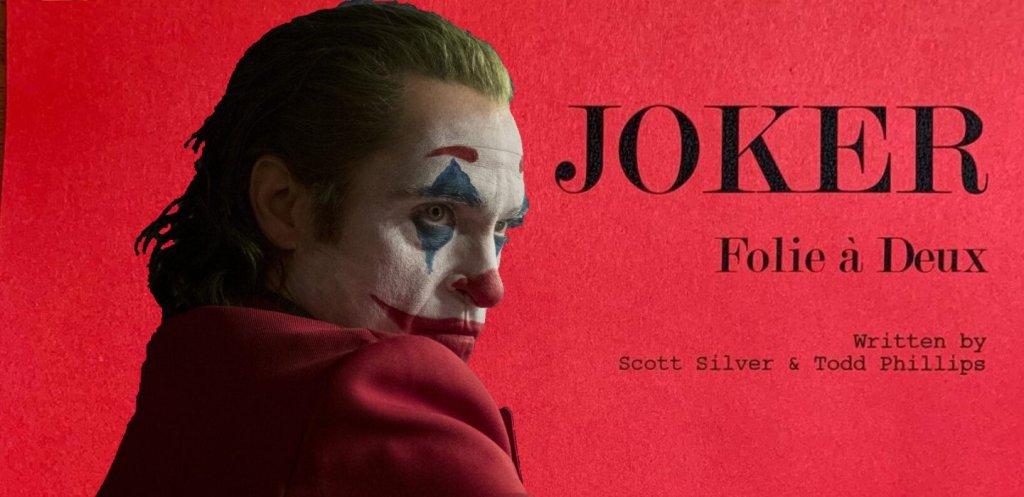
    Warner Bros. Pictures has released the trailer for filmmaker Todd Phillips’ highly anticipated “Joker: Folie a Deux” starring Joaquin Phoenix and Lady Gaga.

    Phoenix returns as Arthur Fleck here in a story that will reportedly unfold almost entirely within Gotham City’s Arkham Asylum and will have musical elements.

    Lady Gaga, Zazie Beetz, Catherine Keener, Brendan Gleeson, and Jacob Lofland co-star in the movie which Phillips once again directs from a script he wrote with Scott Silver.

    The project is considered a DC Elseworlds project, thus is not part of the Peter Safran and James Gunn DC Universe. “Joker: Folie a Deux” is slated to premiere in cinemas on October 4th.

  • Blu-ray review: “Homicide” (1991)

    “Homicide” (1991)

    Drama

    Running time: 102 minutes

    Written and Directed by: David Mamet

    Featuring: Joe Mantegna and William H. Macy

    Tim Sullivan: “Hey, you got some… you got some heavy troubles on your mind? Huh, babe? We’ll work it out. We’ll play some cops and robbers. We’ll bust this big criminal. We’ll swagger around.”

    David Mamet’s “Homicide” is a cerebral crime drama that delves deep into the psyche of a police detective, exploring themes of identity, loyalty, and the struggle between personal and professional duties. The story follows Bobby Gold (Joe Mantegna), a Jewish homicide detective in an unnamed American city. Gold is thrust into a complex investigation after a seemingly routine case of a murdered Jewish woman reveals layers of political and social intrigue. As he digs deeper, Gold finds himself caught between his duty as a cop and his reawakened sense of Jewish identity.

    “Homicide” is not your typical crime thriller. It eschews the straightforward narrative of cops and robbers for a more nuanced exploration of character and society. At its core, the film is about identity and the internal conflicts that arise when one’s personal and professional worlds collide.

    The film begins with a botched raid, highlighting Gold’s adeptness and his reputation among his peers. However, when he is assigned the murder case of an elderly Jewish woman, his journey takes an unexpected turn. As he delves into the case, Gold uncovers a conspiracy that challenges his notions of justice, loyalty, and his own identity as a Jew in a predominantly non-Jewish environment.

    David Mamet’s script is dense with dialogue and layered with subtext, reflecting his background as a playwright. The conversations are sharp and realistic, filled with the kind of tension that keeps audiences on edge. The film also explores the idea of duality – Gold’s dual identity as a cop and a Jew, and the dual nature of the investigation which reveals more than just a simple murder.

    Joe Mantegna delivers a powerful performance as Bobby Gold. His portrayal of a man torn between his professional obligations and personal revelations is both compelling and heartbreaking. Mantegna captures the internal conflict with subtlety, making Gold a deeply human character.

    William H. Macy and Ving Rhames provide strong supporting roles, adding depth to the narrative. Rebecca Pidgeon’s performance, although brief, leaves a lasting impact, serving as a catalyst for Gold’s introspection.

    David Mamet’s direction is precise and deliberate. He focuses on character development and thematic depth, rather than conventional action sequences. This approach allows the film to explore its complex themes more thoroughly. Mamet’s use of tight framing and urban landscapes underscores the protagonist’s feeling of entrapment, both physically and emotionally.

    Roger Deakins’ cinematography enhances the film’s somber tone. The use of shadows and dim lighting reflects the moral ambiguities and the murky nature of the investigation. The cityscape is depicted as both familiar and alien, mirroring Gold’s inner turmoil.

    Music and Sound

    Alaric Jans’ score is understated yet effective, complementing the film’s mood without overpowering the narrative. The sound design is meticulous, with attention to the ambient noises of the city, adding to the film’s realism and immersive quality.

    Social and Cultural Context

    “Homicide” is deeply rooted in its social and cultural context. The film addresses anti-Semitism and the challenges of navigating one’s heritage in a predominantly non-Jewish environment. Gold’s struggle with his identity is portrayed with authenticity, resonating with anyone who has faced similar internal conflicts.

    The film also comments on the nature of law enforcement and justice. It questions the integrity of institutions and the individuals within them, presenting a cynical yet realistic view of the criminal justice system.

    Bobby Gold is a complex character whose internal conflict is the heart of the film. Initially portrayed as a competent and somewhat detached detective, his journey through the murder investigation reveals layers of his personality and beliefs. Gold’s Jewish identity, which he has kept at bay to fit into his professional environment, resurfaces with force as he delves into the case of the murdered Jewish woman. This leads to a personal reckoning, forcing him to confront the prejudice and anti-Semitism within his community and the police force.

    Gold’s transformation is subtle yet profound. Joe Mantegna’s nuanced performance captures the essence of a man grappling with rediscovered aspects of his identity. His interactions with other characters, particularly his fellow officers and the Jewish community, highlight the multifaceted nature of his struggle. Mantegna’s portrayal of Gold’s growing sense of isolation and his ultimate moral dilemma is both compelling and relatable.

    Tim Sullivan is Gold’s partner and a representation of the professional world that Gold inhabits. Macy’s performance is understated, but his character serves as a foil to Gold, embodying the police force’s collective mindset. Sullivan’s skepticism and occasional insensitivity towards Gold’s growing preoccupation with the Jewish case underscore the systemic issues within the police force, including latent prejudices and a lack of empathy.

    Ving Rhames as Robert Randolph provides a contrasting perspective within the police force. His character, an African-American detective, brings another layer of complexity to the film’s exploration of identity and discrimination. Randolph’s interactions with Gold offer a parallel narrative about racial and ethnic identity within the law enforcement community. Rhames’ performance adds depth to the film, highlighting the shared struggles and unique challenges faced by minority officers.

    At its core, “Homicide” is a meditation on identity and the sense of belonging. Gold’s journey is one of self-discovery and acceptance, as he grapples with his Jewish heritage and the implications it has on his life and career. The film portrays the tension between personal identity and societal expectations, making it a poignant commentary on the universal human experience of seeking acceptance and understanding one’s place in the world.

    The film’s narrative is steeped in moral ambiguity. Gold’s investigation into the murder case forces him to confront uncomfortable truths about justice and his role in upholding it. Mamet raises questions about the nature of justice and whether it can ever be truly impartial. The conspiracy that Gold uncovers is not just a criminal plot but a reflection of societal and institutional failures. The film suggests that true justice is elusive and often compromised by personal biases and systemic corruption.

    “Homicide” does not shy away from depicting the pervasive nature of prejudice and discrimination. Through Gold’s experiences, the film exposes the subtle and overt forms of anti-Semitism that exist within the police force and society at large. Mamet’s portrayal of these issues is both honest and thought-provoking, challenging the audience to reflect on their own prejudices and the impact they have on individuals and communities.

    Roger Deakins’ cinematography is instrumental in setting the tone of the film. The use of shadows, reflections, and urban landscapes creates a visually compelling narrative that complements the film’s themes. Deakins’ ability to capture the gritty reality of the city while also highlighting moments of introspection and isolation adds a rich, textured layer to the storytelling.

    The film’s production design is meticulous, with attention to detail that enhances the authenticity of the setting. The portrayal of the Jewish community, from the synagogues to the family homes, is done with respect and accuracy, providing a realistic backdrop to Gold’s journey. The contrast between the urban police precinct and the culturally rich Jewish environments further emphasizes Gold’s internal conflict.

    The film’s editing is deliberate, allowing the narrative to unfold at a pace that reflects Gold’s gradual awakening to his identity and the complexities of the case. The transitions between scenes are smooth, maintaining the film’s tension and engagement without resorting to sensationalism. Mamet’s restraint in pacing ensures that the focus remains on character development and thematic exploration.

    “Homicide” is a film that resonates on multiple levels. Its exploration of identity, morality, and justice transcends the genre, making it a significant contribution to the canon of crime dramas. The film has been praised for its intelligent writing, strong performances, and thought-provoking themes. It remains relevant today, offering insights into the human condition and the societal structures that shape our identities and beliefs.

    David Mamet’s work on “Homicide” is a testament to his skill as a storyteller who can weave complex narratives that challenge and engage the audience. The film’s legacy lies in its ability to provoke introspection and dialogue about important social issues, making it a timeless piece of cinema.

    “Homicide” is a thought-provoking film that stands out in the crime drama genre for its intellectual depth and character-driven narrative. David Mamet’s script and direction, combined with Joe Mantegna’s compelling performance, make it a memorable and impactful film. It is a movie that requires and rewards attentive viewing, offering no easy answers but plenty of food for thought.

    For those who appreciate crime dramas that go beyond the surface to explore deeper philosophical and societal issues, “Homicide” is a must-watch. It is a testament to Mamet’s skill as a storyteller and his ability to craft narratives that challenge and engage the audience on multiple levels.

  • DVD review: “One Night in the Tropics” (1940)

    “One Night in the Tropics” (1940)

    Comedy

    Running time: 82 minutes

    Written by: Gertrude Purcell and Charles Grayson

    Directed by: A. Edward Sutherland

    Featuring: Allan Jones, Robert Cummings, Nancy Kelly, Bud Abbott, Lou Costello, William Frawley and Peggy Moran

    Abbott: “Put that out. There’s no smoking in here.”

    Costello: “What makes you think I’m smokin’?”

    Abbott: “You’ve got a cigar in your mouth!”

    Costello: “I’ve got shoes on… don’t mean I’m walkin’.”

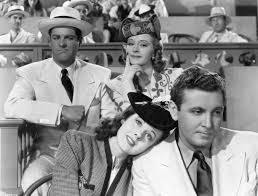
    “One Night in the Tropics” is a 1940 romantic comedy film that marks the film debut of the legendary comedy duo Abbott and Costello. Directed by A. Edward Sutherland, the movie blends romance, comedy, and a dash of musical numbers, offering a delightful albeit somewhat uneven cinematic experience.

    The film revolves around Jim “Lucky” Moore (Allan Jones), an insurance salesman who concocts an unusual insurance policy called the “love insurance” policy. His client, Steve Harper (Robert Cummings), purchases this policy to ensure his marriage to Cynthia Merrick (Nancy Kelly), promising to pay a large sum if the wedding doesn’t happen. As events unfold, the story takes viewers from New York City to the exotic locales of the Caribbean.

    Allan Jones and Robert Cummings deliver solid performances as the romantic leads. Jones’s portrayal of Lucky is charismatic and engaging, fitting well into the role of a suave, fast-talking salesman. Cummings brings a likable earnestness to the character of Steve, whose romantic misadventures drive much of the plot.

    Nancy Kelly, as Cynthia, brings charm and wit to her role, though her character sometimes feels underdeveloped compared to the male leads. The film also features a notable supporting cast, including William Frawley, who adds a touch of his signature gruff humor as Roscoe, Lucky’s boss.

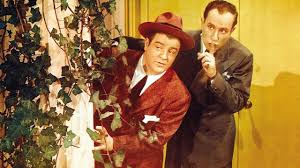
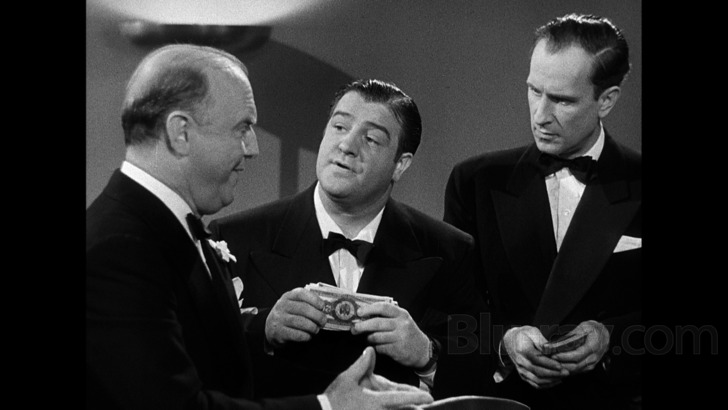
    However, the real scene-stealers are Bud Abbott and Lou Costello. Although they are not the main characters, their presence adds an unforgettable comedic touch to the film. They play Abbott and Costello (appropriately named Abbott and Costello in the movie), a pair of bumbling friends who get entangled in the romantic hijinks. Their comedic timing and chemistry are impeccable, and they deliver some of the film’s funniest moments, particularly in their classic “Who’s on First?” routine, which, while not fully fleshed out here, gives a glimpse of their future greatness.

    Edward Sutherland’s direction is competent, if not particularly innovative. The film’s pacing is brisk, keeping the audience engaged with a mix of comedy, romance, and musical interludes. The musical numbers, featuring songs like “It’s Only Love” and “You’re My Thrill,” are well-executed and add a pleasant variety to the film. Allan Jones’s singing is a highlight, showcasing his talents and providing some of the movie’s most memorable moments.

    The cinematography, handled by Rudolph Maté, captures the tropical settings with a vibrant palette, making effective use of the Caribbean locales to enhance the film’s exotic appeal. The visual style, while typical of romantic comedies of the era, adds a layer of charm and escapism that complements the story.

    The screenplay, written by Joseph A. Fields, Felix Jackson, and Charles Grayson, is a mixed bag. While it provides a solid framework for the romantic plot and sets up several humorous situations, it sometimes relies too heavily on clichés and predictable twists. The dialogue, however, shines in moments, particularly in the exchanges involving Abbott and Costello. Their witty banter and physical comedy elevate the film, injecting a level of energy and hilarity that keeps the audience entertained.

    Upon its release, “One Night in the Tropics” received a lukewarm reception from critics, who appreciated the comedic elements but found the plot somewhat formulaic. However, the film holds a special place in cinematic history as the launching pad for Abbott and Costello’s illustrious film career. Their performance in this movie led to a string of successful films and solidified their status as one of the greatest comedy duos of all time.

    The musical aspect of “One Night in the Tropics” deserves special attention. The film features several musical numbers that are woven seamlessly into the narrative, adding a layer of entertainment that complements the romantic and comedic elements. Allan Jones, known for his tenor voice, delivers performances that are both engaging and memorable. Songs like “It’s Only Love” and “You’re My Thrill” are highlights, showcasing Jones’s vocal prowess and adding an extra dimension to the film.

    The choreography and staging of these musical numbers are well-executed, reflecting the lavish production values typical of Universal Pictures during this era. The songs not only provide a break from the comedic antics but also help to advance the romantic subplot, adding depth to the characters’ relationships.

    In addition to the main characters, the supporting cast of “One Night in the Tropics” contributes significantly to the film’s charm. William Frawley, who later became famous for his role as Fred Mertz on “I Love Lucy,” brings his trademark gruffness and comedic timing to the role of Roscoe. His interactions with the other characters, particularly Abbott and Costello, provide some of the film’s funniest moments.

    The film also features an array of colorful secondary characters who add to the comedic chaos. These include traditional comic relief roles and eccentric personalities that populate the tropical setting, enhancing the film’s lighthearted tone.

    While “One Night in the Tropics” may not have been designed as a showcase for Abbott and Costello, their contribution is undeniably the film’s standout feature. Their unique brand of humor, characterized by rapid-fire wordplay and slapstick physical comedy, is on full display here. Although their roles are secondary, they manage to steal every scene they are in, providing a glimpse of the comic genius that would later make them household names.

    Their famous routines, though in nascent form, exhibit the timing and chemistry that would define their partnership. The film served as a proving ground for their talents, demonstrating their ability to connect with audiences through humor that is both timeless and universal.

    The film strikes a balance between romance and comedy, a common formula in the romantic comedies of the 1940s. The central love triangle between Lucky, Steve, and Cynthia is handled with a light touch, avoiding melodrama and instead focusing on the humorous complications that arise from the “love insurance” plot device.

    The comedic elements, driven largely by Abbott and Costello, ensure that the film maintains a lively and entertaining pace. Their involvement in the storyline, from their bumbling attempts to help Steve to their misunderstandings and mishaps, provides a steady stream of laughs that keep the audience engaged.

    “One Night in the Tropics” is a product of its time, reflecting the cultural and cinematic norms of the early 1940s. The film’s portrayal of romance, comedy, and exotic locales aligns with the escapist entertainment that was popular during this period, offering audiences a reprieve from the realities of the world on the brink of World War II.

    In terms of legacy, the film is significant not only for introducing Abbott and Costello to the silver screen but also for its place within the broader context of Hollywood’s Golden Age. It exemplifies the era’s penchant for blending genres and leveraging the star power of its cast to create engaging, lighthearted entertainment.

    From a technical standpoint, “One Night in the Tropics” showcases the polished production values typical of Universal Pictures. The cinematography by Rudolph Maté captures the lush, tropical settings with vibrant colors and dynamic compositions, enhancing the film’s visual appeal. The set design and costumes further contribute to the film’s exotic atmosphere, immersing viewers in a world of romantic adventure.

    The editing and pacing are tight, ensuring that the film’s various elements—from musical numbers to comedic set pieces—flow seamlessly together. The film’s score, composed by Jerome Kern and others, complements the on-screen action, adding an additional layer of enjoyment.

    “One Night in the Tropics” is an enjoyable romantic comedy that benefits immensely from the comedic talents of Abbott and Costello. While the plot may not be groundbreaking and some characters could have been more fleshed out, the film’s humor, musical numbers, and engaging performances make it a worthwhile watch. It offers a nostalgic glimpse into the early days of a comedy duo that would go on to become legends in their own right. For fans of classic Hollywood comedy and romance, “One Night in the Tropics” is a charming and entertaining film that showcases the beginnings of Abbott and Costello’s incredible journey in the world of cinema.

  • Trailer: “Anora” (2024)

    Trailer: “Anora” (2024)

    The first trailer has been released by NEON for filmmaker Sean Baker’s “Anora” ahead of its October 18th release.

    It marks the latest project from the “Tangerine,” “The Florida Project” and “Red Rocket” director and won the top award of the Palme d’Or at this year’s Cannes Film Festival.

    Anora (“Mikey Madison”) is a sex worker from Brooklyn who gets her chance at a Cinderella story when she meets and marries the son of an oligarch.

    Once the news reaches Russia, her fairytale is threatened as the parents set out for New York to get the marriage annulled.

    Mark Eidelstein, Yuri Borisov, Karren Karagulian, Vache Tovmasyan, Lindsey Normington, Ivy Wolk, and Luna Sofía Miranda also star.

  • DVD review: “Diagnosis: Murder” (1993 – 2001)

    “Diagnosis: Murder” (1993 – 2001)

    Television Drama

    One hundred and seventy eight episodes

    Created by: Joyce Burditt

    Featuring: Dick Van Dyke, Scott Baio, Victoria Rowell, Barry Van Dyke, Michael Tucci, Delores Hall and Charlie Schlatter

    Diagnosis: Murder, a charmingly cheesy detective drama from the 1990s, holds a special place in the hearts of many viewers. The series, which ran for eight seasons, follows Dr. Mark Sloan (Dick Van Dyke), a charismatic Chief of Medicine with a knack for solving mysteries. His son, Detective Steve Sloan (Barry Van Dyke), provides the police procedural backbone, and together they tackle a quirky mix of murder cases, often stemming from within the hospital walls.

    Diagnosis: Murder thrives on a formula that’s both familiar and comforting. The episode structure is predictable: a crime occurs, Dr. Sloan stumbles upon suspicious clues, tensions rise between him and the lead detective (initially played by Scott Baio, later Charlie Schlatter), and ultimately, the good doctor exposes the killer through a clever deduction. While the mysteries themselves may not be mind-blowing whodunnits, the show’s charm lies in its lighthearted approach. Dick Van Dyke’s signature charisma shines through, infusing Dr. Sloan with a playful enthusiasm that’s infectious.

    The real magic lies in the dynamic between the Van Dykes. Dick, as the seasoned doctor with a twinkle in his eye, and Barry, playing the straight-laced detective, create a believable and endearing father-son bond. Their playful banter and occasional clashes keep the tone light and humorous, even as they navigate the seriousness of murder investigations.

    The supporting cast adds further depth. Victoria Rowell delivers a strong performance as the level-headed medical examiner, Amanda Bentley, providing a grounded counterpoint to Dr. Sloan’s exuberance. Guest stars are another highlight, with the show frequently featuring familiar faces from classic television shows, adding a touch of nostalgia for longtime viewers.

    However, Diagnosis: Murder isn’t without its flaws. The plots can veer into the predictable, relying on convenient coincidences and sometimes outlandish scenarios. The acting, particularly Barry Van Dyke’s portrayal of Steve, can feel wooden at times. Additionally, the show’s 90s aesthetic, from the vibrant clothing to the dramatic music cues, might feel dated to modern viewers.

    While Diagnosis: Murder may not be a show remembered for groundbreaking storytelling, it holds a significant place in television history. Here’s a deeper look at its lasting impact:

    A Bridge Between Genres: The show cleverly blended the medical drama with the detective procedural genre. This unique combination appealed to a wider audience, attracting fans of both medical shows and classic mysteries.

    The Power of Family: At its core, Diagnosis: Murder is a story about family. The bond between Dr. Sloan and his son Steve resonates with viewers. Despite their professional differences, they work together, showcasing the importance of family support.

    A Reflection of its Time: The show serves as a time capsule of the 1990s. The fashion trends, the reliance on landlines,and the overall optimistic tone are all hallmarks of that era. It offers a glimpse into a bygone era of television for those who grew up watching it.

    A Launching Pad for Careers: Diagnosis: Murder provided a platform for several actors. Dick Van Dyke enjoyed a successful career resurgence thanks to the show. Barry Van Dyke, while not achieving the same level of fame as his father,established himself as a recognizable television presence. Additionally, the show served as a springboard for guest stars,many of whom were established actors enjoying a resurgence of popularity.

    A Show With a Heart: Despite its lighthearted approach, Diagnosis: Murder tackled some serious social issues sprinkled throughout its eight seasons. Domestic violence, environmental concerns, and medical ethics were all explored in a way that resonated with viewers.

    The Enduring Appeal: Even today, reruns of Diagnosis: Murder continue to find an audience. The show’s comfort-food quality, the charming cast, and the easy-to-digest mysteries offer a welcome escape from more complex and often dark contemporary crime dramas.

    The legacy of Diagnosis: Murder extends beyond the television screen. Here’s a look at the show’s impact on fan culture and its continued relevance in today’s media landscape:

    A Dedicated Fanbase: Diagnosis: Murder boasts a loyal fanbase that continues to celebrate the show long after its finale.Online communities dedicated to the show allow fans to discuss episodes, share memories, and keep the spirit of the series alive.

    The Power of Nostalgia: Streaming services have made Diagnosis: Murder readily available to a new generation of viewers. This accessibility has fueled a wave of nostalgia, with younger audiences discovering the show’s charm for the first time.

    A Gateway to Classic Television: For younger viewers, Diagnosis: Murder serves as a gateway to classic television. The show’s frequent use of guest stars from other popular shows of the era introduces them to a bygone era of television and sparks an interest in exploring those older shows.

    Memes and Social Media Buzz: Believe it or not, Diagnosis: Murder has found a new life in the age of social media.Memorable scenes and Dr. Sloan’s signature catchphrases have been transformed into memes, generating a buzz for the show amongst online communities.

    A Reflection of Social Issues: While the social issues tackled by Diagnosis: Murder may seem dated on the surface, they often mirror ongoing social concerns. The show’s exploration of medical ethics, environmental issues, and domestic violence resonates with audiences who continue to face these challenges.

    A Comforting Escape: In today’s fast-paced and often dark world, Diagnosis: Murder offers a comforting escape. With its predictable storylines, lighthearted humor, and satisfying resolutions, the show provides a sense of nostalgia and a predictable formula that viewers can rely on.

    A Recipe for Success in a New Format? The success of Diagnosis: Murder’s simple formula begs the question: Could the show be rebooted for a modern audience? While a straight-up reboot might feel stale, elements of the show could be reimagined for a new generation. A medical drama with a lighter touch and a focus on family dynamics could potentially find success in today’s television landscape.

    Ultimately, Diagnosis: Murder is a show that revels in its cheesiness. It’s a light and breezy escape, perfect for those seeking a fun and familiar murder mystery with a healthy dose of humor. The show’s heart lies in its characters,particularly the bond between the Sloans. If you’re looking for a sophisticated whodunit, this might not be it. But for a nostalgic trip down memory lane filled with quirky cases and a charming cast, Diagnosis: Murder is a delightful diagnosis.

  • Movie review: “MaXXXine” (2024)

    “MaXXXine” (2024)

    Horror

    Running Time: 104 minutes

    Written and directed by: Ti West

    Featuring: Mia Goth, Elizabeth Debicki, Moses Sumney, Michelle Monaghan, Bobby Cannavale, Halsey, Lily Collins,Giancarlo Esposito and Kevin Bacon

    Maxine Minx: “You’re a fucking movie star.”

    “MaXXXine” is the concluding chapter of Ti West’s audacious and atmospheric trilogy, following “X” and “Pearl.” This trilogy has pushed the boundaries of horror, blending retro aesthetics with deeply psychological storytelling. “MaXXXine” continues this tradition, delivering a thrilling, unsettling experience that stays with you long after the credits roll.

    Set in the late 1980s, “MaXXXine” picks up the story of Maxine Minx (Mia Goth) after the tragic events of “X.” Having survived the horrors on the farm, Maxine is now determined to escape her past and make a name for herself in the burgeoning world of VHS-era adult entertainment in Los Angeles. As she navigates the seedy underbelly of Hollywood, she encounters both allies and adversaries, including a sleazy producer (Kevin Bacon), a supportive but troubled co-star (Jenna Ortega), and a mysterious cult leader (Giancarlo Esposito) who has sinister plans for her.

    Ti West’s direction in “MaXXXine” is both a love letter to the 80s and a critique of its excesses. The film is drenched in neon lights and synth-heavy music, capturing the era’s distinct visual and auditory style. West’s meticulous attention to detail creates an immersive atmosphere, whether it’s the grimy streets of Los Angeles or the lavish, albeit decaying, interiors of adult film sets. The use of practical effects over CGI adds a layer of authenticity, making the horror elements more visceral and immediate.

    Mia Goth delivers a powerhouse performance as Maxine. She embodies both vulnerability and strength, making her a compelling protagonist. Her journey from a victim of circumstance to a determined survivor is portrayed with nuance and intensity. Jenna Ortega, as Maxine’s co-star and confidante, adds depth to the narrative, her character serving as both a mirror and foil to Maxine’s own struggles. Giancarlo Esposito is chilling as the cult leader, exuding a charismatic menace that keeps the audience on edge.

    “MaXXXine” explores themes of identity, survival, and the cost of fame. The film critiques the exploitation inherent in the entertainment industry, especially the adult film sector, while also delving into the psychological toll it takes on those involved. Maxine’s struggle to maintain her sense of self amidst external pressures and internal demons is central to the narrative. The film also touches on the commodification of trauma and the thin line between reality and performance.

    The horror in “MaXXXine” is both psychological and physical. West masterfully builds tension through slow-burn suspense, punctuated by moments of shocking violence. The film’s unsettling atmosphere is heightened by its eerie score and sound design, which play with silence and sudden, jarring noises to keep viewers on edge. The horror is not just in the blood and gore but in the pervasive sense of dread and the haunting character arcs.

    Maxine Minx’s character arc is the heart of “MaXXXine.” Throughout the trilogy, we’ve seen her evolve from an ambitious but naive young woman in “X” to a scarred but resilient survivor in “MaXXXine.” Mia Goth’s portrayal is raw and honest, capturing the complexity of a character who refuses to be defined by her past traumas. Maxine’s journey is one of reclaiming power, and her struggle to navigate an industry rife with exploitation and danger resonates deeply. Her determination to carve out a space for herself in a world that constantly tries to tear her down is both inspiring and heartbreaking.

    Jenna Ortega’s character, on the other hand, serves as a contrast to Maxine. While Maxine is hardened by her experiences, Ortega’s character embodies a more hopeful, albeit tragic, perspective. Her role adds emotional weight to the story, and her interactions with Maxine provide some of the film’s most poignant moments.

    Giancarlo Esposito’s cult leader is another standout. His performance is both magnetic and terrifying, creating a character that feels larger-than-life yet disturbingly real. The way he manipulates those around him, including Maxine, adds a layer of psychological horror that complements the film’s more visceral scares.

    “MaXXXine” doesn’t shy away from critiquing the adult entertainment industry of the 1980s. The film highlights the era’s rampant sexism, exploitation, and the commodification of performers. It delves into the darker side of the “Golden Age of Porn,” where dreams of stardom often turned into nightmares of abuse and degradation.

    Ti West uses this backdrop to explore broader themes of identity and self-worth. Maxine’s struggle is emblematic of many who found themselves trapped in an industry that promised fame but often delivered exploitation. The film questions what it means to be seen and valued, both by others and oneself, and the lengths one might go to in order to achieve recognition and respect.

    The aesthetic of “MaXXXine” is a rich tapestry of 80s nostalgia and horror. The neon-soaked visuals, combined with a grainy film texture, transport the audience back to the VHS era. This stylistic choice not only sets the mood but also reinforces the film’s themes of illusion and reality.

    The use of practical effects and detailed set designs adds a layer of authenticity that enhances the horror elements. Whether it’s the dingy, claustrophobic apartments or the opulent but decaying film sets, every location feels meticulously crafted to serve the story.

    West’s direction is confident and precise, using long takes and slow zooms to build tension. The pacing is deliberate, allowing the horror to unfold gradually and giving the audience time to connect with the characters. When the scares come, they are all the more impactful because of this careful buildup.

    The film’s sound design is another crucial element in creating its haunting atmosphere. The score, composed by Tyler Bates, blends synth-heavy tracks with eerie, minimalist compositions. The music is both a nod to the 80s and a tool to amplify the film’s suspense.

    Silence is used effectively to heighten tension, often making the audience hold their breath in anticipation. Sudden, jarring sounds punctuate the silence, creating moments of pure, unadulterated terror. The sound design doesn’t just complement the visuals; it enhances the entire viewing experience, making the horror more immersive and intense.

    At its core, “MaXXXine” is about survival and self-discovery. It examines the masks we wear and the personas we adopt to protect ourselves or to fit into certain molds. Maxine’s journey is one of shedding these masks and confronting her true self.

    The film also touches on themes of control and autonomy. In a world that constantly tries to dictate who she should be, Maxine fights to take control of her own narrative. This struggle for autonomy is a powerful commentary on the broader societal pressures that many face, especially women in industries that objectify and exploit them.

    Final Verdict:

    “MaXXXine” is a fitting conclusion to Ti West’s trilogy, tying together themes and narratives from “X” and “Pearl” while standing firmly on its own merits. It’s a bold, unflinching look at the darker side of the 80s entertainment industry, elevated by strong performances, meticulous direction, and a hauntingly atmospheric style. For fans of the trilogy and horror enthusiasts alike, “MaXXXine” offers a satisfying, thought-provoking, and genuinely chilling experience.

    Ti West has crafted a trilogy that redefines modern horror, blending retro influences with contemporary sensibilities. “MaXXXine” stands out not just as a horror film but as a complex character study and a critique of an era. It’s a testament to West’s vision and the remarkable performances of his cast, particularly Mia Goth, whose portrayal of Maxine is unforgettable. “MaXXXine” is a must-watch for those who appreciate horror that goes beyond the surface, delving into the psychological and societal layers beneath.

  • Movie review: “A Quiet Place: Day One” (2024)

    “A Quiet Place: Day One” (2024)

    Horror

    Running Time: 99 minutes

    Written and directed by: Michael Sarnoski

    Featuring: Lupita Nyong’o, Joseph Quinn, Alex Wolff and Djimon Hounsou

    Samira: [final line] It’s good to have been back.

    “A Quiet Place: Day One,” directed by Michael Sarnoski, is a gripping prequel to John Krasinski’s highly acclaimed “A Quiet Place” series. This film dives deep into the origins of the terrifying alien invasion that has left humanity struggling to survive in a world where making any noise can be fatal. With its intense atmosphere, masterful use of sound, and compelling performances, “A Quiet Place: Day One” successfully expands the franchise’s lore while delivering a heart-pounding cinematic experience.

    The film opens in a bustling city on an ordinary day, introducing us to our main characters: Dr. Elaine Matthews (Lupita Nyong’o), a dedicated scientist; Marcus, a construction worker (Joseph Quinn); and Sarah, a high school student (Alex Wolff). Their lives are abruptly shattered when a mysterious meteor shower strikes the city, bringing with it the deadly alien creatures that hunt by sound.

    From the moment the first alien lands, chaos erupts. The film masterfully captures the immediate descent into pandemonium as people scramble for safety, only to be silenced forever by the relentless monsters. Dr. Matthews quickly realizes the gravity of the situation and teams up with Marcus and Sarah in a desperate bid for survival. As they navigate the perilous cityscape, the group forms a tight bond, relying on their wits and newfound knowledge of the creatures’ weakness to stay alive.

    Lupita Nyong’o shines as Dr. Elaine Matthews, bringing depth and vulnerability to her role. Her portrayal of a scientist thrust into a nightmare scenario is both convincing and emotionally resonant. Nyong’o’s ability to convey fear, determination, and hope without uttering a word for much of the film is a testament to her remarkable talent.

    Joseph Quinn as Marcus provides a grounded and relatable performance. His character’s transformation from an everyday worker to a brave protector adds an essential human element to the story. Quinn’s chemistry with Nyong’o is palpable, creating a believable and touching dynamic.

    Alex Wolff, as the resourceful teenager Sarah, delivers a standout performance. Wolff captures the essence of a young person forced to grow up too quickly in a world gone mad. His character’s ingenuity and courage make him a key player in the group’s survival, and Wolff handles the role with maturity and nuance.

    Michael Sarnoski, stepping into the directorial shoes for this installment, maintains the franchise’s signature tension and suspense while injecting his unique vision. The film’s pacing is relentless, with moments of intense action seamlessly interwoven with quieter, character-driven scenes. Sarnoski’s direction ensures that the audience is constantly on edge, never knowing when the next terrifying encounter will occur.

    The cinematography by Polly Morgan is nothing short of breathtaking. The film’s visual language emphasizes the contrast between the bustling, noisy city before the invasion and the eerie, silent aftermath. The use of long, unbroken takes heightens the sense of immersion, making the audience feel like they are right alongside the characters, experiencing their terror firsthand.

    As with the previous films, sound design plays a crucial role in “A Quiet Place: Day One.” The meticulous attention to detail in the soundscape is remarkable. Every creak, whisper, and breath is amplified, creating an atmosphere of constant dread. The absence of sound is as impactful as its presence, with silence becoming a character in its own right.

    The score by Marco Beltrami enhances the film’s tension without overpowering it. Beltrami’s compositions blend seamlessly with the sound design, punctuating moments of intense action and providing an emotional undercurrent during quieter scenes. The music serves as a guide, leading the audience through the film’s emotional highs and lows.

    “A Quiet Place: Day One” delves into themes of survival, human resilience, and the power of silence. The film explores how people adapt in the face of unimaginable horror, finding strength in their connections with others. The characters’ struggle to communicate and work together without making noise underscores the importance of unity and cooperation in the direst of circumstances.

    The prequel also provides valuable context to the original films, shedding light on the origins of the invasion and the initial human response. It answers some lingering questions while raising new ones, setting the stage for future installments in the franchise.

    One of the film’s standout elements is its character development and the evolving relationships between the protagonists. Dr. Elaine Matthews, initially portrayed as a solitary figure dedicated to her research, undergoes significant growth. Forced out of her lab and into the chaotic streets, Elaine’s scientific mind becomes a crucial asset. Her journey from a passive observer of the unfolding crisis to an active leader and protector is both compelling and inspiring.

    Marcus, the construction worker, starts as an everyman caught in extraordinary circumstances. His character arc is deeply moving as he transitions from a position of helplessness to one of empowerment. His resourcefulness, combined with his determination to protect the group, highlights the inherent heroism in ordinary people. The relationship that develops between Marcus and Elaine is one of mutual respect and shared trauma, further enriching the narrative.

    Sarah’s character provides a youthful perspective on the catastrophe. Initially depicted as a typical teenager, her ingenuity and bravery quickly come to the fore as she adapts to the new, silent world. Her bond with Elaine and Marcus becomes the emotional backbone of the film, showcasing a found family dynamic that adds depth to their struggle for survival.

    The visual effects in “A Quiet Place: Day One” are top-notch, maintaining the franchise’s high standards. The alien creatures, once again, are terrifyingly realistic. Their design is both grotesque and fascinating, with intricate details that make them seem almost believable. The way they move and hunt adds an extra layer of horror, as their acute sensitivity to sound creates a constant threat.

    The depiction of the city’s transformation from a bustling urban environment to a desolate, alien-infested wasteland is chilling. The filmmakers effectively use visual storytelling to show the rapid decline of civilization, with abandoned vehicles, empty streets, and makeshift barricades painting a grim picture of humanity’s downfall.

    The film’s pacing is expertly managed, balancing moments of intense action with quieter, character-driven scenes. The initial invasion sequence is a masterclass in escalating tension, throwing the audience into the chaos alongside the characters. From there, the film ebbs and flows, allowing for brief respites that give the audience a chance to breathe before plunging them back into suspense.

    The tension is palpable throughout, sustained by the ever-present threat of the aliens. The filmmakers skillfully use silence to build anxiety, with even the slightest noise potentially attracting deadly attention. This constant danger keeps the audience on edge, fully engaged with the characters’ plight.

    “A Quiet Place: Day One” also explores the psychological and societal impacts of the invasion. The film delves into how different people react to extreme stress and fear. Some characters rise to the occasion, displaying courage and selflessness, while others succumb to panic and despair. This spectrum of responses adds realism to the narrative, reflecting the varied ways humans cope with trauma.

    The societal breakdown is portrayed through brief glimpses of government broadcasts and emergency services attempting to manage the crisis. These elements ground the film in a recognizable reality, showing the fragility of human systems in the face of overwhelming threats. The lack of communication and the isolation of the survivors further emphasize the theme of vulnerability in a world where sound equals death.

    “A Quiet Place: Day One” is a worthy addition to the “A Quiet Place” series, delivering a thrilling and emotionally resonant cinematic experience. Michael Sarnoski’s direction, coupled with stellar performances from Lupita Nyong’o, Joseph Quinn, and Alex Wolff, ensures that this prequel stands on its own while enriching the overall narrative of the franchise. With its masterful use of sound, breathtaking cinematography, and compelling storytelling, “A Quiet Place: Day One” is a must-see for fans and newcomers alike. Prepare to be on the edge of your seat from start to finish, as this film reminds us once again that silence is not just golden—it’s a matter of life and death.

  • DVD review: “Last Tango in Halifax” (2012-2020)

    “Last Tango in Halifax” (2012-2020)

    Television Drama

    Twenty four Episodes

    Created by: Sally Wainwright

    Featuring: Derek Jacobi and Anne Reid 

    John: “Um, I’m tempted to say it’s a long story, but it isn’t really. In fact, it’s pretty straightforward. Turns out, Judith’s a bit of an alcoholic. I knew she had a significant relationship with the stuff, I knew she liked to drink, but, um, yeah. Didn’t realize the extent of it.”

    “Last Tango in Halifax,” a British drama series created by Sally Wainwright, beautifully explores the complexities of love, family, and second chances. The show centers on Celia (Anne Reid) and Alan (Derek Jacobi), two widowed septuagenarians who rekindle a romance that began in their youth, thanks to the wonders of social media. This reunion not only changes their lives but also dramatically impacts their respective families.

    The strength of “Last Tango in Halifax” lies in its richly drawn characters and compelling storytelling. Anne Reid and Derek Jacobi deliver stellar performances, portraying Celia and Alan with warmth, charm, and authenticity. Their chemistry is palpable, making their love story both believable and heart-warming.

    The series also delves into the lives of their daughters, Caroline (Sarah Lancashire) and Gillian (Nicola Walker), who each grapple with their own personal struggles and relationships. Lancashire and Walker bring depth and nuance to their roles, making Caroline and Gillian’s journeys as captivating as the central romance. The supporting cast, including family members and friends, further enriches the narrative, adding layers of complexity and realism.

    “Last Tango in Halifax” masterfully balances humor and drama, offering moments of genuine laughter alongside poignant, emotional scenes. The show’s exploration of themes such as love in later life, family dynamics, and personal growth resonates deeply, making it relatable to a wide audience.

    Sally Wainwright’s writing is sharp, witty, and full of heart. She skillfully navigates the intricacies of human relationships, capturing the highs and lows with sensitivity and insight. The dialogue is natural and engaging, often infused with humor that feels organic and true to life.

    The series is beautifully shot, with picturesque views of the Yorkshire countryside providing a charming backdrop to the story. The production values are high, and the attention to detail in the settings and costumes adds to the show’s authenticity and visual appeal.

    One of the show’s strongest attributes is its commitment to character development. Over the seasons, we witness significant growth in each of the main characters. Celia and Alan’s relationship evolves in a realistic manner, facing challenges that test their bond but also strengthen it. Their journey is a testament to the idea that love can be just as vibrant and complicated in later years as it is in youth.

    Caroline and Gillian’s arcs are equally compelling. Caroline, a successful headteacher, navigates her sexuality and the complexities of coming out later in life, while also dealing with the emotional fallout of her divorce and the demands of raising her sons. Sarah Lancashire’s portrayal of Caroline is nuanced and powerful, capturing her struggles with grace and resilience.

    Gillian, on the other hand, deals with the ghosts of her past and the pressures of running a farm. Nicola Walker brings a raw vulnerability to Gillian, making her one of the most relatable and human characters on the show. Her storylines, often dealing with themes of guilt, forgiveness, and self-discovery, are handled with sensitivity and depth.

    “Last Tango in Halifax” excels at portraying intergenerational relationships. The interactions between Celia and Alan and their respective daughters highlight the complexities of parent-child dynamics. The series does not shy away from addressing conflicts and misunderstandings that arise from differing perspectives and life experiences. These relationships are depicted with honesty, showing both the struggles and the profound love that exists within families.

    The supporting characters and subplots add richness to the series. From Caroline’s ex-husband John (Tony Gardner) and his humorous yet tragic attempts to regain his footing, to Gillian’s romantic entanglements and the impact of her late husband’s death on her psyche, every subplot is thoughtfully crafted. These additional layers contribute to the show’s depth, ensuring that even minor characters are fully realized and integral to the overall narrative.

    Beyond personal stories, “Last Tango in Halifax” subtly addresses broader social issues. The show touches on topics such as LGBTQ+ acceptance, mental health, domestic abuse, and the challenges faced by single parents. These themes are woven into the fabric of the story in a way that feels organic and thought-provoking, encouraging viewers to reflect on their own attitudes and beliefs.

    “Last Tango in Halifax” has garnered widespread critical acclaim since its debut. Critics have praised the series for its well-crafted characters, sharp writing, and emotional depth. The performances of Anne Reid and Derek Jacobi, in particular, have been lauded, with both actors bringing a remarkable warmth and authenticity to their roles. Sarah Lancashire and Nicola Walker have also received high praise for their portrayals of Caroline and Gillian, respectively.

    The show’s ability to blend humor with poignant drama has been highlighted as one of its greatest strengths. Reviewers have commended Sally Wainwright for her skill in creating relatable, multi-dimensional characters and for tackling complex themes with sensitivity and insight.

    “Last Tango in Halifax” has received numerous awards and nominations over its run. The series has won several BAFTA Television Awards, including Best Drama Series and Best Supporting Actress for Sarah Lancashire. The recognition from prestigious award bodies is a testament to the show’s quality and impact.

    The series has also had a significant cultural impact. By focusing on the romantic lives of older adults, “Last Tango in Halifax” challenges societal norms and stereotypes about aging. It portrays its older characters as vibrant, passionate, and fully capable of experiencing love and personal growth, offering a refreshing and empowering perspective.

    Additionally, the show’s inclusion of LGBTQ+ storylines, particularly Caroline’s journey, has been important for representation. It has provided visibility to older LGBTQ+ individuals and has been praised for handling these storylines with care and authenticity.

    Viewer Reception: Audiences have responded positively to the series, often praising its relatability and emotional resonance. Many viewers appreciate the show’s honest portrayal of family dynamics and the complexities of relationships. The blend of humor and drama has made it a favorite among fans who enjoy character-driven stories that reflect real-life experiences.

    “Last Tango in Halifax” is a delightful, heartwarming series that showcases the enduring power of love and the importance of family. With its outstanding cast, sharp writing, and emotionally resonant storytelling, it stands out as a must-watch drama. Whether you’re drawn in by the central romance or the intricate family dynamics, the show offers something for everyone, making it a standout in contemporary British television.

  • Trailer: “Watchmen: Chapter One” (2024)

    Trailer: “Watchmen: Chapter One” (2024)

    Warner Bros. Entertainment has premiered the full red-band trailer for the first part of its two-part animated adaptation of Alan Moore and Dave Gibbons’ iconic 1986 graphic novel “Watchmen”.

    The CG-rendered new take is rated R and is being described as a “faithful animated adaptation” of the work.

    The comic takes place in an alternate timeline where superheroes changed history. The property was adapted into live-action by Zack Snyder in 2009 though made some key changes.

    The first part is targeting an August 13th 2024 release on disc with the second part coming in 2025.

  • Television review: “We Are Lady Parts” (2021)

    “We Are Lady Parts” (2021)

    Television Series

    Six Episodes

    Created by: Nida Manzoor

    Featuring: Anjana Vasan, Sarah Kameela Impey , Juliette Motamed, Faith Omole , Lucie Shorthouse and Aiysha Hart

    “Bashir with the good beard
    You’re so pretty, you’re so pretty, you’re so pretty
    Bashir with the good beard
    You say you think I’m weird
    Bashir with the good beard
    Won’t you love me? Won’t you love me? Won’t you love me?
    Bashir with the good beard
    You’ve gone and disappeared”
     – Bashir With The Good Beard

    “We Are Lady Parts” is a British television series that burst onto the scene with a refreshing and dynamic take on the lives of a group of Muslim women forming a punk band. Created by Nida Manzoor, the show combines humor, cultural commentary, and music to create a unique viewing experience.

    The series revolves around Amina Hussain (Anjana Vasan), a microbiology PhD student who finds herself reluctantly becoming the lead guitarist for an all-female Muslim punk band called Lady Parts. The band, led by the charismatic and unapologetic Saira (Sarah Kameela Impey), includes the fiery drummer Ayesha (Juliette Motamed), the soulful bassist Bisma (Faith Omole), and the entrepreneurial manager Momtaz (Lucie Shorthouse).

    Amina’s journey from a shy, awkward academic to a confident and expressive musician forms the heart of the series. Her internal struggle between her conservative upbringing and the liberating world of punk music is portrayed with sensitivity and humor. The other band members each bring their own unique backstories and personalities, creating a vibrant and diverse ensemble.

    “We Are Lady Parts” deftly tackles themes of identity, friendship, and cultural expectations. It offers a nuanced portrayal of Muslim women, challenging stereotypes and showcasing their multifaceted lives. The series balances comedic moments with deeper, more poignant scenes, creating a well-rounded narrative that resonates with viewers.

    The tone of the show is irreverent and bold, with plenty of laugh-out-loud moments. The humor is sharp and often self-aware, making clever use of cultural references and subverting traditional tropes. At the same time, the series does not shy away from addressing serious issues, such as the pressure to conform to societal norms and the struggle to find one’s voice.

    The punk rock music is a standout element of the show, infusing each episode with energy and attitude. The original songs are catchy and well-produced, serving as an authentic backdrop to the band’s journey. The musical performances are lively and engaging, reflecting the band’s growth and camaraderie.

    Visually, the series is vibrant and dynamic. The direction and cinematography are innovative, often incorporating imaginative visual metaphors and playful sequences that enhance the storytelling. The costumes and settings are thoughtfully designed, adding to the authenticity and charm of the show.

    The cast delivers stellar performances, with Anjana Vasan leading the way as the endearing and relatable Amina. Sarah Kameela Impey shines as the fierce and determined Saira, bringing depth and charisma to her role. Juliette Motamed, Faith Omole, and Lucie Shorthouse each bring their own distinct flair, creating a cohesive and compelling group dynamic.

    One of the most significant aspects of “We Are Lady Parts” is its authentic and positive representation of Muslim women. The series breaks away from the stereotypical portrayals often seen in media, instead presenting its characters as complex, independent, and relatable individuals. It highlights the diversity within the Muslim community, showcasing different perspectives and experiences.

    The show has been praised for its boldness in addressing topics that are often considered taboo. Issues such as arranged marriages, religious obligations, and societal expectations are explored with honesty and humor. By doing so, “We Are Lady Parts” opens up a dialogue about these subjects, encouraging viewers to think critically and empathetically about the lives of Muslim women.

    The writing in “We Are Lady Parts” is sharp and witty, filled with clever dialogue and memorable one-liners. The humor is often self-deprecating and meta, with the characters frequently breaking the fourth wall to address the audience directly. This approach adds a layer of intimacy and relatability to the show, making viewers feel like they are part of the band’s journey.

    The series also excels in its use of satire. It pokes fun at various societal norms and expectations, both within and outside of the Muslim community. This satirical edge allows the show to tackle serious issues in a way that is both entertaining and thought-provoking.

    The character development throughout the first season is another highlight of the series. Each member of Lady Parts undergoes significant growth, both individually and as a group. Amina’s transformation from a nervous, sheltered student to a confident and expressive musician is particularly compelling. Her journey is portrayed with authenticity, capturing the challenges and triumphs of stepping out of one’s comfort zone.

    Saira’s backstory and motivations are gradually revealed, adding depth to her rebellious exterior. Her struggle to balance her passion for music with her personal life creates a rich and layered character arc. The other band members also have their own moments of growth and revelation, contributing to the overall narrative and creating a well-rounded ensemble.

    “We Are Lady Parts” has received widespread acclaim from both critics and audiences. Its unique premise, engaging characters, and sharp writing have been praised for bringing something fresh and innovative to the television landscape. The series has been lauded for its representation and for addressing cultural issues in a way that is both humorous and respectful.

    Critics have highlighted the show’s ability to balance comedy with deeper themes, creating a series that is both entertaining and meaningful. The performances of the cast, particularly Anjana Vasan and Sarah Kameela Impey, have been widely recognized for their authenticity and charisma.

    With the success of its first season, “We Are Lady Parts” has set a high bar for future installments. Fans are eager to see how the band evolves and what new challenges and adventures await them. The show’s creator, Nida Manzoor, has hinted at exploring more of the characters’ backstories and delving deeper into the dynamics of the band.

    Overall, “We Are Lady Parts” is a triumph of storytelling, representation, and humor. It stands out as a bold and innovative series that not only entertains but also challenges and inspires its audience. The first season is a testament to the power of diverse voices in media, and it paves the way for more inclusive and dynamic storytelling in the future.
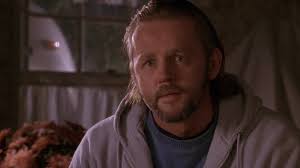
    “We Are Lady Parts” is a groundbreaking series that successfully blends comedy, music, and cultural commentary. It offers a fresh and empowering perspective on the lives of Muslim women, wrapped in the rebellious spirit of punk rock. With its engaging characters, sharp writing, and infectious energy, the first season of “We Are Lady Parts” is a must-watch that leaves a lasting impression.

  • Trailer: “Gladiator 2” (2024)

    Trailer: Ridley Scott’s “Gladiator 2” (2024)

    Paramount Pictures has released the official trailer for Ridley Scott’s mega-budget epic sequel to 2000’s “Gladiator”.

    Paul Mescal stars as the adult version of Lucius – the grandson of Rome’s former emperor Marcus Aurelius, nephew of Commodus (Joaquin Phoenix) and son of Lucilla (Connie Nielsen)
    Lucius resides peacefully with his family in Numidia until Roman soldiers, led by General Marcus Acacius (Pedro Pascal) invade and force him into slavery.

    Inspired by the legendary Maximus, Lucius decides to fight as a gladiator and oppose the rule of the young emperors, Caracalla (Fred Hechinger) and Geta (Joseph Quinn).

    Also starring in the $300 million budget film are Djimon Hounsou, Matt Lucas, Lior Raz, Peter Mensah, May Calamawy, Tim McInnerny and Derek Jacobi. 

    David Scarpa penned “Gladiator 2” which is set to open in cinemas internationally from November 15th and in U.S. cinemas on November 22nd.

  • Trailer: Marvel’s “Agatha All Along” (2024)

    Trailer: “Agatha All Along” (2024)

    Marvel Studios has premiered the first trailer for “Agatha All Along,” the Kathryn Hahn-led spin-off to 2021’s “WandaVision”. 

    In the series the infamous Agatha Harkness finds herself down and out of power after a suspicious goth Teen helps break her free from a distorted spell.

    Her interest is piqued when he begs her to take him on the legendary Witches’ Road, a magical gauntlet of trials that, if survived, rewards a witch with what they’re missing.

    Also starring are Joe Locke, Sasheer Zamata, Ali Ahn, Maria Dizzia, Paul Adelstein, Miles Gutierrez-Riley, Okwui Okpokwasili, Debra Jo Rupp, Patti LuPone, and Aubrey Plaza.

    Jac Schaeffer (“WandaVision”) serves as the showrunner and directed the pilot episode. He executive produces alongside Kevin Feige, Louis D’Esposito, Brad Winderbaum, and Mary Livanos.

    The first two episodes premiere on Disney+ on September 18th at 9pm US-ET. The remaining seven episodes air weekly through to November 6th.