“RFDS: Royal Flying Doctor Service” (2021 – Present)
Television Drama
Sixteen Episodes
Created by: Imogen Banks, Mark Fennessy and Ian Meadows
Featuring: Justine Clarke, Rob Collins, Stephen Peacocke, Emma Hamilton and Ash Ricardo
Wayne:“Graham clipped a roo on his way down this morning. Graham hit a roo. Bet he loved that.”
RFDS, an Australian drama series, transports viewers to the vast and unforgiving Australian outback, where the Royal Flying Doctor Service (RFDS) operates. This captivating show delves into the lives of dedicated medical professionals, pilots, and support staff who work tirelessly to provide essential healthcare to remote communities.
The series masterfully balances gripping medical emergencies with the personal lives of its characters, creating a compelling narrative that resonates with audiences. Each episode introduces a new medical challenge, from complex surgeries to life-threatening injuries, showcasing the incredible skill and dedication of the RFDS team. The show’s commitment to medical accuracy is evident, adding a layer of realism to the dramatic storylines.
Beyond the medical emergencies, RFDS explores the profound impact of isolation and distance on the communities served by the RFDS. The characters face a myriad of personal challenges, including relationships, family, and mental health issues, highlighting the toll that their demanding work takes on their lives. The show’s sensitive portrayal of these struggles humanizes the characters and fosters empathy for their experiences.
One of the strengths of RFDS is its diverse and well-developed cast. The actors deliver strong performances, bringing depth and nuance to their roles. The chemistry between the characters is palpable, creating a sense of camaraderie and teamwork that is central to the RFDS ethos. The stunning cinematography captures the breathtaking beauty of the Australian outback, emphasizing the vastness of the landscape and the challenges faced by those who call it home.
While RFDS is undoubtedly a heartwarming and inspiring series, it is not without its flaws. Some viewers may find the pacing uneven, with certain storylines feeling rushed or underdeveloped. Additionally, the show occasionally leans into melodrama, which can detract from the overall tone. However, these minor criticisms do not diminish the overall impact of the series.
While RFDS undoubtedly shines as a medical drama, its true strength lies in its ability to explore the profound human connections that underpin the service. The series delves into the lives of its characters, revealing their hopes, fears, and dreams. We witness the sacrifices they make, the challenges they overcome, and the bonds they forge, both professional and personal.
One of the most compelling aspects of RFDS is its portrayal of the diverse communities that the RFDS serves. From remote Indigenous communities to bustling regional towns, the show highlights the unique challenges and triumphs of people living in these often isolated areas. The series sensitively explores issues such as cultural differences, generational trauma, and mental health, demonstrating the profound impact that the RFDS has on the lives of these communities.
The stunning cinematography of RFDS captures the vastness and beauty of the Australian outback, providing a breathtaking backdrop to the dramatic events that unfold. The aerial shots of the RFDS planes soaring over the desert landscape are particularly impressive, emphasizing the scale of the service’s operations.
RFDS isn’t just a medical drama; it’s a poignant exploration of human resilience, community, and the enduring spirit of the Australian outback. The series masterfully weaves together gripping medical emergencies with the intricate personal lives of its characters, creating a rich tapestry of human experience.
One of the most compelling aspects of the show is its portrayal of the diverse range of individuals who make up the RFDS team. From seasoned pilots to young, idealistic doctors, each character brings their unique perspective and skillset to the organization. The series delves into their personal struggles, their professional ambitions, and their unwavering commitment to serving remote communities.
The stunning cinematography captures the vast and often unforgiving Australian landscape, highlighting the challenges faced by the RFDS team as they navigate treacherous weather conditions and vast distances. The aerial shots of the RFDS planes soaring over the desert are both breathtaking and humbling, underscoring the scale of the organization’s operations.
RFDS is a must-watch for anyone who appreciates well-crafted storytelling, compelling characters, and breathtaking scenery. It is a tribute to the heroic work of the Royal Flying Doctor Service and a reminder of the importance of community and compassion. Whether you are a fan of medical dramas or simply looking for a captivating series to binge-watch, RFDS is sure to leave a lasting impression.
Written by: Steve Shagan and David Butler based on Voyage of the Damned by Gordon Thomas and Max Morgan-Witts
Directed by: Stuart Rosenberg
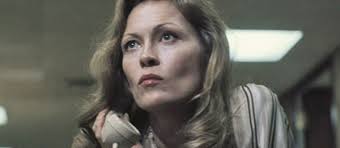
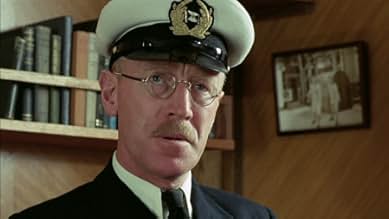
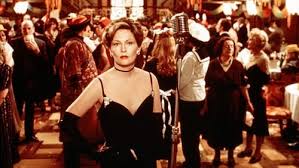
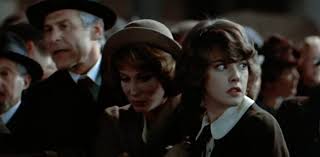
Featuring: Faye Dunaway, Max von Sydow, Oskar Werner, Malcolm McDowell, Orson Welles, James Mason and Lee Grant
Captain Schroeder:“I neither approved nor knew of it and assure you it shall not happen again. I frankly admit there appears to have been a lapse of good taste.”
Voyage of the Damned (1976) is a hauntingly profound and impactful historical drama, directed by Stuart Rosenberg, that delves into a harrowing chapter of World War II history, portraying the tragic journey of the MS St. Louis. This film, based on the 1974 book by Gordon Thomas and Max Morgan-Witts, is a fictionalized account of a real voyage made in 1939 by the German ocean liner, which carried over 900 Jewish refugees fleeing Nazi persecution. The passengers were seeking asylum, hopeful that they would find sanctuary and escape the horrors of the Nazi regime. However, they were ultimately turned away by Cuba, the United States, and Canada, an act of apathy and indecision that remains one of history’s darkest moments. The film’s portrayal of this tragic event not only reflects the bleak reality of human suffering but also sheds light on the devastating effects of political manipulation, bureaucratic indifference, and racial prejudice.
The movie features a remarkable ensemble cast, including some of the most distinguished actors of the time: Faye Dunaway, Oskar Werner, Max von Sydow, Malcolm McDowell, Orson Welles, and Lee Grant. Their performances are grounded, sincere, and deeply moving, each actor immersing themselves in the unique plight and personality of their characters. Faye Dunaway, as Leni Strauss, a wealthy woman seeking to protect her family, brings a delicate blend of dignity and despair. Max von Sydow, as the sympathetic ship captain Gustav Schröder, presents one of the film’s most captivating characters. Schröder is torn between his role as an officer loyal to his country and his moral conviction to protect his passengers, regardless of the potential consequences. Von Sydow’s portrayal is layered and nuanced, evoking a powerful sense of empathy from the audience as they witness his quiet determination and frustration in trying to navigate the storm of political constraints surrounding him.
The narrative structure of Voyage of the Damned is both rich and tense, incorporating multiple perspectives and stories from the passengers. This approach allows the film to delve into personal backgrounds, creating a tapestry of humanity that reveals the unique fears, hopes, and relationships among the characters. This is one of the film’s most effective storytelling techniques, as it brings a sense of intimacy to a large-scale tragedy, making it easier for viewers to identify with the passengers’ sense of vulnerability and helplessness. The interactions between the passengers and the crew, as well as glimpses of life in Havana as they await a decision on their asylum status, build a continuous sense of tension, highlighting the uncertainty that hung over these refugees’ lives.
The film’s themes of bureaucratic indifference and xenophobia are portrayed with a stark realism that resonates beyond its historical setting. The audience is forced to confront the tragic irony of the refugees’ situation, as one nation after another, with varying degrees of diplomacy and evasion, refuses them entry. Cuba, where the passengers initially expect to disembark, is seen as a focal point of bureaucratic mismanagement and political posturing. Government officials and business elites in Havana manipulate the fate of the passengers for their gain or ideological posturing, while the United States and Canada provide only empty gestures. This refusal to grant asylum is illustrated in a way that critiques the Western powers’ reluctance to stand up against oppression and prejudice, bringing the audience to question the moral integrity of the global community in times of crisis.
Rosenberg’s direction brings a solemn and deliberate pacing that reinforces the sense of impending doom. His approach doesn’t rush through the unfolding tragedies but allows the audience to feel the weight of the passengers’ hope and despair as they realize their options are diminishing. The cinematography is effective, capturing both the cramped and claustrophobic quarters of the ship, where people are crammed together, and the wide, open, indifferent sea that seems to close off any hope of escape. These visual choices underscore the sense of entrapment experienced by the characters. Complementing this, Lalo Schifrin’s musical score oscillates between soft, melancholic themes and harsh, suspenseful crescendos, emphasizing the desperation and fear the passengers feel.
While Voyage of the Damned successfully captures the emotional gravity of its subject, it can be criticized for occasionally veering into melodrama, particularly in scenes designed to elicit an immediate emotional response from the audience. Some moments feel slightly exaggerated in their dramatization, which can detract from the film’s otherwise sober and respectful tone. Additionally, with such a large ensemble cast, some characters’ stories and relationships remain underdeveloped. The film’s length and breadth sometimes lead to fragmented character arcs, which may leave viewers wishing for a deeper exploration of certain individuals’ personal journeys.
Yet, despite these minor shortcomings, Voyage of the Damned remains a powerful examination of human suffering and moral failure. The film ultimately serves as both a historical reminder and a timeless warning about the consequences of apathy and prejudice. It calls viewers to reflect on the nature of compassion and the tragic outcomes when it is withheld. Its release in the 1970s, a period marked by its social and political upheavals, resonated with contemporary audiences and reminded them of the continuing relevance of its themes. Even today, the film holds a somber lesson about the responsibility of nations and individuals to act with humanity in the face of oppression.
The emotional weight of Voyage of the Damned rests largely on how it captures the psychological strain endured by the passengers of the MS St. Louis. As the ship sails across the Atlantic, the movie subtly shifts from a hopeful beginning to a study of collective despair. The film painstakingly portrays the transformation of the passengers’ moods—from excitement to apprehension, and eventually to desperation—as they encounter rejection after rejection. Each setback is met with palpable anguish, an overwhelming sense of betrayal, and an increasingly evident realization that the world they had hoped would protect them might abandon them. These shifts create a poignant rhythm that gives the viewer a near-real-time experience of the agony and uncertainty these individuals faced.
A particularly powerful element of the film is its exploration of individual narratives and the microcosms of society that form on the ship. Relationships among the passengers evolve as they cling to each other for comfort, form alliances, and sometimes clash over differing beliefs. For instance, a subplot between Carl Rosen (played by Sam Wanamaker) and his wife, who is undergoing a mental health crisis, brings a layered, complex portrait of love, guilt, and loyalty. Their story is emblematic of the many nuanced relationships on board, each representing the resilience, fragility, and complexities of human connection in the face of trauma. These stories add a deeply personal dimension to the film, highlighting how, amidst collective crises, individuals remain distinctly human with private struggles and moments of intimacy, love, and fear.
The bureaucratic maze that the passengers face is as much a character in the film as the people on board. Officials in Cuba, the U.S., and Canada each play their part in perpetuating the tragedy. The scenes depicting government negotiations and behind-the-scenes dealings reveal the cold calculus with which bureaucracies often view human lives. Instead of addressing the passengers as individuals in need, they are treated as an “issue” to be managed. This political maneuvering is depicted with chilling realism, showing officials not only disregarding the plight of the passengers but even exploiting it for personal or political gain. Orson Welles delivers a brief but memorable performance as a Cuban bureaucrat whose arrogance and self-interest symbolize the indifference of those who hold power over the lives of the innocent.
In one of the film’s most haunting sequences, the passengers are finally allowed to see the shore of Havana. They catch glimpses of Cuba from the ship’s deck, and the sight of land fills them with hope and joy, as if salvation is within their grasp. But as days turn into weeks and they are not permitted to disembark, that hope slowly morphs into despair, as they come to realize that Cuba will not welcome them after all. This scene is beautifully shot, with the lush and vibrant shore just out of reach—a bitter reminder of the gap between the promises of freedom and the realities of exclusion. It’s a striking visual metaphor for the plight of refugees worldwide, standing on the precipice of safety only to be denied entry due to political or cultural barriers.
The moral conflict within Captain Schröder’s character adds an additional layer of complexity to the film. Unlike many of his peers who simply followed Nazi mandates, Schröder is driven by a deep moral conviction to protect his passengers. Despite the risk to his career and his safety, he consistently challenges orders and does everything in his power to advocate for the refugees. The internal struggle he experiences—to balance his role as an officer under a Nazi regime and his duty to protect innocent lives—reflects the struggle many people face when their personal ethics come into conflict with oppressive systems. Schröder’s humanity and courage are not only refreshing but also elevate the film’s message, illustrating the difference that one individual can make when they refuse to be complicit.
Voyage of the Damned is also unafraid to confront the moral failures of the Western countries that refused asylum to the refugees. In a particularly damning scene, the passengers hold a brief, almost jubilant celebration when they believe they will finally be allowed to land, only to have their hopes dashed when they learn of yet another rejection. This devastating cycle of anticipation and disappointment is relentless, driving home the cruelty of false hope and the moral responsibility of nations that could have provided a sanctuary but chose not to. The film’s portrayal of these refusals is unflinching, providing a critique that extends beyond history and encourages contemporary audiences to consider the ongoing issues surrounding refugee crises and the responsibility that societies hold to protect the vulnerable.
The film closes on a somber note, revealing that while a handful of countries eventually allowed a limited number of refugees to disembark, many passengers were ultimately returned to Europe, where a large portion would perish in concentration camps. This ending offers a brutal reminder of the cost of indifference and bureaucratic delay. Unlike most Hollywood endings, Voyage of the Damned doesn’t offer a redemptive arc; instead, it leaves the viewer with a profound sense of sadness and outrage, highlighting how this tragedy was avoidable if not for a lack of political and social will.
Voyage of the Damned is a solemn and haunting piece of cinema that portrays one of history’s most heart-wrenching tragedies with sensitivity and depth. Rosenberg’s direction, paired with an outstanding cast and compelling narrative, transforms this film into a stark reminder of the dangers of bureaucratic indifference and moral compromise. Its resonance goes beyond its historical context, forcing viewers to consider the universal and timeless importance of compassion and the moral consequences of inaction. For those interested in historical dramas that confront the complexities of human nature in times of crisis, Voyage of the Damned is a must-see, leaving an indelible mark on anyone who watches it.
Special Features and Technical Specs:
Disc One: Theatrical Cut
1080p high-definition presentation of the Theatrical Cut of the film on Blu-ray (158 minutes)
Audio Commentary by cinema author and critic Matthew Asprey Gear (2024)
Photo Gallery
Theatrical Trailer
Audio English LPCM 2.0 Mono
Aspect Ratio 1.78:1
Optional English HOH Subtitles (Theatrical Cut only)
Disc Two: Extended Cut
Standard-definition archival presentation of the Extended Cut (182 minutes)
Audio Commentary by film historian/filmmaker Daniel Kremer (2024)
Movie Memories – career interview with cinematographer Billy Williams
The Crowd Around The Concierge – Interview with actor Malcolm McDowell (2024)
A24 has finally unveiled the first trailer for “Vox Lux” and “The Childhood of a Leader” filmmaker Brady Corbet’s new 3.5-hour epic biographical drama “The Brutalist”.
Adrien Brody stars as a Hungarian Holocaust survivor struggling to revive his career as an architect in the United States.
It traces his life over nearly four decades as he immigrates to the U.S. and begins working for a rich but hot-headed man (Guy Pearce) who wants to build an ambitious community center.
He helps the survivor reunite with his ailing wife (Felicity Jones) and begin to construct the brutalist building of his dreams, but a fateful incident changes all of their lives forever.
Joe Alwyn, Alessandro Nivola, Stacy Martin, Raffey Cassidy, Stacy Martin, Jonathan Hyde and Isaach De Bankolé co-star.
“The Brutalist” will open in cinemas on December 20th.
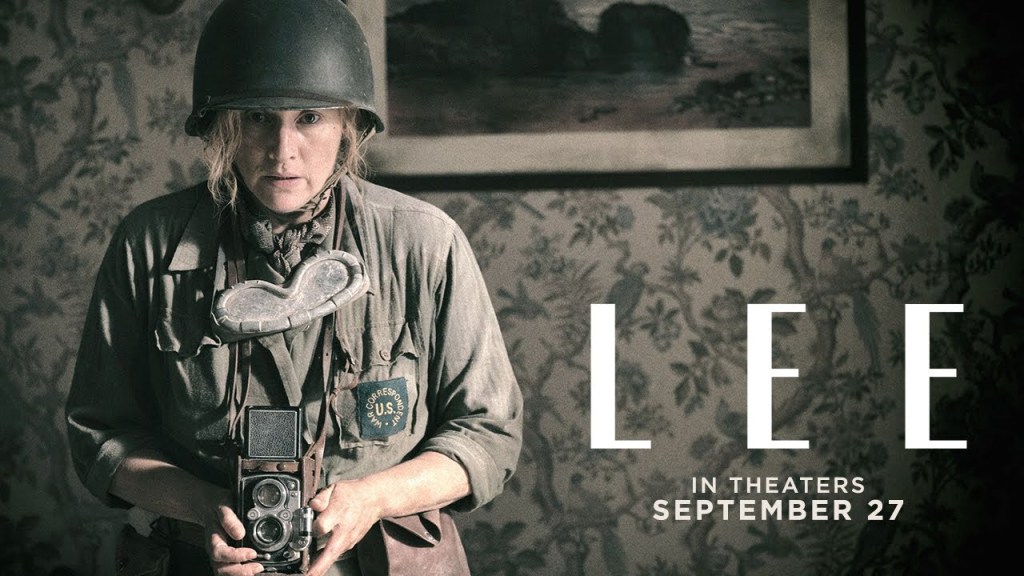
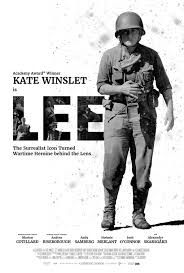
Written by: Liz Hannah, John Collee, and Marion Hume
Directed by: Ellen Kuras
Featuring: Kate Winslet, Marion Cotillard, Andrea Riseborough, Andy Samberg, Noémie Merlant, Josh O’Connor and Alexander Skarsgård
Lee Miller:“I’m going to the front. Are you coming?”
David E. Scherman:“That’s not what I was expecting you to say.”
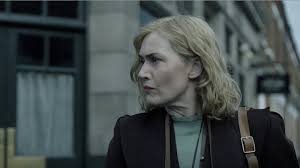
Ellen Kuras’s Lee is a cinematic exploration of the extraordinary life of Lee Miller, a pioneering war correspondent and surrealist photographer. With a powerful performance by Kate Winslet, the film delves into the complexities of Miller’s journey, from her early days as a model to her harrowing experiences on the frontlines of World War II.
The film begins by introducing us to Miller as a young woman navigating the world of fashion and art. Her relationship with Man Ray, a renowned Surrealist artist, serves as a catalyst for her artistic development. However, Miller’s ambitions extend beyond the studio, and she soon finds herself drawn to the chaos and brutality of war.
As a war correspondent, Miller’s courage and determination are undeniable. She embeds herself with Allied forces, capturing the horrors of conflict with a raw and unflinching lens. Her photographs provide a stark and disturbing glimpse into the realities of war, challenging the traditional portrayal of women as passive victims.
Lee is not afraid to confront the darker aspects of Miller’s life. The film explores her complex relationship with her father, the impact of her wartime experiences on her mental health, and the challenges she faced as a woman in a male-dominated field. Winslet’s performance is both nuanced and powerful, capturing Miller’s inner turmoil and resilience.
The cinematography is visually striking, with Kuras’s use of light and shadow creating a haunting atmosphere. The film’s pacing is deliberate, allowing the audience to fully immerse themselves in Miller’s world. However, some viewers may find the narrative structure to be somewhat fragmented, jumping between different time periods and locations.
Lee does an excellent job of exploring Miller’s connection to the Surrealist art movement. Her work with Man Ray, as well as her own independent projects, reveal her fascination with the subconscious, dreams, and the exploration of the absurd. The film subtly weaves these elements into Miller’s narrative, suggesting that her experiences as a war correspondent were, in some ways, a continuation of her Surrealist exploration.
One of the most compelling aspects of Lee is its exploration of the long-lasting impact of trauma. Miller’s experiences on the frontlines were undoubtedly harrowing, and the film does not shy away from depicting the psychological toll they took on her. Winslet’s performance is particularly powerful in conveying Miller’s internal struggles and her attempts to cope with the horrors she witnessed.
Lee is a timely reminder of the contributions of women to history. Miller’s courage and determination in the face of adversity make her a feminist icon. The film challenges traditional gender roles and stereotypes, presenting Miller as a complex and multifaceted individual who defied expectations.
While Lee is a remarkable film, it is not without its flaws. Some viewers may find the narrative structure to be somewhat disjointed, and the film’s pacing may be slow at times. Additionally, some critics have argued that the film could have benefited from a more in-depth exploration of Miller’s personal life and relationships.
Lee is a bold and uncompromising film that offers a fresh perspective on the life of a remarkable woman. While it may not be for everyone, those who appreciate historical dramas and thought-provoking storytelling will find much to admire in this powerful and moving work.
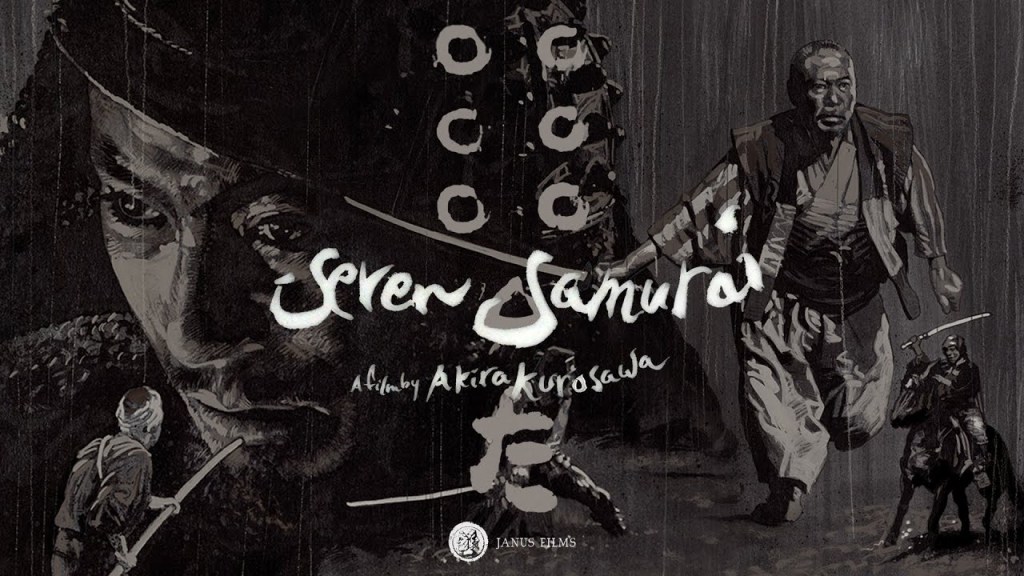
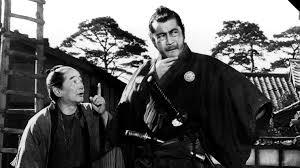
Kambei Shimada:“This is the nature of war: By protecting others, you save yourselves. If you only think of yourself, you’ll only destroy yourself.”
Akira Kurosawa’s Seven Samurai (1954) is widely regarded as one of the greatest films ever made, and the 2024 remastered version brings a fresh clarity and brilliance to this epic tale of honor, sacrifice, and survival. This remaster does more than just clean up the picture and audio—it brings Kurosawa’s masterwork into sharper focus, allowing modern audiences to experience the visual and narrative intricacies with a new appreciation.
The 2024 remaster enhances the film’s already stunning cinematography. Each frame, meticulously crafted by Kurosawa, feels revitalized. The black-and-white imagery is crisp, with deeper contrasts that highlight the film’s iconic compositions: from sweeping landscapes to intimate character close-ups. The battle scenes, particularly the climactic final showdown in the rain, feel more visceral and dynamic than ever. With improved film grain and sharper resolution, details like the wind in the grass or the glistening of rainwater pop with new life.
The sound design has also benefited immensely from the remastering process. Fumio Hayasaka’s score, with its minimalist and evocative rhythms, emerges more powerfully, reinforcing the film’s emotional stakes. The dialogue, though often sparse, is now clearer, allowing for the subtleties of the actors’ performances—particularly those of Takashi Shimura (Kambei) and Toshiro Mifune (Kikuchiyo)—to resonate more deeply. The ambient sounds of nature, swords clashing, and the tumult of battle feel more immersive, pulling viewers into the chaos of feudal Japan.
The remastered Seven Samurai not only enhances the technical aspects of the film but also reinforces the timelessness of its story. The themes of communal solidarity, self-sacrifice, and the struggle against oppression remain as potent today as they were 70 years ago. Kurosawa’s deep humanism, the complexity of his characters, and the philosophical undertones resonate even more clearly through this pristine restoration.
What sets Seven Samurai apart, beyond its technical brilliance, is Kurosawa’s mastery of storytelling. The 2024 remaster allows viewers to engage more fully with the film’s intricate pacing and character development. Each of the seven samurai, initially defined by their unique personalities and skills, gradually reveals deeper layers of humanity. Kambei, the wise and weary leader, becomes even more compelling as the improved clarity allows us to notice the subtle shifts in his expressions—his stoic leadership juxtaposed with the burden of the many battles he has fought.
The chaotic and comical Kikuchiyo, played by the magnetic Toshiro Mifune, benefits particularly from the restoration. His dynamic physicality is given new life through the sharper image, making his exaggerated movements more fluid and expressive. This highlights his status as both an outsider and a heart-wrenching, tragic figure, seeking acceptance and purpose among the samurai elite.
In addition to individual character depth, the remaster sharpens the film’s exploration of class and social dynamics. The tension between the samurai, peasants, and bandits feels more palpable, enhanced by the detailed restoration of their faces, costumes, and surroundings. The remaster allows viewers to pick up on small, previously unnoticed moments that reveal much about the social order of the time, and Kurosawa’s layered critique of heroism and sacrifice.
Though Seven Samurai runs nearly three and a half hours, its pacing is masterful, and the remastered version somehow feels even more immersive and engaging. Kurosawa’s gradual buildup of tension, as the villagers and samurai prepare for the bandit attack, feels more immediate. The restored version emphasizes the rhythm of the film, from moments of quiet planning and strategy to bursts of intense action.
The battle sequences, already some of the most thrilling ever filmed, gain new energy in this remaster. The improved contrast and definition make it easier to follow the fluid choreography of the samurai’s combat. Kurosawa’s innovative use of slow motion, especially in the climactic rain-soaked duel, feels fresh and modern, adding an epic grandeur to the fight scenes. The tension between life and death is more pronounced, pulling audiences into the high stakes of each skirmish.
One of the most remarkable aspects of the remastered Seven Samurai is how much more emotionally powerful the film feels. The small but crucial details in the actors’ faces, the weariness of their bodies, and their quiet moments of reflection now have a heightened sense of gravity. The villagers’ fear, desperation, and eventual courage are rendered with vivid realism, making their story even more relatable.
The ending—both triumphant and melancholic—strikes with greater force. Kurosawa’s conclusion, where the surviving samurai look over the graves of their fallen comrades, hits harder in the restored version. The weight of the losses, contrasted with the villagers’ relief, reminds viewers of the cost of war, even in defense of justice.
Kurosawa’s influence on global cinema is undeniable, and this remaster only reinforces his stature. The meticulous framing, the deep-focus shots, and the use of weather as an emotional backdrop are techniques that directors from Sergio Leone to George Lucas have drawn upon. In the remastered version, Kurosawa’s visionary use of these elements feels more immediate, almost as if the film was made for today’s audiences rather than seven decades ago.
Additionally, Seven Samurai remains a testament to the idea of the ensemble cast. The group dynamics, both among the samurai and between the samurai and villagers, form the emotional core of the film, and the restoration enhances this communal energy. Whether it’s the quiet camaraderie around the fire or the strategizing in the midst of battle, the remaster emphasizes the humanity that bonds these characters together, even in the face of overwhelming odds.
For long-time fans, the 2024 remaster of Seven Samurai is an opportunity to see the film in its finest form, preserving the integrity of Kurosawa’s original vision while polishing it for modern screens. For newcomers, it’s a perfect way to experience this cinematic milestone with all its grandeur intact. Whether watching for the first time or the hundredth, this remastered version is a testament to the enduring power of Seven Samurai as one of cinema’s crowning achievements.
Featuring: Sylvia Anderson, Ray Barrett, Peter Dyneley, Christine Finn, David Graham, David Holliday, Shane Rimmer, Jeremy Wilkin, Matt Zimmerman, Paul Maxwell, John Tate and Charles Tingwell
Jeff Tracy:“5, 4, 3, 2, 1! Thunderbirds are go!”
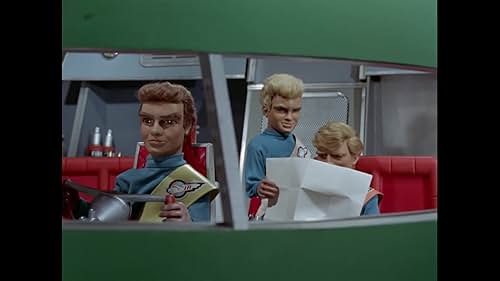
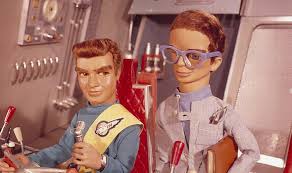
“Thunderbirds,” the British television series created by Gerry and Sylvia Anderson, premiered in 1965 and quickly became an iconic show in the science fiction and adventure genre. The series, which ran for two seasons, is best known for its use of “Supermarionation” (a blend of puppetry and electronics) and innovative model work, setting a standard for special effects in television that was groundbreaking at the time. The premise centers around International Rescue, a secret organization led by Jeff Tracy and his five sons, who use advanced vehicles and technology to rescue people from dangerous situations around the world.
At its heart, Thunderbirds is a futuristic adventure series that explores the dangers of technological advancements while also celebrating the human spirit’s triumph over adversity. Set in the 2060s, the show’s format is episodic, with each episode revolving around the team responding to a crisis or disaster. These range from natural calamities like earthquakes and volcanic eruptions to man-made threats such as sabotages and accidents involving state-of-the-art machinery.
Each member of the Tracy family pilots a different Thunderbird vehicle, giving the series an added layer of excitement as the audience anticipates which Thunderbird will be used to tackle the challenge of the day. The variety of machines—from the sleek Thunderbird 1 (a rocket-powered reconnaissance ship) to the gargantuan Thunderbird 2 (which carries various rescue pods)—ensures that no two rescues feel alike. Each episode meticulously builds tension as the International Rescue team deploys their resources and must work against the clock to save lives.
The show is structured in a way that allows the viewer to not only witness the daring rescues but also learn about the fascinating technology behind them. In many episodes, the use of futuristic gadgets and equipment becomes a central element in the storyline, adding a layer of science fiction intrigue.
The core of Thunderbirds lies with the Tracy family. Jeff Tracy, the patriarch and a former astronaut, is a strong but caring leader who has instilled his sons with a deep sense of duty and responsibility. His five sons—Scott, Virgil, Alan, Gordon, and John—each bring unique personalities and skills to the table. This dynamic between the brothers is one of the show’s most appealing aspects, as their camaraderie is evident, even though the majority of the series focuses on action and adventure rather than interpersonal drama.
Scott Tracy (Thunderbird 1 pilot) is the cool-headed leader in the field. Often the first to arrive at a disaster site, his role is critical in assessing situations.
Virgil Tracy (Thunderbird 2 pilot) is the practical and reliable backbone of the team, responsible for delivering the heavy equipment needed for rescue missions.
Alan Tracy (Thunderbird 3 pilot) is the youngest of the brothers and handles space-related missions, often providing youthful energy and enthusiasm.
Gordon Tracy (Thunderbird 4 pilot) operates the underwater vehicle, and though his missions are fewer, they are often just as thrilling.
John Tracy, stationed aboard the space satellite Thunderbird 5, acts as the communications link, monitoring for distress signals from Earth.
Lady Penelope, the glamorous British secret agent, and her faithful chauffeur Parker, are standout characters who often assist the Tracy family. Their subplot often provides a mix of espionage and sophisticated humor, contrasting the more serious rescue missions.
One of the defining features of Thunderbirds is the use of Supermarionation, a technique in which marionette puppets are electronically controlled to move their mouths in sync with the dialogue. While the marionette puppetry might seem dated by today’s standards, at the time it was revolutionary, and it has since become a hallmark of Gerry Anderson’s productions. This method gave the characters a lifelike quality and allowed for dynamic, action-packed sequences that were rare for puppet shows of that era.
The vehicles and sets are another remarkable aspect of the show. The use of intricate models for the Thunderbird machines, as well as the detailed miniature sets, remains impressive even today. The craftsmanship involved in designing these models added a sense of realism to the series, allowing viewers to suspend disbelief and fully immerse themselves in the futuristic world. The sense of scale, from the enormous Thunderbird 2 to the towering skyscrapers and sprawling landscapes, is meticulously executed.
At its core, Thunderbirds is a celebration of heroism, teamwork, and technological innovation. It presents a hopeful vision of the future, where advanced technology is used for the good of humanity. The idea of a family-run rescue organization capable of responding to crises across the globe is inspiring, especially given the series’ emphasis on altruism and selflessness.
One of the more forward-thinking elements of the series is its internationalism. While International Rescue operates out of a secret island base, their operations span the globe. They assist people from all walks of life, regardless of nationality, highlighting the idea of a united, peaceful future where nations work together in times of crisis. This was an especially progressive message during the Cold War era when the series originally aired.
Thunderbirds has had an enduring legacy, influencing not just television but also film and popular culture. The show’s futuristic vehicles and high-tech rescues paved the way for other sci-fi adventure series. It also spawned various remakes, adaptations, and reboots, such as the 2004 live-action film (though less well-received), and the CGI-animated series Thunderbirds Are Go! (2015), which reintroduced the beloved franchise to a new generation.
Additionally, Thunderbirds has been referenced in countless films and TV shows over the years, from The Simpsons to Hot Fuzz, a testament to its lasting impact on pop culture. Its unique blend of science fiction, adventure, and suspense has continued to captivate audiences and inspire creators for decades.
While the puppetry and model work are remarkable, the show does have limitations by today’s standards. The character movements, due to the marionettes, are sometimes stiff, and the emotional range of the puppets is limited, making more intimate or emotional scenes feel awkward. Additionally, some of the storylines can feel repetitive, as each episode generally follows a similar rescue mission structure.
Another aspect that might not resonate with modern viewers is the gender dynamics. While Lady Penelope is a strong female character, most of the other women in the show have limited roles, often relegated to bystanders or secondary characters. This is a product of its time, but it’s noticeable from a contemporary perspective.
The enduring appeal of Thunderbirds lies in its ability to transcend its era and remain relevant to viewers of all ages. Despite being a product of the 1960s, the show’s themes of teamwork, ingenuity, and selflessness are universal, ensuring its place in the pantheon of great television. Its unique blend of futuristic science fiction and grounded adventure storytelling offers something for everyone, from children drawn to the action-packed rescues to adults who can appreciate the technical achievements and underlying social commentary.
One of the most remarkable aspects of Thunderbirds is how it influenced the sci-fi and adventure genres for years to come. The groundbreaking special effects, miniature work, and detailed models have been credited as inspiring future generations of filmmakers and TV producers. Many within the film industry, including directors like Peter Jackson and James Cameron, have cited the Andersons’ work as an early influence on their careers.
Additionally, Thunderbirds laid the groundwork for other Anderson-created shows like Captain Scarlet and the Mysterons, Stingray, and Joe 90, which continued to push the boundaries of puppetry and effects-driven television. Beyond this, the series’ contribution to popularizing the rescue mission format can be seen in modern series like Rescue Heroes or even live-action franchises such as Mission: Impossible, which similarly revolve around expert teams saving the day through technology and strategy.
Even decades after its original run, Thunderbirds maintains a devoted fanbase. Conventions, fan clubs, and even modern-day collectibles ensure the series continues to be celebrated. This fan-driven enthusiasm led to several reboots and continuations of the series. While the 2004 live-action film was met with mixed reactions—mainly due to its divergence from the original tone and style—the 2015 CGI series Thunderbirds Are Go! was received much more favorably. It managed to retain the heart of the original while updating the visual aesthetics to meet modern expectations, using CGI animation while still honoring the iconic vehicle designs and character dynamics.
The love for Thunderbirds is also evident in various parodies and tributes that have appeared in popular culture. Shows like Robot Chicken, Spitting Image, and even Family Guy have all paid homage to the series, often affectionately poking fun at the puppetry while celebrating the imaginative premise.
Ultimately, Thunderbirds has stood the test of time because of its groundbreaking approach to storytelling and production. The series blended cutting-edge technology with heartwarming, family-oriented narratives, creating a world where the impossible was made possible by bravery, ingenuity, and a desire to help others. The inventive action sequences, combined with its memorable vehicles and iconic characters, cemented the series’ place in television history.
What Thunderbirds lacked in the emotional depth and nuance that we expect from modern TV, it more than made up for in ambition and creativity. Few series have captured the imagination in the same way or managed to blend action, technology, and heart quite as effectively. For fans of classic sci-fi and adventure, Thunderbirds remains a must-watch, a show that continues to inspire and entertain new generations long after its initial debut.
The Tracy family’s motto, “Thunderbirds are go!”, still echoes in popular culture today, a testament to the lasting impact of this beloved series. It reminds us that, no matter the era, the idea of people coming together to save others in their time of need is a timeless concept—and one that will always resonate with audiences.
Thunderbirds remains a timeless classic, a beloved series that shaped the future of science fiction television. Its innovative use of Supermarionation, iconic vehicles, and thrilling rescue missions make it a unique and unforgettable viewing experience. Though its production style may feel dated to some, the show’s heart and message of heroism continue to resonate. Whether you’re revisiting it for nostalgia or discovering it for the first time, Thunderbirds offers a charming mix of adventure, technology, and hope for the future.
Created by: Posie Graeme-Evans and Caroline Stanton
Featuring: Bridie Carter, Lisa Chappell, Jessica Napier, Rachael Carpani, Aaron Jeffery, Myles Pollard, Sonia Todd, Simmone Jade Mackinnon, Michala Banas, Brett Tucker, Jonny Pasvolsky, Luke Jacobz, Zoe Naylor, Dustin Clare, Doris Younane, Gillian Alexy, Matt Passmore, Abi Tucker, Edwina Ritchard and John Schwarz
Alex Ryan: [drunk] “I love you, Claire. I love you more than my chopper.”
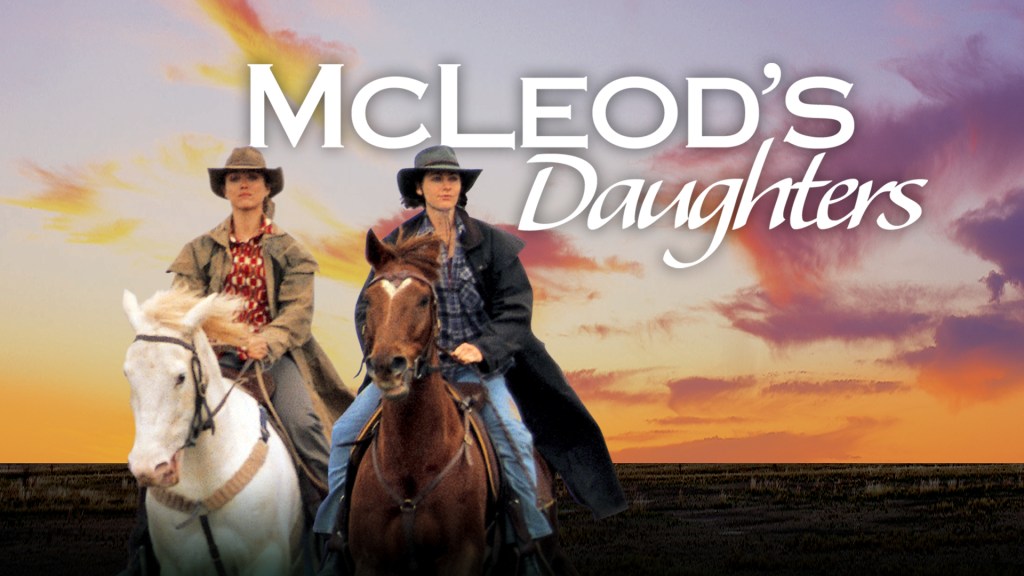
McLeod’s Daughters is a landmark Australian television drama series that aired from 2001 to 2009, offering a blend of rural grit, familial drama, and romance that captured audiences both domestically and internationally. Set against the backdrop of the Australian outback, the series chronicles the lives of two half-sisters, Claire and Tess McLeod, as they come together to run Drover’s Run, a cattle station in South Australia. Over the course of eight seasons, the show explores themes of family, survival, female empowerment, love, and loss, with the rugged beauty of the Australian countryside playing a central role in the story.
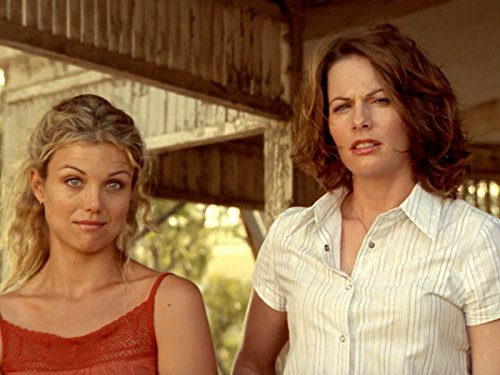
The series begins with Tess Silverman McLeod (Bridie Carter) returning to Drover’s Run after her father’s death, where she reunites with her estranged half-sister Claire McLeod (Lisa Chappell). Claire has been running the cattle station on her own, and Tess, having grown up in the city, is initially out of her depth. However, as the series progresses, the two sisters learn to manage the farm together, navigating the challenges of rural life, financial struggles, and the complexities of running a traditionally male-dominated business.
The heart of McLeod’s Daughters lies in the bond between the women who live and work on Drover’s Run. The cast expands to include other strong female characters such as Becky Howard (Jessica Napier), Jodi Fountain (Rachael Carpani), and Stevie Hall (Simmone Jade Mackinnon), who all contribute to the rich tapestry of the series.
Each episode often revolves around the daily trials of managing a cattle station—whether it’s rounding up livestock, dealing with droughts, or facing financial difficulties. These challenges are interwoven with personal dramas, including romantic relationships, family feuds, and secrets from the past. Over the course of the series, the characters experience joy, heartbreak, triumph, and tragedy, keeping viewers emotionally invested throughout.
One of the series’ greatest strengths is its well-drawn characters, especially the women of Drover’s Run. Tess and Claire’s relationship forms the emotional core of the early seasons. Tess is the free-spirited, somewhat naive city girl who learns to embrace country life, while Claire is the tough, no-nonsense farmer with a deep connection to the land. Their sisterly bond is complex and evolves over time, from initial friction to a deep, unbreakable connection. Both Bridie Carter and Lisa Chappell deliver standout performances, making their characters feel authentic and relatable.
Claire’s departure from the series in season three, following a tragic accident, is one of the most emotional moments in the show. This event sends shockwaves through the narrative and sets the tone for the series’ ability to handle loss and grief in a way that resonates with viewers.
Stevie Hall, introduced later in the series, becomes another central figure. Her rough exterior and troubled past are balanced by her loyalty and determination, making her a fan favorite. Simmone Jade Mackinnon brings a dynamic presence to the role, adding depth to the show as it evolves past its original sibling-driven narrative.
The male characters, while important, often play secondary roles to the women. Nick and Alex Ryan, brothers and neighbors to the McLeods, provide the central romantic interests, particularly in their relationships with Tess and Stevie. The dynamic between Alex (Aaron Jeffery) and Claire, with its slow-burn tension and ultimate tragedy, adds further layers of complexity to the story.
McLeod’s Daughters is groundbreaking in its portrayal of female empowerment within a traditionally male-dominated world. The women of Drover’s Run are strong, independent, and capable, and the series never shies away from depicting the physical and emotional challenges of running a cattle station. There are no damsels in distress here—these women face down natural disasters, financial ruin, and personal tragedies with a resilience that is deeply inspiring.
The series also highlights the significance of community and the importance of female solidarity. The friendships and alliances formed between the women are central to their survival and success. Whether it’s banding together to save the farm or supporting each other through personal crises, the camaraderie between the characters is one of the most endearing aspects of the show.
The Australian landscape plays a starring role in McLeod’s Daughters. The sweeping vistas of the outback, the rolling hills, and the vast open skies provide a breathtaking backdrop to the drama. The cinematography does a magnificent job of capturing the raw beauty and harsh realities of life on the land, making the setting feel alive and almost like a character in its own right.
The rural setting also adds to the authenticity of the show’s narrative. The isolation of Drover’s Run, far from the hustle and bustle of city life, creates a unique environment where characters must rely on each other and their wits to survive. The challenges of farming, from drought to bushfires to economic downturns, are depicted with a realism that resonates, particularly for viewers familiar with the struggles of rural life.
McLeod’s Daughters is not afraid to tackle heavy emotional themes, and the show is filled with moments of heartbreak. The death of Claire McLeod remains one of the most devastating events in the series, a turning point that left many fans reeling. This pivotal moment underscores the unpredictability of life and the risks inherent in working in such a dangerous environment. The show’s willingness to kill off beloved characters adds to its emotional weight and sets it apart from more predictable dramas.
Despite the frequent tragedies, McLeod’s Daughters never loses its sense of hope. The resilience of the characters in the face of loss and hardship is a recurring theme. Whether it’s rebuilding after a fire, recovering from a personal loss, or simply fighting to keep the farm afloat, the women of Drover’s Run embody the Australian spirit of perseverance and determination.
McLeod’s Daughters became a cultural phenomenon in Australia, attracting a loyal fanbase and earning multiple awards over its eight-season run. It was one of the few Australian series to gain international success, airing in over 100 countries. The show’s unique blend of rural adventure, family drama, and strong female characters helped it stand out in a television landscape dominated by urban-centric dramas.
Its impact extends beyond entertainment, as it also highlighted the challenges faced by rural communities and the vital role women play in farming. For many viewers, the show offered a rare glimpse into life on a working cattle station and served as a celebration of the strength and resilience of rural women.
As McLeod’s Daughters progresses through its eight seasons, the show continues to evolve both narratively and thematically, all while maintaining the core elements that made it beloved in the first place. While the departure of central characters like Claire and later Tess could have destabilized the series, the creators did a commendable job of introducing new characters and storylines that kept the show fresh without losing its essence.
After Claire’s tragic death in season three, the emotional weight of the show shifts significantly. Tess is left to run Drover’s Run, and her journey from city girl to seasoned farmer becomes even more pronounced. As Tess continues to grapple with the hardships of rural life and loss, she finds new love with Nick Ryan, Alex’s brother. Their romance, though filled with ups and downs, becomes one of the central relationships in the series and provides a sense of hope and continuity after the loss of Claire.
The introduction of Stevie Hall in season four fills the void left by Claire’s departure, and she quickly becomes a fan favorite. Stevie’s rough-around-the-edges personality and tragic backstory bring new energy to Drover’s Run, and her relationship with Alex adds a new romantic dimension. Over time, she becomes a co-owner of Drover’s Run, forming her own deep bond with the land and the women who work alongside her. Stevie’s journey from a drifter to a key figure at Drover’s Run mirrors the broader theme of transformation that runs throughout the series.
As the show moves into its later seasons, new characters such as Grace McLeod (Doris Younane), a distant relative of the McLeod family, and Regan McLeod (Zoe Naylor), another cousin, are introduced, further expanding the show’s cast of strong female characters. These new faces help keep the narrative fresh, ensuring that Drover’s Run remains a place where both history and new beginnings coexist.
Romance is a key element of McLeod’s Daughters, and the show never shies away from depicting the complexities of love in the harsh realities of rural life. While the relationships between the McLeod sisters and the Ryan brothers provide much of the emotional core in the earlier seasons, later seasons see the introduction of new love interests and complicated romances that add depth to the character arcs.
Tess and Nick’s relationship is one of the most enduring and well-loved in the series. Their love story is marked by moments of joy and heartbreak, particularly when Nick is believed to have died in a plane crash, only to return in a dramatic twist. The ups and downs of their romance reflect the often turbulent nature of life on the land, where nothing is guaranteed, and survival—whether emotional or physical—requires perseverance.
The relationship between Alex and Stevie is another highlight of the later seasons. While their connection initially seems rooted in friendship and mutual respect, the romantic tension between them builds slowly, culminating in one of the most satisfying slow-burn romances in the series. Stevie’s reluctance to open up, due to her difficult past, adds complexity to their relationship, making it all the more rewarding when they finally come together.
Other romances, such as those involving Jodi and her various love interests, also provide lighter, more youthful elements to the show, balancing the often heavy emotional tone of the series.
One of the most touching aspects of McLeod’s Daughters is its portrayal of community. The series places a strong emphasis on the idea that in rural areas, where isolation is a constant companion, the bonds between people become even more significant. The residents of Drover’s Run and their neighbors—most notably the Ryan family—rely on each other not just for survival, but for emotional support, camaraderie, and connection.
The friendships between the women at Drover’s Run are particularly moving. The series emphasizes that family isn’t just defined by blood, but by the people who stand by you through thick and thin. Whether it’s Tess and Claire, Stevie and Alex, or the younger women like Jodi and Regan, these relationships form the emotional backbone of the series. In a world where men traditionally hold power in farming communities, McLeod’s Daughters celebrates the strength of women supporting each other in tough times.
The wider Gungellan community also plays a significant role in the series. Local events like rodeos, dances, and town meetings provide a sense of continuity and connection to a broader world beyond the boundaries of Drover’s Run. These moments of rural life help ground the series in a reality that many Australians, particularly those from regional areas, could relate to.
As McLeod’s Daughters concluded with its eighth and final season in 2009, it left a lasting impact on both Australian television and global audiences. The show not only portrayed women in powerful, non-stereotypical roles but also shed light on the challenges faced by rural communities. Its success in international markets, particularly in Europe and the U.S., introduced a new audience to the beauty of the Australian outback and the unique stories that arise from such a rugged landscape.
Despite ending over a decade ago, the show’s legacy endures. Its ability to tackle themes of loss, love, and survival in an authentic way resonated with viewers, many of whom continue to revisit the series through streaming platforms. The emotional depth of its characters, coupled with the stark beauty of its rural setting, makes McLeod’s Daughters timeless in its appeal.
McLeod’s Daughters is a rare gem in the world of television. With its strong female characters, emotional storytelling, and breathtaking Australian backdrop, it offers a rich, multifaceted experience for viewers. The series succeeds in balancing the harsh realities of life in the outback with moments of tenderness, hope, and humor. Whether it’s through the enduring sisterly bond between Claire and Tess, the deep friendships among the women of Drover’s Run, or the romantic entanglements that tug at the heartstrings, the show delivers on every level.
For anyone seeking a deeply emotional, character-driven series with a unique setting and a focus on resilience, McLeod’s Daughters remains one of Australia’s finest contributions to television. The show not only captures the essence of rural life but also stands as a powerful testament to the strength of women working together against the odds. It’s a series that, much like the land it portrays, is full of life, beauty, and resilience.
A24 has premiered a final trailer for its new horror feature “Heretic” which sees Hugh Grant tackle his first horror film in years.
The British legend plays a man who is visited by two young Mormon missionaries played by Chloe East (“The Fabelmans”) and Sophie Thatcher (“Yellowjackets”) whom he puts through a series of intense psychological games.
The project hails from Scott Beck and Bryan Woods, the duo who penned “A Quiet Place” along with “Haunt,” “65” and “The Boogeyman”.
Shot in Vancouver last fall under a guild-approved interim agreement, the film also stars Elle McKinnon, River Codack, Carolyn Adair, Stephanie Lavigne and Elle Young.
Beck, Woods, Katie Aquino, Scott Beck, Liliane Bedford, Julia Glausi, Kai Raka, Stacey Sher and Jeanette Volturno all produce. “Heretic” opens in cinemas November 8th.
Featuring: Joaquin Phoenix, Lady Gaga, Brendan Gleeson, Catherine Keener and Zazie Beetz
Harleen Quinzel: [singing] “Sing Hallelujah, come on, be happy.”
Harleen Quinzel, Arthur Fleck: [both singing] “Get ready for the judgement day.”
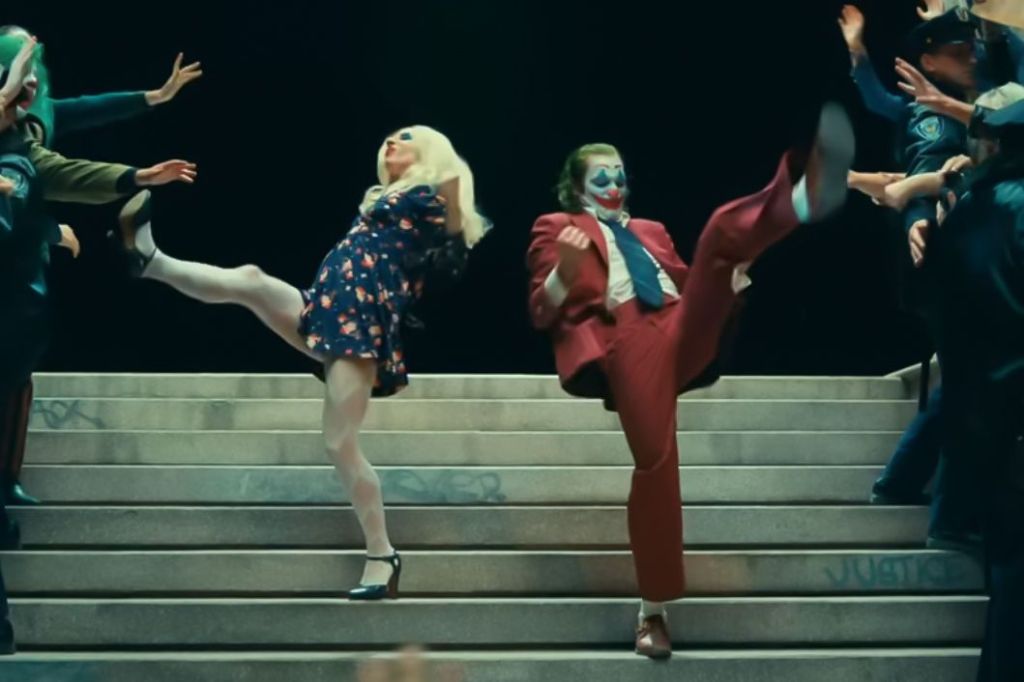
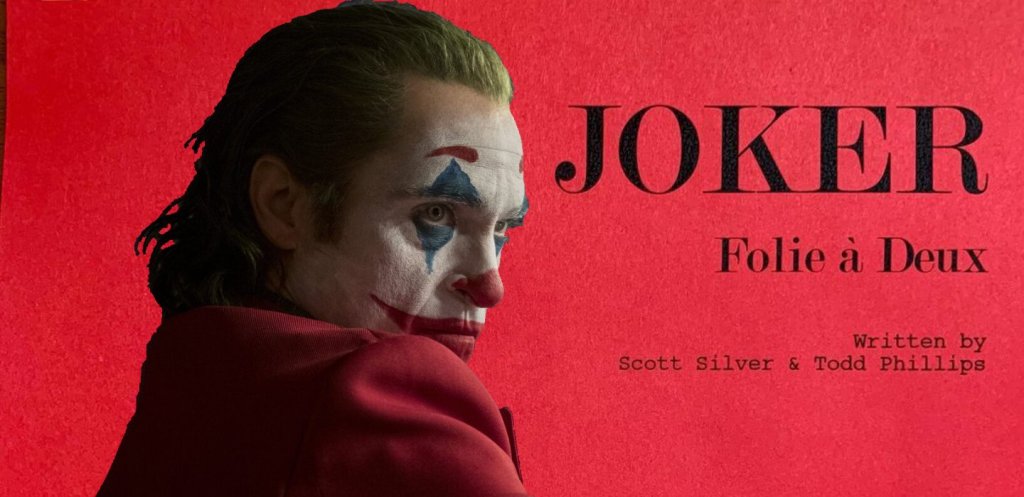
Todd Phillips’ Joker: Folie à Deux attempts to recreate the magic of its predecessor, but falls short in both narrative and execution. While the film boasts a stellar cast, including Joaquin Phoenix and Lady Gaga, its musical elements feel forced and the story lacks the depth and nuance of the original.
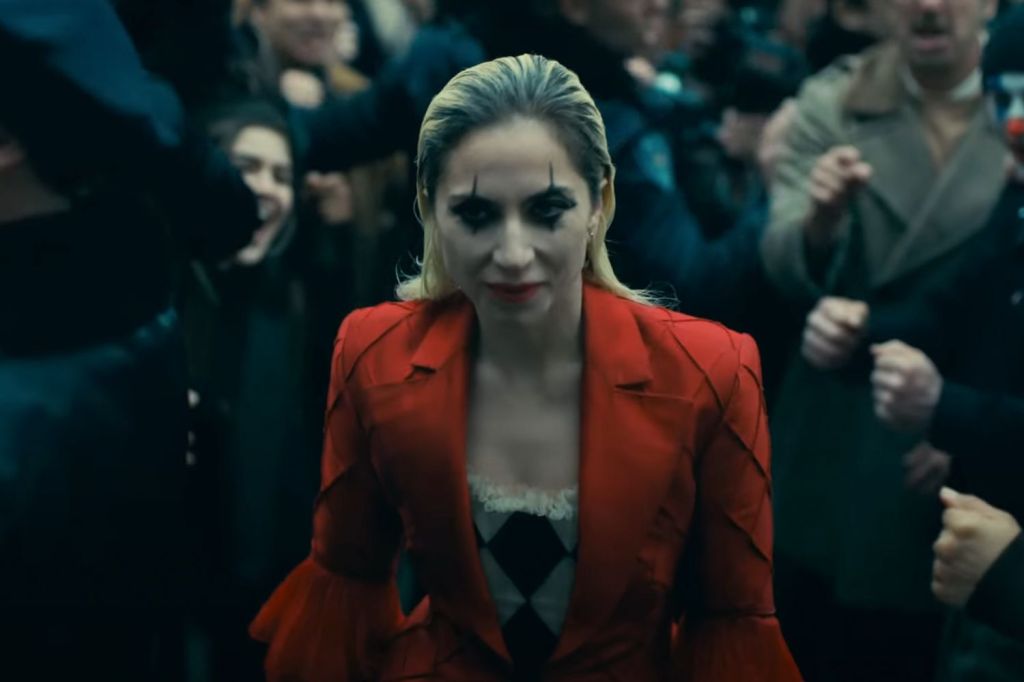
Phoenix delivers another powerful performance as Arthur Fleck, but his character’s journey feels less compelling this time around. The introduction of Gaga’s Harley Quinn is a welcome addition, but their dynamic lacks the chemistry and complexity that made the original Joker so memorable.
The film’s musical numbers, while visually striking, often feel disconnected from the narrative. They serve more as stylistic choices than meaningful storytelling devices, disrupting the flow of the film and distracting from the emotional core.
Overall, Joker: Folie à Deux is a disappointing sequel that fails to capture the brilliance of the original. While the performances are strong, the film’s narrative and musical elements ultimately detract from the overall experience.
Lack of Character Depth:
Arthur Fleck’s Regression: The original film explored Arthur’s descent into madness with great nuance. In the sequel, his character feels somewhat regressed, lacking the complexity and internal conflict that made him so compelling.
Harley Quinn’s Stereotypical Portrayal: While Lady Gaga’s performance is commendable, Harley Quinn’s portrayal in Folie à Deux is somewhat stereotypical. Her character could have benefited from more depth and a nuanced exploration of her own struggles.
2. Forced Musical Elements:
Disruptive Storytelling: The musical numbers, while visually impressive, often felt disjointed from the narrative. They disrupted the flow of the story and detracted from the emotional impact.
Lack of Integration: The musical elements seemed more like a stylistic choice than a meaningful storytelling device. They failed to seamlessly integrate into the film’s overall tone and themes.
3. Predictable Plot:
Lack of Surprises: The sequel’s plot felt somewhat predictable, lacking the twists and turns that made the original so engaging. The narrative progression was linear and lacked the element of surprise that kept audiences on the edge of their seats.
4. Missing Emotional Connection:
Superficiality: The film struggled to establish a deep emotional connection with the audience. The characters felt less relatable and their struggles seemed less personal.
Lack of Empathy: The sequel failed to evoke the same level of empathy and understanding for Arthur and Harley as the original.
Original Joker (2019) and Joker: Folie à Deux (2024) present two distinct interpretations of the iconic DC Comics villain. While both films share a common protagonist, they diverge significantly in their storytelling, tone, and thematic exploration.
Similarities:
Protagonist: Both films center around Arthur Fleck, a mentally unstable individual who descends into madness and becomes the Joker.
Exploration of Mental Illness: Both films delve into the complexities of mental illness, showcasing the challenges faced by individuals struggling with their mental health.
Social Commentary: Both films offer social commentary, exploring themes of societal neglect, inequality, and the devastating consequences of mental health stigma.
Differences:
Tone: The original Joker adopted a gritty, realistic tone, exploring Arthur’s descent into madness through a grounded lens. In contrast, Joker: Folie à Deux embraces a more stylized and fantastical approach, incorporating musical elements and heightened drama.
Narrative: The original Joker focused on Arthur’s personal journey and his transformation into the iconic villain. Folie à Deux expands on the universe of the original, introducing new characters and exploring the broader implications of Arthur’s actions.
Thematic Exploration: While both films explore mental illness and societal issues, Folie à Deux delves deeper into themes of love, codependency, and the power of shared suffering.
Joker: Folie à Deux is a disappointing sequel that fails to live up to the promise of its predecessor. While the performances are strong, the film’s flaws in terms of character depth, musical integration, plot predictability, and emotional connection ultimately detract from the overall experience.
Featuring: David Hasselhoff, Edward Mulhare, Patricia McPherson, Rebecca Holden and Peter Parros
Narrator:“Knight Rider, a shadowy flight into the dangerous world of a man, who does not exist.”
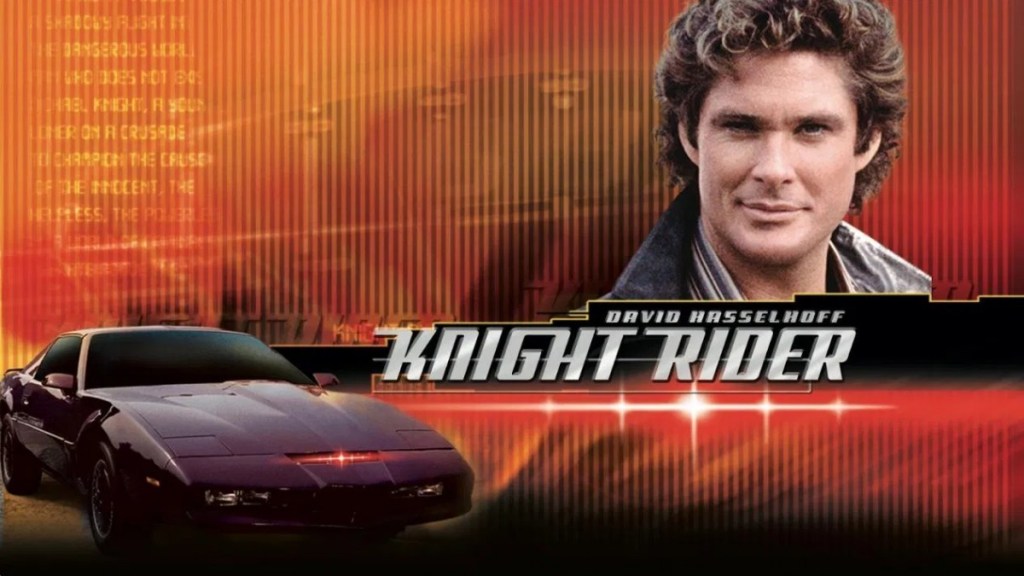
“Knight Rider” is a quintessential 1980s action-adventure television series that captured the imagination of a generation. Created by Glen A. Larson, the show ran from 1982 to 1986 and starred David Hasselhoff as Michael Knight, a modern-day crimefighter who, with the help of a super-intelligent, artificially intelligent car named KITT (Knight Industries Two Thousand), battled criminals, corruption, and futuristic threats. While the premise may seem simple by today’s standards, “Knight Rider” remains iconic for its blend of high-tech gadgetry, charismatic characters, and a futuristic vision that appealed to the audiences of its time.
The show follows Michael Knight, a former police officer who, after being left for dead, is given a new identity and a second chance at life by a mysterious benefactor, Wilton Knight, founder of the Foundation for Law and Government (FLAG). Michael’s new mission is to fight for justice against criminals who operate beyond the reach of conventional law enforcement. His most important ally in this endeavor is KITT, a virtually indestructible car equipped with cutting-edge technology, including the ability to drive autonomously, turbo-boost over obstacles, and communicate with Michael via a snarky, witty personality.
At its core, “Knight Rider” was a show about the relationship between man and machine, exploring themes of trust, loyalty, and companionship in an era where the idea of AI and advanced technology was still relatively new. The partnership between Michael and KITT forms the emotional heart of the show, with their banter and teamwork often serving as both comic relief and dramatic tension.
Michael Knight: Played by David Hasselhoff, Michael is the charming and confident hero, embodying the classic traits of a lone-wolf crimefighter. Hasselhoff’s portrayal made him a global star, with his rugged good looks and easygoing charisma. Michael is depicted as a man who has been given a second chance in life, often haunted by his past but determined to make the world a better place.
KITT: Voiced by William Daniels, KITT is perhaps the true star of the show. Unlike typical sidekicks, KITT is an equal partner in Michael’s missions, often outshining his human counterpart with his intelligence, loyalty, and sarcastic sense of humor. The car’s artificial intelligence is one of the show’s most memorable features, giving KITT a personality that made viewers form a unique bond with a machine. Daniels’ dry, sophisticated delivery of KITT’s lines gave the car a distinctive personality, making him a fan favorite.
Devon Miles: Edward Mulhare played Devon, Michael’s boss at FLAG and the person responsible for assigning him missions. Devon is a more traditional figure of authority, offering advice and support from a distance. He serves as the link between Michael and the shadowy organization that funds and supports his missions.
Bonnie Barstow: Patricia McPherson portrayed Bonnie, KITT’s chief mechanic and a tech expert who helps maintain the car’s advanced systems. Bonnie added a layer of technical expertise to the show, making her one of the few women in 1980s TV involved in such a high-tech role.
“Knight Rider” was a product of its time, capturing the fascination with cars, technology, and futuristic visions that were prevalent in 1980s pop culture. The idea of a car that could talk, think, and solve problems resonated deeply with viewers, especially in a decade obsessed with sleek, powerful vehicles and the rise of personal computing.
One of the core themes of the show was justice—Michael Knight as a modern-day knight, using his wits and KITT’s advanced technology to take down villains who often seemed untouchable. In many ways, the show reflected the era’s fascination with vigilantism, where lone heroes would operate outside the constraints of traditional law enforcement to deliver justice. The character of Michael Knight embodied the “one man can make a difference” mantra that was central to many action-adventure shows of the time.
The dynamic between Michael and KITT also allowed the series to explore the relationship between humans and technology. KITT, despite being a machine, was portrayed with an almost human-like personality, raising questions about the nature of intelligence, loyalty, and friendship. In an era before the internet and smartphones, KITT represented a futuristic vision of technology’s potential, combining artificial intelligence with an ethical compass.
While the dialogue and character relationships were important, “Knight Rider” was also known for its thrilling action sequences, many of which revolved around KITT’s abilities. The car could drive itself, perform impossible stunts, and even survive explosions. One of the most iconic features was KITT’s turbo-boost, which allowed it to jump over obstacles. The show relied heavily on practical effects for these stunts, which gave the action sequences a sense of real danger and excitement.
For a TV show from the 1980s, “Knight Rider” pushed the limits of special effects and action choreography. The visual effects, while dated by today’s standards, were cutting-edge at the time, and KITT’s sleek, black design with the iconic red scanner on the front became an instantly recognizable symbol of cool, high-tech crime-fighting.
“Knight Rider” was a major hit during its original run, particularly among younger audiences who were enthralled by the show’s futuristic concepts and thrilling car chases. The series spawned a variety of merchandise, including toys, video games, and even a short-lived spin-off, Team Knight Rider. David Hasselhoff’s rising star power, combined with the show’s enduring appeal, helped keep “Knight Rider” in the public consciousness long after its original run ended.
In the years since, “Knight Rider” has become a beloved part of pop culture history. The show has seen numerous revivals and reboots, most notably in the form of a 2008 reboot that failed to capture the original’s magic. Despite these attempts to modernize the franchise, the original series remains the definitive version for many fans, largely due to the chemistry between Hasselhoff and the iconic KITT.
“Knight Rider” is a show that, despite its dated special effects and somewhat formulaic plots, still holds a special place in television history. Its futuristic vision of technology, combined with the charm of its lead characters and thrilling action sequences, made it a hit in the 1980s and has helped it remain a cult favorite for generations. The series is a perfect representation of the optimism and imagination of its era, where the possibilities of technology seemed endless and the idea that “one man can make a difference” was at the heart of every episode.
For those looking for a nostalgic trip back to a time of talking cars, brave heroes, and high-octane action, “Knight Rider” is a must-watch, providing both entertainment and a glimpse into the future as seen through the eyes of 1980s television.
Featuring: Joyce Carey , Philip Latham and Jack Watling
The Cedar Tree is a British television soap opera that originally aired on ITV from 1976 to 1979. Set in the interwar years of the 1930s, the series centers on the aristocratic Bourne family and their servants, providing viewers with a vivid portrayal of life in England between the two world wars. With its mix of family drama, social hierarchy, and changing times, The Cedar Tree has often been likened to other British period dramas such as Upstairs, Downstairs and The Forsyte Saga. Yet it remains distinctive for its unique historical focus, character dynamics, and subtle exploration of class tensions.
At the heart of The Cedar Tree is the Bourne family, who live at Larkfield Manor. The family’s matriarch, Mrs. Bourne (played by Susan Skipper), is a strong-willed woman who tries to maintain the family’s aristocratic values and their estate, despite the numerous social and financial challenges that arise during this tumultuous period. The series also follows the lives of her three daughters: Elizabeth, Victoria, and Anne, each with distinct personalities and romantic entanglements that reflect the shifting roles of women in the 1930s.
Elizabeth, the eldest, is serious and responsible, often acting as the family’s anchor. Victoria is more carefree and rebellious, while Anne, the youngest, is idealistic and prone to romantic fantasies. Their interactions and struggles with love, duty, and ambition form the core of the drama. Alongside the Bournes are the various servants, whose lives and perspectives add depth to the depiction of class divide within the estate.
One of the strengths of The Cedar Tree lies in its rich ensemble cast. The character of Mrs. Bourne is portrayed with an icy elegance by Susan Skipper, who balances the role of a stern matriarch with moments of vulnerability as the weight of familial responsibility bears down on her. The three Bourne daughters are each well-drawn, with nuanced performances that emphasize their individuality.
Elizabeth, played by Ruth Holden, is a grounded and pragmatic character, often placed in opposition to her more free-spirited sisters. Victoria (played by Sally Osborne) provides a dynamic contrast to her elder sister, offering a more modern, liberated outlook, reflective of the changing societal norms. Anne (Cathryn Harrison) adds a touch of innocence and youthful exuberance, providing a counterbalance to the more serious undertones of the show.
The servants of Larkfield Manor are equally fleshed out. The butler, Harry Winchcombe, played by Geoffrey Lumsden, is a standout, offering both comic relief and a more grounded perspective on the changing times. His loyalty to the Bourne family is touching, but his subtle criticisms of the aristocracy highlight the inherent class tensions of the time.
The show’s historical setting is central to its thematic exploration. The 1930s, marked by the aftermath of World War I, the rise of fascism, and the looming threat of World War II, serves as a dramatic backdrop to the personal lives of the characters. The Bourne family’s struggle to maintain their estate and lifestyle in the face of economic hardship mirrors the broader decline of the British aristocracy.
The evolving roles of women during this time are also key to the show’s narrative. Elizabeth’s sense of duty, Victoria’s desire for independence, and Anne’s romanticism all reflect different aspects of the societal shifts that were taking place. The series portrays these changes with nuance, highlighting the tension between tradition and modernity.
Class distinctions, too, are carefully explored. The relationship between the Bourne family and their servants is central to this theme. While the servants often express loyalty to the family, their perspective on the class system is made clear through subtle dialogue and plot developments. The show doesn’t shy away from depicting the unfairness of the rigid social hierarchy, but it does so in a way that is understated rather than preachy.
The Cedar Tree excels in creating an immersive atmosphere that captures the look and feel of the 1930s. The set design, costumes, and attention to historical detail all contribute to the show’s authentic period feel. Larkfield Manor, with its sprawling estate and grand interiors, is a character in itself, symbolizing the fading grandeur of the British aristocracy.
The series was filmed on a relatively modest budget, yet the production team made excellent use of the resources available to them. The costumes are historically accurate, and the period-appropriate furnishings of the manor help transport the viewer into the world of pre-World War II England. Although the show was shot on video rather than film, the direction and cinematography do a fine job of capturing the nuances of the setting, from the opulence of the manor to the simpler, more practical world of the servants.
As a soap opera, The Cedar Tree has a deliberately slow pace, allowing for the gradual unfolding of character relationships and plotlines. This slow-burn storytelling style may not appeal to all viewers, particularly those more accustomed to the faster pace of modern television dramas. However, for those who appreciate a more patient, character-driven narrative, The Cedar Tree offers a rich and rewarding viewing experience.
The writing is sophisticated, with sharp dialogue that often conveys much more than what is being said on the surface. The interpersonal drama is handled with care, and the show’s writers excel in capturing the nuances of family dynamics, particularly the complex relationships between the Bourne sisters and their mother. Themes of loyalty, love, duty, and sacrifice are explored with sensitivity, and the show’s period setting adds an extra layer of resonance to these timeless issues.
Though The Cedar Tree may not have achieved the same level of fame as some of its contemporaries, it garnered a dedicated fan base during its original run, especially among viewers who appreciated its more contemplative and detailed portrayal of the 1930s. The show’s willingness to tackle the social changes of the period, especially issues surrounding class, women’s roles, and the decline of the British aristocracy, earned it a certain cultural significance.
Critical reception at the time was somewhat mixed, with some praising the series for its sharp writing and attention to historical detail, while others found the slower pace and sometimes meandering plotlines less engaging. However, the quality of the performances, particularly from Susan Skipper and the ensemble cast, was consistently lauded.
In the years since its original broadcast, The Cedar Tree has become something of a hidden gem for fans of period dramas. Though it hasn’t enjoyed the same widespread revival as shows like Downton Abbey or Upstairs, Downstairs, it remains fondly remembered by those who watched it during its original run. It also holds historical value as a window into 1970s British television production, showcasing how period dramas were approached in that era.
Strengths:
Historical Depth: The interwar setting is rich with historical detail and provides a fascinating backdrop for the characters’ personal and societal struggles.
Character Development: The slow pace allows for deeper exploration of characters and their relationships, making for a rewarding experience for viewers who prefer a focus on nuanced interpersonal drama.
Strong Ensemble Cast: With standout performances from Susan Skipper and Geoffrey Lumsden, the series boasts a range of memorable characters. The Bourne sisters’ distinct personalities and arcs add complexity to the narrative.
Themes of Class and Social Change: The show’s exploration of the shifting social dynamics between the Bournes and their servants, as well as the evolving roles of women, is handled with sophistication, reflecting broader historical themes.
Weaknesses:
Pacing: The slow-burn storytelling style may not appeal to all audiences, especially those who prefer more action-driven or fast-paced narratives. Some plotlines can feel drawn out or overly focused on small domestic details.
Limited Accessibility: Unlike some other British period dramas, The Cedar Tree has not had as wide a revival or digital re-release, making it difficult for new audiences to discover and appreciate the series.
Budgetary Constraints: Although the production design does an admirable job with its resources, the limitations of the show’s budget are sometimes apparent, especially compared to more lavish productions in the genre. The video quality and certain production choices might feel dated to modern viewers.
While The Cedar Tree may not be as well-known as some of its period drama contemporaries, it is a compelling and thoughtfully crafted series that offers a rich portrait of a changing society. Its characters are complex, its themes resonant, and its setting meticulously realized. For fans of slow-paced, character-driven drama, The Cedar Tree offers a rewarding and immersive look into the lives of an aristocratic family on the brink of social and historical upheaval.
Though it was often overlooked in favor of bigger productions, the series’ exploration of class, gender, and the passage of time gives it a timeless quality. Whether you’re a fan of period dramas or simply enjoy well-written, well-acted ensemble pieces, The Cedar Tree is worth revisiting.
Featuring: Demi Moore, Margaret Qualley and Dennis Quaid
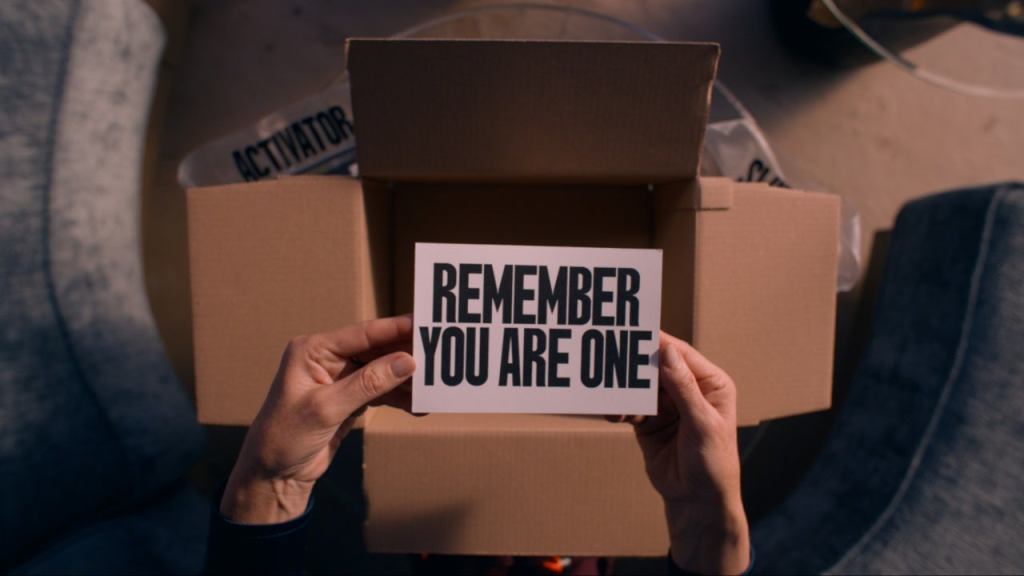
The Substance:“Have you ever dreamt of a better version of yourself? Younger, more beautiful, more perfect. One single injection unlocks your DNA, starting a new cellular division, that will release another version of yourself. This is the Substance. You are the matrix. Everything comes from you. Everything is you. This is simply a better version of yourself. You just have to share. One week for one and one week for the other. A perfect balance of seven days each. The one and only thing not to forget: You. Are. One. You can’t escape from yourself.”
Coralie Fargeat’s The Substance is a provocative and unsettling exploration of aging, celebrity culture, and the lengths to which we’ll go to maintain youth and relevance. This body horror-tinged satire offers a biting critique of Hollywood’s obsession with appearance and the exploitation of women in the entertainment industry.
The film centers around Elizabeth Sparkle (Demi Moore), a once-beloved aerobics star whose career has faded with time.Feeling discarded and undervalued, she encounters a mysterious substance that promises to rejuvenate her. Initially hesitant, Elizabeth succumbs to the temptation and soon finds herself transformed, but the changes are far from superficial. As the substance takes hold, Elizabeth’s body undergoes a disturbing metamorphosis, accompanied by a growing sense of unease and a loss of control.
The Substance is a visually arresting film, with Fargeat’s direction showcasing a flair for the grotesque and the surreal.The cinematography is both beautiful and disturbing, capturing the film’s unsettling atmosphere and the grotesque transformations that Elizabeth undergoes. The film’s score is equally unsettling, adding to the tension and unease.
Moore delivers a powerful performance as Elizabeth, capturing the character’s desperation, fear, and growing madness.Her transformation is both physical and emotional, as she struggles to reconcile her newfound youth with the loss of her identity. Margaret Qualley is equally impressive as Emma, Elizabeth’s estranged daughter, who becomes embroiled in her mother’s dangerous obsession.
Beyond its surface-level critique of Hollywood’s obsession with youth and beauty, The Substance also explores themes of identity, motherhood, and the complexities of female aging. Elizabeth’s transformation is not merely a physical one but a profound exploration of the ways in which women are defined by their appearance and their societal roles.
The film’s portrayal of motherhood is particularly poignant. Elizabeth’s relationship with her daughter, Emma, is strained,and her desperate pursuit of youth can be seen as a reflection of her own unfulfilled maternal desires. The film suggests that the pressure on women to be both successful and nurturing can be overwhelming, and that the pursuit of perfection can lead to self-destruction.
The Substance also offers a chilling commentary on the exploitation of women in the entertainment industry. The mysterious substance that Elizabeth encounters can be seen as a metaphor for the promises of fame and fortune that are often dangled in front of aspiring actresses. The film suggests that these promises are often empty, and that women are frequently treated as disposable commodities.
The Substance is a thought-provoking and disturbing film that offers a scathing critique of Hollywood’s obsession with youth and beauty. It’s a cautionary tale about the dangers of chasing after unattainable ideals and the consequences of sacrificing one’s identity for fleeting fame. While the film’s tone may be dark and disturbing, it’s ultimately a powerful and unforgettable cinematic experience.
Featuring: Mike Pratt, Kenneth Cope and Annette Andre
Sidney Crabbe:“I’ve always said the only good copper is a dead copper, and the only good dead copper is a good dead copper in pain.”
Released recently on DVD is the 1960s created television drama “Randall and Hopkirk (Deceased)” (1969 – 1970) that was essentially a three hander and featured a story of the week framework which suited this series very well for its limited time on air before it was cancelled. This series along with such ground-breaking and influential shows such as “The Avengers” (1961-1969), “Doctor Who” (1963-present), “Adam Adamant Lives” (1966-1967), “Department S” (1969-1970), “The Champions” (1968-1969), “The Thunderbirds” (1965-1966) and “The Prisoner” (1967-1968) amongst many others that would shape genre television right up to the present day. In fact their influence can be seen in many series still around today either in dramas, science fiction and comedy.
“Randall and Hopkirk (Deceased)” was created by genre stalwart Dennis Spooner who has written many scripts for some of the aforementioned series with an in-depth knowledge in terms of what was required for the 1960s but could also bring some humour to proceedings which ended up being an important aspect of the series created within this period. In terms of performance this show was spearheaded by Mike Pratt and Kenneth Cope as the private detectives Jeff Randall and Marty Hopkirk. For such a high concept series these two leads seem to know exactly what is required from the outset, they know to play these two seriously without any irony or winking to the camera.
In the initial episode, Hopkirk is murdered during an investigation but returns as a ghost. Randall is the only main character able to see or hear him, though certain minor characters are also able to do so in various circumstances throughout the series, such as mediums, drunks, or those under hypnosis. From here as mentioned it boils down to an episode of the week style that features cases to solve much like the procedural drama of today. Where high concept shows sometimes fail or struggle is to place their characters in the real world, in other words having them progress to grow and change so that an audience can see this onscreen. What may have been advantageous for this show would have been to have arcs over multiple episodes to show the changing nature of the main characters to breathe life into the genre, but of course that was not the case and it was cancelled after one season.
Episodes
My Late Lamented Friend and Partner: Private Investigator Marty Hopkirk is murdered by the husband of a client but returns as a ghost to help his business partner Jeff Randall bring the man responsible for his murder to justice.
A Disturbing Case: Concerned for Jeff’s mental health Jeannie sends Jeff to Dr. Conrad at the Lambert Clinic where it turns out he is the mastermind of a series of robberies of his patients using hypnotic suggestion, forcing Marty to try to find a way to break Jeff from his control before Jeff has been so severely hypnotized that he loses the ability to see Marty.
All Work and No Pay: Two eccentric conmen brothers (The Foster Brothers) who claim to be spiritualists try to convince Jeannie that Marty is haunting her as a poltergeist using electronic equipment.
Never Trust a Ghost: Two enemy agents murder a high British Secret Service official and his wife and pass themselves as their impostors in their own home to steal important documents.
That’s How Murder Snowballs: When a theatre performer is murdered by a loaded gun during one of his acts Jeff joins the theatre as a mind reader to investigate his murder and hunt down the killer.
Just for the Record: Jeff is acting as a bodyguard to a beauty queen, Anne Soames, who wants to visit the Public Records Office. An intrigued Marty watches as she uses a special pair of glasses to cut the alarm and later a file is stolen by a man named Pargiter. When Jeff pursues him, Pargiter explains that the stolen document reveals him to be the rightful king of England – with his two heavies as noble lords. He condemns Jeff as a heretic, tying him up along with Anne, who has outlived her usefulness, and leaving them to die in a burning building. However, Marty sets off the fire alarm,…
Murder Ain’t What it Used to Be!: Notorious American crime boss Paul Kirstner travels to London for “business” and hires Randall to take care of his daughter. However his wicked past and his haunting by the 1920s Chicago gangster Bugsy catches up with him.
Whoever Heard of a Ghost Dying?: Knowing about Marty, a crime syndicate, in disguise, hire Jeff to begin surveillance on a gang of criminals (themselves), knowing that he will use Marty. Using an elderly psychic they detect Marty’s presence, and deliberately mislead Jeff and the police.
The House on Haunted Hill: Jeff investigates a diamond theft in which the manager is implicated and threatens Jeff to lie about his investigation. Whilst also investigating a haunting at a country manor it turns out the diamond gang are using it as a hideout.
When did You Start to Stop Seeing Things?: Jeff is hired by a company to find out who is leaking information in the stock market. Finding Jeff suspiciously out of character – and also now being unable to see him – Marty finds out that the real Jeff has been captured and that the fake Jeff is an impostor, using his status to conduct murders of financial personnel. Marty uses a hypnotist to save the day.
The Ghost who Saved the Bank at Monte Carlo: Marty’s Aunt Clara hires Jeff as a bodyguard for a trip to Monte Carlo where she plans to win £100,000 on her self-devised gambling system. Closely followed and watched by several different gangs they only lose their would-be robbers by Marty manipulating the final game of roulette losing the money.
For the Girl who Has Everything: Jeff is hired by a ghost hunter to investigate at a manor where the lady appears to be haunted. When the ghost hunter is murdered whilst on night watch Jeff investigates. When the man of the house is shot by his wife believing she saw a ghost, Jeff becomes suspicious and discovers that it was part of her plan to get rid of her draining husband and leave the country with her butler toyboy.
But What a Sweet Little Room: Jeff investigates the disappearance of a wealthy young heiress’s aunt. When she is then killed by a hit and run driver he is led to a medium previously visited by the aunt and uses Jeannie as a decoy to foil a thieving operation in which middle class men rob wealthy widows by murdering them in the room of the episode title, which then transpires to be a gas chamber in disguise.
Who Killed Cock Robin?: In this murder mystery, Jeff is hired by a large estate manager to investigate a series of bird shootings in the manor aviary. Under the terms of the will of the manor’s late owner, the estate is being held in trust for as long as the birds live (which could be twenty years or more), and will be divided up equally among the surviving relatives only when all the birds are dead. While Jeff keeps guard of the valuable birds, he discovers that members of the family of the manor are being murdered one by one, gradually narrowing down the suspects, leaving Jeff with the surprising culprit.
The Man from Nowhere: A man enters Jeannie’s life pretending that he is Marty returned from the dead. As he gradually builds Jeannie’s trust with his alarming knowledge of Marty’s life, Jeff, suspicious from the beginning finds that he is a runaway member of a gang and has taken Jeannie to the Cotswolds where she and Marty had their honeymoon to dig up something of the past.
When the Spirit Moves You: Jeff becomes involved with a conman and a stash of $125,000 of stolen bonds from the United States that a criminal racket are after.
Somebody Just Walked Over My Grave: Marty finds somebody digging around his grave. He sends Jeff to investigate the cemetery and in doing so is knocked unconscious several times by a masked 18th-century axe wielder. Suspecting the gardener, Jeff accepts a job for a wealthy man in the nearby mansion and stumbles on an intricate plot to steal his insane agoraphobic son through a tunnel pretending to hold him to ransom. It is all part of a plot to inherit his father’s fortune but when he marries his young housekeeper the plan is demised.
Could You Recognise the Man Again?: When Jeff and Jeannie find a dead body in their car unknown to them at the time that the man they met outside was a killer, Jeannie is held hostage to keep Randall from confessing to the police and giving a testimony in court. And even the ghostly Marty can’t locate her until the very last minute.
A Sentimental Journey: A reluctant Jeff agrees to take a valuable item worth £10,000 from Glasgow to London on the overnight express. When the consignment turns out to be an attractive blonde, Jeff initially concedes that the assignment is to his liking. How gradually becoming suspicious it turns out the blonde is a traitor involved in stealing a highly valuable postage stamp.
Money to Burn: Randall is offered by a dodgy friend to take part in a money salvaging operation whereby £500,000 of old money is to be incinerated but is replaced with newspaper pieces. Not informing the police nor accepting any part in it, Randall watches from a nearby street and is caught by the police and imprisoned. Using his lady friend lawyer she tracks down his dodgy friend at his London club finding the real culprits are his lady dancers freeing Randall.
The Ghost Talks: With Jeff in a hospital bed with an arm and a leg in plaster, having fallen off a balcony while attempting to apprehend a safe-cracker, Marty seizes the opportunity to tell him about a spy drama that he handled alone (Jeff being out of town at the time) while he was still alive, involving a corrupt MI5 official and spy ring, the details of which he had never revealed before.
It’s Supposed to be Thicker than Water: Playing postman to deliver an envelope to an escaped convict strikes Jeff as simple until he finds out it contains an invitation to murder and before long his own life is on the line.
The Trouble with Women: Jeff is hired by a woman and deliberately set up her husband’s murder. In disguise she misleads Randall with her club owner boyfriend she is secretly having an affair with, almost leading to his shooting at a quarry.
Vendetta for a Dead Man: A vengeance-seeking escaped convict decides that since Marty Hopkirk, the man who put him behind bars is dead then his widow Jeannie will have to suffer.
You Can Always Find a Fall Guy: Jeff is hired to retrieve stolen funds by a nun, only to discover the nun is not what she seems to be and he is being set up.
The Smile Behind the Veil: Only a ghost would notice the smile behind the veil of a funeral mourner. Marty stumbles upon a hidden murder mystery.
Featuring: Jay Hernandez, Perdita Weeks, Zachary Knighton, Stephen Hill, Amy Hill and Tim Kang
Detective Gordon Katsumoto:“Still don’t get why you guys are doing this.”
Thomas Magnum:“Mike and Terry wanted to free these people, and it cost them their lives. We didn’t know them but they’re still our brothers. We’re going to finish what they started.”
The 2018 reboot of Magnum P.I. brings the iconic private investigator back to television, attempting to modernize the beloved 1980s series starring Tom Selleck. While the reboot remains faithful to many elements of the original, it also adds its own contemporary flair, creating a blend of action, mystery, and lighthearted drama that seeks to appeal to both nostalgic fans and new audiences.
The new Magnum P.I. follows Thomas Magnum, a former Navy SEAL turned private investigator living in Hawaii, who uses his military skills and connections to solve cases. Jay Hernandez steps into the role once immortalized by Selleck, delivering a more youthful, action-oriented Magnum while still trying to preserve the charm and wit of his predecessor.
Magnum is flanked by his loyal friends, Rick Wright (Zachary Knighton) and TC (Stephen Hill), both fellow veterans, who assist him in his investigations. Rick, the charming playboy with underground connections, and TC, the steady helicopter pilot and business owner, bring a sense of camaraderie that mirrors the original series. The dynamic trio keeps the show grounded in teamwork, much like the 1980s version.
One notable change in the reboot is the reimagining of Higgins, originally portrayed by John Hillerman as a male British butler. In this reboot, Juliet Higgins (Perdita Weeks) is a former MI6 agent and Magnum’s unlikely ally and housemate. This gender switch not only updates the character for modern audiences but also brings a fresh tension between Higgins and Magnum. Their witty banter and evolving relationship inject a will-they-won’t-they dynamic that wasn’t present in the original.
The cast as a whole is likable, and their chemistry improves over time. Hernandez makes a capable Magnum, with his easy-going charisma and action-hero chops, although he lacks some of the signature mustachioed gravitas of Selleck’s portrayal. Perdita Weeks shines as Juliet Higgins, blending British elegance with combat-ready toughness, adding depth to the show’s action sequences.
The reboot maintains the laid-back, sun-soaked atmosphere of the original, taking full advantage of Hawaii’s lush landscapes and beautiful scenery. This is one of the show’s great strengths: the tropical paradise setting serves as a stunning backdrop to Magnum’s cases, reminding viewers of the escapism that made the original so popular.
However, the reboot leans more heavily into action sequences than its predecessor. From car chases to fistfights and shootouts, Magnum P.I. 2018 embraces a more adrenaline-fueled approach, positioning itself as an action-adventure show with a mystery element. While this ups the entertainment value and caters to modern audiences who crave faster-paced storytelling, it can sometimes overshadow the detective aspect of the show. The heart of Magnum’s work is solving cases, and at times, the procedural investigation takes a backseat to flashy action set-pieces.
The show also integrates more technology and modern gadgets into Magnum’s investigative arsenal, reflecting contemporary crime-solving methods. This update is a natural evolution from the more low-tech 1980s version, but it does occasionally risk feeling like standard fare in the current sea of procedural dramas.
One of the biggest challenges any reboot faces is balancing nostalgia with innovation. For fans of the original series, this reboot offers just enough callbacks to evoke fond memories, while updating enough to attract a new generation of viewers. The iconic red Ferrari is still present, and the theme music has been updated but retains the recognizable riff that fans of the original will appreciate. Additionally, Magnum’s easygoing demeanor, his sense of justice, and the dynamic between him and his friends all feel faithful to the original character.
However, the tone of the reboot is notably lighter and less gritty than its predecessor. The 1980s Magnum P.I. had a certain gravitas, with Selleck’s portrayal of Magnum carrying a more nuanced blend of humor and seriousness. While the reboot has its emotional moments, it often favors quippy one-liners and breezier storytelling. This tonal shift may be off-putting for fans who remember the more reflective moments of the original show.
On the other hand, for new audiences, this lighthearted tone might be exactly what makes the show appealing. The reboot doesn’t take itself too seriously, allowing for a fun, escapist viewing experience. It mixes light humor with procedural drama and action, making it a show that can be enjoyed casually without heavy investment in overarching storylines.
The show does struggle at times with predictability. Many of the cases Magnum investigates follow familiar beats from the crime procedural playbook, and while the characters are engaging, the mysteries themselves can often feel formulaic. The action scenes, while well-executed, sometimes come across as over-the-top or inserted merely to keep the adrenaline pumping, rather than to advance the plot.
Another point of contention for some viewers is the lack of depth in Magnum’s character. In the original series, Selleck’s Magnum was more reflective and had an inner complexity stemming from his experiences in Vietnam. While the reboot touches on Magnum’s military past, it doesn’t delve as deeply into his trauma or personal struggles, which could have added more emotional weight to the show.
The gender-swapping of Higgins also divided some fans of the original series. While Perdita Weeks brings a fresh dynamic to the role, some purists may miss the original version of Higgins, with the humorous tension between him and Magnum being more rooted in old-school British-American differences than the flirtatious tension present in the reboot.
The reboot’s strength lies not only in its portrayal of Magnum but in the ensemble cast and the relationships they share. Jay Hernandez’s portrayal of Magnum is notably more team-oriented than Tom Selleck’s loner private investigator, which can be both a strength and a weakness, depending on what audiences expect from the lead character.
The friendship between Magnum, Rick, and TC feels less like a set of sidekicks and more like a cohesive unit. Rick’s character, played by Zachary Knighton, brings in some of the grit and charm of a former soldier with connections to the darker side of Hawaii’s criminal underworld. While he isn’t the star, Rick often serves as the go-to person for Magnum, providing information, access, or even a quick exit from dangerous situations. His character has evolved beyond the happy-go-lucky playboy of the original series, giving him a more layered persona, particularly in the later seasons when his romantic relationships and business challenges are explored in greater depth.
Stephen Hill’s portrayal of TC is equally engaging. TC has always been the dependable friend, the moral compass of the group. In the reboot, this is enhanced by exploring his post-military life, his business aspirations, and his role as a surrogate father figure in his local community. Hill’s version of TC feels more fleshed out than in the original, adding emotional richness to the character and giving Magnum a more solid emotional foundation when the cases get tough.
The relationship between Magnum and Higgins, played by Perdita Weeks, remains the emotional core of the show. While they begin as combative housemates, their interactions evolve into a deep friendship with hints of romantic tension. Higgins’ transformation from a stiff, MI6 agent with no tolerance for Magnum’s relaxed approach to a trusted confidante adds a dynamic layer to the series. The writers have wisely taken their time developing this relationship, making it feel organic and authentic rather than forced for plot reasons.
This evolving bond also brings a more modern sensibility to the series. While the original Higgins and Magnum had a somewhat father-son relationship, the new series’ choice to gender-flip Higgins not only makes room for a stronger female presence but also provides room for greater character development. The dynamic between Magnum and a powerful, competent woman who challenges him at every turn is a reflection of today’s audiences craving for more balanced gender roles in action-adventure shows. Higgins is no damsel in distress—she’s a co-lead capable of handling herself in combat, emotionally intelligent, and often one step ahead of Magnum.
One of the most significant departures from the original Magnum P.I. is the shift in focus from the mystery-solving elements of the show to high-octane action. While the original series certainly had its fair share of chase scenes, fistfights, and shootouts, it maintained a slower pace, often allowing for Magnum to wrestle with ethical dilemmas or emotional baggage from his time in Vietnam.
The reboot often chooses to prioritize action over introspection. Magnum’s cases are frequently interrupted by car chases, helicopter flyovers, or elaborate heists. While these sequences are well-executed and thrilling, they come at the expense of character development and the detective work that made the original series stand out. In many episodes, the actual investigation feels secondary to the spectacle, with Magnum’s sleuthing limited to short bursts between action scenes.
This focus on spectacle reflects the current television landscape, where audiences are often drawn to fast-paced, visually stimulating storytelling. However, it’s in this shift where the reboot can sometimes feel like it’s sacrificing its identity. The core of Magnum P.I.—a private investigator solving cases in paradise—feels diluted when the emphasis is placed on non-stop action, which many other shows already excel at. There’s little room for Magnum to brood or reflect, and the emotional weight of the cases, which could add gravitas to the series, often feels sidelined in favor of action.
The tropical paradise of Hawaii continues to play a significant role in the reboot. Much like the original, the islands are a character in their own right, offering stunning visuals, cultural richness, and a contrast between idyllic beauty and the criminal underbelly lurking in the shadows.
The production team does an excellent job of capturing Hawaii’s natural beauty, with its golden beaches, sprawling jungles, and urban landscapes. The show takes advantage of the setting, incorporating iconic locations and integrating local culture into many of the storylines. This helps ground the show, giving it a sense of place that few other procedurals manage. In fact, the setting elevates Magnum P.I. from being just another crime drama by making it feel like an adventure in a vacation destination.
One criticism, however, is that the reboot sometimes uses Hawaii as mere eye candy without delving deeply into its complexities. There’s a rich cultural history to be explored, and while some episodes touch on local issues—like land ownership disputes or indigenous rights—these elements often feel underexplored. When compared to shows like Hawaii Five-0 (another modern Hawaii-based procedural), Magnum P.I. could benefit from more cultural depth, integrating local history, folklore, or contemporary social issues into its storylines.
In its updated form, Magnum P.I. occasionally tries to tackle modern social issues, including PTSD among veterans, homelessness, and even systemic corruption within law enforcement. These topics add contemporary relevance to the show, giving it moments of emotional resonance that connect with today’s viewers.
Magnum, Rick, and TC’s military background is a recurring theme, and the reboot does a solid job of portraying how their service has shaped their lives. Magnum’s sense of loyalty and brotherhood with his former SEAL teammates feels authentic, and the show sometimes dips into more somber territory when addressing the emotional toll of combat. While this could be explored more deeply, the fact that the reboot even broaches these subjects is commendable.
However, there are times when the social commentary feels surface-level, lacking the nuance that could make the show truly stand out as both an action-packed procedural and a thoughtful drama. Still, the effort to make the show feel current and relevant is clear, and it’s a step in the right direction for a reboot that could have easily relied solely on nostalgia.
Overall, the Magnum P.I. reboot offers an enjoyable, action-packed ride with likable characters and stunning visuals. For those seeking a fun, escapist crime drama set against the beautiful backdrop of Hawaii, this show delivers. It honors the legacy of the original while modernizing the formula to suit contemporary tastes. While it may lack some of the depth and seriousness of the original, it compensates with fast-paced action, witty banter, and a cast that is clearly having a good time.
Whether or not this new Magnum P.I. will achieve the same iconic status as the original remains to be seen, but for now, it’s a solid entry in the wave of TV reboots that manages to carve out its own space while still tipping its hat to the past.
Paramount Pictures has released the second official trailer for Ridley Scott’s mega-budget epic sequel to 2000’s “Gladiator”.
Paul Mescal stars as the adult version of Lucius – the grandson of Rome’s former emperor Marcus Aurelius, nephew of Commodus (Joaquin Phoenix) and son of Lucilla (Connie Nielsen) Lucius resides peacefully with his family in Numidia until Roman soldiers, led by General Marcus Acacius (Pedro Pascal) invade and force him into slavery.
Inspired by the legendary Maximus, Lucius decides to fight as a gladiator and oppose the rule of the young emperors, Caracalla (Fred Hechinger) and Geta (Joseph Quinn).
Also starring in the $300 million budget film are Djimon Hounsou, Matt Lucas, Lior Raz, Peter Mensah, May Calamawy, Tim McInnerny and Derek Jacobi.
David Scarpa penned “Gladiator 2” which is set to open in cinemas internationally from November 15th and in U.S. cinemas on November 22nd.
The Control Voice:“There is nothing wrong with your television set. Do not attempt to adjust the picture. We are controlling transmission. If we wish to make it louder, we will bring up the volume. If we wish to make it softer, we will tune it to a whisper. We can reduce the focus to a soft blur, or sharpen it to crystal clarity. We will control the horizontal. We will control the vertical. For the next hour, sit quietly and we will control all that you see and hear. You are about to experience the awe and mystery which reaches from the inner mind to… The Outer Limits.”
The original Outer Limits TV series, which aired from 1963 to 1965, is an iconic piece of 1960s science fiction television that has left a lasting legacy in both the genre and popular culture. Created by Leslie Stevens and developed further by writer and producer Joseph Stefano (of Psycho fame), the series offered a more cerebral and sometimes darker alternative to The Twilight Zone. Running for two seasons and a total of 49 episodes, The Outer Limits captivated audiences with its blend of speculative fiction, eerie atmosphere, and thought-provoking stories.
Each episode of The Outer Limits is a standalone story, a format that allowed the show to explore a wide range of ideas and tones, from hard science fiction to supernatural horror. The episodes were prefaced with a now-iconic narration: “There is nothing wrong with your television set. Do not attempt to adjust the picture. We are controlling transmission…” This framing device set the stage for the unusual and often unsettling stories that followed, suggesting that viewers were about to enter a dimension of mystery and control that was beyond their usual reality.
While it shared some similarities with The Twilight Zone, The Outer Limits was more focused on science fiction, specifically stories of alien encounters, space exploration, and the consequences of scientific advancements. It often took a more serious, sometimes even pessimistic view of humanity’s future, leaning into the fears of the Cold War era, including nuclear annihilation, the dangers of unchecked technology, and the potential loss of humanity through alien influences.
The Outer Limits frequently addressed profound themes that resonated with the social and political climate of the 1960s. Many episodes tapped into the pervasive fears of the time, such as the threat of nuclear war, the dehumanizing effects of technology, and the consequences of scientific experimentation gone awry. For example, episodes like “The Man Who Was Never Born” delve into the moral consequences of altering time and history, while “The Architects of Fear” reflects Cold War paranoia and the lengths to which people might go to create peace through fear and manipulation.
The series also explored ethical and philosophical questions, often questioning the moral cost of scientific progress and the nature of humanity. It wasn’t afraid to challenge its audience, offering narratives that didn’t always end with a neat resolution. Many episodes concluded on a note of ambiguity or even tragedy, leaving viewers to ponder the implications of what they had just seen. This willingness to engage with complex, often dark subject matter set The Outer Limits apart from much of the other genre television of its time.
Some episodes of The Outer Limits have achieved legendary status due to their narrative inventiveness, visual creativity, and memorable performances. One of the standout episodes is “Demon with a Glass Hand,” written by the great Harlan Ellison. This episode features a man who discovers that his hand is a supercomputer containing the memories of the human race, and it blends science fiction with noir in a way that feels ahead of its time. Another Ellison-penned episode, “Soldier,” was so influential that it became the subject of a legal dispute, with Ellison accusing The Terminator (1984) of borrowing elements from his script.
Other notable episodes include “The Zanti Misfits,” which features grotesque alien creatures who are exiled to Earth, and “The Galaxy Being,” the series pilot, which features a scientist’s accidental communication with an alien entity made of electromagnetic waves. These episodes exemplify The Outer Limits’ ability to combine imaginative storytelling with unsettling, sometimes grotesque visuals.
For a 1960s television show, The Outer Limits was known for its remarkable special effects, atmospheric cinematography, and creature designs. Thanks to the involvement of cinematographer Conrad Hall, who would go on to become an Oscar-winning director of photography, the series was visually striking. The use of light and shadow, innovative camera angles, and eerie sets helped create an atmosphere of tension and dread.
The “bear,” a term used by the creators to refer to the monster or creature featured in each episode, became a hallmark of the show. While the effects and costumes may appear dated by modern standards, they were often quite innovative for their time, and many of the creature designs remain iconic. The Zanti Misfits, with their insect-like alien appearance, and the eerie, mechanical Cylons from “The Duplicate Man” are just two examples of memorable creatures that continue to haunt viewers’ imaginations.
Though some of the visual effects have not aged well, the show’s overall aesthetic is still commendable for its ambition. The use of practical effects, makeup, and puppetry brought a sense of tangible reality to these otherworldly creatures, creating a sense of visceral unease. The show’s ability to conjure effective horror from its creatures, settings, and technology remains one of its strongest qualities.
The Outer Limits may have only lasted two seasons, but its influence can be seen in countless science fiction works that followed. Its DNA is evident in everything from Star Trek (many actors and directors from The Outer Limits later worked on Star Trek) to The X-Files, which shares The Outer Limits’ penchant for blending science fiction with horror and conspiracies. Some episodes, like “The Architects of Fear,” even served as inspiration for later works in pop culture, such as the comic Watchmen by Alan Moore.
The show was revived in the 1990s, though the original 1960s series retains a special place in the hearts of science fiction fans. Its influence on science fiction television as a genre cannot be overstated, as it laid the groundwork for a type of storytelling that combines speculative fiction with serious philosophical and ethical questions. Many of the themes it explored—such as humanity’s fear of the unknown, the ethical boundaries of scientific progress, and the potential dangers of technological advancement—are still relevant today.
One of the most defining features of The Outer Limits was the exceptional creativity behind its stories. Creator Leslie Stevens and key producer Joseph Stefano had a vision to push the boundaries of television. Stevens, a seasoned director and writer, aimed to infuse each episode with thought-provoking content that addressed both the possibilities and perils of scientific advancement. Stefano, who had already earned renown for his work on Psycho (1960), contributed a psychological depth to many of the episodes, often focusing on the internal struggles of characters grappling with existential crises or moral dilemmas.
The show regularly featured contributions from some of the most important names in speculative fiction. Harlan Ellison, in particular, became a pivotal figure in The Outer Limits, contributing two of the most memorable episodes, including “Demon with a Glass Hand” and “Soldier.” Ellison’s high-concept ideas, emotional intensity, and gift for dialogue elevated the show’s stories from mere entertainment to compelling moral and philosophical meditations. Ellison’s work on the series showed that science fiction could serve as a mirror to human nature, reflecting the conflicts and desires of the soul against the backdrop of futuristic worlds.
One of the most powerful lenses through which to view The Outer Limits is as a cultural artifact of the 1960s. Much like The Twilight Zone, the show reflected the anxieties and concerns of a world still reeling from the aftermath of World War II and living in the shadow of the Cold War. The show tapped into the fear of nuclear destruction, invasion, and the threat of “the other,” whether in the form of extraterrestrial life or subversive ideas.
Episodes such as “The Chameleon” and “The Architects of Fear” are direct reflections of Cold War-era paranoia. “The Chameleon” deals with a government operative undergoing transformation into an alien being in order to infiltrate an extraterrestrial base, only to find himself sympathizing with the creatures he was sent to observe. This story evokes the era’s fear of espionage and covert operations, as well as the existential question of identity in a world of shifting allegiances.
Similarly, “The Architects of Fear” offers a biting critique of the arms race. In the episode, a group of scientists attempts to prevent nuclear war by fabricating an alien threat, hoping to unite humanity against a common enemy. The lengths to which these men are willing to go—and the consequences of their actions—underscore the dangers of playing god with world events. The episode’s themes of manipulation, fear-mongering, and the loss of individuality in pursuit of larger political goals resonate deeply with the sociopolitical landscape of the time.
One of the hallmarks of The Outer Limits was its dedication to exploring the boundaries of scientific possibility. The series often presented futuristic technologies and alien cultures in ways that seemed plausible within the framework of the episode’s universe, and the stories consistently considered the ethical and moral dimensions of these advancements. Unlike many other science fiction shows of the time, The Outer Limits often avoided simplistic solutions, instead offering scenarios where the cost of progress could be the loss of humanity itself.
Episodes like “The Sixth Finger” delve into the dangers of human evolution and tampering with nature. In “The Sixth Finger,” a scientist devises a machine that accelerates the evolutionary process, but the subject of the experiment soon becomes too advanced for his own good, losing touch with the emotional and spiritual aspects of humanity. The episode reflects a fear of overreach in scientific exploration and the unintended consequences of meddling with natural processes—a theme that still resonates today in debates over genetic engineering and artificial intelligence.
In episodes such as “The Borderland,” where the story focuses on experiments to breach the fourth dimension, The Outer Limits tackled the unknown aspects of space-time and reality in ways that were highly speculative yet grounded in contemporary scientific theory. These high-concept stories blended real scientific curiosity with imaginative extrapolation, allowing viewers to consider both the possibilities and limitations of human knowledge. The show’s ability to weave genuine scientific inquiry into its narratives distinguished it from other TV shows of its era.
Much of the acclaim for The Outer Limits stems from its striking visual storytelling. The series benefitted from the skills of director of photography Conrad Hall, whose work helped establish an ominous, almost dreamlike atmosphere. Hall’s cinematography is renowned for its dramatic use of light and shadow, often drawing comparisons to German Expressionism and film noir. This stark visual style enhanced the psychological intensity of the series, transforming each episode into something more akin to a cinematic experience than a typical TV show.
The show’s commitment to creating an eerie, almost otherworldly atmosphere is particularly evident in its use of innovative special effects for the time. Although the show’s budget was often limited, the production team cleverly used practical effects, prosthetics, and elaborate creature designs to bring its speculative stories to life. The grotesque, insectoid Zanti Misfits, for example, are one of the most memorable creature designs in TV history. Though somewhat rudimentary by today’s standards, the blend of stop-motion effects and puppetry made the aliens in The Outer Limits both terrifying and believable for 1960s audiences.
The iconic “bear” concept that pervaded many episodes ensured that the series always had a strong visual hook. Whether it was a terrifying alien, a monstrous creature, or a visually striking representation of some technological experiment gone wrong, these bears served as physical manifestations of the episode’s themes. This visual device gave The Outer Limits a distinct identity, further cementing its place in science fiction history.
Beyond its focus on technological advances, The Outer Limits regularly touched on the most basic human ethical questions—questions about identity, purpose, and what it means to be human. In “The Inheritors,” for example, soldiers wounded in battle are mysteriously returned to life with heightened intelligence, leading them on a mission to ensure the survival of humanity. The episode touches on themes of war, sacrifice, and the potential for redemption.
Episodes like “Nightmare” and “A Feasibility Study” explore the dark consequences of captivity and human sacrifice. In “Nightmare,” soldiers from Earth are captured by an alien race and subjected to psychological torture, raising questions about the morality of war and the limits of human endurance. In “A Feasibility Study,” an entire human neighborhood is transported to an alien planet, where they are faced with the choice of either sacrificing their own freedom or dooming Earth to enslavement. These episodes pushed the boundaries of the genre by engaging with deeply philosophical questions about autonomy, sacrifice, and the greater good.
The Outer Limits remains a seminal work in the history of science fiction television. Its blend of high-concept ideas, haunting visuals, and bold storytelling helped elevate the genre during a time when science fiction was often relegated to the realm of B-movies and camp. The series dared to ask big questions, and while it didn’t always provide answers, it left audiences with a sense of wonder and unease that few other shows could match. Even more than half a century later, The Outer Limits continues to be a benchmark for thought-provoking, innovative television.
Marvel Studios has premiered the first trailer and poster for their “Thunderbolts” film ahead of the movie’s release next Summer.
Shot in Atlanta, Utah and New York earlier this year, the film sees the team-up of some of the Marvel Cinematic Universe’s anti-heroes and villains as they go on missions for the government.
Effectively Marvel’s Suicide Squad, the team includes Sebastian Stan as Winter Soldier, Florence Pugh as Yelena Belova, David Harbour as Red Guardian, Wyatt Russell as US Agent, Hannah John-Kamen as Ghost and Olga Kurylenko as Taskmaster.
Also onboard are Julia Louis-Dreyfus as Valentina Allegra de Fontaine, Geraldine Viswanathan as Valentina’s assistant, Laurence Fishburne as Bill Foster, Rachel Weisz as Melina Vostokoff, Lewis Pullman as Sentry, and Harrison Ford as U.S. President Thaddeus ‘Thunderbolt’ Ross.
Marvel’s “Thunderbolts*” is set for a May 2nd 2025 release.
Narrator: “The Invaders: alien beings from a dying planet. Their destination: the Earth. Their purpose: to make it their world. David Vincent has seen them. For him, it began one lost night on a lonely country road, looking for a shortcut that he never found. It began with a closed deserted diner, and a man too long without sleep to continue his journey. It began with the landing of a craft from another galaxy. Now, David Vincent knows that the Invaders are here, that they have taken human form. Somehow, he must convince a disbelieving world, that the nightmare has already begun…”
The Invaders, created by Larry Cohen, is a classic science fiction TV series that aired on ABC from 1967 to 1968. It ran for two seasons and quickly became a cult favorite, with its suspenseful storytelling, stark Cold War paranoia, and the gripping concept of a lone man fighting against an alien invasion. Starring Roy Thinnes as architect-turned-reluctant-hero David Vincent, The Invaders presents a fascinating, if somewhat bleak, narrative of one man’s desperate struggle to expose the extraterrestrial infiltration of Earth.
The show’s premise is deceptively simple: David Vincent stumbles upon evidence of an alien race secretly invading Earth. These aliens, who appear human but with certain distinguishing traits (like a bent pinky finger or the inability to bleed), are slowly and stealthily taking over positions of power in governments and corporations. They seek to colonize Earth because their own planet is dying, and they are systematically erasing any trace of their existence to maintain secrecy. Vincent becomes obsessed with exposing the threat but struggles against overwhelming odds, as the aliens’ influence grows, and no one believes him.
At its core, The Invaders is about paranoia. It plays into the Cold War anxieties prevalent at the time of its release—echoing fears of infiltration and subversion similar to the Communist scare that marked the 1950s and ’60s. This theme of hidden enemies is brilliantly handled throughout the series, with episodes often revolving around Vincent’s frustrating encounters with government officials, police, or other people in power who either don’t believe him or are already compromised by the aliens.
Roy Thinnes carries the weight of the series with his portrayal of David Vincent. He is a man thrust into a world of unimaginable danger, and Thinnes plays him with the perfect mix of desperation, courage, and weariness. Throughout the series, Vincent’s character is defined by his persistence. He is often portrayed as isolated, constantly on the run, and never able to trust anyone fully. This makes for a somewhat bleak viewing experience, but Thinnes’s performance grounds the show in emotional reality, making Vincent a relatable hero despite the extraordinary circumstances.
Vincent is not your typical action hero; he doesn’t have special powers or vast resources. He is an ordinary man up against impossible odds, relying mostly on his wits and the occasional help of the few people who believe him. This lends a gritty, down-to-earth feel to the show that contrasts with the often larger-than-life scenarios typical in sci-fi.
The aliens in The Invaders are not portrayed as monstrous beings but rather as cold, calculating figures. Their humanoid appearance adds to the tension of the series—since they can blend in seamlessly with the human population. However, they are emotionless, driven purely by their goal of survival, which makes them all the more sinister. Their mission is one of quiet domination, eliminating anyone who discovers the truth about them, often through methods like staged accidents or mind control.
What makes the aliens particularly frightening is their ability to infiltrate every level of society. From police officers to senators, no institution is safe from their reach. This deepens the feeling of paranoia that permeates the series. Viewers are left with the unsettling realization that anyone could be an alien, and no place is truly secure.
The episodic structure of The Invaders allows for a variety of stories to be told within its overarching narrative. Some episodes focus on Vincent’s attempts to thwart a specific alien plot, while others delve into his personal struggle with the hopelessness of his mission. There are moments where Vincent nearly gives up, but his conviction always brings him back, driven by his need to reveal the truth.
Each episode is a mini-thriller, with Vincent either uncovering or coming close to evidence of the invasion, only to have it slip through his fingers by the end. The formula could sometimes feel repetitive, especially in the first season, but the pacing and tight writing ensure that the suspense remains high. The cat-and-mouse dynamic between Vincent and the aliens keeps the viewer hooked.
In later episodes, Vincent begins to find allies who also believe in the invasion, and this shift in dynamic adds a new layer of tension. No longer entirely alone, Vincent has a few people on his side, but trust remains a precarious thing. Even those who claim to be allies may have hidden motives, or they may themselves be alien collaborators. This ambiguity fuels the show’s paranoid tone, making it stand out from other science fiction series of its era.
For a show made in the late 1960s, The Invaders has a striking visual style. The cinematography often uses stark, moody lighting and close-up shots that emphasize the claustrophobia and tension of Vincent’s predicament. The alien spaceships and technology, while limited by the budget of the time, are effective enough to maintain the illusion of a sophisticated extraterrestrial threat.
The special effects may feel dated by today’s standards, but they are used sparingly, with the focus being more on psychological horror and tension than on spectacle. In many ways, this makes the series more engaging, as it relies on atmosphere and mood rather than flashy visuals.
Although The Invaders only lasted for two seasons, it has had a lasting impact on science fiction television. Its themes of paranoia, infiltration, and the fear of hidden threats have been echoed in later shows like The X-Files and V. The series tapped into the anxieties of the time in a way that resonated with audiences, and its influence can be seen in many sci-fi and conspiracy-driven narratives that followed.
The show also left a lasting legacy through its portrayal of the lone hero archetype—David Vincent’s character can be seen as a precursor to the “man on the run” figures in later TV and film. His solitary fight against a larger, more powerful force became a common trope in genre fiction, influencing characters like Fox Mulder and John Connor.
One of the most compelling aspects of The Invaders is how David Vincent evolves over the course of the series. When we first meet him, he is an everyman—a successful architect who leads a relatively normal life. His transformation begins the moment he witnesses an alien spacecraft, and from that point, his life spirals into a nightmare of disbelief, fear, and frustration. His growing obsession with the alien conspiracy leads to an unraveling of his personal and professional life, which is both tragic and heroic.
In the early episodes, Vincent is often isolated and deeply mistrusted by those around him. He frequently encounters skepticism, hostility, and even pity from both friends and strangers alike. His journey becomes increasingly tragic as he loses relationships, his career, and his sense of normalcy. As the series progresses, Vincent learns how to survive within this shadowy world. He becomes more hardened, developing sharper instincts and an increasing reliance on guerilla tactics to expose the alien menace. His determination is relentless, yet viewers see the toll it takes on him—making him a darker, more introspective figure by the end of the series.
What makes Vincent an interesting hero is his vulnerability. Unlike many sci-fi protagonists of his time, he is not a soldier or a superhuman. He is simply a man thrust into extraordinary circumstances, and his physical limitations often force him to outthink, rather than outfight, his alien adversaries. The psychological toll of his mission is palpable, and The Invadersdoes an excellent job of showing how close he comes to breaking at several points.
One of the more nuanced aspects of The Invaders is how the alien invaders are portrayed. While they are certainly antagonists—merciless in their attempts to eliminate any resistance—the show does not depict them as entirely evil. Their motivation for invading Earth is their own species’ survival. Their home planet is dying, and they view Earth as their only chance for continuing existence. In some episodes, this justification is explored more deeply, offering a rare glimpse into their perspective.
This moral ambiguity adds complexity to the narrative, particularly in episodes where Vincent encounters aliens who seem conflicted or sympathetic to the human plight. In some cases, individual aliens are shown to possess human emotions or doubts about their mission, challenging the viewer’s initial perception of them as purely villainous. This kind of moral gray area was uncommon in TV at the time, and it gives the show a depth that keeps it engaging, even in its quieter moments.
The Invaders remains a classic piece of 1960s science fiction. While its episodic structure and lack of resolution may frustrate some viewers, the series is a masterclass in creating tension and atmosphere. It explores the darker side of humanity’s fear of the unknown and the unseen, while also serving as a time capsule of the Cold War era’s paranoia. Roy Thinnes’s performance as David Vincent is central to the show’s success, providing a believable and sympathetic figure in a world filled with shadowy threats.
For fans of classic sci-fi or anyone interested in television history, The Invaders is a must-watch. It captures a particular moment in American culture, blending science fiction with psychological thriller elements in a way that still feels relevant today. Despite its age, the show’s themes of mistrust, infiltration, and survival continue to resonate, making it a timeless and thought-provoking series.
Warner Bros. Pictures has finally released the first trailer for “Parasite” and “Snowpiercer” director Bong Joon-ho’s next feature, the darkly comedic sci-fi thriller “Mickey 17”.
The story follows Mickey, a disposable employee sent to colonise an ice world. Under his contract with the company, anytime he dies his body is simply reprinted – albeit with his memories still preserved.
A problem soon happens when, in his 17th incarnation, he comes home to find his 18th incarnation in bed – leading to all sorts of problems of having two versions of him at once.
Toni Collette, Mark Ruffalo, Steven Yeun and Naomi Ackie co-star in the film based on Edward Ashton’s novel.
The project marks Bong’s first feature since “Parasite” became the first non-English language movie to win best picture at the Oscars.
Sarah Jennings:“What is a brunette standing between two blondes? An interpreter.”
Dangerous Game (1993), directed by Abel Ferrara, is a provocative and deeply unsettling drama that blurs the lines between fiction and reality. Starring Harvey Keitel, Madonna, and James Russo, the film is a raw exploration of art, morality, and personal destruction, challenging audiences with its abrasive style and uncomfortable subject matter. Known for his gritty and often controversial films, Ferrara once again delves into the dark side of human nature, but this time, within the claustrophobic and volatile world of filmmaking itself.
The story revolves around Eddie Israel (Harvey Keitel), a director making an intensely personal film about a disintegrating marriage, featuring actors Sarah Jennings (Madonna) and Frank Burns (James Russo). As the film progresses, the boundaries between the characters’ real lives and their roles begin to blur, leading to increasingly volatile and destructive behavior both on and off the set. Eddie, as the director, manipulates his actors to extract raw, emotional performances, but in doing so, he opens a Pandora’s box of violence, cruelty, and personal demons. The film within the film, titled Mother of Mirrors, serves as a mirror itself, reflecting the inner turmoil and existential crises of its characters.
Dangerous Game is a film about control, manipulation, and the high cost of artistic expression. Ferrara explores the ethical implications of how far an artist should go in pursuit of truth, asking whether the end justifies the means. Eddie, in his obsessive quest to capture the rawest emotions, becomes a tyrant, pushing his actors to their psychological and emotional limits. In this sense, the film reflects on the darker aspects of the filmmaking process, where the director, like a puppeteer, pulls the strings to create art, even at the expense of human well-being.
At its core, Dangerous Game examines the destructive potential of mixing professional and personal lives. As the actors’ on-screen relationship deteriorates, so too does their off-screen dynamic. The violence and emotional abuse that unfolds in the fictional narrative spills into reality, suggesting that there is a dangerous line between art and life that, once crossed, can lead to irreparable damage.
Ferrara also delves into themes of guilt, redemption, and self-destruction. Eddie’s character, like many of Ferrara’s protagonists, is deeply flawed, caught in a cycle of moral conflict and self-loathing. His manipulative tactics are justified under the guise of artistic integrity, but as the film progresses, it becomes clear that he, too, is unraveling, lost in his own moral quagmire.
Harvey Keitel delivers a searing performance as Eddie Israel. Keitel, a frequent collaborator with Ferrara, is perfect in the role of the tormented director. His portrayal of Eddie is one of a man driven by his own inner demons, unable to separate his personal life from his work. Keitel’s intensity carries the film, with moments of vulnerability and anger that give the character depth and complexity. Eddie’s descent into moral ambiguity and madness is both disturbing and mesmerizing.
Madonna, in one of her most controversial roles, gives a performance that is raw and unfiltered. As Sarah Jennings, she is forced to navigate a character who is emotionally exploited by the men around her, both in the film’s fictional narrative and in reality. While Madonna’s acting has been criticized in the past, in Dangerous Game she brings an authenticity and vulnerability that is often uncomfortable to watch. Her willingness to engage with the film’s darker themes of abuse and manipulation shows her commitment to the role, even if her performance occasionally lacks the subtlety that the material demands.
James Russo, as Frank Burns, is equally compelling, portraying a character who is unhinged and emotionally unstable. His volatile relationship with Sarah is central to the film’s narrative, and Russo brings a raw intensity that matches the film’s chaotic energy.
Abel Ferrara’s direction in Dangerous Game is both confrontational and voyeuristic. He crafts the film in a way that feels unpolished and raw, mirroring the emotional chaos of its characters. The handheld camera work and often jarring editing contribute to the sense of unease, making the viewer feel like they are intruding on something deeply personal and uncomfortable. Ferrara’s decision to break the fourth wall at times, showing the actors out of character and the filmmaking process itself, adds to the meta-narrative of blurring fiction and reality. This technique reinforces the film’s central question: Where does art end and life begin?
Cinematographer Ken Kelsch employs a gritty, almost documentary-like style, with harsh lighting and tight, claustrophobic framing that heighten the film’s intensity. The visual style enhances the feeling of emotional confinement, reflecting the characters’ entrapment in their own lives and roles. The juxtaposition of raw, unfiltered scenes with more polished moments of the film-within-the-film adds to the disorienting experience of watching Dangerous Game.
Upon its release, Dangerous Game was met with mixed reviews, with some critics lauding Ferrara’s bold vision while others found the film too self-indulgent and chaotic. The film’s graphic depiction of emotional and physical violence, particularly towards Madonna’s character, sparked controversy. Madonna’s participation in such a bleak and explicit film was a departure from her previous roles, and while some appreciated her commitment to the material, others criticized her performance as overwrought.
The film’s meta-narrative, while intellectually stimulating, alienated some audiences who found it difficult to engage with the characters on an emotional level. The lack of a clear boundary between fiction and reality can be disorienting, and Ferrara’s unapologetic approach to exploring dark and uncomfortable themes made Dangerous Game a polarizing film.
Dangerous Game is not an easy film to watch. It is abrasive, challenging, and at times, deeply disturbing. But it is also a film that asks important questions about the cost of artistic expression and the ethical responsibilities of those who create. Ferrara’s unflinching exploration of emotional and psychological violence makes for a harrowing viewing experience, but one that lingers long after the credits roll.
For those familiar with Ferrara’s work, Dangerous Game fits squarely within his oeuvre of films that confront the darker aspects of human nature. However, it is not a film for everyone. Its confrontational style, meta-narrative, and often unlikable characters can be alienating. But for those willing to engage with its complex themes and raw performances, Dangerous Game offers a powerful and thought-provoking exploration of art, morality, and the human condition.
Dangerous Game is a bold and uncompromising film that forces its audience to confront uncomfortable truths about the nature of art and the people who create it. It is a film that, like the characters it portrays, exists on the edge, constantly blurring the line between reality and fiction, leaving us to question where one ends and the other begins.
Special Features and Technical Specs:
1080p High-definition presentation on Blu-ray
NEW Broken Hearts Down Broadway: Rewriting the Rules – interview with director Abel Ferrara (2024)
NEWPrimal Therapy – interview with actor James Russo (2024)
NEWSomething Real: Cutting ‘Dangerous Game‘ – interview with editor Anthony Redman (2024)
NEWA Dangerous Design – interview with production designer Alex Tavoularis (2024)
NEWLet’s Try: Upping Her Team’s ‘Dangerous Game’ – interview with producer Diana Phillips (2024)