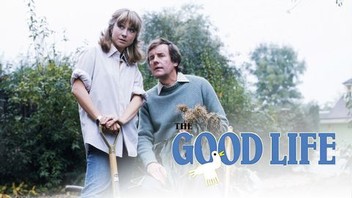
“The Good Life” (1975 – 1978)
Television Series / Comedy

Thirty Episodes
Created by: John Esmonde and Bob Larbey
Featuring: Richard Briers, Felicity Kendal, Penelope Keith and Paul Eddington
Tom: “Hello, girls. Had a good gossip?”
Barbara: “No, we’ve been playing strip poker with the postman.”
“The Good Life,” known in the United States as “Good Neighbors,” is a quintessential British sitcom that first aired on BBC One from 1975 to 1978. Created and written by John Esmonde and Bob Larbey, this gentle yet incisive comedy remains a beloved classic, offering a timeless exploration of societal norms, personal aspirations, and the enduring appeal of living life on one’s own terms.
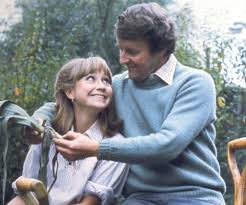
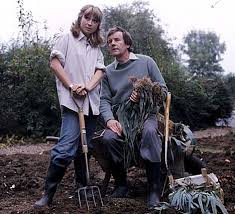
The series centres on Tom Good (Richard Briers), a draughtsman on the cusp of his 40th birthday, who experiences a profound mid-life crisis. Disillusioned with the rat race and the pressures of conventional suburban existence, Tom decides to abandon his lucrative job and pursue a radical new life: complete self-sufficiency in his suburban Surbiton home. His supportive, if occasionally bewildered, wife Barbara (Felicity Kendal) embraces this audacious plan with remarkable enthusiasm, and together they embark on a journey to transform their semi-detached house into a working farm. This involves everything from growing their own fruit and vegetables to keeping chickens, pigs, and even a goat.
The true comedic genius of “The Good Life” lies not just in the Goods’ ambitious, often chaotic, attempts at self-sufficiency, but in their contrasting relationship with their next-door neighbours, Jerry (Paul Eddington) and Margo Leadbetter (Penelope Keith). Jerry, Tom’s former colleague, is the epitome of middle-class success – dependable, slightly neurotic, and striving for corporate advancement. While he often finds Tom’s antics baffling, there’s a quiet admiration and even envy beneath his polite exasperation.
However, it is Penelope Keith’s portrayal of Margo Leadbetter that truly elevates the series to iconic status. Margo is a masterpiece of characterisation: a formidable, socially ambitious, and impeccably presented woman whose world is constantly disrupted by the muddy, agricultural chaos next door. Her disdain for the Goods’ lifestyle, expressed through a perfectly honed blend of condescension, theatrical sighs, and withering remarks, is a constant source of hilarity. Margo’s “kind-hearted snobbery,” as some have called it, is never truly malicious; instead, it’s rooted in her desperate attempts to maintain her carefully curated suburban decorum against the tide of organic manure and rogue livestock. The chemistry between the four leads – Richard Briers’ earnest and often naive idealism, Felicity Kendal’s pragmatic charm, Paul Eddington’s understated anxiety, and Penelope Keith’s magnificent imperiousness – is simply exquisite, forming a perfect comic ensemble.
Beyond the laughter, “The Good Life” subtly explores themes that remain remarkably relevant today. At its core, it questions the prevailing notion of “success” and whether material wealth truly equates to happiness. Tom and Barbara’s pursuit of self-sufficiency, seen as eccentric at the time, was prescient in its exploration of environmental consciousness and a desire to connect more directly with the source of one’s food. The show also deftly navigates the intricacies of friendship and marriage, highlighting the tensions and bonds that hold relationships together even when ideologies clash. The gentle ideological conflict between the Goods’ bohemian aspirations and the Leadbetters’ conventional sensibilities provides the main thrust of the programme, yet always underpinned by a genuine affection and mutual reliance.
The writing by Esmonde and Larbey is consistently witty, intelligent, and grounded in relatable human emotions. They managed to make pig-keeping and vegetable-growing not just funny but oddly aspirational, instilling a sense of comforting charm rather than sharp satire. This inoffensive, character-driven approach made the show enduringly popular and continues to resonate with audiences decades later.
While some contemporary viewers might find aspects of Tom’s character a little self-centred or even patriarchal by modern standards, the show’s warmth and the sheer brilliance of its performances largely overshadow any such critiques. “The Good Life” is a testament to superb casting and masterful storytelling, leaving behind a legacy of laughter and gentle wisdom. It reminds us that sometimes, the most profound forms of happiness can be found by turning away from the conventional path and embracing a simpler, perhaps muddier, existence in your own backyard. It’s a comforting watch that continues to inspire smiles and, perhaps, a quiet contemplation of what “the good life” truly means to each of us.



 spryfilm.com