“Thunderbirds” (1965-1966)
Television Action

Thirty Two Episodes
Created by: Gerry and Sylvia Anderson
Featuring: Sylvia Anderson, Ray Barrett, Peter Dyneley, Christine Finn, David Graham, David Holliday, Shane Rimmer, Jeremy Wilkin, Matt Zimmerman, Paul Maxwell, John Tate and Charles Tingwell
Jeff Tracy: “5, 4, 3, 2, 1! Thunderbirds are go!”
“Thunderbirds,” the British television series created by Gerry and Sylvia Anderson, premiered in 1965 and quickly became an iconic show in the science fiction and adventure genre. The series, which ran for two seasons, is best known for its use of “Supermarionation” (a blend of puppetry and electronics) and innovative model work, setting a standard for special effects in television that was groundbreaking at the time. The premise centers around International Rescue, a secret organization led by Jeff Tracy and his five sons, who use advanced vehicles and technology to rescue people from dangerous situations around the world.
At its heart, Thunderbirds is a futuristic adventure series that explores the dangers of technological advancements while also celebrating the human spirit’s triumph over adversity. Set in the 2060s, the show’s format is episodic, with each episode revolving around the team responding to a crisis or disaster. These range from natural calamities like earthquakes and volcanic eruptions to man-made threats such as sabotages and accidents involving state-of-the-art machinery.
Each member of the Tracy family pilots a different Thunderbird vehicle, giving the series an added layer of excitement as the audience anticipates which Thunderbird will be used to tackle the challenge of the day. The variety of machines—from the sleek Thunderbird 1 (a rocket-powered reconnaissance ship) to the gargantuan Thunderbird 2 (which carries various rescue pods)—ensures that no two rescues feel alike. Each episode meticulously builds tension as the International Rescue team deploys their resources and must work against the clock to save lives.
The show is structured in a way that allows the viewer to not only witness the daring rescues but also learn about the fascinating technology behind them. In many episodes, the use of futuristic gadgets and equipment becomes a central element in the storyline, adding a layer of science fiction intrigue.
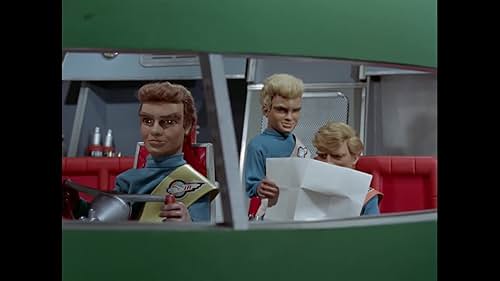
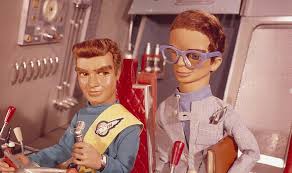
The core of Thunderbirds lies with the Tracy family. Jeff Tracy, the patriarch and a former astronaut, is a strong but caring leader who has instilled his sons with a deep sense of duty and responsibility. His five sons—Scott, Virgil, Alan, Gordon, and John—each bring unique personalities and skills to the table. This dynamic between the brothers is one of the show’s most appealing aspects, as their camaraderie is evident, even though the majority of the series focuses on action and adventure rather than interpersonal drama.
Scott Tracy (Thunderbird 1 pilot) is the cool-headed leader in the field. Often the first to arrive at a disaster site, his role is critical in assessing situations.
Virgil Tracy (Thunderbird 2 pilot) is the practical and reliable backbone of the team, responsible for delivering the heavy equipment needed for rescue missions.
Alan Tracy (Thunderbird 3 pilot) is the youngest of the brothers and handles space-related missions, often providing youthful energy and enthusiasm.
Gordon Tracy (Thunderbird 4 pilot) operates the underwater vehicle, and though his missions are fewer, they are often just as thrilling.
John Tracy, stationed aboard the space satellite Thunderbird 5, acts as the communications link, monitoring for distress signals from Earth.
Lady Penelope, the glamorous British secret agent, and her faithful chauffeur Parker, are standout characters who often assist the Tracy family. Their subplot often provides a mix of espionage and sophisticated humor, contrasting the more serious rescue missions.
One of the defining features of Thunderbirds is the use of Supermarionation, a technique in which marionette puppets are electronically controlled to move their mouths in sync with the dialogue. While the marionette puppetry might seem dated by today’s standards, at the time it was revolutionary, and it has since become a hallmark of Gerry Anderson’s productions. This method gave the characters a lifelike quality and allowed for dynamic, action-packed sequences that were rare for puppet shows of that era.
The vehicles and sets are another remarkable aspect of the show. The use of intricate models for the Thunderbird machines, as well as the detailed miniature sets, remains impressive even today. The craftsmanship involved in designing these models added a sense of realism to the series, allowing viewers to suspend disbelief and fully immerse themselves in the futuristic world. The sense of scale, from the enormous Thunderbird 2 to the towering skyscrapers and sprawling landscapes, is meticulously executed.
At its core, Thunderbirds is a celebration of heroism, teamwork, and technological innovation. It presents a hopeful vision of the future, where advanced technology is used for the good of humanity. The idea of a family-run rescue organization capable of responding to crises across the globe is inspiring, especially given the series’ emphasis on altruism and selflessness.
One of the more forward-thinking elements of the series is its internationalism. While International Rescue operates out of a secret island base, their operations span the globe. They assist people from all walks of life, regardless of nationality, highlighting the idea of a united, peaceful future where nations work together in times of crisis. This was an especially progressive message during the Cold War era when the series originally aired.
Thunderbirds has had an enduring legacy, influencing not just television but also film and popular culture. The show’s futuristic vehicles and high-tech rescues paved the way for other sci-fi adventure series. It also spawned various remakes, adaptations, and reboots, such as the 2004 live-action film (though less well-received), and the CGI-animated series Thunderbirds Are Go! (2015), which reintroduced the beloved franchise to a new generation.
Additionally, Thunderbirds has been referenced in countless films and TV shows over the years, from The Simpsons to Hot Fuzz, a testament to its lasting impact on pop culture. Its unique blend of science fiction, adventure, and suspense has continued to captivate audiences and inspire creators for decades.
While the puppetry and model work are remarkable, the show does have limitations by today’s standards. The character movements, due to the marionettes, are sometimes stiff, and the emotional range of the puppets is limited, making more intimate or emotional scenes feel awkward. Additionally, some of the storylines can feel repetitive, as each episode generally follows a similar rescue mission structure.
Another aspect that might not resonate with modern viewers is the gender dynamics. While Lady Penelope is a strong female character, most of the other women in the show have limited roles, often relegated to bystanders or secondary characters. This is a product of its time, but it’s noticeable from a contemporary perspective.
The enduring appeal of Thunderbirds lies in its ability to transcend its era and remain relevant to viewers of all ages. Despite being a product of the 1960s, the show’s themes of teamwork, ingenuity, and selflessness are universal, ensuring its place in the pantheon of great television. Its unique blend of futuristic science fiction and grounded adventure storytelling offers something for everyone, from children drawn to the action-packed rescues to adults who can appreciate the technical achievements and underlying social commentary.
One of the most remarkable aspects of Thunderbirds is how it influenced the sci-fi and adventure genres for years to come. The groundbreaking special effects, miniature work, and detailed models have been credited as inspiring future generations of filmmakers and TV producers. Many within the film industry, including directors like Peter Jackson and James Cameron, have cited the Andersons’ work as an early influence on their careers.
Additionally, Thunderbirds laid the groundwork for other Anderson-created shows like Captain Scarlet and the Mysterons, Stingray, and Joe 90, which continued to push the boundaries of puppetry and effects-driven television. Beyond this, the series’ contribution to popularizing the rescue mission format can be seen in modern series like Rescue Heroes or even live-action franchises such as Mission: Impossible, which similarly revolve around expert teams saving the day through technology and strategy.
Even decades after its original run, Thunderbirds maintains a devoted fanbase. Conventions, fan clubs, and even modern-day collectibles ensure the series continues to be celebrated. This fan-driven enthusiasm led to several reboots and continuations of the series. While the 2004 live-action film was met with mixed reactions—mainly due to its divergence from the original tone and style—the 2015 CGI series Thunderbirds Are Go! was received much more favorably. It managed to retain the heart of the original while updating the visual aesthetics to meet modern expectations, using CGI animation while still honoring the iconic vehicle designs and character dynamics.
The love for Thunderbirds is also evident in various parodies and tributes that have appeared in popular culture. Shows like Robot Chicken, Spitting Image, and even Family Guy have all paid homage to the series, often affectionately poking fun at the puppetry while celebrating the imaginative premise.
Ultimately, Thunderbirds has stood the test of time because of its groundbreaking approach to storytelling and production. The series blended cutting-edge technology with heartwarming, family-oriented narratives, creating a world where the impossible was made possible by bravery, ingenuity, and a desire to help others. The inventive action sequences, combined with its memorable vehicles and iconic characters, cemented the series’ place in television history.
What Thunderbirds lacked in the emotional depth and nuance that we expect from modern TV, it more than made up for in ambition and creativity. Few series have captured the imagination in the same way or managed to blend action, technology, and heart quite as effectively. For fans of classic sci-fi and adventure, Thunderbirds remains a must-watch, a show that continues to inspire and entertain new generations long after its initial debut.
The Tracy family’s motto, “Thunderbirds are go!”, still echoes in popular culture today, a testament to the lasting impact of this beloved series. It reminds us that, no matter the era, the idea of people coming together to save others in their time of need is a timeless concept—and one that will always resonate with audiences.
Thunderbirds remains a timeless classic, a beloved series that shaped the future of science fiction television. Its innovative use of Supermarionation, iconic vehicles, and thrilling rescue missions make it a unique and unforgettable viewing experience. Though its production style may feel dated to some, the show’s heart and message of heroism continue to resonate. Whether you’re revisiting it for nostalgia or discovering it for the first time, Thunderbirds offers a charming mix of adventure, technology, and hope for the future.



 spryfilm.com