
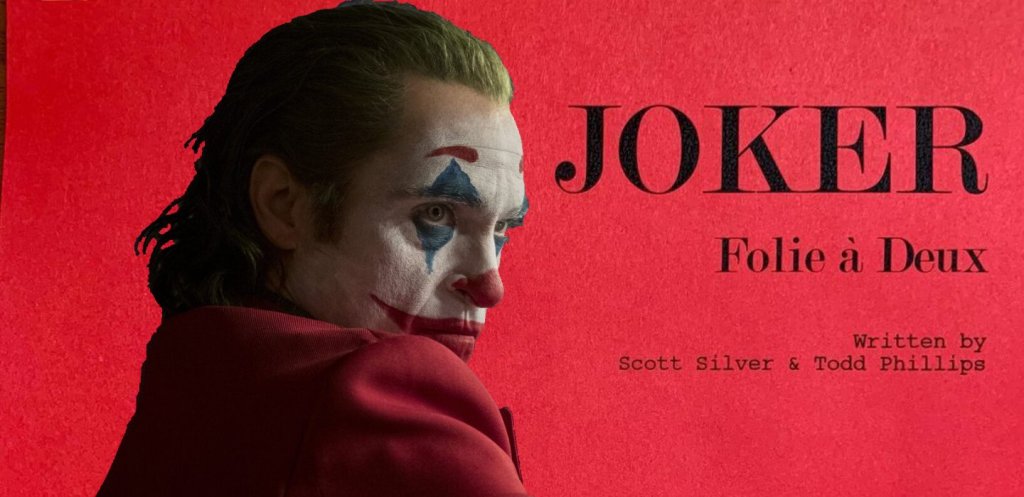
“Joker: Folie à Deux” (2024)
Drama

Running Time: 138 minutes
Written by: Scott Silver and Todd Phillips
Directed by: Todd Phillips
Featuring: Joaquin Phoenix, Lady Gaga, Brendan Gleeson, Catherine Keener and Zazie Beetz
Harleen Quinzel: [singing] “Sing Hallelujah, come on, be happy.”
Harleen Quinzel, Arthur Fleck: [both singing] “Get ready for the judgement day.”
Todd Phillips’ Joker: Folie à Deux attempts to recreate the magic of its predecessor, but falls short in both narrative and execution. While the film boasts a stellar cast, including Joaquin Phoenix and Lady Gaga, its musical elements feel forced and the story lacks the depth and nuance of the original.
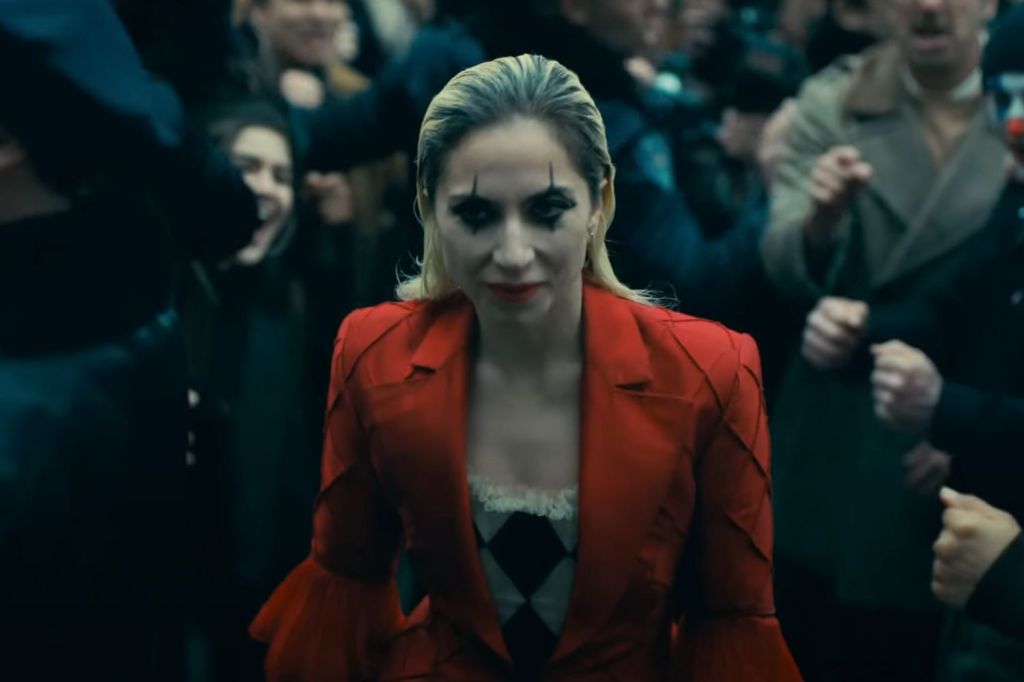
Phoenix delivers another powerful performance as Arthur Fleck, but his character’s journey feels less compelling this time around. The introduction of Gaga’s Harley Quinn is a welcome addition, but their dynamic lacks the chemistry and complexity that made the original Joker so memorable.
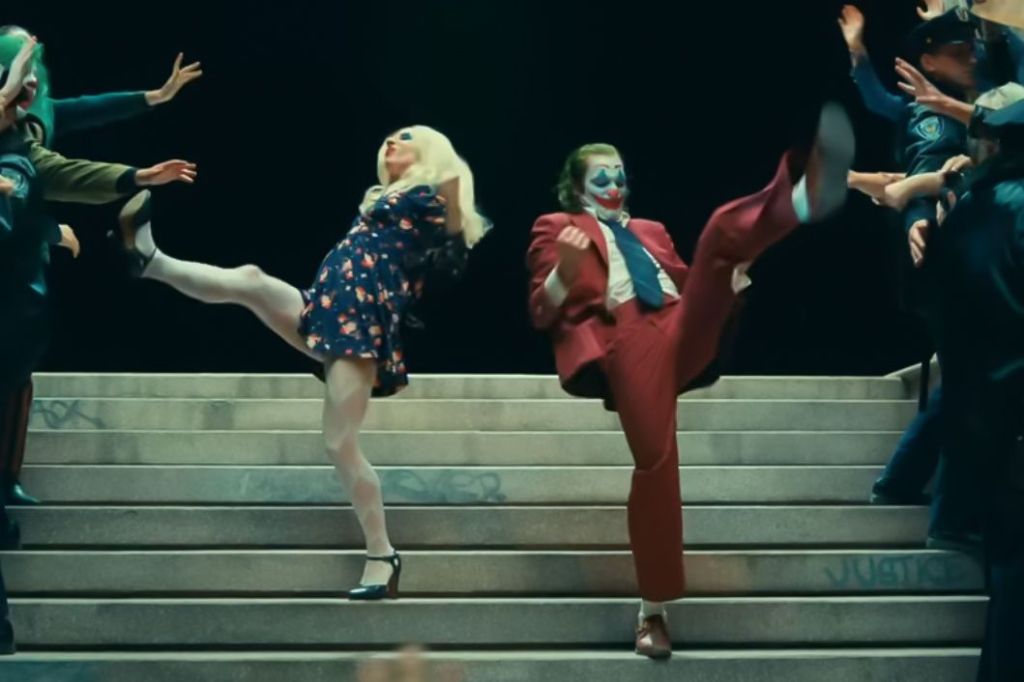
The film’s musical numbers, while visually striking, often feel disconnected from the narrative. They serve more as stylistic choices than meaningful storytelling devices, disrupting the flow of the film and distracting from the emotional core.
Overall, Joker: Folie à Deux is a disappointing sequel that fails to capture the brilliance of the original. While the performances are strong, the film’s narrative and musical elements ultimately detract from the overall experience.
Lack of Character Depth:
Arthur Fleck’s Regression: The original film explored Arthur’s descent into madness with great nuance. In the sequel, his character feels somewhat regressed, lacking the complexity and internal conflict that made him so compelling.
Harley Quinn’s Stereotypical Portrayal: While Lady Gaga’s performance is commendable, Harley Quinn’s portrayal in Folie à Deux is somewhat stereotypical. Her character could have benefited from more depth and a nuanced exploration of her own struggles.
2. Forced Musical Elements:
Disruptive Storytelling: The musical numbers, while visually impressive, often felt disjointed from the narrative. They disrupted the flow of the story and detracted from the emotional impact.
Lack of Integration: The musical elements seemed more like a stylistic choice than a meaningful storytelling device. They failed to seamlessly integrate into the film’s overall tone and themes.
3. Predictable Plot:
Lack of Surprises: The sequel’s plot felt somewhat predictable, lacking the twists and turns that made the original so engaging. The narrative progression was linear and lacked the element of surprise that kept audiences on the edge of their seats.
4. Missing Emotional Connection:
Superficiality: The film struggled to establish a deep emotional connection with the audience. The characters felt less relatable and their struggles seemed less personal.
Lack of Empathy: The sequel failed to evoke the same level of empathy and understanding for Arthur and Harley as the original.
Original Joker (2019) and Joker: Folie à Deux (2024) present two distinct interpretations of the iconic DC Comics villain. While both films share a common protagonist, they diverge significantly in their storytelling, tone, and thematic exploration.
Similarities:
Protagonist: Both films center around Arthur Fleck, a mentally unstable individual who descends into madness and becomes the Joker.
Exploration of Mental Illness: Both films delve into the complexities of mental illness, showcasing the challenges faced by individuals struggling with their mental health.
Social Commentary: Both films offer social commentary, exploring themes of societal neglect, inequality, and the devastating consequences of mental health stigma.
Differences:
Tone: The original Joker adopted a gritty, realistic tone, exploring Arthur’s descent into madness through a grounded lens. In contrast, Joker: Folie à Deux embraces a more stylized and fantastical approach, incorporating musical elements and heightened drama.
Narrative: The original Joker focused on Arthur’s personal journey and his transformation into the iconic villain. Folie à Deux expands on the universe of the original, introducing new characters and exploring the broader implications of Arthur’s actions.
Thematic Exploration: While both films explore mental illness and societal issues, Folie à Deux delves deeper into themes of love, codependency, and the power of shared suffering.
Joker: Folie à Deux is a disappointing sequel that fails to live up to the promise of its predecessor. While the performances are strong, the film’s flaws in terms of character depth, musical integration, plot predictability, and emotional connection ultimately detract from the overall experience.


 spryfilm.com