
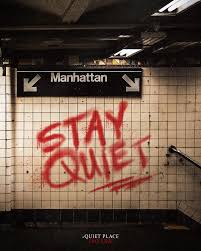
“A Quiet Place: Day One” (2024)
Horror

Running Time: 99 minutes
Written and directed by: Michael Sarnoski
Featuring: Lupita Nyong’o, Joseph Quinn, Alex Wolff and Djimon Hounsou
Samira: [final line] It’s good to have been back.
“A Quiet Place: Day One,” directed by Michael Sarnoski, is a gripping prequel to John Krasinski’s highly acclaimed “A Quiet Place” series. This film dives deep into the origins of the terrifying alien invasion that has left humanity struggling to survive in a world where making any noise can be fatal. With its intense atmosphere, masterful use of sound, and compelling performances, “A Quiet Place: Day One” successfully expands the franchise’s lore while delivering a heart-pounding cinematic experience.
The film opens in a bustling city on an ordinary day, introducing us to our main characters: Dr. Elaine Matthews (Lupita Nyong’o), a dedicated scientist; Marcus, a construction worker (Joseph Quinn); and Sarah, a high school student (Alex Wolff). Their lives are abruptly shattered when a mysterious meteor shower strikes the city, bringing with it the deadly alien creatures that hunt by sound.
From the moment the first alien lands, chaos erupts. The film masterfully captures the immediate descent into pandemonium as people scramble for safety, only to be silenced forever by the relentless monsters. Dr. Matthews quickly realizes the gravity of the situation and teams up with Marcus and Sarah in a desperate bid for survival. As they navigate the perilous cityscape, the group forms a tight bond, relying on their wits and newfound knowledge of the creatures’ weakness to stay alive.
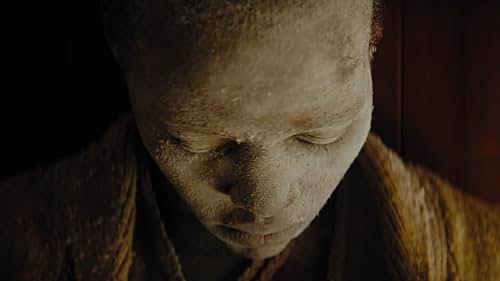
Lupita Nyong’o shines as Dr. Elaine Matthews, bringing depth and vulnerability to her role. Her portrayal of a scientist thrust into a nightmare scenario is both convincing and emotionally resonant. Nyong’o’s ability to convey fear, determination, and hope without uttering a word for much of the film is a testament to her remarkable talent.
Joseph Quinn as Marcus provides a grounded and relatable performance. His character’s transformation from an everyday worker to a brave protector adds an essential human element to the story. Quinn’s chemistry with Nyong’o is palpable, creating a believable and touching dynamic.
Alex Wolff, as the resourceful teenager Sarah, delivers a standout performance. Wolff captures the essence of a young person forced to grow up too quickly in a world gone mad. His character’s ingenuity and courage make him a key player in the group’s survival, and Wolff handles the role with maturity and nuance.
Michael Sarnoski, stepping into the directorial shoes for this installment, maintains the franchise’s signature tension and suspense while injecting his unique vision. The film’s pacing is relentless, with moments of intense action seamlessly interwoven with quieter, character-driven scenes. Sarnoski’s direction ensures that the audience is constantly on edge, never knowing when the next terrifying encounter will occur.
The cinematography by Polly Morgan is nothing short of breathtaking. The film’s visual language emphasizes the contrast between the bustling, noisy city before the invasion and the eerie, silent aftermath. The use of long, unbroken takes heightens the sense of immersion, making the audience feel like they are right alongside the characters, experiencing their terror firsthand.
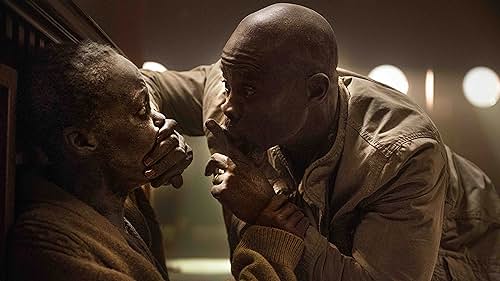
As with the previous films, sound design plays a crucial role in “A Quiet Place: Day One.” The meticulous attention to detail in the soundscape is remarkable. Every creak, whisper, and breath is amplified, creating an atmosphere of constant dread. The absence of sound is as impactful as its presence, with silence becoming a character in its own right.
The score by Marco Beltrami enhances the film’s tension without overpowering it. Beltrami’s compositions blend seamlessly with the sound design, punctuating moments of intense action and providing an emotional undercurrent during quieter scenes. The music serves as a guide, leading the audience through the film’s emotional highs and lows.
“A Quiet Place: Day One” delves into themes of survival, human resilience, and the power of silence. The film explores how people adapt in the face of unimaginable horror, finding strength in their connections with others. The characters’ struggle to communicate and work together without making noise underscores the importance of unity and cooperation in the direst of circumstances.
The prequel also provides valuable context to the original films, shedding light on the origins of the invasion and the initial human response. It answers some lingering questions while raising new ones, setting the stage for future installments in the franchise.
One of the film’s standout elements is its character development and the evolving relationships between the protagonists. Dr. Elaine Matthews, initially portrayed as a solitary figure dedicated to her research, undergoes significant growth. Forced out of her lab and into the chaotic streets, Elaine’s scientific mind becomes a crucial asset. Her journey from a passive observer of the unfolding crisis to an active leader and protector is both compelling and inspiring.
Marcus, the construction worker, starts as an everyman caught in extraordinary circumstances. His character arc is deeply moving as he transitions from a position of helplessness to one of empowerment. His resourcefulness, combined with his determination to protect the group, highlights the inherent heroism in ordinary people. The relationship that develops between Marcus and Elaine is one of mutual respect and shared trauma, further enriching the narrative.
Sarah’s character provides a youthful perspective on the catastrophe. Initially depicted as a typical teenager, her ingenuity and bravery quickly come to the fore as she adapts to the new, silent world. Her bond with Elaine and Marcus becomes the emotional backbone of the film, showcasing a found family dynamic that adds depth to their struggle for survival.
The visual effects in “A Quiet Place: Day One” are top-notch, maintaining the franchise’s high standards. The alien creatures, once again, are terrifyingly realistic. Their design is both grotesque and fascinating, with intricate details that make them seem almost believable. The way they move and hunt adds an extra layer of horror, as their acute sensitivity to sound creates a constant threat.
The depiction of the city’s transformation from a bustling urban environment to a desolate, alien-infested wasteland is chilling. The filmmakers effectively use visual storytelling to show the rapid decline of civilization, with abandoned vehicles, empty streets, and makeshift barricades painting a grim picture of humanity’s downfall.
The film’s pacing is expertly managed, balancing moments of intense action with quieter, character-driven scenes. The initial invasion sequence is a masterclass in escalating tension, throwing the audience into the chaos alongside the characters. From there, the film ebbs and flows, allowing for brief respites that give the audience a chance to breathe before plunging them back into suspense.
The tension is palpable throughout, sustained by the ever-present threat of the aliens. The filmmakers skillfully use silence to build anxiety, with even the slightest noise potentially attracting deadly attention. This constant danger keeps the audience on edge, fully engaged with the characters’ plight.
“A Quiet Place: Day One” also explores the psychological and societal impacts of the invasion. The film delves into how different people react to extreme stress and fear. Some characters rise to the occasion, displaying courage and selflessness, while others succumb to panic and despair. This spectrum of responses adds realism to the narrative, reflecting the varied ways humans cope with trauma.
The societal breakdown is portrayed through brief glimpses of government broadcasts and emergency services attempting to manage the crisis. These elements ground the film in a recognizable reality, showing the fragility of human systems in the face of overwhelming threats. The lack of communication and the isolation of the survivors further emphasize the theme of vulnerability in a world where sound equals death.
“A Quiet Place: Day One” is a worthy addition to the “A Quiet Place” series, delivering a thrilling and emotionally resonant cinematic experience. Michael Sarnoski’s direction, coupled with stellar performances from Lupita Nyong’o, Joseph Quinn, and Alex Wolff, ensures that this prequel stands on its own while enriching the overall narrative of the franchise. With its masterful use of sound, breathtaking cinematography, and compelling storytelling, “A Quiet Place: Day One” is a must-see for fans and newcomers alike. Prepare to be on the edge of your seat from start to finish, as this film reminds us once again that silence is not just golden—it’s a matter of life and death.


 spryfilm.com