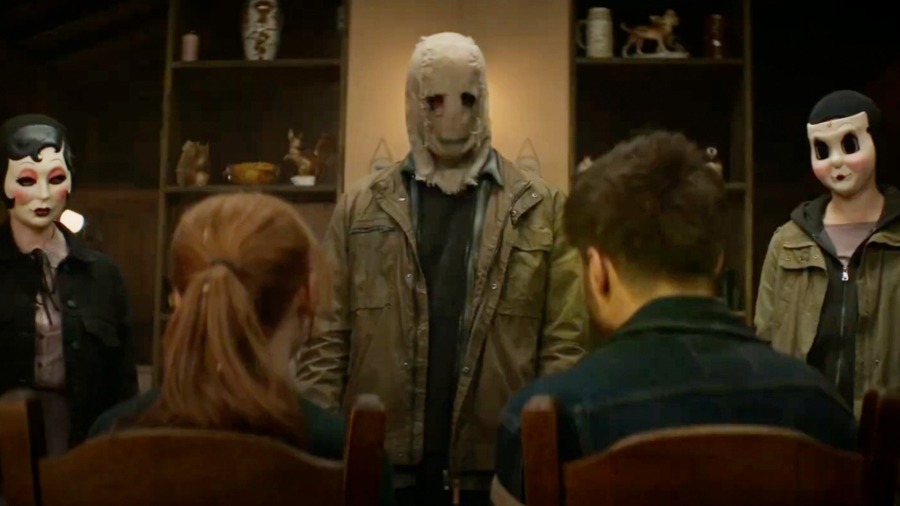
“The Strangers: Chapter 1” (2024)
Horror

Running Time: 91 minutes
Written by: Alan R. Cohen and Alan Freedland
Featuring: Madelaine Petsch, Froy Gutierrez, Gabriel Basso, Ema Horvath and Ella Bruccoleri
Maya: “Why are you doing this to us?”
Pin-Up Girl: “Because you were here.”
“The Strangers: Chapter 1,” directed by Renny Harlin, is a gripping addition to the horror genre, delivering a tense and unsettling experience that both honors and updates the legacy of its predecessor. This chapter brings back the eerie, masked trio of killers, pushing the boundaries of fear and suspense.
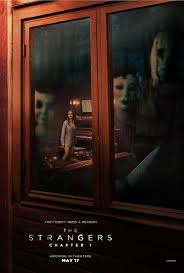
Set in a secluded, picturesque house, the film quickly descends into chaos as the central characters find themselves tormented by the enigmatic intruders. The plot, while somewhat straightforward, is effectively executed with a steady buildup of tension. The sense of isolation and helplessness is palpable, amplified by Harlin’s skillful direction and the atmospheric cinematography. The use of lighting and shadow plays a crucial role in creating a haunting ambiance that keeps viewers on edge throughout.
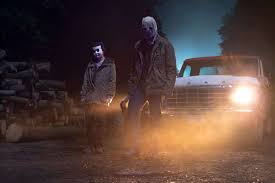
The cast delivers strong performances, with the protagonists portraying a convincing blend of terror and resilience. The antagonists, characterized by their eerie masks and silent demeanor, exude a chilling presence that is both mysterious and terrifying. Their lack of dialogue and backstory enhances the sense of randomness and inevitability, making their menace feel all the more real.
Renny Harlin’s direction shines in maintaining a relentless pace that rarely offers the audience a moment to breathe. The tension is meticulously crafted, with each scene escalating the dread without resorting to cheap jump scares. Instead, the horror is psychological, rooted in the unpredictability and brutality of the strangers’ actions.
Visually, “The Strangers: Chapter 1” excels in creating a claustrophobic and oppressive atmosphere. The cinematography, combined with a minimalist score, enhances the feeling of unease. The sound design is particularly noteworthy, with subtle audio cues and effective use of silence contributing to the film’s unnerving tone.
While the film excels in building tension and delivering scares, it may leave some viewers wanting more in terms of character development and plot depth. The motivations of the strangers remain as obscure as ever, which, while adding to the horror, might feel frustrating to those seeking a more comprehensive narrative. Additionally, some horror tropes are predictably employed, which could detract from the originality for seasoned fans of the genre.
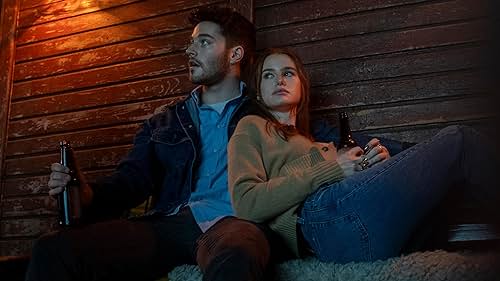
“The Strangers: Chapter 1” picks up on the core concept of its predecessor – random acts of terror perpetrated by faceless, emotionless intruders. The film follows a young couple who retreat to a remote house for a getaway, only to find themselves targeted by the same masked assailants from the first movie. The storyline is simple, which works to the film’s advantage, focusing on the raw horror and psychological torment of the situation.
The script is sparse, especially on dialogue from the intruders, maintaining their mystery and adding to their menacing presence. The conversations between the couple are natural and relatable, providing a stark contrast to the horrifying events that unfold. This scriptwriting choice emphasizes the normalcy of the victims’ lives, making the intrusion of violence all the more jarring.
While the film focuses heavily on the horror elements, it does take moments to build the relationship between the protagonists. Their interactions provide just enough background to make viewers care about their fate, although deeper character development could have added more emotional weight. The lack of detailed backstory for the antagonists, however, is intentional, reinforcing their role as embodiments of random, senseless evil.
The visual style of “The Strangers: Chapter 1” is one of its strongest elements. The cinematography captures the eerie beauty of the secluded setting, using long shots and tight angles to create a feeling of entrapment. The house, which initially appears cozy and inviting, transforms into a labyrinth of fear under Harlin’s direction. Lighting plays a crucial role, with shadows and dimly lit spaces heightening the sense of lurking danger.
The soundtrack is minimalistic yet effective. The use of silence is particularly noteworthy, with quiet moments building an almost unbearable tension. When the music does kick in, it’s to accentuate the horror, using dissonant sounds and sudden crescendos to shock and unsettle the audience. The sound design meticulously captures the small noises – creaking floors, distant whispers – that add to the immersive fear.
The pacing of the film is well-executed, starting with a slow buildup that allows the audience to become invested in the characters before plunging them into a relentless series of terrifying events. The structure follows a traditional horror format but does so with enough skill to keep it engaging. Each encounter with the strangers escalates the stakes, leading to a climax that is both thrilling and harrowing.
At its core, “The Strangers: Chapter 1” explores themes of vulnerability and the randomness of violence. The strangers’ lack of motive – epitomized in the chilling line, “Because you were home” – suggests a world where safety is an illusion and violence can strike without reason. This randomness is what makes the film so terrifying, playing on the primal fear of unprovoked aggression.
“The Strangers: Chapter 1” is a worthy successor to the original film, capturing the same sense of dread and adding new layers of tension. It’s a film that understands the power of atmosphere and psychological terror over gore and shock value. The direction, performances, and technical elements come together to create a horror experience that lingers long after the credits roll.
“The Strangers: Chapter 1” is a solid horror film that succeeds in delivering a chilling experience. It stands out for its atmospheric tension, strong performances, and effective direction. While it might not offer much in terms of new storytelling, it effectively harnesses the fear of the unknown and the randomness of violence to create a memorable horror experience. Fans of the genre and the original film will likely appreciate this new chapter, even as it leaves the door open for more exploration in future installments.
 spryfilm.com