
“The Zone of Interest” (2023)
Drama

Running Time: 105 minutes
Written by: Jonathan Glazer based on The Zone of Interest by Martin Amis
Directed by: Jonathan Glazer
Featuring: Christian Friedel and Sandra Hüller
Rudolf Höss: ”The life we enjoy is very much worth the sacrifice”
Jonathan Glazer’s “The Zone of Interest” is not your typical Holocaust film. It eschews the expected tropes of graphic violence and explicit suffering, instead opting for a more unsettling approach that delves into the psychological depths of both perpetrators and bystanders. Set against the backdrop of Auschwitz, the film focuses on the seemingly normal life of Rudolf Höss, the camp’s commandant, and his family, who reside in a villa within earshot of the horrors unfolding next door.
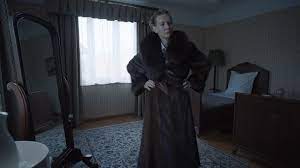
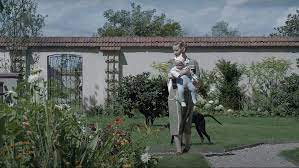
The film masterfully creates a sense of dissonance by juxtaposing the idyllic domesticity of the Höss family with the ever-present reality of the concentration camp. We see scenes of children playing in the garden, oblivious to the smoke billowing in the distance, and women gossiping over tea while trains carrying victims arrive just beyond their sight. This deliberate disconnect forces the audience to confront the disturbing notion of normalcy existing alongside unimaginable cruelty.
Glazer’s masterful use of cinematography and sound design amplifies this unsettling effect. Static cameras capture the sterile perfection of the Höss household, while the sounds of sirens and distant screams seep into the seemingly peaceful scenes, serving as constant reminders of the atrocities taking place just beyond the frame. The film’s minimalist dialogue further emphasizes the chilling banality of evil, as characters discuss the workings of the camp in cold, detached tones.
“The Zone of Interest” avoids portraying Höss as a caricature of a villain. Instead, he is presented as a banal, bureaucratic figure, seemingly devoid of empathy or remorse. This portrayal, while challenging, forces us to confront the uncomfortable truth that evil often doesn’t wear a monstrous face. It can reside within seemingly ordinary individuals, capable of horrific acts while maintaining a facade of normalcy.
The film also explores the complexities of complicity. Höss’ wife, Hedwig, exhibits a willful ignorance of the camp’s true purpose, choosing to focus on her domestic life and social gatherings. While not directly participating in the atrocities, her denial and complacency raise questions about the responsibility of those who turn a blind eye to suffering.
“The Zone of Interest” is not an easy film to watch. It is deliberately paced, unsettling, and devoid of easy answers. However, its unique approach serves a powerful purpose. By refusing to sensationalize the horrors of the Holocaust, the film compels viewers to confront the uncomfortable realities of human nature and the insidious nature of evil. It forces us to question our own capacity for both empathy and indifference, leaving a lasting impression long after the credits roll.
While the film’s unconventional style may not resonate with all audiences, its artistic merit and challenging themes are undeniable. It is a film that demands contemplation and discussion, serving as a powerful reminder of the importance of remembering the past and staying vigilant against the potential for such atrocities to recur.
“The Zone of Interest” raises complex ethical questions regarding the representation of the Holocaust. By focusing on the perpetrators and bystanders rather than the victims, the film risks minimizing the suffering of those directly affected. However, Glazer argues that his approach allows for a deeper exploration of the mechanisms of evil and the human capacity for indifference, ultimately serving as a form of remembrance.
The film’s relevance extends beyond its historical context. By showcasing the banality of evil and the potential for complicity, “The Zone of Interest” serves as a cautionary tale for the present. It compels viewers to remain vigilant against prejudice, discrimination, and the normalization of violence in any form.
The film’s ambiguous nature and unconventional storytelling techniques invite multiple interpretations and encourage discussion. It raises questions about the purpose of Holocaust films, the ethics of representation, and the importance of individual responsibility in the face of systemic injustice.
By confronting viewers with the uncomfortable realities of the Holocaust, the film encourages empathy for the victims and a deeper understanding of the mechanisms that enabled such atrocities. This newfound understanding can foster a sense of responsibility to combat prejudice, discrimination, and other forms of hate in our own communities.
The film’s exploration of complicity serves as a reminder of the dangers of indifference and inaction. It encourages viewers to become active citizens who speak out against injustice, challenge discriminatory practices, and hold those in power accountable.
The film can be used as a powerful tool for Holocaust education, sparking critical conversations in classrooms and educational institutions. By promoting historical awareness and fostering critical thinking skills, it can help prevent future generations from repeating the mistakes of the past.
The film’s themes of discrimination, complicity, and the normalization of violence resonate with various social justice movements fighting for equality and human rights. Engaging with these movements and supporting their efforts can be a concrete way to translate the film’s message into tangible action.
Ultimately, “The Zone of Interest” is a film that will stay with you long after you’ve seen it. It is a challenging, thought-provoking, and ultimately essential exploration of a dark chapter in human history.




 spryfilm.com