
“American Fiction” (2023)
Drama

Running Time: 117 minutes
Written and directed by: Cord Jefferson
Featuring: Jeffrey Wright, Tracee Ellis Ross, John Ortiz, Erika Alexander, Leslie Uggams, Adam Brody, Issa Rae and Sterling K. Brown
Sintara Golden: “Potential is what people see when what’s in front of them isn’t good enough.”
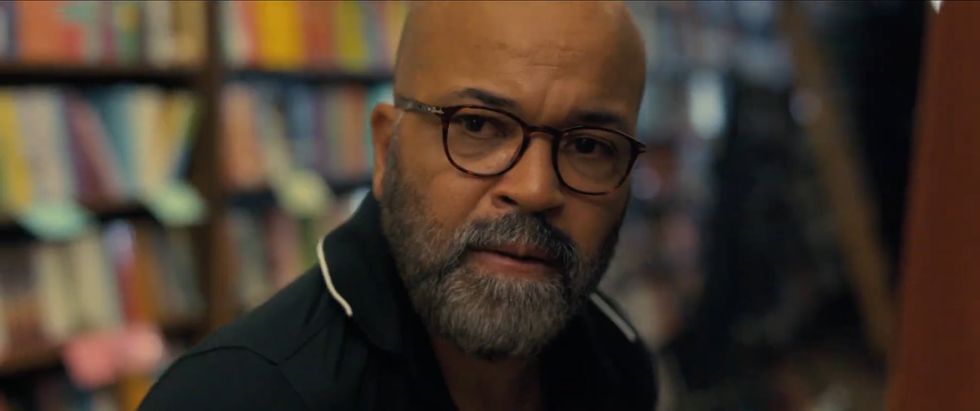
Cord Jefferson’s “American Fiction” is not merely a film; it’s a detonator, carefully rigged to explode preconceived notions and spark necessary conversations about race, creativity, and the insidious workings of power within the literary and cinematic landscapes. With Jeffrey Wright delivering a masterclass in nuanced performance, the film dives headlong into the ethical quagmire of a struggling novelist, Thelonious “Monk” Ellison, who writes a satirical potboiler under a pseudonym to expose the industry’s obsession with stereotypical Black narratives. What unfolds is a labyrinthine journey through ego, deception, and ultimately, the transformative power of owning one’s own story.
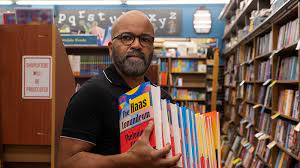
The film’s brilliance lies in its layered approach. Monk is not just a frustrated author; he’s a walking microcosm of Black intellectualism wrestling with the burden of representation. His academic works – reinterpreted Greek plays – gather dust on forgotten shelves, while his biting satire, “Uncle Bubba’s ABCs of Thug Life,” soars to commercial success. This stark contrast throws into sharp relief the industry’s hunger for “safe” Black narratives, palatable to white audiences and easily monetized. It’s a biting commentary on the commodification of Black pain and the stifling pressure to conform to prescribed narratives.
Yet, Monk isn’t without his flaws. His arrogance and elitism alienate him from his daughter, and his decision to write under a pseudonym raises troubling questions about authenticity and appropriation. This moral ambiguity keeps the audience on edge, questioning Monk’s motives and challenging their own assumptions about authorship and agency.
Jefferson masterfully weaves these complexities into a narrative that is both hilarious and heartbreaking. The film’s comedic moments, often arising from the absurdity of the publishing world and the over-the-top nature of “Uncle Bubba,” provide welcome levity. But the humour never obscures the film’s deeper concerns. The casual racism of literary editors, the exploitative nature of book tours, and the constant pressure to cater to white expectations – these are depicted with a razor-sharp precision that never feels gratuitous.
Wright’s portrayal of Monk is nothing short of phenomenal. He captures the character’s frustration, wit, and vulnerability with breathtaking subtlety. Every glance, every clipped sentence, speaks volumes about Monk’s internal struggle. The supporting cast, too, delivers outstanding performances, adding depth and dimension to the film’s tapestry.
“American Fiction” is not without its flaws. The pacing occasionally falters, and the final act takes a slightly melodramatic turn. However, these shortcomings pale in comparison to the film’s overall impact. It’s a film that lingers long after the credits roll, prompting introspection and challenging audiences to dismantle their own comfortable assumptions about race, representation, and the very nature of storytelling.
This controversial novel-within-the-film is more than just a plot device. It acts as a scathing indictment of the tired tropes and stereotypes often inflicted upon Black narratives. Each of Uncle Bubba’s misadventures – from watermelon-eating contests to gangsta rap shootouts – feels like a deliberate exaggeration, forcing viewers to laugh at the sheer absurdity while simultaneously recognizing the real-life tropes they lampoon.
What’s fascinating is how the film plays with our reactions to this satire. Do we laugh along with the white characters who find it “refreshing” and “provocative”? Do we cringe at the blatant stereotypes, recognizing the harm they perpetuate? This ambiguity encourages introspection, forcing us to examine our own biases and complicity in consuming such narratives.
Monk’s decision to write under a pseudonym raises complex questions about authorship and identity. On the one hand, his deception exposes the industry’s hypocrisy and allows him to publish a book he truly believes in. On the other hand, it raises ethical concerns about appropriation and the exploitation of others’ experiences.
The film doesn’t offer easy answers. We see the personal toll Monk’s lie takes on him and his relationships, particularly with his daughter, who feels betrayed by his lack of authenticity. It forces us to grapple with the question: at what cost does artistic critique come, and can art ever truly exist outside the context of its creator’s identity?
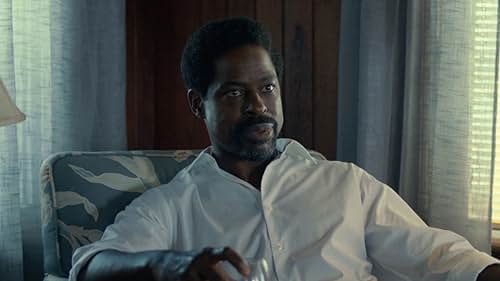
“American Fiction” beautifully avoids the trap of creating a simplistic racial binary. The film acknowledges the diversity of Black experiences and perspectives, showcasing characters like Stagg R. Leigh, the celebrated Black author who represents a contrasting path to success. Additionally, the film explores the role of non-Black characters like Olivia, the editor trapped in a system she can’t change, adding complexity and nuance to the conversation.
By refusing to offer easy answers or paint characters in simple shades of good and evil, the film compels us to move beyond binary thinking and recognize the intricate interplay of race, class, and individual experience.
While “American Fiction” tackles heavy themes, it does so with a sharp wit and an abundance of humour. The over-the-top satire of “Uncle Bubba,” the awkward social interactions at literary events, and the hilariously pompous remarks of some characters – all serve as comedic pressure valves, releasing tension and allowing the film to breathe.
However, the humour is never purely ironic. It often carries a sting, prompting us to laugh at the ridiculousness of certain situations while simultaneously recognizing the real-world injustices they represent. This subversive use of humour makes the film even more impactful, leaving audiences both entertained and introspective.
Ultimately, “American Fiction” is more than just a film; it’s a potent conversation starter. It’s a call to action for creators of colour to reclaim their narratives, for audiences to become more discerning consumers of art, and for the industry itself to confront its biases and embrace the richness and diversity of the human experience. In a world desperate for authentic stories, “American Fiction” stands as a beacon, illuminating the path towards a more inclusive and empathetic future.

 spryfilm.com