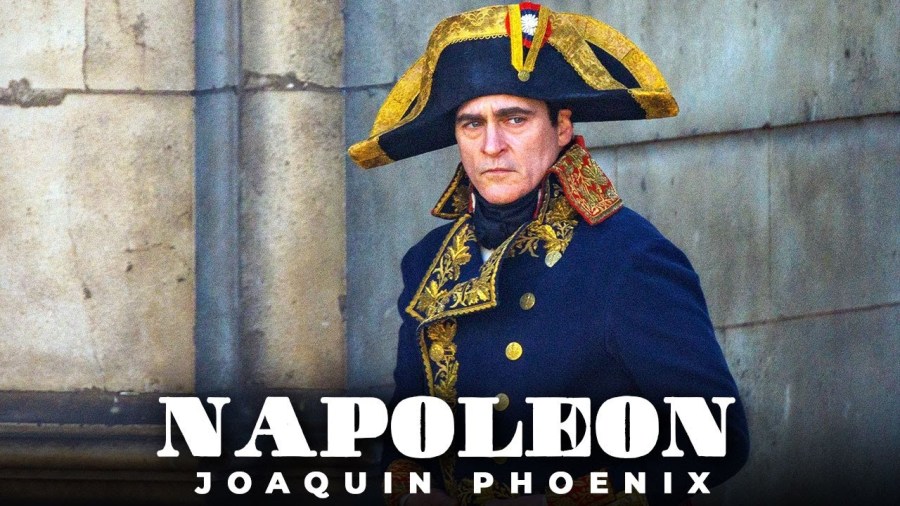
“Napoleon” (2023)
Drama

Running Time: 157 minutes
Written by: David Scarpa
Directed by: Ridley Scott
Featuring: Joaquin Phoenix and Vanessa Kirby
Napoleon Bonaparte: “I am the first to admit when I make a mistake. I simply never do.”
In the realm of historical epics, few directors have achieved the level of mastery and acclaim as Ridley Scott. From the captivating grandeur of “Gladiator” to the harrowing realism of “Kingdom of Heaven,” Scott has consistently demonstrated an unparalleled ability to transport audiences to different eras and immerse them in the lives of larger-than-life figures. With his latest cinematic endeavor, “Napoleon,” Scott tackles the formidable task of capturing the essence of one of history’s most enigmatic and consequential figures: Napoleon Bonaparte.
Joaquin Phoenix delivers a tour-de-force performance as Napoleon, embodying the complexities and contradictions of this iconic military leader and statesman. From the charismatic young general to the power-hungry emperor, Phoenix seamlessly navigates the various facets of Napoleon’s personality, revealing his brilliance, ruthlessness, and insatiable ambition. Vanessa Kirby, as Josephine de Beauharnais, Napoleon’s love interest and eventual empress, brings a captivating grace and strength to the role, showcasing the depth of their relationship and the impact of personal sacrifices amidst the tumultuous political landscape.
Scott’s masterful direction is evident in every frame of “Napoleon,” from the sweeping battle scenes to the intimate personal moments. The film’s cinematography, capturing the grandeur of the Napoleonic era, is both visually stunning and historically accurate, transporting viewers to the heart of the French Revolution and the Napoleonic Wars. The film’s score, composed by Marco Beltrami, perfectly complements the visuals, adding layers of emotion and intensity to the narrative.
“Napoleon” is not merely a biographical account of a historical figure; it is a profound exploration of ambition, power, and the consequences of unchecked desire. Scott delves into the inner turmoil of Napoleon, revealing the man behind the myth, grappling with his own mortality and the weight of his actions. The film challenges audiences to consider the complexities of leadership, the sacrifices demanded by war, and the enduring legacy of one man’s impact on history.
At its core, “Napoleon” is a captivating human drama, exploring the complexities of love, loss, and the pursuit of greatness. The film delves into the tumultuous relationship between Napoleon and Josephine, a bond fraught with passion, betrayal, and the inescapable demands of imperial power. Through their interactions, the film highlights the sacrifices made in the name of ambition and the enduring impact of love’s triumphs and tragedies.
Joaquin Phoenix’s portrayal of Napoleon is a masterclass in capturing the essence of a complex and multifaceted historical figure. He masterfully conveys the general’s charisma, intelligence, and ruthless ambition, while also hinting at the insecurities and vulnerabilities that lay beneath his commanding exterior. Phoenix’s performance is both captivating and thought-provoking, forcing audiences to confront the contradictions inherent in such a powerful and enigmatic leader.
Scott’s direction further enhances the depth and complexity of Napoleon’s character. He carefully avoids presenting a simplistic or one-dimensional portrayal, instead opting for a nuanced exploration of the man behind the myth. Through subtle cues and carefully crafted scenes, Scott reveals Napoleon’s motivations, his strengths and weaknesses, and the internal struggles that shaped his actions.
“Napoleon” is not merely a character study; it is also an examination of the impact of leadership on individuals and nations. Scott delves into the complexities of military leadership, showcasing the challenges of commanding vast armies, making strategic decisions under immense pressure, and facing the inevitable human cost of war. The film does not shy away from portraying the darker aspects of Napoleon’s leadership, including his ruthlessness in achieving his goals and the devastating consequences of his military campaigns.
Beyond the battlefield, “Napoleon” explores the broader impact of leadership on society. The film depicts the political turmoil of the French Revolution, the rise and fall of empires, and the struggles of ordinary people caught in the crossfire of power struggles. Through these portrayals, Scott raises critical questions about the nature of leadership, its impact on individuals and societies, and the enduring legacy of those who wield power.
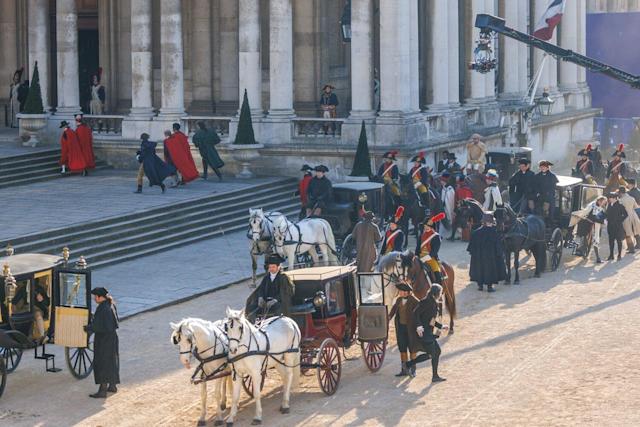
“Napoleon” is a visual feast, capturing the grandeur and spectacle of the Napoleonic era with breathtaking cinematography and meticulous attention to historical detail. From the sweeping landscapes of battlefields to the opulent interiors of imperial palaces, the film immerses audiences in a world of opulence, power, and conflict. The film’s costume design, set design, and prop work are all meticulously crafted, reflecting the historical accuracy and aesthetic sensibilities of the era.
“Napoleon” stands as a testament to Ridley Scott’s enduring mastery of historical epics. His ability to transport audiences to different eras, capture the essence of iconic figures, and explore the complexities of human nature has once again been realized in this remarkable film. With its captivating performances, stunning visuals, and thought-provoking exploration of historical themes, “Napoleon” is a cinematic triumph that will undoubtedly solidify its place among Scott’s most celebrated works.
“Napoleon” is more than just a historical biopic; it is a profound exploration of human ambition, the consequences of power, and the enduring impact of love and loss. Scott’s masterful direction and Phoenix’s transformative performance bring Napoleon to life, revealing the man behind the myth, his triumphs and failures, his ambitions and vulnerabilities. “Napoleon” is a film that lingers long after the credits roll, inviting audiences to contemplate the enduring impact of history’s most iconic figures and the profound influence of love and ambition on the human experience.
While “Napoleon” is a visually stunning and historically captivating epic, it is the film’s exploration of human emotion and the complexities of leadership that elevates it to a masterpiece of cinema. Scott’s masterful direction and Phoenix’s transformative performance bring Napoleon to life, revealing the man behind the legend, his triumphs and failures, his ambitions and vulnerabilities. “Napoleon” is a film that lingers long after the credits roll, inviting audiences to contemplate the enduring impact of history’s most iconic figures and the profound influence of love and ambition on the human experience.

 spryfilm.com