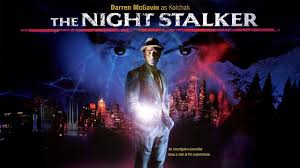
“Kolchak: The Night Stalker” (1974 – 1975)
Television / Sci-Fi

Twenty Episodes
Created by: Jeff Rice
Featuring: Darren McGavin, Simon Oakland, Jack Grinnage and Ruth McDevitt
Carl Kolchak: [voiceover] “Buck Finemann, seventy two years old. Cantankerous old geezer. No-one liked him much, but they allowed him to play poker with them once a week because he was a terrible card player and had been known to lose as much as seventy five cents in a single evening.”
Few television series have cast a shadow as long and as influential as Kolchak: The Night Stalker. Although it ran for just one season in 1974–75 (preceded by two hugely successful TV movies), its DNA can be found in everything from The X-Files to Supernatural, Fringe, and beyond. Seeing the series finally presented properly on Blu-ray feels less like a routine catalogue upgrade and more like a long-overdue act of preservation for one of TV’s great cult cornerstones.
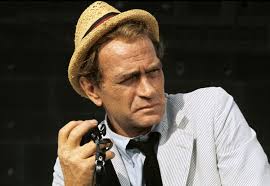
At its core, Kolchak is a deceptively simple premise: Carl Kolchak, a rumpled, obstinate newspaper reporter, investigates murders that the police insist are mundane but which always seem to involve vampires, werewolves, witches, demons, or some other creature lurking just outside rational explanation. What elevates the show is the friction between the banal and the bizarre. Kolchak isn’t a detective or a paranormal expert—he’s a journalist with a tape recorder, a notebook, and a stubborn refusal to stop asking questions, even when doing so puts him in very real danger.
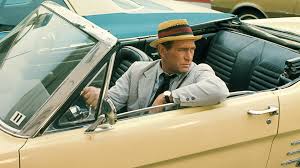
Darren McGavin’s performance remains the show’s greatest asset, and the Blu-ray presentation only reinforces how central he is to its enduring appeal. McGavin plays Kolchak as abrasive, sarcastic, perpetually underpaid, and morally driven in spite of himself. He’s not cool or glamorous; he’s frequently wrong, often scared, and almost always frustrated. In high definition, the performance gains nuance—small facial expressions, tired eyes, and quick flashes of fear or irritation read more clearly than ever before. Kolchak feels more human, more fallible, and more alive.
The supporting cast also benefits from the upgrade. Simon Oakland’s Tony Vincenzo, Kolchak’s long-suffering editor, is an essential counterweight: blustery, cynical, and secretly fond of his most troublesome reporter. Their bickering remains one of the great double acts in genre television, and the improved clarity gives their scenes a warmth and texture that standard-definition broadcasts often flattened.
From a visual standpoint, the Blu-ray presentation is a revelation—within reason. This is still a mid-1970s television series shot on film with tight schedules and modest budgets, and the Blu-ray wisely doesn’t attempt to “modernize” the image. Instead, it presents the material with a natural, filmic look that respects the original production. Grain is present and intact, giving the series a pleasing cinematic texture rather than a scrubbed, artificial smoothness. Black levels are markedly improved, which is crucial for a show so dependent on shadow, darkness, and nocturnal atmospheres.
Night scenes, in particular, benefit enormously. Alleyways, abandoned buildings, graveyards, and city streets now have depth and dimensionality that simply wasn’t visible on DVD. Highlights are stable, contrast is strong without being crushed, and details in clothing, signage, and set dressing emerge clearly. The show’s Los Angeles locations—standing in for everything from Chicago to Seattle—gain a tangible sense of place that reinforces the procedural realism grounding all the supernatural elements.
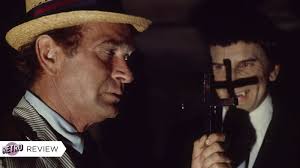
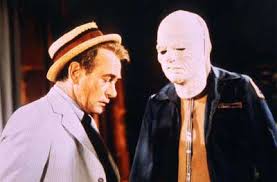
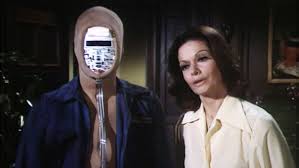
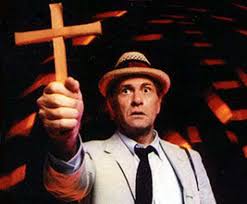
That said, the Blu-ray also reveals the limits of the production. Optical effects, creature makeup, and occasional stock footage look exactly as they should: sometimes effective, sometimes a little ropey. Rather than undermining the experience, this honesty actually enhances the show’s charm. Kolchak has always been about suggestion, tension, and atmosphere more than spectacle, and the high-definition presentation underscores how well the series uses restraint to compensate for budgetary constraints.
Audio is clean and faithful to the original mono mix. Dialogue is clear and well-balanced, with Gil Mellé’s distinctive, slightly unsettling score coming through with surprising presence. The music—often overlooked—plays a vital role in establishing the show’s uneasy tone, blending procedural rhythms with eerie electronic flourishes. On Blu-ray, it sounds fuller and more dynamic without ever feeling artificially boosted.
Beyond the technical presentation, revisiting Kolchak in this format highlights just how sharp the writing often was. While not every episode is a classic, the best installments—featuring vampires, rakshasas, and other folkloric horrors—blend mystery, satire, and social commentary in a way that still feels fresh. The show frequently pits ancient evils against modern bureaucracy, skepticism, and institutional denial, with Kolchak trapped in the middle, shouting the truth into a void that refuses to listen. That theme arguably resonates even more strongly today.
The episodic structure, which once seemed like a limitation, now feels like a strength. Each story is self-contained, allowing for bold tonal shifts—from near-comedy to genuine horror—while McGavin’s performance provides continuity. The Blu-ray’s consistent quality across episodes makes it easier to appreciate the series as a whole rather than as a handful of remembered highlights.
As a piece of television history, this Blu-ray release is invaluable. It preserves Kolchak: The Night Stalker in a form that feels definitive, giving the series the visual respect it has long deserved. For longtime fans, it’s the best the show has ever looked or sounded. For newcomers, it’s an ideal entry point into a series whose influence far outweighs its brief original run.
In the end, Kolchak on Blu-ray isn’t about perfection—it’s about character, atmosphere, and legacy. This release captures all three beautifully. It reminds us why Carl Kolchak remains one of television’s great outsiders and why, half a century later, his stubborn refusal to stop digging still feels strangely heroic.
 spryfilm.com