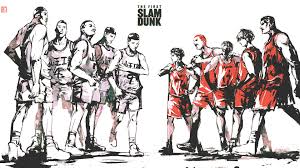
“The First Slam Dunk” (2022)
Anime

Running Time: 124 minutes
Written and directed by: Takehiko Inoue
Featuring: Shugo Nakamura, Jun Kasama, Shinichiro Kamio, Subaru Kimura and Kenta Miyake
Sakuragi Hanamichi: “Once you give up, the game is truly over.”
“The First Slam Dunk” arrived with a weight of expectation that few anime films could hope to bear. For decades, Takehiko Inoue’s Slam Dunk manga and its beloved 90s anime adaptation have held a sacred place in the hearts of basketball fans and anime enthusiasts worldwide. This film, coming over 25 years after the original anime concluded, wasn’t just a continuation; it was a reimagining, a stylistic overhaul, and a deep dive into the emotional core of one of the most iconic sports stories ever told. The result is a masterclass in animation, storytelling, and the sheer power of sport.
At its core, “The First Slam Dunk” retells the legendary match between Shohoku High and the seemingly invincible Sannoh Kogyo, a game widely considered the climax of the original manga. While this might initially sound like a simple recap, Inoue, who wrote and directed the film, ingeniously weaves a new narrative thread through this familiar territory: the perspective of Ryota Miyagi, Shohoku’s often-overlooked point guard. This shift is arguably the film’s greatest strength and its most daring gamble.
By focusing on Ryota, the film immediately differentiates itself. We are privy to his childhood, his deep bond with his older brother Sota (a prodigious basketball talent himself), and the profound grief and determination that shape him after tragedy strikes. This personal journey is interspersed with the high-stakes Sannoh game, creating a powerful emotional parallel. Ryota’s struggles, his quiet leadership, and his relentless drive to honor his brother resonate deeply, adding layers of pathos and vulnerability to a character previously seen mostly through the lens of his quick wit and agility. This narrative choice isn’t just an addition; it recontextualizes the entire Shohoku team’s struggle, making their collective pursuit of victory feel even more earned and poignant.
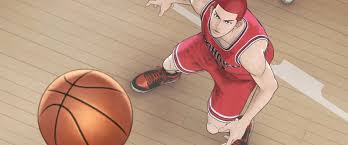
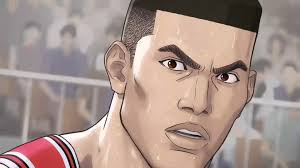
Visually, “The First Slam Dunk” is a revelation. Inoue’s decision to blend traditional 2D animation with advanced 3D CGI was met with initial skepticism by some purists, but the execution speaks for itself. The characters retain the expressive quality of their 2D origins, particularly in close-ups and character interactions, while the 3D elements truly shine during the basketball sequences. The fluidity, weight, and kinetic energy of the players’ movements on the court are unprecedented. Every dribble, every jump shot, every block, and every sprint feels incredibly real and impactful. The camera work is dynamic, putting the viewer right in the action, whether it’s tracking Hanamichi Sakuragi’s explosive rebounds or feeling the intensity of Hisashi Mitsui’s desperate three-pointers. The film captures the raw physicality and strategic nuances of basketball with a fidelity that surpasses its predecessors and sets a new benchmark for sports anime.
Even for those familiar with the Sannoh match, the film’s portrayal is nothing short of breathtaking. The pacing is masterful, allowing moments of intense action to breathe alongside quieter character beats. The tension is palpable, the stakes are clear, and the feeling of a true underdog battle against a seemingly insurmountable opponent is expertly maintained. Each Shohoku player gets their moment to shine, and their individual struggles and triumphs are integral to the team’s overall narrative. From Akagi’s determination to dominate the paint to Rukawa’s evolving understanding of teamwork, and especially Sakuragi’s hilarious yet heroic growth, the film beautifully captures the essence of what makes each character so compelling. The film also understands the power of silence, using it effectively to heighten dramatic moments, especially towards the climax of the game.
The sound design is exceptional, contributing immensely to the immersive experience. The squeak of sneakers on the court, the thud of the ball, the roar of the crowd, and the sharp whistle of the referee all combine to create an authentic atmosphere. The score, a modern, rock-infused soundtrack, complements the action perfectly, amplifying the energy and emotional intensity without ever overwhelming the scene.
One of the film’s remarkable achievements is its accessibility. While long-time fans will revel in the faithful recreation of iconic moments and the deepened character insights, newcomers can easily jump in and understand the core story and emotional arcs. The film cleverly provides enough context for the characters and their dynamics without getting bogged down in extensive exposition. It trusts the audience to connect with the passion and struggle on display.
If there are any minor critiques, some might argue that the film occasionally sacrifices screen time for certain fan-favorite characters (like Coach Anzai or some of the Sannoh players) in favor of Ryota’s expanded backstory. However, this trade-off is ultimately justified by the profound emotional impact of Ryota’s narrative and how it elevates the entire viewing experience. The shift in animation style, while incredibly effective, may take a few minutes for absolute purists to adjust to, but once immersed, its benefits quickly become undeniable.
“The First Slam Dunk” is more than just a sports anime film; it’s a profound character study, a technical marvel, and a loving homage to a timeless story. It captures the essence of what makes Slam Dunk so special: the grit, the passion, the humor, the camaraderie, and the sheer joy and heartbreak of competitive basketball. Takehiko Inoue has not just delivered a film; he has delivered a slam dunk, a resounding victory that satisfies long-time fans and welcomes a new generation to the court. It’s a powerful reminder that sometimes, to move forward, you must first look back, but with a fresh pair of eyes and an unwavering heart. Absolutely essential viewing.



 spryfilm.com