
“The Nightcomers” (1971)
Horror

Running Time: 94 minutes
Written by: Michael Hastings
Featuring: Marlon Brando, Stephanie Beacham, Thora Hird and Harry Andrews
Peter Quint: “If you love someone, you want to kill them.”
Released in 1971 and directed by Michael Winner, The Nightcomers serves as a prequel to Henry James’s novella The Turn of the Screw, exploring the events leading up to the ghostly happenings at Bly Manor. With Marlon Brando in the lead as the enigmatic and dangerous Peter Quint, the film attempts to unravel the dark psychological underpinnings of the characters who haunt James’s story. However, Winner’s approach transforms the source material into something far more visceral and controversial, blending psychological horror with overt eroticism and sadomasochistic undertones. While it may not capture the chilling subtlety of James’s work, The Nightcomers remains a provocative and unsettling piece of cinema.
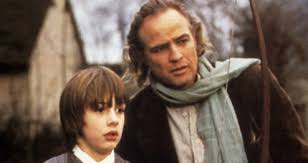
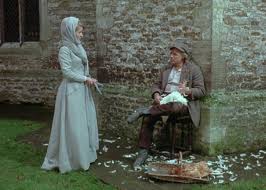
The film is set in an isolated English manor, where orphans Flora (Verna Harvey) and Miles (Christopher Ellis) live under the care of their new governess, Miss Jessel (Stephanie Beacham), and the housekeeper Mrs. Grose (Thora Hird). The children’s wealthy uncle, disinterested in their upbringing, remains absent. Into this secluded world enters Peter Quint (Marlon Brando), the manor’s Irish groundskeeper, whose charismatic yet menacing presence soon becomes a dark influence on the children.
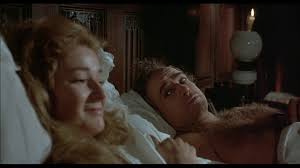
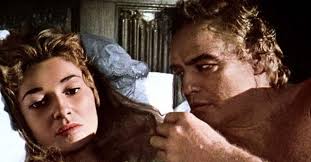
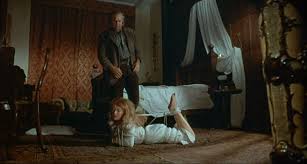
Quint’s relationship with Miss Jessel is a toxic blend of seduction and control, characterized by violent sexual encounters that the children witness. Quint’s philosophy, a bleak mix of nihilism and perverse freedom, captivates the impressionable Miles and Flora, who begin to emulate his behavior. As Quint tightens his psychological hold, the children’s innocence erodes, setting the stage for the haunting events of The Turn of the Screw.
Marlon Brando’s portrayal of Peter Quint is both magnetic and repulsive. Brando’s Irish accent may waver at times, but his ability to convey danger with disarming charm is compelling. His Quint is a complex antagonist—intelligent, brutal, and eerily childlike in his hedonism. Stephanie Beacham as Miss Jessel delivers a nuanced performance, capturing both the character’s vulnerability and her dark complicity in Quint’s world.
The child actors, Verna Harvey and Christopher Ellis, bring a disturbing innocence to their roles, convincingly portraying children who are gradually corrupted by Quint’s influence. Thora Hird, as Mrs. Grose, provides a grounded counterpoint to the mounting horror, her suspicion and helplessness palpable as she watches the household unravel.
Michael Winner’s direction leans heavily into the erotic and sadomasochistic aspects of the story, making The Nightcomers a deeply uncomfortable viewing experience. The explicitness of Quint and Jessel’s relationship, shown in a series of shockingly graphic scenes for the time, risks overshadowing the psychological horror. Winner’s tendency towards the sensational undermines the eerie ambiguity that made The Turn of the Screw a classic of supernatural fiction.
Nonetheless, the cinematography by Robert Paynter deserves praise. The use of natural lighting and the haunting English countryside create an atmosphere of decaying elegance and foreboding. The camera’s lingering shots of the manor’s dark corridors and mist-covered grounds add to the sense of isolation and inevitable doom.
The Nightcomers explores themes of corruption, power, and the loss of innocence. Peter Quint embodies a perverse mentor figure, seducing not just Miss Jessel but the children with his doctrines of freedom through cruelty. His influence warps the children’s perception of morality, leading them to reenact his violence in chilling ways
The film’s portrayal of sexuality is controversial and, at times, problematic. The sadomasochistic dynamics between Quint and Miss Jessel raise questions about consent and agency, muddying the narrative’s intent. Winner’s focus on these aspects feels more exploitative than enlightening, diminishing the psychological horror in favor of shock value.
Jerry Fielding’s score complements the film’s oppressive mood, using discordant strings and eerie silence to heighten tension. The minimalistic sound design allows for the natural creaks and whispers of the old manor to become unsettlingly prominent, making the setting itself a character in the story.
Upon release, The Nightcomers received mixed reviews, with critics divided over its explicit content and divergence from the subtle horror of Henry James’s novella. While some appreciated Brando’s fearless performance and the film’s audacious take on a literary classic, others criticized it for its luridness and lack of psychological nuance.
Over the years, however, the film has garnered a cult following for its boldness and Brando’s memorable turn as Quint. As a prequel, it offers a provocative, if flawed, exploration of the origins of Bly Manor’s haunting, transforming the ghosts of James’s story into the psychological scars left by trauma and abuse.
The Nightcomers is a disturbing and controversial prequel that dares to delve into the dark origins of The Turn of the Screw. While its emphasis on sadomasochistic themes may alienate some viewers, Marlon Brando’s chilling performance and the film’s oppressive atmosphere make it a haunting examination of corruption and innocence lost. It may not capture the eerie subtlety of its source material, but as a study of psychological horror, it remains an unforgettable, if deeply unsettling, experience

 spryfilm.com