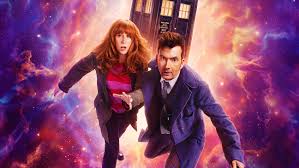
“Doctor Who 60th Anniversary Specials” (2023)
Television Series Sci-Fi

Three Specials
Written by: Russell T Davies
Featuring: David Tennant and Catherine Tate
The Doctor: “I really do remember, though. Every second with you. I’m so glad you’re back, ’cause it killed me, Donna. It killed me, it killed me, it killed me.”
Donna Noble: “We can have more days, can’t we? I mean, why is it such a big goodbye with you? Why is it one last trip? Cos you could visit with my family. We could do outrageous things, like have tea, or dinner, and a laugh. And Rose’s school play. Well, maybe not that. She can’t act. She’s terrible. I don’t know how to tell her. But the point is, you’ve been given a second chance. You can do things different this time. So why don’t you do something completely new, and have some friends?”
The 60th Anniversary Specials of Doctor Who are a love letter to fans, a thrilling adventure through time and space, and a powerful statement that the series still has so much to offer. Under the guidance of returning showrunner Russell T Davies, the specials not only celebrate the show’s storied past but also lay the groundwork for an exciting future. With David Tennant back as the Fourteenth Doctor and Catherine Tate reprising her role as Donna Noble, these episodes are a masterclass in balancing nostalgia with innovation.
The trilogy of specials — “The Star Beast,” “Wild Blue Yonder,” and “The Giggle” — weave together a narrative that is both epic in scope and deeply personal. The story opens with “The Star Beast,” introducing us to a new yet familiar Doctor struggling with his unexpected regeneration. The choice to bring back David Tennant as the Fourteenth Doctor is not just fan service; it’s a bold move that pays off. Tennant’s portrayal brilliantly captures the confusion and raw energy of a Time Lord caught between identities. His chemistry with Catherine Tate is instantly rekindled, offering a mix of humor, heart, and the occasional gut-punch of emotion.
The reintroduction of Donna Noble is both joyous and poignant. The plot’s focus on Donna’s memory loss and the potential consequences of her remembering the Doctor adds a ticking time bomb element that keeps the tension high. Yasmin Finney’s portrayal of Rose Noble, Donna’s daughter, is a standout. Her character is given depth and agency, seamlessly integrating into the Whoniverse.
“Wild Blue Yonder” takes a darker turn, embracing elements of psychological horror and isolation. Stranded in a desolate outpost at the edge of the universe, the Doctor and Donna face a chilling mystery involving doppelgängers and existential threats. This episode’s claustrophobic atmosphere and moral complexity evoke the best of the Davies and Moffat eras, proving that Doctor Who can still terrify as well as inspire.
Finally, “The Giggle” brings everything to a head with the return of Neil Patrick Harris as the Toymaker. Harris delivers a deliciously sinister performance, combining theatrical menace with a genuine sense of danger. The Toymaker’s reality-warping powers lead to some of the most visually inventive sequences in the show’s history. The climax is both satisfying and heartbreaking, with the Doctor forced to make impossible choices that resonate with the core themes of sacrifice and redemption.
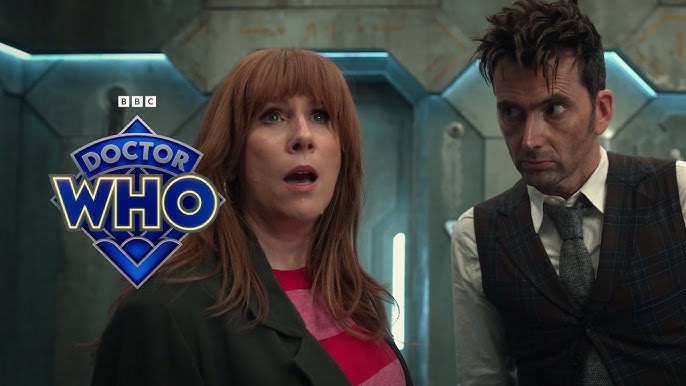
David Tennant’s return is nothing short of spectacular. He effortlessly transitions between the exuberance of his Tenth Doctor and the darker, more reflective tones of his new incarnation. His scenes with Catherine Tate are electric, blending sharp wit with moments of profound sadness. Tate’s Donna is as brilliant as ever, her humor and defiance masking the tragedy of her situation.
Yasmin Finney’s Rose brings a fresh energy to the specials. Her interactions with Tennant and Tate are natural and compelling, hinting at a larger role in the future. Neil Patrick Harris steals every scene he’s in, his portrayal of the Toymaker managing to be campy yet genuinely menacing.
Russell T Davies’ writing is sharp, emotionally resonant, and unafraid to tackle big ideas. The specials explore themes of identity, memory, and the weight of one’s actions, all while delivering classic Doctor Who thrills. Davies’ ability to juggle these elements without losing sight of character is a testament to his storytelling prowess.
The direction is equally impressive, with each episode having a distinct visual style. The use of practical effects alongside CGI is seamless, and the action sequences are kinetic without overshadowing the story. Murray Gold’s return as composer is a blessing; his score elevates every scene, blending iconic motifs with new themes that capture the epic scale of the specials.
The specials are packed with callbacks and Easter eggs for longtime fans, but they never feel gratuitous. Whether it’s a throwaway line referencing Gallifrey or a subtle musical cue, these moments enrich the story rather than distract from it. The inclusion of past companions and the revisiting of unresolved plot threads from Tennant’s original run feel organic and earned.
The final moments of “The Giggle” offer a tantalizing glimpse of what’s to come. Ncuti Gatwa’s brief but impactful debut as the Fifteenth Doctor is thrilling, his charisma and energy a promising sign for the future of the series. The seamless regeneration scene, coupled with the cryptic hints about a new threat, leaves fans eagerly anticipating the next chapter.
One of the most impressive aspects of the 60th Anniversary Specials is their exploration of identity and the cost of memory. The Doctor’s struggle to understand why he has returned to a familiar face serves as a metaphor for wrestling with one’s past. This thematic thread is beautifully mirrored in Donna’s arc. Her journey—from a life unknowingly shaped by forgotten heroism to the painful realization of her past with the Doctor—is both heartbreaking and uplifting. The exploration of memory as both a gift and a curse adds layers of depth to the story, making the emotional beats hit harder.
The specials also touch on the concept of legacy. The Doctor’s influence on the universe, and the ripple effects of their actions, are scrutinized. The Toymaker’s taunts about the Doctor’s destructive tendencies and the inevitable consequences of their choices force the Doctor to confront uncomfortable truths. This self-reflection feels earned and adds a sense of maturity to Tennant’s portrayal, distinguishing the Fourteenth Doctor from his previous incarnation.
Beyond the main trio, the supporting cast shines. Jacqueline King as Sylvia Noble is given moments of genuine pathos, transforming her character from comic relief to a symbol of a mother’s love and sacrifice. Her scenes with Donna are some of the most emotionally charged in the specials, capturing the pain of a parent watching their child suffer without being able to help.
Karl Collins returns as Shaun Temple, providing a grounded, everyman perspective that balances the high-concept sci-fi elements. His support for Donna and Rose is heartfelt, making the Noble family dynamics feel authentic and relatable.
The introduction of Shirley Anne Bingham (played by Ruth Madeley), a UNIT scientist who assists the Doctor, is another highlight. Her intelligence, wit, and determination make her an instantly likable addition, and her interactions with the Doctor hint at a potential recurring role in the series.
Visually, the specials are a feast. The production values are noticeably higher, with slicker CGI, detailed set designs, and a more cinematic approach to direction. The scenes in “Wild Blue Yonder,” with their eerie, sterile environments and tense lighting, are particularly striking. The Toymaker’s reality-warping lair in “The Giggle” is a surreal blend of nightmare and carnival, with practical effects and inventive CGI blending seamlessly.
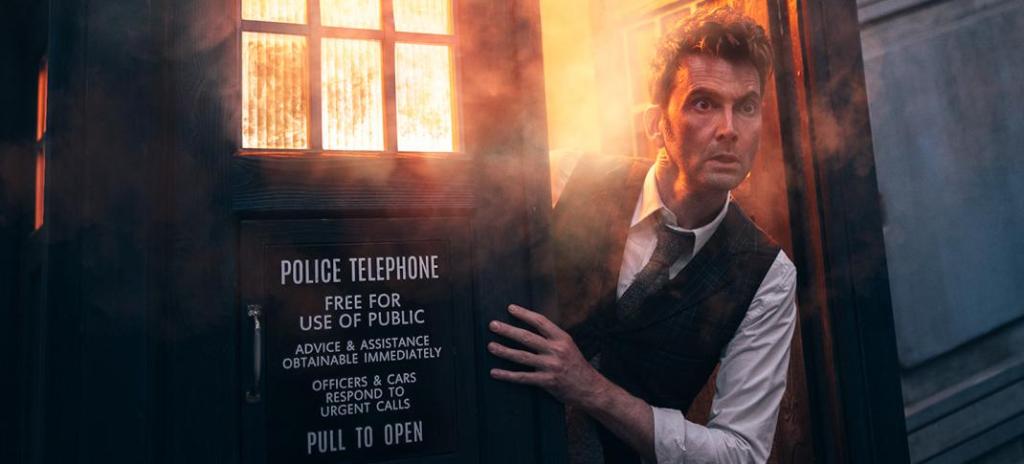
The TARDIS interior has been given a slight redesign, featuring warmer tones and a balance of the organic and mechanical elements that defined the Davies era. It’s both a nostalgic callback and a fresh take, much like the specials themselves.
Murray Gold’s return as composer cannot be overstated. His score is as much a character as the Doctor or Donna. From the triumphant brass in action sequences to the delicate piano motifs underscoring emotional moments, the music enhances every scene. The reimagining of classic themes—such as “Doomsday” and “The Doctor’s Theme”—provides a sense of continuity, while new compositions, particularly Rose’s theme, suggest a bold new direction for the series.
Fan service in long-running franchises can be a double-edged sword, but the 60th Anniversary Specials handle it with remarkable finesse. Cameos and references are woven organically into the plot rather than feeling like checkboxes on a list. The return of classic monsters, including the Meep from “The Star Beast,” is used to explore new facets of the Doctor’s character rather than relying on pure nostalgia.
One particularly moving moment is the holographic message left by the Tenth Doctor for Donna, which serves as both a callback and a catalyst for her memory to resurface. It’s a brilliant example of how to balance fan service with genuine emotional impact.
No celebration is without its flaws, and the specials do have a few. The pacing in “The Giggle” occasionally falters, particularly during some of the more exposition-heavy scenes involving the Toymaker’s plan. While Neil Patrick Harris’ performance is stellar, the resolution of his arc feels somewhat rushed, leaving questions about his origins and motivations unanswered. However, given the hints that the Toymaker might return, this could be intentional.
Additionally, some fans might find the reliance on past companions and villains a bit too comfortable, craving newer threats and faces. However, considering the anniversary context, these choices feel more like a deliberate tribute than a crutch.
In many ways, these specials encapsulate the best of Doctor Who: the whimsy, the horror, the heartbreak, and the hope. Russell T Davies has proven that his understanding of the show’s core—its ability to tell deeply human stories through a sci-fi lens—is as sharp as ever. By giving closure to lingering storylines while opening doors for the future, the specials serve as both an ending and a beginning.
The regeneration scene, blending Tennant’s era-defining catchphrases with Ncuti Gatwa’s infectious energy, feels like a passing of the torch in the most satisfying way. Gatwa’s brief appearance teases a Doctor who is unpredictable, joyful, and ready to shake things up.
The Doctor Who 60th Anniversary Specials are a triumph, balancing nostalgia with forward momentum. Russell T Davies has managed to craft a story that honors the past while fearlessly embracing the future. With stellar performances, sharp writing, and a profound emotional core, these specials are a reminder of why Doctor Who has endured for six decades. If the next era is anything like this, the TARDIS is in very good hands indeed.



 spryfilm.com