
“Death and the Maiden” (1994)
Drama / Thriller

Running Time: 103 minutes
Written by: Ariel Dorfman and Rafael Yglesias
Directed by: Roman Polanski
Featuring: Sigourney Weaver, Ben Kingsley and Stuart Wilson
Dr. Roberto Miranda: “How can I confess to something I haven’t done?”
Roman Polanski’s Death and the Maiden, based on Ariel Dorfman’s acclaimed stage play, is an intense psychological drama that delves deep into themes of justice, revenge, and the fragility of truth. Set against the backdrop of a nameless South American country recovering from years of dictatorship, the film offers a gripping chamber piece, masterfully directed and performed by its small but potent cast of Sigourney Weaver, Ben Kingsley, and Stuart Wilson.
The film begins with Paulina Escobar (Sigourney Weaver), a former political prisoner, living in isolation with her husband, Gerardo Escobar (Stuart Wilson), in a remote coastal home. Gerardo, a lawyer, has just been appointed to a government commission investigating human rights abuses committed during the dictatorship. A chance encounter brings Dr. Roberto Miranda (Ben Kingsley) to their home, ostensibly to return a flat tire. Paulina becomes convinced that Roberto is the man who tortured and raped her during her imprisonment, recognizing his voice, mannerisms, and habits.
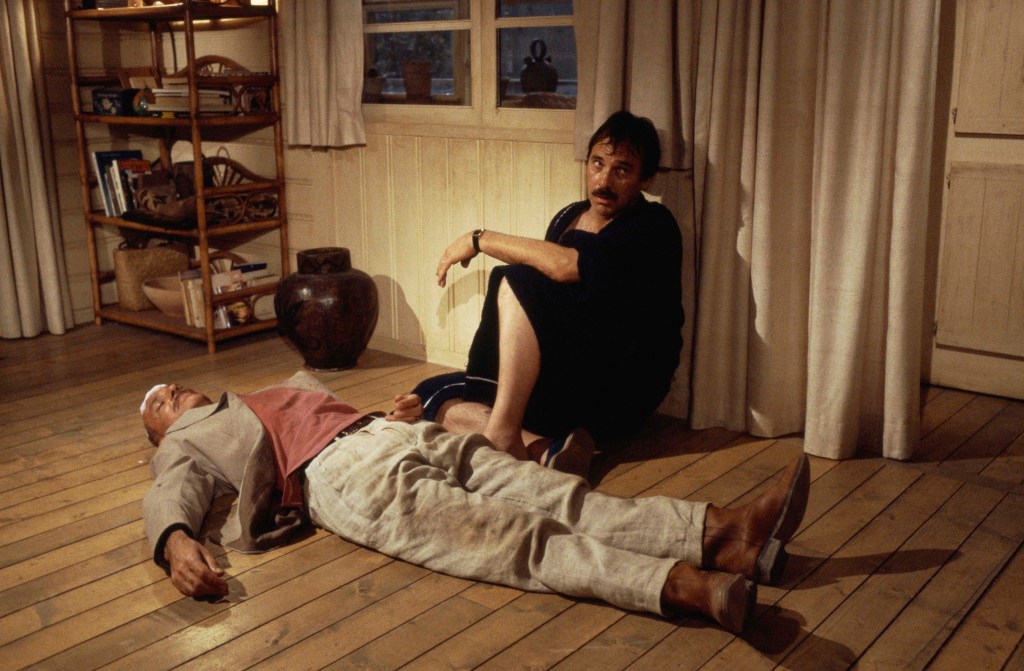
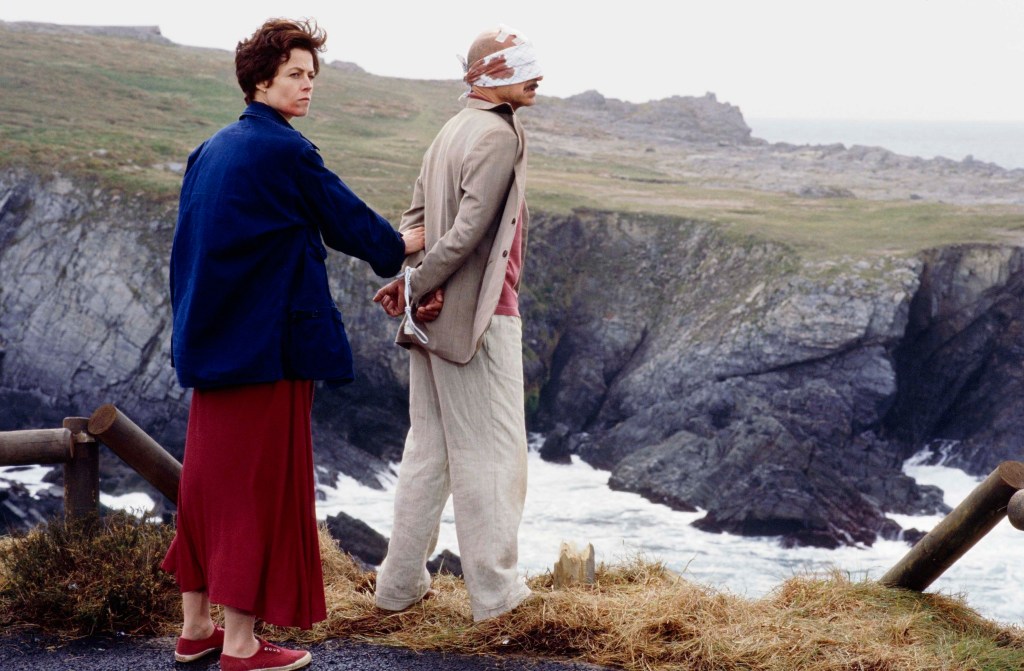
The story unfolds as Paulina holds Roberto captive, seeking a confession and exacting her own form of justice. Gerardo finds himself torn between his wife’s traumatic past, the principles of due process, and his own doubts about Roberto’s guilt or innocence. What follows is a taut and claustrophobic exploration of moral ambiguity, trauma, and power dynamics.
Sigourney Weaver delivers a career-defining performance as Paulina. She portrays a woman haunted by unspeakable horrors, teetering between vulnerability and ferocious resolve. Weaver’s portrayal is raw and visceral, making Paulina’s pain and thirst for justice palpable.
Ben Kingsley, as Dr. Miranda, is equally compelling. He walks a fine line between urbane charm and possible malevolence, leaving the audience perpetually guessing his true nature. Kingsley imbues Miranda with enough ambiguity to keep the narrative tension alive, refusing to tip the scales toward either innocence or guilt too easily.
Stuart Wilson, while overshadowed by his co-stars, is effective as Gerardo. He embodies the rationalist perspective, caught between the polarizing forces of his wife’s unwavering conviction and the societal demands for measured justice.
Roman Polanski’s direction amplifies the play’s psychological intensity, transforming the intimate setting into a pressure cooker of emotion and suspense. Polanski’s mastery lies in his ability to make the confined space of the Escobar home feel simultaneously suffocating and expansive, a battleground for memory and morality. The film’s claustrophobic atmosphere mirrors the characters’ internal struggles, while the stormy, isolated setting enhances the sense of inescapable reckoning.
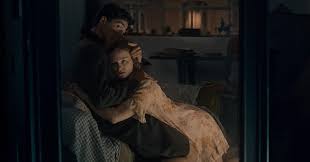
Tonino Delli Colli’s cinematography is restrained but effective, employing dim lighting and tight framing to reflect the dark themes. The camera often lingers uncomfortably on the characters’ faces, forcing viewers to confront their emotions and motives directly.
At its core, Death and the Maiden grapples with the complexities of justice in the aftermath of tyranny. It asks probing questions: Can justice ever be truly achieved in the shadow of past atrocities? How does one reconcile personal trauma with the collective need for reconciliation? The film also explores the psychological toll of torture and the long-lasting scars it leaves, both for victims and society at large.
The ambiguity surrounding Roberto’s guilt is the film’s most provocative element. By never fully confirming or denying Paulina’s accusations, the narrative challenges the audience to examine their biases and assumptions about truth and accountability.
Some critics argue that the film’s stage origins are too evident, with the limited setting and dialogue-heavy script occasionally feeling static. While this containment works to heighten the tension, it may also test the patience of viewers expecting more visual dynamism or action. Additionally, the film’s refusal to provide a definitive resolution may frustrate those seeking closure.
Nearly three decades after its release, Death and the Maiden remains a significant piece of cinema, not only for its exploration of justice and trauma but also for its bold storytelling. The film’s refusal to hand its audience easy answers makes it an enduring conversation piece. In an era where the demand for accountability—be it for war crimes, systemic oppression, or personal abuses of power—continues to shape global discourse, the questions the film raises feel especially prescient.
Polanski’s approach to the story invites viewers to grapple with the complexities of human psychology and the subjective nature of truth. While modern audiences might view the film through a more critical lens due to Polanski’s controversial personal history, his skill as a director in crafting tension and emotional depth cannot be overlooked.
When compared to other stage-to-screen adaptations, Death and the Maiden excels in maintaining the intimacy and immediacy of the original play while expanding its emotional and thematic scope. It sits comfortably alongside other minimalist thrillers like 12 Angry Men and Carnage, which rely on dialogue and performance to drive their narratives. However, its unique focus on the aftermath of political violence sets it apart, making it a haunting allegory for post-dictatorial societies.
Death and the Maiden is best appreciated by viewers who enjoy character-driven dramas and are willing to engage with morally ambiguous material. Fans of psychological thrillers like The Night Of, Prisoners, or The Lives of Others will find its themes of justice and redemption compelling. Additionally, anyone interested in the interplay of politics and personal trauma will find this film to be an intellectually stimulating watch.
While it may not cater to those looking for fast-paced action or overt resolutions, it rewards patience and thoughtfulness with a profoundly moving exploration of human resilience and the quest for justice.
If you haven’t yet seen Death and the Maiden, it is a film that demands attention not just for its masterful craft, but for the way it challenges us to confront the darker corners of human experience. It is not merely a story but an interrogation of our shared humanity. Whether you agree with its methods or conclusions, it is impossible to walk away unaffected.
Death and the Maiden is a gripping, morally complex thriller that leaves a lasting impression. Polanski’s meticulous direction, combined with powerhouse performances from Weaver and Kingsley, creates an experience that is both thought-provoking and emotionally harrowing. While its stage-bound roots may not appeal to all audiences, the film’s exploration of justice and trauma remains as relevant today as it was at its release. For those willing to engage with its moral intricacies, Death and the Maiden offers a cinematic tour de force that lingers long after the credits roll.



 spryfilm.com