
“Voyage of the Damned” (1976)
Drama

Running Time: 155 minutes
Written by: Steve Shagan and David Butler based on Voyage of the Damned by Gordon Thomas and Max Morgan-Witts
Directed by: Stuart Rosenberg
Featuring: Faye Dunaway, Max von Sydow, Oskar Werner, Malcolm McDowell, Orson Welles, James Mason and Lee Grant
Captain Schroeder: “I neither approved nor knew of it and assure you it shall not happen again. I frankly admit there appears to have been a lapse of good taste.”
Voyage of the Damned (1976) is a hauntingly profound and impactful historical drama, directed by Stuart Rosenberg, that delves into a harrowing chapter of World War II history, portraying the tragic journey of the MS St. Louis. This film, based on the 1974 book by Gordon Thomas and Max Morgan-Witts, is a fictionalized account of a real voyage made in 1939 by the German ocean liner, which carried over 900 Jewish refugees fleeing Nazi persecution. The passengers were seeking asylum, hopeful that they would find sanctuary and escape the horrors of the Nazi regime. However, they were ultimately turned away by Cuba, the United States, and Canada, an act of apathy and indecision that remains one of history’s darkest moments. The film’s portrayal of this tragic event not only reflects the bleak reality of human suffering but also sheds light on the devastating effects of political manipulation, bureaucratic indifference, and racial prejudice.
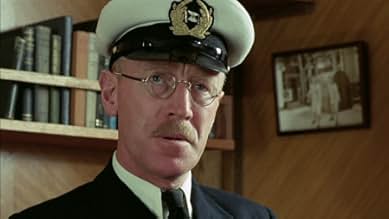
The movie features a remarkable ensemble cast, including some of the most distinguished actors of the time: Faye Dunaway, Oskar Werner, Max von Sydow, Malcolm McDowell, Orson Welles, and Lee Grant. Their performances are grounded, sincere, and deeply moving, each actor immersing themselves in the unique plight and personality of their characters. Faye Dunaway, as Leni Strauss, a wealthy woman seeking to protect her family, brings a delicate blend of dignity and despair. Max von Sydow, as the sympathetic ship captain Gustav Schröder, presents one of the film’s most captivating characters. Schröder is torn between his role as an officer loyal to his country and his moral conviction to protect his passengers, regardless of the potential consequences. Von Sydow’s portrayal is layered and nuanced, evoking a powerful sense of empathy from the audience as they witness his quiet determination and frustration in trying to navigate the storm of political constraints surrounding him.
The narrative structure of Voyage of the Damned is both rich and tense, incorporating multiple perspectives and stories from the passengers. This approach allows the film to delve into personal backgrounds, creating a tapestry of humanity that reveals the unique fears, hopes, and relationships among the characters. This is one of the film’s most effective storytelling techniques, as it brings a sense of intimacy to a large-scale tragedy, making it easier for viewers to identify with the passengers’ sense of vulnerability and helplessness. The interactions between the passengers and the crew, as well as glimpses of life in Havana as they await a decision on their asylum status, build a continuous sense of tension, highlighting the uncertainty that hung over these refugees’ lives.
The film’s themes of bureaucratic indifference and xenophobia are portrayed with a stark realism that resonates beyond its historical setting. The audience is forced to confront the tragic irony of the refugees’ situation, as one nation after another, with varying degrees of diplomacy and evasion, refuses them entry. Cuba, where the passengers initially expect to disembark, is seen as a focal point of bureaucratic mismanagement and political posturing. Government officials and business elites in Havana manipulate the fate of the passengers for their gain or ideological posturing, while the United States and Canada provide only empty gestures. This refusal to grant asylum is illustrated in a way that critiques the Western powers’ reluctance to stand up against oppression and prejudice, bringing the audience to question the moral integrity of the global community in times of crisis.
Rosenberg’s direction brings a solemn and deliberate pacing that reinforces the sense of impending doom. His approach doesn’t rush through the unfolding tragedies but allows the audience to feel the weight of the passengers’ hope and despair as they realize their options are diminishing. The cinematography is effective, capturing both the cramped and claustrophobic quarters of the ship, where people are crammed together, and the wide, open, indifferent sea that seems to close off any hope of escape. These visual choices underscore the sense of entrapment experienced by the characters. Complementing this, Lalo Schifrin’s musical score oscillates between soft, melancholic themes and harsh, suspenseful crescendos, emphasizing the desperation and fear the passengers feel.
While Voyage of the Damned successfully captures the emotional gravity of its subject, it can be criticized for occasionally veering into melodrama, particularly in scenes designed to elicit an immediate emotional response from the audience. Some moments feel slightly exaggerated in their dramatization, which can detract from the film’s otherwise sober and respectful tone. Additionally, with such a large ensemble cast, some characters’ stories and relationships remain underdeveloped. The film’s length and breadth sometimes lead to fragmented character arcs, which may leave viewers wishing for a deeper exploration of certain individuals’ personal journeys.
Yet, despite these minor shortcomings, Voyage of the Damned remains a powerful examination of human suffering and moral failure. The film ultimately serves as both a historical reminder and a timeless warning about the consequences of apathy and prejudice. It calls viewers to reflect on the nature of compassion and the tragic outcomes when it is withheld. Its release in the 1970s, a period marked by its social and political upheavals, resonated with contemporary audiences and reminded them of the continuing relevance of its themes. Even today, the film holds a somber lesson about the responsibility of nations and individuals to act with humanity in the face of oppression.
The emotional weight of Voyage of the Damned rests largely on how it captures the psychological strain endured by the passengers of the MS St. Louis. As the ship sails across the Atlantic, the movie subtly shifts from a hopeful beginning to a study of collective despair. The film painstakingly portrays the transformation of the passengers’ moods—from excitement to apprehension, and eventually to desperation—as they encounter rejection after rejection. Each setback is met with palpable anguish, an overwhelming sense of betrayal, and an increasingly evident realization that the world they had hoped would protect them might abandon them. These shifts create a poignant rhythm that gives the viewer a near-real-time experience of the agony and uncertainty these individuals faced.
A particularly powerful element of the film is its exploration of individual narratives and the microcosms of society that form on the ship. Relationships among the passengers evolve as they cling to each other for comfort, form alliances, and sometimes clash over differing beliefs. For instance, a subplot between Carl Rosen (played by Sam Wanamaker) and his wife, who is undergoing a mental health crisis, brings a layered, complex portrait of love, guilt, and loyalty. Their story is emblematic of the many nuanced relationships on board, each representing the resilience, fragility, and complexities of human connection in the face of trauma. These stories add a deeply personal dimension to the film, highlighting how, amidst collective crises, individuals remain distinctly human with private struggles and moments of intimacy, love, and fear.
The bureaucratic maze that the passengers face is as much a character in the film as the people on board. Officials in Cuba, the U.S., and Canada each play their part in perpetuating the tragedy. The scenes depicting government negotiations and behind-the-scenes dealings reveal the cold calculus with which bureaucracies often view human lives. Instead of addressing the passengers as individuals in need, they are treated as an “issue” to be managed. This political maneuvering is depicted with chilling realism, showing officials not only disregarding the plight of the passengers but even exploiting it for personal or political gain. Orson Welles delivers a brief but memorable performance as a Cuban bureaucrat whose arrogance and self-interest symbolize the indifference of those who hold power over the lives of the innocent.
In one of the film’s most haunting sequences, the passengers are finally allowed to see the shore of Havana. They catch glimpses of Cuba from the ship’s deck, and the sight of land fills them with hope and joy, as if salvation is within their grasp. But as days turn into weeks and they are not permitted to disembark, that hope slowly morphs into despair, as they come to realize that Cuba will not welcome them after all. This scene is beautifully shot, with the lush and vibrant shore just out of reach—a bitter reminder of the gap between the promises of freedom and the realities of exclusion. It’s a striking visual metaphor for the plight of refugees worldwide, standing on the precipice of safety only to be denied entry due to political or cultural barriers.
The moral conflict within Captain Schröder’s character adds an additional layer of complexity to the film. Unlike many of his peers who simply followed Nazi mandates, Schröder is driven by a deep moral conviction to protect his passengers. Despite the risk to his career and his safety, he consistently challenges orders and does everything in his power to advocate for the refugees. The internal struggle he experiences—to balance his role as an officer under a Nazi regime and his duty to protect innocent lives—reflects the struggle many people face when their personal ethics come into conflict with oppressive systems. Schröder’s humanity and courage are not only refreshing but also elevate the film’s message, illustrating the difference that one individual can make when they refuse to be complicit.
Voyage of the Damned is also unafraid to confront the moral failures of the Western countries that refused asylum to the refugees. In a particularly damning scene, the passengers hold a brief, almost jubilant celebration when they believe they will finally be allowed to land, only to have their hopes dashed when they learn of yet another rejection. This devastating cycle of anticipation and disappointment is relentless, driving home the cruelty of false hope and the moral responsibility of nations that could have provided a sanctuary but chose not to. The film’s portrayal of these refusals is unflinching, providing a critique that extends beyond history and encourages contemporary audiences to consider the ongoing issues surrounding refugee crises and the responsibility that societies hold to protect the vulnerable.
The film closes on a somber note, revealing that while a handful of countries eventually allowed a limited number of refugees to disembark, many passengers were ultimately returned to Europe, where a large portion would perish in concentration camps. This ending offers a brutal reminder of the cost of indifference and bureaucratic delay. Unlike most Hollywood endings, Voyage of the Damned doesn’t offer a redemptive arc; instead, it leaves the viewer with a profound sense of sadness and outrage, highlighting how this tragedy was avoidable if not for a lack of political and social will.
Voyage of the Damned is a solemn and haunting piece of cinema that portrays one of history’s most heart-wrenching tragedies with sensitivity and depth. Rosenberg’s direction, paired with an outstanding cast and compelling narrative, transforms this film into a stark reminder of the dangers of bureaucratic indifference and moral compromise. Its resonance goes beyond its historical context, forcing viewers to consider the universal and timeless importance of compassion and the moral consequences of inaction. For those interested in historical dramas that confront the complexities of human nature in times of crisis, Voyage of the Damned is a must-see, leaving an indelible mark on anyone who watches it.
Special Features and Technical Specs:
Disc One: Theatrical Cut
- 1080p high-definition presentation of the Theatrical Cut of the film on Blu-ray (158 minutes)
- Audio Commentary by cinema author and critic Matthew Asprey Gear (2024)
- Photo Gallery
- Theatrical Trailer
- Audio English LPCM 2.0 Mono
- Aspect Ratio 1.78:1
- Optional English HOH Subtitles (Theatrical Cut only)
Disc Two: Extended Cut
- Standard-definition archival presentation of the Extended Cut (182 minutes)
- Audio Commentary by film historian/filmmaker Daniel Kremer (2024)
- Movie Memories – career interview with cinematographer Billy Williams
- The Crowd Around The Concierge – Interview with actor Malcolm McDowell (2024)





 spryfilm.com