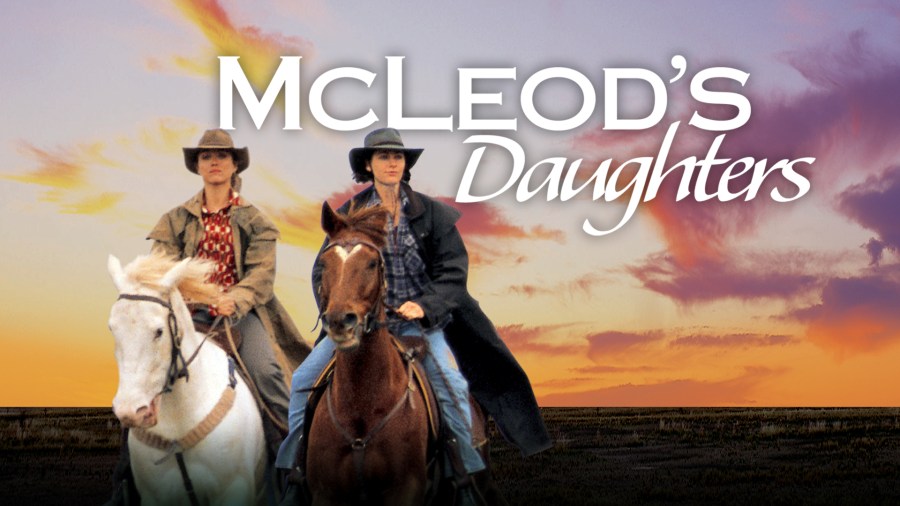
“McLeod’s Daughters” (2001-2009)
Television Drama
Two hundred and twenty four Episodes
Created by: Posie Graeme-Evans and Caroline Stanton
Featuring: Bridie Carter, Lisa Chappell, Jessica Napier, Rachael Carpani, Aaron Jeffery, Myles Pollard, Sonia Todd, Simmone Jade Mackinnon, Michala Banas, Brett Tucker, Jonny Pasvolsky, Luke Jacobz, Zoe Naylor, Dustin Clare, Doris Younane, Gillian Alexy, Matt Passmore, Abi Tucker, Edwina Ritchard and John Schwarz
Alex Ryan: [drunk] “I love you, Claire. I love you more than my chopper.”
McLeod’s Daughters is a landmark Australian television drama series that aired from 2001 to 2009, offering a blend of rural grit, familial drama, and romance that captured audiences both domestically and internationally. Set against the backdrop of the Australian outback, the series chronicles the lives of two half-sisters, Claire and Tess McLeod, as they come together to run Drover’s Run, a cattle station in South Australia. Over the course of eight seasons, the show explores themes of family, survival, female empowerment, love, and loss, with the rugged beauty of the Australian countryside playing a central role in the story.
The series begins with Tess Silverman McLeod (Bridie Carter) returning to Drover’s Run after her father’s death, where she reunites with her estranged half-sister Claire McLeod (Lisa Chappell). Claire has been running the cattle station on her own, and Tess, having grown up in the city, is initially out of her depth. However, as the series progresses, the two sisters learn to manage the farm together, navigating the challenges of rural life, financial struggles, and the complexities of running a traditionally male-dominated business.
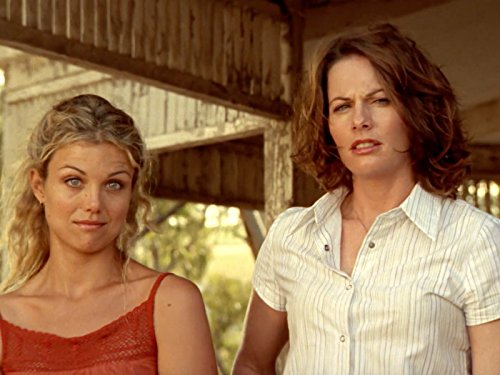
The heart of McLeod’s Daughters lies in the bond between the women who live and work on Drover’s Run. The cast expands to include other strong female characters such as Becky Howard (Jessica Napier), Jodi Fountain (Rachael Carpani), and Stevie Hall (Simmone Jade Mackinnon), who all contribute to the rich tapestry of the series.
Each episode often revolves around the daily trials of managing a cattle station—whether it’s rounding up livestock, dealing with droughts, or facing financial difficulties. These challenges are interwoven with personal dramas, including romantic relationships, family feuds, and secrets from the past. Over the course of the series, the characters experience joy, heartbreak, triumph, and tragedy, keeping viewers emotionally invested throughout.
One of the series’ greatest strengths is its well-drawn characters, especially the women of Drover’s Run. Tess and Claire’s relationship forms the emotional core of the early seasons. Tess is the free-spirited, somewhat naive city girl who learns to embrace country life, while Claire is the tough, no-nonsense farmer with a deep connection to the land. Their sisterly bond is complex and evolves over time, from initial friction to a deep, unbreakable connection. Both Bridie Carter and Lisa Chappell deliver standout performances, making their characters feel authentic and relatable.
Claire’s departure from the series in season three, following a tragic accident, is one of the most emotional moments in the show. This event sends shockwaves through the narrative and sets the tone for the series’ ability to handle loss and grief in a way that resonates with viewers.
Stevie Hall, introduced later in the series, becomes another central figure. Her rough exterior and troubled past are balanced by her loyalty and determination, making her a fan favorite. Simmone Jade Mackinnon brings a dynamic presence to the role, adding depth to the show as it evolves past its original sibling-driven narrative.
The male characters, while important, often play secondary roles to the women. Nick and Alex Ryan, brothers and neighbors to the McLeods, provide the central romantic interests, particularly in their relationships with Tess and Stevie. The dynamic between Alex (Aaron Jeffery) and Claire, with its slow-burn tension and ultimate tragedy, adds further layers of complexity to the story.
McLeod’s Daughters is groundbreaking in its portrayal of female empowerment within a traditionally male-dominated world. The women of Drover’s Run are strong, independent, and capable, and the series never shies away from depicting the physical and emotional challenges of running a cattle station. There are no damsels in distress here—these women face down natural disasters, financial ruin, and personal tragedies with a resilience that is deeply inspiring.
The series also highlights the significance of community and the importance of female solidarity. The friendships and alliances formed between the women are central to their survival and success. Whether it’s banding together to save the farm or supporting each other through personal crises, the camaraderie between the characters is one of the most endearing aspects of the show.
The Australian landscape plays a starring role in McLeod’s Daughters. The sweeping vistas of the outback, the rolling hills, and the vast open skies provide a breathtaking backdrop to the drama. The cinematography does a magnificent job of capturing the raw beauty and harsh realities of life on the land, making the setting feel alive and almost like a character in its own right.
The rural setting also adds to the authenticity of the show’s narrative. The isolation of Drover’s Run, far from the hustle and bustle of city life, creates a unique environment where characters must rely on each other and their wits to survive. The challenges of farming, from drought to bushfires to economic downturns, are depicted with a realism that resonates, particularly for viewers familiar with the struggles of rural life.
McLeod’s Daughters is not afraid to tackle heavy emotional themes, and the show is filled with moments of heartbreak. The death of Claire McLeod remains one of the most devastating events in the series, a turning point that left many fans reeling. This pivotal moment underscores the unpredictability of life and the risks inherent in working in such a dangerous environment. The show’s willingness to kill off beloved characters adds to its emotional weight and sets it apart from more predictable dramas.
Despite the frequent tragedies, McLeod’s Daughters never loses its sense of hope. The resilience of the characters in the face of loss and hardship is a recurring theme. Whether it’s rebuilding after a fire, recovering from a personal loss, or simply fighting to keep the farm afloat, the women of Drover’s Run embody the Australian spirit of perseverance and determination.
McLeod’s Daughters became a cultural phenomenon in Australia, attracting a loyal fanbase and earning multiple awards over its eight-season run. It was one of the few Australian series to gain international success, airing in over 100 countries. The show’s unique blend of rural adventure, family drama, and strong female characters helped it stand out in a television landscape dominated by urban-centric dramas.
Its impact extends beyond entertainment, as it also highlighted the challenges faced by rural communities and the vital role women play in farming. For many viewers, the show offered a rare glimpse into life on a working cattle station and served as a celebration of the strength and resilience of rural women.
As McLeod’s Daughters progresses through its eight seasons, the show continues to evolve both narratively and thematically, all while maintaining the core elements that made it beloved in the first place. While the departure of central characters like Claire and later Tess could have destabilized the series, the creators did a commendable job of introducing new characters and storylines that kept the show fresh without losing its essence.
After Claire’s tragic death in season three, the emotional weight of the show shifts significantly. Tess is left to run Drover’s Run, and her journey from city girl to seasoned farmer becomes even more pronounced. As Tess continues to grapple with the hardships of rural life and loss, she finds new love with Nick Ryan, Alex’s brother. Their romance, though filled with ups and downs, becomes one of the central relationships in the series and provides a sense of hope and continuity after the loss of Claire.
The introduction of Stevie Hall in season four fills the void left by Claire’s departure, and she quickly becomes a fan favorite. Stevie’s rough-around-the-edges personality and tragic backstory bring new energy to Drover’s Run, and her relationship with Alex adds a new romantic dimension. Over time, she becomes a co-owner of Drover’s Run, forming her own deep bond with the land and the women who work alongside her. Stevie’s journey from a drifter to a key figure at Drover’s Run mirrors the broader theme of transformation that runs throughout the series.
As the show moves into its later seasons, new characters such as Grace McLeod (Doris Younane), a distant relative of the McLeod family, and Regan McLeod (Zoe Naylor), another cousin, are introduced, further expanding the show’s cast of strong female characters. These new faces help keep the narrative fresh, ensuring that Drover’s Run remains a place where both history and new beginnings coexist.
Romance is a key element of McLeod’s Daughters, and the show never shies away from depicting the complexities of love in the harsh realities of rural life. While the relationships between the McLeod sisters and the Ryan brothers provide much of the emotional core in the earlier seasons, later seasons see the introduction of new love interests and complicated romances that add depth to the character arcs.
Tess and Nick’s relationship is one of the most enduring and well-loved in the series. Their love story is marked by moments of joy and heartbreak, particularly when Nick is believed to have died in a plane crash, only to return in a dramatic twist. The ups and downs of their romance reflect the often turbulent nature of life on the land, where nothing is guaranteed, and survival—whether emotional or physical—requires perseverance.
The relationship between Alex and Stevie is another highlight of the later seasons. While their connection initially seems rooted in friendship and mutual respect, the romantic tension between them builds slowly, culminating in one of the most satisfying slow-burn romances in the series. Stevie’s reluctance to open up, due to her difficult past, adds complexity to their relationship, making it all the more rewarding when they finally come together.
Other romances, such as those involving Jodi and her various love interests, also provide lighter, more youthful elements to the show, balancing the often heavy emotional tone of the series.
One of the most touching aspects of McLeod’s Daughters is its portrayal of community. The series places a strong emphasis on the idea that in rural areas, where isolation is a constant companion, the bonds between people become even more significant. The residents of Drover’s Run and their neighbors—most notably the Ryan family—rely on each other not just for survival, but for emotional support, camaraderie, and connection.
The friendships between the women at Drover’s Run are particularly moving. The series emphasizes that family isn’t just defined by blood, but by the people who stand by you through thick and thin. Whether it’s Tess and Claire, Stevie and Alex, or the younger women like Jodi and Regan, these relationships form the emotional backbone of the series. In a world where men traditionally hold power in farming communities, McLeod’s Daughters celebrates the strength of women supporting each other in tough times.
The wider Gungellan community also plays a significant role in the series. Local events like rodeos, dances, and town meetings provide a sense of continuity and connection to a broader world beyond the boundaries of Drover’s Run. These moments of rural life help ground the series in a reality that many Australians, particularly those from regional areas, could relate to.
As McLeod’s Daughters concluded with its eighth and final season in 2009, it left a lasting impact on both Australian television and global audiences. The show not only portrayed women in powerful, non-stereotypical roles but also shed light on the challenges faced by rural communities. Its success in international markets, particularly in Europe and the U.S., introduced a new audience to the beauty of the Australian outback and the unique stories that arise from such a rugged landscape.
Despite ending over a decade ago, the show’s legacy endures. Its ability to tackle themes of loss, love, and survival in an authentic way resonated with viewers, many of whom continue to revisit the series through streaming platforms. The emotional depth of its characters, coupled with the stark beauty of its rural setting, makes McLeod’s Daughters timeless in its appeal.
McLeod’s Daughters is a rare gem in the world of television. With its strong female characters, emotional storytelling, and breathtaking Australian backdrop, it offers a rich, multifaceted experience for viewers. The series succeeds in balancing the harsh realities of life in the outback with moments of tenderness, hope, and humor. Whether it’s through the enduring sisterly bond between Claire and Tess, the deep friendships among the women of Drover’s Run, or the romantic entanglements that tug at the heartstrings, the show delivers on every level.
For anyone seeking a deeply emotional, character-driven series with a unique setting and a focus on resilience, McLeod’s Daughters remains one of Australia’s finest contributions to television. The show not only captures the essence of rural life but also stands as a powerful testament to the strength of women working together against the odds. It’s a series that, much like the land it portrays, is full of life, beauty, and resilience.




 spryfilm.com