
“The Cedar Tree” (1976-1979)
Television Drama

One hundred and nineteen Episodes
Created by: Alfred Shaughnessy
Featuring: Joyce Carey , Philip Latham and Jack Watling
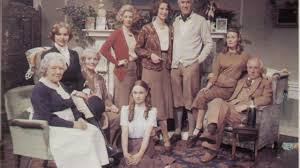
The Cedar Tree is a British television soap opera that originally aired on ITV from 1976 to 1979. Set in the interwar years of the 1930s, the series centers on the aristocratic Bourne family and their servants, providing viewers with a vivid portrayal of life in England between the two world wars. With its mix of family drama, social hierarchy, and changing times, The Cedar Tree has often been likened to other British period dramas such as Upstairs, Downstairs and The Forsyte Saga. Yet it remains distinctive for its unique historical focus, character dynamics, and subtle exploration of class tensions.
At the heart of The Cedar Tree is the Bourne family, who live at Larkfield Manor. The family’s matriarch, Mrs. Bourne (played by Susan Skipper), is a strong-willed woman who tries to maintain the family’s aristocratic values and their estate, despite the numerous social and financial challenges that arise during this tumultuous period. The series also follows the lives of her three daughters: Elizabeth, Victoria, and Anne, each with distinct personalities and romantic entanglements that reflect the shifting roles of women in the 1930s.
Elizabeth, the eldest, is serious and responsible, often acting as the family’s anchor. Victoria is more carefree and rebellious, while Anne, the youngest, is idealistic and prone to romantic fantasies. Their interactions and struggles with love, duty, and ambition form the core of the drama. Alongside the Bournes are the various servants, whose lives and perspectives add depth to the depiction of class divide within the estate.
One of the strengths of The Cedar Tree lies in its rich ensemble cast. The character of Mrs. Bourne is portrayed with an icy elegance by Susan Skipper, who balances the role of a stern matriarch with moments of vulnerability as the weight of familial responsibility bears down on her. The three Bourne daughters are each well-drawn, with nuanced performances that emphasize their individuality.
Elizabeth, played by Ruth Holden, is a grounded and pragmatic character, often placed in opposition to her more free-spirited sisters. Victoria (played by Sally Osborne) provides a dynamic contrast to her elder sister, offering a more modern, liberated outlook, reflective of the changing societal norms. Anne (Cathryn Harrison) adds a touch of innocence and youthful exuberance, providing a counterbalance to the more serious undertones of the show.
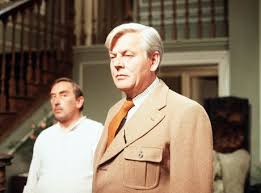
The servants of Larkfield Manor are equally fleshed out. The butler, Harry Winchcombe, played by Geoffrey Lumsden, is a standout, offering both comic relief and a more grounded perspective on the changing times. His loyalty to the Bourne family is touching, but his subtle criticisms of the aristocracy highlight the inherent class tensions of the time.
The show’s historical setting is central to its thematic exploration. The 1930s, marked by the aftermath of World War I, the rise of fascism, and the looming threat of World War II, serves as a dramatic backdrop to the personal lives of the characters. The Bourne family’s struggle to maintain their estate and lifestyle in the face of economic hardship mirrors the broader decline of the British aristocracy.
The evolving roles of women during this time are also key to the show’s narrative. Elizabeth’s sense of duty, Victoria’s desire for independence, and Anne’s romanticism all reflect different aspects of the societal shifts that were taking place. The series portrays these changes with nuance, highlighting the tension between tradition and modernity.
Class distinctions, too, are carefully explored. The relationship between the Bourne family and their servants is central to this theme. While the servants often express loyalty to the family, their perspective on the class system is made clear through subtle dialogue and plot developments. The show doesn’t shy away from depicting the unfairness of the rigid social hierarchy, but it does so in a way that is understated rather than preachy.
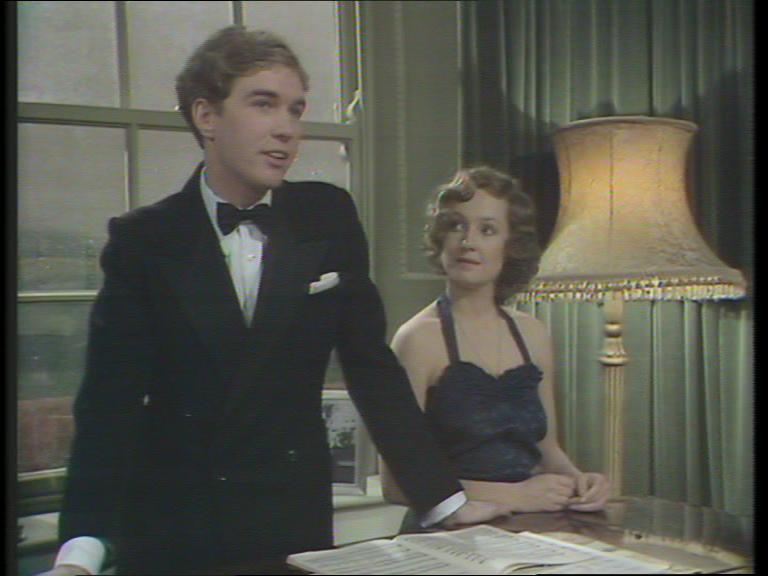
The Cedar Tree excels in creating an immersive atmosphere that captures the look and feel of the 1930s. The set design, costumes, and attention to historical detail all contribute to the show’s authentic period feel. Larkfield Manor, with its sprawling estate and grand interiors, is a character in itself, symbolizing the fading grandeur of the British aristocracy.
The series was filmed on a relatively modest budget, yet the production team made excellent use of the resources available to them. The costumes are historically accurate, and the period-appropriate furnishings of the manor help transport the viewer into the world of pre-World War II England. Although the show was shot on video rather than film, the direction and cinematography do a fine job of capturing the nuances of the setting, from the opulence of the manor to the simpler, more practical world of the servants.
As a soap opera, The Cedar Tree has a deliberately slow pace, allowing for the gradual unfolding of character relationships and plotlines. This slow-burn storytelling style may not appeal to all viewers, particularly those more accustomed to the faster pace of modern television dramas. However, for those who appreciate a more patient, character-driven narrative, The Cedar Tree offers a rich and rewarding viewing experience.
The writing is sophisticated, with sharp dialogue that often conveys much more than what is being said on the surface. The interpersonal drama is handled with care, and the show’s writers excel in capturing the nuances of family dynamics, particularly the complex relationships between the Bourne sisters and their mother. Themes of loyalty, love, duty, and sacrifice are explored with sensitivity, and the show’s period setting adds an extra layer of resonance to these timeless issues.
Though The Cedar Tree may not have achieved the same level of fame as some of its contemporaries, it garnered a dedicated fan base during its original run, especially among viewers who appreciated its more contemplative and detailed portrayal of the 1930s. The show’s willingness to tackle the social changes of the period, especially issues surrounding class, women’s roles, and the decline of the British aristocracy, earned it a certain cultural significance.
Critical reception at the time was somewhat mixed, with some praising the series for its sharp writing and attention to historical detail, while others found the slower pace and sometimes meandering plotlines less engaging. However, the quality of the performances, particularly from Susan Skipper and the ensemble cast, was consistently lauded.
In the years since its original broadcast, The Cedar Tree has become something of a hidden gem for fans of period dramas. Though it hasn’t enjoyed the same widespread revival as shows like Downton Abbey or Upstairs, Downstairs, it remains fondly remembered by those who watched it during its original run. It also holds historical value as a window into 1970s British television production, showcasing how period dramas were approached in that era.
Strengths:
Historical Depth: The interwar setting is rich with historical detail and provides a fascinating backdrop for the characters’ personal and societal struggles.
Character Development: The slow pace allows for deeper exploration of characters and their relationships, making for a rewarding experience for viewers who prefer a focus on nuanced interpersonal drama.
Strong Ensemble Cast: With standout performances from Susan Skipper and Geoffrey Lumsden, the series boasts a range of memorable characters. The Bourne sisters’ distinct personalities and arcs add complexity to the narrative.
Themes of Class and Social Change: The show’s exploration of the shifting social dynamics between the Bournes and their servants, as well as the evolving roles of women, is handled with sophistication, reflecting broader historical themes.
Weaknesses:
Pacing: The slow-burn storytelling style may not appeal to all audiences, especially those who prefer more action-driven or fast-paced narratives. Some plotlines can feel drawn out or overly focused on small domestic details.
Limited Accessibility: Unlike some other British period dramas, The Cedar Tree has not had as wide a revival or digital re-release, making it difficult for new audiences to discover and appreciate the series.
Budgetary Constraints: Although the production design does an admirable job with its resources, the limitations of the show’s budget are sometimes apparent, especially compared to more lavish productions in the genre. The video quality and certain production choices might feel dated to modern viewers.
While The Cedar Tree may not be as well-known as some of its period drama contemporaries, it is a compelling and thoughtfully crafted series that offers a rich portrait of a changing society. Its characters are complex, its themes resonant, and its setting meticulously realized. For fans of slow-paced, character-driven drama, The Cedar Tree offers a rewarding and immersive look into the lives of an aristocratic family on the brink of social and historical upheaval.
Though it was often overlooked in favor of bigger productions, the series’ exploration of class, gender, and the passage of time gives it a timeless quality. Whether you’re a fan of period dramas or simply enjoy well-written, well-acted ensemble pieces, The Cedar Tree is worth revisiting.



 spryfilm.com