“The Invaders” (1967-1968)
Television Drama

Forty Three Episodes
Created by: Larry Cohen
Featuring: Roy Thinnes
Narrator: “The Invaders: alien beings from a dying planet. Their destination: the Earth. Their purpose: to make it their world. David Vincent has seen them. For him, it began one lost night on a lonely country road, looking for a shortcut that he never found. It began with a closed deserted diner, and a man too long without sleep to continue his journey. It began with the landing of a craft from another galaxy. Now, David Vincent knows that the Invaders are here, that they have taken human form. Somehow, he must convince a disbelieving world, that the nightmare has already begun…”
The Invaders, created by Larry Cohen, is a classic science fiction TV series that aired on ABC from 1967 to 1968. It ran for two seasons and quickly became a cult favorite, with its suspenseful storytelling, stark Cold War paranoia, and the gripping concept of a lone man fighting against an alien invasion. Starring Roy Thinnes as architect-turned-reluctant-hero David Vincent, The Invaders presents a fascinating, if somewhat bleak, narrative of one man’s desperate struggle to expose the extraterrestrial infiltration of Earth.
The show’s premise is deceptively simple: David Vincent stumbles upon evidence of an alien race secretly invading Earth. These aliens, who appear human but with certain distinguishing traits (like a bent pinky finger or the inability to bleed), are slowly and stealthily taking over positions of power in governments and corporations. They seek to colonize Earth because their own planet is dying, and they are systematically erasing any trace of their existence to maintain secrecy. Vincent becomes obsessed with exposing the threat but struggles against overwhelming odds, as the aliens’ influence grows, and no one believes him.
At its core, The Invaders is about paranoia. It plays into the Cold War anxieties prevalent at the time of its release—echoing fears of infiltration and subversion similar to the Communist scare that marked the 1950s and ’60s. This theme of hidden enemies is brilliantly handled throughout the series, with episodes often revolving around Vincent’s frustrating encounters with government officials, police, or other people in power who either don’t believe him or are already compromised by the aliens.
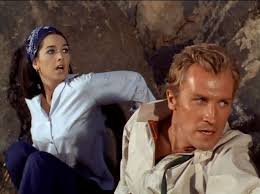
Roy Thinnes carries the weight of the series with his portrayal of David Vincent. He is a man thrust into a world of unimaginable danger, and Thinnes plays him with the perfect mix of desperation, courage, and weariness. Throughout the series, Vincent’s character is defined by his persistence. He is often portrayed as isolated, constantly on the run, and never able to trust anyone fully. This makes for a somewhat bleak viewing experience, but Thinnes’s performance grounds the show in emotional reality, making Vincent a relatable hero despite the extraordinary circumstances.
Vincent is not your typical action hero; he doesn’t have special powers or vast resources. He is an ordinary man up against impossible odds, relying mostly on his wits and the occasional help of the few people who believe him. This lends a gritty, down-to-earth feel to the show that contrasts with the often larger-than-life scenarios typical in sci-fi.
The aliens in The Invaders are not portrayed as monstrous beings but rather as cold, calculating figures. Their humanoid appearance adds to the tension of the series—since they can blend in seamlessly with the human population. However, they are emotionless, driven purely by their goal of survival, which makes them all the more sinister. Their mission is one of quiet domination, eliminating anyone who discovers the truth about them, often through methods like staged accidents or mind control.
What makes the aliens particularly frightening is their ability to infiltrate every level of society. From police officers to senators, no institution is safe from their reach. This deepens the feeling of paranoia that permeates the series. Viewers are left with the unsettling realization that anyone could be an alien, and no place is truly secure.
The episodic structure of The Invaders allows for a variety of stories to be told within its overarching narrative. Some episodes focus on Vincent’s attempts to thwart a specific alien plot, while others delve into his personal struggle with the hopelessness of his mission. There are moments where Vincent nearly gives up, but his conviction always brings him back, driven by his need to reveal the truth.
Each episode is a mini-thriller, with Vincent either uncovering or coming close to evidence of the invasion, only to have it slip through his fingers by the end. The formula could sometimes feel repetitive, especially in the first season, but the pacing and tight writing ensure that the suspense remains high. The cat-and-mouse dynamic between Vincent and the aliens keeps the viewer hooked.
In later episodes, Vincent begins to find allies who also believe in the invasion, and this shift in dynamic adds a new layer of tension. No longer entirely alone, Vincent has a few people on his side, but trust remains a precarious thing. Even those who claim to be allies may have hidden motives, or they may themselves be alien collaborators. This ambiguity fuels the show’s paranoid tone, making it stand out from other science fiction series of its era.
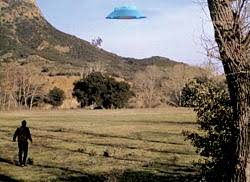
For a show made in the late 1960s, The Invaders has a striking visual style. The cinematography often uses stark, moody lighting and close-up shots that emphasize the claustrophobia and tension of Vincent’s predicament. The alien spaceships and technology, while limited by the budget of the time, are effective enough to maintain the illusion of a sophisticated extraterrestrial threat.
The special effects may feel dated by today’s standards, but they are used sparingly, with the focus being more on psychological horror and tension than on spectacle. In many ways, this makes the series more engaging, as it relies on atmosphere and mood rather than flashy visuals.
Although The Invaders only lasted for two seasons, it has had a lasting impact on science fiction television. Its themes of paranoia, infiltration, and the fear of hidden threats have been echoed in later shows like The X-Files and V. The series tapped into the anxieties of the time in a way that resonated with audiences, and its influence can be seen in many sci-fi and conspiracy-driven narratives that followed.
The show also left a lasting legacy through its portrayal of the lone hero archetype—David Vincent’s character can be seen as a precursor to the “man on the run” figures in later TV and film. His solitary fight against a larger, more powerful force became a common trope in genre fiction, influencing characters like Fox Mulder and John Connor.
One of the most compelling aspects of The Invaders is how David Vincent evolves over the course of the series. When we first meet him, he is an everyman—a successful architect who leads a relatively normal life. His transformation begins the moment he witnesses an alien spacecraft, and from that point, his life spirals into a nightmare of disbelief, fear, and frustration. His growing obsession with the alien conspiracy leads to an unraveling of his personal and professional life, which is both tragic and heroic.
In the early episodes, Vincent is often isolated and deeply mistrusted by those around him. He frequently encounters skepticism, hostility, and even pity from both friends and strangers alike. His journey becomes increasingly tragic as he loses relationships, his career, and his sense of normalcy. As the series progresses, Vincent learns how to survive within this shadowy world. He becomes more hardened, developing sharper instincts and an increasing reliance on guerilla tactics to expose the alien menace. His determination is relentless, yet viewers see the toll it takes on him—making him a darker, more introspective figure by the end of the series.
What makes Vincent an interesting hero is his vulnerability. Unlike many sci-fi protagonists of his time, he is not a soldier or a superhuman. He is simply a man thrust into extraordinary circumstances, and his physical limitations often force him to outthink, rather than outfight, his alien adversaries. The psychological toll of his mission is palpable, and The Invadersdoes an excellent job of showing how close he comes to breaking at several points.
One of the more nuanced aspects of The Invaders is how the alien invaders are portrayed. While they are certainly antagonists—merciless in their attempts to eliminate any resistance—the show does not depict them as entirely evil. Their motivation for invading Earth is their own species’ survival. Their home planet is dying, and they view Earth as their only chance for continuing existence. In some episodes, this justification is explored more deeply, offering a rare glimpse into their perspective.
This moral ambiguity adds complexity to the narrative, particularly in episodes where Vincent encounters aliens who seem conflicted or sympathetic to the human plight. In some cases, individual aliens are shown to possess human emotions or doubts about their mission, challenging the viewer’s initial perception of them as purely villainous. This kind of moral gray area was uncommon in TV at the time, and it gives the show a depth that keeps it engaging, even in its quieter moments.
The Invaders remains a classic piece of 1960s science fiction. While its episodic structure and lack of resolution may frustrate some viewers, the series is a masterclass in creating tension and atmosphere. It explores the darker side of humanity’s fear of the unknown and the unseen, while also serving as a time capsule of the Cold War era’s paranoia. Roy Thinnes’s performance as David Vincent is central to the show’s success, providing a believable and sympathetic figure in a world filled with shadowy threats.
For fans of classic sci-fi or anyone interested in television history, The Invaders is a must-watch. It captures a particular moment in American culture, blending science fiction with psychological thriller elements in a way that still feels relevant today. Despite its age, the show’s themes of mistrust, infiltration, and survival continue to resonate, making it a timeless and thought-provoking series.


 spryfilm.com