
“Smoke” (1995)
Drama

Running time: 112 minutes
Written by: Paul Auster
Featuring: William Hurt, Harvey Keitel, Stockard Channing, Harold Perrineau Jr., Giancarlo Esposito, Ashley Judd and Forest Whitaker
Tommy: “Look, I’m telling you, there’s gonna be another war. I mean, those slobs in the Pentagon are gonna be out of job unless they find a new enemy. They got this Saddam character now, and they’re going to hit him with all they’ve got. Mark my words.”
Smoke is a 1995 independent drama directed by Wayne Wang and written by Paul Auster. The film weaves together a series of interconnected stories set around a Brooklyn tobacco shop, where the lives of the shop’s owner and his customers intersect in poignant and unexpected ways.
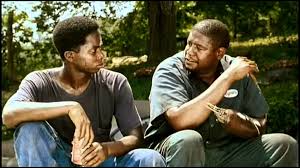
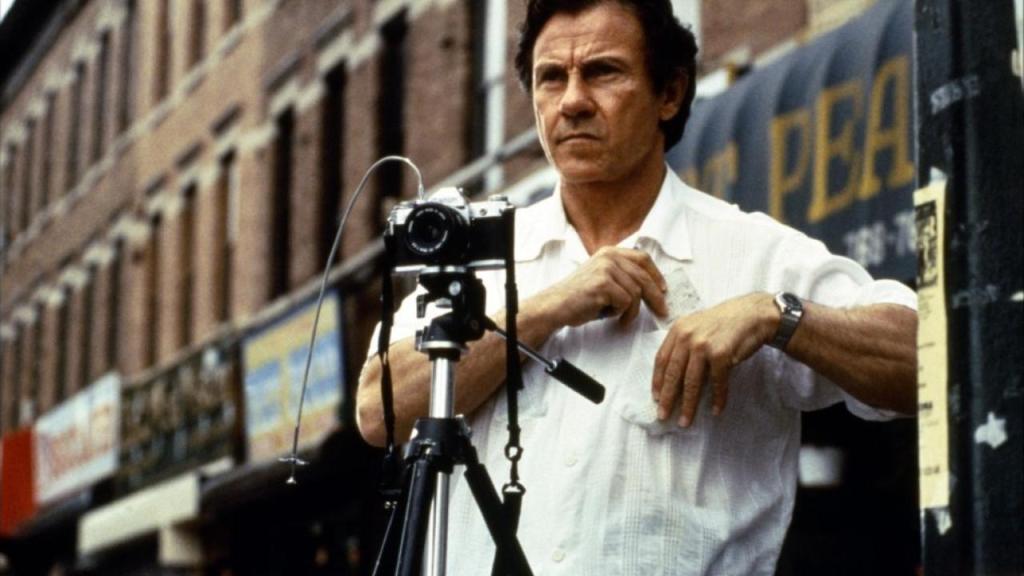
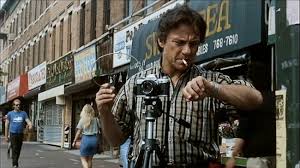
The film’s narrative is centered around Auggie Wren, played by Harvey Keitel, who runs a small, old-fashioned cigar shop in Brooklyn. His daily routine of photographing the same street corner every morning becomes a metaphor for the passage of time and the unnoticed beauty in everyday life. The ensemble cast includes William Hurt as Paul Benjamin, a writer grieving the loss of his wife; Forest Whitaker as Cyrus Cole, a man searching for his son; and Harold Perrineau as Thomas Cole, a young man trying to find his way in the world. Each character’s story is deeply human and relatable, reflecting the complexities of life in a way that feels both intimate and universal.
Wayne Wang’s direction is understated, allowing the characters and their stories to take center stage. The film moves at a deliberate pace, which may seem slow to some viewers, but this tempo is essential for the development of the characters and the building of the film’s atmosphere. Paul Auster’s screenplay is filled with rich dialogue and subtle humor, capturing the essence of Brooklyn life and the interconnectedness of its inhabitants. The stories unfold in a seemingly disjointed manner but gradually reveal their connections, much like the smoke from a cigar curling and dispersing into the air.
Smoke explores themes of loss, connection, and the passage of time. The smoke itself is a recurring symbol, representing the ephemeral nature of life and the fleeting moments that make it meaningful. The film also delves into the idea of storytelling, with each character’s narrative contributing to the larger tapestry of the film. Auggie’s daily photographs serve as a visual metaphor for capturing moments in time, suggesting that even the most mundane aspects of life have value and significance.
The performances in Smoke are exceptional across the board. Harvey Keitel delivers a nuanced portrayal of Auggie, balancing a gruff exterior with moments of deep tenderness. William Hurt brings a quiet intensity to the role of Paul, conveying a sense of profound loss and introspection. The supporting cast, including Forest Whitaker and Harold Perrineau, also shine, each bringing their characters to life with authenticity and emotional depth.
The film’s cinematography, by Adam Holender, is simple yet effective, capturing the urban landscape of Brooklyn in a way that feels both gritty and warm. The use of natural light and the focus on everyday scenes contribute to the film’s realistic and grounded tone. The soundtrack, featuring jazz and blues, complements the film’s mood, adding to the sense of nostalgia and reflection.
One of the most remarkable aspects of Smoke is its unconventional structure. The film is more a collection of vignettes than a traditional linear narrative. These vignettes are loosely connected through the central location of Auggie’s tobacco shop, which acts as a hub for the various characters and their intersecting lives. This fragmented storytelling allows the film to explore different aspects of human experience without the need for a single, overarching plot. It’s a mosaic of life, where each piece contributes to a larger, more profound picture.
The characters in Smoke are multi-dimensional, each with their own histories, struggles, and desires. What makes these characters particularly engaging is how their interactions with each other reveal different facets of their personalities. For instance, Auggie’s tough exterior gradually peels away as we see his passion for photography and his deep, if understated, compassion for others. Similarly, Paul Benjamin’s interactions with the young Thomas Cole highlight his own need for connection and purpose after the loss of his wife.
The film doesn’t rush to reveal these character traits; instead, it lets them unfold naturally through conversations, small gestures, and the quiet moments in between. This approach creates a sense of authenticity and makes the characters feel like real people rather than scripted roles.
Paul Auster’s screenplay is another standout element of Smoke. The dialogue is sharp, witty, and often profound, but never feels forced or artificial. Auster has a gift for capturing the way people actually speak, with all the nuances, pauses, and imperfections that make conversations feel genuine. The characters discuss everything from the mundane to the philosophical, often blending humor with deeper insights about life.
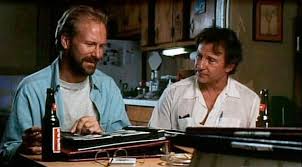
One of the film’s most memorable scenes involves Auggie telling Paul a story about how he came to possess a camera. This monologue, known as “Auggie Wren’s Christmas Story,” is a beautifully crafted piece of storytelling within the story, encapsulating the film’s themes of generosity, deception, and the gray areas of morality. It’s a perfect example of how Smoke uses storytelling as a way to explore larger existential questions.
The themes in Smoke are layered and open to interpretation, which gives the film a timeless quality. On one level, the film is about ordinary lives and the small moments that make them extraordinary. On another level, it’s a meditation on memory and the ways in which we document, remember, and reconstruct our past. Auggie’s daily photographs are more than just a hobby; they are his way of preserving time, of finding meaning in the routine, and of creating a narrative out of the chaos of everyday life.
The film also touches on themes of grief and healing. Paul’s journey, in particular, reflects the slow, often painful process of coming to terms with loss. His interactions with the other characters, especially Thomas, offer him a path toward emotional recovery, though the film wisely avoids any easy or pat resolutions. Instead, it acknowledges the ongoing nature of grief and the fact that healing is often a matter of finding new connections and new stories to tell.
Visually, Smoke embraces a minimalist style that complements its narrative and thematic focus. The camera often lingers on seemingly insignificant details—an ashtray full of cigarette butts, the play of light on a brick wall, the expressions of characters lost in thought. This attention to detail reinforces the film’s message that there is beauty and significance in the ordinary, if only we take the time to notice it.
The choice to set the film in Brooklyn also adds a distinct flavor to the story. Brooklyn’s diverse, vibrant community serves as a microcosm of the world, with its mix of cultures, histories, and personal stories. The film’s setting is both specific and universal, grounding the characters in a real place while also allowing their stories to resonate on a broader scale.
Smoke received critical acclaim upon its release and has since become a cult classic in the world of independent cinema. Its influence can be seen in other films that adopt a similarly episodic structure or focus on character-driven storytelling. The film’s success also led to a sequel, Blue in the Face (1995), which took a more comedic and improvisational approach while revisiting some of the characters and themes from Smoke.
Smoke is a film that rewards patience and reflection. It’s a film that asks viewers to slow down, to pay attention, and to find meaning in the small, quiet moments that make up our lives. Whether you’re drawn to it for its performances, its writing, or its thematic richness, Smoke offers a cinematic experience that lingers long after the screen fades to black.
Smoke is a beautifully crafted film that offers a contemplative look at life, relationships, and the stories that connect us all. It may not be a film for everyone, particularly those looking for fast-paced action or a straightforward narrative, but for viewers who appreciate character-driven stories and subtle storytelling, Smoke is a rewarding and thought-provoking experience. The film’s quiet moments and attention to detail make it a memorable piece of cinema that lingers in the mind long after the credits roll.


 spryfilm.com