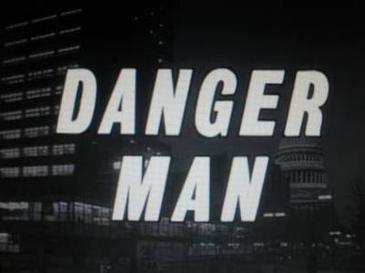
“Danger Man” (1960-1961)
Television

Eighty Six Episodes
Featuring: Patrick McGoohan
John Drake: [Opening titles narration] “Every government has its Secret Service branch: America, CIA; France, Deuxieme Bureau; England, MI5. NATO also has its own. A messy job? Well that’s when they usually call on me, or someone like me. Oh yes: my name is Drake. John Drake.”
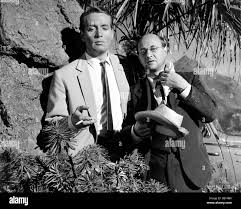
“Danger Man,” known in the United States as “Secret Agent,” is a British television series that originally aired between 1960 and 1968. Created by Ralph Smart and produced by ITC Entertainment, the series stars Patrick McGoohan as John Drake, an agent for a covert British intelligence unit. With its gripping storylines, sharp dialogue, and charismatic lead, “Danger Man” remains a quintessential spy thriller that continues to captivate audiences decades after its initial run.
“Danger Man” is structured as an anthology series, with each episode presenting a self-contained story involving John Drake’s various espionage missions. The episodes are typically 25 minutes long in the first season, but later expand to 50 minutes, allowing for more intricate plots and character development.
The series covers a broad range of espionage activities, from investigating political corruption and thwarting assassination plots to uncovering criminal syndicates and recovering stolen secrets. Each mission is a standalone narrative, making it easy for viewers to jump into the series at any point. However, the consistent quality of storytelling and the compelling character of John Drake make it rewarding to watch the series in its entirety.
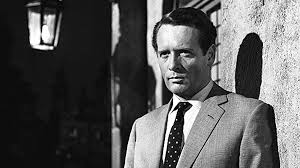
Patrick McGoohan’s portrayal of John Drake is the cornerstone of “Danger Man.” Unlike many other spies of the era, Drake is characterized by his moral integrity, resourcefulness, and aversion to violence. McGoohan’s performance is marked by a calm, steely demeanor and a sharp intellect, making Drake a uniquely appealing hero in the spy genre.
Drake’s methods are often cerebral, relying on cunning, disguise, and psychological manipulation rather than brute force. This approach sets him apart from the more flamboyant and action-oriented spies, such as James Bond, and contributes to the show’s distinctive tone. McGoohan’s commitment to portraying a more ethical and principled spy adds depth to the character, making Drake both relatable and admirable.
While “Danger Man” primarily focuses on John Drake, the series features a variety of recurring and guest characters who add richness to the narrative. These characters, ranging from allies within the intelligence community to adversaries and informants, are well-drawn and contribute to the complexity of the plots.
The series also benefits from a roster of talented guest stars, including many who would go on to achieve fame in their own right. Their performances enhance the drama and tension of each episode, adding to the overall quality of the series.
One of the defining themes of “Danger Man” is the ethical dilemmas faced by John Drake. Unlike many spy heroes who operate in a morally grey world, Drake consistently upholds a strong moral code. He often questions the motives and methods of his own organization, highlighting the tension between duty and personal integrity. This thematic focus on ethics and morality sets “Danger Man” apart from other spy series and adds a layer of intellectual engagement for viewers.
“Danger Man” is renowned for its emphasis on realism and plausibility. The series avoids the outlandish gadgets and over-the-top action sequences that characterize many other spy dramas. Instead, it presents espionage as a nuanced and often dangerous profession, requiring intelligence, patience, and subtlety. This commitment to realism enhances the credibility of the stories and allows for more sophisticated and mature narratives.
The series features stylish cinematography and production design that capture the cosmopolitan and often shadowy world of espionage. From the bustling streets of international cities to the secluded hideouts of enemy agents, the visual aesthetics of “Danger Man” contribute to its immersive atmosphere. The use of real locations and carefully crafted sets adds to the authenticity of the series, making it visually engaging and evocative.
The iconic theme music of “Danger Man,” composed by Edwin Astley, is an integral part of the show’s identity. The catchy and memorable tune, along with the dynamic and suspenseful score, enhances the mood and tension of the episodes. The music complements the action and drama, adding an auditory layer to the storytelling that resonates with viewers.
“Danger Man” has left an enduring legacy in the realm of spy fiction. Its realistic portrayal of espionage and its morally complex protagonist have influenced subsequent spy dramas and films. Patrick McGoohan’s portrayal of John Drake remains a benchmark for actors in the genre, and the series’ emphasis on ethical considerations continues to resonate with audiences.
The show’s success also paved the way for McGoohan’s next iconic role in “The Prisoner,” a series that further explored themes of individuality, freedom, and surveillance. “Danger Man” can be seen as a precursor to “The Prisoner,” with both series sharing a commitment to thought-provoking and intellectually engaging storytelling.
“Danger Man” emerged during a time when the Cold War was at its peak, and espionage was a hot topic in popular culture. The series reflects the anxieties and complexities of this era, offering viewers a lens through which to explore the shadowy world of international politics and covert operations. Unlike many contemporaneous spy series and films that glorified the glamorous aspects of espionage, “Danger Man” provided a more grounded and realistic portrayal.
The show also tapped into the growing appetite for sophisticated and intelligent television. During the 1960s, television was transitioning from simple, formulaic entertainment to more complex and nuanced storytelling. “Danger Man” was at the forefront of this shift, proving that TV could offer high-quality drama that rivaled cinema.
“Danger Man” achieved significant popularity not only in the United Kingdom but also internationally, particularly in the United States where it was known as “Secret Agent.” The show’s universal themes of justice, morality, and human ingenuity resonated with audiences worldwide. Its success abroad was also a testament to the timeless appeal of its protagonist, John Drake, and the quality of its production values.
The international appeal of “Danger Man” was bolstered by its global settings and diverse cast of characters. Each episode often took Drake to different parts of the world, reflecting the global nature of espionage and adding an exotic flair to the series. This globe-trotting element not only made the show visually interesting but also highlighted the interconnectedness of international politics during the Cold War.
Patrick McGoohan’s influence on “Danger Man” cannot be overstated. Beyond his role as the lead actor, McGoohan also contributed to the series’ direction and writing. His insistence on portraying a morally upright and non-violent spy was a defining characteristic of the series. McGoohan famously turned down the role of James Bond, preferring to create a character who relied on brains over brawn and maintained a strict ethical code.
This decision had a profound impact on the show and its legacy. John Drake’s refusal to use guns and his preference for outsmarting his adversaries with intelligence and cunning made him a unique and memorable character. McGoohan’s vision for a different kind of spy hero helped shape the series into a distinctive and influential piece of television history.
When comparing “Danger Man” to other spy series of its time, such as “The Man from U.N.C.L.E.” and “I Spy,” it becomes clear that “Danger Man” occupies a unique niche. While other series often embraced a lighter, more fantastical approach to espionage, “Danger Man” remained firmly rooted in realism. Its focus on the moral and ethical dimensions of espionage set it apart, offering viewers a more thought-provoking and serious take on the genre.
The series also stands out for its lack of reliance on romantic subplots. While many spy series and films include a romantic element as a central theme, “Danger Man” chose to focus primarily on the mission at hand. This choice reinforced the professional and dedicated nature of John Drake’s character, emphasizing his commitment to his work above all else.
“Danger Man” continues to enjoy a dedicated fanbase and has been praised by critics and viewers alike for its intelligent storytelling and compelling lead performance. The series has been released on various home video formats, allowing new generations to discover and appreciate its unique take on the spy genre.
Its influence can be seen in many modern spy dramas that emphasize realism, character depth, and moral ambiguity. Shows like “Homeland,” “The Americans,” and “Tinker Tailor Soldier Spy” owe a debt to “Danger Man” for paving the way for more sophisticated and nuanced portrayals of espionage on television.
“Danger Man” is a classic spy thriller that stands the test of time. With its compelling protagonist, intricate plots, and ethical depth, the series offers a sophisticated and engaging portrayal of espionage. Patrick McGoohan’s performance as John Drake, combined with the show’s emphasis on realism and morality, makes “Danger Man” a must-watch for fans of the genre. Its enduring appeal is a testament to its quality and the timeless relevance of its themes.


 spryfilm.com