
“Kundun” (1997)
Drama

Running time: 134 minutes
Written by: Melissa Mathison
Featuring: Tenzin Thuthob Tsarong, Gyurme Tethong, Tulku Jamyang Kunga Tenzin andTenzin Yeshi Paichang
Dalai Lama: “I see a safe journey, I see a safe return.”
Kundun is a 1997 biographical film directed by Martin Scorsese, chronicling the life of the 14th Dalai Lama, Tenzin Gyatso, from his early childhood to his exile from Tibet in 1959. This film stands out for its meticulous attention to historical detail, its profound spiritual undertones, and its breathtaking cinematography. Here’s an in-depth review:
The screenplay, written by Melissa Mathison, is a heartfelt and respectful portrayal of the Dalai Lama’s journey. It begins with his discovery as a child believed to be the reincarnation of the 13th Dalai Lama and follows his upbringing, education, and eventual leadership of Tibet during a period of intense political upheaval. The narrative is structured in a way that allows viewers to witness the Dalai Lama’s transformation from a young boy into a wise spiritual leader. Mathison’s script is imbued with a sense of reverence for Tibetan culture and Buddhism, capturing both the personal and political dimensions of the Dalai Lama’s life.
Scorsese’s direction in Kundun is a departure from his usual gritty, urban settings, showcasing his versatility as a filmmaker. His direction is deliberate and meditative, mirroring the contemplative nature of its subject. Scorsese uses a restrained approach, allowing the story to unfold in a manner that feels organic and deeply respectful of Tibetan traditions and beliefs.
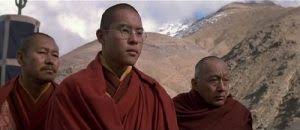
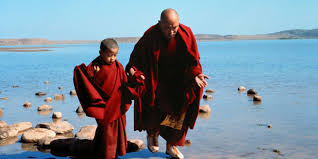
Cinematographer Roger Deakins delivers some of his finest work in this film. The visuals are nothing short of stunning, capturing the majestic landscapes of Tibet with a painterly eye. The use of color is particularly striking, with vibrant reds, yellows, and oranges dominating the palette, evoking the rich tapestry of Tibetan Buddhist art. Each frame is composed with precision, contributing to the film’s ethereal and transcendent quality.
The cast, comprised largely of Tibetan non-actors, brings an authenticity to the film that would be difficult to achieve with professional actors. Tenzin Thuthob Tsarong, who portrays the adult Dalai Lama, delivers a performance marked by quiet dignity and inner strength. His portrayal captures the spiritual depth and gentle resolve of the Dalai Lama, making the character both relatable and inspiring. The supporting cast, including the actors playing the young Dalai Lama and his family, are equally compelling, providing a sense of realism and cultural accuracy.
Philip Glass’s score for Kundun is another standout element of the film. The music is minimalist yet powerful, with repetitive structures that echo the chants and rhythms of Tibetan Buddhist rituals. Glass’s compositions elevate the emotional resonance of the film, creating an aural landscape that complements Deakins’ visual mastery. The soundtrack enhances the spiritual and meditative aspects of the story, drawing viewers into the inner world of the Dalai Lama.
Kundun explores several profound themes, including the clash between tradition and modernity, the struggle for cultural and political autonomy, and the nature of spiritual leadership. The film delves into the Dalai Lama’s inner conflicts as he grapples with the responsibilities of leadership and the horrors of Chinese invasion. It also highlights the resilience of the Tibetan people and their unwavering faith in the face of adversity. The film’s spiritual dimension is particularly potent, offering a glimpse into the Dalai Lama’s philosophical and religious insights.
Upon its release, Kundun received critical acclaim for its artistic achievements, though it was less commercially successful. The film’s sensitive portrayal of Tibetan culture and its political message drew praise, but also led to controversy, particularly with the Chinese government, which attempted to block its distribution. Over the years, Kundunhas garnered a dedicated following and is often regarded as one of the most visually and thematically rich films in Scorsese’s oeuvre.
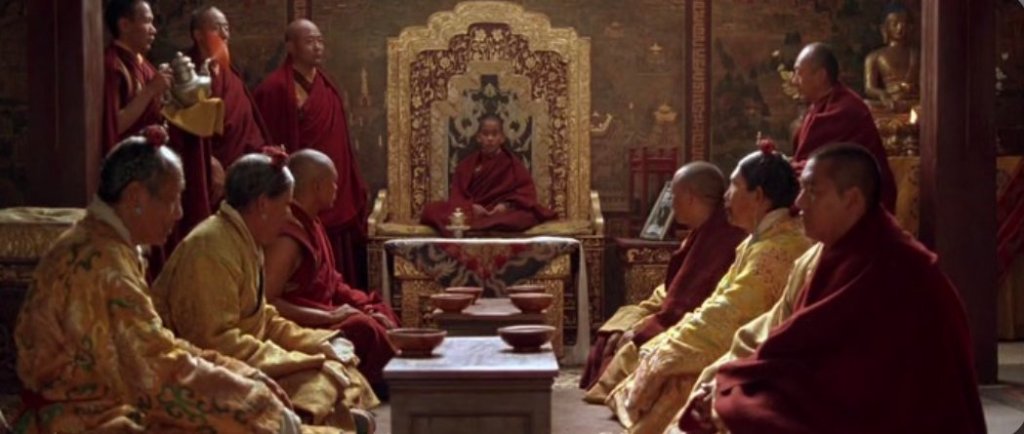
Kundun is a visual feast, with every frame meticulously crafted to reflect the beauty and spirituality of Tibetan culture. The film’s production design, overseen by Dante Ferretti, recreates the grandeur of the Potala Palace and other significant locations with remarkable accuracy. The attention to detail in the sets, costumes, and props immerses viewers in the world of Tibetan Buddhism, making the historical and cultural context vivid and authentic.
The use of symbolism is also prevalent throughout the film. Scorsese and Deakins employ visual metaphors to deepen the narrative. For instance, the recurring imagery of sand mandalas—a traditional Tibetan Buddhist art form—symbolizes the impermanence of life and the cyclical nature of existence. These artistic choices enhance the film’s meditative tone and underscore its spiritual themes.
While Kundun is a biographical film, it doesn’t follow a conventional narrative structure. The pacing is contemplative, reflecting the rhythms of monastic life and the spiritual journey of the Dalai Lama. The film is divided into distinct chapters, each representing a significant phase in the Dalai Lama’s life. This episodic structure allows for a deep dive into key moments, providing insight into his growth as both a spiritual leader and a political figure.
The film’s deliberate pacing may feel slow to some viewers, but it is a deliberate choice that mirrors the introspective nature of its subject. This approach encourages audiences to engage with the material on a deeper level, pondering the philosophical and ethical questions posed by the Dalai Lama’s experiences.
Kundun does not shy away from the political realities faced by Tibet during the 20th century. The film portrays the Chinese invasion and subsequent occupation of Tibet with unflinching honesty, highlighting the suffering and resilience of the Tibetan people. Scorsese handles these scenes with sensitivity, avoiding sensationalism and instead focusing on the human impact of these events.
The film’s depiction of the Dalai Lama’s negotiations with Chinese officials and his eventual decision to flee into exile is both poignant and powerful. It emphasizes the difficult choices faced by the Dalai Lama and the sacrifices he made for the sake of his people and their cultural heritage. This aspect of the film underscores the broader themes of nonviolent resistance and the struggle for self-determination.
Kundun has had a lasting impact not only as a piece of cinema but also as a cultural and political statement. Its release brought greater awareness to the plight of the Tibetan people and the challenges faced by the Dalai Lama. The film’s respectful portrayal of Tibetan Buddhism and its emphasis on nonviolence and compassion have resonated with audiences around the world, contributing to a greater understanding of these values.
The film also sparked conversations about the role of art and cinema in addressing political issues. Scorsese’s decision to make Kundun despite potential backlash from powerful entities demonstrated the power of film as a medium for social and political commentary. The controversy surrounding its release, including attempts by the Chinese government to suppress it, only underscored the film’s significance and the importance of free artistic expression.
In addition to its narrative and thematic strengths, Kundun is a technical triumph. The film’s editing, by Thelma Schoonmaker, is seamless, maintaining a cohesive flow despite its episodic structure. Schoonmaker’s skillful editing ensures that the film’s pacing supports its contemplative nature while keeping viewers engaged.
The sound design, supervised by Eugene Gearty, further enhances the film’s immersive quality. The subtle use of ambient sounds, from the bustling streets of Lhasa to the serene atmosphere of monastic rituals, adds depth to the viewing experience. These auditory elements, combined with Glass’s score, create a rich sensory tapestry that draws viewers into the world of the film.
Kundun received a mixed response upon its initial release, with some critics praising its artistic achievements while others found its slow pace challenging. However, over time, the film has been reevaluated and is now considered a significant work in Scorsese’s filmography. It has garnered a cult following and is appreciated for its beauty, depth, and emotional resonance. Audiences who connect with the film often cite its spiritual and philosophical insights as key factors in its enduring appeal. The film’s depiction of the Dalai Lama’s journey is seen as a source of inspiration, offering lessons in compassion, resilience, and the importance of staying true to one’s principles.
Kundun is a masterpiece of biographical cinema, distinguished by its respectful portrayal of a revered spiritual leader and its stunning visual and musical artistry. Scorsese’s film is a profound meditation on spirituality, leadership, and cultural survival, rendered with a level of craftsmanship that makes it a standout in his illustrious career. For those interested in history, spirituality, or simply the art of filmmaking, Kundun is an essential viewing experience.



 spryfilm.com