
“Dirty Pretty Things” (2002)
Drama

Running time: 101 minutes
Written by: Steven Knight
Directed by: Stephen Frears
Featuring: Chiwetel Ejiofor, Audrey Tautou, Sergi López, Sophie Okonedo, Benedict Wong and Zlatko Buric
Guo Yi: “You know, Okwe, good at chess usually means bad at life. You do realize that she’s in love with you, don’t you? I’ve been with her 20 minutes, and I know it. But then, I’m bad at chess…”
“Dirty Pretty Things” is a 2002 British social thriller directed by Stephen Frears and written by Steven Knight. The film, starring Chiwetel Ejiofor, Audrey Tautou, and Sergi López, is a gripping narrative that blends elements of noir, social commentary, and thriller to create a powerful, thought-provoking experience.
Set in the underbelly of London, “Dirty Pretty Things” follows the lives of undocumented immigrants who are marginalized and forced into the city’s hidden economy. At the center of the story is Okwe (Chiwetel Ejiofor), a Nigerian doctor who, due to his illegal status, works as a cab driver by day and a hotel receptionist by night. His life is a constant struggle to make ends meet while staying under the radar of immigration authorities.
Okwe’s routine is disrupted when he discovers a human heart in one of the hotel rooms. This grisly find plunges him into a dark and dangerous world of illegal organ trafficking. Alongside him is Senay (Audrey Tautou), a Turkish immigrant who works as a chambermaid at the same hotel. Senay dreams of escaping to New York but is also entangled in the harsh realities of living without legal status.
The hotel’s manager, Sneaky (Sergi López), is revealed to be running an organ trafficking ring, exploiting the desperation of undocumented immigrants. As Okwe and Senay become more involved, they must navigate this perilous world while grappling with their own moral dilemmas and the ever-present threat of deportation.
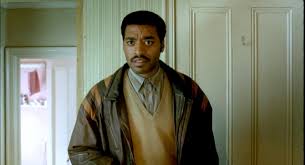
Chiwetel Ejiofor delivers a standout performance as Okwe. His portrayal of a man haunted by his past yet driven by a sense of duty and morality is both compelling and heartbreaking. Ejiofor’s ability to convey deep emotional complexity with subtlety makes Okwe a deeply sympathetic character.
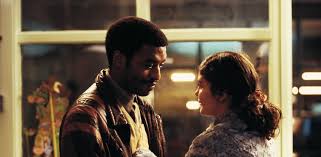
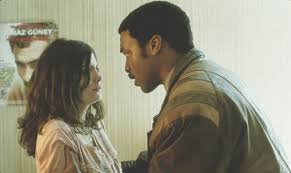
Audrey Tautou, known for her role in “Amélie,” brings a delicate yet resilient quality to Senay. Her portrayal captures the vulnerability and strength of a woman striving for a better life against insurmountable odds. Tautou’s chemistry with Ejiofor adds a layer of tenderness to the film, providing a glimmer of hope amid the darkness.
Sergi López is chillingly effective as Sneaky. His character is the embodiment of exploitation and corruption, and López’s performance exudes menace and opportunism. The supporting cast, including Benedict Wong and Sophie Okonedo, also contribute significantly to the film’s authenticity and emotional depth.
Stephen Frears’ direction is masterful, balancing the film’s thriller elements with its social commentary. Frears creates a tense, claustrophobic atmosphere that mirrors the precarious lives of the characters. The pacing is deliberate, allowing the story to unfold organically while maintaining a sense of urgency.
Cinematographer Chris Menges captures the gritty, grimy aesthetic of London’s underbelly with stark realism. The film’s visual style emphasizes the characters’ isolation and the city’s harsh environment. The use of dim lighting and shadowy interiors enhances the film’s noirish tone, creating a sense of unease and danger.
“Dirty Pretty Things” delves into themes of exploitation, survival, and the human cost of illegal immigration. The film exposes the harsh realities faced by undocumented immigrants, who are often forced into dangerous and demeaning work just to survive. It sheds light on the systemic injustices and the moral compromises that arise in such a precarious existence. The film’s exploration of the illegal organ trade is particularly harrowing, highlighting the extent to which vulnerable individuals are exploited. The desperation of the characters underscores the extreme measures they must take to secure their futures, often at great personal risk.
One of the film’s most compelling aspects is its intricate character development. Okwe, initially presented as a man resigned to his fate, slowly reveals layers of complexity. His background as a doctor, his compassionate nature, and his internal moral compass are gradually unveiled, making his journey all the more poignant. Okwe’s interactions with other characters, especially Senay, demonstrate his profound empathy and sense of justice, even as he navigates his precarious existence.
Senay’s character arc is equally rich. Initially depicted as a hopeful yet naïve young woman, her experiences in the hostile environment of London force her to shed her innocence. Tautou portrays Senay’s transformation with a blend of vulnerability and determination, making her plight both relatable and heartbreaking. Her relationship with Okwe evolves from one of mere survival partnership to a deep, mutual respect and caring, providing emotional depth to the narrative.
The supporting characters in “Dirty Pretty Things” add significant depth and nuance to the story. Juliet (Sophie Okonedo), a prostitute working in the same hotel, represents another facet of the immigrant experience. Her interactions with Okwe reveal the solidarity and camaraderie among the marginalized, as well as the moral complexities they navigate.
Benedict Wong’s character, Guo Yi, a morgue attendant and friend of Okwe, adds a touch of dark humor and provides crucial support to the protagonist. Guo Yi’s pragmatic outlook on life contrasts sharply with Okwe’s idealism, highlighting the diverse ways immigrants cope with their harsh realities.
The film’s setting in the seedy, often overlooked parts of London plays a crucial role in creating its atmosphere. The hotel, where much of the action takes place, is a microcosm of the city’s hidden world, where illegal activities flourish under the cover of respectability. The stark contrast between the luxurious façade presented to the guests and the grim reality behind the scenes underscores the theme of duality running throughout the film.
The use of real locations adds to the authenticity of the film. The bustling streets, dingy back alleys, and cramped living spaces vividly portray the immigrants’ daily struggle. The cinematography captures these elements with a gritty realism, often using handheld cameras and tight framing to create a sense of immediacy and immersion.
Nathan Larson’s score for “Dirty Pretty Things” complements the film’s tone perfectly. The music, a blend of haunting melodies and tense, rhythmic undertones, enhances the film’s emotional and dramatic impact. The sound design is equally effective, with the ambient noise of the city and the hotel creating a constant sense of unease and tension.
Upon its release, “Dirty Pretty Things” received critical acclaim for its gripping narrative, strong performances, and social relevance. Critics praised Stephen Frears for his nuanced direction and Steven Knight for his compelling script. Chiwetel Ejiofor’s performance was particularly lauded, earning him several awards and nominations.
The film was recognized for its unflinching portrayal of the immigrant experience and its ability to weave a thrilling narrative with significant social commentary. It was nominated for an Academy Award for Best Original Screenplay, highlighting its impact and resonance.
“Dirty Pretty Things” remains a significant film for its bold exploration of themes often overlooked in mainstream cinema. Its focus on the human side of immigration and exploitation, combined with its thriller elements, makes it a unique and powerful film. It has influenced subsequent films and discussions around immigration and the hidden economies that sustain marginalized communities.
The film also helped elevate the careers of its main cast, particularly Chiwetel Ejiofor, who has since become a prominent figure in cinema. Audrey Tautou’s performance showed her versatility beyond the whimsical roles she was known for, and Stephen Frears reaffirmed his reputation as a director capable of tackling diverse and challenging subjects.
“Dirty Pretty Things” is a masterful blend of thriller and social drama, offering a gripping, heart-wrenching look at the lives of undocumented immigrants in London. Its strong performances, particularly by Chiwetel Ejiofor and Audrey Tautou, and its unflinching portrayal of exploitation and survival make it a standout film. It is a poignant, thought-provoking work that resonates deeply, shedding light on the hidden struggles of those living on society’s fringes.
By intertwining personal stories with broader social issues, “Dirty Pretty Things” transcends its genre, becoming a powerful commentary on humanity and resilience. Its lasting impact and critical acclaim are a testament to its quality and relevance, making it a must-watch for anyone interested in socially conscious cinema.
“Dirty Pretty Things” is a powerful, evocative film that combines elements of thriller and social drama to tell a compelling story of human struggle and resilience. The film’s strong performances, particularly by Ejiofor and Tautou, and Frears’ deft direction make it a standout in its genre. It is a poignant reminder of the hidden lives and stories that exist in the shadows of society, urging viewers to confront uncomfortable truths about exploitation and survival. Overall, “Dirty Pretty Things” is a gripping, thought-provoking film that resonates long after the credits roll, making it a must-watch for those interested in socially conscious cinema.



 spryfilm.com