
“Heaven’s Prisoners” (1996)
Drama

Running time: 132 minutes
Written by: Harley Peyton and Scott Frank
Directed: Phil Joanou
Featuring: Alec Baldwin, Mary Stuart Masterson, Kelly Lynch, Teri Hatcher and Eric Roberts
Bubba Rocque: “Dave Robicheaux drowned in the bottle and went into the swamp to sleep it off.”
Didi Giancano: “He may have been asleep, but that was before you dropped a fucking plane on his head and woke him up. Guys like that, when they wake up, they don’t go back to sleep so easy. Not without help.”
“Heaven’s Prisoners,” directed by Phil Joanou and based on the novel by James Lee Burke, is a 1996 crime thriller that combines elements of mystery, suspense, and drama. The film stars Alec Baldwin as the troubled protagonist, Dave Robicheaux, a former New Orleans police officer turned bait shop owner. The cast also includes Kelly Lynch, Mary Stuart Masterson, Teri Hatcher, and Eric Roberts.
The story is set in the sultry and evocative backdrop of Louisiana, a location that lends itself well to the film’s dark and atmospheric tone. Dave Robicheaux is trying to live a quiet life after leaving the police force due to the emotional and psychological scars left by his past. However, his attempt at a peaceful existence is shattered when he witnesses a small plane crash into a nearby bayou. Dave rescues a young Salvadoran girl from the wreckage, which sets off a chain of events that pulls him back into the world he tried to leave behind.
As Dave delves deeper into the mystery of the crash, he uncovers a web of corruption, drug trafficking, and violence. The plot thickens with the introduction of various characters, including the enigmatic Annie (Kelly Lynch), the seductive Claudette (Teri Hatcher), and the dangerous local kingpin, Bubba Rocque (Eric Roberts). As the stakes rise, Dave’s struggle to protect the girl and unravel the truth puts him at odds with both his past and present demons.
Alec Baldwin delivers a compelling performance as Dave Robicheaux, capturing the character’s complexity and inner turmoil. His portrayal is both gritty and nuanced, reflecting a man haunted by his past yet driven by a strong sense of justice. Baldwin’s chemistry with Kelly Lynch, who plays his supportive yet troubled wife, Annie, adds depth to their relationship and provides an emotional anchor for the narrative.
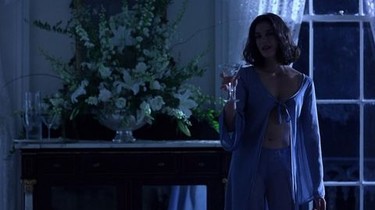
Mary Stuart Masterson shines as Robin Gaddis, a former stripper with a complicated history. Her portrayal brings a sense of vulnerability and strength to the character, making her a memorable part of the film. Teri Hatcher’s Claudette is alluring and manipulative, adding to the film’s tension and intrigue. Eric Roberts, as the menacing Bubba Rocque, delivers a menacing performance that heightens the film’s sense of danger.
Phil Joanou’s direction effectively captures the moody and atmospheric setting of Louisiana, utilizing the lush, swampy landscapes to create a palpable sense of place. The cinematography by Harris Savides is striking, with the use of shadows and light enhancing the film’s noir-like quality. The bayou scenes, in particular, are beautifully shot, evoking a sense of mystery and foreboding that permeates the film.
“Heaven’s Prisoners” explores themes of redemption, justice, and the inescapability of one’s past. Dave Robicheaux’s journey is one of confronting his inner demons while seeking to protect the innocent and expose the corrupt. The film’s tone is dark and brooding, with moments of intense action balanced by quieter, more introspective scenes that delve into Dave’s psyche.
The narrative is layered, with multiple subplots interwoven to create a complex and engaging story. However, at times, the film’s pacing can feel uneven, with certain plot points receiving more attention than others. Despite this, the overarching mystery and the character-driven drama keep the audience invested.
The screenplay for “Heaven’s Prisoners” was adapted by Harley Peyton, known for his work on “Twin Peaks.” The dialogue is sharp and well-crafted, capturing the gritty and often cynical nature of the characters. Dave Robicheaux’s lines, in particular, are filled with a world-weary wisdom that reflects his troubled past and complex moral code. His interactions with other characters are laced with tension and underlying emotion, creating a palpable sense of conflict and drama.
The script successfully balances the film’s multiple plotlines, though at times it can feel a bit overstuffed. The intricate web of corruption, drug trafficking, and personal vendettas is compelling, but some viewers might find it challenging to keep track of all the threads. Nevertheless, the dialogue and character development help maintain engagement, even when the plot becomes convoluted.
The film’s score, composed by George Fenton, complements the moody and atmospheric tone of the story. The music incorporates elements of blues and jazz, reflecting the cultural backdrop of New Orleans and enhancing the film’s Southern Gothic vibe. The score underscores the tension and drama of key scenes without overpowering the action or dialogue.
Sound design also plays a crucial role in creating the film’s immersive atmosphere. The ambient sounds of the bayou, from the chirping of crickets to the rustling of the wind through the trees, add to the sense of place and build an immersive environment that draws viewers into the story.
The editing, handled by William Steinkamp, is generally effective in maintaining the film’s suspenseful tone. However, the pacing can be uneven at times. Some scenes, particularly those involving character development and quieter moments of introspection, are given ample room to breathe, allowing the audience to connect with the characters on a deeper level. In contrast, certain action sequences and plot developments feel rushed, potentially leaving viewers wanting more context or resolution.
Despite these pacing issues, the film manages to keep viewers on the edge of their seats, with enough twists and turns to sustain interest throughout its runtime. The climactic moments are well-executed, delivering the necessary impact to bring the story to a satisfying, albeit somewhat predictable, conclusion.
Visually, “Heaven’s Prisoners” is a treat for fans of noir and atmospheric thrillers. Harris Savides’ cinematography is a standout aspect of the film, with his use of light and shadow creating a visually compelling narrative. The film’s color palette is dominated by muted, earthy tones, reflecting the gritty and somber nature of the story. The use of natural lighting in outdoor scenes, particularly those set in the bayou, adds a sense of realism and immediacy to the film.
The production design also deserves praise for its attention to detail. The settings, from Dave’s modest bait shop to the opulent homes of the wealthy and corrupt, are meticulously crafted to reflect the characters’ personalities and social standings. This attention to detail enhances the overall authenticity of the film, grounding its more dramatic elements in a believable reality.
“Heaven’s Prisoners” delves into several profound themes, including the struggle for redemption, the complexities of morality, and the pervasive influence of the past. Dave Robicheaux’s character embodies these themes, as he grapples with his own demons while seeking to right the wrongs he encounters. The film’s exploration of justice and vengeance is nuanced, presenting a world where the lines between good and evil are often blurred.
Symbolism is also used effectively throughout the film. The recurring imagery of water, for example, represents both cleansing and danger, reflecting Dave’s journey towards redemption while facing the perils that arise. The bayou itself serves as a metaphor for the murky and treacherous nature of the human soul, hiding secrets beneath its surface.
Upon its release, “Heaven’s Prisoners” received mixed reviews from critics. Some praised the film for its strong performances, particularly Alec Baldwin’s portrayal of Dave Robicheaux, and its atmospheric setting. Others, however, criticized its convoluted plot and uneven pacing. Despite these mixed reviews, the film has garnered a cult following over the years, with fans appreciating its dark, moody aesthetic and complex characters.
In the broader context of crime thrillers, “Heaven’s Prisoners” stands out for its deep character study and rich sense of place. It may not have achieved mainstream success, but it remains a notable entry in the genre, particularly for those who enjoy stories set in the deep South with a focus on moral ambiguity and personal redemption.
“Heaven’s Prisoners” is a film that rewards patience and attention to detail. Its strengths lie in its atmospheric setting, strong performances, and exploration of complex themes. While it may be hindered by pacing issues and a sometimes convoluted plot, these flaws are outweighed by its compelling characters and evocative cinematography. For viewers willing to immerse themselves in its dark and brooding world, “Heaven’s Prisoners” offers a rich and engaging cinematic experience.
“Heaven’s Prisoners” is a solid entry in the crime thriller genre, bolstered by strong performances and a richly atmospheric setting. Alec Baldwin’s portrayal of Dave Robicheaux anchors the film, and the supporting cast adds depth and intrigue to the narrative. While the film has its flaws, particularly in pacing, its exploration of dark themes and the inescapability of the past makes it a compelling watch. Fans of noir and crime dramas will find much to appreciate in this brooding and evocative film.
Ultimately, “Heaven’s Prisoners” is a story of redemption and the relentless pursuit of truth, set against the hauntingly beautiful backdrop of the Louisiana bayou. Its blend of suspense, drama, and mystery ensures that it remains a memorable and engaging film experience.




 spryfilm.com