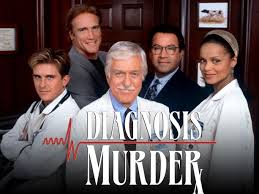
“Diagnosis: Murder” (1993 – 2001)
Television Drama

One hundred and seventy eight episodes
Created by: Joyce Burditt
Featuring: Dick Van Dyke, Scott Baio, Victoria Rowell, Barry Van Dyke, Michael Tucci, Delores Hall and Charlie Schlatter
Diagnosis: Murder, a charmingly cheesy detective drama from the 1990s, holds a special place in the hearts of many viewers. The series, which ran for eight seasons, follows Dr. Mark Sloan (Dick Van Dyke), a charismatic Chief of Medicine with a knack for solving mysteries. His son, Detective Steve Sloan (Barry Van Dyke), provides the police procedural backbone, and together they tackle a quirky mix of murder cases, often stemming from within the hospital walls.
Diagnosis: Murder thrives on a formula that’s both familiar and comforting. The episode structure is predictable: a crime occurs, Dr. Sloan stumbles upon suspicious clues, tensions rise between him and the lead detective (initially played by Scott Baio, later Charlie Schlatter), and ultimately, the good doctor exposes the killer through a clever deduction. While the mysteries themselves may not be mind-blowing whodunnits, the show’s charm lies in its lighthearted approach. Dick Van Dyke’s signature charisma shines through, infusing Dr. Sloan with a playful enthusiasm that’s infectious.
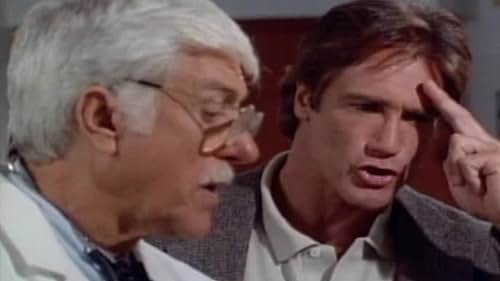
The real magic lies in the dynamic between the Van Dykes. Dick, as the seasoned doctor with a twinkle in his eye, and Barry, playing the straight-laced detective, create a believable and endearing father-son bond. Their playful banter and occasional clashes keep the tone light and humorous, even as they navigate the seriousness of murder investigations.
The supporting cast adds further depth. Victoria Rowell delivers a strong performance as the level-headed medical examiner, Amanda Bentley, providing a grounded counterpoint to Dr. Sloan’s exuberance. Guest stars are another highlight, with the show frequently featuring familiar faces from classic television shows, adding a touch of nostalgia for longtime viewers.
However, Diagnosis: Murder isn’t without its flaws. The plots can veer into the predictable, relying on convenient coincidences and sometimes outlandish scenarios. The acting, particularly Barry Van Dyke’s portrayal of Steve, can feel wooden at times. Additionally, the show’s 90s aesthetic, from the vibrant clothing to the dramatic music cues, might feel dated to modern viewers.
While Diagnosis: Murder may not be a show remembered for groundbreaking storytelling, it holds a significant place in television history. Here’s a deeper look at its lasting impact:
A Bridge Between Genres: The show cleverly blended the medical drama with the detective procedural genre. This unique combination appealed to a wider audience, attracting fans of both medical shows and classic mysteries.
The Power of Family: At its core, Diagnosis: Murder is a story about family. The bond between Dr. Sloan and his son Steve resonates with viewers. Despite their professional differences, they work together, showcasing the importance of family support.
A Reflection of its Time: The show serves as a time capsule of the 1990s. The fashion trends, the reliance on landlines,and the overall optimistic tone are all hallmarks of that era. It offers a glimpse into a bygone era of television for those who grew up watching it.
A Launching Pad for Careers: Diagnosis: Murder provided a platform for several actors. Dick Van Dyke enjoyed a successful career resurgence thanks to the show. Barry Van Dyke, while not achieving the same level of fame as his father,established himself as a recognizable television presence. Additionally, the show served as a springboard for guest stars,many of whom were established actors enjoying a resurgence of popularity.
A Show With a Heart: Despite its lighthearted approach, Diagnosis: Murder tackled some serious social issues sprinkled throughout its eight seasons. Domestic violence, environmental concerns, and medical ethics were all explored in a way that resonated with viewers.
The Enduring Appeal: Even today, reruns of Diagnosis: Murder continue to find an audience. The show’s comfort-food quality, the charming cast, and the easy-to-digest mysteries offer a welcome escape from more complex and often dark contemporary crime dramas.
The legacy of Diagnosis: Murder extends beyond the television screen. Here’s a look at the show’s impact on fan culture and its continued relevance in today’s media landscape:
A Dedicated Fanbase: Diagnosis: Murder boasts a loyal fanbase that continues to celebrate the show long after its finale.Online communities dedicated to the show allow fans to discuss episodes, share memories, and keep the spirit of the series alive.
The Power of Nostalgia: Streaming services have made Diagnosis: Murder readily available to a new generation of viewers. This accessibility has fueled a wave of nostalgia, with younger audiences discovering the show’s charm for the first time.
A Gateway to Classic Television: For younger viewers, Diagnosis: Murder serves as a gateway to classic television. The show’s frequent use of guest stars from other popular shows of the era introduces them to a bygone era of television and sparks an interest in exploring those older shows.
Memes and Social Media Buzz: Believe it or not, Diagnosis: Murder has found a new life in the age of social media.Memorable scenes and Dr. Sloan’s signature catchphrases have been transformed into memes, generating a buzz for the show amongst online communities.
A Reflection of Social Issues: While the social issues tackled by Diagnosis: Murder may seem dated on the surface, they often mirror ongoing social concerns. The show’s exploration of medical ethics, environmental issues, and domestic violence resonates with audiences who continue to face these challenges.
A Comforting Escape: In today’s fast-paced and often dark world, Diagnosis: Murder offers a comforting escape. With its predictable storylines, lighthearted humor, and satisfying resolutions, the show provides a sense of nostalgia and a predictable formula that viewers can rely on.
A Recipe for Success in a New Format? The success of Diagnosis: Murder’s simple formula begs the question: Could the show be rebooted for a modern audience? While a straight-up reboot might feel stale, elements of the show could be reimagined for a new generation. A medical drama with a lighter touch and a focus on family dynamics could potentially find success in today’s television landscape.
Ultimately, Diagnosis: Murder is a show that revels in its cheesiness. It’s a light and breezy escape, perfect for those seeking a fun and familiar murder mystery with a healthy dose of humor. The show’s heart lies in its characters,particularly the bond between the Sloans. If you’re looking for a sophisticated whodunit, this might not be it. But for a nostalgic trip down memory lane filled with quirky cases and a charming cast, Diagnosis: Murder is a delightful diagnosis.




 spryfilm.com