
“Botany Bay” (1953)
Drama

Running Time: 94 minutes
Written by: Jonathan Latimer
Directed by: John Farrow
Featuring: Alan Ladd, James Mason and Patricia Medina
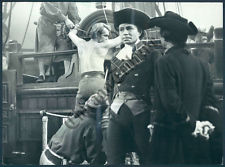
Capt. Paul Gilbert: [after sentencing Hugh Tallant to a 50-lash whipping] “I don’t want any danger of infection. Have you the salt ready for his wounds?”
“Botany Bay,” directed by John Farrow and released in 1953, is a historical drama that delves into the grim realities of British convict transportation to Australia in the late 18th century. Starring Alan Ladd, James Mason, and Patricia Medina, the film adapts Charles Nordhoff and James Norman Hall’s novel of the same name, presenting a narrative rich with adventure, romance, and moral complexities.
The story begins in England, where we meet Hugh Tallant (Alan Ladd), an English physician wrongfully convicted of a crime he did not commit. Alongside other convicts, Tallant is sentenced to transportation to the penal colony of Botany Bay in New South Wales, Australia. The journey aboard the convict ship is perilous, marked by brutal treatment from the ship’s sadistic captain, Captain Paul Gilbert (James Mason).
The film vividly depicts the harsh conditions endured by the convicts, offering a stark portrayal of their struggle for survival and dignity. Tallant’s medical knowledge and compassionate nature set him apart from his fellow prisoners, earning him the grudging respect of some crew members and the enmity of others, particularly Captain Gilbert.
As the ship nears its destination, tensions rise, culminating in a gripping climax where Tallant and his fellow convicts seize an opportunity to revolt. Their quest for freedom is fraught with danger, moral dilemmas, and unexpected alliances, ultimately leading to a resolution that underscores the themes of justice and redemption.
Alan Ladd delivers a solid performance as Hugh Tallant, embodying the character’s resilience and quiet strength. His portrayal effectively conveys Tallant’s inner turmoil and determination to maintain his humanity despite the dehumanizing circumstances. Ladd’s on-screen presence is complemented by James Mason’s chilling portrayal of Captain Gilbert. Mason brings a sinister charm to the role, creating a villain who is both menacing and fascinating.
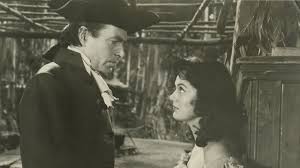
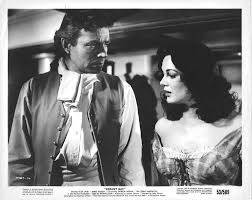
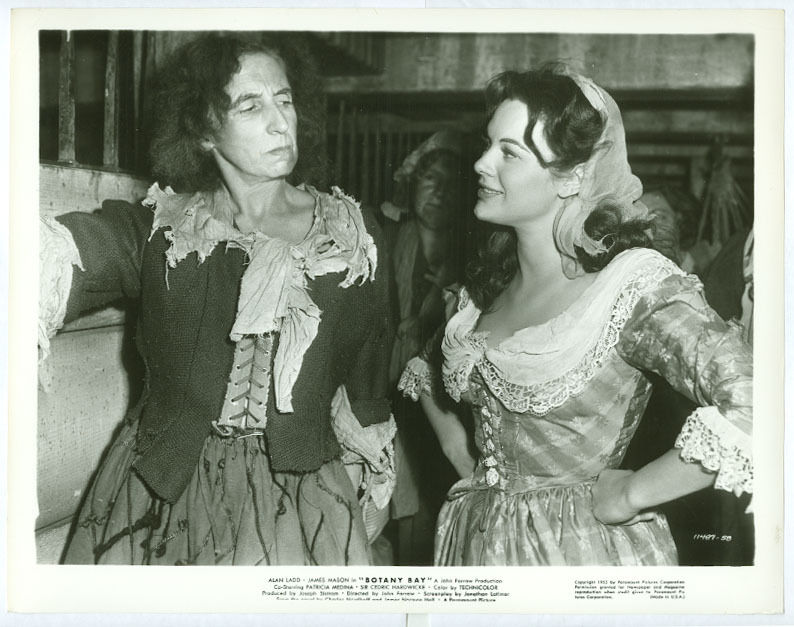
Patricia Medina plays the role of Sally Munroe, a fellow convict and Tallant’s love interest. Medina’s performance adds a layer of emotional depth to the narrative, portraying Sally as a resilient and resourceful woman who finds strength in her bond with Tallant. The chemistry between Ladd and Medina adds a touch of romance to the otherwise grim storyline, providing a counterbalance to the brutality depicted.
John Farrow’s direction ensures that “Botany Bay” remains engaging and visually compelling throughout its runtime. Farrow skillfully balances scenes of intense drama with moments of quieter introspection, allowing the characters’ development to unfold naturally. The film’s pacing is well-managed, maintaining a sense of tension and anticipation from start to finish.
The cinematography, handled by John F. Seitz, is another standout aspect of the film. Seitz captures the claustrophobic atmosphere of the convict ship with stark, shadowy visuals that enhance the sense of confinement and oppression. The contrast between the ship’s bleak interiors and the expansive, sunlit landscapes of Australia serves to highlight the characters’ yearning for freedom and new beginnings.
“Botany Bay” explores several themes, including justice, redemption, and the human capacity for resilience. The film does not shy away from depicting the brutal realities of the convict transportation system, offering a sobering look at this dark chapter in history. The characters’ experiences reflect broader societal issues, such as the abuse of power and the struggle for equality and dignity.
The historical context of the film is meticulously researched, providing an authentic portrayal of 18th-century maritime life and the penal colony system. The filmmakers’ attention to detail in costume design, dialogue, and set pieces contributes to the film’s immersive quality, transporting viewers back to a time when survival often hinged on the ability to adapt and endure.
The musical score of “Botany Bay,” composed by Franz Waxman, significantly enhances the film’s emotional impact. Waxman, known for his versatility and ability to evoke deep emotional responses, employs a rich orchestral palette that complements the narrative’s dramatic arcs. The music underscores the tension and desperation of the convicts’ plight while also highlighting moments of hope and tenderness. The score’s dynamic range, from haunting melodies to rousing, adventurous themes, adds an additional layer of depth to the viewing experience.
The sound design, though subtle, is effective in immersing the audience in the harsh realities of life aboard a convict ship. The creaking of the ship’s timbers, the relentless crashing of waves, and the ambient sounds of the sea create an atmosphere of claustrophobia and tension. These auditory elements, combined with the visual depiction of the ship’s conditions, help to convey the constant sense of danger and uncertainty faced by the characters.
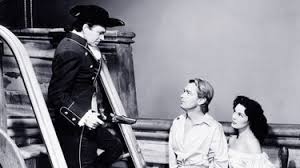
One of the strengths of “Botany Bay” is its focus on character development and the relationships that form under duress. Hugh Tallant’s journey from a wrongfully convicted man to a leader among the convicts is portrayed with nuance, allowing the audience to empathize with his struggles and triumphs. Tallant’s relationship with Sally Munroe evolves naturally, driven by shared adversity and mutual respect. Their growing bond serves as a beacon of hope and humanity amidst the brutality they endure.
Captain Paul Gilbert’s character, on the other hand, is a study in the corrupting influence of power. Mason’s portrayal captures the captain’s descent into cruelty, driven by a combination of personal insecurities and a ruthless desire to maintain control. The film effectively uses Gilbert as a foil to Tallant, highlighting the moral contrasts between the two men and underscoring the themes of justice and retribution.
The supporting characters, including fellow convicts and crew members, are well-drawn and add richness to the narrative. Each character’s backstory and motivations are briefly touched upon, providing a sense of the diverse array of individuals brought together by their shared fate. This ensemble cast contributes to the film’s authenticity and emotional depth.
“Botany Bay” benefits from impressive production design that recreates the period setting with considerable detail. The convict ship, in particular, is rendered with an eye for authenticity, from its cramped quarters and grimy decks to the oppressive atmosphere that pervades life below deck. The contrast between the ship and the expansive, untamed landscapes of Australia serves to emphasize the convicts’ journey from confinement to potential freedom.
The film’s visual style, characterized by stark contrasts and dramatic lighting, enhances the storytelling. Cinematographer John F. Seitz employs a mix of close-ups and wide shots to capture both the personal struggles of the characters and the broader, epic scope of their journey. This approach ensures that the film remains visually engaging, drawing the audience into the world of the convicts and their harrowing voyage.
“Botany Bay” is notable for its commitment to historical accuracy, shedding light on a lesser-known aspect of British colonial history. The film provides an unflinching look at the penal transportation system, highlighting the harsh realities faced by those who were forcibly removed from their homeland and sent to the other side of the world. This historical context is not only informative but also serves to underscore the film’s thematic exploration of justice and human resilience.
Upon its release, “Botany Bay” contributed to a broader public awareness of this dark chapter in history, prompting discussions about the legacy of colonialism and the treatment of convicts. The film’s portrayal of the convicts as individuals with dignity and agency challenged contemporary perceptions and encouraged a more nuanced understanding of their experiences.
“Botany Bay” is a compelling historical drama that offers a thought-provoking exploration of human endurance and the quest for justice. The strong performances by Alan Ladd and James Mason, combined with John Farrow’s adept direction and John F. Seitz’s evocative cinematography, make this film a memorable cinematic experience. While the story is rooted in historical events, its themes remain relevant, resonating with contemporary audiences and reminding us of the enduring power of the human spirit.
Overall, “Botany Bay” stands as a testament to the resilience of those who, despite facing overwhelming odds, strive to reclaim their freedom and humanity. The film’s blend of adventure, romance, and historical authenticity ensures its place as a noteworthy entry in the genre of historical dramas.
 spryfilm.com