“Halloween III” (1982)
Horror

Running Time: 99 minutes
Written and Directed by: Tommy Lee Wallace
Featuring: Tom Atkins, Stacey Nelkin and Dan O’Herlihy
Commercial Announcer: “It’s almost time, kids. The clock is ticking. Be in front of your TV sets for the Horrorthon, followed by the Big Giveaway. Don’t miss it. And don’t forget to wear your masks. The clock is ticking. It’s almost time.”
“Halloween III: Season of the Witch” is a peculiar entry into the iconic Halloween franchise, one that has generated a divisive response among fans since its release in 1982. Departing from the slasher formula established by the first two films, “Halloween III” takes a bold leap into the realm of science fiction and occult horror, crafting a unique and chilling narrative that stands apart from its predecessors.
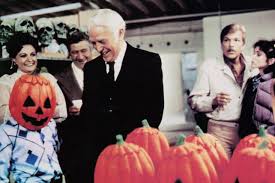
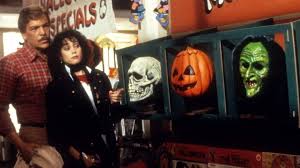
Directed by Tommy Lee Wallace and produced by John Carpenter, the film follows Dr. Dan Challis (played by Tom Atkins), a physician who becomes embroiled in a sinister conspiracy surrounding a novelty Halloween mask manufacturer, Silver Shamrock Novelties. As Dan delves deeper into the mystery, he discovers a plot by the company’s owner, Conal Cochran (played with eerie charisma by Dan O’Herlihy), to use the masks to execute a diabolical plan on Halloween night that threatens the lives of countless children.
One of the most striking aspects of “Halloween III” is its departure from the Michael Myers storyline that dominated the first two films. Instead, it presents a standalone narrative that explores themes of consumerism, technology, and ancient Celtic rituals. This decision was initially met with confusion and disappointment from audiences expecting another installment featuring the infamous masked killer. However, viewed in isolation from the rest of the series, “Halloween III” is a refreshingly original and daring piece of cinema.
The film’s atmosphere is suffused with an eerie sense of dread, heightened by Carpenter’s signature minimalist score, which effectively underscores the tension and foreboding throughout. Wallace’s direction imbues the narrative with a sense of urgency, as Dan races against time to unravel the sinister machinations of Cochran and prevent a catastrophe of apocalyptic proportions.
At the heart of “Halloween III” is its exploration of the dark side of commercialism and the manipulation of mass media. Cochran’s plan hinges on the pervasive influence of television and the commodification of Halloween, using the Silver Shamrock masks as a conduit for his malevolent designs. This commentary on the power of advertising and the exploitation of holiday traditions adds a layer of depth to the film’s narrative, elevating it beyond mere genre fare.
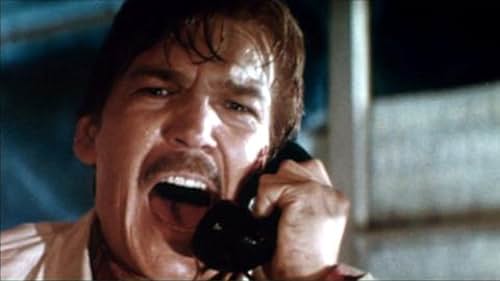
The performances in “Halloween III” are solid across the board, with Tom Atkins delivering a compelling portrayal of a flawed hero driven by a sense of duty and desperation. Dan O’Herlihy is particularly memorable as the enigmatic and sinister Cochran, infusing the character with a chilling charisma that makes him a formidable antagonist.
The thematic richness of “Halloween III: Season of the Witch” extends beyond its critique of consumerism and media manipulation, delving into deeper layers of horror and mythology. Central to the film’s plot is the incorporation of ancient Celtic rituals and traditions, particularly the celebration of Samhain, the precursor to modern-day Halloween. Cochran’s use of these pagan elements to enact his nefarious plan adds a sense of mysticism and occultism to the narrative, imbuing it with a primal and otherworldly atmosphere.
The idea of a small town harboring dark secrets and sinister forces lurking beneath its quaint façade is a recurrent theme in horror cinema, and “Halloween III” masterfully taps into this trope. The sleepy town of Santa Mira, where Silver Shamrock Novelties is located, serves as the perfect backdrop for the unfolding mystery, with its eerily placid streets and seemingly idyllic surroundings concealing a malevolent conspiracy. This juxtaposition of the mundane and the macabre heightens the sense of unease and unpredictability, keeping audiences on the edge of their seats until the film’s chilling climax.
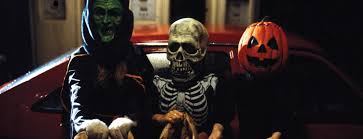
Visually, “Halloween III” is a feast for the senses, with its striking cinematography and atmospheric lighting creating a palpable sense of dread and foreboding. The use of shadow and darkness is particularly effective in conveying the sinister undertones of the narrative, while the colorful and grotesque imagery associated with the Silver Shamrock masks adds a surreal and nightmarish quality to the proceedings.
Another standout aspect of the film is its practical effects, which were executed with impressive craftsmanship and attention to detail. From the gruesome demise of unfortunate victims to the unsettling transformations brought about by the cursed masks, the practical effects work in “Halloween III” lends a visceral and tactile quality to the horror, immersing viewers in the nightmarish world of the film.
Despite its initial reception and the controversy surrounding its departure from the Michael Myers storyline, “Halloween III: Season of the Witch” has endured as a cult classic and a testament to the creative risks that can pay off in the realm of genre filmmaking. Its bold vision, atmospheric direction, and thematic depth make it a standout entry in the Halloween franchise and a compelling piece of horror cinema in its own right. Whether revisited as a curiosity or appreciated for its subversive brilliance, “Halloween III” continues to haunt the collective imagination of horror fans and cinephiles alike, proving that sometimes the most unexpected detours can lead to the most unforgettable destinations.
While “Halloween III: Season of the Witch” may have initially confounded expectations and polarized audiences, it has since gained a cult following and garnered appreciation for its audacious departure from franchise conventions. Its blend of science fiction, horror, and social commentary make it a unique and thought-provoking entry in the Halloween series, deserving of reappraisal and recognition for its bold vision and willingness to take risks. Whether viewed as an oddity within the franchise or as a standalone gem, “Halloween III” remains a haunting and unforgettable cinematic experience.
Special Features & Technical Specs:
- 1080p High-definition presentation on Blu-ray
- Audio Commentary by film historian Lee Gambin, with an appearance by director Joe Dante (2024)
- Audio Commentary by director Tommy Lee Wallace (2012)
- Audio Commentary by actor Tom Atkins
- “Stand Alone: The Making of Halloween III: Season of the Witch” – 2012 documentary
- “Horror’s Hallowed Grounds: Revisiting the Original Shooting Locations” – 2012 featurette


 spryfilm.com