“One-Eyed Jacks” (1960)
Western

Running Time: 141 minutes
Written by: Guy Trosper and Calder Willingham
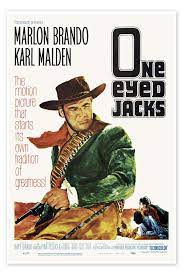
Featuring: Marlon Brando, Karl Malden, Katy Jurado, Ben Johnson and Pina Pellicer
Rio: “You may be a one-eyed jack around here, but I’ve seen the other side of your face.”
“One-Eyed Jacks,” directed by and starring Marlon Brando, is a cinematic gem that stands as a testament to the actor’s multifaceted talents. Released in 1961, this Western film offers a gripping tale of betrayal, vengeance, and redemption set against the picturesque backdrop of the American West.
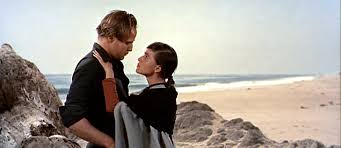
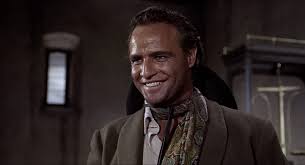
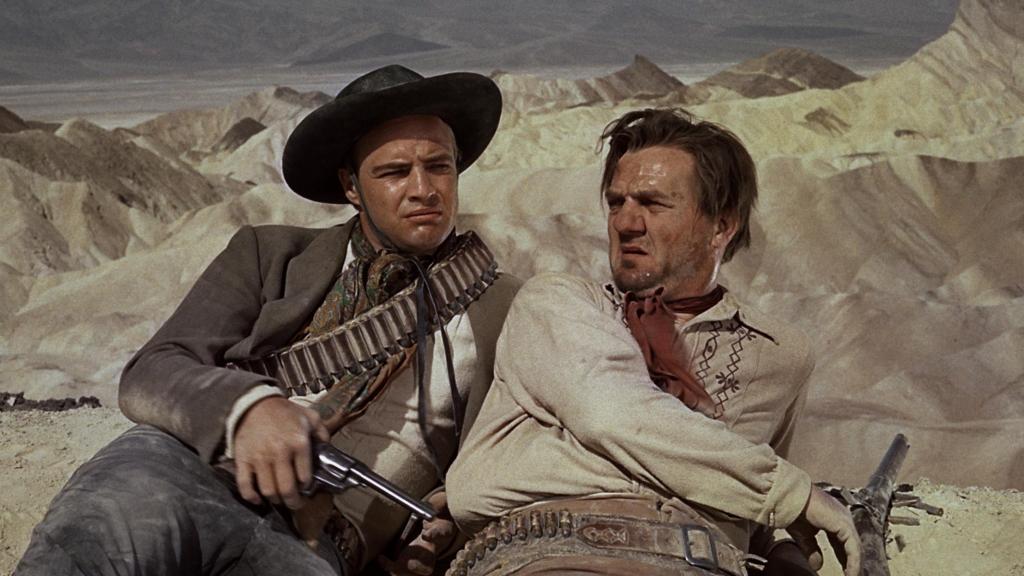
At its core, “One-Eyed Jacks” is a classic revenge story with a twist. Brando plays the role of Rio, a charismatic outlaw seeking retribution against his former partner, Dad Longworth, portrayed with equal parts charm and menace by Karl Malden. The film opens with a bank robbery gone awry, leading to Rio’s capture and subsequent imprisonment. However, what sets “One-Eyed Jacks” apart from typical Western fare is its exploration of complex themes and character dynamics.
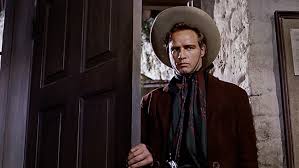
Brando’s direction infuses the film with a raw intensity, as he delves deep into the emotional turmoil of his characters. His portrayal of Rio is a masterclass in subtlety and nuance, capturing the character’s inner conflict and moral ambiguity with remarkable depth. As Rio navigates a treacherous world of deception and double-crosses, the audience is drawn into his journey of self-discovery and redemption.
The supporting cast delivers standout performances as well, with Karl Malden shining as the duplicitous Dad Longworth. His portrayal of the morally conflicted sheriff adds layers of complexity to the film’s central conflict, as Rio grapples with feelings of betrayal and abandonment. Additionally, the chemistry between Brando and Malden is palpable, elevating their scenes together to electrifying heights.
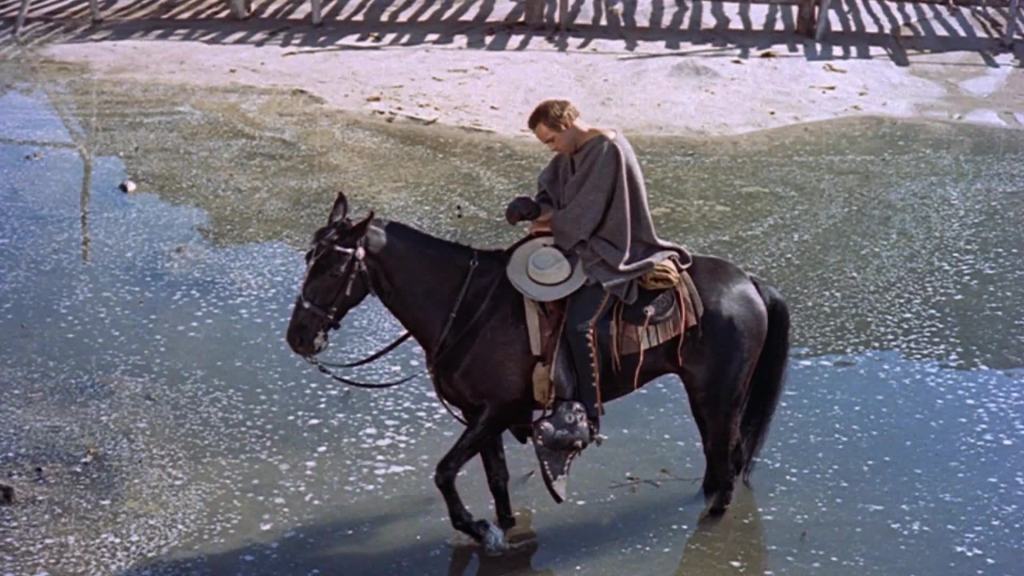
Visually, “One-Eyed Jacks” is a feast for the eyes, thanks to the stunning cinematography of Charles Lang. From sweeping vistas of the desert landscape to intimate close-ups that capture the characters’ emotions, every frame is meticulously composed and visually arresting. The film’s rich color palette further enhances its aesthetic appeal, immersing viewers in the rugged beauty of the American frontier.
In addition to its visual splendor, “One-Eyed Jacks” boasts a haunting score by Hugo Friedhofer that perfectly complements the film’s dramatic tension. The music serves as a powerful emotional undercurrent, heightening the impact of key moments and adding an extra layer of resonance to the storytelling.
Despite its critical acclaim and enduring legacy, “One-Eyed Jacks” remains somewhat underrated in the pantheon of Western cinema. Brando’s directorial debut may have been met with mixed reviews upon its initial release, but its reputation has only grown over time. Today, it is celebrated as a bold and innovative take on the genre, showcasing Brando’s unparalleled talent both in front of and behind the camera.
“One-Eyed Jacks” is a film that not only entertains but also challenges its audience to reflect on deeper themes of loyalty, betrayal, and the nature of justice. At its heart, it is a story about the consequences of one’s actions and the relentless pursuit of redemption.
Marlon Brando’s portrayal of Rio is particularly compelling because it defies traditional Western archetypes. Unlike the stoic, morally upright heroes often found in the genre, Rio is a complex and flawed character. He is driven by a burning desire for revenge, yet beneath his hardened exterior lies a vulnerable soul tormented by past traumas. Brando’s performance captures this inner turmoil with remarkable authenticity, allowing viewers to empathize with Rio despite his questionable actions.
Similarly, Karl Malden’s portrayal of Dad Longworth adds a layer of moral ambiguity to the film. Longworth is not simply a one-dimensional villain but a man torn between conflicting loyalties and desires. His betrayal of Rio stems from a mix of self-preservation and a misguided sense of duty, making him a tragic figure in his own right. Malden’s nuanced performance humanizes Longworth, blurring the lines between hero and antagonist and challenging the audience’s preconceptions.
Beyond its compelling characters, “One-Eyed Jacks” is also notable for its exploration of gender dynamics within the Western genre. The character of Louisa, played by Pina Pellicer, serves as a refreshing departure from the typical damsels in distress often seen in classic Westerns. She is a strong, independent woman who refuses to be defined by the men in her life. Louisa’s complex relationship with Rio adds depth to the narrative and challenges traditional gender roles, reflecting the evolving social attitudes of the time.
In addition to its thematic depth, “One-Eyed Jacks” is also a technical marvel. Brando’s directorial vision is evident in every frame, from the dynamic camerawork to the meticulous attention to detail in the production design. The film’s pacing is deliberate yet engaging, allowing the tension to simmer gradually before reaching a dramatic crescendo in the climactic showdown.
“One-Eyed Jacks” is a film that transcends the confines of its genre, offering a thought-provoking exploration of morality, identity, and the human condition. Brando’s directorial debut remains a testament to his creative genius and enduring influence on the world of cinema. Whether you’re a fan of Westerns or simply appreciate great storytelling, “One-Eyed Jacks” is a cinematic experience not to be missed.
“One-Eyed Jacks” is a must-see for fans of classic Westerns and cinephiles alike. With its compelling characters, breathtaking visuals, and powerful performances, it is a timeless masterpiece that continues to captivate audiences decades after its release. Whether you’re drawn to its gripping narrative or its exploration of complex themes, this film offers something for everyone and deserves a place of honor in the annals of cinematic history.
Special Features
- 1080p High-definition presentation on Blu-ray from a remastered 4K scan
- Audio Commentary by author of “A Million Feet Of Film: The Making Of One-Eyed Jacks”, Toby Roan
- An Authentic Death: Pursuing One-Eyed Jacks – an all-new documentary exploring the making of the film featuring interviews with author/film historian C. Courtney Joyner, author/historian Henry Parke, producer/director Michael Priest, western film historian Mike Malloy, and western historian Rob Word
- Hugo Friedhofer Goes West: Scoring One-Eyed Jacks – an all-new featurette about the Western scores of the legendary composer with “Friedhofer” biographer/film music historian Linda Danly
- Surviving Billy The Kid – Mike Siegel on the making of One Eyed-Jacks
- Promoting One Eyed Jacks – Photo Gallery
- Theatrical Trailer
- Audio LPCM 2.0 Mono
- Original Aspect Ratio 1.85:1
- Optional English Subtitles
 spryfilm.com