
“The Burglar” (1957)
Film Noir

Running Time: 90 minutes
Written by: David Goodis
Featuring: Dan Duryea, Jayne Mansfield and Martha Vickers
Baylock: “There’s a 30 year rap staring me in the face. Can’t you see my only move? I gotta take a stroll, Nat. I gotta stroll and clear outta this country! And the quicker I get started, the better chance I’ll have. I’ve always wanted that chance. Hoped for it. Dreamed about it. The one juicy haul that puts the money in my pocket – the money that takes me on a long, long trip. Central America. I’ll stay there. I’ll have what it needs to stay there. 20,000 George Washingtons. 20,000. Enough to buy some ground. Grow something. Bananas. Anything.”
“The Burglar,” released in 1957, stands as a captivating and atmospheric film noir masterpiece that showcases the talents of both its director Paul Wendkos and its star Jayne Mansfield in her first major dramatic role. Adapted from the novel of the same name by David Goodis, this gripping tale takes viewers on a thrilling journey through the seedy underbelly of Philadelphia.
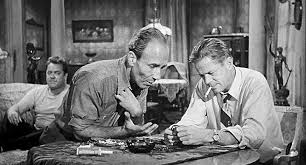
At its core, “The Burglar” is a classic heist film, following a group of skilled burglars led by the enigmatic and charismatic Nat Harbin, played with steely resolve by Dan Duryea. Harbin’s crew includes his right-hand man, the loyal Gladden (played by Mickey Shaughnessy), and the sultry, seductive Gladden’s girlfriend, played by the alluring Jayne Mansfield in a role that showcases her dramatic range beyond her well-known comedic talents.
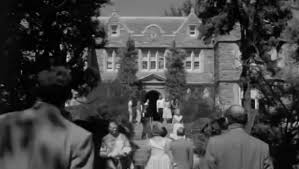
The film opens with a meticulously planned jewelry heist at a luxurious mansion, setting the stage for the tense and suspenseful events that follow. However, their meticulously laid plans quickly unravel when they encounter unexpected obstacles, including a young woman named Della (played by Martha Vickers) who unwittingly becomes entangled in their criminal scheme.
Director Paul Wendkos masterfully creates a palpable sense of tension and unease throughout the film, using shadowy cinematography and moody lighting to evoke the dark and dangerous world inhabited by the characters. Wendkos’ deft direction, coupled with the evocative score by Sol Kaplan, heightens the film’s suspense and keeps viewers on the edge of their seats until the very end.
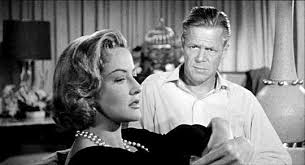
Central to the film’s success is Jayne Mansfield’s captivating performance as the complex and vulnerable Della. Mansfield brings depth and nuance to her character, portraying Della as more than just a damsel in distress but as a resilient and resourceful woman determined to break free from the constraints of her troubled past.
Dan Duryea delivers a standout performance as the cunning and charismatic Nat Harbin, capturing the character’s mix of charm and menace with aplomb. Mickey Shaughnessy provides solid support as Gladden, bringing a sense of loyalty and camaraderie to the group dynamic.
“The Burglar” is not just a thrilling crime caper but also a poignant exploration of themes such as redemption, betrayal, and the search for identity. As the film hurtles towards its gripping conclusion, it forces its characters—and viewers—to confront the consequences of their actions and the choices that define them.
Furthermore, what sets “The Burglar” apart from other films of its era is its exploration of the human psyche amidst the backdrop of crime. Each character is intricately woven into the fabric of the narrative, with their own motivations and desires driving the plot forward. Nat Harbin, for instance, embodies the archetype of the charming yet morally ambiguous anti-hero, whose criminal lifestyle masks a deeper sense of longing and dissatisfaction. His interactions with Della reveal a softer, more vulnerable side to his character, adding layers of complexity to his persona.
Similarly, Della’s character arc is one of self-discovery and redemption. Trapped in a life of crime and deception, she yearns for a chance at a better future, away from the shadows of her past. Mansfield’s portrayal imbues Della with a sense of resilience and determination, making her journey towards liberation all the more compelling to watch unfold.
The supporting characters, such as Gladden and his girlfriend, add depth and dimension to the film’s ensemble cast. Gladden’s unwavering loyalty to Nat, despite the increasingly perilous circumstances they find themselves in, speaks to the bonds forged by a life of crime. His relationship with his girlfriend, fraught with tension and jealousy, adds an additional layer of intrigue to the film’s intricate web of relationships.
Visually, “The Burglar” is a feast for the eyes, with its striking cinematography and meticulously crafted set pieces. From the dimly lit alleyways of Philadelphia to the opulent interiors of the mansions they target, every frame is imbued with a sense of noirish allure. The use of chiaroscuro lighting and shadowy compositions adds to the film’s atmospheric quality, drawing viewers deeper into its dark and dangerous world.
In terms of its impact on the genre, “The Burglar” remains a seminal work of film noir, influencing countless subsequent works in both film and television. Its blend of suspense, intrigue, and psychological depth set a high bar for crime thrillers to come, cementing its status as a timeless classic of cinema.
“The Burglar” stands as a testament to the enduring power of classic film noir, with its timeless themes and captivating storytelling. The film’s exploration of morality, identity, and the consequences of one’s actions transcends its era, offering audiences a thought-provoking meditation on the human condition.
One aspect worth highlighting is the film’s depiction of Philadelphia as a character in its own right. The city serves as a gritty and atmospheric backdrop to the unfolding drama, its labyrinthine streets and shadowy alleys mirroring the moral ambiguity of the film’s protagonists. Director Paul Wendkos skillfully captures the essence of urban decay, infusing the film with a sense of palpable tension and unease.
Equally impressive is the film’s attention to detail, from the intricately choreographed heist sequences to the nuanced character interactions. Every scene feels meticulously crafted, with each frame contributing to the overall mood and atmosphere of the film. This attention to detail extends to the performances as well, with each actor fully immersing themselves in their respective roles.
Of course, no discussion of “The Burglar” would be complete without mentioning Jayne Mansfield’s breakout performance. In her first major dramatic role, Mansfield proves herself to be a versatile and talented actress, seamlessly transitioning from moments of vulnerability to scenes of intense drama. Her chemistry with co-star Dan Duryea is electric, lending an extra layer of tension to their on-screen interactions.
In addition to its thematic depth and strong performances, “The Burglar” also boasts a stylish and evocative visual aesthetic. The film’s noir-inspired cinematography, with its striking use of light and shadow, helps to create a sense of heightened realism that draws viewers into its world. Likewise, Sol Kaplan’s haunting score adds an extra layer of atmosphere, underscoring the film’s emotional beats with a sense of brooding intensity.
Overall, “The Burglar” remains a standout example of classic film noir, with its compelling characters, taut plotting, and atmospheric direction. Its exploration of timeless themes and its enduring influence on the genre make it essential viewing for cinephiles and casual moviegoers alike. Whether you’re a fan of crime thrillers or simply appreciate a well-crafted story, “The Burglar” is sure to leave a lasting impression.
In conclusion, “The Burglar” is a timeless classic of the film noir genre, featuring stellar performances, taut direction, and a gripping narrative that continues to captivate audiences over six decades after its initial release. Whether you’re a fan of classic cinema or simply enjoy a good old-fashioned heist thriller, “The Burglar” is not to be missed.



 spryfilm.com