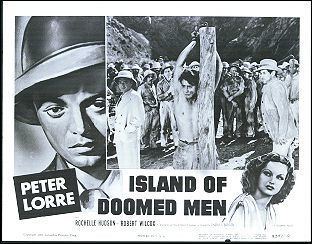
“Island of Doomed Men” (1940)
Film Noir

Running Time: 67 minutes
Written by: Robert Hardy Andrews
Featuring: Peter Lorre
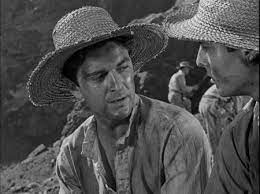
Stephen Danel: “Don’t overdo it, Captain. There’s a lot Mr. Smith ought to tell me and he may want to tell me before you finish. Oh, and be sure that he’s able to work tomorrow.”
“Island of Doomed Men” is a gripping film that transports viewers into a world of intrigue, moral ambiguity, and the struggle for survival. Released in 1940, this noir thriller directed by Charles Barton delivers a potent mix of suspense, drama, and social commentary, making it a standout in the genre.
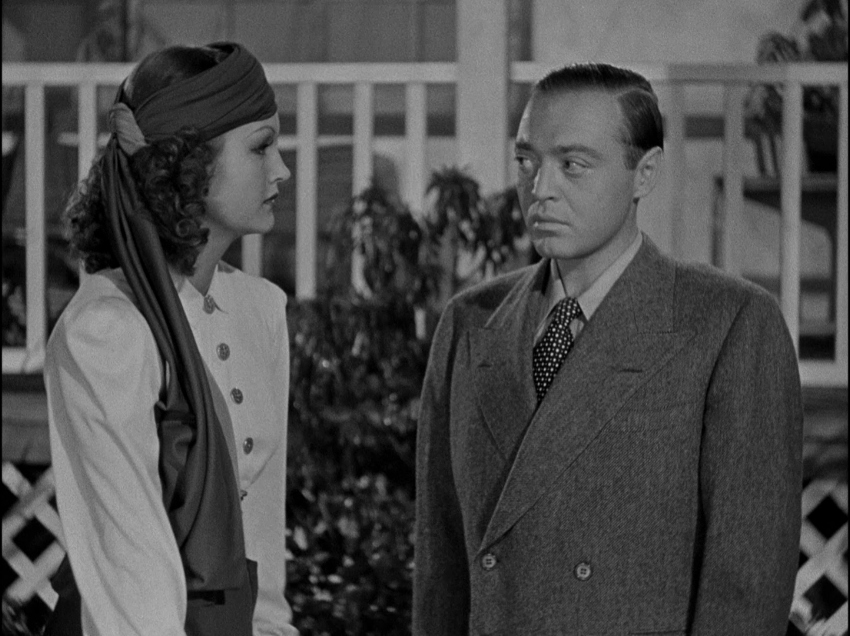
Set against the backdrop of a remote island prison, the film follows the journey of Dr. Paul Christian (played by Peter Lorre), a compassionate physician who finds himself caught in a web of corruption and brutality. As he arrives at the notorious prison, he is confronted with the harsh realities of life behind bars, where inmates are subjected to inhumane treatment and exploitation by the sadistic warden, Captain Steve Burton (played by Paul Lukas).
From the moment Dr. Christian sets foot on the island, the tension is palpable. The eerie atmosphere of the prison, surrounded by crashing waves and ominous cliffs, sets the stage for a thrilling tale of survival and redemption. As Dr. Christian begins to uncover the truth about the island’s dark secrets, he is drawn into a dangerous game of cat and mouse with Captain Burton, whose iron-fisted rule maintains order through fear and intimidation.
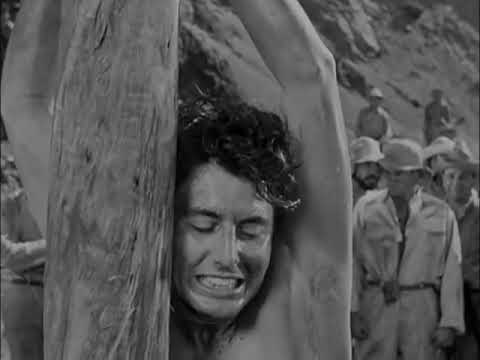
Central to the film’s narrative is the exploration of power dynamics and the inherent cruelty of the penal system. Through its portrayal of the prisoners’ plight, “Island of Doomed Men” shines a light on the dehumanizing effects of incarceration and the struggle for dignity in the face of oppression. The film doesn’t shy away from depicting the brutality of life in prison, presenting a stark and uncompromising vision of a world where justice is elusive and corruption runs rampant.
At the heart of the story is Peter Lorre’s captivating performance as Dr. Paul Christian. Lorre brings depth and nuance to the role, portraying Christian as a man of principle grappling with his own moral compass in the face of overwhelming injustice. His interactions with the prisoners, particularly the charismatic Nick Mason (played by George E. Stone), add layers of complexity to the character, as he navigates the treacherous waters of loyalty and betrayal.
Paul Lukas delivers a chilling portrayal of Captain Burton, infusing the character with a cold, calculating demeanor that makes him a formidable antagonist. Lukas exudes menace in every scene, his steely gaze and imposing presence instilling fear in both the prisoners and the audience alike. His clash with Dr. Christian forms the dramatic core of the film, as their battle of wills escalates to a thrilling climax that will leave viewers on the edge of their seats.
In addition to its compelling characters and gripping storyline, “Island of Doomed Men” boasts atmospheric cinematography and evocative set design that enhance the film’s sense of foreboding. From the shadowy corridors of the prison to the windswept cliffs overlooking the sea, every frame is infused with a palpable sense of dread and desperation.
One of the most striking elements of the film is its exploration of moral ambiguity and the complexity of human nature. Dr. Paul Christian serves as a moral compass amidst the darkness of the prison island, but even he is not immune to the temptations of power and self-preservation. Throughout the film, Christian grapples with his own ethical dilemmas, torn between his desire to help the prisoners and the need to navigate the treacherous waters of the prison hierarchy. This inner conflict adds layers of depth to his character, transforming him from a mere protagonist into a flawed and relatable human being.
Another standout aspect of “Island of Doomed Men” is its portrayal of the prison environment as a microcosm of society at large. The inmates represent a cross-section of humanity, each with their own story and motivations. From the hardened criminals to the innocent victims of circumstance, the prisoners form a diverse and multifaceted ensemble that reflects the complexities of the human experience. Through their interactions and relationships, the film explores themes of redemption, camaraderie, and the quest for freedom in the face of adversity.
The dynamic between Dr. Christian and Captain Burton serves as the focal point of the film, driving the narrative forward with its tense and electrifying exchanges. Theirs is a battle of wits and wills, as Christian seeks to expose Burton’s corruption while the warden resorts to increasingly desperate measures to maintain control. This cat-and-mouse game builds to a gripping climax, culminating in a thrilling showdown that will keep viewers on the edge of their seats until the very end.
In addition to its captivating storyline and richly drawn characters, “Island of Doomed Men” is also notable for its atmospheric cinematography and evocative score. The film’s stark black-and-white imagery captures the bleakness of the prison environment, while its haunting musical score heightens the sense of tension and unease. Every frame is meticulously crafted to immerse viewers in the world of the film, drawing them into its dark and foreboding atmosphere.
One of the film’s most compelling themes is the concept of justice versus vengeance. Dr. Paul Christian embodies the pursuit of justice, seeking to expose and rectify the injustices perpetrated within the prison system. However, he is constantly confronted with the temptation to succumb to vengeance, especially as he witnesses the suffering and abuse endured by the prisoners at the hands of Captain Burton and his henchmen. This tension between justice and vengeance underscores the moral complexity of the film, forcing Christian to confront his own inner demons as he navigates the murky waters of morality.
Similarly, the character of Captain Burton serves as a representation of unchecked power and authoritarianism. His tyrannical rule over the prison island highlights the dangers of absolute power and the corrupting influence it can have on individuals. Burton’s willingness to resort to violence and coercion in order to maintain control reflects the darker aspects of human nature, as well as the inherent injustices of systems built on oppression and exploitation. By portraying Burton as a formidable adversary to Dr. Christian, the film underscores the importance of challenging authority and standing up for what is right, even in the face of overwhelming odds.
The supporting characters in “Island of Doomed Men” also play crucial roles in shaping the narrative and exploring its themes. From the enigmatic Nick Mason to the beleaguered inmates who populate the prison, each character contributes to the film’s rich tapestry of human experiences. Their interactions with Dr. Christian and Captain Burton shed light on the complexities of power dynamics, loyalty, and betrayal, further deepening the film’s exploration of morality and ethics.
Moreover, the film’s setting on a remote island prison adds an additional layer of isolation and claustrophobia to the story. The harsh and unforgiving landscape mirrors the psychological and emotional turmoil experienced by the characters, trapping them in a web of despair and desperation. This sense of confinement underscores the overarching themes of imprisonment and liberation, as the characters grapple with their own inner demons while striving to break free from the shackles of oppression.
“Island of Doomed Men” is a masterful example of classic film noir, blending elements of suspense, drama, and social commentary to create a haunting portrait of life on the edge of society. With its stellar performances, taut direction, and atmospheric visuals, it remains a timeless classic that continues to captivate audiences to this day.


 spryfilm.com